Fanqie library
Browse
- Titles
- 21
Every Fanqie book we index, searchable by title, author or tag.
-
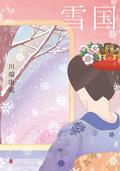 Snow Country
Love should be reserved for those who deserve it. "Snow Country" is a crystal clear artistic world carved by Kawabata Yasunari's pen. This place, far away from the hustle and bustle, is full of the emptiness and silence of the original state of life. Through the portrayal of the three main characters Shimamura, Komako and Ye Zi, the novel shows the unremitting pursuit of beautiful love, the ultimate yearning for the beauty of reality, and the infinite sorrow for nihilism. Perhaps, love is like t
475Reads9.3Score137Shelves
Snow Country
Love should be reserved for those who deserve it. "Snow Country" is a crystal clear artistic world carved by Kawabata Yasunari's pen. This place, far away from the hustle and bustle, is full of the emptiness and silence of the original state of life. Through the portrayal of the three main characters Shimamura, Komako and Ye Zi, the novel shows the unremitting pursuit of beautiful love, the ultimate yearning for the beauty of reality, and the infinite sorrow for nihilism. Perhaps, love is like t
475Reads9.3Score137Shelves
-
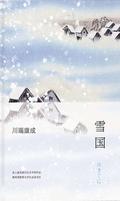 Snow*
"Through the long tunnel on the county border, you will reach the Snow Country. Under the night sky, the earth is astonishingly white..." Tokyo dance artist Shimamura went to the snowy mountain village of Northern Japan three times and fell in love with a local geisha named Komako by chance. And when he set out again, he showed his admiration for the girl Ye Zi who met by chance on the other side of the glass window. Shimamura, who has a heavy thought of nihilism, believes that all the pursuits
65Reads5.8Score—Shelves
Snow*
"Through the long tunnel on the county border, you will reach the Snow Country. Under the night sky, the earth is astonishingly white..." Tokyo dance artist Shimamura went to the snowy mountain village of Northern Japan three times and fell in love with a local geisha named Komako by chance. And when he set out again, he showed his admiration for the girl Ye Zi who met by chance on the other side of the glass window. Shimamura, who has a heavy thought of nihilism, believes that all the pursuits
65Reads5.8Score—Shelves
-
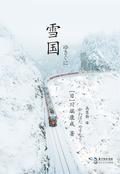 Snow Country
This book collects two novellas "Snow Country" and "Thousand Cranes" by Kawabata Yasunari. "Snow Country" describes the emotional entanglement between Shimamura, a dance art researcher, who went to a hot spring hotel in Snow Country three times, and a local geisha named Komako, and a girl named Ye Zi who met by chance. During this period, the beauty of nothingness, cleanliness and sadness are depicted to the extreme. "A Thousand Cranes" describes Mitani Kikuharu's illicit love with his father's
55Reads8.7Score—Shelves
Snow Country
This book collects two novellas "Snow Country" and "Thousand Cranes" by Kawabata Yasunari. "Snow Country" describes the emotional entanglement between Shimamura, a dance art researcher, who went to a hot spring hotel in Snow Country three times, and a local geisha named Komako, and a girl named Ye Zi who met by chance. During this period, the beauty of nothingness, cleanliness and sadness are depicted to the extreme. "A Thousand Cranes" describes Mitani Kikuharu's illicit love with his father's
55Reads8.7Score—Shelves
-
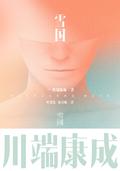 Translation Series of Kawabata Yasunari's Famous Works: Snow Country
"Going through the long tunnel across the county line is the Snow Country. The night sky is completely white." Geisha Komako and Shimamura met in the snow country. From then on, the lonely Komako began to look forward to a date with him once a year. On his third trip to Snow Country for an appointment, Shimamura was attracted by the pure illusion of leaves reflected on the car window. Since then, several people have been involved in entanglements of love and resentment, until a fire brought ever
54Reads8.6Score—Shelves
Translation Series of Kawabata Yasunari's Famous Works: Snow Country
"Going through the long tunnel across the county line is the Snow Country. The night sky is completely white." Geisha Komako and Shimamura met in the snow country. From then on, the lonely Komako began to look forward to a date with him once a year. On his third trip to Snow Country for an appointment, Shimamura was attracted by the pure illusion of leaves reflected on the car window. Since then, several people have been involved in entanglements of love and resentment, until a fire brought ever
54Reads8.6Score—Shelves
-
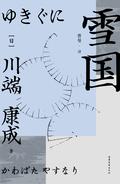 Snow Country (Guomai Classic)
"Snow Country" was one of the three novels mentioned by Kawabata Yasunari when he was awarded the Nobel Prize for Literature. The story begins with a train heading to the snowy country. The dusk scene passing by outside the window reflects the girl's eyes reflected on the glass, making it confusing. Shimamura, a dance art researcher, went to the snowy mountain village of Northland three times. He fell in love with the local geisha Komako and the girl Ye Zi who met by chance. The falling snow cov
16Reads8.6Score—Shelves
Snow Country (Guomai Classic)
"Snow Country" was one of the three novels mentioned by Kawabata Yasunari when he was awarded the Nobel Prize for Literature. The story begins with a train heading to the snowy country. The dusk scene passing by outside the window reflects the girl's eyes reflected on the glass, making it confusing. Shimamura, a dance art researcher, went to the snowy mountain village of Northland three times. He fell in love with the local geisha Komako and the girl Ye Zi who met by chance. The falling snow cov
16Reads8.6Score—Shelves
-
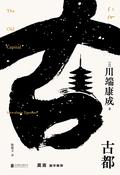 Ancient Capital
"Ancient Capital" is a Nobel Prize-winning novel by Kawabata Yasunari. The author uses light and delicate writing to describe the joys and sorrows of the twin sisters Chieko and Miaozi, as well as the loneliness of the world.
6Reads9.3Score—Shelves
Ancient Capital
"Ancient Capital" is a Nobel Prize-winning novel by Kawabata Yasunari. The author uses light and delicate writing to describe the joys and sorrows of the twin sisters Chieko and Miaozi, as well as the loneliness of the world.
6Reads9.3Score—Shelves
-
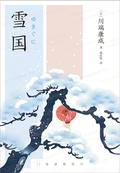 Snow Country (Japanese Translation)
"Snow Country", a collection of Kawabata Yasunari's works by Modern Publishing House Wafeng Translation Collection, includes "Snow Country", "Remarried Woman", "Waltz of Flowers", "Girl under the Sunset" and other short and medium-length novels. The story of "Snow Country" begins with the train heading to the Snow Country. It tells the story of Shimamura, a dance art researcher, who went to the snow-covered mountain village of the North Country three times. He met the local geisha Komako and the
1Reads8.7Score—Shelves
Snow Country (Japanese Translation)
"Snow Country", a collection of Kawabata Yasunari's works by Modern Publishing House Wafeng Translation Collection, includes "Snow Country", "Remarried Woman", "Waltz of Flowers", "Girl under the Sunset" and other short and medium-length novels. The story of "Snow Country" begins with the train heading to the Snow Country. It tells the story of Shimamura, a dance art researcher, who went to the snow-covered mountain village of the North Country three times. He met the local geisha Komako and the
1Reads8.7Score—Shelves
-
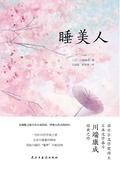 Sleeping Beauty
This book contains Kawabata Yasunari's classic masterpieces "Sleeping Beauty" and "La Bayadère". The old man Eguchi, who is nearly seventy years old, comes to a mysterious hotel on the seaside, where waiting for him is an unconscious girl... Through the protagonist's human self-improvement, the novel shows the sublimated beauty of human nature and the flower of humanity that rises from the pile of ugliness. The ballet teacher Namiko in "Bachelor" is nearly middle-aged. While she places her danci
—Reads9.2Score—Shelves
Sleeping Beauty
This book contains Kawabata Yasunari's classic masterpieces "Sleeping Beauty" and "La Bayadère". The old man Eguchi, who is nearly seventy years old, comes to a mysterious hotel on the seaside, where waiting for him is an unconscious girl... Through the protagonist's human self-improvement, the novel shows the sublimated beauty of human nature and the flower of humanity that rises from the pile of ugliness. The ballet teacher Namiko in "Bachelor" is nearly middle-aged. While she places her danci
—Reads9.2Score—Shelves
-
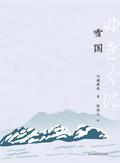 Snow Country (Kawabata Yasunari)
"Snow Country" is the masterpiece of Kawabata Yasunari's novel. The beauty of nothingness, cleanliness and sadness depicted in it reaches the extreme, making people heart-thrilling and melancholy. The beautiful image descriptions in the works are integrated into the expression of the characters' emotions, often with a touch of sadness, expressing Kawabata Yasunari's thoughts on material sorrow. The story begins with a train heading to the snowy country. The dusk scene passing by outside the wind
—Reads9.4Score—Shelves
Snow Country (Kawabata Yasunari)
"Snow Country" is the masterpiece of Kawabata Yasunari's novel. The beauty of nothingness, cleanliness and sadness depicted in it reaches the extreme, making people heart-thrilling and melancholy. The beautiful image descriptions in the works are integrated into the expression of the characters' emotions, often with a touch of sadness, expressing Kawabata Yasunari's thoughts on material sorrow. The story begins with a train heading to the snowy country. The dusk scene passing by outside the wind
—Reads9.4Score—Shelves
-
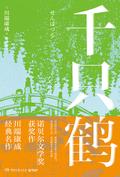 Thousands of Cranes
"A Thousand Cranes" is a classic novel written by Kawabata Yasunari. This book also contains "A Thousand Cranes" and the sequel "Ha Chidori". The father of the protagonist Mitani Kikuharu in "Thousand Cranes" is a famous tea ceremony master. This book explores love and human nature in depth, and is rich in cultural implications.
—Reads8.7Score—Shelves
Thousands of Cranes
"A Thousand Cranes" is a classic novel written by Kawabata Yasunari. This book also contains "A Thousand Cranes" and the sequel "Ha Chidori". The father of the protagonist Mitani Kikuharu in "Thousand Cranes" is a famous tea ceremony master. This book explores love and human nature in depth, and is rich in cultural implications.
—Reads8.7Score—Shelves
-
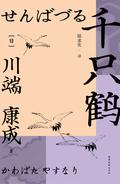 Thousand Cranes (Guomai Classic)
Content introduction (within 10,000 words) "A Thousand Cranes" contains four classic novels by the world-famous writer Kawabata Yasunari, "A Thousand Cranes", "Cangha Plover", "Dancing Girl of Izu" and "Hot Spring Hotel". Among them, "One Thousand Cranes" was one of the three novels mentioned when he was awarded the Nobel Prize for Literature. It tells a story involving two generations. Mitani Kikuji's father is a famous tea ceremony master. Many years after his father's death, Kikuji and Ohta m
—Reads8.7Score—Shelves
Thousand Cranes (Guomai Classic)
Content introduction (within 10,000 words) "A Thousand Cranes" contains four classic novels by the world-famous writer Kawabata Yasunari, "A Thousand Cranes", "Cangha Plover", "Dancing Girl of Izu" and "Hot Spring Hotel". Among them, "One Thousand Cranes" was one of the three novels mentioned when he was awarded the Nobel Prize for Literature. It tells a story involving two generations. Mitani Kikuji's father is a famous tea ceremony master. Many years after his father's death, Kikuji and Ohta m
—Reads8.7Score—Shelves
-
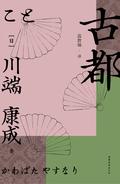 Ancient Capital (Guomai Classic)
"Ancient Capital" is one of the three novels mentioned by Kawabata Yasunari when he was awarded the Nobel Prize for Literature. It is also one of his highly regarded novels. It describes the joys and sorrows of a pair of twin sisters and also presents the customs and customs of Kyoto. Chieko was adopted by a brocade merchant and became a beautiful girl. On the night of the Gion Festival, she met Miaozi, a girl from a mountain village, and was surprised to learn that the two were twin sisters. Th
—Reads9.2Score—Shelves
Ancient Capital (Guomai Classic)
"Ancient Capital" is one of the three novels mentioned by Kawabata Yasunari when he was awarded the Nobel Prize for Literature. It is also one of his highly regarded novels. It describes the joys and sorrows of a pair of twin sisters and also presents the customs and customs of Kyoto. Chieko was adopted by a brocade merchant and became a beautiful girl. On the night of the Gion Festival, she met Miaozi, a girl from a mountain village, and was surprised to learn that the two were twin sisters. Th
—Reads9.2Score—Shelves
-
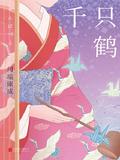 Thousands of Cranes
Isn't the depth of grief the depth of love? "A Thousand Cranes" is the Nobel Prize-winning work of Kawabata Yasunari. It is the ultimate masterpiece that combines morality and desire into the tea ceremony. The novel tells the story of Kikuji, who was born in a famous tea ceremony family, and quietly met several women who had a close relationship with his father at a tea party, and was involved in the whirlpool of fate. The work uses Yukiko's cloth bag decorated with thousands of cranes as a symb
—Reads9.3Score—Shelves
Thousands of Cranes
Isn't the depth of grief the depth of love? "A Thousand Cranes" is the Nobel Prize-winning work of Kawabata Yasunari. It is the ultimate masterpiece that combines morality and desire into the tea ceremony. The novel tells the story of Kikuji, who was born in a famous tea ceremony family, and quietly met several women who had a close relationship with his father at a tea party, and was involved in the whirlpool of fate. The work uses Yukiko's cloth bag decorated with thousands of cranes as a symb
—Reads9.3Score—Shelves
-
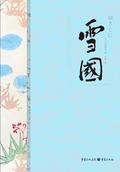 Kawabata Yasunari's Best Collection: Snow Country
"Snow Country" is a collection of short stories and short stories by Kawabata Yasunari. The book includes the novella "Snow Country", a collection of letters "Letter to Parents" and the short story "Bonfire". "Snow Country" is Kawabata Yasunari's most famous work. The beautiful image description is integrated into the expression of the characters' emotions, with a touch of sadness, which expresses Kawabata Yasunari's thoughts on material sorrow, and reflects his superb writing skills with orient
—Reads7.7Score—Shelves
Kawabata Yasunari's Best Collection: Snow Country
"Snow Country" is a collection of short stories and short stories by Kawabata Yasunari. The book includes the novella "Snow Country", a collection of letters "Letter to Parents" and the short story "Bonfire". "Snow Country" is Kawabata Yasunari's most famous work. The beautiful image description is integrated into the expression of the characters' emotions, with a touch of sadness, which expresses Kawabata Yasunari's thoughts on material sorrow, and reflects his superb writing skills with orient
—Reads7.7Score—Shelves
-
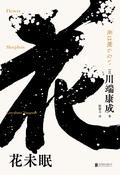 Flowers Are Not Sleeping
"Flowers Never Sleep" selects Kawabata Yasunari's fine prose, including "Flowers Never Sleep", "Sorrow", "The Beauty of Japanese Literature", etc. Kawabata Yasunari's delicate sensitivity is reflected in his observation of life details, and his aesthetic thoughts are also hidden in many essays. This collection of essays presents Kawabata's aesthetic thoughts and the essence of oriental Japanese aesthetics.
—Reads9.1Score—Shelves
Flowers Are Not Sleeping
"Flowers Never Sleep" selects Kawabata Yasunari's fine prose, including "Flowers Never Sleep", "Sorrow", "The Beauty of Japanese Literature", etc. Kawabata Yasunari's delicate sensitivity is reflected in his observation of life details, and his aesthetic thoughts are also hidden in many essays. This collection of essays presents Kawabata's aesthetic thoughts and the essence of oriental Japanese aesthetics.
—Reads9.1Score—Shelves
-
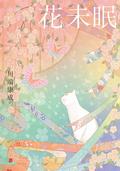 Flowers Are Not Sleeping
At four o'clock in the morning, the begonia flower is still awake. It is in full bloom, with a sad beauty! "Flowers Never Sleep" was written by Kawabata Yasunari after he woke up at four o'clock in the morning. At that time, he found that begonia flowers were still blooming at night, which triggered a series of philosophical thoughts on beauty. He carved a flower and a world with his warm writing style; he used his subtle inner feelings to develop a word and a wisdom; he used his flowing thought
—Reads8.9Score—Shelves
Flowers Are Not Sleeping
At four o'clock in the morning, the begonia flower is still awake. It is in full bloom, with a sad beauty! "Flowers Never Sleep" was written by Kawabata Yasunari after he woke up at four o'clock in the morning. At that time, he found that begonia flowers were still blooming at night, which triggered a series of philosophical thoughts on beauty. He carved a flower and a world with his warm writing style; he used his subtle inner feelings to develop a word and a wisdom; he used his flowing thought
—Reads8.9Score—Shelves
-
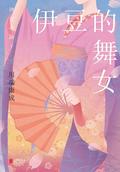 Dancer of Izu
In my lonely youth, you were half of the poem in my heart. "The Dancing Girl of Izu" is a poignant, romantic and sad novel written by Kawabata Yasunari based on his personal experience. The work describes a high school student "I" who traveled to Izu alone and met an innocent dancing girl, and then developed a beautiful and regretful innocent love. By describing the beautiful scenery of the green mountains and green waters of Izu, the author highlights the pure love between the two people, combi
—Reads9.3Score—Shelves
Dancer of Izu
In my lonely youth, you were half of the poem in my heart. "The Dancing Girl of Izu" is a poignant, romantic and sad novel written by Kawabata Yasunari based on his personal experience. The work describes a high school student "I" who traveled to Izu alone and met an innocent dancing girl, and then developed a beautiful and regretful innocent love. By describing the beautiful scenery of the green mountains and green waters of Izu, the author highlights the pure love between the two people, combi
—Reads9.3Score—Shelves
-
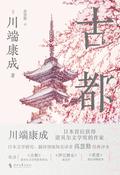 Ancient Capital
In 1968, Kawabata Yasunari won the Nobel Prize for Literature for his three masterpieces: "Snow Country", "Ancient Capital" and "Thousand Cranes". This book includes "Ancient Capital", as well as Kawabata's famous work "Izu Dancing Girl" and the early post-war masterpiece "Reunion". "Izu Dancing Girl" tells the story of a relationship that ended in vain. The whole story is filled with youthful poetry and lyricism, and has the reputation of "the world's best first love". "Ancient Capital" describ
—Reads9.4Score—Shelves
Ancient Capital
In 1968, Kawabata Yasunari won the Nobel Prize for Literature for his three masterpieces: "Snow Country", "Ancient Capital" and "Thousand Cranes". This book includes "Ancient Capital", as well as Kawabata's famous work "Izu Dancing Girl" and the early post-war masterpiece "Reunion". "Izu Dancing Girl" tells the story of a relationship that ended in vain. The whole story is filled with youthful poetry and lyricism, and has the reputation of "the world's best first love". "Ancient Capital" describ
—Reads9.4Score—Shelves
-
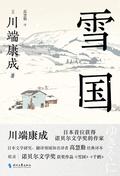 Snow Country
In 1968, Kawabata Yasunari won the Nobel Prize for Literature for his three masterpieces: "Snow Country", "Ancient Capital" and "Thousand Cranes". This book includes "Snow Country" and "Thousand Cranes". "Snow Country" is the work that Kawabata Yasunari devoted the most to, and it is also the work that best reflects his literary style. It is called "the pinnacle of lyrical literature in the history of modern literature." Among all his works, "Snow Country" has been translated the most overseas.
—Reads9.1Score—Shelves
Snow Country
In 1968, Kawabata Yasunari won the Nobel Prize for Literature for his three masterpieces: "Snow Country", "Ancient Capital" and "Thousand Cranes". This book includes "Snow Country" and "Thousand Cranes". "Snow Country" is the work that Kawabata Yasunari devoted the most to, and it is also the work that best reflects his literary style. It is called "the pinnacle of lyrical literature in the history of modern literature." Among all his works, "Snow Country" has been translated the most overseas.
—Reads9.1Score—Shelves
-
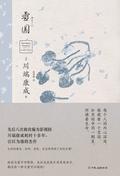 Snow Country
"Through the long tunnel on the county border, you will reach the Snow Country. Under the night sky, the earth is astonishingly white..." Tokyo dance artist Shimamura went to the snowy mountain village of Northern Japan three times and fell in love with a local geisha named Komako by chance. And when he set out again, he showed his admiration for the girl Ye Zi who met by chance on the other side of the glass window. Shimamura, who has a heavy thought of nihilism, believes that all the pursuits
—Reads9.3Score—Shelves
Snow Country
"Through the long tunnel on the county border, you will reach the Snow Country. Under the night sky, the earth is astonishingly white..." Tokyo dance artist Shimamura went to the snowy mountain village of Northern Japan three times and fell in love with a local geisha named Komako by chance. And when he set out again, he showed his admiration for the girl Ye Zi who met by chance on the other side of the glass window. Shimamura, who has a heavy thought of nihilism, believes that all the pursuits
—Reads9.3Score—Shelves
-
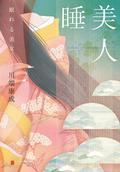 Sleeping Beauty
Loss is the only way to the end of life, and it is also the only way to return to the true nature. "Sleeping Beauty" is the culmination of Kawabata Yasushi's 60th birthday. Through the five experiences of the old man Eguchi to Sleeping Beauty's house, six sleeping beauties, and three dreams, the novel tells the story of people's helplessness towards aging and death in old age, their inferiority complex towards old men and their nostalgia for youth. The whole work has a transcendent and mysteriou
—Reads9.6Score—Shelves
Sleeping Beauty
Loss is the only way to the end of life, and it is also the only way to return to the true nature. "Sleeping Beauty" is the culmination of Kawabata Yasushi's 60th birthday. Through the five experiences of the old man Eguchi to Sleeping Beauty's house, six sleeping beauties, and three dreams, the novel tells the story of people's helplessness towards aging and death in old age, their inferiority complex towards old men and their nostalgia for youth. The whole work has a transcendent and mysteriou
—Reads9.6Score—Shelves