Content introduction (within 10,000 words)
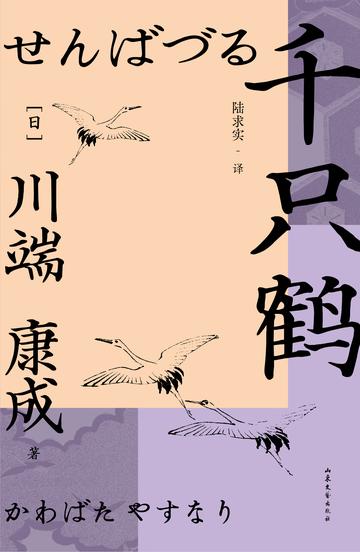
"A Thousand Cranes" contains four classic novels by the world-famous writer Kawabata Yasunari, "A Thousand Cranes", "Cangha Plover", "Dancing Girl of Izu" and "Hot Spring Hotel". Among them, "One Thousand Cranes" was one of the three novels mentioned when he was awarded the Nobel Prize for Literature. It tells a story involving two generations. Mitani Kikuji's father is a famous tea ceremony master. Many years after his father's death, Kikuji and Ohta met unexpectedly at a tea party held by Chigako. The novel expresses the conflict between love and morality, and depicts Japanese scenery and psychology to the extreme; "Cangha Plover" is the sequel to "A Thousand Cranes", telling the story of Kikuji and Inamura Yukiko after their marriage, and also presents a lightly sentimental aesthetic of mourning; "Izu No Dancing Girl" tells the story of a twenty-year-old boy in Tokyo. In order to relieve the unspeakable melancholy and anguish in his heart, he traveled alone to Izu, met a group of wandering artists, and had a longing for the innocent and honest little dancer. The four stories, about love, youth and life, are like sad lyrical poems, fully presenting Kawabata Yasunari's aesthetics.
Reader comments
This book really touched me a lot! Especially Kikuji in "Thousand Cranes", his struggle between love and morality resonated so much with me. Moreover, Kawabata Yasunari's portrayal of scenery and psychology is simply amazing! It reminds me of "Snow Country", which also has the same delicate Japanese aesthetics. There is also "The Dancing Girl of Izu", that pure and beautiful youth story, which is really touching. All in all, this book is well worth reading, and it feels like appreciating a sad lyric poem.
This book really touched me a lot! Especially Kikuji in "Thousand Cranes", his struggle between love and morality resonated so much with me. Moreover, Kawabata Yasunari's portrayal of scenery and psychology is simply amazing! It reminds me of "Snow Country", which also has the same delicate Japanese aesthetics. There is also "The Dancing Girl of Izu", that pure and beautiful youth story, which is really touching. All in all, this book is well worth reading, and it feels like appreciating a sad lyric poem.