These are all very beautiful. ① The heroine's name is IELTS cp and she is from Harry Potter. There are so many extras and there are many different IF lines. ②The male protagonist in this book is Lily's brother, which even feels like a hypocrite.
He was the sullen Potions Master at Hogwarts, and she was the outsider who suddenly broke into his teenage years. He thought he had long been accustomed to the darkness, but in the warm potion she handed him, for the first time he had the thought of "maybe he could be saved."
You will really be struck by this sense of fate! The protagonists are bound by the thread of fate while they are still in their wombs. The marriage of a wealthy family + the bond of magic. The male protagonist's protective thread is so exciting to me, I strongly recommend it!
These books all have strong families and protagonists [full][full][full] The heroine in the first book grew up with Harry and Draco's childhood sweethearts, cp Draco, and the heroine is also a pure-blood. The heroine in the second book is Riddle's daughter, and Riddle is really good, cp Cedric. The heroine in the third book is Riddle's daughter, and Riddle is also a daughter slave, cp Sirius, who is also his childhood sweetheart. The heroine in the fourth book is Riddle's daughter, cp Draco.
[Squid directly concluded that it seems that Tom cannot live without Edmund, rather it is that Edmund cannot live without Tom. This is not a rhetorical inversion, but a factual truth. The depth and danger of this dependence are much more complicated than what you see on the surface. 1. The obsession and transference of returning home. The day Edmund traveled through time was a separation without warning or explanation. He was just taking a nap in the laboratory, and in the blink of an eye, he turned into a six-year-old orphan in the Wu's Orphanage in England. There is no system, no missions, no grand narrative of "you will save the world." There is only an empty bed, a thin quilt, and a world where I don't know anyone. All his subsequent actions can be explained starting from this day. The moment Edmund traveled through time, he lost not only his home, but his entire coordinate system. His name is Mu Xiuxun. There is a sister named Mu Xiujin, whose name comes from the Book of Songs and was given by her mother. There are laboratories, centrifuges, PCR machines that are always broken, senior sisters who talk very loudly, and junior brothers who keep cats. There is the smell of tomato beef brisket, the smell of old books in my mother's study, and the road to school with poplar trees in Dongguan, the county seat. These things are not "memories", they are his skeleton. A person is made of these things. Take them away, and what will he have left? Six years old, an orphanage, an empty bed, and a thin quilt. How long did it take him to accept this? Did he accept it? He said earlier that "I missed home in the first few years after I came here, but then I didn't think about it much anymore." Later, he turned his desperate longing for home into helping China, which was currently at war. There is a word I used here, but may not have had time to expand upon - despair. Despair is not about "not thinking about it anymore" but "it's useless even about thinking about it". It's because you know you can't go back, but you still want to suppress it. Where to press it? Pressed into the "Albatross" capital circulation network, pressed into the list of medical supplies in Yan'an, pressed into those lands that he would never set foot on but knew that they were being burned by war. This is not transformation, this is placement. He placed himself, who could not return home, in another concept of "home", a concept that was big enough and far enough that would not reject him. But the concept is not home. Concept will not hand him a glass of hot milk when he has insomnia, will not comfort him or hug him when he fails in the game, will not believe unfounded things because of the fear in his tone, and then prepare something to ward off evil spirits to protect him. Concept will not call him "Xiaobao". Then he saw Tom. 2. Tom's duality as an "anchor". In the story, this is what Edmund himself said: "You are my anchor." But in some plots in the previous chapters, Squid also vaguely foreshadowed it: "Edmund regards Tom as his spiritual support." Anchor and spiritual support are not the same thing. The anchor point is used to fix the position, and the spiritual support is used to support the weight. The anchor point will not collapse, but the spiritual pillar will. The anchor point is the stopping place you actively choose, and the spiritual pillar is the load-bearing wall you passively rely on. Who does Edmund think of Tom? He thought he was the former, but he was actually the latter. Let's look at what he said to Diana: "So far, his father, his mother, his brother, his mentor... Haven't I played all the important roles in his life? I have filled almost all the important vacancies in his life. So, why can't only the role of 'partner'? There is no such reason in the world." This passage sounds reasonable, but if you listen carefully, what is it saying? It's saying: I gave him everything, so I deserve everything. This is not love, this is investment. This is the legitimacy a person finds for himself after betting all the meaning of his life on another person. He wasn't explaining to Diana, he was proving to himself. Squid wrote a detail: When Tom was in the Albanian forest, Edmund was sitting in the living room reading a letter, hugging Stella and saying "little heartless". In that scene, what he said was not "why hasn't he come back yet", but "don't cherish it if you get it". This is not just missing, this is fear. Fear that the person you bet on doesn't respond with the same weight. Fear that you are the one "can't live without" and the other person can leave. And the truly terrifying thing in this scene isn't Edmund's fear, it's the way he voices it. He said to Stella. The only person he could confide his fears to was a dog that didn't understand. Because he said to anyone "I'm afraid Tom won't want me", the image of "Edmund Taylor, the youngest deputy secretary of Whitehall" collapsed. He himself didn't allow that image to collapse. 3. Hannibal Moment: The world may be fake. The sharpest detail or foreshadowing is that Edmund heard a child called "Hannibal Lecter" in the Swedish asylum. His first reaction was not "Help this child", but "What is this world? Where have I traveled to?" Then he did one thing: he didn't want to think about it anymore. "He stood there, thinking for a long time. Then he didn't think about it anymore. It wasn't that he had figured it out, but he didn't dare to think about it anymore." This is the most honest sentence in the whole article. Edmund Taylor, the man who had to figure everything out and figure everything out, chose not to think about it when faced with the idea that "this world may be false." Why? Because when you think about it, you have to face a question: If this world is fake, then everything I built here: the penicillin project, the wartime medical system, those bills, those children, what does Tom count? He didn't dare to face this problem. So he didn't want to. But it's impossible for people to truly "don't want to" just by saying they don't want to. He could only suppress that thought, push it to a deep place, and then cover it with something else. What to cover with? Use work, use albatross, use tom, especially tom. Because Tom is the only thing in this world that he cannot define by "task". If Tom is fake, then his feelings for Tom are also fake. This thought is scarier than "the world is fake". So he held on to Tom twice as hard, and proved twice as hard that this feeling was true. We look at the letters he wrote to Tom, those words "You are the one who holds the scales" and "You are the starting point of everything for me" - are these words true? It's true. But they are also proof. It is proving to myself: Look, I love him so much and this love is so real, so this world must be real. This is an extremely dangerous form of self-hypnosis. 4. "As long as you leave me, I will leave you": a disguised promise. Edmund said to Tom in Chapters 186 and 416: "Unless you voluntarily give up this relationship, unless one day you tell me personally that you don't need me anymore, you are tired of it, and you want to end it. Otherwise, I will not leave you.", "Unless one day you don't need me anymore."... These words sound like a selfless promise: I will not bind you, you are free. But it was actually the most elaborate kidnapping in the world. Because it puts the responsibility of "leaving" entirely on Tom. The initiative of "not leaving" was given to Tom. It's not "I will always be with you", it's "As long as you still want me, I will be there." In this way, if Edmund breaks down one day, it will not be his problem, but Tom's problem, because Tom "doesn't need him" anymore. This is a threat that will never be spoken and that even the speaker himself may not be aware of. This is a dangerous place. A truly stable self should be "I am here, whether you are here or not." But Edmund's self was established in his relationship with Tom. He confirms his value by being needed by Tom, confirms his existence by being seen by Tom, and confirms the legitimacy of his stay in this world by Tom's "not leaving". If Tom leaves, it is not the action of "leaving", but "Tom no longer needs him", what will happen to him? In Squid's view, once this happens, he will fall into a serious self-examination. He will start to ask himself: Who am I? Why am I here? Does everything I do make sense? Those thoughts would come flooding back - Where is home? Can I still go back? How is my sister? Has the laboratory centrifuge been repaired? All the problems he had suppressed for a long time would come flooding back, and there would be nothing left to suppress them. . Self-condemnation ensues. Did I do something wrong? Shouldn't I fall in love with him? Shouldn't I have stayed in the first place? Did I mess everything up? He will take all the responsibilities on himself, which is a habit he has developed since he came into this world. If it were Mu Xiuxun, he would directly blame his sister and parents verbally, and say "It's all your fault" angrily and childishly. Then he would talk and laugh with his family and take action to clean up the mess. His heart was relaxed. There was someone behind him anyway, and this was just an ordinary little surprise. But Edmund was different. He felt that he was not good enough, so Tom left. He didn't deserve to be loved, so Tom left. You chose to stay, so you deserve to endure all this. He may despise himself. Disgusted with this identity called "Edmund Taylor", disgusted with the life he had spent fifteen years building, disgusted with this body that did not belong to him, this world that did not belong to him. But that's not the scariest thing. The most terrifying thing is that he may hate Tom: I gave up going home for you, I staked all the meaning of my life on you, why don't you want me? It's not Edmund's fault. This is the inevitable reaction of an uprooted man trying to hold on to the last piece of driftwood. But he didn't know it, he thought he just loved him. How can love be wrong? 5. Does Tom know? This is the most critical question. Does Tom know that Edmund can't live without him? Tom asked Edmund "Will you leave" and Edmund said "I won't as long as you need me". What was Tom's response? He said "that day will never come". This is a child's answer. The most natural answer a child who is loved and doesn't want to lose this love would give. He didn't ask "what if" or "what about you, do you need me?" Because he is also afraid. Afraid that question would elicit an answer he didn't want. But Tom is more honest than Edmund. When he was in Berlin, standing in Sylvia's empty room, he felt that "the obsession belongs to two people." In the Albanian forest, he hesitated when faced with the monster that transformed into Edmund. He knew the depth of Edmund's obsession. He probably knew better than Edmund himself. But he didn't tell the truth, because if he did, he would have to face a question: Am I taking advantage of this obsession? Am I enjoying this feeling of being needed? If Edmund doesn't love me because he loves me, but loves me because he can't live without me, then what is this love? Of the two of them, one bets all his meaning on the other, and the other bets all his security on the other. Is this love? Yes. Is this healthy love? No. 6. The Danger of This Story Squid wrote a story of two-way dependence, but named it with "love". This is not wrong, all depths of love include dependence. But the dependence Squid writes on Edmund has crossed the boundary of love and entered the realm of existential fear. He doesn't need Tom because he loves Tom, he needs Tom so he loves him. This reversal of the order determines that the background of this love is not warmth, but fear. He uses work, he uses Albatross, he uses those children as a distraction, but at the same time he attaches the meaning of these things to Tom - "You are here, I am here." This is not a promise, it is a prophecy. Once Tom is gone, those things will lose their meaning. Because those things are never the purpose, they are substitutes. They were the containers he found one after another when his obsession with "going home" had nowhere to put it. And Tom is the largest, last, and most home-like container. What if he lost Tom? He will be broken, because the whole structure that supports him will collapse. He will start asking the questions he has been suppressing: Why did I travel here? Why do I do these things? Why should I live? Then he would think of Mu Xiuxun, Mu Xiujin, the road planted with poplar trees in Dongguan, the county seat, and the taste of tomato beef brisket. Then he will find that these things cannot go back. That's not depression, that's an existential crisis. ] Comes from the analysis of Edmund in the author's article.
This is super good-looking, and the protagonist's family background and abilities are super strong. And the author did not weaken anyone in the original work when he wrote it. Every time I was shocked by Lin En's strength and superb alchemy skills.
 Hp: What a Beautiful Jasmine Flower
1.7kReads6.9Score241Shelves
Hp: What a Beautiful Jasmine Flower
1.7kReads6.9Score241Shelves
 HP: Senior Evans
1.9kReads6.8Score334Shelves
HP: Senior Evans
1.9kReads6.8Score334Shelves
 HP Binding System, Forced to Be Snape's Assistant
1kReads8.0Score214Shelves
HP Binding System, Forced to Be Snape's Assistant
1kReads8.0Score214Shelves
 HP: I Can't Resist
1.3kReads8.7Score101Shelves
HP: I Can't Resist
1.3kReads8.7Score101Shelves
 HP: Traveling Through Time and Becoming Harry's White Moonlight Mother
483Reads—Score113Shelves
HP: Traveling Through Time and Becoming Harry's White Moonlight Mother
483Reads—Score113Shelves
 Hp's Unique Heartthrob Lady
6.2kReads8.2Score1.2kShelves
Hp's Unique Heartthrob Lady
6.2kReads8.2Score1.2kShelves
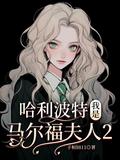 Harry Potter: This Savior Is a Bit Evil
2.8kReads8.7Score294Shelves
Harry Potter: This Savior Is a Bit Evil
2.8kReads8.7Score294Shelves
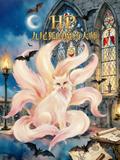 HP: Potions Master of the Nine-Tailed Fox
4Reads5.8Score—Shelves
HP: Potions Master of the Nine-Tailed Fox
4Reads5.8Score—Shelves
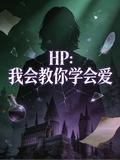 HP: I Will Teach You How to Love
1kReads6.0Score167Shelves
HP: I Will Teach You How to Love
1kReads6.0Score167Shelves
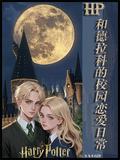 HP: the Savior's Cousin Is Making a Revolution in the Magical World
7.2kReads8.9Score1.2kShelves
HP: the Savior's Cousin Is Making a Revolution in the Magical World
7.2kReads8.9Score1.2kShelves
 Harry Potter's Special Slytherin
750Reads8.2Score106Shelves
Harry Potter's Special Slytherin
750Reads8.2Score106Shelves
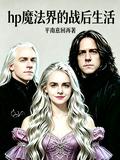 Hp Postwar Life in the Wizarding World
3.2kReads8.7Score459Shelves
Hp Postwar Life in the Wizarding World
3.2kReads8.7Score459Shelves
 HP Polar Star Light
10kReads9.3Score1.6kShelves
HP Polar Star Light
10kReads9.3Score1.6kShelves
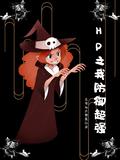 HP: My Defense Is Super Strong
1.6kReads9.0Score137Shelves
HP: My Defense Is Super Strong
1.6kReads9.0Score137Shelves
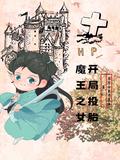 HP: the Daughter of the Demon King Reincarnated at the Beginning
697Reads5.8Score109Shelves
HP: the Daughter of the Demon King Reincarnated at the Beginning
697Reads5.8Score109Shelves
 HP: Notes on the Crazy Development of a Facially Paralyzed Beauty
2.8kReads8.3Score397Shelves
HP: Notes on the Crazy Development of a Facially Paralyzed Beauty
2.8kReads8.3Score397Shelves
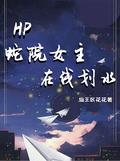 The Heroine of HP Snake Yard Is Paddling Online
569Reads8.9Score107Shelves
The Heroine of HP Snake Yard Is Paddling Online
569Reads8.9Score107Shelves
 HP: There Is a Slytherin in the Weasley Family
5.2kReads8.9Score806Shelves
HP: There Is a Slytherin in the Weasley Family
5.2kReads8.9Score806Shelves
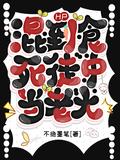 HP: Become the Boss Among the Death Eaters
1.1kReads—Score201Shelves
HP: Become the Boss Among the Death Eaters
1.1kReads—Score201Shelves
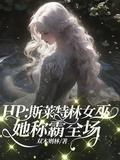 HP: the Slytherin Witch Dominates the Audience
6.4kReads9.3Score917Shelves
HP: the Slytherin Witch Dominates the Audience
6.4kReads9.3Score917Shelves
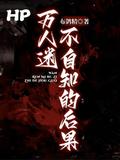 HP: the Consequences of Being a Heartthrob Without Knowing It
4.3kReads8.7Score479Shelves
HP: the Consequences of Being a Heartthrob Without Knowing It
4.3kReads8.7Score479Shelves
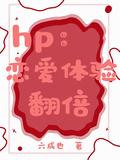 Hp: Double the Love Experience
7kReads9.0Score544Shelves
Hp: Double the Love Experience
7kReads9.0Score544Shelves
 HP: Daily Life of a Heartthrob at Hogwarts
26.9kReads9.0Score4kShelves
HP: Daily Life of a Heartthrob at Hogwarts
26.9kReads9.0Score4kShelves
 HP: Please Ignore My Storm Cry
9Reads5.8Score—Shelves
HP: Please Ignore My Storm Cry
9Reads5.8Score—Shelves
 HP: Magical Immortality and Endless Love
3.9kReads8.9Score456Shelves
HP: Magical Immortality and Endless Love
3.9kReads8.9Score456Shelves
 Hpgenius Is on the Left, Madman Is on the Right
2.1kReads8.5Score425Shelves
Hpgenius Is on the Left, Madman Is on the Right
2.1kReads8.5Score425Shelves
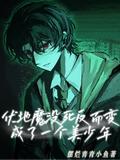 Voldemort Did Not Die but Became a Beautiful Boy
2.1kReads8.2Score322Shelves
Voldemort Did Not Die but Became a Beautiful Boy
2.1kReads8.2Score322Shelves
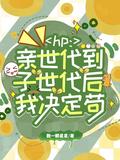 Hp: from the Parent Generation to the Child Generation, I Decided to Live in Peace
7.3kReads9.1Score830Shelves
Hp: from the Parent Generation to the Child Generation, I Decided to Live in Peace
7.3kReads9.1Score830Shelves
 HP: Chuunibyou Also Wants to Be a Knight
1.9kReads7.2Score496Shelves
HP: Chuunibyou Also Wants to Be a Knight
1.9kReads7.2Score496Shelves
 HP: Who Made You Like Me?
1.4kReads8.7Score244Shelves
HP: Who Made You Like Me?
1.4kReads8.7Score244Shelves
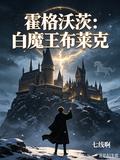 Hogwarts: Black the White Devil
3.1kReads5.8Score767Shelves
Hogwarts: Black the White Devil
3.1kReads5.8Score767Shelves
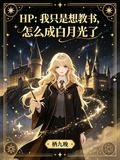 HP I Just Want to Teach How to Become Bai Yueguang
9Reads5.8Score—Shelves
HP I Just Want to Teach How to Become Bai Yueguang
9Reads5.8Score—Shelves
 Hp: Slytherin's Blond Pampered Little Beauty
2.2kReads6.0Score204Shelves
Hp: Slytherin's Blond Pampered Little Beauty
2.2kReads6.0Score204Shelves
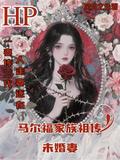 HP: the Ancestral Fiancée of the Malfoy Family
3kReads8.8Score372Shelves
HP: the Ancestral Fiancée of the Malfoy Family
3kReads8.8Score372Shelves
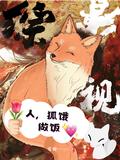 Variety Film and Television: People, Hungry Foxes, Cooking
19.8kReads8.1Score853Shelves
Variety Film and Television: People, Hungry Foxes, Cooking
19.8kReads8.1Score853Shelves
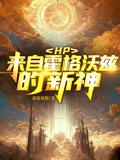 HP: the New God from Hogwarts
2.2kReads8.5Score280Shelves
HP: the New God from Hogwarts
2.2kReads8.5Score280Shelves
 I Am a Muggle When I Travel Through HP! ?
14.3kReads5.8Score2.1kShelves
I Am a Muggle When I Travel Through HP! ?
14.3kReads5.8Score2.1kShelves
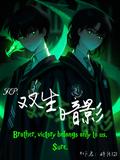 HP: Twin Shadows
2kReads8.8Score441Shelves
HP: Twin Shadows
2kReads8.8Score441Shelves
 HP: I Just Want to Be a Top Student
1.8kReads9.3Score228Shelves
HP: I Just Want to Be a Top Student
1.8kReads9.3Score228Shelves
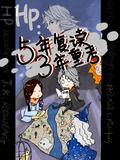 Repeat for Five Years and Retake the Exam for Three Years: HP
3.9kReads8.3Score810Shelves
Repeat for Five Years and Retake the Exam for Three Years: HP
3.9kReads8.3Score810Shelves
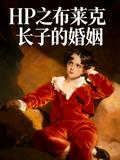 HP: the Marriage of Blake's Eldest Son
23.9kReads8.8Score3.2kShelves
HP: the Marriage of Blake's Eldest Son
23.9kReads8.8Score3.2kShelves
 HP: the Whole World Is Chasing Me, I Don't Believe It!
434Reads5.8Score—Shelves
HP: the Whole World Is Chasing Me, I Don't Believe It!
434Reads5.8Score—Shelves
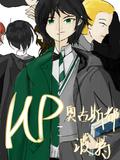 HP: Augustus Porter
492Reads6.6Score—Shelves
HP: Augustus Porter
492Reads6.6Score—Shelves
 HP: I Am a Superstar in the HP World
1.5kReads8.3Score201Shelves
HP: I Am a Superstar in the HP World
1.5kReads8.3Score201Shelves
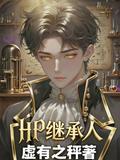 Hp Heir
2.8kReads8.4Score378Shelves
Hp Heir
2.8kReads8.4Score378Shelves
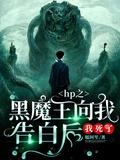 HP: If I Were Mixed Race, Would You Still Love Me?
6.4kReads9.4Score861Shelves
HP: If I Were Mixed Race, Would You Still Love Me?
6.4kReads9.4Score861Shelves
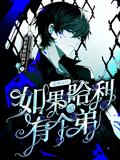 Harry Potter: What If Harry Had a Brother
3.6kReads6.5Score427Shelves
Harry Potter: What If Harry Had a Brother
3.6kReads6.5Score427Shelves
 Hp: Sri Lanka's Story of Raising a Baby
4.8kReads9.0Score599Shelves
Hp: Sri Lanka's Story of Raising a Baby
4.8kReads9.0Score599Shelves
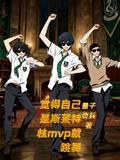 Dance When You Feel Like the Slytherin MVP
2.6kReads6.4Score281Shelves
Dance When You Feel Like the Slytherin MVP
2.6kReads6.4Score281Shelves
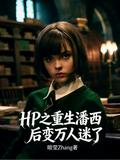 HP Pansy Becomes a Heartthrob After Her Rebirth
1.7kReads8.1Score163Shelves
HP Pansy Becomes a Heartthrob After Her Rebirth
1.7kReads8.1Score163Shelves