Library
Browse and search books
2,472 novels found
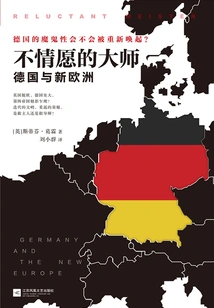
不情愿的大师:德国与新欧洲
(english) Stephen Green
Britain leaves the EU, Germany becomes powerful, and the phantom of the Fourth Reich appears? Iterative civilization, returning glory, should we be the master or the mentor? The European debt crisis has highlighted Germany's importance to Europe, but Germany's image as a dominant force in Europe reflects its past history. The Reluctant Master is an extensive study of Germany from the Holy Roman Empire through the Second and Third Reichs (the years of Hitler's rule). The book not only reveals how a mature and developed civilized country like this degenerated into the barbaric rule of the Nazis, but also how it rebounded and became an "economic engine" within a generation. Most importantly, Stephen Green studies the extent to which Germany dominates its EU neighbors, and tries to tell us what does this mean?
Britain leaves the EU, Germany becomes powerful, and the phantom of the Fourth Reich appears? Iterative civilization, returning glory, should we be the master or the mentor? The European debt crisis has highlighted Germany's importance to Europe, but Germany's image as a dominant force in Europe reflects its past history. The Reluctant Master is an extensive study of Germany from the Holy Roman Empire through the Second and Third Reichs (the years of Hitler's rule). The book not only reveals how a mature and developed civilized country like this degenerated into the barbaric rule of the Nazis, but also how it rebounded and became an "economic engine" within a generation. Most importantly, Stephen Green studies the extent to which Germany dominates its EU neighbors, and tries to tell us what does this mean?
L
Historyl
M
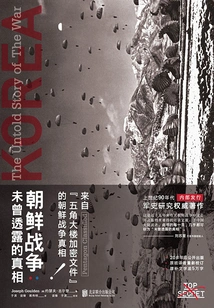
This book is a comprehensive and wonderful comprehensive work on the Korean War. The famous American political writer Joseph Goulden made full use of the official files on the Korean War that were declassified in the late 1970s to collect the original intelligence data that the U. S. Government relied on for important decisions. After four years of interviewing many parties and insiders, he completed this insider work through precise sorting and keen grasp. This batch of "Pentagon Korean War Documents" has been re-encrypted by the George W. Bush administration, which makes the truth revealed in this book even more rare and valuable. The book also contains many inside stories of the highest decision-making authorities in the United States, focusing on portraying the unique temperaments and methods of many important military and political officials, such as Truman's stubbornness and rashness, Acheson's cleverness and arrogance, MacArthur's surly dramatization, etc. It provides readers with an excellent window to observe the introduction and operation of U. S. Military and political decisions, as well as a new perspective for understanding the "interaction" of politics, strategy, and battlefields.
This book is a comprehensive and wonderful comprehensive work on the Korean War. The famous American political writer Joseph Goulden made full use of the official files on the Korean War that were declassified in the late 1970s to collect the original intelligence data that the U. S. Government relied on for important decisions. After four years of interviewing many parties and insiders, he completed this insider work through precise sorting and keen grasp. This batch of "Pentagon Korean War Documents" has been re-encrypted by the George W. Bush administration, which makes the truth revealed in this book even more rare and valuable. The book also contains many inside stories of the highest decision-making authorities in the United States, focusing on portraying the unique temperaments and methods of many important military and political officials, such as Truman's stubbornness and rashness, Acheson's cleverness and arrogance, MacArthur's surly dramatization, etc. It provides readers with an excellent window to observe the introduction and operation of U. S. Military and political decisions, as well as a new perspective for understanding the "interaction" of politics, strategy, and battlefields.
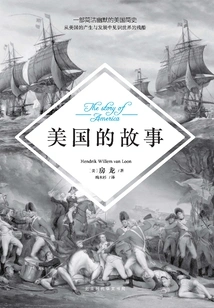
American Story
History美国的故事
Fanglong
In "The Story of America", the author uses his profound knowledge and concise and smooth writing to describe the changes in the North American continent from Columbus's discovery of the New World to the 1930s. The formation, birth and development of the United States of America are described in great detail. There are detailed descriptions of historical events, the impact of Western civilization, scientific and technological inventions on human life, and American political life. It is rich in content, informative, wide-ranging, and has a large amount of knowledge, which is beyond the reach of ordinary American history books. The writing style of this book is vivid and lively, and the people and stories are vividly written. There are many wonderful words and witty words, which makes it interesting to read.
In "The Story of America", the author uses his profound knowledge and concise and smooth writing to describe the changes in the North American continent from Columbus's discovery of the New World to the 1930s. The formation, birth and development of the United States of America are described in great detail. There are detailed descriptions of historical events, the impact of Western civilization, scientific and technological inventions on human life, and American political life. It is rich in content, informative, wide-ranging, and has a large amount of knowledge, which is beyond the reach of ordinary American history books. The writing style of this book is vivid and lively, and the people and stories are vividly written. There are many wonderful words and witty words, which makes it interesting to read.
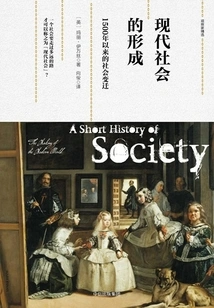
现代社会的形成:1500年以来的社会变迁
(uk)mary Evans
This book explores the emergence and development of the field we call "society." People understand the world through "society", but rarely reflect on the concept of "society" itself. Evans, the author of this book, reminds us that "society" is a product of modern human history, starting in Europe and triggering repercussions and even resistance around the world in 500 years. The author quotes extensively, not only showing the ideological achievements of traditional historical research and sociology, but also integrating art, literature, philosophy, politics and real-life examples. His vision spans more than five centuries and comprehensively presents a social history of "society" itself. This book is full of arguments, rich in theory, beautiful in writing, and well-founded, so that people can get ideological enlightenment.
This book explores the emergence and development of the field we call "society." People understand the world through "society", but rarely reflect on the concept of "society" itself. Evans, the author of this book, reminds us that "society" is a product of modern human history, starting in Europe and triggering repercussions and even resistance around the world in 500 years. The author quotes extensively, not only showing the ideological achievements of traditional historical research and sociology, but also integrating art, literature, philosophy, politics and real-life examples. His vision spans more than five centuries and comprehensively presents a social history of "society" itself. This book is full of arguments, rich in theory, beautiful in writing, and well-founded, so that people can get ideological enlightenment.
Wars in European History
History欧洲历史上的战争
(uk) Michael Howard
What we are talking about here is the history of European wars, and it also shows that history can explain wars, and wars can even explain history. Since the Middle Ages, wars on the European continent seem to have never stopped. The battle of armored knights was an aristocratic way of life at that time, and the imitation of clergy by knights made it mysterious; after the princes with royal power, the independent highest authorities had mercenaries, and mercenary wars began. Religious disputes in Europe led to the struggle for wealth, which made Europeans take risks to expand overseas. Once they reached their destination, they had to conquer it by force. For a time, the words war, exploration, and trade became almost interchangeable, and this became commercial war. Professionalism and patriotism gave Europe a war with professional soldiers. Professional soldiers were different from others in terms of clothing, living habits, functions and rights. The revolutionary wars, inter-state wars and World War II that followed in Europe demonstrated tremendous national energy.
What we are talking about here is the history of European wars, and it also shows that history can explain wars, and wars can even explain history. Since the Middle Ages, wars on the European continent seem to have never stopped. The battle of armored knights was an aristocratic way of life at that time, and the imitation of clergy by knights made it mysterious; after the princes with royal power, the independent highest authorities had mercenaries, and mercenary wars began. Religious disputes in Europe led to the struggle for wealth, which made Europeans take risks to expand overseas. Once they reached their destination, they had to conquer it by force. For a time, the words war, exploration, and trade became almost interchangeable, and this became commercial war. Professionalism and patriotism gave Europe a war with professional soldiers. Professional soldiers were different from others in terms of clothing, living habits, functions and rights. The revolutionary wars, inter-state wars and World War II that followed in Europe demonstrated tremendous national energy.
U
Historyu
I
The time node of "A Brief History of the World" is from the earth in the universe to the "Versailles Peace Treaty" after the First World War. It is a unique world history. From the origin of human civilization to the end of the First World War, it re-presents the various tastes of human civilization in front of people. In this book, the author gives unique descriptions of ancient Egypt, ancient Greece and Rome, the European Renaissance, the Reformation, the American War of Independence, etc., And also touches on Eastern cultures such as Confucianism and Taoism. The author does not use boring piles of literary historical materials to make statements, but uses a stripped-down method to simplify the complicated literary historical materials and present this period of history clearly in front of people. It can be called a representative work of world history.
The time node of "A Brief History of the World" is from the earth in the universe to the "Versailles Peace Treaty" after the First World War. It is a unique world history. From the origin of human civilization to the end of the First World War, it re-presents the various tastes of human civilization in front of people. In this book, the author gives unique descriptions of ancient Egypt, ancient Greece and Rome, the European Renaissance, the Reformation, the American War of Independence, etc., And also touches on Eastern cultures such as Confucianism and Taoism. The author does not use boring piles of literary historical materials to make statements, but uses a stripped-down method to simplify the complicated literary historical materials and present this period of history clearly in front of people. It can be called a representative work of world history.
Nazi Germany: a New History
History纳粹德国:一部新的历史
(us) Klaus P. Fisher
This book tells the history of the German Third Reich from its origins in the late 19th century to its catastrophic destruction in the mid-20th century. Using time as the axis, the author explains in detail the rise of Hitler, the rise of the Nazi Party and its path to power, as well as how Hitler led Germany step by step into war and ultimately destruction. On the basis of historical narration, the author not only discusses the magical power of Nazism and the actual operation of the Nazi German system, but also raises many difficult problems related to the Holocaust and the dilemma of Germans' confession in the conclusion, thus raising the historical height of the book and leading readers to a higher level of thinking about human issues.
This book tells the history of the German Third Reich from its origins in the late 19th century to its catastrophic destruction in the mid-20th century. Using time as the axis, the author explains in detail the rise of Hitler, the rise of the Nazi Party and its path to power, as well as how Hitler led Germany step by step into war and ultimately destruction. On the basis of historical narration, the author not only discusses the magical power of Nazism and the actual operation of the Nazi German system, but also raises many difficult problems related to the Holocaust and the dilemma of Germans' confession in the conclusion, thus raising the historical height of the book and leading readers to a higher level of thinking about human issues.
Details of World War Ii
History二战的细节
(germany) Kurt Von Tippelskich
The book profoundly describes the political and diplomatic activities of various countries, especially the major powers, as well as the games between them, and reveals the fact that some countries use all means to pursue their own interests, including exploiting each other, bullying the weak, betrayal, taking advantage of others, and even outright invasion. The military operations in various theaters on the Eastern and Western Fronts in which the German army participated were elaborated and analyzed. Germany was forced to fight on two fronts. The author's experience as the intelligence chief of the Army General Staff and commanding operations on the east and west fronts, as well as the help given by many senior generals and battlefield commanders, provided the author with favorable conditions to "elaborate on the process of military operations in all theaters from a German perspective." In this way, the book provides a more complete account of the history of World War II than some foreign histories that intentionally ignore or even do not involve the war on the Eastern or Western Fronts at all.
The book profoundly describes the political and diplomatic activities of various countries, especially the major powers, as well as the games between them, and reveals the fact that some countries use all means to pursue their own interests, including exploiting each other, bullying the weak, betrayal, taking advantage of others, and even outright invasion. The military operations in various theaters on the Eastern and Western Fronts in which the German army participated were elaborated and analyzed. Germany was forced to fight on two fronts. The author's experience as the intelligence chief of the Army General Staff and commanding operations on the east and west fronts, as well as the help given by many senior generals and battlefield commanders, provided the author with favorable conditions to "elaborate on the process of military operations in all theaters from a German perspective." In this way, the book provides a more complete account of the history of World War II than some foreign histories that intentionally ignore or even do not involve the war on the Eastern or Western Fronts at all.
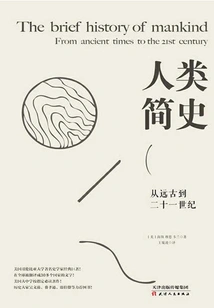
人类简史:从远古到二十一世纪
K
"A Brief History of Humankind: From Ancient Times to the Twenty-First Century" is a masterpiece of world history jointly completed by Columbia University historian Hayes and three historians including Moon and Wayland. Since its publication, it has received overwhelming praise and has been translated into many languages and circulated around the world. It can be said to be a handed down classic with global influence. This publication has undergone rigorous revision. From ancient times to the 21st century, it is a better and more systematic work for readers to fully understand human history. Best-selling for 80 years and lasting for 80 years, the original English version has been translated and revised to perfectly present the original masterpiece.
"A Brief History of Humankind: From Ancient Times to the Twenty-First Century" is a masterpiece of world history jointly completed by Columbia University historian Hayes and three historians including Moon and Wayland. Since its publication, it has received overwhelming praise and has been translated into many languages and circulated around the world. It can be said to be a handed down classic with global influence. This publication has undergone rigorous revision. From ancient times to the 21st century, it is a better and more systematic work for readers to fully understand human history. Best-selling for 80 years and lasting for 80 years, the original English version has been translated and revised to perfectly present the original masterpiece.
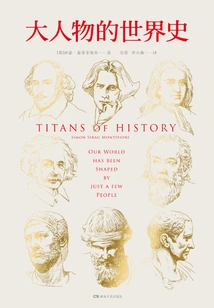
大人物的世界史(《耶路撒冷三千年》作者经典之作)
J
Montefiore, an indispensable historian of our time and author of "Three Thousand Years of Jerusalem", tells the history of 3,000 years of world figures. History is not shaped by a few people, but they have more or less changed the direction of history. They were prophets, kings, queens, poets, artists, philosophers, conquerors, explorers, prostitutes. They are either noble and brave, with unique charm, intelligence and creativity; or they are reckless, arrogant, shameless and almost crazy; or they are a combination of the two, a contradiction between heroes and beasts. Simon Montefiore uses vivid writing, detailed information, and chronological order to tell the lives and anecdotes of more than 100 historical giants, thus forming a world history spanning more than 3,000 years.
Montefiore, an indispensable historian of our time and author of "Three Thousand Years of Jerusalem", tells the history of 3,000 years of world figures. History is not shaped by a few people, but they have more or less changed the direction of history. They were prophets, kings, queens, poets, artists, philosophers, conquerors, explorers, prostitutes. They are either noble and brave, with unique charm, intelligence and creativity; or they are reckless, arrogant, shameless and almost crazy; or they are a combination of the two, a contradiction between heroes and beasts. Simon Montefiore uses vivid writing, detailed information, and chronological order to tell the lives and anecdotes of more than 100 historical giants, thus forming a world history spanning more than 3,000 years.
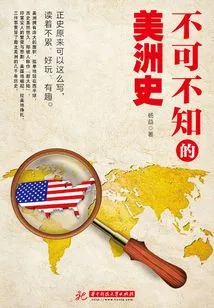
Essential American History
History不可不知的美洲史
Yang Yi
This book tells the history of the Americas (mainly the United States and Latin America) in popular language, and uses stories to present the major history of the Americas to readers in a chronological order. At the same time, the appendices of this book contain some content with higher added value, such as the economies of American countries, which adds to the richness of history.
This book tells the history of the Americas (mainly the United States and Latin America) in popular language, and uses stories to present the major history of the Americas to readers in a chronological order. At the same time, the appendices of this book contain some content with higher added value, such as the economies of American countries, which adds to the richness of history.
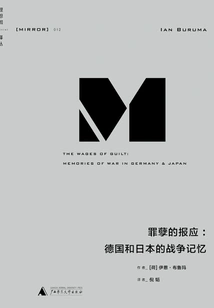
罪孽的报应:德国和日本的战争记忆
J
A political travelogue about war memory, state crimes, and national remorse. Seventy years after the end of World War II, when the righteous side cheers for victory, how do the two "dangerous nations" Germany and Japan face their disgraceful pasts? On the surface, the Germans' thorough reflection on the Holocaust and Japan's denial of responsibility for aggression are obvious to the world. However, under the shadow of history, regarding the purgatory of Auschwitz, Hiroshima and Nanjing, the trial of the victors and the proliferation of historical commemorations, as well as the efforts and means to achieve "normalization", the two seemingly different countries are actually full of gray areas where it is difficult to distinguish right from wrong. Visiting the ambiguous corners of history and capturing the subtext behind the high-sounding words, the author also does not forget to ask again and again: Who should pay for this sin?
A political travelogue about war memory, state crimes, and national remorse. Seventy years after the end of World War II, when the righteous side cheers for victory, how do the two "dangerous nations" Germany and Japan face their disgraceful pasts? On the surface, the Germans' thorough reflection on the Holocaust and Japan's denial of responsibility for aggression are obvious to the world. However, under the shadow of history, regarding the purgatory of Auschwitz, Hiroshima and Nanjing, the trial of the victors and the proliferation of historical commemorations, as well as the efforts and means to achieve "normalization", the two seemingly different countries are actually full of gray areas where it is difficult to distinguish right from wrong. Visiting the ambiguous corners of history and capturing the subtext behind the high-sounding words, the author also does not forget to ask again and again: Who should pay for this sin?
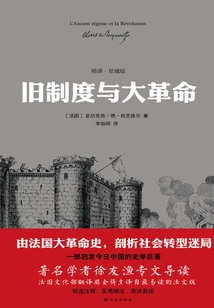
旧制度与大革命(精译·珍藏版)
(france) Alexis De Tocqueville
Tocqueville's "The Old Regime and the Revolution" is a classic work about the French Revolution. This is not a history of the French Revolution, but a study of the changes and impacts of the political system behind the Revolution. Through in-depth research on documents, archives and events related to the French Revolution, Tocqueville groundbreakingly answered the following questions: Why did the revolution accelerate at the most prosperous and enlightened period of the old system? Why did the revolution first break out in places with the least oppression? Why did revolutionaries angrily destroy all existing political systems? Did centralization of power and freedom of speech lead to people's demanding demands on the government? In order to realize the equality they love, why people would rather not have freedom, etc. Through in-depth discussions on these issues, Tocqueville clarified the relationship between the four important political concepts of democracy, autocracy, freedom, and equality in a general sense.
Tocqueville's "The Old Regime and the Revolution" is a classic work about the French Revolution. This is not a history of the French Revolution, but a study of the changes and impacts of the political system behind the Revolution. Through in-depth research on documents, archives and events related to the French Revolution, Tocqueville groundbreakingly answered the following questions: Why did the revolution accelerate at the most prosperous and enlightened period of the old system? Why did the revolution first break out in places with the least oppression? Why did revolutionaries angrily destroy all existing political systems? Did centralization of power and freedom of speech lead to people's demanding demands on the government? In order to realize the equality they love, why people would rather not have freedom, etc. Through in-depth discussions on these issues, Tocqueville clarified the relationship between the four important political concepts of democracy, autocracy, freedom, and equality in a general sense.
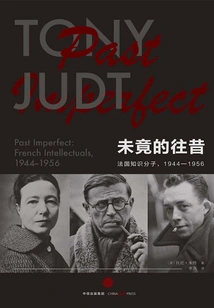
未竟的往昔:法国知识分子(1944-1956)
(us) Tony Judt
After World War II, French intellectuals played a uniquely important role in European cultural and political life. In this work, Tony Judt analyzes the biggest conflict in intellectual circles: how to respond to the promises and betrayals of communism; and how to maintain persistence in radical ideas in the face of the hypocrisy of the former Soviet Union under Stalin, the new communist Eastern Europe, and France itself. Judt shows us how these pioneering intellectuals defended certain "show trials" after the war, ignored the tyranny and terror behind communism, and even spread the theory to the public that the Soviet-style road was the only way to liberation. In addition, this book also provides a detailed description of the drama and struggle for power and gain among intellectuals at that time. The objects of its attention include not only the representative figures of "existentialism" - Sartre, Camus and Beauvoir, but also important Catholic philosophers, journalists, literary critics, etc.
After World War II, French intellectuals played a uniquely important role in European cultural and political life. In this work, Tony Judt analyzes the biggest conflict in intellectual circles: how to respond to the promises and betrayals of communism; and how to maintain persistence in radical ideas in the face of the hypocrisy of the former Soviet Union under Stalin, the new communist Eastern Europe, and France itself. Judt shows us how these pioneering intellectuals defended certain "show trials" after the war, ignored the tyranny and terror behind communism, and even spread the theory to the public that the Soviet-style road was the only way to liberation. In addition, this book also provides a detailed description of the drama and struggle for power and gain among intellectuals at that time. The objects of its attention include not only the representative figures of "existentialism" - Sartre, Camus and Beauvoir, but also important Catholic philosophers, journalists, literary critics, etc.
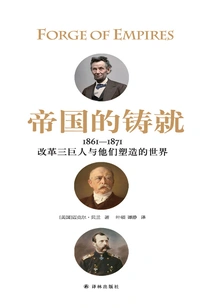
M
Historym
N
The reforms carried out by Lincoln, Bismarck and Alexander II in their respective countries from 1861 to 1871 constitute one of the most remarkable chapters in the annals of human freedom and witnessed the emergence of a new philosophy of terror and power. Michael Belland astutely extracts this important slice of time from history. He used his solid historical knowledge to understand the internal connections between the three reforms, and used his skillful writing style to show the arduous reform process of the three leaders despite internal and external troubles. The revolutions in the United States, Germany, and Russia were all carried out in the name of freedom, but in completely different ways: Lincoln wanted to give the United States a "new life of freedom," Bismarck promoted power with "iron and blood," and Alexander II implemented changes "from top to bottom."
The reforms carried out by Lincoln, Bismarck and Alexander II in their respective countries from 1861 to 1871 constitute one of the most remarkable chapters in the annals of human freedom and witnessed the emergence of a new philosophy of terror and power. Michael Belland astutely extracts this important slice of time from history. He used his solid historical knowledge to understand the internal connections between the three reforms, and used his skillful writing style to show the arduous reform process of the three leaders despite internal and external troubles. The revolutions in the United States, Germany, and Russia were all carried out in the name of freedom, but in completely different ways: Lincoln wanted to give the United States a "new life of freedom," Bismarck promoted power with "iron and blood," and Alexander II implemented changes "from top to bottom."
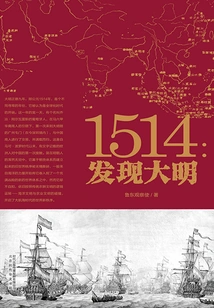
1514:发现大明
Ludong Observer
The ninth year of Zhengde in the Ming Dynasty, that is, 1514 AD, was an unusual year. It was considered the beginning of the era of globalization. One day this year, a Portuguese man named Jorge Alvarez, led by Chinese merchants from Malacca, came to Tuenmen, Guangzhou (in today's Shenzhen) for the first time in the Ming Dynasty, conducted transactions with Chinese merchants, and returned with a full load. This was the first recorded European contact with China since the time of Marco Polo. While the people of the Ming Dynasty were unaware, the old world order established based on the tribute system was ruthlessly torn apart. A force from the ocean began to involve it in a new world system full of dangers. However, it was unaware that it still operated according to the logic of traditional agricultural civilization... The collision of marine civilization and agricultural civilization opened a new world order in the Age of Discovery.
The ninth year of Zhengde in the Ming Dynasty, that is, 1514 AD, was an unusual year. It was considered the beginning of the era of globalization. One day this year, a Portuguese man named Jorge Alvarez, led by Chinese merchants from Malacca, came to Tuenmen, Guangzhou (in today's Shenzhen) for the first time in the Ming Dynasty, conducted transactions with Chinese merchants, and returned with a full load. This was the first recorded European contact with China since the time of Marco Polo. While the people of the Ming Dynasty were unaware, the old world order established based on the tribute system was ruthlessly torn apart. A force from the ocean began to involve it in a new world system full of dangers. However, it was unaware that it still operated according to the logic of traditional agricultural civilization... The collision of marine civilization and agricultural civilization opened a new world order in the Age of Discovery.
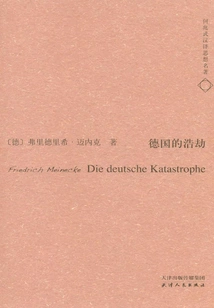
Catastrophe in Germany
History德国的浩劫
K
Friedrich Meinecke, the author of "The Holocaust in Germany", is one of the most famous historians in the contemporary West. Gu Zhi called him the most eye-catching figure in German historiography after the First World War; Breisach also called him the chief spokesperson of contemporary German historicism. "The Holocaust of Germany" is divided into two contemporary waves, the German people before and after the establishment of the Second Reich; Hitlerism and Western powers, etc. There are fifteen chapters.
Friedrich Meinecke, the author of "The Holocaust in Germany", is one of the most famous historians in the contemporary West. Gu Zhi called him the most eye-catching figure in German historiography after the First World War; Breisach also called him the chief spokesperson of contemporary German historicism. "The Holocaust of Germany" is divided into two contemporary waves, the German people before and after the establishment of the Second Reich; Hitlerism and Western powers, etc. There are fifteen chapters.
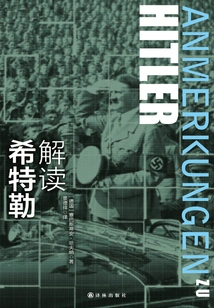
Interpreting Hitler
History解读希特勒
L
The most famous work by Sebastian Hafner, a master historian of German political theory, caused a sensation in Germany after its publication in 1978. It topped the German bestseller list for 43 consecutive weeks. It is still the most highly rated Hitler monograph in Germany and has a very high status in the hearts of experts on the history of World War II around the world. The book strives to dissect and evaluate Hitler objectively and impartially: How did he transform from an unknown and decadent artist to a "talented" politician? What achievements did he create in Germany after he came to power that made Germans crazy? Was his diplomatic success inevitable or accidental? What is wrong with his ultra-nationalist and anti-Semitic political thinking? How did his political decisions run counter to his political goals? Is he the supreme "Führer" or a traitor in the eyes of the Germans?
The most famous work by Sebastian Hafner, a master historian of German political theory, caused a sensation in Germany after its publication in 1978. It topped the German bestseller list for 43 consecutive weeks. It is still the most highly rated Hitler monograph in Germany and has a very high status in the hearts of experts on the history of World War II around the world. The book strives to dissect and evaluate Hitler objectively and impartially: How did he transform from an unknown and decadent artist to a "talented" politician? What achievements did he create in Germany after he came to power that made Germans crazy? Was his diplomatic success inevitable or accidental? What is wrong with his ultra-nationalist and anti-Semitic political thinking? How did his political decisions run counter to his political goals? Is he the supreme "Führer" or a traitor in the eyes of the Germans?
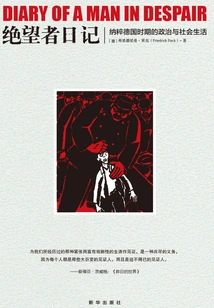
绝望者日记:纳粹德国时期的政治与社会生活
(germany) Friedrich Reich
This book was originally an anti-Nazi document from within the Third Reich. It was originally published in Germany in 1947 by an unknown small publishing house in Stuttgart. Soon after, the publishing house ceased commercial operations. It went unnoticed at the time. It was not until 1964 that a newspaper published a series of articles called "Forgotten Books" that attracted people's attention. It was published as a paperback book in 1966 and also appeared in several different languages. An English version of the book was published in 1970. This book is not a diary in the traditional sense; the author does not write events in chronological order, but includes the author's thoughts, reflections, stories, and memories.
This book was originally an anti-Nazi document from within the Third Reich. It was originally published in Germany in 1947 by an unknown small publishing house in Stuttgart. Soon after, the publishing house ceased commercial operations. It went unnoticed at the time. It was not until 1964 that a newspaper published a series of articles called "Forgotten Books" that attracted people's attention. It was published as a paperback book in 1966 and also appeared in several different languages. An English version of the book was published in 1970. This book is not a diary in the traditional sense; the author does not write events in chronological order, but includes the author's thoughts, reflections, stories, and memories.
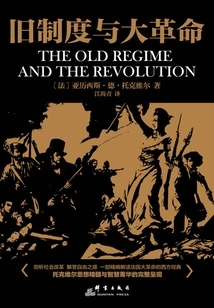
旧制度与大革命
(france) Alexis De Tocqueville
This book is one of the representative works of French historian and thinker Tocqueville. Through research and analysis of a large number of historical facts about the French Revolution, Tocqueville revealed the intrinsic connection between the old system and the Revolution, explored the origins of the French Revolution at the end of the eighteenth century, and the reasons why the Revolution was more thorough and intense than other bourgeois revolutions. The questions studied in this book include: Why do French people hate feudal power so much more than other countries? Why were the people of France at that time more similar to each other and more separate and indifferent to each other than the people of other countries? The most prosperous period of the old monarchy was the reign of Louis XVI. Why did this prosperity accelerate the pace of the Great Revolution... The French Revolution had an important position and influence in world history. It can inspire later generations and make them aware of history while understanding history. Its content and nature determine that this book has far-reaching significance. It will surely enlighten and shock readers, allowing them to more clearly understand the era in which they live, and be a person who draws lessons from history. This book has been highly recommended by Wang Qishan, Secretary of the Central Commission for Discipline Inspection and other central government officials, as well as scholars and celebrities such as Zhu Xueqin, Qin Hui, Xu Xiaonian, Lei Yi, Yi Gang, and Ren Zhiqiang.
This book is one of the representative works of French historian and thinker Tocqueville. Through research and analysis of a large number of historical facts about the French Revolution, Tocqueville revealed the intrinsic connection between the old system and the Revolution, explored the origins of the French Revolution at the end of the eighteenth century, and the reasons why the Revolution was more thorough and intense than other bourgeois revolutions. The questions studied in this book include: Why do French people hate feudal power so much more than other countries? Why were the people of France at that time more similar to each other and more separate and indifferent to each other than the people of other countries? The most prosperous period of the old monarchy was the reign of Louis XVI. Why did this prosperity accelerate the pace of the Great Revolution... The French Revolution had an important position and influence in world history. It can inspire later generations and make them aware of history while understanding history. Its content and nature determine that this book has far-reaching significance. It will surely enlighten and shock readers, allowing them to more clearly understand the era in which they live, and be a person who draws lessons from history. This book has been highly recommended by Wang Qishan, Secretary of the Central Commission for Discipline Inspection and other central government officials, as well as scholars and celebrities such as Zhu Xueqin, Qin Hui, Xu Xiaonian, Lei Yi, Yi Gang, and Ren Zhiqiang.
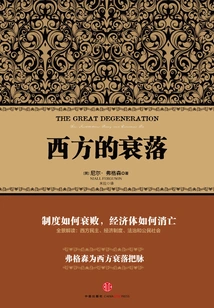
The Decline of the West
History西方的衰落
H
The Decline of the West is a provocative and controversial book that strikes a blow against an age of complacency and blindness. While the Arab world is struggling for democracy, and while China is striving to move from economic liberalization to a society governed by the rule of law, European and American societies are squandering centuries of accumulated institutional advantages. Ferguson warned that if we want to curb the declining trend of the civilization that once dominated the world in Western society, we can only rely on strong leadership and drastic reforms.
The Decline of the West is a provocative and controversial book that strikes a blow against an age of complacency and blindness. While the Arab world is struggling for democracy, and while China is striving to move from economic liberalization to a society governed by the rule of law, European and American societies are squandering centuries of accumulated institutional advantages. Ferguson warned that if we want to curb the declining trend of the civilization that once dominated the world in Western society, we can only rely on strong leadership and drastic reforms.
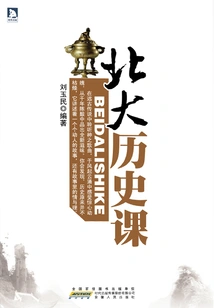
北大历史课
Liu Yumin
Peking University has gone through a journey of more than 100 years, and batches of Peking University people have witnessed the changes of the times; looking back at history, they have also seen through the vicissitudes of the past. This book narrates the history of China and the world, from ancient legends to modern civilization, from the land of China to the world stage. The content covers ancient and modern times and connects China and foreign countries. It allows us to learn from history, base ourselves on the present, and look to the future.
Peking University has gone through a journey of more than 100 years, and batches of Peking University people have witnessed the changes of the times; looking back at history, they have also seen through the vicissitudes of the past. This book narrates the history of China and the world, from ancient legends to modern civilization, from the land of China to the world stage. The content covers ancient and modern times and connects China and foreign countries. It allows us to learn from history, base ourselves on the present, and look to the future.

史上最强日本史3
Sakura Snowmaru
This book is the third volume that tells the history of Japan in a popular and smooth way. In the eighth year of Keicho (1603), shortly after the Battle of Sekigahara, Tokugawa Ieyasu was appointed by the Emperor as the general to conquer the barbarians and established the shogunate in Edo. This is of course the result of countless arrangements, but for Ieyasu, his purpose is far more than that. What he really wants to do is to eliminate the Toyotomi family and put the entire Japan in the hands of the Tokugawa family. On the other hand, the Toyotomi family, which has felt many crises, has also carried out various resistances under the leadership of the core group headed by Mrs. Yodo. Whether it is negative or positive, everyone hopes to protect the great achievements of the late Taiko Toyotomi Hideyoshi to the end. Thus, a decisive battle between east and west will begin again. And whose side will the goddess of victory stand on this time? Is it the east side or the west side? Is it a giant or a Hanshin?
This book is the third volume that tells the history of Japan in a popular and smooth way. In the eighth year of Keicho (1603), shortly after the Battle of Sekigahara, Tokugawa Ieyasu was appointed by the Emperor as the general to conquer the barbarians and established the shogunate in Edo. This is of course the result of countless arrangements, but for Ieyasu, his purpose is far more than that. What he really wants to do is to eliminate the Toyotomi family and put the entire Japan in the hands of the Tokugawa family. On the other hand, the Toyotomi family, which has felt many crises, has also carried out various resistances under the leadership of the core group headed by Mrs. Yodo. Whether it is negative or positive, everyone hopes to protect the great achievements of the late Taiko Toyotomi Hideyoshi to the end. Thus, a decisive battle between east and west will begin again. And whose side will the goddess of victory stand on this time? Is it the east side or the west side? Is it a giant or a Hanshin?
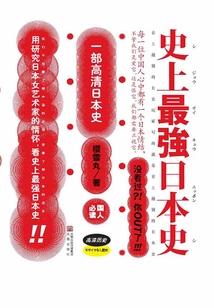
史上最强日本史
Sakura Snowmaru
It tells the story of Japan's Warring States Troubles in the more than three hundred years from 1543 to 1868 in a popular and smooth writing style. It is based on historical materials, takes the age and specific tasks as the main line, and adds the writing style of the novel to give a detailed account of the fifteenth generation of the Edo shogunate and the generals. The fate of other samurai, merchants, etc. Is displayed in a panoramic manner, with more emphasis on the narrative of Japan's war history at that time. The "machi culture" of Edo (Tokyo) is the most inscribed, and the story of Japan's political and economic system and people's lives at that time is added. The first part is written from the birth of Tokugawa Ieyasu until Japan was unified by Toyotomi Hideyoshi. It narrates Tokugawa Ieyasu's most difficult life years in his struggle, starting from his status as a hostage. While telling the ups and downs of the characters' fate, it more closely reveals the biggest mystery in the history of Japan's Warring States Period - the rebellion of Akechi Mitsuhide, the Incident at Honnoji Temple, and the final outcome of Oda Nobunaga.
It tells the story of Japan's Warring States Troubles in the more than three hundred years from 1543 to 1868 in a popular and smooth writing style. It is based on historical materials, takes the age and specific tasks as the main line, and adds the writing style of the novel to give a detailed account of the fifteenth generation of the Edo shogunate and the generals. The fate of other samurai, merchants, etc. Is displayed in a panoramic manner, with more emphasis on the narrative of Japan's war history at that time. The "machi culture" of Edo (Tokyo) is the most inscribed, and the story of Japan's political and economic system and people's lives at that time is added. The first part is written from the birth of Tokugawa Ieyasu until Japan was unified by Toyotomi Hideyoshi. It narrates Tokugawa Ieyasu's most difficult life years in his struggle, starting from his status as a hostage. While telling the ups and downs of the characters' fate, it more closely reveals the biggest mystery in the history of Japan's Warring States Period - the rebellion of Akechi Mitsuhide, the Incident at Honnoji Temple, and the final outcome of Oda Nobunaga.
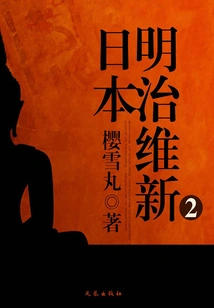
Japan Meiji Restoration 2
History日本明治维新2
Sakura Snowmaru
In June 1853, four American steam warships came to Edo, Japan, during the "Black Ship Arrival", breaking Japan's two-hundred-year-long policy of isolation. The actual ruler of Japan, the Tokugawa Shogunate, announced the founding of the country and signed a series of unequal treaties with Western powers; at the same time, Japan's "respecting and resisting faction" began a vigorous "overthrow" movement. By 1867, the shogunate returned power to the emperor, and the reformers announced the "restoration of royal government." After the abolition of vassals and the establishment of prefectures and the Southwest War, the cabinet system was implemented and a constitutional system was established, putting Japan on the road to becoming a rich country and strengthening its military. Subsequently, Japan began its crazy expansion and launched the Sino-Japanese Sino-Japanese Sino-Japanese Sino-Japanese Naval War and the Russo-Japanese War. This book covers a total of 60 years of history from "The Arrival of the Black Ships" to the Russo-Japanese War. It provides a panoramic view of the historical process of the "Meiji Restoration" that transformed Japan from a small, poor and weak country into a modern and powerful country, as well as the expansion ambitions of Japanese militarism after the Meiji Restoration.
In June 1853, four American steam warships came to Edo, Japan, during the "Black Ship Arrival", breaking Japan's two-hundred-year-long policy of isolation. The actual ruler of Japan, the Tokugawa Shogunate, announced the founding of the country and signed a series of unequal treaties with Western powers; at the same time, Japan's "respecting and resisting faction" began a vigorous "overthrow" movement. By 1867, the shogunate returned power to the emperor, and the reformers announced the "restoration of royal government." After the abolition of vassals and the establishment of prefectures and the Southwest War, the cabinet system was implemented and a constitutional system was established, putting Japan on the road to becoming a rich country and strengthening its military. Subsequently, Japan began its crazy expansion and launched the Sino-Japanese Sino-Japanese Sino-Japanese Sino-Japanese Naval War and the Russo-Japanese War. This book covers a total of 60 years of history from "The Arrival of the Black Ships" to the Russo-Japanese War. It provides a panoramic view of the historical process of the "Meiji Restoration" that transformed Japan from a small, poor and weak country into a modern and powerful country, as well as the expansion ambitions of Japanese militarism after the Meiji Restoration.
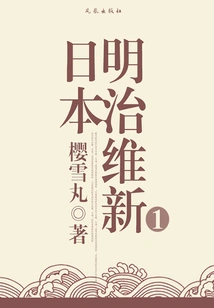
Japan's Meiji Restoration 1
History日本明治维新1
Sakura Snowmaru
In June 1853, four American steam warships came to Edo, Japan, during the "Black Ship Arrival", breaking Japan's two-hundred-year-long policy of isolation. The actual ruler of Japan, the Tokugawa Shogunate, announced the founding of the country and signed a series of unequal treaties with Western powers; at the same time, Japan's "respecting and resisting faction" began a vigorous "overthrow" movement. By 1867, the shogunate returned power to the emperor, and the reformers announced the "restoration of royal government." After the abolition of vassals and the establishment of prefectures and the Southwest War, the cabinet system was implemented and a constitutional system was established, putting Japan on the road to becoming a rich country and strengthening its military. Subsequently, Japan began its crazy expansion and launched the Sino-Japanese Sino-Japanese Sino-Japanese Sino-Japanese Naval War and the Russo-Japanese War. This book covers a total of 60 years of history from "The Arrival of the Black Ships" to the Russo-Japanese War. It provides a panoramic view of the historical process of the "Meiji Restoration" that transformed Japan from a small, poor and weak country into a modern and powerful country, as well as the expansion ambitions of Japanese militarism after the Meiji Restoration.
In June 1853, four American steam warships came to Edo, Japan, during the "Black Ship Arrival", breaking Japan's two-hundred-year-long policy of isolation. The actual ruler of Japan, the Tokugawa Shogunate, announced the founding of the country and signed a series of unequal treaties with Western powers; at the same time, Japan's "respecting and resisting faction" began a vigorous "overthrow" movement. By 1867, the shogunate returned power to the emperor, and the reformers announced the "restoration of royal government." After the abolition of vassals and the establishment of prefectures and the Southwest War, the cabinet system was implemented and a constitutional system was established, putting Japan on the road to becoming a rich country and strengthening its military. Subsequently, Japan began its crazy expansion and launched the Sino-Japanese Sino-Japanese Sino-Japanese Sino-Japanese Naval War and the Russo-Japanese War. This book covers a total of 60 years of history from "The Arrival of the Black Ships" to the Russo-Japanese War. It provides a panoramic view of the historical process of the "Meiji Restoration" that transformed Japan from a small, poor and weak country into a modern and powerful country, as well as the expansion ambitions of Japanese militarism after the Meiji Restoration.
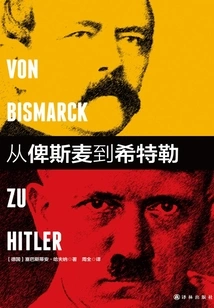
From Bismarck to Hitler
History从俾斯麦到希特勒
(german) Sebastian Hafner
"From Bismarck to Hitler" reviews the history from how Bismarck, the "Iron-Blooded Chancellor" of the Kingdom of Prussia, created the German Empire until Hitler's Third Reich led the Germanic nations to the road of destruction. From Bismarck to Hitler, this book provides readers with a line of German historical development, and thereby inspires readers to reflect on the differences between Germany's current situation and its original development. Through the spiritual dialogue with Hafner, readers will have a deeper understanding of European and German history.
"From Bismarck to Hitler" reviews the history from how Bismarck, the "Iron-Blooded Chancellor" of the Kingdom of Prussia, created the German Empire until Hitler's Third Reich led the Germanic nations to the road of destruction. From Bismarck to Hitler, this book provides readers with a line of German historical development, and thereby inspires readers to reflect on the differences between Germany's current situation and its original development. Through the spiritual dialogue with Hafner, readers will have a deeper understanding of European and German history.
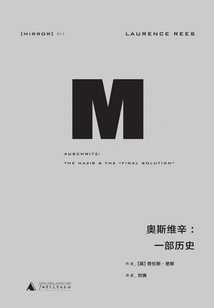
Auschwitz: a History
History奥斯维辛:一部历史
(uk) Laurence Rees
This book attempts to use a specific place as an entry point to give the most thorough explanation of the most serious crime in human history, which is Auschwitz. History is not a script, there is always more than one truth. Auschwitz is not an extermination camp specifically used to kill Jews, nor is it only related to the "Final Solution" - Auschwitz is the history of the struggle of concentration camp commander Hoss and other Nazi officials; it is the emotional purgatory of Poles, Gypsies, Soviet prisoners of war, and Jehovah's Witnesses; it is the story of an eight-year-old German girl who got up one day and suddenly It is the story of a survivor who returned to his hometown after the war, only to find that the outside world is worse than Auschwitz... There is no isolated evidence in this book. Every word spoken comes from more than two historical records, including declassified files after the collapse of the Soviet Union and interviews with eyewitnesses.
This book attempts to use a specific place as an entry point to give the most thorough explanation of the most serious crime in human history, which is Auschwitz. History is not a script, there is always more than one truth. Auschwitz is not an extermination camp specifically used to kill Jews, nor is it only related to the "Final Solution" - Auschwitz is the history of the struggle of concentration camp commander Hoss and other Nazi officials; it is the emotional purgatory of Poles, Gypsies, Soviet prisoners of war, and Jehovah's Witnesses; it is the story of an eight-year-old German girl who got up one day and suddenly It is the story of a survivor who returned to his hometown after the war, only to find that the outside world is worse than Auschwitz... There is no isolated evidence in this book. Every word spoken comes from more than two historical records, including declassified files after the collapse of the Soviet Union and interviews with eyewitnesses.
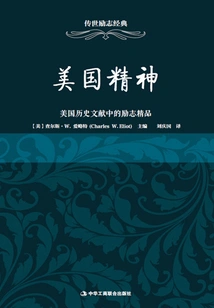
美国精神:美国历史文献中的励志精品
(us) Charles W. Eliot
This book contains 25 treaties, speeches, historical reports, and government documents. These documents record the major events in American history in contemporary terms, providing us with a microcosm of the political progress of the American people, making it convenient for readers to read and learn.
This book contains 25 treaties, speeches, historical reports, and government documents. These documents record the major events in American history in contemporary terms, providing us with a microcosm of the political progress of the American people, making it convenient for readers to read and learn.
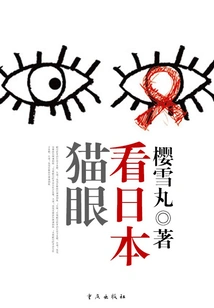
猫眼看日本
Sakura Snowmaru
This book uses "Doraemon" as the starting point to provide an in-depth analysis of all aspects of Japanese history and society. "Doraemon" is a very influential cartoon, and the twists and turns and bizarre historical story behind this well-known cartoon are probably unfamiliar to many people. It is through this topic that the author guides everyone to understand Japan and Japanese history. The text in this book is concise, humorous and highly readable, making it suitable for leisure reading by most readers.
This book uses "Doraemon" as the starting point to provide an in-depth analysis of all aspects of Japanese history and society. "Doraemon" is a very influential cartoon, and the twists and turns and bizarre historical story behind this well-known cartoon are probably unfamiliar to many people. It is through this topic that the author guides everyone to understand Japan and Japanese history. The text in this book is concise, humorous and highly readable, making it suitable for leisure reading by most readers.
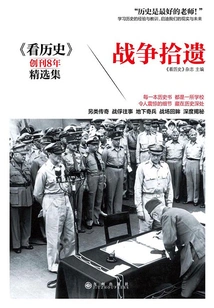
War Relics
History战争拾遗
"looking At History" Magazine
"Looking at History" has accumulated a large number of excellent articles in the eight years since its publication. These articles often publish many new viewpoints based on the exploration of new historical materials, allowing readers to gain new feelings and be inspired by new things. The editorial department of the magazine selects the best from thousands of manuscripts and assembles them based on different themes. "War Supplements" is one of them.
"Looking at History" has accumulated a large number of excellent articles in the eight years since its publication. These articles often publish many new viewpoints based on the exploration of new historical materials, allowing readers to gain new feelings and be inspired by new things. The editorial department of the magazine selects the best from thousands of manuscripts and assembles them based on different themes. "War Supplements" is one of them.
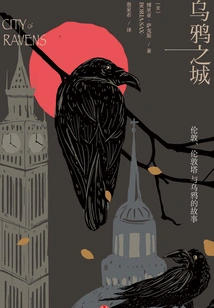
乌鸦之城:伦敦、伦敦塔与乌鸦的故事
(us) Boria Sachs
This book starts with the crows in the Tower of London and shows the dramatic changes in our attitude toward crows and the entire natural world over the centuries. It also demonstrates the unique charm of crows in Anglo-Saxon culture, thus linking the history of Britain from the Middle Ages to modern times. Through vivid and interesting historical and cultural stories, the author reveals how our thinking and culture are influenced and defined by crows. In today's Britain, it not only serves as a symbolic existence, but also has become a "magical bird" related to the national destiny. At the same time, in British culture, it is also a metaphor for the spirit of strong survival in difficulties. In the process of protecting it, humans also protect their own culture and traditions.
This book starts with the crows in the Tower of London and shows the dramatic changes in our attitude toward crows and the entire natural world over the centuries. It also demonstrates the unique charm of crows in Anglo-Saxon culture, thus linking the history of Britain from the Middle Ages to modern times. Through vivid and interesting historical and cultural stories, the author reveals how our thinking and culture are influenced and defined by crows. In today's Britain, it not only serves as a symbolic existence, but also has become a "magical bird" related to the national destiny. At the same time, in British culture, it is also a metaphor for the spirit of strong survival in difficulties. In the process of protecting it, humans also protect their own culture and traditions.
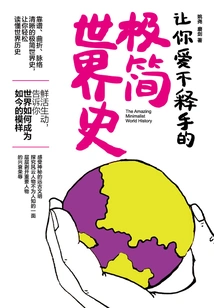
让你爱不释手的极简世界史
Yao Yao Sharpens His Sword
This book starts from the origin of civilization and tells about primitive society, Mesopotamian civilization, ancient Egypt, India, Mayan civilization and Atlantis. Chapters 8 to 18 cover the classical era, describing the Trojan War, the two Greco-Persian Wars, the Age of Pericles, the Peloponnesian War, Alexander, the Roman Empire, Caesar the Great, Augustus the Great, the Western Roman Empire and the birth of Christianity. Chapters 19 and 20 are medieval history, about Byzantium. Chapters 21 to 28 are modern history, describing the Renaissance, Industrial Revolution, Enlightenment, Russian history, the American Civil War and the two world wars.
This book starts from the origin of civilization and tells about primitive society, Mesopotamian civilization, ancient Egypt, India, Mayan civilization and Atlantis. Chapters 8 to 18 cover the classical era, describing the Trojan War, the two Greco-Persian Wars, the Age of Pericles, the Peloponnesian War, Alexander, the Roman Empire, Caesar the Great, Augustus the Great, the Western Roman Empire and the birth of Christianity. Chapters 19 and 20 are medieval history, about Byzantium. Chapters 21 to 28 are modern history, describing the Renaissance, Industrial Revolution, Enlightenment, Russian history, the American Civil War and the two world wars.
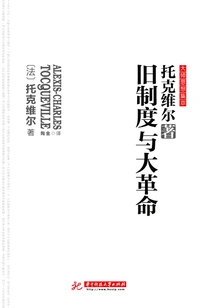
旧制度与大革命
(france) Tocqueville
This is a "study of the French Revolution," not another history of the Revolution. In the book, Tocqueville tried to explain: Why is it that almost all of Europe has the same political system, and how do they collapse everywhere? Why did feudal privileges become more abhorrent to the French people than elsewhere? Why is the centralized administrative system a system of the Old Regime and not a creation of the Revolution or the Empire? Why were people in 18th-century France more similar to each other than people in other countries, yet at the same time separate and indifferent to each other? Despite the continuous progress of civilization, why was the situation of French peasants in the 18th century sometimes even worse than that of the peasants in the 13th century? Why did French literati become the country's main political figures in the 18th century? Why do the French prefer reform first and freedom later? Why does the administrative revolution precede the political revolution? The period of Louis XVI was the most prosperous period of the old dynasty. How did this prosperity accelerate the revolution?
This is a "study of the French Revolution," not another history of the Revolution. In the book, Tocqueville tried to explain: Why is it that almost all of Europe has the same political system, and how do they collapse everywhere? Why did feudal privileges become more abhorrent to the French people than elsewhere? Why is the centralized administrative system a system of the Old Regime and not a creation of the Revolution or the Empire? Why were people in 18th-century France more similar to each other than people in other countries, yet at the same time separate and indifferent to each other? Despite the continuous progress of civilization, why was the situation of French peasants in the 18th century sometimes even worse than that of the peasants in the 13th century? Why did French literati become the country's main political figures in the 18th century? Why do the French prefer reform first and freedom later? Why does the administrative revolution precede the political revolution? The period of Louis XVI was the most prosperous period of the old dynasty. How did this prosperity accelerate the revolution?
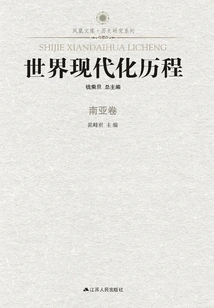
世界现代化历程(南亚卷)
Qian Chengdan Chen Fengjun
In South Asia, the Indian model is a typical representative of the modernization model of developing countries and has achieved initial success. The Indian model involves all aspects, and the book chooses to elaborate and analyze it from four perspectives: politics, economy, culture, and society. In addition to India, in South Asia, the modernization processes of Pakistan, Nepal and Sri Lanka also have their own characteristics, which are highlighted and analyzed in the book. A significant highlight of "Phoenix Library·Department of Historical Studies: The Process of World Modernization (South Asia Volume)" is that it sorted out the major controversial theoretical and practical issues in the relevant academic circles and put forward independent views. This feature is particularly prominent in the previous chapter on the Indian model.
In South Asia, the Indian model is a typical representative of the modernization model of developing countries and has achieved initial success. The Indian model involves all aspects, and the book chooses to elaborate and analyze it from four perspectives: politics, economy, culture, and society. In addition to India, in South Asia, the modernization processes of Pakistan, Nepal and Sri Lanka also have their own characteristics, which are highlighted and analyzed in the book. A significant highlight of "Phoenix Library·Department of Historical Studies: The Process of World Modernization (South Asia Volume)" is that it sorted out the major controversial theoretical and practical issues in the relevant academic circles and put forward independent views. This feature is particularly prominent in the previous chapter on the Indian model.
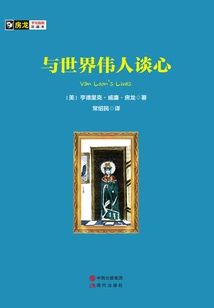
Chat with World Greats
History与世界伟人谈心
J
This book introduces dozens of important figures in human history to readers in a unique form of dialogue between ancient and modern times. The author uses the form of weekend dinners to resurrect long-dead characters and invite them to attend this strange dinner. A total of 21 dinners were held, and guests present included Erasmus, William the Silent, George Washington, Thomas More... The growth process and thoughts of the great men were slowly revealed in these conversations.
This book introduces dozens of important figures in human history to readers in a unique form of dialogue between ancient and modern times. The author uses the form of weekend dinners to resurrect long-dead characters and invite them to attend this strange dinner. A total of 21 dinners were held, and guests present included Erasmus, William the Silent, George Washington, Thomas More... The growth process and thoughts of the great men were slowly revealed in these conversations.
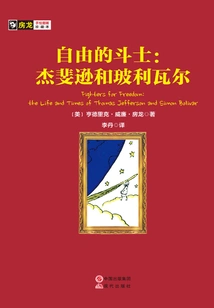
自由的斗士:杰斐逊和玻利瓦尔
Fanglong
This book mainly tells the life stories of Jefferson, the American democracy fighter, and Bolivar, one of the most outstanding leaders of the Latin American independence movement in the 19th century. They pursued freedom, democracy, and independence throughout their lives, and fought hard to win the independence of their nation. They are worth learning from the world.
This book mainly tells the life stories of Jefferson, the American democracy fighter, and Bolivar, one of the most outstanding leaders of the Latin American independence movement in the 19th century. They pursued freedom, democracy, and independence throughout their lives, and fought hard to win the independence of their nation. They are worth learning from the world.
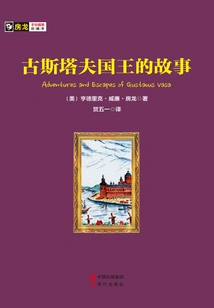
The Story of King Gustav
History古斯塔夫国王的故事
Fanglong
This book tells the historical process of the Swedish people establishing an independent country under the leadership of Gustav Vasa, the founder of the Vasa dynasty, and the tenacious spirit of the Swedish people who did not want to become a slave and fought for independence. This is not only a thrilling work, but also a profound work full of connotations.
This book tells the historical process of the Swedish people establishing an independent country under the leadership of Gustav Vasa, the founder of the Vasa dynasty, and the tenacious spirit of the Swedish people who did not want to become a slave and fought for independence. This is not only a thrilling work, but also a profound work full of connotations.
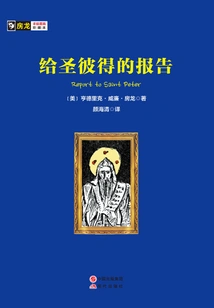
Report to St. Peter
History给圣彼得的报告
Fanglong
This book is Fang Long's last work. It is a record of his life and an unfinished posthumous work. Van Saurus does not trace his school life in the book, but rather tells some stories about human beings, such as the history of Rotterdam in the Netherlands, and the terrible blows that human beings have suffered in the past 500 years.
This book is Fang Long's last work. It is a record of his life and an unfinished posthumous work. Van Saurus does not trace his school life in the book, but rather tells some stories about human beings, such as the history of Rotterdam in the Netherlands, and the terrible blows that human beings have suffered in the past 500 years.
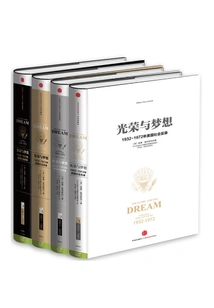
光荣与梦想(全四册)
I
Wang Shi, He Huaihong, He Fan, and Yu Minhong enthusiastically recommended. This is not a book, this is an era. Since its release in 1974, "Glory and Dreams" has been remembered by countless people. This great work skillfully condenses 40 years of rich American history from 1932-1972. The famous popular history writer William Manchester uses the administration and campaigns of several US presidents as a bright line, from the "Hooverville" and "Hoover Wagon" that made Hoover lose face, Roosevelt's unprecedented four elections, all the way to Truman, Eisenhower, Kennedy, and the Watergate incident that led to the resignation of Nixon. It vividly and meticulously depicts the 40-year social development process of the United States from 1932 to 1972, covering the "compensation army" trend, the Great Depression, the human rights movement, McCarthyism, apartheid, the two world wars, the development of the atomic bomb, the space race, the Cold War, the Korean War, the Vietnam War, etc. Manchester panoramically reproduces the politics, economy, military, society, art, science, fashion, music, entertainment, and even life hot spots, women's clothing trends, changes in spoken language, and changes in sexual concepts in the United States over the past 40 years. Manchester also describes American society in a global context. Such a strong contrast arouses strong interest in readers.
Wang Shi, He Huaihong, He Fan, and Yu Minhong enthusiastically recommended. This is not a book, this is an era. Since its release in 1974, "Glory and Dreams" has been remembered by countless people. This great work skillfully condenses 40 years of rich American history from 1932-1972. The famous popular history writer William Manchester uses the administration and campaigns of several US presidents as a bright line, from the "Hooverville" and "Hoover Wagon" that made Hoover lose face, Roosevelt's unprecedented four elections, all the way to Truman, Eisenhower, Kennedy, and the Watergate incident that led to the resignation of Nixon. It vividly and meticulously depicts the 40-year social development process of the United States from 1932 to 1972, covering the "compensation army" trend, the Great Depression, the human rights movement, McCarthyism, apartheid, the two world wars, the development of the atomic bomb, the space race, the Cold War, the Korean War, the Vietnam War, etc. Manchester panoramically reproduces the politics, economy, military, society, art, science, fashion, music, entertainment, and even life hot spots, women's clothing trends, changes in spoken language, and changes in sexual concepts in the United States over the past 40 years. Manchester also describes American society in a global context. Such a strong contrast arouses strong interest in readers.
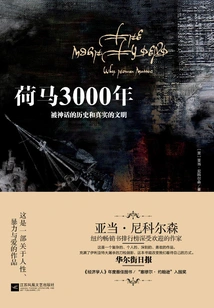
Homer 3000 Years
History荷马3000年
(uk) Adam Nicholson
British writer Adam Nicholson has reinterpreted Homer for a new generation, describing in detail Homer's life and the birth of his two epic poems, from the rough and majestic "Iliad" to the gentle and delicate "Odyssey". From Nicholson's poetic words, you can see the influence of "Homer's Epic" on poets - Shelley and Keats; on philosophers - Plato and Socrates, on cities and on grasslands. In short, Homer is on every beach in Europe. Nicholson said: In a way, Homer examines the worst aspects of life, especially the Iliad, which makes people serious. And he offers no comfort. Most of the warriors died miserably, and there was no heaven after their death. They all went to Hades.
British writer Adam Nicholson has reinterpreted Homer for a new generation, describing in detail Homer's life and the birth of his two epic poems, from the rough and majestic "Iliad" to the gentle and delicate "Odyssey". From Nicholson's poetic words, you can see the influence of "Homer's Epic" on poets - Shelley and Keats; on philosophers - Plato and Socrates, on cities and on grasslands. In short, Homer is on every beach in Europe. Nicholson said: In a way, Homer examines the worst aspects of life, especially the Iliad, which makes people serious. And he offers no comfort. Most of the warriors died miserably, and there was no heaven after their death. They all went to Hades.
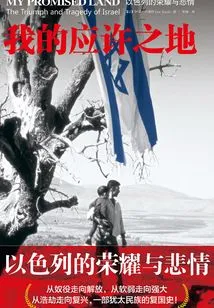
我的应许之地:以色列的荣耀与悲情
(by) Ari Shavit
It is listed on the annual bestseller list of The New York Times and ranks on the annual best book lists of Random House, The New York Times Book Review, and The Economist. A well-deserved Israeli epic, a shocking history of the founding of Israel, and a history of the struggle and rejuvenation of the Jewish nation over the past century, it tells the story of the glory and tragedy of a country on the edge of a cliff. The author Ali Shavit uses his own family story as an introduction, and through personal experiences, in-depth interviews, historical documents, personal diaries, letters, etc., Through each gripping individual story, he attempts to describe the panoramic history of Israel, so as to elicit deeper thinking about the Israeli state, and conduct a historical sorting out the origins of disputes in the Middle East.
It is listed on the annual bestseller list of The New York Times and ranks on the annual best book lists of Random House, The New York Times Book Review, and The Economist. A well-deserved Israeli epic, a shocking history of the founding of Israel, and a history of the struggle and rejuvenation of the Jewish nation over the past century, it tells the story of the glory and tragedy of a country on the edge of a cliff. The author Ali Shavit uses his own family story as an introduction, and through personal experiences, in-depth interviews, historical documents, personal diaries, letters, etc., Through each gripping individual story, he attempts to describe the panoramic history of Israel, so as to elicit deeper thinking about the Israeli state, and conduct a historical sorting out the origins of disputes in the Middle East.
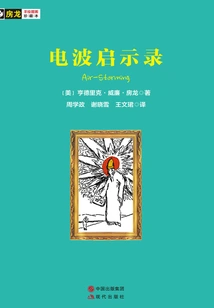
Radio Apocalypse
History电波启示录
Fanglong
This book contains a total of 40 short articles, speeches, sermons, and talks, which is a true record of the content of Fang Long's talk show. In the program, Fang Long told the audience various stories and history of mankind, commented on various historical heroes, and his many years of thinking.
This book contains a total of 40 short articles, speeches, sermons, and talks, which is a true record of the content of Fang Long's talk show. In the program, Fang Long told the audience various stories and history of mankind, commented on various historical heroes, and his many years of thinking.
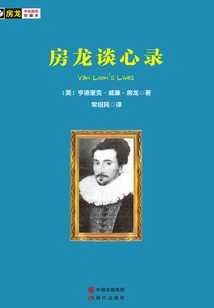
Fang Long's Conversations
History房龙谈心录
Fanglong
Fang Long uses his rich imagination, regardless of time and space constraints, and uses the form of dialogue between ancient and modern times to vividly highlight the life stories, ideas, living habits and character traits of these characters by describing the situations in which historical figures were invited to attend dinner parties and exchange experiences and thoughts.
Fang Long uses his rich imagination, regardless of time and space constraints, and uses the form of dialogue between ancient and modern times to vividly highlight the life stories, ideas, living habits and character traits of these characters by describing the situations in which historical figures were invited to attend dinner parties and exchange experiences and thoughts.
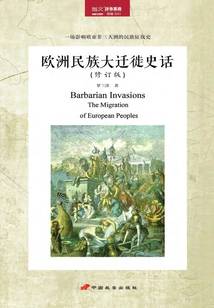
欧洲民族大迁徙史话(修订版)
Luo Sanyang
From the 4th century to the 6th century AD, the Roman Empire, which had dominated Europe, Asia and Africa and controlled the Western civilized world for more than 700 years, was shockingly destroyed by barbarians. Dozens of Germanic "nation-states" were established on its ruins, opening up a new situation for Europe's future political landscape. This book tells the story of this wonderful era that started with the Roman Empire and started with the Middle Ages.
From the 4th century to the 6th century AD, the Roman Empire, which had dominated Europe, Asia and Africa and controlled the Western civilized world for more than 700 years, was shockingly destroyed by barbarians. Dozens of Germanic "nation-states" were established on its ruins, opening up a new situation for Europe's future political landscape. This book tells the story of this wonderful era that started with the Roman Empire and started with the Middle Ages.
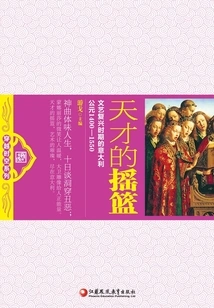
天才的摇篮:文艺复兴时期的意大利
You Ge
Walking through the streets of Italy, people will feel the atmosphere of art from time to time. The statue of David, the beautiful murals of the cathedral, the exquisite carvings... Everything makes us stop and be intoxicated. While people are admiring and intoxicated, they also have to admire the artist's superb skills. These great works of art did not arise out of thin air, but experienced a great revolution - the Renaissance.
Walking through the streets of Italy, people will feel the atmosphere of art from time to time. The statue of David, the beautiful murals of the cathedral, the exquisite carvings... Everything makes us stop and be intoxicated. While people are admiring and intoxicated, they also have to admire the artist's superb skills. These great works of art did not arise out of thin air, but experienced a great revolution - the Renaissance.
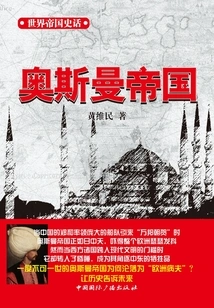
世界帝国史话 奥斯曼帝国
Huang Weimin
The Ottoman Empire, a conqueror that originated in Asia Minor, rose rapidly relying on its brave steppe tradition and firm belief in jihad; it was at the intersection of Eastern and Western civilizations and had mastered land transportation between the East and the West for 6 centuries; it combined the traditions of nomadic tribes and the artistic cultivation of Persia , Byzantine political civilization and Arab scientific culture merged into one, becoming a new landscape of Near Eastern culture; it was once the only Islamic force that could challenge European countries, but in the end it could not withstand the impact of its modernization and became a victim of the European powers' competition for the Middle East.
The Ottoman Empire, a conqueror that originated in Asia Minor, rose rapidly relying on its brave steppe tradition and firm belief in jihad; it was at the intersection of Eastern and Western civilizations and had mastered land transportation between the East and the West for 6 centuries; it combined the traditions of nomadic tribes and the artistic cultivation of Persia , Byzantine political civilization and Arab scientific culture merged into one, becoming a new landscape of Near Eastern culture; it was once the only Islamic force that could challenge European countries, but in the end it could not withstand the impact of its modernization and became a victim of the European powers' competition for the Middle East.
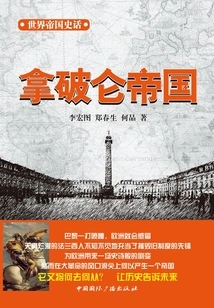
世界帝国史话 拿破仑帝国
Li Hongtu Zheng Chunsheng He Pin
This book tells the legendary story of Napoleon Bonaparte from an ordinary Corsican to the establishment of the Napoleonic Empire. He was an unparalleled military strategist who created countless war miracles; he was also an ambitious politician who constantly launched foreign wars to expand his empire, but in the end he ruined his empire. Although Napoleon's military journey was tragic, it has never obscured his outstanding military talent and the great value of his many military miracles that were beyond the reach of Alexander, Hannibal and Caesar. It has also not diminished people's memory and admiration for Napoleon.
This book tells the legendary story of Napoleon Bonaparte from an ordinary Corsican to the establishment of the Napoleonic Empire. He was an unparalleled military strategist who created countless war miracles; he was also an ambitious politician who constantly launched foreign wars to expand his empire, but in the end he ruined his empire. Although Napoleon's military journey was tragic, it has never obscured his outstanding military talent and the great value of his many military miracles that were beyond the reach of Alexander, Hannibal and Caesar. It has also not diminished people's memory and admiration for Napoleon.
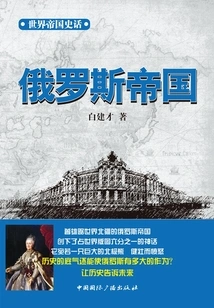
世界帝国史话 俄罗斯帝国
Bai Jiancai
The Russian Empire's national power reached an unprecedented peak in the 19th century. It was one of the world powers at that time and called itself the Third Rome. However, when Europe successively carried out the Industrial Revolution in the late 19th century, it did not keep up with the times. As a result, its economic strength was far less than that of other major European countries in the era of Nicholas II in the early 20th century. In August 1914, the politically turbulent Russia entered World War I. The unbearable war situation directly led to the outbreak of the February Revolution in 1917. Nicholas II signed an abdication statement. The Russian Empire was destroyed and the Russian Republic was established. However, it was overthrown by the Bolsheviks through the October Revolution in the same year and replaced by Soviet Russia (Soviet Russia).
The Russian Empire's national power reached an unprecedented peak in the 19th century. It was one of the world powers at that time and called itself the Third Rome. However, when Europe successively carried out the Industrial Revolution in the late 19th century, it did not keep up with the times. As a result, its economic strength was far less than that of other major European countries in the era of Nicholas II in the early 20th century. In August 1914, the politically turbulent Russia entered World War I. The unbearable war situation directly led to the outbreak of the February Revolution in 1917. Nicholas II signed an abdication statement. The Russian Empire was destroyed and the Russian Republic was established. However, it was overthrown by the Bolsheviks through the October Revolution in the same year and replaced by Soviet Russia (Soviet Russia).