Library
Browse and search books
2,823 novels found
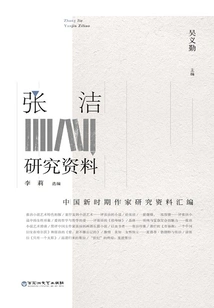
Zhang Jie Research Information
Literature张洁研究资料
Wu Yiqin
"Research Materials on Zhang Jie" is one of the series of "Compilation of Research Materials on Writers in the New Era of China". The editor-in-chief of the book is Wu Yiqin, the director of the Museum of Modern Literature, China's most authoritative literary institution, and a famous literary critic. From the literary criticism and research results on the writer from 1976 to the present, nearly forty papers that represent the research level at each stage have been selected to interpret Zhang Jie and his literary creation activities from different angles.
"Research Materials on Zhang Jie" is one of the series of "Compilation of Research Materials on Writers in the New Era of China". The editor-in-chief of the book is Wu Yiqin, the director of the Museum of Modern Literature, China's most authoritative literary institution, and a famous literary critic. From the literary criticism and research results on the writer from 1976 to the present, nearly forty papers that represent the research level at each stage have been selected to interpret Zhang Jie and his literary creation activities from different angles.
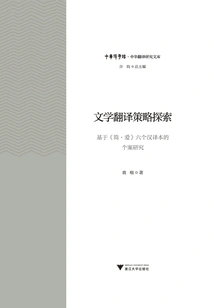
文学翻译策略探索:基于《简·爱》六个汉译本的个案研究
Yuan Rong
This monograph completely combs through the translation theoretical thoughts of Lefevere, the leading scholar of the cultural school, especially systematically excavates his discussion of factors that restrict the choice of literary translation strategies and summarizes them into the "four factors" that restrict the translator's choice of translation strategies. It also selects six Chinese translations of the world's classic literary masterpiece "Jane Eyre" that have appeared in China for nearly a hundred years as a model to analyze and study the "four factors" that restrict translators from adopting translation strategies in different historical periods. Using Holmes's descriptive translation research as the main method and "version-oriented" and "function-oriented" as the main orientations, this paper conducts an in-depth analysis and study of the effectiveness and limitations of Lefevere's "four factors" in literary translation practice. The author objectively and impartially describes the choices of different translators' translation strategies in the historical context of the translation of the world's classic literary masterpiece "Jane Eyre" in China over the past century. The author draws this research conclusion: Lefevere's "four factors" of translation strategies systematically constitute the restriction mechanism for translation strategy selection, providing a new perspective for the study of translation strategy selection. Research on Translation Strategies Translation strategies are not prescriptive, but should be linked to the specific historical context and should be adjusted with the changes of the times. In today's era of globalization, it has become an inevitable trend for translators to choose translation strategies toward respecting, expressing, and highlighting differences.
This monograph completely combs through the translation theoretical thoughts of Lefevere, the leading scholar of the cultural school, especially systematically excavates his discussion of factors that restrict the choice of literary translation strategies and summarizes them into the "four factors" that restrict the translator's choice of translation strategies. It also selects six Chinese translations of the world's classic literary masterpiece "Jane Eyre" that have appeared in China for nearly a hundred years as a model to analyze and study the "four factors" that restrict translators from adopting translation strategies in different historical periods. Using Holmes's descriptive translation research as the main method and "version-oriented" and "function-oriented" as the main orientations, this paper conducts an in-depth analysis and study of the effectiveness and limitations of Lefevere's "four factors" in literary translation practice. The author objectively and impartially describes the choices of different translators' translation strategies in the historical context of the translation of the world's classic literary masterpiece "Jane Eyre" in China over the past century. The author draws this research conclusion: Lefevere's "four factors" of translation strategies systematically constitute the restriction mechanism for translation strategy selection, providing a new perspective for the study of translation strategy selection. Research on Translation Strategies Translation strategies are not prescriptive, but should be linked to the specific historical context and should be adjusted with the changes of the times. In today's era of globalization, it has become an inevitable trend for translators to choose translation strategies toward respecting, expressing, and highlighting differences.
Classical Novels
Literature古典小说
Li Munan Qie Zhiyi Liu Jinling
Literature is an image reflection of social life that uses language as a tool, touches people with emotions. The reason why literary works can move people emotionally is, on the one hand, because the writer himself is strongly moved and has a high expressive ability; on the other hand, because in general, the writer's emotions are based on human nature, so they can connect with readers.
Literature is an image reflection of social life that uses language as a tool, touches people with emotions. The reason why literary works can move people emotionally is, on the one hand, because the writer himself is strongly moved and has a high expressive ability; on the other hand, because in general, the writer's emotions are based on human nature, so they can connect with readers.
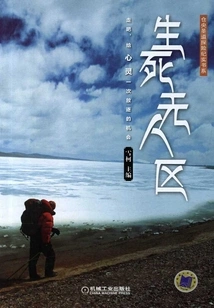
No Man's Land of Life and Death
Literature生死无人区
Xue Ke
This book is a sacred road to Cangyang that can lead to heaven. The ancient road leads to the four mysterious no-man's lands of Qiangtang, Hoh Xil, Altun Mountain and Lop Nur. This book records four ordinary women walking in this vast and desolate no-man's land with extraordinary courage and perseverance, and experiencing life and death in this no-man's land. In Qiangtang, it was a bone-chilling cold, so cold that everyone almost fell asleep. In Hoh Xil, they were chased by wolves and wild bears all day long and ran for their lives. Everyone clamored to write a suicide note. In the Altyn Mountains, a life-threatening high fever was so painful that people wanted to die on the spot. In Lop Nur, apart from loneliness, there is terror, which allows you to understand the true meaning of life. Because of loneliness, they chose no man's land, and went on the road with lonely hearts to be with the peaceful nature. Because of pain, they chose no man's land. Only by hiking long distances can they have the pleasure of conquering this pain. Because of beauty, they chose no man's land, to be with nature, hoping that life will never end. Because of happiness, they chose no man's land. There is no no man's land, and they stay at the same intersection every day.
This book is a sacred road to Cangyang that can lead to heaven. The ancient road leads to the four mysterious no-man's lands of Qiangtang, Hoh Xil, Altun Mountain and Lop Nur. This book records four ordinary women walking in this vast and desolate no-man's land with extraordinary courage and perseverance, and experiencing life and death in this no-man's land. In Qiangtang, it was a bone-chilling cold, so cold that everyone almost fell asleep. In Hoh Xil, they were chased by wolves and wild bears all day long and ran for their lives. Everyone clamored to write a suicide note. In the Altyn Mountains, a life-threatening high fever was so painful that people wanted to die on the spot. In Lop Nur, apart from loneliness, there is terror, which allows you to understand the true meaning of life. Because of loneliness, they chose no man's land, and went on the road with lonely hearts to be with the peaceful nature. Because of pain, they chose no man's land. Only by hiking long distances can they have the pleasure of conquering this pain. Because of beauty, they chose no man's land, to be with nature, hoping that life will never end. Because of happiness, they chose no man's land. There is no no man's land, and they stay at the same intersection every day.
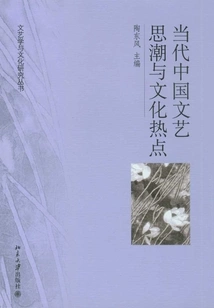
当代中国文艺思潮与文化热点
Tao Dongfeng
This book takes the literary and artistic trends and cultural hot spots in contemporary China as its analysis object. The author first analyzes the overall characteristics of contemporary literature and art and its historical evolution from the perspective of the development of literary and artistic trends, and points out the "consumption" characteristics of contemporary culture. Then, the author selects several hot phenomena in contemporary culture for analysis, such as nostalgia in the perspective of modernity, middle-class discourse and its identity imagination, body writing, "Meteor Garden" craze and martial arts craze, etc., Which comprehensively and in-depth outlines the overall characteristics of contemporary culture and the deep motivations of various phenomena.
This book takes the literary and artistic trends and cultural hot spots in contemporary China as its analysis object. The author first analyzes the overall characteristics of contemporary literature and art and its historical evolution from the perspective of the development of literary and artistic trends, and points out the "consumption" characteristics of contemporary culture. Then, the author selects several hot phenomena in contemporary culture for analysis, such as nostalgia in the perspective of modernity, middle-class discourse and its identity imagination, body writing, "Meteor Garden" craze and martial arts craze, etc., Which comprehensively and in-depth outlines the overall characteristics of contemporary culture and the deep motivations of various phenomena.
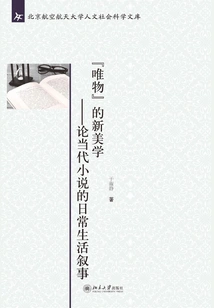
The New Aesthetics of "materialism": on the Narrative of Daily Life in Contemporary Novels
Literature“唯物”的新美学:论当代小说的日常生活叙事
Yu Shujing
This book takes the daily life narratives of contemporary mainland China since the 1980s as the research object, and outlines the historical trajectory of how the daily life narratives that were "suppressed" in Chinese literature from the 1950s to the 1970s were presented one by one in the new realistic novels of the 1980s, the urban desire-oriented writing of the 1990s, the youth writing of the "post-80s" creative group in the new century, and the "lower class" writing that once became famous later. Based on a close reading of relevant novel narrative texts, the book takes "everyday life" as a problem consciousness and combines it with the closely related social, historical and cultural context, and with the help of relevant theories of daily life, attempts to conduct a tentative elucidation, analysis and exploratory discussion of this phenomenon as a whole.
This book takes the daily life narratives of contemporary mainland China since the 1980s as the research object, and outlines the historical trajectory of how the daily life narratives that were "suppressed" in Chinese literature from the 1950s to the 1970s were presented one by one in the new realistic novels of the 1980s, the urban desire-oriented writing of the 1990s, the youth writing of the "post-80s" creative group in the new century, and the "lower class" writing that once became famous later. Based on a close reading of relevant novel narrative texts, the book takes "everyday life" as a problem consciousness and combines it with the closely related social, historical and cultural context, and with the help of relevant theories of daily life, attempts to conduct a tentative elucidation, analysis and exploratory discussion of this phenomenon as a whole.
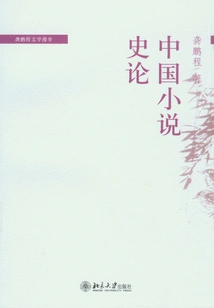
History of Chinese Novels
Literature中国小说史论
Gong Pengcheng
This book tells the development and origin of Chinese novels.
This book tells the development and origin of Chinese novels.
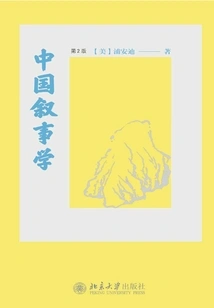
Chinese Narratology (2nd Edition)
Literature中国叙事学(第2版)
(us) Andy Pu
In 1989, at the invitation of Professor Le Daiyun, Professor Pu Andi opened a course titled "Chinese Classical Literature and Narrative Literature Theory" for young teachers and graduate students in the Department of Chinese and the Institute of Comparative Literature at Peking University. The goal of this course is to explore the narrative style of Chinese classical novels from the perspective of comparative literary theory, and to further explain its relationship with narrative literature in other countries around the world. This book is a collection of lecture notes for this course. It was included in the "Peking University Academic Speech Series" and published by our publisher in 1996. Until now, the citation rate and evaluation of this book are relatively high. True to its course objectives, this book considers China's narrative tradition within the context of world literature, and uses this as the entry point for the course, then slowly introduces the representative style of Chinese narrative literature - the "Qishu style" of the Ming and Qing Dynasties, and then conducts a close reading and analysis of representative works of the Qishu style. Readers who are interested in narratology and comparative literature, or who have doubts about the interpretation of works such as "Jin Ping Mei", "Journey to the West", "Water Margin", "Romance of the Three Kingdoms" and "Dream of Red Mansions", I believe they can get wisdom inspiration from this little book, find a way to get started, and do more in-depth exploration.
In 1989, at the invitation of Professor Le Daiyun, Professor Pu Andi opened a course titled "Chinese Classical Literature and Narrative Literature Theory" for young teachers and graduate students in the Department of Chinese and the Institute of Comparative Literature at Peking University. The goal of this course is to explore the narrative style of Chinese classical novels from the perspective of comparative literary theory, and to further explain its relationship with narrative literature in other countries around the world. This book is a collection of lecture notes for this course. It was included in the "Peking University Academic Speech Series" and published by our publisher in 1996. Until now, the citation rate and evaluation of this book are relatively high. True to its course objectives, this book considers China's narrative tradition within the context of world literature, and uses this as the entry point for the course, then slowly introduces the representative style of Chinese narrative literature - the "Qishu style" of the Ming and Qing Dynasties, and then conducts a close reading and analysis of representative works of the Qishu style. Readers who are interested in narratology and comparative literature, or who have doubts about the interpretation of works such as "Jin Ping Mei", "Journey to the West", "Water Margin", "Romance of the Three Kingdoms" and "Dream of Red Mansions", I believe they can get wisdom inspiration from this little book, find a way to get started, and do more in-depth exploration.
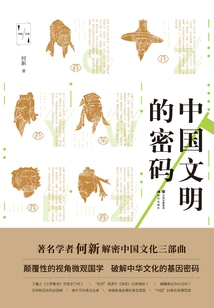
The Code of Chinese Civilization
Literature中国文明的密码
He Xin
This book is one of the trilogy of He Xin's decryption of Chinese culture ("The World of the Gods", "The Truth of the Philosophers" and "The Code of Chinese Civilization") in the "Selected Works of He Xin" series. The author He Xin is a well-known generalist and think tank scholar in China. His research scope covers many fields such as economics, philosophy, history, archeology, language, mythology, etc., And he has learned both Chinese and Western knowledge. In this book, the author uses his profound academic skills to conduct a microscopic examination of China's astronomical calendar, myths and legends, historical figures, name seal system, language artifacts and many other aspects through careful documentary research and textual exegesis, and explores the real historical evolution behind these symbols that carry Chinese cultural genes. It has deciphered many unsolved mysteries that have puzzled countless scholars for thousands of years, giving people the pleasure of sudden enlightenment.
This book is one of the trilogy of He Xin's decryption of Chinese culture ("The World of the Gods", "The Truth of the Philosophers" and "The Code of Chinese Civilization") in the "Selected Works of He Xin" series. The author He Xin is a well-known generalist and think tank scholar in China. His research scope covers many fields such as economics, philosophy, history, archeology, language, mythology, etc., And he has learned both Chinese and Western knowledge. In this book, the author uses his profound academic skills to conduct a microscopic examination of China's astronomical calendar, myths and legends, historical figures, name seal system, language artifacts and many other aspects through careful documentary research and textual exegesis, and explores the real historical evolution behind these symbols that carry Chinese cultural genes. It has deciphered many unsolved mysteries that have puzzled countless scholars for thousands of years, giving people the pleasure of sudden enlightenment.
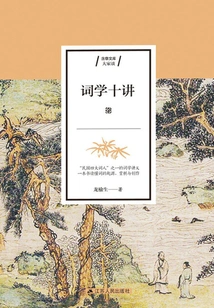
Ten Lectures on Ci Studies
Literature词学十讲
Long Yusheng
This book is the lecture notes used by Mr. Long Yusheng in the creative research class of Shanghai Theater Academy. There are ten lectures in total. The first two lectures mainly talk about the origin and characteristics of lyrics, the third to eighth lectures are about the musical discussion, and the last two lectures mainly talk about the artistic techniques and appreciation of creation of lyrics. After the main text, this book contains four classic chapters on Ci studies by Mr. Long Yusheng, aiming to enable readers to gain richer and deeper knowledge based on their understanding of Ci.
This book is the lecture notes used by Mr. Long Yusheng in the creative research class of Shanghai Theater Academy. There are ten lectures in total. The first two lectures mainly talk about the origin and characteristics of lyrics, the third to eighth lectures are about the musical discussion, and the last two lectures mainly talk about the artistic techniques and appreciation of creation of lyrics. After the main text, this book contains four classic chapters on Ci studies by Mr. Long Yusheng, aiming to enable readers to gain richer and deeper knowledge based on their understanding of Ci.
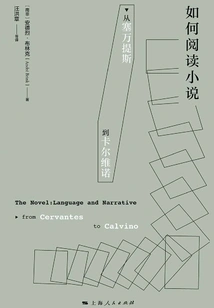
如何阅读小说:从塞万提斯到卡尔维诺
(south Africa)andre Brink
Andre Brink selected 15 "milestone" works of Western novels from the 17th century to the 20th century, using the language and narrative methods of the novels as clues to make a new interpretation of "Don Quixote" at the beginning of the novel genre. "Jode" and the so-called "classic novels" of the 18th and 19th centuries, as well as 20th century modern novels, including "Emma", "Madame Bovary", "The Proceedings", "One Hundred Years of Solitude", "The Unbearable Lightness of Being" and "Walker on a Winter's Night". In the case analysis of 15 novels, Brink quoted from a wide range of sources, including relatively sophisticated citations and analysis of the views of important Western thinkers in the 20th century. In the case analysis of fifteen novels, Brink quoted from a wide range of sources, including relatively sophisticated citations and analysis of the views of important Western thinkers in the 20th century. The linguistic theoretical ideas of Heidegger, Saussure, Wittgenstein, Foucault, Lacan, Barthes, Derrida and others are all used appropriately and profitably. Andre Brink, the author of "How to Read Novels: From Cervantes to Calvino," is a novelist himself, so he is not only enthusiastic when talking about novels, but also has a unique discernment and extraordinary insights.
Andre Brink selected 15 "milestone" works of Western novels from the 17th century to the 20th century, using the language and narrative methods of the novels as clues to make a new interpretation of "Don Quixote" at the beginning of the novel genre. "Jode" and the so-called "classic novels" of the 18th and 19th centuries, as well as 20th century modern novels, including "Emma", "Madame Bovary", "The Proceedings", "One Hundred Years of Solitude", "The Unbearable Lightness of Being" and "Walker on a Winter's Night". In the case analysis of 15 novels, Brink quoted from a wide range of sources, including relatively sophisticated citations and analysis of the views of important Western thinkers in the 20th century. In the case analysis of fifteen novels, Brink quoted from a wide range of sources, including relatively sophisticated citations and analysis of the views of important Western thinkers in the 20th century. The linguistic theoretical ideas of Heidegger, Saussure, Wittgenstein, Foucault, Lacan, Barthes, Derrida and others are all used appropriately and profitably. Andre Brink, the author of "How to Read Novels: From Cervantes to Calvino," is a novelist himself, so he is not only enthusiastic when talking about novels, but also has a unique discernment and extraordinary insights.
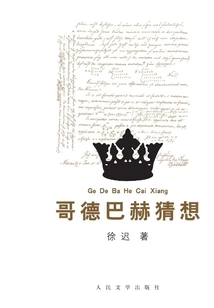
Goldbach's Conjecture
Literature哥德巴赫猜想
Xu Chi
This book has been re-edited and includes eight of the author's famous reportage works: "Under the Qilian Mountains", "Talk about Quarks", "Ma Sicong", "Information from High-Energy Particles and the Vast Universe", "Goldbach's Conjecture", "Light of Address", "In the Turbulent Eddy" and "The Evergreen Tree of Life". One-time famous works such as "Meng Tai's Night Talk" and "Crystal" were not included because of their heavy ideological overtones at the time. The author's widely influential reportage "Phoenix on Fire" is not included in this book considering the purpose of publishing it and the time and length requirements. This book was published in response to the call of the Propaganda Department of the Central Committee of the Communist Party of China. The readers are young people, so it should be better handled this way.
This book has been re-edited and includes eight of the author's famous reportage works: "Under the Qilian Mountains", "Talk about Quarks", "Ma Sicong", "Information from High-Energy Particles and the Vast Universe", "Goldbach's Conjecture", "Light of Address", "In the Turbulent Eddy" and "The Evergreen Tree of Life". One-time famous works such as "Meng Tai's Night Talk" and "Crystal" were not included because of their heavy ideological overtones at the time. The author's widely influential reportage "Phoenix on Fire" is not included in this book considering the purpose of publishing it and the time and length requirements. This book was published in response to the call of the Propaganda Department of the Central Committee of the Communist Party of China. The readers are young people, so it should be better handled this way.
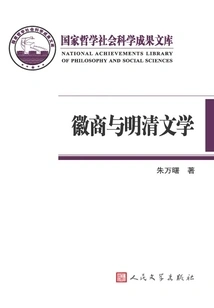
徽商与明清文学
Zhu Wanshu
This book compiles Huizhou merchants and the literary ecology of the Ming and Qing Dynasties, focusing on the exchanges between Huizhou merchants and literati, Huizhou merchants and literary dissemination, Huizhou merchant families and literary traditions, Huizhou merchants and Ming and Qing operas, and the creation of Huizhou merchants in Ming and Qing literature. The following part discusses the literary creation of Huizhou merchants in the Ming and Qing dynasties. After initially sorting out the phenomenon and characteristics of Huizhou merchants' literary creation in the Ming and Qing dynasties, Fang Chengxun and Fang Yulu were selected as cases to discuss respectively. This not only shows their specific creative features, but also the relationship between Huizhou merchants and the literary ecology of the Ming and Qing dynasties.
This book compiles Huizhou merchants and the literary ecology of the Ming and Qing Dynasties, focusing on the exchanges between Huizhou merchants and literati, Huizhou merchants and literary dissemination, Huizhou merchant families and literary traditions, Huizhou merchants and Ming and Qing operas, and the creation of Huizhou merchants in Ming and Qing literature. The following part discusses the literary creation of Huizhou merchants in the Ming and Qing dynasties. After initially sorting out the phenomenon and characteristics of Huizhou merchants' literary creation in the Ming and Qing dynasties, Fang Chengxun and Fang Yulu were selected as cases to discuss respectively. This not only shows their specific creative features, but also the relationship between Huizhou merchants and the literary ecology of the Ming and Qing dynasties.
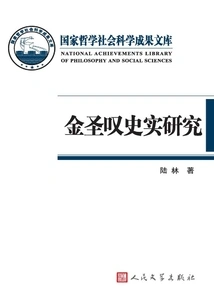
金圣叹史实研究
Lu Lin
Under the broad vision of historical research on Ming and Qing literature, this book takes Jin Shengtan's life experience, friendships, and writings as the research center, takes the meticulous and solid examination of historical facts as the pursuit of quality, uses academic history evaluation as the longitudinal consideration, and uses problem research, deeds chronology research, and friendship research as the framework. Through the analysis of related issues. Empirical research to clarify the basic facts about Jin Shengtan, show the life trajectory of a group of marginal literati in the late Ming and early Qing dynasties centered on Jin Shengtan, and try to find the possibility of in-depth advancement and horizon expansion for the study of Ming and Qing literature and culture, and thereby explore the methodological significance of historical fact research for the study of Ming and Qing literature and culture.
Under the broad vision of historical research on Ming and Qing literature, this book takes Jin Shengtan's life experience, friendships, and writings as the research center, takes the meticulous and solid examination of historical facts as the pursuit of quality, uses academic history evaluation as the longitudinal consideration, and uses problem research, deeds chronology research, and friendship research as the framework. Through the analysis of related issues. Empirical research to clarify the basic facts about Jin Shengtan, show the life trajectory of a group of marginal literati in the late Ming and early Qing dynasties centered on Jin Shengtan, and try to find the possibility of in-depth advancement and horizon expansion for the study of Ming and Qing literature and culture, and thereby explore the methodological significance of historical fact research for the study of Ming and Qing literature and culture.
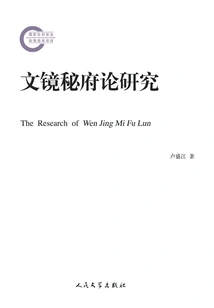
文镜秘府论研究
Lu Shengjiang
This book further explores on the basis of affirming the achievements of predecessors, comprehensively examines the poetic issues involved in "Wen Jing Mi Fu Lun", combines collation and theoretical research, combines theoretical analysis with historical data research, and combines linguistic phonology and poetic research. It is the latest achievement of "Wen Jing Mi Fu Lun".
This book further explores on the basis of affirming the achievements of predecessors, comprehensively examines the poetic issues involved in "Wen Jing Mi Fu Lun", combines collation and theoretical research, combines theoretical analysis with historical data research, and combines linguistic phonology and poetic research. It is the latest achievement of "Wen Jing Mi Fu Lun".
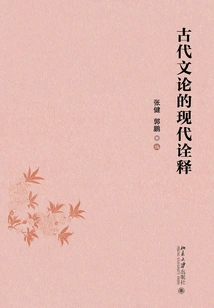
古代文论的现代诠释
Zhang Jian Guo Peng
This book is a collection of essays celebrating Zhang Shaokang's 80th birthday. The content mainly consists of three parts: 1. Zhang Shaokang's "New Notes on Literary Mind and Diaolong", about 20 articles, more than 100,000 words; 2. Mr. Zhang Shaokang's disciples' papers, about 20 articles, nearly 200,000 words; 3. Mr. Zhang's academic chronology, as an appendix. The content mainly consists of three parts: 1. Zhang Shaokang's "New Notes on Literary Mind and Diaolong", about 20 articles, more than 100,000 words; 2. Mr. Zhang Shaokang's disciples' papers, about 20 articles, nearly 200,000 words; 3. Teacher Zhang's academic chronology, as an appendix.
This book is a collection of essays celebrating Zhang Shaokang's 80th birthday. The content mainly consists of three parts: 1. Zhang Shaokang's "New Notes on Literary Mind and Diaolong", about 20 articles, more than 100,000 words; 2. Mr. Zhang Shaokang's disciples' papers, about 20 articles, nearly 200,000 words; 3. Mr. Zhang's academic chronology, as an appendix. The content mainly consists of three parts: 1. Zhang Shaokang's "New Notes on Literary Mind and Diaolong", about 20 articles, more than 100,000 words; 2. Mr. Zhang Shaokang's disciples' papers, about 20 articles, nearly 200,000 words; 3. Teacher Zhang's academic chronology, as an appendix.
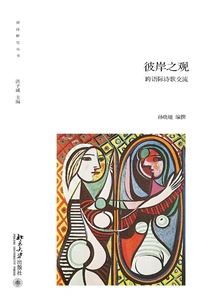
彼岸之观:跨语际诗歌交流
Sun Xiaoya
This book contains on-site records of many Chinese and foreign poetry exchanges organized by Sun Xiaoya in the past six years. The participants include Adonis, Ku Bin, He Maixiao, Claude Musa, Alesh Hidgo, Tony Barnstone, Xichuan, Wang Jiaxin, Ouyang Jianghe, Shucai, Gao Gao, Xu Shuang, Lan Lan, Ming Di and other dozens of famous Chinese and foreign poets and scholars. The discussion content covers the tradition of new poetry, poetry writing practice, the influence and heterogeneity of Chinese and foreign poetry, poetry translation, cultural promotion and exchange, etc. This book raises an important question: when we talk about new Chinese poetry, how can we consciously discover and protect its uniqueness due to region, ethnic group, language and cultural tradition? Poets, scholars, and translators each have different explorations and experiences on this issue.
This book contains on-site records of many Chinese and foreign poetry exchanges organized by Sun Xiaoya in the past six years. The participants include Adonis, Ku Bin, He Maixiao, Claude Musa, Alesh Hidgo, Tony Barnstone, Xichuan, Wang Jiaxin, Ouyang Jianghe, Shucai, Gao Gao, Xu Shuang, Lan Lan, Ming Di and other dozens of famous Chinese and foreign poets and scholars. The discussion content covers the tradition of new poetry, poetry writing practice, the influence and heterogeneity of Chinese and foreign poetry, poetry translation, cultural promotion and exchange, etc. This book raises an important question: when we talk about new Chinese poetry, how can we consciously discover and protect its uniqueness due to region, ethnic group, language and cultural tradition? Poets, scholars, and translators each have different explorations and experiences on this issue.
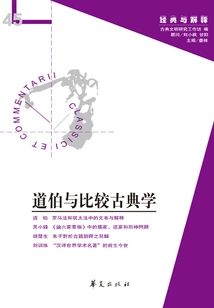
道伯与比较古典学(“经典与解释”第45期)
Lou Lin
This book is the 45th issue of "Classics and Interpretation", with the topic of "Daubert and Comparative Classics". David Daube (1909-1999), jurist, linguist and historian, was also a Roman jurist, religion and cultural expert. A portion of the published bibliography is carefully divided into "Roman Law," "Oriental Law and Historical Theology," and "Varia." The editors of the reprint also carefully classified Dauber's works into: Roman Law, Talmudic Law, New Testament-Jewish Studies, Biblical Law, and Wari Law. Dauber's research range is wide, in the New Testament and the Old Testament, in Greek philosophy, in Roman literature, in Roman law from the Twelve Tables to Justinian's Summa Civil Code, in the Talmud from the beginning to the 7th century AD, that is, in all the texts produced in the ancient Mediterranean region. His research results were divided into different volumes according to the research fields, but this division was not his own behavior. In his extensive research, there is its own unity. In addition, the "Study of Classical Works" column "On the Essentials of Six Schools", the "Old Texts and New Issues" column "\u003C Spring and Autumn Period \u003E Mencius" and "Zhu Xi's Views on the Exegesis of Ancient Books" are all related to the issue of the cardinal nature of Chinese classical scholarship. The two columns of the "Military History of Thought" column are respectively related to issues of theology, politics and historicism. The "Review" section "The Past and Present Life of "Chinese Translation of World Academic Masterpieces"" introduces my country's most important academic publishing project in detail, which is of high data value.
This book is the 45th issue of "Classics and Interpretation", with the topic of "Daubert and Comparative Classics". David Daube (1909-1999), jurist, linguist and historian, was also a Roman jurist, religion and cultural expert. A portion of the published bibliography is carefully divided into "Roman Law," "Oriental Law and Historical Theology," and "Varia." The editors of the reprint also carefully classified Dauber's works into: Roman Law, Talmudic Law, New Testament-Jewish Studies, Biblical Law, and Wari Law. Dauber's research range is wide, in the New Testament and the Old Testament, in Greek philosophy, in Roman literature, in Roman law from the Twelve Tables to Justinian's Summa Civil Code, in the Talmud from the beginning to the 7th century AD, that is, in all the texts produced in the ancient Mediterranean region. His research results were divided into different volumes according to the research fields, but this division was not his own behavior. In his extensive research, there is its own unity. In addition, the "Study of Classical Works" column "On the Essentials of Six Schools", the "Old Texts and New Issues" column "\u003C Spring and Autumn Period \u003E Mencius" and "Zhu Xi's Views on the Exegesis of Ancient Books" are all related to the issue of the cardinal nature of Chinese classical scholarship. The two columns of the "Military History of Thought" column are respectively related to issues of theology, politics and historicism. The "Review" section "The Past and Present Life of "Chinese Translation of World Academic Masterpieces"" introduces my country's most important academic publishing project in detail, which is of high data value.
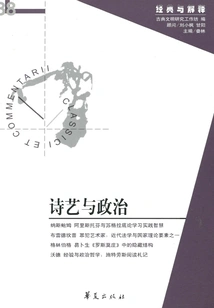
诗艺与政治(“经典与解释”第38期)
Lou Lin
"Poetry and Politics" is the 38th volume of "Classics and Interpretation". There are three articles in the topic section. Nussbaum's "Aristophanes and Socrates on the Learning of Practical Wisdom" analyzes two works with moral cultivation as the core, one is Plato's "Protagoras" and the other is Aristophanes' "Clouds". The other two articles - "The Criminal Artist" by Bredekamp and "A Person's Love Letter" by Qin Yanchun - also analyze the relationship between poetry and politics from different angles.
"Poetry and Politics" is the 38th volume of "Classics and Interpretation". There are three articles in the topic section. Nussbaum's "Aristophanes and Socrates on the Learning of Practical Wisdom" analyzes two works with moral cultivation as the core, one is Plato's "Protagoras" and the other is Aristophanes' "Clouds". The other two articles - "The Criminal Artist" by Bredekamp and "A Person's Love Letter" by Qin Yanchun - also analyze the relationship between poetry and politics from different angles.
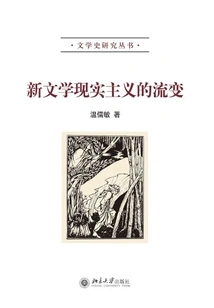
The Evolution of New Literary Realism
Literature新文学现实主义的流变
Wen Rumin
This book is divided into four chapters to discuss the emergence, development and changes of new literary realism since the May Fourth Movement. The first three chapters are in chronological order, each focusing on literary theories and creations in the past ten years, making an overall overview of the evolution and role of realist literary thought in China. The fourth chapter is a theoretical summary, summarizing the achievements and shortcomings of realism in its development from six aspects, and comparing its national characteristics and historical status in the development pattern of world literature, and putting forward many original insights.
This book is divided into four chapters to discuss the emergence, development and changes of new literary realism since the May Fourth Movement. The first three chapters are in chronological order, each focusing on literary theories and creations in the past ten years, making an overall overview of the evolution and role of realist literary thought in China. The fourth chapter is a theoretical summary, summarizing the achievements and shortcomings of realism in its development from six aspects, and comparing its national characteristics and historical status in the development pattern of world literature, and putting forward many original insights.
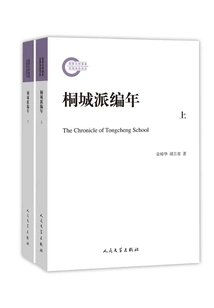
桐城派编年(全集)
Yu Zhanghua Huji Province
The Tongcheng School was the prose school with the most writers, the widest geographical distribution, and the longest duration in the Qing Dynasty. Because its main writers were all from Tongcheng, it was called the Tongcheng School. In the form of a chronology, this book compiles and compares the characters, works, and deeds of the Tongcheng School and its branches Yanghu School and Xiangxiang School from the 10th year of Shunzhi (1635) to the 19th year of the Republic of China (1930), and completely presents the history of the emergence, development, and decline of the reformed sect.
The Tongcheng School was the prose school with the most writers, the widest geographical distribution, and the longest duration in the Qing Dynasty. Because its main writers were all from Tongcheng, it was called the Tongcheng School. In the form of a chronology, this book compiles and compares the characters, works, and deeds of the Tongcheng School and its branches Yanghu School and Xiangxiang School from the 10th year of Shunzhi (1635) to the 19th year of the Republic of China (1930), and completely presents the history of the emergence, development, and decline of the reformed sect.
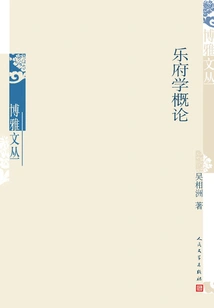
Introduction to Yuefu Studies
Literature乐府学概论
Wu Xiangzhou
Yuefu Studies is a specialized study of ancient literature, juxtaposed with the Study of the Book of Songs, the Study of Chu Ci, the Study of Ci, and the Study of Qu. This book systematically explains for the first time the basic concepts, basic methods, basic history and basic classics of Yuefu Studies. The first two chapters expound the basic concepts and methods, advocating focusing on the study of Yuefu activities and investigating from three levels: literature, music, and literature. The goal is to describe the occurrence, development, and changes of Yuefu poetry as well as the characteristics of music and literature as clearly as possible. The last three chapters review the development of Yuefu studies from the Han Dynasty to the Qing Dynasty, and explain the general development of Yuefu studies in three stages: Han, Tang, Song and Qing, and modern times.
Yuefu Studies is a specialized study of ancient literature, juxtaposed with the Study of the Book of Songs, the Study of Chu Ci, the Study of Ci, and the Study of Qu. This book systematically explains for the first time the basic concepts, basic methods, basic history and basic classics of Yuefu Studies. The first two chapters expound the basic concepts and methods, advocating focusing on the study of Yuefu activities and investigating from three levels: literature, music, and literature. The goal is to describe the occurrence, development, and changes of Yuefu poetry as well as the characteristics of music and literature as clearly as possible. The last three chapters review the development of Yuefu studies from the Han Dynasty to the Qing Dynasty, and explain the general development of Yuefu studies in three stages: Han, Tang, Song and Qing, and modern times.
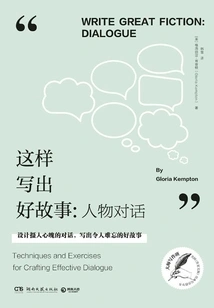
这样写出好故事:人物对话
(us) Gloria Kempton
"Writing Good Stories This Way: Character Dialogues" is a guide to story writing. "All dialogue has a purpose," McGee said. For readers, it is to make the story memorable. As for the story itself, it's about letting the characters tell their own stories. When should your story's character speak? What should (or shouldn't) he say, and when exactly? Why do you say that when creating dialogue, you first need to forget how you speak? How to make characters with different personalities speak words that suit their own characteristics? How to deal with the idiosyncratic language quirks of unusual characters? This book helps you answer.
"Writing Good Stories This Way: Character Dialogues" is a guide to story writing. "All dialogue has a purpose," McGee said. For readers, it is to make the story memorable. As for the story itself, it's about letting the characters tell their own stories. When should your story's character speak? What should (or shouldn't) he say, and when exactly? Why do you say that when creating dialogue, you first need to forget how you speak? How to make characters with different personalities speak words that suit their own characteristics? How to deal with the idiosyncratic language quirks of unusual characters? This book helps you answer.
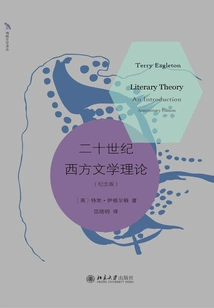
二十世纪西方文学理论(纪念版)
(uk) Terry Eagleton
Eagleton is a leading figure in international literary theory and is extremely creative and critical. This book is a monograph in which the author systematically introduces and comments on Western literary theories of the 20th century to general readers. The author sorts out the complicated 20th-century Western literary theory revolution that originated from Russian formalism and sorted out three main development lines from formalism, structuralism to post-structuralism, from phenomenology, hermeneutics to reception aesthetics and psychoanalytic theory, and conducted an in-depth analysis of its origin and evolution, problems and limitations. In this new edition, the author has added a new "Preface to the Twenty-fifth Anniversary Edition", giving new reflections on the development of literary theory.
Eagleton is a leading figure in international literary theory and is extremely creative and critical. This book is a monograph in which the author systematically introduces and comments on Western literary theories of the 20th century to general readers. The author sorts out the complicated 20th-century Western literary theory revolution that originated from Russian formalism and sorted out three main development lines from formalism, structuralism to post-structuralism, from phenomenology, hermeneutics to reception aesthetics and psychoanalytic theory, and conducted an in-depth analysis of its origin and evolution, problems and limitations. In this new edition, the author has added a new "Preface to the Twenty-fifth Anniversary Edition", giving new reflections on the development of literary theory.
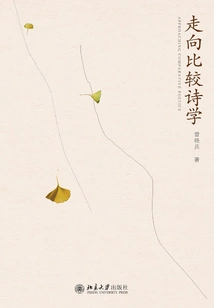
Toward a Comparative Poetics
Literature走向比较诗学
Zeng Yanbing
This book is divided into three parts. The first part is right\
This book is divided into three parts. The first part is right\
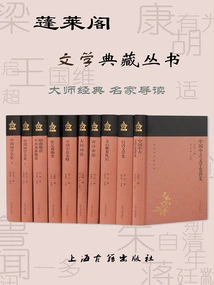
Penglai Pavilion Literary Collection
Literature蓬莱阁文学典藏
Liu Shipei Hu Shi Huang Kan Et Al.
Nine titles were selected for this series: "Miscellaneous Commentary on Tang Poems", "A Brief History of Chinese Novels", "Human Words", "Lecture Notes on the History of Medieval Chinese Literature", "Talk about Gu Quhuo" "Introduction to Chinese Opera", "Notes on the Literary Mind and the Carving of Dragons", "The Complete History of Chinese Painting", "History of Vernacular Literature", "History of Song and Yuan Opera", covering many fields such as ancient Chinese literature, vernacular literature, classical drama, traditional painting, etc. Widely circulated classic academic masterpieces such as "Jianci Hua" and "A Brief History of Chinese Novel", as well as highly regarded epoch-making works such as "History of Vernacular Literature" and "A Complete History of Chinese Painting", all occupy an important position in the history of Chinese literature and have attracted the attention of future generations.
Nine titles were selected for this series: "Miscellaneous Commentary on Tang Poems", "A Brief History of Chinese Novels", "Human Words", "Lecture Notes on the History of Medieval Chinese Literature", "Talk about Gu Quhuo" "Introduction to Chinese Opera", "Notes on the Literary Mind and the Carving of Dragons", "The Complete History of Chinese Painting", "History of Vernacular Literature", "History of Song and Yuan Opera", covering many fields such as ancient Chinese literature, vernacular literature, classical drama, traditional painting, etc. Widely circulated classic academic masterpieces such as "Jianci Hua" and "A Brief History of Chinese Novel", as well as highly regarded epoch-making works such as "History of Vernacular Literature" and "A Complete History of Chinese Painting", all occupy an important position in the history of Chinese literature and have attracted the attention of future generations.
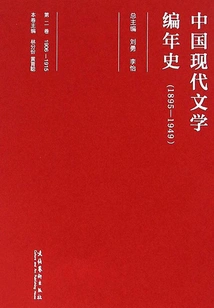
中国现代文学编年史(1895-1949)·第二卷
Liu Yong Li Yi
This series of "Chronicles of Modern Chinese Literature" has 11 volumes in total, chronicling half a century of literary history from January 1895 in the late Qing Dynasty to June 1949, the eve of the First Literary Congress of New China. The content includes the social and historical background of literary development, the whereabouts of major writers, literary activities, literary trends of thought, literary publishing, and the basic situation of major literary works. The appendix at the back of the book contains an index of the main figures involved in the entire chronicle to facilitate further verification by readers. It also lists the main references used in our writings. Interested readers can further expand and explore this. The chief editors of each volume are teachers from Beijing Normal University's modern and contemporary Chinese literature discipline. In view of the special regional nature of the development of Chinese literature in the war years after 1942, and in order to more accurately grasp the characteristics of this era of modern Chinese literature, we specially invited two scholars from Chongqing and Sichuan who are engaged in modern literature research to join us.
This series of "Chronicles of Modern Chinese Literature" has 11 volumes in total, chronicling half a century of literary history from January 1895 in the late Qing Dynasty to June 1949, the eve of the First Literary Congress of New China. The content includes the social and historical background of literary development, the whereabouts of major writers, literary activities, literary trends of thought, literary publishing, and the basic situation of major literary works. The appendix at the back of the book contains an index of the main figures involved in the entire chronicle to facilitate further verification by readers. It also lists the main references used in our writings. Interested readers can further expand and explore this. The chief editors of each volume are teachers from Beijing Normal University's modern and contemporary Chinese literature discipline. In view of the special regional nature of the development of Chinese literature in the war years after 1942, and in order to more accurately grasp the characteristics of this era of modern Chinese literature, we specially invited two scholars from Chongqing and Sichuan who are engaged in modern literature research to join us.
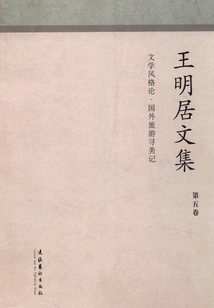
王明居文集(第五卷)
Wang Mingju
"Wang Mingju's Collected Works (Volume 5): Theory of Literary Style·Traveling Abroad to Seek Beauty" is divided into two articles. Theory of Literary Style is divided into sixteen chapters, which introduce the concept of style, elements of style, style shape, types of styles, formation of style, originality of style, etc. "Traveling Abroad to Seek Beauty" introduces travel to Canada, travel to Western Europe, UK, and Russia.
"Wang Mingju's Collected Works (Volume 5): Theory of Literary Style·Traveling Abroad to Seek Beauty" is divided into two articles. Theory of Literary Style is divided into sixteen chapters, which introduce the concept of style, elements of style, style shape, types of styles, formation of style, originality of style, etc. "Traveling Abroad to Seek Beauty" introduces travel to Canada, travel to Western Europe, UK, and Russia.
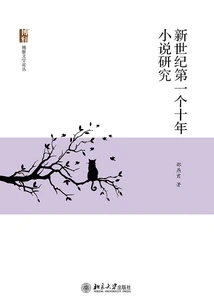
新世纪第一个十年小说研究
Shao Yanjun
Taking the first decade of the new century as a boundary, this book systematically sorts out, provides in-depth interpretations, and independently evaluates important literary creations, literary phenomena, and literary trends during this period. It also conducts in-depth reflections on the crisis of the production mechanism of "traditional mainstream literature," the negative impact of "pure literary ideology," and the dilemma of realism. It also conducts in-depth reflections on "post-80s youth literature" and Internet literature. On the basis of a positive acceptance and in-depth investigation of the development of literature and its internal mechanisms, it provides an in-depth description of their confrontation and game relationship with "traditional mainstream literature", and strives to find the possibility of dialogue between these literatures relying on new mechanisms and new media and "traditional mainstream literature", as well as the docking point with literary history, thus proposing creative ideas for the reconstruction of "mainstream literature" in the future.
Taking the first decade of the new century as a boundary, this book systematically sorts out, provides in-depth interpretations, and independently evaluates important literary creations, literary phenomena, and literary trends during this period. It also conducts in-depth reflections on the crisis of the production mechanism of "traditional mainstream literature," the negative impact of "pure literary ideology," and the dilemma of realism. It also conducts in-depth reflections on "post-80s youth literature" and Internet literature. On the basis of a positive acceptance and in-depth investigation of the development of literature and its internal mechanisms, it provides an in-depth description of their confrontation and game relationship with "traditional mainstream literature", and strives to find the possibility of dialogue between these literatures relying on new mechanisms and new media and "traditional mainstream literature", as well as the docking point with literary history, thus proposing creative ideas for the reconstruction of "mainstream literature" in the future.
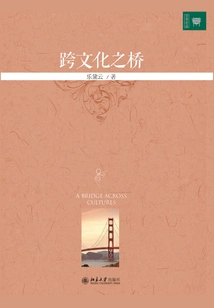
Cross-cultural Bridge
Literature跨文化之桥
Le Daiyun
This book is a collection of the author's teaching and thinking on cross-cultural and interdisciplinary literary research in the more than ten years since he published "Comparative Literature and Modern Chinese Literature" in 1987. It includes three parts: the tradition of "facing the new era of cross-culture and interdisciplinary" and "reinterpreting contemporary literature and culture in modern interpretation". It contains more than forty articles by the author, covering many aspects of cross-cultural research, such as cultural transformation and the new humanistic spirit, cultural relativism and comparative literature, discourse issues in the dialogue between Chinese and Western poetics, etc.
This book is a collection of the author's teaching and thinking on cross-cultural and interdisciplinary literary research in the more than ten years since he published "Comparative Literature and Modern Chinese Literature" in 1987. It includes three parts: the tradition of "facing the new era of cross-culture and interdisciplinary" and "reinterpreting contemporary literature and culture in modern interpretation". It contains more than forty articles by the author, covering many aspects of cross-cultural research, such as cultural transformation and the new humanistic spirit, cultural relativism and comparative literature, discourse issues in the dialogue between Chinese and Western poetics, etc.
比较文学与世界文学(第九期)
Chen Yuehong Zhang Hui
This book reflects the revival and development of Chinese comparative literature, and strives to face and answer the literary and cultural issues faced by domestic scholars from a multidisciplinary perspective in a world context, from a comparative perspective. This book focuses on publishing the latest academic achievements in the fields of comparative literature and world literature, reflecting the latest research information in the fields of international and domestic comparative literature and world literature.
This book reflects the revival and development of Chinese comparative literature, and strives to face and answer the literary and cultural issues faced by domestic scholars from a multidisciplinary perspective in a world context, from a comparative perspective. This book focuses on publishing the latest academic achievements in the fields of comparative literature and world literature, reflecting the latest research information in the fields of international and domestic comparative literature and world literature.
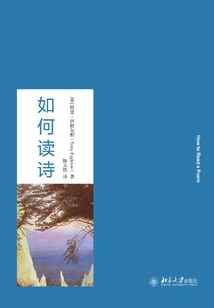
How to Read Poetry
Literature如何读诗
(uk) Terry Eagleton
The book was published by Blackwell Press in the UK in 2007 and is Eagleton's latest work. Through a series of readings of poems by Yeats, Frost, Auden, Dickinson and others, it shows how literary theory becomes the basis for poetic understanding, providing students and ordinary readers with a fruitful and in-depth introduction to poetry. Some critics believe that this is "the only book that can truly show what poetry is."
The book was published by Blackwell Press in the UK in 2007 and is Eagleton's latest work. Through a series of readings of poems by Yeats, Frost, Auden, Dickinson and others, it shows how literary theory becomes the basis for poetic understanding, providing students and ordinary readers with a fruitful and in-depth introduction to poetry. Some critics believe that this is "the only book that can truly show what poetry is."
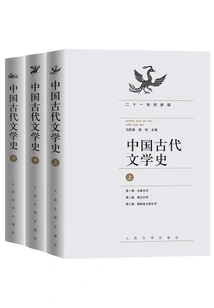
中国古代文学史(上中下)
Ma Jigao Editor-in-chief Huang Jun
This book is a textbook on the history of ancient Chinese literature for colleges and universities, divided into three volumes: the first, middle and second volumes. The book has clear regulations and rich information, making it an excellent higher education textbook.
This book is a textbook on the history of ancient Chinese literature for colleges and universities, divided into three volumes: the first, middle and second volumes. The book has clear regulations and rich information, making it an excellent higher education textbook.
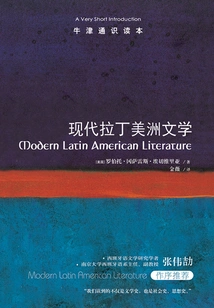
牛津通识读本:现代拉丁美洲文学(中文版)
(usa)roberto Gonzalez Echeverría
In the 1960s, a group of Latin American writers such as Borges and García Márquez began to gain popularity around the world, but few people know the literary tradition that nourished these writers. "Modern Latin American Literature" successfully makes up for this shortcoming by developing a wide range of literary themes from the late 18th century to the present day. Latin American literature realized its literary mission to Latin America and the world as a whole in moments of political crisis, such as the War of Independence, the Spanish-American War, the Mexican Revolution, and the Cuban Revolution. Within this narrative framework, writers such as Andres Bello, José María Heredia, Borges, García Márquez, Fernando Vallejo, and Bolaño and their works have also been fully analyzed and discussed.
In the 1960s, a group of Latin American writers such as Borges and García Márquez began to gain popularity around the world, but few people know the literary tradition that nourished these writers. "Modern Latin American Literature" successfully makes up for this shortcoming by developing a wide range of literary themes from the late 18th century to the present day. Latin American literature realized its literary mission to Latin America and the world as a whole in moments of political crisis, such as the War of Independence, the Spanish-American War, the Mexican Revolution, and the Cuban Revolution. Within this narrative framework, writers such as Andres Bello, José María Heredia, Borges, García Márquez, Fernando Vallejo, and Bolaño and their works have also been fully analyzed and discussed.
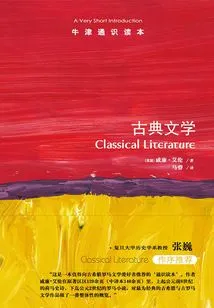
牛津通识读本:古典文学(中文版)
(uk) William Allen
Whether it is popular historical readings or rewriting of classical themes by contemporary poets, dramatists and novelists, they all demonstrate the great charm of the classical world and its literary masterpieces. In this book, William Allen uses genres as the outline, runs through the two literary traditions of ancient Greece and ancient Rome, and lists rich materials from each genre, thereby illustrating the diversity and richness of Greek and Latin literary works. Not only that, the author also explores the meaning of "classical" and attempts to explain why it still shapes the concept of Western literature today.
Whether it is popular historical readings or rewriting of classical themes by contemporary poets, dramatists and novelists, they all demonstrate the great charm of the classical world and its literary masterpieces. In this book, William Allen uses genres as the outline, runs through the two literary traditions of ancient Greece and ancient Rome, and lists rich materials from each genre, thereby illustrating the diversity and richness of Greek and Latin literary works. Not only that, the author also explores the meaning of "classical" and attempts to explain why it still shapes the concept of Western literature today.
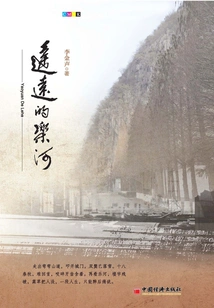
Distant Lehe River
Literature遥远的乐河
Li Jinsheng
This book is China's first documentary work on the theme of third-line construction. The book truly reproduces the relocation of Lehe Machinery Factory, one of China's helicopter production bases, from the ice city of Harbin in the North to a large cave in the mountains of northern Jiangxi. In order to rush to produce military helicopter engines before the outbreak of war, "if there are conditions, we must do it, and if there are no conditions, we must create conditions", "design in the same year, infrastructure in the same year, relocation in the same year, and produce products in the same year", composing a touching industrial song. It was against this background that the author Li Jinsheng came to Jiangxi from Heilongjiang with his parents. On the bank of the Lehe River far away from his hometown, he witnessed and personally participated in the arduous construction process of the factory from scratch, from small to large, and also personally experienced the tragic ending of the factory's gradual decline from prosperity to death. This book vividly and concretely describes the heroic feats of the "third-tier people" who fought against the world and worked hard to start a business. At the same time, it also discloses some anecdotes that are rarely known to the public.
This book is China's first documentary work on the theme of third-line construction. The book truly reproduces the relocation of Lehe Machinery Factory, one of China's helicopter production bases, from the ice city of Harbin in the North to a large cave in the mountains of northern Jiangxi. In order to rush to produce military helicopter engines before the outbreak of war, "if there are conditions, we must do it, and if there are no conditions, we must create conditions", "design in the same year, infrastructure in the same year, relocation in the same year, and produce products in the same year", composing a touching industrial song. It was against this background that the author Li Jinsheng came to Jiangxi from Heilongjiang with his parents. On the bank of the Lehe River far away from his hometown, he witnessed and personally participated in the arduous construction process of the factory from scratch, from small to large, and also personally experienced the tragic ending of the factory's gradual decline from prosperity to death. This book vividly and concretely describes the heroic feats of the "third-tier people" who fought against the world and worked hard to start a business. At the same time, it also discloses some anecdotes that are rarely known to the public.
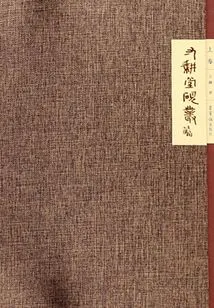
Cungengtang Inkstone Cluster
Literature寸耕堂砚丛
Wang Yong
"Cungengtang Inkstone Cluster" is Mr. Wang Yong's inscription on the famous ancient inkstones in his collection. It not only contains textual research and explanations of the inkstones, but also displays calligraphy. It has high academic and appreciation value. The author of this book, Mr. Wang Yong, is a professor and doctoral supervisor at the Central Academy of Fine Arts. Both calligraphy and painting are excellent, and he has a strong influence in contemporary times.
"Cungengtang Inkstone Cluster" is Mr. Wang Yong's inscription on the famous ancient inkstones in his collection. It not only contains textual research and explanations of the inkstones, but also displays calligraphy. It has high academic and appreciation value. The author of this book, Mr. Wang Yong, is a professor and doctoral supervisor at the Central Academy of Fine Arts. Both calligraphy and painting are excellent, and he has a strong influence in contemporary times.
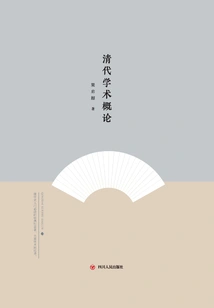
大师讲传统文化:清代学术概论
Liang Qichao
The first draft of "Masters Speak of Traditional Culture Series: An Introduction to Qing Dynasty Academics" was written in 1920. It was originally a preface written by Liang Qichao for his friend Jiang Fangzhen's "History of the European Renaissance". This book is not a specialized historical work that simply discusses the "transformation of the ideological world" in the Qing Dynasty. It is also a personal academic memoir of Liang Qichao. In the book, Liang Qichao re-discussed the academic development of the Qing Dynasty and proposed "retroversion as liberation" as the general characteristic of the academic development of the Qing Dynasty. Mr. Liang's summary of Qing Dynasty academic theories and the academic spirit he displayed are still of benefit to today's Chinese academic circles.
The first draft of "Masters Speak of Traditional Culture Series: An Introduction to Qing Dynasty Academics" was written in 1920. It was originally a preface written by Liang Qichao for his friend Jiang Fangzhen's "History of the European Renaissance". This book is not a specialized historical work that simply discusses the "transformation of the ideological world" in the Qing Dynasty. It is also a personal academic memoir of Liang Qichao. In the book, Liang Qichao re-discussed the academic development of the Qing Dynasty and proposed "retroversion as liberation" as the general characteristic of the academic development of the Qing Dynasty. Mr. Liang's summary of Qing Dynasty academic theories and the academic spirit he displayed are still of benefit to today's Chinese academic circles.
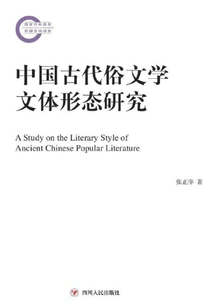
中国古代俗文学文体形态研究
Zhang Zhengxue
This book is an academic work that combines history and theory with detailed information. It takes the stylistic forms of ancient Chinese novels, operas and other popular literature as its object, and examines their respective evolution processes of "birth, old age, illness and death", especially their characteristics in different historical periods; it constructs a system of research on the stylistic forms of ancient Chinese popular literature and proposes some more valuable sources such as "change" In the Western Regions, "The Tripitaka of the Tang Dynasty" was written in the late Northern Song Dynasty, the "Hui" in the Zhanghui novels was derived from the "pressing" of "talking" in the Tang and Song Dynasties, the Northern Zaju was founded in Dadu in the early Yuan Dynasty, and the Daoqing [playing children] originated from the Banshe Diao [Sha] in the Northern Song Dynasty. These new academic insights can serve as references for further research in the academic world.
This book is an academic work that combines history and theory with detailed information. It takes the stylistic forms of ancient Chinese novels, operas and other popular literature as its object, and examines their respective evolution processes of "birth, old age, illness and death", especially their characteristics in different historical periods; it constructs a system of research on the stylistic forms of ancient Chinese popular literature and proposes some more valuable sources such as "change" In the Western Regions, "The Tripitaka of the Tang Dynasty" was written in the late Northern Song Dynasty, the "Hui" in the Zhanghui novels was derived from the "pressing" of "talking" in the Tang and Song Dynasties, the Northern Zaju was founded in Dadu in the early Yuan Dynasty, and the Daoqing [playing children] originated from the Banshe Diao [Sha] in the Northern Song Dynasty. These new academic insights can serve as references for further research in the academic world.
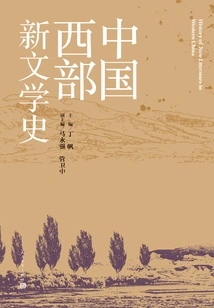
中国西部新文学史
Editor-in-chief Ding Fan Ma Yongqiang Deputy Editor-in-chief Guan Weizhong
This book is led by Professor Ding Fan of Nanjing University and has been significantly revised on the basis of "History of Modern Literature in Western China". "History of Modern Literature in Western China" is the first and only history of western literature in China. It was published by our publishing house in 2004 and has been used as a teaching material in some universities in western China. In the more than ten years since its publication, western literature has made new developments. This revision was made in order to further expand the research on western literature, promote the creation of western literature, present a new style of western literature, and respond to the call of the national "One Belt, One Road" strategic policy. The English version will be published by the Chinese Translation Press and funding will be applied for the development of both Chinese and English versions.
This book is led by Professor Ding Fan of Nanjing University and has been significantly revised on the basis of "History of Modern Literature in Western China". "History of Modern Literature in Western China" is the first and only history of western literature in China. It was published by our publishing house in 2004 and has been used as a teaching material in some universities in western China. In the more than ten years since its publication, western literature has made new developments. This revision was made in order to further expand the research on western literature, promote the creation of western literature, present a new style of western literature, and respond to the call of the national "One Belt, One Road" strategic policy. The English version will be published by the Chinese Translation Press and funding will be applied for the development of both Chinese and English versions.
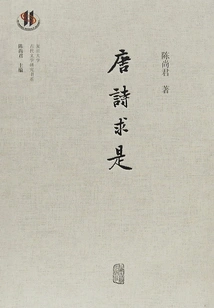
Tang Poetry Seeking Truth
Literature唐诗求是
Chen Shangjun
This book brings together the author's major achievements in the process of re-editing and researching all Tang poems over the years. The collected chapters cover general collections, special collections, and anthologies of Tang Dynasty poetry. The exploration of the lives and creations of Tang Dynasty poets is well-founded. Whether it is a case study of Tang Dynasty poetry or an investigation of the literary history of a generation, it has the significance of enlightenment.
This book brings together the author's major achievements in the process of re-editing and researching all Tang poems over the years. The collected chapters cover general collections, special collections, and anthologies of Tang Dynasty poetry. The exploration of the lives and creations of Tang Dynasty poets is well-founded. Whether it is a case study of Tang Dynasty poetry or an investigation of the literary history of a generation, it has the significance of enlightenment.
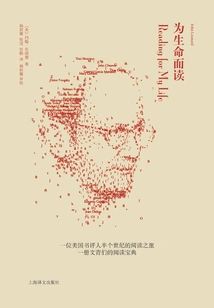
Read for Life
Literature为生命而读
(us) John Leonard
John Leonard is a towering figure in American literature. As an erudite, passionate, and wide-ranging book reviewer, he personally participated in shaping the landscape of contemporary American literature. This book is a collection of 50 interpretations of many famous writers and masterpieces extracted from Leonard's 50-year reading career, from Pasternak to Nabokov, from Marquez to Said, to Doris Lessing to Joan Titian. What is reflected in it is the changes of the times and the evolution of cultural trends in post-war America. It can be said that life is endless and reading is endless.
John Leonard is a towering figure in American literature. As an erudite, passionate, and wide-ranging book reviewer, he personally participated in shaping the landscape of contemporary American literature. This book is a collection of 50 interpretations of many famous writers and masterpieces extracted from Leonard's 50-year reading career, from Pasternak to Nabokov, from Marquez to Said, to Doris Lessing to Joan Titian. What is reflected in it is the changes of the times and the evolution of cultural trends in post-war America. It can be said that life is endless and reading is endless.
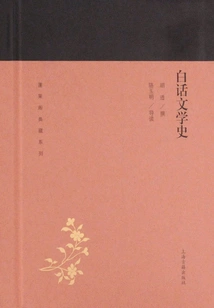
Vernacular Literary History
Literature白话文学史
Written By Hu Shi With An Introduction By Luo Yuming
"History of Vernacular Literature" is the history of vernacular literature discussed by Hu Shi, and it also has a pioneering and milestone status in the history of Chinese literature.
"History of Vernacular Literature" is the history of vernacular literature discussed by Hu Shi, and it also has a pioneering and milestone status in the history of Chinese literature.
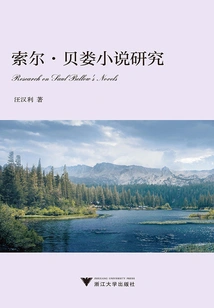
Research on Saul Bellow's Novels
Literature索尔·贝娄小说研究
Wang Hanli
Saul Bellow is a famous American Jewish writer who won the 1976 Nobel Prize for Literature. Based on a cultural perspective, this book explores the cultural origins of Bellow's creation from three aspects: Bellow and Jewish tradition, Bellow and American culture, and Bellow and European influence. It is believed that although Bellow opposed the label of "Jewish writer", his creations are closely related to Jewish culture. At the same time, Bellow's creations also reflected American social reality and values, and were radiated and influenced by European culture.
Saul Bellow is a famous American Jewish writer who won the 1976 Nobel Prize for Literature. Based on a cultural perspective, this book explores the cultural origins of Bellow's creation from three aspects: Bellow and Jewish tradition, Bellow and American culture, and Bellow and European influence. It is believed that although Bellow opposed the label of "Jewish writer", his creations are closely related to Jewish culture. At the same time, Bellow's creations also reflected American social reality and values, and were radiated and influenced by European culture.
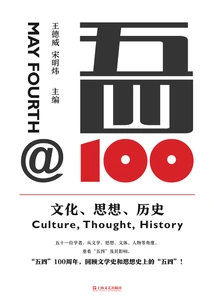
May 4th@100: Culture, Thought, History
Literature五四@100:文化、思想、历史
Wang Dewei Song Mingwei
"May Fourth@100: Culture, Thought, History" aims to review the May Fourth movement in the history of culture, literature and thought. On the occasion of the 100th anniversary of the May Fourth Movement, "May Fourth@100: Culture, Thought, History" invited nearly fifty scholars to review the May Fourth Movement and its impact from the perspectives of literature, thought, style, and characters. Each contributor writes an article of 2,000 to 3,000 words based on a topic (including issues raised during the May Fourth period, styles that emerged in the New Literature Movement, influential figures during the May Fourth period, etc.). The standard of the article is to be concise and meaningful, and to review and reflect on literature, history, and thought since the May Fourth Movement. Wang Dewei is the Edward C. Henderson Chair Professor in the Department of East Asian Languages and Civilizations and the Department of Comparative Literature at Harvard University. His research fields include modern Chinese literature, modern literary theory, and comparative literature. His major works include "Novel China: Novels from the Late Qing to the Contemporary", "Methods of Imagining China: History, Novel, Narrative", "Repressed Modernity: New Essays on Late Qing Novels", "Mao Dun, Lao She, Shen Congwen: Realism and Modern Chinese Novels", "History and Monsters: History, Violence, Narrative", "Lyric Voices in the Epic Age: Chinese Intellectuals and Artists in the Mid-Twentieth Century", etc. Song Mingwei is an associate professor in the Department of East Asian Culture at Wesley College. His research fields include modern Chinese literature and science fiction. He is the author of "The Sorrow of the Floating World: The Biography of Eileen Chang", "Young China: Youth Discourse and Bildungsroman", etc., And the editor of the English version of "The Reincarnated Giant: An Anthology of Chinese Science Fiction in the 21st Century" (co-edited with Hu Zhide).
"May Fourth@100: Culture, Thought, History" aims to review the May Fourth movement in the history of culture, literature and thought. On the occasion of the 100th anniversary of the May Fourth Movement, "May Fourth@100: Culture, Thought, History" invited nearly fifty scholars to review the May Fourth Movement and its impact from the perspectives of literature, thought, style, and characters. Each contributor writes an article of 2,000 to 3,000 words based on a topic (including issues raised during the May Fourth period, styles that emerged in the New Literature Movement, influential figures during the May Fourth period, etc.). The standard of the article is to be concise and meaningful, and to review and reflect on literature, history, and thought since the May Fourth Movement. Wang Dewei is the Edward C. Henderson Chair Professor in the Department of East Asian Languages and Civilizations and the Department of Comparative Literature at Harvard University. His research fields include modern Chinese literature, modern literary theory, and comparative literature. His major works include "Novel China: Novels from the Late Qing to the Contemporary", "Methods of Imagining China: History, Novel, Narrative", "Repressed Modernity: New Essays on Late Qing Novels", "Mao Dun, Lao She, Shen Congwen: Realism and Modern Chinese Novels", "History and Monsters: History, Violence, Narrative", "Lyric Voices in the Epic Age: Chinese Intellectuals and Artists in the Mid-Twentieth Century", etc. Song Mingwei is an associate professor in the Department of East Asian Culture at Wesley College. His research fields include modern Chinese literature and science fiction. He is the author of "The Sorrow of the Floating World: The Biography of Eileen Chang", "Young China: Youth Discourse and Bildungsroman", etc., And the editor of the English version of "The Reincarnated Giant: An Anthology of Chinese Science Fiction in the 21st Century" (co-edited with Hu Zhide).
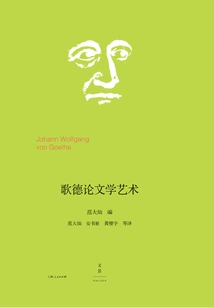
Goethe's Literature and Art
Literature歌德论文学艺术
Fan Dacan
"Goethe on Literature and Art" is a collection of essays by the famous German thinker Goethe. The book collects Goethe's comments and opinions on different types of literature and art in different periods. It includes Goethe's discussion of the macro theory of literature and art, his appreciation and comments on literary and artistic works, as well as the introduction of the life stories of writers and artists and the evaluation of their artistic styles. The various discussions in the book not only reflect Goethe's unique insights into literature and art, but also present his rich and colorful ideological connotations. This book is richly illustrated with many illustrations. The pictures and the text form a good echo and coordination. Many of the pictures come from portraits of Goethe painted by famous painters at the time and Goethe's own paintings, showing the footprints of Goethe's life. This is a vivid biography about Goethe's thoughts and life. The book is full of passionate language and rich and vivid ideological content. It is of high value for understanding Goethe, Weimar classicism, and European literature and art in the era in which Goethe lived.
"Goethe on Literature and Art" is a collection of essays by the famous German thinker Goethe. The book collects Goethe's comments and opinions on different types of literature and art in different periods. It includes Goethe's discussion of the macro theory of literature and art, his appreciation and comments on literary and artistic works, as well as the introduction of the life stories of writers and artists and the evaluation of their artistic styles. The various discussions in the book not only reflect Goethe's unique insights into literature and art, but also present his rich and colorful ideological connotations. This book is richly illustrated with many illustrations. The pictures and the text form a good echo and coordination. Many of the pictures come from portraits of Goethe painted by famous painters at the time and Goethe's own paintings, showing the footprints of Goethe's life. This is a vivid biography about Goethe's thoughts and life. The book is full of passionate language and rich and vivid ideological content. It is of high value for understanding Goethe, Weimar classicism, and European literature and art in the era in which Goethe lived.
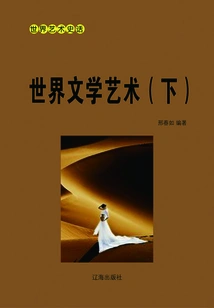
World Literature and Art (part 2)
Literature世界文学艺术(下)
Compiled By Xing Chunru
This is an art history book that covers a complete range of art types, with popular and vivid text, well-detailed content, and is both informative and interesting. I believe it can lead readers to swim in the vast ocean of human art history and help people realize the good wish of the outstanding British art historian Gombrich to "live one's life with the highest degree of spiritual satisfaction."
This is an art history book that covers a complete range of art types, with popular and vivid text, well-detailed content, and is both informative and interesting. I believe it can lead readers to swim in the vast ocean of human art history and help people realize the good wish of the outstanding British art historian Gombrich to "live one's life with the highest degree of spiritual satisfaction."
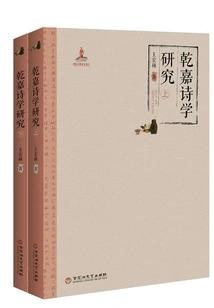
Research on Qianjia Poetry
Literature乾嘉诗学研究
Wang Honglin
This is an academic monograph that systematically studies the poetry theory of the Qiang-Jia period. This book not only conducts a comprehensive investigation of the overall style, theoretical propositions, and characteristics of the times of Qianjia Poetry from a macro perspective, but also provides an overview of poetic events, comprehensively and informatively showing the development process of Qianjia Poetry, and is of great value in promoting in-depth research on Qingming Poetry and Chinese Classical Poetry.
This is an academic monograph that systematically studies the poetry theory of the Qiang-Jia period. This book not only conducts a comprehensive investigation of the overall style, theoretical propositions, and characteristics of the times of Qianjia Poetry from a macro perspective, but also provides an overview of poetic events, comprehensively and informatively showing the development process of Qianjia Poetry, and is of great value in promoting in-depth research on Qingming Poetry and Chinese Classical Poetry.
Literary and Cultural Criticism
Literature文学与文化批评
Yao Chaowen
This book discusses the phenomenon of "cultural criticism of literary studies" in recent decades, combs the academic history from the beginning, development, domestic and foreign resources of cultural criticism, etc., And focuses on analyzing the reasons and background of "cultural criticism of literary studies". On this basis, it summarizes and comments on the academic propositions and theories of various schools of cultural criticism, as well as the debates between the schools. As a complete literature review of academic history, this book also predicts the development trend of "cultural criticism of literary research" and guides its expansion path.
This book discusses the phenomenon of "cultural criticism of literary studies" in recent decades, combs the academic history from the beginning, development, domestic and foreign resources of cultural criticism, etc., And focuses on analyzing the reasons and background of "cultural criticism of literary studies". On this basis, it summarizes and comments on the academic propositions and theories of various schools of cultural criticism, as well as the debates between the schools. As a complete literature review of academic history, this book also predicts the development trend of "cultural criticism of literary research" and guides its expansion path.