Library
Browse and search books
699 novels found
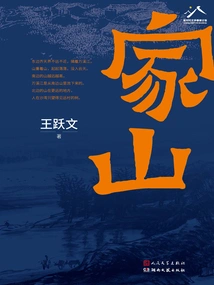
Jiashan
General Fiction家山
Wang Yuewen
The novel describes a southern village called Shawan and its surrounding areas, and the various changes people have experienced in the world over the past eighty years from the 1920s to the new century. It focuses on the stories of three and four generations of several families, including the former Qing Dynasty official Yigong and his three sons, the entanglement between the "Master Zhigen" who was in charge of the land bookkeeping in each township and his bastard son, the story of the village chief and the son of an underground party member of the Chinese Communist Party, the story of the "township master" Taoxiang who went to the county Yamen to win the lawsuit and her family; and the soul The character is Duke Youde. He speaks for the interests of the villagers, upholds justice in the countryside, provides relief to the poor, and speaks out for justice. He protects the families of the Red Army from massacre. He supports the second generation of promising young people, including his only son, to establish new schools in the countryside. He supports Yangqing, the third son of Yigong who studied in Japan, to build water conservancy. He is a respected figure in the village. The novel has a strong local flavor and is an excellent work depicting the scenery and people in rural China.
The novel describes a southern village called Shawan and its surrounding areas, and the various changes people have experienced in the world over the past eighty years from the 1920s to the new century. It focuses on the stories of three and four generations of several families, including the former Qing Dynasty official Yigong and his three sons, the entanglement between the "Master Zhigen" who was in charge of the land bookkeeping in each township and his bastard son, the story of the village chief and the son of an underground party member of the Chinese Communist Party, the story of the "township master" Taoxiang who went to the county Yamen to win the lawsuit and her family; and the soul The character is Duke Youde. He speaks for the interests of the villagers, upholds justice in the countryside, provides relief to the poor, and speaks out for justice. He protects the families of the Red Army from massacre. He supports the second generation of promising young people, including his only son, to establish new schools in the countryside. He supports Yangqing, the third son of Yigong who studied in Japan, to build water conservancy. He is a respected figure in the village. The novel has a strong local flavor and is an excellent work depicting the scenery and people in rural China.
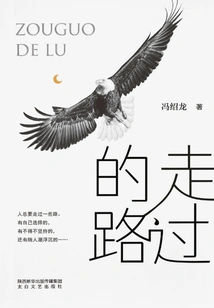
The Road Traveled
General Fiction走过的路
Feng Shaolong
Through the description of the relevant experiences, mutual interactions and knowledge of a rural family member, this book intuitively and truly shows the customs and customs of a remote mountain village in western Liaoning in the 1970s and 1980s, as well as the human fireworks of a group of ordinary people. Through the seemingly ordinary things experienced by the protagonist Xinping, this book leads readers to touch the blood of a family and triggers readers to think about the fate of the characters. Through Xinping's journey out of the countryside, every detail in the process of working and starting a business in the city, and finally decisively returning to his family to find the original appearance of life, it triggers readers to think more deeply about life ideals, human nature and life.
Through the description of the relevant experiences, mutual interactions and knowledge of a rural family member, this book intuitively and truly shows the customs and customs of a remote mountain village in western Liaoning in the 1970s and 1980s, as well as the human fireworks of a group of ordinary people. Through the seemingly ordinary things experienced by the protagonist Xinping, this book leads readers to touch the blood of a family and triggers readers to think about the fate of the characters. Through Xinping's journey out of the countryside, every detail in the process of working and starting a business in the city, and finally decisively returning to his family to find the original appearance of life, it triggers readers to think more deeply about life ideals, human nature and life.
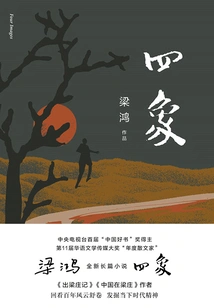
Four Images
General Fiction四象
Liang Hong
"The Story of Leaving Liangzhuang" and "China in Liangzhuang" are novels written by Liang Hong. A Christian elder, a foreign military attaché, an IT elite, a girl who knows all plants well... Four characters, four appearances, their life experiences are closely intertwined, linking together the long and tortuous story of a village. They came with the secrets of Liangzhuang, full of urgency, passion and ups and downs. They were familiar with human wisdom and all desires, and their vision was to build an utopia in the reality of Liangzhuang. Unexpectedly, differences had already been quietly buried... Living and dead, above and below ground, history and present... They are still a part of us, and their stories continue.
"The Story of Leaving Liangzhuang" and "China in Liangzhuang" are novels written by Liang Hong. A Christian elder, a foreign military attaché, an IT elite, a girl who knows all plants well... Four characters, four appearances, their life experiences are closely intertwined, linking together the long and tortuous story of a village. They came with the secrets of Liangzhuang, full of urgency, passion and ups and downs. They were familiar with human wisdom and all desires, and their vision was to build an utopia in the reality of Liangzhuang. Unexpectedly, differences had already been quietly buried... Living and dead, above and below ground, history and present... They are still a part of us, and their stories continue.
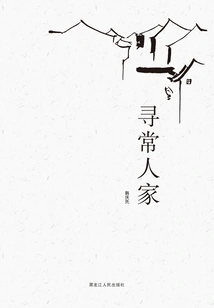
Ordinary People
General Fiction寻常人家
Han Qingxian
This book is the fourth rural novel written by the author. Based on what Zhao Shunhe saw, heard and felt as a child, this book originally reproduces the people, stories, natural environment and social features of Houhangzhuang, Shanmiao Commune, Runshui County, northern Jiangsu in the 1970s and 1980s. In the book, the author skillfully selects five ordinary families from the three families of Zhao, Han, and Gao, and spares no effort to show the intricate interpersonal relationships and conflicts and grievances between different families in detail. He praises the generation of young people represented by Zhao Lianfu who did not choose to give up on themselves in the midst of suffering, but fought bravely in the wave of the development of the times, composing a hymn to life with confidence and kindness.
This book is the fourth rural novel written by the author. Based on what Zhao Shunhe saw, heard and felt as a child, this book originally reproduces the people, stories, natural environment and social features of Houhangzhuang, Shanmiao Commune, Runshui County, northern Jiangsu in the 1970s and 1980s. In the book, the author skillfully selects five ordinary families from the three families of Zhao, Han, and Gao, and spares no effort to show the intricate interpersonal relationships and conflicts and grievances between different families in detail. He praises the generation of young people represented by Zhao Lianfu who did not choose to give up on themselves in the midst of suffering, but fought bravely in the wave of the development of the times, composing a hymn to life with confidence and kindness.
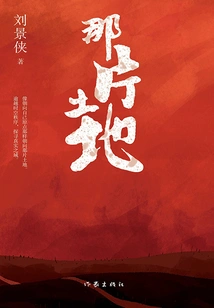
That Land
General Fiction那片土地
Liu Jingxia
The twists and turns and rewards of changing to rice, the hardship and vulgarity of retting hemp, the struggle and helplessness to save the bay horse, all represent the hardship, simplicity and persistence of rural and farmer life. Affected by the special time and space environment, Nie Ping, who didn't like rough things at all, went against the norm and "farmed" with ordinary farmers, sowing the land and sowing dreams... "I" and "you", "I" and "Nie Ping", "I" and myself are one person and "other" to each other. In the process of in-depth listening and telling, each other recalled, visited and asked: "What have we done?" "What should we do?" "What is reality?" A university professor who stood on the salt flat and wrote, through the shining moments of a girl conquering the salt flat, showed the original beauty and creation of human beings in the mysterious and profound rotation movement, and frankly presented this truth: "Time gives far more than it deprives."
The twists and turns and rewards of changing to rice, the hardship and vulgarity of retting hemp, the struggle and helplessness to save the bay horse, all represent the hardship, simplicity and persistence of rural and farmer life. Affected by the special time and space environment, Nie Ping, who didn't like rough things at all, went against the norm and "farmed" with ordinary farmers, sowing the land and sowing dreams... "I" and "you", "I" and "Nie Ping", "I" and myself are one person and "other" to each other. In the process of in-depth listening and telling, each other recalled, visited and asked: "What have we done?" "What should we do?" "What is reality?" A university professor who stood on the salt flat and wrote, through the shining moments of a girl conquering the salt flat, showed the original beauty and creation of human beings in the mysterious and profound rotation movement, and frankly presented this truth: "Time gives far more than it deprives."
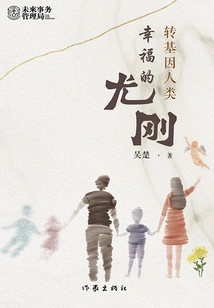
Happy You Gang
General Fiction幸福的尤刚
Wu Chu
Yuer, a rogue in Youcun, welcomed children with congenital anal atresia one after another. After examination, there may be a genetic factor. On the doctor's advice, You Er gritted his teeth and spent 20,000 yuan. He took his wife Hongmei, who was pregnant for the third time, to the provincial hospital for gene correction treatment. This time, Hongmei gave birth to a healthy baby - You Gang. However, the good times did not last long. When You Gang was six years old, a rumor with a "scientific theoretical basis" began to spread in the village: Due to the gene therapy he received before birth, You Gang was not You Er's "purebred" son, and his body was mixed with the blood of other men. Six-year-old You Gang was nicknamed a "bastard" and "bastard". He faced his tragic fate at a loss until his other biological father appeared...
Yuer, a rogue in Youcun, welcomed children with congenital anal atresia one after another. After examination, there may be a genetic factor. On the doctor's advice, You Er gritted his teeth and spent 20,000 yuan. He took his wife Hongmei, who was pregnant for the third time, to the provincial hospital for gene correction treatment. This time, Hongmei gave birth to a healthy baby - You Gang. However, the good times did not last long. When You Gang was six years old, a rumor with a "scientific theoretical basis" began to spread in the village: Due to the gene therapy he received before birth, You Gang was not You Er's "purebred" son, and his body was mixed with the blood of other men. Six-year-old You Gang was nicknamed a "bastard" and "bastard". He faced his tragic fate at a loss until his other biological father appeared...
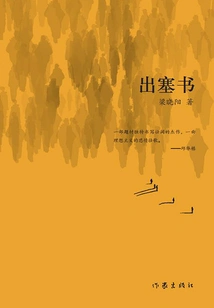
Exit Letter
General Fiction出塞书
Liang Xiaoyang
The author started writing in 2003 and ended in 2018. The writing spans as long as fifteen years, recording and narrating the vicissitudes of two generations from the mainland to Xinjiang in more than fifty years. The book has a polyphonic structure. One main line tells about the vicissitudes of the past generation who blindly fled to Xinjiang to escape suffering; the other main line tells about "I" who persisted in traveling back and forth between Xinjiang and Guangxi for fifteen years in order to realize his literary dream, accompany his wife to visit relatives, and escape the pain caused by life in the south, and finally completed the "transition" of his soul. This book is a work selected for the 2016 fixed-point in-depth life project of the Chinese Writers Association.
The author started writing in 2003 and ended in 2018. The writing spans as long as fifteen years, recording and narrating the vicissitudes of two generations from the mainland to Xinjiang in more than fifty years. The book has a polyphonic structure. One main line tells about the vicissitudes of the past generation who blindly fled to Xinjiang to escape suffering; the other main line tells about "I" who persisted in traveling back and forth between Xinjiang and Guangxi for fifteen years in order to realize his literary dream, accompany his wife to visit relatives, and escape the pain caused by life in the south, and finally completed the "transition" of his soul. This book is a work selected for the 2016 fixed-point in-depth life project of the Chinese Writers Association.
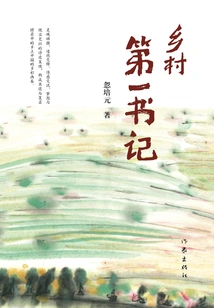
First Rural Secretary
General Fiction乡村第一书记
Hu Peiyuan
A masterpiece that connects the umbilical cord of life with real life. "Rural Secretary" tells the story of Secretary Bai Lang leading the cadres and the masses to solve problems one after another down-to-earth, protecting green waters and mountains, and building a beautiful homeland. It depicts the new look of rural areas with cultural revitalization and economic prosperity, performs a typical live drama with ups and downs, and composes a wonderful chapter of rural revitalization. Raise the ideal sail high and inspire the spirit of the times. The protagonist Bai Lang's practice and thinking demonstrate the responsibility and style of contemporary youth. The work is down-to-earth and thought-provoking, and has textbook significance for pioneering grassroots work and guiding the growth of cadres. "Village Secretary", a "History of Entrepreneurship" in the new era.
A masterpiece that connects the umbilical cord of life with real life. "Rural Secretary" tells the story of Secretary Bai Lang leading the cadres and the masses to solve problems one after another down-to-earth, protecting green waters and mountains, and building a beautiful homeland. It depicts the new look of rural areas with cultural revitalization and economic prosperity, performs a typical live drama with ups and downs, and composes a wonderful chapter of rural revitalization. Raise the ideal sail high and inspire the spirit of the times. The protagonist Bai Lang's practice and thinking demonstrate the responsibility and style of contemporary youth. The work is down-to-earth and thought-provoking, and has textbook significance for pioneering grassroots work and guiding the growth of cadres. "Village Secretary", a "History of Entrepreneurship" in the new era.
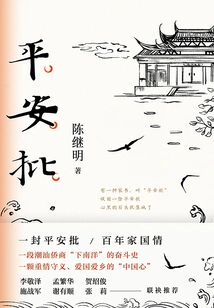
平安批(获评由中宣部指导、中国图书评论协会组织评选的2021年度“中国好书”)
Chen Jiming
The 2021 China Good Book Award-winning book, "Ping An Piao" depicts a history of the struggle of overseas Chinese merchants in Chaoshan and "going to Nanyang". Zheng Mengmei shoulders the mission of reviving her family business. As she approaches middle age, she travels alone in Southeast Asia. In a foreign country, "Safety batch" unexpectedly became his life's work. The "foreign-style" contracts and credits, written down with a brush, will beat the "Chinese heart" that attaches great importance to love and justice. During the Anti-Japanese War, Mengmei and her relatives and friends understood deeply the righteousness of their family and country, and resolutely devoted themselves to the torrent of serving the motherland... Using the Ping An batch as a medium, the novel integrates the changes of a century of world affairs, profoundly describes the spiritual world of the people, and writes a "Chinese heart" that values love, justice, patriotism and hometown.
The 2021 China Good Book Award-winning book, "Ping An Piao" depicts a history of the struggle of overseas Chinese merchants in Chaoshan and "going to Nanyang". Zheng Mengmei shoulders the mission of reviving her family business. As she approaches middle age, she travels alone in Southeast Asia. In a foreign country, "Safety batch" unexpectedly became his life's work. The "foreign-style" contracts and credits, written down with a brush, will beat the "Chinese heart" that attaches great importance to love and justice. During the Anti-Japanese War, Mengmei and her relatives and friends understood deeply the righteousness of their family and country, and resolutely devoted themselves to the torrent of serving the motherland... Using the Ping An batch as a medium, the novel integrates the changes of a century of world affairs, profoundly describes the spiritual world of the people, and writes a "Chinese heart" that values love, justice, patriotism and hometown.
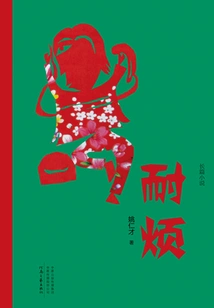
Patient
General Fiction耐烦
Yao Rencai
"Patience" tells the story of the tortuous fate of Yang Zhenxiu's family after they fled from Sichuan to Pijiagou in northern Shaanxi in the early 1970s. It depicts the historical changes of rural areas in northern Shaanxi over more than 50 years, with rich and broad content. The protagonist Zhenxiu is a typical image of traditional Chinese rural working women, who is tolerant, strong and capable. For the sake of her family, she sacrificed her love and went through hardships. Her character is plump and positive, and her hard spiritual core gives people strength. The language is appropriate and flavorful, just like the crops that grow vigorously in the land in season, and are full of regional color.
"Patience" tells the story of the tortuous fate of Yang Zhenxiu's family after they fled from Sichuan to Pijiagou in northern Shaanxi in the early 1970s. It depicts the historical changes of rural areas in northern Shaanxi over more than 50 years, with rich and broad content. The protagonist Zhenxiu is a typical image of traditional Chinese rural working women, who is tolerant, strong and capable. For the sake of her family, she sacrificed her love and went through hardships. Her character is plump and positive, and her hard spiritual core gives people strength. The language is appropriate and flavorful, just like the crops that grow vigorously in the land in season, and are full of regional color.
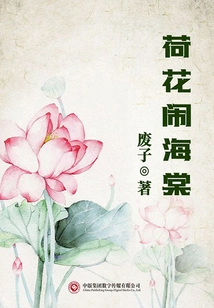
Lotus and Begonia
General Fiction荷花闹海棠
Wasteful Man
Singing folk songs and wearing straw sandals is Yu Erbo's specialty, but he can only sing loudly when he is wearing straw sandals. After being scolded by You Erniang for poor performance at the singing concert, he fell into despair. Later, two painters who went to the mountains to sketch were attracted by Yu Erbo's singing. With the encouragement of the two painters, he let go of his singing voice again. At night, the two painters encountered a flash flood while camping by the pool. They survived after the efforts of Uncle You Er's family. The two painters persuaded Uncle You to take advantage of the resources in the mountains to start a "Water Mill Manor" and use the Internet to introduce the mountainous landscape to the outside world. Painter Li also persuaded the company's upper-level organization's outstanding employees to spend the weekend at Shuimo Manor as a reward, which gradually helped Yu Erbo get rid of the days of "begging for food from a golden bowl" and set a good example. Since this article runs through the melody of the folk song "Che Yaomei" from beginning to end, the liner word "Lotus and Begonia" is used as the title.
Singing folk songs and wearing straw sandals is Yu Erbo's specialty, but he can only sing loudly when he is wearing straw sandals. After being scolded by You Erniang for poor performance at the singing concert, he fell into despair. Later, two painters who went to the mountains to sketch were attracted by Yu Erbo's singing. With the encouragement of the two painters, he let go of his singing voice again. At night, the two painters encountered a flash flood while camping by the pool. They survived after the efforts of Uncle You Er's family. The two painters persuaded Uncle You to take advantage of the resources in the mountains to start a "Water Mill Manor" and use the Internet to introduce the mountainous landscape to the outside world. Painter Li also persuaded the company's upper-level organization's outstanding employees to spend the weekend at Shuimo Manor as a reward, which gradually helped Yu Erbo get rid of the days of "begging for food from a golden bowl" and set a good example. Since this article runs through the melody of the folk song "Che Yaomei" from beginning to end, the liner word "Lotus and Begonia" is used as the title.
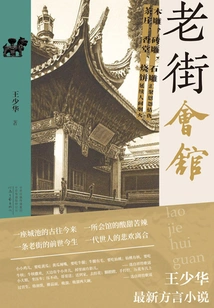
Old Street Guild Hall
General Fiction老街会馆
Wang Shaohua
An incense maker from Singapore, a young man who sells sesame seed cakes at home, and a teahouse owner who is full of publicity. Their lives have no intersection at all, but they are closely connected by a gorgeous ancient Shanshan-Gan guild hall with more than 200 years of history, a dilapidated Sanjin courtyard, and a legendary incense book from the Song Dynasty. The inheritance of skills of "incense making" and "brick carving, wood carving, and stone carving" links the love and hate between them, as well as their deep feelings for traditional skills, their hometown, and the old city.
An incense maker from Singapore, a young man who sells sesame seed cakes at home, and a teahouse owner who is full of publicity. Their lives have no intersection at all, but they are closely connected by a gorgeous ancient Shanshan-Gan guild hall with more than 200 years of history, a dilapidated Sanjin courtyard, and a legendary incense book from the Song Dynasty. The inheritance of skills of "incense making" and "brick carving, wood carving, and stone carving" links the love and hate between them, as well as their deep feelings for traditional skills, their hometown, and the old city.
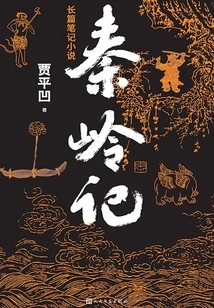
Qinling Chronicles
General Fiction秦岭记
Jia Pingwa
"Records of the Qinling Mountains" is Jia Pingwa's new work. Different from the long-form "Shanben", "Records of the Qinling Mountains" adopts the form of short notes. It starts from ancient times and focuses on small details. It records the mountains, rivers, people and events of the Qinling Mountains in a micro-historical way, and writes about its chaotic majesty. , Grand and subtle, written about its birds and beasts, and realistic worries. It has the two free and mixed attributes of "ambitious people" and "ambitious monsters" in notebook novels. At the same time, it has a distinctive Jia style. It can be said to be Jia's Classic of Mountains and Seas, Jia's Strange Tales from a Liaozhai Studio, and even more so, Jia's "Historical Records of the Qinling Mountains". In addition to the main body of "Qinling Records", there are 17 new chapters of "Taibai Mountain" written by the author in 1990, and six essays written around 2000 as "external compilations". These two parts are intrinsically related to the main body of "Qinling Records". As a writer rooted in the rich soil of Shaanxi and even the northwest, the author has been writing about the Qinling Mountains for decades, first focusing on Shangzhou in the Qinling Mountains, and then zooming in on the entire Qinling Mountains. This 150,000-word Qinling Chronicles can be said to be the author's accumulated years of life experience, and he has written "the details of life and the flavor of life deep in the mountains."
"Records of the Qinling Mountains" is Jia Pingwa's new work. Different from the long-form "Shanben", "Records of the Qinling Mountains" adopts the form of short notes. It starts from ancient times and focuses on small details. It records the mountains, rivers, people and events of the Qinling Mountains in a micro-historical way, and writes about its chaotic majesty. , Grand and subtle, written about its birds and beasts, and realistic worries. It has the two free and mixed attributes of "ambitious people" and "ambitious monsters" in notebook novels. At the same time, it has a distinctive Jia style. It can be said to be Jia's Classic of Mountains and Seas, Jia's Strange Tales from a Liaozhai Studio, and even more so, Jia's "Historical Records of the Qinling Mountains". In addition to the main body of "Qinling Records", there are 17 new chapters of "Taibai Mountain" written by the author in 1990, and six essays written around 2000 as "external compilations". These two parts are intrinsically related to the main body of "Qinling Records". As a writer rooted in the rich soil of Shaanxi and even the northwest, the author has been writing about the Qinling Mountains for decades, first focusing on Shangzhou in the Qinling Mountains, and then zooming in on the entire Qinling Mountains. This 150,000-word Qinling Chronicles can be said to be the author's accumulated years of life experience, and he has written "the details of life and the flavor of life deep in the mountains."
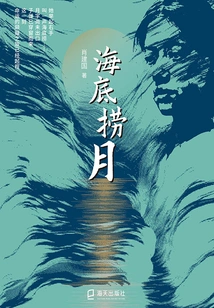
Hai Di Lao Yue
General Fiction海底捞月
Xiao Jianguo
This is a life history of the people in southern Hunan that spans 70 years. One day in the late autumn of 1949, in the courtyard of the Li family in Hecang, southern Hunan, a singing ceremony was taking place for Manchu girls to get married. The singing hall lasted for three days and three nights. The bride was supposed to get on the sedan chair at dawn, but there was a roar at dawn, the cannonball fell into the Bailu River, and the bullet hit the bride's hand. For a moment, everyone was panicked, and the tide of history has changed its direction...
This is a life history of the people in southern Hunan that spans 70 years. One day in the late autumn of 1949, in the courtyard of the Li family in Hecang, southern Hunan, a singing ceremony was taking place for Manchu girls to get married. The singing hall lasted for three days and three nights. The bride was supposed to get on the sedan chair at dawn, but there was a roar at dawn, the cannonball fell into the Bailu River, and the bullet hit the bride's hand. For a moment, everyone was panicked, and the tide of history has changed its direction...
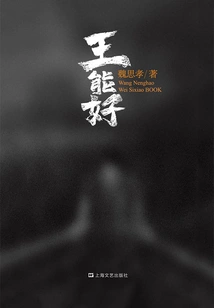
Wang Nenghao
General Fiction王能好
Wei Sixiao
"Wang Neng Hao" is Wei Sixiao's latest novel. It uses a farmer's departure, return and unexpected death as clues to weave an ukiyo-e of contemporary rural life. This is a rural novel that is truly profound and compassionate. It depicts a rough and powerful picture of rural life with a unique minimalist style. The capture and perspective of rural life and the fate of people in the countryside make the work full of pathos and a kind of power. In terms of overall style, Wei Sixiao successfully constructed his observation and understanding of rural life, that is, the more common rural characters are helpless in the face of fate. They try to establish contact with life again and again, but they all suffer from life's tricks. The plight of these characters is not only manifested in material life but also in spiritual life.
"Wang Neng Hao" is Wei Sixiao's latest novel. It uses a farmer's departure, return and unexpected death as clues to weave an ukiyo-e of contemporary rural life. This is a rural novel that is truly profound and compassionate. It depicts a rough and powerful picture of rural life with a unique minimalist style. The capture and perspective of rural life and the fate of people in the countryside make the work full of pathos and a kind of power. In terms of overall style, Wei Sixiao successfully constructed his observation and understanding of rural life, that is, the more common rural characters are helpless in the face of fate. They try to establish contact with life again and again, but they all suffer from life's tricks. The plight of these characters is not only manifested in material life but also in spiritual life.
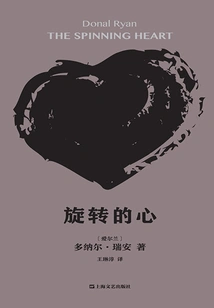
Spinning Heart
General Fiction旋转的心
(ireland) Donal Ryan
The structure is clever, and the novel is written in the form of a short story. The 21 characters and 21 chapters are all unfolded in the first person's self-narration, which is equivalent to 21 self-portraits. It can also be called another multi-voice narrative. It can be entered from any story or character or from any location in the book. In the wind, it will still turn. It crunched, crunched, crunched as I moved away. This mottled, crunching, whirling heart. Ireland's "falling sky", the financial system collapsed, social crises are everywhere, everyone is facing the struggle with their inner desires... Bobby, Josie, Lily, Vasya, Leo Ting... 21 Hearts are crunching and spinning. 21 People, with different experiences and identities, struggle to tell their own truths, and each true and intertwined story gradually unfolds. Ryan uses a unique narrative voice to show the complexity of human nature and express the thoughts of a generation with incredible perception. This novel about Irish rural life is bold in approach and the story is witty, dark, sweet and spicy.
The structure is clever, and the novel is written in the form of a short story. The 21 characters and 21 chapters are all unfolded in the first person's self-narration, which is equivalent to 21 self-portraits. It can also be called another multi-voice narrative. It can be entered from any story or character or from any location in the book. In the wind, it will still turn. It crunched, crunched, crunched as I moved away. This mottled, crunching, whirling heart. Ireland's "falling sky", the financial system collapsed, social crises are everywhere, everyone is facing the struggle with their inner desires... Bobby, Josie, Lily, Vasya, Leo Ting... 21 Hearts are crunching and spinning. 21 People, with different experiences and identities, struggle to tell their own truths, and each true and intertwined story gradually unfolds. Ryan uses a unique narrative voice to show the complexity of human nature and express the thoughts of a generation with incredible perception. This novel about Irish rural life is bold in approach and the story is witty, dark, sweet and spicy.
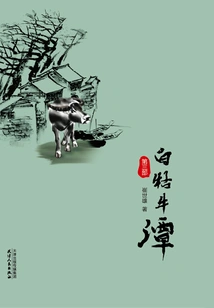
Baigunniutan (part 3)
General Fiction白牯牛潭(第三部)
Cui Shixiong
This book describes the historical changes of a remote village on the shore of Honghu Lake in Hubei Province in the twenty years after liberation. Honghu is the author's hometown. The author is familiar with the life and people there, and the novel has the nature of a family history. The story written by the author is vivid and the characters are vivid. It is a rural custom painting in the middle of the 20th century in my country.
This book describes the historical changes of a remote village on the shore of Honghu Lake in Hubei Province in the twenty years after liberation. Honghu is the author's hometown. The author is familiar with the life and people there, and the novel has the nature of a family history. The story written by the author is vivid and the characters are vivid. It is a rural custom painting in the middle of the 20th century in my country.
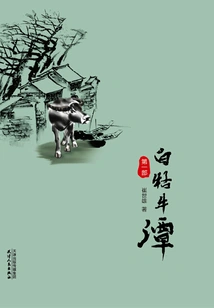
Baigunniutan (part 1)
General Fiction白牯牛潭(第一部)
Cui Shixiong
This book describes the historical changes of a remote village on the shore of Honghu Lake in Hubei Province in the twenty years after liberation. Honghu is the author's hometown. The author is familiar with the life and people there, and the novel has the nature of a family history. The story written by the author is vivid and the characters are vivid. It is a rural custom painting in the middle of the 20th century in my country.
This book describes the historical changes of a remote village on the shore of Honghu Lake in Hubei Province in the twenty years after liberation. Honghu is the author's hometown. The author is familiar with the life and people there, and the novel has the nature of a family history. The story written by the author is vivid and the characters are vivid. It is a rural custom painting in the middle of the 20th century in my country.
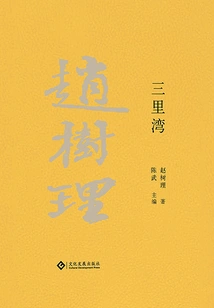
Collected Works of Zhao Shuli: Sanli Bay
General Fiction赵树理文集:三里湾
Zhao Shuli
"Three Mile Bay" is a novel published in 1955 by Zhao Shuli, my country's modern novelist and people's artist. It was completed in 1955. It is the first excellent work reflecting the agricultural cooperative movement in our country. Sanliwan, a model village in the North China Liberated Area, is undergoing a vigorous agricultural socialist transformation. Autumn harvest, party consolidation, cooperative expansion, and canal opening... The cooperative movement has brought a new atmosphere to the countryside, but it has also triggered various contradictions about two roads, two ideas, and two ways of life. Sanliwan is undergoing great changes. It describes the mental outlook of people from all walks of life in rural areas and is the first outstanding work in my country to reflect the agricultural co-operative movement. This book is good at choosing the language and actions that best express the character's personality to depict the characters. The characters are complete with just a few strokes. The structure inherits the traditional techniques of Chinese classical novels. The plot is coherent but not jumpy, and the language is vivid, simple, humorous and interesting.
"Three Mile Bay" is a novel published in 1955 by Zhao Shuli, my country's modern novelist and people's artist. It was completed in 1955. It is the first excellent work reflecting the agricultural cooperative movement in our country. Sanliwan, a model village in the North China Liberated Area, is undergoing a vigorous agricultural socialist transformation. Autumn harvest, party consolidation, cooperative expansion, and canal opening... The cooperative movement has brought a new atmosphere to the countryside, but it has also triggered various contradictions about two roads, two ideas, and two ways of life. Sanliwan is undergoing great changes. It describes the mental outlook of people from all walks of life in rural areas and is the first outstanding work in my country to reflect the agricultural co-operative movement. This book is good at choosing the language and actions that best express the character's personality to depict the characters. The characters are complete with just a few strokes. The structure inherits the traditional techniques of Chinese classical novels. The plot is coherent but not jumpy, and the language is vivid, simple, humorous and interesting.
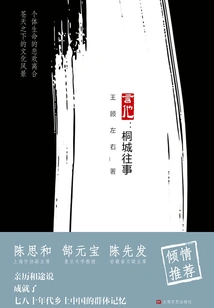
Talk About Him: Tongcheng's Past
General Fiction言他:桐城往事
Wang Gu Zuo
How did the decent and docile Miss Chen become the powerful Liu family? How did the farce of snatching a bride turn into a lifetime of no regrets? What kind of legend is told by the peddler, the rattle and a large spotted snake? Liu Dajiao's son, who has been away for twenty years, returns again. How does he look at Tang Qiao? Love and hatred, elegance and vulgarity, hope and despair, are intertwined and extended in Tangqiao Township, Tongcheng, Anhui. As a partial narrative of rural China spanning fifty years, the past events recounted from the author's memory are honest and warm, ancient and vulgar. They represent rural China from the 1930s to the 1980s.
How did the decent and docile Miss Chen become the powerful Liu family? How did the farce of snatching a bride turn into a lifetime of no regrets? What kind of legend is told by the peddler, the rattle and a large spotted snake? Liu Dajiao's son, who has been away for twenty years, returns again. How does he look at Tang Qiao? Love and hatred, elegance and vulgarity, hope and despair, are intertwined and extended in Tangqiao Township, Tongcheng, Anhui. As a partial narrative of rural China spanning fifty years, the past events recounted from the author's memory are honest and warm, ancient and vulgar. They represent rural China from the 1930s to the 1980s.
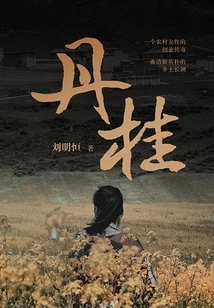
Dangui
General Fiction丹桂
Liu Mingheng
By describing the thrilling and tortuous life experience of the protagonist Liu Dangui, the novel shows the psychological process of people's ideological struggle, confusion, and resistance in today's cities and villages in the transition period between the old and the new. The author takes Guihuaping, his hometown of Liujiaqiao, as a literary landmark, and uses traditional realism artistic techniques to depict typical characters in typical environments. He focuses on describing Dangui, who was forced into the city to survive by the bad luck of life, and then returned to her hometown to start a business and build a new female image in her hometown after many setbacks.
By describing the thrilling and tortuous life experience of the protagonist Liu Dangui, the novel shows the psychological process of people's ideological struggle, confusion, and resistance in today's cities and villages in the transition period between the old and the new. The author takes Guihuaping, his hometown of Liujiaqiao, as a literary landmark, and uses traditional realism artistic techniques to depict typical characters in typical environments. He focuses on describing Dangui, who was forced into the city to survive by the bad luck of life, and then returned to her hometown to start a business and build a new female image in her hometown after many setbacks.
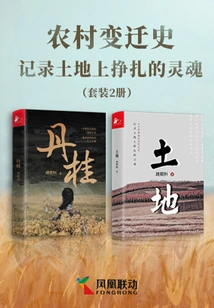
The History of Rural Changes, Recording the Struggling Souls on the Land (set of 2 Volumes)
General Fiction农村变迁史,记录土地上挣扎的灵魂(套装2册)
Liu Mingheng
This book is composed of two works: "Dangui" and "Land". "Dangui" describes the thrilling and tortuous life experience of the protagonist Liu Dangui, showing the psychological process of people's ideological struggle, confusion and resistance in today's cities and villages in the transition period between the old and the new. The author takes Guihuaping, his hometown of Liujiaqiao, as a literary landmark, and uses traditional realism artistic techniques to depict typical characters in typical environments. He focuses on describing Dangui, who was forced into the city to survive by the bad luck of life, and then returned to her hometown to start a business and build a new female image in her hometown after many setbacks. "Land" takes southern Hubei as the background and panoramicly shows the evolution of China's rural "land" policy and the ups and downs of farmers from the eve of "land reform" to the present. It depicts the struggling soul on the land. Take Bengke Ridge as the background and farmers as the perspective. It outlines a panoramic view of the historical changes in rural areas in New China. It uses the first person perspective to show the misfortunes of farming experts and long-term workers of Xu Land at various critical periods in the historical process, as well as the difficult journey of survival and development. The protagonist treats historical grievances with great tolerance and lives tenaciously through hardships, demonstrating his ability to withstand suffering and his tenacious vitality. At the same time, he reflects the farmers' desire and helplessness for land autonomy.
This book is composed of two works: "Dangui" and "Land". "Dangui" describes the thrilling and tortuous life experience of the protagonist Liu Dangui, showing the psychological process of people's ideological struggle, confusion and resistance in today's cities and villages in the transition period between the old and the new. The author takes Guihuaping, his hometown of Liujiaqiao, as a literary landmark, and uses traditional realism artistic techniques to depict typical characters in typical environments. He focuses on describing Dangui, who was forced into the city to survive by the bad luck of life, and then returned to her hometown to start a business and build a new female image in her hometown after many setbacks. "Land" takes southern Hubei as the background and panoramicly shows the evolution of China's rural "land" policy and the ups and downs of farmers from the eve of "land reform" to the present. It depicts the struggling soul on the land. Take Bengke Ridge as the background and farmers as the perspective. It outlines a panoramic view of the historical changes in rural areas in New China. It uses the first person perspective to show the misfortunes of farming experts and long-term workers of Xu Land at various critical periods in the historical process, as well as the difficult journey of survival and development. The protagonist treats historical grievances with great tolerance and lives tenaciously through hardships, demonstrating his ability to withstand suffering and his tenacious vitality. At the same time, he reflects the farmers' desire and helplessness for land autonomy.
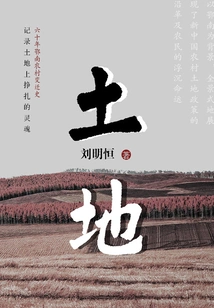
Land
General Fiction土地
Liu Mingheng
With Southern Hubei as the background, this book panoramicly presents the evolution of China's rural "land" policy and the ups and downs of farmers from the eve of "Land Reform" to the present. It depicts the struggling soul on the land. Take Bengke Ridge as the background and farmers as the perspective. It outlines a panoramic view of the historical changes in rural areas in New China. It uses the first person perspective to show the misfortunes of farming experts and long-term workers of Xu Land at various critical periods in the historical process, as well as the difficult journey of survival and development. The protagonist treats historical grievances with great tolerance and lives tenaciously through hardships, demonstrating his ability to withstand suffering and his tenacious vitality. At the same time, he reflects the farmers' desire and helplessness for land autonomy. The novel combines the political situation with pictures of customs and sentiments, and interprets the changes of the times through the fate of the characters. It has both a sense of historical depth and a strong sense of reality. The novel outlines the changes in the history of our nation with the story of the "land" of Bengkeling, making it a microcosm expression of the fate of Chinese farmers. The novel uses a realistic style to grasp the rhythm of contemporary rural changes. Through the tortuous and tragic story of the separation and reunion of farmers and the land, the novel reveals an unbreakable truth: treat the land well, cherish the land, and let farmers truly own the land.
With Southern Hubei as the background, this book panoramicly presents the evolution of China's rural "land" policy and the ups and downs of farmers from the eve of "Land Reform" to the present. It depicts the struggling soul on the land. Take Bengke Ridge as the background and farmers as the perspective. It outlines a panoramic view of the historical changes in rural areas in New China. It uses the first person perspective to show the misfortunes of farming experts and long-term workers of Xu Land at various critical periods in the historical process, as well as the difficult journey of survival and development. The protagonist treats historical grievances with great tolerance and lives tenaciously through hardships, demonstrating his ability to withstand suffering and his tenacious vitality. At the same time, he reflects the farmers' desire and helplessness for land autonomy. The novel combines the political situation with pictures of customs and sentiments, and interprets the changes of the times through the fate of the characters. It has both a sense of historical depth and a strong sense of reality. The novel outlines the changes in the history of our nation with the story of the "land" of Bengkeling, making it a microcosm expression of the fate of Chinese farmers. The novel uses a realistic style to grasp the rhythm of contemporary rural changes. Through the tortuous and tragic story of the separation and reunion of farmers and the land, the novel reveals an unbreakable truth: treat the land well, cherish the land, and let farmers truly own the land.

Kind
General Fiction种
Wang Wanfu
This is a picture of the migration of the Wang family under the influence of Feng Shui culture. The Wang family, who moved from Qianshan County, Anqing Prefecture to Jiangshan County, Quzhou Prefecture, unexpectedly failed in their tomb robbing plan under the guidance of a Feng Shui master. They were forced to flee Jiangshan with their in-laws, the Xu family, and moved to Jiande County, Yanzhou Prefecture. Two Feng Shui masters, Yan and Xie, traveled three hundred miles to Jiande to claim their reward. From then on, the Yan family and the Wang family, the Xie family, lived in Wangjiawu, Jiande, and began a century-old feud. Wang's grandfather had good Feng Shui and dug a vat of gold and silver when expanding his new house. This brought about wealth and glory in the next thirty years, as well as disaster after the founding of the People's Republic of China. Behind the family's ups and downs, each has its own wonderful cultural elements, turning this southern cultural novel into a beautiful classic of China's centuries-old folk customs and historical changes.
This is a picture of the migration of the Wang family under the influence of Feng Shui culture. The Wang family, who moved from Qianshan County, Anqing Prefecture to Jiangshan County, Quzhou Prefecture, unexpectedly failed in their tomb robbing plan under the guidance of a Feng Shui master. They were forced to flee Jiangshan with their in-laws, the Xu family, and moved to Jiande County, Yanzhou Prefecture. Two Feng Shui masters, Yan and Xie, traveled three hundred miles to Jiande to claim their reward. From then on, the Yan family and the Wang family, the Xie family, lived in Wangjiawu, Jiande, and began a century-old feud. Wang's grandfather had good Feng Shui and dug a vat of gold and silver when expanding his new house. This brought about wealth and glory in the next thirty years, as well as disaster after the founding of the People's Republic of China. Behind the family's ups and downs, each has its own wonderful cultural elements, turning this southern cultural novel into a beautiful classic of China's centuries-old folk customs and historical changes.
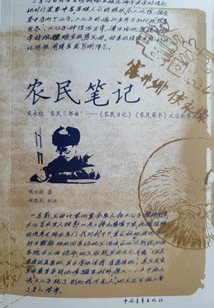
Farmer's Notes
General Fiction农民笔记
Hou Yonglu
The past is like smoke, but the past is not like smoke. A "Farmer's Notes" truly reflects every detail of an ordinary farmer and his family's rise from poverty to prosperity, objectively reproduces the ups and downs that Guanzhong's rural areas have experienced since the 1940s, and profoundly expresses all aspects of the development and changes of the Weibei Plateau over the past 60 years. Between the lines, there are stories about daily necessities, family affairs, family ties, family reunions, political turmoil, changing times, people's sufferings and voices, and records of local customs and folk customs. Perhaps, it is the epitome of this magnificent historical stage in modern Chinese history.
The past is like smoke, but the past is not like smoke. A "Farmer's Notes" truly reflects every detail of an ordinary farmer and his family's rise from poverty to prosperity, objectively reproduces the ups and downs that Guanzhong's rural areas have experienced since the 1940s, and profoundly expresses all aspects of the development and changes of the Weibei Plateau over the past 60 years. Between the lines, there are stories about daily necessities, family affairs, family ties, family reunions, political turmoil, changing times, people's sufferings and voices, and records of local customs and folk customs. Perhaps, it is the epitome of this magnificent historical stage in modern Chinese history.
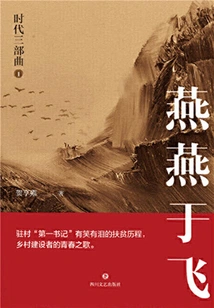
Era Trilogy·yan Yan Yu Fei
General Fiction时代三部曲·燕燕于飞
He Xiangyong
This is the first novel in this series. It mainly writes about Qiao Yan, a young female cadre serving in the county seat who was appointed as the first secretary of Hejiawan Village in Huangshiling Township and went deep into the grassroots to carry out poverty alleviation work. Qiao Yan worked hard to do practical things for the villagers, solved many practical problems faced by the villagers, and won the understanding and trust of some villagers and village cadres. It reflects the role of the "First Secretary" in the fight against poverty. This series of books takes the "poverty alleviation" and "rural revitalization" that are being vigorously carried out in China as the background, and uses the experience of a young female civil servant Qiao Yan from a county-level agency to go to the countryside to serve as the first secretary as the main story line. It comprehensively and profoundly depicts and displays the new changes and new trends that the ongoing poverty alleviation campaign and rural revitalization strategy have brought to China's rural landscape, as well as the evolution of farmers' ideas and concepts. The whole book shows the development direction of China's rural areas. It is an outstanding work of the times that promotes the main theme and positive energy.
This is the first novel in this series. It mainly writes about Qiao Yan, a young female cadre serving in the county seat who was appointed as the first secretary of Hejiawan Village in Huangshiling Township and went deep into the grassroots to carry out poverty alleviation work. Qiao Yan worked hard to do practical things for the villagers, solved many practical problems faced by the villagers, and won the understanding and trust of some villagers and village cadres. It reflects the role of the "First Secretary" in the fight against poverty. This series of books takes the "poverty alleviation" and "rural revitalization" that are being vigorously carried out in China as the background, and uses the experience of a young female civil servant Qiao Yan from a county-level agency to go to the countryside to serve as the first secretary as the main story line. It comprehensively and profoundly depicts and displays the new changes and new trends that the ongoing poverty alleviation campaign and rural revitalization strategy have brought to China's rural landscape, as well as the evolution of farmers' ideas and concepts. The whole book shows the development direction of China's rural areas. It is an outstanding work of the times that promotes the main theme and positive energy.
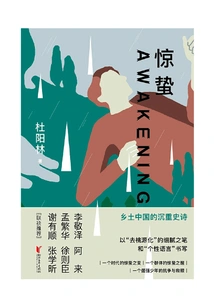
Waking of Insects
General Fiction惊蛰
Du Yanglin
In the late 1970s, in Guanlong Village, Langnan County, northern Sichuan, the young boy Ling Yunqing was smart, precocious, strong and eager to learn, but sufferings followed him everywhere: the torture of cold and hunger, the trouble and bullying from his neighbors... In the past ten years, after several life and death disasters and awakenings, Ling Yunqing completed his barbaric growth. The train of the times carries this stubborn young man and his heavy past, rushing unstoppably towards the future. The style of the novel is simple, and the narrative language is integrated into the northern Sichuan dialect, making it unique. Through the growth history of a rural boy struggling with life, the entire work demonstrates the high-spirited and upward spirit of an individual's life. At the same time, it also presents a group of characters in China's rural land and the changes of the times.
In the late 1970s, in Guanlong Village, Langnan County, northern Sichuan, the young boy Ling Yunqing was smart, precocious, strong and eager to learn, but sufferings followed him everywhere: the torture of cold and hunger, the trouble and bullying from his neighbors... In the past ten years, after several life and death disasters and awakenings, Ling Yunqing completed his barbaric growth. The train of the times carries this stubborn young man and his heavy past, rushing unstoppably towards the future. The style of the novel is simple, and the narrative language is integrated into the northern Sichuan dialect, making it unique. Through the growth history of a rural boy struggling with life, the entire work demonstrates the high-spirited and upward spirit of an individual's life. At the same time, it also presents a group of characters in China's rural land and the changes of the times.
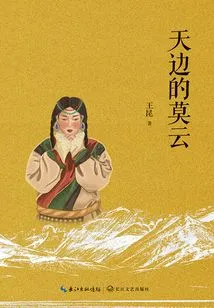
Mo Yun in the Sky
General Fiction天边的莫云
Wang Kun
"Mo Yun on the Horizon" is a new work by young military writer Wang Kun after "Post No. 6". It was originally published in the 11th issue of "Chinese Writer" in 2020. The novel focuses on a pastoral area called Moyun Township and records in detail the full help provided by PLA medical workers to residents in Tibetan areas under the leadership of the Party. It then fully demonstrates the deep affection between the military and civilians in the context of targeted poverty alleviation. On the ridge of Tanggula Mountain at an altitude of 5,000 meters, the Geji tribe, an ancient branch of the Tibetan people, lives. The herders there have been influenced by Tibetan Buddhist culture for thousands of years and mainly rely on Tibetan medicine for treatment. When a medical team with advanced medical equipment and superb diagnosis and treatment technology broke the tranquility of the grassland, various conflicts between modern medicine and traditional Tibetan medicine, traditional thoughts and novel concepts ensued, thus launching a strong collision of souls and beliefs...
"Mo Yun on the Horizon" is a new work by young military writer Wang Kun after "Post No. 6". It was originally published in the 11th issue of "Chinese Writer" in 2020. The novel focuses on a pastoral area called Moyun Township and records in detail the full help provided by PLA medical workers to residents in Tibetan areas under the leadership of the Party. It then fully demonstrates the deep affection between the military and civilians in the context of targeted poverty alleviation. On the ridge of Tanggula Mountain at an altitude of 5,000 meters, the Geji tribe, an ancient branch of the Tibetan people, lives. The herders there have been influenced by Tibetan Buddhist culture for thousands of years and mainly rely on Tibetan medicine for treatment. When a medical team with advanced medical equipment and superb diagnosis and treatment technology broke the tranquility of the grassland, various conflicts between modern medicine and traditional Tibetan medicine, traditional thoughts and novel concepts ensued, thus launching a strong collision of souls and beliefs...
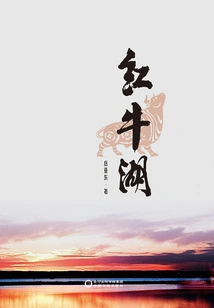
Red Bull Lake
General Fiction红牛湖
Yue Yadong
"Red Bull Lake" is based on the rural areas of northern Ningbei from the founding of New China to the reform and opening up. It depicts the entire process of rural farmers in northern Ningbei working hard, fighting tenaciously, and gradually becoming rich. It is a novel that comprehensively reflects the rural style.
"Red Bull Lake" is based on the rural areas of northern Ningbei from the founding of New China to the reform and opening up. It depicts the entire process of rural farmers in northern Ningbei working hard, fighting tenaciously, and gradually becoming rich. It is a novel that comprehensively reflects the rural style.
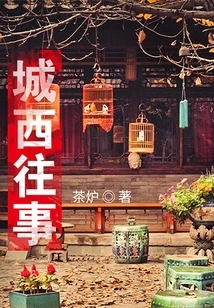
Past Events in the West of the City
General Fiction城西往事
Tea Stove
There are endless short stories about parents, too many vicissitudes of life to write about, and endless stories about common people. It uses the experiences of a group of small people to witness the forty years of reform and opening up, and the development of a "village". The author is also a witness to that period of history. Please follow my writing into that period of history and get closer to that nationally famous "village".
There are endless short stories about parents, too many vicissitudes of life to write about, and endless stories about common people. It uses the experiences of a group of small people to witness the forty years of reform and opening up, and the development of a "village". The author is also a witness to that period of history. Please follow my writing into that period of history and get closer to that nationally famous "village".
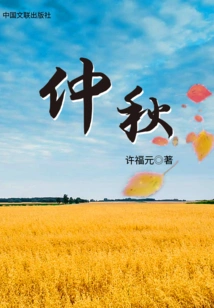
Mid-autumn
General Fiction仲秋
Xu Fuyuan
This book is one of Xu Fuyuan's novel collections "Pinellia", "Mid-Autumn" and "Jingzhe".
This book is one of Xu Fuyuan's novel collections "Pinellia", "Mid-Autumn" and "Jingzhe".
Root
General Fiction根
Li Linshan
The author of this book sorts out the materials he has accumulated over the years, extends the understanding of the protagonist of the work, and presents a history of rural custom paintings and pictures to readers.
The author of this book sorts out the materials he has accumulated over the years, extends the understanding of the protagonist of the work, and presents a history of rural custom paintings and pictures to readers.
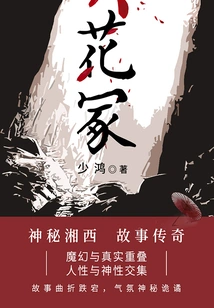
Flower Tomb
General Fiction花冢
Shaohong
This book consists of eight novellas. It takes life in rural towns in central and western Hunan as its theme, and uses regional culture as its background or object of expression, reflecting rural social forms and the living conditions of all kinds of people in different periods. The author uses diversified artistic methods to create lifelike artistic group portraits. Through the fate of various characters, he deeply reflects and interrogates nature and history, society and life. There are both realistic depictions of realism and deformed exaggerations of modernism; there are both freehand brushwork with thick ink and heavy colors, and meticulous meticulous brushwork. The writing is concise and sophisticated, the story has twists and turns, and the atmosphere is mysterious and strange. It has profound cultural heritage, rich ideological connotation and strong artistic appeal.
This book consists of eight novellas. It takes life in rural towns in central and western Hunan as its theme, and uses regional culture as its background or object of expression, reflecting rural social forms and the living conditions of all kinds of people in different periods. The author uses diversified artistic methods to create lifelike artistic group portraits. Through the fate of various characters, he deeply reflects and interrogates nature and history, society and life. There are both realistic depictions of realism and deformed exaggerations of modernism; there are both freehand brushwork with thick ink and heavy colors, and meticulous meticulous brushwork. The writing is concise and sophisticated, the story has twists and turns, and the atmosphere is mysterious and strange. It has profound cultural heritage, rich ideological connotation and strong artistic appeal.
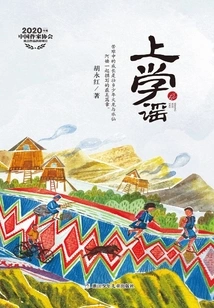
School Ballad
General Fiction上学谣
Hu Yonghong
"The Ballad of Going to School" is a coming-of-age novel for Zhuang teenagers written by the writer Hu Yonghong, based on the story of an old man in a Zhuang village who lost his only child and raised his grandson to go to college with the support of the government's targeted poverty alleviation policy. The novel tells the story of Huo Long, a boy from the Zhuang ethnic group who was motherless since he was a child. His father passed away in an accident. Grandma Narcissus used legends to describe his life experience. The clan kept secrets and the government provided financial assistance to protect him as he grew up. The story of Huo Long, a boy from Zhuang Township who lost his parents at an early age and struggled to survive, but was fortunate enough to receive government funding to complete his studies and eventually return to his hometown, shows the beautiful picture of the people of Zhuang Township fighting poverty with the help of the government, helping each other, and creating a better life together.
"The Ballad of Going to School" is a coming-of-age novel for Zhuang teenagers written by the writer Hu Yonghong, based on the story of an old man in a Zhuang village who lost his only child and raised his grandson to go to college with the support of the government's targeted poverty alleviation policy. The novel tells the story of Huo Long, a boy from the Zhuang ethnic group who was motherless since he was a child. His father passed away in an accident. Grandma Narcissus used legends to describe his life experience. The clan kept secrets and the government provided financial assistance to protect him as he grew up. The story of Huo Long, a boy from Zhuang Township who lost his parents at an early age and struggled to survive, but was fortunate enough to receive government funding to complete his studies and eventually return to his hometown, shows the beautiful picture of the people of Zhuang Township fighting poverty with the help of the government, helping each other, and creating a better life together.
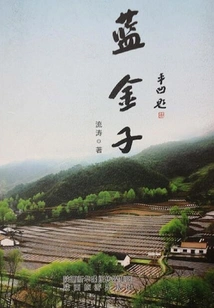
Blue Gold
General Fiction蓝金子
Liu Tao
This is a book written by Shangluo people about Shangluo. It is an authentic Shangluo local product. It vividly describes the stories that took place over several generations in several clans in the Shangluo Mountains of southern Shaanxi. The history of Shangluo, its mountains, rivers, plants and trees, as well as its local customs and customs, can be seen at a glance in this book.
This is a book written by Shangluo people about Shangluo. It is an authentic Shangluo local product. It vividly describes the stories that took place over several generations in several clans in the Shangluo Mountains of southern Shaanxi. The history of Shangluo, its mountains, rivers, plants and trees, as well as its local customs and customs, can be seen at a glance in this book.
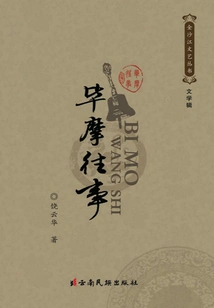
Bimo's Past
General Fiction毕摩往事
Rao Yunhua
Bimo is the intermediary between gods, ghosts and humans in the primitive religious sacrificial activities of the Yi people. He is the host of Yi folk religious ceremonies and a representative figure of Yi culture. Their life experiences were ups and downs, mysterious and full of weirdness. Accompanied by a series of accidental events and various misunderstandings, they experienced a series of inexplicable conflicts and helpless, futile and desperate struggles. Many of the novels in this collection take Bimo and Gu Po as the protagonists and Yi villages as the writing background. The subject matter involves a large number of Yi folk customs, especially the primitive religion and traditional customs represented by Bimo culture in the Yi area.
Bimo is the intermediary between gods, ghosts and humans in the primitive religious sacrificial activities of the Yi people. He is the host of Yi folk religious ceremonies and a representative figure of Yi culture. Their life experiences were ups and downs, mysterious and full of weirdness. Accompanied by a series of accidental events and various misunderstandings, they experienced a series of inexplicable conflicts and helpless, futile and desperate struggles. Many of the novels in this collection take Bimo and Gu Po as the protagonists and Yi villages as the writing background. The subject matter involves a large number of Yi folk customs, especially the primitive religion and traditional customs represented by Bimo culture in the Yi area.
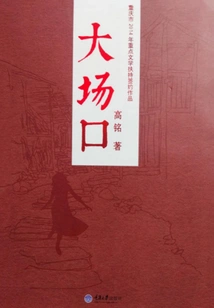
Dachangkou
General Fiction大场口
Gao Ming
This novel takes Huangjueya Town in Nanshan, Chongqing as a microcosm, and describes the life trajectory of a group of small people in Huangjueya who struggled tenaciously and gradually grew up under the background of China entering a new era of reform and opening up. Through their wonderful life stories, it shows the huge and profound changes brought about by reform and opening up - especially the great changes in thoughts and concepts, the strong impact on everyone's heart, and the serious torture of the soul.
This novel takes Huangjueya Town in Nanshan, Chongqing as a microcosm, and describes the life trajectory of a group of small people in Huangjueya who struggled tenaciously and gradually grew up under the background of China entering a new era of reform and opening up. Through their wonderful life stories, it shows the huge and profound changes brought about by reform and opening up - especially the great changes in thoughts and concepts, the strong impact on everyone's heart, and the serious torture of the soul.
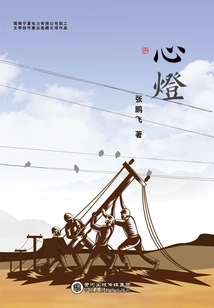
Heart Light
General Fiction心灯
Zhang Pengfei
This book describes how the protagonist Wen Zhi, a college student who grew up in Beijing, came to a small county in northwest China after graduation to devote his youth in an ordinary job in order to follow his father's footsteps and for love. Although he has experienced the ups and downs of love and the hardships of life, he never forgets his original intention, works hard, and finally has a good harvest in love and career. This book is a true portrayal and a new hymn of grassroots electric power workers in western China in the new era, allowing readers to have a perceptual understanding of the development history of my country's electric power system.
This book describes how the protagonist Wen Zhi, a college student who grew up in Beijing, came to a small county in northwest China after graduation to devote his youth in an ordinary job in order to follow his father's footsteps and for love. Although he has experienced the ups and downs of love and the hardships of life, he never forgets his original intention, works hard, and finally has a good harvest in love and career. This book is a true portrayal and a new hymn of grassroots electric power workers in western China in the new era, allowing readers to have a perceptual understanding of the development history of my country's electric power system.
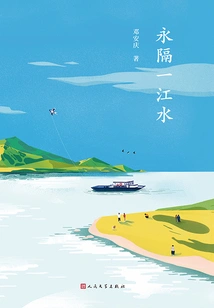
Forever Separated by a River
General Fiction永隔一江水
Deng Anqing
The most mature masterpiece of hometown literature by Deng Anqing, a famous Douban V and powerful young writer. The seven short stories, with the same characters, the same background, and a bead-like structure, completely present the fireworks-filled "World of Deng Yuan" for the first time. From spring and summer to autumn and winter, the innocent growth of childhood playmates of two rural boys is used to connect the joys and sorrows of a typical Chinese village, human relations and the world, as well as the imprint of the changes of the times. Left-behind children, widowed elderly people, abandoned daughters looking for relatives, preference for sons over daughters, rural education, intergenerational relations, and great changes in urban and rural areas, rural issues are presented in novels. Real and vivid portraits of characters, friendly and natural dialogues in dialects, quiet and beautiful four seasons in the countryside, growth and life intertwined with laughter and tears.
The most mature masterpiece of hometown literature by Deng Anqing, a famous Douban V and powerful young writer. The seven short stories, with the same characters, the same background, and a bead-like structure, completely present the fireworks-filled "World of Deng Yuan" for the first time. From spring and summer to autumn and winter, the innocent growth of childhood playmates of two rural boys is used to connect the joys and sorrows of a typical Chinese village, human relations and the world, as well as the imprint of the changes of the times. Left-behind children, widowed elderly people, abandoned daughters looking for relatives, preference for sons over daughters, rural education, intergenerational relations, and great changes in urban and rural areas, rural issues are presented in novels. Real and vivid portraits of characters, friendly and natural dialogues in dialects, quiet and beautiful four seasons in the countryside, growth and life intertwined with laughter and tears.
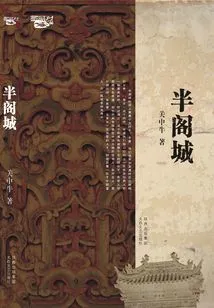
Bange City
General Fiction半阁城
Guanzhong Cattle
The book is an 800,000-word novel. The whole book unfolds a grand narrative around the people and events in the village of Bange City. The fate of the main characters in the book has ups and downs in the context of the entire era, which is fascinating. The whole novel truly, vividly, comprehensively and systematically records the most miserable and bleak years in rural areas of our country, and depicts a picture of the Yellow River countryside as they go along the river during the Qingming Festival.
The book is an 800,000-word novel. The whole book unfolds a grand narrative around the people and events in the village of Bange City. The fate of the main characters in the book has ups and downs in the context of the entire era, which is fascinating. The whole novel truly, vividly, comprehensively and systematically records the most miserable and bleak years in rural areas of our country, and depicts a picture of the Yellow River countryside as they go along the river during the Qingming Festival.
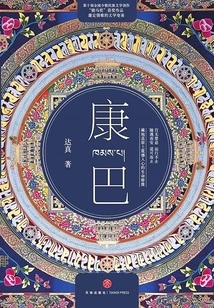
Kamba
General Fiction康巴
Dazhen
"Kham" is the representative work of Tibetan writer Dazhen, and also the winner of the Horse Award. This book realistically focuses on the Kham Tibetan area and the living conditions of the Kham people. It tells three stories that happened in Tibet and has the characteristics of a Kham Tibetan epic. The first part, "The Big Dream," tells the story of the early 20th century, when Zhao Erfeng's reform of the land was coming to an end. Yundeng Gelong, the great chieftain of Kangding, realized in the midst of panic and hesitation that this historical trend was unstoppable. In the midst of endless despair and struggle, he finally learned tolerance and respect, and finally calmly accepted the reality. The middle part "Sad Dream" tells the story of Zheng Yunlong, a young Hui nationality who was trapped in love. After he fled to Kham Tibet with his lover, he realized the huge cultural gap between different faiths. In order to survive, he worked hard to integrate with the local culture, seek common ground while reserving differences, and finally found a new life in the process of adapting. The second part "Awakening Dream" tells the story of the generational grudge between the great businessman Erjin Xia and Jiangyang Chieftain. In the end, only Erjin Xia's daughter Zeyangcuo was left in the two families. Zeyangcuo finally turned hatred into peace with the power of faith and sang "Ode to the Sinner" for the feud. With an epic layout and verve, this book puts the stories of the fate of ordinary people in the context of the great tea-horse trade, and presents those lost historical moments one by one in a meticulous manner, in one go. There are dozens of lifelike group portraits in the book, engraved in relief on the land of Kham, blooming out of the Kham people's struggle with the dangerous natural environment and complex social environment, the vitality of life and the beauty of humanity. The three protagonists and three different beliefs in the book, as well as the turbulent history, disputes and changes in the land of Kham in the past hundred years, comprehensively interpret the integration and harmony of survival, friendship, love, culture and other aspects of different ethnic groups and different beliefs in the same time and space. The three stories have a common theme, that is, Kangding is a very inclusive place, which allows different faiths, different nationalities, and different cultures to meet calmly and harmoniously here, forming Kangding's unique temperament and meaning. At the same time, the language of this book is poetic, beautiful and affectionate. It is a classic work that cannot be ignored in the history of Tibetan, especially Kham Tibetan writing.
"Kham" is the representative work of Tibetan writer Dazhen, and also the winner of the Horse Award. This book realistically focuses on the Kham Tibetan area and the living conditions of the Kham people. It tells three stories that happened in Tibet and has the characteristics of a Kham Tibetan epic. The first part, "The Big Dream," tells the story of the early 20th century, when Zhao Erfeng's reform of the land was coming to an end. Yundeng Gelong, the great chieftain of Kangding, realized in the midst of panic and hesitation that this historical trend was unstoppable. In the midst of endless despair and struggle, he finally learned tolerance and respect, and finally calmly accepted the reality. The middle part "Sad Dream" tells the story of Zheng Yunlong, a young Hui nationality who was trapped in love. After he fled to Kham Tibet with his lover, he realized the huge cultural gap between different faiths. In order to survive, he worked hard to integrate with the local culture, seek common ground while reserving differences, and finally found a new life in the process of adapting. The second part "Awakening Dream" tells the story of the generational grudge between the great businessman Erjin Xia and Jiangyang Chieftain. In the end, only Erjin Xia's daughter Zeyangcuo was left in the two families. Zeyangcuo finally turned hatred into peace with the power of faith and sang "Ode to the Sinner" for the feud. With an epic layout and verve, this book puts the stories of the fate of ordinary people in the context of the great tea-horse trade, and presents those lost historical moments one by one in a meticulous manner, in one go. There are dozens of lifelike group portraits in the book, engraved in relief on the land of Kham, blooming out of the Kham people's struggle with the dangerous natural environment and complex social environment, the vitality of life and the beauty of humanity. The three protagonists and three different beliefs in the book, as well as the turbulent history, disputes and changes in the land of Kham in the past hundred years, comprehensively interpret the integration and harmony of survival, friendship, love, culture and other aspects of different ethnic groups and different beliefs in the same time and space. The three stories have a common theme, that is, Kangding is a very inclusive place, which allows different faiths, different nationalities, and different cultures to meet calmly and harmoniously here, forming Kangding's unique temperament and meaning. At the same time, the language of this book is poetic, beautiful and affectionate. It is a classic work that cannot be ignored in the history of Tibetan, especially Kham Tibetan writing.
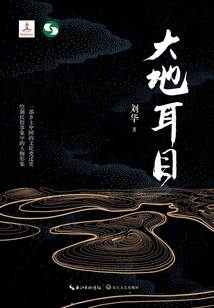
Eyes and Ears of the Earth
General Fiction大地耳目
Liu Hua
This book is a new novel by the famous writer Liu Hua. In the form of oral fieldwork, the author vividly describes the unique folk customs rich in traditional cultural charm in Jinjiang Town, where "talented people fill the rivers and songs fill the lakes." By showing the fate of folk artists against the background of village culture, the author focuses on portraying the portraits of rural characters in folklore events, which more profoundly reflects the spiritual reality of the current countryside. It also vividly expresses the author's worries about "the countryside will be deserted", the collapse of faith, and the desolation of people's hearts, and his call to resist this reality.
This book is a new novel by the famous writer Liu Hua. In the form of oral fieldwork, the author vividly describes the unique folk customs rich in traditional cultural charm in Jinjiang Town, where "talented people fill the rivers and songs fill the lakes." By showing the fate of folk artists against the background of village culture, the author focuses on portraying the portraits of rural characters in folklore events, which more profoundly reflects the spiritual reality of the current countryside. It also vividly expresses the author's worries about "the countryside will be deserted", the collapse of faith, and the desolation of people's hearts, and his call to resist this reality.
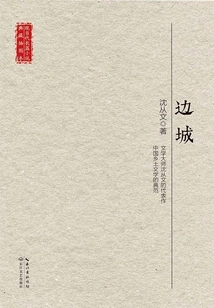
Border Town
General Fiction边城
Shen Congwen
This work is the representative work of Shen Congwen's novels and an excellent novel expressing local feelings in the history of Chinese literature. It is set in Chadong, a border town at the junction of Sichuan and Hunan in the 1930s, and depicts the unique customs and customs of western Hunan with beautiful brushstrokes. It uses the love tragedy of Cuicui, a boatman girl, to highlight the kindness and beauty of human nature and the clarity and purity of the soul. "Border Town" has attracted many readers at home and abroad with its unique artistic charm and vivid local customs, and has established the special status of "Border Town" in the history of modern Chinese literature.
This work is the representative work of Shen Congwen's novels and an excellent novel expressing local feelings in the history of Chinese literature. It is set in Chadong, a border town at the junction of Sichuan and Hunan in the 1930s, and depicts the unique customs and customs of western Hunan with beautiful brushstrokes. It uses the love tragedy of Cuicui, a boatman girl, to highlight the kindness and beauty of human nature and the clarity and purity of the soul. "Border Town" has attracted many readers at home and abroad with its unique artistic charm and vivid local customs, and has established the special status of "Border Town" in the history of modern Chinese literature.
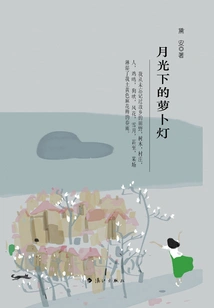
Carrot Lamp under the Moonlight
General Fiction月光下的萝卜灯
Diane
The author writes about the northern countryside in the 1980s. The author's hometown at that time was undoubtedly poor. A family occasionally bakes garlic pancakes, and all the children in the alley are so greedy that they sneeze; and the long and harsh winter wind and snow can always make the children's feet, hands, faces, and ears swollen, chapped, and even pus. But describing the poverty and coldness of his hometown was not the author's original intention, it was just the background. The author's original intention was to find a thread to string together the affection between people in his hometown during that time like beads. Times are tough, but the simple beauty is always there, and it's nothing more than ordinary. The countryside is never simple and transparent. It is not, after all, a glass container filled with clear water.
The author writes about the northern countryside in the 1980s. The author's hometown at that time was undoubtedly poor. A family occasionally bakes garlic pancakes, and all the children in the alley are so greedy that they sneeze; and the long and harsh winter wind and snow can always make the children's feet, hands, faces, and ears swollen, chapped, and even pus. But describing the poverty and coldness of his hometown was not the author's original intention, it was just the background. The author's original intention was to find a thread to string together the affection between people in his hometown during that time like beads. Times are tough, but the simple beauty is always there, and it's nothing more than ordinary. The countryside is never simple and transparent. It is not, after all, a glass container filled with clear water.
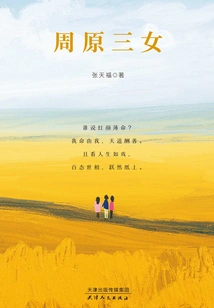
Zhou Yuan's Three Daughters
General Fiction周原三女
Zhang Tianfu
In the early 1980s, the wave of reform and opening up swept across China, affecting Zhouyuan in the west of the Guanzhong Plain. In the beauty den of Jinshan Village, Jin Ju and Yin Ju are a pair of legendary twin sisters. After both experienced unfortunate marriages, can their fate turn around? However, Yuying, the sweetheart of his brother Jintian, was betrothed by his father to the silly son of a foreman. Can the lovers finally get married? The story takes the twists and turns of the fate of three women as the main line, and uses ingenious writing, strange events, and ups and downs to vividly display the rural life, customs, history and culture of Zhouyuan.
In the early 1980s, the wave of reform and opening up swept across China, affecting Zhouyuan in the west of the Guanzhong Plain. In the beauty den of Jinshan Village, Jin Ju and Yin Ju are a pair of legendary twin sisters. After both experienced unfortunate marriages, can their fate turn around? However, Yuying, the sweetheart of his brother Jintian, was betrothed by his father to the silly son of a foreman. Can the lovers finally get married? The story takes the twists and turns of the fate of three women as the main line, and uses ingenious writing, strange events, and ups and downs to vividly display the rural life, customs, history and culture of Zhouyuan.
Cherries on Pomegranate Tree
General Fiction石榴树上结樱桃
Li Er
"Cherrys on the Pomegranate Tree" is Li Er's work that touches on contemporary rural themes. The novel's language is as diverse as flowers and trees, vivid and humorous, and the characters have distinctive personalities. It is known as an allegory of Chinese rural society. It won the first "Chinese Book Media Award" and the film of the same name adapted from this work was shortlisted for the main competition unit of the 34th Moscow International Film Festival. German Chancellor Merkel sent the German version of "Cherrys on the Pomegranate Tree" to Chinese leaders, and talked to Li Er by name.
"Cherrys on the Pomegranate Tree" is Li Er's work that touches on contemporary rural themes. The novel's language is as diverse as flowers and trees, vivid and humorous, and the characters have distinctive personalities. It is known as an allegory of Chinese rural society. It won the first "Chinese Book Media Award" and the film of the same name adapted from this work was shortlisted for the main competition unit of the 34th Moscow International Film Festival. German Chancellor Merkel sent the German version of "Cherrys on the Pomegranate Tree" to Chinese leaders, and talked to Li Er by name.
Rural Chronicles: the Itch of the Land
General Fiction乡村志:土地之痒
He Xiangyong
This book takes the village of Hejiawan as the main subject and follows the main line of decades of land reform in rural China. It tells the story of the life-and-death relationship between farmers represented by He Shilong and the land, and shows the earth-shaking changes that have taken place in the countryside during this drastic change. From the traditional small-scale peasant economy to the modern new rural construction, farmers' lives, thoughts, consciousness, and concepts have undergone tremendous changes, which reflects the tortuous course of China's rural land changes.
This book takes the village of Hejiawan as the main subject and follows the main line of decades of land reform in rural China. It tells the story of the life-and-death relationship between farmers represented by He Shilong and the land, and shows the earth-shaking changes that have taken place in the countryside during this drastic change. From the traditional small-scale peasant economy to the modern new rural construction, farmers' lives, thoughts, consciousness, and concepts have undergone tremendous changes, which reflects the tortuous course of China's rural land changes.
A Red Sun
General Fiction一轮红日
Li Jiawei
This book is a novel on the theme of rural revitalization. It tells the story of the experience of college students headed by the protagonist Sheng Hua in returning to their hometown to start a business. Shenghua was born and grew up in Hongri Villa, which has high terrain and good soil and water. He and his childhood sweetheart Niu Xiufang returned to their hometown to start a business after graduating from the provincial agricultural university. Sheng Hua has a calm but enthusiastic personality, strict self-discipline, and was praised by the people. At the age of 32, he was elected president of Hongrishan Group with a high vote. Niu Xiufang's brother Niu Dahai is a nobleman in Shenghua, and he always provides help in times of need. The naughty boys next door, Hou Kemeng and Zhang Yipeng, failed in their studies, but they seized the opportunity to become rich. Shenghua, Niu Xiufang, Wei Lan, Niu Dahai and others worked together on the cause of rural revitalization and realized their respective life values. This book is permeated with the ideas of winning respect for personality, changing destiny with knowledge, civilization defeating barbarism, and struggling to usher in the dawn. It explores propositions such as growth psychology, spiritual breakthrough, pastoral poems and paintings, life reflections, lifestyle, cultural collision, great changes of the times, rural revitalization, etc. It tells the history of a person's destiny in the first half of his life and the life history of the deep love between father and son. It also contains the history of changes in a village and the secret spiritual history of local communities in Northeast China in the era of rapid development.
This book is a novel on the theme of rural revitalization. It tells the story of the experience of college students headed by the protagonist Sheng Hua in returning to their hometown to start a business. Shenghua was born and grew up in Hongri Villa, which has high terrain and good soil and water. He and his childhood sweetheart Niu Xiufang returned to their hometown to start a business after graduating from the provincial agricultural university. Sheng Hua has a calm but enthusiastic personality, strict self-discipline, and was praised by the people. At the age of 32, he was elected president of Hongrishan Group with a high vote. Niu Xiufang's brother Niu Dahai is a nobleman in Shenghua, and he always provides help in times of need. The naughty boys next door, Hou Kemeng and Zhang Yipeng, failed in their studies, but they seized the opportunity to become rich. Shenghua, Niu Xiufang, Wei Lan, Niu Dahai and others worked together on the cause of rural revitalization and realized their respective life values. This book is permeated with the ideas of winning respect for personality, changing destiny with knowledge, civilization defeating barbarism, and struggling to usher in the dawn. It explores propositions such as growth psychology, spiritual breakthrough, pastoral poems and paintings, life reflections, lifestyle, cultural collision, great changes of the times, rural revitalization, etc. It tells the history of a person's destiny in the first half of his life and the life history of the deep love between father and son. It also contains the history of changes in a village and the secret spiritual history of local communities in Northeast China in the era of rapid development.
Legend of Longju Village
General Fiction龙驹寨传奇
Zhang Fucang
During the Song and Jin Dynasties, Shao Xing followed Hu Yesheng and raised troops to fight against the Jin Dynasty. He was defeated and defected to Li Yanxian. Li Yanxian was defeated and jumped into the Yellow River. Shao Xing changed his name to Shao Long and defected to Wu Jie. Wu Jie sent Shao Long to Shangzhou. Shao Long, Zhang Dequan and others fought against the signing army and defeated the retreat. When the Yue Family Army marched westward, Shao Long became the magistrate of Shangzhou, and Shangzhou became the rear area of the Yue Family Army. Zhuhen Nanle conquered Shangzhou, Shao Long defeated him at Hongmenyan, captured the golden general alive, and recovered Shangzhou. He led his troops to attack Shangzhou. Shao Long defeated the leader in Longju Village and regained Shaanzhou. During the peace talks between Song and Jin Dynasties, Shao Long was transferred to Jinzhou and Xuzhou. Zhang Dequan and others died in Longju Village one after another.
During the Song and Jin Dynasties, Shao Xing followed Hu Yesheng and raised troops to fight against the Jin Dynasty. He was defeated and defected to Li Yanxian. Li Yanxian was defeated and jumped into the Yellow River. Shao Xing changed his name to Shao Long and defected to Wu Jie. Wu Jie sent Shao Long to Shangzhou. Shao Long, Zhang Dequan and others fought against the signing army and defeated the retreat. When the Yue Family Army marched westward, Shao Long became the magistrate of Shangzhou, and Shangzhou became the rear area of the Yue Family Army. Zhuhen Nanle conquered Shangzhou, Shao Long defeated him at Hongmenyan, captured the golden general alive, and recovered Shangzhou. He led his troops to attack Shangzhou. Shao Long defeated the leader in Longju Village and regained Shaanzhou. During the peace talks between Song and Jin Dynasties, Shao Long was transferred to Jinzhou and Xuzhou. Zhang Dequan and others died in Longju Village one after another.