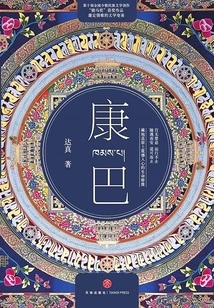
Kamba
by Dazhen
About This Novel
"Kham" is the representative work of Tibetan writer Dazhen, and also the winner of the Horse Award. This book realistically focuses on the Kham Tibetan area and the living conditions of the Kham people. It tells three stories that happened in Tibet and has the characteristics of a Kham Tibetan epic. The first part, "The Big Dream," tells the story of the early 20th century, when Zhao Erfeng's reform of the land was coming to an end. Yundeng Gelong, the great chieftain of Kangding, realized in the midst of panic and hesitation that this historical trend was unstoppable. In the midst of endless despair and struggle, he finally learned tolerance and respect, and finally calmly accepted the reality. The middle part "Sad Dream" tells the story of Zheng Yunlong, a young Hui nationality who was trapped in love. After he fled to Kham Tibet with his lover, he realized the huge cultural gap between different faiths. In order to survive, he worked hard to integrate with the local culture, seek common ground while reserving differences, and finally found a new life in the process of adapting. The second part "Awakening Dream" tells the story of the generational grudge between the great businessman Erjin Xia and Jiangyang Chieftain. In the end, only Erjin Xia's daughter Zeyangcuo was left in the two families. Zeyangcuo finally turned hatred into peace with the power of faith and sang "Ode to the Sinner" for the feud. With an epic layout and verve, this book puts the stories of the fate of ordinary people in the context of the great tea-horse trade, and presents those lost historical moments one by one in a meticulous manner, in one go. There are dozens of lifelike group portraits in the book, engraved in relief on the land of Kham, blooming out of the Kham people's struggle with the dangerous natural environment and complex social environment, the vitality of life and the beauty of humanity. The three protagonists and three different beliefs in the book, as well as the turbulent history, disputes and changes in the land of Kham in the past hundred years, comprehensively interpret the integration and harmony of survival, friendship, love, culture and other aspects of different ethnic groups and different beliefs in the same time and space. The three stories have a common theme, that is, Kangding is a very inclusive place, which allows different faiths, different nationalities, and different cultures to meet calmly and harmoniously here, forming Kangding's unique temperament and meaning. At the same time, the language of this book is poetic, beautiful and affectionate. It is a classic work that cannot be ignored in the history of Tibetan, especially Kham Tibetan writing.
Official Sources
What Readers Think
Rating
Community(0)
Rating
Community(0)
