Library
Browse and search novels
5,921 novels found
Ancient Legend: the Legend of Awakening Marriage (13)
General Fiction古代传奇:醒世姻缘传(十三)
Western Zhou Students
"The Legend of Awakening Marriage", also known as "The Evil Marriage", is a novel in the early Qing Dynasty and an outstanding novel about worldly affairs in ancient China. Readers interested in classical literature should not miss this book. The novel uses the story of a marriage between two generations of one person's karma and retribution as a clue. It makes an in-depth analysis of the two major symptoms of social darkness in the late Ming and early Qing dynasties - corrupt officialdom and shallow social customs. It is an outstanding figure in similar novels in terms of shaping characters and organizing stories. The main purpose of the work is to understand cause and effect, and it panoramically reflects the corruption of officials and the weakening of social customs in that era. Hu Shi once commented on this book: "This is a realistic novel of the 17th century" and "it can show a broad aspect of social life including family life. It is the richest and most detailed cultural historical material." Influenced by "Jin Ping Mei", "The Legend of Awakening Marriage" writes about the ordinary details of society and families. It is true, detailed and close to the original appearance of life. The depiction of the lower class society in urban and rural areas is more vivid in life. The author has a deep understanding of human feelings and the world, and often adds some exaggeration to the realistic tone to show the ridiculousness of people and events, creating a satirical effect. The various characters that appear in the novel, whether they are officials, squires, private school teachers, villagers, matchmakers, quack doctors, businessmen, nuns, Taoist priests, or rural scoundrels, all have their own unique and despicable snobbish expressions, which can be said to describe all living beings. The novel uses dialects and slang to describe the characters' situations, and there is a sense of humor between the lines. The whole novel has a strong moral message of persuading kindness and education. At the same time, the author is quite clear-headed about real life, has a deep understanding of it, and depicts quite a lot of real and vivid world conditions and human feelings.
"The Legend of Awakening Marriage", also known as "The Evil Marriage", is a novel in the early Qing Dynasty and an outstanding novel about worldly affairs in ancient China. Readers interested in classical literature should not miss this book. The novel uses the story of a marriage between two generations of one person's karma and retribution as a clue. It makes an in-depth analysis of the two major symptoms of social darkness in the late Ming and early Qing dynasties - corrupt officialdom and shallow social customs. It is an outstanding figure in similar novels in terms of shaping characters and organizing stories. The main purpose of the work is to understand cause and effect, and it panoramically reflects the corruption of officials and the weakening of social customs in that era. Hu Shi once commented on this book: "This is a realistic novel of the 17th century" and "it can show a broad aspect of social life including family life. It is the richest and most detailed cultural historical material." Influenced by "Jin Ping Mei", "The Legend of Awakening Marriage" writes about the ordinary details of society and families. It is true, detailed and close to the original appearance of life. The depiction of the lower class society in urban and rural areas is more vivid in life. The author has a deep understanding of human feelings and the world, and often adds some exaggeration to the realistic tone to show the ridiculousness of people and events, creating a satirical effect. The various characters that appear in the novel, whether they are officials, squires, private school teachers, villagers, matchmakers, quack doctors, businessmen, nuns, Taoist priests, or rural scoundrels, all have their own unique and despicable snobbish expressions, which can be said to describe all living beings. The novel uses dialects and slang to describe the characters' situations, and there is a sense of humor between the lines. The whole novel has a strong moral message of persuading kindness and education. At the same time, the author is quite clear-headed about real life, has a deep understanding of it, and depicts quite a lot of real and vivid world conditions and human feelings.
古代传奇:醒世姻缘传(十一)
Western Zhou Students
"The Legend of Awakening Marriage", also known as "The Evil Marriage", is a novel in the early Qing Dynasty and an outstanding novel about worldly affairs in ancient China. Readers interested in classical literature should not miss this book. The novel uses the story of a marriage between two generations of one person's karma and retribution as a clue. It makes an in-depth analysis of the two major symptoms of social darkness in the late Ming and early Qing dynasties - corrupt officialdom and shallow social customs. It is an outstanding figure in similar novels in terms of shaping characters and organizing stories. The main purpose of the work is to understand cause and effect, and it panoramically reflects the corruption of officials and the weakening of social customs in that era. Hu Shi once commented on this book: "This is a realistic novel of the 17th century" and "it can show a broad aspect of social life including family life. It is the richest and most detailed cultural historical material." Influenced by "Jin Ping Mei", "The Legend of Awakening Marriage" writes about the ordinary details of society and families. It is true, detailed and close to the original appearance of life. The depiction of the lower class society in urban and rural areas is more vivid in life. The author has a deep understanding of human feelings and the world, and often adds some exaggeration to the realistic tone to show the ridiculousness of people and events, creating a satirical effect. The various characters that appear in the novel, whether they are officials, squires, private school teachers, villagers, matchmakers, quack doctors, businessmen, nuns, Taoist priests, or rural scoundrels, all have their own unique and despicable snobbish expressions, which can be said to describe all living beings. The novel uses dialects and slang to describe the characters' situations, and there is a sense of humor between the lines. The whole novel has a strong moral message of persuading kindness and education. At the same time, the author is quite clear-headed about real life, has a deep understanding of it, and depicts quite a lot of real and vivid world conditions and human feelings.
"The Legend of Awakening Marriage", also known as "The Evil Marriage", is a novel in the early Qing Dynasty and an outstanding novel about worldly affairs in ancient China. Readers interested in classical literature should not miss this book. The novel uses the story of a marriage between two generations of one person's karma and retribution as a clue. It makes an in-depth analysis of the two major symptoms of social darkness in the late Ming and early Qing dynasties - corrupt officialdom and shallow social customs. It is an outstanding figure in similar novels in terms of shaping characters and organizing stories. The main purpose of the work is to understand cause and effect, and it panoramically reflects the corruption of officials and the weakening of social customs in that era. Hu Shi once commented on this book: "This is a realistic novel of the 17th century" and "it can show a broad aspect of social life including family life. It is the richest and most detailed cultural historical material." Influenced by "Jin Ping Mei", "The Legend of Awakening Marriage" writes about the ordinary details of society and families. It is true, detailed and close to the original appearance of life. The depiction of the lower class society in urban and rural areas is more vivid in life. The author has a deep understanding of human feelings and the world, and often adds some exaggeration to the realistic tone to show the ridiculousness of people and events, creating a satirical effect. The various characters that appear in the novel, whether they are officials, squires, private school teachers, villagers, matchmakers, quack doctors, businessmen, nuns, Taoist priests, or rural scoundrels, all have their own unique and despicable snobbish expressions, which can be said to describe all living beings. The novel uses dialects and slang to describe the characters' situations, and there is a sense of humor between the lines. The whole novel has a strong moral message of persuading kindness and education. At the same time, the author is quite clear-headed about real life, has a deep understanding of it, and depicts quite a lot of real and vivid world conditions and human feelings.
古代传奇:醒世姻缘传(十二)
Western Zhou Students
"The Legend of Awakening Marriage", also known as "The Evil Marriage", is a novel in the early Qing Dynasty and an outstanding novel about worldly affairs in ancient China. Readers interested in classical literature should not miss this book. The novel uses the story of a marriage between two generations of one person's karma and retribution as a clue. It makes an in-depth analysis of the two major symptoms of social darkness in the late Ming and early Qing dynasties - corrupt officialdom and shallow social customs. It is an outstanding figure in similar novels in terms of shaping characters and organizing stories. The main purpose of the work is to understand cause and effect, and it panoramically reflects the corruption of officials and the weakening of social customs in that era. Hu Shi once commented on this book: "This is a realistic novel of the 17th century" and "it can show a broad aspect of social life including family life. It is the richest and most detailed cultural historical material." Influenced by "Jin Ping Mei", "The Legend of Awakening Marriage" writes about the ordinary details of society and families. It is true, detailed and close to the original appearance of life. The depiction of the lower class society in urban and rural areas is more vivid in life. The author has a deep understanding of human feelings and the world, and often adds some exaggeration to the realistic tone to show the ridiculousness of people and events, creating a satirical effect. The various characters that appear in the novel, whether they are officials, squires, private school teachers, villagers, matchmakers, quack doctors, businessmen, nuns, Taoist priests, or rural scoundrels, all have their own unique and despicable snobbish expressions, which can be said to describe all living beings. The novel uses dialects and slang to describe the characters' situations, and there is a sense of humor between the lines. The whole novel has a strong moral message of persuading kindness and education. At the same time, the author is quite clear-headed about real life, has a deep understanding of it, and depicts quite a lot of real and vivid world conditions and human feelings.
"The Legend of Awakening Marriage", also known as "The Evil Marriage", is a novel in the early Qing Dynasty and an outstanding novel about worldly affairs in ancient China. Readers interested in classical literature should not miss this book. The novel uses the story of a marriage between two generations of one person's karma and retribution as a clue. It makes an in-depth analysis of the two major symptoms of social darkness in the late Ming and early Qing dynasties - corrupt officialdom and shallow social customs. It is an outstanding figure in similar novels in terms of shaping characters and organizing stories. The main purpose of the work is to understand cause and effect, and it panoramically reflects the corruption of officials and the weakening of social customs in that era. Hu Shi once commented on this book: "This is a realistic novel of the 17th century" and "it can show a broad aspect of social life including family life. It is the richest and most detailed cultural historical material." Influenced by "Jin Ping Mei", "The Legend of Awakening Marriage" writes about the ordinary details of society and families. It is true, detailed and close to the original appearance of life. The depiction of the lower class society in urban and rural areas is more vivid in life. The author has a deep understanding of human feelings and the world, and often adds some exaggeration to the realistic tone to show the ridiculousness of people and events, creating a satirical effect. The various characters that appear in the novel, whether they are officials, squires, private school teachers, villagers, matchmakers, quack doctors, businessmen, nuns, Taoist priests, or rural scoundrels, all have their own unique and despicable snobbish expressions, which can be said to describe all living beings. The novel uses dialects and slang to describe the characters' situations, and there is a sense of humor between the lines. The whole novel has a strong moral message of persuading kindness and education. At the same time, the author is quite clear-headed about real life, has a deep understanding of it, and depicts quite a lot of real and vivid world conditions and human feelings.
古代传奇:醒世姻缘传(十)
Western Zhou Students
"The Legend of Awakening Marriage", also known as "The Evil Marriage", is a novel in the early Qing Dynasty and an outstanding novel about worldly affairs in ancient China. Readers interested in classical literature should not miss this book. The novel uses the story of a marriage between two generations of one person's karma and retribution as a clue. It makes an in-depth analysis of the two major symptoms of social darkness in the late Ming and early Qing dynasties - corrupt officialdom and shallow social customs. It is an outstanding figure in similar novels in terms of shaping characters and organizing stories. The main purpose of the work is to understand cause and effect, and it panoramically reflects the corruption of officials and the weakening of social customs in that era. Hu Shi once commented on this book: "This is a realistic novel of the 17th century" and "it can show a broad aspect of social life including family life. It is the richest and most detailed cultural historical material." Influenced by "Jin Ping Mei", "The Legend of Awakening Marriage" writes about the ordinary details of society and families. It is true, detailed and close to the original appearance of life. The depiction of the lower class society in urban and rural areas is more vivid in life. The author has a deep understanding of human feelings and the world, and often adds some exaggeration to the realistic tone to show the ridiculousness of people and events, creating a satirical effect. The various characters that appear in the novel, whether they are officials, squires, private school teachers, villagers, matchmakers, quack doctors, businessmen, nuns, Taoist priests, or rural scoundrels, all have their own unique and despicable snobbish expressions, which can be said to describe all living beings. The novel uses dialects and slang to describe the characters' situations, and there is a sense of humor between the lines. The whole novel has a strong moral message of persuading kindness and education. At the same time, the author is quite clear-headed about real life, has a deep understanding of it, and depicts quite a lot of real and vivid world conditions and human feelings.
"The Legend of Awakening Marriage", also known as "The Evil Marriage", is a novel in the early Qing Dynasty and an outstanding novel about worldly affairs in ancient China. Readers interested in classical literature should not miss this book. The novel uses the story of a marriage between two generations of one person's karma and retribution as a clue. It makes an in-depth analysis of the two major symptoms of social darkness in the late Ming and early Qing dynasties - corrupt officialdom and shallow social customs. It is an outstanding figure in similar novels in terms of shaping characters and organizing stories. The main purpose of the work is to understand cause and effect, and it panoramically reflects the corruption of officials and the weakening of social customs in that era. Hu Shi once commented on this book: "This is a realistic novel of the 17th century" and "it can show a broad aspect of social life including family life. It is the richest and most detailed cultural historical material." Influenced by "Jin Ping Mei", "The Legend of Awakening Marriage" writes about the ordinary details of society and families. It is true, detailed and close to the original appearance of life. The depiction of the lower class society in urban and rural areas is more vivid in life. The author has a deep understanding of human feelings and the world, and often adds some exaggeration to the realistic tone to show the ridiculousness of people and events, creating a satirical effect. The various characters that appear in the novel, whether they are officials, squires, private school teachers, villagers, matchmakers, quack doctors, businessmen, nuns, Taoist priests, or rural scoundrels, all have their own unique and despicable snobbish expressions, which can be said to describe all living beings. The novel uses dialects and slang to describe the characters' situations, and there is a sense of humor between the lines. The whole novel has a strong moral message of persuading kindness and education. At the same time, the author is quite clear-headed about real life, has a deep understanding of it, and depicts quite a lot of real and vivid world conditions and human feelings.
古代传奇:醒世姻缘传(九)
Western Zhou Students
"The Legend of Awakening Marriage", also known as "The Evil Marriage", is a novel in the early Qing Dynasty and an outstanding novel about worldly affairs in ancient China. Readers interested in classical literature should not miss this book. The novel uses the story of a marriage between two generations of one person's karma and retribution as a clue. It makes an in-depth analysis of the two major symptoms of social darkness in the late Ming and early Qing dynasties - corrupt officialdom and shallow social customs. It is an outstanding figure in similar novels in terms of shaping characters and organizing stories. The main purpose of the work is to understand cause and effect, and it panoramically reflects the corruption of officials and the weakening of social customs in that era. Hu Shi once commented on this book: "This is a realistic novel of the 17th century" and "it can show a broad aspect of social life including family life. It is the richest and most detailed cultural historical material." Influenced by "Jin Ping Mei", "The Legend of Awakening Marriage" writes about the ordinary details of society and families. It is true, detailed and close to the original appearance of life. The depiction of the lower class society in urban and rural areas is more vivid in life. The author has a deep understanding of human feelings and the world, and often adds some exaggeration to the realistic tone to show the ridiculousness of people and events, creating a satirical effect. The various characters that appear in the novel, whether they are officials, squires, private school teachers, villagers, matchmakers, quack doctors, businessmen, nuns, Taoist priests, or rural scoundrels, all have their own unique and despicable snobbish expressions, which can be said to describe all living beings. The novel uses dialects and slang to describe the characters' situations, and there is a sense of humor between the lines. The whole novel has a strong moral message of persuading kindness and education. At the same time, the author is quite clear-headed about real life, has a deep understanding of it, and depicts quite a lot of real and vivid world conditions and human feelings.
"The Legend of Awakening Marriage", also known as "The Evil Marriage", is a novel in the early Qing Dynasty and an outstanding novel about worldly affairs in ancient China. Readers interested in classical literature should not miss this book. The novel uses the story of a marriage between two generations of one person's karma and retribution as a clue. It makes an in-depth analysis of the two major symptoms of social darkness in the late Ming and early Qing dynasties - corrupt officialdom and shallow social customs. It is an outstanding figure in similar novels in terms of shaping characters and organizing stories. The main purpose of the work is to understand cause and effect, and it panoramically reflects the corruption of officials and the weakening of social customs in that era. Hu Shi once commented on this book: "This is a realistic novel of the 17th century" and "it can show a broad aspect of social life including family life. It is the richest and most detailed cultural historical material." Influenced by "Jin Ping Mei", "The Legend of Awakening Marriage" writes about the ordinary details of society and families. It is true, detailed and close to the original appearance of life. The depiction of the lower class society in urban and rural areas is more vivid in life. The author has a deep understanding of human feelings and the world, and often adds some exaggeration to the realistic tone to show the ridiculousness of people and events, creating a satirical effect. The various characters that appear in the novel, whether they are officials, squires, private school teachers, villagers, matchmakers, quack doctors, businessmen, nuns, Taoist priests, or rural scoundrels, all have their own unique and despicable snobbish expressions, which can be said to describe all living beings. The novel uses dialects and slang to describe the characters' situations, and there is a sense of humor between the lines. The whole novel has a strong moral message of persuading kindness and education. At the same time, the author is quite clear-headed about real life, has a deep understanding of it, and depicts quite a lot of real and vivid world conditions and human feelings.
古代传奇:醒世姻缘传(四)
Western Zhou Students
"The Legend of Awakening Marriage", also known as "The Evil Marriage", is a novel in the early Qing Dynasty and an outstanding novel about worldly affairs in ancient China. Readers interested in classical literature should not miss this book. The novel uses the story of a marriage between two generations of one person's karma and retribution as a clue. It makes an in-depth analysis of the two major symptoms of social darkness in the late Ming and early Qing dynasties - corrupt officialdom and shallow social customs. It is an outstanding figure in similar novels in terms of shaping characters and organizing stories. The main purpose of the work is to understand cause and effect, and it panoramically reflects the corruption of officials and the weakening of social customs in that era. Hu Shi once commented on this book: "This is a realistic novel of the 17th century" and "it can show a broad aspect of social life including family life. It is the richest and most detailed cultural historical material." Influenced by "Jin Ping Mei", "The Legend of Awakening Marriage" writes about the ordinary details of society and families. It is true, detailed and close to the original appearance of life. The depiction of the lower class society in urban and rural areas is more vivid in life. The author has a deep understanding of human feelings and the world, and often adds some exaggeration to the realistic tone to show the ridiculousness of people and events, creating a satirical effect. The various characters that appear in the novel, whether they are officials, squires, private school teachers, villagers, matchmakers, quack doctors, businessmen, nuns, Taoist priests, or rural scoundrels, all have their own unique and despicable snobbish expressions, which can be said to describe all living beings. The novel uses dialects and slang to describe the characters' situations, and there is a sense of humor between the lines. The whole novel has a strong moral message of persuading kindness and education. At the same time, the author is quite clear-headed about real life, has a deep understanding of it, and depicts quite a lot of real and vivid world conditions and human feelings.
"The Legend of Awakening Marriage", also known as "The Evil Marriage", is a novel in the early Qing Dynasty and an outstanding novel about worldly affairs in ancient China. Readers interested in classical literature should not miss this book. The novel uses the story of a marriage between two generations of one person's karma and retribution as a clue. It makes an in-depth analysis of the two major symptoms of social darkness in the late Ming and early Qing dynasties - corrupt officialdom and shallow social customs. It is an outstanding figure in similar novels in terms of shaping characters and organizing stories. The main purpose of the work is to understand cause and effect, and it panoramically reflects the corruption of officials and the weakening of social customs in that era. Hu Shi once commented on this book: "This is a realistic novel of the 17th century" and "it can show a broad aspect of social life including family life. It is the richest and most detailed cultural historical material." Influenced by "Jin Ping Mei", "The Legend of Awakening Marriage" writes about the ordinary details of society and families. It is true, detailed and close to the original appearance of life. The depiction of the lower class society in urban and rural areas is more vivid in life. The author has a deep understanding of human feelings and the world, and often adds some exaggeration to the realistic tone to show the ridiculousness of people and events, creating a satirical effect. The various characters that appear in the novel, whether they are officials, squires, private school teachers, villagers, matchmakers, quack doctors, businessmen, nuns, Taoist priests, or rural scoundrels, all have their own unique and despicable snobbish expressions, which can be said to describe all living beings. The novel uses dialects and slang to describe the characters' situations, and there is a sense of humor between the lines. The whole novel has a strong moral message of persuading kindness and education. At the same time, the author is quite clear-headed about real life, has a deep understanding of it, and depicts quite a lot of real and vivid world conditions and human feelings.
古代传奇:醒世姻缘传(一)
Western Zhou Students
"The Legend of Awakening Marriage", also known as "The Evil Marriage", is a novel in the early Qing Dynasty and an outstanding novel about worldly affairs in ancient China. Readers interested in classical literature should not miss this book. The novel uses the story of a marriage between two generations of one person's karma and retribution as a clue. It makes an in-depth analysis of the two major symptoms of social darkness in the late Ming and early Qing dynasties - corrupt officialdom and shallow social customs. It is an outstanding figure in similar novels in terms of shaping characters and organizing stories. The main purpose of the work is to understand cause and effect, and it panoramically reflects the corruption of officials and the weakening of social customs in that era. Hu Shi once commented on this book: "This is a realistic novel of the 17th century" and "it can show a broad aspect of social life including family life. It is the richest and most detailed cultural historical material." Influenced by "Jin Ping Mei", "The Legend of Awakening Marriage" writes about the ordinary details of society and families. It is true, detailed and close to the original appearance of life. The depiction of the lower class society in urban and rural areas is more vivid in life. The author has a deep understanding of human feelings and the world, and often adds some exaggeration to the realistic tone to show the ridiculousness of people and events, creating a satirical effect. The various characters that appear in the novel, whether they are officials, squires, private school teachers, villagers, matchmakers, quack doctors, businessmen, nuns, Taoist priests, or rural scoundrels, all have their own unique and despicable snobbish expressions, which can be said to describe all living beings. The novel uses dialects and slang to describe the characters' situations, and there is a sense of humor between the lines. The whole novel has a strong moral message of persuading kindness and education. At the same time, the author is quite clear-headed about real life, has a deep understanding of it, and depicts quite a lot of real and vivid world conditions and human feelings.
"The Legend of Awakening Marriage", also known as "The Evil Marriage", is a novel in the early Qing Dynasty and an outstanding novel about worldly affairs in ancient China. Readers interested in classical literature should not miss this book. The novel uses the story of a marriage between two generations of one person's karma and retribution as a clue. It makes an in-depth analysis of the two major symptoms of social darkness in the late Ming and early Qing dynasties - corrupt officialdom and shallow social customs. It is an outstanding figure in similar novels in terms of shaping characters and organizing stories. The main purpose of the work is to understand cause and effect, and it panoramically reflects the corruption of officials and the weakening of social customs in that era. Hu Shi once commented on this book: "This is a realistic novel of the 17th century" and "it can show a broad aspect of social life including family life. It is the richest and most detailed cultural historical material." Influenced by "Jin Ping Mei", "The Legend of Awakening Marriage" writes about the ordinary details of society and families. It is true, detailed and close to the original appearance of life. The depiction of the lower class society in urban and rural areas is more vivid in life. The author has a deep understanding of human feelings and the world, and often adds some exaggeration to the realistic tone to show the ridiculousness of people and events, creating a satirical effect. The various characters that appear in the novel, whether they are officials, squires, private school teachers, villagers, matchmakers, quack doctors, businessmen, nuns, Taoist priests, or rural scoundrels, all have their own unique and despicable snobbish expressions, which can be said to describe all living beings. The novel uses dialects and slang to describe the characters' situations, and there is a sense of humor between the lines. The whole novel has a strong moral message of persuading kindness and education. At the same time, the author is quite clear-headed about real life, has a deep understanding of it, and depicts quite a lot of real and vivid world conditions and human feelings.
古代传奇:醒世姻缘传(三)
Western Zhou Students
"The Legend of Awakening Marriage", also known as "The Evil Marriage", is a novel in the early Qing Dynasty and an outstanding novel about worldly affairs in ancient China. Readers interested in classical literature should not miss this book. The novel uses the story of a marriage between two generations of one person's karma and retribution as a clue. It makes an in-depth analysis of the two major symptoms of social darkness in the late Ming and early Qing dynasties - corrupt officialdom and shallow social customs. It is an outstanding figure in similar novels in terms of shaping characters and organizing stories. The main purpose of the work is to understand cause and effect, and it panoramically reflects the corruption of officials and the weakening of social customs in that era. Hu Shi once commented on this book: "This is a realistic novel of the 17th century" and "it can show a broad aspect of social life including family life. It is the richest and most detailed cultural historical material." Influenced by "Jin Ping Mei", "The Legend of Awakening Marriage" writes about the ordinary details of society and families. It is true, detailed and close to the original appearance of life. The depiction of the lower class society in urban and rural areas is more vivid in life. The author has a deep understanding of human feelings and the world, and often adds some exaggeration to the realistic tone to show the ridiculousness of people and events, creating a satirical effect. The various characters that appear in the novel, whether they are officials, squires, private school teachers, villagers, matchmakers, quack doctors, businessmen, nuns, Taoist priests, or rural scoundrels, all have their own unique and despicable snobbish expressions, which can be said to describe all living beings. The novel uses dialects and slang to describe the characters' situations, and there is a sense of humor between the lines. The whole novel has a strong moral message of persuading kindness and education. At the same time, the author is quite clear-headed about real life, has a deep understanding of it, and depicts quite a lot of real and vivid world conditions and human feelings.
"The Legend of Awakening Marriage", also known as "The Evil Marriage", is a novel in the early Qing Dynasty and an outstanding novel about worldly affairs in ancient China. Readers interested in classical literature should not miss this book. The novel uses the story of a marriage between two generations of one person's karma and retribution as a clue. It makes an in-depth analysis of the two major symptoms of social darkness in the late Ming and early Qing dynasties - corrupt officialdom and shallow social customs. It is an outstanding figure in similar novels in terms of shaping characters and organizing stories. The main purpose of the work is to understand cause and effect, and it panoramically reflects the corruption of officials and the weakening of social customs in that era. Hu Shi once commented on this book: "This is a realistic novel of the 17th century" and "it can show a broad aspect of social life including family life. It is the richest and most detailed cultural historical material." Influenced by "Jin Ping Mei", "The Legend of Awakening Marriage" writes about the ordinary details of society and families. It is true, detailed and close to the original appearance of life. The depiction of the lower class society in urban and rural areas is more vivid in life. The author has a deep understanding of human feelings and the world, and often adds some exaggeration to the realistic tone to show the ridiculousness of people and events, creating a satirical effect. The various characters that appear in the novel, whether they are officials, squires, private school teachers, villagers, matchmakers, quack doctors, businessmen, nuns, Taoist priests, or rural scoundrels, all have their own unique and despicable snobbish expressions, which can be said to describe all living beings. The novel uses dialects and slang to describe the characters' situations, and there is a sense of humor between the lines. The whole novel has a strong moral message of persuading kindness and education. At the same time, the author is quite clear-headed about real life, has a deep understanding of it, and depicts quite a lot of real and vivid world conditions and human feelings.
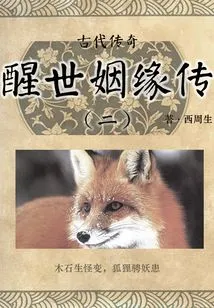
古代传奇:醒世姻缘传(二)
Western Zhou Students
"The Legend of Awakening Marriage", also known as "The Evil Marriage", is a novel in the early Qing Dynasty and an outstanding novel about worldly affairs in ancient China. Readers interested in classical literature should not miss this book. The novel uses the story of a marriage between two generations of one person's karma and retribution as a clue. It makes an in-depth analysis of the two major symptoms of social darkness in the late Ming and early Qing dynasties - corrupt officialdom and shallow social customs. It is an outstanding figure in similar novels in terms of shaping characters and organizing stories. The main purpose of the work is to understand cause and effect, and it panoramically reflects the corruption of officials and the weakening of social customs in that era. Hu Shi once commented on this book: "This is a realistic novel of the 17th century" and "it can show a broad aspect of social life including family life. It is the richest and most detailed cultural historical material." Influenced by "Jin Ping Mei", "The Legend of Awakening Marriage" writes about the ordinary details of society and families. It is true, detailed and close to the original appearance of life. The depiction of the lower class society in urban and rural areas is more vivid in life. The author has a deep understanding of human feelings and the world, and often adds some exaggeration to the realistic tone to show the ridiculousness of people and events, creating a satirical effect. The various characters that appear in the novel, whether they are officials, squires, private school teachers, villagers, matchmakers, quack doctors, businessmen, nuns, Taoist priests, or rural scoundrels, all have their own unique and despicable snobbish expressions, which can be said to describe all living beings. The novel uses dialects and slang to describe the characters' situations, and there is a sense of humor between the lines. The whole novel has a strong moral message of persuading kindness and education. At the same time, the author is quite clear-headed about real life, has a deep understanding of it, and depicts quite a lot of real and vivid world conditions and human feelings.
"The Legend of Awakening Marriage", also known as "The Evil Marriage", is a novel in the early Qing Dynasty and an outstanding novel about worldly affairs in ancient China. Readers interested in classical literature should not miss this book. The novel uses the story of a marriage between two generations of one person's karma and retribution as a clue. It makes an in-depth analysis of the two major symptoms of social darkness in the late Ming and early Qing dynasties - corrupt officialdom and shallow social customs. It is an outstanding figure in similar novels in terms of shaping characters and organizing stories. The main purpose of the work is to understand cause and effect, and it panoramically reflects the corruption of officials and the weakening of social customs in that era. Hu Shi once commented on this book: "This is a realistic novel of the 17th century" and "it can show a broad aspect of social life including family life. It is the richest and most detailed cultural historical material." Influenced by "Jin Ping Mei", "The Legend of Awakening Marriage" writes about the ordinary details of society and families. It is true, detailed and close to the original appearance of life. The depiction of the lower class society in urban and rural areas is more vivid in life. The author has a deep understanding of human feelings and the world, and often adds some exaggeration to the realistic tone to show the ridiculousness of people and events, creating a satirical effect. The various characters that appear in the novel, whether they are officials, squires, private school teachers, villagers, matchmakers, quack doctors, businessmen, nuns, Taoist priests, or rural scoundrels, all have their own unique and despicable snobbish expressions, which can be said to describe all living beings. The novel uses dialects and slang to describe the characters' situations, and there is a sense of humor between the lines. The whole novel has a strong moral message of persuading kindness and education. At the same time, the author is quite clear-headed about real life, has a deep understanding of it, and depicts quite a lot of real and vivid world conditions and human feelings.
Ancient Emotional Novels: Dream of a Brothel (1)
General Fiction古代情感小说:青楼梦(一)
Yu Da
"A Dream of Brothels", formerly known as "A Brief History of Qihong", is a classical social and human novel written in the Qing Dynasty. The book is divided into 64 chapters and was completed in 1878 (the fourth year of the reign of Emperor Guangxu). It is a classic that readers who like ancient emotional novels cannot miss. The whole book is written around "love". It tells the story of the protagonist Jin Yixiang, who travels to the land of flowers, protects beauties, picks celery, plants flowers, holds political office, repays family favors, promotes friendship, caress for children, lives in harmony with relatives and neighbors, appreciates prosperity, and pursues morality. He has been engaged in business for more than 20 years. The author failed to gain fame and talent throughout his life, and often visited restaurants and brothels. The protagonist Kim Ye-hyang in the work is his own incarnation, and he uses "A Brothel Dream" to express his ideals. At that time, it was widely circulated and had a great influence. The work deliberately expresses the ideal life model of feudal scholars in the old era and writes about the mentality of feudal scholars in the old era. The editions include the first movable type version of Shenguan in the fourth year of Guangxu (1878), the small lithographic version of Wenkuitang in the 14th year of Guangxu, the lithographic version of the Shanghai Bookstore's drawings in the 21st year of Guangxu, and the lithographic version of the drawings of Shanghai Menggu Bookstore in the 17th year of the Republic of China (1928).
"A Dream of Brothels", formerly known as "A Brief History of Qihong", is a classical social and human novel written in the Qing Dynasty. The book is divided into 64 chapters and was completed in 1878 (the fourth year of the reign of Emperor Guangxu). It is a classic that readers who like ancient emotional novels cannot miss. The whole book is written around "love". It tells the story of the protagonist Jin Yixiang, who travels to the land of flowers, protects beauties, picks celery, plants flowers, holds political office, repays family favors, promotes friendship, caress for children, lives in harmony with relatives and neighbors, appreciates prosperity, and pursues morality. He has been engaged in business for more than 20 years. The author failed to gain fame and talent throughout his life, and often visited restaurants and brothels. The protagonist Kim Ye-hyang in the work is his own incarnation, and he uses "A Brothel Dream" to express his ideals. At that time, it was widely circulated and had a great influence. The work deliberately expresses the ideal life model of feudal scholars in the old era and writes about the mentality of feudal scholars in the old era. The editions include the first movable type version of Shenguan in the fourth year of Guangxu (1878), the small lithographic version of Wenkuitang in the 14th year of Guangxu, the lithographic version of the Shanghai Bookstore's drawings in the 21st year of Guangxu, and the lithographic version of the drawings of Shanghai Menggu Bookstore in the 17th year of the Republic of China (1928).
Ancient Emotional Novels: Dream of Brothel (4)
General Fiction古代情感小说:青楼梦(四)
Yu Da
"A Dream of Brothels", formerly known as "A Brief History of Qihong", is a classical social and human novel written in the Qing Dynasty. The book is divided into 64 chapters and was completed in 1878 (the fourth year of the reign of Emperor Guangxu). It is a classic that readers who like ancient emotional novels cannot miss. The whole book is written around "love". It tells the story of the protagonist Jin Yixiang, who travels to the land of flowers, protects beauties, picks celery, plants flowers, holds political office, repays family favors, promotes friendship, caress for children, lives in harmony with relatives and neighbors, appreciates prosperity, and pursues morality. He has been engaged in business for more than 20 years. The author failed to gain fame and talent throughout his life, and often visited restaurants and brothels. The protagonist Kim Ye-hyang in the work is his own incarnation, and he uses "A Brothel Dream" to express his ideals. At that time, it was widely circulated and had a great influence. The work deliberately expresses the ideal life model of feudal scholars in the old era and writes about the mentality of feudal scholars in the old era. The editions include the first movable type version of Shenguan in the fourth year of Guangxu (1878), the small lithographic version of Wenkuitang in the 14th year of Guangxu, the lithographic version of the Shanghai Bookstore's drawings in the 21st year of Guangxu, and the lithographic version of the drawings of Shanghai Menggu Bookstore in the 17th year of the Republic of China (1928).
"A Dream of Brothels", formerly known as "A Brief History of Qihong", is a classical social and human novel written in the Qing Dynasty. The book is divided into 64 chapters and was completed in 1878 (the fourth year of the reign of Emperor Guangxu). It is a classic that readers who like ancient emotional novels cannot miss. The whole book is written around "love". It tells the story of the protagonist Jin Yixiang, who travels to the land of flowers, protects beauties, picks celery, plants flowers, holds political office, repays family favors, promotes friendship, caress for children, lives in harmony with relatives and neighbors, appreciates prosperity, and pursues morality. He has been engaged in business for more than 20 years. The author failed to gain fame and talent throughout his life, and often visited restaurants and brothels. The protagonist Kim Ye-hyang in the work is his own incarnation, and he uses "A Brothel Dream" to express his ideals. At that time, it was widely circulated and had a great influence. The work deliberately expresses the ideal life model of feudal scholars in the old era and writes about the mentality of feudal scholars in the old era. The editions include the first movable type version of Shenguan in the fourth year of Guangxu (1878), the small lithographic version of Wenkuitang in the 14th year of Guangxu, the lithographic version of the Shanghai Bookstore's drawings in the 21st year of Guangxu, and the lithographic version of the drawings of Shanghai Menggu Bookstore in the 17th year of the Republic of China (1928).
Ancient Emotional Novels: Dream of the Brothel (3)
General Fiction古代情感小说:青楼梦(三)
Yu Da
"A Dream of Brothels", formerly known as "A Brief History of Qihong", is a classical social and human novel written in the Qing Dynasty. The book is divided into 64 chapters and was completed in 1878 (the fourth year of the reign of Emperor Guangxu). It is a classic that readers who like ancient emotional novels cannot miss. The whole book is written around "love". It tells the story of the protagonist Jin Yixiang, who travels to the land of flowers, protects beauties, picks celery, plants flowers, holds political office, repays family favors, promotes friendship, caress for children, lives in harmony with relatives and neighbors, appreciates prosperity, and pursues morality. He has been engaged in business for more than 20 years. The author failed to gain fame and talent throughout his life, and often visited restaurants and brothels. The protagonist Kim Ye-hyang in the work is his own incarnation, and he uses "A Brothel Dream" to express his ideals. At that time, it was widely circulated and had a great influence. The work deliberately expresses the ideal life model of feudal scholars in the old era and writes about the mentality of feudal scholars in the old era. The editions include the first movable type version of Shenguan in the fourth year of Guangxu (1878), the small lithographic version of Wenkuitang in the 14th year of Guangxu, the lithographic version of the Shanghai Bookstore's drawings in the 21st year of Guangxu, and the lithographic version of the drawings of Shanghai Menggu Bookstore in the 17th year of the Republic of China (1928).
"A Dream of Brothels", formerly known as "A Brief History of Qihong", is a classical social and human novel written in the Qing Dynasty. The book is divided into 64 chapters and was completed in 1878 (the fourth year of the reign of Emperor Guangxu). It is a classic that readers who like ancient emotional novels cannot miss. The whole book is written around "love". It tells the story of the protagonist Jin Yixiang, who travels to the land of flowers, protects beauties, picks celery, plants flowers, holds political office, repays family favors, promotes friendship, caress for children, lives in harmony with relatives and neighbors, appreciates prosperity, and pursues morality. He has been engaged in business for more than 20 years. The author failed to gain fame and talent throughout his life, and often visited restaurants and brothels. The protagonist Kim Ye-hyang in the work is his own incarnation, and he uses "A Brothel Dream" to express his ideals. At that time, it was widely circulated and had a great influence. The work deliberately expresses the ideal life model of feudal scholars in the old era and writes about the mentality of feudal scholars in the old era. The editions include the first movable type version of Shenguan in the fourth year of Guangxu (1878), the small lithographic version of Wenkuitang in the 14th year of Guangxu, the lithographic version of the Shanghai Bookstore's drawings in the 21st year of Guangxu, and the lithographic version of the drawings of Shanghai Menggu Bookstore in the 17th year of the Republic of China (1928).
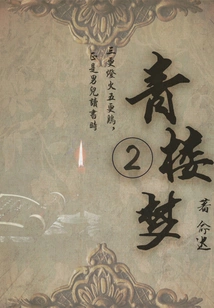
Ancient Emotional Novels: Dream of a Brothel (2)
General Fiction古代情感小说:青楼梦(二)
Yu Da
"A Dream of Brothels", formerly known as "A Brief History of Qihong", is a classical social and human novel written in the Qing Dynasty. The book is divided into 64 chapters and was completed in 1878 (the fourth year of the reign of Emperor Guangxu). It is a classic that readers who like ancient emotional novels cannot miss. The whole book is written around "love". It tells the story of the protagonist Jin Yixiang, who travels to the land of flowers, protects beauties, picks celery, plants flowers, holds political office, repays family favors, promotes friendship, caress for children, lives in harmony with relatives and neighbors, appreciates prosperity, and pursues morality. He has been engaged in business for more than 20 years. The author failed to gain fame and talent throughout his life, and often visited restaurants and brothels. The protagonist Kim Ye-hyang in the work is his own incarnation, and he uses "A Brothel Dream" to express his ideals. At that time, it was widely circulated and had a great influence. The work deliberately expresses the ideal life model of feudal scholars in the old era and writes about the mentality of feudal scholars in the old era. The editions include the first movable type version of Shenguan in the fourth year of Guangxu (1878), the small lithographic version of Wenkuitang in the 14th year of Guangxu, the lithographic version of the Shanghai Bookstore's drawings in the 21st year of Guangxu, and the lithographic version of the drawings of Shanghai Menggu Bookstore in the 17th year of the Republic of China (1928).
"A Dream of Brothels", formerly known as "A Brief History of Qihong", is a classical social and human novel written in the Qing Dynasty. The book is divided into 64 chapters and was completed in 1878 (the fourth year of the reign of Emperor Guangxu). It is a classic that readers who like ancient emotional novels cannot miss. The whole book is written around "love". It tells the story of the protagonist Jin Yixiang, who travels to the land of flowers, protects beauties, picks celery, plants flowers, holds political office, repays family favors, promotes friendship, caress for children, lives in harmony with relatives and neighbors, appreciates prosperity, and pursues morality. He has been engaged in business for more than 20 years. The author failed to gain fame and talent throughout his life, and often visited restaurants and brothels. The protagonist Kim Ye-hyang in the work is his own incarnation, and he uses "A Brothel Dream" to express his ideals. At that time, it was widely circulated and had a great influence. The work deliberately expresses the ideal life model of feudal scholars in the old era and writes about the mentality of feudal scholars in the old era. The editions include the first movable type version of Shenguan in the fourth year of Guangxu (1878), the small lithographic version of Wenkuitang in the 14th year of Guangxu, the lithographic version of the Shanghai Bookstore's drawings in the 21st year of Guangxu, and the lithographic version of the drawings of Shanghai Menggu Bookstore in the 17th year of the Republic of China (1928).
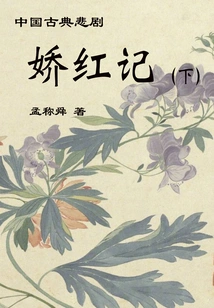
Classical Chinese Tragedy: the Story of Jiao Hong (part 2)
General Fiction中国古典悲剧:娇红记(下)
Meng Chengshun
"Jiaohong Ji" is based on a true story during the Xuanhe period of the Northern Song Dynasty, and adapted from the novel "The Story of Jiaohong" by Song Meidong of the Yuan Dynasty. Written by Meng Chengshun of the Ming Dynasty, it describes the tragedy of Wang Jiaoniang and scholar Shen Chun who died in love because their love was not allowed. The theme of young men and women fighting for the freedom of marriage expressed in "Jiao Hong Ji" has been repeatedly expressed in operas between the Yuan and Ming Dynasties. However, "Jiao Hong Ji" does not stay at the heights reached by its previous love works. No matter in the shaping of characters or the depth of reflecting reality, it has its own characteristics and shines with the brilliance of new ideas. It is listed as one of the top ten tragedies of Chinese classical music. The layout and writing style of the novel inherit the legends of the Tang Dynasty, but the plot is more twists and turns and the mood is more lingering; the scale is also expanded a lot, marking the transition of classical Chinese novels from short stories to medium and long novels. The publication of the novel "Jiao Hong Ji" broke the short pattern of classical Chinese novels in Chinese history. With the tragedy of life and death love, the novella-oriented narrative structure, and the narrative technique of alternating rhyme and prose, it formed a spectacular novella legendary novel genre in the Yuan and Ming dynasties. The writing style of this book is exquisite, and the psychological portrayal is profound; in terms of technology, it also inherits many of its predecessors and goes further. The text of the novel breaks through the rough outlines of the weird novels of the Wei and Jin Dynasties and the concise descriptions of the legends of the Tang and Song Dynasties, forming a slightly longer novella structure that is self-contained and published separately. "Jiao Hong Ji" had a wide-ranging influence on later generations. Most of the novels about the love between men and women in the Ming and Qing dynasties can be seen in the imprint of this book.
"Jiaohong Ji" is based on a true story during the Xuanhe period of the Northern Song Dynasty, and adapted from the novel "The Story of Jiaohong" by Song Meidong of the Yuan Dynasty. Written by Meng Chengshun of the Ming Dynasty, it describes the tragedy of Wang Jiaoniang and scholar Shen Chun who died in love because their love was not allowed. The theme of young men and women fighting for the freedom of marriage expressed in "Jiao Hong Ji" has been repeatedly expressed in operas between the Yuan and Ming Dynasties. However, "Jiao Hong Ji" does not stay at the heights reached by its previous love works. No matter in the shaping of characters or the depth of reflecting reality, it has its own characteristics and shines with the brilliance of new ideas. It is listed as one of the top ten tragedies of Chinese classical music. The layout and writing style of the novel inherit the legends of the Tang Dynasty, but the plot is more twists and turns and the mood is more lingering; the scale is also expanded a lot, marking the transition of classical Chinese novels from short stories to medium and long novels. The publication of the novel "Jiao Hong Ji" broke the short pattern of classical Chinese novels in Chinese history. With the tragedy of life and death love, the novella-oriented narrative structure, and the narrative technique of alternating rhyme and prose, it formed a spectacular novella legendary novel genre in the Yuan and Ming dynasties. The writing style of this book is exquisite, and the psychological portrayal is profound; in terms of technology, it also inherits many of its predecessors and goes further. The text of the novel breaks through the rough outlines of the weird novels of the Wei and Jin Dynasties and the concise descriptions of the legends of the Tang and Song Dynasties, forming a slightly longer novella structure that is self-contained and published separately. "Jiao Hong Ji" had a wide-ranging influence on later generations. Most of the novels about the love between men and women in the Ming and Qing dynasties can be seen in the imprint of this book.
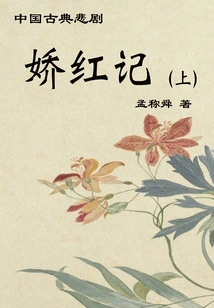
Classical Chinese Tragedy: the Story of Jiao Hong (part 1)
General Fiction中国古典悲剧:娇红记(上)
Meng Chengshun
"Jiaohong Ji" is based on a true story during the Xuanhe period of the Northern Song Dynasty, and adapted from the novel "The Story of Jiaohong" by Song Meidong of the Yuan Dynasty. Written by Meng Chengshun of the Ming Dynasty, it describes the tragedy of Wang Jiaoniang and scholar Shen Chun who died in love because their love was not allowed. The theme of young men and women fighting for the freedom of marriage expressed in "Jiao Hong Ji" has been repeatedly expressed in operas between the Yuan and Ming Dynasties. However, "Jiao Hong Ji" does not stay at the heights reached by its previous love works. No matter in the shaping of characters or the depth of reflecting reality, it has its own characteristics and shines with the brilliance of new ideas. It is listed as one of the top ten tragedies of Chinese classical music. The layout and writing style of the novel inherit the legends of the Tang Dynasty, but the plot is more twists and turns and the mood is more lingering; the scale is also expanded a lot, marking the transition of classical Chinese novels from short stories to medium and long novels. The publication of the novel "Jiao Hong Ji" broke the short pattern of classical Chinese novels in Chinese history. With the tragedy of life and death love, the novella-oriented narrative structure, and the narrative technique of alternating rhyme and prose, it formed a spectacular novella legendary novel genre in the Yuan and Ming dynasties. The writing style of this book is exquisite, and the psychological portrayal is profound; in terms of technology, it also inherits many of its predecessors and goes further. The text of the novel breaks through the rough outlines of the weird novels of the Wei and Jin Dynasties and the concise descriptions of the legends of the Tang and Song Dynasties, forming a slightly longer novella structure that is self-contained and published separately. "Jiao Hong Ji" had a wide-ranging influence on later generations. Most of the novels about the love between men and women in the Ming and Qing dynasties can be seen in the imprint of this book.
"Jiaohong Ji" is based on a true story during the Xuanhe period of the Northern Song Dynasty, and adapted from the novel "The Story of Jiaohong" by Song Meidong of the Yuan Dynasty. Written by Meng Chengshun of the Ming Dynasty, it describes the tragedy of Wang Jiaoniang and scholar Shen Chun who died in love because their love was not allowed. The theme of young men and women fighting for the freedom of marriage expressed in "Jiao Hong Ji" has been repeatedly expressed in operas between the Yuan and Ming Dynasties. However, "Jiao Hong Ji" does not stay at the heights reached by its previous love works. No matter in the shaping of characters or the depth of reflecting reality, it has its own characteristics and shines with the brilliance of new ideas. It is listed as one of the top ten tragedies of Chinese classical music. The layout and writing style of the novel inherit the legends of the Tang Dynasty, but the plot is more twists and turns and the mood is more lingering; the scale is also expanded a lot, marking the transition of classical Chinese novels from short stories to medium and long novels. The publication of the novel "Jiao Hong Ji" broke the short pattern of classical Chinese novels in Chinese history. With the tragedy of life and death love, the novella-oriented narrative structure, and the narrative technique of alternating rhyme and prose, it formed a spectacular novella legendary novel genre in the Yuan and Ming dynasties. The writing style of this book is exquisite, and the psychological portrayal is profound; in terms of technology, it also inherits many of its predecessors and goes further. The text of the novel breaks through the rough outlines of the weird novels of the Wei and Jin Dynasties and the concise descriptions of the legends of the Tang and Song Dynasties, forming a slightly longer novella structure that is self-contained and published separately. "Jiao Hong Ji" had a wide-ranging influence on later generations. Most of the novels about the love between men and women in the Ming and Qing dynasties can be seen in the imprint of this book.
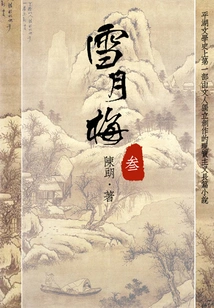
经典才子佳人小说:雪月梅(三)
Chen Lang
"Xue Yue Mei" is a vernacular novel about talented scholars and beauties written by Chen Lang in the Qing Dynasty. Its full name is "Xue Yue Mei Biography of Xiaoyi", also known as "Xue Yue Mei Biography". It is also known as "The First Wonderful Book", "The Biography of Sons and Daughters of Love" and "The Biography of the Four Heroes and Beauties". It was written in the 39th year of Qianlong's reign in the Qing Dynasty. This book is worth reading for readers who are interested in ancient novels about talented men and beauties. This book is based on the anti-Japanese struggle during the Jiajing period of the Ming Dynasty. It tells the story of Cen Xiu, an ordinary scholar who went through many hardships and grew into an anti-Japanese hero with both civil and military talents, wisdom and courage, and interspersed with the marriage clues of Ling Xiu, Sister Xue, Wang Yuee, and He Xiaomei. It focuses on the anti-Japanese struggle of heroes and depicts the heroic deeds of Ling Xiu, Jiang Shiqi, Liu Dian, Yin Yong, Hua Qiuying, etc. It has the characteristics of novels about talents and beauties and heroic romance novels. In the second half of the novel, the author also truly describes the pain and disasters brought to the people by the Japanese pirates intrusion in the Ming Dynasty, and vividly reflects the anti-Japanese struggle and their victory spontaneously organized by the government, army and people. This is an early literary work among Ming and Qing novels that expresses the major historical theme of the Chinese nation's resistance to foreign aggression, so its patriotic tendency should also be affirmed. The novel has many clues, many characters, vivid and fluent language, emphasis on image creation, and twists and turns of the plot. Even if I read it today, it still has profound meaning.
"Xue Yue Mei" is a vernacular novel about talented scholars and beauties written by Chen Lang in the Qing Dynasty. Its full name is "Xue Yue Mei Biography of Xiaoyi", also known as "Xue Yue Mei Biography". It is also known as "The First Wonderful Book", "The Biography of Sons and Daughters of Love" and "The Biography of the Four Heroes and Beauties". It was written in the 39th year of Qianlong's reign in the Qing Dynasty. This book is worth reading for readers who are interested in ancient novels about talented men and beauties. This book is based on the anti-Japanese struggle during the Jiajing period of the Ming Dynasty. It tells the story of Cen Xiu, an ordinary scholar who went through many hardships and grew into an anti-Japanese hero with both civil and military talents, wisdom and courage, and interspersed with the marriage clues of Ling Xiu, Sister Xue, Wang Yuee, and He Xiaomei. It focuses on the anti-Japanese struggle of heroes and depicts the heroic deeds of Ling Xiu, Jiang Shiqi, Liu Dian, Yin Yong, Hua Qiuying, etc. It has the characteristics of novels about talents and beauties and heroic romance novels. In the second half of the novel, the author also truly describes the pain and disasters brought to the people by the Japanese pirates intrusion in the Ming Dynasty, and vividly reflects the anti-Japanese struggle and their victory spontaneously organized by the government, army and people. This is an early literary work among Ming and Qing novels that expresses the major historical theme of the Chinese nation's resistance to foreign aggression, so its patriotic tendency should also be affirmed. The novel has many clues, many characters, vivid and fluent language, emphasis on image creation, and twists and turns of the plot. Even if I read it today, it still has profound meaning.
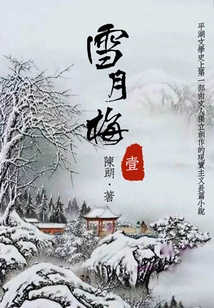
经典才子佳人小说:雪月梅(一)
Chen Lang
"Xue Yue Mei" is a vernacular novel about talented scholars and beauties written by Chen Lang in the Qing Dynasty. Its full name is "Xue Yue Mei Biography of Xiaoyi", also known as "Xue Yue Mei Biography". It is also known as "The First Wonderful Book", "The Biography of Sons and Daughters of Love" and "The Biography of the Four Heroes and Beauties". It was written in the 39th year of Qianlong's reign in the Qing Dynasty. This book is worth reading for readers who are interested in ancient novels about talented men and beauties. This book is based on the anti-Japanese struggle during the Jiajing period of the Ming Dynasty. It tells the story of Cen Xiu, an ordinary scholar who went through many hardships and grew into an anti-Japanese hero with both civil and military talents, wisdom and courage, and interspersed with the marriage clues of Ling Xiu, Sister Xue, Wang Yuee, and He Xiaomei. It focuses on the anti-Japanese struggle of heroes and depicts the heroic deeds of Ling Xiu, Jiang Shiqi, Liu Dian, Yin Yong, Hua Qiuying, etc. It has the characteristics of novels about talents and beauties and heroic romance novels. In the second half of the novel, the author also truly describes the pain and disasters brought to the people by the Japanese pirates intrusion in the Ming Dynasty, and vividly reflects the anti-Japanese struggle and their victory spontaneously organized by the government, army and people. This is an early literary work among Ming and Qing novels that expresses the major historical theme of the Chinese nation's resistance to foreign aggression, so its patriotic tendency should also be affirmed. The novel has many clues, many characters, vivid and fluent language, emphasis on image creation, and twists and turns of the plot. Even if I read it today, it still has profound meaning.
"Xue Yue Mei" is a vernacular novel about talented scholars and beauties written by Chen Lang in the Qing Dynasty. Its full name is "Xue Yue Mei Biography of Xiaoyi", also known as "Xue Yue Mei Biography". It is also known as "The First Wonderful Book", "The Biography of Sons and Daughters of Love" and "The Biography of the Four Heroes and Beauties". It was written in the 39th year of Qianlong's reign in the Qing Dynasty. This book is worth reading for readers who are interested in ancient novels about talented men and beauties. This book is based on the anti-Japanese struggle during the Jiajing period of the Ming Dynasty. It tells the story of Cen Xiu, an ordinary scholar who went through many hardships and grew into an anti-Japanese hero with both civil and military talents, wisdom and courage, and interspersed with the marriage clues of Ling Xiu, Sister Xue, Wang Yuee, and He Xiaomei. It focuses on the anti-Japanese struggle of heroes and depicts the heroic deeds of Ling Xiu, Jiang Shiqi, Liu Dian, Yin Yong, Hua Qiuying, etc. It has the characteristics of novels about talents and beauties and heroic romance novels. In the second half of the novel, the author also truly describes the pain and disasters brought to the people by the Japanese pirates intrusion in the Ming Dynasty, and vividly reflects the anti-Japanese struggle and their victory spontaneously organized by the government, army and people. This is an early literary work among Ming and Qing novels that expresses the major historical theme of the Chinese nation's resistance to foreign aggression, so its patriotic tendency should also be affirmed. The novel has many clues, many characters, vivid and fluent language, emphasis on image creation, and twists and turns of the plot. Even if I read it today, it still has profound meaning.
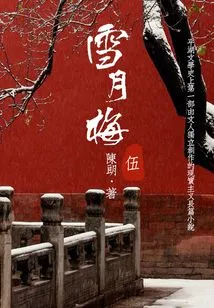
经典才子佳人小说:雪月梅(五)
Chen Lang
"Xue Yue Mei" is a vernacular novel about talented scholars and beauties written by Chen Lang in the Qing Dynasty. Its full name is "Xue Yue Mei Biography of Xiaoyi", also known as "Xue Yue Mei Biography". It is also known as "The First Wonderful Book", "The Biography of Sons and Daughters of Love" and "The Biography of the Four Heroes and Beauties". It was written in the 39th year of Qianlong's reign in the Qing Dynasty. This book is worth reading for readers who are interested in ancient novels about talented men and beauties. This book is based on the anti-Japanese struggle during the Jiajing period of the Ming Dynasty. It tells the story of Cen Xiu, an ordinary scholar who went through many hardships and grew into an anti-Japanese hero with both civil and military talents, wisdom and courage, and interspersed with the marriage clues of Ling Xiu, Sister Xue, Wang Yuee, and He Xiaomei. It focuses on the anti-Japanese struggle of heroes and depicts the heroic deeds of Ling Xiu, Jiang Shiqi, Liu Dian, Yin Yong, Hua Qiuying, etc. It has the characteristics of novels about talents and beauties and heroic romance novels. In the second half of the novel, the author also truly describes the pain and disasters brought to the people by the Japanese pirates intrusion in the Ming Dynasty, and vividly reflects the anti-Japanese struggle and their victory spontaneously organized by the government, army and people. This is an early literary work among Ming and Qing novels that expresses the major historical theme of the Chinese nation's resistance to foreign aggression, so its patriotic tendency should also be affirmed. The novel has many clues, many characters, vivid and fluent language, emphasis on image creation, and twists and turns of the plot. Even if I read it today, it still has profound meaning.
"Xue Yue Mei" is a vernacular novel about talented scholars and beauties written by Chen Lang in the Qing Dynasty. Its full name is "Xue Yue Mei Biography of Xiaoyi", also known as "Xue Yue Mei Biography". It is also known as "The First Wonderful Book", "The Biography of Sons and Daughters of Love" and "The Biography of the Four Heroes and Beauties". It was written in the 39th year of Qianlong's reign in the Qing Dynasty. This book is worth reading for readers who are interested in ancient novels about talented men and beauties. This book is based on the anti-Japanese struggle during the Jiajing period of the Ming Dynasty. It tells the story of Cen Xiu, an ordinary scholar who went through many hardships and grew into an anti-Japanese hero with both civil and military talents, wisdom and courage, and interspersed with the marriage clues of Ling Xiu, Sister Xue, Wang Yuee, and He Xiaomei. It focuses on the anti-Japanese struggle of heroes and depicts the heroic deeds of Ling Xiu, Jiang Shiqi, Liu Dian, Yin Yong, Hua Qiuying, etc. It has the characteristics of novels about talents and beauties and heroic romance novels. In the second half of the novel, the author also truly describes the pain and disasters brought to the people by the Japanese pirates intrusion in the Ming Dynasty, and vividly reflects the anti-Japanese struggle and their victory spontaneously organized by the government, army and people. This is an early literary work among Ming and Qing novels that expresses the major historical theme of the Chinese nation's resistance to foreign aggression, so its patriotic tendency should also be affirmed. The novel has many clues, many characters, vivid and fluent language, emphasis on image creation, and twists and turns of the plot. Even if I read it today, it still has profound meaning.
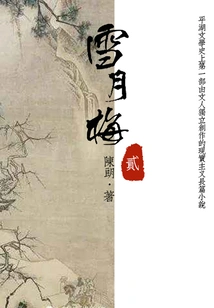
经典才子佳人小说:雪月梅(二)
Chen Lang
"Xue Yue Mei" is a vernacular novel about talented scholars and beauties written by Chen Lang in the Qing Dynasty. Its full name is "Xue Yue Mei Biography of Xiaoyi", also known as "Xue Yue Mei Biography". It is also known as "The First Wonderful Book", "The Biography of Sons and Daughters of Love" and "The Biography of the Four Heroes and Beauties". It was written in the 39th year of Qianlong's reign in the Qing Dynasty. This book is worth reading for readers who are interested in ancient novels about talented men and beauties. This book is based on the anti-Japanese struggle during the Jiajing period of the Ming Dynasty. It tells the story of Cen Xiu, an ordinary scholar who went through many hardships and grew into an anti-Japanese hero with both civil and military talents, wisdom and courage, and interspersed with the marriage clues of Ling Xiu, Sister Xue, Wang Yuee, and He Xiaomei. It focuses on the anti-Japanese struggle of heroes and depicts the heroic deeds of Ling Xiu, Jiang Shiqi, Liu Dian, Yin Yong, Hua Qiuying, etc. It has the characteristics of novels about talents and beauties and heroic romance novels. In the second half of the novel, the author also truly describes the pain and disasters brought to the people by the Japanese pirates intrusion in the Ming Dynasty, and vividly reflects the anti-Japanese struggle and their victory spontaneously organized by the government, army and people. This is an early literary work among Ming and Qing novels that expresses the major historical theme of the Chinese nation's resistance to foreign aggression, so its patriotic tendency should also be affirmed. The novel has many clues, many characters, vivid and fluent language, emphasis on image creation, and twists and turns of the plot. Even if I read it today, it still has profound meaning.
"Xue Yue Mei" is a vernacular novel about talented scholars and beauties written by Chen Lang in the Qing Dynasty. Its full name is "Xue Yue Mei Biography of Xiaoyi", also known as "Xue Yue Mei Biography". It is also known as "The First Wonderful Book", "The Biography of Sons and Daughters of Love" and "The Biography of the Four Heroes and Beauties". It was written in the 39th year of Qianlong's reign in the Qing Dynasty. This book is worth reading for readers who are interested in ancient novels about talented men and beauties. This book is based on the anti-Japanese struggle during the Jiajing period of the Ming Dynasty. It tells the story of Cen Xiu, an ordinary scholar who went through many hardships and grew into an anti-Japanese hero with both civil and military talents, wisdom and courage, and interspersed with the marriage clues of Ling Xiu, Sister Xue, Wang Yuee, and He Xiaomei. It focuses on the anti-Japanese struggle of heroes and depicts the heroic deeds of Ling Xiu, Jiang Shiqi, Liu Dian, Yin Yong, Hua Qiuying, etc. It has the characteristics of novels about talents and beauties and heroic romance novels. In the second half of the novel, the author also truly describes the pain and disasters brought to the people by the Japanese pirates intrusion in the Ming Dynasty, and vividly reflects the anti-Japanese struggle and their victory spontaneously organized by the government, army and people. This is an early literary work among Ming and Qing novels that expresses the major historical theme of the Chinese nation's resistance to foreign aggression, so its patriotic tendency should also be affirmed. The novel has many clues, many characters, vivid and fluent language, emphasis on image creation, and twists and turns of the plot. Even if I read it today, it still has profound meaning.
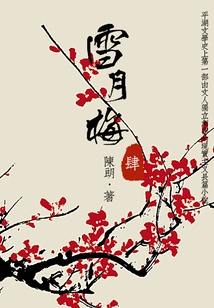
经典才子佳人小说:雪月梅(四)
Chen Lang
"Xue Yue Mei" is a vernacular novel about talented scholars and beauties written by Chen Lang in the Qing Dynasty. Its full name is "Xue Yue Mei Biography of Xiaoyi", also known as "Xue Yue Mei Biography". It is also known as "The First Wonderful Book", "The Biography of Sons and Daughters of Love" and "The Biography of the Four Heroes and Beauties". It was written in the 39th year of Qianlong's reign in the Qing Dynasty. This book is worth reading for readers who are interested in ancient novels about talented men and beauties. This book is based on the anti-Japanese struggle during the Jiajing period of the Ming Dynasty. It tells the story of Cen Xiu, an ordinary scholar who went through many hardships and grew into an anti-Japanese hero with both civil and military talents, wisdom and courage, and interspersed with the marriage clues of Ling Xiu, Sister Xue, Wang Yuee, and He Xiaomei. It focuses on the anti-Japanese struggle of heroes and depicts the heroic deeds of Ling Xiu, Jiang Shiqi, Liu Dian, Yin Yong, Hua Qiuying, etc. It has the characteristics of novels about talents and beauties and heroic romance novels. In the second half of the novel, the author also truly describes the pain and disasters brought to the people by the Japanese pirates intrusion in the Ming Dynasty, and vividly reflects the anti-Japanese struggle and their victory spontaneously organized by the government, army and people. This is an early literary work among Ming and Qing novels that expresses the major historical theme of the Chinese nation's resistance to foreign aggression, so its patriotic tendency should also be affirmed. The novel has many clues, many characters, vivid and fluent language, emphasis on image creation, and twists and turns of the plot. Even if I read it today, it still has profound meaning.
"Xue Yue Mei" is a vernacular novel about talented scholars and beauties written by Chen Lang in the Qing Dynasty. Its full name is "Xue Yue Mei Biography of Xiaoyi", also known as "Xue Yue Mei Biography". It is also known as "The First Wonderful Book", "The Biography of Sons and Daughters of Love" and "The Biography of the Four Heroes and Beauties". It was written in the 39th year of Qianlong's reign in the Qing Dynasty. This book is worth reading for readers who are interested in ancient novels about talented men and beauties. This book is based on the anti-Japanese struggle during the Jiajing period of the Ming Dynasty. It tells the story of Cen Xiu, an ordinary scholar who went through many hardships and grew into an anti-Japanese hero with both civil and military talents, wisdom and courage, and interspersed with the marriage clues of Ling Xiu, Sister Xue, Wang Yuee, and He Xiaomei. It focuses on the anti-Japanese struggle of heroes and depicts the heroic deeds of Ling Xiu, Jiang Shiqi, Liu Dian, Yin Yong, Hua Qiuying, etc. It has the characteristics of novels about talents and beauties and heroic romance novels. In the second half of the novel, the author also truly describes the pain and disasters brought to the people by the Japanese pirates intrusion in the Ming Dynasty, and vividly reflects the anti-Japanese struggle and their victory spontaneously organized by the government, army and people. This is an early literary work among Ming and Qing novels that expresses the major historical theme of the Chinese nation's resistance to foreign aggression, so its patriotic tendency should also be affirmed. The novel has many clues, many characters, vivid and fluent language, emphasis on image creation, and twists and turns of the plot. Even if I read it today, it still has profound meaning.
Romance of Two Phoenixes (4)
General Fiction双凤奇缘(四)
Snow Woodcutter Master
This book is a classic Qing Dynasty vernacular novel about world affairs. The full name is "The Legend of Zhaojun and Fan Shuangfeng", also known as "The Legend of Zhaojun". It was written during the Jiaqing period of the Qing Dynasty. It is a tragic love story between the King of Han, Zhaojun (Wang Qiang) and Sai Zhaojun. This book is worth reading for readers interested in such topics. Queen Qiang, the prefect of Yuezhou, named Zhaojun, was both talented and beautiful. She dreamed of entering the palace on the night of Mid-Autumn Festival. The King of Han also dreamed of Zhaojun at this time. When he woke up, he ordered Prime Minister Mao Yanshou to go to Yuezhou to visit Zhaojun. Mao was greedy for money and attempted to ask for bribes, so he secretly put a "wounded husband's teardrop mole" on Zhaojun's portrait to make him suspicious of the Han king. As a result, Lu Yuan's daughter, who bribed tens of thousands of yuan, was chosen to choose the West Palace. The treacherous prime minister and Concubine Lu slandered Zhaojun and put him in the cold palace. Zhaojun often used the pipa to express her grievances, and Queen Lin clarified her grievances. She was able to meet the King of Han and punish the traitors, and Zhaojun became the favorite concubine of the West Palace. However, the treacherous Prime Minister Mao Yanshou fled to the country and instigated the Chanyu to launch a large-scale army in the Central Plains, in order to ask Zhaojun to be the "Lan clan" (Queen of the Chanyu). The king of Han was defeated and had no choice but to order Zhaojun and Fan. Sixteen years later, Zhaojun jumped into the river and returned to the Central Plains with his body. The King of Han still missed Zhaojun, and he invited Zhaojun's sister to compete with Zhaojun to continue their romantic relationship. When Shan Yu's resurrected troops invaded, the King of Han conquered them personally. Sai Zhaojun used the martial arts taught by Jiugu Fairy to defeat the Fan soldiers, which not only saved the Han Dynasty, but also avenged Zhaojun's grudge. The plot of the work is rich and the scene descriptions are extremely vivid. The novel begins with Zhaojun's dream and ends with Zhaojun's appearance. It is a romance novel that suits the taste of the public. The stories in the book are vivid and the language is concise and popular. The structural arrangement, character creation, and expression of thoughts and plots are all unique and unique. They are highly readable and suitable for recreational reading. The work was once listed as a banned novel. The events and characters written are as if they were there and the images are alive. The writing is simple and interesting, with endless aftertaste, making it hard to put down after reading it.
This book is a classic Qing Dynasty vernacular novel about world affairs. The full name is "The Legend of Zhaojun and Fan Shuangfeng", also known as "The Legend of Zhaojun". It was written during the Jiaqing period of the Qing Dynasty. It is a tragic love story between the King of Han, Zhaojun (Wang Qiang) and Sai Zhaojun. This book is worth reading for readers interested in such topics. Queen Qiang, the prefect of Yuezhou, named Zhaojun, was both talented and beautiful. She dreamed of entering the palace on the night of Mid-Autumn Festival. The King of Han also dreamed of Zhaojun at this time. When he woke up, he ordered Prime Minister Mao Yanshou to go to Yuezhou to visit Zhaojun. Mao was greedy for money and attempted to ask for bribes, so he secretly put a "wounded husband's teardrop mole" on Zhaojun's portrait to make him suspicious of the Han king. As a result, Lu Yuan's daughter, who bribed tens of thousands of yuan, was chosen to choose the West Palace. The treacherous prime minister and Concubine Lu slandered Zhaojun and put him in the cold palace. Zhaojun often used the pipa to express her grievances, and Queen Lin clarified her grievances. She was able to meet the King of Han and punish the traitors, and Zhaojun became the favorite concubine of the West Palace. However, the treacherous Prime Minister Mao Yanshou fled to the country and instigated the Chanyu to launch a large-scale army in the Central Plains, in order to ask Zhaojun to be the "Lan clan" (Queen of the Chanyu). The king of Han was defeated and had no choice but to order Zhaojun and Fan. Sixteen years later, Zhaojun jumped into the river and returned to the Central Plains with his body. The King of Han still missed Zhaojun, and he invited Zhaojun's sister to compete with Zhaojun to continue their romantic relationship. When Shan Yu's resurrected troops invaded, the King of Han conquered them personally. Sai Zhaojun used the martial arts taught by Jiugu Fairy to defeat the Fan soldiers, which not only saved the Han Dynasty, but also avenged Zhaojun's grudge. The plot of the work is rich and the scene descriptions are extremely vivid. The novel begins with Zhaojun's dream and ends with Zhaojun's appearance. It is a romance novel that suits the taste of the public. The stories in the book are vivid and the language is concise and popular. The structural arrangement, character creation, and expression of thoughts and plots are all unique and unique. They are highly readable and suitable for recreational reading. The work was once listed as a banned novel. The events and characters written are as if they were there and the images are alive. The writing is simple and interesting, with endless aftertaste, making it hard to put down after reading it.
Romance of Two Phoenixes (2)
General Fiction双凤奇缘(二)
Snow Woodcutter Master
This book is a classic Qing Dynasty vernacular novel about world affairs. The full name is "The Legend of Zhaojun and Fan Shuangfeng", also known as "The Legend of Zhaojun". It was written during the Jiaqing period of the Qing Dynasty. It is a tragic love story between the King of Han, Zhaojun (Wang Qiang) and Sai Zhaojun. This book is worth reading for readers interested in such topics. Queen Qiang, the prefect of Yuezhou, named Zhaojun, was both talented and beautiful. She dreamed of entering the palace on the night of Mid-Autumn Festival. The King of Han also dreamed of Zhaojun at this time. When he woke up, he ordered Prime Minister Mao Yanshou to go to Yuezhou to visit Zhaojun. Mao was greedy for money and attempted to ask for bribes, so he secretly put a "wounded husband's teardrop mole" on Zhaojun's portrait to make him suspicious of the Han king. As a result, Lu Yuan's daughter, who bribed tens of thousands of yuan, was chosen to choose the West Palace. The treacherous prime minister and Concubine Lu slandered Zhaojun and put him in the cold palace. Zhaojun often used the pipa to express her grievances, and Queen Lin clarified her grievances. She was able to meet the King of Han and punish the traitors, and Zhaojun became the favorite concubine of the West Palace. However, the treacherous Prime Minister Mao Yanshou fled to the country and instigated the Chanyu to launch a large-scale army in the Central Plains, in order to ask Zhaojun to be the "Lan clan" (Queen of the Chanyu). The king of Han was defeated and had no choice but to order Zhaojun and Fan. Seventeen years later, Zhaojun jumped into the river and returned to the Central Plains with his body. The King of Han still missed Zhaojun, and he invited Zhaojun's sister to compete with Zhaojun to continue their romantic relationship. When Shan Yu's resurrected troops invaded, the King of Han conquered them personally. Sai Zhaojun used the martial arts taught by Jiugu Fairy to defeat the Fan soldiers, which not only saved the Han Dynasty, but also avenged Zhaojun's grudge. The plot of the work is rich and the scene descriptions are extremely vivid. The novel begins with Zhaojun's dream and ends with Zhaojun's appearance. It is a romance novel that suits the taste of the public. The stories in the book are vivid and the language is concise and popular. The structural arrangement, character creation, and expression of thoughts and plots are all unique and unique. They are highly readable and suitable for recreational reading. The work was once listed as a banned novel. The events and characters written are as if they were there and the images are alive. The writing is simple and interesting, with endless aftertaste, making it hard to put down after reading it.
This book is a classic Qing Dynasty vernacular novel about world affairs. The full name is "The Legend of Zhaojun and Fan Shuangfeng", also known as "The Legend of Zhaojun". It was written during the Jiaqing period of the Qing Dynasty. It is a tragic love story between the King of Han, Zhaojun (Wang Qiang) and Sai Zhaojun. This book is worth reading for readers interested in such topics. Queen Qiang, the prefect of Yuezhou, named Zhaojun, was both talented and beautiful. She dreamed of entering the palace on the night of Mid-Autumn Festival. The King of Han also dreamed of Zhaojun at this time. When he woke up, he ordered Prime Minister Mao Yanshou to go to Yuezhou to visit Zhaojun. Mao was greedy for money and attempted to ask for bribes, so he secretly put a "wounded husband's teardrop mole" on Zhaojun's portrait to make him suspicious of the Han king. As a result, Lu Yuan's daughter, who bribed tens of thousands of yuan, was chosen to choose the West Palace. The treacherous prime minister and Concubine Lu slandered Zhaojun and put him in the cold palace. Zhaojun often used the pipa to express her grievances, and Queen Lin clarified her grievances. She was able to meet the King of Han and punish the traitors, and Zhaojun became the favorite concubine of the West Palace. However, the treacherous Prime Minister Mao Yanshou fled to the country and instigated the Chanyu to launch a large-scale army in the Central Plains, in order to ask Zhaojun to be the "Lan clan" (Queen of the Chanyu). The king of Han was defeated and had no choice but to order Zhaojun and Fan. Seventeen years later, Zhaojun jumped into the river and returned to the Central Plains with his body. The King of Han still missed Zhaojun, and he invited Zhaojun's sister to compete with Zhaojun to continue their romantic relationship. When Shan Yu's resurrected troops invaded, the King of Han conquered them personally. Sai Zhaojun used the martial arts taught by Jiugu Fairy to defeat the Fan soldiers, which not only saved the Han Dynasty, but also avenged Zhaojun's grudge. The plot of the work is rich and the scene descriptions are extremely vivid. The novel begins with Zhaojun's dream and ends with Zhaojun's appearance. It is a romance novel that suits the taste of the public. The stories in the book are vivid and the language is concise and popular. The structural arrangement, character creation, and expression of thoughts and plots are all unique and unique. They are highly readable and suitable for recreational reading. The work was once listed as a banned novel. The events and characters written are as if they were there and the images are alive. The writing is simple and interesting, with endless aftertaste, making it hard to put down after reading it.
Romance of Two Phoenixes (1)
General Fiction双凤奇缘(一)
Snow Woodcutter Master
This book is a classic Qing Dynasty vernacular novel about world affairs. The full name is "The Legend of Zhaojun and Fan Shuangfeng", also known as "The Legend of Zhaojun". It was written during the Jiaqing period of the Qing Dynasty. It is a tragic love story between the King of Han, Zhaojun (Wang Qiang) and Sai Zhaojun. This book is worth reading for readers interested in such topics. Queen Qiang, the prefect of Yuezhou, named Zhaojun, was both talented and beautiful. She dreamed of entering the palace on the night of Mid-Autumn Festival. The King of Han also dreamed of Zhaojun at this time. When he woke up, he ordered Prime Minister Mao Yanshou to go to Yuezhou to visit Zhaojun. Mao was greedy for money and attempted to ask for bribes, so he secretly put a "wounded husband's teardrop mole" on Zhaojun's portrait to make him suspicious of the Han king. As a result, Lu Yuan's daughter, who bribed tens of thousands of yuan, was chosen to choose the West Palace. The treacherous prime minister and Concubine Lu slandered Zhaojun and put him in the cold palace. Zhaojun often used the pipa to express her grievances, and Queen Lin clarified her grievances. She was able to meet the King of Han and punish the traitors, and Zhaojun became the favorite concubine of the West Palace. However, the treacherous Prime Minister Mao Yanshou fled to the country and instigated the Chanyu to launch a large-scale army in the Central Plains, in order to ask Zhaojun to be the "Lan clan" (Queen of the Chanyu). The king of Han was defeated and had no choice but to order Zhaojun and Fan. Eighteen years later, Zhaojun jumped into the river and returned to the Central Plains with his body. The King of Han still missed Zhaojun, and he invited Zhaojun's sister to compete with Zhaojun to continue their romantic relationship. When Shan Yu's resurrected troops invaded, the King of Han conquered them personally. Sai Zhaojun used the martial arts taught by Jiugu Fairy to defeat the Fan soldiers, which not only saved the Han Dynasty, but also avenged Zhaojun's grudge. The plot of the work is rich and the scene descriptions are extremely vivid. The novel begins with Zhaojun's dream and ends with Zhaojun's appearance. It is a romance novel that suits the taste of the public. The stories in the book are vivid and the language is concise and popular. The structural arrangement, character creation, and expression of thoughts and plots are all unique and unique. They are highly readable and suitable for recreational reading. The work was once listed as a banned novel. The events and characters written are as if they were there and the images are alive. The writing is simple and interesting, with endless aftertaste, making it hard to put down after reading it.
This book is a classic Qing Dynasty vernacular novel about world affairs. The full name is "The Legend of Zhaojun and Fan Shuangfeng", also known as "The Legend of Zhaojun". It was written during the Jiaqing period of the Qing Dynasty. It is a tragic love story between the King of Han, Zhaojun (Wang Qiang) and Sai Zhaojun. This book is worth reading for readers interested in such topics. Queen Qiang, the prefect of Yuezhou, named Zhaojun, was both talented and beautiful. She dreamed of entering the palace on the night of Mid-Autumn Festival. The King of Han also dreamed of Zhaojun at this time. When he woke up, he ordered Prime Minister Mao Yanshou to go to Yuezhou to visit Zhaojun. Mao was greedy for money and attempted to ask for bribes, so he secretly put a "wounded husband's teardrop mole" on Zhaojun's portrait to make him suspicious of the Han king. As a result, Lu Yuan's daughter, who bribed tens of thousands of yuan, was chosen to choose the West Palace. The treacherous prime minister and Concubine Lu slandered Zhaojun and put him in the cold palace. Zhaojun often used the pipa to express her grievances, and Queen Lin clarified her grievances. She was able to meet the King of Han and punish the traitors, and Zhaojun became the favorite concubine of the West Palace. However, the treacherous Prime Minister Mao Yanshou fled to the country and instigated the Chanyu to launch a large-scale army in the Central Plains, in order to ask Zhaojun to be the "Lan clan" (Queen of the Chanyu). The king of Han was defeated and had no choice but to order Zhaojun and Fan. Eighteen years later, Zhaojun jumped into the river and returned to the Central Plains with his body. The King of Han still missed Zhaojun, and he invited Zhaojun's sister to compete with Zhaojun to continue their romantic relationship. When Shan Yu's resurrected troops invaded, the King of Han conquered them personally. Sai Zhaojun used the martial arts taught by Jiugu Fairy to defeat the Fan soldiers, which not only saved the Han Dynasty, but also avenged Zhaojun's grudge. The plot of the work is rich and the scene descriptions are extremely vivid. The novel begins with Zhaojun's dream and ends with Zhaojun's appearance. It is a romance novel that suits the taste of the public. The stories in the book are vivid and the language is concise and popular. The structural arrangement, character creation, and expression of thoughts and plots are all unique and unique. They are highly readable and suitable for recreational reading. The work was once listed as a banned novel. The events and characters written are as if they were there and the images are alive. The writing is simple and interesting, with endless aftertaste, making it hard to put down after reading it.
The Romance of Two Phoenixes (3)
General Fiction双凤奇缘(三)
Snow Woodcutter Master
This book is a classic Qing Dynasty vernacular novel about world affairs. The full name is "The Legend of Zhaojun and Fan Shuangfeng", also known as "The Legend of Zhaojun". It was written during the Jiaqing period of the Qing Dynasty. It is a tragic love story between the King of Han and Zhaojun (Wang Qiang) and Sai Zhaojun. This book is worth reading for readers interested in such topics. Queen Qiang, the prefect of Yuezhou, named Zhaojun, was both talented and beautiful. She dreamed of entering the palace on the night of Mid-Autumn Festival. The King of Han also dreamed of Zhaojun at this time. When he woke up, he ordered Prime Minister Mao Yanshou to go to Yuezhou to visit Zhaojun. Mao was greedy for money and attempted to ask for bribes, so he secretly put a "wounded husband's teardrop mole" on Zhaojun's portrait to make him suspicious of the Han king. As a result, Lu Yuan's daughter, who bribed tens of thousands of yuan, was chosen to choose the West Palace. The treacherous prime minister and Concubine Lu slandered Zhaojun and put him in the cold palace. Zhaojun often used the pipa to express her grievances, and Queen Lin clarified her grievances. She was able to meet the King of Han and punish the traitors, and Zhaojun became the favorite concubine of the West Palace. However, the treacherous Prime Minister Mao Yanshou fled to the country and instigated the Chanyu to launch a large-scale army in the Central Plains, in order to ask Zhaojun to be the "Lan clan" (Queen of the Chanyu). The king of Han was defeated and had no choice but to order Zhaojun and Fan. Sixteen years later, Zhaojun jumped into the river and returned to the Central Plains with his body. The King of Han still missed Zhaojun, and he invited Zhaojun's sister to compete with Zhaojun to continue their romantic relationship. When Shan Yu's resurrected troops invaded, the King of Han conquered them personally. Sai Zhaojun used the martial arts taught by Jiugu Fairy to defeat the Fan soldiers, which not only saved the Han Dynasty, but also avenged Zhaojun's grudge. The plot of the work is rich and the scene descriptions are extremely vivid. The novel begins with Zhaojun's dream and ends with Zhaojun's appearance. It is a romance novel that suits the taste of the public. The stories in the book are vivid and the language is concise and popular. The structural arrangement, character creation, and expression of thoughts and plots are all unique and unique. They are highly readable and suitable for recreational reading. The work was once listed as a banned novel. The events and characters written are as if they were there and the images are alive. The writing is simple and interesting, with endless aftertaste, making it hard to put down after reading it.
This book is a classic Qing Dynasty vernacular novel about world affairs. The full name is "The Legend of Zhaojun and Fan Shuangfeng", also known as "The Legend of Zhaojun". It was written during the Jiaqing period of the Qing Dynasty. It is a tragic love story between the King of Han and Zhaojun (Wang Qiang) and Sai Zhaojun. This book is worth reading for readers interested in such topics. Queen Qiang, the prefect of Yuezhou, named Zhaojun, was both talented and beautiful. She dreamed of entering the palace on the night of Mid-Autumn Festival. The King of Han also dreamed of Zhaojun at this time. When he woke up, he ordered Prime Minister Mao Yanshou to go to Yuezhou to visit Zhaojun. Mao was greedy for money and attempted to ask for bribes, so he secretly put a "wounded husband's teardrop mole" on Zhaojun's portrait to make him suspicious of the Han king. As a result, Lu Yuan's daughter, who bribed tens of thousands of yuan, was chosen to choose the West Palace. The treacherous prime minister and Concubine Lu slandered Zhaojun and put him in the cold palace. Zhaojun often used the pipa to express her grievances, and Queen Lin clarified her grievances. She was able to meet the King of Han and punish the traitors, and Zhaojun became the favorite concubine of the West Palace. However, the treacherous Prime Minister Mao Yanshou fled to the country and instigated the Chanyu to launch a large-scale army in the Central Plains, in order to ask Zhaojun to be the "Lan clan" (Queen of the Chanyu). The king of Han was defeated and had no choice but to order Zhaojun and Fan. Sixteen years later, Zhaojun jumped into the river and returned to the Central Plains with his body. The King of Han still missed Zhaojun, and he invited Zhaojun's sister to compete with Zhaojun to continue their romantic relationship. When Shan Yu's resurrected troops invaded, the King of Han conquered them personally. Sai Zhaojun used the martial arts taught by Jiugu Fairy to defeat the Fan soldiers, which not only saved the Han Dynasty, but also avenged Zhaojun's grudge. The plot of the work is rich and the scene descriptions are extremely vivid. The novel begins with Zhaojun's dream and ends with Zhaojun's appearance. It is a romance novel that suits the taste of the public. The stories in the book are vivid and the language is concise and popular. The structural arrangement, character creation, and expression of thoughts and plots are all unique and unique. They are highly readable and suitable for recreational reading. The work was once listed as a banned novel. The events and characters written are as if they were there and the images are alive. The writing is simple and interesting, with endless aftertaste, making it hard to put down after reading it.
O
General Fictiono
I
"La Traviata" is a French love classic and the famous work of Xiao Dumas. Margaret, a country girl as beautiful as a camellia, came to Paris to make a living, but unfortunately became a prostitute. Armand, the son of a tax collector, loved her sincerely, which deeply moved Margaret, who had always been played with by others, and longed to start a new life through pure love. But Armand's father opposed their love, forcing Margaret to leave Armand. Armand did not know the truth and angrily tortured and humiliated her. Margaret finally died of injustice and illness with hatred.
"La Traviata" is a French love classic and the famous work of Xiao Dumas. Margaret, a country girl as beautiful as a camellia, came to Paris to make a living, but unfortunately became a prostitute. Armand, the son of a tax collector, loved her sincerely, which deeply moved Margaret, who had always been played with by others, and longed to start a new life through pure love. But Armand's father opposed their love, forcing Margaret to leave Armand. Armand did not know the truth and angrily tortured and humiliated her. Margaret finally died of injustice and illness with hatred.
Joy: Women, Revolution and a Lost Boy
General Fiction欢喜:女性、革命和一个逝去的男孩
(italian) Dacia Maraini
When that child died suddenly, I was also on the verge of death. Later, we meet again in a world constructed with appropriate imagination. He's like a ghostly boy operating from his mother's vague imagination. In a cloud of speculation, we discuss seduction, pedophilia, slut-shaming, gender opposition, and the loss of women's value in the world of male sages. I insisted on getting inside my son's stubborn head and making him understand how history had shaped these two creatures so different and eternally opposed, as if they were enemies, when in fact they were not.
When that child died suddenly, I was also on the verge of death. Later, we meet again in a world constructed with appropriate imagination. He's like a ghostly boy operating from his mother's vague imagination. In a cloud of speculation, we discuss seduction, pedophilia, slut-shaming, gender opposition, and the loss of women's value in the world of male sages. I insisted on getting inside my son's stubborn head and making him understand how history had shaped these two creatures so different and eternally opposed, as if they were enemies, when in fact they were not.
Coastline Lovers
General Fiction海岸线恋人
Karasawa
"Coastline Lovers" is a warm and healing novel. Photographer Karasawa was rescued by his seatmate in a plane crash, but his seatmate died. Yui Ayase was a stewardess on the same flight and suffered from post-traumatic stress disorder. By chance, Ayase Yui, who was grounded, and Karasawa, who met on the plane, met again in Haikou. In order to help Ayase Yui get out of the shadow of the plane crash, Karasawa took her around and gradually fell in love with her. Ayase Yui rejected Karasawa's intention. One day, Karasawa received a letter from Yui Ayase, in which she said that it was her boyfriend who saved Karasawa in the plane crash...
"Coastline Lovers" is a warm and healing novel. Photographer Karasawa was rescued by his seatmate in a plane crash, but his seatmate died. Yui Ayase was a stewardess on the same flight and suffered from post-traumatic stress disorder. By chance, Ayase Yui, who was grounded, and Karasawa, who met on the plane, met again in Haikou. In order to help Ayase Yui get out of the shadow of the plane crash, Karasawa took her around and gradually fell in love with her. Ayase Yui rejected Karasawa's intention. One day, Karasawa received a letter from Yui Ayase, in which she said that it was her boyfriend who saved Karasawa in the plane crash...
The Golden Fen Family (complete Collection)
General Fiction金粉世家(全集)
Zhang Henshui
"The Golden Family" takes the love tragedy of Jin Yanxi, the son of the Prime Minister of Beijing, and Leng Qingqiu, a woman from a poor family, from falling in love, getting married, falling out, and running away as the main line. It depicts the rise and fall of a wealthy family in the turbulent years. It is also a comprehensive history of Chinese society that shows the intertwining of family status, power and money in the turbulent years. It not only contains romantic and poignant love, family intrigues, the coldness and warmth of human nature, but also the political strife at that time, the decadent and declining life of the wealthy and aristocratic families, and also explores the understanding of society and life. The novel is full of a moral ideal, as well as the helplessness and emotion after this ideal is shattered by reality. The book "Jin Fen Family" has 112 chapters, interspersed with the life stories of more than 20 characters of the Jin family, with magnificent colors, scattered but not chaotic. The storyline is lively and lively, the mood is sad, and it has a strong sense of leisure. It combines readability and literature.
"The Golden Family" takes the love tragedy of Jin Yanxi, the son of the Prime Minister of Beijing, and Leng Qingqiu, a woman from a poor family, from falling in love, getting married, falling out, and running away as the main line. It depicts the rise and fall of a wealthy family in the turbulent years. It is also a comprehensive history of Chinese society that shows the intertwining of family status, power and money in the turbulent years. It not only contains romantic and poignant love, family intrigues, the coldness and warmth of human nature, but also the political strife at that time, the decadent and declining life of the wealthy and aristocratic families, and also explores the understanding of society and life. The novel is full of a moral ideal, as well as the helplessness and emotion after this ideal is shattered by reality. The book "Jin Fen Family" has 112 chapters, interspersed with the life stories of more than 20 characters of the Jin family, with magnificent colors, scattered but not chaotic. The storyline is lively and lively, the mood is sad, and it has a strong sense of leisure. It combines readability and literature.
余生,请多指教(全集)
Berlin Masons
Xiao Zhan and Yang Zi star in the original novel of the TV series of the same name! Including "Please give me more advice for the rest of my life" + the 300,000-word super long sequel "Please give me more advice for the rest of my life 2"! The originator of warm and cute love memoirs is a classic word-of-mouth work by the Berlin Stonemason!
Xiao Zhan and Yang Zi star in the original novel of the TV series of the same name! Including "Please give me more advice for the rest of my life" + the 300,000-word super long sequel "Please give me more advice for the rest of my life 2"! The originator of warm and cute love memoirs is a classic word-of-mouth work by the Berlin Stonemason!
Time Flies
General Fiction似水流年
Zhang Henshui
"Homecoming", also known as "The Golden Age", tells the story of family and money, innocence and vanity, love and body, degradation and repentance. The author chose the word "hate water" as his pen name to encourage himself to cherish time. "Hate water" is just to "cherish time." The name of the protagonist of this book is Huang Xishi, which is profound and thought-provoking. Huang Xishi, a young student, fell in love at first sight with Bai Xingsu, a girl from his hometown. After going to Beijing, they fell in love with each other at the same school and in the same class. Soon, Huang Xishi met the beautiful socialite Mi Jinhua, and then ignored his father's hard work, pretended to be a young man, and spent extravagantly, leaving Bai Xingsu behind. In the end, the lie was exposed, and Huang Xishi was poor and ill. His love, studies, and career were all in vain. He deeply regretted it and became a hiker angrily.
"Homecoming", also known as "The Golden Age", tells the story of family and money, innocence and vanity, love and body, degradation and repentance. The author chose the word "hate water" as his pen name to encourage himself to cherish time. "Hate water" is just to "cherish time." The name of the protagonist of this book is Huang Xishi, which is profound and thought-provoking. Huang Xishi, a young student, fell in love at first sight with Bai Xingsu, a girl from his hometown. After going to Beijing, they fell in love with each other at the same school and in the same class. Soon, Huang Xishi met the beautiful socialite Mi Jinhua, and then ignored his father's hard work, pretended to be a young man, and spent extravagantly, leaving Bai Xingsu behind. In the end, the lie was exposed, and Huang Xishi was poor and ill. His love, studies, and career were all in vain. He deeply regretted it and became a hiker angrily.
The Magician (nabokov Collection Iii)
General Fiction魔法师(纳博科夫精选集Ⅲ)
(us) Vladimir Nabokov
"The Magician" is the predecessor of the famous novel "Lolita" by the novelist Navladimir Nabokov. According to the author himself, the title of "The Magician" foreshadows the theme of "The Possessed Hunter" in "Lolita". In the novel, the "magician" is also a middle-aged man who woos the widow in order to get close to her daughter. Finally, he uses magic tricks to turn his desire into a fairy-tale dream, thus creating an ending that is completely different from "Lolita". The novel is narrated in the third person, the characters have no names, and the location where the story takes place is exotic, while "Lolita" details the ins and outs of each element of the novel in the first person. Even setting aside its relationship with "Lolita", "The Magician" is still an interesting work and worth reading. The same book contains an introductory article by Nabokov's son Dmitry Nabokov.
"The Magician" is the predecessor of the famous novel "Lolita" by the novelist Navladimir Nabokov. According to the author himself, the title of "The Magician" foreshadows the theme of "The Possessed Hunter" in "Lolita". In the novel, the "magician" is also a middle-aged man who woos the widow in order to get close to her daughter. Finally, he uses magic tricks to turn his desire into a fairy-tale dream, thus creating an ending that is completely different from "Lolita". The novel is narrated in the third person, the characters have no names, and the location where the story takes place is exotic, while "Lolita" details the ins and outs of each element of the novel in the first person. Even setting aside its relationship with "Lolita", "The Magician" is still an interesting work and worth reading. The same book contains an introductory article by Nabokov's son Dmitry Nabokov.
Relieve Worries and Doubts
General Fiction解忧无惑
Li Zhaoting
Based on the author's real experience of setting up a stall and his own emotional experience, this book tells the story of helping passers-by solve various troubles. It also tells the story of the author's personal experience of urban emotions.
Based on the author's real experience of setting up a stall and his own emotional experience, this book tells the story of helping passers-by solve various troubles. It also tells the story of the author's personal experience of urban emotions.
Lane 259, Yanping Road
General Fiction延平路259弄
Ying Junchuan
Single mother Zhou Yuntong met the lovelorn He Yaowu on her thirtieth birthday. The two met over a can of orange cans. Zhou Yuntong, who originally lived an ordinary life, was involved in a love dispute. Unexpectedly, He Yaowu's ex-girlfriend "Bingbing", whom He Yaowu never forgets, is actually Zhou Yuntong's good friend. While all the tricks are being used, and at the same time without any knowledge, who will the fate of love finally fall to?
Single mother Zhou Yuntong met the lovelorn He Yaowu on her thirtieth birthday. The two met over a can of orange cans. Zhou Yuntong, who originally lived an ordinary life, was involved in a love dispute. Unexpectedly, He Yaowu's ex-girlfriend "Bingbing", whom He Yaowu never forgets, is actually Zhou Yuntong's good friend. While all the tricks are being used, and at the same time without any knowledge, who will the fate of love finally fall to?
Dumb City
General Fiction哑城
Zhang Defu
The whole story is condensed into one weekend afternoon. On this day, a movie was shown in school. Xijun, a boarding student from the countryside, followed Xiao Xiang, a girl from the next class whom he had a crush on for a long time, and her boyfriend Wan Lai into the cinema. The movie "Satan's Back Garden" was screened, telling the story of how a pair of Iraqi siblings were ravaged by the war and turned into zombies. During the screening of the movie, Wan Lai and Xiao Xiang left for an excuse and were extremely affectionate. They were witnessed by happy Jun, and they were immediately heartbroken. After the movie ended, Xiao Xiang disappeared, and what appeared in front of happy Jun was a collapsed world, a ruined city...
The whole story is condensed into one weekend afternoon. On this day, a movie was shown in school. Xijun, a boarding student from the countryside, followed Xiao Xiang, a girl from the next class whom he had a crush on for a long time, and her boyfriend Wan Lai into the cinema. The movie "Satan's Back Garden" was screened, telling the story of how a pair of Iraqi siblings were ravaged by the war and turned into zombies. During the screening of the movie, Wan Lai and Xiao Xiang left for an excuse and were extremely affectionate. They were witnessed by happy Jun, and they were immediately heartbroken. After the movie ended, Xiao Xiang disappeared, and what appeared in front of happy Jun was a collapsed world, a ruined city...

With My Love, the Pain of Kissing You
General Fiction以我之爱,吻你之痛
Lazy Pig Jiujie
Ai Xiangzhou and Tong Mengshu have known each other for fourteen years and been married for seven years. Logically speaking, they should have gone through two seven-year itch. Somehow, when Ai Xiangzhou woke up, he felt that all this was meaningless. Two people sleeping in the same bed feel more and more like brothers. Ai Xiangzhou wants a divorce, but he can't say it. After all, Tong Mengshu is the perfect wife in everyone's heart. Xiang Mi felt that her brother was really good at what he did, and fairies like her sister-in-law, who had everything in the sky and nothing on the earth, would one day be divorced. Based on the principle of sympathy and sympathy, Xiang Mi decided to save her sister-in-law from the fire and water. She took out the "Love Pain" bracelet newly developed by her company and asked her brother and sister-in-law to help her test it during the divorce cooling-off period. What kind of sparks can be produced during this one-month divorce cooling-off period? Let's wait and see.
Ai Xiangzhou and Tong Mengshu have known each other for fourteen years and been married for seven years. Logically speaking, they should have gone through two seven-year itch. Somehow, when Ai Xiangzhou woke up, he felt that all this was meaningless. Two people sleeping in the same bed feel more and more like brothers. Ai Xiangzhou wants a divorce, but he can't say it. After all, Tong Mengshu is the perfect wife in everyone's heart. Xiang Mi felt that her brother was really good at what he did, and fairies like her sister-in-law, who had everything in the sky and nothing on the earth, would one day be divorced. Based on the principle of sympathy and sympathy, Xiang Mi decided to save her sister-in-law from the fire and water. She took out the "Love Pain" bracelet newly developed by her company and asked her brother and sister-in-law to help her test it during the divorce cooling-off period. What kind of sparks can be produced during this one-month divorce cooling-off period? Let's wait and see.
Please Let Me Run
General Fiction请让我奔跑
Ying Junchuan
The story is adapted from real experiences. It tells the story of the protagonist Gu Chuan, a college student majoring in theater and literature. He suddenly fell ill after graduating from college. After several rounds of trials, he was diagnosed with parasitic disease. Due to the sequelae of epilepsy, hemiplegia on the left side of his limbs caused him to be unable to take care of himself. As a proud man, he once despaired of life. At that time, his biggest wish was to run again. But he couldn't even stand alone. He had a strong self-esteem and couldn't face the strange looks of others, and he didn't want to live without dignity. He tried to commit suicide secretly several times, but he finally gave up because of his timidity and cowardice. Fortunately, he still has family and friends who have always supported him, and they continue to give him help and encouragement. In this way, with the help of his family and a group of college friends, Gu Chuan, who was depressed, gradually found the dawn of life through writing, and finally completed his own redemption and regained a new life.
The story is adapted from real experiences. It tells the story of the protagonist Gu Chuan, a college student majoring in theater and literature. He suddenly fell ill after graduating from college. After several rounds of trials, he was diagnosed with parasitic disease. Due to the sequelae of epilepsy, hemiplegia on the left side of his limbs caused him to be unable to take care of himself. As a proud man, he once despaired of life. At that time, his biggest wish was to run again. But he couldn't even stand alone. He had a strong self-esteem and couldn't face the strange looks of others, and he didn't want to live without dignity. He tried to commit suicide secretly several times, but he finally gave up because of his timidity and cowardice. Fortunately, he still has family and friends who have always supported him, and they continue to give him help and encouragement. In this way, with the help of his family and a group of college friends, Gu Chuan, who was depressed, gradually found the dawn of life through writing, and finally completed his own redemption and regained a new life.
Begonia Red for Life
General Fiction一生一世海棠红
Meng Xiaojing
Bai Wanchuan felt that Jiang Chenyi must have a masochistic tendency, otherwise why would he dare to come to her after being beaten once or twice by her? But Jiang Chenyi felt that "beating is kissing, scolding is loving", so even if he kissed and loved Wan'er like this, he would have to hold on to her and not let her go. Not to mention that she was the person he had been looking for for nearly ten years.
Bai Wanchuan felt that Jiang Chenyi must have a masochistic tendency, otherwise why would he dare to come to her after being beaten once or twice by her? But Jiang Chenyi felt that "beating is kissing, scolding is loving", so even if he kissed and loved Wan'er like this, he would have to hold on to her and not let her go. Not to mention that she was the person he had been looking for for nearly ten years.
The Woman Who Ran Away: Ximenpo
General Fiction出走的女人:西门坡
Yao Emei
Writer Singer became a stay-at-home mother after the birth of her child. After the new Marriage Law was promulgated, a mock debate about property division with her husband actually led to the disintegration of their marriage. Singer, who had no money and no job, originally wanted to take her five-year-old daughter to her parents' family, but the hesitation of her brother-in-law and her father made her retract her idea. At the suggestion of magazine editor An Xu, Singer came to Jerusalem with his daughter with 100,000 yuan from the divorce. Unexpectedly, under An Xu's secret plan, he came to No. 1 Ximenpo, and experienced a series of incredible and bizarre events...
Writer Singer became a stay-at-home mother after the birth of her child. After the new Marriage Law was promulgated, a mock debate about property division with her husband actually led to the disintegration of their marriage. Singer, who had no money and no job, originally wanted to take her five-year-old daughter to her parents' family, but the hesitation of her brother-in-law and her father made her retract her idea. At the suggestion of magazine editor An Xu, Singer came to Jerusalem with his daughter with 100,000 yuan from the divorce. Unexpectedly, under An Xu's secret plan, he came to No. 1 Ximenpo, and experienced a series of incredible and bizarre events...
Runaway Woman: the Truth
General Fiction出走的女人:真相
Yao Emei
Sisters Fang Bing and Fangyuan live with their parents in the small town of Changleping. The smart and beautiful sister Fang Bing accidentally bumped into a telephone pole one day. When she woke up after a day of coma, she actually had a superpower: she could read other people's thoughts from their foreheads. From then on, the peaceful life was disrupted. To prevent the all-seeing Fang Bing from spying on the secret, her mother grew long bangs and her father wore a baseball cap with a lower brim. The family strictly prohibited her from talking, but she still got into trouble... The magic extracted from daily life truly expresses the reality of life.
Sisters Fang Bing and Fangyuan live with their parents in the small town of Changleping. The smart and beautiful sister Fang Bing accidentally bumped into a telephone pole one day. When she woke up after a day of coma, she actually had a superpower: she could read other people's thoughts from their foreheads. From then on, the peaceful life was disrupted. To prevent the all-seeing Fang Bing from spying on the secret, her mother grew long bangs and her father wore a baseball cap with a lower brim. The family strictly prohibited her from talking, but she still got into trouble... The magic extracted from daily life truly expresses the reality of life.
The Season of Falling Flowers (the Original Work of the Tv Series "the Season of Encounter" Starring Lei Jiayin and Yuan Quan)
General Fiction落花时节(雷佳音、袁泉主演电视剧《相逢时节》原著)
Anai
A grudge that has been entangled for more than 20 years, two generations of people have been swallowed up by hatred. After a family accident, the well-behaved she and her brother changed their names and spent the rest of their lives escaping from their parents' grievances. More than twenty years later, faced with a broken marriage, a selfish and eccentric mother, a brother seeking revenge, and descendants of enemies who refused to give up, she chose to break the arrangement of fate and change everything...
A grudge that has been entangled for more than 20 years, two generations of people have been swallowed up by hatred. After a family accident, the well-behaved she and her brother changed their names and spent the rest of their lives escaping from their parents' grievances. More than twenty years later, faced with a broken marriage, a selfish and eccentric mother, a brother seeking revenge, and descendants of enemies who refused to give up, she chose to break the arrangement of fate and change everything...
No Regrets
General Fiction不悔
Chao Xiaocheng
Wei Yingzhou, the granddaughter of the Qiaoyin family, the model of a dandy in the Upper East City, firmly sits in the position of CEO of Qiaoyin, advancing and retreating, killing and subverting all living beings. After ten years of ups and downs in the business world, ten years of ups and downs, Xie Yu allowed her to run wild in her life, and together she achieved the unbreakable reputation of "Wei Xie". He gave her thirty years of life as a pact, just to bet on her for a moment. Thirty years is too short, not enough for me to love you. I want to sign another marriage certificate and be tied to you for the rest of my life.
Wei Yingzhou, the granddaughter of the Qiaoyin family, the model of a dandy in the Upper East City, firmly sits in the position of CEO of Qiaoyin, advancing and retreating, killing and subverting all living beings. After ten years of ups and downs in the business world, ten years of ups and downs, Xie Yu allowed her to run wild in her life, and together she achieved the unbreakable reputation of "Wei Xie". He gave her thirty years of life as a pact, just to bet on her for a moment. Thirty years is too short, not enough for me to love you. I want to sign another marriage certificate and be tied to you for the rest of my life.
As Long as We Are Together
General Fiction只要在一起
(french) Anna Gavalda
The representative work of French millionaire best-selling author Anna Gavalda has been published in more than 100 editions around the world in the past 16 years! Since it was first published in 2004, it has occupied the top 5 bestseller lists in France for two consecutive years, selling 2.5 Million copies in France, and total sales in Europe exceeding 5 million copies. The film "As Long as We Are Together" adapted from the novel, starring French national film queen Audrey Tautou, was nominated for the 21st European Film Award. "We have nothing to lose, because we have nothing." This is the story of four ordinary people living in Paris - Camille, a painter who works as a cleaning lady, is taciturn and fragile, always elusive. Frank, a grumpy and talkative cook, takes care of his elderly grandmother every week. Philippe, a descendant of a French aristocrat who stutters when he is nervous, is kind-hearted but cannot be recognized by his family. Paulette, an old woman suffering from Alzheimer's disease, carries a story that no one can tell her in the final days of her life. The fate of four people with their own minds intertwined by various chances and coincidences in an old apartment next to the Eiffel Tower. Everyone's life chapter will be rewritten from then on. Lonely people, as long as they are together, are the whole world.
The representative work of French millionaire best-selling author Anna Gavalda has been published in more than 100 editions around the world in the past 16 years! Since it was first published in 2004, it has occupied the top 5 bestseller lists in France for two consecutive years, selling 2.5 Million copies in France, and total sales in Europe exceeding 5 million copies. The film "As Long as We Are Together" adapted from the novel, starring French national film queen Audrey Tautou, was nominated for the 21st European Film Award. "We have nothing to lose, because we have nothing." This is the story of four ordinary people living in Paris - Camille, a painter who works as a cleaning lady, is taciturn and fragile, always elusive. Frank, a grumpy and talkative cook, takes care of his elderly grandmother every week. Philippe, a descendant of a French aristocrat who stutters when he is nervous, is kind-hearted but cannot be recognized by his family. Paulette, an old woman suffering from Alzheimer's disease, carries a story that no one can tell her in the final days of her life. The fate of four people with their own minds intertwined by various chances and coincidences in an old apartment next to the Eiffel Tower. Everyone's life chapter will be rewritten from then on. Lonely people, as long as they are together, are the whole world.
X
General Fictionx
H
On an island with a population of 1,400 people, 18-year-old young man Shinji meets a young girl named Hatsue. The young man has sincere eyes, strong and unrestrained. The girl's eyebrows are calm and bold. In summer, dreams are long, in autumn, days are short, and the two fell in love. But rumors spread throughout the village like the wind, and with the waves, it seemed that spring was coming to an end. Perhaps, everyone has a first love. We are all filled with innocence and enthusiasm for our first love. Like all good things, we have to make them happen.
On an island with a population of 1,400 people, 18-year-old young man Shinji meets a young girl named Hatsue. The young man has sincere eyes, strong and unrestrained. The girl's eyebrows are calm and bold. In summer, dreams are long, in autumn, days are short, and the two fell in love. But rumors spread throughout the village like the wind, and with the waves, it seemed that spring was coming to an end. Perhaps, everyone has a first love. We are all filled with innocence and enthusiasm for our first love. Like all good things, we have to make them happen.
O
General FictionO
H
After the death of Etsuko's husband, she relied on her father-in-law's manor to survive. She seeks a sense of security from her ambiguous relationship with her father-in-law, and longs for pure and dynamic love from the young hired worker Saburo. Etsuko's hunger for love cannot be satisfied after all, and that's because her intimate relationships are established in a twisted way. Many times I try to eliminate loneliness with love, but I end up getting even more lonely. With astonishing insight, Mishima once again exposed the tragic truth of modern people's spiritual level to our eyes with his "extreme writing". The overall structure of "The Hunger of Love" maintains the rigorous pattern of Japanese classical tradition. It is meticulous and exquisite, and the changes in time and space are neatly superimposed. It was highly praised by critics and was praised as "the most rigorous among Mishima Yukio's works."
After the death of Etsuko's husband, she relied on her father-in-law's manor to survive. She seeks a sense of security from her ambiguous relationship with her father-in-law, and longs for pure and dynamic love from the young hired worker Saburo. Etsuko's hunger for love cannot be satisfied after all, and that's because her intimate relationships are established in a twisted way. Many times I try to eliminate loneliness with love, but I end up getting even more lonely. With astonishing insight, Mishima once again exposed the tragic truth of modern people's spiritual level to our eyes with his "extreme writing". The overall structure of "The Hunger of Love" maintains the rigorous pattern of Japanese classical tradition. It is meticulous and exquisite, and the changes in time and space are neatly superimposed. It was highly praised by critics and was praised as "the most rigorous among Mishima Yukio's works."
Mansfield Park
General Fiction曼斯菲尔德庄园
(uk) Jane Austen
"Mansfield Park", like the author's other novels, takes the love and marriage of young men and women as its theme. However, comparatively speaking, the plot of this book is more complex, the unexpected events are more concentrated, and the social satire is more intense. The novel ends with a happy marriage between Fanny and Edmund, but as the story develops, the author's satirical style is mainly directed at the British upper class represented by wealthy families, revealing their artificiality and absurdity.
"Mansfield Park", like the author's other novels, takes the love and marriage of young men and women as its theme. However, comparatively speaking, the plot of this book is more complex, the unexpected events are more concentrated, and the social satire is more intense. The novel ends with a happy marriage between Fanny and Edmund, but as the story develops, the author's satirical style is mainly directed at the British upper class represented by wealthy families, revealing their artificiality and absurdity.
Persuade
General Fiction劝导
G
"Persuasion" is Austen's last novel, telling a tortuous love story. The aristocratic lady Anne Elliot fell in love with the young officer Wentworth and entered into a marriage contract. However, her father, Sir Walter, and godmother, Lady Russell, thought Wentworth was of humble origin and had no property, and strongly opposed the marriage. Out of caution, Anne accepted her godmother's advice and reluctantly broke off the engagement with her sweetheart. Eight years later, Colonel Wentworth, who had been promoted and made a fortune during the war, retired from service and returned to his hometown. Although he was still resentful of Anne, the two did not forget their old feelings and finally went through twists and turns and formed a good relationship.
"Persuasion" is Austen's last novel, telling a tortuous love story. The aristocratic lady Anne Elliot fell in love with the young officer Wentworth and entered into a marriage contract. However, her father, Sir Walter, and godmother, Lady Russell, thought Wentworth was of humble origin and had no property, and strongly opposed the marriage. Out of caution, Anne accepted her godmother's advice and reluctantly broke off the engagement with her sweetheart. Eight years later, Colonel Wentworth, who had been promoted and made a fortune during the war, retired from service and returned to his hometown. Although he was still resentful of Anne, the two did not forget their old feelings and finally went through twists and turns and formed a good relationship.
E
General FictionE
H
Emma was born in a squire family in Heber Village. Her mother died early. She grew up under the education of Miss Taylor, a governess. Later, Miss Taylor married Mr. Weston and left home. Emma becomes friends with Harriet, a homeless girl in the village boarding school. She regards herself as Harriet's protector and is determined to find a suitable husband for her. Young farmer Ding fell in love with Harriet, but Harriet rejected him due to Emma's concept of hierarchy. The novel is delicately described and humorous. Austen has special talents in describing people's daily life, inner feelings and many intricate trivial matters. She can depict ordinary things and characters vividly with meticulous brushwork.
Emma was born in a squire family in Heber Village. Her mother died early. She grew up under the education of Miss Taylor, a governess. Later, Miss Taylor married Mr. Weston and left home. Emma becomes friends with Harriet, a homeless girl in the village boarding school. She regards herself as Harriet's protector and is determined to find a suitable husband for her. Young farmer Ding fell in love with Harriet, but Harriet rejected him due to Emma's concept of hierarchy. The novel is delicately described and humorous. Austen has special talents in describing people's daily life, inner feelings and many intricate trivial matters. She can depict ordinary things and characters vividly with meticulous brushwork.
Sense and Sensibility
General Fiction理智与情感
(uk) Jane Austen
"Sense and Sensibility" is Jane Austen's humorous debut novel. Two sisters, Enoli and Mariana, were born into an English squire family. The elder sister is good at controlling her emotions with reason, but the younger sister's emotions are unrestrained. Therefore, when faced with love, they have different reactions... The novel takes the twists and turns of the complicated marriage of the two heroines as the main line, and raises the normative issues of morality and behavior through the humorous comparison of "reason and emotion". This book and the author's "Pride and Prejudice" can be called companion works. They also use delicate writing and vivid dialogue to tell the story of a girl without a wealthy dowry falling in love and getting married.
"Sense and Sensibility" is Jane Austen's humorous debut novel. Two sisters, Enoli and Mariana, were born into an English squire family. The elder sister is good at controlling her emotions with reason, but the younger sister's emotions are unrestrained. Therefore, when faced with love, they have different reactions... The novel takes the twists and turns of the complicated marriage of the two heroines as the main line, and raises the normative issues of morality and behavior through the humorous comparison of "reason and emotion". This book and the author's "Pride and Prejudice" can be called companion works. They also use delicate writing and vivid dialogue to tell the story of a girl without a wealthy dowry falling in love and getting married.
Gambler
General Fiction赌徒
G
"The Gambler" mainly tells the story of Polina falling in love with the poor tutor Alexei. However, during Alexei's absence, in order to get rid of the family's difficulties, Polina became the fiancée of a French loan shark. In order to save Polina, Alexei fell into a roulette game. He eventually wins, but the passion for gambling has drowned out the tragic story of his love for Polina. The author uses his own experience as a prototype and criticizes the values of market capitalism to write about the distorted consciousness that money has on people. "The Gambler" is a critique of market capitalist values. This novel not only explores the two major themes of love frustration and gambling, but also further analyzes the driving force of psychological self-destruction and creates a character model based on Alexei. More importantly, Dostoevsky himself was also a gambler, and he completed the novel quickly while being forced into debt. It contains elements of autobiography. Perhaps because of this, the psychological description in it is particularly praised.
"The Gambler" mainly tells the story of Polina falling in love with the poor tutor Alexei. However, during Alexei's absence, in order to get rid of the family's difficulties, Polina became the fiancée of a French loan shark. In order to save Polina, Alexei fell into a roulette game. He eventually wins, but the passion for gambling has drowned out the tragic story of his love for Polina. The author uses his own experience as a prototype and criticizes the values of market capitalism to write about the distorted consciousness that money has on people. "The Gambler" is a critique of market capitalist values. This novel not only explores the two major themes of love frustration and gambling, but also further analyzes the driving force of psychological self-destruction and creates a character model based on Alexei. More importantly, Dostoevsky himself was also a gambler, and he completed the novel quickly while being forced into debt. It contains elements of autobiography. Perhaps because of this, the psychological description in it is particularly praised.
Heartwarming Kiss
General Fiction心动之吻
J
Evangeline's life changed drastically a few months ago. After her father cheated on her, she had a big fight with her mother and moved out of the house. On the one hand, Evangeline has to begin to adapt to life with only her mother at home. On the other hand, she hates her father and no longer believes in everything, including family ties and the seemingly stable relationship between her parents for many years. Until one day she found a book called "Heartbeat Kiss" in the attic, and she became convinced that she was going to find a kiss. A spectacular, thrilling, life-changing kiss. A real kiss, a heart-thumping kiss, a true love kiss that may conquer everything and solve all problems. And in the process of searching for this kiss, everything got out of hand.
Evangeline's life changed drastically a few months ago. After her father cheated on her, she had a big fight with her mother and moved out of the house. On the one hand, Evangeline has to begin to adapt to life with only her mother at home. On the other hand, she hates her father and no longer believes in everything, including family ties and the seemingly stable relationship between her parents for many years. Until one day she found a book called "Heartbeat Kiss" in the attic, and she became convinced that she was going to find a kiss. A spectacular, thrilling, life-changing kiss. A real kiss, a heart-thumping kiss, a true love kiss that may conquer everything and solve all problems. And in the process of searching for this kiss, everything got out of hand.