Library
Browse and search books
2,823 novels found
新时期以来的陕西文学批评研究:以小说批评为中心
Li Chunyan
Based on the study of literary materials such as "Shaanxi Literature", "Yanhe" Literary Monthly, and "Novel Review", this book conducts a relatively comprehensive investigation of Shaanxi literary criticism since the new era. Focusing on the creation of Shaanxi novels, this article will discuss the historical evolution, pattern construction, spiritual connotation, cultural mentality and individual cases of critics of Shaanxi literary criticism since the new era, to achieve a macro grasp of Shaanxi literary criticism in the 30 years in the new era. And micro perspective, revealing the intertextual relationship between Shaanxi literary criticism and contemporary Chinese literary criticism, defining the value and significance of the Bi Geng Literature Research Group in the history of Shaanxi and contemporary Chinese literature, and sorting out the role of Shaanxi literary criticism in ancient and modern, Chinese and foreign cultures The practical exploration of realist theory and literary creation through the comparison of resources explores the spirit, connotation and cultural mentality of Shaanxi literary criticism. It is believed that there is a spiritual umbilical relationship between Shaanxi literary criticism and Chinese literary criticism and local culture. There are many non-literary factors in literary criticism. Literary research is conducted within the discourse scope of traditional realist literature, and a unique, genre-conscious and influential literary criticism concept and discourse system has not yet been formed.
Based on the study of literary materials such as "Shaanxi Literature", "Yanhe" Literary Monthly, and "Novel Review", this book conducts a relatively comprehensive investigation of Shaanxi literary criticism since the new era. Focusing on the creation of Shaanxi novels, this article will discuss the historical evolution, pattern construction, spiritual connotation, cultural mentality and individual cases of critics of Shaanxi literary criticism since the new era, to achieve a macro grasp of Shaanxi literary criticism in the 30 years in the new era. And micro perspective, revealing the intertextual relationship between Shaanxi literary criticism and contemporary Chinese literary criticism, defining the value and significance of the Bi Geng Literature Research Group in the history of Shaanxi and contemporary Chinese literature, and sorting out the role of Shaanxi literary criticism in ancient and modern, Chinese and foreign cultures The practical exploration of realist theory and literary creation through the comparison of resources explores the spirit, connotation and cultural mentality of Shaanxi literary criticism. It is believed that there is a spiritual umbilical relationship between Shaanxi literary criticism and Chinese literary criticism and local culture. There are many non-literary factors in literary criticism. Literary research is conducted within the discourse scope of traditional realist literature, and a unique, genre-conscious and influential literary criticism concept and discourse system has not yet been formed.
唐代小说与明清相关题材戏曲比较研究
Yang Jingmin
This book takes novels of the Tang Dynasty and operas with related themes in the Ming and Qing Dynasties as the research object. Based on literature review, it uses stylistics and cultural theories to analyze the different characteristics of the novels in the Tang Dynasty and the operas with the same themes in the Ming and Qing Dynasties in terms of ideological and cultural connotation and artistic style through comparative research. The relationship between novels and operas is a two-way interaction. Novels about gods, monsters, love and marriage, and heroes in the Tang Dynasty were presented in new artistic forms through the creations of Ming and Qing operas. This kind of presentation is not only the inheritance and development of the original themes of the legends and dramas of the Ming and Qing Dynasties, but also the artistic creation of the Ming and Qing opera dramatists to express their talents and express their feelings based on their storytelling skills.
This book takes novels of the Tang Dynasty and operas with related themes in the Ming and Qing Dynasties as the research object. Based on literature review, it uses stylistics and cultural theories to analyze the different characteristics of the novels in the Tang Dynasty and the operas with the same themes in the Ming and Qing Dynasties in terms of ideological and cultural connotation and artistic style through comparative research. The relationship between novels and operas is a two-way interaction. Novels about gods, monsters, love and marriage, and heroes in the Tang Dynasty were presented in new artistic forms through the creations of Ming and Qing operas. This kind of presentation is not only the inheritance and development of the original themes of the legends and dramas of the Ming and Qing Dynasties, but also the artistic creation of the Ming and Qing opera dramatists to express their talents and express their feelings based on their storytelling skills.
Game: Women's Literature and Ecology
Literature博弈:女性文学与生态
Tian Ni
From multiple ecological perspectives and positions, this book examines the game between female literature and ecology since the 1980s, explores the survival and development status of female self, and is concerned about the relationship between women and nature, men, literature, society, culture, gender and other environments. From sorting out the background and resources of Chinese women's ecological writing, to analyzing the current situation and development trajectory of women's ecological writing, to identifying the essential differences with Western ecological women's writing, it reveals the aesthetic form and internal switching of Chinese women's writing. Examined the subject posture of female ecological writing. Furthermore, it is reiterated that the roadmap for women's ecological writing lies in the fact that female writers use ecological aesthetics to reflect on themselves, social reality and female reality, accept local context and ecological wisdom, abide by ecological laws and female principles that are harmonious with nature, men and society, and move towards the construction of female ecological aesthetics and order of survival, aiming to recast the spirit of new female realism.
From multiple ecological perspectives and positions, this book examines the game between female literature and ecology since the 1980s, explores the survival and development status of female self, and is concerned about the relationship between women and nature, men, literature, society, culture, gender and other environments. From sorting out the background and resources of Chinese women's ecological writing, to analyzing the current situation and development trajectory of women's ecological writing, to identifying the essential differences with Western ecological women's writing, it reveals the aesthetic form and internal switching of Chinese women's writing. Examined the subject posture of female ecological writing. Furthermore, it is reiterated that the roadmap for women's ecological writing lies in the fact that female writers use ecological aesthetics to reflect on themselves, social reality and female reality, accept local context and ecological wisdom, abide by ecological laws and female principles that are harmonious with nature, men and society, and move towards the construction of female ecological aesthetics and order of survival, aiming to recast the spirit of new female realism.
A Dynamic Study on the Literary Existence Mode Based on the Subject of Desire in the Media Field
Literature媒介场中基于欲望主体的文学存在方式动态研究
Zhao Yu
This book introduces media as an element into literary activities and examines its impact on literary activities based on the overall media field. It advances in both directions from the two endpoints of media and literary activities, so that the overlapping point is settled on the "subject of literary activities". From this, the media field constructs the subject of literary activities. The traditional writer's subject, reader's subject, critic's subject, etc. Have all undergone new changes in the field. Then, the method of holistic research and sociological field investigation is used to demonstrate the possibility and reality of the main activities of literary subjects, namely literary creation, literary reading and literary criticism, reveal the long-standing relationship between literature and media, depict the "growth trajectory" of literary subjects in the long river of literary history, and help establish the position and situation of literary subjects in the contemporary media field.
This book introduces media as an element into literary activities and examines its impact on literary activities based on the overall media field. It advances in both directions from the two endpoints of media and literary activities, so that the overlapping point is settled on the "subject of literary activities". From this, the media field constructs the subject of literary activities. The traditional writer's subject, reader's subject, critic's subject, etc. Have all undergone new changes in the field. Then, the method of holistic research and sociological field investigation is used to demonstrate the possibility and reality of the main activities of literary subjects, namely literary creation, literary reading and literary criticism, reveal the long-standing relationship between literature and media, depict the "growth trajectory" of literary subjects in the long river of literary history, and help establish the position and situation of literary subjects in the contemporary media field.
先秦汉魏六朝叙事诗研究
Li Hongyan
The narrative poetry of the pre-Qin, Han, Wei and Six Dynasties is an important part of the history of Chinese poetry and has rich and colorful historical and cultural connotations. This book attempts to systematically sort out the narrative poetry of this period. The whole book determines the connotation of narrative poetry, analyzes the reasons for the emergence of narrative poetry, and the basic situation of narrative poetry in different stages such as Pre-Qin, Han Dynasty, Wei, Jin, Southern and Northern Dynasties. Focusing on the internal logic of the development of narrative poetry in different periods, we conduct research on hotspots and focus issues, and describe and grasp the evolutionary trajectory of narrative poetry at this stage. And draw lessons from Western narrative theory to summarize the narrative poetry of the pre-Qin, Han, Wei and Six Dynasties from the perspective of narrative mode.
The narrative poetry of the pre-Qin, Han, Wei and Six Dynasties is an important part of the history of Chinese poetry and has rich and colorful historical and cultural connotations. This book attempts to systematically sort out the narrative poetry of this period. The whole book determines the connotation of narrative poetry, analyzes the reasons for the emergence of narrative poetry, and the basic situation of narrative poetry in different stages such as Pre-Qin, Han Dynasty, Wei, Jin, Southern and Northern Dynasties. Focusing on the internal logic of the development of narrative poetry in different periods, we conduct research on hotspots and focus issues, and describe and grasp the evolutionary trajectory of narrative poetry at this stage. And draw lessons from Western narrative theory to summarize the narrative poetry of the pre-Qin, Han, Wei and Six Dynasties from the perspective of narrative mode.
大海的回响:西方海洋文学研究
Liu Wenxia
This monograph uses social historical theory, combines theoretical discussion with text analysis, and conducts a comprehensive and in-depth study of the maritime literature of ancient Greece, modern and contemporary Britain and the United States and other maritime powers from the perspective of water culture. By systematically sorting out the evolution of the image of the ocean, we explore the process of human awareness of the ocean from awe to praise of the ocean, from ocean exploration to conquest, and finally to getting close to the ocean and living in harmony with the ocean. It reveals the historical evolution and connotation of ocean consciousness and ocean culture in the ocean powers such as the United Kingdom and the United States, reveals the relationship between people and the ocean, the ocean and society, and the ocean and human civilization, thereby pointing out the importance of the idea of "human-ocean harmony" and "rational use of ocean resources."
This monograph uses social historical theory, combines theoretical discussion with text analysis, and conducts a comprehensive and in-depth study of the maritime literature of ancient Greece, modern and contemporary Britain and the United States and other maritime powers from the perspective of water culture. By systematically sorting out the evolution of the image of the ocean, we explore the process of human awareness of the ocean from awe to praise of the ocean, from ocean exploration to conquest, and finally to getting close to the ocean and living in harmony with the ocean. It reveals the historical evolution and connotation of ocean consciousness and ocean culture in the ocean powers such as the United Kingdom and the United States, reveals the relationship between people and the ocean, the ocean and society, and the ocean and human civilization, thereby pointing out the importance of the idea of "human-ocean harmony" and "rational use of ocean resources."
毛南山乡文艺生态审美
Lu Ruirong
Maonan Mountain Township is an area inhabited by the Maonan ethnic group. The literary and artistic achievements presented in Maonan Mountain Township embody the literary and artistic creation concepts and creativity of the Maonan ethnic group. In the long historical process, the Maonan people have nurtured and developed a strong ecological concept of living in harmony with nature and society. Their literature and art contain obvious and unique ecological characteristics. Focusing on the ecological perspective, a systematic and in-depth study of the literary phenomenon and its intrinsic nature of Maonan Mountain Township will reveal the inner laws of the Maonan people's creation of literary and artistic achievements, and elaborate on the attributes and development trends of the literary ecology of Maonan Mountain Township. This will help the Maonan people construct a new literary and artistic ecology, thereby exploring concepts, ways and methods to improve the overall cultural literacy of the Maonan people. It does not explore the literary and artistic ecology of other ethnic groups in the region to provide reference. Based on the overall ecology of Maonan Mountain Township as the background, this book has made a relatively comprehensive and in-depth investigation of the literary ecology of Maonan Mountain Township on the premise of possessing abundant materials and conducting a lot of field work. The topic selection is relatively novel and the insights are scientific. It has done more expansion work based on previous research results and made new contributions in theoretical research and practical research. It is expected to become an important material for studying the formation and evolution of the literary ecology of Maonan Mountain Township.
Maonan Mountain Township is an area inhabited by the Maonan ethnic group. The literary and artistic achievements presented in Maonan Mountain Township embody the literary and artistic creation concepts and creativity of the Maonan ethnic group. In the long historical process, the Maonan people have nurtured and developed a strong ecological concept of living in harmony with nature and society. Their literature and art contain obvious and unique ecological characteristics. Focusing on the ecological perspective, a systematic and in-depth study of the literary phenomenon and its intrinsic nature of Maonan Mountain Township will reveal the inner laws of the Maonan people's creation of literary and artistic achievements, and elaborate on the attributes and development trends of the literary ecology of Maonan Mountain Township. This will help the Maonan people construct a new literary and artistic ecology, thereby exploring concepts, ways and methods to improve the overall cultural literacy of the Maonan people. It does not explore the literary and artistic ecology of other ethnic groups in the region to provide reference. Based on the overall ecology of Maonan Mountain Township as the background, this book has made a relatively comprehensive and in-depth investigation of the literary ecology of Maonan Mountain Township on the premise of possessing abundant materials and conducting a lot of field work. The topic selection is relatively novel and the insights are scientific. It has done more expansion work based on previous research results and made new contributions in theoretical research and practical research. It is expected to become an important material for studying the formation and evolution of the literary ecology of Maonan Mountain Township.
百年汉诗史案研究
Zhao Siyun
"Case Study on the History of Chinese Poetry in a Century" carefully captures 20 important cases in the history of Chinese poetry over the past century, including Lu Zhiwei, Bian Bian, Wen Yiduo, He Qifang, Lin Zhao, Jiang Gengyu, Li Xinyu, Yang Ke, Li Li, Chen Kehua, Haizi, Pan Wei, Ge Ge, Feiya, Lei Pingyang, Li Shaojun, Tan Wuchang, An Qi, Xu Junguo, and Zhang Xiaonan, and conducted research using literature reading and genetic methods. These historical cases include not only the builders of the new poetry era and the Chinese translators of foreign poetry, but also the inheritors and pioneers of traditional poetic paradigms and traditional culture; both the explorers of language ontology, and the sacrificers of national salvation sentiments and ideal beliefs; both the diggers of local living space and cultural geography, and the explorers of souls and body gender in the postmodern context; not only the poetic thoughts of scholars, but also the wonderful scenery of children's poetry. These historical cases can outline the basic flow of the long river of Chinese poetry over the past century.
"Case Study on the History of Chinese Poetry in a Century" carefully captures 20 important cases in the history of Chinese poetry over the past century, including Lu Zhiwei, Bian Bian, Wen Yiduo, He Qifang, Lin Zhao, Jiang Gengyu, Li Xinyu, Yang Ke, Li Li, Chen Kehua, Haizi, Pan Wei, Ge Ge, Feiya, Lei Pingyang, Li Shaojun, Tan Wuchang, An Qi, Xu Junguo, and Zhang Xiaonan, and conducted research using literature reading and genetic methods. These historical cases include not only the builders of the new poetry era and the Chinese translators of foreign poetry, but also the inheritors and pioneers of traditional poetic paradigms and traditional culture; both the explorers of language ontology, and the sacrificers of national salvation sentiments and ideal beliefs; both the diggers of local living space and cultural geography, and the explorers of souls and body gender in the postmodern context; not only the poetic thoughts of scholars, but also the wonderful scenery of children's poetry. These historical cases can outline the basic flow of the long river of Chinese poetry over the past century.
刘若愚跨文化诗学思想研究
Ji Yan
This book studies the poetic thought of Liu Ruoyu, a Chinese-American sinologist, a famous contemporary cross-cultural theorist and critic. Liu Ruoyu used the theoretical skeleton of Western poetics to support the ideological flesh and blood of Chinese poetry, and constructed a theoretical system for the global transformation of traditional Chinese poetics. By sorting out the cultural foundation and context of Liu Ruoyu's thoughts, the manuscript explores the expansion and extension of Liu Ruoyu's cross-cultural poetics ideological system in the modern perspective in the context of cross-cultural dialogue and integration, re-examines his great attempt, and forms this book's academic perspective on the development of contemporary Chinese literary theory.
This book studies the poetic thought of Liu Ruoyu, a Chinese-American sinologist, a famous contemporary cross-cultural theorist and critic. Liu Ruoyu used the theoretical skeleton of Western poetics to support the ideological flesh and blood of Chinese poetry, and constructed a theoretical system for the global transformation of traditional Chinese poetics. By sorting out the cultural foundation and context of Liu Ruoyu's thoughts, the manuscript explores the expansion and extension of Liu Ruoyu's cross-cultural poetics ideological system in the modern perspective in the context of cross-cultural dialogue and integration, re-examines his great attempt, and forms this book's academic perspective on the development of contemporary Chinese literary theory.
Research on Sun Xingyan's Literature
Literature孙星衍文献学研究
Chen Ning
Sun Xingyan was a well-known scholar and philologist during the Qianjia and Qianjia periods of the Qing Dynasty. He made great achievements in document collection, document compilation, document collation, and document publishing. This book summarizes Sun Xingyan's achievements in philology, and makes a detailed analysis of his writing thoughts, compilation characteristics, collation theory, book engraving style, "rare book concept", etc., In the hope of enlightening and inspiring the world.
Sun Xingyan was a well-known scholar and philologist during the Qianjia and Qianjia periods of the Qing Dynasty. He made great achievements in document collection, document compilation, document collation, and document publishing. This book summarizes Sun Xingyan's achievements in philology, and makes a detailed analysis of his writing thoughts, compilation characteristics, collation theory, book engraving style, "rare book concept", etc., In the hope of enlightening and inspiring the world.
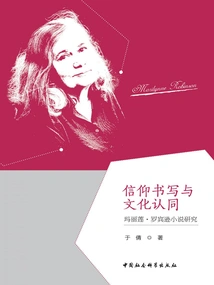
信仰书写与文化认同:玛丽莲·罗宾逊小说研究
Yu Qian
Marilyn Robinson is a famous contemporary American writer who has won the Pulitzer Prize, the National Book Critics Circle Award and other major American literary awards. Since 2000, with the introduction of Robinson's novels into China, Chinese scholars have begun to pay attention to the study of Robinson's works and published a number of related papers. This book is the first domestic monograph on Robinson's works written by the author on the basis of relevant research by domestic and foreign scholars. It mainly explores how Robinson actively participated in the construction of contemporary American culture through literary writing, and his profound reflection on the mainstream American culture based on the Anglo-Protestant spirit. This book places the study of Robinson's novels in the context of the relationship between contemporary American literature and national identity. It strives to conduct a comprehensive academic analysis of the faith elements in Robinson's works, deeply explore the value orientation of contemporary American culture and the importance of contemporary American novels in the process of national cultural construction, and then contribute to deepening the current research on American literature in my country.
Marilyn Robinson is a famous contemporary American writer who has won the Pulitzer Prize, the National Book Critics Circle Award and other major American literary awards. Since 2000, with the introduction of Robinson's novels into China, Chinese scholars have begun to pay attention to the study of Robinson's works and published a number of related papers. This book is the first domestic monograph on Robinson's works written by the author on the basis of relevant research by domestic and foreign scholars. It mainly explores how Robinson actively participated in the construction of contemporary American culture through literary writing, and his profound reflection on the mainstream American culture based on the Anglo-Protestant spirit. This book places the study of Robinson's novels in the context of the relationship between contemporary American literature and national identity. It strives to conduct a comprehensive academic analysis of the faith elements in Robinson's works, deeply explore the value orientation of contemporary American culture and the importance of contemporary American novels in the process of national cultural construction, and then contribute to deepening the current research on American literature in my country.
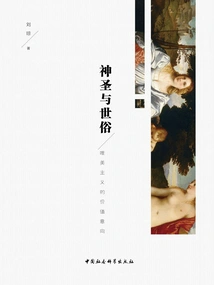
神圣与世俗:唯美主义的价值意向
Liu Qiong
This book refers to the Christian clues that run through the history of Western culture to examine the sacred and secular value intentions of "beauty" in aestheticism, as well as the corresponding practical consequences and cultural historical significance. The writing of prohibited pornography at the content level of aestheticism resists the external style of capitalist morality and reveals the "sacred" spiritual connotation of irrational forms that have been suppressed for a long time; its admiration for pure forms, on the one hand, subjectively "sacred" art in the form of "art for art's sake" and gives it sacred value. On the other hand, "art for art's sake" is fundamentally an integral part and link of the process of Western cultural modernity, and its eventual integration by the market just illustrates the secular rational character of form. This book analyzes the sacred and secular value intentions of aestheticism, trying to reveal the overall survival style of human beings and show the current value of aestheticism.
This book refers to the Christian clues that run through the history of Western culture to examine the sacred and secular value intentions of "beauty" in aestheticism, as well as the corresponding practical consequences and cultural historical significance. The writing of prohibited pornography at the content level of aestheticism resists the external style of capitalist morality and reveals the "sacred" spiritual connotation of irrational forms that have been suppressed for a long time; its admiration for pure forms, on the one hand, subjectively "sacred" art in the form of "art for art's sake" and gives it sacred value. On the other hand, "art for art's sake" is fundamentally an integral part and link of the process of Western cultural modernity, and its eventual integration by the market just illustrates the secular rational character of form. This book analyzes the sacred and secular value intentions of aestheticism, trying to reveal the overall survival style of human beings and show the current value of aestheticism.
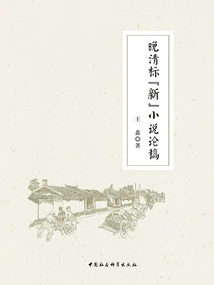
晚清标“新”小说论稿
Wang Xin
There is a phenomenon in the novels of the late Qing Dynasty: people like to mark the title of their works with the word "new" to indicate difference, such as "New Stone Story", "New Airship", "New Shanghai", "New People in the Twentieth Century", etc. There are quite a few. The author calls this phenomenon of "new" marks in novels, and his works are called "new" novels. This book takes this as the research object, and its main task is to describe this phenomenon, explore its causes, and classify and analyze its works based on collecting as comprehensive information as possible. The purpose of the study is to try to fill a gap in the study of late Qing novels, and to observe the late Qing novels from this perspective, in order to gain some valuable enlightenment.
There is a phenomenon in the novels of the late Qing Dynasty: people like to mark the title of their works with the word "new" to indicate difference, such as "New Stone Story", "New Airship", "New Shanghai", "New People in the Twentieth Century", etc. There are quite a few. The author calls this phenomenon of "new" marks in novels, and his works are called "new" novels. This book takes this as the research object, and its main task is to describe this phenomenon, explore its causes, and classify and analyze its works based on collecting as comprehensive information as possible. The purpose of the study is to try to fill a gap in the study of late Qing novels, and to observe the late Qing novels from this perspective, in order to gain some valuable enlightenment.
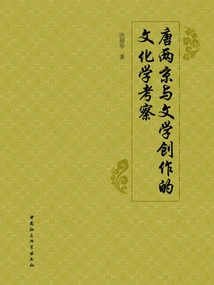
唐两京与文学创作的文化学考察
Hong Yinghua
In ancient times, Kyoto was not only the "residence of the emperor" and the political center, but also the center of academic and cultural affairs, occupying the most central position in the literary space and map. Chang'an and Luoyang were regarded as the "Eastern and Western Imperial Residences" in the Tang Dynasty, and were also commonly referred to as the "Two Capitals" or "Two Capitals" by the Tang people. As the most concentrated activity site for literati in the Tang Dynasty, with the special attributes of multiple cultures of the region, city and imperial capital, the two capitals had an immeasurable impact on the literary creation of the Tang Dynasty. At the same time, due to different historical and cultural accumulation and political status in the Tang Dynasty, Chang'an and Luoyang developed different regional cultures and capital cultures, and Tang Dynasty poetry also had different literary expressions and cultural presentations.
In ancient times, Kyoto was not only the "residence of the emperor" and the political center, but also the center of academic and cultural affairs, occupying the most central position in the literary space and map. Chang'an and Luoyang were regarded as the "Eastern and Western Imperial Residences" in the Tang Dynasty, and were also commonly referred to as the "Two Capitals" or "Two Capitals" by the Tang people. As the most concentrated activity site for literati in the Tang Dynasty, with the special attributes of multiple cultures of the region, city and imperial capital, the two capitals had an immeasurable impact on the literary creation of the Tang Dynasty. At the same time, due to different historical and cultural accumulation and political status in the Tang Dynasty, Chang'an and Luoyang developed different regional cultures and capital cultures, and Tang Dynasty poetry also had different literary expressions and cultural presentations.
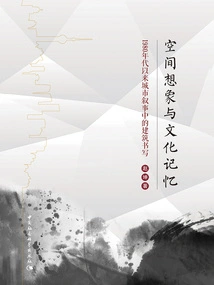
Spatial Imagination and Cultural Memory: Architectural Writing in Urban Narratives Since the 1980s
Literature空间想象与文化记忆:1980年代以来城市叙事中的建筑书写
Zhao Kun
The city is a whole composed of various spaces and architectural fragments. Writers' writing about the city is mixed with individual spatial imagination and cultural memory. This book focuses on architectural writing, combines the dynamic mechanism of spatial narrative and the power relationship of spatial configuration to conduct a comprehensive investigation of urban narrative since the 1980s, explores the interactive relationship between architecture and urban landscape, space, symbols, and identity at the literary level, thereby outlining a set of "literary city" maps that are different from the past.
The city is a whole composed of various spaces and architectural fragments. Writers' writing about the city is mixed with individual spatial imagination and cultural memory. This book focuses on architectural writing, combines the dynamic mechanism of spatial narrative and the power relationship of spatial configuration to conduct a comprehensive investigation of urban narrative since the 1980s, explores the interactive relationship between architecture and urban landscape, space, symbols, and identity at the literary level, thereby outlining a set of "literary city" maps that are different from the past.
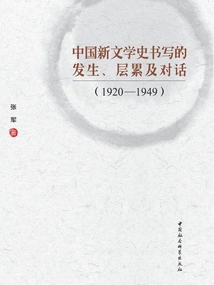
The Occurrence, Layers and Dialogue of Writing the History of New Literature in China (1920-1949)
Literature中国新文学史书写的发生、层累及对话(1920—1949)
Zhang Jun
This book divides the history writing of China's new literature from 1920 to 1949 into three periods: the 1920s was the period of legality demonstration of the literary revolution and the historicization of "May Fourth" literature; the 1930s was the historicization period of re-evaluation of "May Fourth" literature and revolutionary literature; and the 1940s was the historicization period of re-evaluation of "May Fourth" literature and Anti-Japanese War literature. These three periods not only experienced the writing of China's new literary history, but also caused the sequential historicization of literature from different eras such as "May Fourth" literature, revolutionary literature, and Anti-Japanese War literature. While the writing of the history of new literature in China continues to add layers of layers, different knowledge paradigms have appeared one after another, forming intense collisions, dialogues and exchanges. It is these occurrences, layers and dialogues of writing the history of Chinese new literature that have laid a solid foundation for the disciplinaryization of the history of Chinese new literature after the founding of New China.
This book divides the history writing of China's new literature from 1920 to 1949 into three periods: the 1920s was the period of legality demonstration of the literary revolution and the historicization of "May Fourth" literature; the 1930s was the historicization period of re-evaluation of "May Fourth" literature and revolutionary literature; and the 1940s was the historicization period of re-evaluation of "May Fourth" literature and Anti-Japanese War literature. These three periods not only experienced the writing of China's new literary history, but also caused the sequential historicization of literature from different eras such as "May Fourth" literature, revolutionary literature, and Anti-Japanese War literature. While the writing of the history of new literature in China continues to add layers of layers, different knowledge paradigms have appeared one after another, forming intense collisions, dialogues and exchanges. It is these occurrences, layers and dialogues of writing the history of Chinese new literature that have laid a solid foundation for the disciplinaryization of the history of Chinese new literature after the founding of New China.
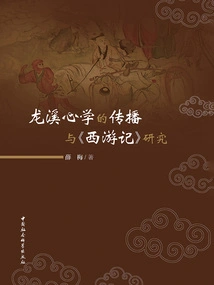
龙溪心学的传播与《西游记》研究
Xue Mei
The Ming Dynasty philosopher Wang Ji (known as Longxi) advocated "nature", "true madness", "desirelessness" and "self-enlightenment" and founded the "Longxi Mind Theory". During the Jiajing and Wanli years, Longxi Psychology was widely spread in China and spread to Japan and other countries. This led the author of "Journey to the West" to accept Wang Ji's philosophical thoughts, and based on the previous "Journey to the West" stories, he used Longxi Psychology as the philosophical starting point to recreate the theme and characters. Thus, "Journey to the West" was born. This book starts from the perspective of communication studies and uses the relationship between philosophy and literature as the starting point to launch the study of the communication of Longxi's philosophy and "Journey to the West". On the basis of clarifying the academic personality of Long Xi's psychology, the author analyzes the philosophical implications of the main theme and characters of "Journey to the West", revealing that "Journey to the West" exalts the subject's personality, advocates true freedom, pursues madness and willfulness, and denies worldly aspirations. It also advocates that the subject should practice mindfulness through introspection, achieve sudden enlightenment, achieve natural desirelessness, and restore the original goodness.
The Ming Dynasty philosopher Wang Ji (known as Longxi) advocated "nature", "true madness", "desirelessness" and "self-enlightenment" and founded the "Longxi Mind Theory". During the Jiajing and Wanli years, Longxi Psychology was widely spread in China and spread to Japan and other countries. This led the author of "Journey to the West" to accept Wang Ji's philosophical thoughts, and based on the previous "Journey to the West" stories, he used Longxi Psychology as the philosophical starting point to recreate the theme and characters. Thus, "Journey to the West" was born. This book starts from the perspective of communication studies and uses the relationship between philosophy and literature as the starting point to launch the study of the communication of Longxi's philosophy and "Journey to the West". On the basis of clarifying the academic personality of Long Xi's psychology, the author analyzes the philosophical implications of the main theme and characters of "Journey to the West", revealing that "Journey to the West" exalts the subject's personality, advocates true freedom, pursues madness and willfulness, and denies worldly aspirations. It also advocates that the subject should practice mindfulness through introspection, achieve sudden enlightenment, achieve natural desirelessness, and restore the original goodness.
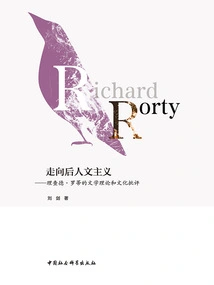
走向后人文主义:理查德·罗蒂的文学理论和文化批评
Liu Jian
This book traces the line of traditional humanist criticism "Neoclassicism-New Humanism-New Criticism", and uses "post-philosophical culture" as the background to analyze the post-humanist ideological characteristics of Richard Rorty's literary theory and cultural criticism. Posthumanism runs through a kind of pragmatism, finiteism and weak philosophy. It inherits and transcends traditional humanism in aspects such as literary interpretation, classics, criticism and values. Compared with Jameson, Bloom, Derrida and others, Rorty's cultural aesthetic taste lies between classical humanism, neo-romanticism and reader response criticism. He is a leftist who is not "left" enough, a rightist who is not "right" enough, and a postmodernist who is not "post" enough.
This book traces the line of traditional humanist criticism "Neoclassicism-New Humanism-New Criticism", and uses "post-philosophical culture" as the background to analyze the post-humanist ideological characteristics of Richard Rorty's literary theory and cultural criticism. Posthumanism runs through a kind of pragmatism, finiteism and weak philosophy. It inherits and transcends traditional humanism in aspects such as literary interpretation, classics, criticism and values. Compared with Jameson, Bloom, Derrida and others, Rorty's cultural aesthetic taste lies between classical humanism, neo-romanticism and reader response criticism. He is a leftist who is not "left" enough, a rightist who is not "right" enough, and a postmodernist who is not "post" enough.
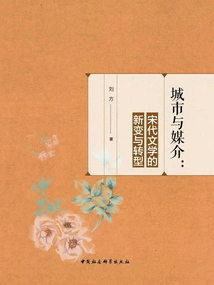
城市与媒介:宋代文学的新变与转型
Liu Fang
From the new perspective of the city and media revolution in the Song Dynasty, this book explores from many aspects the profound impact of the prosperity of urban culture and the media revolution in the Song Dynasty on the transformation and innovation of Song Dynasty literature and the formation of new literary characteristics. Based on the basic understanding that the printing media revolution that occurred in the Song Dynasty had a multifaceted impact on the entire literary ecological environment of the Song Dynasty, on the transformation and innovation of Song Dynasty literature, and even on the formation of new characteristics of Southern Song literature, the first part studied how the printing media culture of the Song Dynasty influenced and promoted the literary change and prosperity of the Song Dynasty, forming new literary production. Many literary phenomena and their production mechanisms, such as dissemination, deprecation, and reading, reflect on and explore the new historical development trend of Song Dynasty literature under the influence of the new print media culture and its significance in literary history. The second part explores the close relationship between the new literary production and the prosperity of urban culture in the Song Dynasty, revealing how the new urban literature constructed, enriched and specifically demonstrated the new urban culture and its belief world. It explores the new literary production and literary changes formed under the influence of the urban prosperity and the rise of citizen culture in the Song Dynasty across disciplines and at multiple levels, as well as the challenges that new literary concepts and aesthetic tastes posed to traditional elite literature. In addition, an important aspect of the Song Dynasty's impact on the transformation of literature and art was the transformation of visual culture. Relevant chapters in the book also preliminarily explore the multifaceted impact of increasingly rich visual images on literary concepts, literary creation, and literary reform and innovation in the Song Dynasty.
From the new perspective of the city and media revolution in the Song Dynasty, this book explores from many aspects the profound impact of the prosperity of urban culture and the media revolution in the Song Dynasty on the transformation and innovation of Song Dynasty literature and the formation of new literary characteristics. Based on the basic understanding that the printing media revolution that occurred in the Song Dynasty had a multifaceted impact on the entire literary ecological environment of the Song Dynasty, on the transformation and innovation of Song Dynasty literature, and even on the formation of new characteristics of Southern Song literature, the first part studied how the printing media culture of the Song Dynasty influenced and promoted the literary change and prosperity of the Song Dynasty, forming new literary production. Many literary phenomena and their production mechanisms, such as dissemination, deprecation, and reading, reflect on and explore the new historical development trend of Song Dynasty literature under the influence of the new print media culture and its significance in literary history. The second part explores the close relationship between the new literary production and the prosperity of urban culture in the Song Dynasty, revealing how the new urban literature constructed, enriched and specifically demonstrated the new urban culture and its belief world. It explores the new literary production and literary changes formed under the influence of the urban prosperity and the rise of citizen culture in the Song Dynasty across disciplines and at multiple levels, as well as the challenges that new literary concepts and aesthetic tastes posed to traditional elite literature. In addition, an important aspect of the Song Dynasty's impact on the transformation of literature and art was the transformation of visual culture. Relevant chapters in the book also preliminarily explore the multifaceted impact of increasingly rich visual images on literary concepts, literary creation, and literary reform and innovation in the Song Dynasty.
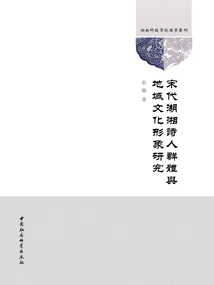
宋代湖湘诗人群体与地域文化形象研究
Peng Min
"Research on the Poets Group and Regional Cultural Image of Huxiang in the Song Dynasty" discusses it from the perspective of poet groups and regional literature. The study of poets focuses on the relationship between people and the poetry creation under this relationship, placing the poet in a specific time and space, and examining the connection between him and the people and environment around him, rather than statically describing the individual poet and his works in isolation. The book discusses the unique characteristics of Huxiang literature in the Song Dynasty from the perspective of regional literature. The first part discusses Hunan through the writings of poets with different identities such as hermits, monks, scholars, and immigrants. Showing Huxiang in the Song Dynasty, the second part examines the regional cultural image of Huxiang in Song poetry from three cultural aspects with unique local characteristics: "Eight Scenes of Xiaoxiang", "Image of Xiaoxiang" and "Xiaoxiang Stone Carvings". In addition, the work pays special attention to local stone inscriptions. Through field investigation and text compilation of stone carving groups in many places in central Hunan, this book has obtained a large amount of first-hand materials, including many precious documents that have not yet been disclosed to the world. In the specific research, the book selects Wuxi, Chaoyangyan and Danyan, which have the most carvings in the Song Dynasty, as the key research objects and discusses them one by one. The author does not treat stone carvings as cold cultural relics, but uses stone carvings to explore the experiences and stories of the people who carved them, presenting a civilization sequence that has been passed down for thousands of years.
"Research on the Poets Group and Regional Cultural Image of Huxiang in the Song Dynasty" discusses it from the perspective of poet groups and regional literature. The study of poets focuses on the relationship between people and the poetry creation under this relationship, placing the poet in a specific time and space, and examining the connection between him and the people and environment around him, rather than statically describing the individual poet and his works in isolation. The book discusses the unique characteristics of Huxiang literature in the Song Dynasty from the perspective of regional literature. The first part discusses Hunan through the writings of poets with different identities such as hermits, monks, scholars, and immigrants. Showing Huxiang in the Song Dynasty, the second part examines the regional cultural image of Huxiang in Song poetry from three cultural aspects with unique local characteristics: "Eight Scenes of Xiaoxiang", "Image of Xiaoxiang" and "Xiaoxiang Stone Carvings". In addition, the work pays special attention to local stone inscriptions. Through field investigation and text compilation of stone carving groups in many places in central Hunan, this book has obtained a large amount of first-hand materials, including many precious documents that have not yet been disclosed to the world. In the specific research, the book selects Wuxi, Chaoyangyan and Danyan, which have the most carvings in the Song Dynasty, as the key research objects and discusses them one by one. The author does not treat stone carvings as cold cultural relics, but uses stone carvings to explore the experiences and stories of the people who carved them, presenting a civilization sequence that has been passed down for thousands of years.
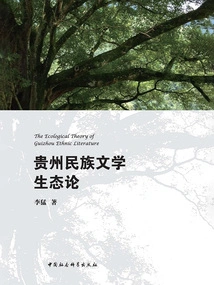
贵州民族文学生态论
Li Meng
This book is divided into two parts, with a total of six chapters. The first part deeply explores the ancient spiritual ecosystem of Guizhou minority literature from the aspects of academic foundation, mythology and folk poetry; the second part comprehensively analyzes the ecological spiritual system of Guizhou minority literature that has been inherited to this day and remains active from aspects such as bamboo culture, bronze drum culture, Wu Nuo taboo culture, and Lusheng marriage and love culture. With the help of the theoretical framework of ecocriticism, this book excavates and organizes the folk literature materials of the main ethnic minorities who have lived in Guizhou for a long time, and provides a new interpretation of the ecological value contained in them. At the same time, it breaks through the traditional one-dimensional research model, allowing theory and phenomenon, subject and object to penetrate, corroborate and interact with each other. This is exactly in line with the principles of integrity and interactivity advocated by ecocriticism, and also opens up a research perspective for ecocriticism to use folk wisdom to intervene in academic theory.
This book is divided into two parts, with a total of six chapters. The first part deeply explores the ancient spiritual ecosystem of Guizhou minority literature from the aspects of academic foundation, mythology and folk poetry; the second part comprehensively analyzes the ecological spiritual system of Guizhou minority literature that has been inherited to this day and remains active from aspects such as bamboo culture, bronze drum culture, Wu Nuo taboo culture, and Lusheng marriage and love culture. With the help of the theoretical framework of ecocriticism, this book excavates and organizes the folk literature materials of the main ethnic minorities who have lived in Guizhou for a long time, and provides a new interpretation of the ecological value contained in them. At the same time, it breaks through the traditional one-dimensional research model, allowing theory and phenomenon, subject and object to penetrate, corroborate and interact with each other. This is exactly in line with the principles of integrity and interactivity advocated by ecocriticism, and also opens up a research perspective for ecocriticism to use folk wisdom to intervene in academic theory.
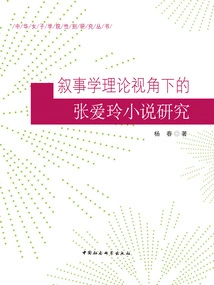
叙事学理论视角下的张爱玲小说研究
Yang Chun
This book provides an in-depth analysis of Zhang Ailing's works, thereby revealing her ways and means of thinking about and grasping the world. Based on Greimas' narrative theory, the story of love and desire in Zhang Ailing's works is interpreted, and the characters and their functions in the works are explored. It outlines the image of the implicit author presented by Zhang Ailing in her works. The implicit author is the ideal, literary and second self illusion of the real author Zhang Ailing. It is the implicit image in different works. The analysis of Zhang Ailing's narrative time strategy and narrative time dimensions explains the story time and text time, time narrative and space narrative, the dimensions of narrative time; the relationship between world time, work time, author time and reader time. Analyze Zhang Ailing's narrative space and spatial dimensions, and propose several dimensions of Zhang Ailing's space research: story space and discourse space, story space and narrative perspective, story space and plot development, narrative space levels, etc. At the same time, the lasting charm, diverse themes, and rich artistry of Zhang Ailing's works are summarized and summarized, as well as the perspective of Zhang Ailing's research, classic evaluations of Zhang Ailing, the current status and research potential of Zhang Ailing's research, and the new direction of Zhang Ailing's research.
This book provides an in-depth analysis of Zhang Ailing's works, thereby revealing her ways and means of thinking about and grasping the world. Based on Greimas' narrative theory, the story of love and desire in Zhang Ailing's works is interpreted, and the characters and their functions in the works are explored. It outlines the image of the implicit author presented by Zhang Ailing in her works. The implicit author is the ideal, literary and second self illusion of the real author Zhang Ailing. It is the implicit image in different works. The analysis of Zhang Ailing's narrative time strategy and narrative time dimensions explains the story time and text time, time narrative and space narrative, the dimensions of narrative time; the relationship between world time, work time, author time and reader time. Analyze Zhang Ailing's narrative space and spatial dimensions, and propose several dimensions of Zhang Ailing's space research: story space and discourse space, story space and narrative perspective, story space and plot development, narrative space levels, etc. At the same time, the lasting charm, diverse themes, and rich artistry of Zhang Ailing's works are summarized and summarized, as well as the perspective of Zhang Ailing's research, classic evaluations of Zhang Ailing, the current status and research potential of Zhang Ailing's research, and the new direction of Zhang Ailing's research.
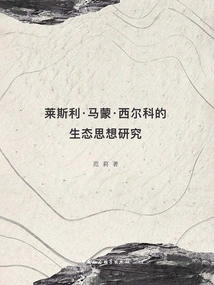
莱斯利·马蒙·西尔科的生态思想研究
Fan Li
Leslie Marmon Silko is an outstanding representative of the contemporary American Native literary renaissance. Under the perspective of ecocriticism theory, this book uses three of her novels and a memoir as texts to explore the ecological thoughts reflected in her works. It mainly elucidates the postcolonial ecological thought, ecofeminist thought and ecological holism thought reflected in her works. At the same time, it summarizes the uniqueness and evolution process of Silko's ecological thought.
Leslie Marmon Silko is an outstanding representative of the contemporary American Native literary renaissance. Under the perspective of ecocriticism theory, this book uses three of her novels and a memoir as texts to explore the ecological thoughts reflected in her works. It mainly elucidates the postcolonial ecological thought, ecofeminist thought and ecological holism thought reflected in her works. At the same time, it summarizes the uniqueness and evolution process of Silko's ecological thought.
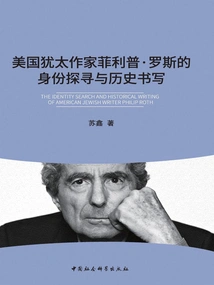
美国犹太作家菲利普·罗斯的身份探寻与历史书写
Su Xin
This book takes the contemporary American Jewish writer Philip Roth as the research object, and takes Roth's identity exploration and historical writing as the internal main line. Based on the principles of continuity and evolution, taking into account the chronological order and the theme of the creation of his works, it focuses on Roth's three main identities: Jewish ethnic identity, American national identity, and writer. Writing identity; combing the starting point of Roth's identity exploration, analyzing the identity anxiety in the works to the initial exploration of Jewish identity, American national identity and the writer's writing identity, arguing that these identities are not separated, but have logically opposing relationships, and are connected and intertwined in multiple ways. ; Explore the manifestations of Roth's identity exploration in different historical spaces, mainly tracking Roth's changing oppositional contexts in the United States, Israel, Europe, etc., Outlining the breakpoints and intersections of Roth's creation, reflecting the formation and self-correction of Roth's identity concept; showing a more specific Jewish nation history and the broader panorama of American history, pointing out that Roth has shifted from focusing on a single, concrete, and determined national identity, to acknowledging the openness and uncertainty of identity in public arenas, and finally returning to the wounded identity in history, emphasizing that identity is not only the construction of the narrator, but also a complex historical product. Finally, it summarizes the multiple cultural implications of Ross's historical writing and emphasizes the significance and value of Ross's historical writing.
This book takes the contemporary American Jewish writer Philip Roth as the research object, and takes Roth's identity exploration and historical writing as the internal main line. Based on the principles of continuity and evolution, taking into account the chronological order and the theme of the creation of his works, it focuses on Roth's three main identities: Jewish ethnic identity, American national identity, and writer. Writing identity; combing the starting point of Roth's identity exploration, analyzing the identity anxiety in the works to the initial exploration of Jewish identity, American national identity and the writer's writing identity, arguing that these identities are not separated, but have logically opposing relationships, and are connected and intertwined in multiple ways. ; Explore the manifestations of Roth's identity exploration in different historical spaces, mainly tracking Roth's changing oppositional contexts in the United States, Israel, Europe, etc., Outlining the breakpoints and intersections of Roth's creation, reflecting the formation and self-correction of Roth's identity concept; showing a more specific Jewish nation history and the broader panorama of American history, pointing out that Roth has shifted from focusing on a single, concrete, and determined national identity, to acknowledging the openness and uncertainty of identity in public arenas, and finally returning to the wounded identity in history, emphasizing that identity is not only the construction of the narrator, but also a complex historical product. Finally, it summarizes the multiple cultural implications of Ross's historical writing and emphasizes the significance and value of Ross's historical writing.
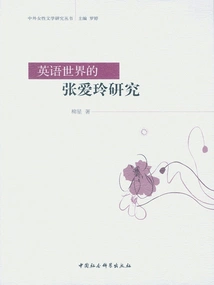
英语世界的张爱玲研究
Willow Star
This manuscript is part of Hunan Women's University's "Chinese and Foreign Women's Literature Research Series". The manuscript focuses on research on Eileen Chang in the English-speaking world. The study of Zhang Ailing in the English-speaking world has become a frontier topic of Zhang Ailing research since the end of the 20th century. It is a brand-new and quite meaningful topic. Although the research results on Zhang Ailing are very rich, no Chinese scholar has yet systematically collected and organized the research on Zhang Ailing in the English-speaking world. Starting from this point, the author extensively collected original English materials and translated them into Chinese by himself. The literature materials have a certain degree of originality and scarcity. By introducing the research results of Zhang Ailing that have not been widely introduced by some scholars in the English-speaking world, the author fills some gaps in the domestic research on Zhang Ailing.
This manuscript is part of Hunan Women's University's "Chinese and Foreign Women's Literature Research Series". The manuscript focuses on research on Eileen Chang in the English-speaking world. The study of Zhang Ailing in the English-speaking world has become a frontier topic of Zhang Ailing research since the end of the 20th century. It is a brand-new and quite meaningful topic. Although the research results on Zhang Ailing are very rich, no Chinese scholar has yet systematically collected and organized the research on Zhang Ailing in the English-speaking world. Starting from this point, the author extensively collected original English materials and translated them into Chinese by himself. The literature materials have a certain degree of originality and scarcity. By introducing the research results of Zhang Ailing that have not been widely introduced by some scholars in the English-speaking world, the author fills some gaps in the domestic research on Zhang Ailing.
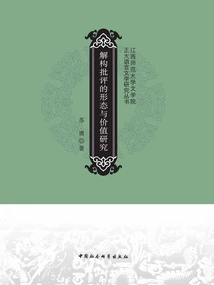
解构批评的形态与价值研究
Su Yong
This book mainly conducts a relatively systematic study and discussion on the basic forms and values of deconstructive criticism. Specifically, it includes the analysis and research of the connotation of deconstruction, the grasp of the "history" and "theory" of deconstruction criticism, the exploration of the paradigm of deconstruction criticism, and a relatively concentrated discussion of the literary view, text view, critical view, contextual view, etc. Of deconstructive criticism. Moreover, in order to help everyone better understand this form, this book also combines some specific works to explain or explain it. Of course, the combing of forms is only one component of this book. Another important part is concentrated on the evaluation of this critical theory and the exploration of the theoretical value, practical significance and application possibilities of this critical form. It can be said that it still embodies a strong awareness of issues, has relatively prominent current significance, and can play a certain role in promoting the construction of the form of contemporary literary criticism in my country.
This book mainly conducts a relatively systematic study and discussion on the basic forms and values of deconstructive criticism. Specifically, it includes the analysis and research of the connotation of deconstruction, the grasp of the "history" and "theory" of deconstruction criticism, the exploration of the paradigm of deconstruction criticism, and a relatively concentrated discussion of the literary view, text view, critical view, contextual view, etc. Of deconstructive criticism. Moreover, in order to help everyone better understand this form, this book also combines some specific works to explain or explain it. Of course, the combing of forms is only one component of this book. Another important part is concentrated on the evaluation of this critical theory and the exploration of the theoretical value, practical significance and application possibilities of this critical form. It can be said that it still embodies a strong awareness of issues, has relatively prominent current significance, and can play a certain role in promoting the construction of the form of contemporary literary criticism in my country.
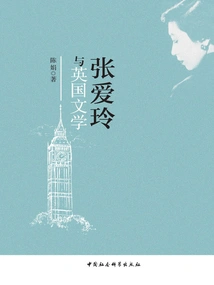
Zhang Ailing and British Literature
Literature张爱玲与英国文学
Chen Juan
This book mainly conducts an in-depth and systematic discussion on the creative relationship between Zhang Ailing and British literature. The first part examines Eileen Chang's creative relationship with British literature from a holistic perspective, analyzing the objective background of Eileen Chang's reading and acceptance of British writers' works, the resonance and possible actual impact. The second part interprets individual cases of Zhang Ailing and British writers, specifies the implicit or explicit similarities between them, and traces the traces of Zhang Ailing's absorption, reference and transformation in the creative acceptance of British writers' works. From the perspective of expectations, this book not only focuses on exploring the creative relationship between Eileen Chang and British literature, as well as the integration and creative transformation of Eileen Chang in the process of accepting the works of British writers. It also attempts to make an in-depth analysis of the relationship between Eileen Chang and British literary creation through close reading of the text and theoretical interpretation. It can also achieve a new understanding of Eileen Chang from the study of this relationship, and reflect on the development of the relationship between contemporary Chinese literature and foreign literature.
This book mainly conducts an in-depth and systematic discussion on the creative relationship between Zhang Ailing and British literature. The first part examines Eileen Chang's creative relationship with British literature from a holistic perspective, analyzing the objective background of Eileen Chang's reading and acceptance of British writers' works, the resonance and possible actual impact. The second part interprets individual cases of Zhang Ailing and British writers, specifies the implicit or explicit similarities between them, and traces the traces of Zhang Ailing's absorption, reference and transformation in the creative acceptance of British writers' works. From the perspective of expectations, this book not only focuses on exploring the creative relationship between Eileen Chang and British literature, as well as the integration and creative transformation of Eileen Chang in the process of accepting the works of British writers. It also attempts to make an in-depth analysis of the relationship between Eileen Chang and British literary creation through close reading of the text and theoretical interpretation. It can also achieve a new understanding of Eileen Chang from the study of this relationship, and reflect on the development of the relationship between contemporary Chinese literature and foreign literature.
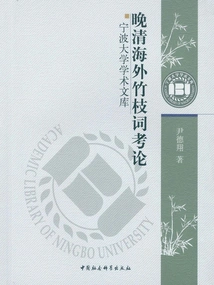
晚清海外竹枝词考论
Yin Dexiang
This book is a study of overseas Zhuzhi Ci written by Chinese in the late Qing Dynasty (1840-1911), focusing on the European and American parts. The book traces the tradition of Zhuzhi Ci since the Tang Dynasty and the origin of overseas Zhuzhi Ci, examines the research status and existing problems of overseas Zhuzhi Ci in the late Qing Dynasty, and focuses on the works of ten authors including Wu Qiaoshan, Bin Chun, Chen Lanbin, Yuan Zuzhi, Zhang Zuyi, Pan Feisheng, Wang Zhichun, Pan Naiguang, Zhang Zhitian, and Zhang Yunan. The author made a summary of the lost documents, reviewed and annotated the main works, and sorted out some relevant historical facts. In terms of meaning, the author strives to transcend the modern research model and reinterpret the work in a realistic manner from the perspective of differences between China and the West and cross-cultural exchanges.
This book is a study of overseas Zhuzhi Ci written by Chinese in the late Qing Dynasty (1840-1911), focusing on the European and American parts. The book traces the tradition of Zhuzhi Ci since the Tang Dynasty and the origin of overseas Zhuzhi Ci, examines the research status and existing problems of overseas Zhuzhi Ci in the late Qing Dynasty, and focuses on the works of ten authors including Wu Qiaoshan, Bin Chun, Chen Lanbin, Yuan Zuzhi, Zhang Zuyi, Pan Feisheng, Wang Zhichun, Pan Naiguang, Zhang Zhitian, and Zhang Yunan. The author made a summary of the lost documents, reviewed and annotated the main works, and sorted out some relevant historical facts. In terms of meaning, the author strives to transcend the modern research model and reinterpret the work in a realistic manner from the perspective of differences between China and the West and cross-cultural exchanges.
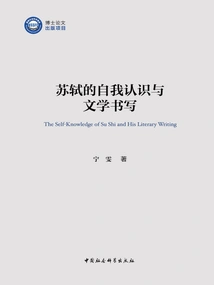
苏轼的自我认识与文学书写
Ning Wen
"Su Shi's self-understanding" is an investigation angle that has been relatively ignored in previous studies, but it may provide a new way of thinking for deepening the study of Su Shi that is different from pure etic judgment. Through careful reading of the text, this book sorts out and integrates the information about self in Su Shi's literary writings. It follows the discourse logic from text phenomena, life practice to thinking generation, and presents Su Shi's personal image and life status under self-examination from multiple aspects. First, we analyze the self-expression phenomena that exist in Su Shi's writings, such as self-profession, self-parody, self-mockery, and self-promotion. Then we use official experience, social relations, and natural observation as important objects of Su Shi's life practice to explore his self-recognition in specific situations. On this basis, focusing on some important ideological propositions of Su Shi, we will show how he maintains his inner peace with subjective thinking, and explore the enlightening significance of life practice for his thinking. Through the perspective of Su Shi's self-reflection, this book strives to piece together the traces of his life of "self-knowledge of warmth and coldness", revealing Su Shi's rich appearance and life experience in a relatively in-depth manner.
"Su Shi's self-understanding" is an investigation angle that has been relatively ignored in previous studies, but it may provide a new way of thinking for deepening the study of Su Shi that is different from pure etic judgment. Through careful reading of the text, this book sorts out and integrates the information about self in Su Shi's literary writings. It follows the discourse logic from text phenomena, life practice to thinking generation, and presents Su Shi's personal image and life status under self-examination from multiple aspects. First, we analyze the self-expression phenomena that exist in Su Shi's writings, such as self-profession, self-parody, self-mockery, and self-promotion. Then we use official experience, social relations, and natural observation as important objects of Su Shi's life practice to explore his self-recognition in specific situations. On this basis, focusing on some important ideological propositions of Su Shi, we will show how he maintains his inner peace with subjective thinking, and explore the enlightening significance of life practice for his thinking. Through the perspective of Su Shi's self-reflection, this book strives to piece together the traces of his life of "self-knowledge of warmth and coldness", revealing Su Shi's rich appearance and life experience in a relatively in-depth manner.
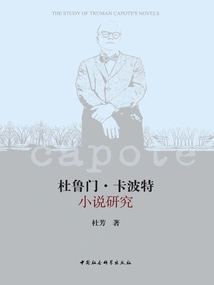
Research on Truman Capote's Novels
Literature杜鲁门·卡波特小说研究
Du Fang
This book aims to study the creative characteristics of the four stages of Capote's novels: the early (1940s), the middle (1950s), the heyday (60s), and the late (70s to 80s). Based on text analysis, combined with ethics, psychology, new historicism criticism, consumerism and other theories, it interprets the overall creative characteristics of representative works and novels in the four stages, trying to present the development trajectory of Capote's novel creation from a unique perspective. This book is not only an academic research monograph on Capote's novels, but also an introductory book introducing Capote as a person and his works.
This book aims to study the creative characteristics of the four stages of Capote's novels: the early (1940s), the middle (1950s), the heyday (60s), and the late (70s to 80s). Based on text analysis, combined with ethics, psychology, new historicism criticism, consumerism and other theories, it interprets the overall creative characteristics of representative works and novels in the four stages, trying to present the development trajectory of Capote's novel creation from a unique perspective. This book is not only an academic research monograph on Capote's novels, but also an introductory book introducing Capote as a person and his works.
文学大众化与解放区小说研究
Zhang Wennuo
This book strives to pay overall attention to the novels in the liberated areas from the perspective of literary popularization, combines internal and external research on literature, and arranges chapters based on the unique characteristics of external and internal factors in the creation of novels in the liberated areas to discuss the overall characteristics of the creation of novels in the liberated areas. This book focuses on studying the impact of literary popularization trends on the creative concepts, aesthetic tastes, artistic techniques, and writing status of writers in liberated areas, and then studies the creative practices of writers in liberated areas in terms of popular pursuits, novel themes, structural forms, and regional styles.
This book strives to pay overall attention to the novels in the liberated areas from the perspective of literary popularization, combines internal and external research on literature, and arranges chapters based on the unique characteristics of external and internal factors in the creation of novels in the liberated areas to discuss the overall characteristics of the creation of novels in the liberated areas. This book focuses on studying the impact of literary popularization trends on the creative concepts, aesthetic tastes, artistic techniques, and writing status of writers in liberated areas, and then studies the creative practices of writers in liberated areas in terms of popular pursuits, novel themes, structural forms, and regional styles.
古代北方草原文学美学价值探究
Wen Bin
Northern grassland culture, like Yangtze River culture and Yellow River culture, has supported and cultivated the vast and far-reaching Chinese civilization with its unique connotation and power, creating the unique style of ancient northern grassland literature. This book starts with the works that embody the spiritual characteristics of the northwest grassland regional culture in the Book of Songs, and ends with the grassland literature of the Qing Dynasty that takes the northern grassland as its theme and covers everything. It explores from top to bottom to comprehensively and systematically explore the types of grassland cultural spirit and grassland aesthetic emotions, pursuits, and characteristics in literary works. This kind of expression further clarifies that the persistent pursuit of the beauty of simplicity, nature, harmony, heroism, masculinity, secular beauty, and integration is the main component of ancient northern grassland literature and aesthetics, thus enriching the exploration of ancient Chinese literature and aesthetics.
Northern grassland culture, like Yangtze River culture and Yellow River culture, has supported and cultivated the vast and far-reaching Chinese civilization with its unique connotation and power, creating the unique style of ancient northern grassland literature. This book starts with the works that embody the spiritual characteristics of the northwest grassland regional culture in the Book of Songs, and ends with the grassland literature of the Qing Dynasty that takes the northern grassland as its theme and covers everything. It explores from top to bottom to comprehensively and systematically explore the types of grassland cultural spirit and grassland aesthetic emotions, pursuits, and characteristics in literary works. This kind of expression further clarifies that the persistent pursuit of the beauty of simplicity, nature, harmony, heroism, masculinity, secular beauty, and integration is the main component of ancient northern grassland literature and aesthetics, thus enriching the exploration of ancient Chinese literature and aesthetics.
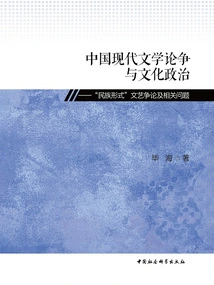
中国现代文学论争与文化政治:“民族形式”文艺争论及相关问题
Bi Hai
The book "Modern Chinese Literature Debate and Cultural Politics" focuses on the far-reaching "national form" literary debate in the history of modern Chinese literature. It explores the relationship between the modern Chinese literary debate and writers' literary creation and cultural and political construction. It provides a new interpretation of the connotation and significance of modern Chinese literary criticism and greatly expands the understanding of modern Chinese literary debate and literary criticism. This book explains in detail the complex relationship between theoretical construction and cultural practice: literary debates and literary theory construction not only have cultural significance, but can also change cultural forms, transform social life, and influence the development process of Chinese society through literature and cultural practice. This book draws on relevant research methods from history, sociology and other disciplines. It not only promotes research in related fields of modern and contemporary Chinese literature, but also provides new research perspectives and references for cultural studies, Chinese Communist Party history research, social history research and other research fields.
The book "Modern Chinese Literature Debate and Cultural Politics" focuses on the far-reaching "national form" literary debate in the history of modern Chinese literature. It explores the relationship between the modern Chinese literary debate and writers' literary creation and cultural and political construction. It provides a new interpretation of the connotation and significance of modern Chinese literary criticism and greatly expands the understanding of modern Chinese literary debate and literary criticism. This book explains in detail the complex relationship between theoretical construction and cultural practice: literary debates and literary theory construction not only have cultural significance, but can also change cultural forms, transform social life, and influence the development process of Chinese society through literature and cultural practice. This book draws on relevant research methods from history, sociology and other disciplines. It not only promotes research in related fields of modern and contemporary Chinese literature, but also provides new research perspectives and references for cultural studies, Chinese Communist Party history research, social history research and other research fields.
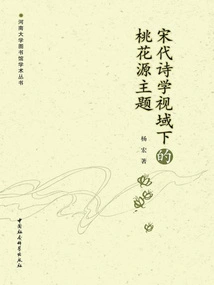
宋代诗学视域下的桃花源主题
Yang Hong
This book is based on traditional literary appreciation and criticism, drawing on research methods such as structuralism, new criticism theory, hermeneutics and reception aesthetics. It combines the era, social background, writer's life and other related content to comprehensively interpret the representative works of major writers in each period from the aspects of word meaning, emotion, tone, intention, etc., Conducts a comprehensive analysis and discussion of Taoyuan poetry in the Song Dynasty, and strives to make breakthroughs in the field of Taoyuan poetry research.
This book is based on traditional literary appreciation and criticism, drawing on research methods such as structuralism, new criticism theory, hermeneutics and reception aesthetics. It combines the era, social background, writer's life and other related content to comprehensively interpret the representative works of major writers in each period from the aspects of word meaning, emotion, tone, intention, etc., Conducts a comprehensive analysis and discussion of Taoyuan poetry in the Song Dynasty, and strives to make breakthroughs in the field of Taoyuan poetry research.
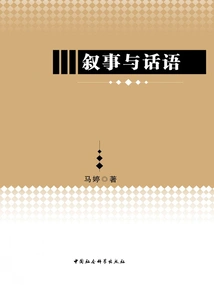
Narrative and Discourse
Literature叙事与话语
Ma Ting
This book is divided into two parts. The first part introduces the connection between narrative and discourse from four aspects: narrative theory, text, narrator, and perspective. The second part focuses on integrating theory with practice, using the "smart eye" of discourse analysis to explain the inner connection between Hollywood movies and the image of China, as well as the mockery of modern discourse in black humor novels. This book is suitable for beginners who are interested in narrative theory, and can also be used as a supporting book for studying literary theory.
This book is divided into two parts. The first part introduces the connection between narrative and discourse from four aspects: narrative theory, text, narrator, and perspective. The second part focuses on integrating theory with practice, using the "smart eye" of discourse analysis to explain the inner connection between Hollywood movies and the image of China, as well as the mockery of modern discourse in black humor novels. This book is suitable for beginners who are interested in narrative theory, and can also be used as a supporting book for studying literary theory.
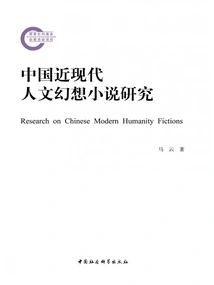
中国近现代人文幻想小说研究
Jack Ma
This book puts forward a new concept of genre novels, namely "humanistic fantasy novels". Separate humanistic fantasy novels from science fiction novels to show their unique humanistic value and significance. The structure of the book is based on the development history of modern humanistic fantasy novels and the representative works of each period as the weft. It deeply discusses the concept, performance characteristics and historical evolution of humanistic fantasy novels. Analyzing the historical status of humanistic fantasy novels from the development of Chinese and Western fantasy literature proves that humanistic fantasy novels have a longer history than science fiction novels, and their independent existence should not be obscured by subsequent science fiction novels. Deeply explore the facts and significance of the existence of modern humanistic fantasy novels, as well as the difficulties in the development of humanistic fantasy novels under the cover of science fiction novels. The focus is on analyzing and interpreting works from Liang Qichao's "The Future of New China" to Lao She's "Cat City" to Liu Zhenyun's "Hometown Noodles and Flowers". It re-evaluates and positions this type of novel in the history of humanistic fantasy novels.
This book puts forward a new concept of genre novels, namely "humanistic fantasy novels". Separate humanistic fantasy novels from science fiction novels to show their unique humanistic value and significance. The structure of the book is based on the development history of modern humanistic fantasy novels and the representative works of each period as the weft. It deeply discusses the concept, performance characteristics and historical evolution of humanistic fantasy novels. Analyzing the historical status of humanistic fantasy novels from the development of Chinese and Western fantasy literature proves that humanistic fantasy novels have a longer history than science fiction novels, and their independent existence should not be obscured by subsequent science fiction novels. Deeply explore the facts and significance of the existence of modern humanistic fantasy novels, as well as the difficulties in the development of humanistic fantasy novels under the cover of science fiction novels. The focus is on analyzing and interpreting works from Liang Qichao's "The Future of New China" to Lao She's "Cat City" to Liu Zhenyun's "Hometown Noodles and Flowers". It re-evaluates and positions this type of novel in the history of humanistic fantasy novels.
后现代生存伦理:“小说伦理学”视野下的海勒
Wang Tao
This book intends to use the perspective of "novel ethics" to "travel" through Joseph Heller's novels, allowing theory and works to communicate with each other, so that in this way, their respective possibilities can be better developed. Novel ethics is a new ethical criticism approach specifically aimed at novels, and this is its first systematic practice. This idea draws on theoretical perspectives such as narratology and rhetoric, and divides novels into different levels such as story, narrative, and rhetoric. Therefore, the ethical issues faced in novels are also divided into issues at different levels such as story ethics, narrative ethics, and rhetoric ethics. This is also the first comprehensive interpretation of Heller's novels from an ethical perspective. Ethical issues are one of the important issues in Heller's novels, not only in the themes of the novels, but also in the artistic form of the novels. From the perspective of systematic novel ethics, this book comprehensively investigates the multi-faceted ethical consciousness conveyed by Heller's novels from different aspects such as macro and micro, content and form of works, external and internal text, etc., And finally reaches a possible conclusion: what Heller's novels intend to show is a postmodern "survival ethics" concept.
This book intends to use the perspective of "novel ethics" to "travel" through Joseph Heller's novels, allowing theory and works to communicate with each other, so that in this way, their respective possibilities can be better developed. Novel ethics is a new ethical criticism approach specifically aimed at novels, and this is its first systematic practice. This idea draws on theoretical perspectives such as narratology and rhetoric, and divides novels into different levels such as story, narrative, and rhetoric. Therefore, the ethical issues faced in novels are also divided into issues at different levels such as story ethics, narrative ethics, and rhetoric ethics. This is also the first comprehensive interpretation of Heller's novels from an ethical perspective. Ethical issues are one of the important issues in Heller's novels, not only in the themes of the novels, but also in the artistic form of the novels. From the perspective of systematic novel ethics, this book comprehensively investigates the multi-faceted ethical consciousness conveyed by Heller's novels from different aspects such as macro and micro, content and form of works, external and internal text, etc., And finally reaches a possible conclusion: what Heller's novels intend to show is a postmodern "survival ethics" concept.
比较文学变异学研究
Wang Chao
Since the concept of variation in comparative literature was proposed in 2005, it has received in-depth reviews from famous scholars such as David Dammsch of Harvard University, Haun Sausy of the University of Chicago, and Bernard Franco of the Sorbonne University in France. This book comprehensively reviews the current research status at home and abroad, and is divided into two parts for innovative elaboration: Chapters 1, 2, and 3 analyze the academic background, philosophical foundation, and innovative paths of variology from outside the discipline; Chapters 4, 5, and 6 analyze the theoretical connotation, extension boundaries, and practical methods of variology from within the discipline. The main innovations are: Chapter 5 sorts out the four rules of literary variation, which is an effective response to the "degree" of variation; Section 1 of Chapter 6, "Diffusion variation" is divided into translation variation, communication variation and reception variation; Section 2, "Interpretation variation" is divided into misplaced interpretation variation, counterpoint interpretation variation and shift interpretation variation; Section 3, "Structural variation" is divided into literary structure variation, literary theory structure variation and cultural structure variation. These nine branches constitute the practical discourse system of variationology.
Since the concept of variation in comparative literature was proposed in 2005, it has received in-depth reviews from famous scholars such as David Dammsch of Harvard University, Haun Sausy of the University of Chicago, and Bernard Franco of the Sorbonne University in France. This book comprehensively reviews the current research status at home and abroad, and is divided into two parts for innovative elaboration: Chapters 1, 2, and 3 analyze the academic background, philosophical foundation, and innovative paths of variology from outside the discipline; Chapters 4, 5, and 6 analyze the theoretical connotation, extension boundaries, and practical methods of variology from within the discipline. The main innovations are: Chapter 5 sorts out the four rules of literary variation, which is an effective response to the "degree" of variation; Section 1 of Chapter 6, "Diffusion variation" is divided into translation variation, communication variation and reception variation; Section 2, "Interpretation variation" is divided into misplaced interpretation variation, counterpoint interpretation variation and shift interpretation variation; Section 3, "Structural variation" is divided into literary structure variation, literary theory structure variation and cultural structure variation. These nine branches constitute the practical discourse system of variationology.
简帛文献与诸子时代文学思想研究
Yang Jun
This book pays attention to the direct and profound impact of the spirit of ritual and music on the cultural class of the Zhuzi era. It is based on handed down documents and makes full use of bamboo and silk documents to partially restore the ritual process of Zhou Dynasty. Through the microscopic reproduction of the artistic form of "poetry performance", it systematically explains the intrinsically linked Confucian literary and artistic propositions such as "literary language" and "imagery", "music and emotion" and "poetry and ambition", "poetry performance" and the concept of "happy morality", and "application of the world". At the same time, due attention is paid to Taoist literary and artistic thought and aesthetic thought, and important propositions such as "non-words", "true virtue" and "great beauty" are discussed, thus comprehensively presenting the overall structure of literary thought in the era of the various scholars.
This book pays attention to the direct and profound impact of the spirit of ritual and music on the cultural class of the Zhuzi era. It is based on handed down documents and makes full use of bamboo and silk documents to partially restore the ritual process of Zhou Dynasty. Through the microscopic reproduction of the artistic form of "poetry performance", it systematically explains the intrinsically linked Confucian literary and artistic propositions such as "literary language" and "imagery", "music and emotion" and "poetry and ambition", "poetry performance" and the concept of "happy morality", and "application of the world". At the same time, due attention is paid to Taoist literary and artistic thought and aesthetic thought, and important propositions such as "non-words", "true virtue" and "great beauty" are discussed, thus comprehensively presenting the overall structure of literary thought in the era of the various scholars.
追寻霍克斯笔下的红楼主人公形象:基于语料库的显化翻译研究
Yao Qin
The publication of the English translation of Hawkes' "A Dream of Red Mansions" promoted the spread of "A Dream of Red Mansions" in the Western world. This book takes the image translation of the protagonists Lin Daiyu, Jia Baoyu, and Xue Baochai in "A Dream of Red Mansions" as an entry point. With the help of relevant theories of corpus linguistics, it adopts a combination of quantitative and qualitative, inductive and deductive methods. It uses a one-to-many mode of two original texts corresponding to two translations of a source text. It compares the first eighty chapters of the two translations of Hawkes and Yang Xianyi, and discusses Hawkes's translation method of manifesting the characters. This book combines normative translation research with descriptive translation research to conduct an empirical study on the translation of characters in Red Mansions, which makes up for the shortcomings of previous scattered studies and provides an effective research paradigm for translation studies.
The publication of the English translation of Hawkes' "A Dream of Red Mansions" promoted the spread of "A Dream of Red Mansions" in the Western world. This book takes the image translation of the protagonists Lin Daiyu, Jia Baoyu, and Xue Baochai in "A Dream of Red Mansions" as an entry point. With the help of relevant theories of corpus linguistics, it adopts a combination of quantitative and qualitative, inductive and deductive methods. It uses a one-to-many mode of two original texts corresponding to two translations of a source text. It compares the first eighty chapters of the two translations of Hawkes and Yang Xianyi, and discusses Hawkes's translation method of manifesting the characters. This book combines normative translation research with descriptive translation research to conduct an empirical study on the translation of characters in Red Mansions, which makes up for the shortcomings of previous scattered studies and provides an effective research paradigm for translation studies.
Subversion·open·advancing with the Times: a Vertical Theory of Novels in the American Post-south
Literature颠覆·开放·与时俱进:美国后南方的小说纵横论
Li Yang
Southern literature in the United States is famous in the United States and even the world's literary circles due to the outstanding literary achievements of several generations of southern writers represented by Faulkner during the "Southern Renaissance" in the first half of the 20th century. It is a research focus in domestic and foreign academic circles. This book selects five core concepts of consumption, history, region, gender, and class that govern post-Southern literature to study these texts. It provides an in-depth understanding and accurate grasp of the creative theme of these novels dedicated to expressing "cultural shock", and a comprehensive and objective evaluation of them. It is of great importance in itself and its significance to the South and Southern literature. It is expected to realize the interpretation of the three meanings of post-Southern novels, that is, the post-Southern nature it expresses, the conflict it has with the southern literary tradition, and the trend of contemporary southern literature it embodies and represents, so as to fully and profoundly explain its literary connotation and value.
Southern literature in the United States is famous in the United States and even the world's literary circles due to the outstanding literary achievements of several generations of southern writers represented by Faulkner during the "Southern Renaissance" in the first half of the 20th century. It is a research focus in domestic and foreign academic circles. This book selects five core concepts of consumption, history, region, gender, and class that govern post-Southern literature to study these texts. It provides an in-depth understanding and accurate grasp of the creative theme of these novels dedicated to expressing "cultural shock", and a comprehensive and objective evaluation of them. It is of great importance in itself and its significance to the South and Southern literature. It is expected to realize the interpretation of the three meanings of post-Southern novels, that is, the post-Southern nature it expresses, the conflict it has with the southern literary tradition, and the trend of contemporary southern literature it embodies and represents, so as to fully and profoundly explain its literary connotation and value.
明代《文心雕龙》接受研究
Yang Qian
This book combines factors such as literary fashions, philosophical trends, regional culture, book collections and printing, and the recipients' own experiences and friendships in various periods of the Ming Dynasty. It focuses on literati, schools, or monographs that have had a great influence in history and are certain representative works. It deeply explains the reception of "Wen Xin Diao Long" in different periods of the Ming Dynasty, analyzes the clear context and underlying reasons why "Dragonology" gradually became "explicit" in the Ming and Qing Dynasties, and its influence and value on the development of Ming Dynasty poetics. Use traditional literary theory to participate in the construction of contemporary literary theory discourse, organically combine the two, and achieve a re-understanding of this classic work.
This book combines factors such as literary fashions, philosophical trends, regional culture, book collections and printing, and the recipients' own experiences and friendships in various periods of the Ming Dynasty. It focuses on literati, schools, or monographs that have had a great influence in history and are certain representative works. It deeply explains the reception of "Wen Xin Diao Long" in different periods of the Ming Dynasty, analyzes the clear context and underlying reasons why "Dragonology" gradually became "explicit" in the Ming and Qing Dynasties, and its influence and value on the development of Ming Dynasty poetics. Use traditional literary theory to participate in the construction of contemporary literary theory discourse, organically combine the two, and achieve a re-understanding of this classic work.
中国文艺思潮与湖南文学
Luo Fan
In the development process of Chinese literary and artistic trends, Hunan literature plays a role in leading, inheriting or chasing. Hunan literature, in the cultural context of economic economics, has always been strong in realistic literature; in the blood of Hunan and Chu culture, it has always had the charm and sentiment of romanticism; in the aesthetic expression of literature, female writers have the unique character of courage to explore; in the works of male writers, female consciousness constitutes an alternative literary landscape. Hunan's modernist literature is flourishing, but the postmodern consciousness of Hunan literature is still looming. "Three Hunan and four rivers" have created the regional characteristics of Hunan culture. The language style with different pronunciations and homonyms but different meanings has given rise to the unique character and customs of Hunan regional (Hunan region) literature.
In the development process of Chinese literary and artistic trends, Hunan literature plays a role in leading, inheriting or chasing. Hunan literature, in the cultural context of economic economics, has always been strong in realistic literature; in the blood of Hunan and Chu culture, it has always had the charm and sentiment of romanticism; in the aesthetic expression of literature, female writers have the unique character of courage to explore; in the works of male writers, female consciousness constitutes an alternative literary landscape. Hunan's modernist literature is flourishing, but the postmodern consciousness of Hunan literature is still looming. "Three Hunan and four rivers" have created the regional characteristics of Hunan culture. The language style with different pronunciations and homonyms but different meanings has given rise to the unique character and customs of Hunan regional (Hunan region) literature.
喜剧性矛盾:结构形态与精神特质
Repair
This book focuses on comic contradictions and grasps the characteristics and essence of comedy from the perspective of the unity of formal characteristics and spiritual implications. Firstly, the theoretical basis of the research is established through the analysis of the world's "six major comedy theoretical models", and then the active constructive role of the aesthetic subject in comic contradictions in the development of human comic consciousness is clarified, the basic characteristics of comic contradictions are discussed, the structural form and development variation of comic contradictions are analyzed, black humor and parody in modern and contemporary art are analyzed, and the philosophical aesthetic connotation with freedom as the core contained in the "double contradiction" formal structure of comic contradictions is elucidated. The explanations and arguments in the book are advanced step by step. It contains both theoretical insights for new readers and vivid and humorous case analyses. It is a theoretical work with unique insights.
This book focuses on comic contradictions and grasps the characteristics and essence of comedy from the perspective of the unity of formal characteristics and spiritual implications. Firstly, the theoretical basis of the research is established through the analysis of the world's "six major comedy theoretical models", and then the active constructive role of the aesthetic subject in comic contradictions in the development of human comic consciousness is clarified, the basic characteristics of comic contradictions are discussed, the structural form and development variation of comic contradictions are analyzed, black humor and parody in modern and contemporary art are analyzed, and the philosophical aesthetic connotation with freedom as the core contained in the "double contradiction" formal structure of comic contradictions is elucidated. The explanations and arguments in the book are advanced step by step. It contains both theoretical insights for new readers and vivid and humorous case analyses. It is a theoretical work with unique insights.
Reform Literature Research (1979-1985)
Literature改革文学研究(1979—1985)
Su Kui
This book takes the reform novels that appeared between 1979 and 1985 as the research object, conducts a relatively comprehensive and systematic study of reform literature, and sorts out the general context of the rise, development and decline of reform novels. Combined with the transformation and reform of society in the new era, the reform novel is grasped in the context of social transformation, and its spiritual connotation, artistic construction, problem awareness, narrative mode and other characteristics are deeply analyzed.
This book takes the reform novels that appeared between 1979 and 1985 as the research object, conducts a relatively comprehensive and systematic study of reform literature, and sorts out the general context of the rise, development and decline of reform novels. Combined with the transformation and reform of society in the new era, the reform novel is grasped in the context of social transformation, and its spiritual connotation, artistic construction, problem awareness, narrative mode and other characteristics are deeply analyzed.
论20世纪90年代以来西部乡土小说中的伦理书写
Li Wei
This book takes an ethical perspective as the entry point, combines social background, regional culture, human ethics and other factors to examine the evolution of ethical theme vision, writer's posture, ethical stance, artistic expression style and other aspects in western rural novels since the 1990s. The research in this book broadens the scope of previous research and attempts to conduct a systematic and overall study on the creation of western rural novels. Comprehensive use of literary aesthetic criticism, social ethics research and other related theories, place literature in the context of social changes and changes in local ethics, and explain the diverse connotations and development trends of ethical writing in western local novels since the 1990s.
This book takes an ethical perspective as the entry point, combines social background, regional culture, human ethics and other factors to examine the evolution of ethical theme vision, writer's posture, ethical stance, artistic expression style and other aspects in western rural novels since the 1990s. The research in this book broadens the scope of previous research and attempts to conduct a systematic and overall study on the creation of western rural novels. Comprehensive use of literary aesthetic criticism, social ethics research and other related theories, place literature in the context of social changes and changes in local ethics, and explain the diverse connotations and development trends of ethical writing in western local novels since the 1990s.
乾嘉幕府与诗歌研究:以卢见曾、毕沅、曾燠、阮元幕府为个案的考察
Hou Dong
The prosperity of poetry and poetics in the Qing Dynasty and the transformation of its ethos were closely related to the shogunate. The emergence, development and even prosperity of literature in the Qing Dynasty were also inseparable from the role of the shogunate. This book takes the four most representative shogunates during the Qianjia and Qing Dynasties as the research object, and discusses the influence of the Qianjia shogunate on the evolution of poetry and the living conditions of literati in a point-by-point manner. The panoramic display of the situation of the "shogunate" and "poetry" during the Qianjia period is shown in the pen, which not only depicts the "map of sages" of the four shogunate Chinese literati groups, but also presents the "ecology" of the evolution of poetry.
The prosperity of poetry and poetics in the Qing Dynasty and the transformation of its ethos were closely related to the shogunate. The emergence, development and even prosperity of literature in the Qing Dynasty were also inseparable from the role of the shogunate. This book takes the four most representative shogunates during the Qianjia and Qing Dynasties as the research object, and discusses the influence of the Qianjia shogunate on the evolution of poetry and the living conditions of literati in a point-by-point manner. The panoramic display of the situation of the "shogunate" and "poetry" during the Qianjia period is shown in the pen, which not only depicts the "map of sages" of the four shogunate Chinese literati groups, but also presents the "ecology" of the evolution of poetry.
佐藤春夫与中国古典诗歌研究:以《车尘集》为研究视角
Zhang Jian
Haruo Sato is not only a famous poet and writer in modern Japan, but also a critic and translator who has deep connections with Chinese classical literature. In particular, his collection of Chinese classical translated poems "The Collection of Che Chen" has been well received by Japanese readers. This book takes "Collection of Che Chen" as an example to study the relationship between Haruo Sato and Chinese classical poetry. It mainly consists of six parts. The first part analyzes Haruo Sato's multiple images of a writer. The second part starts from the social and cultural context at that time and comprehensively examines the background of the writing of "Che Chen Ji". The third part examines the origin of the original text of "Chechen Collection" based on sorting out previous research results. The fourth part starts with the selection of the main text and explores the cultural awareness reflected in the themes and structures of Sato's selection. The fifth part starts from the text of "Chechen Collection" and explores Sato's translation methods and translation effects. The sixth part explores Sato's aesthetic taste reflected in the paratext of "Car Dust Collection". Finally, based on the writing process of "Chechen Collection", Sato Haruo's view of China is analyzed. This book attempts to comprehensively discuss the relationship between Haruo Sato and Chinese classical poetry on the integrated level of aesthetics, politics, and literature, so as to restore a true and comprehensive Sato Haruo.
Haruo Sato is not only a famous poet and writer in modern Japan, but also a critic and translator who has deep connections with Chinese classical literature. In particular, his collection of Chinese classical translated poems "The Collection of Che Chen" has been well received by Japanese readers. This book takes "Collection of Che Chen" as an example to study the relationship between Haruo Sato and Chinese classical poetry. It mainly consists of six parts. The first part analyzes Haruo Sato's multiple images of a writer. The second part starts from the social and cultural context at that time and comprehensively examines the background of the writing of "Che Chen Ji". The third part examines the origin of the original text of "Chechen Collection" based on sorting out previous research results. The fourth part starts with the selection of the main text and explores the cultural awareness reflected in the themes and structures of Sato's selection. The fifth part starts from the text of "Chechen Collection" and explores Sato's translation methods and translation effects. The sixth part explores Sato's aesthetic taste reflected in the paratext of "Car Dust Collection". Finally, based on the writing process of "Chechen Collection", Sato Haruo's view of China is analyzed. This book attempts to comprehensively discuss the relationship between Haruo Sato and Chinese classical poetry on the integrated level of aesthetics, politics, and literature, so as to restore a true and comprehensive Sato Haruo.
文本·史料·方法:中国现代文学研究片论
Liu Jincai
This book is divided into three parts, which conduct thematic research on modern and contemporary Chinese literature from the aspects of textual reading, historical data research, and scholar criticism. "Text and Method" focuses on close reading of the text. Starting from the specific text, it uses the close reading principles of New Criticism and the narration method of formalist literary theory. On the basis of text analysis, it deeply explores the characters, narrative art, theme connotation and other aspects of the text, and strives to draw some innovative conclusions. "Historical Materials and Issues" mainly starts from literary historical materials, literary journals, literary editions and other documents. It adopts the historical principle of "do not believe without evidence" and "examine the history." It discovers problems based on touching a large number of first-hand original documents, and strives to "use new materials to study problems" and try to draw valuable scientific conclusions. "Scholars and Academics" is mainly an academic review of researchers of modern and contemporary Chinese literature, also known as "research of research." It focuses on the discussion and combing of scholars' academic history research, places scholars' research works in the grand context of academic history, and on this basis examines the researchers' respective academic contributions and their significance to the construction of the modern literary discipline. The three parts of this book cover many issues related to texts, historical materials, academic history and research methods involved in the study of modern and contemporary Chinese literature.
This book is divided into three parts, which conduct thematic research on modern and contemporary Chinese literature from the aspects of textual reading, historical data research, and scholar criticism. "Text and Method" focuses on close reading of the text. Starting from the specific text, it uses the close reading principles of New Criticism and the narration method of formalist literary theory. On the basis of text analysis, it deeply explores the characters, narrative art, theme connotation and other aspects of the text, and strives to draw some innovative conclusions. "Historical Materials and Issues" mainly starts from literary historical materials, literary journals, literary editions and other documents. It adopts the historical principle of "do not believe without evidence" and "examine the history." It discovers problems based on touching a large number of first-hand original documents, and strives to "use new materials to study problems" and try to draw valuable scientific conclusions. "Scholars and Academics" is mainly an academic review of researchers of modern and contemporary Chinese literature, also known as "research of research." It focuses on the discussion and combing of scholars' academic history research, places scholars' research works in the grand context of academic history, and on this basis examines the researchers' respective academic contributions and their significance to the construction of the modern literary discipline. The three parts of this book cover many issues related to texts, historical materials, academic history and research methods involved in the study of modern and contemporary Chinese literature.