Library
Browse and search books
2,823 novels found
中国传统俗文学思想论稿
Peng Yafei
This book pays special attention to and tries its best to explore the unique literary consciousness with cultural heterogeneity and theoretical universality in the Chinese popular literary tradition. It uses the method of combining fact reduction, problem characterization and theoretical elaboration to focus on the study of "China's elegant and popular cultural tradition and traditional Chinese narrative literary thought". Important issues include the "outside history" view and the inward view of aesthetic pursuit, the formation of fictional and creative consciousnesses such as "performance" and "meaning", the "interpretation" theory and the "self-oriented" consciousness in the literary acceptance view, the "power and education" view in the value concept of popular literature, and the expression and deconstruction of alternative ideologies in popular literature.
This book pays special attention to and tries its best to explore the unique literary consciousness with cultural heterogeneity and theoretical universality in the Chinese popular literary tradition. It uses the method of combining fact reduction, problem characterization and theoretical elaboration to focus on the study of "China's elegant and popular cultural tradition and traditional Chinese narrative literary thought". Important issues include the "outside history" view and the inward view of aesthetic pursuit, the formation of fictional and creative consciousnesses such as "performance" and "meaning", the "interpretation" theory and the "self-oriented" consciousness in the literary acceptance view, the "power and education" view in the value concept of popular literature, and the expression and deconstruction of alternative ideologies in popular literature.
元稹和中唐士人心态
Tian Enming
The content of this book is divided into three parts: The first part is the study of literary groups in the Yuan and Mid-Tang Dynasties, focusing mainly on the literary activities of the Yuan Dynasty, scholarly conduct, relegated life, and the relationship with political events. The second part is a review of meta-literary exchanges, which mainly focuses on sorting out the space of meta-literary exchanges and examines the research on the history of literary reception. The last part explores the correlation between Yuan Shao's image of a writer and the image of a scholar from the perspective of literary reception history. According to the reception status, we examine the relationship between Yuan Shao Yuefu poems and Yuan Bai, as well as the advantages and disadvantages of Yuan Bai, and then focus on the dissemination and reception of Yuan's image.
The content of this book is divided into three parts: The first part is the study of literary groups in the Yuan and Mid-Tang Dynasties, focusing mainly on the literary activities of the Yuan Dynasty, scholarly conduct, relegated life, and the relationship with political events. The second part is a review of meta-literary exchanges, which mainly focuses on sorting out the space of meta-literary exchanges and examines the research on the history of literary reception. The last part explores the correlation between Yuan Shao's image of a writer and the image of a scholar from the perspective of literary reception history. According to the reception status, we examine the relationship between Yuan Shao Yuefu poems and Yuan Bai, as well as the advantages and disadvantages of Yuan Bai, and then focus on the dissemination and reception of Yuan's image.
另一种声音:20世纪英国左翼文学研究
Chen Maolin
This book is the final result of the National Social Science Fund project "Research on British Left-wing Literature in the 20th Century". It is divided into three parts: a survey of British left-wing literature in the 20th century, a study of the main idea of British left-wing literature in the 20th century, and an exploration of the artistic characteristics of British left-wing literature in the 20th century. It discusses the economy, politics, history, and culture of various stages of British left-wing literature in the 20th century. The background and main features outline the development stages and evolution of British left-wing literature in the 20th century as a whole; it explains the ideological connotation of British left-wing literature in the 20th century, summarizing and refining eight major subjects; it explores the artistic characteristics of British left-wing literature in the 20th century, and outlines its development and evolution from realism to modernism to postmodernism. This book is of great reference significance for re-understanding British left-wing literature, and thus for a more comprehensive understanding of the development, evolution, ideological significance and artistic value of British literature in the 20th century.
This book is the final result of the National Social Science Fund project "Research on British Left-wing Literature in the 20th Century". It is divided into three parts: a survey of British left-wing literature in the 20th century, a study of the main idea of British left-wing literature in the 20th century, and an exploration of the artistic characteristics of British left-wing literature in the 20th century. It discusses the economy, politics, history, and culture of various stages of British left-wing literature in the 20th century. The background and main features outline the development stages and evolution of British left-wing literature in the 20th century as a whole; it explains the ideological connotation of British left-wing literature in the 20th century, summarizing and refining eight major subjects; it explores the artistic characteristics of British left-wing literature in the 20th century, and outlines its development and evolution from realism to modernism to postmodernism. This book is of great reference significance for re-understanding British left-wing literature, and thus for a more comprehensive understanding of the development, evolution, ideological significance and artistic value of British literature in the 20th century.
On the Culture of Mo Huaiqi's Novels
Literature莫怀戚小说文化论
Zhang Yuren
Mo Huaiqi is an excellent novelist with the attributes of a "cultural landmark" and an intellectual who has made creative contributions to regional cultural construction. As a university professor and as a civilian writer, he engaged in writing in a free sense, making him and his novels a unique cultural landscape in Chongqing and even the west. The author of this book has been engaged in the research of Mo Huaiqi's novels for a long time as a colleague and close friend. He has also conducted in-depth and extensive cultural explorations with Mo Huaiqi on many important issues related to the novels, and has recorded and accumulated a large amount of unique research materials. On this basis, a multi-level, multi-perspective and multi-faceted systematic interpretation of Mo Huaiqi's rural novels, detective mystery novels, urban romance novels and chivalrous novels is carried out. The book explores and reveals the regional cultural characteristics and artistic aesthetic characteristics of his novels, the construction of narrative ethics and the choice of narrative strategies in the novels, the awakening of historical consciousness, and the highlighting of Chongqing's cultural character in historical narratives. Such spiritual changes and cultural hidden meanings are explored and revealed in a unique and enlightening way. It is believed that not only The spiritual trend embodies the novelist's distinctive personal "growth" characteristics, and also reflects the cultural personality and evolution trajectory of Chongqing people's "growth". In particular, the chivalrous spirit that dares to resist the loss of poetry and the degradation of human nature as a regional cultural feature has been fully developed and interestingly performed in the world of Mo Huaiqi's novels.
Mo Huaiqi is an excellent novelist with the attributes of a "cultural landmark" and an intellectual who has made creative contributions to regional cultural construction. As a university professor and as a civilian writer, he engaged in writing in a free sense, making him and his novels a unique cultural landscape in Chongqing and even the west. The author of this book has been engaged in the research of Mo Huaiqi's novels for a long time as a colleague and close friend. He has also conducted in-depth and extensive cultural explorations with Mo Huaiqi on many important issues related to the novels, and has recorded and accumulated a large amount of unique research materials. On this basis, a multi-level, multi-perspective and multi-faceted systematic interpretation of Mo Huaiqi's rural novels, detective mystery novels, urban romance novels and chivalrous novels is carried out. The book explores and reveals the regional cultural characteristics and artistic aesthetic characteristics of his novels, the construction of narrative ethics and the choice of narrative strategies in the novels, the awakening of historical consciousness, and the highlighting of Chongqing's cultural character in historical narratives. Such spiritual changes and cultural hidden meanings are explored and revealed in a unique and enlightening way. It is believed that not only The spiritual trend embodies the novelist's distinctive personal "growth" characteristics, and also reflects the cultural personality and evolution trajectory of Chongqing people's "growth". In particular, the chivalrous spirit that dares to resist the loss of poetry and the degradation of human nature as a regional cultural feature has been fully developed and interestingly performed in the world of Mo Huaiqi's novels.
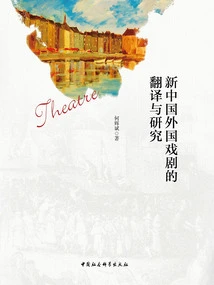
新中国外国戏剧的翻译与研究
He Huibin
Drama occupies an extremely important position in foreign literature, especially in Western literature. Although in the 20th century, drama has been on the decline, in general, drama belongs to the essence of literature and the crown of art in Western history. After the founding of New China, the country attached great importance to the translation, performance and research of foreign dramas.
Drama occupies an extremely important position in foreign literature, especially in Western literature. Although in the 20th century, drama has been on the decline, in general, drama belongs to the essence of literature and the crown of art in Western history. After the founding of New China, the country attached great importance to the translation, performance and research of foreign dramas.
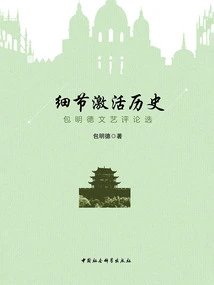
细节激活历史:包明德文艺评论选
Bao Mingde
This collection of literary criticism selects more than 70 literary papers, articles and short reviews written and published by Mr. Bao Mingde in recent years. These articles are basically published in national-level literary and art newspapers. Combining many years of teaching, research and theoretical experience, the author has explained in many articles the nationality and globality of literature and art, a century-old topic of literary creation and criticism, and correctly interpreted the discussions on nationality and globality in classic works. Adhering to the critical spirit of realist literature, the author has clarified in many reviews the importance of the truth of details in portraying characters, embodying the spirit of the times and historical consciousness; and in the review articles, he elaborates on how to adhere to the Marxist outlook on life and the standards of Marxist literary criticism in the diverse and multi-context overlapping literary trends and aesthetic patterns, thereby presenting a macroscopic, dialectical, comprehensive and innovative theoretical perspective on literature and art.
This collection of literary criticism selects more than 70 literary papers, articles and short reviews written and published by Mr. Bao Mingde in recent years. These articles are basically published in national-level literary and art newspapers. Combining many years of teaching, research and theoretical experience, the author has explained in many articles the nationality and globality of literature and art, a century-old topic of literary creation and criticism, and correctly interpreted the discussions on nationality and globality in classic works. Adhering to the critical spirit of realist literature, the author has clarified in many reviews the importance of the truth of details in portraying characters, embodying the spirit of the times and historical consciousness; and in the review articles, he elaborates on how to adhere to the Marxist outlook on life and the standards of Marxist literary criticism in the diverse and multi-context overlapping literary trends and aesthetic patterns, thereby presenting a macroscopic, dialectical, comprehensive and innovative theoretical perspective on literature and art.
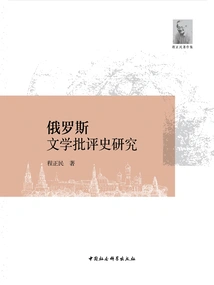
俄罗斯文学批评史研究
Cheng Zhengmin
This collection contains the author's research results on the history of Russian and Soviet literary criticism. The first part, "Between History and Form-A Perspective for Examining Russian Literary Theory in the 19th and 20th Centuries," is selected from some chapters of the author's different monographs and papers published in journals, but the overall concept is new and is subject to the new concept. A new "General Introduction" and five new chapters are also written, and five related papers are attached. The second part, "The Development of Russian Marxist Literary Theory in the 20th Century," is selected from the "General Introduction: The Development and Characteristics of Russian Marxist Literary Theory in the 20th Century" written by the author of the book "Research on Russian Marxist Literary Theory in the 20th Century," an overview of each era (the rise of the late 19th and early 20th centuries, the establishment and internal dialogue in the 1920s and 1930s, reflection and expansion in the 1950s and 1960s, and new trends in the 1970s and 1980s), and selected two related papers. The third part, "New Progress in Contemporary Soviet Literature and Art," is selected from "Russian-Soviet Literary Theory in the 20th Century."
This collection contains the author's research results on the history of Russian and Soviet literary criticism. The first part, "Between History and Form-A Perspective for Examining Russian Literary Theory in the 19th and 20th Centuries," is selected from some chapters of the author's different monographs and papers published in journals, but the overall concept is new and is subject to the new concept. A new "General Introduction" and five new chapters are also written, and five related papers are attached. The second part, "The Development of Russian Marxist Literary Theory in the 20th Century," is selected from the "General Introduction: The Development and Characteristics of Russian Marxist Literary Theory in the 20th Century" written by the author of the book "Research on Russian Marxist Literary Theory in the 20th Century," an overview of each era (the rise of the late 19th and early 20th centuries, the establishment and internal dialogue in the 1920s and 1930s, reflection and expansion in the 1950s and 1960s, and new trends in the 1970s and 1980s), and selected two related papers. The third part, "New Progress in Contemporary Soviet Literature and Art," is selected from "Russian-Soviet Literary Theory in the 20th Century."
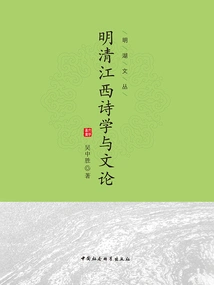
明清江西诗学与文论
Wu Zhongsheng
People in Jiangxi during the Ming and Qing Dynasties read the "Four Books and Five Classics" very diligently, but their achievements in literary creation were not high, and their ideas were even a bit pedantic. The dawn of Jiangxi poetics and literary theory in the Ming Dynasty was brought about by Yangming's philosophy of mind. Tang Xianzu's "emphasis on emotion" literary thought is closely related to Yangming's philosophy of mind. Jiangxi poetics in the Qing Dynasty paid attention to the calligraphy, syntax, and composition of poetry. The literary inquisition had a certain impact on Jiangxi literati. For example, Xie Qikun, a native of Nankang, failed to investigate and deal with the literary inquisition during his tenure, which affected his life-long creation and scholarly direction. In the late Qing Dynasty, the awareness of worry became the main theme of modern literary criticism. The works of Wen Tingshi, Wei Yuankuang and others who were worried about times and chaos are reflections of the trend of this era. During this period, there were many compilations summarizing regional literary theory and thought, such as Guo Zizhang's "Yuzhang Poetry" and Qiu Junhong's "Xijiang Poetry" in twelve volumes, etc., Which have important reference value for us to write the history of regional literature and literary thought today.
People in Jiangxi during the Ming and Qing Dynasties read the "Four Books and Five Classics" very diligently, but their achievements in literary creation were not high, and their ideas were even a bit pedantic. The dawn of Jiangxi poetics and literary theory in the Ming Dynasty was brought about by Yangming's philosophy of mind. Tang Xianzu's "emphasis on emotion" literary thought is closely related to Yangming's philosophy of mind. Jiangxi poetics in the Qing Dynasty paid attention to the calligraphy, syntax, and composition of poetry. The literary inquisition had a certain impact on Jiangxi literati. For example, Xie Qikun, a native of Nankang, failed to investigate and deal with the literary inquisition during his tenure, which affected his life-long creation and scholarly direction. In the late Qing Dynasty, the awareness of worry became the main theme of modern literary criticism. The works of Wen Tingshi, Wei Yuankuang and others who were worried about times and chaos are reflections of the trend of this era. During this period, there were many compilations summarizing regional literary theory and thought, such as Guo Zizhang's "Yuzhang Poetry" and Qiu Junhong's "Xijiang Poetry" in twelve volumes, etc., Which have important reference value for us to write the history of regional literature and literary thought today.
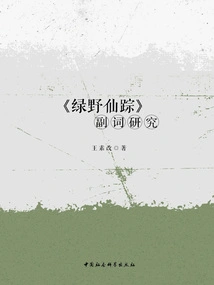
A Study of Adverbs in "the Wizard of Oz
Literature《绿野仙踪》副词研究
Wang Sugai
The famous vernacular novel "The Wizard of Oz" in the middle of the Qing Dynasty has achieved outstanding literary achievements. Mr. Zheng Zhenduo ranked it as the three major novels in the middle of the Qing Dynasty along with "A Dream of Red Mansions" and "The Scholars". He considered it "all unprecedented works" and praised it as "covering a wider scope than The Scholars, describing the dark side of society more profoundly than The Scholars, and its skills and writing power are also more vigorous." Li Baichuan, the author of "The Wizard of Oz", mainly lived in Henan, Shaanxi and other places, and his language fully reflected the overall appearance of the Central Plains region at that time. As the most numerous type of function words, adverbs are internally unbalanced and have stronger individuality than commonality. Therefore, they need to be studied as a whole as well as individually. This book makes horizontal and vertical comparisons based on a comprehensive description and analysis of the adverbs in "The Wizard of Oz": In terms of horizontal comparison, it is compared with three contemporary vernacular works, "The Scholars", "A Dream of Red Mansions" and "The Heroes of Sons and Daughters".
The famous vernacular novel "The Wizard of Oz" in the middle of the Qing Dynasty has achieved outstanding literary achievements. Mr. Zheng Zhenduo ranked it as the three major novels in the middle of the Qing Dynasty along with "A Dream of Red Mansions" and "The Scholars". He considered it "all unprecedented works" and praised it as "covering a wider scope than The Scholars, describing the dark side of society more profoundly than The Scholars, and its skills and writing power are also more vigorous." Li Baichuan, the author of "The Wizard of Oz", mainly lived in Henan, Shaanxi and other places, and his language fully reflected the overall appearance of the Central Plains region at that time. As the most numerous type of function words, adverbs are internally unbalanced and have stronger individuality than commonality. Therefore, they need to be studied as a whole as well as individually. This book makes horizontal and vertical comparisons based on a comprehensive description and analysis of the adverbs in "The Wizard of Oz": In terms of horizontal comparison, it is compared with three contemporary vernacular works, "The Scholars", "A Dream of Red Mansions" and "The Heroes of Sons and Daughters".
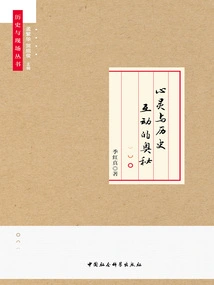
心灵与历史互动的奥秘
Ji Hongzhen
"Interpreting the Mystery of the Interaction between Mind and History" is Ji Hongzhen's painstaking research work over the past five years. It includes her exploration of Xiao Hong's research, her academic practice of integrating contemporary literary phenomena into the time process of China's long culture, and her detailed interpretation of Chinese and foreign new century literature. It shows a methodological exploration that integrates a lifetime of academic experience.
"Interpreting the Mystery of the Interaction between Mind and History" is Ji Hongzhen's painstaking research work over the past five years. It includes her exploration of Xiao Hong's research, her academic practice of integrating contemporary literary phenomena into the time process of China's long culture, and her detailed interpretation of Chinese and foreign new century literature. It shows a methodological exploration that integrates a lifetime of academic experience.
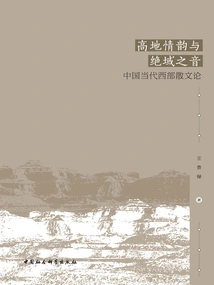
高地情韵与绝域之音:中国当代西部散文论
Wang Guilu
Based on the macroscopic vision of the history of contemporary Chinese literature, this paper systematically sorts out the development and evolution of Western prose since the 1940s, pointing out that "cultural imagination," "Western spirit" and "awareness of family and country" constitute the inner spiritual structure of Western prose. This spiritual structure not only enables Western prose to show different characteristics and atmosphere in the Chinese contemporary literary landscape, but also continuously stirs up moving charisma in its dialogue with the spirit of the times. As the final result of the National Social Science Fund project, the book strives to summarize creative experiences of more universal significance through the study of contemporary Western Chinese prose, and the elucidation of "creative models" and "local imagination" is a concentrated expression of this goal. This book also takes the western prose creation of Zhou Tao and Ma Lihua as examples to analyze the cultural stance, personality spirit and aesthetic pursuit of western writers in order to gain an in-depth understanding of China's contemporary western prose.
Based on the macroscopic vision of the history of contemporary Chinese literature, this paper systematically sorts out the development and evolution of Western prose since the 1940s, pointing out that "cultural imagination," "Western spirit" and "awareness of family and country" constitute the inner spiritual structure of Western prose. This spiritual structure not only enables Western prose to show different characteristics and atmosphere in the Chinese contemporary literary landscape, but also continuously stirs up moving charisma in its dialogue with the spirit of the times. As the final result of the National Social Science Fund project, the book strives to summarize creative experiences of more universal significance through the study of contemporary Western Chinese prose, and the elucidation of "creative models" and "local imagination" is a concentrated expression of this goal. This book also takes the western prose creation of Zhou Tao and Ma Lihua as examples to analyze the cultural stance, personality spirit and aesthetic pursuit of western writers in order to gain an in-depth understanding of China's contemporary western prose.
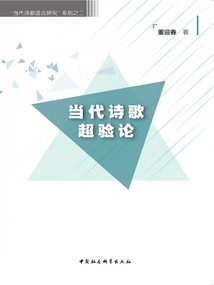
Transcendentalism in Contemporary Poetry
Literature当代诗歌超验论
Dong Yingchun
Transcendence, in the author's view, is both an aesthetic attitude and a philosophical thinking. The exploration of "transcendental" poetics aims to effectively unify the aesthetic and philosophical cognition of poetry and construct a symbolic poetics that integrates the ontology (language) and totality (poetry) of literature and art. In response to "non-poetic" writing trends such as universal assimilation and homogeneity, this book focuses on exploring the discourse characteristics and expressive possibilities of transcendental writing in poetry. , In order to provide reference for the development of contemporary poetry. By analyzing the works of poets such as Haizi, Changyao, Luofu, Xichuan, and Tan Yantong, the rationale and possibility of "transcendental" poetry writing are outlined, thereby presenting the literary attitudes and theoretical interests advocated by the author at the level of language ontology consciousness, as well as "transcendental" writing that integrates poetry, spirituality, and divinity.
Transcendence, in the author's view, is both an aesthetic attitude and a philosophical thinking. The exploration of "transcendental" poetics aims to effectively unify the aesthetic and philosophical cognition of poetry and construct a symbolic poetics that integrates the ontology (language) and totality (poetry) of literature and art. In response to "non-poetic" writing trends such as universal assimilation and homogeneity, this book focuses on exploring the discourse characteristics and expressive possibilities of transcendental writing in poetry. , In order to provide reference for the development of contemporary poetry. By analyzing the works of poets such as Haizi, Changyao, Luofu, Xichuan, and Tan Yantong, the rationale and possibility of "transcendental" poetry writing are outlined, thereby presenting the literary attitudes and theoretical interests advocated by the author at the level of language ontology consciousness, as well as "transcendental" writing that integrates poetry, spirituality, and divinity.
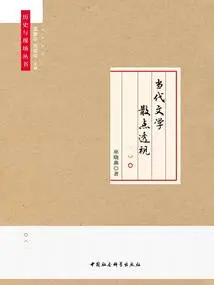
当代文学散点透视
Wu Xiaoyan
The so-called perspective actually first includes the author's standpoint, perspective or "expected intention". Secondly, it is also determined by the complexity of contemporary Chinese literature. Therefore, this book uses multiple cultural perspectives, cultural research, aesthetic exploration, psychoanalysis, narrative close reading, etc. To explore issues such as contemporary industrial literary creation, urban literary creation, the folk form of literature in the 1970s, and the complexity of the creative experience of contemporary writers. It has a certain degree of knowledge and academic rationality. This book has rigorous logic and simple writing. Most of the chapters have been published in core academic journals such as "Contemporary Writers' Review" and "Literary Controversy", and some have been quoted by the media and have certain academic repercussions.
The so-called perspective actually first includes the author's standpoint, perspective or "expected intention". Secondly, it is also determined by the complexity of contemporary Chinese literature. Therefore, this book uses multiple cultural perspectives, cultural research, aesthetic exploration, psychoanalysis, narrative close reading, etc. To explore issues such as contemporary industrial literary creation, urban literary creation, the folk form of literature in the 1970s, and the complexity of the creative experience of contemporary writers. It has a certain degree of knowledge and academic rationality. This book has rigorous logic and simple writing. Most of the chapters have been published in core academic journals such as "Contemporary Writers' Review" and "Literary Controversy", and some have been quoted by the media and have certain academic repercussions.
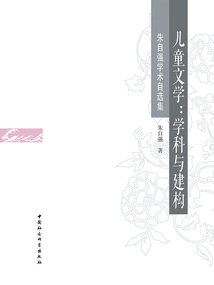
儿童文学:学科与建构——朱自强学术自选集
Zhu Ziqiang
This book is divided into five volumes. The overall structure of this book shows the author's concept of children's literature discipline: children's literature is a discipline with its own distinctive theory, literary history and literary criticism, and has the two attributes of interdisciplinarity and practical application. The papers in the collection provide some important theoretical topics and academic perspectives for the discipline construction of children's literature. The first volume of "History of Chinese Children's Literature" emphasizes the "oneness" of modern Chinese literature and children's literature; develops the theoretical method of constructivist essentialism; adopts an "ideological revolution" stance and perspective on "tradition"; and puts forward the important concept of "differentiation period" in epochal history. The second volume of "Children's Literature Theory" focuses on the study of children's literature concepts and develops a contemporary "child-oriented" children's literature concept. The third volume of "Children's Literature Criticism" is a critical practice of the "child-centered" theory constructed by the author. The fourth volume "On Japanese Children's Literature" shows the author's international vision of children's literature research. The most important academic contribution of the fifth volume of "Research on Chinese Education and Children's Education" is that it proposes a "constructivist" view of Chinese based on reflection on the "instrumentalist" view of Chinese.
This book is divided into five volumes. The overall structure of this book shows the author's concept of children's literature discipline: children's literature is a discipline with its own distinctive theory, literary history and literary criticism, and has the two attributes of interdisciplinarity and practical application. The papers in the collection provide some important theoretical topics and academic perspectives for the discipline construction of children's literature. The first volume of "History of Chinese Children's Literature" emphasizes the "oneness" of modern Chinese literature and children's literature; develops the theoretical method of constructivist essentialism; adopts an "ideological revolution" stance and perspective on "tradition"; and puts forward the important concept of "differentiation period" in epochal history. The second volume of "Children's Literature Theory" focuses on the study of children's literature concepts and develops a contemporary "child-oriented" children's literature concept. The third volume of "Children's Literature Criticism" is a critical practice of the "child-centered" theory constructed by the author. The fourth volume "On Japanese Children's Literature" shows the author's international vision of children's literature research. The most important academic contribution of the fifth volume of "Research on Chinese Education and Children's Education" is that it proposes a "constructivist" view of Chinese based on reflection on the "instrumentalist" view of Chinese.
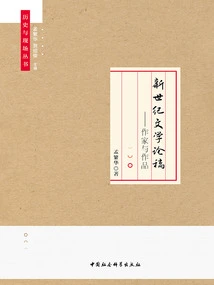
新世纪文学论稿:作家与作品
Meng Fanhua
"New Century Literature Essays - Writers and Works" is a selection of the famous literary critic Meng Fanhua's comments on the works of important writers in the new century. There are reviews on the academic works and achievements of famous scholars and critics of contemporary literature, as well as reviews on the works of writers from different generations. Over the years, the author has been paying close attention to and tracking the development of current literature, and actively participated in constructing the literary landscape of the new century through critical articles. Although these articles are reviews of specific writers' works, we can also see the author's intellectual analysis, judgment and criticism of the cultural background full of paradoxes in new century literature. Therefore, these comments not only have a distinct sense of the scene and the times, but also express the literary ideals and values that the author has always adhered to.
"New Century Literature Essays - Writers and Works" is a selection of the famous literary critic Meng Fanhua's comments on the works of important writers in the new century. There are reviews on the academic works and achievements of famous scholars and critics of contemporary literature, as well as reviews on the works of writers from different generations. Over the years, the author has been paying close attention to and tracking the development of current literature, and actively participated in constructing the literary landscape of the new century through critical articles. Although these articles are reviews of specific writers' works, we can also see the author's intellectual analysis, judgment and criticism of the cultural background full of paradoxes in new century literature. Therefore, these comments not only have a distinct sense of the scene and the times, but also express the literary ideals and values that the author has always adhered to.
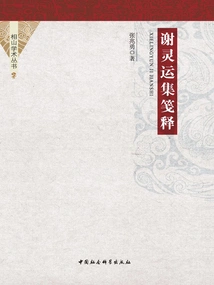
Xie Lingyun's Collection of Notes
Literature谢灵运集笺释
Zhang Zhaoyong
This book is the author's research monograph on Xie Lingyun, divided into two parts: the main text and the appendix. The upper and lower parts of the text are the author's reinterpretation of the metaphysical implications and historical nature of Xie Lingyun's words and deeds based on the interpretation of Gu Shaobai's "Collection of Xie Lingyun" (Taiwan Liren Book Company) and Li Yunfu's "Collection of Xie Lingyun" (Yuelu Publishing House). The appendix includes a compendium of chronology, historical commentaries and several research papers on Da Xie published by the author. It contains the author's knowledge and research on Daxie over the years.
This book is the author's research monograph on Xie Lingyun, divided into two parts: the main text and the appendix. The upper and lower parts of the text are the author's reinterpretation of the metaphysical implications and historical nature of Xie Lingyun's words and deeds based on the interpretation of Gu Shaobai's "Collection of Xie Lingyun" (Taiwan Liren Book Company) and Li Yunfu's "Collection of Xie Lingyun" (Yuelu Publishing House). The appendix includes a compendium of chronology, historical commentaries and several research papers on Da Xie published by the author. It contains the author's knowledge and research on Daxie over the years.
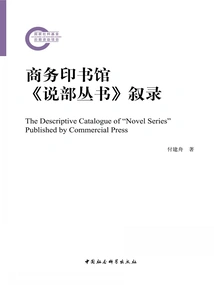
商务印书馆《说部丛书》叙录
Fu Jianzhou
The "Shuobu Series" published by the Shanghai Commercial Press is large-scale, with 324 works in 22 years from 1903 to 1924. It is the best among many "Shuobu Series" in the late Qing Dynasty and the early Republic of China, and reflects the great achievements of the revolution in the novel world. This book is the first to carry out a comprehensive and systematic narration of the 324 works in the commercial edition of "Shuo Bu Series", which is quite innovative research work. This book narrates the author (author and translator), various versions, chapter list (full version or excerpt), preface and postscript (full version or excerpt), and other related documents such as reviews, works advertisements and other information of each work in the UK, France, the United States, Russia, Japan and other countries and regions. It has important historical and academic value.
The "Shuobu Series" published by the Shanghai Commercial Press is large-scale, with 324 works in 22 years from 1903 to 1924. It is the best among many "Shuobu Series" in the late Qing Dynasty and the early Republic of China, and reflects the great achievements of the revolution in the novel world. This book is the first to carry out a comprehensive and systematic narration of the 324 works in the commercial edition of "Shuo Bu Series", which is quite innovative research work. This book narrates the author (author and translator), various versions, chapter list (full version or excerpt), preface and postscript (full version or excerpt), and other related documents such as reviews, works advertisements and other information of each work in the UK, France, the United States, Russia, Japan and other countries and regions. It has important historical and academic value.
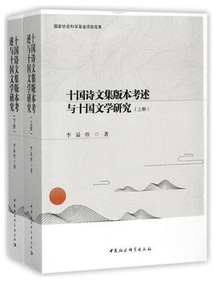
十国诗文集版本考述与十国文学研究(全二册)
Li Zuixin
This book is the final result of the National Social Science Fund Project (06CZW004). The first part, "Research on the Art and Literature of the Ten Kingdoms", comprehensively examines the literati of the Ten Kingdoms who have written works and the types, spread and loss of their works; the second part, "A Collection of Prefaces, Postscripts and Bibliographic Texts of the Works of the Ten Kingdoms Literati", examines the scholars of the past dynasties, especially those of the past dynasties. Scholars who engrave books and collect books evaluate the literati's works that have survived in rare collections of poems and essays by literati from the Ten Kingdoms; the third part, "An Examination of the Circulation Process and Edition Origin of the Collection of Literati's Works from the Ten Kingdoms", is based on the compilation of bibliographic texts and prefaces and postscripts, and through comparison The similarities and differences in editions examine the editions and evolution of literati's collections of rare poetry collections that have survived, and produce a "Diagram of the Process of Dissemination and Origin of Editions"; the fourth part, "The Lives and Deeds of Literati from Ten Countries and the Authenticity of Their Works," examines the life of literati from ten countries. The fifth part, "Review of the Literary Creation of the Ten Countries," provides a comprehensive and in-depth analysis of the literature of the Ten Countries by carefully analyzing the texts of the works, taking into account the selection and evaluation of predecessors, and adopting a human-centered approach.
This book is the final result of the National Social Science Fund Project (06CZW004). The first part, "Research on the Art and Literature of the Ten Kingdoms", comprehensively examines the literati of the Ten Kingdoms who have written works and the types, spread and loss of their works; the second part, "A Collection of Prefaces, Postscripts and Bibliographic Texts of the Works of the Ten Kingdoms Literati", examines the scholars of the past dynasties, especially those of the past dynasties. Scholars who engrave books and collect books evaluate the literati's works that have survived in rare collections of poems and essays by literati from the Ten Kingdoms; the third part, "An Examination of the Circulation Process and Edition Origin of the Collection of Literati's Works from the Ten Kingdoms", is based on the compilation of bibliographic texts and prefaces and postscripts, and through comparison The similarities and differences in editions examine the editions and evolution of literati's collections of rare poetry collections that have survived, and produce a "Diagram of the Process of Dissemination and Origin of Editions"; the fourth part, "The Lives and Deeds of Literati from Ten Countries and the Authenticity of Their Works," examines the life of literati from ten countries. The fifth part, "Review of the Literary Creation of the Ten Countries," provides a comprehensive and in-depth analysis of the literature of the Ten Countries by carefully analyzing the texts of the works, taking into account the selection and evaluation of predecessors, and adopting a human-centered approach.
Chen Yanlun
Literature陈彦论
Yang Hui
As an important writer who is good at both drama and novel creation, Chen Yan's writing benefits not only from his extremely rich life experience, but also from the rich Chinese opera and literary traditions. The basic characteristics of Chen Yan's works are to observe and deal with the lives and life experiences of ordinary people in the broad perspective of the overall era, to create characters that are exemplary for the times, and to integrate Chinese classical tradition on the basis of adhering to the elegant and upright realist tradition to open up a new realm of literature. This is true for "Xijing Story", "Staging", "Protagonist" and the new work "Comedy". By reading the modern plays "The Late Blooming Rose", "The Big Tree Migrating Westward", "The Story of Xijing" and the collection of essays "Speaking of Qin Opera" with the novel text, we can understand the basic status of Chen Yan's overall creation and the significance of the expansion of his vision of concepts and aesthetic expressions. This book attempts to understand and elucidate the literary historical value of Chen Yan's works from a new, more inclusive and general vision that integrates "ancient", "modern", "Chinese" and "Western", and "literature" and "art", and explores its creative transformation and innovative development in Chinese classical tradition, as well as the continuous important experience of realism, and then explores the establishment and significance of the concept of "big literary history" as a new research paradigm.
As an important writer who is good at both drama and novel creation, Chen Yan's writing benefits not only from his extremely rich life experience, but also from the rich Chinese opera and literary traditions. The basic characteristics of Chen Yan's works are to observe and deal with the lives and life experiences of ordinary people in the broad perspective of the overall era, to create characters that are exemplary for the times, and to integrate Chinese classical tradition on the basis of adhering to the elegant and upright realist tradition to open up a new realm of literature. This is true for "Xijing Story", "Staging", "Protagonist" and the new work "Comedy". By reading the modern plays "The Late Blooming Rose", "The Big Tree Migrating Westward", "The Story of Xijing" and the collection of essays "Speaking of Qin Opera" with the novel text, we can understand the basic status of Chen Yan's overall creation and the significance of the expansion of his vision of concepts and aesthetic expressions. This book attempts to understand and elucidate the literary historical value of Chen Yan's works from a new, more inclusive and general vision that integrates "ancient", "modern", "Chinese" and "Western", and "literature" and "art", and explores its creative transformation and innovative development in Chinese classical tradition, as well as the continuous important experience of realism, and then explores the establishment and significance of the concept of "big literary history" as a new research paradigm.
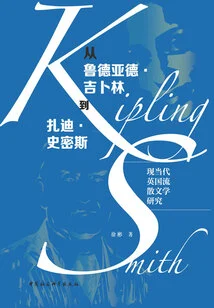
From Rudyard Kipling to Zadie Smith: Studies in Modern and Contemporary British Diaspora Literature
Literature从鲁德亚德·吉卜林到扎迪·史密斯:现当代英国流散文学研究
Xu Bin
This monograph relatively systematically explains the two-way diaspora of British people from the United Kingdom to its overseas colonies and from (former) colonies to the United Kingdom in the works of British diasporic writers from the late 19th century to the early 21st century, from Rudyard Kipling to Zadie Smith, and the accompanying political, economic, military, cultural and racial security issues.
This monograph relatively systematically explains the two-way diaspora of British people from the United Kingdom to its overseas colonies and from (former) colonies to the United Kingdom in the works of British diasporic writers from the late 19th century to the early 21st century, from Rudyard Kipling to Zadie Smith, and the accompanying political, economic, military, cultural and racial security issues.
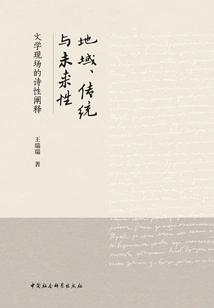
地域、传统与未来性:文学现场的诗性阐释
Wang Ruirui
"Metaverse" has recently become a global hot word, igniting people's enthusiasm for future technology. If the metaverse means that literature needs to adhere to a global vision, will the many local concepts surrounding literary creation and research (such as concepts such as "region" and "tradition") face a loss of explanatory effectiveness? In such an era where the boundaries of virtual reality are increasingly blurred, it is necessary for us to sort out and re-examine those local concepts that were once active in the field of literature, and explore their possible future implications. This book takes the above-mentioned issues as an opportunity, takes regional space and culture as the research objects, and conducts all-round research on them. It includes both a macroscopic inspection of returning to the historical scene and a close reading of the text based on individual creative cases. In addition to the introduction and appendices, it includes a total of five chapters, namely: the journey of seeking roots and the pain of losing roots, regional writing and transcending regions, rational examination of traditional culture, historical sorrows and body images, technological future and ethical confusion. This study attempts to connect history, tradition and the future, and comprehensively expand the research space on the relationship between literary region and culture.
"Metaverse" has recently become a global hot word, igniting people's enthusiasm for future technology. If the metaverse means that literature needs to adhere to a global vision, will the many local concepts surrounding literary creation and research (such as concepts such as "region" and "tradition") face a loss of explanatory effectiveness? In such an era where the boundaries of virtual reality are increasingly blurred, it is necessary for us to sort out and re-examine those local concepts that were once active in the field of literature, and explore their possible future implications. This book takes the above-mentioned issues as an opportunity, takes regional space and culture as the research objects, and conducts all-round research on them. It includes both a macroscopic inspection of returning to the historical scene and a close reading of the text based on individual creative cases. In addition to the introduction and appendices, it includes a total of five chapters, namely: the journey of seeking roots and the pain of losing roots, regional writing and transcending regions, rational examination of traditional culture, historical sorrows and body images, technological future and ethical confusion. This study attempts to connect history, tradition and the future, and comprehensively expand the research space on the relationship between literary region and culture.
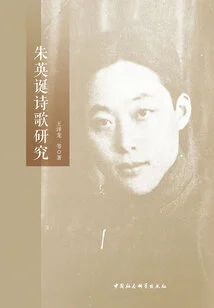
Research on Zhu Yingdan's Poems
Literature朱英诞诗歌研究
Wang Zelong Et Al.
Zhu Yingdan is a representative poet among the Beijing literati group. His poetry creation and poetry theoretical criticism are a valuable modern poetics resource that needs to be developed. This book is divided into three parts: a comprehensive review and monograph of Zhu Yingdan's poetry, a comparative study of Zhu Yingdan's poetry and Chinese and foreign poetry traditions, and a study of Zhu Yingdan's poetry theory and criticism. It discusses the imagery, rationale, and style characteristics of Zhu Yingdan's modern poetry, the relationship between Zhu Yingdan's modern poetry and the tradition of ancient landscape poetry, and the art of Western symbolism poetry, the theoretical criticism of Zhu Yingdan's poetry, and the cultural psychology and formal characteristics of Zhu Yingdan's old-style poetry. This article systematically explains the artistic experience of Zhu Yingdan's poetry and the blending of ancient and new, tradition and modernity.
Zhu Yingdan is a representative poet among the Beijing literati group. His poetry creation and poetry theoretical criticism are a valuable modern poetics resource that needs to be developed. This book is divided into three parts: a comprehensive review and monograph of Zhu Yingdan's poetry, a comparative study of Zhu Yingdan's poetry and Chinese and foreign poetry traditions, and a study of Zhu Yingdan's poetry theory and criticism. It discusses the imagery, rationale, and style characteristics of Zhu Yingdan's modern poetry, the relationship between Zhu Yingdan's modern poetry and the tradition of ancient landscape poetry, and the art of Western symbolism poetry, the theoretical criticism of Zhu Yingdan's poetry, and the cultural psychology and formal characteristics of Zhu Yingdan's old-style poetry. This article systematically explains the artistic experience of Zhu Yingdan's poetry and the blending of ancient and new, tradition and modernity.
Research on German Literary Thoughts
Literature德国文学思潮研究
Zhang Li
This book is mainly a series of discussions centered on related topics in German literary trends. Specific topics include: the creation of "reception aesthetics" and the expansion of the scope of literary research; "aesthetic liberation" and the update of the definition of realism; the persistence of classical literary theory and the awakening of new aesthetic consciousness; the revolution of artistic thinking and the innovation of literary practice; German literary research and translation issues, etc. The author returns to the historical context of the development and evolution of German literature, and deepens the analysis of relevant literary trends of thought and art through the interpretation of relevant writers, artists and their works, which helps readers understand the development context of relevant literary and artistic trends of thought and their expression in literary and artistic creation.
This book is mainly a series of discussions centered on related topics in German literary trends. Specific topics include: the creation of "reception aesthetics" and the expansion of the scope of literary research; "aesthetic liberation" and the update of the definition of realism; the persistence of classical literary theory and the awakening of new aesthetic consciousness; the revolution of artistic thinking and the innovation of literary practice; German literary research and translation issues, etc. The author returns to the historical context of the development and evolution of German literature, and deepens the analysis of relevant literary trends of thought and art through the interpretation of relevant writers, artists and their works, which helps readers understand the development context of relevant literary and artistic trends of thought and their expression in literary and artistic creation.
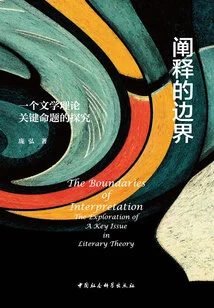
阐释的边界:一个文学理论关键命题的探究
Pang Hong
In literary theory, "the boundary of interpretation" is a proposition that cannot be ignored. It takes the objectivity of interpretation and the certainty of meaning as its core, and is constantly activated in the current era of uncertainty. It is different from arbitrary rules or decrees, but contains rich theoretical paths and methodological orientations, and constantly involves the broader cultural and spiritual field. This book conducts an in-depth analysis of the "boundary" issue of literary interpretation from different perspectives such as conceptual connotation, historical genealogy, construction path, ontological form, and practical strategies, thereby launching a critical reflection and discourse re-evaluation of contemporary literary theory and even cultural ecology. The goals of this book are, first, to enrich the theoretical discourse on interpretive boundaries and expand the knowledge landscape of literary research; second, to extract positive factors such as humanistic spirit, aesthetic ideals, and truth value from boundary issues, so as to provide certain solutions for the humanities community facing the threat of relativism and even cultural nihilism.
In literary theory, "the boundary of interpretation" is a proposition that cannot be ignored. It takes the objectivity of interpretation and the certainty of meaning as its core, and is constantly activated in the current era of uncertainty. It is different from arbitrary rules or decrees, but contains rich theoretical paths and methodological orientations, and constantly involves the broader cultural and spiritual field. This book conducts an in-depth analysis of the "boundary" issue of literary interpretation from different perspectives such as conceptual connotation, historical genealogy, construction path, ontological form, and practical strategies, thereby launching a critical reflection and discourse re-evaluation of contemporary literary theory and even cultural ecology. The goals of this book are, first, to enrich the theoretical discourse on interpretive boundaries and expand the knowledge landscape of literary research; second, to extract positive factors such as humanistic spirit, aesthetic ideals, and truth value from boundary issues, so as to provide certain solutions for the humanities community facing the threat of relativism and even cultural nihilism.
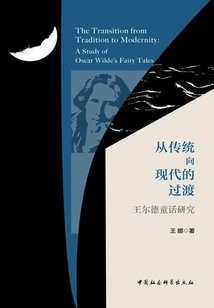
从传统向现代的过渡:王尔德童话研究
Wang Na
This book is the first domestic monograph on the study of Wilde's fairy tales. It summarizes the characteristics of fairy tales in the transition period from traditional fairy tales to modern fairy tales, and systematically studies the creative motivations, themes, literary images and narrative art of Wilde's fairy tales. The author believes that Oscar Wilde is a representative fairy tale writer in the transition process from traditional fairy tales to modern ones. His works reflect the distinction between traditional fairy tales and modern fairy tales, and have a historical position in the history of Western fairy tales as a link between the past and the future.
This book is the first domestic monograph on the study of Wilde's fairy tales. It summarizes the characteristics of fairy tales in the transition period from traditional fairy tales to modern fairy tales, and systematically studies the creative motivations, themes, literary images and narrative art of Wilde's fairy tales. The author believes that Oscar Wilde is a representative fairy tale writer in the transition process from traditional fairy tales to modern ones. His works reflect the distinction between traditional fairy tales and modern fairy tales, and have a historical position in the history of Western fairy tales as a link between the past and the future.
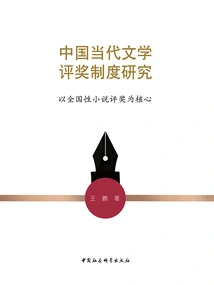
中国当代文学评奖制度研究:以全国性小说评奖为核心
Wang Peng
This monograph is mainly based on Escarpi's "Literary Sociology", Foucault's "Archaeology of Knowledge", and Bourdieu's "Field Theory". With the attitude of "returning to the historical scene", on the basis of in-depth excavation of historical materials of awards and theoretical speculation, it extends its research horizons to the literary award activities of the entire 20th century. It not only fills many academic gaps in the study of the "historical origins" of contemporary Chinese literary awards, but also questions the existing consensus in the academic community. Theoretical errors were "corrected"; it not only conducted a panoramic examination of the establishment, evolution, and revision of the Chinese contemporary literary award system with the national novel award as its core, but also conducted a constructive study of the mutual game and ebb and flow of various forces in the literary field that were highlighted behind this change. At the same time, it also provided necessary theoretical analysis of the leading principles, aesthetic biases, and institutional flaws of the Chinese contemporary literary award that were formed as a result.
This monograph is mainly based on Escarpi's "Literary Sociology", Foucault's "Archaeology of Knowledge", and Bourdieu's "Field Theory". With the attitude of "returning to the historical scene", on the basis of in-depth excavation of historical materials of awards and theoretical speculation, it extends its research horizons to the literary award activities of the entire 20th century. It not only fills many academic gaps in the study of the "historical origins" of contemporary Chinese literary awards, but also questions the existing consensus in the academic community. Theoretical errors were "corrected"; it not only conducted a panoramic examination of the establishment, evolution, and revision of the Chinese contemporary literary award system with the national novel award as its core, but also conducted a constructive study of the mutual game and ebb and flow of various forces in the literary field that were highlighted behind this change. At the same time, it also provided necessary theoretical analysis of the leading principles, aesthetic biases, and institutional flaws of the Chinese contemporary literary award that were formed as a result.
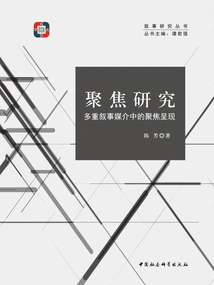
聚焦研究:多重叙事媒介中的聚焦呈现
Chen Fang
"Focus Research" combs the emergence and development of the core concept of "focus" in narratology. Based on the changes in media carriers in different literary eras and based on multiple text analyses, it explores the narrative characteristics related to focus. It believes that changes in focus types reflect the development of human thinking and cognition and the impact of technological innovation on narrative methods.
"Focus Research" combs the emergence and development of the core concept of "focus" in narratology. Based on the changes in media carriers in different literary eras and based on multiple text analyses, it explores the narrative characteristics related to focus. It believes that changes in focus types reflect the development of human thinking and cognition and the impact of technological innovation on narrative methods.
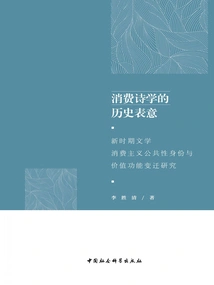
消费诗学的历史表意
Li Shengqing
The basic idea of this book is to sort out the changes in the public identity of literary consumerism and the changes in its value function based on "history". Under this macro-framework, we specifically take the three changes in the public identity and value function of literary consumerism since the new era and the three stages of the development of market economic relations represented by them as the node, and explore the spiritual trajectory, internal laws and value characteristics of its historical evolution as a whole, and discuss in detail the specific process and microscopic form of the changes in the public identity and value function of literary consumerism.
The basic idea of this book is to sort out the changes in the public identity of literary consumerism and the changes in its value function based on "history". Under this macro-framework, we specifically take the three changes in the public identity and value function of literary consumerism since the new era and the three stages of the development of market economic relations represented by them as the node, and explore the spiritual trajectory, internal laws and value characteristics of its historical evolution as a whole, and discuss in detail the specific process and microscopic form of the changes in the public identity and value function of literary consumerism.
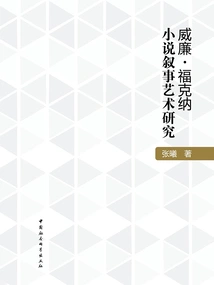
威廉·福克纳小说叙事艺术研究
Zhang Xi
William Faulkner is one of the most important writers in the history of American literature and has had a profound influence on contemporary Chinese writers. This book conducts an overall and systematic study of the narrative art of Faulkner's novels from four related structural levels: narrative language, perspective, work structure, and the structure of the Yoknapatawpha lineage, and deeply examines the essential characteristics of his artistic style. His artistic innovation integrates literary tradition and A series of important issues such as the achievements of modernist avant-garde experiments, the interactive relationship between his artistic creation and the modernization transformation of American southern society, and its influence and inspiration on contemporary Chinese literature, overall show a clear awareness of comprehensive understanding and in-depth evaluation of Faulkner's creation.
William Faulkner is one of the most important writers in the history of American literature and has had a profound influence on contemporary Chinese writers. This book conducts an overall and systematic study of the narrative art of Faulkner's novels from four related structural levels: narrative language, perspective, work structure, and the structure of the Yoknapatawpha lineage, and deeply examines the essential characteristics of his artistic style. His artistic innovation integrates literary tradition and A series of important issues such as the achievements of modernist avant-garde experiments, the interactive relationship between his artistic creation and the modernization transformation of American southern society, and its influence and inspiration on contemporary Chinese literature, overall show a clear awareness of comprehensive understanding and in-depth evaluation of Faulkner's creation.
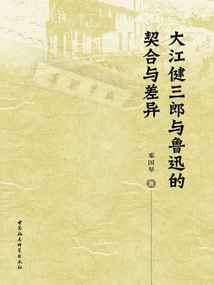
大江健三郎与鲁迅的契合与差异
Deng Guoqin
"The Compatibility and Differences between Oe Kenzaburo and Lu Xun" starts from the aspects of thought, writing style, influence, etc., And deeply explores the literary origins of Oe Kenzaburo and Lu Xun and the resulting value and significance that cannot be ignored. That is, from the aspects of literary thoughts, creative concepts, techniques and methods, genres and styles, etc., It reveals the relationship between Oe Kenzaburo's literary creation and Lu Xun in a relatively specific, comprehensive and in-depth way. It provides some useful reference for further understanding the creation and influence of Oe Kenzaburo and Lu Xun, as well as understanding the relationship between Chinese and Japanese literature. It also brings some useful enlightenment to contemporary literary creators on how to create excellent literature with global universal significance.
"The Compatibility and Differences between Oe Kenzaburo and Lu Xun" starts from the aspects of thought, writing style, influence, etc., And deeply explores the literary origins of Oe Kenzaburo and Lu Xun and the resulting value and significance that cannot be ignored. That is, from the aspects of literary thoughts, creative concepts, techniques and methods, genres and styles, etc., It reveals the relationship between Oe Kenzaburo's literary creation and Lu Xun in a relatively specific, comprehensive and in-depth way. It provides some useful reference for further understanding the creation and influence of Oe Kenzaburo and Lu Xun, as well as understanding the relationship between Chinese and Japanese literature. It also brings some useful enlightenment to contemporary literary creators on how to create excellent literature with global universal significance.
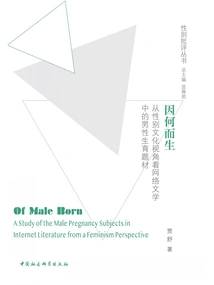
因何而生:从性别文化视角看网络文学中的男性生育题材
Jia Shu
The theme of male fertility in online literature refers to the male fertility content (including but not limited to pregnancy, childbirth, etc.) Described in online literature. Starting from the perspective of gender culture, this book collects and organizes Chinese and foreign literary works on male fertility and describes its historical evolution. It conducts an in-depth and systematic study of the male fertility theme in online literature through interpretation of text characteristics, analysis of creative groups, and analysis of readers' understanding and acceptance of male fertility in different cultures.
The theme of male fertility in online literature refers to the male fertility content (including but not limited to pregnancy, childbirth, etc.) Described in online literature. Starting from the perspective of gender culture, this book collects and organizes Chinese and foreign literary works on male fertility and describes its historical evolution. It conducts an in-depth and systematic study of the male fertility theme in online literature through interpretation of text characteristics, analysis of creative groups, and analysis of readers' understanding and acceptance of male fertility in different cultures.
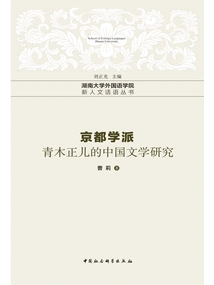
京都学派:青木正儿的中国文学研究
Cao Li
Masaji Aoki is one of the important representatives of the Kyoto School of Chinese Studies in Japan. This book takes Aoki Masaji as the main research object and combines it with the context of modern Japanese culture. It focuses on a series of research results of Aoki Masaji in the history of Chinese opera and literature, clarifies his unique research perspective and research methods, and analyzes how modern Japanese Chinese studies established China's "difference" and how to seek the essence of "self" by returning to the origin of Chinese culture.
Masaji Aoki is one of the important representatives of the Kyoto School of Chinese Studies in Japan. This book takes Aoki Masaji as the main research object and combines it with the context of modern Japanese culture. It focuses on a series of research results of Aoki Masaji in the history of Chinese opera and literature, clarifies his unique research perspective and research methods, and analyzes how modern Japanese Chinese studies established China's "difference" and how to seek the essence of "self" by returning to the origin of Chinese culture.
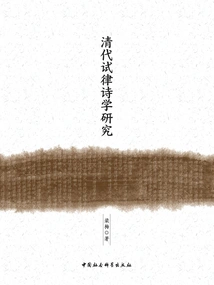
清代试律诗学研究
Liang Mei
In the early Qing Dynasty, the Ming Dynasty system was established, and scholars were selected based on the eight-part system. In the 22nd year of Qianlong's reign, during the Ding Chou Examination, the imperial court issued a decree to add a five-character and eight-character rhyme poem, and it was custom-made to select scholars for the examination. At present, a large amount of theoretical information on trial verse poetry has been preserved in various poetry talks, anthologies, prefaces and postscripts to collections and poetry criticism from the Qing Dynasty. This book takes the development of trial verse poetics in the Qing Dynasty as a clue, examines its theoretical characteristics and achievements in three stages of development, from its initial beginning, mid-term completion, to new changes in the late Qing Dynasty. It deeply analyzes its stage characteristics, explains the core theoretical viewpoints, and comprehensively sorts out and displays the development context of the trial verse poetics in the Qing Dynasty.
In the early Qing Dynasty, the Ming Dynasty system was established, and scholars were selected based on the eight-part system. In the 22nd year of Qianlong's reign, during the Ding Chou Examination, the imperial court issued a decree to add a five-character and eight-character rhyme poem, and it was custom-made to select scholars for the examination. At present, a large amount of theoretical information on trial verse poetry has been preserved in various poetry talks, anthologies, prefaces and postscripts to collections and poetry criticism from the Qing Dynasty. This book takes the development of trial verse poetics in the Qing Dynasty as a clue, examines its theoretical characteristics and achievements in three stages of development, from its initial beginning, mid-term completion, to new changes in the late Qing Dynasty. It deeply analyzes its stage characteristics, explains the core theoretical viewpoints, and comprehensively sorts out and displays the development context of the trial verse poetics in the Qing Dynasty.
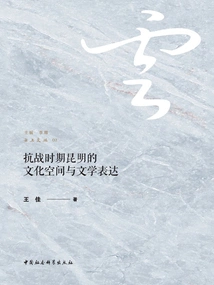
抗战时期昆明的文化空间与文学表达
Wang Jia
This book focuses on Kunming during the All-out Anti-Japanese War. It breaks away from the research idea of treating Kunming as just the "background" of the Southwest Associated University. By excavating and sorting out original documents, it carefully examines the literati mentality and cultural atmosphere conveyed in literary works, and demonstrates the special charm of Kunming as a "cultural metropolis" during the war. The Anti-Japanese War promoted Kunming's modernization transformation. Cultural people coming to Kunming from the mainland changed Kunming's cultural ecology and stimulated the cultural cognition of local people. This formed a unique cultural space jointly constructed by outsiders, locals and the city of Kunming. This book's investigation of Kunming's cultural space during the Anti-Japanese War enriches the cognitive perspective of Anti-Japanese War literature, and then ponders the complex process of Chinese literature and even culture moving towards "modernity".
This book focuses on Kunming during the All-out Anti-Japanese War. It breaks away from the research idea of treating Kunming as just the "background" of the Southwest Associated University. By excavating and sorting out original documents, it carefully examines the literati mentality and cultural atmosphere conveyed in literary works, and demonstrates the special charm of Kunming as a "cultural metropolis" during the war. The Anti-Japanese War promoted Kunming's modernization transformation. Cultural people coming to Kunming from the mainland changed Kunming's cultural ecology and stimulated the cultural cognition of local people. This formed a unique cultural space jointly constructed by outsiders, locals and the city of Kunming. This book's investigation of Kunming's cultural space during the Anti-Japanese War enriches the cognitive perspective of Anti-Japanese War literature, and then ponders the complex process of Chinese literature and even culture moving towards "modernity".
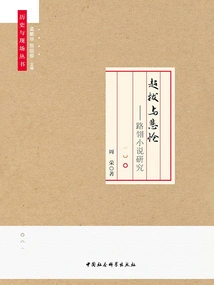
超拔与悲怆:路翎小说研究
Zhou Rong
Lu Ling is a famous modern writer and a member of the July Party. His creations lasted from the 1940s to the "Seventeen Years" and the new era. The starting point of this book's research is neither a panoramic "scan" and exposition of Lu Ling's novel creation, nor a repeated discussion of issues that have been fully valued and studied in Lu Ling's novel creation. Rather, it is an attempt to break through the conventions of the genre and examine and stage it from a holistic perspective. By contrasting the two dimensions of sex, we excavate the works and artistic characteristics that have been "obscured" or have not been fully discussed in Lu Ling's novels, trying to present the echoes and dislocations between Lu Ling's novels, literary mainstreams, and political practices in different historical contexts, and outline the evolution of Lu Ling's literature.
Lu Ling is a famous modern writer and a member of the July Party. His creations lasted from the 1940s to the "Seventeen Years" and the new era. The starting point of this book's research is neither a panoramic "scan" and exposition of Lu Ling's novel creation, nor a repeated discussion of issues that have been fully valued and studied in Lu Ling's novel creation. Rather, it is an attempt to break through the conventions of the genre and examine and stage it from a holistic perspective. By contrasting the two dimensions of sex, we excavate the works and artistic characteristics that have been "obscured" or have not been fully discussed in Lu Ling's novels, trying to present the echoes and dislocations between Lu Ling's novels, literary mainstreams, and political practices in different historical contexts, and outline the evolution of Lu Ling's literature.
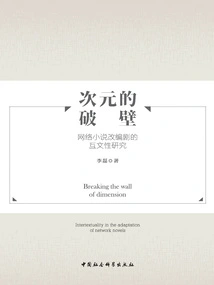
次元的破壁:网络小说改编剧的互文性研究
Li Lei
The "second dimension" specifically refers to the Internet culture represented by ACGN. There is a generation gap between it and the three dimensions representing traditional culture, industrial culture, and popular culture. With the development of media integration, more and more cultural practices tend to break this barrier, and adaptation practice is one of them. The current academic circles and industry use the word "breaking the wall" to express the mutual respect between the two cultural circles in terms of emotion and value. Based on a diachronic review of a large number of texts adapted from online novels, this book uses intertextuality to cut into the practice of adaptation, and through analysis at three levels: typology, folklore, and gender narrative, it deduce the cultural development direction of value integration. This book follows the idea of discovering the spiritual qualities of the younger generation from subcultures and looking for ways to alleviate the generation gap among mainstream people in popular culture, in order to prove that the vitality of language is intersecting in multiple fields.
The "second dimension" specifically refers to the Internet culture represented by ACGN. There is a generation gap between it and the three dimensions representing traditional culture, industrial culture, and popular culture. With the development of media integration, more and more cultural practices tend to break this barrier, and adaptation practice is one of them. The current academic circles and industry use the word "breaking the wall" to express the mutual respect between the two cultural circles in terms of emotion and value. Based on a diachronic review of a large number of texts adapted from online novels, this book uses intertextuality to cut into the practice of adaptation, and through analysis at three levels: typology, folklore, and gender narrative, it deduce the cultural development direction of value integration. This book follows the idea of discovering the spiritual qualities of the younger generation from subcultures and looking for ways to alleviate the generation gap among mainstream people in popular culture, in order to prove that the vitality of language is intersecting in multiple fields.
女作家作者身份焦虑空间性阐释
Shen Xiao
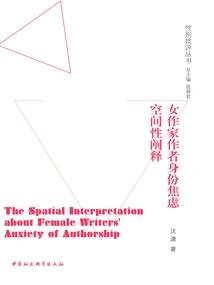
This book first explains the connotation of the theory of authorship anxiety, focusing on describing the gender dimension contained in the theory of authorship anxiety, trying to complete the secondary interpretation and development of the existing theory. Then it explores the spatiality of authorship anxiety based on gender identity, and analyzes the causes of this spatiality. This paper focuses on the spatial manifestations of authorship anxiety based on female gender identity, specifically including the manifestations of female anxiety in real cultural space, the manifestation of female anxiety in ideological space, and the manifestation of female anxiety in literary space.
This book first explains the connotation of the theory of authorship anxiety, focusing on describing the gender dimension contained in the theory of authorship anxiety, trying to complete the secondary interpretation and development of the existing theory. Then it explores the spatiality of authorship anxiety based on gender identity, and analyzes the causes of this spatiality. This paper focuses on the spatial manifestations of authorship anxiety based on female gender identity, specifically including the manifestations of female anxiety in real cultural space, the manifestation of female anxiety in ideological space, and the manifestation of female anxiety in literary space.
民族意识与沦陷区文学
Feng Hao
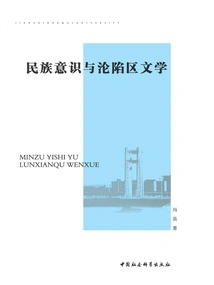
This book starts from the perspective of national consciousness, takes the literature of the occupied period from 1931 to 1945 as the research object, and analyzes the manifestations and implications of national consciousness in the literature of occupied areas from the aspects of writers' works, literary journals, collective memory, literary trends, narrative symptoms, etc. This book makes extensive use of first-hand historical materials, conducts a relatively systematic and overall study of the literature in occupied areas from the perspective of national consciousness, reveals in depth the complexity, diversity and plasticity of national consciousness in a special context, and demonstrates the unique aesthetic value of literature in occupied areas. The research results fully prove that national consciousness is an important ideological resource with vitality for the literature in occupied areas, and improves the artistic quality of literature in occupied areas. These are all conducive to people's better understanding and grasp of the special development laws of literature in occupied areas.
This book starts from the perspective of national consciousness, takes the literature of the occupied period from 1931 to 1945 as the research object, and analyzes the manifestations and implications of national consciousness in the literature of occupied areas from the aspects of writers' works, literary journals, collective memory, literary trends, narrative symptoms, etc. This book makes extensive use of first-hand historical materials, conducts a relatively systematic and overall study of the literature in occupied areas from the perspective of national consciousness, reveals in depth the complexity, diversity and plasticity of national consciousness in a special context, and demonstrates the unique aesthetic value of literature in occupied areas. The research results fully prove that national consciousness is an important ideological resource with vitality for the literature in occupied areas, and improves the artistic quality of literature in occupied areas. These are all conducive to people's better understanding and grasp of the special development laws of literature in occupied areas.
唐宋贬谪词研究
Zhang Ying
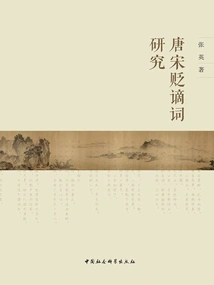
In the Tang and Song dynasties, demotions occurred frequently, and many literati were demoted. The relegated poems of the Tang and Song Dynasties not only constituted the climax of the relegated literature together with the relegated poems and essays, but also contributed to the brilliance of the Tang and Song literature in the entire literary history to a large extent. They also successfully constructed the rise, development and transformation of the genre itself. Without the relegation of Ci in the Tang and Song Dynasties, not only would it be impossible to talk about the development of the history of Ci, but even this grand and magnificent symphonic chapter of the entire literary history would suddenly be eclipsed. This book will outline the development of relegated poetry in the Tang and Song Dynasties, trace the literary origins of relegated poetry in the Tang and Song Dynasties, and explore the profound impact of the relegation of literati on Tang and Song poetry.
In the Tang and Song dynasties, demotions occurred frequently, and many literati were demoted. The relegated poems of the Tang and Song Dynasties not only constituted the climax of the relegated literature together with the relegated poems and essays, but also contributed to the brilliance of the Tang and Song literature in the entire literary history to a large extent. They also successfully constructed the rise, development and transformation of the genre itself. Without the relegation of Ci in the Tang and Song Dynasties, not only would it be impossible to talk about the development of the history of Ci, but even this grand and magnificent symphonic chapter of the entire literary history would suddenly be eclipsed. This book will outline the development of relegated poetry in the Tang and Song Dynasties, trace the literary origins of relegated poetry in the Tang and Song Dynasties, and explore the profound impact of the relegation of literati on Tang and Song poetry.
吉川幸次郎的中国古典文学研究
Meng Wei
Yoshikawa Kojiro's research career in Chinese studies can be divided into the era of Confucian classics, the Yuanqu era and the Du Fu or Du poetry era. His research on Yuanqu and Du Fu were carried out on the basis of his Confucian studies. This book focuses on Yoshikawa Kojiro's research on Yuan dramas and Du Fu's research, sorting out the characteristics of his research on Yuan dramas and Du Fu studies, aiming to study how he analyzed the influence of the ethos of the Yuan Dynasty and the transformation of humanistic ethics in the Yuan Dynasty on the rise and fall of Yuan Zajus and literary character. , And how he tried to use Du Fu as a model to explore the dignity of literature; at the same time, this book attempts to explore his research methods on China based on the teachings of his teacher Kano Naoki and the inspiration given by Huang Kan, as well as Yoshikawa Kojiro's own "The Study of Reading".
Yoshikawa Kojiro's research career in Chinese studies can be divided into the era of Confucian classics, the Yuanqu era and the Du Fu or Du poetry era. His research on Yuanqu and Du Fu were carried out on the basis of his Confucian studies. This book focuses on Yoshikawa Kojiro's research on Yuan dramas and Du Fu's research, sorting out the characteristics of his research on Yuan dramas and Du Fu studies, aiming to study how he analyzed the influence of the ethos of the Yuan Dynasty and the transformation of humanistic ethics in the Yuan Dynasty on the rise and fall of Yuan Zajus and literary character. , And how he tried to use Du Fu as a model to explore the dignity of literature; at the same time, this book attempts to explore his research methods on China based on the teachings of his teacher Kano Naoki and the inspiration given by Huang Kan, as well as Yoshikawa Kojiro's own "The Study of Reading".
The Oscillation of Cultural Poetics
Literature文化诗学的振摆
Zhang Wentao
The "cultural poetics" represented by Greenblatt is mainly famous for distinguishing between historicism and formalism and utilizing the resources of the two schools. This book believes that its core lies in using Foucault's thought of power to illustrate literary activities, as a sign that far-fetched historicism has truly entered reality, and also as the key to formalism getting out of the language prison. In his specific comments on "Shakespeare's Opera and "Early British Romanticism", he affirmed the power game relationship between the three artistic generative dimensions of author, text and reader, and expressed his overall concept of literary criticism in the poetic "oscillation" space formed by these nodes.
The "cultural poetics" represented by Greenblatt is mainly famous for distinguishing between historicism and formalism and utilizing the resources of the two schools. This book believes that its core lies in using Foucault's thought of power to illustrate literary activities, as a sign that far-fetched historicism has truly entered reality, and also as the key to formalism getting out of the language prison. In his specific comments on "Shakespeare's Opera and "Early British Romanticism", he affirmed the power game relationship between the three artistic generative dimensions of author, text and reader, and expressed his overall concept of literary criticism in the poetic "oscillation" space formed by these nodes.
On the Formation of New Moon Poetry
Literature新月诗学生成论
Ye Hong
The Crescent Poetry School is an important and complex poetry school in the history of Chinese New Poetry. The three poetic forms of romanticism, classicism, and modernism coexist with each other, making New Moon's poetic view present mutually inclusive poetic concepts and eclectic artistic forms. The complex relationship between the Crescent Poetry School and the Crescent Society, a famous free intellectual society in China, determines that the Crescent Poetry School cannot be just a simple poetry school. From the research perspective of the emergence and development of the Crescent Poetry School, this book projects the Crescent Poetry School into the cultural context of China in the 1920s and 1930s, and explores the intricate development trajectory of the Crescent Poetry School with the help of a large amount of historical data. Use the theory of modern media to re-examine the relationship between the formation of literary genres and modern newspapers and magazines; draw on some concepts of "anxiety of influence" in modern Western poetic theory to explain how the New Moon poets got rid of the "anxiety of influence" of "pioneer poets" and "powerful poets" and through intentional creative mistakes By reading, the system of Crescent Poetry is constructed; the theoretical strategy of "anti-priority" is used to study the inheritance and transcendence of poetic ideas among poets within the Crescent Poetry School; and many issues and phenomena of the Crescent School's personnel composition, poetic temperament, cultural choices and aesthetic value forms are explained by confirming the hybrid cultural identity of the poets.
The Crescent Poetry School is an important and complex poetry school in the history of Chinese New Poetry. The three poetic forms of romanticism, classicism, and modernism coexist with each other, making New Moon's poetic view present mutually inclusive poetic concepts and eclectic artistic forms. The complex relationship between the Crescent Poetry School and the Crescent Society, a famous free intellectual society in China, determines that the Crescent Poetry School cannot be just a simple poetry school. From the research perspective of the emergence and development of the Crescent Poetry School, this book projects the Crescent Poetry School into the cultural context of China in the 1920s and 1930s, and explores the intricate development trajectory of the Crescent Poetry School with the help of a large amount of historical data. Use the theory of modern media to re-examine the relationship between the formation of literary genres and modern newspapers and magazines; draw on some concepts of "anxiety of influence" in modern Western poetic theory to explain how the New Moon poets got rid of the "anxiety of influence" of "pioneer poets" and "powerful poets" and through intentional creative mistakes By reading, the system of Crescent Poetry is constructed; the theoretical strategy of "anti-priority" is used to study the inheritance and transcendence of poetic ideas among poets within the Crescent Poetry School; and many issues and phenomena of the Crescent School's personnel composition, poetic temperament, cultural choices and aesthetic value forms are explained by confirming the hybrid cultural identity of the poets.
布鲁斯化的伦理书写:理查德·赖特作品研究
Li Yi
This book is a monograph on African American studies and is the final result of the National Social Science Foundation Youth Project "Research on the Works of Richard Wright". The overall framework of this book consists of five chapters. The first chapter focuses on the two central themes of "Evolving Blues and Black Survival Ethics" and "Wright's Blues-Based Ethical Writing". The next four chapters treat Richard Wright's four novels "Native Son", "Black Child", "The Outsider" and "Laws of the Father" from different periods as a dynamic system of works, and study the protagonists of these novels as a continuously developing male subject group to analyze the ethical environment of black people's lives and the internal connection between the ethical relationships in which they live and the ethical choices they make. This book compares the similarities between Richard Wright's novel system and the theme of blues music, analyzes the ethical values implicit in it, and clarifies that Richard Wright's novels outline the transformation of black men's ethical identity from boy to man to father over time. In fact, it is the inheritance of the blues tradition and the writing of black survival ethics.
This book is a monograph on African American studies and is the final result of the National Social Science Foundation Youth Project "Research on the Works of Richard Wright". The overall framework of this book consists of five chapters. The first chapter focuses on the two central themes of "Evolving Blues and Black Survival Ethics" and "Wright's Blues-Based Ethical Writing". The next four chapters treat Richard Wright's four novels "Native Son", "Black Child", "The Outsider" and "Laws of the Father" from different periods as a dynamic system of works, and study the protagonists of these novels as a continuously developing male subject group to analyze the ethical environment of black people's lives and the internal connection between the ethical relationships in which they live and the ethical choices they make. This book compares the similarities between Richard Wright's novel system and the theme of blues music, analyzes the ethical values implicit in it, and clarifies that Richard Wright's novels outline the transformation of black men's ethical identity from boy to man to father over time. In fact, it is the inheritance of the blues tradition and the writing of black survival ethics.
雅努斯的面孔:中国现代“乡愁小说”论
Feng Bo
This book replaces the traditional "native novel" with modern "nostalgia novels", examines emotion, form and modernity at a logical level, and elucidates the modern connotation of literature by analyzing the relationship between the writer's "nostalgia" writing style and literary form. This paper uses the time and space of "nostalgia" and the characteristics of nostalgia to gain a glimpse into the aesthetic characteristics of modern Chinese "nostalgia novels", and then examines the interaction between human emotions, history and politics, and the way they respond to the impact of modernity. The "difference" narrative method followed by modern Chinese "nostalgia novels" also includes respect for life itself, the awakening of self-consciousness, the appeal for enlightenment and national salvation consciousness, and the identification of the nation-state imagination. With its unique modern aesthetic form, it reflects the generation process of people's modern consciousness in the traditional rural Chinese context, and provides a vivid and valuable emotional portrait for the modern transformation of Chinese literature.
This book replaces the traditional "native novel" with modern "nostalgia novels", examines emotion, form and modernity at a logical level, and elucidates the modern connotation of literature by analyzing the relationship between the writer's "nostalgia" writing style and literary form. This paper uses the time and space of "nostalgia" and the characteristics of nostalgia to gain a glimpse into the aesthetic characteristics of modern Chinese "nostalgia novels", and then examines the interaction between human emotions, history and politics, and the way they respond to the impact of modernity. The "difference" narrative method followed by modern Chinese "nostalgia novels" also includes respect for life itself, the awakening of self-consciousness, the appeal for enlightenment and national salvation consciousness, and the identification of the nation-state imagination. With its unique modern aesthetic form, it reflects the generation process of people's modern consciousness in the traditional rural Chinese context, and provides a vivid and valuable emotional portrait for the modern transformation of Chinese literature.
徐訏小说的诗性品格研究
Golden Phoenix
This book examines Xu Xu's novel creation from the unique perspective of "poeticity", and looks at how this liberal intellectual maintained a serious creative attitude during the war years and the commercial context of Hong Kong from the aspects of culture, psychology, philosophy, etc., Thus showing his thoughts on human destiny, existence and its meaning. At the same time, by examining the poetic character of Xu Xu's novels, we also rethink Xu Xu's status and significance in literary history.
This book examines Xu Xu's novel creation from the unique perspective of "poeticity", and looks at how this liberal intellectual maintained a serious creative attitude during the war years and the commercial context of Hong Kong from the aspects of culture, psychology, philosophy, etc., Thus showing his thoughts on human destiny, existence and its meaning. At the same time, by examining the poetic character of Xu Xu's novels, we also rethink Xu Xu's status and significance in literary history.
非裔美国黑人女性文学传统研究
Hu Xiaoying
This monograph traces and sorts out the literary tradition of African American black women by studying five influential African American black female writers in 20th century American literature: Zola Neale Hurston, Maya Angelou, Alice Walker, Toni Morrison and Gloria Naylor and their works. Through the study of five aspects: black English, black music, black oral tradition, black folk culture and black religion, the basic creative mode of African American black women's literature is presented to readers, and the connection between the creative mechanism and aesthetic mechanism of African American black women's literature is revealed, which provides certain reference and inspiration for the research of other ethnic literature.
This monograph traces and sorts out the literary tradition of African American black women by studying five influential African American black female writers in 20th century American literature: Zola Neale Hurston, Maya Angelou, Alice Walker, Toni Morrison and Gloria Naylor and their works. Through the study of five aspects: black English, black music, black oral tradition, black folk culture and black religion, the basic creative mode of African American black women's literature is presented to readers, and the connection between the creative mechanism and aesthetic mechanism of African American black women's literature is revealed, which provides certain reference and inspiration for the research of other ethnic literature.
契诃夫的创作与俄国思想的现代意义
Xu Le
This book takes the creative thoughts of Chekhov, the last great Russian classic literature writer from the late 19th century to the early 20th century, as an example, and combines a comparative study between him and Leo Tolstoy, another great representative writer of classical literature at the same time, to elaborate on the intrinsic relationship between Russian literature and Russian thought. It shows that the people's nature, ethics, criticality and strong humanitarianism inherent in the essence of Russian literature enable the Russians to still maintain cultural confidence even in the context of declining national power. Through repeated questioning of the meaning of life, Chekhov opened the way for mankind to lead from the narrow and narrow to the vast distance. Above the cold and boring horizon that Chekhov ruthlessly presented, the sparkle of thought shines in people's hearts like a ray of light, warming every life that longs to seek the truth.
This book takes the creative thoughts of Chekhov, the last great Russian classic literature writer from the late 19th century to the early 20th century, as an example, and combines a comparative study between him and Leo Tolstoy, another great representative writer of classical literature at the same time, to elaborate on the intrinsic relationship between Russian literature and Russian thought. It shows that the people's nature, ethics, criticality and strong humanitarianism inherent in the essence of Russian literature enable the Russians to still maintain cultural confidence even in the context of declining national power. Through repeated questioning of the meaning of life, Chekhov opened the way for mankind to lead from the narrow and narrow to the vast distance. Above the cold and boring horizon that Chekhov ruthlessly presented, the sparkle of thought shines in people's hearts like a ray of light, warming every life that longs to seek the truth.
新时期儿童文学中的生态伦理意识研究
Tian Yuan
This book takes ecological ethics as the starting point and is based on the "child-centered" view of children. It starts from the establishment, performance and role of ecological ethics awareness in children's literature since the new era, and makes a thematic summary of the development of my country's children's literature during this period based on specific texts. It conveys the exploration of the relationship between children and nature and the laws of life in children's literature in the new era, as well as the ecological thinking about the relationship between the living conditions, simple, environmentally friendly life concepts and the return of children's "natural sensibility" life presented in it. It also conducts in-depth thinking and exploration on how children's literature in the new era can better fulfill its mission.
This book takes ecological ethics as the starting point and is based on the "child-centered" view of children. It starts from the establishment, performance and role of ecological ethics awareness in children's literature since the new era, and makes a thematic summary of the development of my country's children's literature during this period based on specific texts. It conveys the exploration of the relationship between children and nature and the laws of life in children's literature in the new era, as well as the ecological thinking about the relationship between the living conditions, simple, environmentally friendly life concepts and the return of children's "natural sensibility" life presented in it. It also conducts in-depth thinking and exploration on how children's literature in the new era can better fulfill its mission.
Historical Imagination of Tang Poetry
Literature唐诗的历史想象
Zhang Yan
Historical imagination is the poet's poetic imagination of history. The poets of the Tang Dynasty successfully used the skills of historical imagination to transform historical factors into poetic elements, forming the prosperity of historical poetry in the Tang Dynasty. This book outlines the artistic characteristics of historical poetry in the Tang Dynasty from two levels: receiving imagination and creative imagination. It explores the process by which poets in the Tang Dynasty, as the subject of receiving historical knowledge, imagined historical situations, understood historical significance, and formed historical consciousness to understand and interpret. It also explores the process by which poets in the Tang Dynasty, as the subject of poetry creation, integrated the received and understood historical knowledge and historical consciousness into their hearts, brewed and processed historical materials, and created historical images of poetry.
Historical imagination is the poet's poetic imagination of history. The poets of the Tang Dynasty successfully used the skills of historical imagination to transform historical factors into poetic elements, forming the prosperity of historical poetry in the Tang Dynasty. This book outlines the artistic characteristics of historical poetry in the Tang Dynasty from two levels: receiving imagination and creative imagination. It explores the process by which poets in the Tang Dynasty, as the subject of receiving historical knowledge, imagined historical situations, understood historical significance, and formed historical consciousness to understand and interpret. It also explores the process by which poets in the Tang Dynasty, as the subject of poetry creation, integrated the received and understood historical knowledge and historical consciousness into their hearts, brewed and processed historical materials, and created historical images of poetry.