Library
Browse and search books
653 novels found
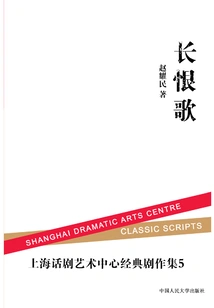
Song of Everlasting Regret
Literature长恨歌
Zhao Yaomin
A woman's 40 years of affection and love are written with a delicate and gorgeous pen in a sad and moving way, with ups and downs. In the 1940s, Wang Qiyao, who was still a middle school student, was selected as the "Miss Shanghai" and began her ill-fated life. She became the "canary" of a certain official and transformed from a girl to a real woman. Later, the high-ranking officials were killed, Shanghai was liberated, and Wang Qiyao became an ordinary citizen, suddenly like Piaoping. The days on the surface are as ordinary as water, but the emotional tide in the heart has never subsided. The complicated relationships with several men, a combination of circumstances, and hundreds of grievances are all destined to come. Facing the vast ocean of the times, she weakly clung to her old lifestyle and sentiment, and gradually indulged in... In the 1980s, Wang Qiyao, who was already knowing her destiny, could not escape her fate. She had an abnormal love affair with a nostalgic young man named "Old Clerk". She had a dim vision and a passionate heart, but unexpectedly died unexpectedly, and she was filled with hatred...
A woman's 40 years of affection and love are written with a delicate and gorgeous pen in a sad and moving way, with ups and downs. In the 1940s, Wang Qiyao, who was still a middle school student, was selected as the "Miss Shanghai" and began her ill-fated life. She became the "canary" of a certain official and transformed from a girl to a real woman. Later, the high-ranking officials were killed, Shanghai was liberated, and Wang Qiyao became an ordinary citizen, suddenly like Piaoping. The days on the surface are as ordinary as water, but the emotional tide in the heart has never subsided. The complicated relationships with several men, a combination of circumstances, and hundreds of grievances are all destined to come. Facing the vast ocean of the times, she weakly clung to her old lifestyle and sentiment, and gradually indulged in... In the 1980s, Wang Qiyao, who was already knowing her destiny, could not escape her fate. She had an abnormal love affair with a nostalgic young man named "Old Clerk". She had a dim vision and a passionate heart, but unexpectedly died unexpectedly, and she was filled with hatred...
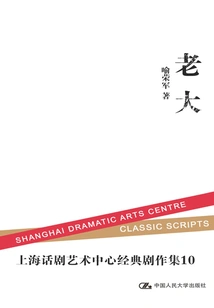
Boss
Literature老大
Yu Rongjun
This is a story about man and nature. This is a story about a ship boss living in harmony with the ocean. This is a story about a group of men and a group of fish fighting and chasing each other for decades.
This is a story about man and nature. This is a story about a ship boss living in harmony with the ocean. This is a story about a group of men and a group of fish fighting and chasing each other for decades.
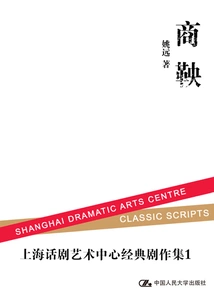
Shang Yang
Literature商鞅
Yao Yuan
The story takes place in the middle of the Warring States Period. As soon as Duke Xiao of Qin died, Shang Yang was sentenced to be quartered with five horses. Zhu Huan had always been opposed to Shang Yang during his lifetime. Now, his soul came to gloat over Shang Yang's misfortune and sentenced Shang Yang to "exterminate his entire family and divide his body into pieces", and told Shang Yang that this was his destiny that he could not escape. But Shang Yang disdained and refused to obey the destiny. He said: "Although Lord Shang is dead, his methods will remain undefeated for thousands of years. Although Lord Shang is dead, one hundred and seventeen years later, the Qin Dynasty will dominate the world!" Because he knew that destiny was not unavoidable. From the day he was born, God wanted him to die, but he lived for fifty-two years.
The story takes place in the middle of the Warring States Period. As soon as Duke Xiao of Qin died, Shang Yang was sentenced to be quartered with five horses. Zhu Huan had always been opposed to Shang Yang during his lifetime. Now, his soul came to gloat over Shang Yang's misfortune and sentenced Shang Yang to "exterminate his entire family and divide his body into pieces", and told Shang Yang that this was his destiny that he could not escape. But Shang Yang disdained and refused to obey the destiny. He said: "Although Lord Shang is dead, his methods will remain undefeated for thousands of years. Although Lord Shang is dead, one hundred and seventeen years later, the Qin Dynasty will dominate the world!" Because he knew that destiny was not unavoidable. From the day he was born, God wanted him to die, but he lived for fifty-two years.
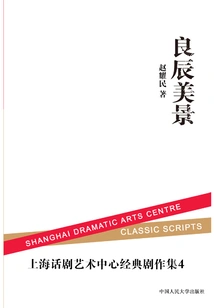
Good Times and Beautiful Scenery
Literature良辰美景
Zhao Yaomin
The song "The Peony Pavilion" interprets the passionate love story between a young lady and her dream lover, and also contains the joys and sorrows of three generations of a Kun Opera family: In an era when the economy is developing rapidly and traditional drama culture is at a low ebb, Kun Opera Master Wu Yijiao is the fourth generation successor of the Wu School of Kun Opera, but none of his three sons can inherit the mantle. Only Jinxiu, a close disciple, maintains the lifeline of the traditional art of Wu School Kun Opera. The Wu family has complex feelings and expectations for her. Carrying the lifelong expectations of her mentor, Jinxiu is reluctant to let go of ancient art. In the play, she transforms into Du Liniang who longs for love. Outside the play, she is an ascetic who is willing to burn youth, love and even life for art. But she still has the same dream as Du Liniang in her heart. The repeated interweaving of the inside and outside of the play, reality and illusion, makes her gradually indulge in an ancient and beautiful dream, interpreting a modern Du Liniang's garden dream.
The song "The Peony Pavilion" interprets the passionate love story between a young lady and her dream lover, and also contains the joys and sorrows of three generations of a Kun Opera family: In an era when the economy is developing rapidly and traditional drama culture is at a low ebb, Kun Opera Master Wu Yijiao is the fourth generation successor of the Wu School of Kun Opera, but none of his three sons can inherit the mantle. Only Jinxiu, a close disciple, maintains the lifeline of the traditional art of Wu School Kun Opera. The Wu family has complex feelings and expectations for her. Carrying the lifelong expectations of her mentor, Jinxiu is reluctant to let go of ancient art. In the play, she transforms into Du Liniang who longs for love. Outside the play, she is an ascetic who is willing to burn youth, love and even life for art. But she still has the same dream as Du Liniang in her heart. The repeated interweaving of the inside and outside of the play, reality and illusion, makes her gradually indulge in an ancient and beautiful dream, interpreting a modern Du Liniang's garden dream.
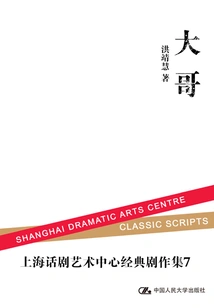
Big Brother
Literature大哥
Hong Jinghui
"Big Brother" tells the story of the relationship between four brothers and sisters in an ordinary family in Shanghai for decades. There have been struggles, rebellions, and sacrifices. In the end, it is the eldest brother Niu Peihua who maintains the integrity of the Niu family.
"Big Brother" tells the story of the relationship between four brothers and sisters in an ordinary family in Shanghai for decades. There have been struggles, rebellions, and sacrifices. In the end, it is the eldest brother Niu Peihua who maintains the integrity of the Niu family.
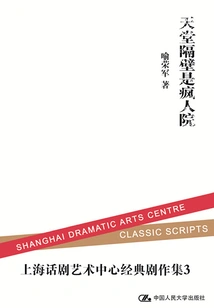
Next Door to Heaven is a Madhouse
Literature天堂隔壁是疯人院
Yu Rongjun
"The Madhouse Next to Heaven" is a comedy full of absurdity, which shows the spiritual emptiness and ignorance of some people through the description of the behavior of madmen. Yu Rongjun himself called the play a "pan-human" work, "it shows modern people's various inadaptations and social diseases to modern society."
"The Madhouse Next to Heaven" is a comedy full of absurdity, which shows the spiritual emptiness and ignorance of some people through the description of the behavior of madmen. Yu Rongjun himself called the play a "pan-human" work, "it shows modern people's various inadaptations and social diseases to modern society."
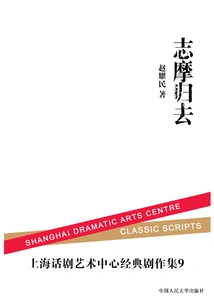
Shima Returns
Literature志摩归去
Zhao Yaomin
In the 1910s and 20s of the last century, a fresh wind blew into ancient China. New knowledge, new culture, and new ideas sprouted everywhere, stirring the hearts of young talents with great ambitions. Xu Zhimo, who holds the title of Poet Laureate, returns from studying in England with great success. He passionately advocated the political ideal of social reform and practiced pioneering creation of new literature, especially new poetry.
In the 1910s and 20s of the last century, a fresh wind blew into ancient China. New knowledge, new culture, and new ideas sprouted everywhere, stirring the hearts of young talents with great ambitions. Xu Zhimo, who holds the title of Poet Laureate, returns from studying in England with great success. He passionately advocated the political ideal of social reform and practiced pioneering creation of new literature, especially new poetry.

苏菲电影文学剧本集
Wang Shuai
This is a collection of movie literary scripts, including two love inspirational light comedies, namely "Cinderella in a Famous Shop" and "A Guide to Marrying"; three mystery and suspense genres, namely "The Nightmare on Christmas Eve", "The Teahouse Incident" and "Searching for a Suspect"; and one romance drama "Ticket to Heaven". The theme is positive and good and promotes social justice. The content is close to life and the description is delicate and vivid.
This is a collection of movie literary scripts, including two love inspirational light comedies, namely "Cinderella in a Famous Shop" and "A Guide to Marrying"; three mystery and suspense genres, namely "The Nightmare on Christmas Eve", "The Teahouse Incident" and "Searching for a Suspect"; and one romance drama "Ticket to Heaven". The theme is positive and good and promotes social justice. The content is close to life and the description is delicate and vivid.
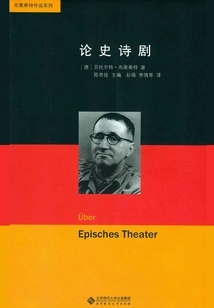
On Epic Drama
Literature论史诗剧
I
Most of the translations and introductions of Brecht in domestic academic circles focus on his dramatic works. In fact, before becoming a dramatist, Brecht was a well-known drama theorist and Marxist literary theorist. His "defamiliarization effect" and "epic drama theory", as well as the integration of Marxism with drama and Chinese tradition The drama method that perfectly combines culture with Western drama has influenced the Western drama theory community and the Chinese modern drama theory community since the Republic of China to this day. This book collects Brecht's works on epic drama that have not been translated in China, allowing readers to understand how his non-Aristotelian theoretical system was established.
Most of the translations and introductions of Brecht in domestic academic circles focus on his dramatic works. In fact, before becoming a dramatist, Brecht was a well-known drama theorist and Marxist literary theorist. His "defamiliarization effect" and "epic drama theory", as well as the integration of Marxism with drama and Chinese tradition The drama method that perfectly combines culture with Western drama has influenced the Western drama theory community and the Chinese modern drama theory community since the Republic of China to this day. This book collects Brecht's works on epic drama that have not been translated in China, allowing readers to understand how his non-Aristotelian theoretical system was established.
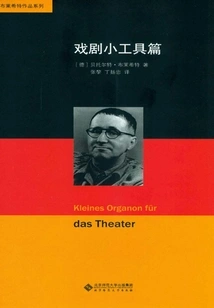
Drama Gadgets
Literature戏剧小工具篇
(germany) Bertolt Brecht
Brecht's earliest texts explaining his new views on drama were mostly written in the form of explanatory scripts, such as "Postscript on "The Rise and Fall of Mahacony City"", "Postscript on "The Triangle Opera"", etc. After Hitler came to power, Brecht went into exile abroad. He was too busy running around and devoting himself to the anti-fascist struggle, and had no time to organize systematic theories. "Drama Gadgets" was written by the author in Switzerland on his way back to China after the war. It can be said to be Brecht's first systematic theoretical work and is known as the "New Poetics".
Brecht's earliest texts explaining his new views on drama were mostly written in the form of explanatory scripts, such as "Postscript on "The Rise and Fall of Mahacony City"", "Postscript on "The Triangle Opera"", etc. After Hitler came to power, Brecht went into exile abroad. He was too busy running around and devoting himself to the anti-fascist struggle, and had no time to organize systematic theories. "Drama Gadgets" was written by the author in Switzerland on his way back to China after the war. It can be said to be Brecht's first systematic theoretical work and is known as the "New Poetics".
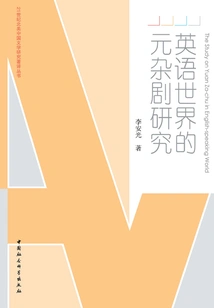
英语世界的元杂剧研究
Li Anguang
This book focuses on the combination of narrative review and historical theory, comprehensively and systematically sorting out and explaining the research on Yuan Zaju in the English-speaking world from the diachronic and synchronic dimensions, highlighting the distinctive characteristics of the research on Yuan Zaju in the English-speaking world in terms of content and method. The main content includes three parts: "The spread of Yuan Zaju in the English-speaking world", "Research on Yuan Zaju in the English-speaking world" and "Overall characteristics and value of research on Yuan Zaju in the English-speaking world".
This book focuses on the combination of narrative review and historical theory, comprehensively and systematically sorting out and explaining the research on Yuan Zaju in the English-speaking world from the diachronic and synchronic dimensions, highlighting the distinctive characteristics of the research on Yuan Zaju in the English-speaking world in terms of content and method. The main content includes three parts: "The spread of Yuan Zaju in the English-speaking world", "Research on Yuan Zaju in the English-speaking world" and "Overall characteristics and value of research on Yuan Zaju in the English-speaking world".
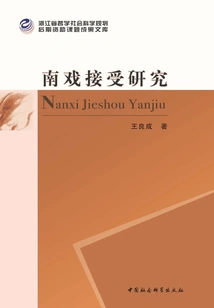
Southern Opera Acceptance Research
Literature南戏接受研究
Wang Liangcheng
This book comprehensively examines the various means of communication and reception of Southern Opera in ancient China, and further concludes that the aesthetic taste of the audience is the main reason for the popularity and disappearance of Southern Opera works. In addition, the book also describes in detail the evolution and development trajectory of Southern Opera's reception, the stage and desk reception of Southern Opera, and the causal relationship between Southern Opera's criticism and stage reception, etc. Finally, the book further proves the correctness and reasonableness of the above-mentioned point of view by taking classic or controversial works such as "Pipa Ji", "Four Southern Operas", "Wu Lun Quan Bei Ji" and "Xiang Nag Ji" as individual cases, and balances the content composition of macro narrative and micro analysis in style.
This book comprehensively examines the various means of communication and reception of Southern Opera in ancient China, and further concludes that the aesthetic taste of the audience is the main reason for the popularity and disappearance of Southern Opera works. In addition, the book also describes in detail the evolution and development trajectory of Southern Opera's reception, the stage and desk reception of Southern Opera, and the causal relationship between Southern Opera's criticism and stage reception, etc. Finally, the book further proves the correctness and reasonableness of the above-mentioned point of view by taking classic or controversial works such as "Pipa Ji", "Four Southern Operas", "Wu Lun Quan Bei Ji" and "Xiang Nag Ji" as individual cases, and balances the content composition of macro narrative and micro analysis in style.
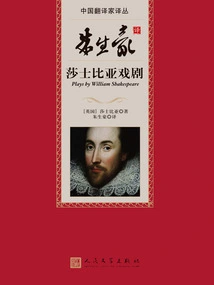
朱生豪译莎士比亚戏剧
H
Zhu Shenghao (February 2, 1912 - December 26, 1944), a native of Jiaxing, Zhejiang Province, China, is the earliest and most translator of Shakespeare's works in China. The quality and style of his translations are outstanding and recognized by Shakespeare researchers at home and abroad. Zhu Shenghao has high literary literacy, English proficiency and translation ability. In the spring of 1936, he began to translate "The Complete Works of Shakespeare's Dramas". He translated a total of 31 types of comedies, tragedies, historical dramas, dramas, etc. With smooth translation and gorgeous diction, it is the most classic and vivid translation of Shakespeare's works in my country.
Zhu Shenghao (February 2, 1912 - December 26, 1944), a native of Jiaxing, Zhejiang Province, China, is the earliest and most translator of Shakespeare's works in China. The quality and style of his translations are outstanding and recognized by Shakespeare researchers at home and abroad. Zhu Shenghao has high literary literacy, English proficiency and translation ability. In the spring of 1936, he began to translate "The Complete Works of Shakespeare's Dramas". He translated a total of 31 types of comedies, tragedies, historical dramas, dramas, etc. With smooth translation and gorgeous diction, it is the most classic and vivid translation of Shakespeare's works in my country.
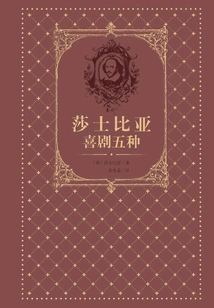
Shakespeare's Comedies
Literature莎士比亚喜剧五种
H
William Shakespeare (1564-1616) was the most important writer, outstanding dramatist and poet during the European Renaissance. He occupies a special position in the history of European literature and is known as the "Olympics of human literature". This book selects five of Shakespeare's most representative and popular comedies: "The Merchant of Venice", "A Midsummer Night's Dream", "Twelfth Night", "Much Ado About Nothing" and "As You Like It", which condenses the essence of his life wisdom and art.
William Shakespeare (1564-1616) was the most important writer, outstanding dramatist and poet during the European Renaissance. He occupies a special position in the history of European literature and is known as the "Olympics of human literature". This book selects five of Shakespeare's most representative and popular comedies: "The Merchant of Venice", "A Midsummer Night's Dream", "Twelfth Night", "Much Ado About Nothing" and "As You Like It", which condenses the essence of his life wisdom and art.
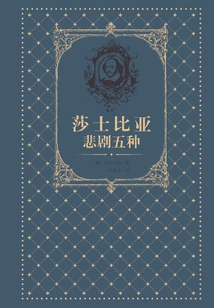
Shakespeare's Five Tragedies
Literature莎士比亚悲剧五种
H
William Shakespeare (1564-1616) was the most important writer, outstanding dramatist and poet during the European Renaissance. He occupies a special position in the history of European literature and is known as the "Olympics of human literature". This book selects five of Shakespeare's most representative and popular tragedies: "Romeo and Juliet", "Hamlet", "Othello", "King Lear" and "Macbeth", condensing the essence of his life wisdom and art.
William Shakespeare (1564-1616) was the most important writer, outstanding dramatist and poet during the European Renaissance. He occupies a special position in the history of European literature and is known as the "Olympics of human literature". This book selects five of Shakespeare's most representative and popular tragedies: "Romeo and Juliet", "Hamlet", "Othello", "King Lear" and "Macbeth", condensing the essence of his life wisdom and art.
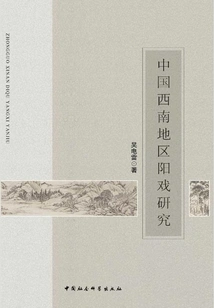
中国西南地区阳戏研究
Wu Dianlei
The research object of this book is Yang Opera, which is widely sung and performed in southwest my country today. The following issues of Yang opera are mainly clarified: the performance essence of "rewarding gods and entertaining people", the type symbol of worshiping "three saints", the representational characteristics of "joyful and pleasing to people", the evolution process of "yi - ritual opera - opera", the regional distribution characteristics of "folding fan flat shape" and the spread path of "yang" from east to west. Based on the text, this paper interprets and analyzes the folk beliefs, ideological content, performance form, repertoire types and stylistic, stylistic and linguistic characteristics of Yang Opera in Southwest China. This book is rich in content, systematic, and profound in discussion. It is an important achievement in the field of Yang Opera research.
The research object of this book is Yang Opera, which is widely sung and performed in southwest my country today. The following issues of Yang opera are mainly clarified: the performance essence of "rewarding gods and entertaining people", the type symbol of worshiping "three saints", the representational characteristics of "joyful and pleasing to people", the evolution process of "yi - ritual opera - opera", the regional distribution characteristics of "folding fan flat shape" and the spread path of "yang" from east to west. Based on the text, this paper interprets and analyzes the folk beliefs, ideological content, performance form, repertoire types and stylistic, stylistic and linguistic characteristics of Yang Opera in Southwest China. This book is rich in content, systematic, and profound in discussion. It is an important achievement in the field of Yang Opera research.
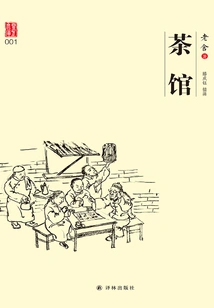
茶馆(老舍插图版 经典话剧)
Lao She Illustrations By Teng Chengyu
The three-act play "Teahouse" is a classic in the history of Chinese drama. The story in the play all takes place in a teahouse, with sixty or seventy characters appearing one after another. The three-act play respectively shows the life scenes in three eras after the failed coup of 1898 in the late Qing Dynasty, the period of the Beiyang warlord separatism in the early years of the Republic of China, and the eve of the fall of the Kuomintang regime. It summarizes the sharp opposition and conflicts between all classes of Chinese society and reveals the historical destiny of semi-feudal and semi-colonial China. The lines of the characters in the play are vivid, expressive, full of personality, concise and concise, with profound meaning. It is still a standing repertoire of modern theaters.
The three-act play "Teahouse" is a classic in the history of Chinese drama. The story in the play all takes place in a teahouse, with sixty or seventy characters appearing one after another. The three-act play respectively shows the life scenes in three eras after the failed coup of 1898 in the late Qing Dynasty, the period of the Beiyang warlord separatism in the early years of the Republic of China, and the eve of the fall of the Kuomintang regime. It summarizes the sharp opposition and conflicts between all classes of Chinese society and reveals the historical destiny of semi-feudal and semi-colonial China. The lines of the characters in the play are vivid, expressive, full of personality, concise and concise, with profound meaning. It is still a standing repertoire of modern theaters.
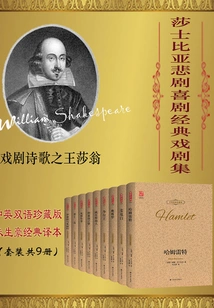
莎士比亚悲剧喜剧经典戏剧集(中英双语珍藏版)(套装共9册)
(english) Shakespeare
This set includes: four great tragedies: "Hamlet", "Macbeth", "Othello" and "King Lear". Four major comedies: "The Merchant of Venice", "A Midsummer Night's Dream", "Much Ado About Nothing" and "Twelfth Night". Classic tragicomedy: "Romeo and Juliet".
This set includes: four great tragedies: "Hamlet", "Macbeth", "Othello" and "King Lear". Four major comedies: "The Merchant of Venice", "A Midsummer Night's Dream", "Much Ado About Nothing" and "Twelfth Night". Classic tragicomedy: "Romeo and Juliet".
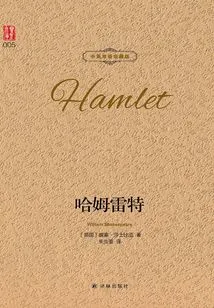
哈姆雷特(中英双语珍藏版)
H
"Hamlet" is the pinnacle of Shakespeare's tragedies and one of his four major tragedies. It has reached unprecedented depth and breadth in ideological content, profoundly revealing the sins and essential characteristics of late feudal society. Based on an ancient Danish myth from 1200 AD, it tells the story of a Danish prince who pretended to be crazy in order to avenge his uncle who killed his father, married his mother and usurped the throne. After being tortured, he finally took his revenge. The entire story of "Hamlet" is permeated with the spirit of Shakespeare's era and is the most profound expression of Shakespeare's humanism and critical spirit of real life.
"Hamlet" is the pinnacle of Shakespeare's tragedies and one of his four major tragedies. It has reached unprecedented depth and breadth in ideological content, profoundly revealing the sins and essential characteristics of late feudal society. Based on an ancient Danish myth from 1200 AD, it tells the story of a Danish prince who pretended to be crazy in order to avenge his uncle who killed his father, married his mother and usurped the throne. After being tortured, he finally took his revenge. The entire story of "Hamlet" is permeated with the spirit of Shakespeare's era and is the most profound expression of Shakespeare's humanism and critical spirit of real life.
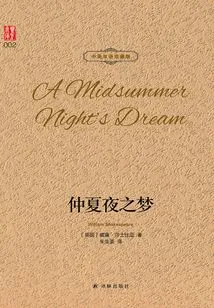
仲夏夜之梦(中英双语珍藏版)
H
"A Midsummer Night's Dream" is the most mature comedy work of the British playwright William Shakespeare in his youth. It is also one of William Shakespeare's most famous comedies. It tells a love story in which lovers finally get married. This play has had a huge influence on the history of world literature, especially the history of drama. Later generations adapted it into movies, stories, games, paintings, etc.
"A Midsummer Night's Dream" is the most mature comedy work of the British playwright William Shakespeare in his youth. It is also one of William Shakespeare's most famous comedies. It tells a love story in which lovers finally get married. This play has had a huge influence on the history of world literature, especially the history of drama. Later generations adapted it into movies, stories, games, paintings, etc.
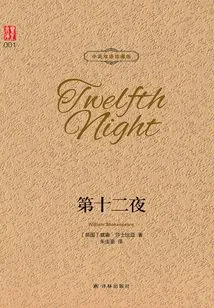
第十二夜(中英双语珍藏版)
H
"Twelfth Night" is a play written by the British playwright Shakespeare. It tells the story of Sebastian and Viola, a twin brother and sister who unfortunately died during a sea voyage and fled to Illyria. After some interesting twists and turns, Viola and Orsino, Olivia and Sebastian both form a happy marriage. With a lyrical style and romantic comedy form, this work once again eulogizes the beautiful humanistic ideals of love and friendship, and expresses the beauty of life and love.
"Twelfth Night" is a play written by the British playwright Shakespeare. It tells the story of Sebastian and Viola, a twin brother and sister who unfortunately died during a sea voyage and fled to Illyria. After some interesting twists and turns, Viola and Orsino, Olivia and Sebastian both form a happy marriage. With a lyrical style and romantic comedy form, this work once again eulogizes the beautiful humanistic ideals of love and friendship, and expresses the beauty of life and love.
李尔王(中英双语珍藏版)
H
"King Lear" is a play written by Shakespeare and is one of his four major tragedies. The story comes from an ancient British legend. It tells the story of the elderly King Lear who abdicated and was driven into the wilderness by his eldest and second daughters. The third daughter, who became the Queen of France, led an army to save her father, but was killed. King Lear died sadly beside her.
"King Lear" is a play written by Shakespeare and is one of his four major tragedies. The story comes from an ancient British legend. It tells the story of the elderly King Lear who abdicated and was driven into the wilderness by his eldest and second daughters. The third daughter, who became the Queen of France, led an army to save her father, but was killed. King Lear died sadly beside her.
无事生非(中英双语珍藏版)
H
"Much Ado About Nothing" is one of the four comedies by the British playwright William Shakespeare. Written in 1598-1599, it was the most mature period of Shakespeare's comedy writing. Several clues are cleverly interspersed in the play, the most fascinating being the love affair between Benedick and Beatrice. They vowed to be single at first, ridiculed each other, and refused to give in. In the end, they fell in love with each other and became a perfect union. The content is lively, joyful and philosophical. The characters have distinct personalities and witty remarks. The characters in the play explore self-awareness in the relationship between the sexes as well as sincerity and respect between each other.
"Much Ado About Nothing" is one of the four comedies by the British playwright William Shakespeare. Written in 1598-1599, it was the most mature period of Shakespeare's comedy writing. Several clues are cleverly interspersed in the play, the most fascinating being the love affair between Benedick and Beatrice. They vowed to be single at first, ridiculed each other, and refused to give in. In the end, they fell in love with each other and became a perfect union. The content is lively, joyful and philosophical. The characters have distinct personalities and witty remarks. The characters in the play explore self-awareness in the relationship between the sexes as well as sincerity and respect between each other.
Shakespeare's Comedies
Literature莎士比亚喜剧集
H
"Shakespeare's Comedies" contains six of Shakespeare's comedies, including "A Midsummer Night's Dream", "As You Like It", "Twelfth Night", "The Merchant of Venice", "The Taming of the Shrew" and "Much Ado About Nothing". These dramas mainly describe love, friendship and marriage. The themes are similar, but the plots are vivid, rich and unconventional. The work shines with the light of humanistic ideals, is full of joyful atmosphere and optimism, praises the beautiful love and innocent friendship of mankind, and has eternal charm. "A Midsummer Night's Dream" tells a love story in which lovers finally get married. The story scene of "As You Like It" mainly takes place in the forest of Arden, far away from the world. It describes the exiled Duke's daughter Rosalind who goes to the forest to find her father and her love story. "Twelfth Night" tells the story of twin brothers Sebastian and Viola who reunited after a series of twists and turns after being shipwrecked. "The Merchant of Venice" mainly portrays the typical image of Shylock, a profit-seeking and ruthless loan shark. Its theme praises benevolence, friendship and love, and also expresses humanistic thoughts on issues such as money and law. "The Taming of the Shrew" tells the story of a smart man who used ingenious strategies to successfully transform a grumpy rich girl into a gentle and virtuous wife. "Much Ado About Nothing" has two parallel clues around the theme of proposal, telling the story of two couples' experiences of falling in love, proposing, and finally getting married.
"Shakespeare's Comedies" contains six of Shakespeare's comedies, including "A Midsummer Night's Dream", "As You Like It", "Twelfth Night", "The Merchant of Venice", "The Taming of the Shrew" and "Much Ado About Nothing". These dramas mainly describe love, friendship and marriage. The themes are similar, but the plots are vivid, rich and unconventional. The work shines with the light of humanistic ideals, is full of joyful atmosphere and optimism, praises the beautiful love and innocent friendship of mankind, and has eternal charm. "A Midsummer Night's Dream" tells a love story in which lovers finally get married. The story scene of "As You Like It" mainly takes place in the forest of Arden, far away from the world. It describes the exiled Duke's daughter Rosalind who goes to the forest to find her father and her love story. "Twelfth Night" tells the story of twin brothers Sebastian and Viola who reunited after a series of twists and turns after being shipwrecked. "The Merchant of Venice" mainly portrays the typical image of Shylock, a profit-seeking and ruthless loan shark. Its theme praises benevolence, friendship and love, and also expresses humanistic thoughts on issues such as money and law. "The Taming of the Shrew" tells the story of a smart man who used ingenious strategies to successfully transform a grumpy rich girl into a gentle and virtuous wife. "Much Ado About Nothing" has two parallel clues around the theme of proposal, telling the story of two couples' experiences of falling in love, proposing, and finally getting married.
麦克白(中英双语珍藏版)
(english) Shakespeare
"Macbeth" is one of Shakespeare's four great tragedies. It tells the story of General Macbeth, cousin of King Duncan of Scotland, who murdered Duncan and became king driven by ambition. In order to conceal others and prevent others from seizing the throne, Duncan's bodyguards, Banquo, and the wife and children of the noble Macduff were killed step by step. In the end, with all the rebels and relatives separated, he faced the siege of Duncan's son and the English reinforcements he invited, and ended up as a tyrant.
"Macbeth" is one of Shakespeare's four great tragedies. It tells the story of General Macbeth, cousin of King Duncan of Scotland, who murdered Duncan and became king driven by ambition. In order to conceal others and prevent others from seizing the throne, Duncan's bodyguards, Banquo, and the wife and children of the noble Macduff were killed step by step. In the end, with all the rebels and relatives separated, he faced the siege of Duncan's son and the English reinforcements he invited, and ended up as a tyrant.
威尼斯商人(中英双语珍藏版)
(english) Shakespeare
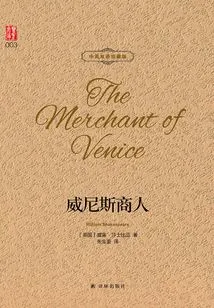
"The Merchant of Venice" is Shakespeare's important early work and a highly satirical comedy. It was made around 1596-1597. The theme of the script is to praise benevolence, friendship and love. It also reflects the contradiction between the commercial bourgeoisie and the loan sharks in the early stage of capitalism, and expresses the author's humanistic thoughts on issues such as money, law and religion in bourgeois society. An important literary achievement of this play is the creation of the typical image of Shylock, a profit-seeking, ruthless loan shark.
"The Merchant of Venice" is Shakespeare's important early work and a highly satirical comedy. It was made around 1596-1597. The theme of the script is to praise benevolence, friendship and love. It also reflects the contradiction between the commercial bourgeoisie and the loan sharks in the early stage of capitalism, and expresses the author's humanistic thoughts on issues such as money, law and religion in bourgeois society. An important literary achievement of this play is the creation of the typical image of Shylock, a profit-seeking, ruthless loan shark.
罗密欧与朱丽叶(中英双语珍藏版)
H
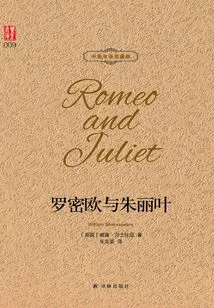
"Romeo and Juliet" is a play written by the British playwright William Shakespeare. The play describes how Romeo, the son of Montague, and Juliet, the daughter of Capulet, fell in love at first sight. In order to pursue free love, they dared to ignore family feuds and even died for love. "Romeo and Juliet" is a tragedy with romantic lyricism, and it is also an ode to advocating freedom, equality, and marital autonomy.
"Romeo and Juliet" is a play written by the British playwright William Shakespeare. The play describes how Romeo, the son of Montague, and Juliet, the daughter of Capulet, fell in love at first sight. In order to pursue free love, they dared to ignore family feuds and even died for love. "Romeo and Juliet" is a tragedy with romantic lyricism, and it is also an ode to advocating freedom, equality, and marital autonomy.
奥赛罗(中英双语珍藏版)
H
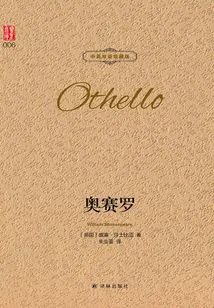
"Othello" is one of Shakespeare's four great tragedies. Othello is a brave general in the Principality of Venice. He fell in love with Desdemona, the senator's daughter. But because he was black, the marriage was not allowed. The two had to get married privately. Othello has a sinister flag officer, Iago, who wants to get rid of Othello. He first informed the senator, but unexpectedly led to their marriage. He also provoked the relationship between Othello and Desdemona, saying that Cassio, another lieutenant, had an unusual relationship with Desdemona, and forged so-called tokens of love. Othello believed it and strangled his wife to death in anger. When he learned the truth, he drew his sword and killed himself in regret, and fell beside Desdemona.
"Othello" is one of Shakespeare's four great tragedies. Othello is a brave general in the Principality of Venice. He fell in love with Desdemona, the senator's daughter. But because he was black, the marriage was not allowed. The two had to get married privately. Othello has a sinister flag officer, Iago, who wants to get rid of Othello. He first informed the senator, but unexpectedly led to their marriage. He also provoked the relationship between Othello and Desdemona, saying that Cassio, another lieutenant, had an unusual relationship with Desdemona, and forged so-called tokens of love. Othello believed it and strangled his wife to death in anger. When he learned the truth, he drew his sword and killed himself in regret, and fell beside Desdemona.
莎士比亚戏剧集(共8册)
H
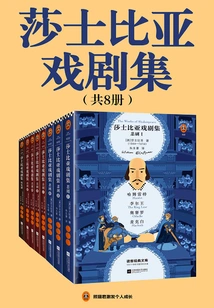
Shakespeare wrote about all the conflicts that anyone may encounter in life! In the history of human literature, Shakespeare used great dramas to reflect all the emotions of being born. These plays, which are full of universal humanity, are the precious spiritual heritage that Shakespeare left to all mankind! Shakespeare is the soul of the times. He does not belong to one era, but to all generations! This time, I finally know why I should read Shakespeare! The exclusive features of Reader's Classic Library "Shakespeare's Drama Collection": a separate volume! An in-depth introduction by an Oxford University Shakespeare expert - "Why should we read Shakespeare today?" 8 Original color illustrations, restoring classic scenes in the play! Zhu Shenghao's classic translation, carefully proofread and accessible for reading! Appreciate classic lines from famous plays and feel the charm of Shakespeare's language! "Shakespeare's Drama Collection" contains 3 volumes of tragedies, 4 volumes of comedies, and 1 volume of historical dramas. The introduction is "Why should we read Shakespeare today?" Introduction into a volume. This time, I finally know why I should read Shakespeare!
Shakespeare wrote about all the conflicts that anyone may encounter in life! In the history of human literature, Shakespeare used great dramas to reflect all the emotions of being born. These plays, which are full of universal humanity, are the precious spiritual heritage that Shakespeare left to all mankind! Shakespeare is the soul of the times. He does not belong to one era, but to all generations! This time, I finally know why I should read Shakespeare! The exclusive features of Reader's Classic Library "Shakespeare's Drama Collection": a separate volume! An in-depth introduction by an Oxford University Shakespeare expert - "Why should we read Shakespeare today?" 8 Original color illustrations, restoring classic scenes in the play! Zhu Shenghao's classic translation, carefully proofread and accessible for reading! Appreciate classic lines from famous plays and feel the charm of Shakespeare's language! "Shakespeare's Drama Collection" contains 3 volumes of tragedies, 4 volumes of comedies, and 1 volume of historical dramas. The introduction is "Why should we read Shakespeare today?" Introduction into a volume. This time, I finally know why I should read Shakespeare!
Ivanov Seagull
Literature伊凡诺夫·海鸥
J
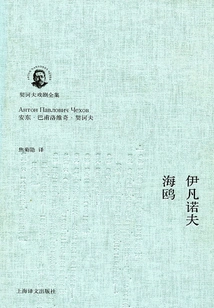
This series collects excellent Chinese translations of Chekhov's dramatic works and publishes them in four volumes. This volume contains the famous plays "The Seagull" and "Ivanov". The comedy "The Seagull" describes the love ideals and experiences of Nina, a wealthy rural girl. It was performed at the Moscow Art Theater in 1898 and achieved unprecedented success. The image of the flying seagull became the emblem of the Moscow Art Theater. "Ivanov" is Chekhov's first dramatic masterpiece.
This series collects excellent Chinese translations of Chekhov's dramatic works and publishes them in four volumes. This volume contains the famous plays "The Seagull" and "Ivanov". The comedy "The Seagull" describes the love ideals and experiences of Nina, a wealthy rural girl. It was performed at the Moscow Art Theater in 1898 and achieved unprecedented success. The image of the flying seagull became the emblem of the Moscow Art Theater. "Ivanov" is Chekhov's first dramatic masterpiece.
Chekhov's One-act Plays
Literature契诃夫独幕剧集
J
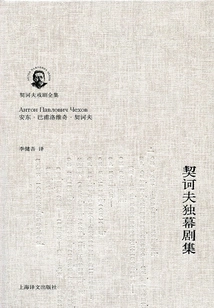
This book is a volume of the complete collection of Chekhov's plays, including a total of nine one-act plays such as "The Road", "On the Harm of Tobacco", "Swan Song", and "The Bear". They are all short and interesting. Some works have experimental colors, reflecting Chekhov's special style exploration of one-act plays, and are an indispensable part of Chekhov's drama creation spectrum.
This book is a volume of the complete collection of Chekhov's plays, including a total of nine one-act plays such as "The Road", "On the Harm of Tobacco", "Swan Song", and "The Bear". They are all short and interesting. Some works have experimental colors, reflecting Chekhov's special style exploration of one-act plays, and are an indispensable part of Chekhov's drama creation spectrum.
A Man Without a Father·lin Yao
Literature没有父亲的人·林妖
J
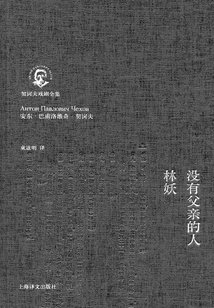
This book is a volume in the complete collection of Chekhov's plays. It includes two multi-act plays, "The Forest Man" and "The Fatherless Man", which are representative works of Chekhov's early drama creation. According to research, "The Fatherless Man" was written during Chekhov's university days and is relatively unknown. The script describes the decline of provincial aristocratic estates and depicts the image of a group of intellectuals, represented by the protagonist Platonov, who have nothing to do and spend their days in melancholy. It is the precursor of a series of "superfluous people" characters at the end of the century created in Chekhov's later works. "The Forest Monster" tells a family story centered on a weird-tempered and selfish professor, and successfully created the image of "The Forest Monster", a doctor with unique ideas but not understood by everyone. It is regarded as a "beautiful dramatic novella". The research community recognizes that "The Forest Monster" is the predecessor of "Uncle Vanya" and is an indispensable part of the complete presentation of Chekhov's drama creation.
This book is a volume in the complete collection of Chekhov's plays. It includes two multi-act plays, "The Forest Man" and "The Fatherless Man", which are representative works of Chekhov's early drama creation. According to research, "The Fatherless Man" was written during Chekhov's university days and is relatively unknown. The script describes the decline of provincial aristocratic estates and depicts the image of a group of intellectuals, represented by the protagonist Platonov, who have nothing to do and spend their days in melancholy. It is the precursor of a series of "superfluous people" characters at the end of the century created in Chekhov's later works. "The Forest Monster" tells a family story centered on a weird-tempered and selfish professor, and successfully created the image of "The Forest Monster", a doctor with unique ideas but not understood by everyone. It is regarded as a "beautiful dramatic novella". The research community recognizes that "The Forest Monster" is the predecessor of "Uncle Vanya" and is an indispensable part of the complete presentation of Chekhov's drama creation.
X
LiteratureX
H
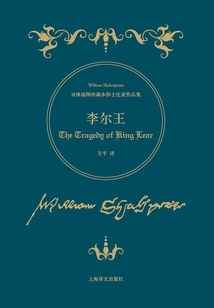
"King Lear" is one of Shakespeare's four famous tragedies and an ancient British legend. The story itself took place around the 8th century. Later, many plays were compiled in the UK. In addition to Shakespeare, there is also an earlier unknown work among the existing plays. It is generally believed that Shakespeare's King Lear was adapted from this play. The story tells that after the aged King Lear abdicated the throne, he was driven into the wilderness by his eldest daughter and his second daughter. The third daughter, who became the Queen of France, led an army to save her father, but was killed. King Lear died sadly beside her.
"King Lear" is one of Shakespeare's four famous tragedies and an ancient British legend. The story itself took place around the 8th century. Later, many plays were compiled in the UK. In addition to Shakespeare, there is also an earlier unknown work among the existing plays. It is generally believed that Shakespeare's King Lear was adapted from this play. The story tells that after the aged King Lear abdicated the throne, he was driven into the wilderness by his eldest daughter and his second daughter. The third daughter, who became the Queen of France, led an army to save her father, but was killed. King Lear died sadly beside her.
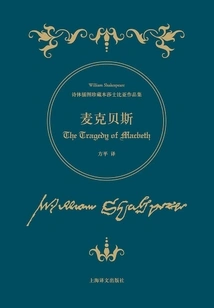
Mcbeth
Literature麦克贝斯
(english) Shakespeare
General Macbeth, cousin of King Duncan of Scotland, returned from serving the king in countering rebellion and resisting invasion. He met three witches on the way. The witch told him some prophecies and cryptic words, saying that he would be crowned king, but he had no heirs to inherit the throne. Instead, the descendants of his colleague General Banquo would be the king. Macbeth is an ambitious hero who murders Duncan at the instigation of his lady and becomes king. In order to cover up others' eyes and prevent others from seizing the throne, he gradually killed Duncan's guards, Banquo, and the wife and children of the noble Macduff. Fear and suspicion make Macbeth more and more evil and cruel. Lady Macbeth went insane and committed suicide, which was also a great stimulus to him. With all the rebels and relatives separated, Macbeth faced the siege of Duncan's son and the English reinforcements he invited, and ended up with his head cut off. As soon as Macbeth appeared on the scene, he had different ambitions, killed the king and usurped the throne. In order to consolidate the throne, he also brutally massacred the people, making the country a river of blood, putting the society in chaos, and trapping the people in fire and water. It can be said that he is the same tyrant as Richard III. Such a tyrant deserves his suffering and death.
General Macbeth, cousin of King Duncan of Scotland, returned from serving the king in countering rebellion and resisting invasion. He met three witches on the way. The witch told him some prophecies and cryptic words, saying that he would be crowned king, but he had no heirs to inherit the throne. Instead, the descendants of his colleague General Banquo would be the king. Macbeth is an ambitious hero who murders Duncan at the instigation of his lady and becomes king. In order to cover up others' eyes and prevent others from seizing the throne, he gradually killed Duncan's guards, Banquo, and the wife and children of the noble Macduff. Fear and suspicion make Macbeth more and more evil and cruel. Lady Macbeth went insane and committed suicide, which was also a great stimulus to him. With all the rebels and relatives separated, Macbeth faced the siege of Duncan's son and the English reinforcements he invited, and ended up with his head cut off. As soon as Macbeth appeared on the scene, he had different ambitions, killed the king and usurped the throne. In order to consolidate the throne, he also brutally massacred the people, making the country a river of blood, putting the society in chaos, and trapping the people in fire and water. It can be said that he is the same tyrant as Richard III. Such a tyrant deserves his suffering and death.
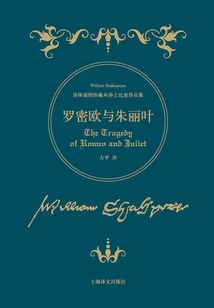
V
LiteratureV
H
This book is the most familiar love classic among Shakespeare's plays. In this play, Shakespeare highlights the sharp conflict between humanistic ideals of love and feudal concepts and feudal forces. He linked the fate of young people to the safety of the entire city where they lived. The bloody vendetta between feudal families not only caused the love tragedy of young people, but also brought disaster to the city. In the script, themes common in historical dramas condemning feudal disputes and themes common in comedies praising ideal love and friendship appear comprehensively. This is a tragedy, but the whole play is full of rich lyrical color and contains a lot of comedy elements. In the end, the young people's sacrifice brought about reconciliation between the two families and peace in the city. The parents also decided to build a golden statue for them.
This book is the most familiar love classic among Shakespeare's plays. In this play, Shakespeare highlights the sharp conflict between humanistic ideals of love and feudal concepts and feudal forces. He linked the fate of young people to the safety of the entire city where they lived. The bloody vendetta between feudal families not only caused the love tragedy of young people, but also brought disaster to the city. In the script, themes common in historical dramas condemning feudal disputes and themes common in comedies praising ideal love and friendship appear comprehensively. This is a tragedy, but the whole play is full of rich lyrical color and contains a lot of comedy elements. In the end, the young people's sacrifice brought about reconciliation between the two families and peace in the city. The parents also decided to build a golden statue for them.
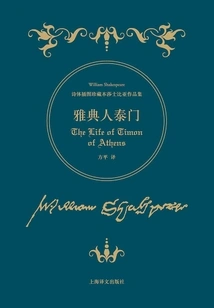
Timon of Athens
Literature雅典人泰门
(english) Shakespeare
"Timon of Athens" is Shakespeare's last tragedy, written around 1607-1608. Timon, a wealthy aristocrat in Athens, was generous and charitable, and gathered some flattering "friends" around him. No matter the poor or the nobles, they were willing to become his entourage and diners in order to defraud him of his money. Taimen soon ran out of money and was heavily in debt. Those "friends" who had benefited from him immediately severed ties with him, and his creditors ruthlessly forced him to repay his debts. Timon became a cynic after discovering the ingratitude and greed of his fellow citizens. He announced another party, inviting past regulars and celebrities. These people mistakenly thought that Timon was pretending to be poor to test their loyalty, so they flocked to him and confessed their feelings to Timon falsely. Timon opened the lid, poured hot water from the dish on the faces and bodies of his guests, and scolded them. From then on, Timon left the city that he could no longer bear, hid in a desolate cave, ate tree roots to satisfy his hunger, and lived like a beast. One day he discovered a pile of gold while digging for tree roots. He distributed the gold to poor people, prostitutes, and thieves who were passing by. In his opinion, false "friends" are worse than thieves. He viciously curses humans and gold, and finally dies alone in despair.
"Timon of Athens" is Shakespeare's last tragedy, written around 1607-1608. Timon, a wealthy aristocrat in Athens, was generous and charitable, and gathered some flattering "friends" around him. No matter the poor or the nobles, they were willing to become his entourage and diners in order to defraud him of his money. Taimen soon ran out of money and was heavily in debt. Those "friends" who had benefited from him immediately severed ties with him, and his creditors ruthlessly forced him to repay his debts. Timon became a cynic after discovering the ingratitude and greed of his fellow citizens. He announced another party, inviting past regulars and celebrities. These people mistakenly thought that Timon was pretending to be poor to test their loyalty, so they flocked to him and confessed their feelings to Timon falsely. Timon opened the lid, poured hot water from the dish on the faces and bodies of his guests, and scolded them. From then on, Timon left the city that he could no longer bear, hid in a desolate cave, ate tree roots to satisfy his hunger, and lived like a beast. One day he discovered a pile of gold while digging for tree roots. He distributed the gold to poor people, prostitutes, and thieves who were passing by. In his opinion, false "friends" are worse than thieves. He viciously curses humans and gold, and finally dies alone in despair.
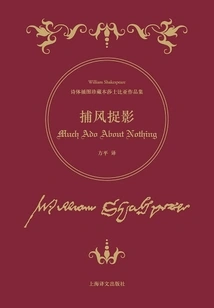
Catching Wind and Shadow
Literature捕风捉影
H
Created during Shakespeare's most mature period of comedy writing, the content is lively, joyful, and philosophical. Compared to Shakespeare's other comedies. The characteristic of this play is that the scenes and language are closer to real life. Claudio fell in love with Hero, but was afraid of being rejected. As a result, his friend Don Pietro came to help and arranged a unique masquerade ball to bring them together. Just when everyone thought that everything would have a happy ending, Don John interfered and made Claudio mistakenly think that Hero had another love. The deeper the love, the deeper the hatred, Claudio vowed revenge, and thus, the love ordeal of a pair of mandarin ducks began...
Created during Shakespeare's most mature period of comedy writing, the content is lively, joyful, and philosophical. Compared to Shakespeare's other comedies. The characteristic of this play is that the scenes and language are closer to real life. Claudio fell in love with Hero, but was afraid of being rejected. As a result, his friend Don Pietro came to help and arranged a unique masquerade ball to bring them together. Just when everyone thought that everything would have a happy ending, Don John interfered and made Claudio mistakenly think that Hero had another love. The deeper the love, the deeper the hatred, Claudio vowed revenge, and thus, the love ordeal of a pair of mandarin ducks began...
Richard Iii
Literature理查三世
H
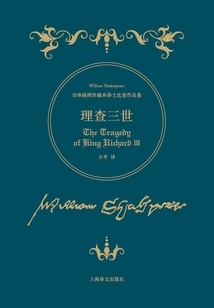
"Richard III" is a work by the British playwright William Shakespeare. It describes the short reign of Richard III. The play is believed to have been written around 1591. The play is sometimes classified as a tragedy (in the early quartos), but a more accurate classification would be a historical drama, as in the First Folio. The work begins with "Henry VI Part 3" and ends the series of historical dramas that began with "Richard II". This work is Shakespeare's second longest play, after "Hamlet". Since the version of "Hamlet" included in the "First Folio" is shorter than the previous quarto, "Richard III" is the longest play among them. The length of the script is often considered a drawback, as it is rarely performed in its entirety and unimportant characters are often omitted.
"Richard III" is a work by the British playwright William Shakespeare. It describes the short reign of Richard III. The play is believed to have been written around 1591. The play is sometimes classified as a tragedy (in the early quartos), but a more accurate classification would be a historical drama, as in the First Folio. The work begins with "Henry VI Part 3" and ends the series of historical dramas that began with "Richard II". This work is Shakespeare's second longest play, after "Hamlet". Since the version of "Hamlet" included in the "First Folio" is shorter than the previous quarto, "Richard III" is the longest play among them. The length of the script is often considered a drawback, as it is rarely performed in its entirety and unimportant characters are often omitted.
V
LiteratureV
H
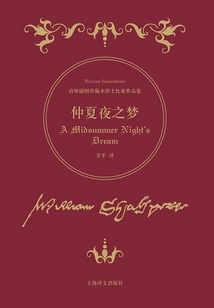
"A Midsummer Night's Dream" is the most mature comedy work of the British playwright William Shakespeare in his youth. It is also one of William Shakespeare's most famous comedies. It tells a love story in which lovers finally get married.
"A Midsummer Night's Dream" is the most mature comedy work of the British playwright William Shakespeare in his youth. It is also one of William Shakespeare's most famous comedies. It tells a love story in which lovers finally get married.
U
LiteratureU
H
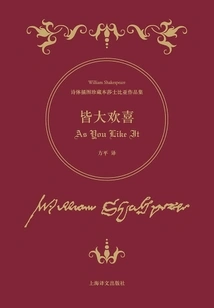
"As You Like It" is one of the "Four Comedies" created by Shakespeare. The story mainly takes place in the forest of Arden, far away from the world. Created approximately between 1598-1600. "As You Like It" is based on the pastoral legend "Rosaline" written in the prose style of the 16th-century British writer Thomas Roach. This kind of paradise-style pastoral literature that sings about the pure and infinite love of shepherds is a long-standing artistic tradition in Europe. After the interruption of the pastoral legend in the Middle Ages, it flourished again in the Renaissance era.
"As You Like It" is one of the "Four Comedies" created by Shakespeare. The story mainly takes place in the forest of Arden, far away from the world. Created approximately between 1598-1600. "As You Like It" is based on the pastoral legend "Rosaline" written in the prose style of the 16th-century British writer Thomas Roach. This kind of paradise-style pastoral literature that sings about the pure and infinite love of shepherds is a long-standing artistic tradition in Europe. After the interruption of the pastoral legend in the Middle Ages, it flourished again in the Renaissance era.
Storm
Literature暴风雨
H
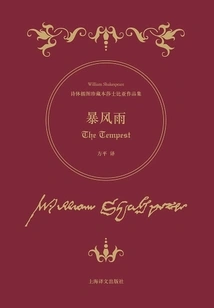
"The Tempest" is William Shakespeare's last complete masterpiece. The play celebrates pure love, friendship and good relationships between people.
"The Tempest" is William Shakespeare's last complete masterpiece. The play celebrates pure love, friendship and good relationships between people.
V
LiteratureV
H
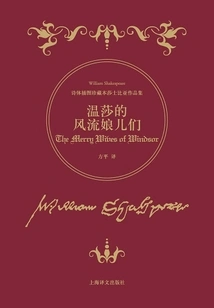
"The Merry Wives of Windsor" is a comic opera in three acts, also translated as "The Happy Wife". It was written by Mosenthal and composed by Otto Nikolai. It was first performed at the Berlin Palace Opera on March 9, 1849, and was conducted by the composer himself. It was a great success. However, after only conducting three times, he died of a sudden illness on May 11 at the age of 39. It premiered at the Metropolitan Opera House in New York on March 9, 1900. Nicholas wrote in a letter to his father: "My new opera has already created countless joys in the composition." In fact, he has poured all the experience he gained into "The Merry Wives of Windsor".
"The Merry Wives of Windsor" is a comic opera in three acts, also translated as "The Happy Wife". It was written by Mosenthal and composed by Otto Nikolai. It was first performed at the Berlin Palace Opera on March 9, 1849, and was conducted by the composer himself. It was a great success. However, after only conducting three times, he died of a sudden illness on May 11 at the age of 39. It premiered at the Metropolitan Opera House in New York on March 9, 1900. Nicholas wrote in a letter to his father: "My new opera has already created countless joys in the composition." In fact, he has poured all the experience he gained into "The Merry Wives of Windsor".
H
LiteratureH
H
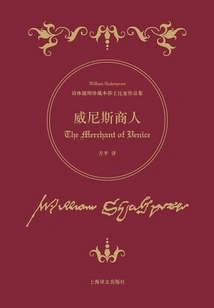
"The Merchant of Venice" is Shakespeare's important early work and a highly satirical comedy. It was made around 1596-1597. The theme of the script is to praise benevolence, friendship and love. It also reflects the contradiction between the commercial bourgeoisie and the loan sharks in the early stage of capitalism, and expresses the author's humanistic thoughts on issues such as money, law and religion in bourgeois society. An important literary achievement of this play is to create the typical image of Shylock, a profit-seeking, ruthless loan shark.
"The Merchant of Venice" is Shakespeare's important early work and a highly satirical comedy. It was made around 1596-1597. The theme of the script is to praise benevolence, friendship and love. It also reflects the contradiction between the commercial bourgeoisie and the loan sharks in the early stage of capitalism, and expresses the author's humanistic thoughts on issues such as money, law and religion in bourgeois society. An important literary achievement of this play is to create the typical image of Shylock, a profit-seeking, ruthless loan shark.
Twelfth Night
Literature第十二夜
H
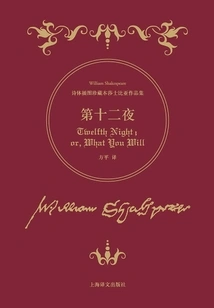
"Twelfth Night" is the end of Shakespeare's early comedy creation. With a lyrical style and romantic comedy form, this work once again eulogizes the beautiful humanistic ideals of love and friendship, and expresses the beauty of life and love.
"Twelfth Night" is the end of Shakespeare's early comedy creation. With a lyrical style and romantic comedy form, this work once again eulogizes the beautiful humanistic ideals of love and friendship, and expresses the beauty of life and love.
Hamlet
Literature哈姆莱特
(english) Shakespeare
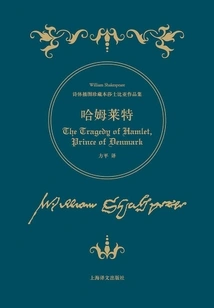
Hamlet is the longest of all Shakespeare's plays. This play is the most frequently performed play by the Royal Shakespeare Company, formerly known as the Shakespeare Memorial Theatre. One of the world's famous tragedies, it is also Shakespeare's most famous play. It has profound tragic significance, complex characters and rich and perfect tragic artistic techniques. It represents the highest achievement of the entire Western Renaissance literature. Together with "Macbeth", "King Lear" and "Othello", it forms Shakespeare's "four major tragedies".
Hamlet is the longest of all Shakespeare's plays. This play is the most frequently performed play by the Royal Shakespeare Company, formerly known as the Shakespeare Memorial Theatre. One of the world's famous tragedies, it is also Shakespeare's most famous play. It has profound tragic significance, complex characters and rich and perfect tragic artistic techniques. It represents the highest achievement of the entire Western Renaissance literature. Together with "Macbeth", "King Lear" and "Othello", it forms Shakespeare's "four major tragedies".
Antony and Cleopatra
Literature安东尼与克莉奥佩特拉
H
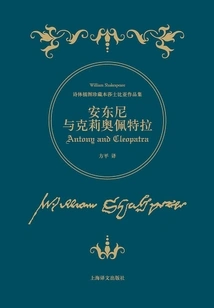
"Antony and Cleopatra" is a Roman tragedy written by Shakespeare around 1607. It is derived from "Lives of the Greeks and Romans" written by the ancient Roman historian Plutarch.
"Antony and Cleopatra" is a Roman tragedy written by Shakespeare around 1607. It is derived from "Lives of the Greeks and Romans" written by the ancient Roman historian Plutarch.
Taming of the Shrew
Literature驯悍记
H
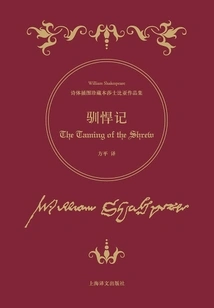
"The Taming of the Shrew" is Shakespeare's early comedy work with a funny and interesting plot. It tells the story of a smart man who used ingenious strategies to successfully transform a grumpy rich girl into a gentle and virtuous wife. In the story, the characters' distinctive personalities and vivid dialogues are impressive.
"The Taming of the Shrew" is Shakespeare's early comedy work with a funny and interesting plot. It tells the story of a smart man who used ingenious strategies to successfully transform a grumpy rich girl into a gentle and virtuous wife. In the story, the characters' distinctive personalities and vivid dialogues are impressive.
Winter Story
Literature冬天的故事
(english) Shakespeare
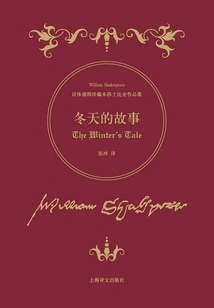
"The Winter's Tale" is a work by the English playwright William Shakespeare. It was first published in the First Folio in 1623. Although it was classified as a comedy when it was first released, some modern editors classify it as a "legend drama". Because its first three acts are full of intense psychological description, while the last two acts are comedy and have a happy ending, some critics, including W. W. Lawrence, consider it one of Shakespeare's "problem plays." Despite this, the work was often very popular and was frequently adapted into different forms and versions by some of the pioneering theatrical experimenters throughout the history of Shakespeare's performance.
"The Winter's Tale" is a work by the English playwright William Shakespeare. It was first published in the First Folio in 1623. Although it was classified as a comedy when it was first released, some modern editors classify it as a "legend drama". Because its first three acts are full of intense psychological description, while the last two acts are comedy and have a happy ending, some critics, including W. W. Lawrence, consider it one of Shakespeare's "problem plays." Despite this, the work was often very popular and was frequently adapted into different forms and versions by some of the pioneering theatrical experimenters throughout the history of Shakespeare's performance.
V
LiteratureV
H
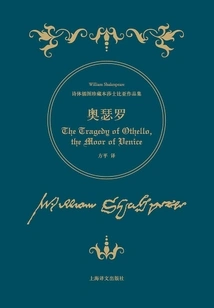
One of Shakespeare's four great tragedies. Othello is a general employed by the city-state of Venice. He is of African Moorish origin and has a black complexion. Desdemona is the daughter of a Venetian noble, smart, beautiful and passionate. In order to sympathize with Othello's heroic experience and love his cheerful character, she married him without telling her father. Ago is Othello's old subordinate. This man has a loyal and honest appearance, but in his heart he is completely different. He hates Othello for not promoting him to be the chief chamberlain, he hates a black man for marrying a white woman, and he suspects Othello and his wife are having an affair, but the bigger reason is that he thinks from the bottom of his heart that only destroying the happiness of Othello and Desdemona is his greatest satisfaction. He used Roderigo and Emilia as his tools to fabricate false evidence of Desdemona's infidelity, making Othello jealous out of thin air. Jealousy breeds suspicion, forcing Othello to kill Desdemona for "just" reasons. Of course, the truth is revealed in the end, but the mistake has been made, and Othello has the only way to commit suicide. Argo's tricks and Othello's psychological and emotional changes, as well as other people's reactions, are the highest artistic achievements of the characters depicted by Shakespeare.
One of Shakespeare's four great tragedies. Othello is a general employed by the city-state of Venice. He is of African Moorish origin and has a black complexion. Desdemona is the daughter of a Venetian noble, smart, beautiful and passionate. In order to sympathize with Othello's heroic experience and love his cheerful character, she married him without telling her father. Ago is Othello's old subordinate. This man has a loyal and honest appearance, but in his heart he is completely different. He hates Othello for not promoting him to be the chief chamberlain, he hates a black man for marrying a white woman, and he suspects Othello and his wife are having an affair, but the bigger reason is that he thinks from the bottom of his heart that only destroying the happiness of Othello and Desdemona is his greatest satisfaction. He used Roderigo and Emilia as his tools to fabricate false evidence of Desdemona's infidelity, making Othello jealous out of thin air. Jealousy breeds suspicion, forcing Othello to kill Desdemona for "just" reasons. Of course, the truth is revealed in the end, but the mistake has been made, and Othello has the only way to commit suicide. Argo's tricks and Othello's psychological and emotional changes, as well as other people's reactions, are the highest artistic achievements of the characters depicted by Shakespeare.