Library
Browse and search books
653 novels found
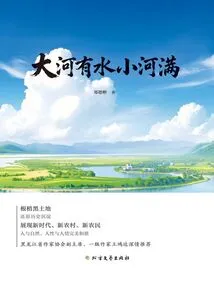
大河有水小河满
Zheng Debin
This book is a realistic script that focuses on the current great practice of rural poverty alleviation in China and delicately describes the vicissitudes of farmers' lives. This book uses a panoramic creative approach to describe a poor village in a remote area of Northeast China - Xiaohe Village, Sanhe Town, Jianghe County. The farmers strive unremittingly for the pursuit of a better life. With the full support of the adjacent wealthy Dahe Village and relevant departments, they achieve great changes in the countryside and achieve common prosperity. The plot of this book has ups and downs. It not only depicts the villagers' solidarity in the face of natural disasters and gritted their teeth when encountering market risks, but also shows the ideological awakening in the collision of concepts. Some people cling to tradition and refuse to change, while others break through resistance and boldly innovate. In contradictions and reconciliations, it outlines the true spectrum of human nature in the construction of new rural areas. The language style of the work is unique and distinctive, with rich northeastern dialect intertwined with local slang, which not only carries the fragrance of earth, but also reveals the cheerfulness and humor of the villagers, making every character vivid before your eyes, and comprehensively showing the new era, new countryside, new farmers, hard work, and the spirit of changing families.
This book is a realistic script that focuses on the current great practice of rural poverty alleviation in China and delicately describes the vicissitudes of farmers' lives. This book uses a panoramic creative approach to describe a poor village in a remote area of Northeast China - Xiaohe Village, Sanhe Town, Jianghe County. The farmers strive unremittingly for the pursuit of a better life. With the full support of the adjacent wealthy Dahe Village and relevant departments, they achieve great changes in the countryside and achieve common prosperity. The plot of this book has ups and downs. It not only depicts the villagers' solidarity in the face of natural disasters and gritted their teeth when encountering market risks, but also shows the ideological awakening in the collision of concepts. Some people cling to tradition and refuse to change, while others break through resistance and boldly innovate. In contradictions and reconciliations, it outlines the true spectrum of human nature in the construction of new rural areas. The language style of the work is unique and distinctive, with rich northeastern dialect intertwined with local slang, which not only carries the fragrance of earth, but also reveals the cheerfulness and humor of the villagers, making every character vivid before your eyes, and comprehensively showing the new era, new countryside, new farmers, hard work, and the spirit of changing families.
Romance of the West Chamber
Literature西厢记
(yuan Dynasty) Written By Wang Shifu And Edited By Zhang Yanjin
"The Romance of the West Chamber" was compiled by the famous writer Zhang Yanjin, with excellent collation and detailed annotations, taking into account both professionalism and popularity. As a classic long-selling book of our publisher, it is widely praised by readers. The "Humanities Classic Library" launched this time is a new version developed on the basis of this high-quality version resource. It is small, lightweight and suitable for reading, in order to meet the needs of more readers. The drama "The West Chamber" written by Wang Shifu in the Yuan Dynasty is an important work in the history of Chinese opera and has always attracted the attention of literature lovers. There are five plays in total, namely "Zhang Junrui's Dojo Zaju", "Cui Yingying's Listening to the Piano at Night", "Zhang Junrui's Lovesick Zaju", "Caoqiaodian Meng Yingying's Zaju" and "Zhang Junrui's Qing Tuan Chuan Zaju". Each book has four folds and one wedge, showing the structural characteristics of the more typical Yuan dramas. The gorgeous diction, the twists and turns of the story, the ups and downs of emotions, the delicate writing style, and the vividness of the characters are all a masterpiece. Its superb psychological portrayal and twists and turns of structure are also among the best in ancient literary and artistic works with the theme of love.
"The Romance of the West Chamber" was compiled by the famous writer Zhang Yanjin, with excellent collation and detailed annotations, taking into account both professionalism and popularity. As a classic long-selling book of our publisher, it is widely praised by readers. The "Humanities Classic Library" launched this time is a new version developed on the basis of this high-quality version resource. It is small, lightweight and suitable for reading, in order to meet the needs of more readers. The drama "The West Chamber" written by Wang Shifu in the Yuan Dynasty is an important work in the history of Chinese opera and has always attracted the attention of literature lovers. There are five plays in total, namely "Zhang Junrui's Dojo Zaju", "Cui Yingying's Listening to the Piano at Night", "Zhang Junrui's Lovesick Zaju", "Caoqiaodian Meng Yingying's Zaju" and "Zhang Junrui's Qing Tuan Chuan Zaju". Each book has four folds and one wedge, showing the structural characteristics of the more typical Yuan dramas. The gorgeous diction, the twists and turns of the story, the ups and downs of emotions, the delicate writing style, and the vividness of the characters are all a masterpiece. Its superb psychological portrayal and twists and turns of structure are also among the best in ancient literary and artistic works with the theme of love.
Under the Persimmon Tree
Literature柿子树下
Liu Hong
Short script. The black screen gradually fades to white, and what appears in the lens is blue sky and white clouds, red flowers and green trees, and the rolling mountains are dressed in spring.
Short script. The black screen gradually fades to white, and what appears in the lens is blue sky and white clouds, red flowers and green trees, and the rolling mountains are dressed in spring.
Protect Treasure
Literature护宝
Liu Hong
Short script. Remote mountain towns. At the foot of two steep mountains, there is a row of houses built along the road. On a property near the river, there is a recently completed bungalow Sihe Campus. As soon as the bell rang for class, a small number of primary school students walked into the school gate. The students all greeted the old man in the wheelchair. The old man is Zhu Changan, the principal of the school.
Short script. Remote mountain towns. At the foot of two steep mountains, there is a row of houses built along the road. On a property near the river, there is a recently completed bungalow Sihe Campus. As soon as the bell rang for class, a small number of primary school students walked into the school gate. The students all greeted the old man in the wheelchair. The old man is Zhu Changan, the principal of the school.
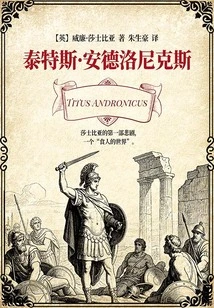
Titus Andronicus
Literature泰特斯·安德洛尼克斯
(english) Shakespeare
[Shakespeare Classics, Relive the Charm of Drama] Shakespeare's early works (around 1590) are famous for their extreme, dense, and terrifying scenes of violence. The Roman general Titus conquered the Goths for ten years and returned victorious. He rejected Gothic Queen Tamora's plea for mercy for her eldest son and sacrificed her eldest son according to Roman custom. Tamora becomes Queen of Rome and takes revenge. Under the planning of her lover Alan, she killed his son-in-law, cut off the tongue and hands of his daughter Lavinia, framed Titus's two sons as the murderers, and executed them one by one. In utter despair, Titus began to talk to the flies and giggle to the wind. Everyone thought he was crazy. No one knew that he was preparing a special banquet - whose meat was the meat pie on the table?
[Shakespeare Classics, Relive the Charm of Drama] Shakespeare's early works (around 1590) are famous for their extreme, dense, and terrifying scenes of violence. The Roman general Titus conquered the Goths for ten years and returned victorious. He rejected Gothic Queen Tamora's plea for mercy for her eldest son and sacrificed her eldest son according to Roman custom. Tamora becomes Queen of Rome and takes revenge. Under the planning of her lover Alan, she killed his son-in-law, cut off the tongue and hands of his daughter Lavinia, framed Titus's two sons as the murderers, and executed them one by one. In utter despair, Titus began to talk to the flies and giggle to the wind. Everyone thought he was crazy. No one knew that he was preparing a special banquet - whose meat was the meat pie on the table?
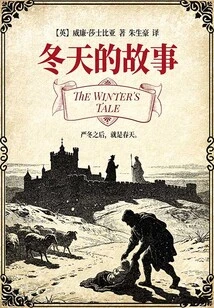
X
LiteratureX
H
[Shakespeare's Classics, Relive the Charm of Drama] King Leontes of Sicily suspected that his queen had cheated on her... Out of jealousy, King Leontes of Sicily baselessly suspected that his queen was having an affair with his best friend, the King of Bohemia. His rage led him to make an irreversible decision: he abandoned the infant princess in the wilderness, and the queen died mysteriously. By chance, the little princess was picked up and raised by a shepherd. Sixteen years later, a handsome Bohemian prince arrived, and the innocent love between the two quietly came... When the young couple eloped for love and set foot on the land of Sicily, the mystery of their life experience, a miracle of repentance and forgiveness had just begun to unfold. And what kind of secret is hidden in the statue in the palace that can "resurrection" the dead? After the harsh winter comes spring.
[Shakespeare's Classics, Relive the Charm of Drama] King Leontes of Sicily suspected that his queen had cheated on her... Out of jealousy, King Leontes of Sicily baselessly suspected that his queen was having an affair with his best friend, the King of Bohemia. His rage led him to make an irreversible decision: he abandoned the infant princess in the wilderness, and the queen died mysteriously. By chance, the little princess was picked up and raised by a shepherd. Sixteen years later, a handsome Bohemian prince arrived, and the innocent love between the two quietly came... When the young couple eloped for love and set foot on the land of Sicily, the mystery of their life experience, a miracle of repentance and forgiveness had just begun to unfold. And what kind of secret is hidden in the statue in the palace that can "resurrection" the dead? After the harsh winter comes spring.
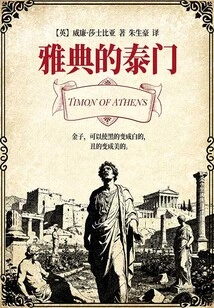
Timon of Athens
Literature雅典的泰门
(english) Shakespeare
[Shakespeare's classic, relive the charm of drama] "Gold can turn black into white and ugly into beauty." Timon, an Athenian nobleman, was a philanthropist who would not refuse friends who came to seek help and spent money like water. Soon, he ran out of money and was heavily in debt. But when he sought help from his former friends, he was coldly rejected by everyone. The grief-stricken and angry Timon held a last banquet, poured hot water on the hypocritical guests, and then angrily left the city and lived in seclusion in the wilderness. Who would have thought that he accidentally dug up a lot of gold in the cave - what would this man who had completely despaired of humanity do with the money?
[Shakespeare's classic, relive the charm of drama] "Gold can turn black into white and ugly into beauty." Timon, an Athenian nobleman, was a philanthropist who would not refuse friends who came to seek help and spent money like water. Soon, he ran out of money and was heavily in debt. But when he sought help from his former friends, he was coldly rejected by everyone. The grief-stricken and angry Timon held a last banquet, poured hot water on the hypocritical guests, and then angrily left the city and lived in seclusion in the wilderness. Who would have thought that he accidentally dug up a lot of gold in the cave - what would this man who had completely despaired of humanity do with the money?
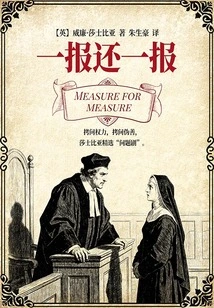
X
LiteratureX
H
[Shakespeare Classics, Relive the Charm of Drama] Duke Vincentio of Vienna felt that the law was lax and the world was declining, so he decided to leave temporarily and appointed Angelou, who was known for his "moral rigor", to act as governor. Angelou reinstated a strict law as soon as he took office: if an unmarried man has sex, the man will be sentenced to death. The young gentleman Claudio will be sentenced to death for this. His sister Isabella, a chaste woman who is about to become a nun, pleads with Angelo for her brother. However, Angelou put forward an extremely dirty condition - she could use her chastity in exchange for her brother's life. Isabella sternly refused in pain, and the Duke, disguised as a "friar", walked between the cell and the streets and had already seen everything. How can they fulfill Angelou's request and rescue Claudio without harming Isabella? A clever trick emerges...
[Shakespeare Classics, Relive the Charm of Drama] Duke Vincentio of Vienna felt that the law was lax and the world was declining, so he decided to leave temporarily and appointed Angelou, who was known for his "moral rigor", to act as governor. Angelou reinstated a strict law as soon as he took office: if an unmarried man has sex, the man will be sentenced to death. The young gentleman Claudio will be sentenced to death for this. His sister Isabella, a chaste woman who is about to become a nun, pleads with Angelo for her brother. However, Angelou put forward an extremely dirty condition - she could use her chastity in exchange for her brother's life. Isabella sternly refused in pain, and the Duke, disguised as a "friar", walked between the cell and the streets and had already seen everything. How can they fulfill Angelou's request and rescue Claudio without harming Isabella? A clever trick emerges...
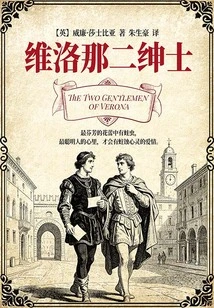
The Two Gentlemen of Verona
Literature维洛那二绅士
(english) Shakespeare
There are moths in the most fragrant buds, but only in the hearts of the wisest can there be love that corrodes the soul. "The Two Gentlemen of Verona", Shakespeare's earliest romantic comedy, laid the foundation for a series of great comedies that followed. The plot revolves around two friends, Valentine and Proteus. Valentine goes to the court of Milan to seek development, while Proteus falls in love with Julia in Verona. When Proteus is forced to go to Milan, he immediately betrays his lover in his hometown and the friendship in front of him. After a series of tests, they finally forgive each other in the forest and meet to hold a double wedding. The literary value of the play lies in its "archetypal" meaning: it contains the first female disguised as a man in Shakespeare's play, the conflict of love and friendship, and a chattering, joyful servant - these elements are more perfectly presented in later masterpieces such as "Twelfth Night" and "A Midsummer Night's Dream". As the starting point of Shakespeare's comic art, "The Two Gentlemen of Verona" provides readers with a crucial perspective on understanding the playwright's humanistic feelings.
There are moths in the most fragrant buds, but only in the hearts of the wisest can there be love that corrodes the soul. "The Two Gentlemen of Verona", Shakespeare's earliest romantic comedy, laid the foundation for a series of great comedies that followed. The plot revolves around two friends, Valentine and Proteus. Valentine goes to the court of Milan to seek development, while Proteus falls in love with Julia in Verona. When Proteus is forced to go to Milan, he immediately betrays his lover in his hometown and the friendship in front of him. After a series of tests, they finally forgive each other in the forest and meet to hold a double wedding. The literary value of the play lies in its "archetypal" meaning: it contains the first female disguised as a man in Shakespeare's play, the conflict of love and friendship, and a chattering, joyful servant - these elements are more perfectly presented in later masterpieces such as "Twelfth Night" and "A Midsummer Night's Dream". As the starting point of Shakespeare's comic art, "The Two Gentlemen of Verona" provides readers with a crucial perspective on understanding the playwright's humanistic feelings.
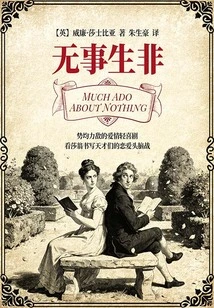
Much Ado About Nothing
Literature无事生非
(english) Shakespeare
A well-matched romantic comedy, Shakespeare writes about the battle of love minds between geniuses. "Much Ado About Nothing" is one of the most exquisite comedies in Shakespeare's mature period. It is famous for its double plots, witty dialogues and keen insights into human nature. It can be called "intelligent comedy". The story revolves around two pairs of lovers: the love between the young Hero and Claudio was almost extinguished due to a vicious rumor, while the other pair of enemies, Beatrice and Benedick, who "swore not to marry", had a sarcastic "war" between them that never stopped. Friends' well-intentioned plot prompts them to fall in love with each other, and wisdom and emotion are perfectly combined here. The outstanding feature of "Much Ado About Nothing" is that it successfully interweaves serious discussion of reputation and light psychological games. Beatrice shines brilliantly as one of the most independent and intelligent female characters in Shakespeare's works. The play marks the peak of Shakespeare's comedy art. Its exploration of the power of language, social public opinion and gender relations is enduring. It is still one of the most popular and frequently adapted Shakespeare comedies on the global stage.
A well-matched romantic comedy, Shakespeare writes about the battle of love minds between geniuses. "Much Ado About Nothing" is one of the most exquisite comedies in Shakespeare's mature period. It is famous for its double plots, witty dialogues and keen insights into human nature. It can be called "intelligent comedy". The story revolves around two pairs of lovers: the love between the young Hero and Claudio was almost extinguished due to a vicious rumor, while the other pair of enemies, Beatrice and Benedick, who "swore not to marry", had a sarcastic "war" between them that never stopped. Friends' well-intentioned plot prompts them to fall in love with each other, and wisdom and emotion are perfectly combined here. The outstanding feature of "Much Ado About Nothing" is that it successfully interweaves serious discussion of reputation and light psychological games. Beatrice shines brilliantly as one of the most independent and intelligent female characters in Shakespeare's works. The play marks the peak of Shakespeare's comedy art. Its exploration of the power of language, social public opinion and gender relations is enduring. It is still one of the most popular and frequently adapted Shakespeare comedies on the global stage.
F
LiteratureF
H
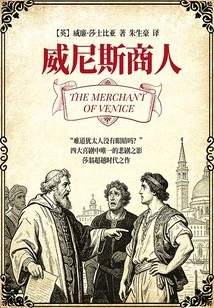
"Don't the Jews have eyes?" The only tragedy among the four comedies, Shakespeare's work ahead of his time. "The Merchant of Venice" is a classic comedy written by Shakespeare between 1596 and 1599. It is a key work in his transition from a happy comedy to a problem drama. The play revolves around the Venetian businessman Antonio who, in order to help his friend borrow money from the Jewish moneylender Shylock, made a contract of "cutting a pound of flesh overdue" but unexpectedly went bankrupt. About love, friendship, and more about religious conflicts, racial discrimination and economic ethics in European society in the sixteenth century. Shylock's famous soliloquy "Have the Jews no eyes?" Has transcended the image of a villain and has become a timeless classic that has been constantly reinterpreted on the global stage.
"Don't the Jews have eyes?" The only tragedy among the four comedies, Shakespeare's work ahead of his time. "The Merchant of Venice" is a classic comedy written by Shakespeare between 1596 and 1599. It is a key work in his transition from a happy comedy to a problem drama. The play revolves around the Venetian businessman Antonio who, in order to help his friend borrow money from the Jewish moneylender Shylock, made a contract of "cutting a pound of flesh overdue" but unexpectedly went bankrupt. About love, friendship, and more about religious conflicts, racial discrimination and economic ethics in European society in the sixteenth century. Shylock's famous soliloquy "Have the Jews no eyes?" Has transcended the image of a villain and has become a timeless classic that has been constantly reinterpreted on the global stage.
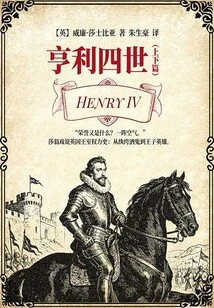
Henry Iv (Part 1 and 2)
Literature亨利四世(上下篇)
(english) Shakespeare
"What is honor? A puff of air." Shakespeare joked about the history of British royal power: from dandy and drunkard to princely hero. "Henry IV", the pinnacle of Shakespeare's historical dramas. It consists of two parts, one and two, and successfully integrates the serious narrative of court politics with the lively comedy of the tavern (a tavern open to the public in towns in Elizabethan England, which was not only a place for drinking and having fun, but also the core public space of society at that time). The play is based on the internal and external difficulties faced by Bolingbroke after he usurped the throne and tells the story of the growth of Prince Hal (the future Henry V). He hangs out at the bottom of London, hangs out with the fat, witty, lying knight Sir John Falstaff, observes the people's livelihood in the midst of indulgence and farce, and finally shows his kingly spirit in a key battle and breaks with his old partners. The great achievement of "Henry IV" lies in its unparalleled structural balance and characterization. It closely combines the grand national narrative with individual psychological growth. Falstaff is not only the greatest comic character in the history of literature, and has profoundly influenced English literature. He also expresses the truth of power, honor and human nature to us, and profoundly explores the multiple themes of monarchy, responsibility, honor and betrayal.
"What is honor? A puff of air." Shakespeare joked about the history of British royal power: from dandy and drunkard to princely hero. "Henry IV", the pinnacle of Shakespeare's historical dramas. It consists of two parts, one and two, and successfully integrates the serious narrative of court politics with the lively comedy of the tavern (a tavern open to the public in towns in Elizabethan England, which was not only a place for drinking and having fun, but also the core public space of society at that time). The play is based on the internal and external difficulties faced by Bolingbroke after he usurped the throne and tells the story of the growth of Prince Hal (the future Henry V). He hangs out at the bottom of London, hangs out with the fat, witty, lying knight Sir John Falstaff, observes the people's livelihood in the midst of indulgence and farce, and finally shows his kingly spirit in a key battle and breaks with his old partners. The great achievement of "Henry IV" lies in its unparalleled structural balance and characterization. It closely combines the grand national narrative with individual psychological growth. Falstaff is not only the greatest comic character in the history of literature, and has profoundly influenced English literature. He also expresses the truth of power, honor and human nature to us, and profoundly explores the multiple themes of monarchy, responsibility, honor and betrayal.
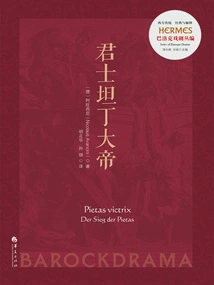
君士坦丁大帝(西方传统:经典与解释)
(germany) Awangsini
"Constantine the Great" was created when Leopold I was crowned German Emperor. It was an imperial drama staged for the Vienna court and rulers. It was based on the story of the ancient Roman Emperor Constantine's victory over the pagan tyrant Maxentius. It can be said that although this drama tells history, it focuses on reality. The two groups of characters in the play are divided by Christianity, and they are in black and white opposition to each other and are clearly divided: Constantine the Great and Maxentius, justice and injustice, monarch and tyrant... "Constantine the Great" has obvious practical significance. The tense situation between the Habsburg Empire and Ottoman Turkey at that time is vaguely visible in the play. At the same time, Avancini uses Constantine's achievements because of his piety as a metaphor for the Habsburg Empire's continuous blessings due to his Catholic faith. Its political education purpose is clear at a glance.
"Constantine the Great" was created when Leopold I was crowned German Emperor. It was an imperial drama staged for the Vienna court and rulers. It was based on the story of the ancient Roman Emperor Constantine's victory over the pagan tyrant Maxentius. It can be said that although this drama tells history, it focuses on reality. The two groups of characters in the play are divided by Christianity, and they are in black and white opposition to each other and are clearly divided: Constantine the Great and Maxentius, justice and injustice, monarch and tyrant... "Constantine the Great" has obvious practical significance. The tense situation between the Habsburg Empire and Ottoman Turkey at that time is vaguely visible in the play. At the same time, Avancini uses Constantine's achievements because of his piety as a metaphor for the Habsburg Empire's continuous blessings due to his Catholic faith. Its political education purpose is clear at a glance.
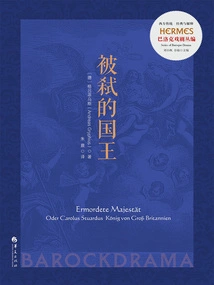
被弑的国王(西方传统:经典与解释)
(germany) Gryphius
In 1649, King Charles I of Great Britain was executed, causing an uproar in European politics and overwhelming public opinion in German politics. Shortly thereafter, Gryphius composed The Slaughtered King. The drama begins at midnight and ends at three o'clock in the afternoon. In less than a day of drama, Lady Fairfax and others tried to rescue the king, while rebels sought a flawless execution. Representatives of various political forces commented on the current situation and expressed their opinions, and the souls of past British kings lamented the world and predicted the future. In the midst of panic, the protagonist of the play, Charles I, was independent, upright and calm, just like Christ Jesus who was generously martyred and finally "turned the heavy crown of thorns in the world into an immortal crown of honor."
In 1649, King Charles I of Great Britain was executed, causing an uproar in European politics and overwhelming public opinion in German politics. Shortly thereafter, Gryphius composed The Slaughtered King. The drama begins at midnight and ends at three o'clock in the afternoon. In less than a day of drama, Lady Fairfax and others tried to rescue the king, while rebels sought a flawless execution. Representatives of various political forces commented on the current situation and expressed their opinions, and the souls of past British kings lamented the world and predicted the future. In the midst of panic, the protagonist of the play, Charles I, was independent, upright and calm, just like Christ Jesus who was generously martyred and finally "turned the heavy crown of thorns in the world into an immortal crown of honor."
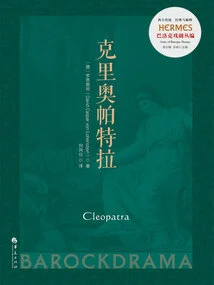
克里奥帕特拉(西方传统:经典与解释)
(germany) Ronstein
The plot of Cleopatra focuses on the final moments of Cleopatra and Antony's lives. They were in dire straits. Augustus promised each of them that whoever sacrificed the other would receive one-third of the empire or corresponding power. Cleopatra took the lead in planning Antony's death. However, when she saw through Augustus's guarantee that it was just an illusion, and he just wanted her to accompany him in triumph to Rome as a trophy, she disrupted his plan until she died heroically: "If a monarch dies before the country is destroyed, he must die great."
The plot of Cleopatra focuses on the final moments of Cleopatra and Antony's lives. They were in dire straits. Augustus promised each of them that whoever sacrificed the other would receive one-third of the empire or corresponding power. Cleopatra took the lead in planning Antony's death. However, when she saw through Augustus's guarantee that it was just an illusion, and he just wanted her to accompany him in triumph to Rome as a trophy, she disrupted his plan until she died heroically: "If a monarch dies before the country is destroyed, he must die great."
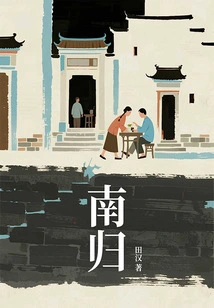
Return South
Literature南归
Tian Han
As one of the founders of modern Chinese drama, Tian Han's works not only profoundly reflect social reality, but are also known for their unique poetry and romantic spirit. "Returning to the South", as his early work, profoundly embodies this artistic style. The characters in the script "Returning to the South" are distinct and typical. Chun'er's infatuation and perseverance, Zhengming's simplicity and honesty, Mr. Xin's romance and wandering, and the mother's reality and helplessness, together create a vivid picture of life. There is no absolute right or wrong for these characters. Various choices are derived from their respective positions and emotions, showing the conflict between idealism and realism in a specific era.
As one of the founders of modern Chinese drama, Tian Han's works not only profoundly reflect social reality, but are also known for their unique poetry and romantic spirit. "Returning to the South", as his early work, profoundly embodies this artistic style. The characters in the script "Returning to the South" are distinct and typical. Chun'er's infatuation and perseverance, Zhengming's simplicity and honesty, Mr. Xin's romance and wandering, and the mother's reality and helplessness, together create a vivid picture of life. There is no absolute right or wrong for these characters. Various choices are derived from their respective positions and emotions, showing the conflict between idealism and realism in a specific era.
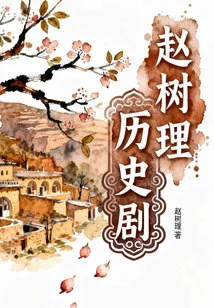
Zhao Shuli Historical Drama
Literature赵树理历史剧
Zhao Shuli
As a dramatist, Zhao Shuli has written many drama scripts. He is deeply involved in local operas such as Shangdang Bangzi, which not only retains the characteristics of traditional opera, but also makes bold breakthroughs. Such as the adaptations of "Three Passes Banquet", "Ye Palace Pictures", "Han Yuniang", etc. "Sanguan Banquet" is adapted from Shangdang Bangzi's traditional play "Loyalty and Filial Piety Festival". It tells the story of the peace negotiation between the Northern Song Dynasty and the Liao Kingdom. Empress Dowager Xiao of the Liao Kingdom went to the Sanguan Banquet in person. The accompanying person turned out to be Yang Yanhui, the fourth son of the Yang family who surrendered to the Liao Kingdom more than ten years ago. Yang Yanhui was frightened in his heart, but his wife Princess Peach Blossom was still willing to deal with it after learning the truth. At the "Three Passes Banquet", Taijun She used the wine cup as a guide to reveal the secret secretly, and Queen Mother Xiao was shocked. This play demonstrates the moral principle of advocating loyalty with its exquisite layout. The script "Picture of Ye Palace" is based on the tyrannical rule of Zhao Tianwang Shihu after the Sixteen Kingdoms period. "Han Yuniang" also has a plot twist: in the early years of the Southern Song Dynasty, a Henan woman named Han Yuniang was captured by the Jin soldiers. She was used as a tool by Zhang Wanfu's subordinate Ma Erhu and forcibly betrothed to Chen Pengju, a scholar who was also captured, in order to win people's hearts. In the bridal chamber, the two complained about the sufferings of their family and country. Yuniang learned that Yue's army was approaching and persuaded Pengju to join the army to serve the country. However, this triggered a series of tragedies. In the end, Han Yuniang died and her husband rushed to the front line. The balance between artistry and rationality, the game of dominance and resistance, and the intensive cultivation of the quintessence of drama give Zhao Shuli's drama a strong spiritual core.
As a dramatist, Zhao Shuli has written many drama scripts. He is deeply involved in local operas such as Shangdang Bangzi, which not only retains the characteristics of traditional opera, but also makes bold breakthroughs. Such as the adaptations of "Three Passes Banquet", "Ye Palace Pictures", "Han Yuniang", etc. "Sanguan Banquet" is adapted from Shangdang Bangzi's traditional play "Loyalty and Filial Piety Festival". It tells the story of the peace negotiation between the Northern Song Dynasty and the Liao Kingdom. Empress Dowager Xiao of the Liao Kingdom went to the Sanguan Banquet in person. The accompanying person turned out to be Yang Yanhui, the fourth son of the Yang family who surrendered to the Liao Kingdom more than ten years ago. Yang Yanhui was frightened in his heart, but his wife Princess Peach Blossom was still willing to deal with it after learning the truth. At the "Three Passes Banquet", Taijun She used the wine cup as a guide to reveal the secret secretly, and Queen Mother Xiao was shocked. This play demonstrates the moral principle of advocating loyalty with its exquisite layout. The script "Picture of Ye Palace" is based on the tyrannical rule of Zhao Tianwang Shihu after the Sixteen Kingdoms period. "Han Yuniang" also has a plot twist: in the early years of the Southern Song Dynasty, a Henan woman named Han Yuniang was captured by the Jin soldiers. She was used as a tool by Zhang Wanfu's subordinate Ma Erhu and forcibly betrothed to Chen Pengju, a scholar who was also captured, in order to win people's hearts. In the bridal chamber, the two complained about the sufferings of their family and country. Yuniang learned that Yue's army was approaching and persuaded Pengju to join the army to serve the country. However, this triggered a series of tragedies. In the end, Han Yuniang died and her husband rushed to the front line. The balance between artistry and rationality, the game of dominance and resistance, and the intensive cultivation of the quintessence of drama give Zhao Shuli's drama a strong spiritual core.
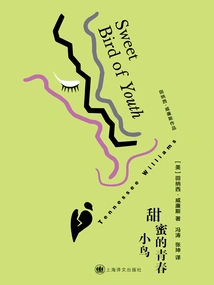
Sweet Bird of Youth (tennessee Williams)
Literature甜蜜的青春小鸟(田纳西·威廉斯作品)
H
One of the three greatest American dramatists of the 20th century, a genius playwright; Paul Newman's classic original script for the screen, life is a wild dream; the complex character creation shows the cunning and fragility of human nature, a classic case of the American Film Institute. This book is a three-act play by Tennessee Williams. It was first performed in 1959 and the film version was released in 1962. The work tells the story of Chance Wayne, a young man from the American South whose mind and tongue are accustomed to racing wild horses, and his awakening from a broken dream. For his wild dream, he did not hesitate to get close to an older and outdated female star, trying to use her to knock on the door of destiny and make a name for himself in the entertainment industry, even if his knuckles were bloody. He returned to his hometown with the intention of restarting his old youthful dream, but found that his once pure and flawless youth with a clear conscience would never return. He had spent half his life fighting under the iron curtain of profit, leaving only despairing ambitions and withered laurels.
One of the three greatest American dramatists of the 20th century, a genius playwright; Paul Newman's classic original script for the screen, life is a wild dream; the complex character creation shows the cunning and fragility of human nature, a classic case of the American Film Institute. This book is a three-act play by Tennessee Williams. It was first performed in 1959 and the film version was released in 1962. The work tells the story of Chance Wayne, a young man from the American South whose mind and tongue are accustomed to racing wild horses, and his awakening from a broken dream. For his wild dream, he did not hesitate to get close to an older and outdated female star, trying to use her to knock on the door of destiny and make a name for himself in the entertainment industry, even if his knuckles were bloody. He returned to his hometown with the intention of restarting his old youthful dream, but found that his once pure and flawless youth with a clear conscience would never return. He had spent half his life fighting under the iron curtain of profit, leaving only despairing ambitions and withered laurels.
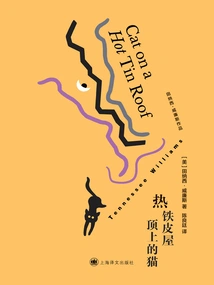
热铁皮屋顶上的猫(田纳西·威廉斯作品)
H
One of the three greatest American dramatists of the 20th century, a genius playwright; a classic in film history by Paul Newman and Elizabeth Taylor, and one of Williams' three masterpieces; a friendship that must never be acknowledged, and a family storm that is more violent than the storm outside the house. This play, along with "The Glass Menagerie" and "A Streetcar Named Desire", are known as Tennessee Williams' three masterpieces. The script tells the story of an extraordinary day in a large southern American family that relies entirely on lies to maintain their family ties: when the property, 28,000 acres of fertile land, is lent to the manor owner "Big Daddy" who is seriously ill and has recently passed away for his birthday, two sons with very different personalities and a pair of covetous sisters-in-law stage a family storm. The work focuses on the portrayal of Maggie, the young daughter-in-law who was born in poverty, who is as anxious and unremitting as a cat on a hot tin house because of her unsatisfied desires for love and money; and the heart-to-heart game between father and son, the eldest father and his younger son Brick, around "life is a deception", also shows the darkness and tearing of human nature. The play also won the author the Pulitzer Prize for the second time. It is one of the most famous repertoires in the American theater world; the film version starring Paul Newman and Elizabeth Taylor is also a classic in film history.
One of the three greatest American dramatists of the 20th century, a genius playwright; a classic in film history by Paul Newman and Elizabeth Taylor, and one of Williams' three masterpieces; a friendship that must never be acknowledged, and a family storm that is more violent than the storm outside the house. This play, along with "The Glass Menagerie" and "A Streetcar Named Desire", are known as Tennessee Williams' three masterpieces. The script tells the story of an extraordinary day in a large southern American family that relies entirely on lies to maintain their family ties: when the property, 28,000 acres of fertile land, is lent to the manor owner "Big Daddy" who is seriously ill and has recently passed away for his birthday, two sons with very different personalities and a pair of covetous sisters-in-law stage a family storm. The work focuses on the portrayal of Maggie, the young daughter-in-law who was born in poverty, who is as anxious and unremitting as a cat on a hot tin house because of her unsatisfied desires for love and money; and the heart-to-heart game between father and son, the eldest father and his younger son Brick, around "life is a deception", also shows the darkness and tearing of human nature. The play also won the author the Pulitzer Prize for the second time. It is one of the most famous repertoires in the American theater world; the film version starring Paul Newman and Elizabeth Taylor is also a classic in film history.
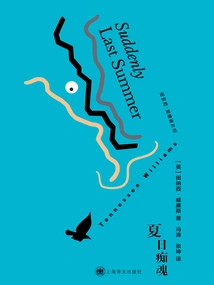
Summertime (tennessee Williams)
Literature夏日痴魂(田纳西·威廉斯作品)
H
One of the three greatest American dramatists of the 20th century and a talented playwright; the movie of the same name co-starring Elizabeth Taylor and Katharine Hepburn is a classic of literary films; a crazy memory that cannot be removed by a scalpel, an ultimate shock of desire and disillusionment. This book is a one-act play created in 1957 by Tennessee Williams, the twentieth-century American drama master. It uses a large number of metaphors and hints to show the depravity of human nature and the oppression and control of love by greed in a modern society that flaunts scientific rationality. It premiered in 1958 and was later adapted for the screen, starring Elizabeth Taylor and Katharine Hepburn. The story takes place in New Orleans, USA, in 1936. In the name of funding medical research, a wealthy widow named Mrs. Venable asked doctors to perform a lobotomy on her niece Catherine. Regardless of whether the operation was successful or not, she begged the world not to believe the girl's nonsense. After contacting Catherine, the doctor discovered that her shocking words were not caused by a mental breakdown. Her so-called slander against her cousin - Mrs. Venable's son Sebastian, who died mysteriously on the Spanish coast last summer - was actually a woman's examination and accusation of the hypocrisy and cruelty in human nature in the name of love. As the truth is revealed. An umbilical cord used by an old mother to tie her precious son, a man entangled and suffocated by this umbilical cord, two women's unspeakable heart knots, and a strange and secret human struggle surfaced, revealing how the greedy jungle utilitarian law devours reason and kindness above the monetary interests of American southern society.
One of the three greatest American dramatists of the 20th century and a talented playwright; the movie of the same name co-starring Elizabeth Taylor and Katharine Hepburn is a classic of literary films; a crazy memory that cannot be removed by a scalpel, an ultimate shock of desire and disillusionment. This book is a one-act play created in 1957 by Tennessee Williams, the twentieth-century American drama master. It uses a large number of metaphors and hints to show the depravity of human nature and the oppression and control of love by greed in a modern society that flaunts scientific rationality. It premiered in 1958 and was later adapted for the screen, starring Elizabeth Taylor and Katharine Hepburn. The story takes place in New Orleans, USA, in 1936. In the name of funding medical research, a wealthy widow named Mrs. Venable asked doctors to perform a lobotomy on her niece Catherine. Regardless of whether the operation was successful or not, she begged the world not to believe the girl's nonsense. After contacting Catherine, the doctor discovered that her shocking words were not caused by a mental breakdown. Her so-called slander against her cousin - Mrs. Venable's son Sebastian, who died mysteriously on the Spanish coast last summer - was actually a woman's examination and accusation of the hypocrisy and cruelty in human nature in the name of love. As the truth is revealed. An umbilical cord used by an old mother to tie her precious son, a man entangled and suffocated by this umbilical cord, two women's unspeakable heart knots, and a strange and secret human struggle surfaced, revealing how the greedy jungle utilitarian law devours reason and kindness above the monetary interests of American southern society.
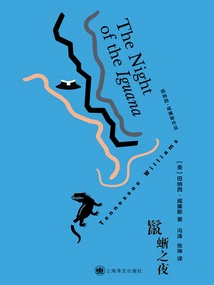
Night of the Iguana (tennessee Williams)
Literature鬣蜥之夜(田纳西·威廉斯作品)
H
One of the three greatest American dramatists of the 20th century, a talented playwright; the original script of a classic film starring Richard Burton, a New York Drama Critics Award-winning work; a tribute to those who cry out for dignity and kindness. Williams' famous three-act play, first performed in December 1961. The play once again created the image of a homeless "fugitive clan". From the perspective of the tour guide Shannon - a weirdo in the eyes of everyone, a former priest who was stripped of his vestments - the whole world is the scope of his travels. He is not rigidly bound to the schedule in the brochure. He believes that as long as there are hearts that can be touched and emotions that can be felt, people should see as much of the lower society as possible everywhere. This fish, who dreams of swimming but is always intercepted and persecuted by sharks, has sympathy with a wandering female painter Hannah, who also advocates freedom and is despised. With Hannah's help, he fights his own demons, trying to break free like a trapped iguana about to be cooked by cutting a rope, crossing the dark corners of his nature, breaking down the barriers between people and making contact with each other.
One of the three greatest American dramatists of the 20th century, a talented playwright; the original script of a classic film starring Richard Burton, a New York Drama Critics Award-winning work; a tribute to those who cry out for dignity and kindness. Williams' famous three-act play, first performed in December 1961. The play once again created the image of a homeless "fugitive clan". From the perspective of the tour guide Shannon - a weirdo in the eyes of everyone, a former priest who was stripped of his vestments - the whole world is the scope of his travels. He is not rigidly bound to the schedule in the brochure. He believes that as long as there are hearts that can be touched and emotions that can be felt, people should see as much of the lower society as possible everywhere. This fish, who dreams of swimming but is always intercepted and persecuted by sharks, has sympathy with a wandering female painter Hannah, who also advocates freedom and is despised. With Hannah's help, he fights his own demons, trying to break free like a trapped iguana about to be cooked by cutting a rope, crossing the dark corners of his nature, breaking down the barriers between people and making contact with each other.
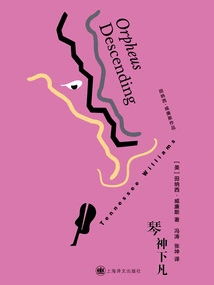
The God of Music (tennessee Williams)
Literature琴神下凡(田纳西·威廉斯作品)
H
One of the three greatest American dramatists of the 20th century and a genius playwright; Williams' classic work, the source of inspiration for Wong Kar-wai's "Days of Being Wild"; a footless bird looking for redemption in life. This book is a three-act play by Williams, first performed in 1957. Carrying a guitar, a snakeskin jacket and a body of hot and wild blood, mariachi Val arrives in a traditional southern town like a fox entering a henhouse. He and the soon-to-be-widowed candy store owner Lady-an Italian woman who almost broke her fingers trying to seize life-triggered each other, awakened their passions, and attempted to save each other from hell. However, love, the imaginary answer to life, fooled them again. On the night when the candy store was about to reopen sweetly, in a commotion that accumulated hatred, hatred, and jealousy, the man and woman who did not want to wither in the darkness were still chased by death. Williams transformed Orpheus, the charming god of poetry and music in Greek mythology, who was responsible for poetry and music, into the protagonist Val. He traveled to the American South in the 1950s due to a time and space displacement, and explored the relationship between love, desire and art, as shown in the introduction to this play. As written in , this work "functioned as a kind of emotional bridge, linking the early years of my life with my current existence as a playwright", allowing the playwright's heart scarred by jackdaws to be exposed without concealment.
One of the three greatest American dramatists of the 20th century and a genius playwright; Williams' classic work, the source of inspiration for Wong Kar-wai's "Days of Being Wild"; a footless bird looking for redemption in life. This book is a three-act play by Williams, first performed in 1957. Carrying a guitar, a snakeskin jacket and a body of hot and wild blood, mariachi Val arrives in a traditional southern town like a fox entering a henhouse. He and the soon-to-be-widowed candy store owner Lady-an Italian woman who almost broke her fingers trying to seize life-triggered each other, awakened their passions, and attempted to save each other from hell. However, love, the imaginary answer to life, fooled them again. On the night when the candy store was about to reopen sweetly, in a commotion that accumulated hatred, hatred, and jealousy, the man and woman who did not want to wither in the darkness were still chased by death. Williams transformed Orpheus, the charming god of poetry and music in Greek mythology, who was responsible for poetry and music, into the protagonist Val. He traveled to the American South in the 1950s due to a time and space displacement, and explored the relationship between love, desire and art, as shown in the introduction to this play. As written in , this work "functioned as a kind of emotional bridge, linking the early years of my life with my current existence as a playwright", allowing the playwright's heart scarred by jackdaws to be exposed without concealment.
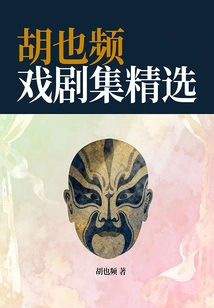
胡也频戏剧集精选
Hu Yepin
This collection includes nine excellent plays by Hu Yepin, including "Other People's Happiness", "Ghost", "Madman", "Bricklayer's House", "Capitalist", "Ghosts and Human Hearts", etc. Most of Hu Yepin's drama creations were concentrated in the two years from 1927 to 1928. Even though the time was short, he left behind many important plays. Drama styles vary, often with a strong critical spirit. For example, "The Bricklayer's House" depicts the tragic situation of the bricklayer Wang Jishun's family in a realistic way. His daughter Ahong is abused as a servant, and her parents are ignorant and depraved. In the end, the daughter's fate drifts with the tide. "Ghost" uses a dream scene to allow the souls of the dead from different classes to meet after death, and exposes social injustice through their conversations. Its grotesque style is considered to be influenced by German Expressionist drama and has become an alternative highlight in his drama creation. "Rained Buds" is a sweet style that focuses on the free love of young students and the opposition of conservative parents. It uses the plot of "the conflict escalates but unexpectedly ends successfully" to reflect on the individual liberation and free thoughts on marriage and love during the May Fourth period, and affirms the new forces' breakthrough in old ideas. The two articles "The Capitalist" and "A Gentleman's Treat" directly point to class contradictions, expose the greed of capitalists, and praise the resistance of the people at the bottom. As one of the "Five Martyrs of the Left Alliance", Hu Yepin left behind a very rich literary legacy. He was a new force in the early stage of the left-wing drama movement and occupies a unique position in the history of modern Chinese drama.
This collection includes nine excellent plays by Hu Yepin, including "Other People's Happiness", "Ghost", "Madman", "Bricklayer's House", "Capitalist", "Ghosts and Human Hearts", etc. Most of Hu Yepin's drama creations were concentrated in the two years from 1927 to 1928. Even though the time was short, he left behind many important plays. Drama styles vary, often with a strong critical spirit. For example, "The Bricklayer's House" depicts the tragic situation of the bricklayer Wang Jishun's family in a realistic way. His daughter Ahong is abused as a servant, and her parents are ignorant and depraved. In the end, the daughter's fate drifts with the tide. "Ghost" uses a dream scene to allow the souls of the dead from different classes to meet after death, and exposes social injustice through their conversations. Its grotesque style is considered to be influenced by German Expressionist drama and has become an alternative highlight in his drama creation. "Rained Buds" is a sweet style that focuses on the free love of young students and the opposition of conservative parents. It uses the plot of "the conflict escalates but unexpectedly ends successfully" to reflect on the individual liberation and free thoughts on marriage and love during the May Fourth period, and affirms the new forces' breakthrough in old ideas. The two articles "The Capitalist" and "A Gentleman's Treat" directly point to class contradictions, expose the greed of capitalists, and praise the resistance of the people at the bottom. As one of the "Five Martyrs of the Left Alliance", Hu Yepin left behind a very rich literary legacy. He was a new force in the early stage of the left-wing drama movement and occupies a unique position in the history of modern Chinese drama.
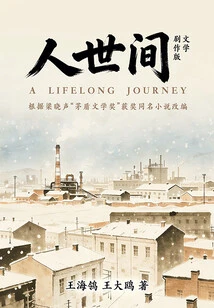
人世间文学剧作版(全集)
Wang Hailu Wang Dayou
This book is a play of the same name adapted by Wang Hailu and Wang Dayou based on the Mao Dun Literature Award-winning novel "Human World" by Liang Xiaosheng. It is set in a civilian community in a northern city called "Light Word Film" and tells the ups and downs of life stories of more than a dozen civilian children, including the three brothers and sisters of the Zhou family, Zhou Bingyi, Zhou Rong, and Zhou Bingkun, in the past fifty years. The fate of the protagonist is intertwined with the changes of the times, writing an epic life epic of contemporary Chinese people.
This book is a play of the same name adapted by Wang Hailu and Wang Dayou based on the Mao Dun Literature Award-winning novel "Human World" by Liang Xiaosheng. It is set in a civilian community in a northern city called "Light Word Film" and tells the ups and downs of life stories of more than a dozen civilian children, including the three brothers and sisters of the Zhou family, Zhou Bingyi, Zhou Rong, and Zhou Bingkun, in the past fifty years. The fate of the protagonist is intertwined with the changes of the times, writing an epic life epic of contemporary Chinese people.
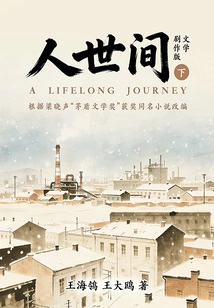
人世间文学剧作版(下)
Wang Hailu Wang Dayou
This book is a play of the same name adapted by Wang Hailu and Wang Dayou based on the Mao Dun Literature Award-winning novel "Human World" by Liang Xiaosheng. It is set in a civilian community in a northern city called "Light Word Film" and tells the ups and downs of life stories of more than a dozen civilian children, including the three brothers and sisters of the Zhou family, Zhou Bingyi, Zhou Rong, and Zhou Bingkun, in the past fifty years. The fate of the protagonist is intertwined with the changes of the times, writing an epic life epic of contemporary Chinese people.
This book is a play of the same name adapted by Wang Hailu and Wang Dayou based on the Mao Dun Literature Award-winning novel "Human World" by Liang Xiaosheng. It is set in a civilian community in a northern city called "Light Word Film" and tells the ups and downs of life stories of more than a dozen civilian children, including the three brothers and sisters of the Zhou family, Zhou Bingyi, Zhou Rong, and Zhou Bingkun, in the past fifty years. The fate of the protagonist is intertwined with the changes of the times, writing an epic life epic of contemporary Chinese people.
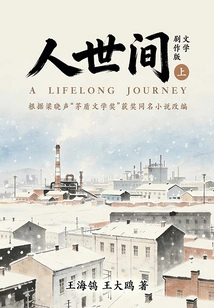
人世间文学剧作版(上)
Wang Hailu Wang Dayou
This book is a play of the same name adapted by Wang Hailu and Wang Dayou based on the Mao Dun Literature Award-winning novel "Human World" by Liang Xiaosheng. It is set in a civilian community in a northern city called "Light Word Film" and tells the ups and downs of life stories of more than a dozen civilian children, including the three brothers and sisters of the Zhou family, Zhou Bingyi, Zhou Rong, and Zhou Bingkun, in the past fifty years. The fate of the protagonist is intertwined with the changes of the times, writing an epic life epic of contemporary Chinese people.
This book is a play of the same name adapted by Wang Hailu and Wang Dayou based on the Mao Dun Literature Award-winning novel "Human World" by Liang Xiaosheng. It is set in a civilian community in a northern city called "Light Word Film" and tells the ups and downs of life stories of more than a dozen civilian children, including the three brothers and sisters of the Zhou family, Zhou Bingyi, Zhou Rong, and Zhou Bingkun, in the past fifty years. The fate of the protagonist is intertwined with the changes of the times, writing an epic life epic of contemporary Chinese people.
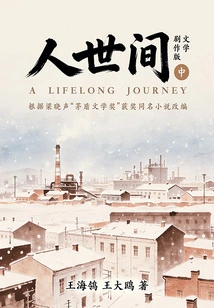
人世间文学剧作版(中)
Wang Hailu Wang Dayou
This book is a play of the same name adapted by Wang Hailu and Wang Dayou based on the Mao Dun Literature Award-winning novel "Human World" by Liang Xiaosheng. It is set in a civilian community in a northern city called "Light Word Film" and tells the ups and downs of life stories of more than a dozen civilian children, including the three brothers and sisters of the Zhou family, Zhou Bingyi, Zhou Rong, and Zhou Bingkun, in the past fifty years. The fate of the protagonist is intertwined with the changes of the times, writing an epic life epic of contemporary Chinese people.
This book is a play of the same name adapted by Wang Hailu and Wang Dayou based on the Mao Dun Literature Award-winning novel "Human World" by Liang Xiaosheng. It is set in a civilian community in a northern city called "Light Word Film" and tells the ups and downs of life stories of more than a dozen civilian children, including the three brothers and sisters of the Zhou family, Zhou Bingyi, Zhou Rong, and Zhou Bingkun, in the past fifty years. The fate of the protagonist is intertwined with the changes of the times, writing an epic life epic of contemporary Chinese people.
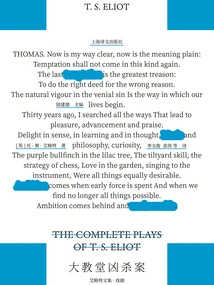
大教堂凶杀案(艾略特文集)
I
Eliot's 60th anniversary edition; "My life is an inadvertent bit of waste in an orderly universe." Reproduces the murder scene that shocked the Middle Ages and illuminates the spiritual wasteland of modern people. This book is based on the translation of the drama part of "The Complete Poems and Dramas of Thomas Eliot" published by Faber Publishing House in 1969. It includes Eliot's five major dramas: "The Cathedral Murders", the most famous British poetic drama since the seventeenth century, which combines elements of Greek drama and detective drama in the mid-twelfth century, and shows the main themes. "Family Reunion", a work about the hero's self-redemption process; Eliot's most popular play "The Cocktail Party", which explores the twisted outlook on life; "Secretary", the only drama on the New York Times bestseller list in the past thirty years; and the author's last work "The Elder Statesman". His realistic approach and storyline, as well as his pursuit of deep symbolic meaning in his works, had a huge influence on the playwrights of his generation.
Eliot's 60th anniversary edition; "My life is an inadvertent bit of waste in an orderly universe." Reproduces the murder scene that shocked the Middle Ages and illuminates the spiritual wasteland of modern people. This book is based on the translation of the drama part of "The Complete Poems and Dramas of Thomas Eliot" published by Faber Publishing House in 1969. It includes Eliot's five major dramas: "The Cathedral Murders", the most famous British poetic drama since the seventeenth century, which combines elements of Greek drama and detective drama in the mid-twelfth century, and shows the main themes. "Family Reunion", a work about the hero's self-redemption process; Eliot's most popular play "The Cocktail Party", which explores the twisted outlook on life; "Secretary", the only drama on the New York Times bestseller list in the past thirty years; and the author's last work "The Elder Statesman". His realistic approach and storyline, as well as his pursuit of deep symbolic meaning in his works, had a huge influence on the playwrights of his generation.
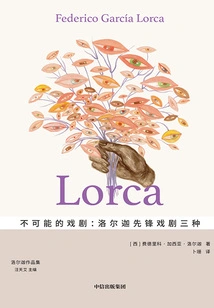
不可能的戏剧:洛尔迦先锋戏剧三种(洛尔迦作品集)
I
The influence of the Surrealist movement, the spiritual shock brought by his trip to America in 1929, and the emotional and psychological crisis he experienced changed Lorca's understanding of drama. He began to experiment with surrealism in his theater practice to explore new breakthroughs in drama structure, characters, and themes. This led to the creation of "The Love of Dom Perrin and Belisa in the Garden," "The Audience," and "Five Years Like This". These three alternative works were particularly subversive in his entire drama creation, in sharp contrast to his "Country Trilogy" with realism as the main style. One of them, "The Spectator," was even called an "impossible drama" by Lorca himself. These three dramas embody the author's poetic and aesthetic concepts. Behind the plots of the dramas are the author's profound thoughts on "how drama shows reality" and "what is reality". And deep thinking about "what is reality".
The influence of the Surrealist movement, the spiritual shock brought by his trip to America in 1929, and the emotional and psychological crisis he experienced changed Lorca's understanding of drama. He began to experiment with surrealism in his theater practice to explore new breakthroughs in drama structure, characters, and themes. This led to the creation of "The Love of Dom Perrin and Belisa in the Garden," "The Audience," and "Five Years Like This". These three alternative works were particularly subversive in his entire drama creation, in sharp contrast to his "Country Trilogy" with realism as the main style. One of them, "The Spectator," was even called an "impossible drama" by Lorca himself. These three dramas embody the author's poetic and aesthetic concepts. Behind the plots of the dramas are the author's profound thoughts on "how drama shows reality" and "what is reality". And deep thinking about "what is reality".
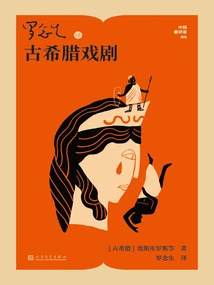
Translation of Ancient Greek Drama by Luo Niansheng (translation Series by Chinese Translators)
Literature罗念生译古希腊戏剧(中国翻译家译丛)
H
Ancient Greek drama is the oldest drama in the world and the source of the literary genre of drama. It originated in the sixth century BC and reached its peak in the fifth century BC. As a treasure of ancient literature in the world, ancient Greek drama has lasted more than two thousand years, but its touching plots, profound thoughts and superb skills can still impress people today. This translation is exclusive to our company. The translator Luo Niansheng directly translated the representative tragedies "Prometheus Bound", "Oedipus the King", "Medea" and the comedy "Knights" from ancient Greek. It portrays the hero Prometheus who was tortured for stealing fire from mankind in the ancient Greek era, and Oedipus the King who shows the struggle between human will and destiny. It praises human heroes and beautiful emotions, exposes the corruption of rulers, and displays the history and culture of ancient Greece.
Ancient Greek drama is the oldest drama in the world and the source of the literary genre of drama. It originated in the sixth century BC and reached its peak in the fifth century BC. As a treasure of ancient literature in the world, ancient Greek drama has lasted more than two thousand years, but its touching plots, profound thoughts and superb skills can still impress people today. This translation is exclusive to our company. The translator Luo Niansheng directly translated the representative tragedies "Prometheus Bound", "Oedipus the King", "Medea" and the comedy "Knights" from ancient Greek. It portrays the hero Prometheus who was tortured for stealing fire from mankind in the ancient Greek era, and Oedipus the King who shows the struggle between human will and destiny. It praises human heroes and beautiful emotions, exposes the corruption of rulers, and displays the history and culture of ancient Greece.
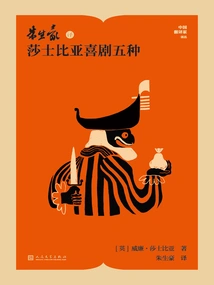
朱生豪译莎士比亚喜剧五种(中国翻译家译丛)
H
The plays Shakespeare wrote throughout his life include historical dramas, comedies and tragedies, which belong to three creative periods with their own emphasis. In comedy, Shakespeare achieved high achievements. The humanists of the Renaissance held beautiful ideals and believed deeply that the future of mankind was infinitely bright. This spirit of optimism was the keynote of Shakespeare's comedy creations. This book selects five representative comedies among these, namely "The Merchant of Venice", "A Midsummer Night's Dream", "Twelfth Night", "Much Ado About Nothing" and "As You Like It", collectively known as "Shakespeare's Five Comedies". Zhu Shenghao's translation is distinctive in quality and style, with beautiful and clear diction and distinctive characters. It is an artistic treasure cherished by readers and recognized by Shakespeare researchers at home and abroad. Since its publication by our publisher, the book has been revised by successive generations of experts, scholars and editors. It has condensed the wisdom of the academic community on Shakespeare research and has been recognized by readers over the years.
The plays Shakespeare wrote throughout his life include historical dramas, comedies and tragedies, which belong to three creative periods with their own emphasis. In comedy, Shakespeare achieved high achievements. The humanists of the Renaissance held beautiful ideals and believed deeply that the future of mankind was infinitely bright. This spirit of optimism was the keynote of Shakespeare's comedy creations. This book selects five representative comedies among these, namely "The Merchant of Venice", "A Midsummer Night's Dream", "Twelfth Night", "Much Ado About Nothing" and "As You Like It", collectively known as "Shakespeare's Five Comedies". Zhu Shenghao's translation is distinctive in quality and style, with beautiful and clear diction and distinctive characters. It is an artistic treasure cherished by readers and recognized by Shakespeare researchers at home and abroad. Since its publication by our publisher, the book has been revised by successive generations of experts, scholars and editors. It has condensed the wisdom of the academic community on Shakespeare research and has been recognized by readers over the years.
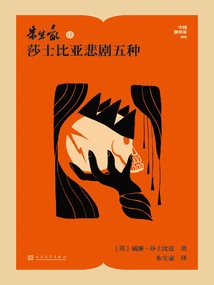
朱生豪译莎士比亚悲剧五种(中国翻译家译丛)
(english) Shakespeare
The plays Shakespeare wrote throughout his life include historical dramas, comedies and tragedies, which belong to his three creative periods with different emphasis. Among them, the tragedies written in the later period concentrated his life wisdom, reflected various contradictions and conflicts of human nature that can be included in the two ethical categories of good and evil, and inspired human beings to have a profound understanding of themselves and the society they live in. They are the essence of his art and the mystery of his outlook on life. This book selects the five most representative and popular tragedies among these tragedies, namely "Romeo and Juliet", "Hamlet", "Othello", "King Lear" and "Macbeth", collectively known as "Shakespeare's Five Tragedies". The translator of this book is the famous translator Zhu Shenghao. His translation is of extremely high quality, distinctive style, and catchy reading. It has been widely recognized by readers and researchers at home and abroad since it was first published. Since our company first published Zhu Shenghao's translation of Shakespeare's works, we have been constantly optimizing and upgrading them. This edition has been revised and revised by scholars and editors, and is supplemented by a preface to the translation by Mr. Lu Yuan. It is of high quality and is suitable for readers of all ages.
The plays Shakespeare wrote throughout his life include historical dramas, comedies and tragedies, which belong to his three creative periods with different emphasis. Among them, the tragedies written in the later period concentrated his life wisdom, reflected various contradictions and conflicts of human nature that can be included in the two ethical categories of good and evil, and inspired human beings to have a profound understanding of themselves and the society they live in. They are the essence of his art and the mystery of his outlook on life. This book selects the five most representative and popular tragedies among these tragedies, namely "Romeo and Juliet", "Hamlet", "Othello", "King Lear" and "Macbeth", collectively known as "Shakespeare's Five Tragedies". The translator of this book is the famous translator Zhu Shenghao. His translation is of extremely high quality, distinctive style, and catchy reading. It has been widely recognized by readers and researchers at home and abroad since it was first published. Since our company first published Zhu Shenghao's translation of Shakespeare's works, we have been constantly optimizing and upgrading them. This edition has been revised and revised by scholars and editors, and is supplemented by a preface to the translation by Mr. Lu Yuan. It is of high quality and is suitable for readers of all ages.
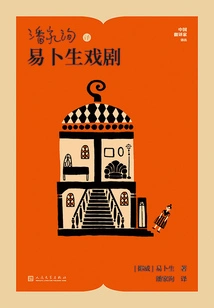
潘家洵译易卜生戏剧(中国翻译家译丛)
(move) Ibsen
"Ibsen's Dramas" includes translator Pan Jiaxun's translation of Ibsen's masterpieces - four major "social issue dramas" in the mid-term creative stage: "Pillars of Society", "A Doll's House", "Ghosts" and "Enemy of the People". Ibsen's social problem plays criticize social ugliness, promote individual liberation, analyze social problems from many aspects based on the reality of life, expose and criticize various shortcomings of bourgeois society, and touch on various fields such as law, religion, morality, and even the country, political parties, and systems. Among them, "Between the Dolls" translated by Pan Jiaxun had a huge social impact during the "May Fourth Movement" and played a great role in promoting the New Culture Movement. Pan Jiaxun's translation of Ibsen's plays is recognized as a classic because of its extremely high literary, academic and historical value and has far-reaching influence. Our company has the exclusive copyright.
"Ibsen's Dramas" includes translator Pan Jiaxun's translation of Ibsen's masterpieces - four major "social issue dramas" in the mid-term creative stage: "Pillars of Society", "A Doll's House", "Ghosts" and "Enemy of the People". Ibsen's social problem plays criticize social ugliness, promote individual liberation, analyze social problems from many aspects based on the reality of life, expose and criticize various shortcomings of bourgeois society, and touch on various fields such as law, religion, morality, and even the country, political parties, and systems. Among them, "Between the Dolls" translated by Pan Jiaxun had a huge social impact during the "May Fourth Movement" and played a great role in promoting the New Culture Movement. Pan Jiaxun's translation of Ibsen's plays is recognized as a classic because of its extremely high literary, academic and historical value and has far-reaching influence. Our company has the exclusive copyright.
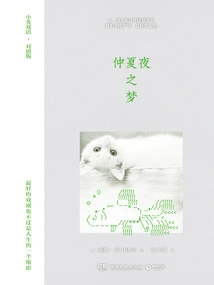
仲夏夜之梦(汉英对照)
H
Shakespeare's classic comedy. Zhu Shenghao's classic translation, a Chinese-English bilingual version, allows you to intuitively experience the charm of Shakespeare's language. "A Midsummer Night's Dream" is a very representative comedy work by Shakespeare. It tells the love story of lovers who finally get married. This work has a huge influence in the history of world literature and drama. Although the story in the play takes place in the ancient Greek period, the thoughts and feelings of the characters in the play are based on the real life in Britain at that time, reflecting the struggle of new women at that time for the right to free love and independent marriage. Through the contrast of real emotions and the magic forest, and the coexistence of real characters and the fairy king of the forest, it expresses the humanistic ideal of equal coexistence between people and harmonious coexistence between man and nature. If this drama offends you, just think of it as a dream.
Shakespeare's classic comedy. Zhu Shenghao's classic translation, a Chinese-English bilingual version, allows you to intuitively experience the charm of Shakespeare's language. "A Midsummer Night's Dream" is a very representative comedy work by Shakespeare. It tells the love story of lovers who finally get married. This work has a huge influence in the history of world literature and drama. Although the story in the play takes place in the ancient Greek period, the thoughts and feelings of the characters in the play are based on the real life in Britain at that time, reflecting the struggle of new women at that time for the right to free love and independent marriage. Through the contrast of real emotions and the magic forest, and the coexistence of real characters and the fairy king of the forest, it expresses the humanistic ideal of equal coexistence between people and harmonious coexistence between man and nature. If this drama offends you, just think of it as a dream.
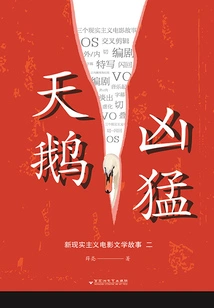
天鹅凶猛:新现实主义电影文学故事(二)
Xue Liang
"The Ferocious Swan: Neorealist Film and Literature Stories (2)" consists of two independent film and literary scripts: "The Ferocious Swan" and "Old Bean of Bauhinia". "The Fierce Swan" is based on real people and true stories. It tells a touching story of an ordinary farmer who participated in the protection of migratory birds and launched a fierce struggle against illegal poachers. The character prototype won the Touching China Award. "Redbud Old Bean" tells the story of misunderstanding and reconciliation between a policeman and his adolescent son. It is full of true feelings.
"The Ferocious Swan: Neorealist Film and Literature Stories (2)" consists of two independent film and literary scripts: "The Ferocious Swan" and "Old Bean of Bauhinia". "The Fierce Swan" is based on real people and true stories. It tells a touching story of an ordinary farmer who participated in the protection of migratory birds and launched a fierce struggle against illegal poachers. The character prototype won the Touching China Award. "Redbud Old Bean" tells the story of misunderstanding and reconciliation between a policeman and his adolescent son. It is full of true feelings.
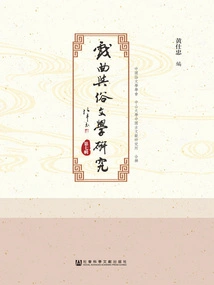
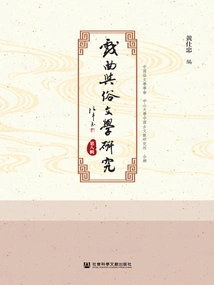
戏曲与俗文学研究(第7辑)
Edited By Huang Shizhong
This book provides a platform for the textual research of Chinese popular literature. The book takes the study of ancient operas and popular literature as its main object, features empirical research, attaches great importance to the discovery and utilization of first-hand documentary materials, and emphasizes the investigation, cataloging, and textual research of basic literature. It especially emphasizes the research of textual research on literature and materials, that is, it focuses on author research, important event research, edition literature research, collection of catalogs for collectors at home and abroad, research on rare documents, and collection and interpretation of new literature materials. Opera, popular literature, literature, and empirical evidence are the key words that distinguish this book from other similar publications.
This book provides a platform for the textual research of Chinese popular literature. The book takes the study of ancient operas and popular literature as its main object, features empirical research, attaches great importance to the discovery and utilization of first-hand documentary materials, and emphasizes the investigation, cataloging, and textual research of basic literature. It especially emphasizes the research of textual research on literature and materials, that is, it focuses on author research, important event research, edition literature research, collection of catalogs for collectors at home and abroad, research on rare documents, and collection and interpretation of new literature materials. Opera, popular literature, literature, and empirical evidence are the key words that distinguish this book from other similar publications.
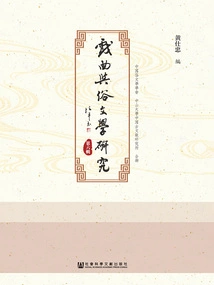
戏曲与俗文学研究(第8辑)
Edited By Huang Shizhong
This book provides a platform for the textual research of Chinese popular literature. The book takes the study of ancient operas and popular literature as its main object, features empirical research, attaches great importance to the discovery and utilization of first-hand documentary materials, and emphasizes the investigation, cataloging, and textual research of basic literature. It especially emphasizes the research of textual research on literature and materials, that is, it focuses on author research, important event research, edition literature research, collection of catalogs for collectors at home and abroad, research on rare documents, and collection and interpretation of new literature materials. Opera, popular literature, literature, and empirical evidence are the key words that distinguish this book from other similar publications.
This book provides a platform for the textual research of Chinese popular literature. The book takes the study of ancient operas and popular literature as its main object, features empirical research, attaches great importance to the discovery and utilization of first-hand documentary materials, and emphasizes the investigation, cataloging, and textual research of basic literature. It especially emphasizes the research of textual research on literature and materials, that is, it focuses on author research, important event research, edition literature research, collection of catalogs for collectors at home and abroad, research on rare documents, and collection and interpretation of new literature materials. Opera, popular literature, literature, and empirical evidence are the key words that distinguish this book from other similar publications.
戏曲与俗文学研究(第6辑)
Edited By Huang Shizhong
This book provides a platform for the textual research of Chinese popular literature. The book takes the study of ancient operas and popular literature as its main object, features empirical research, attaches great importance to the discovery and utilization of first-hand documentary materials, and emphasizes the investigation, cataloging, and textual research of basic literature. It especially emphasizes the research of textual research on literature and materials, that is, it focuses on author research, important event research, edition literature research, collection of catalogs for collectors at home and abroad, research on rare documents, and collection and interpretation of new literature materials. Opera, popular literature, literature, and empirical evidence are the key words that distinguish this book from other similar publications.
This book provides a platform for the textual research of Chinese popular literature. The book takes the study of ancient operas and popular literature as its main object, features empirical research, attaches great importance to the discovery and utilization of first-hand documentary materials, and emphasizes the investigation, cataloging, and textual research of basic literature. It especially emphasizes the research of textual research on literature and materials, that is, it focuses on author research, important event research, edition literature research, collection of catalogs for collectors at home and abroad, research on rare documents, and collection and interpretation of new literature materials. Opera, popular literature, literature, and empirical evidence are the key words that distinguish this book from other similar publications.
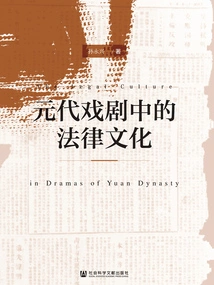
Legal Culture in Yuan Dynasty Drama
Literature元代戏剧中的法律文化
Sun Yongxing
The legal system of the Yuan Dynasty reflected the development and progress of China's traditional legal system. However, the legal system of the Yuan Dynasty, with its perfect form, progressive content, and tolerant guiding ideology, showed another face in Yuan Dynasty dramas. The dramas of the Yuan Dynasty, especially the public case dramas, are the embodiment of traditional Chinese legal culture. This book studies the legal culture in Yuan Dynasty drama from the perspective of litigation participants, litigation procedures, procedural legal systems, and substantive legal systems.
The legal system of the Yuan Dynasty reflected the development and progress of China's traditional legal system. However, the legal system of the Yuan Dynasty, with its perfect form, progressive content, and tolerant guiding ideology, showed another face in Yuan Dynasty dramas. The dramas of the Yuan Dynasty, especially the public case dramas, are the embodiment of traditional Chinese legal culture. This book studies the legal culture in Yuan Dynasty drama from the perspective of litigation participants, litigation procedures, procedural legal systems, and substantive legal systems.
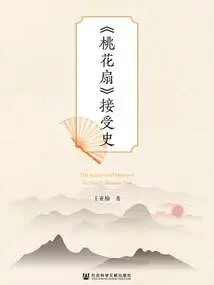
《桃花扇》接受史
Wang Yanan
On the basis of existing research, this book makes full use of relevant literature and materials, takes the diachronic evolution of the communication and reception activities of "The Peach Blossom Fan" as its longitude, and uses different types of communication and reception activities as its latitude. It sorts out, examines and studies the communication and reception of "The Peach Blossom Fan" in the more than three hundred years since its publication from an interdisciplinary perspective. Process, strive to three-dimensionally describe and present its true picture, explore its evolution trajectory, reveal its overall characteristics, discuss the impact of its dissemination and reception activities in the social, historical and cultural context, explore the multiple paths for the canonization of "The Peach Blossom Fan", and look forward to the future development direction of "The Peach Blossom Fan" research.
On the basis of existing research, this book makes full use of relevant literature and materials, takes the diachronic evolution of the communication and reception activities of "The Peach Blossom Fan" as its longitude, and uses different types of communication and reception activities as its latitude. It sorts out, examines and studies the communication and reception of "The Peach Blossom Fan" in the more than three hundred years since its publication from an interdisciplinary perspective. Process, strive to three-dimensionally describe and present its true picture, explore its evolution trajectory, reveal its overall characteristics, discuss the impact of its dissemination and reception activities in the social, historical and cultural context, explore the multiple paths for the canonization of "The Peach Blossom Fan", and look forward to the future development direction of "The Peach Blossom Fan" research.
Research on Excerpts
Literature折子戏研究
Li Hui
This book takes the Zhezi Opera as the research object and conducts research from the four dimensions of the Zhezi Opera's concept, history, text, and performance. It takes the historical development of the Zhezi Opera as the basis, and the literary characteristics and performance characteristics of the Zhezi Opera as the latitude. It strives to give a three-dimensional view of the Zhezi Opera and faithfully restore the panoramic view of the Zhezi Opera's performance. By organizing and analyzing a large number of selected opera excerpts, novels, diaries, literati notes and other documents, this book outlines the appearance of excerpt opera in the Ming and Qing dynasties: it rose in the Zhengde period of the Ming Dynasty; developed in the Jiajing and Longqing years; flourished in the Wanli period; flourished in the Tianqi and Chongzhen years; and took shape and ended in the Qing Dynasty. This book focuses on the dual attributes of literature and performance of excerpts, and focuses on two selected excerpts of "Zui Bai Qiu" and "Shen Yin Jian Gu Lu".
This book takes the Zhezi Opera as the research object and conducts research from the four dimensions of the Zhezi Opera's concept, history, text, and performance. It takes the historical development of the Zhezi Opera as the basis, and the literary characteristics and performance characteristics of the Zhezi Opera as the latitude. It strives to give a three-dimensional view of the Zhezi Opera and faithfully restore the panoramic view of the Zhezi Opera's performance. By organizing and analyzing a large number of selected opera excerpts, novels, diaries, literati notes and other documents, this book outlines the appearance of excerpt opera in the Ming and Qing dynasties: it rose in the Zhengde period of the Ming Dynasty; developed in the Jiajing and Longqing years; flourished in the Wanli period; flourished in the Tianqi and Chongzhen years; and took shape and ended in the Qing Dynasty. This book focuses on the dual attributes of literature and performance of excerpts, and focuses on two selected excerpts of "Zui Bai Qiu" and "Shen Yin Jian Gu Lu".
The Night of January 16th
Literature一月十六日夜
(us) Ayn Rand
This book is a complete collection of Ayn Rand's plays, including three original scripts: "The Night of January 16th", "Ideal" and "Three Thoughts". "Night of January 16th": At midnight on January 16th, the famous financial dictator Faulkner fell rapidly from the top floor of his luxury apartment and was beyond recognition. Did he commit suicide or was he murdered? The play designs a Rashomon trial about the guilt of the person being tried. The factual evidence of whether the person being tried is guilty or not is balanced. The audience here is the jury of this trial. Whether the defendant is guilty or not depends on the opinions of the audience jury. Each person's trial of a case is an examination of his own conscience and a choice of his own outlook on life. Judging others means judging yourself, everyone is his or her own judge! ...
This book is a complete collection of Ayn Rand's plays, including three original scripts: "The Night of January 16th", "Ideal" and "Three Thoughts". "Night of January 16th": At midnight on January 16th, the famous financial dictator Faulkner fell rapidly from the top floor of his luxury apartment and was beyond recognition. Did he commit suicide or was he murdered? The play designs a Rashomon trial about the guilt of the person being tried. The factual evidence of whether the person being tried is guilty or not is balanced. The audience here is the jury of this trial. Whether the defendant is guilty or not depends on the opinions of the audience jury. Each person's trial of a case is an examination of his own conscience and a choice of his own outlook on life. Judging others means judging yourself, everyone is his or her own judge! ...
Long Separation
Literature长别离
(france) Margaret Duras Gérard Jarlot
This book is a script and dialogue written by Marguerite Duras and Gérard Jarlot for a film directed by French New Wave director Henri Colby. It is a text that writes about the themes of war trauma, memory and forgetting, and desperate love. Delise, the owner of a cafe by the Seine in Paris, accidentally discovered that a homeless man walking in front of the cafe looked like her husband who had been missing for many years. In order to confirm her judgment, she constantly asked the waitress to talk to him, met him on the street, invited family members to talk about the past in front of him, and even invited him to her home for dinner. While dancing together, Desra touched a big scar on the man's head. With fear, surprise, and grief intertwined, she finally confirmed that this foolish homeless man was the husband Abaire she had been waiting for. He lost his memory forever under the torture of the fascists. Delise called his name in pain and excitement, but he raised his hands numbly and habitually, just like in the concentration camp...
This book is a script and dialogue written by Marguerite Duras and Gérard Jarlot for a film directed by French New Wave director Henri Colby. It is a text that writes about the themes of war trauma, memory and forgetting, and desperate love. Delise, the owner of a cafe by the Seine in Paris, accidentally discovered that a homeless man walking in front of the cafe looked like her husband who had been missing for many years. In order to confirm her judgment, she constantly asked the waitress to talk to him, met him on the street, invited family members to talk about the past in front of him, and even invited him to her home for dinner. While dancing together, Desra touched a big scar on the man's head. With fear, surprise, and grief intertwined, she finally confirmed that this foolish homeless man was the husband Abaire she had been waiting for. He lost his memory forever under the torture of the fascists. Delise called his name in pain and excitement, but he raised his hands numbly and habitually, just like in the concentration camp...
光在黑暗中发亮:托尔斯泰戏剧集(译文经典)
(russian) Tolstoy
This book contains four of Tolstoy's most important dramatic works: "The Force of Ignorance", "The Fruits of Education", "Light Shines in the Dark" and "The Living Corpse". Although Tolstoy's dramatic works are not as well-known as his novels, they directly and vividly reflect Tolstoy's ideological changes in his later years and reflect his unique aesthetic value and ethical and moral consciousness. Among them, the unfinished five-act play "Light Shines in the Dark" is almost a mirror image of Tolstoy's own life, projecting all his thoughts, doubts and dilemmas into it, and his departure in the last stage of his life seems to be the last scene of this unfinished play. In terms of the artistry of the drama itself, Tolstoy's plays have received mixed reviews. However, the huge ideological power contained in them has more important value and significance today.
This book contains four of Tolstoy's most important dramatic works: "The Force of Ignorance", "The Fruits of Education", "Light Shines in the Dark" and "The Living Corpse". Although Tolstoy's dramatic works are not as well-known as his novels, they directly and vividly reflect Tolstoy's ideological changes in his later years and reflect his unique aesthetic value and ethical and moral consciousness. Among them, the unfinished five-act play "Light Shines in the Dark" is almost a mirror image of Tolstoy's own life, projecting all his thoughts, doubts and dilemmas into it, and his departure in the last stage of his life seems to be the last scene of this unfinished play. In terms of the artistry of the drama itself, Tolstoy's plays have received mixed reviews. However, the huge ideological power contained in them has more important value and significance today.
Aj
Literatureaj
H
This book is a four-act tragedy created by Albert Camus. It is based on the life of the ancient Roman tyrant Caligula and profoundly reflects Camus' existentialism and absurd philosophy. In the play, Caligula begins to question the meaning and value of life after experiencing the shock of the death of his beloved lover. He found that personality, dignity, and even pain were meaningless in the face of death, which triggered his extreme use of power and destruction of the existing order. He became a tyrant who wantonly trampled on the original human system, good and evil, and emotions, trying to find truth and eternity through power and expose the hypocrisy of the world. Through the image of Caligula, Camus explores the way humans deal with themselves in the face of an absurd world, showing the destructive consequences of abuse of power and personal madness. At the same time, he also put forward profound thoughts about human existence and freedom, and explored how to find personal meaning and value in an absurd world.
This book is a four-act tragedy created by Albert Camus. It is based on the life of the ancient Roman tyrant Caligula and profoundly reflects Camus' existentialism and absurd philosophy. In the play, Caligula begins to question the meaning and value of life after experiencing the shock of the death of his beloved lover. He found that personality, dignity, and even pain were meaningless in the face of death, which triggered his extreme use of power and destruction of the existing order. He became a tyrant who wantonly trampled on the original human system, good and evil, and emotions, trying to find truth and eternity through power and expose the hypocrisy of the world. Through the image of Caligula, Camus explores the way humans deal with themselves in the face of an absurd world, showing the destructive consequences of abuse of power and personal madness. At the same time, he also put forward profound thoughts about human existence and freedom, and explored how to find personal meaning and value in an absurd world.
Dou E's Injustice
Literature窦娥冤
Guan Hanqing
"The Injustice of Dou E" is a representative drama written by Guan Hanqing in the Yuan Dynasty. It tells the tragic story of Dou E who was wrongfully executed. She was framed by a gangster and misjudged by an unlucky official. Before her execution, she made three vows, all of which came true. The work profoundly exposes the darkness of society and praises Dou E's fighting spirit. It has been passed down through the ages with shocking tragic power and has become an immortal classic of Yuan dramas.
"The Injustice of Dou E" is a representative drama written by Guan Hanqing in the Yuan Dynasty. It tells the tragic story of Dou E who was wrongfully executed. She was framed by a gangster and misjudged by an unlucky official. Before her execution, she made three vows, all of which came true. The work profoundly exposes the darkness of society and praises Dou E's fighting spirit. It has been passed down through the ages with shocking tragic power and has become an immortal classic of Yuan dramas.
磨铁经典文库系列:哈姆雷特(中英双语)
(english) Shakespeare
"Hamlet" is known as the first of Shakespeare's four tragedies. In the midst of power, love, and all the expectations of yesterday, the noble prince has never been free. He stares into the mirror and tries to talk to himself; he longs for recognition, but is alienated from everyone. Bound to a given destiny, life is like a script written by others. In order to achieve your goal, do you have to pretend to be crazy, pretend to be crazy, and disguise yourself as someone else? Complex emotions, psychological conflicts and tragic tension make "Hamlet" an eternal examination of the human spiritual world. If there are millions of Hamlets in the world, may you be loyal to yourself as day and night.
"Hamlet" is known as the first of Shakespeare's four tragedies. In the midst of power, love, and all the expectations of yesterday, the noble prince has never been free. He stares into the mirror and tries to talk to himself; he longs for recognition, but is alienated from everyone. Bound to a given destiny, life is like a script written by others. In order to achieve your goal, do you have to pretend to be crazy, pretend to be crazy, and disguise yourself as someone else? Complex emotions, psychological conflicts and tragic tension make "Hamlet" an eternal examination of the human spiritual world. If there are millions of Hamlets in the world, may you be loyal to yourself as day and night.
Graduation Video Creation and Practice
Literature毕业影像创作与实践
Editor-in-chief Zeng Yiguo
This book is one of the "Image Workshop" series of Jinan University. It compiles and selects 22 outstanding graduation works participated by graduate students and some undergraduates majoring in radio and television art at Jinan University in the past two years. Each work includes work information, recommendations, work explanations and creative manuscripts. There are both grand narratives and major themes that reflect the feelings of family and country, as well as micro works that tell the dreams, emotions and life stories of ordinary people and even people with disabilities. They are full of love for home, society and life, reflecting the in-depth observation and thinking of outstanding students on certain aspects of contemporary Chinese society, and showing the strong sense of responsibility of today's younger generation of students for national development and social progress. In addition, these outstanding graduation works, from theory to practice, can provide cases with reference significance and reference value for subsequent students' creations.
This book is one of the "Image Workshop" series of Jinan University. It compiles and selects 22 outstanding graduation works participated by graduate students and some undergraduates majoring in radio and television art at Jinan University in the past two years. Each work includes work information, recommendations, work explanations and creative manuscripts. There are both grand narratives and major themes that reflect the feelings of family and country, as well as micro works that tell the dreams, emotions and life stories of ordinary people and even people with disabilities. They are full of love for home, society and life, reflecting the in-depth observation and thinking of outstanding students on certain aspects of contemporary Chinese society, and showing the strong sense of responsibility of today's younger generation of students for national development and social progress. In addition, these outstanding graduation works, from theory to practice, can provide cases with reference significance and reference value for subsequent students' creations.
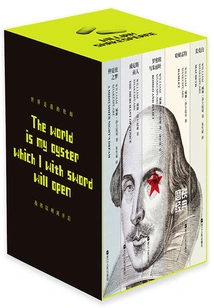
磨铁经典文库系列:莎士比亚戏剧选集(中英双语·5册套装)
(english) Shakespeare
When in love, people become Romeo and Juliet; when in hesitation, people question survival or destruction. From the collapse of royal power to the noise of the market, from the whispers of love to the struggle for power - all emotions resonate in Shakespeare's writings. Power, desire, love, justice and fantasy, five eternal propositions, are staged in the theater of the book. "Hamlet", "Macbeth", "Romeo and Juliet", "The Merchant of Venice" and "A Midsummer Night's Dream" are five drama monuments spanning four hundred years, covering tragedies, dramas and comedies. They depict the purest humanity and are still radiating bright light in the long river of human civilization.
When in love, people become Romeo and Juliet; when in hesitation, people question survival or destruction. From the collapse of royal power to the noise of the market, from the whispers of love to the struggle for power - all emotions resonate in Shakespeare's writings. Power, desire, love, justice and fantasy, five eternal propositions, are staged in the theater of the book. "Hamlet", "Macbeth", "Romeo and Juliet", "The Merchant of Venice" and "A Midsummer Night's Dream" are five drama monuments spanning four hundred years, covering tragedies, dramas and comedies. They depict the purest humanity and are still radiating bright light in the long river of human civilization.