Library
Browse and search books
13,360 novels found
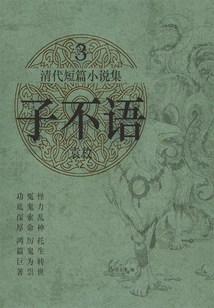
Collection of Short Stories from the Qing Dynasty·zi Buyu 3
General Fiction清代短篇小说集·子不语3
G
"Zi Buyu" is a collection of short ghost stories written by Yuan Mei, a famous writer in the Qing Dynasty. It is named after "Zi Buyu" in "The Analects", "Zi Buyu", so the story talks about strange power and chaos. The book is full of bizarre stories about reincarnation, unjust ghosts seeking lives, and evil ghosts causing troubles; images of various gods and ghosts such as city gods, land, unjust ghosts, and slaves can be seen everywhere. There are only a few stories that do not involve ghosts and gods at all, and most of them promote the superstitious ideas of "karma" and fate. Yuan Mei uses these images of gods and ghosts and weird stories to show readers a complete underworld society.
"Zi Buyu" is a collection of short ghost stories written by Yuan Mei, a famous writer in the Qing Dynasty. It is named after "Zi Buyu" in "The Analects", "Zi Buyu", so the story talks about strange power and chaos. The book is full of bizarre stories about reincarnation, unjust ghosts seeking lives, and evil ghosts causing troubles; images of various gods and ghosts such as city gods, land, unjust ghosts, and slaves can be seen everywhere. There are only a few stories that do not involve ghosts and gods at all, and most of them promote the superstitious ideas of "karma" and fate. Yuan Mei uses these images of gods and ghosts and weird stories to show readers a complete underworld society.

Hemingway Collection Collection Set (4 Volumes in Total)
General Fiction海明威精选集典藏套装(共4册)
I
Hemingway had complicated emotions in his life and was married four times. He was a representative figure among the "lost generation" writers in the United States. His works showed confusion and hesitation about life, the world, and society. He has always been known as a tough guy in the literary world, and he is a spiritual monument to the American nation. The "Hemingway Selections Collection Set" is a set of literary masterpieces published in commemoration of Hemingway's birthday. The set includes four books: "The Old Man and the Sea", "For Whom the Bell Tolls", "A Farewell to Arms" and "The Sun Also Rises".
Hemingway had complicated emotions in his life and was married four times. He was a representative figure among the "lost generation" writers in the United States. His works showed confusion and hesitation about life, the world, and society. He has always been known as a tough guy in the literary world, and he is a spiritual monument to the American nation. The "Hemingway Selections Collection Set" is a set of literary masterpieces published in commemoration of Hemingway's birthday. The set includes four books: "The Old Man and the Sea", "For Whom the Bell Tolls", "A Farewell to Arms" and "The Sun Also Rises".
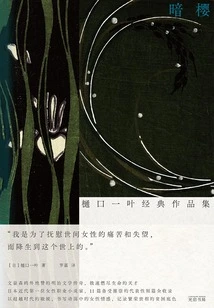
Dark Sakura: a Collection of Higuchi Kazuyo's Classic Works
General Fiction暗樱:樋口一叶经典作品集
J
"I was born into this world to soothe the pain and disappointment of women in the world." This book is a selection of short stories by the Japanese Meiji era female writer Higuchi Kazuyo, including 11 of her most outstanding works. Higuchi Ichiyo wrote in classical Chinese, and his style imitated Ihara Saizuru's eclectic style. Kazuyo lived a poor life and his life was fleeting, but with the energy he burned out in his short life, he became an important writer who opened up the scope of Meiji novels. Although her works mostly describe the turbulence and tragedy of women in the times, her writing is not weak, but full of tenacity and sober lamentation that sees through the world. She observes the characters of the times with empathy from the bottom, and is keenly aware of the completely different outcomes of people from different classes in a changing world. The protagonists of these works include craftsmen who have been abandoned by the times, maids who steal money for their families, and ordinary girls who have lost their love. Most of their lives are tragedies, but they all accept their fate with tenacity and end with a touch of sadness.
"I was born into this world to soothe the pain and disappointment of women in the world." This book is a selection of short stories by the Japanese Meiji era female writer Higuchi Kazuyo, including 11 of her most outstanding works. Higuchi Ichiyo wrote in classical Chinese, and his style imitated Ihara Saizuru's eclectic style. Kazuyo lived a poor life and his life was fleeting, but with the energy he burned out in his short life, he became an important writer who opened up the scope of Meiji novels. Although her works mostly describe the turbulence and tragedy of women in the times, her writing is not weak, but full of tenacity and sober lamentation that sees through the world. She observes the characters of the times with empathy from the bottom, and is keenly aware of the completely different outcomes of people from different classes in a changing world. The protagonists of these works include craftsmen who have been abandoned by the times, maids who steal money for their families, and ordinary girls who have lost their love. Most of their lives are tragedies, but they all accept their fate with tenacity and end with a touch of sadness.
S
General Fictions
H
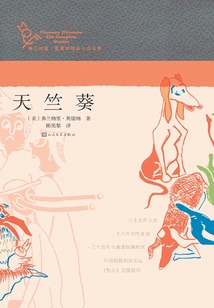
Flannery O'Connor (1925-1964) was an American female writer of southern literature as famous as Faulkner and Carson McCullers. In her short life of 39 years, she wrote two novels, 32 short stories and many miscellaneous reviews. The Complete Collection of Short Stories published after her death won the 1972 U. S. National Book Award. This series contains the most authoritative version of O'Connor's complete collection of short stories, a total of 31 pieces. "Geranium" is the first volume, with eight chapters in total.
Flannery O'Connor (1925-1964) was an American female writer of southern literature as famous as Faulkner and Carson McCullers. In her short life of 39 years, she wrote two novels, 32 short stories and many miscellaneous reviews. The Complete Collection of Short Stories published after her death won the 1972 U. S. National Book Award. This series contains the most authoritative version of O'Connor's complete collection of short stories, a total of 31 pieces. "Geranium" is the first volume, with eight chapters in total.
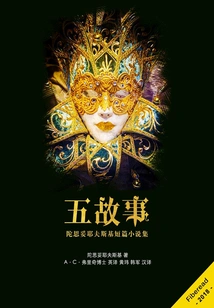
Five Stories
General Fiction五故事
G
This book is a collection of Dostoevsky's famous short stories, including Other People's Wives, Human Dreams, etc.
This book is a collection of Dostoevsky's famous short stories, including Other People's Wives, Human Dreams, etc.
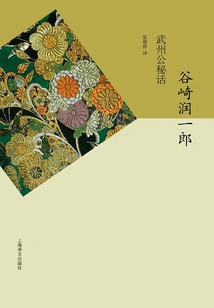
Wuzhou Public Secrets
General Fiction武州公秘话
H
This novel is another attempt by the aestheticist writer Junichiro Tanizaki to challenge the ancient literary form of "monogatari". Taking the Warring States Period as the background, the fictional protagonist is placed in a mixture of fictional and factual research and historical materials, which demonstrates the unique charm of fictional writing. As the son of the Musashi Shou Kiryu family, Wuzhou Gonghuisheng has been a hostage in Olu Mountain Castle since he was a child. When he was thirteen years old, Oshikayama Castle was under siege. Terusaki witnessed the strange scene of a young girl holding the enemy's head, and developed a lifelong weird sexual fetish... This book is equipped with 838 illustrations by the famous painter Kimura Hachisaki of the Taisho and Showa periods, which fully demonstrates the sensual beauty of Tanizaki's works.
This novel is another attempt by the aestheticist writer Junichiro Tanizaki to challenge the ancient literary form of "monogatari". Taking the Warring States Period as the background, the fictional protagonist is placed in a mixture of fictional and factual research and historical materials, which demonstrates the unique charm of fictional writing. As the son of the Musashi Shou Kiryu family, Wuzhou Gonghuisheng has been a hostage in Olu Mountain Castle since he was a child. When he was thirteen years old, Oshikayama Castle was under siege. Terusaki witnessed the strange scene of a young girl holding the enemy's head, and developed a lifelong weird sexual fetish... This book is equipped with 838 illustrations by the famous painter Kimura Hachisaki of the Taisho and Showa periods, which fully demonstrates the sensual beauty of Tanizaki's works.

The Enchantress: Ninth Grade Weapon Refiner
Fantasy Romance妖女倾城:九品炼器师
I
Portable space series (2) Huo You, the only ninth-grade weapon refiner in the world of cultivation who used weapons to prove the Tao, was reborn in another world and became Yin Ya to continue refining weapons. This article carries space + farming + fantasy. . . . . Lan himself is very fond of articles with this theme, ahem, so I wrote it. If Huo You is an existence full of legend, then fourteen-year-old Yin Ya is an existence full of tragedy. Yin Ya, a fourteen-year-old girl who had a father who was the head of an aristocratic family and a maid mother who was hated by the head of the house, disliked by her father and bullied by her brothers, committed suicide when she was forced to marry an old man who was several decades older than her. When she woke up again, Yin Ya was no longer Yin Ya, and Huo You was no longer Huo You. The two people in the two worlds, who were completely unrelated, merged because of an accident. From then on, Huo You took over Yin Ya's body and lived on. After she received all of Yin Ya's memories, she vowed to use the name Yin Ya to achieve an unparalleled career in Qi Continent. She wants to create a legend belonging to Yin Ya! ------------------------ Recommend Lanlan's own new articles: "Traveling Through the Future with Space": http:\u002F\u002Fread. Xxsy. Net\u002Finfo\u002F379734. Html Traveling through time was originally a good thing, for a person who had no worries in this world. However, it is a very tragic thing to become a divorced woman through time travel, and it is even more tragic if she is a divorced woman whose father does not love her mother. And if such a tragic woman also has two babies, one three years old and one one year old, it will be even more tragic. And the tragedy within the tragedy is that she has traveled to a very gray and terrible time and space. A time and space that is neither ancient nor modern, and is in an era that is very gray and very advanced. Well, that's the future as the saying goes. Fortunately, God was still kind to her and allowed her to carry a portable space with her, so at least she would not have to worry about food. Snippet: "Haha." The woman smiled awkwardly, "It was my mother's fault in the past. As a daughter, you have to remarry. Don't blame your mother!" The woman rubbed her hands while looking at the noble Yu Miaomiao with saliva. "Madam, please don't mistake relatives. Who is your daughter? Are you talking about my baby? This is my daughter, and you can't give birth to such a young daughter at your age." Yu Miaomiao just pretended to be stupid, thinking that he was now rich and begging for help? Do you want to forgive yourself with just such a sentence? Don't even look at what you did in the first place! Articles recommending friends: "The Emperor's First Daughter": http:\u002F\u002Fread. Xxsy. Net\u002Finfo\u002F363535. Html The title used on the mobile phone reading platform is "The Enchantress: Ninth Grade Weapon Refiner"
Portable space series (2) Huo You, the only ninth-grade weapon refiner in the world of cultivation who used weapons to prove the Tao, was reborn in another world and became Yin Ya to continue refining weapons. This article carries space + farming + fantasy. . . . . Lan himself is very fond of articles with this theme, ahem, so I wrote it. If Huo You is an existence full of legend, then fourteen-year-old Yin Ya is an existence full of tragedy. Yin Ya, a fourteen-year-old girl who had a father who was the head of an aristocratic family and a maid mother who was hated by the head of the house, disliked by her father and bullied by her brothers, committed suicide when she was forced to marry an old man who was several decades older than her. When she woke up again, Yin Ya was no longer Yin Ya, and Huo You was no longer Huo You. The two people in the two worlds, who were completely unrelated, merged because of an accident. From then on, Huo You took over Yin Ya's body and lived on. After she received all of Yin Ya's memories, she vowed to use the name Yin Ya to achieve an unparalleled career in Qi Continent. She wants to create a legend belonging to Yin Ya! ------------------------ Recommend Lanlan's own new articles: "Traveling Through the Future with Space": http:\u002F\u002Fread. Xxsy. Net\u002Finfo\u002F379734. Html Traveling through time was originally a good thing, for a person who had no worries in this world. However, it is a very tragic thing to become a divorced woman through time travel, and it is even more tragic if she is a divorced woman whose father does not love her mother. And if such a tragic woman also has two babies, one three years old and one one year old, it will be even more tragic. And the tragedy within the tragedy is that she has traveled to a very gray and terrible time and space. A time and space that is neither ancient nor modern, and is in an era that is very gray and very advanced. Well, that's the future as the saying goes. Fortunately, God was still kind to her and allowed her to carry a portable space with her, so at least she would not have to worry about food. Snippet: "Haha." The woman smiled awkwardly, "It was my mother's fault in the past. As a daughter, you have to remarry. Don't blame your mother!" The woman rubbed her hands while looking at the noble Yu Miaomiao with saliva. "Madam, please don't mistake relatives. Who is your daughter? Are you talking about my baby? This is my daughter, and you can't give birth to such a young daughter at your age." Yu Miaomiao just pretended to be stupid, thinking that he was now rich and begging for help? Do you want to forgive yourself with just such a sentence? Don't even look at what you did in the first place! Articles recommending friends: "The Emperor's First Daughter": http:\u002F\u002Fread. Xxsy. Net\u002Finfo\u002F363535. Html The title used on the mobile phone reading platform is "The Enchantress: Ninth Grade Weapon Refiner"
Tropic of Cancer in the Far East
General Fiction远东的北回归线
K
This is an extremely secretive coterie with very strict rules for joining. Because Chen Yushan, who was underage, joined in violation of regulations, it caused intense turmoil in this small circle, and even eventually collapsed. After the female photographer Qiuqiu was murdered, the female architect Liang Xiaowei realized that the killer's next target was her. Avoiding murder and investigating murder occur simultaneously. Everyone in this small circle has a reason to be suspected and a reason to be excluded. Famous psychology professor Fei Quwen interprets the late female philosopher Zhang Xuying's English novel for Liang Xiaowei, and analyzes the killer's dark psychology in detail like a winding path. Chen Yushan's boyfriend Ye Mingjie suddenly intervened, making things suddenly complicated. For example, the official Qiu Jiawei faced a scandal being exposed, the doctor Wu Chengan faced a family breakdown, and the securities dealer Li Nan also fled away.
This is an extremely secretive coterie with very strict rules for joining. Because Chen Yushan, who was underage, joined in violation of regulations, it caused intense turmoil in this small circle, and even eventually collapsed. After the female photographer Qiuqiu was murdered, the female architect Liang Xiaowei realized that the killer's next target was her. Avoiding murder and investigating murder occur simultaneously. Everyone in this small circle has a reason to be suspected and a reason to be excluded. Famous psychology professor Fei Quwen interprets the late female philosopher Zhang Xuying's English novel for Liang Xiaowei, and analyzes the killer's dark psychology in detail like a winding path. Chen Yushan's boyfriend Ye Mingjie suddenly intervened, making things suddenly complicated. For example, the official Qiu Jiawei faced a scandal being exposed, the doctor Wu Chengan faced a family breakdown, and the securities dealer Li Nan also fled away.

Self-improvement
General Fiction自我升华
K
It explains various constraints and bottlenecks that may be encountered in learning from aspects such as habits, study, reading, time, etc., And tells readers how to overcome them and gain happiness and self-sublimation in learning.
It explains various constraints and bottlenecks that may be encountered in learning from aspects such as habits, study, reading, time, etc., And tells readers how to overcome them and gain happiness and self-sublimation in learning.

Selected Novels of Chekhov·mirror Collection
General Fiction契诃夫小说选集·镜子集
J
Chekhov is a world-class Russian short story master and the last critical realist art master in Russia in the late 19th century. He is known as one of the "three major short story writers in the world" together with French writer Maupassant and American writer O. Henry. This collection includes two short stories and a novella "The Steppe". Regarding "Steppe", Gorky commented: "It would be great if I could describe the steppe like him! This novel is fragrant, light, and full of dreamlike melancholy..."
Chekhov is a world-class Russian short story master and the last critical realist art master in Russia in the late 19th century. He is known as one of the "three major short story writers in the world" together with French writer Maupassant and American writer O. Henry. This collection includes two short stories and a novella "The Steppe". Regarding "Steppe", Gorky commented: "It would be great if I could describe the steppe like him! This novel is fragrant, light, and full of dreamlike melancholy..."

The Woman on Hidden Dragon Mountain
General Fiction藏龙山上的女人
J
This book tells the story of decades of survival and struggle of a weak but stubborn rural woman. It describes in detail the protagonist's mental journey, life insights, and thinking, understanding and clear understanding of society. The author uses himself as an example to sound the alarm for everyone to live a wonderful life! Go, go calmly!
This book tells the story of decades of survival and struggle of a weak but stubborn rural woman. It describes in detail the protagonist's mental journey, life insights, and thinking, understanding and clear understanding of society. The author uses himself as an example to sound the alarm for everyone to live a wonderful life! Go, go calmly!

Just One Lie
General Fiction只差一个谎言
G
"Just One Lie" is a work in Keigo Higashino's "Malicious" series. It is a book that describes modern urban life: we are afraid of the malice of strangers, but often ignore the accumulated dissatisfaction, alienation and deception between close people; "Only One Lie" is also a brain-burning work that describes the psychological offensive and defensive battle between the criminal police and the suspect: Detective Kaga uses psychological warfare to confront the suspect, and only one lie is needed to find the murderer and reveal the truth. Keigo Higashino said: ""Only One Lie" is narrated from the perspective of the murderer or the person who deliberately concealed the truth, but it will not let the readers know the truth from the beginning." If you get married, you may fall in love with the other person - I married my husband with this idea in mind. But he suddenly showed his arrogant face, and I became a slave working for him.
"Just One Lie" is a work in Keigo Higashino's "Malicious" series. It is a book that describes modern urban life: we are afraid of the malice of strangers, but often ignore the accumulated dissatisfaction, alienation and deception between close people; "Only One Lie" is also a brain-burning work that describes the psychological offensive and defensive battle between the criminal police and the suspect: Detective Kaga uses psychological warfare to confront the suspect, and only one lie is needed to find the murderer and reveal the truth. Keigo Higashino said: ""Only One Lie" is narrated from the perspective of the murderer or the person who deliberately concealed the truth, but it will not let the readers know the truth from the beginning." If you get married, you may fall in love with the other person - I married my husband with this idea in mind. But he suddenly showed his arrogant face, and I became a slave working for him.
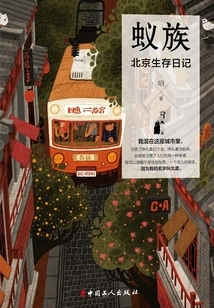
Ant Tribe: Beijing Survival Diary
General Fiction蚁族:北京生存日记
Zhao
Che Lizi, a young Beijing drifter who has just arrived in Beijing for just one year, bid an inspirational farewell to the "Matchbox Apartment". She plans to rent out a three-bedroom apartment and become the second landlord, and has pledged all her savings for this purpose. The day after she successfully found a house and paid the deposit, Che Lizi lost her job. Renting a house and looking for a job, Cheerilee's "Waterloo July" began like this. In the process, Che Lizi met all kinds of people struggling and floating in Beijing... All kinds of people, all kinds of beings, together formed a Beijing in the eyes of drifters.
Che Lizi, a young Beijing drifter who has just arrived in Beijing for just one year, bid an inspirational farewell to the "Matchbox Apartment". She plans to rent out a three-bedroom apartment and become the second landlord, and has pledged all her savings for this purpose. The day after she successfully found a house and paid the deposit, Che Lizi lost her job. Renting a house and looking for a job, Cheerilee's "Waterloo July" began like this. In the process, Che Lizi met all kinds of people struggling and floating in Beijing... All kinds of people, all kinds of beings, together formed a Beijing in the eyes of drifters.
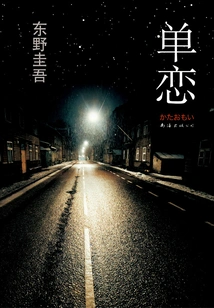
Unrequited Love
General Fiction单恋
I
How destructive can a deep-seated secret be? Zhelang and Meiyue reunited after a long absence. The night ten years ago seemed like yesterday, but everything in front of them seemed like a world away: she who used to be graceful and graceful now behaves exactly like a man! What shocked Zhelang even more was that she claimed to have just killed someone and revealed a bigger secret. Zhelang was involuntarily involved in a growing vortex, getting deeper and deeper. He suddenly discovered that the truth about Meiyue and the murder case was beyond everyone's imagination... This book starts from a murder case, with the threads of grass and snakes running thousands of miles, and the complex psychology clearly revealed. It depicts the tragic struggles of a group of marginalized people who have been ignored by the world in a thrilling way. The tragic fate is heartbreaking, and the twists and turns of the plot are breathtaking...
How destructive can a deep-seated secret be? Zhelang and Meiyue reunited after a long absence. The night ten years ago seemed like yesterday, but everything in front of them seemed like a world away: she who used to be graceful and graceful now behaves exactly like a man! What shocked Zhelang even more was that she claimed to have just killed someone and revealed a bigger secret. Zhelang was involuntarily involved in a growing vortex, getting deeper and deeper. He suddenly discovered that the truth about Meiyue and the murder case was beyond everyone's imagination... This book starts from a murder case, with the threads of grass and snakes running thousands of miles, and the complex psychology clearly revealed. It depicts the tragic struggles of a group of marginalized people who have been ignored by the world in a thrilling way. The tragic fate is heartbreaking, and the twists and turns of the plot are breathtaking...
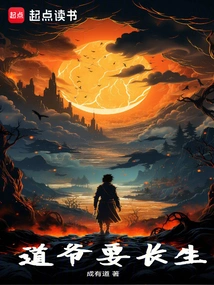
道爷要长生
Q
"The world we see may not be all it is!" "The past years were cut off by unknown beings. Our history does not only last for five thousand years. Perhaps infinite years ago, immortals and gods appeared in the world, and the heavens were eternal. The first emperor really lived forever and lived forever. Zhang Jiao really rebelled against the sky and wanted to establish the yellow sky." Wen Lianggong, who had eaten his hands green, looked up at the sky. The real world that had been cut off in the past appeared in front of him. Immortals and gods died violently, peeping secretly, and the whole world seemed to choose people to eat. My spirit began to weaken and I couldn't control my body. I... Can get skill points and become stronger by killing people? ! Can you still contact the incomplete memory and fall asleep every week? ! "Fake, everything is fake!" In reality, when Wen Lianggong heard this, he woke up with his eyes wide open, showing his back, and said angrily: "Shu Zian dares to break my Taoist heart?!"
"The world we see may not be all it is!" "The past years were cut off by unknown beings. Our history does not only last for five thousand years. Perhaps infinite years ago, immortals and gods appeared in the world, and the heavens were eternal. The first emperor really lived forever and lived forever. Zhang Jiao really rebelled against the sky and wanted to establish the yellow sky." Wen Lianggong, who had eaten his hands green, looked up at the sky. The real world that had been cut off in the past appeared in front of him. Immortals and gods died violently, peeping secretly, and the whole world seemed to choose people to eat. My spirit began to weaken and I couldn't control my body. I... Can get skill points and become stronger by killing people? ! Can you still contact the incomplete memory and fall asleep every week? ! "Fake, everything is fake!" In reality, when Wen Lianggong heard this, he woke up with his eyes wide open, showing his back, and said angrily: "Shu Zian dares to break my Taoist heart?!"
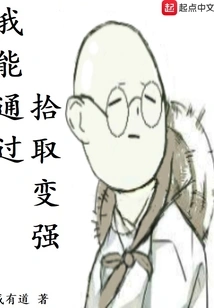
我能通过拾取变强
Q
The previously sealed land appeared before my eyes, with gods and gods crying, strange creatures whispering, and the abyss watching. My mind is trembling, my body is out of control, I... Can become stronger by picking it up? Can you also fuse picked up items? Wang Teng was full of energy and obtained the "Qianyuan Rikishi Jue" from a long-dead rikishi. Then he touched the old monk who fell to the ground with his empty steps and obtained the "Immovable Vajra Body". He also merged the two techniques to obtain the "Powerful Vajra Body". And can you understand the true meaning instantly? Can you reach Consummation with just a little practice? ! Wang Teng, who had spent most of his life, ate a red bead and started the path of cultivating immortality. "Let me tell you, overwhelming power and overwhelming Qi and blood are the true meaning of cultivating immortality. Don't believe those people who believe in the immortal style, the ethereal sword immortals, and the magical Taoism. It's all bullshit. Muscles are everything!" If you think the word count is too short, you can move on to watch "The Death System in My Brain" first! Humorous spoofs will make you laugh.
The previously sealed land appeared before my eyes, with gods and gods crying, strange creatures whispering, and the abyss watching. My mind is trembling, my body is out of control, I... Can become stronger by picking it up? Can you also fuse picked up items? Wang Teng was full of energy and obtained the "Qianyuan Rikishi Jue" from a long-dead rikishi. Then he touched the old monk who fell to the ground with his empty steps and obtained the "Immovable Vajra Body". He also merged the two techniques to obtain the "Powerful Vajra Body". And can you understand the true meaning instantly? Can you reach Consummation with just a little practice? ! Wang Teng, who had spent most of his life, ate a red bead and started the path of cultivating immortality. "Let me tell you, overwhelming power and overwhelming Qi and blood are the true meaning of cultivating immortality. Don't believe those people who believe in the immortal style, the ethereal sword immortals, and the magical Taoism. It's all bullshit. Muscles are everything!" If you think the word count is too short, you can move on to watch "The Death System in My Brain" first! Humorous spoofs will make you laugh.
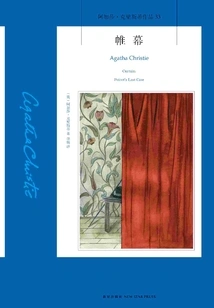
Curtain
General Fiction帷幕
G
The detective career of Poirot and his best friend Hastings returns to its original point. They reunite at Styles Manor - it was here that Poirot, who had just arrived in England, solved his first murder.
The detective career of Poirot and his best friend Hastings returns to its original point. They reunite at Styles Manor - it was here that Poirot, who had just arrived in England, solved his first murder.
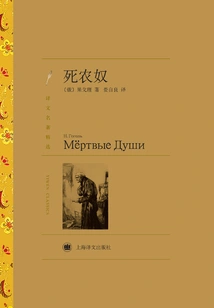
Dead Serfs (selected Translations of Masterpieces)
General Fiction死农奴(译文名著精选)
I
Gogol (1809-1852), an outstanding representative and founder of Russian critical realist literature in the 19th century, is known as the "Father of Russian Prose". "Dead Serfs" is his masterpiece. "Dead Serf" is also translated as "Dead Soul". Dead serfs were actually empty serfs who had died but had not yet been written off the tax rolls. The novel describes Chichikov, a businessman who specializes in fraud, who came to a remote provincial city and became the guest of the local bureaucrats with his extravagant flattery. He also went to buy dead serfs from the landlords in an attempt to use them as collateral to buy and sell short and make huge profits. After the scandal was exposed, he fled. The novel deeply depicts the ignorance, greed, despicability, and vulgarity of bureaucrats and landlords. Its immortal characterization and pungent satire can be regarded as a classic in the history of Russian literature.
Gogol (1809-1852), an outstanding representative and founder of Russian critical realist literature in the 19th century, is known as the "Father of Russian Prose". "Dead Serfs" is his masterpiece. "Dead Serf" is also translated as "Dead Soul". Dead serfs were actually empty serfs who had died but had not yet been written off the tax rolls. The novel describes Chichikov, a businessman who specializes in fraud, who came to a remote provincial city and became the guest of the local bureaucrats with his extravagant flattery. He also went to buy dead serfs from the landlords in an attempt to use them as collateral to buy and sell short and make huge profits. After the scandal was exposed, he fled. The novel deeply depicts the ignorance, greed, despicability, and vulgarity of bureaucrats and landlords. Its immortal characterization and pungent satire can be regarded as a classic in the history of Russian literature.
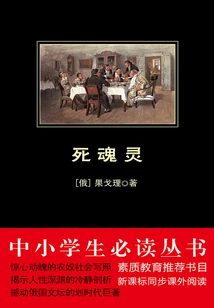
死魂灵(中小学生必读丛书)
H
The novel tells a story about the trade of dead souls. Dead souls are those serfs who are actually dead but are still legally alive because their status has not been cancelled. The protagonist of the novel, Chichikov, is a pretender who loves money as much as his life, a polite liar. He visited and bribed local officials at all levels, and bought dead souls from all kinds of landowners, intending to hand over these serfs who did not really exist to the Supervisory Committee for mortgage, so as to defraud large sums of mortgage money.
The novel tells a story about the trade of dead souls. Dead souls are those serfs who are actually dead but are still legally alive because their status has not been cancelled. The protagonist of the novel, Chichikov, is a pretender who loves money as much as his life, a polite liar. He visited and bribed local officials at all levels, and bought dead souls from all kinds of landowners, intending to hand over these serfs who did not really exist to the Supervisory Committee for mortgage, so as to defraud large sums of mortgage money.
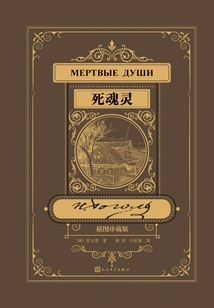
Dead Souls (illustrated Collector's Edition)
General Fiction死魂灵(插图珍藏版)
H
"Dead Souls" is the cornerstone of the development of Russian critical realist literature and the pinnacle of the development of Gogol's realist creation. The novel describes the story of Chichikov, a speculative liar (miser) who pretends to be a sixth-class civil servant and buys and sells dead souls (Russian landowners call their serfs "souls"). "Dead Souls" (Illustrated Collector's Edition) will include nearly a hundred exquisite original Russian illustrations and strive to be presented to readers with exquisite binding.
"Dead Souls" is the cornerstone of the development of Russian critical realist literature and the pinnacle of the development of Gogol's realist creation. The novel describes the story of Chichikov, a speculative liar (miser) who pretends to be a sixth-class civil servant and buys and sells dead souls (Russian landowners call their serfs "souls"). "Dead Souls" (Illustrated Collector's Edition) will include nearly a hundred exquisite original Russian illustrations and strive to be presented to readers with exquisite binding.

Petersburg Story
General Fiction彼得堡故事
H
"Stories of Petersburg" is a series of seven works written by Gogol in the 1830s and 1840s. It is named because the stories all take place in Petersburg. Another main line of this series of works is that the protagonists of the stories are all minor characters. This collection of novels contains seven works: "Nevsky Prospekt", "The Nose", "Portrait", "Coat", "Carriage", "Diary of a Madman" and "Rome", which express the writer's more mature worldview and literary outlook. Chinese readers are more familiar with "The Jacket" and "Diary of a Madman". Reading under the two major theme frameworks of Petersburg and Little People is more helpful in grasping the writer's view of literary creation. Gogol's three novels form a set of readings, which is conducive to a centralized grasp of Gogol's literary concepts and creative characteristics.
"Stories of Petersburg" is a series of seven works written by Gogol in the 1830s and 1840s. It is named because the stories all take place in Petersburg. Another main line of this series of works is that the protagonists of the stories are all minor characters. This collection of novels contains seven works: "Nevsky Prospekt", "The Nose", "Portrait", "Coat", "Carriage", "Diary of a Madman" and "Rome", which express the writer's more mature worldview and literary outlook. Chinese readers are more familiar with "The Jacket" and "Diary of a Madman". Reading under the two major theme frameworks of Petersburg and Little People is more helpful in grasping the writer's view of literary creation. Gogol's three novels form a set of readings, which is conducive to a centralized grasp of Gogol's literary concepts and creative characteristics.
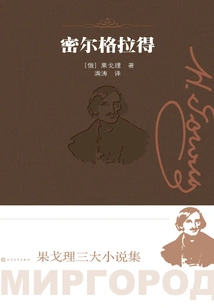
Mirgrad
General Fiction密尔格拉得
H
"Mirgrad", first published in 1835, is Gogol's second anthology of novels and the sequel to "Nights in the Countryside". This novel collective includes four works in total: "Old-Style Landlord", "Taras Bulba", "Vi" and "The Story of the Quarrel between Ivan Ivanovich and Ivan Nikiforovich". These works are full of strong folklore flavor, describing the charming scenery and vivid life of Ukraine, and discovering truths that can shock the soul in daily life. Gogol's three novels form a set of readings, which is conducive to a centralized grasp of Gogol's literary concepts and creative characteristics.
"Mirgrad", first published in 1835, is Gogol's second anthology of novels and the sequel to "Nights in the Countryside". This novel collective includes four works in total: "Old-Style Landlord", "Taras Bulba", "Vi" and "The Story of the Quarrel between Ivan Ivanovich and Ivan Nikiforovich". These works are full of strong folklore flavor, describing the charming scenery and vivid life of Ukraine, and discovering truths that can shock the soul in daily life. Gogol's three novels form a set of readings, which is conducive to a centralized grasp of Gogol's literary concepts and creative characteristics.
J
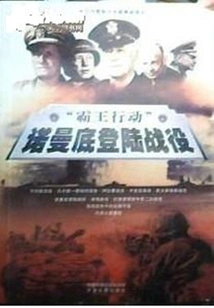
“霸王行动”诺曼底登陆战役(上)
J
Hitler, who was already confused by the war situation, quickly issued the order "the armored troops and infantry heading from Calais to Normandy to stop immediately." In this way, the German 15th Army, equipped with heavy equipment and battle-tested, still stayed in Calais. Hitler's decision saved the Allies at a critical moment. If the 15th Army entered the Normandy battlefield, the consequences would be unimaginable.
Hitler, who was already confused by the war situation, quickly issued the order "the armored troops and infantry heading from Calais to Normandy to stop immediately." In this way, the German 15th Army, equipped with heavy equipment and battle-tested, still stayed in Calais. Hitler's decision saved the Allies at a critical moment. If the 15th Army entered the Normandy battlefield, the consequences would be unimaginable.
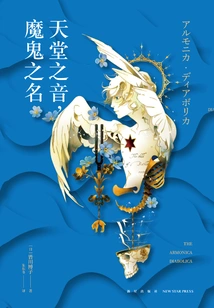
The Voice of Heaven, the Name of the Devil
General Fiction天堂之音,魔鬼之名
L
"Almonica Delpolica", the instrument named after the devil can play the sound of nature. According to legend, because its sound was so immoral, God was angry and punished the designer. Dr. Daniel's anatomy classroom lost its former hustle and bustle. Ben, Clarence and Abel joined the blind judge Fielding and founded a newspaper to report on crimes. A bizarre commission came to the door, drawing everyone's attention to an abandoned mine on the outskirts of Oxford. Someone witnessed a corpse floating in the air, with mysterious words written on its chest: "Son of Bethlehem, wake up!" Is this a miracle, or is it deliberate by the murderer? Fielding launched an investigation despite many obstacles. Mysterious musical instruments, strange legends, even Edward and Nigel, who had already run away, were involved in bizarre cases...
"Almonica Delpolica", the instrument named after the devil can play the sound of nature. According to legend, because its sound was so immoral, God was angry and punished the designer. Dr. Daniel's anatomy classroom lost its former hustle and bustle. Ben, Clarence and Abel joined the blind judge Fielding and founded a newspaper to report on crimes. A bizarre commission came to the door, drawing everyone's attention to an abandoned mine on the outskirts of Oxford. Someone witnessed a corpse floating in the air, with mysterious words written on its chest: "Son of Bethlehem, wake up!" Is this a miracle, or is it deliberate by the murderer? Fielding launched an investigation despite many obstacles. Mysterious musical instruments, strange legends, even Edward and Nigel, who had already run away, were involved in bizarre cases...
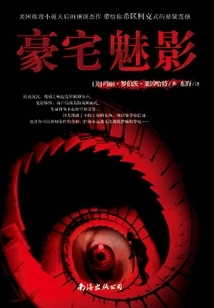
Phantom of the Mansion
General Fiction豪宅魅影
M
The protagonist of the story is an old maid who is past her mid-years. She leaves behind her carefree fairy life in the city and comes to a small town for summer vacation. During this period, she moved into a luxuriously decorated villa, but unexpectedly she was involved in a mysterious criminal case. The case shocked the press and the police department, and could have rocketed their careers.
The protagonist of the story is an old maid who is past her mid-years. She leaves behind her carefree fairy life in the city and comes to a small town for summer vacation. During this period, she moved into a luxuriously decorated villa, but unexpectedly she was involved in a mysterious criminal case. The case shocked the press and the police department, and could have rocketed their careers.
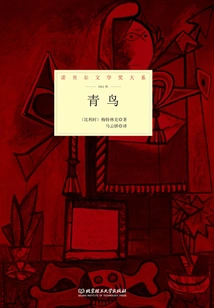
青鸟(诺贝尔文学奖大系)
L
This book is Maeterlinck's masterpiece. It is an excellent lyrical fairy tale comedy. In addition to the characters that appear in the play, there are many ghosts, gods and symbolic images. Maeterlinck emphasized the subjective, ideal and metaphysical speculation through the process and results of the characters' search for the bluebird: There is a lot of happiness in the world, more than you can imagine, but most people turn a blind eye. We should seek in all wonders. All misfortunes, all disasters, all horrors, and all catastrophes will not scare us. We should move forward bravely to reveal "all the mysteries that cause life to suffer disasters." His works are characterized by philosophical thoughts, rich imagination and poetic imagery. His fairy tales not only give people a broad and beautiful fantasy, but also allow people to enjoy the beauty to their heart's content.
This book is Maeterlinck's masterpiece. It is an excellent lyrical fairy tale comedy. In addition to the characters that appear in the play, there are many ghosts, gods and symbolic images. Maeterlinck emphasized the subjective, ideal and metaphysical speculation through the process and results of the characters' search for the bluebird: There is a lot of happiness in the world, more than you can imagine, but most people turn a blind eye. We should seek in all wonders. All misfortunes, all disasters, all horrors, and all catastrophes will not scare us. We should move forward bravely to reveal "all the mysteries that cause life to suffer disasters." His works are characterized by philosophical thoughts, rich imagination and poetic imagery. His fairy tales not only give people a broad and beautiful fantasy, but also allow people to enjoy the beauty to their heart's content.
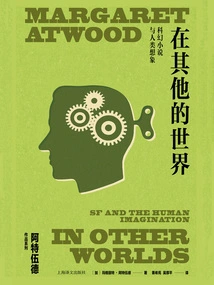
In Other Worlds (margaret Atwood Series)
Literature在其他的世界(玛格丽特·阿特伍德作品系列)
H
Margaret Atwood, the author of "The Handmaid's Tale" and a popular spokesperson for women's writing around the world, looks back on her relationship with science fiction novels throughout her life. She has profound insights and clever analysis, making it a refreshing read. "In Other Worlds: Science Fiction and the Human Imagination" is not a catalog of science fiction, nor a set of grand theories, nor a literary history; it is not a monograph on science fiction, with neither definition nor detailed analysis, nor is it an authoritative canon. It is not the product of years of study by pious scholars, nor is it the guardianship of a body of knowledge by moralists. "It is just an in-depth review of the relationship between one person, that is, 'I', as a reader and a writer, and one or more literary forms and their branch forms throughout her life." Through this book, Margaret Atwood reviews her relationship with science fiction throughout her life, from childhood to her time as a student at Harvard University, and then to her later years as a novelist and critic. These articles have profound insights, clever analysis, and sometimes unexpected humor and cunning. Reading them makes people feel like taking a breath of spring breeze.
Margaret Atwood, the author of "The Handmaid's Tale" and a popular spokesperson for women's writing around the world, looks back on her relationship with science fiction novels throughout her life. She has profound insights and clever analysis, making it a refreshing read. "In Other Worlds: Science Fiction and the Human Imagination" is not a catalog of science fiction, nor a set of grand theories, nor a literary history; it is not a monograph on science fiction, with neither definition nor detailed analysis, nor is it an authoritative canon. It is not the product of years of study by pious scholars, nor is it the guardianship of a body of knowledge by moralists. "It is just an in-depth review of the relationship between one person, that is, 'I', as a reader and a writer, and one or more literary forms and their branch forms throughout her life." Through this book, Margaret Atwood reviews her relationship with science fiction throughout her life, from childhood to her time as a student at Harvard University, and then to her later years as a novelist and critic. These articles have profound insights, clever analysis, and sometimes unexpected humor and cunning. Reading them makes people feel like taking a breath of spring breeze.
丘东平小说经典(中国现代文学经典文库)
N
Qiu Dongping (1910.5.16-1941.7.28), A modern writer, formerly known as Qiu Tanyue, nicknamed Xizhen, was born in Haifeng, Guangdong. His works have the realistic style of the July writers, full of the power of looking directly at the suffering of life and the human soul.
Qiu Dongping (1910.5.16-1941.7.28), A modern writer, formerly known as Qiu Tanyue, nicknamed Xizhen, was born in Haifeng, Guangdong. His works have the realistic style of the July writers, full of the power of looking directly at the suffering of life and the human soul.
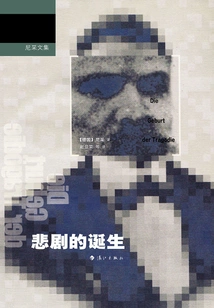
U
Literatureu
I
In the book, Nietzsche created the important concepts of "Apollinian spirit" and "Dionysian spirit", using this as an entry point to reinterpret ancient Greek culture with a unique perspective and wise language, and then explore the origin, essence and function of art and even the meaning of life. Nietzsche believed that the art of Apollo (Apollo) is manifested in sculptures and epics, which is a dream art; the art of Dionysus (Dionysus) is manifested in music, which is the art of drunkenness. Greek tragedy originated from the chorus of Dionysian sacrifices and was the product of the fusion of "Apollinian spirit" and "Dionysian spirit". Nietzsche regarded the "Dionysian spirit" as the fundamental foundation of Greek art, that is, "the affirmation of life... The will to life that rejoices in the endlessness of its vitality." He believes that when Greek tragedy reached its peak, the enemy that caused its demise also emerged, that is, the critical spirit of Greek Enlightenment philosophy represented by Socrates. Greek tragedy "died to destruction" in the opposition between Dionysus and Socrates, but Nietzsche predicted that the "Dionysian spirit" will surely reappear, and a new tragic era will surely come.
In the book, Nietzsche created the important concepts of "Apollinian spirit" and "Dionysian spirit", using this as an entry point to reinterpret ancient Greek culture with a unique perspective and wise language, and then explore the origin, essence and function of art and even the meaning of life. Nietzsche believed that the art of Apollo (Apollo) is manifested in sculptures and epics, which is a dream art; the art of Dionysus (Dionysus) is manifested in music, which is the art of drunkenness. Greek tragedy originated from the chorus of Dionysian sacrifices and was the product of the fusion of "Apollinian spirit" and "Dionysian spirit". Nietzsche regarded the "Dionysian spirit" as the fundamental foundation of Greek art, that is, "the affirmation of life... The will to life that rejoices in the endlessness of its vitality." He believes that when Greek tragedy reached its peak, the enemy that caused its demise also emerged, that is, the critical spirit of Greek Enlightenment philosophy represented by Socrates. Greek tragedy "died to destruction" in the opposition between Dionysus and Socrates, but Nietzsche predicted that the "Dionysian spirit" will surely reappear, and a new tragic era will surely come.
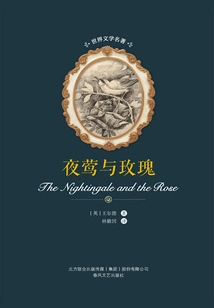
夜莺与玫瑰(世界文学名著)
H
A college student fell in love with a girl. The girl said that she would dance with him as long as the college student gave her some red roses, but there were none in the college student's garden. He was troubled, sad, and weeping about it. Only the nightingale on the tree understood him and was willing to sing for him every day, singing about the greatness of love. Finally, the nightingale sang to a rose tree in the moonlight at the cost of its life, pierced its heart on the thorn of the tree, and injected blood into the tree's blood vessels, and a bright red rose grew. The college student gave the red rose he received to the girl, but she dismissed it because the nephew of the palace minister had already given her some precious jewelry. College students lament how stupid love is! So he threw the bloody red rose on the street. He no longer believed in love and devoted himself to the study of philosophy behind closed doors.
A college student fell in love with a girl. The girl said that she would dance with him as long as the college student gave her some red roses, but there were none in the college student's garden. He was troubled, sad, and weeping about it. Only the nightingale on the tree understood him and was willing to sing for him every day, singing about the greatness of love. Finally, the nightingale sang to a rose tree in the moonlight at the cost of its life, pierced its heart on the thorn of the tree, and injected blood into the tree's blood vessels, and a bright red rose grew. The college student gave the red rose he received to the girl, but she dismissed it because the nephew of the palace minister had already given her some precious jewelry. College students lament how stupid love is! So he threw the bloody red rose on the street. He no longer believed in love and devoted himself to the study of philosophy behind closed doors.

Collection of Works by Famous Modern Chinese Literature Writers: Collection of Works by Lu Yan (1)
Literature中国现代文学名家作品集:鲁彦作品集(一)
J
This article mainly includes Li Ma, Poison, Maybe It Will Not Give Up, Silver Change, Angry Village, etc.
This article mainly includes Li Ma, Poison, Maybe It Will Not Give Up, Silver Change, Angry Village, etc.
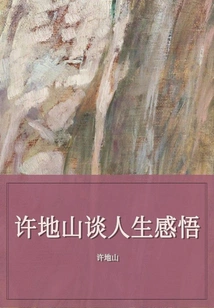
Xu Dishan Talks About Life Insights
Literature许地山谈人生感悟
H
This book selects Xu Dishan's famous prose works about social life. Although the era of creation has long become history, the philosophical exploration and persistent pursuit of natural harmony reflected in them are still a beautiful scenery today.
This book selects Xu Dishan's famous prose works about social life. Although the era of creation has long become history, the philosophical exploration and persistent pursuit of natural harmony reflected in them are still a beautiful scenery today.
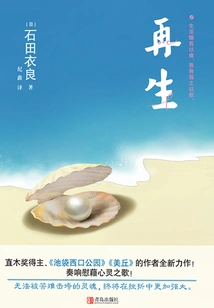
Regeneration
General Fiction再生
J
After the death of his wife, Seiichiro became a single father. For the sake of his young children, he went through pain and found the courage to cheer up. Kyoko, who was betrayed by her boyfriend, with the help of her friends, forgot her emotional pain and started looking for happiness again. After retiring, Matsui Sadaki worked hard to review for the exam and obtained a taxi driver's license. He then resumed his job and found a new direction of struggle. Life cannot be spent in despair. No matter what, you must have the courage to move forward, pick yourself up again, and face life positively...
After the death of his wife, Seiichiro became a single father. For the sake of his young children, he went through pain and found the courage to cheer up. Kyoko, who was betrayed by her boyfriend, with the help of her friends, forgot her emotional pain and started looking for happiness again. After retiring, Matsui Sadaki worked hard to review for the exam and obtained a taxi driver's license. He then resumed his job and found a new direction of struggle. Life cannot be spent in despair. No matter what, you must have the courage to move forward, pick yourself up again, and face life positively...

Lonely Loveseat
General Fiction孤独的双人沙发
J
This work is a collection of a series of short stories by Ishida Kira. Ishida describes some interesting stories or inspiring and impressive events found in social life in the form of novels, and integrates his in-depth thinking on the nature of the events and the insights gained from a personal perspective of the problem throughout the article. While reading, readers will also have a feeling of communicating with the author. This collection of novels mainly includes works such as "The Lonely Loveseat", "One Second After Midnight", "Scent of Dreams", "The Bookstore at 23 O'clock", and "The Magic Button".
This work is a collection of a series of short stories by Ishida Kira. Ishida describes some interesting stories or inspiring and impressive events found in social life in the form of novels, and integrates his in-depth thinking on the nature of the events and the insights gained from a personal perspective of the problem throughout the article. While reading, readers will also have a feeling of communicating with the author. This collection of novels mainly includes works such as "The Lonely Loveseat", "One Second After Midnight", "Scent of Dreams", "The Bookstore at 23 O'clock", and "The Magic Button".
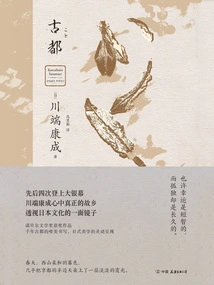
W
General Fictionw
G
In a corner of Kyoto, Chieko, who was adopted by a brocade merchant, has grown into a slim girl. On the night of the Gion Festival, she met the village girl Miaozi for the first time, and was surprised to find that the two were twin sisters. They miss each other, but they cannot recognize each other because of their different identities. Between the sisters' faint longing and sadness, there are interspersed the beauty of Kyoto's four seasons and their respective explorations of life and emotions. "Ancient Capital" is one of Kawabata Yasunari's Nobel Prize-winning works. It contains two articles, "Ancient Capital" and "Beauty and Sorrow". The text is delicate and sincere, and is known as "the postcard of Japanese literature".
In a corner of Kyoto, Chieko, who was adopted by a brocade merchant, has grown into a slim girl. On the night of the Gion Festival, she met the village girl Miaozi for the first time, and was surprised to find that the two were twin sisters. They miss each other, but they cannot recognize each other because of their different identities. Between the sisters' faint longing and sadness, there are interspersed the beauty of Kyoto's four seasons and their respective explorations of life and emotions. "Ancient Capital" is one of Kawabata Yasunari's Nobel Prize-winning works. It contains two articles, "Ancient Capital" and "Beauty and Sorrow". The text is delicate and sincere, and is known as "the postcard of Japanese literature".
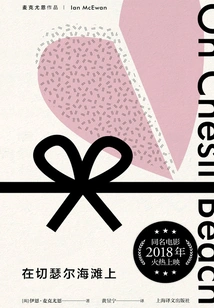
On Chesil Beach (original Film of the Same Name)
General Fiction在切瑟尔海滩上(同名电影原著)
H
The story of "On Chesil Beach" is set in the subtle early 1960s, when hippies were just beginning to learn debauchery, traditionalists were still strong, and "the era when it was impossible to talk about sexual troubles" had not yet come to an end. Edward and Florence's honeymoon dinner is uneasy, tense and full of misunderstandings. The love on the first night was never made. A whole book of delicate and silky words covers sex and love, but they are separated in their respective bodies and hearts. In the world of this book, he and she can never become one. McEwan's tender sketch looks back on the youthful years through the unique perspective of sexual concepts. It is delicate and gentle but full of power, which is both emotional and long-lasting.
The story of "On Chesil Beach" is set in the subtle early 1960s, when hippies were just beginning to learn debauchery, traditionalists were still strong, and "the era when it was impossible to talk about sexual troubles" had not yet come to an end. Edward and Florence's honeymoon dinner is uneasy, tense and full of misunderstandings. The love on the first night was never made. A whole book of delicate and silky words covers sex and love, but they are separated in their respective bodies and hearts. In the world of this book, he and she can never become one. McEwan's tender sketch looks back on the youthful years through the unique perspective of sexual concepts. It is delicate and gentle but full of power, which is both emotional and long-lasting.
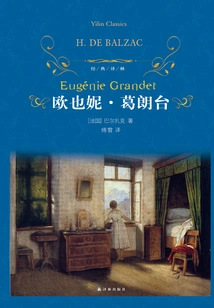
Eugenie Grandet (classic Translation)
General Fiction欧也妮·葛朗台(经典译林)
H
"Eugénie Grandet" is "one of the most outstanding pictures" in "The Human Comedy" by French critical realist novelist Balzac. The novel narrates a story of money destroying human nature and causing family tragedy. It revolves around the central event of Eugenie's love tragedy, and uses three intertwined plot threads to connect the novel: the waves caused by the autocracy within the Grandet family, the open and secret fights between the bankers and notaries outside the family, and the painful life experience of Eugenie's love for Charles Grandet and Charlie's betrayal.
"Eugénie Grandet" is "one of the most outstanding pictures" in "The Human Comedy" by French critical realist novelist Balzac. The novel narrates a story of money destroying human nature and causing family tragedy. It revolves around the central event of Eugenie's love tragedy, and uses three intertwined plot threads to connect the novel: the waves caused by the autocracy within the Grandet family, the open and secret fights between the bankers and notaries outside the family, and the painful life experience of Eugenie's love for Charles Grandet and Charlie's betrayal.
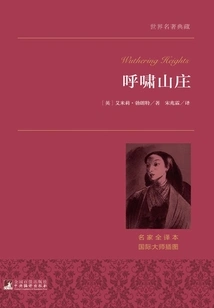
N
General Fictionn
H
It tells a bizarre story about love and revenge. The owner of Wuthering Heights, squire Mr. Earnshaw, brought back an unidentified child named Heathcliff. Heathcliff usurped the master's favor from Hindley and his sister Catherine. After the death of his master, Hindley demoted Heathcliff to a slave in retaliation and persecuted him in every possible way, but Catherine was close to Heathcliff. Later, Catherine was influenced by the outside world and fell in love with Edgar Linton, a quiet young man from Thrushcross Grange. Heathcliff ran away angrily and returned home three years later when he became rich. Catherine had married Edgar. Heathcliff takes crazy revenge and takes away Hindley's wealth through gambling. Hindley himself died drunk, and his son Hareton became a slave. He also deliberately married Edgar's sister Isabella and then persecuted her. Catherine, who was in great pain, died in childbirth, and her daughter Catherine was born. More than ten years later, Heathcliff tricked Edgar's daughter Catherine into marrying his dying son Linton. Soon Edgar and Xiaolin both died of illness, and Heathcliff finally took Edgar's property as his own. In Wuthering Heights, Hareton and little Catherine gradually fall in love and rebel against Heathcliff. Heathcliff saw the shadows of himself and Catherine in the two of them. His desire for revenge gradually faded, and he finally passed away with the memory of Catherine. Hareton and little Catherine lived happily together, and Wuthering Heights and Thrushcross Grange also restored their former tranquility.
It tells a bizarre story about love and revenge. The owner of Wuthering Heights, squire Mr. Earnshaw, brought back an unidentified child named Heathcliff. Heathcliff usurped the master's favor from Hindley and his sister Catherine. After the death of his master, Hindley demoted Heathcliff to a slave in retaliation and persecuted him in every possible way, but Catherine was close to Heathcliff. Later, Catherine was influenced by the outside world and fell in love with Edgar Linton, a quiet young man from Thrushcross Grange. Heathcliff ran away angrily and returned home three years later when he became rich. Catherine had married Edgar. Heathcliff takes crazy revenge and takes away Hindley's wealth through gambling. Hindley himself died drunk, and his son Hareton became a slave. He also deliberately married Edgar's sister Isabella and then persecuted her. Catherine, who was in great pain, died in childbirth, and her daughter Catherine was born. More than ten years later, Heathcliff tricked Edgar's daughter Catherine into marrying his dying son Linton. Soon Edgar and Xiaolin both died of illness, and Heathcliff finally took Edgar's property as his own. In Wuthering Heights, Hareton and little Catherine gradually fall in love and rebel against Heathcliff. Heathcliff saw the shadows of himself and Catherine in the two of them. His desire for revenge gradually faded, and he finally passed away with the memory of Catherine. Hareton and little Catherine lived happily together, and Wuthering Heights and Thrushcross Grange also restored their former tranquility.
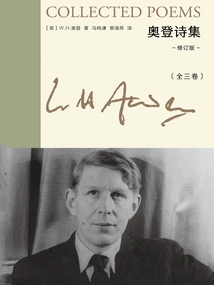
奥登文集:奥登诗集·修订版(全三卷)
H
His poetic skills are exquisite and his feelings are broad. "All his poems are written for love." A newly revised edition of W. H. Auden, universally recognized as one of the greatest writers of the 20th century, is translated based on the complete collection of poems that Auden voluntarily retained, and the essence of his works is included. Translated by Ma Mingqian and Cai Haiyan, it won the top ten best books of the year in "Shenzhen Reading Month". Includes new illustrations. From the beginning of his career in 1927 to the return of his soul to the country of poetry in 1973, Auden continued to inject new atmosphere into English poetry for nearly half a century. His works range from politics to religion, from cities to rural areas, and are full of beautiful words. Street conversations can also be incorporated into poetry. This book is translated based on the complete collection of poems that Auden voluntarily retained. It basically includes all the contents of previous editions of Auden's poetry collections, and covers all the poet's later collections of short poems. It can be said that the essence of Auden's poetry has been collected here. This new edition is released, and the translation has been carefully revised by the translator. Looking through the entire book, one can't help but admire the exquisiteness of Auden's poetic skills and the breadth of his feelings, and the ancient Western literary tradition has reappeared in its past glory again and again in his writings.
His poetic skills are exquisite and his feelings are broad. "All his poems are written for love." A newly revised edition of W. H. Auden, universally recognized as one of the greatest writers of the 20th century, is translated based on the complete collection of poems that Auden voluntarily retained, and the essence of his works is included. Translated by Ma Mingqian and Cai Haiyan, it won the top ten best books of the year in "Shenzhen Reading Month". Includes new illustrations. From the beginning of his career in 1927 to the return of his soul to the country of poetry in 1973, Auden continued to inject new atmosphere into English poetry for nearly half a century. His works range from politics to religion, from cities to rural areas, and are full of beautiful words. Street conversations can also be incorporated into poetry. This book is translated based on the complete collection of poems that Auden voluntarily retained. It basically includes all the contents of previous editions of Auden's poetry collections, and covers all the poet's later collections of short poems. It can be said that the essence of Auden's poetry has been collected here. This new edition is released, and the translation has been carefully revised by the translator. Looking through the entire book, one can't help but admire the exquisiteness of Auden's poetic skills and the breadth of his feelings, and the ancient Western literary tradition has reappeared in its past glory again and again in his writings.

Banned Property (collection)
Literature禁治产(典藏)
G
Fu Lei (April 7, 1908 - September 3, 1966) was a famous Chinese translator, writer, educator, and art critic. In his early years, he studied abroad at the University of Paris in France. He has translated a large number of French works, including works by Balzac, Romain Rolland, Voltaire and other famous writers. In the early 1960s, Fu Lei was admitted as a member of the French Balzac Research Society for his outstanding contributions in translating Balzac's works. Mr. Fu Lei has been translating Hong Fu throughout his life, and his translation career lasted for thirty years. His translations are characterized by expressiveness, smooth writing, rich word use, and good color changes. The three novellas of "Colonel Chabe", "Honorine" and "Prohibition of Confinement" all take the tragedy between husband and wife as their theme. Three men with outstanding moral character and outstanding personality encountered a cruel fate. For the sake of vanity, enjoyment, money, and status, a wife will not hesitate to do harm and call her husband an idiot ("Prohibition on Property"); or even accuse her husband of being an impostor and want to put him to death ("Colonel Chabe"). Honorina was the purest and most serious of the three women, but because she pursued fanciful love and had impossible extravagant expectations for life, she eventually caused an irreparable tragedy and died together with her husband.
Fu Lei (April 7, 1908 - September 3, 1966) was a famous Chinese translator, writer, educator, and art critic. In his early years, he studied abroad at the University of Paris in France. He has translated a large number of French works, including works by Balzac, Romain Rolland, Voltaire and other famous writers. In the early 1960s, Fu Lei was admitted as a member of the French Balzac Research Society for his outstanding contributions in translating Balzac's works. Mr. Fu Lei has been translating Hong Fu throughout his life, and his translation career lasted for thirty years. His translations are characterized by expressiveness, smooth writing, rich word use, and good color changes. The three novellas of "Colonel Chabe", "Honorine" and "Prohibition of Confinement" all take the tragedy between husband and wife as their theme. Three men with outstanding moral character and outstanding personality encountered a cruel fate. For the sake of vanity, enjoyment, money, and status, a wife will not hesitate to do harm and call her husband an idiot ("Prohibition on Property"); or even accuse her husband of being an impostor and want to put him to death ("Colonel Chabe"). Honorina was the purest and most serious of the three women, but because she pursued fanciful love and had impossible extravagant expectations for life, she eventually caused an irreparable tragedy and died together with her husband.
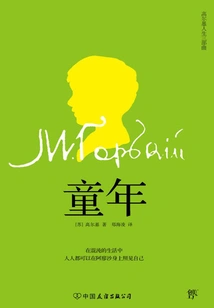
P
General Fictionp
H
"Childhood" tells the story that Alyosha's father died of cholera when he was three years old, and his mother took him to live with his grandfather's house. In this family, fathers and sons, brothers, and husbands and wives often quarrel and fight over property and even over trivial matters. My grandfather was moody and had a bad temper. He beat my grandmother fiercely and beat Alyosha unconscious. My grandmother was very kind to Alyosha, telling him legends, fairy tales and folk stories, and she endured all the pressures of life without complaining. The mother was forced to remarry and died of tuberculosis a few years later. After his grandfather went bankrupt, Alyosha was forced to live in the world and began to make a living independently.
"Childhood" tells the story that Alyosha's father died of cholera when he was three years old, and his mother took him to live with his grandfather's house. In this family, fathers and sons, brothers, and husbands and wives often quarrel and fight over property and even over trivial matters. My grandfather was moody and had a bad temper. He beat my grandmother fiercely and beat Alyosha unconscious. My grandmother was very kind to Alyosha, telling him legends, fairy tales and folk stories, and she endured all the pressures of life without complaining. The mother was forced to remarry and died of tuberculosis a few years later. After his grandfather went bankrupt, Alyosha was forced to live in the world and began to make a living independently.
O
General Fictiono
H
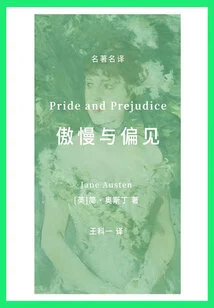
"Pride and Prejudice" is a novel written by the British writer Jane Austen. It was originally written in 1796 under the name "First Impression". It was revised and published in 1813 under its current name. The novel is set against the background of middle-class life in rural England from the late 18th century to the early 19th century. It presents the social picture through various stories about the five daughters of the Bennet family and their mother's search for an ideal marriage partner. The work focuses on the emotional entanglement between the second daughter Elizabeth and Darcy: the two had misunderstandings due to pride and prejudice, and gradually eliminated their misunderstandings after experiencing family scandals, property disputes and other incidents, and finally achieved an ideal marriage. Through the profit-based marriage of Charlotte and Collins and the vanity-based union of Lydia and Wickham, the novel clearly opposes the concept of marrying for property, money and status, emphasizing that the sincere feelings between men and women are the cornerstone of marriage. Austen uses irony and delicate dialogue to depict characters. His language style is both humorous and critical, showing the world and human feelings under a conservative social atmosphere. The work has been adapted into movies and TV series many times since its publication.
"Pride and Prejudice" is a novel written by the British writer Jane Austen. It was originally written in 1796 under the name "First Impression". It was revised and published in 1813 under its current name. The novel is set against the background of middle-class life in rural England from the late 18th century to the early 19th century. It presents the social picture through various stories about the five daughters of the Bennet family and their mother's search for an ideal marriage partner. The work focuses on the emotional entanglement between the second daughter Elizabeth and Darcy: the two had misunderstandings due to pride and prejudice, and gradually eliminated their misunderstandings after experiencing family scandals, property disputes and other incidents, and finally achieved an ideal marriage. Through the profit-based marriage of Charlotte and Collins and the vanity-based union of Lydia and Wickham, the novel clearly opposes the concept of marrying for property, money and status, emphasizing that the sincere feelings between men and women are the cornerstone of marriage. Austen uses irony and delicate dialogue to depict characters. His language style is both humorous and critical, showing the world and human feelings under a conservative social atmosphere. The work has been adapted into movies and TV series many times since its publication.
The Complete Essays of Montaigne·volume 1
General Fiction蒙田随笔全集·上卷
H
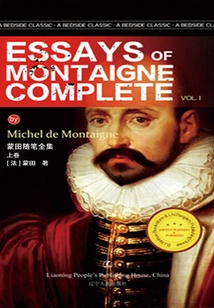
"The Complete Essays of Montaigne" has a total of 107 chapters and more than 1 million words. It was published in three volumes in France from 1580 to 1588. Since then, the book has never been out of print. "The Complete Essays of Montaigne" is a voluminous volume with extensive quotations, brilliant literary talent and moving eloquence. Together with Bacon's "On Life" and Pascal's "Thoughts" (already included in the "Most Classic English Library"), it is known as the three classics of modern European philosophical prose. Since then, the essay has been established as a literary style. The background of the creation of "The Complete Essays of Montaigne" was during the French Civil War. The cruelty of the religious war deeply hurt Montaigne's heart. The sorrow and pain of the chaos of his family and country ran through the process of writing the essays. However, as a thinker, he tried to maintain a sense of rationality and depth in his creations. He turned his anger into fresh and exciting words. By talking about himself, humanity, and the world, he guided people to understand the true meaning of life contained in the words. The content of Montaigne's essays is complex and roughly focused on three aspects. The first is the author's self-writing and expression. Montaigne advocated pursuing a life of self, and his essays recorded his simple and natural lifestyle, his true appearance, and his personality. In the "Preface", Montaigne made it clear: "Reader, this is a sincere book... I wrote this book purely for my family and myself." "I would rather appear in front of readers in a simple, natural and ordinary manner without making any artificial efforts, because what I depict is myself." Famous "Love Life" is his reflection on the value and meaning of life: "Our life is gifted by nature, and it is extremely superior"; "Seeing that my time in life is limited, the more I want to increase the weight of life." Secondly, the essay records the author's experience and thinking of reading ancient sages, and then questioning human nature. In "On Hermitage", Montaigne explores the true purpose and correct way of hermit life by introducing the poems of Horace, Virgil and others. As a humanist, he emphasizes putting people first and believes that people are the most beautiful existence in the world. He highly admired the wisdom of Socrates and agreed that human wisdom should not be used to destroy oneself. Self-righteousness is the greatest weakness of human beings.
"The Complete Essays of Montaigne" has a total of 107 chapters and more than 1 million words. It was published in three volumes in France from 1580 to 1588. Since then, the book has never been out of print. "The Complete Essays of Montaigne" is a voluminous volume with extensive quotations, brilliant literary talent and moving eloquence. Together with Bacon's "On Life" and Pascal's "Thoughts" (already included in the "Most Classic English Library"), it is known as the three classics of modern European philosophical prose. Since then, the essay has been established as a literary style. The background of the creation of "The Complete Essays of Montaigne" was during the French Civil War. The cruelty of the religious war deeply hurt Montaigne's heart. The sorrow and pain of the chaos of his family and country ran through the process of writing the essays. However, as a thinker, he tried to maintain a sense of rationality and depth in his creations. He turned his anger into fresh and exciting words. By talking about himself, humanity, and the world, he guided people to understand the true meaning of life contained in the words. The content of Montaigne's essays is complex and roughly focused on three aspects. The first is the author's self-writing and expression. Montaigne advocated pursuing a life of self, and his essays recorded his simple and natural lifestyle, his true appearance, and his personality. In the "Preface", Montaigne made it clear: "Reader, this is a sincere book... I wrote this book purely for my family and myself." "I would rather appear in front of readers in a simple, natural and ordinary manner without making any artificial efforts, because what I depict is myself." Famous "Love Life" is his reflection on the value and meaning of life: "Our life is gifted by nature, and it is extremely superior"; "Seeing that my time in life is limited, the more I want to increase the weight of life." Secondly, the essay records the author's experience and thinking of reading ancient sages, and then questioning human nature. In "On Hermitage", Montaigne explores the true purpose and correct way of hermit life by introducing the poems of Horace, Virgil and others. As a humanist, he emphasizes putting people first and believes that people are the most beautiful existence in the world. He highly admired the wisdom of Socrates and agreed that human wisdom should not be used to destroy oneself. Self-righteousness is the greatest weakness of human beings.
Don Quixote (complete Works)
General Fiction堂吉诃德(全集)
I
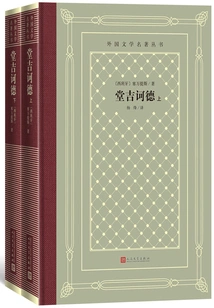
"Don Quixote" was created between 1606 and 1615. It is Cervantes' most outstanding work and is also considered the foundation of modern Western novels. Russian critic Belinsky said: "In all European literary works, seriousness and comedy, tragedy and comedy, triviality and vulgarity in life are so seamlessly blended with greatness and beauty... Such an example can only be found in Cervantes' "Don Quixote"."
"Don Quixote" was created between 1606 and 1615. It is Cervantes' most outstanding work and is also considered the foundation of modern Western novels. Russian critic Belinsky said: "In all European literary works, seriousness and comedy, tragedy and comedy, triviality and vulgarity in life are so seamlessly blended with greatness and beauty... Such an example can only be found in Cervantes' "Don Quixote"."
十日谈(世界文学名著名译典藏)
X
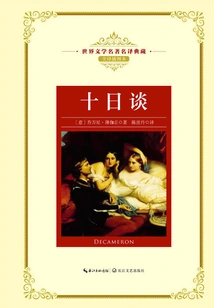
"The Decameron" (1348-1353) is the first realist masterpiece in the history of European literature. The work begins with a prologue, describing what happened to ten young men and women who took refuge in a villa in the countryside against the background of the plague in Florence. Each of the ten young people told a story every day, and a total of one hundred stories were told in ten days, hence the name "The Decameron". Each story is of different lengths and all-inclusive in content, and humanistic thought is the main thread running through the book.
"The Decameron" (1348-1353) is the first realist masterpiece in the history of European literature. The work begins with a prologue, describing what happened to ten young men and women who took refuge in a villa in the countryside against the background of the plague in Florence. Each of the ten young people told a story every day, and a total of one hundred stories were told in ten days, hence the name "The Decameron". Each story is of different lengths and all-inclusive in content, and humanistic thought is the main thread running through the book.
M
General Fictionm
I
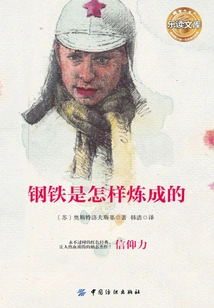
This book is one of the most representative masterpieces in Soviet literature and one of the most exciting works in world literature. The novel has been popular since its publication. This is not only because the book truly and profoundly depicts the vast picture of life in Ukraine before and after the Russian October Revolution, but more importantly because it creates the classic image of the protagonist Paul Korchagin. In this epic heroic biographical novel, the author Ostrovsky portrays Paul Korchagin who is persistent in his beliefs and has a persevering and noble personality. His image transcends time and space, affects the world, and shocks the heartstrings of generations.
This book is one of the most representative masterpieces in Soviet literature and one of the most exciting works in world literature. The novel has been popular since its publication. This is not only because the book truly and profoundly depicts the vast picture of life in Ukraine before and after the Russian October Revolution, but more importantly because it creates the classic image of the protagonist Paul Korchagin. In this epic heroic biographical novel, the author Ostrovsky portrays Paul Korchagin who is persistent in his beliefs and has a persevering and noble personality. His image transcends time and space, affects the world, and shocks the heartstrings of generations.

三国演义注评本
I
This book is based on "Mao Zonggang's Commentary on "The Romance of the Three Kingdoms"", with the traditional Chinese being changed to simplified Chinese and simplified annotations added. The reading version of "Romance of the Three Kingdoms" written by Mao and his sons and revised by Luo Ben is by far the most popular final version.
This book is based on "Mao Zonggang's Commentary on "The Romance of the Three Kingdoms"", with the traditional Chinese being changed to simplified Chinese and simplified annotations added. The reading version of "Romance of the Three Kingdoms" written by Mao and his sons and revised by Luo Ben is by far the most popular final version.

N
General Fictionn
H
"Insects" accurately records the scientific experiments conducted by Fabre. It is a rigorous scientific work, but it is not obscure and boring. Fabre uses prose and lively writing to reveal many secrets of insect life and living habits, which is really interesting to read. Not only can people gain knowledge and ideas from it, but reading itself is also a unique aesthetic process. As Mr. Lu Xun said, this book is a model for "telling insect stories".
"Insects" accurately records the scientific experiments conducted by Fabre. It is a rigorous scientific work, but it is not obscure and boring. Fabre uses prose and lively writing to reveal many secrets of insect life and living habits, which is really interesting to read. Not only can people gain knowledge and ideas from it, but reading itself is also a unique aesthetic process. As Mr. Lu Xun said, this book is a model for "telling insect stories".