Library
Browse and search books
13,360 novels found
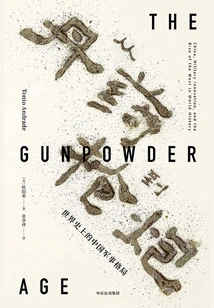
From Pills to Guns
Military从丹药到枪炮
R
Why does China's black technology create Western hegemony? Why were the musket wars of the Song, Yuan and Ming dynasties completely forgotten? How did Chinese artillery turn the tide and show its might in the Sino-Dutch War in 1661? How did Europe achieve overtaking in a corner and defeat China in the Opium War of 1840? From the alchemy furnace of the Tang Dynasty to the Beiyang flagship Dingyuan, China fell from glory to the abyss of humiliation. From the fall of Constantinople to the birth of the musket, Europe rose rapidly in the baptism of war. China and the West parted ways in terms of military structure. The Great Divergence subverted the economy, society, politics and civilization. The musket powder scattered under the spotlight of history ignited the flames of thought and illuminated technological changes. The unexpected fate from pills to guns echoes the Chinese military pattern in world history. From the forging of firearms to the clash of civilizations, reconstruct the true story of China in military history
Why does China's black technology create Western hegemony? Why were the musket wars of the Song, Yuan and Ming dynasties completely forgotten? How did Chinese artillery turn the tide and show its might in the Sino-Dutch War in 1661? How did Europe achieve overtaking in a corner and defeat China in the Opium War of 1840? From the alchemy furnace of the Tang Dynasty to the Beiyang flagship Dingyuan, China fell from glory to the abyss of humiliation. From the fall of Constantinople to the birth of the musket, Europe rose rapidly in the baptism of war. China and the West parted ways in terms of military structure. The Great Divergence subverted the economy, society, politics and civilization. The musket powder scattered under the spotlight of history ignited the flames of thought and illuminated technological changes. The unexpected fate from pills to guns echoes the Chinese military pattern in world history. From the forging of firearms to the clash of civilizations, reconstruct the true story of China in military history
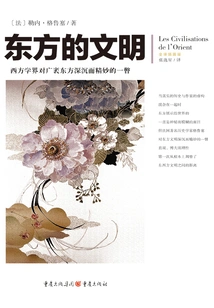
Eastern Civilization
History东方的文明
H
"Civilization of the East" is one of the representative works of French historian Rene Gruset. The book systematically explains Eastern civilization around "Civilization of the Near East and the Middle East", "Civilization of India", "Civilization of China" and "Civilization of Japan". Grusset did not start from the overall picture of Eastern history, but relied on his extensive knowledge and collection and research of antiquities materials, and clarified the artistic development path of the ancient Eastern countries based on aesthetics and academics. Because of Grusser's introduction, the ancient charm of the East vividly appeared on the page, and the civilization of the East was also presented to the world from another perspective.
"Civilization of the East" is one of the representative works of French historian Rene Gruset. The book systematically explains Eastern civilization around "Civilization of the Near East and the Middle East", "Civilization of India", "Civilization of China" and "Civilization of Japan". Grusset did not start from the overall picture of Eastern history, but relied on his extensive knowledge and collection and research of antiquities materials, and clarified the artistic development path of the ancient Eastern countries based on aesthetics and academics. Because of Grusser's introduction, the ancient charm of the East vividly appeared on the page, and the civilization of the East was also presented to the world from another perspective.
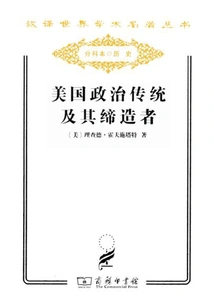
美国政治传统及其缔造者(汉译世界学术名著丛书)
M
"American Political Tradition and Its Founders" is the representative work of the famous American historian Richard Hofstadter, first published in 1948. Through the analysis of twelve famous figures who "represent the mainstream of American political sentiment", it provides a new interpretation of the American cultural tradition, especially the political tradition, from the aspects of thought and political culture, and puts forward the theory of "consistency theory" in American history. This book is a must-read for those studying American political history.
"American Political Tradition and Its Founders" is the representative work of the famous American historian Richard Hofstadter, first published in 1948. Through the analysis of twelve famous figures who "represent the mainstream of American political sentiment", it provides a new interpretation of the American cultural tradition, especially the political tradition, from the aspects of thought and political culture, and puts forward the theory of "consistency theory" in American history. This book is a must-read for those studying American political history.
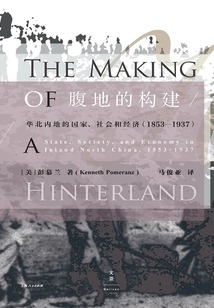
腹地的构建:华北内地的国家、社会和经济(1853—1937)
A
"The Construction of the Heartland" uses rich historical materials from multiple countries (including China, Japan, the United States, folk and official historical materials), and based on previous research, explores the social, economic and ecological changes in the North China hinterland from 1853 to 1937 in the late Qing Dynasty and the early Republic of China and their causes. In the book, the author Pomeranz describes the social situation in the inland areas of North China, especially Henan, Shandong and other areas at that time, including a comprehensive description of the local finance, farming, transportation, taxation conditions and farmers' resistance struggles, and also compares the development of the inland and coastal areas of North China at that time. He believes that the development of social ecology and natural ecology in inland North China showed signs of decline during this period. Pomeranz not only painted a vivid and magnificent ecological portrait of the North China inland, but also used sociological theory, historical geography, social regional theory and other multiple perspectives to analyze the reasons for the decline of the North China inland. He pointed out that under the background of the country withdrawing from economic and policy support for local society and coastal areas, at this time, the inland of North China was encountering war and natural disasters, and decline was an inevitable result. China's hinterland is not inherently "backward"; this situation is more caused by the country and the current situation.
"The Construction of the Heartland" uses rich historical materials from multiple countries (including China, Japan, the United States, folk and official historical materials), and based on previous research, explores the social, economic and ecological changes in the North China hinterland from 1853 to 1937 in the late Qing Dynasty and the early Republic of China and their causes. In the book, the author Pomeranz describes the social situation in the inland areas of North China, especially Henan, Shandong and other areas at that time, including a comprehensive description of the local finance, farming, transportation, taxation conditions and farmers' resistance struggles, and also compares the development of the inland and coastal areas of North China at that time. He believes that the development of social ecology and natural ecology in inland North China showed signs of decline during this period. Pomeranz not only painted a vivid and magnificent ecological portrait of the North China inland, but also used sociological theory, historical geography, social regional theory and other multiple perspectives to analyze the reasons for the decline of the North China inland. He pointed out that under the background of the country withdrawing from economic and policy support for local society and coastal areas, at this time, the inland of North China was encountering war and natural disasters, and decline was an inevitable result. China's hinterland is not inherently "backward"; this situation is more caused by the country and the current situation.
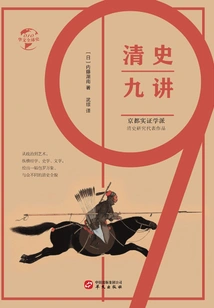
清史九讲
E
This book is the content of two lectures given by Konan Naito in 1911 and 1915 when he was teaching at Kyoto University. In 1911, when the Qing Dynasty was in turmoil, the author made an incisive and profound analysis of why the Qing Dynasty came to an end from three aspects: military strength, finance, and ideology, and made a bold and rational prediction of China's future destiny. In 1915, China had entered the period of the Republic of China. The author once again sorted out the history of the Qing Dynasty, from politics to art, spanning Confucian classics, history, and literature. Listening to Naito Honan's lecture on history, listening to a dusty past event, I gained a new understanding. When I opened the scroll, I realized that there is still such a way to read history, and there is still that way to study it.
This book is the content of two lectures given by Konan Naito in 1911 and 1915 when he was teaching at Kyoto University. In 1911, when the Qing Dynasty was in turmoil, the author made an incisive and profound analysis of why the Qing Dynasty came to an end from three aspects: military strength, finance, and ideology, and made a bold and rational prediction of China's future destiny. In 1915, China had entered the period of the Republic of China. The author once again sorted out the history of the Qing Dynasty, from politics to art, spanning Confucian classics, history, and literature. Listening to Naito Honan's lecture on history, listening to a dusty past event, I gained a new understanding. When I opened the scroll, I realized that there is still such a way to read history, and there is still that way to study it.
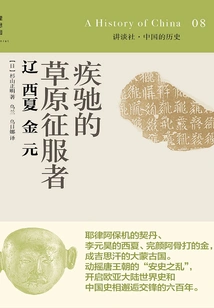
疾驰的草原征服者:辽·西夏·金·元
Q
This book is a volume of the "Liao, Western Xia, Jin, and Yuan" series of "China's History" published by Kodansha in Japan. This volume is written by Masaaki Sugiyama, an expert in this research field in Japanese academic circles, and highly recommended by Professor Yao of Fudan University. It directly involves the history of about five hundred years from the second half of the 9th century to the end of the 14th century. The author does not present the history of China from the 10th to the 14th century AD according to the main line of historical changes of "Tang - Five Dynasties - Two Song Dynasties - Yuan" as Chinese people are usually accustomed to accept; on the contrary, the Xia, Liao and Jin, which many people take for granted as blocking and destroying the great cause of national unification that should have been achieved by the two Song Dynasties, are no longer just Several dissonant variations or interludes that appear in the musical drama all play an active and positive role in this book. They run through the process of Chinese history from the Tang Dynasty to the Yuan Dynasty. The author believes that the entire history involved in this book is the beginning of the six hundred years of encounter and confrontation between the world history of Eurasia and the history of China.
This book is a volume of the "Liao, Western Xia, Jin, and Yuan" series of "China's History" published by Kodansha in Japan. This volume is written by Masaaki Sugiyama, an expert in this research field in Japanese academic circles, and highly recommended by Professor Yao of Fudan University. It directly involves the history of about five hundred years from the second half of the 9th century to the end of the 14th century. The author does not present the history of China from the 10th to the 14th century AD according to the main line of historical changes of "Tang - Five Dynasties - Two Song Dynasties - Yuan" as Chinese people are usually accustomed to accept; on the contrary, the Xia, Liao and Jin, which many people take for granted as blocking and destroying the great cause of national unification that should have been achieved by the two Song Dynasties, are no longer just Several dissonant variations or interludes that appear in the musical drama all play an active and positive role in this book. They run through the process of Chinese history from the Tang Dynasty to the Yuan Dynasty. The author believes that the entire history involved in this book is the beginning of the six hundred years of encounter and confrontation between the world history of Eurasia and the history of China.
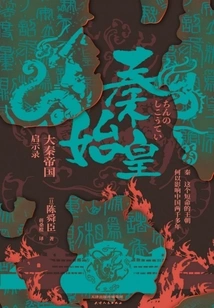
Qin Shihuang
History秦始皇
H
He was the founder of the idea of unification, the inventor of the title "Emperor", the founder of centralization, the builder of the Great Wall, the creator of the "Eighth Wonder of the World"... Qin Shihuang, this enigmatic man, how many controversies and myths did he leave behind? The Qin Empire, this glorious but short-lived dynasty, what role did it play in the long history? This book takes the mystery of Qin Shihuang as an entry point and gives a panoramic view of the politics, economy, military, agriculture, culture, society and other aspects of the great era. It can be said that one part about Qin Shihuang is half the history of Chinese civilization.
He was the founder of the idea of unification, the inventor of the title "Emperor", the founder of centralization, the builder of the Great Wall, the creator of the "Eighth Wonder of the World"... Qin Shihuang, this enigmatic man, how many controversies and myths did he leave behind? The Qin Empire, this glorious but short-lived dynasty, what role did it play in the long history? This book takes the mystery of Qin Shihuang as an entry point and gives a panoramic view of the politics, economy, military, agriculture, culture, society and other aspects of the great era. It can be said that one part about Qin Shihuang is half the history of Chinese civilization.
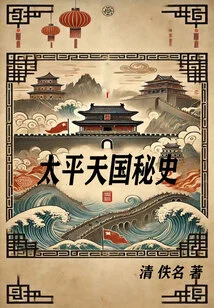
太平天国秘史
J
The book "Secret History of the Taiping Rebellion" deeply explores the little-known historical details and underlying motivations of the Taiping Rebellion in the late Qing Dynasty. The book not only details the glorious journey of Hong Xiuquan and others from the Jintian Uprising to the capital Tianjing, but also reveals the intricate power struggles, diplomatic strategies, and collisions and integrations with traditional social culture within this peasant uprising regime. Through the reinterpretation of a large number of historical materials, the book shows the ideals and practical dilemmas of the leaders of the Taiping Rebellion, as well as the profound impact of this movement on the course of Chinese history, presenting readers with a magnificent and mysterious historical picture.
The book "Secret History of the Taiping Rebellion" deeply explores the little-known historical details and underlying motivations of the Taiping Rebellion in the late Qing Dynasty. The book not only details the glorious journey of Hong Xiuquan and others from the Jintian Uprising to the capital Tianjing, but also reveals the intricate power struggles, diplomatic strategies, and collisions and integrations with traditional social culture within this peasant uprising regime. Through the reinterpretation of a large number of historical materials, the book shows the ideals and practical dilemmas of the leaders of the Taiping Rebellion, as well as the profound impact of this movement on the course of Chinese history, presenting readers with a magnificent and mysterious historical picture.
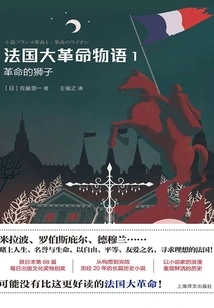
法国大革命物语 1:革命的狮子
W
In 1789, the French royal family was on the verge of bankruptcy, food harvests failed, prices soared, and public dissatisfaction boiled. King Louis XVI announced the convening of a national meeting of the three estates. After more than 170 years, the three major estates, the clergy, the nobility, and the common people, gathered together to discuss state affairs. The aristocratic Count Mirabeau entered Parliament as a civilian representative. He used his persuasive speeches and overwhelming charm to win himself the reputation of "The Lion of the Revolution." Robespierre, the representative of the third-class civilians, Desmoulins, the civilian lawyer, and others also emerged one after another, campaigning for France in pursuit of their respective ideals. On the road to revitalizing France, they faced many conflicts between the three major estates and the French king's indecision...
In 1789, the French royal family was on the verge of bankruptcy, food harvests failed, prices soared, and public dissatisfaction boiled. King Louis XVI announced the convening of a national meeting of the three estates. After more than 170 years, the three major estates, the clergy, the nobility, and the common people, gathered together to discuss state affairs. The aristocratic Count Mirabeau entered Parliament as a civilian representative. He used his persuasive speeches and overwhelming charm to win himself the reputation of "The Lion of the Revolution." Robespierre, the representative of the third-class civilians, Desmoulins, the civilian lawyer, and others also emerged one after another, campaigning for France in pursuit of their respective ideals. On the road to revitalizing France, they faced many conflicts between the three major estates and the French king's indecision...
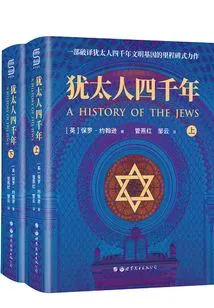
犹太人四千年(全两册)
Q
A landmark masterpiece that fully interprets the four-thousand-year history of Jewish civilization and a masterpiece of Jewish glorious culture. What kind of people are the Jews? Why did they emerge? Why thrive? Why was his country destroyed and his family destroyed, and he was forced to wander around the world? Why are you repeatedly ostracized and persecuted? They are the chosen ones in their hearts, and they are also the wanderers that the countries of Western Europe in the Middle Ages competed to expel; they are respected and favored for creating ancient classics, global religions, and great ideas that benefit the world, but they are also expelled for being good at dancing and taking other people's cheese; they are rich men and geniuses. An artist, an outstanding political activist, a prisoner in a concentration camp, and a poor man in a ghetto... "Jews for Four Thousand Years" combines the latest archaeological discoveries and a variety of classic materials and texts to provide a wonderful and creative analysis of the wonderful and mysterious history of the Jewish nation from a time-traveling perspective. Through an in-depth analysis of the important figures and events at each historical node, a reasonable and complete logic is sorted out through the seemingly mysterious ups and downs of fate, and the important role played by the Jews in the development of mankind is demonstrated. The Jewish perseverance and extraordinary adaptability, the footprints left by Jewish civilization in the long process of development, and the ups and downs of four thousand years of Jewish history are brilliantly presented in Paul Johnson's majestic masterpiece of more than a thousand pages.
A landmark masterpiece that fully interprets the four-thousand-year history of Jewish civilization and a masterpiece of Jewish glorious culture. What kind of people are the Jews? Why did they emerge? Why thrive? Why was his country destroyed and his family destroyed, and he was forced to wander around the world? Why are you repeatedly ostracized and persecuted? They are the chosen ones in their hearts, and they are also the wanderers that the countries of Western Europe in the Middle Ages competed to expel; they are respected and favored for creating ancient classics, global religions, and great ideas that benefit the world, but they are also expelled for being good at dancing and taking other people's cheese; they are rich men and geniuses. An artist, an outstanding political activist, a prisoner in a concentration camp, and a poor man in a ghetto... "Jews for Four Thousand Years" combines the latest archaeological discoveries and a variety of classic materials and texts to provide a wonderful and creative analysis of the wonderful and mysterious history of the Jewish nation from a time-traveling perspective. Through an in-depth analysis of the important figures and events at each historical node, a reasonable and complete logic is sorted out through the seemingly mysterious ups and downs of fate, and the important role played by the Jews in the development of mankind is demonstrated. The Jewish perseverance and extraordinary adaptability, the footprints left by Jewish civilization in the long process of development, and the ups and downs of four thousand years of Jewish history are brilliantly presented in Paul Johnson's majestic masterpiece of more than a thousand pages.
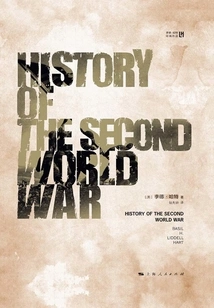
World War Ii War History
History第二次世界大战战史
H
"History of World War II" The Second World War was the largest war in human history. No other war could compare to the areas affected by the war, the countries directly or indirectly involved, the loss of life and property, etc.; Its impact and impact were comprehensive and far-reaching, and deserve our attention and reflection. Among the works on the history of World War II, Liddell Hart's book is undoubtedly one of the most comprehensive works. The author relied on his personal military experience, rich information documents, and interview records of the parties involved, and spent 22 years to complete this masterpiece. This book contains detailed descriptions of the major and minor battles in World War II that lasted for six years. In addition, the author provides a calm and objective analysis and reflection on this period of history. People often say that "history is a mirror." This book can enable readers to learn about the past and understand the present. The truth of history still has a warning significance today.
"History of World War II" The Second World War was the largest war in human history. No other war could compare to the areas affected by the war, the countries directly or indirectly involved, the loss of life and property, etc.; Its impact and impact were comprehensive and far-reaching, and deserve our attention and reflection. Among the works on the history of World War II, Liddell Hart's book is undoubtedly one of the most comprehensive works. The author relied on his personal military experience, rich information documents, and interview records of the parties involved, and spent 22 years to complete this masterpiece. This book contains detailed descriptions of the major and minor battles in World War II that lasted for six years. In addition, the author provides a calm and objective analysis and reflection on this period of history. People often say that "history is a mirror." This book can enable readers to learn about the past and understand the present. The truth of history still has a warning significance today.
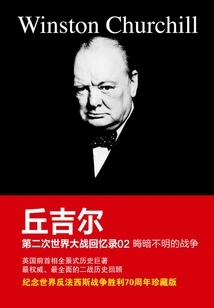
第二次世界大战回忆录2:晦暗不明的战争
J
The author details the fall of Poland, the battle conditions on the French front, and the ravages of the Nordic countries. In addition, as the British Lord of the Admiralty at the time, the author keenly observed the importance of naval warfare in the upcoming war. Therefore, relevant equipment and personnel were carefully prepared in advance, and he also specifically mentioned the importance of magnetic mines in naval warfare. The author gives a thorough description of the haze that permeated Europe due to Nazi Germany's "tyranny" in the early days of the war, allowing readers to immerse themselves in the real scene of the "dark and unclear war".
The author details the fall of Poland, the battle conditions on the French front, and the ravages of the Nordic countries. In addition, as the British Lord of the Admiralty at the time, the author keenly observed the importance of naval warfare in the upcoming war. Therefore, relevant equipment and personnel were carefully prepared in advance, and he also specifically mentioned the importance of magnetic mines in naval warfare. The author gives a thorough description of the haze that permeated Europe due to Nazi Germany's "tyranny" in the early days of the war, allowing readers to immerse themselves in the real scene of the "dark and unclear war".
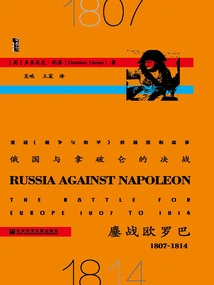
俄国与拿破仑的决战:鏖战欧罗巴(1807~1814)
R
In the summer of 1812, Napoleon, the master of Europe, marched into Russia with the largest army in history, confident that he would sweep everything in front of him. However, his empire fell into ruins less than two years later and Russia emerged victorious. This is the first historical work to delve deeply into Russia's key role in the Napoleonic Wars, recreating an unprecedented epic battle between the two empires.
In the summer of 1812, Napoleon, the master of Europe, marched into Russia with the largest army in history, confident that he would sweep everything in front of him. However, his empire fell into ruins less than two years later and Russia emerged victorious. This is the first historical work to delve deeply into Russia's key role in the Napoleonic Wars, recreating an unprecedented epic battle between the two empires.
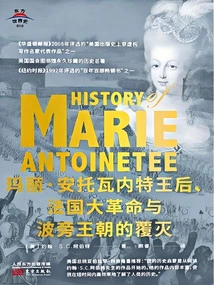
玛丽·安托瓦内特王后、法国大革命与波旁王朝的覆灭(东方世界史)
K
This book is an important work by John S. C. Abbott, an expert in nonfiction writing. Taking Queen Marie Antoinette as the main line, it tells the history of the outbreak and rise of the French Revolution and the fall of the Bourbon dynasty. This book relies on a large number of original historical materials, analyzes a large number of little-known historical details, closely follows the historical background and realistic logic of Queen Marie Antoinette, the French Revolution and the fall of the Bourbon dynasty, giving people profound enlightenment.
This book is an important work by John S. C. Abbott, an expert in nonfiction writing. Taking Queen Marie Antoinette as the main line, it tells the history of the outbreak and rise of the French Revolution and the fall of the Bourbon dynasty. This book relies on a large number of original historical materials, analyzes a large number of little-known historical details, closely follows the historical background and realistic logic of Queen Marie Antoinette, the French Revolution and the fall of the Bourbon dynasty, giving people profound enlightenment.
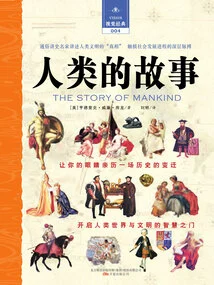
P
Historyp
H
When I was twelve or thirteen years old, my uncle, who introduced me to reading and painting, promised to take me to the top of the tower of the historic St. Lawrence Church in Rotterdam for an unforgettable adventure.
When I was twelve or thirteen years old, my uncle, who introduced me to reading and painting, promised to take me to the top of the tower of the historic St. Lawrence Church in Rotterdam for an unforgettable adventure.
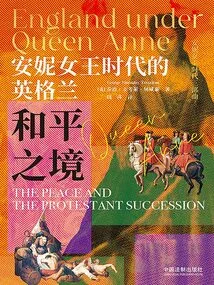
安妮女王时代的英格兰:和平之境
L
This book describes with detailed information a series of domestic and foreign policies adopted by Queen Anne in the later period of her reign. After the Battle of Malplaque, the French army reversed the war situation and finally signed the Treaty of Utrecht with the anti-French alliance, ending the War of Spanish Succession. Although France won the Spanish throne, its vitality was severely damaged and it could no longer dominate Europe. England rose to become the biggest winner in the Spanish Succession War, and a new European situation was formed. This book includes a total of seventeen chapters including the Battle of Malplaque, the fall of the Whigs, the agreement in Spain, Marlborough's final military campaign, Ireland under Queen Anne, negotiations between Britain and France, the crisis of the Queen's death, and the dispute over King George's succession.
This book describes with detailed information a series of domestic and foreign policies adopted by Queen Anne in the later period of her reign. After the Battle of Malplaque, the French army reversed the war situation and finally signed the Treaty of Utrecht with the anti-French alliance, ending the War of Spanish Succession. Although France won the Spanish throne, its vitality was severely damaged and it could no longer dominate Europe. England rose to become the biggest winner in the Spanish Succession War, and a new European situation was formed. This book includes a total of seventeen chapters including the Battle of Malplaque, the fall of the Whigs, the agreement in Spain, Marlborough's final military campaign, Ireland under Queen Anne, negotiations between Britain and France, the crisis of the Queen's death, and the dispute over King George's succession.
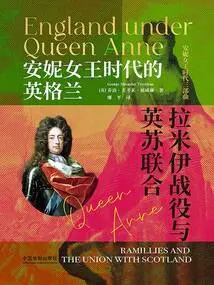
安妮女王时代的英格兰:拉米伊战役与英苏联合
J
This book mainly tells the story of how after the Battle of Blenheim, through the Battle of Gibraltar and the Battle of Lamie, the tide of the War of Spanish Succession was reversed, the French army suffered heavy losses, and England gained a new status in Europe. Internally, Queen Anne mediated between the two parties and pushed against all opinions to implement her own policies. Externally, England and Scotland reached a union, signed the Treaty of Union, and Great Britain was formally formed. This book includes a total of nineteen chapters including the defense of Gibraltar, the Earl of Peterborough's conquest of Barcelona, the Battle of Lamy, the situation in Scotland during Anne's period, the signing of the Treaty of Union, the frustration of the anti-French alliance, and the Battle of Oudenaarde.
This book mainly tells the story of how after the Battle of Blenheim, through the Battle of Gibraltar and the Battle of Lamie, the tide of the War of Spanish Succession was reversed, the French army suffered heavy losses, and England gained a new status in Europe. Internally, Queen Anne mediated between the two parties and pushed against all opinions to implement her own policies. Externally, England and Scotland reached a union, signed the Treaty of Union, and Great Britain was formally formed. This book includes a total of nineteen chapters including the defense of Gibraltar, the Earl of Peterborough's conquest of Barcelona, the Battle of Lamy, the situation in Scotland during Anne's period, the signing of the Treaty of Union, the frustration of the anti-French alliance, and the Battle of Oudenaarde.
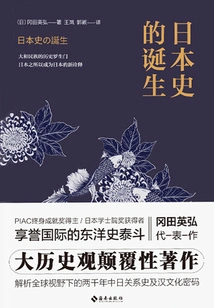
日本史的诞生
M
"The Birth of Japanese History" is the work of the famous Japanese historian Hidehiro Okada. It mainly explains the history of Japan's founding from the perspective of East Asian history. Hidehiro Okada believes that no matter what kind of civilization, the historical framework originally written limits people's consciousness. The ideas in the early Japanese documents "Kojiki" and "Nihon Shoki" permanently determined the character of the Japanese people and were the limitations of Japanese history. Hidehiro Okada also pointed out that the history of Japan formed so far is only the history of Japan as a country and is separated from the rest of the world outside the Japanese archipelago. Therefore, he proposed that the history of Japan should be written in the context of the entire world history. In the book "The Birth of Japanese History", Hidehiro Okada broke the traditional views of Japanese historians, jumped out of the historical distinctions between the Jomon period, the Yayoi period, and the Kofun period, and interpreted ancient Japanese history as part of world history. He pointed out that the founding of Japan was closely related to the changes in the political situation in East Asia in the 7th century. At the same time, he opposed using 660 BC as the year of the founding of Japan. He believed that the origin of the Japanese royal family and the founding of Japan should not be treated equally, let alone that myths should not be regarded as history. In short, Hidehiro Okada's historical thoughts are distinctive and unique, his analytical framework is grand and ambitious, and his views on Japanese history, world history, etc. Deserve people's attention.
"The Birth of Japanese History" is the work of the famous Japanese historian Hidehiro Okada. It mainly explains the history of Japan's founding from the perspective of East Asian history. Hidehiro Okada believes that no matter what kind of civilization, the historical framework originally written limits people's consciousness. The ideas in the early Japanese documents "Kojiki" and "Nihon Shoki" permanently determined the character of the Japanese people and were the limitations of Japanese history. Hidehiro Okada also pointed out that the history of Japan formed so far is only the history of Japan as a country and is separated from the rest of the world outside the Japanese archipelago. Therefore, he proposed that the history of Japan should be written in the context of the entire world history. In the book "The Birth of Japanese History", Hidehiro Okada broke the traditional views of Japanese historians, jumped out of the historical distinctions between the Jomon period, the Yayoi period, and the Kofun period, and interpreted ancient Japanese history as part of world history. He pointed out that the founding of Japan was closely related to the changes in the political situation in East Asia in the 7th century. At the same time, he opposed using 660 BC as the year of the founding of Japan. He believed that the origin of the Japanese royal family and the founding of Japan should not be treated equally, let alone that myths should not be regarded as history. In short, Hidehiro Okada's historical thoughts are distinctive and unique, his analytical framework is grand and ambitious, and his views on Japanese history, world history, etc. Deserve people's attention.
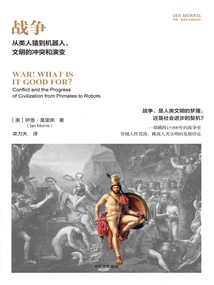
战争:从类人猿到机器人,文明的冲突和演变(伊恩·莫里斯文明史系列)
I
For tens of thousands of years, war has been regarded as a nightmare for mankind. It can turn rich fields into barren land in an instant, and it can also overthrow a prosperous empire in an instant. Wherever the war passes, panic, poverty and death follow. In this book, the author uses objective academic research and subversive thinking to show us the unpleasant but undeniable fact: in the long run, although war brings death and blood, it makes mankind safer and more prosperous. This book combines history, archeology, anthropology, geography, evolutionary biology, as well as technology and military knowledge to trace the 15,000 years of struggle and violence from apes to the birth of robots. The author sharply pointed out that in the Stone Age, 10% of people might die from violence; but in the 20th century, despite the outbreak of two world wars and the invention of nuclear weapons capable of destroying the earth's ecology, the violent death rate has dropped by 90%. The Leviathan-style large centralized state created by the war gave the world a chance to develop and prosper in a longer period of peace. The author's research on 15,000 years of human war history shows that the next half century will be the most dangerous period in human history. If we can get through this phase, then the age-old dream of ending war may become a reality. This book will undoubtedly forever change the way we view war and our choices for dealing with conflicts in the future. Both those who view war as a disaster and those who are involved in the cause of peace should read this book.
For tens of thousands of years, war has been regarded as a nightmare for mankind. It can turn rich fields into barren land in an instant, and it can also overthrow a prosperous empire in an instant. Wherever the war passes, panic, poverty and death follow. In this book, the author uses objective academic research and subversive thinking to show us the unpleasant but undeniable fact: in the long run, although war brings death and blood, it makes mankind safer and more prosperous. This book combines history, archeology, anthropology, geography, evolutionary biology, as well as technology and military knowledge to trace the 15,000 years of struggle and violence from apes to the birth of robots. The author sharply pointed out that in the Stone Age, 10% of people might die from violence; but in the 20th century, despite the outbreak of two world wars and the invention of nuclear weapons capable of destroying the earth's ecology, the violent death rate has dropped by 90%. The Leviathan-style large centralized state created by the war gave the world a chance to develop and prosper in a longer period of peace. The author's research on 15,000 years of human war history shows that the next half century will be the most dangerous period in human history. If we can get through this phase, then the age-old dream of ending war may become a reality. This book will undoubtedly forever change the way we view war and our choices for dealing with conflicts in the future. Both those who view war as a disaster and those who are involved in the cause of peace should read this book.
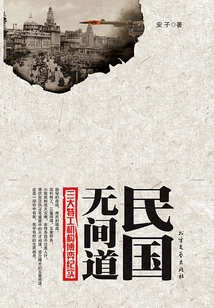
民国无间道
I
After Japan's war of aggression against China officially began in 1937, Chinese patriots joined the anti-Japanese revolutionary torrent one after another. At this time, Chiang Kai-shek's "Jinyiwei" - the Military Command Bureau also launched a secret war with the Wang Puppet No. 76 Spy organization. This book details this unseen war, giving readers a clear understanding of that foggy history. During the Republic of China, three major spy organizations launched an Infernal Affairs campaign on a battlefield where no gunpowder could be seen.
After Japan's war of aggression against China officially began in 1937, Chinese patriots joined the anti-Japanese revolutionary torrent one after another. At this time, Chiang Kai-shek's "Jinyiwei" - the Military Command Bureau also launched a secret war with the Wang Puppet No. 76 Spy organization. This book details this unseen war, giving readers a clear understanding of that foggy history. During the Republic of China, three major spy organizations launched an Infernal Affairs campaign on a battlefield where no gunpowder could be seen.
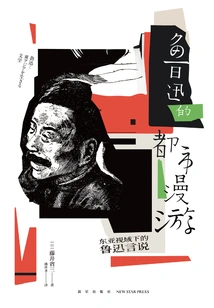
鲁迅的都市漫游:东亚视域的鲁迅言说
W
This is a critical biography that retraces Lu Xun's life from the experience and perspective of traveling through East Asian cities. This book is dedicated to describing Lu Xun as a modern urban lifer who loved Hollywood movies, and explores how his works became common modern classics in East Asia and were accepted by East Asian readers. On the one hand, it focuses on Lu Xun's urban "roaming". Lu Xun spent his life in Nanjing, Tokyo, Sendai, Beijing, and Shanghai. Using a cross-cultural perspective, the author pays attention to the internal consistency between East Asia's focus on European and American new trends and the establishment of modern countries in the early 20th century and Lu Xun's personal practice. He grasps the consistency between Lu Xun's literary creation and the themes of the times, and looks at modern China from Lu Xun's perspective. On the other hand, on the basis of the above, we will further expand and deepen it, and use the method of comparative literature to explore Lu Xun's reception in Japan and even East Asia. This study of East Asia's "modern classics" is an excellent example of looking at China from outside the region.
This is a critical biography that retraces Lu Xun's life from the experience and perspective of traveling through East Asian cities. This book is dedicated to describing Lu Xun as a modern urban lifer who loved Hollywood movies, and explores how his works became common modern classics in East Asia and were accepted by East Asian readers. On the one hand, it focuses on Lu Xun's urban "roaming". Lu Xun spent his life in Nanjing, Tokyo, Sendai, Beijing, and Shanghai. Using a cross-cultural perspective, the author pays attention to the internal consistency between East Asia's focus on European and American new trends and the establishment of modern countries in the early 20th century and Lu Xun's personal practice. He grasps the consistency between Lu Xun's literary creation and the themes of the times, and looks at modern China from Lu Xun's perspective. On the other hand, on the basis of the above, we will further expand and deepen it, and use the method of comparative literature to explore Lu Xun's reception in Japan and even East Asia. This study of East Asia's "modern classics" is an excellent example of looking at China from outside the region.
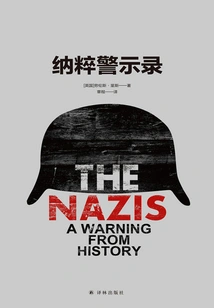
Nazi Warning
History纳粹警示录
J
This book contains interviews with more than a hundred witnesses of World War II, many of whom were members of the Nazi Party who were directly involved in Nazi rule. With his unique perspective, the author faithfully reproduces the inner workings of the Nazi regime and the cruelty of the Soviet-German battlefield in World War II, thereby vividly presenting the Nazis' anti-human and brutal nature to readers. This book is an in-depth insight into the chilling Nazi psychology, breaking people's basic understanding of the Nazi system in the past. The incredible narratives that come to life on paper demonstrate that that evil history serves as a warning to mankind at all times.
This book contains interviews with more than a hundred witnesses of World War II, many of whom were members of the Nazi Party who were directly involved in Nazi rule. With his unique perspective, the author faithfully reproduces the inner workings of the Nazi regime and the cruelty of the Soviet-German battlefield in World War II, thereby vividly presenting the Nazis' anti-human and brutal nature to readers. This book is an in-depth insight into the chilling Nazi psychology, breaking people's basic understanding of the Nazi system in the past. The incredible narratives that come to life on paper demonstrate that that evil history serves as a warning to mankind at all times.
O
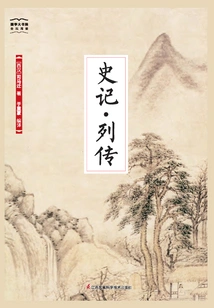
史记·列传(国学大书院)
H
"Historical Records: Biographies" are the life stories of representatives of various aspects besides emperors and princes, as well as biographies of ethnic minorities. The more than seventy "Biographies" have concise and concise language and strong logic, making historical figures flesh and blood and lifelike, and historical events vivid, interesting and exciting.
"Historical Records: Biographies" are the life stories of representatives of various aspects besides emperors and princes, as well as biographies of ethnic minorities. The more than seventy "Biographies" have concise and concise language and strong logic, making historical figures flesh and blood and lifelike, and historical events vivid, interesting and exciting.
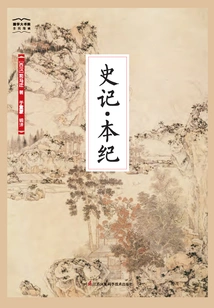
史记·本纪(国学大书院)
H
"Historical Records: Benji" mainly writes about emperors, and almost every emperor has its own chapter. Even Xiang Yu, the overlord of Western Chu, although he did not officially proclaim himself emperor, Sima Qian also gave a comprehensive outline and narration of it, which was brilliant and touching. These representative character stories or historical events, as well as the emperor's courage and strategy, reflect the historical development and evolution of China's feudal society and the trajectory of the rise and fall of dynasties.
"Historical Records: Benji" mainly writes about emperors, and almost every emperor has its own chapter. Even Xiang Yu, the overlord of Western Chu, although he did not officially proclaim himself emperor, Sima Qian also gave a comprehensive outline and narration of it, which was brilliant and touching. These representative character stories or historical events, as well as the emperor's courage and strategy, reflect the historical development and evolution of China's feudal society and the trajectory of the rise and fall of dynasties.
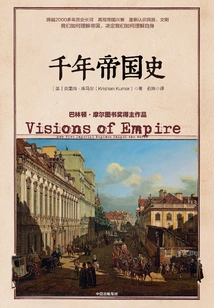
千年帝国史
C
Krishan Kumar, a well-known American scholar, painted a panoramic view of empires spanning a thousand years in "A History of Empires". He started with the Roman Empire and analyzed the five empires of the Ottoman Empire, the Habsburg Dynasty, the Russian Empire, the British Empire and the French Empire. These empires all believed that they shouldered the mission of universal civilization, and struggled and struggled for it. Kumar attempts to interpret the rulers and people of the empire from a new perspective, how they sought legitimacy for imperial rule, how they understood themselves, and how in the process of establishing a universal world order, the imperial rulers left a diverse political legacy that is closely related to today's world. Unlike most works that describe the development of empires, this book focuses on the relationship between rulers and people. The empire is not only a common cause pursued by the two, but also a community formed by the entangled interests of all parties. Kumar also specifically discussed the difference between empires and nation-states, mentioning that rulers will deliberately suppress their own national identity in order to protect the country's long-term destiny. However, this also brings confusion to the identity of major ethnic groups and a series of problems that this confusion ultimately causes. The difficulties that these empires once encountered, including how to deal with differences between different countries, multicultural coordination within countries, harmonious coexistence of multiple ethnic groups, and international talent flows, still exist today. It can be said that empire holds a mirror to reflect on today's pressing political issues, even the pain before the birth of a new world order. Especially for multi-ethnic China, we can use this to examine the relationship between nations and countries, international exchanges, and the mission of a great power.
Krishan Kumar, a well-known American scholar, painted a panoramic view of empires spanning a thousand years in "A History of Empires". He started with the Roman Empire and analyzed the five empires of the Ottoman Empire, the Habsburg Dynasty, the Russian Empire, the British Empire and the French Empire. These empires all believed that they shouldered the mission of universal civilization, and struggled and struggled for it. Kumar attempts to interpret the rulers and people of the empire from a new perspective, how they sought legitimacy for imperial rule, how they understood themselves, and how in the process of establishing a universal world order, the imperial rulers left a diverse political legacy that is closely related to today's world. Unlike most works that describe the development of empires, this book focuses on the relationship between rulers and people. The empire is not only a common cause pursued by the two, but also a community formed by the entangled interests of all parties. Kumar also specifically discussed the difference between empires and nation-states, mentioning that rulers will deliberately suppress their own national identity in order to protect the country's long-term destiny. However, this also brings confusion to the identity of major ethnic groups and a series of problems that this confusion ultimately causes. The difficulties that these empires once encountered, including how to deal with differences between different countries, multicultural coordination within countries, harmonious coexistence of multiple ethnic groups, and international talent flows, still exist today. It can be said that empire holds a mirror to reflect on today's pressing political issues, even the pain before the birth of a new world order. Especially for multi-ethnic China, we can use this to examine the relationship between nations and countries, international exchanges, and the mission of a great power.
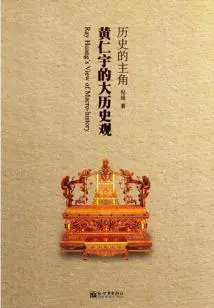
历史的主角:黄仁宇的大历史观
L
The valuable thing about Mr. Huang Renyu is that he has always grasped the ultimate goal of history of "caring for life and guiding the future". He has always grasped the ultimate goal of history of "caring for life and guiding the future". Readers often feel disappointed when faced with the master's profound and profound works. This book is based on the works of Mr. Huang Renyu. Through the author's own research and understanding of Mr. Huang Renyu, this book condenses the master's academic thoughts and scholarly spirit into popular text, helping readers to better and more deeply understand Mr. Huang Renyu's "big historical view" and other related works.
The valuable thing about Mr. Huang Renyu is that he has always grasped the ultimate goal of history of "caring for life and guiding the future". He has always grasped the ultimate goal of history of "caring for life and guiding the future". Readers often feel disappointed when faced with the master's profound and profound works. This book is based on the works of Mr. Huang Renyu. Through the author's own research and understanding of Mr. Huang Renyu, this book condenses the master's academic thoughts and scholarly spirit into popular text, helping readers to better and more deeply understand Mr. Huang Renyu's "big historical view" and other related works.
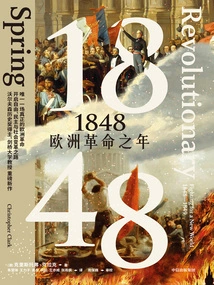
1848:欧洲革命之年
B
Christopher Clark, the author of this book, evaluates it as: "The only true European revolution in history." This book uses a multi-dimensional perspective and integrates micro narrative and macro analysis to reconstruct the panoramic view of the European Revolution of 1848, placing this turmoil sweeping the European continent within the complex network of social structure, ideology and global change. This book first starts with the underlying social issues and analyzes the deep social crises on the eve of the revolution: class conflicts caused by poverty and famine, and political incompetence caused by the collapse of the old order. The second chapter turns to ideological debates, analyzing the tug-of-war between "order" and "freedom" among various ideological factions, reshaping European political discourse, and providing a spiritual program for subsequent actions. Chapters 3 and 4 restore the process of the outbreak of the revolution and reproduce how the people broke through the shackles of the old system with violence and ideals. However, the joy of victory is fleeting: in chapters five to seven, the revolutionary regime faces paradoxes and challenges, while at the same time, conservative forces have quietly reorganized the power network. Finally, Chapter 8 describes the counter-revolutionary counterattack and the return of the monarchy. But the book does not stop at the "failure" of the revolution. Chapter 9 casts its horizons around the world, revealing how the aftermath of the European Revolution of 1848 continues to reverberate across a wide range. This book is not only a magnificent history of European revolutions, but also a revelation about ideals, power, human nature and historical contingency.
Christopher Clark, the author of this book, evaluates it as: "The only true European revolution in history." This book uses a multi-dimensional perspective and integrates micro narrative and macro analysis to reconstruct the panoramic view of the European Revolution of 1848, placing this turmoil sweeping the European continent within the complex network of social structure, ideology and global change. This book first starts with the underlying social issues and analyzes the deep social crises on the eve of the revolution: class conflicts caused by poverty and famine, and political incompetence caused by the collapse of the old order. The second chapter turns to ideological debates, analyzing the tug-of-war between "order" and "freedom" among various ideological factions, reshaping European political discourse, and providing a spiritual program for subsequent actions. Chapters 3 and 4 restore the process of the outbreak of the revolution and reproduce how the people broke through the shackles of the old system with violence and ideals. However, the joy of victory is fleeting: in chapters five to seven, the revolutionary regime faces paradoxes and challenges, while at the same time, conservative forces have quietly reorganized the power network. Finally, Chapter 8 describes the counter-revolutionary counterattack and the return of the monarchy. But the book does not stop at the "failure" of the revolution. Chapter 9 casts its horizons around the world, revealing how the aftermath of the European Revolution of 1848 continues to reverberate across a wide range. This book is not only a magnificent history of European revolutions, but also a revelation about ideals, power, human nature and historical contingency.
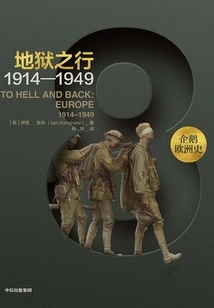
企鹅欧洲史·地狱之行:1914—1949
L
At the beginning of the 20th century, Europe was prosperous and peaceful. Suddenly, the Europeans who had enjoyed all this were dragged into the Great War, experiencing deep suffering, sorrow and fear. After the Napoleonic Wars, Europe had been at the pinnacle of civilization for nearly a hundred years, but now it suddenly fell into the abyss of barbarism. The 20th century, which opened with the praises of civilization, turned into a century of war. From 1914 to 1949, Europe experienced two brutal wars in succession, and seemed determined to destroy itself. It was a time of great chaos. Ethnic hatred, territorial disputes, class conflicts, and economic crises have poisoned politics. Under the haze of war, the evil of human nature is revealed through machines and technology. It was also a time of great change. After the two wars, Europe, which had gone through hell, tried to be reborn on the ruins of humanity and civilization, and the outline of a new Europe gradually became clear. In the first half of the 20th century, Europe went to hell and was reborn. After this chilling history, the world we live in is moving forward bearing its mark.
At the beginning of the 20th century, Europe was prosperous and peaceful. Suddenly, the Europeans who had enjoyed all this were dragged into the Great War, experiencing deep suffering, sorrow and fear. After the Napoleonic Wars, Europe had been at the pinnacle of civilization for nearly a hundred years, but now it suddenly fell into the abyss of barbarism. The 20th century, which opened with the praises of civilization, turned into a century of war. From 1914 to 1949, Europe experienced two brutal wars in succession, and seemed determined to destroy itself. It was a time of great chaos. Ethnic hatred, territorial disputes, class conflicts, and economic crises have poisoned politics. Under the haze of war, the evil of human nature is revealed through machines and technology. It was also a time of great change. After the two wars, Europe, which had gone through hell, tried to be reborn on the ruins of humanity and civilization, and the outline of a new Europe gradually became clear. In the first half of the 20th century, Europe went to hell and was reborn. After this chilling history, the world we live in is moving forward bearing its mark.
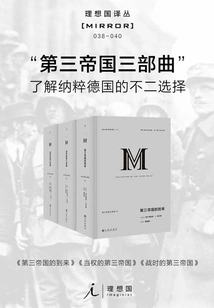
第三帝国三部曲(理想国译丛 038-040)
G
The Third Reich Trilogy (Utopia Translation Series 038-040) includes the prequel to Nazi Germany in "Utopia Translation Series 038 The Arrival of the Third Reich" and the history of the collapse of the Weimar Republic. Completely analyze the reasons for the rise of the Nazis and vividly restore the process of Hitler's seizure of power. "Utopia Translation Series 039 The Third Reich in Power" reproduces how the Nazi Party in peacetime used brutal and bloody dictatorial methods to cleanse, mobilize, and arm the German nation step by step, transforming Germany into a war machine with full sprint. "Utopia Translation Series 040 The Third Reich in Wartime" details the Nazis' military conquests and extreme genocide through a macroscopic description of the war and ordinary people's wartime experiences. Reproduce how Germany ignited the flames of war and completely changed the world situation and historical development in the 20th century.
The Third Reich Trilogy (Utopia Translation Series 038-040) includes the prequel to Nazi Germany in "Utopia Translation Series 038 The Arrival of the Third Reich" and the history of the collapse of the Weimar Republic. Completely analyze the reasons for the rise of the Nazis and vividly restore the process of Hitler's seizure of power. "Utopia Translation Series 039 The Third Reich in Power" reproduces how the Nazi Party in peacetime used brutal and bloody dictatorial methods to cleanse, mobilize, and arm the German nation step by step, transforming Germany into a war machine with full sprint. "Utopia Translation Series 040 The Third Reich in Wartime" details the Nazis' military conquests and extreme genocide through a macroscopic description of the war and ordinary people's wartime experiences. Reproduce how Germany ignited the flames of war and completely changed the world situation and historical development in the 20th century.
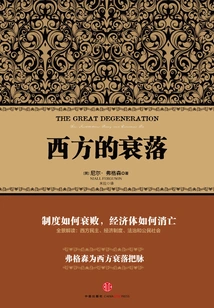
The Decline of the West
History西方的衰落
H
The Decline of the West is a provocative and controversial book that strikes a blow against an age of complacency and blindness. While the Arab world is struggling for democracy, and while China is striving to move from economic liberalization to a society governed by the rule of law, European and American societies are squandering centuries of accumulated institutional advantages. Ferguson warned that if we want to curb the declining trend of the civilization that once dominated the world in Western society, we can only rely on strong leadership and drastic reforms.
The Decline of the West is a provocative and controversial book that strikes a blow against an age of complacency and blindness. While the Arab world is struggling for democracy, and while China is striving to move from economic liberalization to a society governed by the rule of law, European and American societies are squandering centuries of accumulated institutional advantages. Ferguson warned that if we want to curb the declining trend of the civilization that once dominated the world in Western society, we can only rely on strong leadership and drastic reforms.
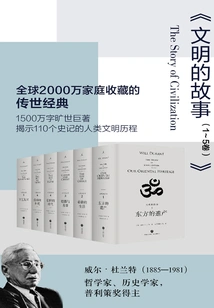
文明的故事(1-5卷)
G
This is a fluent and beautiful collection of "stories" with vivid narration and is very popular around the world. This set contains volumes 1-5, including "Heritage of the East", "Greek Life", "Caesar and Christ", "The Age of Faith (Volume 1 and 2)" and "Renaissance".
This is a fluent and beautiful collection of "stories" with vivid narration and is very popular around the world. This set contains volumes 1-5, including "Heritage of the East", "Greek Life", "Caesar and Christ", "The Age of Faith (Volume 1 and 2)" and "Renaissance".
R
Literaturer
H
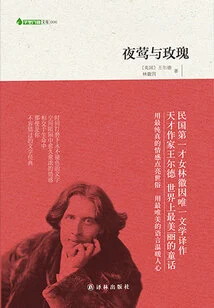
This book is a classic anthology of Wilde's fairy tales, including his popular classics such as "The Nightingale and the Rose", "The Happy Prince", "The Giant's Garden", "The Faithful Friend", "The Famous Rocket" and "The Star Child". These works were translated by Lin Huiyin, a talented woman during the Republic of China. Lin Huiyin's writing is beautiful, natural, full of aura, and full of quiet feminine beauty. It includes Lin Huiyin's translation of "The Nightingale and the Rose" and her play "Mei Zhen and Them" as well as some letters.
This book is a classic anthology of Wilde's fairy tales, including his popular classics such as "The Nightingale and the Rose", "The Happy Prince", "The Giant's Garden", "The Faithful Friend", "The Famous Rocket" and "The Star Child". These works were translated by Lin Huiyin, a talented woman during the Republic of China. Lin Huiyin's writing is beautiful, natural, full of aura, and full of quiet feminine beauty. It includes Lin Huiyin's translation of "The Nightingale and the Rose" and her play "Mei Zhen and Them" as well as some letters.
两次世界大战(一战+二战战史合集)
H
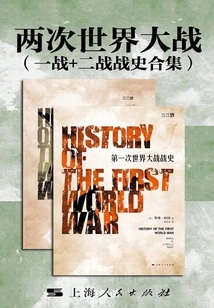
This collection contains Sir Liddell Hart's History of the First World War and Histories of the Second World War. "History of the First World War" is one of the important masterpieces of the world-famous military historian and modern strategy master Liddell Hart. It details the entire process of the First World War and the application of the strategies and tactics of all parties. In 1914, a gunshot in Sarajevo detonated the whole world. The European powers have fully mobilized and devoted their national efforts to this unprecedented cruel and bloody battle. Thousands of miles of barbed wire trenches became a wrestling ground for the will of the great powers. Millions of soldiers are trying to usher in the dawn of a new world order on muddy battlefields littered with debris and rivers of blood. War disasters spread across Asia, Europe and Africa, with gunfire and smoke, old empires disintegrated one after another, and the power structure in Europe also changed. However, the result of this war, which was claimed to be the end of all wars, turned out to be the next larger-scale world war... The Second World War of "History of World War II" The World War is the largest war in human history. No other war can compare to it in terms of the areas affected by the war, the countries directly or indirectly involved, the loss of life and property, etc. Its impact and impact are comprehensive and far-reaching, and deserve our attention and reflection. Among the works on the history of World War II, Liddell Hart's book is undoubtedly one of the most comprehensive works. The author relied on his personal military experience, rich information documents, and interview records of the parties involved, and spent 22 years to complete this masterpiece. This book contains detailed descriptions of the major and minor battles in World War II that lasted for six years. In addition, the author provides a calm and objective analysis and reflection on this period of history. People often say that "history is a mirror." This book can enable readers to learn about the past and understand the present. The truth of history still has a warning significance today.
This collection contains Sir Liddell Hart's History of the First World War and Histories of the Second World War. "History of the First World War" is one of the important masterpieces of the world-famous military historian and modern strategy master Liddell Hart. It details the entire process of the First World War and the application of the strategies and tactics of all parties. In 1914, a gunshot in Sarajevo detonated the whole world. The European powers have fully mobilized and devoted their national efforts to this unprecedented cruel and bloody battle. Thousands of miles of barbed wire trenches became a wrestling ground for the will of the great powers. Millions of soldiers are trying to usher in the dawn of a new world order on muddy battlefields littered with debris and rivers of blood. War disasters spread across Asia, Europe and Africa, with gunfire and smoke, old empires disintegrated one after another, and the power structure in Europe also changed. However, the result of this war, which was claimed to be the end of all wars, turned out to be the next larger-scale world war... The Second World War of "History of World War II" The World War is the largest war in human history. No other war can compare to it in terms of the areas affected by the war, the countries directly or indirectly involved, the loss of life and property, etc. Its impact and impact are comprehensive and far-reaching, and deserve our attention and reflection. Among the works on the history of World War II, Liddell Hart's book is undoubtedly one of the most comprehensive works. The author relied on his personal military experience, rich information documents, and interview records of the parties involved, and spent 22 years to complete this masterpiece. This book contains detailed descriptions of the major and minor battles in World War II that lasted for six years. In addition, the author provides a calm and objective analysis and reflection on this period of history. People often say that "history is a mirror." This book can enable readers to learn about the past and understand the present. The truth of history still has a warning significance today.
I
百年战争(第1卷):战争的试炼(全2册)
Q
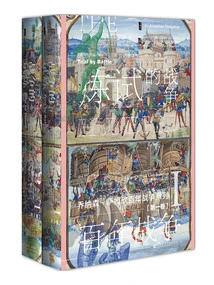
The English's long and violent attempt to dismember the continent's most powerful nation produced one of the most profound chapters in European history. The Hundred Years' War series by Jonathan Samshin, winner of the Wolfson History Prize, explains in detail this period of history related to the national destiny of Britain and France. "The Trial of War" tells only the beginning of this legend: it began with the funeral of King Charles IV of France in 1328 and ended with the surrender of the Calais garrison in 1347. Through the Battle of Sluys, the Battle of Crecy and the Siege of Calais, Edward III gained a reputation as a great military leader. However, the great test of the true meaning of Britain and France has only just begun.
The English's long and violent attempt to dismember the continent's most powerful nation produced one of the most profound chapters in European history. The Hundred Years' War series by Jonathan Samshin, winner of the Wolfson History Prize, explains in detail this period of history related to the national destiny of Britain and France. "The Trial of War" tells only the beginning of this legend: it began with the funeral of King Charles IV of France in 1328 and ended with the surrender of the Calais garrison in 1347. Through the Battle of Sluys, the Battle of Crecy and the Siege of Calais, Edward III gained a reputation as a great military leader. However, the great test of the true meaning of Britain and France has only just begun.
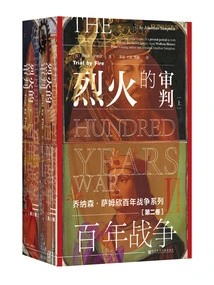
百年战争(第2卷):烈火的审判(全2册)
N
The English's long and violent attempt to dismember the continent's most powerful nation created one of the most far-reaching chapters in European history. The Hundred Years' War series by Jonathan Samshin, winner of the Wolfson History Prize, explains in detail this period of history related to the national destiny of Britain and France. "Trial of Fire" takes survival as its theme and spans from 1347 to 1369. It includes magnificent war scenes such as the Battle of Poitiers and the Battle of Nachla, and also focuses on the political, economic and diplomatic affairs of Britain and France. It shows the severe test of the protracted war and political and economic crisis on the state machinery and urban and rural society. This test permanently changed the relationship between the central and local governments under the monarchy system and the operation of government power, and also promoted a new round of political integration between Britain and France.
The English's long and violent attempt to dismember the continent's most powerful nation created one of the most far-reaching chapters in European history. The Hundred Years' War series by Jonathan Samshin, winner of the Wolfson History Prize, explains in detail this period of history related to the national destiny of Britain and France. "Trial of Fire" takes survival as its theme and spans from 1347 to 1369. It includes magnificent war scenes such as the Battle of Poitiers and the Battle of Nachla, and also focuses on the political, economic and diplomatic affairs of Britain and France. It shows the severe test of the protracted war and political and economic crisis on the state machinery and urban and rural society. This test permanently changed the relationship between the central and local governments under the monarchy system and the operation of government power, and also promoted a new round of political integration between Britain and France.
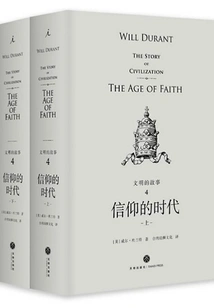
文明的故事4:信仰的时代
G
"The Age of Faith" is the fourth volume of the "The Story of Civilization" series of "Utopia Classics Hall". The medieval era from AD 325 to 1300 saw the convergence and excitement of four different cultures: Byzantium, Islam, Judaism and Western Europe. Vast areas of the world continued to live under the banner and rule of faith, while Western Europe sailed into a remote sea of reason. People in the Middle Ages were first victims of barbarism, then became barbaric conquerors, and then became the creators of new civilizations. The end of the completely rich phase of its civilization in the Middle Ages was the basis of the Renaissance and the Reformation. The medieval legacy contains both good and evil. We have not recovered from the Dark Ages. In this sense, modernization is a coat worn on medievalism.
"The Age of Faith" is the fourth volume of the "The Story of Civilization" series of "Utopia Classics Hall". The medieval era from AD 325 to 1300 saw the convergence and excitement of four different cultures: Byzantium, Islam, Judaism and Western Europe. Vast areas of the world continued to live under the banner and rule of faith, while Western Europe sailed into a remote sea of reason. People in the Middle Ages were first victims of barbarism, then became barbaric conquerors, and then became the creators of new civilizations. The end of the completely rich phase of its civilization in the Middle Ages was the basis of the Renaissance and the Reformation. The medieval legacy contains both good and evil. We have not recovered from the Dark Ages. In this sense, modernization is a coat worn on medievalism.
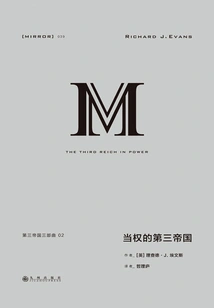
第三帝国三部曲:当权的第三帝国(全集)
G
W
W
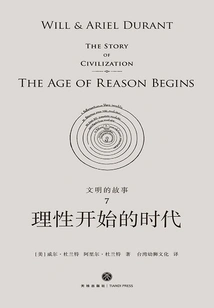
文明的故事7:理性开始的时代
H
"The Age of Reason Begins" is the seventh volume of the "Utopia Classics Museum" series "The Story of Civilization". The period from the accession of Elizabeth I to the end of the Thirty Years' War is a key chapter in understanding modern Europe. Its basic development was the rise of nation-state sovereignty, and the decline of theology and papal power. The results of the Reformation began to appear in European countries. Disputes continued between countries and among various religious factions within the country. The whole of Europe was involved in the terrible "Thirty Years' War." Amid the rift of faith collapse, more and more people are turning to science and philosophy to explore the answers to life. This is the era of Shakespeare, Rembrandt, and Cervantes, as well as the era of Bacon, Galileo, Bruno, and Descartes. It is an era of radiant humanity and an era of rational awakening. The battle between faith and reason that is changing the hearts of Europe and even the world is rising.
"The Age of Reason Begins" is the seventh volume of the "Utopia Classics Museum" series "The Story of Civilization". The period from the accession of Elizabeth I to the end of the Thirty Years' War is a key chapter in understanding modern Europe. Its basic development was the rise of nation-state sovereignty, and the decline of theology and papal power. The results of the Reformation began to appear in European countries. Disputes continued between countries and among various religious factions within the country. The whole of Europe was involved in the terrible "Thirty Years' War." Amid the rift of faith collapse, more and more people are turning to science and philosophy to explore the answers to life. This is the era of Shakespeare, Rembrandt, and Cervantes, as well as the era of Bacon, Galileo, Bruno, and Descartes. It is an era of radiant humanity and an era of rational awakening. The battle between faith and reason that is changing the hearts of Europe and even the world is rising.
Y
文明的故事1:东方的遗产
G
"Heritage of the East" is the first volume of the "Story of Civilization" series of "Utopia Classics Hall". Durant outlines the original appearance of human civilization from the eight major elements of civilization - labor (farming, industry, transportation and trade), government, morality (customs and etiquette, conscience and conduct), religion, science, philosophy, writing, and art, combining Sumer, Egypt, and Babylon , Assyria, Judaea, Persia, India, China, Japan and other regions or nations, showing the splendid cultural pictures of Egypt and Eastern Asia one by one, explaining why ancient Eastern civilization is the background and cornerstone of Greek and Roman culture, and why it is the source of modern human civilization.
"Heritage of the East" is the first volume of the "Story of Civilization" series of "Utopia Classics Hall". Durant outlines the original appearance of human civilization from the eight major elements of civilization - labor (farming, industry, transportation and trade), government, morality (customs and etiquette, conscience and conduct), religion, science, philosophy, writing, and art, combining Sumer, Egypt, and Babylon , Assyria, Judaea, Persia, India, China, Japan and other regions or nations, showing the splendid cultural pictures of Egypt and Eastern Asia one by one, explaining why ancient Eastern civilization is the background and cornerstone of Greek and Roman culture, and why it is the source of modern human civilization.
钢铁王国:普鲁士的兴衰(1600—1947)
M
This book traces the history of Prussia's participation in religious conflicts and political competition on the European continent: from the destruction of the Thirty Years' War to the disintegration of the Holy Roman Empire, from King Frederick the Great's Enlightenment to Napoleon's devastating conquests, from Bismarck's iron-blooded policy to the establishment of the German Empire in 1871, and the impact of all this on the turbulent 20th century. Prussia was once considered the cause of Europe's two wars in the first half of the 20th century, but Clark shows us how this country made an immeasurable contribution to the fate of Western civilization. People often forget that Prussia was once a model of European humanistic tradition. It had an efficient government, a clean civil service and a tradition of religious tolerance. It was considered to have the mission of leading the unification and prosperity of Germany. "The Iron Kingdom" is an authoritative work on the key role played by Prussia in modern history. Christopher Clark uses delicate writing, rigorous logic, profound thinking and comprehensive examination to tell the fascinating and ups and downs of this country and the Hohenzollern dynasty for more than 300 years.
This book traces the history of Prussia's participation in religious conflicts and political competition on the European continent: from the destruction of the Thirty Years' War to the disintegration of the Holy Roman Empire, from King Frederick the Great's Enlightenment to Napoleon's devastating conquests, from Bismarck's iron-blooded policy to the establishment of the German Empire in 1871, and the impact of all this on the turbulent 20th century. Prussia was once considered the cause of Europe's two wars in the first half of the 20th century, but Clark shows us how this country made an immeasurable contribution to the fate of Western civilization. People often forget that Prussia was once a model of European humanistic tradition. It had an efficient government, a clean civil service and a tradition of religious tolerance. It was considered to have the mission of leading the unification and prosperity of Germany. "The Iron Kingdom" is an authoritative work on the key role played by Prussia in modern history. Christopher Clark uses delicate writing, rigorous logic, profound thinking and comprehensive examination to tell the fascinating and ups and downs of this country and the Hohenzollern dynasty for more than 300 years.
大转向:世界如何步入现代
J
In January 1417, book hunter Poggio Bracciolini took down an extremely old manuscript from a dusty bookshelf in a remote monastery, and inadvertently awakened a work that had been hidden for thousands of years - Lucretius's On the Nature of Things. This long Latin poem with extremely beautiful writing sparked huge discussions and deeply influenced artists, thinkers, writers, and scientists such as Botticelli, Bruno, Galileo, Freud, Darwin, Montaigne, Shakespeare, and Einstein. It also left its traces in the Declaration of Independence by Jefferson. Stephen Greenblatt tells this fascinating but little-known Renaissance adventure in The Big Turn. He believed that it was the reappearance of "On the Nature of Things" that opened the door for Western civilization to move toward modernity, and thus changed the history of all mankind.
In January 1417, book hunter Poggio Bracciolini took down an extremely old manuscript from a dusty bookshelf in a remote monastery, and inadvertently awakened a work that had been hidden for thousands of years - Lucretius's On the Nature of Things. This long Latin poem with extremely beautiful writing sparked huge discussions and deeply influenced artists, thinkers, writers, and scientists such as Botticelli, Bruno, Galileo, Freud, Darwin, Montaigne, Shakespeare, and Einstein. It also left its traces in the Declaration of Independence by Jefferson. Stephen Greenblatt tells this fascinating but little-known Renaissance adventure in The Big Turn. He believed that it was the reappearance of "On the Nature of Things" that opened the door for Western civilization to move toward modernity, and thus changed the history of all mankind.
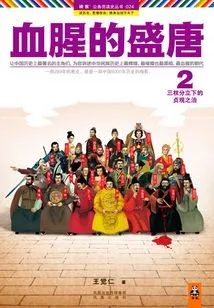
血腥的盛唐2:三权分立下的贞观之治
I
T
T
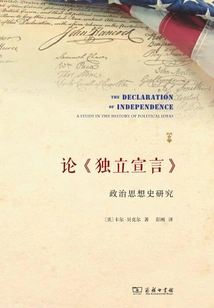
论《独立宣言》:政治思想史研究(汉译世界学术名著丛书)
L
The United States' Declaration of Independence is one of the most important historical documents in modern world history. On the one hand, the book "On" examines the process of drafting, revising and finalizing the words and sentences of the Declaration of Independence, showing in detail how a political text gradually takes shape in the process of alteration and alteration; on the other hand, it analyzes its theoretical basis and literary characteristics, focusing on the most important basic theory of modern Western political thought - the theory of natural rights. The text of the book is witty and beautiful, and the theoretical explanations are vivid and insightful.
The United States' Declaration of Independence is one of the most important historical documents in modern world history. On the one hand, the book "On" examines the process of drafting, revising and finalizing the words and sentences of the Declaration of Independence, showing in detail how a political text gradually takes shape in the process of alteration and alteration; on the other hand, it analyzes its theoretical basis and literary characteristics, focusing on the most important basic theory of modern Western political thought - the theory of natural rights. The text of the book is witty and beautiful, and the theoretical explanations are vivid and insightful.
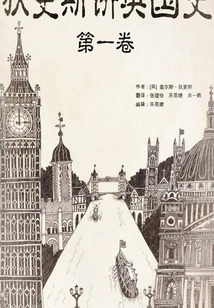
狄更斯讲英国史(第一卷)
H
The first volume of this book (chapters 1 to 14) is divided into four parts: Saxon invasion, Scandinavian invasion, Norman conquest, and the consolidation and development of the Anglo-Norman dynasty in England. This period of history witnessed the early turmoil, division and reunification of England. If you want to have a deeper understanding of the culture of England today, this history is an indispensable cornerstone. Among them, the most noteworthy thing is that in the last three chapters of this volume, the author deliberately describes the rise and decline of the Angevin dynasty, explains the origin of the contradiction between Britain and France, and lays the groundwork for the Hundred Years War between Britain and France, which dominates the second volume.
The first volume of this book (chapters 1 to 14) is divided into four parts: Saxon invasion, Scandinavian invasion, Norman conquest, and the consolidation and development of the Anglo-Norman dynasty in England. This period of history witnessed the early turmoil, division and reunification of England. If you want to have a deeper understanding of the culture of England today, this history is an indispensable cornerstone. Among them, the most noteworthy thing is that in the last three chapters of this volume, the author deliberately describes the rise and decline of the Angevin dynasty, explains the origin of the contradiction between Britain and France, and lays the groundwork for the Hundred Years War between Britain and France, which dominates the second volume.
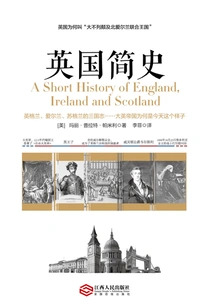
A Brief History of Britain
History英国简史
J
This book is a brief history of Britain written by American historian Mary Pratt Parmelee. The book is divided into three parts - a brief history of England, a brief history of Ireland and a brief history of Scotland. Each part is very concise, but all-inclusive. They can be independent chapters, but also connected with each other, including as much content as possible. This book traces the traces of historical events to see how these events contributed to the birth of today's Great Britain, and reveals the origins of important components of British culture in the late 19th century, such as legislation, justice, and society. The content is extensive, interesting, and easy to read.
This book is a brief history of Britain written by American historian Mary Pratt Parmelee. The book is divided into three parts - a brief history of England, a brief history of Ireland and a brief history of Scotland. Each part is very concise, but all-inclusive. They can be independent chapters, but also connected with each other, including as much content as possible. This book traces the traces of historical events to see how these events contributed to the birth of today's Great Britain, and reveals the origins of important components of British culture in the late 19th century, such as legislation, justice, and society. The content is extensive, interesting, and easy to read.
穿蓝色长袍的国度(洋眼看中国)
L
"The Country in Blue Robes" tells the real life of Chinese people in the late 19th and early 20th centuries. In this book, Mrs. Lide observed the clothing, food, housing, transportation, customs, habits, and thoughts and characters of the Chinese people at that time. She traveled around the country and saw the pastoral scenery, street conditions, and the quiet changes that took place in the Chinese people after the penetration of Western lifestyles. She also saw the lives and experiences of foreign expatriates in China and their relationships with ordinary Chinese people.
"The Country in Blue Robes" tells the real life of Chinese people in the late 19th and early 20th centuries. In this book, Mrs. Lide observed the clothing, food, housing, transportation, customs, habits, and thoughts and characters of the Chinese people at that time. She traveled around the country and saw the pastoral scenery, street conditions, and the quiet changes that took place in the Chinese people after the penetration of Western lifestyles. She also saw the lives and experiences of foreign expatriates in China and their relationships with ordinary Chinese people.