Library
Browse and search books
358 novels found
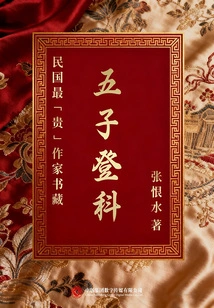
民国最“贵”作家书藏:五子登科
Zhang Henshui
This novel is another satirical masterpiece by Zhang Henshui after "The Eighty-One Dream". It focuses on the ugly behavior of the Kuomintang's "recruitment of senior officials" after the victory of the Anti-Japanese War. The "Five Sons" in the title of the book cleverly represent the goals that corrupt officials were madly chasing at that time: gold, houses, cars, money, and women. The story revolves around the activities of the receptionist Jin Ziyuan after he flew to Peking. It describes how he used his power to enrich himself, took bribes and perverted the law, and dealt with many women. The work sharply criticizes that what the so-called "victory" brings is not light and reconstruction, but a new round of robbery and corruption. It is a mirror that reveals the chaos of post-war society.
This novel is another satirical masterpiece by Zhang Henshui after "The Eighty-One Dream". It focuses on the ugly behavior of the Kuomintang's "recruitment of senior officials" after the victory of the Anti-Japanese War. The "Five Sons" in the title of the book cleverly represent the goals that corrupt officials were madly chasing at that time: gold, houses, cars, money, and women. The story revolves around the activities of the receptionist Jin Ziyuan after he flew to Peking. It describes how he used his power to enrich himself, took bribes and perverted the law, and dealt with many women. The work sharply criticizes that what the so-called "victory" brings is not light and reconstruction, but a new round of robbery and corruption. It is a mirror that reveals the chaos of post-war society.
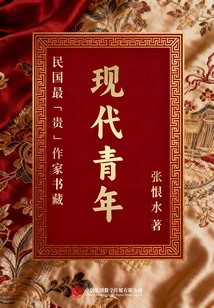
民国最“贵”作家书藏:现代青年
Zhang Henshui
The novel is set in the society after the "May 4th" Movement, focusing on the thoughts and life dilemmas of the generation of "modern youth" at that time. The protagonists have accepted the influence of new education and ideological trends, and pursue the liberation of personality and freedom of love. However, when faced with the constraints of the old family, old ethics and the cruelty of social reality, they are full of confusion, struggle and compromise. The work profoundly reflects the anguish and exploration of young intellectuals in the transition period between the old and new eras. It is an artistic response to the contemporary proposition "What happens after Nora leaves?" And has distinctive characteristics of the times.
The novel is set in the society after the "May 4th" Movement, focusing on the thoughts and life dilemmas of the generation of "modern youth" at that time. The protagonists have accepted the influence of new education and ideological trends, and pursue the liberation of personality and freedom of love. However, when faced with the constraints of the old family, old ethics and the cruelty of social reality, they are full of confusion, struggle and compromise. The work profoundly reflects the anguish and exploration of young intellectuals in the transition period between the old and new eras. It is an artistic response to the contemporary proposition "What happens after Nora leaves?" And has distinctive characteristics of the times.
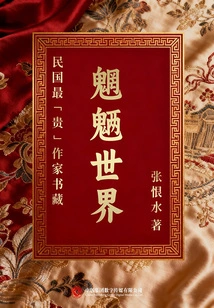
民国最“贵”作家书藏:魍魉世界
Zhang Henshui
This book, also known as "The Cows and Horses Walk", is Zhang Henshui's masterpiece that deeply analyzes the social mentality of the rear areas during the war. The novel uses the activities of Mr. And Mrs. Ximende, a doctor of psychology, as clues to describe the bizarre social scene of Chongqing, the "accompanying capital" during the stalemate period of the Anti-Japanese War: bureaucratic corruption, rampant profiteers, the struggle of intellectuals, and the hardship of ordinary people. The title of the book "Monster" means ghost, which refers to the distortion of human nature, moral decay and the chaos of demons in that special environment. The work provides sharp criticism and realistic records of the social and economic contradictions in the Kuomintang-controlled areas and the survival philosophies of various people, and is of high cognitive value.
This book, also known as "The Cows and Horses Walk", is Zhang Henshui's masterpiece that deeply analyzes the social mentality of the rear areas during the war. The novel uses the activities of Mr. And Mrs. Ximende, a doctor of psychology, as clues to describe the bizarre social scene of Chongqing, the "accompanying capital" during the stalemate period of the Anti-Japanese War: bureaucratic corruption, rampant profiteers, the struggle of intellectuals, and the hardship of ordinary people. The title of the book "Monster" means ghost, which refers to the distortion of human nature, moral decay and the chaos of demons in that special environment. The work provides sharp criticism and realistic records of the social and economic contradictions in the Kuomintang-controlled areas and the survival philosophies of various people, and is of high cognitive value.
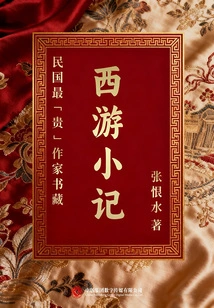
民国最“贵”作家书藏:西游小记
Zhang Henshui
This is not the mythical novel "Journey to the West", but a travelogue written by Zhang Henshui, which records his travel experience in northwest China (such as Shaanxi, Gansu and other places). The book describes in detail the natural scenery, historical relics (such as Xi'an Forest of Steles), folk customs, and the poverty and isolation of Northwest society at that time. The author incorporates deep historical sentiments and concern for the country's development of the northwest into his travel notes. His writing style is concise and record-keeping, demonstrating his dual qualities as a reporter and a writer.
This is not the mythical novel "Journey to the West", but a travelogue written by Zhang Henshui, which records his travel experience in northwest China (such as Shaanxi, Gansu and other places). The book describes in detail the natural scenery, historical relics (such as Xi'an Forest of Steles), folk customs, and the poverty and isolation of Northwest society at that time. The author incorporates deep historical sentiments and concern for the country's development of the northwest into his travel notes. His writing style is concise and record-keeping, demonstrating his dual qualities as a reporter and a writer.
民国最“贵”作家书藏:偶像
Zhang Henshui
This novel cleverly reflects on and satirizes the phenomenon of "idol worship" in society. The story may revolve around an "idol" figure (such as a cultural celebrity, a knight, etc.) Who is held up by the public, revealing that the true face behind his halo may not be so glorious, or exploring the distortion caused by blind worship to individuals and society. The work goes beyond mere romance and explores issues such as fame, vanity, and social psychology in depth, demonstrating Zhang Henshui's critical edge as a social novelist.
This novel cleverly reflects on and satirizes the phenomenon of "idol worship" in society. The story may revolve around an "idol" figure (such as a cultural celebrity, a knight, etc.) Who is held up by the public, revealing that the true face behind his halo may not be so glorious, or exploring the distortion caused by blind worship to individuals and society. The work goes beyond mere romance and explores issues such as fame, vanity, and social psychology in depth, demonstrating Zhang Henshui's critical edge as a social novelist.
民国最“贵”作家书藏:战地斜阳
Zhang Henshui
This work depicts life on the battlefield from a unique perspective. The title of the book, "The Setting Sun on the Battlefield," has a desolate and magnificent artistic conception. It not only refers to the setting sun on the battlefield, but also a metaphor for how humanity and emotions still shine like the setting sun amidst the test of blood and fire. The story may revolve around the experiences of war reporters, medical staff or ordinary soldiers. Through what they see, hear, think and feel in the smoke of gunfire, it shows the true face of war and praises the brilliance of humanity and the feelings of family and country that have not been lost in extreme environments.
This work depicts life on the battlefield from a unique perspective. The title of the book, "The Setting Sun on the Battlefield," has a desolate and magnificent artistic conception. It not only refers to the setting sun on the battlefield, but also a metaphor for how humanity and emotions still shine like the setting sun amidst the test of blood and fire. The story may revolve around the experiences of war reporters, medical staff or ordinary soldiers. Through what they see, hear, think and feel in the smoke of gunfire, it shows the true face of war and praises the brilliance of humanity and the feelings of family and country that have not been lost in extreme environments.
The Collection of Books by the Most "expensive" Writers of the Republic of China: Time Flies
Literature民国最“贵”作家书藏:似水流年
Zhang Henshui
This novel explores the themes of time, life and destiny through an allegorical story. Due to chance, the protagonist is able to "borrow" other people's future time and advance the success and enjoyment of life in advance, but the price must be repaid in the end. Within the framework of a romantic story, the work contains profound philosophical thinking: about the irreversibility of time, the choices and costs of life, and the exploration of the true meaning of happiness. The concept was quite innovative at the time, and it reflected Zhang Henshui's courage to explore art without being limited to clichéd romances in his creations.
This novel explores the themes of time, life and destiny through an allegorical story. Due to chance, the protagonist is able to "borrow" other people's future time and advance the success and enjoyment of life in advance, but the price must be repaid in the end. Within the framework of a romantic story, the work contains profound philosophical thinking: about the irreversibility of time, the choices and costs of life, and the exploration of the true meaning of happiness. The concept was quite innovative at the time, and it reflected Zhang Henshui's courage to explore art without being limited to clichéd romances in his creations.
The Collection of the Most "expensive" Writers in the Republic of China: the Qinhuai Family
Literature民国最“贵”作家书藏:秦淮世家
Zhang Henshui
The novel is set on the banks of the Qinhuai River in Nanjing, and depicts the grievances, resentments, and ups and downs of fate between three families and two generations. The core of the story is the choices and struggles of the three Tang sisters (Sister Tang, Erchun, and Sanhua) on different life paths. Through the joys and sorrows of these families, the work vividly outlines a broad picture of Nanjing's civil society before and after the Anti-Japanese War, and the images of people from three religions and nine circles emerge vividly on the page. The sound of oars, lights and shadows on the Qinhuai River are intertwined with the bloody storms of the changing times. It contains both a delicate depiction of the world and a deep lamentation about war and destiny.
The novel is set on the banks of the Qinhuai River in Nanjing, and depicts the grievances, resentments, and ups and downs of fate between three families and two generations. The core of the story is the choices and struggles of the three Tang sisters (Sister Tang, Erchun, and Sanhua) on different life paths. Through the joys and sorrows of these families, the work vividly outlines a broad picture of Nanjing's civil society before and after the Anti-Japanese War, and the images of people from three religions and nine circles emerge vividly on the page. The sound of oars, lights and shadows on the Qinhuai River are intertwined with the bloody storms of the changing times. It contains both a delicate depiction of the world and a deep lamentation about war and destiny.
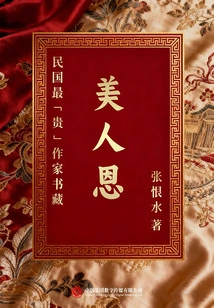
民国最“贵”作家书藏:美人恩
Zhang Henshui
The novel explores the complex relationship between "favor" and "love", as well as the test of money on human nature. The protagonist is a kind-hearted young man who once rescued a woman (beauty) in distress and showed kindness to her. However, when circumstances change, this kindness becomes fragile in the face of real interests. Through the evolution of the relationship between the male and female protagonists, the work profoundly reveals how vulnerable emotions based solely on gratitude are in the material society, and tactfully satirizes the harshness of the world and the snobbery of people.
The novel explores the complex relationship between "favor" and "love", as well as the test of money on human nature. The protagonist is a kind-hearted young man who once rescued a woman (beauty) in distress and showed kindness to her. However, when circumstances change, this kindness becomes fragile in the face of real interests. Through the evolution of the relationship between the male and female protagonists, the work profoundly reveals how vulnerable emotions based solely on gratitude are in the material society, and tactfully satirizes the harshness of the world and the snobbery of people.
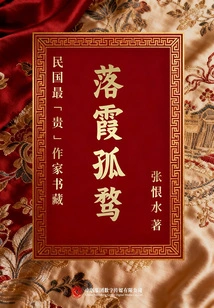
The Collection of Books by the Most "expensive" Writers of the Republic of China: Luoxia Guhuan
Literature民国最“贵”作家书藏:落霞孤骛
Zhang Henshui
This novel tells the tortuous love story between Luoxia, a woman with a new education, and Jiang Qiuyu, a revolutionary young man, in the early years of the Republic of China. Although Luoxia has a rough life, she pursues independence and happiness. Her union with Jiang Qiuyu breaks the traditional concept of family status. The title of the book is taken from Wang Bo's "Preface to Prince Teng's Pavilion" "The falling clouds and the solitary owl fly together, the autumn water is the same color as the sky". The artistic conception is beautiful and slightly sentimental, hinting at the fate and emotions of the protagonist. The work reflects the changes in social concepts after the Revolution of 1911, and praises the hero and heroine's pursuit of free love and revolutionary ideals. It is one of the representative works of Zhang Henshui's early social romance novels.
This novel tells the tortuous love story between Luoxia, a woman with a new education, and Jiang Qiuyu, a revolutionary young man, in the early years of the Republic of China. Although Luoxia has a rough life, she pursues independence and happiness. Her union with Jiang Qiuyu breaks the traditional concept of family status. The title of the book is taken from Wang Bo's "Preface to Prince Teng's Pavilion" "The falling clouds and the solitary owl fly together, the autumn water is the same color as the sky". The artistic conception is beautiful and slightly sentimental, hinting at the fate and emotions of the protagonist. The work reflects the changes in social concepts after the Revolution of 1911, and praises the hero and heroine's pursuit of free love and revolutionary ideals. It is one of the representative works of Zhang Henshui's early social romance novels.
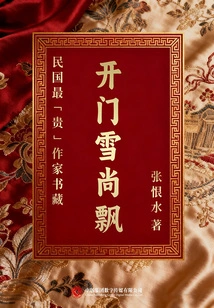
民国最“贵”作家书藏:开门雪尚飘
Zhang Henshui
This is a novel about ordinary family life and emotional changes during the Republic of China. The title of the book is full of poetic and symbolic meaning. The "open door" faces the "still falling" snow, which hints at the coldness and difficulties faced by the protagonist in a new stage of life. The story may revolve around a family's troubles in the changing times, such as economic pressure, ethical relationships, children's education and other issues. Through delicate brushstrokes, it depicts the tenacity and warmth of ordinary people maintaining families and working hard to live in troubled times, reflecting Zhang Henshui's deep concern and insight into urban life.
This is a novel about ordinary family life and emotional changes during the Republic of China. The title of the book is full of poetic and symbolic meaning. The "open door" faces the "still falling" snow, which hints at the coldness and difficulties faced by the protagonist in a new stage of life. The story may revolve around a family's troubles in the changing times, such as economic pressure, ethical relationships, children's education and other issues. Through delicate brushstrokes, it depicts the tenacity and warmth of ordinary people maintaining families and working hard to live in troubled times, reflecting Zhang Henshui's deep concern and insight into urban life.
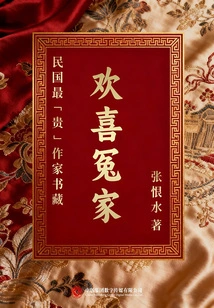
The Collection of Books by the Most "expensive" Writers of the Republic of China: Happy Enemies
Literature民国最“贵”作家书藏:欢喜冤家
Zhang Henshui
"Happy Enemies" is a social romance novel with a light comedy color. It tells the tortuous and interesting love story between young men and women He Shuchun and Bai Guiying. The male protagonist He Shuchun was once prejudiced against the heroine due to misunderstandings and regarded her as an "enemy". However, through repeated contacts and collisions, the misunderstandings were gradually eliminated, the beautiful qualities of the other party were discovered, and the lovers finally got married. Through the interaction of this pair of "happy enemies", the work shows the living conditions, emotional concepts and social outlook of urban youth at that time. The plot is vivid and the language is humorous, which reflects Zhang Henshui's skill in controlling worldly affairs and romance themes.
"Happy Enemies" is a social romance novel with a light comedy color. It tells the tortuous and interesting love story between young men and women He Shuchun and Bai Guiying. The male protagonist He Shuchun was once prejudiced against the heroine due to misunderstandings and regarded her as an "enemy". However, through repeated contacts and collisions, the misunderstandings were gradually eliminated, the beautiful qualities of the other party were discovered, and the lovers finally got married. Through the interaction of this pair of "happy enemies", the work shows the living conditions, emotional concepts and social outlook of urban youth at that time. The plot is vivid and the language is humorous, which reflects Zhang Henshui's skill in controlling worldly affairs and romance themes.
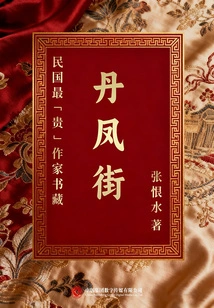
民国最“贵”作家书藏:丹凤街
Zhang Henshui
The novel takes "Danfeng Street", a famous old street in Nanjing, as the stage, and vividly depicts the ordinary people living here - shop assistants, vendors, craftsmen, old artists, etc. The story centers on the tragic experience of Lao Wu, a girl who sells vegetables, and shows the simple feelings of these lower-class civilians who help each other and are heroic and courageous in suffering. The "Civilian Mutual Aid Association" they formed is a symbol of their solidarity and mutual assistance. The work is full of rich local color and flavor of life, praising the kindness, integrity and generous character of the working people, and is known as a "biography of a market hero".
The novel takes "Danfeng Street", a famous old street in Nanjing, as the stage, and vividly depicts the ordinary people living here - shop assistants, vendors, craftsmen, old artists, etc. The story centers on the tragic experience of Lao Wu, a girl who sells vegetables, and shows the simple feelings of these lower-class civilians who help each other and are heroic and courageous in suffering. The "Civilian Mutual Aid Association" they formed is a symbol of their solidarity and mutual assistance. The work is full of rich local color and flavor of life, praising the kindness, integrity and generous character of the working people, and is known as a "biography of a market hero".
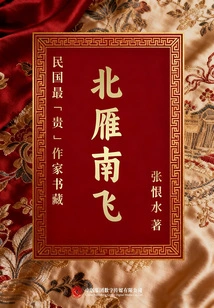
民国最“贵”作家书藏:北雁南飞
Zhang Henshui
The novel is set in the late Qing Dynasty and the early Republic of China, and tells a love tragedy that took place in an old school. Young teacher Li Xiaoxia fell in love with female student Xiaoqiu (Yao Chunhua), but was cruelly obstructed by feudal ethics and family. The work profoundly criticizes the destruction of the beautiful emotions of young men and women by arranged marriages, the feudal imperial examination system, and such stereotypes as "men and women are not intimate with each other". The title of the book "Northern Wild Geese Flying South" symbolizes farewell and lovesickness, and is full of sadness. The story is delicate and touching, and the depiction of the old education system and rural customs is very realistic. It is one of Zhang Henshui's social romance novels with a stronger color of critical realism.
The novel is set in the late Qing Dynasty and the early Republic of China, and tells a love tragedy that took place in an old school. Young teacher Li Xiaoxia fell in love with female student Xiaoqiu (Yao Chunhua), but was cruelly obstructed by feudal ethics and family. The work profoundly criticizes the destruction of the beautiful emotions of young men and women by arranged marriages, the feudal imperial examination system, and such stereotypes as "men and women are not intimate with each other". The title of the book "Northern Wild Geese Flying South" symbolizes farewell and lovesickness, and is full of sadness. The story is delicate and touching, and the depiction of the old education system and rural customs is very realistic. It is one of Zhang Henshui's social romance novels with a stronger color of critical realism.
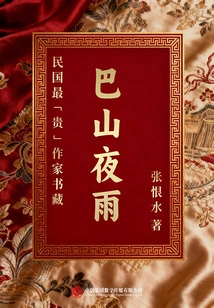
民国最“贵”作家书藏:巴山夜雨
Zhang Henshui
This is Zhang Henshui's later novel with a strong autobiographical color and summary meaning. The story is set in Chongqing during the Anti-Japanese War. Through the life of the protagonist Li Nanquan's family and his neighbors taking refuge in a mountain village, the story describes the living conditions, inner depression and tenacity of ordinary intellectuals in the war and chaos. The title of the book is taken from Li Shangyin's poem "How can we cut candles from the western window together and talk about the night rain in Bashan?" The book is full of deep thoughts on life, family, and country in the continuous night rain. The writing is concise, the artistic conception is desolate, and the art is mature. It is considered one of his best works.
This is Zhang Henshui's later novel with a strong autobiographical color and summary meaning. The story is set in Chongqing during the Anti-Japanese War. Through the life of the protagonist Li Nanquan's family and his neighbors taking refuge in a mountain village, the story describes the living conditions, inner depression and tenacity of ordinary intellectuals in the war and chaos. The title of the book is taken from Li Shangyin's poem "How can we cut candles from the western window together and talk about the night rain in Bashan?" The book is full of deep thoughts on life, family, and country in the continuous night rain. The writing is concise, the artistic conception is desolate, and the art is mature. It is considered one of his best works.
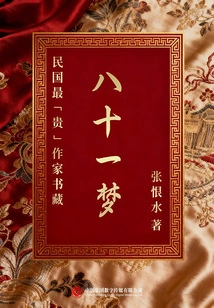
民国最“贵”作家书藏:八十一梦
Zhang Henshui
This book is Zhang Henshui's masterpiece of satire and criticism during the Anti-Japanese War, and is known as the pinnacle of "national crisis novels". The author uses the writing method of "Nineteen fables, entrusted to dreams" to construct more than a dozen bizarre dreams, such as "I am Sun Wukong", "Journey to Heaven", etc., Matching the gods and ancient figures in the sky with the corrupt officials, speculators and corrupt elements in reality, making him laugh and curse at his best. The work profoundly exposes the dark reality of bureaucratic corruption and extravagance in the "Fog Chongqing" in the rear area in the late Anti-Japanese War. It was even banned by the authorities for its intrusiveness. It is not only a turning point in Zhang Henshui's creative career, but also a strange book in the history of modern Chinese literature that directly addresses the current ills.
This book is Zhang Henshui's masterpiece of satire and criticism during the Anti-Japanese War, and is known as the pinnacle of "national crisis novels". The author uses the writing method of "Nineteen fables, entrusted to dreams" to construct more than a dozen bizarre dreams, such as "I am Sun Wukong", "Journey to Heaven", etc., Matching the gods and ancient figures in the sky with the corrupt officials, speculators and corrupt elements in reality, making him laugh and curse at his best. The work profoundly exposes the dark reality of bureaucratic corruption and extravagance in the "Fog Chongqing" in the rear area in the late Anti-Japanese War. It was even banned by the authorities for its intrusiveness. It is not only a turning point in Zhang Henshui's creative career, but also a strange book in the history of modern Chinese literature that directly addresses the current ills.
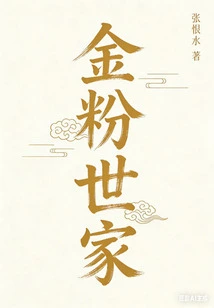
Jinfenshijia
General Fiction金粉世家
Zhang Henshui
It is called "The Dream of Red Mansions of the 20th century". It depicts the entire process of a wealthy family from its glory to its collapse in a million words. It is the most famous masterpiece of Zhang Henshui, a master of the Mandarin Duck and Butterfly School in the Republic of China. The story is based on the love story of Jin Yanxi, the seventh young master of Prime Minister Jin Quan, and Leng Qingqiu, a poor girl from a scholarly family in the early years of the Republic of China. It shows the whole process from the Jinfen family to its eventual collapse. Through the profiles of dozens of characters in the Jin family, it describes the arrogance and internal strife of the bureaucratic family. The combination of tragic aesthetic color and realism style is worthy of being one of the masterpieces of the master of Zhanghui style novels.
It is called "The Dream of Red Mansions of the 20th century". It depicts the entire process of a wealthy family from its glory to its collapse in a million words. It is the most famous masterpiece of Zhang Henshui, a master of the Mandarin Duck and Butterfly School in the Republic of China. The story is based on the love story of Jin Yanxi, the seventh young master of Prime Minister Jin Quan, and Leng Qingqiu, a poor girl from a scholarly family in the early years of the Republic of China. It shows the whole process from the Jinfen family to its eventual collapse. Through the profiles of dozens of characters in the Jin family, it describes the arrogance and internal strife of the bureaucratic family. The combination of tragic aesthetic color and realism style is worthy of being one of the masterpieces of the master of Zhanghui style novels.
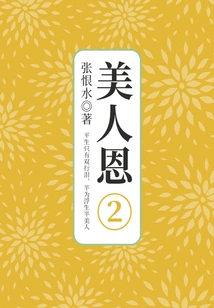
Beauty's Grace·part 2 (Zhang Henshui's Literary Classic)
General Fiction美人恩·第二部分(张恨水文学经典)
Zhang Henshui
The story of "Beauty's Grace" takes place in Beijing in the 1920s. The heroine Chang Xiaonan was born in a poor family at the bottom of the class and made a living by collecting coal cores. Once, he met the unemployed and down-and-out Hong Shiyi. He deeply sympathized with her fate and used his meager income from working as a substitute at a charity to support the Chang family. The two began to fall in love. The beautiful Chang Xiaonan was later spotted by the foreman of the Yangliu Song and Dance Ensemble. From then on, she changed her mind in love. She successively dumped Hong Shiyi and musician Wang Sun, and finally fell into the hands of the playboy Chen Siye, causing the Chang family to be ruined. Zhang Henshui (May 18, 1895 - February 15, 1967), whose original name was Xinyuan, Henshui was his pen name, which was taken from the poem "Meeting Happily" written by Li Yu in the Southern Tang Dynasty, which means "I will grow up in life and hate the water in the east". Zhang Henshui is a famous chapter novelist and a representative writer of the Mandarin Duck and Butterfly School. He is honored as the first "master of chapter novels" and "master of popular literature" in the history of modern literature. The plot of the work is tortuous and complex, and the structure is rigorous and complete. It integrates traditional Chinese chapter novels with new techniques in Western novels. He is also famous for his prolific output. In his fifty-year writing career, he created more than 100 popular novels, most of which are medium and long chapter novels with a total of 30 million words, which can be regarded as a book in his lifetime.
The story of "Beauty's Grace" takes place in Beijing in the 1920s. The heroine Chang Xiaonan was born in a poor family at the bottom of the class and made a living by collecting coal cores. Once, he met the unemployed and down-and-out Hong Shiyi. He deeply sympathized with her fate and used his meager income from working as a substitute at a charity to support the Chang family. The two began to fall in love. The beautiful Chang Xiaonan was later spotted by the foreman of the Yangliu Song and Dance Ensemble. From then on, she changed her mind in love. She successively dumped Hong Shiyi and musician Wang Sun, and finally fell into the hands of the playboy Chen Siye, causing the Chang family to be ruined. Zhang Henshui (May 18, 1895 - February 15, 1967), whose original name was Xinyuan, Henshui was his pen name, which was taken from the poem "Meeting Happily" written by Li Yu in the Southern Tang Dynasty, which means "I will grow up in life and hate the water in the east". Zhang Henshui is a famous chapter novelist and a representative writer of the Mandarin Duck and Butterfly School. He is honored as the first "master of chapter novels" and "master of popular literature" in the history of modern literature. The plot of the work is tortuous and complex, and the structure is rigorous and complete. It integrates traditional Chinese chapter novels with new techniques in Western novels. He is also famous for his prolific output. In his fifty-year writing career, he created more than 100 popular novels, most of which are medium and long chapter novels with a total of 30 million words, which can be regarded as a book in his lifetime.
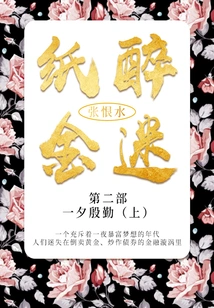
纸醉金迷·第二部:一夕殷勤·上(张恨水经典文学)
Zhang Henshui
As a satirical work that exposes reality, "Intoxication" directly criticizes the ugly and despicable world conditions in the Kuomintang-controlled areas on the eve of the victory of the Anti-Japanese War. On the eve of the victory of the Anti-Japanese War, the fate of Wei Duanben, a young civil servant, and his "anti-war wife" Tian Peizhi in Chongqing, the capital of the Anti-Japanese War, are used as clues to describe the twisted human nature and the bleakness of the world lost in the "golden dream" of vanity and corruption. Tian Peizhi, a most beautiful but extremely vain woman, sent her husband to prison and was almost sentenced to death for money and good food and clothing. In order to escape from a life without money, she did not need her husband and disowned her children. She finally hooked up with a rich and prestigious gentleman. The wife who was about to become the center of attention suddenly became the fiancée and mistress of a traitor after the war of resistance against Japan was suddenly won. It reveals the loss and struggle in the face of human nature and money in a special era. Zhang Henshui (May 18, 1895 - February 15, 1967), whose original name was Xinyuan, Henshui was his pen name, which was taken from the poem "Meeting Happily" written by Li Yu in the Southern Tang Dynasty, which means "I will grow up in life and hate the water in the east". Zhang Henshui is a famous chapter novelist and a representative writer of the Mandarin Duck and Butterfly School. He is honored as the first "master of chapter novels" and "master of popular literature" in the history of modern literature. The plot of the work is tortuous and complex, and the structure is rigorous and complete. It integrates traditional Chinese chapter novels with new techniques in Western novels. He is also famous for his prolific output. In his fifty-year writing career, he created more than 100 popular novels, most of which are medium and long chapter novels with a total of 30 million words, which can be regarded as a book in his lifetime.
As a satirical work that exposes reality, "Intoxication" directly criticizes the ugly and despicable world conditions in the Kuomintang-controlled areas on the eve of the victory of the Anti-Japanese War. On the eve of the victory of the Anti-Japanese War, the fate of Wei Duanben, a young civil servant, and his "anti-war wife" Tian Peizhi in Chongqing, the capital of the Anti-Japanese War, are used as clues to describe the twisted human nature and the bleakness of the world lost in the "golden dream" of vanity and corruption. Tian Peizhi, a most beautiful but extremely vain woman, sent her husband to prison and was almost sentenced to death for money and good food and clothing. In order to escape from a life without money, she did not need her husband and disowned her children. She finally hooked up with a rich and prestigious gentleman. The wife who was about to become the center of attention suddenly became the fiancée and mistress of a traitor after the war of resistance against Japan was suddenly won. It reveals the loss and struggle in the face of human nature and money in a special era. Zhang Henshui (May 18, 1895 - February 15, 1967), whose original name was Xinyuan, Henshui was his pen name, which was taken from the poem "Meeting Happily" written by Li Yu in the Southern Tang Dynasty, which means "I will grow up in life and hate the water in the east". Zhang Henshui is a famous chapter novelist and a representative writer of the Mandarin Duck and Butterfly School. He is honored as the first "master of chapter novels" and "master of popular literature" in the history of modern literature. The plot of the work is tortuous and complex, and the structure is rigorous and complete. It integrates traditional Chinese chapter novels with new techniques in Western novels. He is also famous for his prolific output. In his fifty-year writing career, he created more than 100 popular novels, most of which are medium and long chapter novels with a total of 30 million words, which can be regarded as a book in his lifetime.
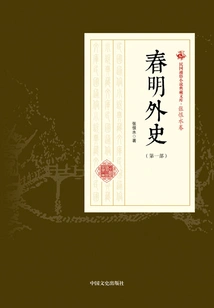
Foreign History of Chunming (Part 1) (Collection Of Popular Novels of the Republic of China·zhang Henshui Volume)
General Fiction春明外史(第一部)(民国通俗小说典藏文库·张恨水卷)
Zhang Henshui
"Chunming Foreign History" is a novel written by Zhang Henshui. The novel centers on journalist Yang Xingyuan, narrating his love experience with Li Yun and his emotional entanglement with Li Dongqing, so as to reflect the broad social life at that time. The large number of poems and letters in the novel have become a powerful way to show the inner world of the characters. It not only has the appearance of traditional literature, but also has the performance function beyond traditional literature. The background is grand, which is better than ordinary chapter novels.
"Chunming Foreign History" is a novel written by Zhang Henshui. The novel centers on journalist Yang Xingyuan, narrating his love experience with Li Yun and his emotional entanglement with Li Dongqing, so as to reflect the broad social life at that time. The large number of poems and letters in the novel have become a powerful way to show the inner world of the characters. It not only has the appearance of traditional literature, but also has the performance function beyond traditional literature. The background is grand, which is better than ordinary chapter novels.
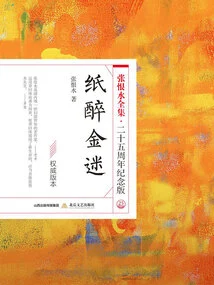
纸醉金迷(张恨水全集·25周年纪念版)
Zhang Henshui
The story takes place in Chongqing, the capital of the Nationalist Government in 1945. Here gathered a group of people who were feasting, feasting, and living in intoxication. Everything revolves around money. Corruption of officials, speculation by businessmen and bankers, and women being swindlers have become a common trend. The novel uses the clues of Wei Duanben, a young civil servant, and his beautiful but vain wife Tian Peizhi as they live together and break up. It takes the opportunity of many characters to rush to buy gold savings certificates to make the country's hard-earned wealth, and unfolds a complicated story. When the Anti-Japanese War was won, everything for the speculators was in vain. The work directs criticism towards the ugly, humble world in the Kuomintang-controlled areas on the eve of the victory of the Anti-Japanese War. It reveals the loss and struggle in the face of human nature and money in a special era.
The story takes place in Chongqing, the capital of the Nationalist Government in 1945. Here gathered a group of people who were feasting, feasting, and living in intoxication. Everything revolves around money. Corruption of officials, speculation by businessmen and bankers, and women being swindlers have become a common trend. The novel uses the clues of Wei Duanben, a young civil servant, and his beautiful but vain wife Tian Peizhi as they live together and break up. It takes the opportunity of many characters to rush to buy gold savings certificates to make the country's hard-earned wealth, and unfolds a complicated story. When the Anti-Japanese War was won, everything for the speculators was in vain. The work directs criticism towards the ugly, humble world in the Kuomintang-controlled areas on the eve of the victory of the Anti-Japanese War. It reveals the loss and struggle in the face of human nature and money in a special era.
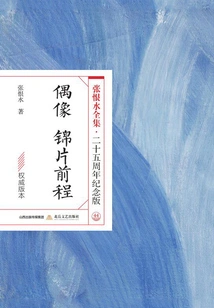
偶像·锦片前程(张恨水全集·25周年纪念版)
Zhang Henshui
The work "Idol" bitterly satirizes the hypocrisy and depravity of a small number of intellectuals in the rear areas during the Anti-Japanese War. Ding Guyun was a great painter who was obsessed with women and embezzled huge sums of money from the Anti-Japanese War. He had to fake his death in a fire to escape the blame. The ending of the story is that he witnessed his son, who has become an anti-Japanese hero, hold an exhibition and purchase of Ding Guyun's "posthumous works" in memory of the artist's father. What made him most unbearable was that the female liar who took away his embezzled money turned out to be a generous patriot. He could only face his idol, listen to his son's praise, secretly curse his hypocrisy and run away. "The Future" is based on the main plot of Shao Baozhu, a rich girl who was dissatisfied with the marriage arranged by her family and eventually ran away from home. It shows the desire of women in the new era to get rid of the prison of the family and yearn for a new life. Shao Baozhu did not hesitate to make a fuss with his family and ran away from home, hoping to stay with his lover Zhu Changqing. College student Zhu Changqing finally chose to leave his lover Shao Baozhu to join the revolution in the face of his friend Mao Zhengyi's revolutionary righteousness. Mao Zhengyi accidentally met Shao Baozhu while he was busy with the revolution and developed an admiration for him. He wanted to deepen their understanding of each other through the relationship between his sister Mao Zhengfang and Shao Baozhu's classmates. Although Shao Baozhu left his family and his future is unknown, but through his relationship network with Zhu Changqing, Mao Zhengyi, and Mao Zhengfang, we can know that his future is a bright one.
The work "Idol" bitterly satirizes the hypocrisy and depravity of a small number of intellectuals in the rear areas during the Anti-Japanese War. Ding Guyun was a great painter who was obsessed with women and embezzled huge sums of money from the Anti-Japanese War. He had to fake his death in a fire to escape the blame. The ending of the story is that he witnessed his son, who has become an anti-Japanese hero, hold an exhibition and purchase of Ding Guyun's "posthumous works" in memory of the artist's father. What made him most unbearable was that the female liar who took away his embezzled money turned out to be a generous patriot. He could only face his idol, listen to his son's praise, secretly curse his hypocrisy and run away. "The Future" is based on the main plot of Shao Baozhu, a rich girl who was dissatisfied with the marriage arranged by her family and eventually ran away from home. It shows the desire of women in the new era to get rid of the prison of the family and yearn for a new life. Shao Baozhu did not hesitate to make a fuss with his family and ran away from home, hoping to stay with his lover Zhu Changqing. College student Zhu Changqing finally chose to leave his lover Shao Baozhu to join the revolution in the face of his friend Mao Zhengyi's revolutionary righteousness. Mao Zhengyi accidentally met Shao Baozhu while he was busy with the revolution and developed an admiration for him. He wanted to deepen their understanding of each other through the relationship between his sister Mao Zhengfang and Shao Baozhu's classmates. Although Shao Baozhu left his family and his future is unknown, but through his relationship network with Zhu Changqing, Mao Zhengyi, and Mao Zhengfang, we can know that his future is a bright one.
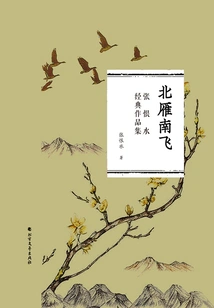
Wild Geese Flying from the North to the South (Collection of Zhang Henshui's Classic Works)
General Fiction北雁南飞(张恨水经典作品集)
Zhang Henshui
"Northern Wild Geese Flying South" is based on Zhang Henshui's childhood experience in a private school in Sanhu Town, Jiangxi Province. It describes the love tragedy of the girl Yao Chunhua and the boy Li Xiaoqiu. With sincere feelings and delicate writing style, it makes people sigh. The plot, as well as the vivid outline of the folk customs, sentiments and customs of Sanhu Town, provide us with the social scene and school life records of the Jiangnan town. From these descriptions, it is not difficult to find the footprints of the writer Zhang Henshui.
"Northern Wild Geese Flying South" is based on Zhang Henshui's childhood experience in a private school in Sanhu Town, Jiangxi Province. It describes the love tragedy of the girl Yao Chunhua and the boy Li Xiaoqiu. With sincere feelings and delicate writing style, it makes people sigh. The plot, as well as the vivid outline of the folk customs, sentiments and customs of Sanhu Town, provide us with the social scene and school life records of the Jiangnan town. From these descriptions, it is not difficult to find the footprints of the writer Zhang Henshui.
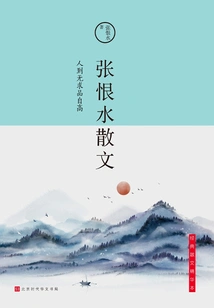
人到无求品自高:张恨水散文
Zhang Henshui
Zhang Henshui is a representative writer of the "Mandarin Duck and Butterfly School". He has always been overshadowed by his great reputation as a novelist. Not many prose has been published in the world, and few people in the world know about it. His prose works are filled with the beauty of poetry and painting, revealing a light, elegant and leisurely style. Reading these daily conversation-style works, one can clearly feel Zhang Henshui's deep sense of the vicissitudes of his family and country that resides in the ordinary alleys of the old city.
Zhang Henshui is a representative writer of the "Mandarin Duck and Butterfly School". He has always been overshadowed by his great reputation as a novelist. Not many prose has been published in the world, and few people in the world know about it. His prose works are filled with the beauty of poetry and painting, revealing a light, elegant and leisurely style. Reading these daily conversation-style works, one can clearly feel Zhang Henshui's deep sense of the vicissitudes of his family and country that resides in the ordinary alleys of the old city.
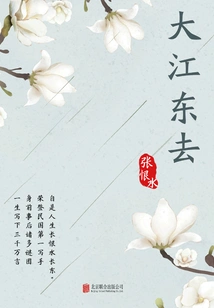
Youjian Library: Dajiang Goes East
General Fiction有间文库:大江东去
Zhang Henshui
"River East" tells the story of a young military officer who sent his wife to leave Nanjing in order to uphold his duties during the Anti-Japanese War. As a result, his wife broke her promise and left him, causing the family to break up. However, he was trapped in Nanjing and witnessed the horrors of the Nanjing Massacre. This book may be the earliest literary and artistic work reflecting the Nanjing Massacre.
"River East" tells the story of a young military officer who sent his wife to leave Nanjing in order to uphold his duties during the Anti-Japanese War. As a result, his wife broke her promise and left him, causing the family to break up. However, he was trapped in Nanjing and witnessed the horrors of the Nanjing Massacre. This book may be the earliest literary and artistic work reflecting the Nanjing Massacre.
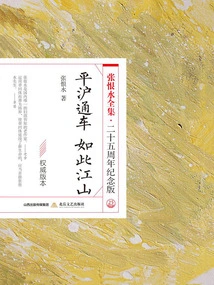
平沪通车·如此江山(张恨水全集·25周年纪念版)
Zhang Henshui
The protagonist of "Pinghu Opens to Traffic", the banker Hu Xing, takes a direct train from Peking back to Shanghai with a huge sum of more than 100,000 yuan. Unexpectedly, I met a young and beautiful woman in the dining car who had not bought a sleeper ticket. During the conversation, he learned that her name was Liu Xuchun, and that she was a friend of his distant relative. Beard was intrigued and thought of her, and he kindly invited her to rest in his box, and the two spent a romantic night. The next night, the two rekindled their old relationship. However, when Hu Xing woke up and approached Shanghai Station, he found that the huge sum of money in the suitcase was missing, and the woman named Liu Xuchun had already gotten off at Suzhou Station. A few years later, when the impoverished Huxing passed through Suzhou by train again, he saw a woman who looked very much like Liu Xuchun rushing past with a leather bag. He was moved by the scene and chased after her... The story of "Such a Country" took place on a hot summer day during the Republic of China. Chen Junren, a young talent from Peking, came to Nanjing to visit his fiancée Zhu Xuefu. Zhu Junren couldn't stand the hot weather in Nanjing, so he invited Zhu Xuefu to go to Mount Lushan to escape the summer heat. On the way, she met barrister Fang Mengxu. Because Chen Tan fell in love with the outstanding appearance and calm temperament of Mr. Fang's niece Fang Jingyi, she invited them to go to Lushan together. However, Zhu Xuefu vaguely noticed Chen Junren's admiration for Fang Jingyi. On Lushan Mountain, Zhu Xuefu was jealous and often quarreled fiercely with Chen Junren. Chen Junren couldn't stand Zhu Xuefu, so he hurried down the mountain and left without saying goodbye. However, the love affair between the three people, which was constantly being resolved and messed up, continued.
The protagonist of "Pinghu Opens to Traffic", the banker Hu Xing, takes a direct train from Peking back to Shanghai with a huge sum of more than 100,000 yuan. Unexpectedly, I met a young and beautiful woman in the dining car who had not bought a sleeper ticket. During the conversation, he learned that her name was Liu Xuchun, and that she was a friend of his distant relative. Beard was intrigued and thought of her, and he kindly invited her to rest in his box, and the two spent a romantic night. The next night, the two rekindled their old relationship. However, when Hu Xing woke up and approached Shanghai Station, he found that the huge sum of money in the suitcase was missing, and the woman named Liu Xuchun had already gotten off at Suzhou Station. A few years later, when the impoverished Huxing passed through Suzhou by train again, he saw a woman who looked very much like Liu Xuchun rushing past with a leather bag. He was moved by the scene and chased after her... The story of "Such a Country" took place on a hot summer day during the Republic of China. Chen Junren, a young talent from Peking, came to Nanjing to visit his fiancée Zhu Xuefu. Zhu Junren couldn't stand the hot weather in Nanjing, so he invited Zhu Xuefu to go to Mount Lushan to escape the summer heat. On the way, she met barrister Fang Mengxu. Because Chen Tan fell in love with the outstanding appearance and calm temperament of Mr. Fang's niece Fang Jingyi, she invited them to go to Lushan together. However, Zhu Xuefu vaguely noticed Chen Junren's admiration for Fang Jingyi. On Lushan Mountain, Zhu Xuefu was jealous and often quarreled fiercely with Chen Junren. Chen Junren couldn't stand Zhu Xuefu, so he hurried down the mountain and left without saying goodbye. However, the love affair between the three people, which was constantly being resolved and messed up, continued.
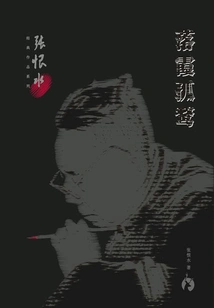
Solitary Duck in the Sunset
General Fiction落霞孤鹜
Zhang Henshui
This book describes the lingering fate and love entanglement between a man and two women. In the early years of the Republic of China, Jiang Qiuyu, a revolutionary, accidentally helped Luoxia, a maid abused by her master, to rescue her, leaving a deep impression on her. Later, Luoxia was sent to a nursing home for women, where she fell in love with Feng Yuru, her roommate, and became sisters. A fire breaks out in the nursing home, and Luoxia fights to save her. Yuru marries Wang Fucai to repay her kindness, and arranges for Quan Luoxia to marry her sweetheart Qiuyu.
This book describes the lingering fate and love entanglement between a man and two women. In the early years of the Republic of China, Jiang Qiuyu, a revolutionary, accidentally helped Luoxia, a maid abused by her master, to rescue her, leaving a deep impression on her. Later, Luoxia was sent to a nursing home for women, where she fell in love with Feng Yuru, her roommate, and became sisters. A fire breaks out in the nursing home, and Luoxia fights to save her. Yuru marries Wang Fucai to repay her kindness, and arranges for Quan Luoxia to marry her sweetheart Qiuyu.
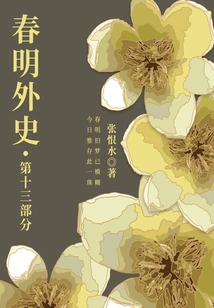
春明外史·第十三部分(张恨水经典爱情故事)
Zhang Henshui
"Chunming Foreign History" takes the love story of newspaper reporter Yang Xingyuan, prostitute Liyun, and poetess Li Dongqing as the running thread. The background is grand and the narrative is calm, including wealthy families, brothels, theaters, apartments, guild halls, schools, high-end hotels, clubs, temples, scenic spots, three religions and nine streams, including the president, prime minister, prostitutes, actors, and all kinds of famous people. "Chunming Foreign History" is a picture of Beijing customs in the 1920s. It can be called a classic and still has immortal artistic charm when read today. Zhang Henshui (May 18, 1895 - February 15, 1967), whose original name was Xinyuan, Henshui was his pen name, which was taken from the poem "Meeting Happily" written by Li Yu in the Southern Tang Dynasty, which means "I will grow up in life and hate the water in the east". Zhang Henshui is a famous chapter novelist and a representative writer of the Mandarin Duck and Butterfly School. He is honored as the "master of chapter novels" and the first "master of popular literature" in the history of contemporary literature. The plot of the work is tortuous and complex, and the structure is rigorous and complete. It integrates traditional Chinese chapter novels with new techniques in Western novels. He is also famous for his prolific output. In his fifty-year writing career, he created more than 100 popular novels, most of which are medium and long chapter novels with a total of 30 million words, which can be regarded as a book in his lifetime.
"Chunming Foreign History" takes the love story of newspaper reporter Yang Xingyuan, prostitute Liyun, and poetess Li Dongqing as the running thread. The background is grand and the narrative is calm, including wealthy families, brothels, theaters, apartments, guild halls, schools, high-end hotels, clubs, temples, scenic spots, three religions and nine streams, including the president, prime minister, prostitutes, actors, and all kinds of famous people. "Chunming Foreign History" is a picture of Beijing customs in the 1920s. It can be called a classic and still has immortal artistic charm when read today. Zhang Henshui (May 18, 1895 - February 15, 1967), whose original name was Xinyuan, Henshui was his pen name, which was taken from the poem "Meeting Happily" written by Li Yu in the Southern Tang Dynasty, which means "I will grow up in life and hate the water in the east". Zhang Henshui is a famous chapter novelist and a representative writer of the Mandarin Duck and Butterfly School. He is honored as the "master of chapter novels" and the first "master of popular literature" in the history of contemporary literature. The plot of the work is tortuous and complex, and the structure is rigorous and complete. It integrates traditional Chinese chapter novels with new techniques in Western novels. He is also famous for his prolific output. In his fifty-year writing career, he created more than 100 popular novels, most of which are medium and long chapter novels with a total of 30 million words, which can be regarded as a book in his lifetime.
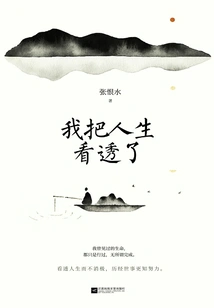
I've Seen Life Through
Literature我把人生看透了
Zhang Henshui
Zhang Henshui has written tens of millions of words in his life, including novels, essays, poems, current reviews, and news. He is a journalist himself, and he has traveled all over China and has experienced a wide range of experiences. Therefore, his perception of life is both rich, broad, and thorough. When it comes to doing things, he said - if you have a clear vision and determination, then just go ahead and do it. Regarding setbacks, he said - it is not shameful to be in trouble by chance in life. Regarding friends, he said - friends use each other, to put it nicely, it is mutual help, to put it badly, it is to do business. Regarding hard work, he said - I know that what I have learned is not enough. I need to read more, watch more and run more. Regarding work, he said - while working, one also learns. Everything in the world is like this. He kept writing all his life, and was diligent and tireless towards his friends, family, and career. Seeing through life without being negative, and knowing how to work hard after experiencing the world, is Zhang Henshui's attitude towards life.
Zhang Henshui has written tens of millions of words in his life, including novels, essays, poems, current reviews, and news. He is a journalist himself, and he has traveled all over China and has experienced a wide range of experiences. Therefore, his perception of life is both rich, broad, and thorough. When it comes to doing things, he said - if you have a clear vision and determination, then just go ahead and do it. Regarding setbacks, he said - it is not shameful to be in trouble by chance in life. Regarding friends, he said - friends use each other, to put it nicely, it is mutual help, to put it badly, it is to do business. Regarding hard work, he said - I know that what I have learned is not enough. I need to read more, watch more and run more. Regarding work, he said - while working, one also learns. Everything in the world is like this. He kept writing all his life, and was diligent and tireless towards his friends, family, and career. Seeing through life without being negative, and knowing how to work hard after experiencing the world, is Zhang Henshui's attitude towards life.
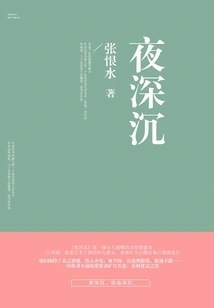
夜深沉(三友书社版)
Zhang Henshui
One of Zhang Henshui's best novels. It tells the story of an orphan girl who learned opera and went through many hardships to become a famous actor. In the end, because of his young age and lack of knowledge, he was led into a misstep. He tried his best to expose the evils of prostitution, gambling, eating, drinking and entertainment at all levels of society. The erotic stories about love, anger, greed, and pleasure between men and women are particularly delicate in their writing. The writing and sentiment are intertwined, the plot is extremely intense and lively, and the characters are all colorful. Guohua Film Company has made a movie based on the contents of this book, which shows its wonderfulness.
One of Zhang Henshui's best novels. It tells the story of an orphan girl who learned opera and went through many hardships to become a famous actor. In the end, because of his young age and lack of knowledge, he was led into a misstep. He tried his best to expose the evils of prostitution, gambling, eating, drinking and entertainment at all levels of society. The erotic stories about love, anger, greed, and pleasure between men and women are particularly delicate in their writing. The writing and sentiment are intertwined, the plot is extremely intense and lively, and the characters are all colorful. Guohua Film Company has made a movie based on the contents of this book, which shows its wonderfulness.
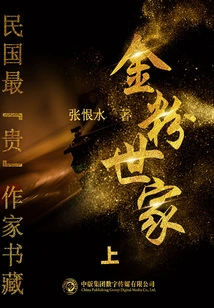
The Jinfen Family: Part 1 (the Collection of Books by the Most "expensive" Writers in the Republic of China)
General Fiction金粉世家:上(民国最“贵”作家书藏)
Zhang Henshui
"The Golden Fen Family" is a novel written by the modern novelist Zhang Henshui. The novel is based on the feudal family of Beiyang warlord Jin Quan, Prime Minister, and takes the marriage between Jin Quan's son Jin Yanxi and the commoner woman Leng Qingqiu from love, marriage to estrangement and divorce as the main line. It reveals the empty, degenerate spiritual world and declining and decadent life of the feudal bureaucrats and their wives and children, and describes a living history of the rise and fall of the wealthy aristocrats. The novel has 112 chapters. This book is the first volume, with a total of 36 chapters.
"The Golden Fen Family" is a novel written by the modern novelist Zhang Henshui. The novel is based on the feudal family of Beiyang warlord Jin Quan, Prime Minister, and takes the marriage between Jin Quan's son Jin Yanxi and the commoner woman Leng Qingqiu from love, marriage to estrangement and divorce as the main line. It reveals the empty, degenerate spiritual world and declining and decadent life of the feudal bureaucrats and their wives and children, and describes a living history of the rise and fall of the wealthy aristocrats. The novel has 112 chapters. This book is the first volume, with a total of 36 chapters.
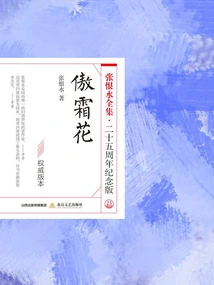
傲霜花(张恨水全集·25周年纪念版)
Zhang Henshui
This book is set in Chongqing during the Anti-Japanese War and describes the difficult life in the education sector during the Anti-Japanese War. The professors in the cultural village had different choices and fates in the midst of hardships: Tang Zian continued to live a poor life as a teacher, Tan Boping passed away quietly amidst the struggle of illness and loneliness, Su Banyun Qingyun became an official, Professor Liang and Hong Andong gave up their writing and went into business, and Hua Aoshuang married entrepreneur Xia Shanqing after a pursuit of love.
This book is set in Chongqing during the Anti-Japanese War and describes the difficult life in the education sector during the Anti-Japanese War. The professors in the cultural village had different choices and fates in the midst of hardships: Tang Zian continued to live a poor life as a teacher, Tan Boping passed away quietly amidst the struggle of illness and loneliness, Su Banyun Qingyun became an official, Professor Liang and Hong Andong gave up their writing and went into business, and Hua Aoshuang married entrepreneur Xia Shanqing after a pursuit of love.
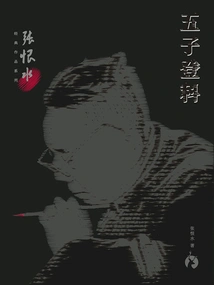
张恨水经典作品系列:五子登科
Zhang Henshui
"Five Sons Enrolled in the Imperial College" was serialized in the "Illustrated Magazine" of Peking's "Xinmin Daily" on August 17, 1947. The author did not finish the book due to illness and continued the book in 1956. The novel describes how after Japan surrendered, officials were sent to Peking, where they engaged in corruption, fraud, and lived a life of debauchery. The secret behind the "robbing" of "five sons admitted to the imperial examination" was revealed. The so-called "five sons" are: gold, women, cars, houses, and restaurants.
"Five Sons Enrolled in the Imperial College" was serialized in the "Illustrated Magazine" of Peking's "Xinmin Daily" on August 17, 1947. The author did not finish the book due to illness and continued the book in 1956. The novel describes how after Japan surrendered, officials were sent to Peking, where they engaged in corruption, fraud, and lived a life of debauchery. The secret behind the "robbing" of "five sons admitted to the imperial examination" was revealed. The so-called "five sons" are: gold, women, cars, houses, and restaurants.
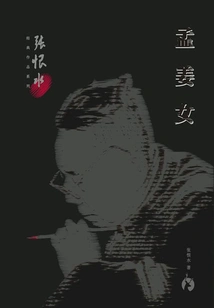
Meng Jiangnu
General Fiction孟姜女
Zhang Henshui
This book is adapted from a traditional folk tale: Meng Jiangnu. It was created by Mr. Zhang Henshui after the founding of the People's Republic of China.
This book is adapted from a traditional folk tale: Meng Jiangnu. It was created by Mr. Zhang Henshui after the founding of the People's Republic of China.
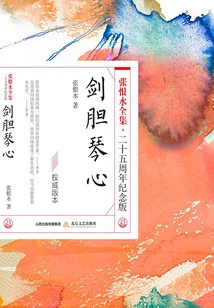
Sword Dangers and Qin Hearts (the Complete Works of Zhang Henshui·25th Anniversary Edition)
Literature剑胆琴心(张恨水全集·25周年纪念版)
Zhang Henshui
This novel is based on the current situation after the Taiping Heavenly Kingdom. It describes the experiences of several protagonists who have made great achievements in the Taiping Army and possess special skills. They performed chivalrous acts and fought against injustice in the arena. The whole book is divided into three climaxes: the heroes come to rescue, the story of gangs, the history of Han Tingfu and others, but the legend of the knights, and the suppression of bandits by Zhang Sangong, full of military tactics and ingenuity. The whole book features Chai Jing as a guest character. The plot clues are complex and intertwined, creating suspense and gripping. "Sword, Dan, Qin and Heart" has no strange powers or chaotic gods, no fantasy heroes, but only skills. It is this simple and natural way of writing that achieves the realm of "plain and close to nature".
This novel is based on the current situation after the Taiping Heavenly Kingdom. It describes the experiences of several protagonists who have made great achievements in the Taiping Army and possess special skills. They performed chivalrous acts and fought against injustice in the arena. The whole book is divided into three climaxes: the heroes come to rescue, the story of gangs, the history of Han Tingfu and others, but the legend of the knights, and the suppression of bandits by Zhang Sangong, full of military tactics and ingenuity. The whole book features Chai Jing as a guest character. The plot clues are complex and intertwined, creating suspense and gripping. "Sword, Dan, Qin and Heart" has no strange powers or chaotic gods, no fantasy heroes, but only skills. It is this simple and natural way of writing that achieves the realm of "plain and close to nature".
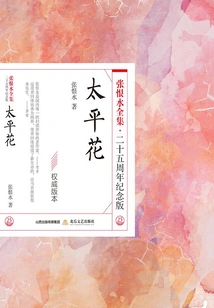
太平花(张恨水全集·25周年纪念版)
Zhang Henshui
This book writes about what he saw and felt when newspaper reporter Li Shoubai went to the "front line" for interviews during the warlord era. Of course, there is also the emotional entanglement between himself and the woman nicknamed "Peace Flower" Han Xiaomei and the privet girl in the restaurant. Both women were interested in him, but he was undecided about which one to choose. In the end, both relationships ended in vain.
This book writes about what he saw and felt when newspaper reporter Li Shoubai went to the "front line" for interviews during the warlord era. Of course, there is also the emotional entanglement between himself and the woman nicknamed "Peace Flower" Han Xiaomei and the privet girl in the restaurant. Both women were interested in him, but he was undecided about which one to choose. In the end, both relationships ended in vain.
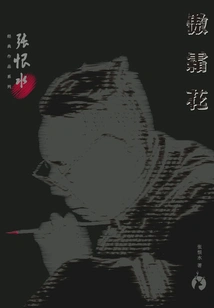
Zhang Henshui's Classic Work Series: Aoshuanghua
General Fiction张恨水经典作品系列:傲霜花
Zhang Henshui
The novel is set in Chongqing during the Anti-Japanese War and describes the difficult life in the education sector during the Anti-Japanese War. The professors in the cultural village had different choices and fates in the midst of hardships: Tang Zian continued to live a poor life as a teacher, Tan Boping passed away quietly amidst the struggle of illness and loneliness, Su Banyun Qingyun became an official, Professor Liang and Hong Andong gave up their writing and went into business, and Hua Aoshuang married entrepreneur Xia Shanqing after a pursuit of love.
The novel is set in Chongqing during the Anti-Japanese War and describes the difficult life in the education sector during the Anti-Japanese War. The professors in the cultural village had different choices and fates in the midst of hardships: Tang Zian continued to live a poor life as a teacher, Tan Boping passed away quietly amidst the struggle of illness and loneliness, Su Banyun Qingyun became an official, Professor Liang and Hong Andong gave up their writing and went into business, and Hua Aoshuang married entrepreneur Xia Shanqing after a pursuit of love.
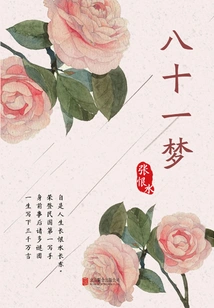
Youjian Library: Eighty-one Dreams
General Fiction有间文库:八十一梦
Zhang Henshui
After the Nanjing Massacre, Zhang Henshui submitted a request to the government to fight guerrillas in the mountains. After getting no results, he put his strong patriotic fervor and loneliness on paper and created a large number of realistic and spiritual works. "Eighty-One Dreams" is one of the outstanding works. It is a social satire novel completed by Zhang Henshui in 1943. In fact, he wrote a total of fourteen dreams. He used the technique of "Nineteen fables, entrusted to dreams" to make a unique observation of all the ugly phenomena in the rear during the national crisis, and severely criticized the corruption in power and the ugly national character without mercy. The novel is written in a smooth and smooth way, full of strange and mysterious suspense, and has the meaning of "condemning novels". The literary world praised the book as a "wonderful book".
After the Nanjing Massacre, Zhang Henshui submitted a request to the government to fight guerrillas in the mountains. After getting no results, he put his strong patriotic fervor and loneliness on paper and created a large number of realistic and spiritual works. "Eighty-One Dreams" is one of the outstanding works. It is a social satire novel completed by Zhang Henshui in 1943. In fact, he wrote a total of fourteen dreams. He used the technique of "Nineteen fables, entrusted to dreams" to make a unique observation of all the ugly phenomena in the rear during the national crisis, and severely criticized the corruption in power and the ugly national character without mercy. The novel is written in a smooth and smooth way, full of strange and mysterious suspense, and has the meaning of "condemning novels". The literary world praised the book as a "wonderful book".
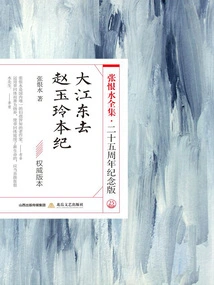
大江东去·赵玉玲本纪(张恨水全集·25周年纪念版)
Zhang Henshui
The novel "The Great River Goes East" describes a young soldier whose wife left him and his family was destroyed due to the war. The book also vividly describes the bloody atrocities of the battle to defend China Gate and the massacre of civilians in Nanjing by the Japanese army; it provides a vivid record of the bloodthirsty crimes of the invaders. "River East" may be the earliest literary and artistic work to reflect the Nanjing Massacre. "The Chronicles of Zhao Yuling" mainly tells the story of Zhao Yuling, Fengba's grandmother. On an early autumn night, journalist Liu Boxun and poet Chen Zihe were walking outside the Forbidden City Park and discovered Zhao Yuling, the eighth grandma of General Feng's family, in ragged clothes and disheveled hair. In the fifth year of the Republic of China, General Feng arrived in Tianjin with his family. Among them was the son of his wife, known as Feng Baye. Feng Baye's wife is mediocre in appearance. Baye met and fell in love with the famous Kun Ling Zhao Yuling under the introduction of his adjutant. From then on, Zhao Yuling began a life of reveling in life and life, with ups and downs as a young mistress.
The novel "The Great River Goes East" describes a young soldier whose wife left him and his family was destroyed due to the war. The book also vividly describes the bloody atrocities of the battle to defend China Gate and the massacre of civilians in Nanjing by the Japanese army; it provides a vivid record of the bloodthirsty crimes of the invaders. "River East" may be the earliest literary and artistic work to reflect the Nanjing Massacre. "The Chronicles of Zhao Yuling" mainly tells the story of Zhao Yuling, Fengba's grandmother. On an early autumn night, journalist Liu Boxun and poet Chen Zihe were walking outside the Forbidden City Park and discovered Zhao Yuling, the eighth grandma of General Feng's family, in ragged clothes and disheveled hair. In the fifth year of the Republic of China, General Feng arrived in Tianjin with his family. Among them was the son of his wife, known as Feng Baye. Feng Baye's wife is mediocre in appearance. Baye met and fell in love with the famous Kun Ling Zhao Yuling under the introduction of his adjutant. From then on, Zhao Yuling began a life of reveling in life and life, with ups and downs as a young mistress.
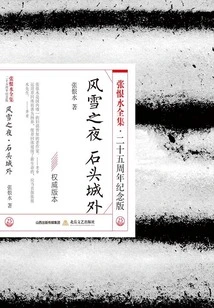
Snowy Night·outside Stone City (the Complete Works of Zhang Henshui·25th Anniversary Edition)
Literature风雪之夜·石头城外(张恨水全集·25周年纪念版)
Zhang Henshui
"Snowy Night" tells a series of stories about the general's five sons and their mother's difficulties in life after the decline of their family. In the winter in Peiping, the declining Deng family lived in a rented courtyard house, and the weather was cold and the family had no food. After experiencing all kinds of ravages and looks from life and the world, the five sons worked together and worked hard. "Beyond Stone City" Jin Danran is a small civil servant. Because he felt the sweltering heat in the city and was laid off, his family moved to the countryside. He met the girl Ju Xiang in the countryside, and his wife Suying was wary and jealous of the two of them. Jin Danran deliberately distanced himself from Ju Xiang. Juxiang's father is a gambler and wants to sell Juxiang. Juxiang and her mother live in hiding in other villages. When Suying returned to the city for shopping, Jin Danran inspected the countryside. When he met Juxiang by chance, he came to his rescue and sent Juxiang to a work-study school. Later, because Suying was too bored in the country life, Jin Danran also had friends in the city and got a higher position. When Jin Danran went to the city again, he asked Juxiang to watch a movie together. After the movie, Suying appeared in the back row of the two of them. After all, they failed to go to the countryside, but they succeeded in bringing rural people to the city.
"Snowy Night" tells a series of stories about the general's five sons and their mother's difficulties in life after the decline of their family. In the winter in Peiping, the declining Deng family lived in a rented courtyard house, and the weather was cold and the family had no food. After experiencing all kinds of ravages and looks from life and the world, the five sons worked together and worked hard. "Beyond Stone City" Jin Danran is a small civil servant. Because he felt the sweltering heat in the city and was laid off, his family moved to the countryside. He met the girl Ju Xiang in the countryside, and his wife Suying was wary and jealous of the two of them. Jin Danran deliberately distanced himself from Ju Xiang. Juxiang's father is a gambler and wants to sell Juxiang. Juxiang and her mother live in hiding in other villages. When Suying returned to the city for shopping, Jin Danran inspected the countryside. When he met Juxiang by chance, he came to his rescue and sent Juxiang to a work-study school. Later, because Suying was too bored in the country life, Jin Danran also had friends in the city and got a higher position. When Jin Danran went to the city again, he asked Juxiang to watch a movie together. After the movie, Suying appeared in the back row of the two of them. After all, they failed to go to the countryside, but they succeeded in bringing rural people to the city.
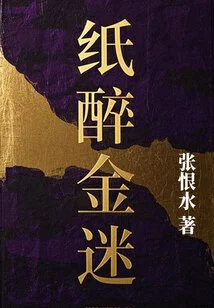
Lively and Luxurious
Literature纸醉金迷
Zhang Henshui
"Intoxication" is a novel written by Zhang Henshui. It is set in Chongqing on the eve of the victory of the Anti-Japanese War. It uses the marriage crisis of a young civil servant Wei Duanben and his wife Tian Peizhi as the main line. It depicts social chaos such as collusion between officials and businessmen, gold speculation, and the degradation of women, and reveals the reality of social moral decay and human alienation in the wartime rear areas. Zhang Henshui used a realistic approach to depict wartime beings, breaking through his romantic style. It is regarded as an important representative work of Zhang Henshui's literary creation transformation. Mao Dun once commented that he "uses popular writing methods to write about the troubled times".
"Intoxication" is a novel written by Zhang Henshui. It is set in Chongqing on the eve of the victory of the Anti-Japanese War. It uses the marriage crisis of a young civil servant Wei Duanben and his wife Tian Peizhi as the main line. It depicts social chaos such as collusion between officials and businessmen, gold speculation, and the degradation of women, and reveals the reality of social moral decay and human alienation in the wartime rear areas. Zhang Henshui used a realistic approach to depict wartime beings, breaking through his romantic style. It is regarded as an important representative work of Zhang Henshui's literary creation transformation. Mao Dun once commented that he "uses popular writing methods to write about the troubled times".
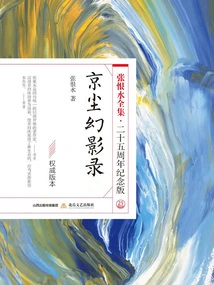
Beijing Chen Phantom Record (the Complete Works of Zhang Henshui·25th Anniversary Edition)
Literature京尘幻影录(张恨水全集·25周年纪念版)
Zhang Henshui
Brothels, literary prostitutes, government politicians, wealthy dignitaries, and the three religions and nine streams all merged into a chaotic society, and a huge shady curtain opened up - Li Fengji, a down-and-out scholar, was introduced to Beijing to seek a job. However, it is so difficult to find a job. I encounter obstacles everywhere and live without a stable life. In the turbulent life, he gradually discovered the secret to becoming an official and making a fortune, so he used despicable tricks to join the family of Tang Yan, a high-ranking official, and obtained an official position. Tang Yanlao suddenly suffered a political defeat, and the mob around him also fell into disarray.
Brothels, literary prostitutes, government politicians, wealthy dignitaries, and the three religions and nine streams all merged into a chaotic society, and a huge shady curtain opened up - Li Fengji, a down-and-out scholar, was introduced to Beijing to seek a job. However, it is so difficult to find a job. I encounter obstacles everywhere and live without a stable life. In the turbulent life, he gradually discovered the secret to becoming an official and making a fortune, so he used despicable tricks to join the family of Tang Yan, a high-ranking official, and obtained an official position. Tang Yanlao suddenly suffered a political defeat, and the mob around him also fell into disarray.
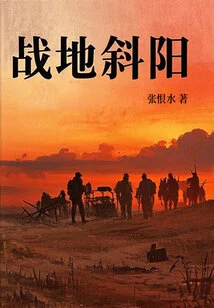
The Setting Sun on the Battlefield
General Fiction战地斜阳
Zhang Henshui
"The Sunset on the Battlefield" is a novel written by Zhang Henshui. It is set during the period of warlord chaos. Through the tragic fate of rural youths Zhou Shunqi and Yao Laowu who confusedly become soldiers and go to the battlefield, and eventually become cannon fodder, it reveals the ignorance, numbness and survival dilemma of the lower class people in the war. Zhang Henshui criticized the tyranny of warlord rule with sharp writing and satirized the ugly behavior of social speculators at the time, showing his deep reflection on social reality. It can be called a classic of Chinese war literature in the 20th century.
"The Sunset on the Battlefield" is a novel written by Zhang Henshui. It is set during the period of warlord chaos. Through the tragic fate of rural youths Zhou Shunqi and Yao Laowu who confusedly become soldiers and go to the battlefield, and eventually become cannon fodder, it reveals the ignorance, numbness and survival dilemma of the lower class people in the war. Zhang Henshui criticized the tyranny of warlord rule with sharp writing and satirized the ugly behavior of social speculators at the time, showing his deep reflection on social reality. It can be called a classic of Chinese war literature in the 20th century.
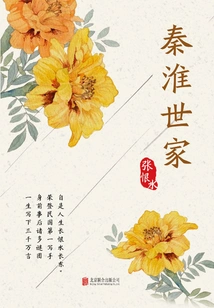
Youjian Library: Qinhuai Family
General Fiction有间文库:秦淮世家
Zhang Henshui
"The Qinhuai Family" describes the story of a singing girl named Mrs. Tang who lived by the Qinhuai River in Nanjing. She had two daughters, one was Erchun and the other was Xiaochun, both of whom were beautiful and lovely. Xiaochun has an outstanding singing voice and becomes a singer. She is very popular. Yang Yuquan, a Shanghai money merchant, took a liking to Xiaochun and molested her many times. After being rejected, he harbored a grudge. He kidnapped and raped Erchun in a poisonous plan, and then gave Erchun to his bodyguard Wei Laoba. Erchun waited for an opportunity to take revenge and finally killed Wei Laoba and injured Yang Yuquan. Unfortunately, he was also shot to death. Yang Yuquan intensified his efforts and exerted all his lustful force on Mrs. Tang and Xiaochun, forcing the mother and daughter to suffer unspeakably. The people of the lower class along the Qinhuai River were so angry that they united...
"The Qinhuai Family" describes the story of a singing girl named Mrs. Tang who lived by the Qinhuai River in Nanjing. She had two daughters, one was Erchun and the other was Xiaochun, both of whom were beautiful and lovely. Xiaochun has an outstanding singing voice and becomes a singer. She is very popular. Yang Yuquan, a Shanghai money merchant, took a liking to Xiaochun and molested her many times. After being rejected, he harbored a grudge. He kidnapped and raped Erchun in a poisonous plan, and then gave Erchun to his bodyguard Wei Laoba. Erchun waited for an opportunity to take revenge and finally killed Wei Laoba and injured Yang Yuquan. Unfortunately, he was also shot to death. Yang Yuquan intensified his efforts and exerted all his lustful force on Mrs. Tang and Xiaochun, forcing the mother and daughter to suffer unspeakably. The people of the lower class along the Qinhuai River were so angry that they united...
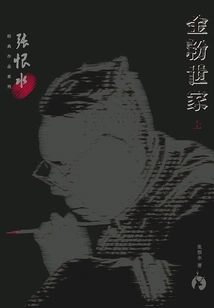
张恨水经典作品系列:金粉世家(上)
Zhang Henshui
The novel is based on the feudal family of Beiyang warlord Jin Quan, Prime Minister, and takes the marriage between Jin Quan's son Jin Yanxi and the commoner woman Leng Qingqiu from love, marriage to estrangement and divorce as the main line. It reveals the empty, degenerate spiritual world and declining and decadent life of the feudal bureaucrats and their wives and children, and describes a living history of the rise and fall of the wealthy aristocrats.
The novel is based on the feudal family of Beiyang warlord Jin Quan, Prime Minister, and takes the marriage between Jin Quan's son Jin Yanxi and the commoner woman Leng Qingqiu from love, marriage to estrangement and divorce as the main line. It reveals the empty, degenerate spiritual world and declining and decadent life of the feudal bureaucrats and their wives and children, and describes a living history of the rise and fall of the wealthy aristocrats.
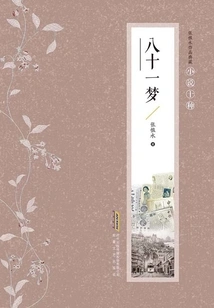
张恨水作品典藏·小说十种:八十一梦
Zhang Henshui
This book is part of the collection of Zhang Henshui's works, and is his representative work during the Anti-Japanese War. The book draws on the writing style of modern condemnation novels, and uses the form of dreams to structure the novel. Each dream forms its own chapter, focusing on satirizing a certain aspect of society. With the help of the absurdity of form, it integrates falsehood and reality, and because of the freedom of form, it expands the social capacity of the novel and makes the novel's attack on current ills more profound.
This book is part of the collection of Zhang Henshui's works, and is his representative work during the Anti-Japanese War. The book draws on the writing style of modern condemnation novels, and uses the form of dreams to structure the novel. Each dream forms its own chapter, focusing on satirizing a certain aspect of society. With the help of the absurdity of form, it integrates falsehood and reality, and because of the freedom of form, it expands the social capacity of the novel and makes the novel's attack on current ills more profound.
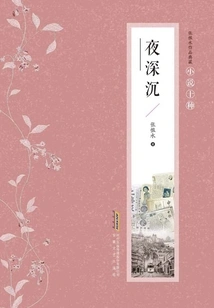
张恨水作品典藏·小说十种:夜深沉
Zhang Henshui
This book is a collection of Zhang Henshui's works and is one of Zhang Henshui's best novels. The novel describes the emotional entanglement between the coachman Ding Erhe and the singing queen Yuerong. The plot is twists and turns and exciting, and the psychological portrayal of the hero and heroine is particularly delicate. "Deep Night" was originally the title of a piece of "Yu Ji Dances with the Sword" in the opera "Farewell My Concubine". Zhang Henshui ingeniously integrated this erhu music throughout the novel, becoming a link between the joys and sorrows of the male and female protagonists and a clue to the development of the plot. Not only do most of the scenes in the novel take place in the deep night, but the tone of the novel is dark, cold and desolate. "Deep Night" symbolizes the tragic fate of Ding Erhe and Wang Yuerong, revealing the cold darkness of society.
This book is a collection of Zhang Henshui's works and is one of Zhang Henshui's best novels. The novel describes the emotional entanglement between the coachman Ding Erhe and the singing queen Yuerong. The plot is twists and turns and exciting, and the psychological portrayal of the hero and heroine is particularly delicate. "Deep Night" was originally the title of a piece of "Yu Ji Dances with the Sword" in the opera "Farewell My Concubine". Zhang Henshui ingeniously integrated this erhu music throughout the novel, becoming a link between the joys and sorrows of the male and female protagonists and a clue to the development of the plot. Not only do most of the scenes in the novel take place in the deep night, but the tone of the novel is dark, cold and desolate. "Deep Night" symbolizes the tragic fate of Ding Erhe and Wang Yuerong, revealing the cold darkness of society.
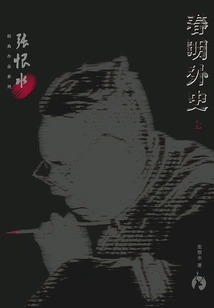
张恨水经典作品系列:春明外史(上)
Zhang Henshui
The protagonist Yang Xingyuan lives in Peking and makes a living by selling articles and editing newspapers. He falls in love with Liyun, a young brothel prostitute, at first sight. Unfortunately, Liyun died of illness. Later, Yang Xingyuan met Li Dongqing, a down-and-out talented girl, and they exchanged poems and poems, and their relationship became deeper and deeper. However, Li Dongqing finally left Peiping sadly because of a hidden illness that prevented her from getting married. Yang Xingyuan also died due to depression. The novel uses the love story of newspaper reporter Yang Xingyuan, prostitute Liyun, and female poet Li Dongqing as the running thread. It has a grand background and a calm narrative. Wealthy houses, brothels, theaters, apartments, clubs, schools, high-end hotels, clubs, temples, scenic spots, three religions and nine streams are all included, from presidents and prime ministers to prostitutes, actors, and all kinds of famous people. The book is divided into three volumes: upper, middle and lower. This is the first volume. The exciting contents include: A glimpse of a pair of birds that are neither chickens nor ducks in the water, a startling glimpse of a hairpin, doubtful rain and doubtful clouds; phantoms dancing in the hall, flowing flowers and thanking the sea of love; and so on.
The protagonist Yang Xingyuan lives in Peking and makes a living by selling articles and editing newspapers. He falls in love with Liyun, a young brothel prostitute, at first sight. Unfortunately, Liyun died of illness. Later, Yang Xingyuan met Li Dongqing, a down-and-out talented girl, and they exchanged poems and poems, and their relationship became deeper and deeper. However, Li Dongqing finally left Peiping sadly because of a hidden illness that prevented her from getting married. Yang Xingyuan also died due to depression. The novel uses the love story of newspaper reporter Yang Xingyuan, prostitute Liyun, and female poet Li Dongqing as the running thread. It has a grand background and a calm narrative. Wealthy houses, brothels, theaters, apartments, clubs, schools, high-end hotels, clubs, temples, scenic spots, three religions and nine streams are all included, from presidents and prime ministers to prostitutes, actors, and all kinds of famous people. The book is divided into three volumes: upper, middle and lower. This is the first volume. The exciting contents include: A glimpse of a pair of birds that are neither chickens nor ducks in the water, a startling glimpse of a hairpin, doubtful rain and doubtful clouds; phantoms dancing in the hall, flowing flowers and thanking the sea of love; and so on.
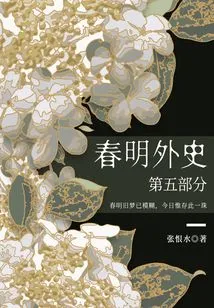
春明外史·第五部分(张恨水经典爱情故事)
Zhang Henshui
"Chunming Foreign History" takes the love story of newspaper reporter Yang Xingyuan, prostitute Liyun, and poetess Li Dongqing as the running thread. The background is grand and the narrative is calm, including wealthy families, brothels, theaters, apartments, guild halls, schools, high-end hotels, clubs, temples, scenic spots, three religions and nine streams, including the president, prime minister, prostitutes, actors, and all kinds of famous people. "Chunming Foreign History" is a picture of Beijing customs in the 1920s. It can be called a classic and still has immortal artistic charm when read today. Zhang Henshui (May 18, 1895 - February 15, 1967), whose original name was Xinyuan, Henshui was his pen name, which was taken from the poem "Meeting Happily" written by Li Yu in the Southern Tang Dynasty, which means "I will grow up in life and hate the water in the east". Zhang Henshui is a famous chapter novelist and a representative writer of the Mandarin Duck and Butterfly School. He is honored as the "master of chapter novels" and the first "master of popular literature" in the history of contemporary literature. The plot of the work is tortuous and complex, and the structure is rigorous and complete. It integrates traditional Chinese chapter novels with new techniques in Western novels. He is also famous for his prolific output. In his fifty-year writing career, he created more than 100 popular novels, most of which are medium and long chapter novels with a total of 30 million words, which can be regarded as a book in his lifetime.
"Chunming Foreign History" takes the love story of newspaper reporter Yang Xingyuan, prostitute Liyun, and poetess Li Dongqing as the running thread. The background is grand and the narrative is calm, including wealthy families, brothels, theaters, apartments, guild halls, schools, high-end hotels, clubs, temples, scenic spots, three religions and nine streams, including the president, prime minister, prostitutes, actors, and all kinds of famous people. "Chunming Foreign History" is a picture of Beijing customs in the 1920s. It can be called a classic and still has immortal artistic charm when read today. Zhang Henshui (May 18, 1895 - February 15, 1967), whose original name was Xinyuan, Henshui was his pen name, which was taken from the poem "Meeting Happily" written by Li Yu in the Southern Tang Dynasty, which means "I will grow up in life and hate the water in the east". Zhang Henshui is a famous chapter novelist and a representative writer of the Mandarin Duck and Butterfly School. He is honored as the "master of chapter novels" and the first "master of popular literature" in the history of contemporary literature. The plot of the work is tortuous and complex, and the structure is rigorous and complete. It integrates traditional Chinese chapter novels with new techniques in Western novels. He is also famous for his prolific output. In his fifty-year writing career, he created more than 100 popular novels, most of which are medium and long chapter novels with a total of 30 million words, which can be regarded as a book in his lifetime.