Library
Browse and search books
119 novels found
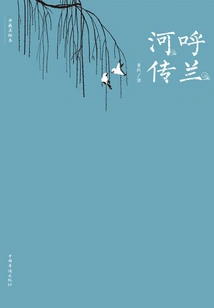
The Legend of Hulan River
General Fiction呼兰河传
Xiao Hong
"The Story of Hulan River" was written in the 1940s of the last century by the female writer Xiao Hong. This book describes the customs and customs of Hulan, a small town in Northeast China in the 1930s and 1940s, and truly and vividly reproduces the ordinary, humble, and backward living conditions and the muddled, mediocre, and ignorant mental state of the local people. The author looks at all this from a child's perspective, one by one.
"The Story of Hulan River" was written in the 1940s of the last century by the female writer Xiao Hong. This book describes the customs and customs of Hulan, a small town in Northeast China in the 1930s and 1940s, and truly and vividly reproduces the ordinary, humble, and backward living conditions and the muddled, mediocre, and ignorant mental state of the local people. The author looks at all this from a child's perspective, one by one.
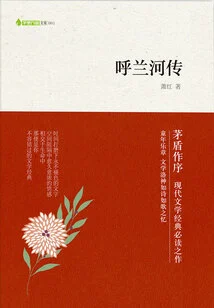
The Legend of Hulan River
General Fiction呼兰河传
Xiao Hong
It is an important work in Xiao Hong's life and a representative of modern Chinese novels and prose. Written in Hong Kong in 1940. Mao Dun spoke very highly of this book. He said: ""The Story of Hulan River" is not like a novel in the strict sense, but it is different, and there is something else, something more attractive than a novel. It is a narrative poem, a colorful folk painting, and a string of sad ballads."
It is an important work in Xiao Hong's life and a representative of modern Chinese novels and prose. Written in Hong Kong in 1940. Mao Dun spoke very highly of this book. He said: ""The Story of Hulan River" is not like a novel in the strict sense, but it is different, and there is something else, something more attractive than a novel. It is a narrative poem, a colorful folk painting, and a string of sad ballads."
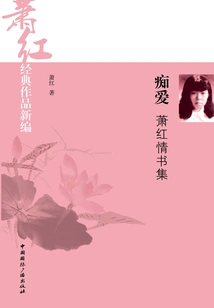
痴爱:萧红情书集
Xiao Hong
This book contains 42 letters written by Xiao Hong to Xiao Jun. Among them, 35 were sent by Xiao Hong to Xiao Jun from Tokyo, Japan, back to Shanghai and Qingdao between 1936 and 1937, and 7 were sent to Xiao Jun from Beijing to Shanghai after she returned to China. It records the past mentality of female writers Xiao Hong and Xiao Jun in the 1930s and their recollections of historical events. In addition, 11 letters from Xiao Hong to Huang Yuan, Gao Yuan, Hu Feng, Xu Guangping, Bai Lang and Huagang are included.
This book contains 42 letters written by Xiao Hong to Xiao Jun. Among them, 35 were sent by Xiao Hong to Xiao Jun from Tokyo, Japan, back to Shanghai and Qingdao between 1936 and 1937, and 7 were sent to Xiao Jun from Beijing to Shanghai after she returned to China. It records the past mentality of female writers Xiao Hong and Xiao Jun in the 1930s and their recollections of historical events. In addition, 11 letters from Xiao Hong to Huang Yuan, Gao Yuan, Hu Feng, Xu Guangping, Bai Lang and Huagang are included.
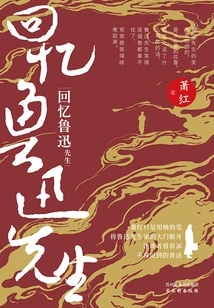
Reminiscing About Mr. Lu Xun
Literature回忆鲁迅先生
Xiao Hong
"Remembering Mr. Lu Xun" is a representative of Xiao Hong's prose. It was first published in Chongqing Women's Life Society in July 1940 and signed by Xiao Hong. In addition to the famous prose article of the same name written by Xiao Hong, the book also contains two articles "Lu Xun's Life" by Xu Shouchang and "Lu Xun and the Youth" by Xu Guangping. Xiao Hong just used her pen to open the door of Mr. Lu Xun's house, allowing readers to see the rarely seen aspects of Lu Xun's home life; his family, home furnishings, and Lu Xun's personal character traits and quirks. In this publication, in addition to editing and proofreading the original version based on the 1946 edition of Life Bookstore, the editor has added many works by Xiao Hong on Lu Xun, covering prose, poetry, drama and other literary genres, allowing readers to get a glimpse of the friendship between the two great Chinese writers of the 20th century through Xiao Hong's words.
"Remembering Mr. Lu Xun" is a representative of Xiao Hong's prose. It was first published in Chongqing Women's Life Society in July 1940 and signed by Xiao Hong. In addition to the famous prose article of the same name written by Xiao Hong, the book also contains two articles "Lu Xun's Life" by Xu Shouchang and "Lu Xun and the Youth" by Xu Guangping. Xiao Hong just used her pen to open the door of Mr. Lu Xun's house, allowing readers to see the rarely seen aspects of Lu Xun's home life; his family, home furnishings, and Lu Xun's personal character traits and quirks. In this publication, in addition to editing and proofreading the original version based on the 1946 edition of Life Bookstore, the editor has added many works by Xiao Hong on Lu Xun, covering prose, poetry, drama and other literary genres, allowing readers to get a glimpse of the friendship between the two great Chinese writers of the 20th century through Xiao Hong's words.
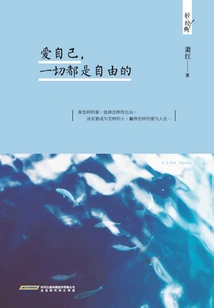
Love Yourself and Everything is Free
Literature爱自己,一切都是自由的
Xiao Hong
"Love Yourself, Everything is Free" contains the fine prose that best reflects Xiao Hong's writing talent, from which you can feel the short but wonderful life course of this female writer. Her heart is full of love and warmth, she has a persistent pursuit of life, and works hard for her dreams and youth. Her experience allows us to see that if there is anything in this world that is not crushed by reality without surrendering, then it is to have a free heart. Everyone has their own golden age, just because everyone has the heart of freedom.
"Love Yourself, Everything is Free" contains the fine prose that best reflects Xiao Hong's writing talent, from which you can feel the short but wonderful life course of this female writer. Her heart is full of love and warmth, she has a persistent pursuit of life, and works hard for her dreams and youth. Her experience allows us to see that if there is anything in this world that is not crushed by reality without surrendering, then it is to have a free heart. Everyone has their own golden age, just because everyone has the heart of freedom.
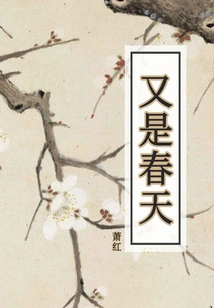
It's Spring Again
Literature又是春天
Xiao Hong
"It's Spring Again - Xiao Hong's Prose" is a collection of essays by the famous modern female writer Xiao Hong. It contains a total of 80 essays with about 200,000 words. The first volume includes her famous collection of essays "Shangshi Street", which is mainly based on the extremely difficult life she spent with Xiao Jun in Harbin. Hunger and cold plagued the young couple, who were often in an embarrassing state of having no way to borrow money and going in and out of pawn shops. As I read it, I am still shocked by the plight of individuals in the context of difficult times. The second volume includes Xiao Hong's autobiographical essays, which reveal Xiao Hong's life experience and emotions, her lonely childhood, her grandfather who made her feel love and happiness, her letters with Xiao Jun, and her memory of Mr. Lu Xun. This essay reveals Xiao Hong's most genuine emotions. The third volume contains essays that more directly reflect the social reality at that time. Several of the essays about people, such as "Lin Xiaoer", are written in a delicate style and have the style of a novel, while "The Arsonist" and "Chang'an Temple" directly write about the bombing of China by the Japanese invaders.
"It's Spring Again - Xiao Hong's Prose" is a collection of essays by the famous modern female writer Xiao Hong. It contains a total of 80 essays with about 200,000 words. The first volume includes her famous collection of essays "Shangshi Street", which is mainly based on the extremely difficult life she spent with Xiao Jun in Harbin. Hunger and cold plagued the young couple, who were often in an embarrassing state of having no way to borrow money and going in and out of pawn shops. As I read it, I am still shocked by the plight of individuals in the context of difficult times. The second volume includes Xiao Hong's autobiographical essays, which reveal Xiao Hong's life experience and emotions, her lonely childhood, her grandfather who made her feel love and happiness, her letters with Xiao Jun, and her memory of Mr. Lu Xun. This essay reveals Xiao Hong's most genuine emotions. The third volume contains essays that more directly reflect the social reality at that time. Several of the essays about people, such as "Lin Xiaoer", are written in a delicate style and have the style of a novel, while "The Arsonist" and "Chang'an Temple" directly write about the bombing of China by the Japanese invaders.
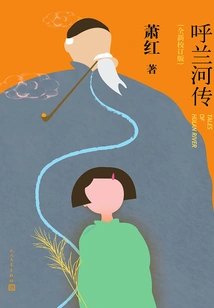
呼兰河传(全新校订版)
Xiao Hong
"The Story of Hulan River" is one of Xiao Hong's most famous works, completed in Hong Kong in 1940. This work is based on Xiao Hong's hometown and childhood life, and has a unique artistic form. Xiao Hong's skillful recall skills, lyrical prose style, and heavy yet light writing style have created the pinnacle of her "memory" style. This reprint is based on the first edition of the Shanghai Magazine Company in 1941, and has been revised with reference to several other editions. Also attached are several other masterpieces by Xiao Hong, "Eternal Longing and Pursuit", "March in a Small Town", etc. Through these works, readers can basically appreciate the essence of Xiao Hong's creation.
"The Story of Hulan River" is one of Xiao Hong's most famous works, completed in Hong Kong in 1940. This work is based on Xiao Hong's hometown and childhood life, and has a unique artistic form. Xiao Hong's skillful recall skills, lyrical prose style, and heavy yet light writing style have created the pinnacle of her "memory" style. This reprint is based on the first edition of the Shanghai Magazine Company in 1941, and has been revised with reference to several other editions. Also attached are several other masterpieces by Xiao Hong, "Eternal Longing and Pursuit", "March in a Small Town", etc. Through these works, readers can basically appreciate the essence of Xiao Hong's creation.
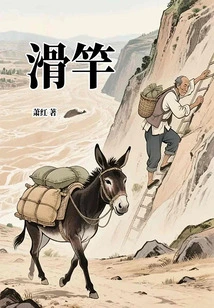
滑竿(名家文学经典)
Xiao Hong
"Sliding Gun" is a very interesting text. It uses the image of donkeys on the Yellow River and bearers of sedan chairs in Sichuan to outline the survival picture of the lower class people during the Anti-Japanese War. The donkeys of the Yellow River trekked through the wilderness carrying military provisions, and the bearers of Sichuan sedan chairs climbed the steep mountain roads with heavy loads. Both of them carried the weight of the times with their rickety bodies. The author shows his simple patriotic feelings through dialogue with the bearers. This collection also includes several excellent texts such as "Untitled", "Completion of a Railway", "Letter", "Skeleton and Soul", etc., All of which demonstrate the spiritual core of patriotism, love for family and loved ones, and national awakening.
"Sliding Gun" is a very interesting text. It uses the image of donkeys on the Yellow River and bearers of sedan chairs in Sichuan to outline the survival picture of the lower class people during the Anti-Japanese War. The donkeys of the Yellow River trekked through the wilderness carrying military provisions, and the bearers of Sichuan sedan chairs climbed the steep mountain roads with heavy loads. Both of them carried the weight of the times with their rickety bodies. The author shows his simple patriotic feelings through dialogue with the bearers. This collection also includes several excellent texts such as "Untitled", "Completion of a Railway", "Letter", "Skeleton and Soul", etc., All of which demonstrate the spiritual core of patriotism, love for family and loved ones, and national awakening.
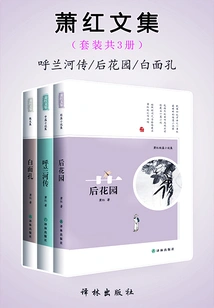
萧红文集:呼兰河传+后花园+白面孔(套装共3册)
Xiao Hong
This set includes: "The Legend of Hulan River" contains two novels by Xiao Hong. "The Field of Life and Death" is a classic novel by Xiao Hong. It describes the grudges and grudges that happened in a remote village near Harbin before and after the September 18th Incident, as well as the story of the villagers' resistance to Japan. The lines describe the Chinese people's tenacity in life and struggle in death. "The Story of Hulan River" is his autobiographical novel, which reproduces the life in the northeastern countryside during his childhood in a candid and delicate style. "White Face" is a collection of Xiao Hong's prose. "Back Garden" collects Xiao Hong's short stories, including her first novel "Abandoned Child" and her last novel "March in a Small Town". Most of the subjects in the book are disadvantaged characters, describing their love, telling their struggles, or describing the numbness in ordinary life... The themes are wide-ranging and the themes are diverse. They are arranged according to the time of creation, comprehensively demonstrating Xiao Hong's pioneering attempts in literature.
This set includes: "The Legend of Hulan River" contains two novels by Xiao Hong. "The Field of Life and Death" is a classic novel by Xiao Hong. It describes the grudges and grudges that happened in a remote village near Harbin before and after the September 18th Incident, as well as the story of the villagers' resistance to Japan. The lines describe the Chinese people's tenacity in life and struggle in death. "The Story of Hulan River" is his autobiographical novel, which reproduces the life in the northeastern countryside during his childhood in a candid and delicate style. "White Face" is a collection of Xiao Hong's prose. "Back Garden" collects Xiao Hong's short stories, including her first novel "Abandoned Child" and her last novel "March in a Small Town". Most of the subjects in the book are disadvantaged characters, describing their love, telling their struggles, or describing the numbness in ordinary life... The themes are wide-ranging and the themes are diverse. They are arranged according to the time of creation, comprehensively demonstrating Xiao Hong's pioneering attempts in literature.
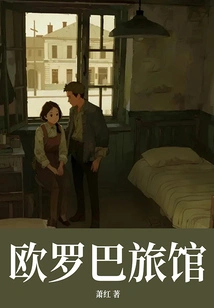
Hotel Europa
Literature欧罗巴旅馆
Xiao Hong
"Europa Hotel" uses its unique writing style to depict the bottom life of Harbin in Northeast China during the occupation period. What happened to the poor couple Xiao Hong and Xiao Jun in the hotel was sigh-inducing. From the initial pure fantasy, to being ruthlessly awakened by reality, in the hotel, with no money and no food to eat, he was sleeping on a straw mattress, and the long sword he carried was also taken away by the patrolman. "Pawn Shop" uses "my" experience of pawning clothes and buying food to show the dignity and self-comfort that I still maintain in the midst of hardship. "Snowy Day" depicts "my" desire for intimate relationships and confusion about the future amid hunger and loneliness. "Thirteen Days" writes that "I" fell ill and was sent to a friend's house to recuperate. The physical pain and mental alienation were intertwined, highlighting the sorrow of the poor and homeless. "Auction Furniture" and "Advertiser's Dream" record the author's difficulty in selling his only home and finding a job under the pressure of survival. "Thirteen Days" describes the depressed state of mind after falling ill. These chapters come together to form a picture of the people at the bottom struggling to survive in the cold secular world. They are full of Xiao Hong's unique pathos and poetry, and the lines are filled with profound insights and accusations of suffering.
"Europa Hotel" uses its unique writing style to depict the bottom life of Harbin in Northeast China during the occupation period. What happened to the poor couple Xiao Hong and Xiao Jun in the hotel was sigh-inducing. From the initial pure fantasy, to being ruthlessly awakened by reality, in the hotel, with no money and no food to eat, he was sleeping on a straw mattress, and the long sword he carried was also taken away by the patrolman. "Pawn Shop" uses "my" experience of pawning clothes and buying food to show the dignity and self-comfort that I still maintain in the midst of hardship. "Snowy Day" depicts "my" desire for intimate relationships and confusion about the future amid hunger and loneliness. "Thirteen Days" writes that "I" fell ill and was sent to a friend's house to recuperate. The physical pain and mental alienation were intertwined, highlighting the sorrow of the poor and homeless. "Auction Furniture" and "Advertiser's Dream" record the author's difficulty in selling his only home and finding a job under the pressure of survival. "Thirteen Days" describes the depressed state of mind after falling ill. These chapters come together to form a picture of the people at the bottom struggling to survive in the cold secular world. They are full of Xiao Hong's unique pathos and poetry, and the lines are filled with profound insights and accusations of suffering.
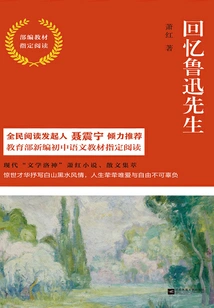
Reminiscing About Mr. Lu Xun
Literature回忆鲁迅先生
Xiao Hong
This book is a collection of Xiao Hong's classic essays. This book selects dozens of Xiao Hong's classic prose masterpieces such as "Remembering Mr. Lu Xun" and "Eternal Longing and Pursuit". It focuses on selecting famous prose works that are clear and clear, with bright and fresh language, highlighting his artistic characteristics of using simple and delicate writing styles to shape characters and human landscapes, which have certain literary appreciation value.
This book is a collection of Xiao Hong's classic essays. This book selects dozens of Xiao Hong's classic prose masterpieces such as "Remembering Mr. Lu Xun" and "Eternal Longing and Pursuit". It focuses on selecting famous prose works that are clear and clear, with bright and fresh language, highlighting his artistic characteristics of using simple and delicate writing styles to shape characters and human landscapes, which have certain literary appreciation value.
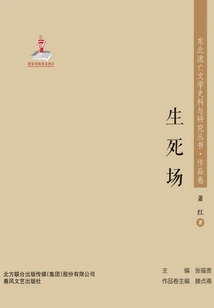
Northeast Exile Literature Historical Materials and Research Series·scene of Life and Death
General Fiction东北流亡文学史料与研究丛书·生死场
Xiao Hong
Xiao Hong's "The Field of Life and Death" is one of the volumes of the "Northeast Exile Literature Historical Materials and Research Series" edited by Zhang Fugui. "Historical Materials and Research Series on Northeastern Exile Literature" is China's first large-scale book that comprehensively and systematically organizes the Northeastern exile literature and research results in modern China. It is divided into research volumes, historical materials volumes, and works volumes, with a total of 36 volumes. "The Field of Life and Death" contains a total of 14 short stories and short stories by Xiao Hong, including "The Field of Life and Death", "The Bridge", "Departure", "The Call of the Wilderness", "The Ox Cart", etc. "The Field of Life and Death" tells the story of "life" and "death" of villagers in a village near Harbin from the 1920s to the 1930s. Xiao Hong's novels have a certain autobiographical flavor. She broke the single narrative mode of traditional novels and created a marginal style between novels, prose and poetry. With her strong and soft language style, non-plot structure, unique writing perspective and poetic style, she formed a unique "Xiao Hong style" novel style, which is unique in the history of literature.
Xiao Hong's "The Field of Life and Death" is one of the volumes of the "Northeast Exile Literature Historical Materials and Research Series" edited by Zhang Fugui. "Historical Materials and Research Series on Northeastern Exile Literature" is China's first large-scale book that comprehensively and systematically organizes the Northeastern exile literature and research results in modern China. It is divided into research volumes, historical materials volumes, and works volumes, with a total of 36 volumes. "The Field of Life and Death" contains a total of 14 short stories and short stories by Xiao Hong, including "The Field of Life and Death", "The Bridge", "Departure", "The Call of the Wilderness", "The Ox Cart", etc. "The Field of Life and Death" tells the story of "life" and "death" of villagers in a village near Harbin from the 1920s to the 1930s. Xiao Hong's novels have a certain autobiographical flavor. She broke the single narrative mode of traditional novels and created a marginal style between novels, prose and poetry. With her strong and soft language style, non-plot structure, unique writing perspective and poetic style, she formed a unique "Xiao Hong style" novel style, which is unique in the history of literature.
Selected Works of Xiao Hong
Literature萧红作品精选
Xiao Hong
This book is a selection of the works of the famous writer Xiao Hong. It selects the most representative works of Xiao Hong's novels, such as "The Story of Hulan River", "March in the Small Town", and "Mabele". It also includes Xiao Hong's famous prose works, such as selected articles from "Shangshi Street" and "Memories of Mr. Lu Xun". It writes about the unique customs and customs of the Northeast, reflects the fate of ordinary people in the context of the 1930s and 1940s, and reflects the characteristics and style of Xiao Hong's literary works.
This book is a selection of the works of the famous writer Xiao Hong. It selects the most representative works of Xiao Hong's novels, such as "The Story of Hulan River", "March in the Small Town", and "Mabele". It also includes Xiao Hong's famous prose works, such as selected articles from "Shangshi Street" and "Memories of Mr. Lu Xun". It writes about the unique customs and customs of the Northeast, reflects the fate of ordinary people in the context of the 1930s and 1940s, and reflects the characteristics and style of Xiao Hong's literary works.
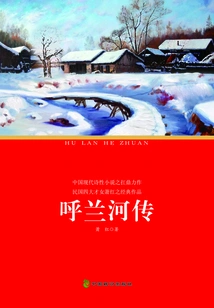
The Legend of Hulan River
General Fiction呼兰河传
Xiao Hong
"The Story of Hulan River" is an autobiographical novel written by the well-known writer Xiao Hong. The author uses his own childhood memories as clues to vividly and vividly reproduce the ordinary and backward living conditions and mediocre and ignorant mental state of the local people by describing the life scenes and customs of his hometown in the 1920s and 1930s.
"The Story of Hulan River" is an autobiographical novel written by the well-known writer Xiao Hong. The author uses his own childhood memories as clues to vividly and vividly reproduce the ordinary and backward living conditions and mediocre and ignorant mental state of the local people by describing the life scenes and customs of his hometown in the 1920s and 1930s.
Cry of the Wilderness
General Fiction旷野的呼喊
Xiao Hong
"The Call of the Wilderness" is a collection of Xiao Hong's works. With her keen and delicate artistic sensibility and simple and delicate writing style, she writes about the isolation and desolation of rural towns in Northeast China at that time. The characters she creates are lively and lovely, and her style is bright and sad, filled with melancholy and sentimentality. It is a masterpiece of poetic novels.
"The Call of the Wilderness" is a collection of Xiao Hong's works. With her keen and delicate artistic sensibility and simple and delicate writing style, she writes about the isolation and desolation of rural towns in Northeast China at that time. The characters she creates are lively and lovely, and her style is bright and sad, filled with melancholy and sentimentality. It is a masterpiece of poetic novels.
Selected Short Stories by Xiao Hong
General Fiction萧红短篇小说选
Xiao Hong
This book selects four novels by Xiao Hong. Among modern Chinese writers, no one has had the experience of Xiao Hong: she was born into the landlord class, read poetry and books, and left her feudal family in order to escape from marriage. Later, she was deceived by her fiancé and lived together, and after being abandoned, she began her wandering life... Xiao Hong's fate was just as she said: "The greatest pain and misfortune in my life are all because I am a woman." It is precisely because she endured those humiliations and pains that her poetry-like words have such strong penetrating power of the times, slowly unfolding for us pictures of the lives of the lower class people in the 1920s and 1930s. At the same time, Xiao Hong also belongs to the wilderness. Her exile experience makes her novels as wild and unconstrained as prose, without rules and regulations, but smooth and natural. This is like an instinct of the soul.
This book selects four novels by Xiao Hong. Among modern Chinese writers, no one has had the experience of Xiao Hong: she was born into the landlord class, read poetry and books, and left her feudal family in order to escape from marriage. Later, she was deceived by her fiancé and lived together, and after being abandoned, she began her wandering life... Xiao Hong's fate was just as she said: "The greatest pain and misfortune in my life are all because I am a woman." It is precisely because she endured those humiliations and pains that her poetry-like words have such strong penetrating power of the times, slowly unfolding for us pictures of the lives of the lower class people in the 1920s and 1930s. At the same time, Xiao Hong also belongs to the wilderness. Her exile experience makes her novels as wild and unconstrained as prose, without rules and regulations, but smooth and natural. This is like an instinct of the soul.
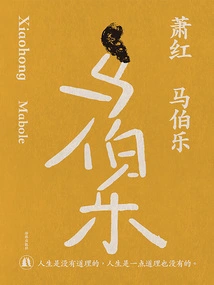
Ma Bole (work by Xiao Hong)
General Fiction马伯乐(萧红作品)
Xiao Hong
"Life makes no sense, life makes no sense at all." Ma Bole was a bystander of that era, a redundant person who was always thinking but never doing anything. Even after more than half a century, watching Ma Bole still makes people feel that he is around, even that he is himself.
"Life makes no sense, life makes no sense at all." Ma Bole was a bystander of that era, a redundant person who was always thinking but never doing anything. Even after more than half a century, watching Ma Bole still makes people feel that he is around, even that he is himself.
Marble
General Fiction马伯乐
Xiao Hong
"Mabele" is an amazing work. Generally, when you read it for the first time, you will find it strange that it is not like Xiao Hong's usual style. It does not write about women's experiences and does not use women as protagonists. As a female writer in China in the 1930s, Xiao Hong has attracted much attention in the literary world because of her unique literary talent and wandering life experience. Xiao Hong's works are unique in the delicacy and beauty of female writers because of their introspective and autobiographical style. However, her multi-faceted talents in literary creation have been unintentionally ignored. At the end of 1940, Xiao Hong mainly wrote two novels, "The Story of Hulan River" and "Mabele". The former won Xiao Hong numerous praises, but regarding the latter, literary critics were surprisingly silent. However, in terms of its literary value and creative level, "Mabele" is not inferior to "The Story of Hulan River" in any way. It is because of the humorous and spicy writing throughout the book that the writer's creative talent can be vividly displayed.
"Mabele" is an amazing work. Generally, when you read it for the first time, you will find it strange that it is not like Xiao Hong's usual style. It does not write about women's experiences and does not use women as protagonists. As a female writer in China in the 1930s, Xiao Hong has attracted much attention in the literary world because of her unique literary talent and wandering life experience. Xiao Hong's works are unique in the delicacy and beauty of female writers because of their introspective and autobiographical style. However, her multi-faceted talents in literary creation have been unintentionally ignored. At the end of 1940, Xiao Hong mainly wrote two novels, "The Story of Hulan River" and "Mabele". The former won Xiao Hong numerous praises, but regarding the latter, literary critics were surprisingly silent. However, in terms of its literary value and creative level, "Mabele" is not inferior to "The Story of Hulan River" in any way. It is because of the humorous and spicy writing throughout the book that the writer's creative talent can be vividly displayed.
Xiao Hong's Short Story Collection: Back Garden
General Fiction萧红短篇小说集:后花园
Xiao Hong
This book collects Xiao Hong's short stories, including her first novel "Abandoned Child" and her last novel "March in a Small Town". Most of the subjects in the book are disadvantaged characters, describing their love, telling their struggles, or describing the numbness in ordinary life... The themes are wide-ranging and the themes are diverse. They are arranged according to the time of creation, comprehensively demonstrating Xiao Hong's pioneering attempts in literature. Here we can see the shadow of the characters in "The Story of the Hulan River" and "The Field of Life and Death", and we can also see the extension of the stories. Therefore, this book can be called the "back garden" of Xiao Hong's novel creation, and it is as impressive as the grandfather's garden she mentioned many times.
This book collects Xiao Hong's short stories, including her first novel "Abandoned Child" and her last novel "March in a Small Town". Most of the subjects in the book are disadvantaged characters, describing their love, telling their struggles, or describing the numbness in ordinary life... The themes are wide-ranging and the themes are diverse. They are arranged according to the time of creation, comprehensively demonstrating Xiao Hong's pioneering attempts in literature. Here we can see the shadow of the characters in "The Story of the Hulan River" and "The Field of Life and Death", and we can also see the extension of the stories. Therefore, this book can be called the "back garden" of Xiao Hong's novel creation, and it is as impressive as the grandfather's garden she mentioned many times.
Small Town in March
General Fiction小城三月
Xiao Hong
Xiao Hong in "March in a Small Town" is known as the "Literary Goddess of the 1930s". She was the woman with the most tragic fate among the four talented women in the Republic of China, and she was also a legendary figure. Xiao Hong was an author highly praised by Lu Xun. Lu Xun and Mao Dun, both literary giants of the generation, respectively wrote prefaces to "The Biography of the Hulan River", which was a seminal work that confirmed Xiao Hong's literary status. Single volumes of his works have been best-selling for decades and are considered classics. There are five volumes in this series of Xiao Hong's complete works. As the second part of the series, this book is a collection of all the short and medium-sized novels that Xiao Hong has discovered so far.
Xiao Hong in "March in a Small Town" is known as the "Literary Goddess of the 1930s". She was the woman with the most tragic fate among the four talented women in the Republic of China, and she was also a legendary figure. Xiao Hong was an author highly praised by Lu Xun. Lu Xun and Mao Dun, both literary giants of the generation, respectively wrote prefaces to "The Biography of the Hulan River", which was a seminal work that confirmed Xiao Hong's literary status. Single volumes of his works have been best-selling for decades and are considered classics. There are five volumes in this series of Xiao Hong's complete works. As the second part of the series, this book is a collection of all the short and medium-sized novels that Xiao Hong has discovered so far.
Field of Life and Death
General Fiction生死场
Xiao Hong
"The Field of Life and Death" is an early novella written by Xiao Hong, also known as "The Field of Life and Death". It mainly tells about the poor and helpless life of farmers in Northeast China.
"The Field of Life and Death" is an early novella written by Xiao Hong, also known as "The Field of Life and Death". It mainly tells about the poor and helpless life of farmers in Northeast China.
Xiao Hong: How to Love, How to Live
Literature萧红:怎样爱,怎样活
Xiao Hong
This book is a selected collection of Xiao Hong's works, including some prose and novels. In order to allow readers to understand Xiao Hong's works and thoughts more quickly, this book also places the analysis of her rough and difficult life experience and her works and thoughts at the end of the works. In this way, readers can understand the distinctive characters and the humanitarian and literary freedom of the disadvantaged groups in Xiao Hong's works.
This book is a selected collection of Xiao Hong's works, including some prose and novels. In order to allow readers to understand Xiao Hong's works and thoughts more quickly, this book also places the analysis of her rough and difficult life experience and her works and thoughts at the end of the works. In this way, readers can understand the distinctive characters and the humanitarian and literary freedom of the disadvantaged groups in Xiao Hong's works.
The Legend of Hulan River
General Fiction呼兰河传
Xiao Hong
After reading Xiao Hong, I believe that life is your own, you can live it however you want! Considered by Lu Xun as "the most promising female writer in contemporary China"! Pursuing love and freedom throughout his life, adhering to the honesty and cry of a writer, his final work "The Biography of Hulan River" describes an individual's search for the meaning of life. Human beings, like animals, are busy living and dying. I can't decide how to live or how to die, but I can decide how to love and how to live. --Xiao Hong. Reasons why "Hulan River Biography" must be added to the reader's classic library: 1. The book is based on the first edition in 1940 and contains all four of Xiao Hong's masterpieces! 2. Specially includes the preface by Lu Xun, allowing you to see the true evaluation of Xiao Hong by the giant in the Chinese cultural world. 3. The book comes with a biography of Xiao Hong, presenting you with a unique soul who pursues love and freedom throughout his life! The flowers bloomed, just like the flowers woke up from sleep. The bird flew away, as if it were flying into the sky. The bug chirped, as if the bug was talking. Everything is alive. They all have unlimited abilities and can do whatever they want. Whatever you want, be it. This book is based on the first edition published in 1940, and completely contains Xiao Hong's four representative novels, "The Story of Hulan River", "March in a Small Town", "The Field of Life and Death" and "The Abandoned Child".
After reading Xiao Hong, I believe that life is your own, you can live it however you want! Considered by Lu Xun as "the most promising female writer in contemporary China"! Pursuing love and freedom throughout his life, adhering to the honesty and cry of a writer, his final work "The Biography of Hulan River" describes an individual's search for the meaning of life. Human beings, like animals, are busy living and dying. I can't decide how to live or how to die, but I can decide how to love and how to live. --Xiao Hong. Reasons why "Hulan River Biography" must be added to the reader's classic library: 1. The book is based on the first edition in 1940 and contains all four of Xiao Hong's masterpieces! 2. Specially includes the preface by Lu Xun, allowing you to see the true evaluation of Xiao Hong by the giant in the Chinese cultural world. 3. The book comes with a biography of Xiao Hong, presenting you with a unique soul who pursues love and freedom throughout his life! The flowers bloomed, just like the flowers woke up from sleep. The bird flew away, as if it were flying into the sky. The bug chirped, as if the bug was talking. Everything is alive. They all have unlimited abilities and can do whatever they want. Whatever you want, be it. This book is based on the first edition published in 1940, and completely contains Xiao Hong's four representative novels, "The Story of Hulan River", "March in a Small Town", "The Field of Life and Death" and "The Abandoned Child".
Xiao Hong's Prose Collection
Literature萧红散文集
Xiao Hong
This book brings together many of Xiao Hong's essays and selects the author's works: Little Black Dog, Mid-Autumn Festival, A Troubled Day, Summer Night, Squatting on a Foreign Cart, Gilded Doctrine, Hungry, When Grandfather Died, Early Winter, Little Fish with the Same Fate, Sofia's Sorrow, Spring on the Treetops, Booklets, Theater Troupe, Europa Hotel, Lonely Life, etc.
This book brings together many of Xiao Hong's essays and selects the author's works: Little Black Dog, Mid-Autumn Festival, A Troubled Day, Summer Night, Squatting on a Foreign Cart, Gilded Doctrine, Hungry, When Grandfather Died, Early Winter, Little Fish with the Same Fate, Sofia's Sorrow, Spring on the Treetops, Booklets, Theater Troupe, Europa Hotel, Lonely Life, etc.
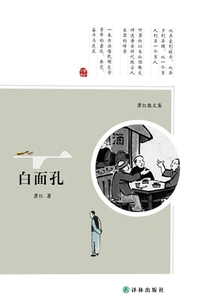
Xiao Hong's Prose Collection: White Face
Literature萧红散文集:白面孔
Xiao Hong
This book is a collection of Xiao Hong's essays. There are "The Embellishment of the Sky", "When My Grandfather Died", "Lonely Life", etc., Including almost all the articles in the 1936 edition of "Business Street" and the 1940 edition of "Xiao Hong's Essays". It also includes Xiao Hong's essays in memory of Lu Xun, such as "Mr. Lu Xun in Memory". "Only prose is the true face of life." As Kundera said, prose describes real life. In this collection of essays, you can see Xiao Hong herself in the fireworks of the world. She and Xiao Jun lived together in Shangshi Street. They had no way to ask for help, were hungry and cold, couldn't afford firewood in the middle of winter, and didn't even have money to drink a cup of hot juice. She even wanted to steal the bread hanging on the door of the opposite house several times a night. They worked as tutors, painted movie theater billboards, went to group activities to eat and drink, wandered around, quarreled, and lay on the floor crying when they were drunk. When they reluctantly published a collection of works, they were banned, and the fear of being arrested by the Japanese military police tortured them. "White Face" is a true portrayal of the fearful state of Xiao Hong and left-wing literary and art radicals during this period.
This book is a collection of Xiao Hong's essays. There are "The Embellishment of the Sky", "When My Grandfather Died", "Lonely Life", etc., Including almost all the articles in the 1936 edition of "Business Street" and the 1940 edition of "Xiao Hong's Essays". It also includes Xiao Hong's essays in memory of Lu Xun, such as "Mr. Lu Xun in Memory". "Only prose is the true face of life." As Kundera said, prose describes real life. In this collection of essays, you can see Xiao Hong herself in the fireworks of the world. She and Xiao Jun lived together in Shangshi Street. They had no way to ask for help, were hungry and cold, couldn't afford firewood in the middle of winter, and didn't even have money to drink a cup of hot juice. She even wanted to steal the bread hanging on the door of the opposite house several times a night. They worked as tutors, painted movie theater billboards, went to group activities to eat and drink, wandered around, quarreled, and lay on the floor crying when they were drunk. When they reluctantly published a collection of works, they were banned, and the fear of being arrested by the Japanese military police tortured them. "White Face" is a true portrayal of the fearful state of Xiao Hong and left-wing literary and art radicals during this period.
Shopping Street
Literature商市街
Xiao Hong
"Shangshi Street" is an anthology by the author Xiao Hong. Xiao Hong has been communicating with history and the world through art throughout her life. She is a tireless explorer who works diligently in the field of art. She never believes in authority and always follows her own path.
"Shangshi Street" is an anthology by the author Xiao Hong. Xiao Hong has been communicating with history and the world through art throughout her life. She is a tireless explorer who works diligently in the field of art. She never believes in authority and always follows her own path.
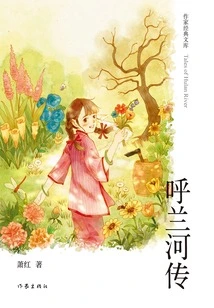
Biography of the Hulan River (writer's Classic Library)
General Fiction呼兰河传(作家经典文库)
Xiao Hong
Xiao Hong's masterpiece of novels. After years of wandering, Xiao Hong looked back on her childhood at the end of her life and wrote "The Story of Hulan River", a "memory" novel full of childlike innocence, poetry and inspiration. Xiao Hong uses painterly language to "present bold, red and green primitive colors in front of the gloomy background of daily life", outlining scenes full of childlike images.
Xiao Hong's masterpiece of novels. After years of wandering, Xiao Hong looked back on her childhood at the end of her life and wrote "The Story of Hulan River", a "memory" novel full of childlike innocence, poetry and inspiration. Xiao Hong uses painterly language to "present bold, red and green primitive colors in front of the gloomy background of daily life", outlining scenes full of childlike images.
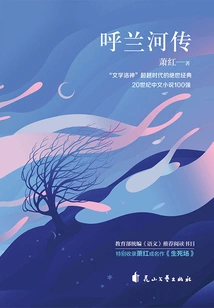
The Legend of Hulan River
General Fiction呼兰河传
Xiao Hong
"The Story of Hulan River" is a "memory" novel full of childlike innocence, poetic interest and agility written by Xiao Hong looking back on her childhood at the end of her life after many years of wandering. She used painterly language to outline the bright red, green and childlike vitality of the gloomy era. With simple and unpretentious brushwork, she recorded the fleeting warmth and tranquility of the tragic life, reflecting the unfortunate fate of the Chinese people and the helpless choices of intellectuals in that era. "The Field of Life and Death" is Xiao Hong's famous work and one of the classics of modern Chinese literature in the 20th century. The work is set in the countryside near Harbin and tells the story of the changes of three families. It provides a thorough and profound interpretation of these ancient themes of life and death, human nature and survival. Lu Xun praised it as a powerful picture that depicts the northern people's strength against life and struggle against death. This book integrates Xiao Hong's two classic works, echoing each other and complementing each other, and can better demonstrate the value of Xiao Hong's literary works and the complete style of the era they depict.
"The Story of Hulan River" is a "memory" novel full of childlike innocence, poetic interest and agility written by Xiao Hong looking back on her childhood at the end of her life after many years of wandering. She used painterly language to outline the bright red, green and childlike vitality of the gloomy era. With simple and unpretentious brushwork, she recorded the fleeting warmth and tranquility of the tragic life, reflecting the unfortunate fate of the Chinese people and the helpless choices of intellectuals in that era. "The Field of Life and Death" is Xiao Hong's famous work and one of the classics of modern Chinese literature in the 20th century. The work is set in the countryside near Harbin and tells the story of the changes of three families. It provides a thorough and profound interpretation of these ancient themes of life and death, human nature and survival. Lu Xun praised it as a powerful picture that depicts the northern people's strength against life and struggle against death. This book integrates Xiao Hong's two classic works, echoing each other and complementing each other, and can better demonstrate the value of Xiao Hong's literary works and the complete style of the era they depict.
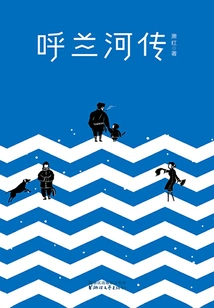
The Legend of Hulan River
General Fiction呼兰河传
Xiao Hong
This book is based on the final version of "The Story of Hulan River" and "The Field of Life and Death" published in 1940. It has been carefully edited and edited to retain the original characteristics of Xiao Hong. It has added 11 original hand-painted illustrations to reproduce classic literary scenes such as burning clouds and chasing dragonflies in the back garden. The pictures are beautiful and warm, and completely restore the background of the novel's story. "The Story of Hulan River": Xiao Hong's final masterpiece, a classic novel with an autobiographical nature, and it is also "a narrative poem, a colorful folk painting, and a string of sad ballads." Xiao Hong's childhood was lonely. In her memory, people in the small town of Hulan River always lived unchanged, doing what they thought they should do year after year. As for why they did so, they seemed unclear. People in the small town are telling different stories all year round. In addition to the trivial life, there are also spiritual grand events: dancing, singing yangko, setting off river lanterns, wild stage opera, and the April 18th Empress Temple Assembly, and most of these are related to ghosts and gods. The tragic fate of Xiaotuan Yuan's daughter-in-law, the eccentric temperament of her second uncle, and Feng Waizuizi's tenacious vitality all left a deep impression on her childhood memories. However, her warm childhood memories are of her grandfather and the back garden. This is the warmest feeling and conversion in her spiritual life, and it is also the hometown emotion that resonates with thousands of readers. "The Field of Life and Death": Xiao Hong's early famous work, a classic in the history of Chinese literature, tells the story of people's tenacity for life, struggle for death, and resistance to fate under the changing times. The full text provides a thorough and profound interpretation of human nature and human survival. Xiao Hong was only 23 years old when she wrote this article, but she had already experienced the death of her mother, the death of her beloved grandfather, resisting marriage and studying, being under house arrest, escaping, wandering, living with others and becoming pregnant, being abandoned, losing a lawsuit, being held hostage, and asking for help from a newspaper. , Falling in love with Xiao Jun, giving away a daughter, publishing the collection "Travel" with Xiao Jun, and life hardships such as from Harbin to Qingdao... The first draft of "The Field of Life and Death" was revised by Mr. Lu Xun himself, and the preface was recommended. After its publication, it became a sensation in the literary world.
This book is based on the final version of "The Story of Hulan River" and "The Field of Life and Death" published in 1940. It has been carefully edited and edited to retain the original characteristics of Xiao Hong. It has added 11 original hand-painted illustrations to reproduce classic literary scenes such as burning clouds and chasing dragonflies in the back garden. The pictures are beautiful and warm, and completely restore the background of the novel's story. "The Story of Hulan River": Xiao Hong's final masterpiece, a classic novel with an autobiographical nature, and it is also "a narrative poem, a colorful folk painting, and a string of sad ballads." Xiao Hong's childhood was lonely. In her memory, people in the small town of Hulan River always lived unchanged, doing what they thought they should do year after year. As for why they did so, they seemed unclear. People in the small town are telling different stories all year round. In addition to the trivial life, there are also spiritual grand events: dancing, singing yangko, setting off river lanterns, wild stage opera, and the April 18th Empress Temple Assembly, and most of these are related to ghosts and gods. The tragic fate of Xiaotuan Yuan's daughter-in-law, the eccentric temperament of her second uncle, and Feng Waizuizi's tenacious vitality all left a deep impression on her childhood memories. However, her warm childhood memories are of her grandfather and the back garden. This is the warmest feeling and conversion in her spiritual life, and it is also the hometown emotion that resonates with thousands of readers. "The Field of Life and Death": Xiao Hong's early famous work, a classic in the history of Chinese literature, tells the story of people's tenacity for life, struggle for death, and resistance to fate under the changing times. The full text provides a thorough and profound interpretation of human nature and human survival. Xiao Hong was only 23 years old when she wrote this article, but she had already experienced the death of her mother, the death of her beloved grandfather, resisting marriage and studying, being under house arrest, escaping, wandering, living with others and becoming pregnant, being abandoned, losing a lawsuit, being held hostage, and asking for help from a newspaper. , Falling in love with Xiao Jun, giving away a daughter, publishing the collection "Travel" with Xiao Jun, and life hardships such as from Harbin to Qingdao... The first draft of "The Field of Life and Death" was revised by Mr. Lu Xun himself, and the preface was recommended. After its publication, it became a sensation in the literary world.
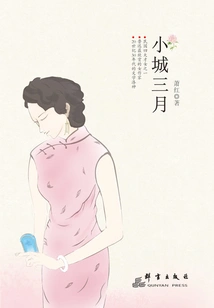
Small Town in March
General Fiction小城三月
Xiao Hong
"March in Small Town" reflects Xiao Hong's perspective and attitude in observing the world from multiple angles and aspects. Xiao Hong only had a short period of nine years from the time she started publishing her works to the time she passed away. However, during these nine years, she created a large number of novels and essays with nearly two million words. She was indeed a talented and prolific writer. Her novels have a lingering self-narrative quality. Even if it is a novel describing the observation of strange passers-by, it is not difficult for readers to read the author's own shadow in it. Her literary works have been appreciated by literary giants such as Lu Xun. She is known as the "Luo Shen of Literature in the 1930s" and is a banner that cannot be ignored in the history of contemporary literature. This book is one of a trilogy of Xiao Hong's works, the other two being "The Story of Hulan River" and "The Field of Life and Death".
"March in Small Town" reflects Xiao Hong's perspective and attitude in observing the world from multiple angles and aspects. Xiao Hong only had a short period of nine years from the time she started publishing her works to the time she passed away. However, during these nine years, she created a large number of novels and essays with nearly two million words. She was indeed a talented and prolific writer. Her novels have a lingering self-narrative quality. Even if it is a novel describing the observation of strange passers-by, it is not difficult for readers to read the author's own shadow in it. Her literary works have been appreciated by literary giants such as Lu Xun. She is known as the "Luo Shen of Literature in the 1930s" and is a banner that cannot be ignored in the history of contemporary literature. This book is one of a trilogy of Xiao Hong's works, the other two being "The Story of Hulan River" and "The Field of Life and Death".
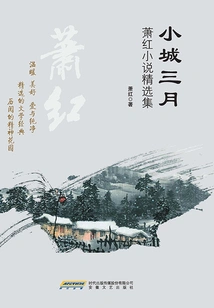
小城三月(萧红短篇小说集)
Xiao Hong
This book selects three of the most representative works in Xiao Hong's life. "The Field of Life and Death" is one of the earliest works that reflects the lives and struggles of the people in Northeast China under the rule of Japanese imperialism. It describes the strength of the people in the north for life and their struggle for death. "The Story of Hulan River" is an autobiographical novel that vividly describes the beauty of the small town in my hometown, the loneliness of childhood, the love of my grandfather, the kindness and ignorance of the people... "March in a Small Town" is Xiao Hong's last work, describing the beautiful 19-year-old Aunt Cui who silently loves her elder brother, longing for a love that could not be fulfilled in that era. Xiao Hong's novels have vivid plots and show unique artistic charm. Among them, the novel "The Story of Hulan River" has been highly praised. The famous writer Mao Dun called this book "a narrative poem, a colorful folk painting, and a string of sad ballads."
This book selects three of the most representative works in Xiao Hong's life. "The Field of Life and Death" is one of the earliest works that reflects the lives and struggles of the people in Northeast China under the rule of Japanese imperialism. It describes the strength of the people in the north for life and their struggle for death. "The Story of Hulan River" is an autobiographical novel that vividly describes the beauty of the small town in my hometown, the loneliness of childhood, the love of my grandfather, the kindness and ignorance of the people... "March in a Small Town" is Xiao Hong's last work, describing the beautiful 19-year-old Aunt Cui who silently loves her elder brother, longing for a love that could not be fulfilled in that era. Xiao Hong's novels have vivid plots and show unique artistic charm. Among them, the novel "The Story of Hulan River" has been highly praised. The famous writer Mao Dun called this book "a narrative poem, a colorful folk painting, and a string of sad ballads."
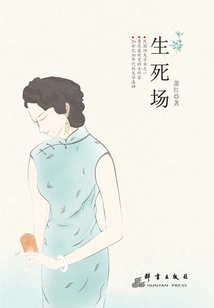
Field of Life and Death
General Fiction生死场
Xiao Hong
"The Field of Life and Death" is a classic masterpiece handed down from generation to generation by Xiao Hong. It provides a thorough and profound interpretation of the ancient issue of human nature and human survival. This kind of thinking about life's survival and death exceeds that of most writers of the same generation. Lu Xun called it a picture that "sees through the back of the paper" of "the northern people's tenacity for life and struggle for death."
"The Field of Life and Death" is a classic masterpiece handed down from generation to generation by Xiao Hong. It provides a thorough and profound interpretation of the ancient issue of human nature and human survival. This kind of thinking about life's survival and death exceeds that of most writers of the same generation. Lu Xun called it a picture that "sees through the back of the paper" of "the northern people's tenacity for life and struggle for death."
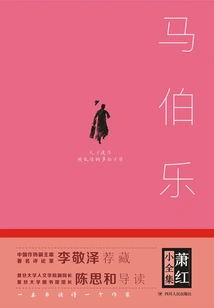
The Complete Works of Xiao Hong: Ma Bole (hardcover)
General Fiction萧红小全集:马伯乐(精装)
Xiao Hong
"Mabele (Essence)\u002F The Complete Works of Xiao Hong" written by Xiao Hong is the last novel of Xiao Hong, who is known as one of the "Four Talented Women of the Republic of China". Due to Xiao Hong's early death, the work was not completed. Among the first and second parts that Xiao Hong has completed, the first part describes the life of the "cultural nomad" Ma Bole after he fled from Qingdao to Shanghai when the Anti-Japanese War was about to break out; the second part describes how Ma Bole, his wife and three children made an embarrassing journey from Shanghai to Hankou after the outbreak of the Anti-Japanese War, as well as Ma Bole's love and breakup in Hankou. Xiao Hong originally planned to write about the Marble family's escape from Hankou to Chongqing in the third part, but unfortunately it was not completed. This "Mabele" is a departure from the style of Xiao Hong's previous works. The writing style of "Mabele" is humorous, ironic and pungent, and the protagonist Mabele is vividly portrayed. Marble's selfish, lazy, greedy, bullying and other despicable personalities are not an exception. Even after more than half a century, looking at Marble, one still feels that he is around him, or even that he is himself.
"Mabele (Essence)\u002F The Complete Works of Xiao Hong" written by Xiao Hong is the last novel of Xiao Hong, who is known as one of the "Four Talented Women of the Republic of China". Due to Xiao Hong's early death, the work was not completed. Among the first and second parts that Xiao Hong has completed, the first part describes the life of the "cultural nomad" Ma Bole after he fled from Qingdao to Shanghai when the Anti-Japanese War was about to break out; the second part describes how Ma Bole, his wife and three children made an embarrassing journey from Shanghai to Hankou after the outbreak of the Anti-Japanese War, as well as Ma Bole's love and breakup in Hankou. Xiao Hong originally planned to write about the Marble family's escape from Hankou to Chongqing in the third part, but unfortunately it was not completed. This "Mabele" is a departure from the style of Xiao Hong's previous works. The writing style of "Mabele" is humorous, ironic and pungent, and the protagonist Mabele is vividly portrayed. Marble's selfish, lazy, greedy, bullying and other despicable personalities are not an exception. Even after more than half a century, looking at Marble, one still feels that he is around him, or even that he is himself.
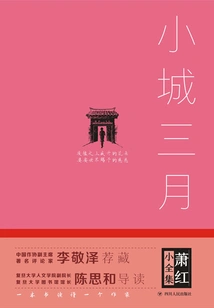
萧红小全集:小城三月(精装)
Xiao Hong
"March in Small Town\u002F Xiao Hong's Complete Works" contains most of Xiao Hong's short stories, including his first novel "Abandoned Child" and his last novel "March in Small Town". Most of the subjects in the book are disadvantaged characters, describing their love, telling their struggles, or describing the numbness in ordinary life... The themes are wide-ranging and the themes are diverse. They are arranged according to the time of creation, demonstrating Xiao Hong's pioneering attempts in literature in many aspects. In these short stories, the shadows of the characters in "The Story of the Hulan River" and "The Field of Life and Death" can often be seen, and the extension of the stories can also be seen. Therefore, this book can be called the "back garden" of Xiao Hong's novel creation, and it is as impressive as the grandfather's garden she mentioned many times.
"March in Small Town\u002F Xiao Hong's Complete Works" contains most of Xiao Hong's short stories, including his first novel "Abandoned Child" and his last novel "March in Small Town". Most of the subjects in the book are disadvantaged characters, describing their love, telling their struggles, or describing the numbness in ordinary life... The themes are wide-ranging and the themes are diverse. They are arranged according to the time of creation, demonstrating Xiao Hong's pioneering attempts in literature in many aspects. In these short stories, the shadows of the characters in "The Story of the Hulan River" and "The Field of Life and Death" can often be seen, and the extension of the stories can also be seen. Therefore, this book can be called the "back garden" of Xiao Hong's novel creation, and it is as impressive as the grandfather's garden she mentioned many times.
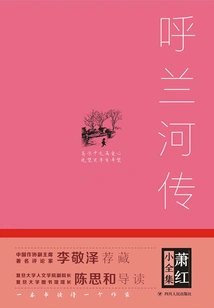
萧红小全集:呼兰河传(精装)
Xiao Hong
"The Story of the Hulan River\u002F Xiao Hong's Complete Works" contains two short novels by Xiao Hong, "The Story of the Hulan River" and "The Field of Life and Death". "The Story of Hulan River" is an autobiographical novel. It is set in the small town where Xiao Hong lived in his childhood and describes the local social scene and various human conditions. "The Field of Life and Death" is set in a small village near Harbin, describing the confused life and ant-like death of the lower-class farmers.
"The Story of the Hulan River\u002F Xiao Hong's Complete Works" contains two short novels by Xiao Hong, "The Story of the Hulan River" and "The Field of Life and Death". "The Story of Hulan River" is an autobiographical novel. It is set in the small town where Xiao Hong lived in his childhood and describes the local social scene and various human conditions. "The Field of Life and Death" is set in a small village near Harbin, describing the confused life and ant-like death of the lower-class farmers.
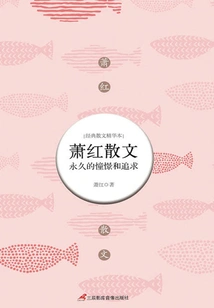
萧红散文:永久的憧憬和追求
Xiao Hong
Although Xiao Hong had an ill-fated fate and a bumpy love life, her passion and literary talents were not buried. She used her short life of 31 years and her creative career of less than 10 years to leave nearly a million words of works to the world, which is admirable! "Xiao Hong's Prose: Eternal Longing and Pursuit" brings together the author's classic prose, classic letters and other works. These classic works can touch the hearts of hundreds of millions of readers and are worthy of reading and collection by readers.
Although Xiao Hong had an ill-fated fate and a bumpy love life, her passion and literary talents were not buried. She used her short life of 31 years and her creative career of less than 10 years to leave nearly a million words of works to the world, which is admirable! "Xiao Hong's Prose: Eternal Longing and Pursuit" brings together the author's classic prose, classic letters and other works. These classic works can touch the hearts of hundreds of millions of readers and are worthy of reading and collection by readers.
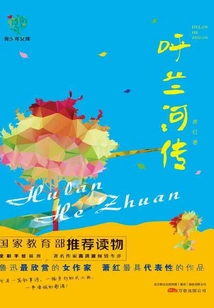
呼兰河传(悦成长青少年文库)
Xiao Hong
"The Story of Hulan River" is the representative work of Xiao Hong, the "Luo Shen of 1930s Literature". Xiao Hong's works are full of sadness. It expresses self-subjective feelings in a lyrical style; the structure of the novel is prose; it emphasizes the description of cultural customs and natural scenery, and does not waste pen and ink on the portrayal of characters; the plot of the story is intermittent, but it is meaningful; the interesting stories from childhood are full of wit and humor.
"The Story of Hulan River" is the representative work of Xiao Hong, the "Luo Shen of 1930s Literature". Xiao Hong's works are full of sadness. It expresses self-subjective feelings in a lyrical style; the structure of the novel is prose; it emphasizes the description of cultural customs and natural scenery, and does not waste pen and ink on the portrayal of characters; the plot of the story is intermittent, but it is meaningful; the interesting stories from childhood are full of wit and humor.
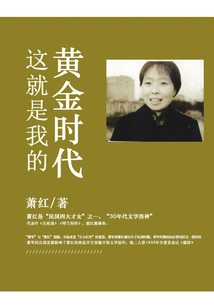
This is My Golden Age
Literature这就是我的黄金时代
Xiao Hong
Xiao Hong is one of the "Four Talented Women of the Republic of China", the "Luo Shen of Literature in the 1930s", and her representative works are "The Field of Life and Death" and "The Story of Hulan River". "Xiao Jun" and "Xiao Hong" match, and together they mean "Little Red Army". Xiao Jun and Xiao Hong were both born in the Republic of China and lived together for a while after getting acquainted in their youth. Xiao Jun's appearance directly affected Xiao Hong's fate and triggered her to start literary creation. The two of them co-authored "Trek" in 1933. Later, due to the outbreak of the Anti-Japanese War, Xiao Jun went to Yan'an, and Xiao Hong then went east to Japan to study, and the two separated. While in Japan, Xiao Hong and Xiao Jun had a long-term correspondence. This book collects the contents of the letters exchanged between the two during this period. Xiao Hong once said in her letter: "Isn't this my golden age? At this moment." Indeed, this is also the most stable and happy period of Xiao Hong's life.
Xiao Hong is one of the "Four Talented Women of the Republic of China", the "Luo Shen of Literature in the 1930s", and her representative works are "The Field of Life and Death" and "The Story of Hulan River". "Xiao Jun" and "Xiao Hong" match, and together they mean "Little Red Army". Xiao Jun and Xiao Hong were both born in the Republic of China and lived together for a while after getting acquainted in their youth. Xiao Jun's appearance directly affected Xiao Hong's fate and triggered her to start literary creation. The two of them co-authored "Trek" in 1933. Later, due to the outbreak of the Anti-Japanese War, Xiao Jun went to Yan'an, and Xiao Hong then went east to Japan to study, and the two separated. While in Japan, Xiao Hong and Xiao Jun had a long-term correspondence. This book collects the contents of the letters exchanged between the two during this period. Xiao Hong once said in her letter: "Isn't this my golden age? At this moment." Indeed, this is also the most stable and happy period of Xiao Hong's life.
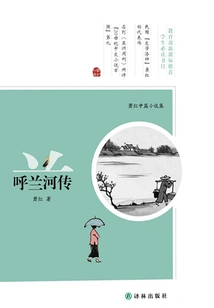
萧红中篇小说集:呼兰河传
Xiao Hong
This book contains two novels by Xiao Hong. "The Field of Life and Death" is a classic novel by Xiao Hong. It describes the grudges and grudges that happened in a remote village near Harbin before and after the September 18th Incident, as well as the story of the villagers' resistance to Japan. The lines describe the Chinese people's tenacity in life and struggle in death. It provides a thorough and profound interpretation of the ancient issue of human nature and human survival, and the thinking in it exceeds that of most writers of the time. "The Story of Hulan River" is his autobiographical novel. It reproduces the life in the Northeastern countryside during his childhood in a candid and delicate style. It does not set clues throughout the book, nor does it have a complete storyline or central character. It just tells the people, things and things in the small town. There are darkness, backwardness, ignorance, the dark side of human nature, old customs and habits, but also brightness, freshness, beauty, and the original ecology of rural life. She has injected more other things into the novel, and it is these things that can arouse the resonance of readers more generally, thus giving the work a longer vitality.
This book contains two novels by Xiao Hong. "The Field of Life and Death" is a classic novel by Xiao Hong. It describes the grudges and grudges that happened in a remote village near Harbin before and after the September 18th Incident, as well as the story of the villagers' resistance to Japan. The lines describe the Chinese people's tenacity in life and struggle in death. It provides a thorough and profound interpretation of the ancient issue of human nature and human survival, and the thinking in it exceeds that of most writers of the time. "The Story of Hulan River" is his autobiographical novel. It reproduces the life in the Northeastern countryside during his childhood in a candid and delicate style. It does not set clues throughout the book, nor does it have a complete storyline or central character. It just tells the people, things and things in the small town. There are darkness, backwardness, ignorance, the dark side of human nature, old customs and habits, but also brightness, freshness, beauty, and the original ecology of rural life. She has injected more other things into the novel, and it is these things that can arouse the resonance of readers more generally, thus giving the work a longer vitality.
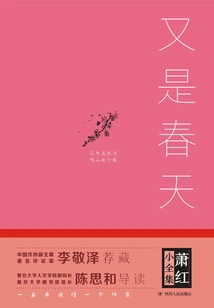
萧红小全集:又是春天(精装)
Xiao Hong
Xiao Hong's novels are poetic and prose novels, but her prose is like a novel. The continuity of the plot and the dialogue between the characters make Xiao Hong's prose read like an attractive story. "Spring Again (Essence)\u002F The Complete Works of Xiao Hong" by Xiao Hong collects most of the prose written by Xiao Hong throughout his life, from "Travel" to "Shangshi Street", from "Bridge" to "Xiao Hong's Prose", as well as other essays published outside the collection. In these essays, we can see the wandering trajectory of Xiao Hong's short and legendary life. Xiao Hong's prose, such as "Remembering Mr. Lu Xun" and other articles, are more plain and simple in writing, but their emotions are very sincere.
Xiao Hong's novels are poetic and prose novels, but her prose is like a novel. The continuity of the plot and the dialogue between the characters make Xiao Hong's prose read like an attractive story. "Spring Again (Essence)\u002F The Complete Works of Xiao Hong" by Xiao Hong collects most of the prose written by Xiao Hong throughout his life, from "Travel" to "Shangshi Street", from "Bridge" to "Xiao Hong's Prose", as well as other essays published outside the collection. In these essays, we can see the wandering trajectory of Xiao Hong's short and legendary life. Xiao Hong's prose, such as "Remembering Mr. Lu Xun" and other articles, are more plain and simple in writing, but their emotions are very sincere.
The Legend of Hulan River (works by Xiao Hong)
General Fiction呼兰河传(萧红作品)
Xiao Hong
In the small town of Hulan River, there lived "me" and my grandfather, my second uncle, the old cook, Lao Hu's family, and a group of people who had leaked powder... They were kind and lived a very regular life: throughout the year, there must be lively festivals such as dancing, singing yangko, setting off river lanterns, wild stage opera, and the April 18th Empress Temple Assembly, full of various colors and sounds. However, day after day, all year round, it is lonely after all. Xiao Hong uses her own childhood life as a line to describe the customs and customs of a small northeastern town in the 1920s and 1930s. The ice and snow are filled with the innocent joy of childhood and pure white desolation. Because of "The Biography of Hulan River", the nameless town "Hulan River" has a name in history.
In the small town of Hulan River, there lived "me" and my grandfather, my second uncle, the old cook, Lao Hu's family, and a group of people who had leaked powder... They were kind and lived a very regular life: throughout the year, there must be lively festivals such as dancing, singing yangko, setting off river lanterns, wild stage opera, and the April 18th Empress Temple Assembly, full of various colors and sounds. However, day after day, all year round, it is lonely after all. Xiao Hong uses her own childhood life as a line to describe the customs and customs of a small northeastern town in the 1920s and 1930s. The ice and snow are filled with the innocent joy of childhood and pure white desolation. Because of "The Biography of Hulan River", the nameless town "Hulan River" has a name in history.
民国经典小说:呼兰河传
Xiao Hong
This book selects three classic works by Xiao Hong, a talented female writer from China, "The Legend of Hulan River", "The Field of Life and Death" and "March in a Small Town". They are her representative works, famous works and posthumous works respectively, forming Xiao Hong's trilogy. "The Story of Hulan River" is Xiao Hong's later masterpiece. By recalling various characters and life scenes in his hometown, he expresses the author's denial of the social reality of old China that distorts human nature and damages personality. The writer has created the pinnacle of her "memory style" with her skillful recall skills, lyrical prose style, and heavy yet light writing style. "The Field of Life and Death" is the pinnacle of Xiao Hong's early creation. This work established Xiao Hong's status as an anti-Japanese writer and made her one of the most eye-catching writers in the 1930s. In particular, Lu Xun wrote the preface and Hu Feng wrote the afterword, which made "The Field of Life and Death" a classic text of the national spirit of the era. "March in Small Town" is Xiao Hong's last work. The work describes the beautiful 19-year-old Aunt Cui who silently loves her elder brother and yearns for a love that was impossible in that feudal secular era. It is still March in the small town and only the eldest brother misses Aunt Cui...
This book selects three classic works by Xiao Hong, a talented female writer from China, "The Legend of Hulan River", "The Field of Life and Death" and "March in a Small Town". They are her representative works, famous works and posthumous works respectively, forming Xiao Hong's trilogy. "The Story of Hulan River" is Xiao Hong's later masterpiece. By recalling various characters and life scenes in his hometown, he expresses the author's denial of the social reality of old China that distorts human nature and damages personality. The writer has created the pinnacle of her "memory style" with her skillful recall skills, lyrical prose style, and heavy yet light writing style. "The Field of Life and Death" is the pinnacle of Xiao Hong's early creation. This work established Xiao Hong's status as an anti-Japanese writer and made her one of the most eye-catching writers in the 1930s. In particular, Lu Xun wrote the preface and Hu Feng wrote the afterword, which made "The Field of Life and Death" a classic text of the national spirit of the era. "March in Small Town" is Xiao Hong's last work. The work describes the beautiful 19-year-old Aunt Cui who silently loves her elder brother and yearns for a love that was impossible in that feudal secular era. It is still March in the small town and only the eldest brother misses Aunt Cui...
Yamashita
General Fiction山下
Xiao Hong
"Under the Mountain" was written in 1939. It is a realistic novel by Xiao Hong who lives in Huangjueshu Town, Fudan University, and is set on the banks of the Jialing River. The story is very exciting, telling the story of an eleven-year-old girl's growth experience from getting paid for helping "people from the lower reaches of the Yangtze River" to losing her job.
"Under the Mountain" was written in 1939. It is a realistic novel by Xiao Hong who lives in Huangjueshu Town, Fudan University, and is set on the banks of the Jialing River. The story is very exciting, telling the story of an eleven-year-old girl's growth experience from getting paid for helping "people from the lower reaches of the Yangtze River" to losing her job.
Biography of the Hulan River (humanities Classic Library)
General Fiction呼兰河传(人文经典文库)
Xiao Hong
"The Story of Hulan River" is a representative novel by modern writer Xiao Hong. It was written in the autumn of 1938 and completed on December 20, 1940. It was serialized in "Sing Tao Daily" from September 1, 1940 to December 27; it was published by Guilin Heshan Publishing House in June 1942. Signed Xiao Hong. This novel reflects the decay, backwardness and ignorance of China's rural society by describing the customs and habits of the small northern town of Hulan River and the fate of a group of lower-class characters, especially women. "The Story of Hulan River" has seven chapters in total. It tells about Hulan, an ordinary small town in the north in the 1920s, and the ordinary lives of ordinary people. "Biography of Hulan River" is not a biography of a certain person, but a biography of the small town where the author was born and grew up.
"The Story of Hulan River" is a representative novel by modern writer Xiao Hong. It was written in the autumn of 1938 and completed on December 20, 1940. It was serialized in "Sing Tao Daily" from September 1, 1940 to December 27; it was published by Guilin Heshan Publishing House in June 1942. Signed Xiao Hong. This novel reflects the decay, backwardness and ignorance of China's rural society by describing the customs and habits of the small northern town of Hulan River and the fate of a group of lower-class characters, especially women. "The Story of Hulan River" has seven chapters in total. It tells about Hulan, an ordinary small town in the north in the 1920s, and the ordinary lives of ordinary people. "Biography of Hulan River" is not a biography of a certain person, but a biography of the small town where the author was born and grew up.
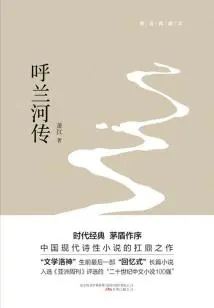
The Legend of Hulan River
General Fiction呼兰河传
Xiao Hong
"The Story of Hulan River" is a "memory" novel full of childlike innocence, poetic interest and inspiration. There are seven chapters in the book: Chapters 1 and 2 describe the small town style, Chapters 3 and 4 talk about the close and distant characters in the family, and Chapters 5, 6 and 7 describe the independent side characters. The author uses a relaxed inspection-style artistic technique and uses the ups and downs of emotions as a context to "biography of the towns and villages along the Hulan River where he was born and raised, the customs and customs of this town, and the life and death, joy and sorrow of various people." The seven chapters of the book are independent and yet integrated, with lingering echoes at the end. With her skillful writing skills, lyrical artistic conception, and heavy yet light writing style, Xiao Hong created her pinnacle work and contributed an immortal classic to Chinese literature.
"The Story of Hulan River" is a "memory" novel full of childlike innocence, poetic interest and inspiration. There are seven chapters in the book: Chapters 1 and 2 describe the small town style, Chapters 3 and 4 talk about the close and distant characters in the family, and Chapters 5, 6 and 7 describe the independent side characters. The author uses a relaxed inspection-style artistic technique and uses the ups and downs of emotions as a context to "biography of the towns and villages along the Hulan River where he was born and raised, the customs and customs of this town, and the life and death, joy and sorrow of various people." The seven chapters of the book are independent and yet integrated, with lingering echoes at the end. With her skillful writing skills, lyrical artistic conception, and heavy yet light writing style, Xiao Hong created her pinnacle work and contributed an immortal classic to Chinese literature.
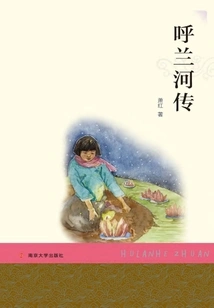
The Legend of Hulan River
General Fiction呼兰河传
Xiao Hong
"Must-Read Classic Books Series of the Ministry's Edition" is a newly revised series of books in the "New Curriculum Standard Classics·Student Edition". Based on the original series, the varieties are selected, added or deleted based on the requirements of the latest Chinese textbooks compiled by the Ministry and early market feedback. Xiao Hong uses moving pen and ink to depict the customs of Hulan River, a small town in the north. Scenes of small plays, each independent but interrelated, truly and emotionally reproduce the dark, backward and ignorant social life in the northeastern countryside of the author's childhood.
"Must-Read Classic Books Series of the Ministry's Edition" is a newly revised series of books in the "New Curriculum Standard Classics·Student Edition". Based on the original series, the varieties are selected, added or deleted based on the requirements of the latest Chinese textbooks compiled by the Ministry and early market feedback. Xiao Hong uses moving pen and ink to depict the customs of Hulan River, a small town in the north. Scenes of small plays, each independent but interrelated, truly and emotionally reproduce the dark, backward and ignorant social life in the northeastern countryside of the author's childhood.
The Legend of Hulan River
General Fiction呼兰河传
Xiao Hong
The background of the writing of "The Story of Hulan River" is the northeastern region of China in the early 20th century. At that time, the Republic of China had just been founded. Although the new trend of civilization had spread into various large and medium-sized cities, there were still many small towns like Hulan across China. They were isolated and ignorant, and still struggled numbly on the edge of poverty and ignorance. In the story, the kind and idle grandfather, the numb and stubborn second uncle, the feudal and ignorant eldest daughter-in-law of the Hu family, the innocent and pitiful little reunion daughter-in-law, and the determined and persistent Feng Zuiwaizi are true portrayals of the souls of the people at that time.
The background of the writing of "The Story of Hulan River" is the northeastern region of China in the early 20th century. At that time, the Republic of China had just been founded. Although the new trend of civilization had spread into various large and medium-sized cities, there were still many small towns like Hulan across China. They were isolated and ignorant, and still struggled numbly on the edge of poverty and ignorance. In the story, the kind and idle grandfather, the numb and stubborn second uncle, the feudal and ignorant eldest daughter-in-law of the Hu family, the innocent and pitiful little reunion daughter-in-law, and the determined and persistent Feng Zuiwaizi are true portrayals of the souls of the people at that time.
The Legend of Hulan River
General Fiction呼兰河传
Xiao Hong
"Literature Goddess" and a classic work by Xiao Hong, one of the four most talented women of the Republic of China. "There is a city that I will never stay away from when I come here." This is a classic work by Xiao Hong, a writer of the Republic of China, who has influenced generations of people. Along the Hulan River, there are memories of Xiao Hong's happy and innocent childhood. Even though it is a desolate land full of pain and despair, her kind grandfather lived here, and there are also animals and plants in her back garden. These are all a touch of warmth in Xiao Hong's lonely life. In such a long prose novel, Xiao Hong recalled her childhood and hometown that she missed so much at the end of her life. A writer unanimously praised by Lu Xun, Mao Dun, Xia Zhiqing and others, it is one of the classics of modern Chinese literature in the 20th century and is worthy of the first half of the masterpiece "Red Mansions". It is recommended reading in the new curriculum standards and newly compiled Chinese textbooks of the Ministry of Education.
"Literature Goddess" and a classic work by Xiao Hong, one of the four most talented women of the Republic of China. "There is a city that I will never stay away from when I come here." This is a classic work by Xiao Hong, a writer of the Republic of China, who has influenced generations of people. Along the Hulan River, there are memories of Xiao Hong's happy and innocent childhood. Even though it is a desolate land full of pain and despair, her kind grandfather lived here, and there are also animals and plants in her back garden. These are all a touch of warmth in Xiao Hong's lonely life. In such a long prose novel, Xiao Hong recalled her childhood and hometown that she missed so much at the end of her life. A writer unanimously praised by Lu Xun, Mao Dun, Xia Zhiqing and others, it is one of the classics of modern Chinese literature in the 20th century and is worthy of the first half of the masterpiece "Red Mansions". It is recommended reading in the new curriculum standards and newly compiled Chinese textbooks of the Ministry of Education.
The Legend of Hulan River
General Fiction呼兰河传
Xiao Hong
"The Story of Hulan River" is the representative work of Xiao Hong's novels. By recalling various characters and life scenes in his hometown, he expresses the author's denial of the social reality of old China that distorts human nature and damages personality. Xiao Hong used her skillful recall skills, lyrical prose style, and heavy yet light writing style to create her "memory-style" works that will be handed down from generation to generation. Mao Dun once commented on the artistic achievements of "The Story of Hulan River": it is a narrative poem, a colorful folk painting, and a string of sad ballads. The feelings of "loneliness and depression" revealed in the works proposed by many researchers can actually be understood from this perspective. The novel is divided into 7 chapters, with an orderly beginning and an epilogue. The famous literary master Mao Dun wrote a preface.
"The Story of Hulan River" is the representative work of Xiao Hong's novels. By recalling various characters and life scenes in his hometown, he expresses the author's denial of the social reality of old China that distorts human nature and damages personality. Xiao Hong used her skillful recall skills, lyrical prose style, and heavy yet light writing style to create her "memory-style" works that will be handed down from generation to generation. Mao Dun once commented on the artistic achievements of "The Story of Hulan River": it is a narrative poem, a colorful folk painting, and a string of sad ballads. The feelings of "loneliness and depression" revealed in the works proposed by many researchers can actually be understood from this perspective. The novel is divided into 7 chapters, with an orderly beginning and an epilogue. The famous literary master Mao Dun wrote a preface.