Library
Browse and search books
58 novels found

Savannah Bay
Literature萨瓦纳湾
Marguerite Duras
"The Bay of Savannah" is a play written by the famous French writer Marguerite Duras. It tells the story of the stage actress Madeleine who became famous in various countries when she was young. She lost her memory when she got old and lived like a ghost near the bay where her daughter drowned. Every night a young woman came to visit her, her granddaughter, trying to help her grandmother recall the old things about her daughter, her mother.
"The Bay of Savannah" is a play written by the famous French writer Marguerite Duras. It tells the story of the stage actress Madeleine who became famous in various countries when she was young. She lost her memory when she got old and lived like a ghost near the bay where her daughter drowned. Every night a young woman came to visit her, her granddaughter, trying to help her grandmother recall the old things about her daughter, her mother.
Writing
Literature写作
Marguerite Duras
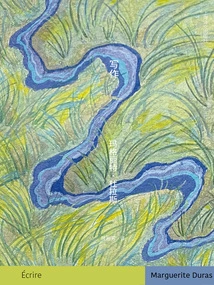
Duras's writing confession leads you into her writing darkroom; a literary walk that blends into the context of the times and is also a cultural memory of an era. "Writing" is Duras's masterpiece of essays in his later years. It is a collection of essays that integrates memories, philosophical contemplation and social thinking. It explores the essence of writing, historical trauma and the purity of art in poetic language. It can be regarded as Duras's confession to writing. The book contains a total of 5 essays. Among them, "Writing" was written for the documentary of the same name. It was filmed at her residence in Fort Nouvelle. In her later years, Duras faced the camera and slowly expressed her thoughts on writing, as well as her feelings about loneliness and nothingness. She recalled the origin of this residence, the solitude she created for writing, and the birth of "Laoer's Tribulation" and "Vice Consul". She admitted that writing is a "silent cry", which is both salvation and abyss. Alcohol, lovers, and night are intertwined here, and writing ultimately becomes the ultimate weapon against nothingness.
Duras's writing confession leads you into her writing darkroom; a literary walk that blends into the context of the times and is also a cultural memory of an era. "Writing" is Duras's masterpiece of essays in his later years. It is a collection of essays that integrates memories, philosophical contemplation and social thinking. It explores the essence of writing, historical trauma and the purity of art in poetic language. It can be regarded as Duras's confession to writing. The book contains a total of 5 essays. Among them, "Writing" was written for the documentary of the same name. It was filmed at her residence in Fort Nouvelle. In her later years, Duras faced the camera and slowly expressed her thoughts on writing, as well as her feelings about loneliness and nothingness. She recalled the origin of this residence, the solitude she created for writing, and the birth of "Laoer's Tribulation" and "Vice Consul". She admitted that writing is a "silent cry", which is both salvation and abyss. Alcohol, lovers, and night are intertwined here, and writing ultimately becomes the ultimate weapon against nothingness.

Lover of Northern China
General Fiction中国北方的情人
Marguerite Duras
After hearing the news of his lover's death, Duras put down the work at hand and started writing the story of his lover in northern China again. Compared with "The Lover", Duras uses deeper emotions and a more lingering narrative in this novel to recall her life in Vietnam as a girl. The description of her family and lover is more delicate. It is Duras's pinnacle work.
After hearing the news of his lover's death, Duras put down the work at hand and started writing the story of his lover in northern China again. Compared with "The Lover", Duras uses deeper emotions and a more lingering narrative in this novel to recall her life in Vietnam as a girl. The description of her family and lover is more delicate. It is Duras's pinnacle work.

Summer 1980
Literature八〇年夏
Marguerite Duras
In the early summer of 1980, Serge Joly of Liberation asked Duras for a manuscript and asked her to create a column to talk about things that interested her. After the summer, Duras submitted the column to the publisher, and thus "Summer of 1980" was created. The ten summer reflections compiled into this column include fog, wind, sea, children, workers' strike in Gdansk, Poland, and the Moscow Olympics, with various themes.
In the early summer of 1980, Serge Joly of Liberation asked Duras for a manuscript and asked her to create a column to talk about things that interested her. After the summer, Duras submitted the column to the publisher, and thus "Summer of 1980" was created. The ten summer reflections compiled into this column include fog, wind, sea, children, workers' strike in Gdansk, Poland, and the Moscow Olympics, with various themes.

"Love" is one of Duras's masterpieces. In her \

Emily L
General Fiction埃米莉·L
Marguerite Duras
"Emily L" is Margaret Duras's novel about the theme of accidental and fatal love. It is based on the intermittent observations and illusory abstract conversations between two lovers in a seaside cafe, which leads to the love legend between the British woman Emily L and the caretaker of the villa on the Isle of Wight. Duras said: "In the whiteness of the Isle of Wight, in that little drawing room, something happened, like a mass celebrated for a wedding, the union between the young caretaker and the woman he called Emily L., That careful and restrained kiss... Dedicated to the love that dominated their lives until their death."
"Emily L" is Margaret Duras's novel about the theme of accidental and fatal love. It is based on the intermittent observations and illusory abstract conversations between two lovers in a seaside cafe, which leads to the love legend between the British woman Emily L and the caretaker of the villa on the Isle of Wight. Duras said: "In the whiteness of the Isle of Wight, in that little drawing room, something happened, like a mass celebrated for a wedding, the union between the young caretaker and the woman he called Emily L., That careful and restrained kiss... Dedicated to the love that dominated their lives until their death."

Man Sitting in Corridor
General Fiction坐在走廊里的男人
Marguerite Duras
This book contains five works by Duras, among which "The Man Sitting in the Corridor", "Atlanteans", "The Sickness of Death" and "The Prostitute on the Shore of Normandy" are all short stories. In just a few words, they appropriately show the desire and struggle of life in the face of lust. The script "Agata" reflects Duras's mastery of discourse: the love cursed by reality and the beautiful childhood memories of the male and female protagonists are all narrated through their dialogue in the text.
This book contains five works by Duras, among which "The Man Sitting in the Corridor", "Atlanteans", "The Sickness of Death" and "The Prostitute on the Shore of Normandy" are all short stories. In just a few words, they appropriately show the desire and struggle of life in the face of lust. The script "Agata" reflects Duras's mastery of discourse: the love cursed by reality and the beautiful childhood memories of the male and female protagonists are all narrated through their dialogue in the text.
Like
General Fiction爱
Marguerite Duras
"Love" can be called the sequel to "Laoer's Catastrophe". Shatara is a city of love and a city of memories. In this desolate land came travelers, men walking, and women resting with their eyes closed. They seemed to be strangers to each other, but as they walked around and asked questions, they gradually recognized each other, and gradually recalled the distant past and the passing of Shatara. The imagination and memories of Shatara elicited so much poetry and dreams, and inspired so much desire for love. The author of "Love" is Margaret Duras.
"Love" can be called the sequel to "Laoer's Catastrophe". Shatara is a city of love and a city of memories. In this desolate land came travelers, men walking, and women resting with their eyes closed. They seemed to be strangers to each other, but as they walked around and asked questions, they gradually recognized each other, and gradually recalled the distant past and the passing of Shatara. The imagination and memories of Shatara elicited so much poetry and dreams, and inspired so much desire for love. The author of "Love" is Margaret Duras.
Black Hair and Blue Eyes
General Fiction乌发碧眼
Marguerite Duras
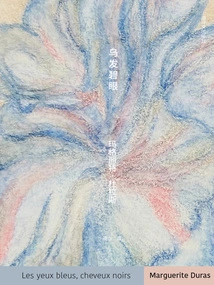
An emotional portrayal of Marguerite Duras in her later years; published for the first time as a single book; a tug-of-war and erotic temptation in which love cannot be achieved. "Black Hair, Blue Eyes" is Duras's work published in 1986. It is a drama adaptation of "The Disease of Death" published in 1982. It tells the story of a tug-of-war and repeated temptations of love. It is also an emotional portrayal of Duras and her last lover Jan Andrea Steiner in her later years. The story takes place in the dark night after dusk. The beautiful day suddenly disappears like a disaster, just like Duras himself in his old age. It was at this time that they met, a raven-haired and blue-eyed woman and a desperate man, in a cafe in a seaside resort. He invites her to his room facing the sea, and a fierce and heartbreaking adventure begins, taking them to the edge of madness and death, and finally spending the last night they call love on a stage made of waves and rocks.
An emotional portrayal of Marguerite Duras in her later years; published for the first time as a single book; a tug-of-war and erotic temptation in which love cannot be achieved. "Black Hair, Blue Eyes" is Duras's work published in 1986. It is a drama adaptation of "The Disease of Death" published in 1982. It tells the story of a tug-of-war and repeated temptations of love. It is also an emotional portrayal of Duras and her last lover Jan Andrea Steiner in her later years. The story takes place in the dark night after dusk. The beautiful day suddenly disappears like a disaster, just like Duras himself in his old age. It was at this time that they met, a raven-haired and blue-eyed woman and a desperate man, in a cafe in a seaside resort. He invites her to his room facing the sea, and a fierce and heartbreaking adventure begins, taking them to the edge of madness and death, and finally spending the last night they call love on a stage made of waves and rocks.

杜拉斯全集·第一辑(套装共17册)
Marguerite Duras
"The Complete Works of Duras, Volume 1" collects novels, essays, films and drama texts and other works in various genres. It uses excellent translations by Wang Daoqian, Gui Yufang, Shi Kangqiang, Tan Lide and other outstanding translators who are highly regarded in the French and literary circles. It contains 17 volumes of Duras's works in 6 volumes. Duras's legendary experience and unruly rebellious character are the same symbols of the times as Zhang Ailing; she is the well-deserved pride of France, the mysterious and elusive literary genius who wrote the handed down masterpiece "The Lover". Through this set of books, you can understand Duras's frankness and fearlessness, and get close to love and the essence of love in her cold and cruel words; understand that the most beautiful thing about Duras's words is that it reveals to you the true appearance of love and desire in a naked and exposed manner. Duras's language has a bird's-eye view of history, and the backlog of memories is extremely tense, making people sigh and have endless aftertaste. This set uses excellent translations by Wang Daoqian, Gui Yufang, Shi Kangqiang, Tan Lide and other outstanding translators who are highly respected in the French and literary circles, and have influenced several generations of Chinese literary circles.
"The Complete Works of Duras, Volume 1" collects novels, essays, films and drama texts and other works in various genres. It uses excellent translations by Wang Daoqian, Gui Yufang, Shi Kangqiang, Tan Lide and other outstanding translators who are highly regarded in the French and literary circles. It contains 17 volumes of Duras's works in 6 volumes. Duras's legendary experience and unruly rebellious character are the same symbols of the times as Zhang Ailing; she is the well-deserved pride of France, the mysterious and elusive literary genius who wrote the handed down masterpiece "The Lover". Through this set of books, you can understand Duras's frankness and fearlessness, and get close to love and the essence of love in her cold and cruel words; understand that the most beautiful thing about Duras's words is that it reveals to you the true appearance of love and desire in a naked and exposed manner. Duras's language has a bird's-eye view of history, and the backlog of memories is extremely tense, making people sigh and have endless aftertaste. This set uses excellent translations by Wang Daoqian, Gui Yufang, Shi Kangqiang, Tan Lide and other outstanding translators who are highly respected in the French and literary circles, and have influenced several generations of Chinese literary circles.

Vice Consul
General Fiction副领事
Marguerite Duras
"The Vice-Consul" is an important novel in Marguerite Duras's India series. Duras said: "This is the first book of my life." The story takes place on the banks of the Ganges. The French vice-consul in Lahore fired into Shalimar Gardens late at night. The Vice-Consul awaited a new appointment in Calcutta. In loneliness, he fell madly in love with the ambassador's wife Anna-Mary Street, the most outstanding woman in Calcutta. The monsoon is coming, and the white people in Calcutta are bored. There are whispers everywhere about the madness of the vice-consul and the affair of the ambassador's wife. At the dull reception party, the vice-consul was surrounded by this sound. He was the embodiment of loneliness, going crazy in loneliness. The tiny sounds drowned him, and he left melancholy in a frenzy...
"The Vice-Consul" is an important novel in Marguerite Duras's India series. Duras said: "This is the first book of my life." The story takes place on the banks of the Ganges. The French vice-consul in Lahore fired into Shalimar Gardens late at night. The Vice-Consul awaited a new appointment in Calcutta. In loneliness, he fell madly in love with the ambassador's wife Anna-Mary Street, the most outstanding woman in Calcutta. The monsoon is coming, and the white people in Calcutta are bored. There are whispers everywhere about the madness of the vice-consul and the affair of the ambassador's wife. At the dull reception party, the vice-consul was surrounded by this sound. He was the embodiment of loneliness, going crazy in loneliness. The tiny sounds drowned him, and he left melancholy in a frenzy...
Love (duras Complete Works 5)
General Fiction爱(杜拉斯全集5)
Marguerite Duras
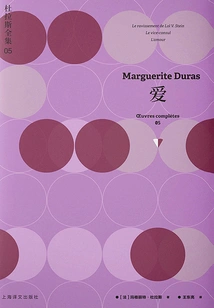
She took her desire with her and set sail with it. This book is the fifth volume of "The Complete Works of Duras". It includes the novels "The Rape of Laoer", "Vice Consul" and "Love" published by French writer Duras in 1964, 1965 and 1971 respectively. It is a work that highlights the author's creative style in his prime. Duras is gradually moving away from novels in the traditional sense. Her novels "lack the usual plot support and traditional narrative discourse than ever before." In "The Tribulation of Laoer", Laoer returns to his hometown of Shatara after getting married and having a child. The shadow of being abandoned by his fiancé resurfaces again, and Laoer goes crazy step by step; in "Vice Consul", the fiancé Mike Richardson follows the mysterious woman Anna-Marie Street to India, who is the wife of the French Ambassador in Calcutta, India. Love at first sight has no sequel; "Love" Lauer and Michael Richardson reunited in Shatara... The characters, time, space, and context of the three works are related, and they belong to the novel part of Duras's "India Series". They tell the story before and after the catastrophe of love. Duras is exploring "the unknown realm beyond love-trauma-rationality."
She took her desire with her and set sail with it. This book is the fifth volume of "The Complete Works of Duras". It includes the novels "The Rape of Laoer", "Vice Consul" and "Love" published by French writer Duras in 1964, 1965 and 1971 respectively. It is a work that highlights the author's creative style in his prime. Duras is gradually moving away from novels in the traditional sense. Her novels "lack the usual plot support and traditional narrative discourse than ever before." In "The Tribulation of Laoer", Laoer returns to his hometown of Shatara after getting married and having a child. The shadow of being abandoned by his fiancé resurfaces again, and Laoer goes crazy step by step; in "Vice Consul", the fiancé Mike Richardson follows the mysterious woman Anna-Marie Street to India, who is the wife of the French Ambassador in Calcutta, India. Love at first sight has no sequel; "Love" Lauer and Michael Richardson reunited in Shatara... The characters, time, space, and context of the three works are related, and they belong to the novel part of Duras's "India Series". They tell the story before and after the catastrophe of love. Duras is exploring "the unknown realm beyond love-trauma-rationality."

Pony of Tarquinia
General Fiction塔尔奎尼亚的小马
Marguerite Duras
In Duras's early works, the style began to change. She no longer focuses on telling stories, but expresses subtle moods and emotions in calm and plain conversations. The sea, the heat, the bitter taste of Compari, the game of boules, thoughts solidified in the heat, and the love of many years also stopped. Should you set out on a trip to seek another scenery for your life, or should you indulge your emotions in laziness?
In Duras's early works, the style began to change. She no longer focuses on telling stories, but expresses subtle moods and emotions in calm and plain conversations. The sea, the heat, the bitter taste of Compari, the game of boules, thoughts solidified in the heat, and the love of many years also stopped. Should you set out on a trip to seek another scenery for your life, or should you indulge your emotions in laziness?

The Sound of the Piano is Like Complaining
General Fiction琴声如诉
Marguerite Duras
Anna Deballest is the young wife of a manager of a company in a coastal city in another province. One day, a murder occurred in the cafe downstairs. Some unknown force prompted her to return to the cafe the next day, where she met a young man with blue eyes. While talking to him, Anna herself became another woman, escaping from the wealthy bourgeois society to which she belonged and breaking away from her indifferent husband. In a certain way, she became "Madame Bovary"... One day, without the children, she visited Chauvin again and kissed him. They both knew that with just one kiss, their love would end...
Anna Deballest is the young wife of a manager of a company in a coastal city in another province. One day, a murder occurred in the cafe downstairs. Some unknown force prompted her to return to the cafe the next day, where she met a young man with blue eyes. While talking to him, Anna herself became another woman, escaping from the wealthy bourgeois society to which she belonged and breaking away from her indifferent husband. In a certain way, she became "Madame Bovary"... One day, without the children, she visited Chauvin again and kissed him. They both knew that with just one kiss, their love would end...
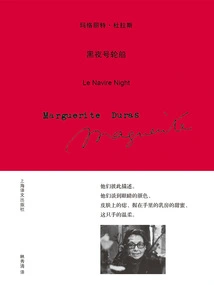
The Ship Noir (marguerite Duras Series)
General Fiction黑夜号轮船(玛格丽特·杜拉斯作品系列)
Marguerite Duras
"Ship of the Night" tells the story of two young people who don't know each other and talk about their love endlessly over the phone in the dark night. The passionate longing, restless anticipation and painful lust drive the two lovers crazy. However, they refuse to realize their desires in pain and refuse to let simple love take over. The author mixes shortcomings and desires, making the "Night Ship" a ghost ship sailing at night carrying sexual temptations. When Duras wrote the "Aurelia Steiner Series", she claimed to be writing the history of the Jews. She sympathized with the unfortunate fate of the Jews during World War II. The Holocaust of the Jews by the German Nazis made her feel heavy. She wrote Aurelia undoubtedly to vent the great pain buried in her heart that she had never expressed.
"Ship of the Night" tells the story of two young people who don't know each other and talk about their love endlessly over the phone in the dark night. The passionate longing, restless anticipation and painful lust drive the two lovers crazy. However, they refuse to realize their desires in pain and refuse to let simple love take over. The author mixes shortcomings and desires, making the "Night Ship" a ghost ship sailing at night carrying sexual temptations. When Duras wrote the "Aurelia Steiner Series", she claimed to be writing the history of the Jews. She sympathized with the unfortunate fate of the Jews during World War II. The Holocaust of the Jews by the German Nazis made her feel heavy. She wrote Aurelia undoubtedly to vent the great pain buried in her heart that she had never expressed.
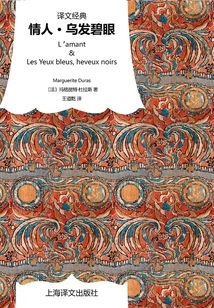
Lover · Black Hair and Blue Eyes (classic Translation)
General Fiction情人·乌发碧眼(译文经典)
Marguerite Duras
"The Lover, Black Hair and Blue Eyes" is one of Duras's masterpieces. It is an autobiographical novel and won the French Prix Goncourt for Literature in 1984. The book is based on the life of French colonists in Vietnam and describes the deep and hopeless love between a poor French girl and a rich Chinese young master.
"The Lover, Black Hair and Blue Eyes" is one of Duras's masterpieces. It is an autobiographical novel and won the French Prix Goncourt for Literature in 1984. The book is based on the life of French colonists in Vietnam and describes the deep and hopeless love between a poor French girl and a rich Chinese young master.
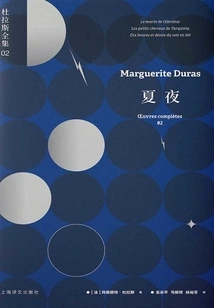
Summer Night (duras Complete Works 2)
General Fiction夏夜(杜拉斯全集2)
Marguerite Duras
Duras's transformational work, with its blurred plot, sharply fractured language, and magical and suspenseful atmosphere. "Summer Nights: The Complete Works of Duras 2" is the second volume of "The Complete Works of Duras". It contains three novels "The Sailor of Gibraltar", "The Pony of Tarquinia" and "Half-A-Ten on a Summer Night" written by the French writer Duras between 1952 and 1960. It is a work in which the writer is in a period of transformation, transforming from traditional writing to personal style writing. Duras no longer focuses on telling stories in a straightforward manner, but instead expresses subtle moods and emotions in seemingly dull dialogues. The novel still has a relatively complete plot, but with the addition of magic and black suspense novel colors, the boundaries between fiction and reality begin to blur, and the rhythm of language and narrative begins to become fractured.
Duras's transformational work, with its blurred plot, sharply fractured language, and magical and suspenseful atmosphere. "Summer Nights: The Complete Works of Duras 2" is the second volume of "The Complete Works of Duras". It contains three novels "The Sailor of Gibraltar", "The Pony of Tarquinia" and "Half-A-Ten on a Summer Night" written by the French writer Duras between 1952 and 1960. It is a work in which the writer is in a period of transformation, transforming from traditional writing to personal style writing. Duras no longer focuses on telling stories in a straightforward manner, but instead expresses subtle moods and emotions in seemingly dull dialogues. The novel still has a relatively complete plot, but with the addition of magic and black suspense novel colors, the boundaries between fiction and reality begin to blur, and the rhythm of language and narrative begins to become fractured.
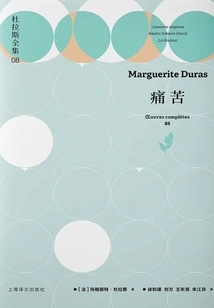
Pain (the Complete Works of Duras 8)
General Fiction痛苦(杜拉斯全集8)
Marguerite Duras
Volume 8 of "The Complete Works of Duras" includes seven novels and novels published by Duras between 1967 and 1985: "The English Mistress", "Abbarn, Sabana, David", "Pain", "Mr. Pierre Rabie", "Alber's Security Guards in the Capital", "Broken Nettles" and "Aurelia Paris". They are Duras's fictional works based on social news and exploring the themes of war, race and emotion. "The Mistress of England" tells the story of the murder of Marie-Thérèse, who was deaf and mute. The murderer brutally cut her body into pieces and threw her body from a nearby viaduct into a train carriage passing below. The story of "Abaan, Sabana, David" takes place in the "Jewish House" in Stadt. There is a large dark park nearby and a forest in the distance. In the house, Sabana and David were ordered to guard a Jew who was about to be executed. In fact, the Jews are two people with the same name: Abaan. One of them is mute, and the other speaks. They are waiting for the dawn, waiting for the arrival of the leader of the Gringo Party... "Pain" is a semi-autobiographical novel by Margaret Duras, written in the 1940s. The manuscript was discovered in the author's country house more than 40 years later and was published in 1985. Duras once said: "'Pain' is one of the most important experiences in my life. It would be inappropriate to call it 'writing'." Focusing on the theme of the German occupation of France in World War II, it cuts through the perspectives of the wives of resistance members, the Gestapo, informants, French enemy elements, and Jewish girls. It profoundly exposes the inhumane atrocities of the Nazis and reflects on the alienated humanity in the war.
Volume 8 of "The Complete Works of Duras" includes seven novels and novels published by Duras between 1967 and 1985: "The English Mistress", "Abbarn, Sabana, David", "Pain", "Mr. Pierre Rabie", "Alber's Security Guards in the Capital", "Broken Nettles" and "Aurelia Paris". They are Duras's fictional works based on social news and exploring the themes of war, race and emotion. "The Mistress of England" tells the story of the murder of Marie-Thérèse, who was deaf and mute. The murderer brutally cut her body into pieces and threw her body from a nearby viaduct into a train carriage passing below. The story of "Abaan, Sabana, David" takes place in the "Jewish House" in Stadt. There is a large dark park nearby and a forest in the distance. In the house, Sabana and David were ordered to guard a Jew who was about to be executed. In fact, the Jews are two people with the same name: Abaan. One of them is mute, and the other speaks. They are waiting for the dawn, waiting for the arrival of the leader of the Gringo Party... "Pain" is a semi-autobiographical novel by Margaret Duras, written in the 1940s. The manuscript was discovered in the author's country house more than 40 years later and was published in 1985. Duras once said: "'Pain' is one of the most important experiences in my life. It would be inappropriate to call it 'writing'." Focusing on the theme of the German occupation of France in World War II, it cuts through the perspectives of the wives of resistance members, the Gestapo, informants, French enemy elements, and Jewish girls. It profoundly exposes the inhumane atrocities of the Nazis and reflects on the alienated humanity in the war.
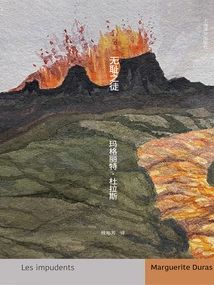
Shameless Person
General Fiction无耻之徒
Marguerite Duras
"Shameless" is Duras's first novel, and it is also the starting point for a woman to speak out and write herself. Duras said: "This book fell from me: fears and desires, malice stemming from a difficult childhood..." The original title of this book is "The Tanneron Family", and the writing is beautiful, which is very different from the sonorous and powerful later ones. However, the triangle relationship that haunts the author throughout his life is formed here: daughter, son, mother. The son and mother transcended the relationship between good and evil and formed a complex and strange alliance, while the daughter was forever expelled from her mother's love. This strange family, this sticky and protective ball of love and hate, became the theme of Duras's life. Its characters and concepts of love set the tone for future creations.
"Shameless" is Duras's first novel, and it is also the starting point for a woman to speak out and write herself. Duras said: "This book fell from me: fears and desires, malice stemming from a difficult childhood..." The original title of this book is "The Tanneron Family", and the writing is beautiful, which is very different from the sonorous and powerful later ones. However, the triangle relationship that haunts the author throughout his life is formed here: daughter, son, mother. The son and mother transcended the relationship between good and evil and formed a complex and strange alliance, while the daughter was forever expelled from her mother's love. This strange family, this sticky and protective ball of love and hate, became the theme of Duras's life. Its characters and concepts of love set the tone for future creations.

Wartime Notes and Others
Literature战时笔记和其他
Marguerite Duras
The original version of the lover's story, the original version of "The Dam Against the Pacific", the long wait and the husband returning from the concentration camp, the dead child, the concierge's wife's disobedience... And childhood and mother, eternal childhood and mother. The main part of the book consists of four notebooks written by Duras between 1943 and 1949. Although Duras inscribed "War Notes" on the envelopes containing these four notebooks, the scope of their descriptions goes beyond the war. In some of these autobiographical narratives, Duras refers to key periods in her life, particularly her childhood in Indochina. There are also drafts of some later novels, such as "The Barrier Against the Pacific", "The Sailor of Gibraltar", "Mrs. Dowdan", etc., As well as the story blueprint for the novel "Pain" published in 1985. This book also includes ten other texts from the same period, which completes the image of the writer in his early years. At that time, Duras's imaginary world had just been established.
The original version of the lover's story, the original version of "The Dam Against the Pacific", the long wait and the husband returning from the concentration camp, the dead child, the concierge's wife's disobedience... And childhood and mother, eternal childhood and mother. The main part of the book consists of four notebooks written by Duras between 1943 and 1949. Although Duras inscribed "War Notes" on the envelopes containing these four notebooks, the scope of their descriptions goes beyond the war. In some of these autobiographical narratives, Duras refers to key periods in her life, particularly her childhood in Indochina. There are also drafts of some later novels, such as "The Barrier Against the Pacific", "The Sailor of Gibraltar", "Mrs. Dowdan", etc., As well as the story blueprint for the novel "Pain" published in 1985. This book also includes ten other texts from the same period, which completes the image of the writer in his early years. At that time, Duras's imaginary world had just been established.
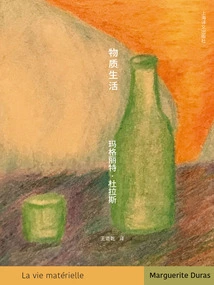
Material Life
Literature物质生活
Marguerite Duras
Duras's masterpiece of essays, writing about "a moment" of life; heroic dreams in tired life, magical metaphors of all things in the world; adopted Mr. Wang Daoqian's classic translation, with a translation postscript: "I have no story. Likewise, I have no life. My story, every day, every second of every day, is shattered by the present of life. If nothing happens, that is the most worthy event to think about." "Material Life" " is a very unique and iconic collection of essays by the French writer Marguerite Duras. The writing is free, rich and poetic. It originated from Duras's narration to her friend Jérôme Beaujour. It is collected into "Chemical Smell", "Lady of Black Rock", "Alcohol", "Hanoi", "Black Mass", "The Blue of the Shawl", "Man", "Animals", "Racine Forest", "Liar Man", "Clever Talk", "Green Steak" and "Wouldn't You?" "Mediterranean Sea", "Paris", "Red Deck Chair", "Wardrobe", "Time Lost", "Night Food", "Dangerous State", "Apparition" and other forty-eight articles, ranging in length from 400 to 500 words to 10,000 words. "It is not a novel, but it is closest to the writing method of a novel". The theme is "induced from daily events". It has Duras's writing view, understanding of language and drama, and the writing background of certain works. There are explanations of ideas and the influence of the writing environment; there are also social observations, such as judgments about men, analysis of the inherent functions of men and women in daily life, criticism of social injustice, and opinions on the news stance; there are also confessions of private life, such as living habits, diet, clothing, exotic scenery in childhood memories, family life, emotional past, acquaintance with lover Yang, unbearable illness, delirium, etc. Duras's life and writing are integrated. Reading "Material Life" is like listening to Duras's memories: memories of creation and memories of life. As Duras said: "The flowing writing style of "Material Life" allows for communication back and forth between me and you, and between you and me during the period of time we live together."
Duras's masterpiece of essays, writing about "a moment" of life; heroic dreams in tired life, magical metaphors of all things in the world; adopted Mr. Wang Daoqian's classic translation, with a translation postscript: "I have no story. Likewise, I have no life. My story, every day, every second of every day, is shattered by the present of life. If nothing happens, that is the most worthy event to think about." "Material Life" " is a very unique and iconic collection of essays by the French writer Marguerite Duras. The writing is free, rich and poetic. It originated from Duras's narration to her friend Jérôme Beaujour. It is collected into "Chemical Smell", "Lady of Black Rock", "Alcohol", "Hanoi", "Black Mass", "The Blue of the Shawl", "Man", "Animals", "Racine Forest", "Liar Man", "Clever Talk", "Green Steak" and "Wouldn't You?" "Mediterranean Sea", "Paris", "Red Deck Chair", "Wardrobe", "Time Lost", "Night Food", "Dangerous State", "Apparition" and other forty-eight articles, ranging in length from 400 to 500 words to 10,000 words. "It is not a novel, but it is closest to the writing method of a novel". The theme is "induced from daily events". It has Duras's writing view, understanding of language and drama, and the writing background of certain works. There are explanations of ideas and the influence of the writing environment; there are also social observations, such as judgments about men, analysis of the inherent functions of men and women in daily life, criticism of social injustice, and opinions on the news stance; there are also confessions of private life, such as living habits, diet, clothing, exotic scenery in childhood memories, family life, emotional past, acquaintance with lover Yang, unbearable illness, delirium, etc. Duras's life and writing are integrated. Reading "Material Life" is like listening to Duras's memories: memories of creation and memories of life. As Duras said: "The flowing writing style of "Material Life" allows for communication back and forth between me and you, and between you and me during the period of time we live together."
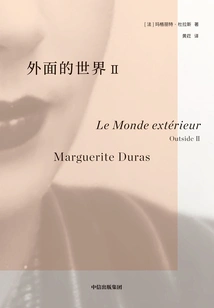
The Outside World Ii
Literature外面的世界II
Marguerite Duras
This book collects newspaper articles, prefaces, letters, and essays written by Marguerite Duras from 1962 to 1993. Some have been published, and some have never been published. Some of the articles were about social events in France at that time, and some were about a beloved movie, a painting that I had watched for a long time, a meeting, or a lonely night. These articles seem scattered, but actually contain a kind of continuation. This continuation is not limited to chronological order. It comes from the subject itself. There may not really be any connection between the themes, but they are intertwined and respond to each other. The main theme of the book may be some thoughts about France. A France that is more shown than told, a nation open to all winds.
This book collects newspaper articles, prefaces, letters, and essays written by Marguerite Duras from 1962 to 1993. Some have been published, and some have never been published. Some of the articles were about social events in France at that time, and some were about a beloved movie, a painting that I had watched for a long time, a meeting, or a lonely night. These articles seem scattered, but actually contain a kind of continuation. This continuation is not limited to chronological order. It comes from the subject itself. There may not really be any connection between the themes, but they are intertwined and respond to each other. The main theme of the book may be some thoughts about France. A France that is more shown than told, a nation open to all winds.
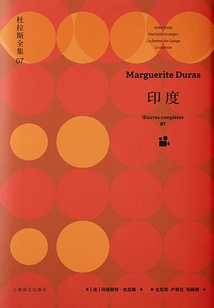
India (duras Complete Works 7)
Literature印度(杜拉斯全集7)
Marguerite Duras
This is a love story, this is not just a love story. "India: The Complete Works of Duras 7" is the seventh volume of "The Complete Works of Duras". It is named "India" and includes four representative film scripts created by Duras in the 1970s: "Song of India", "Nathalie Grande", "Ladies from the Ganges" and "Truck". "Song of India" is a play that established Duras's status as a film director. It was created in 1973. The story revolves around Anne-Marie Street, wife of the French Ambassador to India, and three friends around her. "Nathalie Grande" is Duras's transformational work as a film director. It was created in 1973 and was shot in Duras's residence in the same year. This is a work about women, with a very classical style. The appendix includes "Women of the Ganges" in the form of a screenplay for "Amour", which was filmed in Trouville-sur-Mer where Duras lived in the same year. "Truck" was created in 1977 and includes the film's script, shooting instructions and related conversations with Michel Poulter. Two characters, played by famous movie stars Gérard Depardieu and Duras, sit in a room with the doors and windows closed, and the conversation alternates between shots of trucks driving around Paris and stopping to offer rides, and verbal descriptions of a potential film alternating with images of what it might form.
This is a love story, this is not just a love story. "India: The Complete Works of Duras 7" is the seventh volume of "The Complete Works of Duras". It is named "India" and includes four representative film scripts created by Duras in the 1970s: "Song of India", "Nathalie Grande", "Ladies from the Ganges" and "Truck". "Song of India" is a play that established Duras's status as a film director. It was created in 1973. The story revolves around Anne-Marie Street, wife of the French Ambassador to India, and three friends around her. "Nathalie Grande" is Duras's transformational work as a film director. It was created in 1973 and was shot in Duras's residence in the same year. This is a work about women, with a very classical style. The appendix includes "Women of the Ganges" in the form of a screenplay for "Amour", which was filmed in Trouville-sur-Mer where Duras lived in the same year. "Truck" was created in 1977 and includes the film's script, shooting instructions and related conversations with Michel Poulter. Two characters, played by famous movie stars Gérard Depardieu and Duras, sit in a room with the doors and windows closed, and the conversation alternates between shots of trucks driving around Paris and stopping to offer rides, and verbal descriptions of a potential film alternating with images of what it might form.
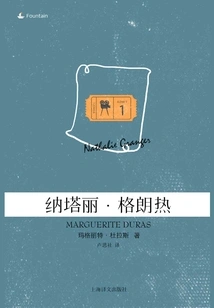
Natalie Grande
Literature纳塔丽·格朗热
Marguerite Duras
This book contains two articles, "Natalie Grande" and "Ganges Woman". "Nathalie Grande" is a film script written by Duras in 1973 and made into a movie in Duras' residence in the same year. Among Duras's works, "Nathalie Grande" is unique in that it breaks away from the themes that Duras was obsessed with and began to pay attention to social issues. "Ganges Girl" is the continuation of "The Rape of Laoer" and "Vice Consul", and is also the script form of "Love". In the same year, a film was arranged in Trouville-sur-Mer, where Duras lived.
This book contains two articles, "Natalie Grande" and "Ganges Woman". "Nathalie Grande" is a film script written by Duras in 1973 and made into a movie in Duras' residence in the same year. Among Duras's works, "Nathalie Grande" is unique in that it breaks away from the themes that Duras was obsessed with and began to pay attention to social issues. "Ganges Girl" is the continuation of "The Rape of Laoer" and "Vice Consul", and is also the script form of "Love". In the same year, a film was arranged in Trouville-sur-Mer, where Duras lived.
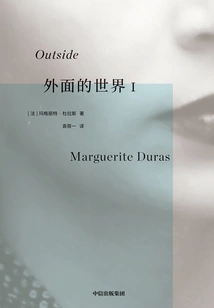
The Outside World I
Literature外面的世界I
Marguerite Duras
"You see, sometimes I write articles for the newspaper myself. Every now and then, I write for the outside world, whenever the outside world swallows me up, whenever something happens that drives me crazy and makes me have to run out and go to the street - or I have nothing more important to do." These words were written by Marguerite Duras for the outside world. The so-called "outside" is relative to "inside". Duras, who was passionate about private writing, was also very interested in the outside world. Her work surface is spread out. Media - even though she claims to despise media, politics - even though she does not recognize the "intervention" literature of Sartre or Beauvoir, as well as all social, historical, political, artistic, all forms and non-forms, all moral and non-moral.
"You see, sometimes I write articles for the newspaper myself. Every now and then, I write for the outside world, whenever the outside world swallows me up, whenever something happens that drives me crazy and makes me have to run out and go to the street - or I have nothing more important to do." These words were written by Marguerite Duras for the outside world. The so-called "outside" is relative to "inside". Duras, who was passionate about private writing, was also very interested in the outside world. Her work surface is spread out. Media - even though she claims to despise media, politics - even though she does not recognize the "intervention" literature of Sartre or Beauvoir, as well as all social, historical, political, artistic, all forms and non-forms, all moral and non-moral.
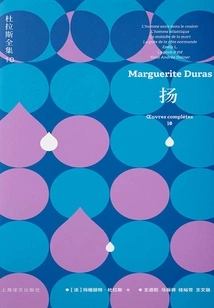
Young (the Complete Works of Duras 10)
General Fiction扬(杜拉斯全集10)
Marguerite Duras
"Young: The Complete Works of Duras 10" is the 10th volume of "The Complete Works of Duras", which includes seven short stories and short stories written by the writer in his later period: "The Man Sitting in the Corridor": a short story about a man sitting in the corridor and a woman lying in the garden, unfolding an absurd narrative a few meters away. "Atlantic": a short story that can be said to be a confession of young lover Jan. "The Disease of Death": a short story about men and women with desire and passion. No matter how close they get, they cannot transcend themselves and must return to where they started. "The Whore on the Riviera in Normandy": a short story about how to write about the summer at the Black Rock Hotel in Trouville and the story of the black-haired and blue-eyed foreign man. "Emily L": a novella, a novel about the theme of accidental and fatal love. The intermittent observations and illusory abstract conversations between two lovers in a seaside cafe lead to the love legend between the British woman Emily L and the caretaker of the villa on the Isle of Wight. "Summer Rain": A novella, Ernesto lives in a poor immigrant family, with weak parents who lack the means to make a living, and six younger brothers and sisters who need to be taken care of... But the harsh environment does not prevent him from feeling happiness. He is intoxicated by the subtle relationship with his sister Ranna. "Jan Andrea Steiner": a novella about Duras's acquaintance with his young lover Jan when he was sixty-six years old.
"Young: The Complete Works of Duras 10" is the 10th volume of "The Complete Works of Duras", which includes seven short stories and short stories written by the writer in his later period: "The Man Sitting in the Corridor": a short story about a man sitting in the corridor and a woman lying in the garden, unfolding an absurd narrative a few meters away. "Atlantic": a short story that can be said to be a confession of young lover Jan. "The Disease of Death": a short story about men and women with desire and passion. No matter how close they get, they cannot transcend themselves and must return to where they started. "The Whore on the Riviera in Normandy": a short story about how to write about the summer at the Black Rock Hotel in Trouville and the story of the black-haired and blue-eyed foreign man. "Emily L": a novella, a novel about the theme of accidental and fatal love. The intermittent observations and illusory abstract conversations between two lovers in a seaside cafe lead to the love legend between the British woman Emily L and the caretaker of the villa on the Isle of Wight. "Summer Rain": A novella, Ernesto lives in a poor immigrant family, with weak parents who lack the means to make a living, and six younger brothers and sisters who need to be taken care of... But the harsh environment does not prevent him from feeling happiness. He is intoxicated by the subtle relationship with his sister Ranna. "Jan Andrea Steiner": a novella about Duras's acquaintance with his young lover Jan when he was sixty-six years old.
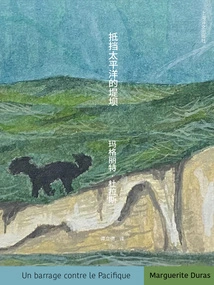
Barrier Against the Pacific Ocean
General Fiction抵挡太平洋的堤坝
Marguerite Duras
Duras' masterpiece novel, a panoramic version of the autobiographical story that runs through Duras's life; a stubborn mother\u002F a laissez-faire son\u002F a precocious daughter\u002F a tense mother-daughter relationship\u002F a hard-working but hopeless future; it has been adapted into a movie twice, starring French movie star Isabelle Huppert in 2008. "Dike Against the Pacific" is Duras's representative autobiographical work and a panoramic version of the autobiographical stories throughout Duras's creative career. The couple, both primary school teachers, were tempted by the advertisements and went to the Eastern colonies for adventure. After a few relatively happy years, his father passed away, leaving his mother and two children. My mother played the piano at the Eden Cinema for ten years, frugally saved up money, and obtained a leased land. My mother planned to build a levee to withstand the Pacific Ocean tides to protect her and her neighbors' land. The novel begins with that moment. Their mother, 20-year-old Joseph and 16-year-old Susan, lived a difficult life in a dilapidated stilt building in the middle of the leased land, and were constantly threatened by the Cadastral Administration to take back the leased land. Joseph's anger and love, Susan's resignation, a certain Mr. Ruo's plan to seduce a young girl... The mother never lost her perseverance and hope. She calculated carefully and planned with a cautious and cunning enthusiasm. She imagined the construction of a dam to withstand the tide of the Pacific Ocean, looked forward to the future harvest of the leased land, and was afraid of the final separation from her children - even though she knew it was irresistible.
Duras' masterpiece novel, a panoramic version of the autobiographical story that runs through Duras's life; a stubborn mother\u002F a laissez-faire son\u002F a precocious daughter\u002F a tense mother-daughter relationship\u002F a hard-working but hopeless future; it has been adapted into a movie twice, starring French movie star Isabelle Huppert in 2008. "Dike Against the Pacific" is Duras's representative autobiographical work and a panoramic version of the autobiographical stories throughout Duras's creative career. The couple, both primary school teachers, were tempted by the advertisements and went to the Eastern colonies for adventure. After a few relatively happy years, his father passed away, leaving his mother and two children. My mother played the piano at the Eden Cinema for ten years, frugally saved up money, and obtained a leased land. My mother planned to build a levee to withstand the Pacific Ocean tides to protect her and her neighbors' land. The novel begins with that moment. Their mother, 20-year-old Joseph and 16-year-old Susan, lived a difficult life in a dilapidated stilt building in the middle of the leased land, and were constantly threatened by the Cadastral Administration to take back the leased land. Joseph's anger and love, Susan's resignation, a certain Mr. Ruo's plan to seduce a young girl... The mother never lost her perseverance and hope. She calculated carefully and planned with a cautious and cunning enthusiasm. She imagined the construction of a dam to withstand the tide of the Pacific Ocean, looked forward to the future harvest of the leased land, and was afraid of the final separation from her children - even though she knew it was irresistible.
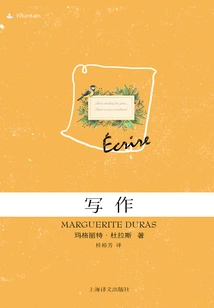
Writing
Literature写作
Marguerite Duras
This is a collection of essays by Margaret Duras in her later years, published in 1993. Although the title is "Writing", it is not limited to writing itself. The writer's memories and feelings: loneliness, alcohol, lovers, living alone in a country house, movies, and even his love for his younger brother are all integrated into it. The book contains five short stories, namely "Writing", "The Death of the Young British Pilot", "Rome", "Pure Numbers" and "Painting Exhibition".
This is a collection of essays by Margaret Duras in her later years, published in 1993. Although the title is "Writing", it is not limited to writing itself. The writer's memories and feelings: loneliness, alcohol, lovers, living alone in a country house, movies, and even his love for his younger brother are all integrated into it. The book contains five short stories, namely "Writing", "The Death of the Young British Pilot", "Rome", "Pure Numbers" and "Painting Exhibition".

Abarn, Sabana, David
General Fiction阿巴恩,萨巴娜,大卫
Marguerite Duras
"Abaan Sabana David" is a work by the French writer Marguerite Duras. The story takes place in the "Jewish House" in Stadt. Sabana and David are ordered to guard a Jew who is about to be executed. This is a novel with rich imagery and profound implications. It continues Duras's dreamlike writing style, and reflects on the real history and politics in the myth of the dream. It uses a large number of metaphorical expression techniques to show the face of a desperate and desolate world to readers. Among them, the persecution and massacre of the Jews, the long-term exile of the Jews, dangerous utopianism, etc. Are all important themes that this book focuses on throughout.
"Abaan Sabana David" is a work by the French writer Marguerite Duras. The story takes place in the "Jewish House" in Stadt. Sabana and David are ordered to guard a Jew who is about to be executed. This is a novel with rich imagery and profound implications. It continues Duras's dreamlike writing style, and reflects on the real history and politics in the myth of the dream. It uses a large number of metaphorical expression techniques to show the face of a desperate and desolate world to readers. Among them, the persecution and massacre of the Jews, the long-term exile of the Jews, dangerous utopianism, etc. Are all important themes that this book focuses on throughout.
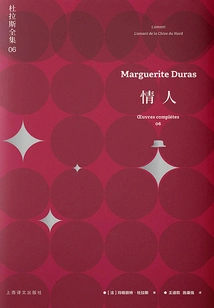
Lover (duras Complete Works 6)
General Fiction情人(杜拉斯全集6)
Marguerite Duras
Collecting Duras's masterpiece, Jane March and Tony Leung Ka Fai starred in the movie "The Lover" of the same name. Includes two works of Duras: "The Lover" and "The Lover of Northern China". As an autobiographical novel, "The Lover" is Duras's most famous masterpiece. It won the French Goncourt Literary Prize in 1984. The filming of the movie of the same name also deepened Chinese readers' understanding of it. The book is based on the life of French colonists in Vietnam and describes the deep and hopeless love between a poor French girl and a rich Chinese young master. "The Lover in Northern China" was rewritten by Duras after he learned the news of the death of his first love. Compared with "The Lover", this work is a more affectionate description and a more lingering narrative. It is Duras's pinnacle work.
Collecting Duras's masterpiece, Jane March and Tony Leung Ka Fai starred in the movie "The Lover" of the same name. Includes two works of Duras: "The Lover" and "The Lover of Northern China". As an autobiographical novel, "The Lover" is Duras's most famous masterpiece. It won the French Goncourt Literary Prize in 1984. The filming of the movie of the same name also deepened Chinese readers' understanding of it. The book is based on the life of French colonists in Vietnam and describes the deep and hopeless love between a poor French girl and a rich Chinese young master. "The Lover in Northern China" was rewritten by Duras after he learned the news of the death of his first love. Compared with "The Lover", this work is a more affectionate description and a more lingering narrative. It is Duras's pinnacle work.
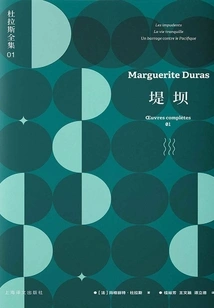
The Dyke (the Complete Works of Duras 1)
General Fiction堤坝(杜拉斯全集1)
Marguerite Duras
The starting point of Duras's writing, a panoramic view of the writer's childhood life. "Dym: The Complete Works of Duras 1" is the first volume of "The Complete Works of Duras". It contains three novels "Shameless", "Quiet Life" and "Dyke against the Pacific" written by the French writer Duras between 1943 and 1950. It is the author's earliest literary attempt. The story prototypes are all based on the author's childhood life experience, with obvious autobiographical color. The artistic technique adheres to the narrative tradition, the plot is complete and coherent, and the language is lengthy, which has the characteristics of traditional novels.
The starting point of Duras's writing, a panoramic view of the writer's childhood life. "Dym: The Complete Works of Duras 1" is the first volume of "The Complete Works of Duras". It contains three novels "Shameless", "Quiet Life" and "Dyke against the Pacific" written by the French writer Duras between 1943 and 1950. It is the author's earliest literary attempt. The story prototypes are all based on the author's childhood life experience, with obvious autobiographical color. The artistic technique adheres to the narrative tradition, the plot is complete and coherent, and the language is lengthy, which has the characteristics of traditional novels.
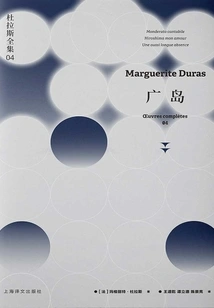
Hiroshima (duras Complete Works 4)
General Fiction广岛(杜拉斯全集4)
Marguerite Duras
"Hiroshima: The Complete Works of Duras 4" is the fourth volume of "The Complete Works of Duras". It includes the novella "The Sound of Music" published by French writer Duras in 1958, and the film scripts "Hiroshima Mon Amour" and "The Long Separation" published in 1960 and 1961 respectively. The three texts abandon the traditional linear narrative and elaborate description. Most of the text is concise dialogue, with obvious characteristics. The influence of the three is directly related to the film.
"Hiroshima: The Complete Works of Duras 4" is the fourth volume of "The Complete Works of Duras". It includes the novella "The Sound of Music" published by French writer Duras in 1958, and the film scripts "Hiroshima Mon Amour" and "The Long Separation" published in 1960 and 1961 respectively. The three texts abandon the traditional linear narrative and elaborate description. Most of the text is concise dialogue, with obvious characteristics. The influence of the three is directly related to the film.
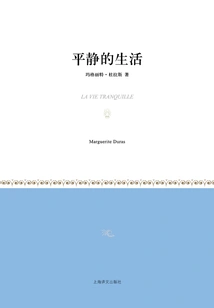
Peaceful Life
General Fiction平静的生活
Marguerite Duras
This book is Duras's second novel. Emotional and sober language, a plot shrouded in the shadow of death. In a remote village, faced with poverty and hatred, a twenty-five-year-old girl yearns for life and love in loneliness. Life passes slowly and quickly amid superficial calm and inner struggle. Duras, who was just starting out, wrote strange and confusing sentences and concise and clear story clues.
This book is Duras's second novel. Emotional and sober language, a plot shrouded in the shadow of death. In a remote village, faced with poverty and hatred, a twenty-five-year-old girl yearns for life and love in loneliness. Life passes slowly and quickly amid superficial calm and inner struggle. Duras, who was just starting out, wrote strange and confusing sentences and concise and clear story clues.

Xia Yu
General Fiction夏雨
Marguerite Duras
My father often found books on suburban trains and beside trash cans, as if they had been given away freely after someone died or moved. Once he found a copy of "The Life of Georges Pompidou". He read this book twice. There were bundles of outdated technical books next to the regular trash cans, but he didn't pick them up. My mother also read "The Life of Georges Pompidou". They are all interested in this biography...
My father often found books on suburban trains and beside trash cans, as if they had been given away freely after someone died or moved. Once he found a copy of "The Life of Georges Pompidou". He read this book twice. There were bundles of outdated technical books next to the regular trash cans, but he didn't pick them up. My mother also read "The Life of Georges Pompidou". They are all interested in this biography...

Material Life
Literature物质生活
Marguerite Duras
"Material Life" contains 48 essays and novels by Margaret Duras, involving the author's own works and other related aspects, such as the acquaintance with Jan André, the author's own illness due to drinking, etc., Which are also recorded in the book. Specific titles include articles such as "The Writer's Body", "October 1982", "Apparitions Coming in a Row", "The Blue of the Shawl", "The Last Customer at Night", "Chemical Smell", "The Highway of Discourse", etc.
"Material Life" contains 48 essays and novels by Margaret Duras, involving the author's own works and other related aspects, such as the acquaintance with Jan André, the author's own illness due to drinking, etc., Which are also recorded in the book. Specific titles include articles such as "The Writer's Body", "October 1982", "Apparitions Coming in a Row", "The Blue of the Shawl", "The Last Customer at Night", "Chemical Smell", "The Highway of Discourse", etc.
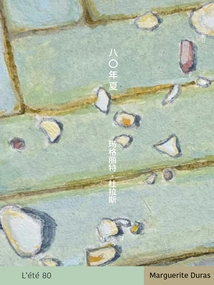
Summer 1980
Literature八〇年夏
Marguerite Duras
Ten summer reflections; seeing the world through Duras's eyes; poetic expressions of ordinary life. In early 1980, the editor-in-chief of Liberation invited Duras to write articles of any length for one year. Duras responded: One year is impossible, three months is possible, because summer lasts for three months, one article per week. Hence the book "Summer of 1980". In the windy and rainy summer of 1980, Duras looked at the black rocks, wet beach and sea from his balcony. In the summer of 1980, in the summer of Gdansk, the world condensed in her eyes: the Moscow Olympics, Polish workers' strikes, famine in Uganda, the funeral of the Shah of Iran, Russian tanks in Kabul... In the summer of 1980, "the summer when our story takes place", Jan Andrea Steinay, the last lover in Duras's life, knocked on her door and officially entered her life. In the summer of 1980, the summer of the gray-eyed boy, who neither swam nor sang, was perhaps Duras himself. "This book suddenly appeared in a terrifying loneliness, gaining eternity due to its sudden interruption."
Ten summer reflections; seeing the world through Duras's eyes; poetic expressions of ordinary life. In early 1980, the editor-in-chief of Liberation invited Duras to write articles of any length for one year. Duras responded: One year is impossible, three months is possible, because summer lasts for three months, one article per week. Hence the book "Summer of 1980". In the windy and rainy summer of 1980, Duras looked at the black rocks, wet beach and sea from his balcony. In the summer of 1980, in the summer of Gdansk, the world condensed in her eyes: the Moscow Olympics, Polish workers' strikes, famine in Uganda, the funeral of the Shah of Iran, Russian tanks in Kabul... In the summer of 1980, "the summer when our story takes place", Jan Andrea Steinay, the last lover in Duras's life, knocked on her door and officially entered her life. In the summer of 1980, the summer of the gray-eyed boy, who neither swam nor sang, was perhaps Duras himself. "This book suddenly appeared in a terrifying loneliness, gaining eternity due to its sudden interruption."
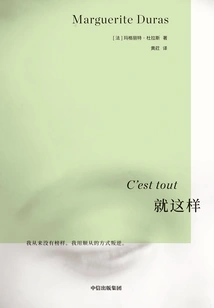
That's All
Literature就这样
Marguerite Duras
This book contains the words that Duras dictated or wrote while he was seriously ill and bedridden from November 20, 1994 to February 29, 1996 (Duras died on March 3, 1996), collected and compiled by her last partner Jan Andrea. A diary, a love letter, a book. The spoken words, the written words, everything is calling for the lover, the lover who is real and imaginary, the lover who comes from the words, the lover who stays with her, the lover who is destined to leave her. This is a person's lifelong desire. People in the past, words said, random jokes, facing reality, crying. Heavy death is right in front of you, despair surges in, and the approaching void and loss are terrifying. In this way, Duras's pursuit of perfection in writing and life came to an end here.
This book contains the words that Duras dictated or wrote while he was seriously ill and bedridden from November 20, 1994 to February 29, 1996 (Duras died on March 3, 1996), collected and compiled by her last partner Jan Andrea. A diary, a love letter, a book. The spoken words, the written words, everything is calling for the lover, the lover who is real and imaginary, the lover who comes from the words, the lover who stays with her, the lover who is destined to leave her. This is a person's lifelong desire. People in the past, words said, random jokes, facing reality, crying. Heavy death is right in front of you, despair surges in, and the approaching void and loss are terrifying. In this way, Duras's pursuit of perfection in writing and life came to an end here.
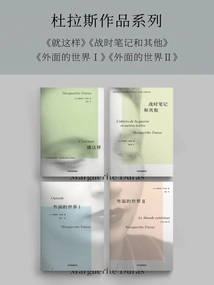
Duras Works Series (set of Four Volumes)
Literature杜拉斯作品系列(套装四册)
Marguerite Duras
Among Duras's four anthologies, "Wartime Notes and Others" and "Just Like This" were introduced to the Chinese world for the first time. "The Outside World I" and "The Outside World II" were introduced by Lijiang Publishing House in 1999 and Writers Publishing House in 2007. These four books are not Duras's novels, but they all complete the image of Duras to a certain extent. "Wartime Notes and Others" presents the early imaginary world of Duras. "Just Like This" is the last words Duras left to the world and her "lover" before his death. The two "Outside World" present a Duras who cares about the outside world in addition to Duras who is passionate about private writing.
Among Duras's four anthologies, "Wartime Notes and Others" and "Just Like This" were introduced to the Chinese world for the first time. "The Outside World I" and "The Outside World II" were introduced by Lijiang Publishing House in 1999 and Writers Publishing House in 2007. These four books are not Duras's novels, but they all complete the image of Duras to a certain extent. "Wartime Notes and Others" presents the early imaginary world of Duras. "Just Like This" is the last words Duras left to the world and her "lover" before his death. The two "Outside World" present a Duras who cares about the outside world in addition to Duras who is passionate about private writing.

Gibraltar Sailor
General Fiction直布罗陀水手
Marguerite Duras
"The Sailor of Gibraltar" written by Marguerite Duras tells the story of a young man, a murderer and a victim, who briefly encounters a woman on a yacht and then disappears in a certain port. Love arises between a man who wants to change his life and a woman who is obsessed with the sailor of Gibraltar. Together, they search for the missing sailor seriously. If they find him, will that be the end of their love?
"The Sailor of Gibraltar" written by Marguerite Duras tells the story of a young man, a murderer and a victim, who briefly encounters a woman on a yacht and then disappears in a certain port. Love arises between a man who wants to change his life and a woman who is obsessed with the sailor of Gibraltar. Together, they search for the missing sailor seriously. If they find him, will that be the end of their love?

Barrier Against the Pacific Ocean
General Fiction抵挡太平洋的堤坝
Marguerite Duras
"Dike Against the Pacific" tells the story of mother, twenty-year-old Joseph and sixteen-year-old Susan, who are living hard in the dilapidated stilt house in the middle of the leased land, and are constantly threatened by the Cadastral Administration to take back the leased land. Joseph's anger and love, Susan's resignation, a certain Mr. Ruo's plan to seduce a young girl... What to do? The mother never lost perseverance and hope, she calculated with a cautious, cunning and sober enthusiasm, how she feared the final separation from her children - even though she knew it was irresistible.
"Dike Against the Pacific" tells the story of mother, twenty-year-old Joseph and sixteen-year-old Susan, who are living hard in the dilapidated stilt house in the middle of the leased land, and are constantly threatened by the Cadastral Administration to take back the leased land. Joseph's anger and love, Susan's resignation, a certain Mr. Ruo's plan to seduce a young girl... What to do? The mother never lost perseverance and hope, she calculated with a cautious, cunning and sober enthusiasm, how she feared the final separation from her children - even though she knew it was irresistible.
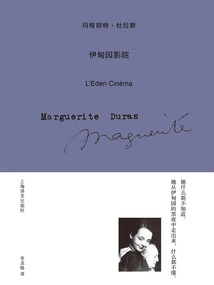
Eden Cinema (marguerite Duras Series)
General Fiction伊甸园影院(玛格丽特·杜拉斯作品系列)
Marguerite Duras
In "Eden Cinema" Duras once again wrote about his mother, the mother who built dykes to resist the tide of the Pacific Ocean, and her rugged brother, their lives, their love and hate... The mother never lost her perseverance and hope. She calculated carefully and planned with a cautious, cunning and sober passion. How afraid she was of the final separation from her children - even though she knew it was irresistible. "Eden Cinema" vividly depicts the author's precocious wisdom as a girl and the colonial forests and rivers, which are extremely desolate.
In "Eden Cinema" Duras once again wrote about his mother, the mother who built dykes to resist the tide of the Pacific Ocean, and her rugged brother, their lives, their love and hate... The mother never lost her perseverance and hope. She calculated carefully and planned with a cautious, cunning and sober passion. How afraid she was of the final separation from her children - even though she knew it was irresistible. "Eden Cinema" vividly depicts the author's precocious wisdom as a girl and the colonial forests and rivers, which are extremely desolate.

Destruction, She Said
General Fiction毁灭,她说
Marguerite Duras
"Destruction, She Said" is about a love quartet of two men and two women in a hotel on the edge of the forest. Max Tolle and Stein were both Alyssa's lovers, and both men were in love with Elisabeth Ariona. They were not jealous of each other, but they were jealous of Elizabeth and Alyssa being together. The background is empty and inactive, and the characters are shrouded in thick fog, trapped in ambiguous and entangled relationships, struggling awkwardly, trying to survive.
"Destruction, She Said" is about a love quartet of two men and two women in a hotel on the edge of the forest. Max Tolle and Stein were both Alyssa's lovers, and both men were in love with Elisabeth Ariona. They were not jealous of each other, but they were jealous of Elizabeth and Alyssa being together. The background is empty and inactive, and the characters are shrouded in thick fog, trapped in ambiguous and entangled relationships, struggling awkwardly, trying to survive.

Half Past Ten on a Summer Night
General Fiction夏夜十点半钟
Marguerite Duras
On a sultry summer day, during a boring holiday trip, a sudden murder disrupts the family's schedule, and the wife is accidentally involved in the case. The novel revolves around a trip and a murder case, showing two similar love triangles. Confusion and despair seem to have entered Duras's creative style.
On a sultry summer day, during a boring holiday trip, a sudden murder disrupts the family's schedule, and the wife is accidentally involved in the case. The novel revolves around a trip and a murder case, showing two similar love triangles. Confusion and despair seem to have entered Duras's creative style.

Jan Andrea Steiner
General Fiction扬·安德烈亚·斯泰奈
Marguerite Duras
In her later years, Margaret Duras was troubled by illness, and writing and loneliness became almost her entire life. The arrival of Jan Andrea Steiner opened a window for her to breathe and remember. To express the last passion. The power of pain is still there, but it has turned to concern for the fate of mankind. Taking the lover's name as its title, this book "Jan Andrea Steiner" is like a whisper to the lover, and the summer of 1980 was filled with it.
In her later years, Margaret Duras was troubled by illness, and writing and loneliness became almost her entire life. The arrival of Jan Andrea Steiner opened a window for her to breathe and remember. To express the last passion. The power of pain is still there, but it has turned to concern for the fate of mankind. Taking the lover's name as its title, this book "Jan Andrea Steiner" is like a whisper to the lover, and the summer of 1980 was filled with it.

Peaceful Life
General Fiction平静的生活
Marguerite Duras
"A Quiet Life" is Margaret Duras's second novel published in 1944. The young heroine in "A Quiet Life" tells about her life: her uncle had an affair with her younger sister, she reported it to her younger brother, and her uncle was beaten to death by her younger brother; her younger brother's lover fell in love with her lover, and the younger brother committed suicide in despair; she witnessed another man drowning during a long trip... Despair of love, always shrouded in death. Emotional and sober language, a plot shrouded in the shadow of death. In a remote village, faced with poverty and hatred, a twenty-five-year-old woman yearns for life and love in loneliness. Life passes slowly and quickly amidst the surface calm and inner struggle...
"A Quiet Life" is Margaret Duras's second novel published in 1944. The young heroine in "A Quiet Life" tells about her life: her uncle had an affair with her younger sister, she reported it to her younger brother, and her uncle was beaten to death by her younger brother; her younger brother's lover fell in love with her lover, and the younger brother committed suicide in despair; she witnessed another man drowning during a long trip... Despair of love, always shrouded in death. Emotional and sober language, a plot shrouded in the shadow of death. In a remote village, faced with poverty and hatred, a twenty-five-year-old woman yearns for life and love in loneliness. Life passes slowly and quickly amidst the surface calm and inner struggle...

Lover: Black Hair and Blue Eyes (the Original Work of the Movie "lover" Starring Tony Leung Ka Fai)
General Fiction情人·乌发碧眼(梁家辉主演电影《情人》原著)
Marguerite Duras
The movie "Lover" starring Tony Leung Ka Fai and Jane March has fascinated countless movie fans around the world. Duras won the 1984 Prix Goncourt for his novel "The Lover". In the previous year, the book sold 4.2 Million copies and was translated into 42 languages. "The Lover" is an autobiographical work. It is based on the life of French colonists in Vietnam. It describes the deep and hopeless love between a poor French girl and a wealthy Chinese young master. The writing touches on some of the most fundamental and secret qualities of human nature, which is thought-provoking. The translation by the famous translator Mr. Wang Daoqian is very charming and highly praised by Wang Xiaobo and others. "Black Hair and Blue Eyes" describes the inexplicable anxiety that the hero and heroine have about the uncertain reality of the world. At the same time, it also reveals modern people's perceptions and reflections on sex from a relatively unique perspective.
The movie "Lover" starring Tony Leung Ka Fai and Jane March has fascinated countless movie fans around the world. Duras won the 1984 Prix Goncourt for his novel "The Lover". In the previous year, the book sold 4.2 Million copies and was translated into 42 languages. "The Lover" is an autobiographical work. It is based on the life of French colonists in Vietnam. It describes the deep and hopeless love between a poor French girl and a wealthy Chinese young master. The writing touches on some of the most fundamental and secret qualities of human nature, which is thought-provoking. The translation by the famous translator Mr. Wang Daoqian is very charming and highly praised by Wang Xiaobo and others. "Black Hair and Blue Eyes" describes the inexplicable anxiety that the hero and heroine have about the uncertain reality of the world. At the same time, it also reveals modern people's perceptions and reflections on sex from a relatively unique perspective.
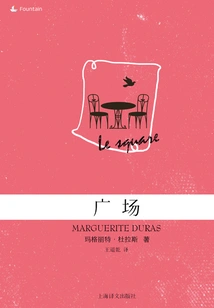
Square
General Fiction广场
Marguerite Duras
"The Square" is a "dramatic" novel, which later became the first play adapted and staged by Marguerite Duras, and it is still touring in France. Through a trivial conversation between a mobile vendor and a young maid sitting on chairs in a street square, the daily life of the two people is shown, and their subtle emotions are captured, especially the loneliness of people in society.
"The Square" is a "dramatic" novel, which later became the first play adapted and staged by Marguerite Duras, and it is still touring in France. Through a trivial conversation between a mobile vendor and a young maid sitting on chairs in a street square, the daily life of the two people is shown, and their subtle emotions are captured, especially the loneliness of people in society.
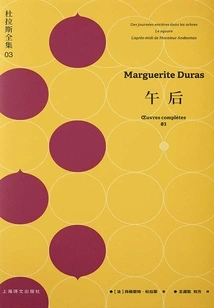
Afternoon (duras Complete Works 3)
General Fiction午后(杜拉斯全集3)
Marguerite Duras
Duras's poetic works, lonely and persistent whispers, subtle flowing emotions, and new attempts at cross-border imaging. "Afternoon: The Complete Works of Duras 3" is the third volume of "The Complete Works of Duras". It includes three works written by Duras between 1954 and 1962: "The Day of the Trees", "The Square" and "The Afternoon of Monsieur Andesma". They are all distinctive fictional sketches, and the experimental nature of the writing is particularly prominent. "The Day I Climb a Tree" is a collection of stories, including four stories: "The Day I Climb a Tree", "The Python", "Mrs. Daodan" and "The Construction Site". It uses fictional stories to write about themes such as maternal love, prejudice and desperate love. "The Square" uses a trivial conversation between a mobile vendor and a young maid on a chair in a street square to express daily life and capture subtle emotions, especially people's loneliness in society. "Mr. Andesma's Afternoon" describes a summer afternoon in the mountains. The seventy-eight-year-old Mr. Andesma is waiting for the construction contractor to arrive in front of the house he bought for his beloved only daughter. For several hours, the protagonist's memories of the past, the ups and downs of his thoughts, and the interplay of light and shadow in the mountains create a melancholy atmosphere.
Duras's poetic works, lonely and persistent whispers, subtle flowing emotions, and new attempts at cross-border imaging. "Afternoon: The Complete Works of Duras 3" is the third volume of "The Complete Works of Duras". It includes three works written by Duras between 1954 and 1962: "The Day of the Trees", "The Square" and "The Afternoon of Monsieur Andesma". They are all distinctive fictional sketches, and the experimental nature of the writing is particularly prominent. "The Day I Climb a Tree" is a collection of stories, including four stories: "The Day I Climb a Tree", "The Python", "Mrs. Daodan" and "The Construction Site". It uses fictional stories to write about themes such as maternal love, prejudice and desperate love. "The Square" uses a trivial conversation between a mobile vendor and a young maid on a chair in a street square to express daily life and capture subtle emotions, especially people's loneliness in society. "Mr. Andesma's Afternoon" describes a summer afternoon in the mountains. The seventy-eight-year-old Mr. Andesma is waiting for the construction contractor to arrive in front of the house he bought for his beloved only daughter. For several hours, the protagonist's memories of the past, the ups and downs of his thoughts, and the interplay of light and shadow in the mountains create a melancholy atmosphere.

Song of India (original Film of the Same Name)
General Fiction印度之歌(同名电影原著)
Marguerite Duras
"Song of India" edited by Marguerite Duras is the most successful film in Duras's career as a film director. Like "Hiroshima Mon Amour", it has become one of her international business cards. This book is the script of the film, which was published in 1973 and made into a film of the same name by Duras two years later. The film was shortlisted for the Cannes Film Festival that year and won the French Experimental Art Film Association Award and the Film Academy Award. The story revolves around Anne-Marie Street, the wife of the French Ambassador to India, and the three characters around her - her lover Mike Richardson, the vice-consul who is obsessed with her, and a female beggar whose life path parallels hers. Anna is followed from the French colonies in Southeast Asia by this beggar; the vice-consul, frustrated by his publicized infatuation with her, slips into madness, shooting lepers, dogs, and even himself. At the end of her life, Duras said that "Song of India" was her only film. "What "Song of India" shows is myself. There is no mistake." This film is both the author's film work and the author's poetic work. It captivated the festival, I know. If it competed, we would, without a doubt, give it the Palme d'Or.
"Song of India" edited by Marguerite Duras is the most successful film in Duras's career as a film director. Like "Hiroshima Mon Amour", it has become one of her international business cards. This book is the script of the film, which was published in 1973 and made into a film of the same name by Duras two years later. The film was shortlisted for the Cannes Film Festival that year and won the French Experimental Art Film Association Award and the Film Academy Award. The story revolves around Anne-Marie Street, the wife of the French Ambassador to India, and the three characters around her - her lover Mike Richardson, the vice-consul who is obsessed with her, and a female beggar whose life path parallels hers. Anna is followed from the French colonies in Southeast Asia by this beggar; the vice-consul, frustrated by his publicized infatuation with her, slips into madness, shooting lepers, dogs, and even himself. At the end of her life, Duras said that "Song of India" was her only film. "What "Song of India" shows is myself. There is no mistake." This film is both the author's film work and the author's poetic work. It captivated the festival, I know. If it competed, we would, without a doubt, give it the Palme d'Or.