Library
Browse and search books
50 novels found
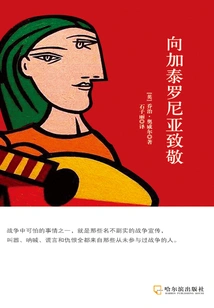
Tribute to Catalonia
General Fiction向加泰罗尼亚致敬
George Orwell
When the Spanish Civil War broke out in 1936, Orwell joined the Catalan militia in Spain. Based on this experience, as a witness of the war, he recorded the cruelty of the war, the changes in the situation, the distortion of the media, the crisis of faith, etc. The author calmly analyzes the appearance and essence of war, making people more convinced of the noble qualities of human beings.
When the Spanish Civil War broke out in 1936, Orwell joined the Catalan militia in Spain. Based on this experience, as a witness of the war, he recorded the cruelty of the war, the changes in the situation, the distortion of the media, the crisis of faith, etc. The author calmly analyzes the appearance and essence of war, making people more convinced of the noble qualities of human beings.
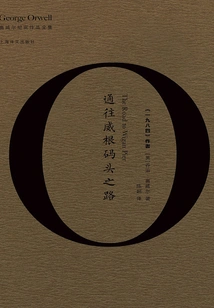
通往威根码头之路(奥威尔纪实作品全集)
George Orwell
George Orwell, the author of "1984" and "Animal Farm" and the prophet of dystopia, was always a staunch socialist throughout his life. This may confuse today's readers who do not understand the changes in the political spectrum, but for Orwell, this was a natural choice. In the 1930s, commissioned by a left-wing book club, Orwell went to the industrial areas of northern England to investigate and record the real situation of the working class. Orwell did more than just investigate; he went down to the deepest part of the mine, lived in dilapidated and dirty workers' houses, and used the tip of his pen to vividly describe every aspect of the coal miners' lives. Reading it today, 80 years later, is still shockingly real. The despair and poverty conveyed by this picture have a terrifying power that transcends time and national boundaries. At the same time, the Road to Wigan Pier is also Orwell's road to socialism as he examines his own inner self. Born in the British middle class, he recalled how he gradually began to doubt and then hate the strict class barriers that divided British society at that time. Because in his mind, socialism ultimately means only one concept: "justice and freedom."
George Orwell, the author of "1984" and "Animal Farm" and the prophet of dystopia, was always a staunch socialist throughout his life. This may confuse today's readers who do not understand the changes in the political spectrum, but for Orwell, this was a natural choice. In the 1930s, commissioned by a left-wing book club, Orwell went to the industrial areas of northern England to investigate and record the real situation of the working class. Orwell did more than just investigate; he went down to the deepest part of the mine, lived in dilapidated and dirty workers' houses, and used the tip of his pen to vividly describe every aspect of the coal miners' lives. Reading it today, 80 years later, is still shockingly real. The despair and poverty conveyed by this picture have a terrifying power that transcends time and national boundaries. At the same time, the Road to Wigan Pier is also Orwell's road to socialism as he examines his own inner self. Born in the British middle class, he recalled how he gradually began to doubt and then hate the strict class barriers that divided British society at that time. Because in his mind, socialism ultimately means only one concept: "justice and freedom."
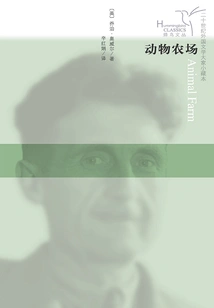
Animal Farm
Literature动物农场
George Orwell
"Animal Farm" is a political allegory novel. The story describes the brewing, rise and final transformation of an "animalist" revolution. The significance of this book goes far beyond the prophecy of history. This allegorical novel points out in literary language: Since the fundamental interest of the group that controls distribution power is to maintain its dominance, no matter what the formal appeal is, the final result will run counter to its basic appeal of maintaining social fairness.
"Animal Farm" is a political allegory novel. The story describes the brewing, rise and final transformation of an "animalist" revolution. The significance of this book goes far beyond the prophecy of history. This allegorical novel points out in literary language: Since the fundamental interest of the group that controls distribution power is to maintain its dominance, no matter what the formal appeal is, the final result will run counter to its basic appeal of maintaining social fairness.
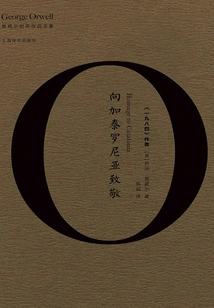
向加泰罗尼亚致敬(奥威尔纪实作品全集)
George Orwell
The Spanish Civil War was Orwell's first personal experience of the cruelty and depression of war, which laid the foundation for the anti-war tone of his later works. It is conceivable that Orwell, a literary man who had never been involved in politics, felt hesitant, helpless and desperate in his heart when he faced the cruel ideological struggle and the political partisanship. After witnessing many of his friends who had fought together on the front line not dying on the front line, but dying at the hands of their own people, Orwell became suspicious of the Soviet political system and embarked on the path of opposing the totalitarian system. In this sense, it was the crucible of the Spanish Civil War that prompted Orwell's creative enthusiasm and talent to shift from indicting the injustice of the external world to deeply reflecting on the internal system and human nature. The Comintern, the Spanish government and the British media distorted the description of the Spanish Civil War and manipulated propaganda tools to achieve their goals, which prompted Orwell to start thinking about the authenticity of history, and in "1984" it was sublimated into a reflection on totalitarianism's manipulation of history. In 1946, Orwell wrote: "Every line of my serious writing since 1936 has been a direct or indirect opposition to the totalitarian system and an encouragement to the democratic socialist system."
The Spanish Civil War was Orwell's first personal experience of the cruelty and depression of war, which laid the foundation for the anti-war tone of his later works. It is conceivable that Orwell, a literary man who had never been involved in politics, felt hesitant, helpless and desperate in his heart when he faced the cruel ideological struggle and the political partisanship. After witnessing many of his friends who had fought together on the front line not dying on the front line, but dying at the hands of their own people, Orwell became suspicious of the Soviet political system and embarked on the path of opposing the totalitarian system. In this sense, it was the crucible of the Spanish Civil War that prompted Orwell's creative enthusiasm and talent to shift from indicting the injustice of the external world to deeply reflecting on the internal system and human nature. The Comintern, the Spanish government and the British media distorted the description of the Spanish Civil War and manipulated propaganda tools to achieve their goals, which prompted Orwell to start thinking about the authenticity of history, and in "1984" it was sublimated into a reflection on totalitarianism's manipulation of history. In 1946, Orwell wrote: "Every line of my serious writing since 1936 has been a direct or indirect opposition to the totalitarian system and an encouragement to the democratic socialist system."

Burmese Years
General Fiction缅甸岁月
George Orwell
"The Burmese Years" is George Orwell's first full-length novel with autobiographical characteristics. It describes the changing and turbulent fate of a group of small people in the context of the great changes of the times. The story takes place in Burma under the colonial rule of the British Empire from the late 19th century to the first half of the 20th century. Two main lines run through it: one is the overt and covert struggle between the Indian friend Dr. Veraswamy of the protagonist Flory (a British timber merchant stationed in Myanmar) and the corrupt and treacherous Burmese magistrate U Bo Kim for the qualifications to enter the white club; the other is the emotional entanglement between Flory and the white girl Elizabeth. The two lines intersect and intersect, developing independently and influencing each other at the same time.
"The Burmese Years" is George Orwell's first full-length novel with autobiographical characteristics. It describes the changing and turbulent fate of a group of small people in the context of the great changes of the times. The story takes place in Burma under the colonial rule of the British Empire from the late 19th century to the first half of the 20th century. Two main lines run through it: one is the overt and covert struggle between the Indian friend Dr. Veraswamy of the protagonist Flory (a British timber merchant stationed in Myanmar) and the corrupt and treacherous Burmese magistrate U Bo Kim for the qualifications to enter the white club; the other is the emotional entanglement between Flory and the white girl Elizabeth. The two lines intersect and intersect, developing independently and influencing each other at the same time.
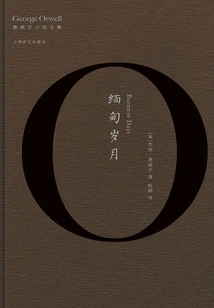
The Burmese Years (Complete Orwell Novels)
General Fiction缅甸岁月(奥威尔小说全集)
George Orwell
This book is based on the real experience of George Orwell, the author of "1984", in his early years in Burma. It is also Orwell's first novel. "What I want to write is a masterpiece in the naturalistic style, with a tragic ending, and it must have amazing metaphors and meticulous descriptions, and it must also be gorgeous in words and pursue the beauty of the words and sounds. In fact, my first complete novel "Burmese Days" is such a book." - George Orwell
This book is based on the real experience of George Orwell, the author of "1984", in his early years in Burma. It is also Orwell's first novel. "What I want to write is a masterpiece in the naturalistic style, with a tragic ending, and it must have amazing metaphors and meticulous descriptions, and it must also be gorgeous in words and pursue the beauty of the words and sounds. In fact, my first complete novel "Burmese Days" is such a book." - George Orwell
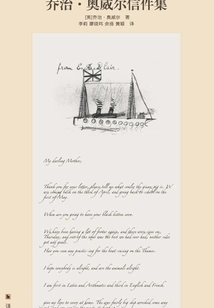
Letters of George Orwell
Literature乔治·奥威尔信件集
George Orwell
This collection of letters provides many unvarnished details, restoring Orwell's emotional world and mental journey, allowing you to get a glimpse of the most secret writing motives of this writer, who is known as "the cold conscience of a generation", and what kind of secrets are buried.
This collection of letters provides many unvarnished details, restoring Orwell's emotional world and mental journey, allowing you to get a glimpse of the most secret writing motives of this writer, who is known as "the cold conscience of a generation", and what kind of secrets are buried.
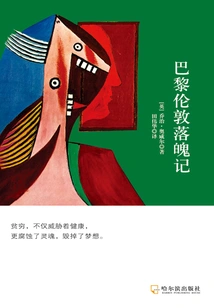
Down and Out in Paris and London
General Fiction巴黎伦敦落魄记
George Orwell
In this work, famous for its realistic depictions of poverty, Orwell recounts the adventures of a penniless English writer who finds himself rapidly plunged into the seedy hearts of two of Europe's great capitals. Washing dishes in Paris, he describes in vivid detail the sordid inside story of France's posh restaurants; in London, he encounters the troubled world of street people and charity shelters; and as he searches for work, food, and shelter, he recounts with humor and clarity his adventures in defrauding landlords and negotiating with pawnbrokers. These various experiences of displacement reveal Orwellian truths that are shocking yet true.
In this work, famous for its realistic depictions of poverty, Orwell recounts the adventures of a penniless English writer who finds himself rapidly plunged into the seedy hearts of two of Europe's great capitals. Washing dishes in Paris, he describes in vivid detail the sordid inside story of France's posh restaurants; in London, he encounters the troubled world of street people and charity shelters; and as he searches for work, food, and shelter, he recounts with humor and clarity his adventures in defrauding landlords and negotiating with pawnbrokers. These various experiences of displacement reveal Orwellian truths that are shocking yet true.
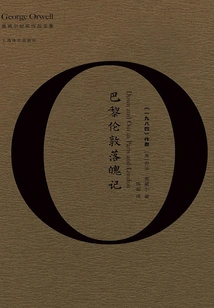
巴黎伦敦落魄记(奥威尔纪实作品全集)
George Orwell
George Orwell, the author of "1984" and "Animal Farm" and the prophet of dystopia, was always a staunch socialist throughout his life. This may confuse today's readers who do not understand the changes in the political spectrum, but for Orwell, this was a natural choice. "Down and Out in Paris and London" is Orwell's first officially published documentary work. After feeling completely disgusted and despairing of the British colonial system, Orwell's literary dream finally received recognition from the literary world for the first time after several setbacks. The experiences in Paris and London can be seen as Orwell's journey of repentance and redemption for his service to the colonial system. Orwell was a loyal believer in the socialist system. Perhaps Orwell's deliberate choice of wandering and poverty was a test of his ability to persist in implementing socialist ideals. Paris and London are the most prosperous places in the capitalist world, and the poverty and hardship at the bottom of society is shocking. Orwell's sincere attitude of being willing to go deep into the bottom of society and treat the working people as equals is truly unusual among British left-wing literary writers. It is this spirit that makes "Down and Out in Paris and London" extraordinarily real, and it still resonates with readers today.
George Orwell, the author of "1984" and "Animal Farm" and the prophet of dystopia, was always a staunch socialist throughout his life. This may confuse today's readers who do not understand the changes in the political spectrum, but for Orwell, this was a natural choice. "Down and Out in Paris and London" is Orwell's first officially published documentary work. After feeling completely disgusted and despairing of the British colonial system, Orwell's literary dream finally received recognition from the literary world for the first time after several setbacks. The experiences in Paris and London can be seen as Orwell's journey of repentance and redemption for his service to the colonial system. Orwell was a loyal believer in the socialist system. Perhaps Orwell's deliberate choice of wandering and poverty was a test of his ability to persist in implementing socialist ideals. Paris and London are the most prosperous places in the capitalist world, and the poverty and hardship at the bottom of society is shocking. Orwell's sincere attitude of being willing to go deep into the bottom of society and treat the working people as equals is truly unusual among British left-wing literary writers. It is this spirit that makes "Down and Out in Paris and London" extraordinarily real, and it still resonates with readers today.
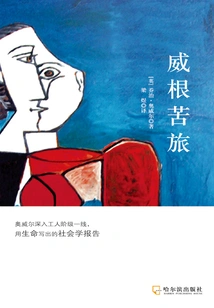
Wigan Sojourn
Literature威根苦旅
George Orwell
In 1934, the author investigated the living conditions of coal miners in northern England. For the first time, he truly felt the existence of the working class. He was deeply moved by the high-intensity physical labor, harsh living environment, and the courage and endurance shown by the miners. He stayed in the northern industrial area for two months, visited miners' families in depth, and inspected the miners' underground operations. He took a large number of detailed notes. After returning, he compiled and published this long documentary.
In 1934, the author investigated the living conditions of coal miners in northern England. For the first time, he truly felt the existence of the working class. He was deeply moved by the high-intensity physical labor, harsh living environment, and the courage and endurance shown by the miners. He stayed in the northern industrial area for two months, visited miners' families in depth, and inspected the miners' underground operations. He took a large number of detailed notes. After returning, he compiled and published this long documentary.
奥威尔杂文全集(下)
George Orwell
Orwell is one of the most thought-provoking and vivid essayists of the 20th century. He is famous for his extraordinary energy and uncompromising language, using pen and paper to fight against the prejudices of his time. This book collects all the political essays written by Orwell in his life that can be collected so far, including many popular Orwell famous essays, such as "On the British", "Politics and the English Language", "The Decline of British Murder", "The Boundaries of Art and Propaganda", "Looking Back at the Spanish War", "Why I Write", "The Writer and Leviathan", etc., With 800,000 words, presenting a complete picture of Orwell's essays.
Orwell is one of the most thought-provoking and vivid essayists of the 20th century. He is famous for his extraordinary energy and uncompromising language, using pen and paper to fight against the prejudices of his time. This book collects all the political essays written by Orwell in his life that can be collected so far, including many popular Orwell famous essays, such as "On the British", "Politics and the English Language", "The Decline of British Murder", "The Boundaries of Art and Propaganda", "Looking Back at the Spanish War", "Why I Write", "The Writer and Leviathan", etc., With 800,000 words, presenting a complete picture of Orwell's essays.
奥威尔杂文全集(上)
George Orwell
Orwell is one of the most thought-provoking and vivid essayists of the 20th century. He is famous for his extraordinary energy and uncompromising language, using pen and paper to fight against the prejudices of his time. This book collects all the political essays written by Orwell in his life that can be collected so far, including many popular Orwell famous essays, such as "On the British", "Politics and the English Language", "The Decline of British Murder", "The Boundaries of Art and Propaganda", "Looking Back at the Spanish War", "Why I Write", "The Writer and Leviathan", etc., With 800,000 words, presenting a complete picture of Orwell's essays.
Orwell is one of the most thought-provoking and vivid essayists of the 20th century. He is famous for his extraordinary energy and uncompromising language, using pen and paper to fight against the prejudices of his time. This book collects all the political essays written by Orwell in his life that can be collected so far, including many popular Orwell famous essays, such as "On the British", "Politics and the English Language", "The Decline of British Murder", "The Boundaries of Art and Propaganda", "Looking Back at the Spanish War", "Why I Write", "The Writer and Leviathan", etc., With 800,000 words, presenting a complete picture of Orwell's essays.
我为什么要写作(小经典系列)
George Orwell
George Orwell is not only the author of the most famous anti-totalitarian novels, but also a famous English stylist, a first-class essayist, and a clear-minded and sharp-eyed literary critic. "Why I Want to Write" includes the author's famous reminiscence and documentary works such as "Such a Happy Childhood" and famous essays such as "Why I Want to Write" and "Politics and English".
George Orwell is not only the author of the most famous anti-totalitarian novels, but also a famous English stylist, a first-class essayist, and a clear-minded and sharp-eyed literary critic. "Why I Want to Write" includes the author's famous reminiscence and documentary works such as "Such a Happy Childhood" and famous essays such as "Why I Want to Write" and "Politics and English".
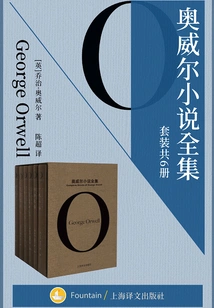
奥威尔小说全集 (套装共6册)
George Orwell
"The Complete Works of Orwell's Novels" consists of six volumes: "The Burmese Years", "The Vicar's Daughter", "Let the Orchid Fly", "Come Up for Breath", "Animal Farm" and "1984". "The Complete Works of Orwell", together with "The Complete Works of Orwell's Documentary Works" and "The Complete Works of Orwell's Essays", form the "Complete Works of Orwell" series.
"The Complete Works of Orwell's Novels" consists of six volumes: "The Burmese Years", "The Vicar's Daughter", "Let the Orchid Fly", "Come Up for Breath", "Animal Farm" and "1984". "The Complete Works of Orwell", together with "The Complete Works of Orwell's Documentary Works" and "The Complete Works of Orwell's Essays", form the "Complete Works of Orwell" series.
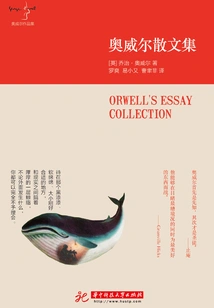
Orwell's Essays
Literature奥威尔散文集
George Orwell
The prose in the book spans nearly twenty years, covering almost his entire writing career, showing a flawless style. In the early days of his writing career, his style tended to be descriptive and narrative, which were based on the war and poverty he experienced, such as "Hanging" and "Elephant Hunting". Later, his articles tended to be more argumentative, such as "Poetry and Microphone", as well as comments on writers and works. In these articles, which are difficult for many writers to achieve, we can see the author's attack on totalitarian politics and his sympathy for the people at the bottom. We can also feel his sharp writing, fiery thoughts, and vivid language.
The prose in the book spans nearly twenty years, covering almost his entire writing career, showing a flawless style. In the early days of his writing career, his style tended to be descriptive and narrative, which were based on the war and poverty he experienced, such as "Hanging" and "Elephant Hunting". Later, his articles tended to be more argumentative, such as "Poetry and Microphone", as well as comments on writers and works. In these articles, which are difficult for many writers to achieve, we can see the author's attack on totalitarian politics and his sympathy for the people at the bottom. We can also feel his sharp writing, fiery thoughts, and vivid language.
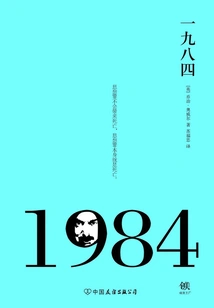
1984
General Fiction一九八四
George Orwell
"Nineteen Eighty-Four" tells the story of an "Oceania" under totalitarian rule. People's thoughts are suppressed. No matter what they are doing or where they are, they are subject to various surveillance: telescreens, thought police, patrols, and the youth team whose thoughts have been completely controlled. Life is always in fear. The protagonist Winston Smith lives in this country. His main job is to tamper with previous history every day in the "Ministry of Truth", working and surviving in lies. Winston is twisted and painful. On the surface, he is diligent, repressive and obedient, but in his heart he is skeptical of everything around him. Eventually, his suspicions were crushed, and Winston Smith became a thoroughly loyal man.
"Nineteen Eighty-Four" tells the story of an "Oceania" under totalitarian rule. People's thoughts are suppressed. No matter what they are doing or where they are, they are subject to various surveillance: telescreens, thought police, patrols, and the youth team whose thoughts have been completely controlled. Life is always in fear. The protagonist Winston Smith lives in this country. His main job is to tamper with previous history every day in the "Ministry of Truth", working and surviving in lies. Winston is twisted and painful. On the surface, he is diligent, repressive and obedient, but in his heart he is skeptical of everything around him. Eventually, his suspicions were crushed, and Winston Smith became a thoroughly loyal man.

Come up and Take a Breath
General Fiction上来透口气
George Orwell
"Come Breath" is a novel by George Orwell, written on the eve of World War II. The protagonist of the novel, George Pauling, is a middle-aged man who sells insurance. He has begun to put on weight and has a wife and two children. On a bad morning as usual, he put on his newly made dentures and carried in his pocket the 17 pounds he had won from horse racing without telling his wife. He suddenly felt the need to go out and "take a breath." He walked on the street, ate meals he didn't dare to eat normally, smoked his favorite cigar, and drank wine. He felt completely renewed! He avoided his family and sneaked back to the small town where he lived in his childhood, hoping to relive the happy days of his childhood.
"Come Breath" is a novel by George Orwell, written on the eve of World War II. The protagonist of the novel, George Pauling, is a middle-aged man who sells insurance. He has begun to put on weight and has a wife and two children. On a bad morning as usual, he put on his newly made dentures and carried in his pocket the 17 pounds he had won from horse racing without telling his wife. He suddenly felt the need to go out and "take a breath." He walked on the street, ate meals he didn't dare to eat normally, smoked his favorite cigar, and drank wine. He felt completely renewed! He avoided his family and sneaked back to the small town where he lived in his childhood, hoping to relive the happy days of his childhood.

1984
General Fiction1984
George Orwell
This is a post-war virtual world in which the world is divided into three totalitarian empires with the same nature and attacking each other - Oceania, Eurasia and Eastasia. London, England, became the capital of a province of Oceania and became part of a huge autocratic machine. People worship Big Brother, the leader of Oceania, and children spontaneously form teams to monitor and report their parents; people with heretical ideas can disappear quietly at any time; supplies are extremely scarce, but senior party members can enjoy them without restrictions; published reports can be revised at any time; sexual desire is severely suppressed, because sex and love are not exempted. It is controlled by ideology; the state maintains the operation of society with the personality worship of leaders and hatred of enemies at home and abroad; the Thought Police is everywhere, and you never know whether the stranger you pass on the street corner is a spy; what's more terrible is that there is an iron curtain of surveillance hanging in your bedroom, living room, on the road, in the elevator... Everywhere.
This is a post-war virtual world in which the world is divided into three totalitarian empires with the same nature and attacking each other - Oceania, Eurasia and Eastasia. London, England, became the capital of a province of Oceania and became part of a huge autocratic machine. People worship Big Brother, the leader of Oceania, and children spontaneously form teams to monitor and report their parents; people with heretical ideas can disappear quietly at any time; supplies are extremely scarce, but senior party members can enjoy them without restrictions; published reports can be revised at any time; sexual desire is severely suppressed, because sex and love are not exempted. It is controlled by ideology; the state maintains the operation of society with the personality worship of leaders and hatred of enemies at home and abroad; the Thought Police is everywhere, and you never know whether the stranger you pass on the street corner is a spy; what's more terrible is that there is an iron curtain of surveillance hanging in your bedroom, living room, on the road, in the elevator... Everywhere.
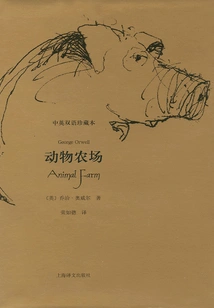
Animal Farm (chinese-english Bilingual Collector's Edition)
General Fiction动物农场(中英双语珍藏本)
George Orwell
"Animal Farm (Chinese-English bilingual edition)" is one of Orwell's best works. It is a profound anti-Utopian political allegory. A group of animals on the farm successfully carried out a "revolution", drove their exploiting human masters out of the farm, and established an equal animal society. However, the animal leaders, those smart pigs, eventually usurped the fruits of the revolution and became more authoritarian and totalitarian rulers than their human counterparts.
"Animal Farm (Chinese-English bilingual edition)" is one of Orwell's best works. It is a profound anti-Utopian political allegory. A group of animals on the farm successfully carried out a "revolution", drove their exploiting human masters out of the farm, and established an equal animal society. However, the animal leaders, those smart pigs, eventually usurped the fruits of the revolution and became more authoritarian and totalitarian rulers than their human counterparts.
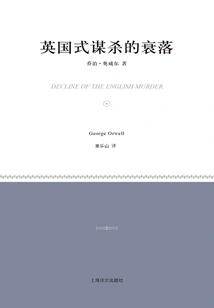
英国式谋杀的衰落(小经典系列)
George Orwell
George Orwell is not only the most famous author of anti-totalitarian novels, but also a famous English stylist, a first-class essayist, and a clear-minded and sharp-eyed literary critic. "The Decline of English Murder" is mainly about literature and art, including famous works such as "Dickens", "Tolstoy and Shakespeare" and controversial literary theories such as "Rudyard Kipling", plus light-hearted essays such as "In Defense of British Cooking", which comprehensively reflects Orwell's style as a literary critic.
George Orwell is not only the most famous author of anti-totalitarian novels, but also a famous English stylist, a first-class essayist, and a clear-minded and sharp-eyed literary critic. "The Decline of English Murder" is mainly about literature and art, including famous works such as "Dickens", "Tolstoy and Shakespeare" and controversial literary theories such as "Rudyard Kipling", plus light-hearted essays such as "In Defense of British Cooking", which comprehensively reflects Orwell's style as a literary critic.

The Orchid Leaves Often Fly with the Breeze
General Fiction叶兰常随清风飞
George Orwell
"The Leaves Always Fly with the Breeze" is one of Orwell's early works, published in 1936. The work takes the fate of Gordon, a member of the down-and-out petty bourgeoisie, as the main line, and uses his transition between various jobs and social roles as the axis. It reflects the process of an idealist constantly losing blood and fighting against fate in the collision of reality. The work reveals different people's different attitudes towards life and money, and the resulting different fates. By describing the life fragments of Gordon, a declining member of the petty bourgeoisie, the author attempts to reveal some social issues, such as the struggle and resistance of the people at the bottom, the estrangement and differences between social classes, the conflict and integration of various doctrines, etc.
"The Leaves Always Fly with the Breeze" is one of Orwell's early works, published in 1936. The work takes the fate of Gordon, a member of the down-and-out petty bourgeoisie, as the main line, and uses his transition between various jobs and social roles as the axis. It reflects the process of an idealist constantly losing blood and fighting against fate in the collision of reality. The work reveals different people's different attitudes towards life and money, and the resulting different fates. By describing the life fragments of Gordon, a declining member of the petty bourgeoisie, the author attempts to reveal some social issues, such as the struggle and resistance of the people at the bottom, the estrangement and differences between social classes, the conflict and integration of various doctrines, etc.
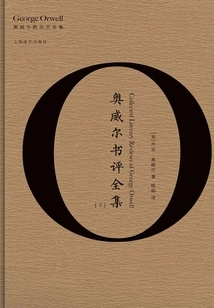
奥威尔书评全集(下)
George Orwell
"Acknowledge the horror of reality and dissolve it in this way. Be buried in the belly of a whale – or admit that you are in the belly of a whale." - George Orwell. [About the author] George Orwell (1903-1950) was a great British humanitarian writer, journalist and social critic. His handed down works "1984" and "Animal Farm" are popular and timeless, and he is known as "the cold conscience of a generation of British people". [Introduction] Orwell can be said to be one of the most thought-provoking and vivid essayists of the 20th century. With his extraordinary energy and uncompromising language, Orwell used pen and paper to fight against the prejudices of his time, and is famous for this. This book collects the long and short book reviews that Orwell has published in different newspapers and anthologies that have been collected so far, spanning Orwell's entire creative career, including "Charles Dickens", "In the Belly of the Whale", "Review of Mein Kampf" and many other famous works. With nearly one million words in length, it presents the full picture of Orwell's book reviews. This book is the third volume in a three-volume set.
"Acknowledge the horror of reality and dissolve it in this way. Be buried in the belly of a whale – or admit that you are in the belly of a whale." - George Orwell. [About the author] George Orwell (1903-1950) was a great British humanitarian writer, journalist and social critic. His handed down works "1984" and "Animal Farm" are popular and timeless, and he is known as "the cold conscience of a generation of British people". [Introduction] Orwell can be said to be one of the most thought-provoking and vivid essayists of the 20th century. With his extraordinary energy and uncompromising language, Orwell used pen and paper to fight against the prejudices of his time, and is famous for this. This book collects the long and short book reviews that Orwell has published in different newspapers and anthologies that have been collected so far, spanning Orwell's entire creative career, including "Charles Dickens", "In the Belly of the Whale", "Review of Mein Kampf" and many other famous works. With nearly one million words in length, it presents the full picture of Orwell's book reviews. This book is the third volume in a three-volume set.

1984
General Fiction1984
George Orwell
George Orwell's classic novel "1984" tells a breathtaking story. In 1984, when the war was going on, controlling people's thoughts and emotions, revising language and tampering with history became means to maintain social stability. Winston Smith, who was engaged in the work of falsifying history at the Ministry of Truth in Oceania, questioned the society and leader "Big Brother" in which he lived, and fell in love with a woman. Therefore, he was classified as a thought prisoner - that is, the enemy of Big Brother, and was hunted... Since the book was written in 1948, Orwell's unforgettable story about obedience, suppression and identity, which predicts the future, has always made people feel uncomfortable reading it. As Winston Smith goes through his betrayal, imprisonment, torture, and reeducation, we experience firsthand the destruction of freedom and truth, and the creation of a world where black is white, two plus two equals five, and evil is good.
George Orwell's classic novel "1984" tells a breathtaking story. In 1984, when the war was going on, controlling people's thoughts and emotions, revising language and tampering with history became means to maintain social stability. Winston Smith, who was engaged in the work of falsifying history at the Ministry of Truth in Oceania, questioned the society and leader "Big Brother" in which he lived, and fell in love with a woman. Therefore, he was classified as a thought prisoner - that is, the enemy of Big Brother, and was hunted... Since the book was written in 1948, Orwell's unforgettable story about obedience, suppression and identity, which predicts the future, has always made people feel uncomfortable reading it. As Winston Smith goes through his betrayal, imprisonment, torture, and reeducation, we experience firsthand the destruction of freedom and truth, and the creation of a world where black is white, two plus two equals five, and evil is good.
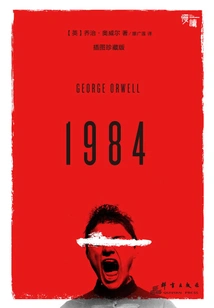
1984 (illustrated Collector's Edition)
General Fiction1984(插图珍藏版)
George Orwell
"1984" is Orwell's masterpiece and a famous dystopian and anti-totalitarian political allegory novel in the world of literature. The novel was written in 1948, and the author turned 48 upside down to become 84 as the title. This book tells the story of an imaginary society that implements highly centralized rule, uses extreme means such as changing history, changing language, and breaking up families to suppress people's thoughts and instincts, uses a "telescreen" with surveillance and listening functions to control people's behavior, and uses personality worship of leaders and hatred of domestic and foreign enemies to maintain social operation. Through the life of an ordinary person in this society, Winston Smith, it projects the essence of totalitarianism in real life.
"1984" is Orwell's masterpiece and a famous dystopian and anti-totalitarian political allegory novel in the world of literature. The novel was written in 1948, and the author turned 48 upside down to become 84 as the title. This book tells the story of an imaginary society that implements highly centralized rule, uses extreme means such as changing history, changing language, and breaking up families to suppress people's thoughts and instincts, uses a "telescreen" with surveillance and listening functions to control people's behavior, and uses personality worship of leaders and hatred of domestic and foreign enemies to maintain social operation. Through the life of an ordinary person in this society, Winston Smith, it projects the essence of totalitarianism in real life.
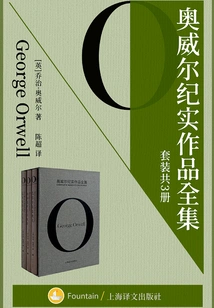
Orwell's Complete Documentary Works
Literature奥威尔纪实作品全集
George Orwell
George Orwell (1903-1950) was a great British humanitarian writer, journalist and social critic. His handed down works "1984" and "Animal Farm" are popular and timeless, and he is known as "the cold conscience of a generation of British people". Orwell was not born a prophet. Through the profound prism of "1984", what we see is a doomsday prophet who penetrates all the fog of human nature. But that was not the Orwell who lived in this world in flesh and blood. Throughout his life, he was an ardent believer, a brave warrior, and an ordinary person who was injured, frightened, and destitute. "1984" Is his end rather than his starting point. The three documentary works "Down and Out in Paris and London", "The Road to Wigan Pier" and "Homage to Catalonia" are the three footprints Orwell left at important junctures in his life and thought. From this, it is not difficult for us to read some familiar scenes and emotional fragments in "1984", although they have undergone numerous transformations. Together they form a key to interpreting the prophet's thought process.
George Orwell (1903-1950) was a great British humanitarian writer, journalist and social critic. His handed down works "1984" and "Animal Farm" are popular and timeless, and he is known as "the cold conscience of a generation of British people". Orwell was not born a prophet. Through the profound prism of "1984", what we see is a doomsday prophet who penetrates all the fog of human nature. But that was not the Orwell who lived in this world in flesh and blood. Throughout his life, he was an ardent believer, a brave warrior, and an ordinary person who was injured, frightened, and destitute. "1984" Is his end rather than his starting point. The three documentary works "Down and Out in Paris and London", "The Road to Wigan Pier" and "Homage to Catalonia" are the three footprints Orwell left at important junctures in his life and thought. From this, it is not difficult for us to read some familiar scenes and emotional fragments in "1984", although they have undergone numerous transformations. Together they form a key to interpreting the prophet's thought process.
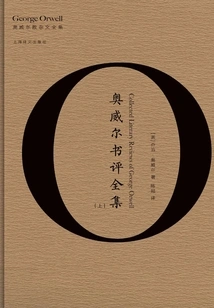
奥威尔书评全集(上)
George Orwell
"Acknowledge the horror of reality and dissolve it in this way. Be buried in the belly of a whale – or admit that you are in the belly of a whale." - George Orwell. [About the author] George Orwell (1903-1950) was a great British humanitarian writer, journalist and social critic. His handed down works "1984" and "Animal Farm" are popular and timeless, and he is known as "the cold conscience of a generation of British people". [Introduction] Orwell can be said to be one of the most thought-provoking and vivid essayists of the 20th century. With his extraordinary energy and uncompromising language, Orwell used pen and paper to fight against the prejudices of his time, and is famous for this. This book collects the long and short book reviews that Orwell has published in different newspapers and anthologies that have been collected so far, spanning Orwell's entire creative career, including "Charles Dickens", "In the Belly of the Whale", "Review of Mein Kampf" and many other famous works. With nearly one million words in length, it presents the full picture of Orwell's book reviews. This book is the first volume in a three-volume set.
"Acknowledge the horror of reality and dissolve it in this way. Be buried in the belly of a whale – or admit that you are in the belly of a whale." - George Orwell. [About the author] George Orwell (1903-1950) was a great British humanitarian writer, journalist and social critic. His handed down works "1984" and "Animal Farm" are popular and timeless, and he is known as "the cold conscience of a generation of British people". [Introduction] Orwell can be said to be one of the most thought-provoking and vivid essayists of the 20th century. With his extraordinary energy and uncompromising language, Orwell used pen and paper to fight against the prejudices of his time, and is famous for this. This book collects the long and short book reviews that Orwell has published in different newspapers and anthologies that have been collected so far, spanning Orwell's entire creative career, including "Charles Dickens", "In the Belly of the Whale", "Review of Mein Kampf" and many other famous works. With nearly one million words in length, it presents the full picture of Orwell's book reviews. This book is the first volume in a three-volume set.
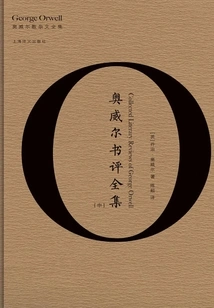
Orwell's Complete Book Reviews (part 2)
Literature奥威尔书评全集(中)
George Orwell
"Acknowledge the horror of reality and dissolve it in this way. Be buried in the belly of a whale – or admit that you are in the belly of a whale." - George Orwell. [About the author] George Orwell (1903-1950) was a great British humanitarian writer, journalist and social critic. His handed down works "1984" and "Animal Farm" are popular and timeless, and he is known as "the cold conscience of a generation of British people". [Introduction] Orwell can be said to be one of the most thought-provoking and vivid essayists of the 20th century. With his extraordinary energy and uncompromising language, Orwell used pen and paper to fight against the prejudices of his time, and is famous for this. This book collects the long and short book reviews that Orwell has published in different newspapers and anthologies that have been collected so far, spanning Orwell's entire creative career, including "Charles Dickens", "In the Belly of the Whale", "Review of Mein Kampf" and many other famous works. With nearly one million words in length, it presents the full picture of Orwell's book reviews. This book is the second volume of a three-volume set.
"Acknowledge the horror of reality and dissolve it in this way. Be buried in the belly of a whale – or admit that you are in the belly of a whale." - George Orwell. [About the author] George Orwell (1903-1950) was a great British humanitarian writer, journalist and social critic. His handed down works "1984" and "Animal Farm" are popular and timeless, and he is known as "the cold conscience of a generation of British people". [Introduction] Orwell can be said to be one of the most thought-provoking and vivid essayists of the 20th century. With his extraordinary energy and uncompromising language, Orwell used pen and paper to fight against the prejudices of his time, and is famous for this. This book collects the long and short book reviews that Orwell has published in different newspapers and anthologies that have been collected so far, spanning Orwell's entire creative career, including "Charles Dickens", "In the Belly of the Whale", "Review of Mein Kampf" and many other famous works. With nearly one million words in length, it presents the full picture of Orwell's book reviews. This book is the second volume of a three-volume set.
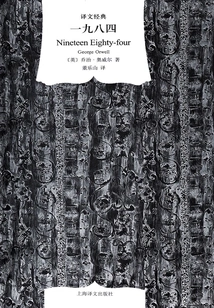
1984 (translation Classic)
General Fiction一九八四(译文经典)
George Orwell
"1984" (1949) is a masterpiece handed down from generation to generation by George Orwell. It can be called the most famous anti-utopian and anti-totalitarian political satire novel in the world of literature. Vocabulary words such as "Big Brother", "Doublethink" and "Newspeak" that he coined in his novels have been included in authoritative English dictionaries. Common terms such as "Orwellian" and "Orwellism" have even been derived from his surname, which continue to appear in the writings of journalists reporting on international news, which shows the profound influence of his works in English-speaking countries. "If one more person reads Orwell, there will be an additional guarantee of freedom," one commentator said.
"1984" (1949) is a masterpiece handed down from generation to generation by George Orwell. It can be called the most famous anti-utopian and anti-totalitarian political satire novel in the world of literature. Vocabulary words such as "Big Brother", "Doublethink" and "Newspeak" that he coined in his novels have been included in authoritative English dictionaries. Common terms such as "Orwellian" and "Orwellism" have even been derived from his surname, which continue to appear in the writings of journalists reporting on international news, which shows the profound influence of his works in English-speaking countries. "If one more person reads Orwell, there will be an additional guarantee of freedom," one commentator said.
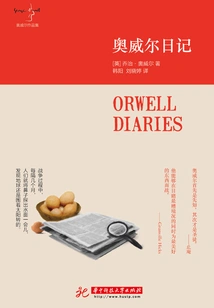
Orwell's Diary
General Fiction奥威尔日记
George Orwell
In this diary compiled from August 1938 to November 1942, Orwell has a pure mind and has lost the sharpness that can whip people's hearts. He not only maintains his interest in pastoral life and trivial matters in life, such as raising chickens and flowers, watching birds and farming, but also closely Paying attention to social life, party politics, and international affairs, it shows strong political sensitivity and compassion. By presenting facts, making inferences, and drawing conclusions, it provides unique thoughts on the cruelty of war and the fate and choices of ordinary people in war.
In this diary compiled from August 1938 to November 1942, Orwell has a pure mind and has lost the sharpness that can whip people's hearts. He not only maintains his interest in pastoral life and trivial matters in life, such as raising chickens and flowers, watching birds and farming, but also closely Paying attention to social life, party politics, and international affairs, it shows strong political sensitivity and compassion. By presenting facts, making inferences, and drawing conclusions, it provides unique thoughts on the cruelty of war and the fate and choices of ordinary people in war.
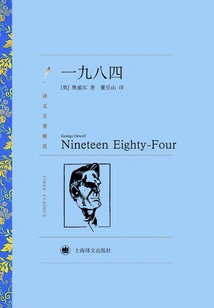
1984
General Fiction一九八四
George Orwell
"Nineteen Eighty-Four" is Orwell's masterpiece and can be called the most famous anti-utopian and anti-totalitarian political allegory novel in the world's literary world. Vocabulary words such as "Big Brother", "Doublethink" and "Newspeak" that he coined in the novel have been included in authoritative English dictionaries. Common terms such as "Orwellian" and "Orwellism" have even been derived from his surname, which continue to appear in the writings of journalists reporting on international news, which shows the profound influence of his works in English-speaking countries.
"Nineteen Eighty-Four" is Orwell's masterpiece and can be called the most famous anti-utopian and anti-totalitarian political allegory novel in the world's literary world. Vocabulary words such as "Big Brother", "Doublethink" and "Newspeak" that he coined in the novel have been included in authoritative English dictionaries. Common terms such as "Orwellian" and "Orwellism" have even been derived from his surname, which continue to appear in the writings of journalists reporting on international news, which shows the profound influence of his works in English-speaking countries.

1984
General Fiction一九八四
George Orwell
In the book, Orwell uses his sharp writing and profound insights to describe a suffocating and terrifying totalitarian society. In this imaginary "Oceania", the ruling class uses extreme means such as changing history, distorting language, and annihilating family ties to dumb down and suppress people's thoughts, and uses ubiquitous "telescreens" with surveillance functions to control people's behavior. People live in extreme poverty, and human nature has degenerated to the point of no distinction between right and wrong. The entire society relies entirely on the personality worship of leaders and hatred of domestic and foreign enemies. Through the description of the life of Winston Smith, an ordinary person in this society, the book reveals that totalitarianism in any form will inevitably lead to the tragedy of the people and even the entire country, and warns the world to beware of this expected darkness becoming a reality.
In the book, Orwell uses his sharp writing and profound insights to describe a suffocating and terrifying totalitarian society. In this imaginary "Oceania", the ruling class uses extreme means such as changing history, distorting language, and annihilating family ties to dumb down and suppress people's thoughts, and uses ubiquitous "telescreens" with surveillance functions to control people's behavior. People live in extreme poverty, and human nature has degenerated to the point of no distinction between right and wrong. The entire society relies entirely on the personality worship of leaders and hatred of domestic and foreign enemies. Through the description of the life of Winston Smith, an ordinary person in this society, the book reveals that totalitarianism in any form will inevitably lead to the tragedy of the people and even the entire country, and warns the world to beware of this expected darkness becoming a reality.
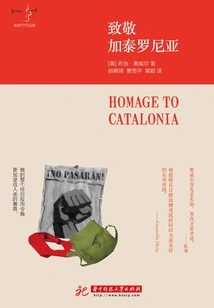
Homage to Catalonia (collected Works of Orwell)
General Fiction致敬加泰罗尼亚(奥威尔作品集)
George Orwell
When the Spanish Civil War broke out in 1936, Orwell came to Catalonia and joined the Spanish Marxist United Workers' Party militia that opposed Franco's regime. He stayed on the front line for nearly six months until he was shot by a sniper and had to return home to recuperate. Based on this experience, he objectively demonstrated the hardships of the war, the enthusiasm of the people, the changes in the situation, and the distortion of the media in the calm language of black and white film. He described his understanding of the war, analyzed the appearance and essence of the war, and exposed the lies about the civil war.
When the Spanish Civil War broke out in 1936, Orwell came to Catalonia and joined the Spanish Marxist United Workers' Party militia that opposed Franco's regime. He stayed on the front line for nearly six months until he was shot by a sniper and had to return home to recuperate. Based on this experience, he objectively demonstrated the hardships of the war, the enthusiasm of the people, the changes in the situation, and the distortion of the media in the calm language of black and white film. He described his understanding of the war, analyzed the appearance and essence of the war, and exposed the lies about the civil war.
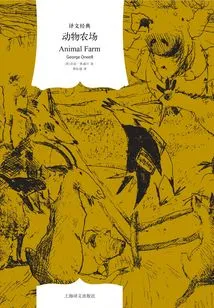
Animal Farm
General Fiction动物农场
George Orwell
"Animal Farm" is one of Orwell's best works. It is a profound anti-Utopia political allegory. A group of animals on the farm successfully carried out a "revolution", driving their exploitative human masters out of the farm and establishing an equal animal society. However, the animal leaders, those smart pigs, eventually usurped the fruits of the revolution and became more authoritarian and totalitarian rulers than their human counterparts.
"Animal Farm" is one of Orwell's best works. It is a profound anti-Utopia political allegory. A group of animals on the farm successfully carried out a "revolution", driving their exploitative human masters out of the farm and establishing an equal animal society. However, the animal leaders, those smart pigs, eventually usurped the fruits of the revolution and became more authoritarian and totalitarian rulers than their human counterparts.
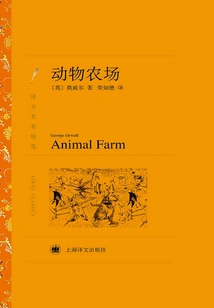
Animal Farm (selected Translations of Classics)
General Fiction动物农场(译文名著精选)
George Orwell
George Orwell (1903-1950) was a great British humanitarian writer, journalist and social critic, and a famous English stylist. "Animal Farm" is one of Orwell's best works. It is a dystopian political allegory that penetrates the heart. A group of animals on the farm successfully carried out a "revolution", driving their exploitative human masters out of the farm and establishing an equal animal society. However, the animal leaders, those smart pigs, eventually usurped the fruits of the revolution and became more authoritarian and totalitarian rulers than their human counterparts. "If one more person watches Orwell, there will be an additional guarantee of freedom," one critic said.
George Orwell (1903-1950) was a great British humanitarian writer, journalist and social critic, and a famous English stylist. "Animal Farm" is one of Orwell's best works. It is a dystopian political allegory that penetrates the heart. A group of animals on the farm successfully carried out a "revolution", driving their exploitative human masters out of the farm and establishing an equal animal society. However, the animal leaders, those smart pigs, eventually usurped the fruits of the revolution and became more authoritarian and totalitarian rulers than their human counterparts. "If one more person watches Orwell, there will be an additional guarantee of freedom," one critic said.
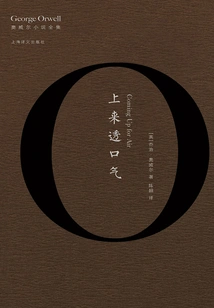
Come up and Breathe (the Complete Works of Orwell's Novels)
General Fiction上来透口气(奥威尔小说全集)
George Orwell
The protagonist of "Come Breath", George Bolling, is a forty-five-year-old fat man who works as a district inspector in an insurance company. He has a high and low career. He has a wife and two children to support, and he is suffering from bills, tuition and other expenses all day long. By chance, a poster reminded him of his hometown by the Thames and his childhood life at that time. "Come Up for Breath" uses a two-line description. One line shows the impact and influence of the social changes characterized by industrialization and urbanization in Britain from before World War I to World War II on traditional small towns. The other main line brings out the respective reactions and actions of various social strata in response to the crisis of world war.
The protagonist of "Come Breath", George Bolling, is a forty-five-year-old fat man who works as a district inspector in an insurance company. He has a high and low career. He has a wife and two children to support, and he is suffering from bills, tuition and other expenses all day long. By chance, a poster reminded him of his hometown by the Thames and his childhood life at that time. "Come Up for Breath" uses a two-line description. One line shows the impact and influence of the social changes characterized by industrialization and urbanization in Britain from before World War I to World War II on traditional small towns. The other main line brings out the respective reactions and actions of various social strata in response to the crisis of world war.
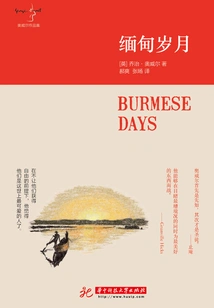
The Burmese Years (collected Works of Orwell)
General Fiction缅甸岁月(奥威尔作品集)
George Orwell
As Orwell's first novel, it presents an extremely real colonial life: the whites are corrupt and degenerate, and the natives are ignorant. However, as a white protagonist, Flory is struggling with an identity crisis. On the one hand, he sympathizes with the Eastern peoples, hates imperialism, and longs to find someone who can be like him. The friend who shared his life in Myanmar, on the other hand, "knowing that he has the potential to become an upright man" is afraid of "saving his soul but losing the whole world", so he can only "watch his life wasted and corrupted in this shameful and terrible futility".
As Orwell's first novel, it presents an extremely real colonial life: the whites are corrupt and degenerate, and the natives are ignorant. However, as a white protagonist, Flory is struggling with an identity crisis. On the one hand, he sympathizes with the Eastern peoples, hates imperialism, and longs to find someone who can be like him. The friend who shared his life in Myanmar, on the other hand, "knowing that he has the potential to become an upright man" is afraid of "saving his soul but losing the whole world", so he can only "watch his life wasted and corrupted in this shameful and terrible futility".
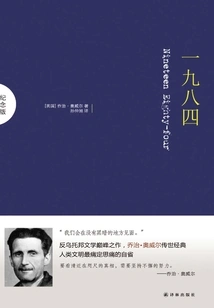
1984 (commemorative Edition)
General Fiction一九八四(纪念版)
George Orwell
This is a great political fable. In 1984, the world was divided between three superpowers. Wars continued between the three countries, and the internal social structures of the countries were completely broken. They all implemented highly centralized rule, using extreme means such as changing history, changing languages, and breaking up families to suppress people's thoughts and instincts. They also used high-tech means to monitor and control people's behavior, and maintained the operation of society with the personal worship of leaders and hatred of domestic and foreign enemies. Winston, a government employee of Oceania, harbored dissent and worked hard to explore the secrets of totalitarian rule and pursue a free life, but was eventually arrested by the Thought Police. After undergoing brutal torture and ideological reform, Winston was executed by firing squad out of his infinite love for Big Brother, the ruler of Oceania.
This is a great political fable. In 1984, the world was divided between three superpowers. Wars continued between the three countries, and the internal social structures of the countries were completely broken. They all implemented highly centralized rule, using extreme means such as changing history, changing languages, and breaking up families to suppress people's thoughts and instincts. They also used high-tech means to monitor and control people's behavior, and maintained the operation of society with the personal worship of leaders and hatred of domestic and foreign enemies. Winston, a government employee of Oceania, harbored dissent and worked hard to explore the secrets of totalitarian rule and pursue a free life, but was eventually arrested by the Thought Police. After undergoing brutal torture and ideological reform, Winston was executed by firing squad out of his infinite love for Big Brother, the ruler of Oceania.
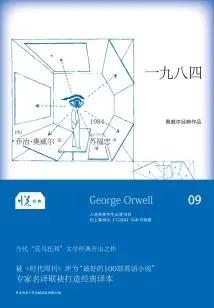
1984
General Fiction一九八四
George Orwell
"Nineteen Eighty-Four" was published in the UK in 1949 and has been translated into at least 62 languages around the world. It has also had a profound impact on the English language itself. It is the most unignorable classic in dystopian literature and even 20th century English literature. In 2014, the "Yue Classics" series of Shaanxi Normal University Press adhered to the book selection principle of "writers among writers, classics among classics" and included it in this book. The famous translator Mr. Su Fuzhong was specially invited to re-translate it. The binding is excellent and it is a classic version worth collecting.
"Nineteen Eighty-Four" was published in the UK in 1949 and has been translated into at least 62 languages around the world. It has also had a profound impact on the English language itself. It is the most unignorable classic in dystopian literature and even 20th century English literature. In 2014, the "Yue Classics" series of Shaanxi Normal University Press adhered to the book selection principle of "writers among writers, classics among classics" and included it in this book. The famous translator Mr. Su Fuzhong was specially invited to re-translate it. The binding is excellent and it is a classic version worth collecting.
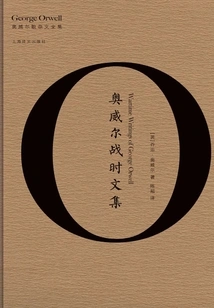
奥威尔战时文集(奥威尔作品全集)
George Orwell
"A lie is a lie whether it is discovered or not." - George Orwell. World War II was a key event that profoundly affected Orwell's life experience and ideological dimensions. In this war that once pushed Britain into a desperate situation, this nation with a liberal tradition (along with Orwell himself) experienced rationing and material shortages, propaganda wars and press censorship, general war and indiscriminate bombing. From 1941 to 1943, Orwell even joined the Eastern Program Group of the British Broadcasting Corporation (BBC), responsible for broadcasting to India. In the smokeless battlefield of the battle between the Allies and the Axis Powers for Indian hearts and minds, Orwell became a screw in the propaganda war machine. It can be said that without World War II, Orwell would not have written those three warning quotes in his "1984": War is peace, freedom is slavery, and ignorance is strength. From the various texts Orwell left behind during the war, we can clearly see the evolution of his thoughts and the gradual fixation of the picture of the postwar world in his mind.
"A lie is a lie whether it is discovered or not." - George Orwell. World War II was a key event that profoundly affected Orwell's life experience and ideological dimensions. In this war that once pushed Britain into a desperate situation, this nation with a liberal tradition (along with Orwell himself) experienced rationing and material shortages, propaganda wars and press censorship, general war and indiscriminate bombing. From 1941 to 1943, Orwell even joined the Eastern Program Group of the British Broadcasting Corporation (BBC), responsible for broadcasting to India. In the smokeless battlefield of the battle between the Allies and the Axis Powers for Indian hearts and minds, Orwell became a screw in the propaganda war machine. It can be said that without World War II, Orwell would not have written those three warning quotes in his "1984": War is peace, freedom is slavery, and ignorance is strength. From the various texts Orwell left behind during the war, we can clearly see the evolution of his thoughts and the gradual fixation of the picture of the postwar world in his mind.
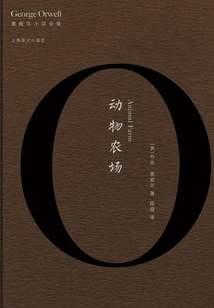
Animal Farm (the Complete Works of Orwell)
General Fiction动物农场(奥威尔作品全集)
George Orwell
George Orwell (1903-1950) was a great British humanitarian writer, journalist and social critic, and a famous English stylist. "Animal Farm" is one of Orwell's outstanding works. It is a dystopian political allegory that penetrates the heart. A group of animals on the farm successfully carried out a "revolution", driving their exploitative human masters out of the farm and establishing an equal animal society. However, the animal leaders, those smart pigs, eventually usurped the fruits of the revolution and became more authoritarian and totalitarian rulers than their human counterparts. "If one more person watches Orwell, there will be an additional guarantee of freedom," one commentator said.
George Orwell (1903-1950) was a great British humanitarian writer, journalist and social critic, and a famous English stylist. "Animal Farm" is one of Orwell's outstanding works. It is a dystopian political allegory that penetrates the heart. A group of animals on the farm successfully carried out a "revolution", driving their exploitative human masters out of the farm and establishing an equal animal society. However, the animal leaders, those smart pigs, eventually usurped the fruits of the revolution and became more authoritarian and totalitarian rulers than their human counterparts. "If one more person watches Orwell, there will be an additional guarantee of freedom," one commentator said.
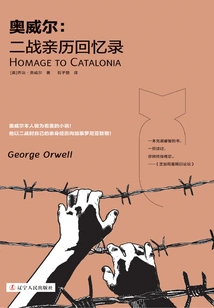
Orwell: a Memoir of His Experience in World War Ii
General Fiction奥威尔:二战亲历回忆录
George Orwell
"Orwell: A Memoir of a Personal Experience in World War II" was written when the Spanish Civil War broke out in 1936. Orwell joined the militia in Catalonia, Spain. "Orwell: A Memoir of a Personal Experience of World War II" is based on this experience. As a witness of the war, he recorded the cruelty of the war, the changes in the situation, the distortion of the media, the crisis of faith, etc. The author of "Orwell: A Memoir of a Personal Experience of World War II" calmly analyzes the appearance and essence of war, making people more convinced of the noble qualities of human beings.
"Orwell: A Memoir of a Personal Experience in World War II" was written when the Spanish Civil War broke out in 1936. Orwell joined the militia in Catalonia, Spain. "Orwell: A Memoir of a Personal Experience of World War II" is based on this experience. As a witness of the war, he recorded the cruelty of the war, the changes in the situation, the distortion of the media, the crisis of faith, etc. The author of "Orwell: A Memoir of a Personal Experience of World War II" calmly analyzes the appearance and essence of war, making people more convinced of the noble qualities of human beings.
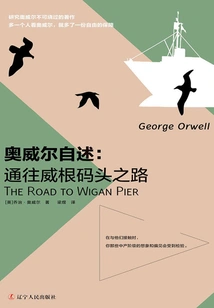
奥威尔自述:通往威根码头之路
George Orwell
In 1934, the author investigated the living conditions of coal miners in northern England. For the first time, he truly felt the existence of the working class. He was deeply moved by the high-intensity physical labor, harsh living environment, and the courage and endurance shown by the miners. He stayed in the northern industrial area for two months, visited miners' families in depth, and inspected the miners' underground operations. He took a large number of detailed notes. After returning, he compiled and published this long documentary.
In 1934, the author investigated the living conditions of coal miners in northern England. For the first time, he truly felt the existence of the working class. He was deeply moved by the high-intensity physical labor, harsh living environment, and the courage and endurance shown by the miners. He stayed in the northern industrial area for two months, visited miners' families in depth, and inspected the miners' underground operations. He took a large number of detailed notes. After returning, he compiled and published this long documentary.

奥威尔作品全集(套装共12册)
George Orwell
Complete collection of all works by George Orwell, author of "1984". George Orwell (1903-1950) was a great British humanitarian writer, journalist and social critic. His handed down works "1984" and "Animal Farm" are popular and timeless, and he is known as "the cold conscience of a generation of British people". Orwell is one of the most thought-provoking and vivid essayists of the 20th century. He is famous for his extraordinary energy and uncompromising language, using pen and paper to fight against the prejudices of his time. This complete collection includes all the fictional and non-fiction works created by Orwell in his life, including "Down and Out in Paris and London", "The Road to Wigan Pier", "Homage to Catalonia", "The Burmese Years", "The Vicar's Daughter" and "Jean Ye". "The Orchid Keeps Flying", "Come Up for Breath", "Animal Farm", "1984", "Orwell's Complete Essays", "Orwell's Complete Book Reviews" and "Orwell's Wartime Works" are composed of twelve volumes, which are published in the form of exquisite letter sets.
Complete collection of all works by George Orwell, author of "1984". George Orwell (1903-1950) was a great British humanitarian writer, journalist and social critic. His handed down works "1984" and "Animal Farm" are popular and timeless, and he is known as "the cold conscience of a generation of British people". Orwell is one of the most thought-provoking and vivid essayists of the 20th century. He is famous for his extraordinary energy and uncompromising language, using pen and paper to fight against the prejudices of his time. This complete collection includes all the fictional and non-fiction works created by Orwell in his life, including "Down and Out in Paris and London", "The Road to Wigan Pier", "Homage to Catalonia", "The Burmese Years", "The Vicar's Daughter" and "Jean Ye". "The Orchid Keeps Flying", "Come Up for Breath", "Animal Farm", "1984", "Orwell's Complete Essays", "Orwell's Complete Book Reviews" and "Orwell's Wartime Works" are composed of twelve volumes, which are published in the form of exquisite letter sets.
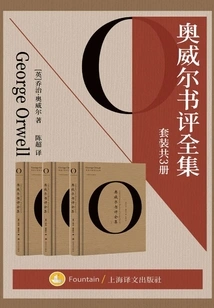
奥威尔书评全集(全集)
George Orwell
"Acknowledge the horror of reality and dissolve it in this way. Be buried in the belly of a whale – or admit that you are in the belly of a whale." - George Orwell. [About the author] George Orwell (1903-1950) was a great British humanitarian writer, journalist and social critic. His handed down works "1984" and "Animal Farm" are popular and timeless, and he is known as "the cold conscience of a generation of British people". [Introduction] Orwell can be said to be one of the most thought-provoking and vivid essayists of the 20th century. With his extraordinary energy and uncompromising language, Orwell used pen and paper to fight against the prejudices of his time, and is famous for this. This book collects the long and short book reviews that Orwell has published in different newspapers and anthologies that have been collected so far, spanning Orwell's entire creative career, including "Charles Dickens", "In the Belly of the Whale", "Review of Mein Kampf" and many other famous works. With nearly one million words in length, it presents the full picture of Orwell's book reviews.
"Acknowledge the horror of reality and dissolve it in this way. Be buried in the belly of a whale – or admit that you are in the belly of a whale." - George Orwell. [About the author] George Orwell (1903-1950) was a great British humanitarian writer, journalist and social critic. His handed down works "1984" and "Animal Farm" are popular and timeless, and he is known as "the cold conscience of a generation of British people". [Introduction] Orwell can be said to be one of the most thought-provoking and vivid essayists of the 20th century. With his extraordinary energy and uncompromising language, Orwell used pen and paper to fight against the prejudices of his time, and is famous for this. This book collects the long and short book reviews that Orwell has published in different newspapers and anthologies that have been collected so far, spanning Orwell's entire creative career, including "Charles Dickens", "In the Belly of the Whale", "Review of Mein Kampf" and many other famous works. With nearly one million words in length, it presents the full picture of Orwell's book reviews.
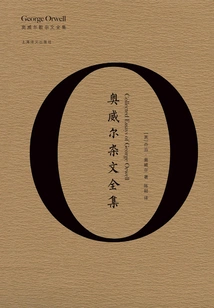
奥威尔杂文全集(全2册)
George Orwell
Orwell is one of the most thought-provoking and vivid essayists of the 20th century. He is famous for his extraordinary energy and uncompromising language, using pen and paper to fight against the prejudices of his time. This book collects all the political essays written by Orwell in his life that can be collected so far, including many popular Orwell famous essays, such as "On the British", "Politics and the English Language", "The Decline of British Murder", "The Boundaries of Art and Propaganda", "Looking Back at the Spanish War", "Why I Write", "The Writer and Leviathan", etc., With 800,000 words, presenting a complete picture of Orwell's essays.
Orwell is one of the most thought-provoking and vivid essayists of the 20th century. He is famous for his extraordinary energy and uncompromising language, using pen and paper to fight against the prejudices of his time. This book collects all the political essays written by Orwell in his life that can be collected so far, including many popular Orwell famous essays, such as "On the British", "Politics and the English Language", "The Decline of British Murder", "The Boundaries of Art and Propaganda", "Looking Back at the Spanish War", "Why I Write", "The Writer and Leviathan", etc., With 800,000 words, presenting a complete picture of Orwell's essays.
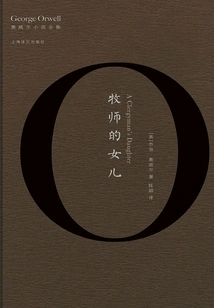
The Vicar's Daughter (complete Orwell Novels)
General Fiction牧师的女儿(奥威尔小说全集)
George Orwell
The father of a small-town girl, Dorothy, served as a pastor at St. Athelstan's Church in Knepp Hill, a small town in eastern England. He lost his wife in his early years, had a surly temperament, and took pleasure in torturing his daughter and maids. Under the strict discipline of her father, Dorothy has been a devout believer since childhood, practicing self-restraint. However, due to her lonely life, she became friends with Mr. Warburton, the notorious prodigal son in the town. One night she was invited to Mr. Warburton's house. The latter tried to seduce Dorothy but failed, but Mrs. Sampler, who liked to spread rumors in the town, witnessed Mr. Warburton forcefully hugging Dorothy at the door. Dorothy returned home and fell asleep. When she opened her eyes again, she found that she had come to a strange town inexplicably, and she had lost all memory of who she was, where she came from, and why she was here. What Dorothy doesn't know is that a bloody elopement drama starring her is being published in newspapers across the UK, and her own life and beliefs are about to undergo a tremendous change.
The father of a small-town girl, Dorothy, served as a pastor at St. Athelstan's Church in Knepp Hill, a small town in eastern England. He lost his wife in his early years, had a surly temperament, and took pleasure in torturing his daughter and maids. Under the strict discipline of her father, Dorothy has been a devout believer since childhood, practicing self-restraint. However, due to her lonely life, she became friends with Mr. Warburton, the notorious prodigal son in the town. One night she was invited to Mr. Warburton's house. The latter tried to seduce Dorothy but failed, but Mrs. Sampler, who liked to spread rumors in the town, witnessed Mr. Warburton forcefully hugging Dorothy at the door. Dorothy returned home and fell asleep. When she opened her eyes again, she found that she had come to a strange town inexplicably, and she had lost all memory of who she was, where she came from, and why she was here. What Dorothy doesn't know is that a bloody elopement drama starring her is being published in newspapers across the UK, and her own life and beliefs are about to undergo a tremendous change.
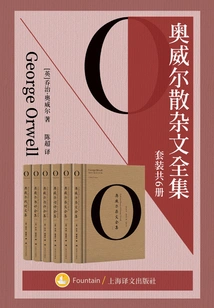
奥威尔散杂文全集(套装共6册)
George Orwell
Complete collection of all of Orwell's prose works that have been collected so far. George Orwell (1903-1950) was a great British humanitarian writer, journalist and social critic. His handed down works "1984" and "Animal Farm" are popular and timeless, and are known as "the cold conscience of a generation of British people". Orwell is one of the most thought-provoking and vivid essayists of the 20th century. He is famous for his extraordinary energy and uncompromising language, using pen and paper to fight against the prejudices of his time. This book collects all the prose works that Orwell wrote in his life that can be collected so far, including many of Orwell's most popular masterpieces. The complete collection of Orwell's essays consists of six volumes: "The Complete Essays of Orwell (Part 1, Part 2)", "The Complete Collection of Orwell's Book Reviews (Part 1, Middle and Part 2)" and "The Collected Works of Orwell during the War".
Complete collection of all of Orwell's prose works that have been collected so far. George Orwell (1903-1950) was a great British humanitarian writer, journalist and social critic. His handed down works "1984" and "Animal Farm" are popular and timeless, and are known as "the cold conscience of a generation of British people". Orwell is one of the most thought-provoking and vivid essayists of the 20th century. He is famous for his extraordinary energy and uncompromising language, using pen and paper to fight against the prejudices of his time. This book collects all the prose works that Orwell wrote in his life that can be collected so far, including many of Orwell's most popular masterpieces. The complete collection of Orwell's essays consists of six volumes: "The Complete Essays of Orwell (Part 1, Part 2)", "The Complete Collection of Orwell's Book Reviews (Part 1, Middle and Part 2)" and "The Collected Works of Orwell during the War".
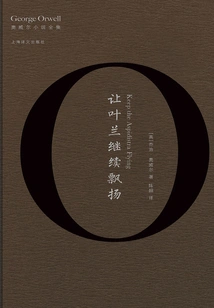
Let the Orchids Continue to Fly (complete Works of Orwell)
General Fiction让叶兰继续飘扬(奥威尔作品全集)
George Orwell
"Let the Orchids Keep Flying" was written in 1934 and 1935. It is a work of social criticism, telling the story of the young poet Gordon Constanck who fantasized about resisting the worship of money and persisting in his literary dream in London in the 1930s, but he repeatedly ran into obstacles in reality. Orwell was living in Hampstead, near London at the time, and the novel is based on his life experiences. "Let the Orchid Fly" ruthlessly exposes the oppression and spiritual erosion of the worship of money on the literary young Gordon. To a certain extent, the portrayal of Orwell's first half of his life is a description of his inner struggle to continue to adhere to his literary ideals and inner values. Although Gordon in the book chose to give up, in reality, the decision to go to the Spanish Civil War changed Orwell's destiny and led him to embark on the path of criticizing totalitarianism. However, the experiences and impressions of the first half of his life still left an indelible impression in his works of the second half of his life.
"Let the Orchids Keep Flying" was written in 1934 and 1935. It is a work of social criticism, telling the story of the young poet Gordon Constanck who fantasized about resisting the worship of money and persisting in his literary dream in London in the 1930s, but he repeatedly ran into obstacles in reality. Orwell was living in Hampstead, near London at the time, and the novel is based on his life experiences. "Let the Orchid Fly" ruthlessly exposes the oppression and spiritual erosion of the worship of money on the literary young Gordon. To a certain extent, the portrayal of Orwell's first half of his life is a description of his inner struggle to continue to adhere to his literary ideals and inner values. Although Gordon in the book chose to give up, in reality, the decision to go to the Spanish Civil War changed Orwell's destiny and led him to embark on the path of criticizing totalitarianism. However, the experiences and impressions of the first half of his life still left an indelible impression in his works of the second half of his life.

1984 (collected Works of Orwell)
General Fiction1984(奥威尔作品集)
George Orwell
"1984" is a highly prophetic political allegory novel that depicts a suffocating and frightening totalitarian society that dehumanizes humanity. In this totalitarian society called "Oceania", "every word you say and every sound you make will be monitored; as long as there is a little light, your every move will be monitored." Humanity is stifled, freedom is deprived, thoughts are suppressed, and history is being falsified every moment. The state of human existence there always warns people not to walk into this dark tragedy.
"1984" is a highly prophetic political allegory novel that depicts a suffocating and frightening totalitarian society that dehumanizes humanity. In this totalitarian society called "Oceania", "every word you say and every sound you make will be monitored; as long as there is a little light, your every move will be monitored." Humanity is stifled, freedom is deprived, thoughts are suppressed, and history is being falsified every moment. The state of human existence there always warns people not to walk into this dark tragedy.