Library
Browse and search books
1,449 novels found
地下室手记(俄罗斯文学金色经典)
G
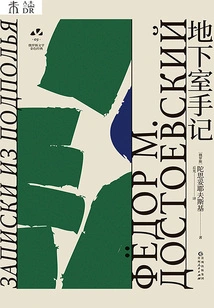
"Notes from the Underground" was a turning point in Dostoevsky's creation. He penetrated and sublimated from his early immersion in the human compassion and psychological care of small people, and became a philosophical thinker who foresees human tragedy. Through this novella, he "seems" to tell us the most lacking thing at the time but the most precious thing in the world - personal character, and raised a long list of questions surrounding this central theme. The novel talks about the "individual" versus the group, and the process from the group's blind obedience to the laws of nature to the rebirth of belief in the awakening of individual self-awareness. It is expressed through the literary image created by Dostoevsky, the "basement man," who symbolizes a man on the margins of civilization who has retreated to the corner of his heart. He "consciously" buried himself in the basement of his heart, and his relationship with the group was one of ideological dialectics and the other of social quarrels. The novel is divided into two contrasting parts. The author is proud to say that this is similar to musical variations, and the two complement each other. The author tries to put the entire era, especially the negative characteristics, into this character image, and compare and synthesize a unique character of the era. If we repeatedly chew on these lies that are sometimes funny and sometimes shocking, we may have a new understanding of the source of power that stirs up human souls and renovates social life. For example, the basement man's last question: Which one is better? Is it cheap happiness or noble pain?
"Notes from the Underground" was a turning point in Dostoevsky's creation. He penetrated and sublimated from his early immersion in the human compassion and psychological care of small people, and became a philosophical thinker who foresees human tragedy. Through this novella, he "seems" to tell us the most lacking thing at the time but the most precious thing in the world - personal character, and raised a long list of questions surrounding this central theme. The novel talks about the "individual" versus the group, and the process from the group's blind obedience to the laws of nature to the rebirth of belief in the awakening of individual self-awareness. It is expressed through the literary image created by Dostoevsky, the "basement man," who symbolizes a man on the margins of civilization who has retreated to the corner of his heart. He "consciously" buried himself in the basement of his heart, and his relationship with the group was one of ideological dialectics and the other of social quarrels. The novel is divided into two contrasting parts. The author is proud to say that this is similar to musical variations, and the two complement each other. The author tries to put the entire era, especially the negative characteristics, into this character image, and compare and synthesize a unique character of the era. If we repeatedly chew on these lies that are sometimes funny and sometimes shocking, we may have a new understanding of the source of power that stirs up human souls and renovates social life. For example, the basement man's last question: Which one is better? Is it cheap happiness or noble pain?
A Different Literary History
Literature不一样的文学史
G
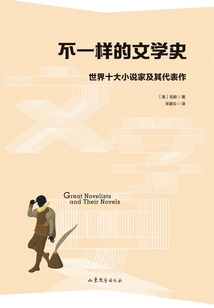
This is a master's book of gossip and Maugham's insight into human nature. Balzac was a softie; Jane Austen was rustic and didn't know how to match clothes; Emily Bronte had homosexual tendencies. Maugham did this not intentionally to play devil's advocate or to sensationalize, but to remove all pretense, leaving only the real torso. Using his profound insight into human nature and his rich experience as a professional writer, he filtered out the possible kinship between the writer's experience and his works, and showed readers a different literary history that is gossipy and fun!
This is a master's book of gossip and Maugham's insight into human nature. Balzac was a softie; Jane Austen was rustic and didn't know how to match clothes; Emily Bronte had homosexual tendencies. Maugham did this not intentionally to play devil's advocate or to sensationalize, but to remove all pretense, leaving only the real torso. Using his profound insight into human nature and his rich experience as a professional writer, he filtered out the possible kinship between the writer's experience and his works, and showed readers a different literary history that is gossipy and fun!
One Person Can't Do It
General Fiction一个人办不到
G
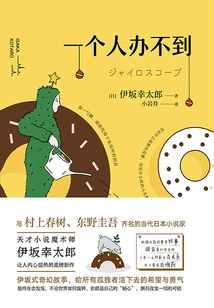
Kotaro Isaka's new collection of short stories, classic Isaka-style fantasy stories. Making mistakes can turn bad things into good things; do friends really exist? It doesn't matter if you achieve nothing in life; there is really a medicine for regret in the world... 7 Short stories are wonderfully connected and end with a warm ending. It is an addictive and heart-warming healing fantasy. "Isaka Kotaro's novels have integrity, simplicity, kindness, and positive rhymes." No matter how the world spins, you are your own axis and have the possibility to change everything.
Kotaro Isaka's new collection of short stories, classic Isaka-style fantasy stories. Making mistakes can turn bad things into good things; do friends really exist? It doesn't matter if you achieve nothing in life; there is really a medicine for regret in the world... 7 Short stories are wonderfully connected and end with a warm ending. It is an addictive and heart-warming healing fantasy. "Isaka Kotaro's novels have integrity, simplicity, kindness, and positive rhymes." No matter how the world spins, you are your own axis and have the possibility to change everything.
I
LiteratureI
G
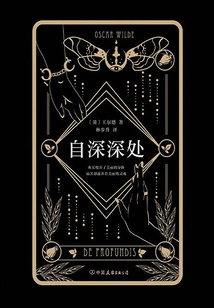
Selected as one of the "100 Greatest Nonfiction Works" by the British "Guardian", Wilde's heartfelt work; Brand new translation: Completely translated based on the original English version, proofread from other editions, more consistent with the original work; Up to 200 detailed translation annotations, making it easier to understand the text; Exclusively included two reviews of "The Human Soul", "The Decline of Lies" and Nobel Prize winner Gide's "Wilde in My Eyes", providing an in-depth interpretation of the original text.
Selected as one of the "100 Greatest Nonfiction Works" by the British "Guardian", Wilde's heartfelt work; Brand new translation: Completely translated based on the original English version, proofread from other editions, more consistent with the original work; Up to 200 detailed translation annotations, making it easier to understand the text; Exclusively included two reviews of "The Human Soul", "The Decline of Lies" and Nobel Prize winner Gide's "Wilde in My Eyes", providing an in-depth interpretation of the original text.
X
General Fictionx
G
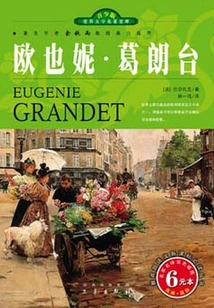
"Eugénie Grandet" is the most important work in Balzac's "Comedy Humane" and one of the most outstanding drawings in "Comédie Humane". The novel describes the family conflicts between the Grandet couple, father and daughter, uncles and nephews, profoundly reveals the money relationship in bourgeois families, extensively unfolds the customs of the French provinces in the first half of the 19th century, and creates a typical artistic image of Grandet, one of the four misers in the gallery of world literary figures. It is known as an ordinary tragedy without poison, no sharp knives, and no bloodshed. The novel integrates psychological analysis, custom description, detailed characterization, and philosophical discussion, and has achieved high artistic achievements.
"Eugénie Grandet" is the most important work in Balzac's "Comedy Humane" and one of the most outstanding drawings in "Comédie Humane". The novel describes the family conflicts between the Grandet couple, father and daughter, uncles and nephews, profoundly reveals the money relationship in bourgeois families, extensively unfolds the customs of the French provinces in the first half of the 19th century, and creates a typical artistic image of Grandet, one of the four misers in the gallery of world literary figures. It is known as an ordinary tragedy without poison, no sharp knives, and no bloodshed. The novel integrates psychological analysis, custom description, detailed characterization, and philosophical discussion, and has achieved high artistic achievements.
时间地图:大历史,130亿年前至今(全集)
G
Q
Q
黎明破晓的世界:中世纪思潮与文艺复兴
G
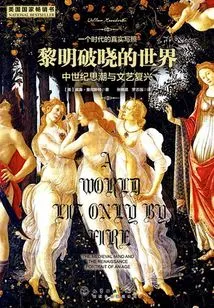
This is a completely strange era, without clocks, police or communication tools, people believe in magic and witchcraft, and kill those who do not believe in them or who offend their beliefs. This was a dark age, filled with endless superstition, corruption, violence, anti-intellectualism and ignorance. The upper class indulged in burning, nepotism, murder, hedonism and selling indulgences.
This is a completely strange era, without clocks, police or communication tools, people believe in magic and witchcraft, and kill those who do not believe in them or who offend their beliefs. This was a dark age, filled with endless superstition, corruption, violence, anti-intellectualism and ignorance. The upper class indulged in burning, nepotism, murder, hedonism and selling indulgences.
V
Literaturev
G
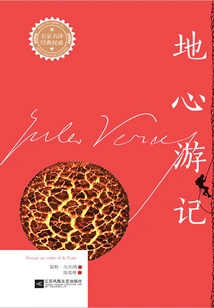
Professor Lidenbrock accidentally obtained an ancient book from hundreds of years ago. There was a piece of parchment sandwiched in the book. After many layers of interpretation, the professor discovered that the alchemist Saknusem had traveled to the center of the earth. Professor Lidenbrock decided to take his nephew Axel on the same trip. They set out from Hamburg, Germany, and after arriving in Iceland, they asked a guide, Hans, to accompany them. Following the clues in the ancient book, the three people descended from the Snæfellsjökull crater in Iceland. After three months of travel, they experienced difficulties and obstacles such as water shortage, getting lost, and storms. Finally, due to the impact of rock flows, they returned to the ground from another crater on the island of Sdrombli in northern Sicily in the Mediterranean Sea. Only then did they realize that they had traveled four thousand miles underground.
Professor Lidenbrock accidentally obtained an ancient book from hundreds of years ago. There was a piece of parchment sandwiched in the book. After many layers of interpretation, the professor discovered that the alchemist Saknusem had traveled to the center of the earth. Professor Lidenbrock decided to take his nephew Axel on the same trip. They set out from Hamburg, Germany, and after arriving in Iceland, they asked a guide, Hans, to accompany them. Following the clues in the ancient book, the three people descended from the Snæfellsjökull crater in Iceland. After three months of travel, they experienced difficulties and obstacles such as water shortage, getting lost, and storms. Finally, due to the impact of rock flows, they returned to the ground from another crater on the island of Sdrombli in northern Sicily in the Mediterranean Sea. Only then did they realize that they had traveled four thousand miles underground.
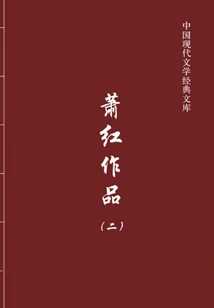
萧红作品2(中国现代文学经典文库)
G
Although Xiao Hong has never been ignored or neglected in the history of modern (Chinese) literature, she has been somewhat underestimated. At least her works such as "Shangshi Street", "The Story of Hulan River", short stories such as "Back Garden", "Small Town March", etc. Are by no means inferior to her contemporaries Ding Ling or Zhang Ailing in terms of artistic achievements, content level or social content.
Although Xiao Hong has never been ignored or neglected in the history of modern (Chinese) literature, she has been somewhat underestimated. At least her works such as "Shangshi Street", "The Story of Hulan River", short stories such as "Back Garden", "Small Town March", etc. Are by no means inferior to her contemporaries Ding Ling or Zhang Ailing in terms of artistic achievements, content level or social content.
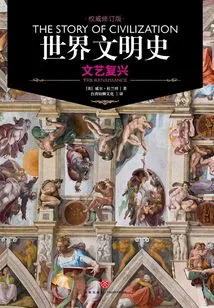
世界文明史:文艺复兴
G
This book uses an integrated approach to describe all aspects of Italian life during the Renaissance. The term "Renaissance" in this book refers only to Italy. In essence, the Renaissance was an economic expansion achieved by a few smart people manipulating the majority of simple people. Renaissance culture was an aristocratic culture built on the backs of the poor. The politics of the Renaissance were commercial oligarchs and military dictatorships replacing the republic. Morally, it was a pagan rebellion that corrupted the moral standards of religious theory, indulged human instincts, and used the wealth of industry and commerce as they pleased. The Renaissance restored classical culture and ended the thousand-year dominance of Eastern spirituality in Europe. It also spread the seeds of enlightenment to France, England, Germany, Flanders and Spain. Conceptual, moral and artistic trends continued to flow northward from Italy for a century. Between 1500 and 1600, all Western European countries recognized her as the mother of the new scientific, artistic and humanistic civilization.
This book uses an integrated approach to describe all aspects of Italian life during the Renaissance. The term "Renaissance" in this book refers only to Italy. In essence, the Renaissance was an economic expansion achieved by a few smart people manipulating the majority of simple people. Renaissance culture was an aristocratic culture built on the backs of the poor. The politics of the Renaissance were commercial oligarchs and military dictatorships replacing the republic. Morally, it was a pagan rebellion that corrupted the moral standards of religious theory, indulged human instincts, and used the wealth of industry and commerce as they pleased. The Renaissance restored classical culture and ended the thousand-year dominance of Eastern spirituality in Europe. It also spread the seeds of enlightenment to France, England, Germany, Flanders and Spain. Conceptual, moral and artistic trends continued to flow northward from Italy for a century. Between 1500 and 1600, all Western European countries recognized her as the mother of the new scientific, artistic and humanistic civilization.
F
LiteratureF
G
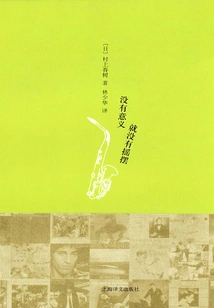
Haruki Murakami's first true music essay, an in-depth understanding of Murakami's musical world. Even if the moon disappears, even if you are abandoned by your lover, even if you are laughed at by a puppy, you can have nothing but music. Without the warmth of memory, our lives on the third planet in the solar system would inevitably become an unbearably cold thing. Because of this, we fall in love and sometimes listen to music like we are in love. Follow senior music critic Haruki Murakami to experience the possibility of synaesthesia between words and music art. This is Haruki Murakami's first purely musical essay. Murakami carefully selected 11 famous songs from all classic music scenes and wrote the article, which is full of emotions about music and provides an opportunity to gain an in-depth understanding of Murakami's music world. From Schubert to Stan Gates, from Bruce Springsteen to Goo Suga, these ten essays reveal the good music in Murakami's heart.
Haruki Murakami's first true music essay, an in-depth understanding of Murakami's musical world. Even if the moon disappears, even if you are abandoned by your lover, even if you are laughed at by a puppy, you can have nothing but music. Without the warmth of memory, our lives on the third planet in the solar system would inevitably become an unbearably cold thing. Because of this, we fall in love and sometimes listen to music like we are in love. Follow senior music critic Haruki Murakami to experience the possibility of synaesthesia between words and music art. This is Haruki Murakami's first purely musical essay. Murakami carefully selected 11 famous songs from all classic music scenes and wrote the article, which is full of emotions about music and provides an opportunity to gain an in-depth understanding of Murakami's music world. From Schubert to Stan Gates, from Bruce Springsteen to Goo Suga, these ten essays reveal the good music in Murakami's heart.

The Blackmailer Doesn't Shoot
General Fiction勒索者不开枪
G
Where is the gun? The dark night is like a prostitute's lies, bottomless... Maybe my loneliness is born. Just like this lingering smoke, it will eventually dissipate in the corners of this city. "He writes ordinary detective novels and has struck a literary gold mine." - The Times
Where is the gun? The dark night is like a prostitute's lies, bottomless... Maybe my loneliness is born. Just like this lingering smoke, it will eventually dissipate in the corners of this city. "He writes ordinary detective novels and has struck a literary gold mine." - The Times
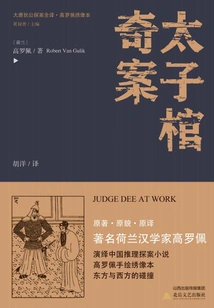
The Complete Translation of Detective Di Gong of the Tang Dynasty·the Strange Case of the Prince's Coffin
General Fiction大唐狄公探案全译·太子棺奇案
G
This book is one of the "Comprehensive Translation of Detective Di Gong of the Tang Dynasty: Gao Luopei's Embroidered Portrait Edition". "The Strange Case of the Prince's Coffin: A Collection of Short Stories by Gao Luopei" contains eight short stories including "Five Auspicious Clouds", "The Strange Case of the Prince's Coffin" and "The Strange Case of the Feather Arrow". It is a masterpiece of Gao Luopei's detective novels. The novel tells the story of eight cases detected by Judge Di when he was the county magistrate of Puyang, Hanyuan and other places. The cases are all ordinary ones, including the death of a young woman, the murder of an old scholar, etc., But all of them are twists and turns, exciting and fascinating. Every detail, every seemingly unrelated time, has become a magic weapon to capture the reader's psychology in Gao Luopei's writing. Without hurry or delay, the case develops naturally. The truth seems to be within reach, but it cannot be easily solved. In the exquisite story structure and narrative, readers are naturally drawn into the story along with Judge Dee's meticulous and sophisticated reasoning.
This book is one of the "Comprehensive Translation of Detective Di Gong of the Tang Dynasty: Gao Luopei's Embroidered Portrait Edition". "The Strange Case of the Prince's Coffin: A Collection of Short Stories by Gao Luopei" contains eight short stories including "Five Auspicious Clouds", "The Strange Case of the Prince's Coffin" and "The Strange Case of the Feather Arrow". It is a masterpiece of Gao Luopei's detective novels. The novel tells the story of eight cases detected by Judge Di when he was the county magistrate of Puyang, Hanyuan and other places. The cases are all ordinary ones, including the death of a young woman, the murder of an old scholar, etc., But all of them are twists and turns, exciting and fascinating. Every detail, every seemingly unrelated time, has become a magic weapon to capture the reader's psychology in Gao Luopei's writing. Without hurry or delay, the case develops naturally. The truth seems to be within reach, but it cannot be easily solved. In the exquisite story structure and narrative, readers are naturally drawn into the story along with Judge Dee's meticulous and sophisticated reasoning.
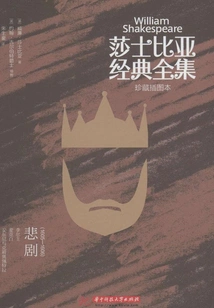
莎士比亚经典全集:悲剧(1605-1606)
G
Zhu Shenghao's 1947 World Book Company translation, original flavor. The British vintage cover features exquisite illustrations by Sir John Gilbert, president of the Royal Watercolor Society in the 19th century, reviving the classic. Including "King Lear", "Macbeth" and "Antony and Cleopatra".
Zhu Shenghao's 1947 World Book Company translation, original flavor. The British vintage cover features exquisite illustrations by Sir John Gilbert, president of the Royal Watercolor Society in the 19th century, reviving the classic. Including "King Lear", "Macbeth" and "Antony and Cleopatra".
Banned Property
General Fiction禁治产
G
The story is simple, but the ending is surprising and shocking. Everything seems to be in the author's writing, and in the eyes of the readers, those who are kind and upright will definitely get a happy ending. Because as a judge, Bobino was an honest judge. Finally, after careful investigation, he discovered that the courtesan Marquise had accused her long-separated husband, the Marquis, of being a lunatic and requested an injunction. It was a scam. She was moved by the fact that the noble Marquis turned out to be a noble man. She held the Marquis's hand tightly and promised that she would never allow the Marquis to have an injunction. Unexpectedly, when I was writing the report and preparing to submit it, I was called to the office by the president of the court.
The story is simple, but the ending is surprising and shocking. Everything seems to be in the author's writing, and in the eyes of the readers, those who are kind and upright will definitely get a happy ending. Because as a judge, Bobino was an honest judge. Finally, after careful investigation, he discovered that the courtesan Marquise had accused her long-separated husband, the Marquis, of being a lunatic and requested an injunction. It was a scam. She was moved by the fact that the noble Marquis turned out to be a noble man. She held the Marquis's hand tightly and promised that she would never allow the Marquis to have an injunction. Unexpectedly, when I was writing the report and preparing to submit it, I was called to the office by the president of the court.
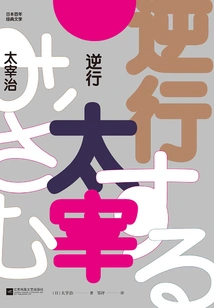
Retrograde
General Fiction逆行
G
A collection of short and medium-length stories by Japanese writer Osamu Dazai, which contains ten short and medium-length stories depicting the life of Osamu Dazai. It includes the famous work "Retrograde" by Dazai Osamu, which was shortlisted for the first Akutagawa Literature Prize. Includes a rare warm work in Dazai Osamu's writing career - "Romantic Lantern". This article changes from Dazai Osamu's previous depressing style and tells the story of the Irie brothers and sisters working together to create a new version of "Rape Rapunzel" vividly.
A collection of short and medium-length stories by Japanese writer Osamu Dazai, which contains ten short and medium-length stories depicting the life of Osamu Dazai. It includes the famous work "Retrograde" by Dazai Osamu, which was shortlisted for the first Akutagawa Literature Prize. Includes a rare warm work in Dazai Osamu's writing career - "Romantic Lantern". This article changes from Dazai Osamu's previous depressing style and tells the story of the Irie brothers and sisters working together to create a new version of "Rape Rapunzel" vividly.
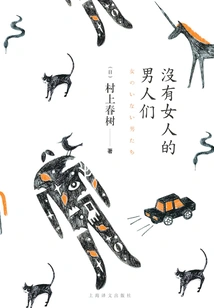
Men Without Women (original Work of "drive My Car", the 94th Academy Award for Best International Film)
General Fiction没有女人的男人们(《驾驶我的车》原著,第94届奥斯卡最佳国际影片)
G
Haruki Murakami's short story collection consists of 7 short stories. To men without women, the world is a vast and aching mixture, as silent as the opposite side of the moon. "DrivemyCar": The stage actor Iafuku clearly knows that his wife, who is also an actor, and the actor in the same play have regular trysts, but he pretends not to know and plays the role of a loving couple in front of the world. "Yesterday": Muzun and I are in the same grade. We met while working part-time and started a wonderful "cultural exchange". "Independent Organs": My friend Du Hui, a plastic surgeon, believes in celibacy. When he lost his life, he was still asking himself what he was. "Arabian Nights": Hahara was imprisoned on an isolated island far away from the mainland. After falling in love with a female liaison officer, every time he had a relationship, the female liaison officer, like the princess in One Thousand and One Nights, would tell him a meaningful, enchanting story.
Haruki Murakami's short story collection consists of 7 short stories. To men without women, the world is a vast and aching mixture, as silent as the opposite side of the moon. "DrivemyCar": The stage actor Iafuku clearly knows that his wife, who is also an actor, and the actor in the same play have regular trysts, but he pretends not to know and plays the role of a loving couple in front of the world. "Yesterday": Muzun and I are in the same grade. We met while working part-time and started a wonderful "cultural exchange". "Independent Organs": My friend Du Hui, a plastic surgeon, believes in celibacy. When he lost his life, he was still asking himself what he was. "Arabian Nights": Hahara was imprisoned on an isolated island far away from the mainland. After falling in love with a female liaison officer, every time he had a relationship, the female liaison officer, like the princess in One Thousand and One Nights, would tell him a meaningful, enchanting story.
Brutus' Heart
General Fiction布鲁特斯的心脏
G
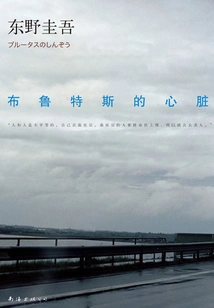
Keigo Higashino challenges the new method of "flashback reasoning", and the "drama genius" Ryuya Fujiwara stars in the Japanese drama of the same name. There is no famous detective, no gorgeous tricks, and no eerie atmosphere, but it is more exciting than Higashino's classic! In 44 BC, the Roman consul Julius Caesar was assassinated. He discovered that among the assassins was his trusted assistant and close friend Brutus. He couldn't help but exclaimed: "And you, Brutus!" In order to get the attention of the directors, Takuya deliberately approached Yasuko, who was in charge of the directors' affairs. Just when Takuya was about to become the son-in-law of the director, Yasuko suddenly said that she was pregnant with his child and blackmailed Takuya. Takuya also learned that Naoki and Hashimoto, who had an affair with Yasuko, were also blackmailed. The three of them came together and devised a clever plan to kill Yasuko. The operation started as planned, but Takuya, who was responsible for transporting the corpse, discovered that Naoki was the first to die.
Keigo Higashino challenges the new method of "flashback reasoning", and the "drama genius" Ryuya Fujiwara stars in the Japanese drama of the same name. There is no famous detective, no gorgeous tricks, and no eerie atmosphere, but it is more exciting than Higashino's classic! In 44 BC, the Roman consul Julius Caesar was assassinated. He discovered that among the assassins was his trusted assistant and close friend Brutus. He couldn't help but exclaimed: "And you, Brutus!" In order to get the attention of the directors, Takuya deliberately approached Yasuko, who was in charge of the directors' affairs. Just when Takuya was about to become the son-in-law of the director, Yasuko suddenly said that she was pregnant with his child and blackmailed Takuya. Takuya also learned that Naoki and Hashimoto, who had an affair with Yasuko, were also blackmailed. The three of them came together and devised a clever plan to kill Yasuko. The operation started as planned, but Takuya, who was responsible for transporting the corpse, discovered that Naoki was the first to die.
X
General Fictionx
G
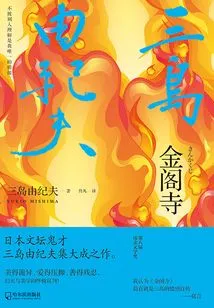
"The Temple of the Golden Pavilion" is a novel written by Yukio Mishima based on the true incident in 1950 when a monk of the Temple, Lin Yangxian, set fire to the Temple of the Golden Pavilion. It mainly tells the story of Mizoguchi, a young man who was born with stuttering and came from a poor countryside to become a monk at the Kinkaku Temple. He was obsessed with the beauty of the Kinkaku Temple all day long and imagined the magnificent scene of dying with the Kinkakuji in the flames of war. However, the end of the war made this wish disappear forever. In despair, he resolutely burned the Golden Temple to the ground. By burning down the Golden Temple, Mizoguchi eliminated the demonic barriers that once existed in his mind. The alienated image of the Golden Temple no longer existed. His originally suppressed humanity was released, and his horizons shackled by phantoms were also expanded. Destruction became the path to rebirth.
"The Temple of the Golden Pavilion" is a novel written by Yukio Mishima based on the true incident in 1950 when a monk of the Temple, Lin Yangxian, set fire to the Temple of the Golden Pavilion. It mainly tells the story of Mizoguchi, a young man who was born with stuttering and came from a poor countryside to become a monk at the Kinkaku Temple. He was obsessed with the beauty of the Kinkaku Temple all day long and imagined the magnificent scene of dying with the Kinkakuji in the flames of war. However, the end of the war made this wish disappear forever. In despair, he resolutely burned the Golden Temple to the ground. By burning down the Golden Temple, Mizoguchi eliminated the demonic barriers that once existed in his mind. The alienated image of the Golden Temple no longer existed. His originally suppressed humanity was released, and his horizons shackled by phantoms were also expanded. Destruction became the path to rebirth.
Youdingtian Family (set of 2 Volumes in Total)
General Fiction有顶天家族(套装共2册)
G
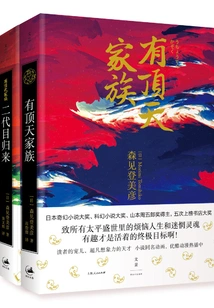
Humans live on the streets, tanukis crawl on the ground, and tengu fly in the sky. In the quaint Kyoto, humans, tanukis, and tengu stand on three pillars, turning the huge wheel of the city. The second act of the magnificent "Furball Story" begins! After the death of the great father, the mother and four useless sons continued to live a wonderful life. The eldest brother is running around to succeed the pseudo-emon; the second child challenges the tanuki shogi competition in the form of a frog; the third child is looking for wild mallet snakes and does not forget to mind the affairs of the tengu and humans; the fourth child is devoted to making pseudo-denden Byakuran in the laboratory. At this time, Tengu, the successor of Hongyu Teacher, returned to Kyoto, bringing an ambiguous and chaotic situation to the city. The battle of the century between the Tengu father and son, the shocking conspiracy in the tanuki world surrounding the successor to the pseudo-emon, and the appearance of humans who confuse the tanukis into flattering the Tengu... In order to protect the reputation of the Shimogamo family and protect the love in his heart, the "blood of fools" in Yasaburo's body is boiling - "Go stir up the waves and make the world more interesting!"
Humans live on the streets, tanukis crawl on the ground, and tengu fly in the sky. In the quaint Kyoto, humans, tanukis, and tengu stand on three pillars, turning the huge wheel of the city. The second act of the magnificent "Furball Story" begins! After the death of the great father, the mother and four useless sons continued to live a wonderful life. The eldest brother is running around to succeed the pseudo-emon; the second child challenges the tanuki shogi competition in the form of a frog; the third child is looking for wild mallet snakes and does not forget to mind the affairs of the tengu and humans; the fourth child is devoted to making pseudo-denden Byakuran in the laboratory. At this time, Tengu, the successor of Hongyu Teacher, returned to Kyoto, bringing an ambiguous and chaotic situation to the city. The battle of the century between the Tengu father and son, the shocking conspiracy in the tanuki world surrounding the successor to the pseudo-emon, and the appearance of humans who confuse the tanukis into flattering the Tengu... In order to protect the reputation of the Shimogamo family and protect the love in his heart, the "blood of fools" in Yasaburo's body is boiling - "Go stir up the waves and make the world more interesting!"
E
General FictionE
G
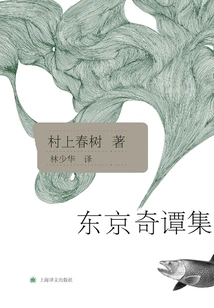
"Tokyo Tales" contains five short stories, namely "The Accidental Traveler", "Hanalei Bay", "Wherever You May Be Found", "The Kidney Stones Move Every Day" and "Shinagawa Monkey". The most bizarre of the five stories is the last one, "Shinagawa Monkey". A young woman named Ando Mizuki suffered from a kind of "amnesia syndrome" and could not remember her own name once or twice a week. After many twists and turns, it was found that the "amnesia syndrome" was caused by a monkey... Although it is a "fantasy", Haruki Murakami still discusses metaphysical life issues in the novel. Tan Tongtan, Qitan means strange talk and strange news. As we all know, most of the titles of Murakami's novels are frivolous and avoid reality, but this collection of short stories is exactly the same as what it appears to be. It is indeed a strange story that took place in Tokyo.
"Tokyo Tales" contains five short stories, namely "The Accidental Traveler", "Hanalei Bay", "Wherever You May Be Found", "The Kidney Stones Move Every Day" and "Shinagawa Monkey". The most bizarre of the five stories is the last one, "Shinagawa Monkey". A young woman named Ando Mizuki suffered from a kind of "amnesia syndrome" and could not remember her own name once or twice a week. After many twists and turns, it was found that the "amnesia syndrome" was caused by a monkey... Although it is a "fantasy", Haruki Murakami still discusses metaphysical life issues in the novel. Tan Tongtan, Qitan means strange talk and strange news. As we all know, most of the titles of Murakami's novels are frivolous and avoid reality, but this collection of short stories is exactly the same as what it appears to be. It is indeed a strange story that took place in Tokyo.

知识可以传授,但智慧不能:诺奖得主赫尔曼·黑塞权威全译典藏版(共4册)
G
This set contains 4 volumes, namely "Under the Wheel", "Demian: The Wandering Boyhood", "Steppenwolf", and "Siddhartha".
This set contains 4 volumes, namely "Under the Wheel", "Demian: The Wandering Boyhood", "Steppenwolf", and "Siddhartha".
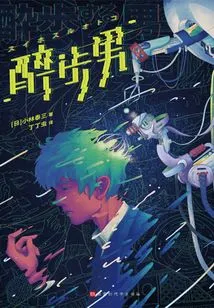
Drunken Man
General Fiction醉步男
G
This book includes the Japanese Nebula Award-nominated work "The Drunken Walking Man" and the Japan Horror Novel Award-winning work "The Toy Fixer", which perfectly demonstrates Kobayashi Taizo's excellent skills in the fields of hard science fiction and horror novels! Blood Swamp, I will probably never meet you again. Before I finished speaking, Xiao Zhutian disappeared before my eyes. Not only had the person disappeared, but the whiskey he had placed on the table had also disappeared. It seemed like I was the only one sitting alone in the pub from beginning to end. A chill came over me. Probably other people will never encounter friends they don't know in their lives, but I did. This is really something that I will never forget until my death. But did this really happen? Did that man named Xiao Takeda, the old friend I met for the first time today, really exist? It seemed that I was quite drunk after all.
This book includes the Japanese Nebula Award-nominated work "The Drunken Walking Man" and the Japan Horror Novel Award-winning work "The Toy Fixer", which perfectly demonstrates Kobayashi Taizo's excellent skills in the fields of hard science fiction and horror novels! Blood Swamp, I will probably never meet you again. Before I finished speaking, Xiao Zhutian disappeared before my eyes. Not only had the person disappeared, but the whiskey he had placed on the table had also disappeared. It seemed like I was the only one sitting alone in the pub from beginning to end. A chill came over me. Probably other people will never encounter friends they don't know in their lives, but I did. This is really something that I will never forget until my death. But did this really happen? Did that man named Xiao Takeda, the old friend I met for the first time today, really exist? It seemed that I was quite drunk after all.
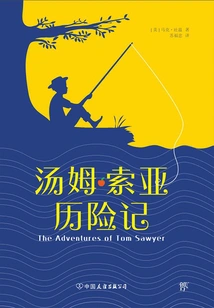
Ab
General Fictionab
G
The story of "The Adventures of Tom Sawyer" takes place in a small town in St. Petersburg, USA. Tom Sawyer is naughty and eccentric by nature. He hates the dull and boring life in daily life. He creates a lot of mischief with the wild boy Huckleberry Finn. He ran away from home, explored a desert island, experienced a free "pirate" life, and witnessed a murder. After some struggle, Tom overcame his inner fear and bravely exposed Injun Joe's crime. Unfortunately, he and his friends got lost in the cave, and the escaped criminal Joe lurked beside them... After experiencing a series of thrilling adventures, Tom gradually grew into a brave, fearless and responsible little man, and even actually found the pirate's treasure.
The story of "The Adventures of Tom Sawyer" takes place in a small town in St. Petersburg, USA. Tom Sawyer is naughty and eccentric by nature. He hates the dull and boring life in daily life. He creates a lot of mischief with the wild boy Huckleberry Finn. He ran away from home, explored a desert island, experienced a free "pirate" life, and witnessed a murder. After some struggle, Tom overcame his inner fear and bravely exposed Injun Joe's crime. Unfortunately, he and his friends got lost in the cave, and the escaped criminal Joe lurked beside them... After experiencing a series of thrilling adventures, Tom gradually grew into a brave, fearless and responsible little man, and even actually found the pirate's treasure.
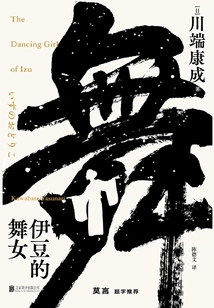
X
General Fictionx
G
"The Dancer of Izu" is a collection of short stories and short stories by Yasunari Kawabata, which especially includes the famous "The Dancer of Izu", as well as exquisite short stories such as "Bonfire", "Hot Spring Hotel" and "Mother's First Love". A boy from Tokyo falls in love with an innocent and simple little dancer. The vague love transcends class, and the gentle first love becomes an unforgettable love that will last forever.
"The Dancer of Izu" is a collection of short stories and short stories by Yasunari Kawabata, which especially includes the famous "The Dancer of Izu", as well as exquisite short stories such as "Bonfire", "Hot Spring Hotel" and "Mother's First Love". A boy from Tokyo falls in love with an innocent and simple little dancer. The vague love transcends class, and the gentle first love becomes an unforgettable love that will last forever.
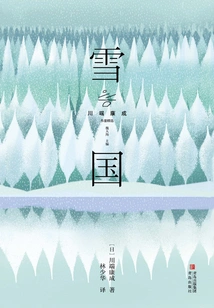
P
General Fictionp
G
Includes two masterpieces, "Snow Country" and "Thousand Cranes". "Snow Country" is Kawabata Yasunari's highest masterpiece. The beauty of nothingness, purity and sadness depicted in this painting reaches the extreme, making people heart-thumping and melancholy at the same time. "Thousand Cranes" expresses the conflict between love and reason, and depicts Japanese scenery and psychology to the extreme. It seems that there are thousands of white cranes flying in the sunset between the lines.
Includes two masterpieces, "Snow Country" and "Thousand Cranes". "Snow Country" is Kawabata Yasunari's highest masterpiece. The beauty of nothingness, purity and sadness depicted in this painting reaches the extreme, making people heart-thumping and melancholy at the same time. "Thousand Cranes" expresses the conflict between love and reason, and depicts Japanese scenery and psychology to the extreme. It seems that there are thousands of white cranes flying in the sunset between the lines.
伊豆的舞女(川端康成作品精选)
G
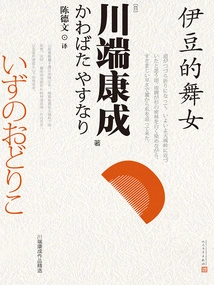
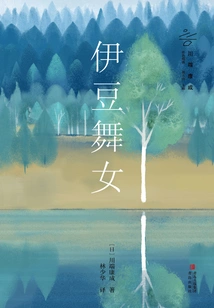
"The Dancing Girl of Izu" is an autobiographical novel written by Kawabata Yasunari based on his trip to Izu when he was nineteen years old (1918). The author lost his parents when he was young, and when he was sixteen, all his relatives left him. His tragic life experience gave him a withdrawn and melancholy character. In order to relieve this depressed mood, the author started a journey to Izu alone when he was nineteen years old. On the way, he met a group of artists who made a living from touring performances. The author was moved by the innocence and kindness of one of the fourteen-year-old dancers, and followed them all the way. Unfortunately, the huge identity difference between the two made this hazy love affair end in vain. Through the delicate description of the scenery, the author allows readers to immerse themselves in the beautiful scenery of Izu and at the same time sigh at the beautiful and hazy emotions between ignorant boys and girls, achieving a harmonious blend of love and scenery. The novel is the author's early masterpiece and most famous work. It was widely praised as soon as it was published and has been adapted to the screen many times. It is a famous article in the history of Japanese literature describing the innocent love between young men and women. This book also includes several famous short stories by Kawabata Yasunari.
"The Dancing Girl of Izu" is an autobiographical novel written by Kawabata Yasunari based on his trip to Izu when he was nineteen years old (1918). The author lost his parents when he was young, and when he was sixteen, all his relatives left him. His tragic life experience gave him a withdrawn and melancholy character. In order to relieve this depressed mood, the author started a journey to Izu alone when he was nineteen years old. On the way, he met a group of artists who made a living from touring performances. The author was moved by the innocence and kindness of one of the fourteen-year-old dancers, and followed them all the way. Unfortunately, the huge identity difference between the two made this hazy love affair end in vain. Through the delicate description of the scenery, the author allows readers to immerse themselves in the beautiful scenery of Izu and at the same time sigh at the beautiful and hazy emotions between ignorant boys and girls, achieving a harmonious blend of love and scenery. The novel is the author's early masterpiece and most famous work. It was widely praised as soon as it was published and has been adapted to the screen many times. It is a famous article in the history of Japanese literature describing the innocent love between young men and women. This book also includes several famous short stories by Kawabata Yasunari.
Shan Yin (selected Works of Kawabata Yasunari)
General Fiction山音(川端康成作品精选)
G
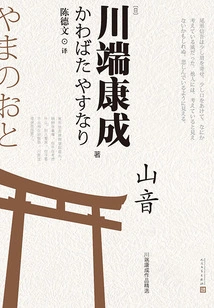
This book includes Kawabata Yasunari's three representative works "Celebrity", "Dancing Girl" and "Sound of the Mountain". Kawabata Yasunari, Japan's first Nobel Prize winner for literature, wrote many works throughout his life. Publishing his anthology first involves the selection and collection of texts. As a national-level professional publishing house for domestic literary publishing, the People's Literature Publishing House publishes Kawabata Yasunari's anthology, which also reflects the professionalism of literature. The three works selected in this book, "Celebrity", "Dancer" and "Sound of the Mountain", are masterpieces from Kawabata's creative prime. The contents of these three works are different. "Celebrity" tells the story of a Go player; "Dancer" reflects the uneasiness of post-war Japanese society through the love story of a dancer mother and daughter; and "Sound of the Mountain" is a representative of family novels in Japan's aging society after the war. The three novels not only have different story themes, but also different artistic ideas expressed, from which we can see the author's superb creative level. The translator of this book, Chen Dewen, started translating Japanese classic literature as early as the early 1980s. He has been immersed in Japanese literary translation experience for many years. He not only has in-depth research on Kawabata Yasunari's literature, but also has unique insights. He is the best choice to translate Kawabata's works. In this publication, the text has been specially revised to make it more concise and elegant.
This book includes Kawabata Yasunari's three representative works "Celebrity", "Dancing Girl" and "Sound of the Mountain". Kawabata Yasunari, Japan's first Nobel Prize winner for literature, wrote many works throughout his life. Publishing his anthology first involves the selection and collection of texts. As a national-level professional publishing house for domestic literary publishing, the People's Literature Publishing House publishes Kawabata Yasunari's anthology, which also reflects the professionalism of literature. The three works selected in this book, "Celebrity", "Dancer" and "Sound of the Mountain", are masterpieces from Kawabata's creative prime. The contents of these three works are different. "Celebrity" tells the story of a Go player; "Dancer" reflects the uneasiness of post-war Japanese society through the love story of a dancer mother and daughter; and "Sound of the Mountain" is a representative of family novels in Japan's aging society after the war. The three novels not only have different story themes, but also different artistic ideas expressed, from which we can see the author's superb creative level. The translator of this book, Chen Dewen, started translating Japanese classic literature as early as the early 1980s. He has been immersed in Japanese literary translation experience for many years. He not only has in-depth research on Kawabata Yasunari's literature, but also has unique insights. He is the best choice to translate Kawabata's works. In this publication, the text has been specially revised to make it more concise and elegant.
J
General FictionJ
G
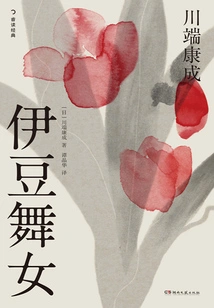
The novel describes the author in the autumn of 1918, when he was in his second grade at a high school in Tokyo. Because he was tired of boarding life and wanted to get rid of the lingering mental depression, he traveled alone to the Izu Peninsula. On the way, I met a group of Jianghu artists and walked together from Amagi Ridge, Yushima, and Yuno all the way to Shimoda. The artists are kind-hearted and have simple emotions, especially the innocent and enthusiastic dancer, which makes the protagonist appreciate the warmth of human kindness and sprouts a ray of tenderness in his heart. The dancer's compliment that he was "a good man" made him feel "indescribable gratitude". Finally, he left and let his tears flow down on the boat. His mind seemed to be a stream of clear water, trickling down. In the end, there was nothing but sweet pleasure.
The novel describes the author in the autumn of 1918, when he was in his second grade at a high school in Tokyo. Because he was tired of boarding life and wanted to get rid of the lingering mental depression, he traveled alone to the Izu Peninsula. On the way, I met a group of Jianghu artists and walked together from Amagi Ridge, Yushima, and Yuno all the way to Shimoda. The artists are kind-hearted and have simple emotions, especially the innocent and enthusiastic dancer, which makes the protagonist appreciate the warmth of human kindness and sprouts a ray of tenderness in his heart. The dancer's compliment that he was "a good man" made him feel "indescribable gratitude". Finally, he left and let his tears flow down on the boat. His mind seemed to be a stream of clear water, trickling down. In the end, there was nothing but sweet pleasure.
P
General Fictionp
G
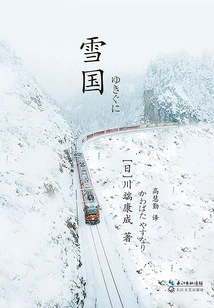
"Snow Country" describes the emotional entanglement between Shimamura, a dance art researcher, who went to a hot spring hotel in Snow Country three times, and a local geisha named Komako, and a girl named Ye Zi who met by chance. During this period, the beauty of nothingness, cleanliness and sadness are depicted to the extreme.
"Snow Country" describes the emotional entanglement between Shimamura, a dance art researcher, who went to a hot spring hotel in Snow Country three times, and a local geisha named Komako, and a girl named Ye Zi who met by chance. During this period, the beauty of nothingness, cleanliness and sadness are depicted to the extreme.
Tits (selected Works of Kawabata Yasunari)
General Fiction山雀(川端康成作品精选)
G
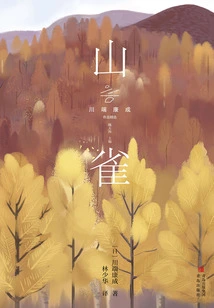
One of the "Selected Works of Kawabata Yasunari" series, it is a collection of short stories and short stories, translated by the famous literary translator Lin Shaohua, and includes such popular works as "Qiong Yin", "Titmouse", "The Remarriage", "Country Story", "Fuji First Snow", etc. The content involves exploring the nature of marriage and love, a journey triggered by the search for tits, an ode to the simple and innocent beauty of country girls, and the beautiful scenery of Fuji's first snow. Through delicate brushwork, the author expresses his praise for the beauty of love and women's purity, and his artistic pursuit of the quiet and quiet natural scenery, which reflects the aesthetic interest of "love and beauty" in Kawabata's works.
One of the "Selected Works of Kawabata Yasunari" series, it is a collection of short stories and short stories, translated by the famous literary translator Lin Shaohua, and includes such popular works as "Qiong Yin", "Titmouse", "The Remarriage", "Country Story", "Fuji First Snow", etc. The content involves exploring the nature of marriage and love, a journey triggered by the search for tits, an ode to the simple and innocent beauty of country girls, and the beautiful scenery of Fuji's first snow. Through delicate brushwork, the author expresses his praise for the beauty of love and women's purity, and his artistic pursuit of the quiet and quiet natural scenery, which reflects the aesthetic interest of "love and beauty" in Kawabata's works.
E
General FictionE
G
Includes two masterpieces: "Izu Dancing Girl" and "Ancient Capital". "Izu Dancer" makes its gorgeous debut in the rainy season of youth. With her dancing sleeves lowered and smiling eyes, this is the most beautiful first love in the world. "Ancient Capital" In the ancient capital of Kyoto, Chieko was adopted by a brocade merchant and became a beautiful girl. On the night of the Gion Festival, she met Miaozi, a girl from a mountain village, and was surprised to learn that the two were twin sisters. They miss each other, but they cannot recognize each other because of their different identities. The two sisters' faint sadness is woven into the beautiful scenery of Kyoto's four seasons... Before Go master Hideya retired, he decided to bid farewell to the chess world with a farewell match. Between the old and sick celebrities and the new young chess king, the old chess art and the new rules of victory and defeat, an epoch-making chess match kicked off with worldwide attention...
Includes two masterpieces: "Izu Dancing Girl" and "Ancient Capital". "Izu Dancer" makes its gorgeous debut in the rainy season of youth. With her dancing sleeves lowered and smiling eyes, this is the most beautiful first love in the world. "Ancient Capital" In the ancient capital of Kyoto, Chieko was adopted by a brocade merchant and became a beautiful girl. On the night of the Gion Festival, she met Miaozi, a girl from a mountain village, and was surprised to learn that the two were twin sisters. They miss each other, but they cannot recognize each other because of their different identities. The two sisters' faint sadness is woven into the beautiful scenery of Kyoto's four seasons... Before Go master Hideya retired, he decided to bid farewell to the chess world with a farewell match. Between the old and sick celebrities and the new young chess king, the old chess art and the new rules of victory and defeat, an epoch-making chess match kicked off with worldwide attention...
Snow Country (kawabata Yasunari's Works Series)
General Fiction雪国(川端康成作品系列)
G
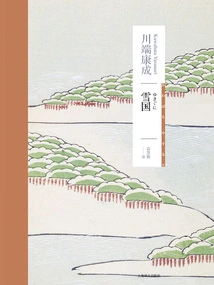
Nothingness, cleanliness, sadness, the crystallization of Japanese beauty, has influenced the classic works of Mo Yan, Yu Hua and other literary giants. It is one of Kawabata Yasunari's most famous works, a Nobel Prize-winning work, and translated by the famous Japanese literature translator Gao Huiqin. "Snow Country" tells the story of Shimamura, who enjoys eating his ancestral property and studying imaginary Western dances. He visits a hot spring village in the northern snow country three times and meets the local geisha Komako and the girl Ye Zi who meets by chance on the train. Kawabata Yasunari meticulously painted a peaceful and pure picture of the Snow Country: thick layers of snow, low houses lying on the ground, the bright Milky Way in the northern night sky, and the Snow Country woman burning passionately with love. Although Shimamura is attracted to Komako, in his pursuit of the beauty of nothingness and the belief that everything is in vain, from his perspective, Komako's beauty, her love, and all her sacrifices for others are meaningless...
Nothingness, cleanliness, sadness, the crystallization of Japanese beauty, has influenced the classic works of Mo Yan, Yu Hua and other literary giants. It is one of Kawabata Yasunari's most famous works, a Nobel Prize-winning work, and translated by the famous Japanese literature translator Gao Huiqin. "Snow Country" tells the story of Shimamura, who enjoys eating his ancestral property and studying imaginary Western dances. He visits a hot spring village in the northern snow country three times and meets the local geisha Komako and the girl Ye Zi who meets by chance on the train. Kawabata Yasunari meticulously painted a peaceful and pure picture of the Snow Country: thick layers of snow, low houses lying on the ground, the bright Milky Way in the northern night sky, and the Snow Country woman burning passionately with love. Although Shimamura is attracted to Komako, in his pursuit of the beauty of nothingness and the belief that everything is in vain, from his perspective, Komako's beauty, her love, and all her sacrifices for others are meaningless...
Q
Literatureq
G
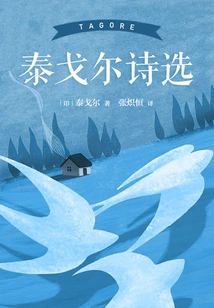
It includes Rabindranath Tagore's "Gitanjali", "New Moon Collection", "Gardener Collection", "Dagger Bird Collection" and other representative poetry collections. As time goes by, his works increasingly radiate the bright light of thought and show the eternal artistic charm.
It includes Rabindranath Tagore's "Gitanjali", "New Moon Collection", "Gardener Collection", "Dagger Bird Collection" and other representative poetry collections. As time goes by, his works increasingly radiate the bright light of thought and show the eternal artistic charm.
L
General FictionL
G
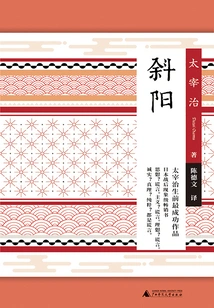
"Setting Sun" was written around June 1947, one year before Osamu Dazai's death. After the war, her mother, who was born into a noble family, fell into financial ruin and was forced to move to a small villa in Izu with her daughter, Kazuko, to make a living. His younger brother Naoji, who was drafted into the army shortly after, returned from Nanyang and lived a life of debauchery with the writer Uehara every day. At the same time, the mother's health deteriorated, and she finally passed away with her son and daughter by her side. After her mother died, Kazuko decided to revolutionize love without any worries and went to court Uehara, whom she admired. Early the next morning, his brother Naoharu committed suicide at home, leaving a suicide note describing his pain and past... "The Setting Sun" was written after Japan's defeat. The whole book is full of the pain of war and the pain of growing up. It is one of Japan's famous coming-of-age novels and is deeply loved by young readers.
"Setting Sun" was written around June 1947, one year before Osamu Dazai's death. After the war, her mother, who was born into a noble family, fell into financial ruin and was forced to move to a small villa in Izu with her daughter, Kazuko, to make a living. His younger brother Naoji, who was drafted into the army shortly after, returned from Nanyang and lived a life of debauchery with the writer Uehara every day. At the same time, the mother's health deteriorated, and she finally passed away with her son and daughter by her side. After her mother died, Kazuko decided to revolutionize love without any worries and went to court Uehara, whom she admired. Early the next morning, his brother Naoharu committed suicide at home, leaving a suicide note describing his pain and past... "The Setting Sun" was written after Japan's defeat. The whole book is full of the pain of war and the pain of growing up. It is one of Japan's famous coming-of-age novels and is deeply loved by young readers.
Kawabata Yasunari's Masterpiece (set of 3 Volumes)
General Fiction川端康成代表作(套装3册)
G
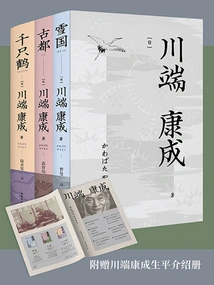
"Snow Country" was one of the three novels mentioned by Kawabata Yasunari when he was awarded the Nobel Prize for Literature. "Ancient Capital" is one of the three novels mentioned by Kawabata Yasunari when he was awarded the Nobel Prize for Literature. It is also one of his highly regarded novels. It describes the joys and sorrows of a pair of twin sisters, and also presents the customs and customs of Kyoto. "A Thousand Cranes" contains four classic novels by the world-famous writer Kawabata Yasunari, "A Thousand Cranes", "Cangha Plover", "Dancing Girl of Izu" and "Hot Spring Hotel". Among them, "A Thousand Cranes" was one of the three novels mentioned when he was awarded the Nobel Prize for Literature.
"Snow Country" was one of the three novels mentioned by Kawabata Yasunari when he was awarded the Nobel Prize for Literature. "Ancient Capital" is one of the three novels mentioned by Kawabata Yasunari when he was awarded the Nobel Prize for Literature. It is also one of his highly regarded novels. It describes the joys and sorrows of a pair of twin sisters, and also presents the customs and customs of Kyoto. "A Thousand Cranes" contains four classic novels by the world-famous writer Kawabata Yasunari, "A Thousand Cranes", "Cangha Plover", "Dancing Girl of Izu" and "Hot Spring Hotel". Among them, "A Thousand Cranes" was one of the three novels mentioned when he was awarded the Nobel Prize for Literature.
Kawabata Yasunari's Best Collection: Snow Country
General Fiction川端康成精选集:雪国
G
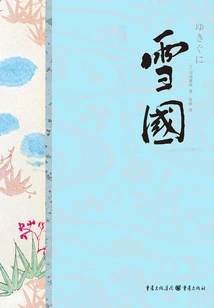
"Snow Country" is a collection of short stories and short stories by Kawabata Yasunari. The book includes the novella "Snow Country", a collection of letters "Letter to Parents" and the short story "Bonfire". "Snow Country" is Kawabata Yasunari's most famous work. The beautiful description of imagery is integrated into the expression of the characters' emotions, with a touch of sadness, which expresses Kawabata Yasunari's thoughts on material sorrow, and reflects his superb writing skills with oriental characteristics, delicate and keen observation, and ingenious and magical story weaving ability. "Letter to My Parents" is a collection of five letters written by Kawabata Yasunari to his deceased parents. "Bonfire" uses delicate brushstrokes to depict the psychological activities of "I" (Ajun) in the process of proposing to Michiko accompanied by his friend Asakura.
"Snow Country" is a collection of short stories and short stories by Kawabata Yasunari. The book includes the novella "Snow Country", a collection of letters "Letter to Parents" and the short story "Bonfire". "Snow Country" is Kawabata Yasunari's most famous work. The beautiful description of imagery is integrated into the expression of the characters' emotions, with a touch of sadness, which expresses Kawabata Yasunari's thoughts on material sorrow, and reflects his superb writing skills with oriental characteristics, delicate and keen observation, and ingenious and magical story weaving ability. "Letter to My Parents" is a collection of five letters written by Kawabata Yasunari to his deceased parents. "Bonfire" uses delicate brushstrokes to depict the psychological activities of "I" (Ajun) in the process of proposing to Michiko accompanied by his friend Asakura.
夜莺与玫瑰:王尔德童话全集 Complete Fairy Tales of Oscar Wilde(双语经典)
G
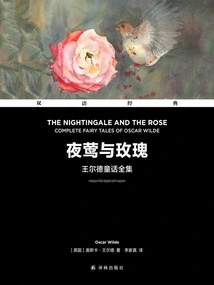
This book is the complete collection of Wilde's fairy tales, including two collections of fairy tales written by Wilde during his lifetime - "The Happy Prince and Other Stories" and "The House of Pomegranates", including nine famous stories including "The Happy Prince" and "The Nightingale and the Rose". The fairy tales created by Wilde are unique in style and full of whimsical ideas. They are known as "the most beautiful fairy tales in the world" and "the most touching fairy tales in the world". They are not only suitable for children to read, but also for adults. Behind every interesting story lies the author's satire and criticism of social reality and unpredictable human nature. Almost every reader can find resonance with the author's writing.
This book is the complete collection of Wilde's fairy tales, including two collections of fairy tales written by Wilde during his lifetime - "The Happy Prince and Other Stories" and "The House of Pomegranates", including nine famous stories including "The Happy Prince" and "The Nightingale and the Rose". The fairy tales created by Wilde are unique in style and full of whimsical ideas. They are known as "the most beautiful fairy tales in the world" and "the most touching fairy tales in the world". They are not only suitable for children to read, but also for adults. Behind every interesting story lies the author's satire and criticism of social reality and unpredictable human nature. Almost every reader can find resonance with the author's writing.
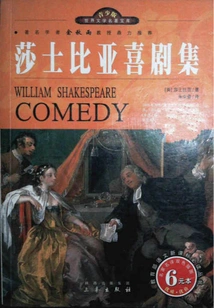
Shakespeare's Comedies
Literature莎士比亚喜剧集
G
This collection includes two of the "Four Comedies" - "A Midsummer Night's Dream", "The Merchant of Venice", "Nothing to Worry" and "As You Like It" - which represent the highest achievement of Shakespeare's comedy creation: "A Midsummer Night's Dream" and "As You Like It". "A Midsummer Night's Dream" is a bizarre and pleasant "dream". In the lush forest in midsummer, fairies dance among the flowers under the soft and romantic moonlight. Hermia and Lysander, Helena and Demetrius both came here because of unsatisfactory marriages and loves. After many twists and turns, they finally got married with the help of the Immortal King. "As You Like It" tells the story of Rosaline, the daughter of an exiled duke, and Orlando, who is abused by his eldest brother Oliver. Orlando repays kindness with kindness and saves his brother, causing him to discover his conscience and fall in love with Celia. In the end, a total of four pairs of lovers got married, and everyone was happy.
This collection includes two of the "Four Comedies" - "A Midsummer Night's Dream", "The Merchant of Venice", "Nothing to Worry" and "As You Like It" - which represent the highest achievement of Shakespeare's comedy creation: "A Midsummer Night's Dream" and "As You Like It". "A Midsummer Night's Dream" is a bizarre and pleasant "dream". In the lush forest in midsummer, fairies dance among the flowers under the soft and romantic moonlight. Hermia and Lysander, Helena and Demetrius both came here because of unsatisfactory marriages and loves. After many twists and turns, they finally got married with the help of the Immortal King. "As You Like It" tells the story of Rosaline, the daughter of an exiled duke, and Orlando, who is abused by his eldest brother Oliver. Orlando repays kindness with kindness and saves his brother, causing him to discover his conscience and fall in love with Celia. In the end, a total of four pairs of lovers got married, and everyone was happy.
W
LiteratureW
G
"Love's Labour's Labour" is a drama script written by the British playwright William Shakespeare. It is a comedy and was first published in 1598. The play tells the story of the four kings and ministers of the Nava Kingdom who vowed to be pure in desire, reject all material enjoyment, avoid sexual intercourse with women, and concentrate on studying for three years. But when the beautiful French princess and her maids came to the court, they forgot all about their vows and rushed to woo them. But because they lacked real feelings, the French princess scolded them and left them. In this play, Shakespeare satirizes the love rhetoric and views of love among the court aristocrats.
"Love's Labour's Labour" is a drama script written by the British playwright William Shakespeare. It is a comedy and was first published in 1598. The play tells the story of the four kings and ministers of the Nava Kingdom who vowed to be pure in desire, reject all material enjoyment, avoid sexual intercourse with women, and concentrate on studying for three years. But when the beautiful French princess and her maids came to the court, they forgot all about their vows and rushed to woo them. But because they lacked real feelings, the French princess scolded them and left them. In this play, Shakespeare satirizes the love rhetoric and views of love among the court aristocrats.
G
LiteratureG
G
"As You Like It" is one of the "Four Comedies" created by Shakespeare. The story mainly takes place in the forest of Arden, far away from the world. Created approximately between 1598-1600. The main plot of "As You Like It" describes the exiled Duke's daughter Rosalind who goes to the forest to find her father and her love story. The title of the play "As You Like It" indicates that all the good people who were persecuted in the play are rewarded, the evil people are inspired, and the lovers get married. This reflects Shakespeare's ideal state of good overcoming evil.
"As You Like It" is one of the "Four Comedies" created by Shakespeare. The story mainly takes place in the forest of Arden, far away from the world. Created approximately between 1598-1600. The main plot of "As You Like It" describes the exiled Duke's daughter Rosalind who goes to the forest to find her father and her love story. The title of the play "As You Like It" indicates that all the good people who were persecuted in the play are rewarded, the evil people are inspired, and the lovers get married. This reflects Shakespeare's ideal state of good overcoming evil.

A Compilation of Three Words and Two Beats (2 Volumes)
General Fiction三言二拍精编(2册)
G
The works included in "Three Words", whether they are old pieces from the Song and Yuan Dynasties, new works from the Ming Dynasty or Feng Menglong's drafts, have been added, deleted, and retouched by Feng Menglong to varying degrees. These works have a wide range of themes and complex contents. There are condemnations of the ugliness of feudal bureaucracy and praise of the virtues of upright officials. There are praises of friendship and love and rebuke of treachery and heartless behavior. What is more noteworthy is that there are many works describing the lives of ordinary people in the city. Some of the works of "Erpai" reflect the lives of citizens and their ideologies. "Erpai" is good at organizing plots, so most chapters have a certain appeal and the language is more vivid.
The works included in "Three Words", whether they are old pieces from the Song and Yuan Dynasties, new works from the Ming Dynasty or Feng Menglong's drafts, have been added, deleted, and retouched by Feng Menglong to varying degrees. These works have a wide range of themes and complex contents. There are condemnations of the ugliness of feudal bureaucracy and praise of the virtues of upright officials. There are praises of friendship and love and rebuke of treachery and heartless behavior. What is more noteworthy is that there are many works describing the lives of ordinary people in the city. Some of the works of "Erpai" reflect the lives of citizens and their ideologies. "Erpai" is good at organizing plots, so most chapters have a certain appeal and the language is more vivid.
Henry Viii (shakespeare Historical Drama Series)
General Fiction亨利八世(莎士比亚历史剧系列)
G
The latest classic version of FLTRP! "Henry VIII" tells the story of the execution of the Duke of Buckingham, the deposing of Queen Catherine, the deposing of Archbishop Wolsey, the coronation of Anne Boleyn, and the separation of the Church of England from the rule of the Holy See and the independent establishment of the Church of England under the direct leadership of the King of England during the reign of Henry VIII.
The latest classic version of FLTRP! "Henry VIII" tells the story of the execution of the Duke of Buckingham, the deposing of Queen Catherine, the deposing of Archbishop Wolsey, the coronation of Anne Boleyn, and the separation of the Church of England from the rule of the Holy See and the independent establishment of the Church of England under the direct leadership of the King of England during the reign of Henry VIII.
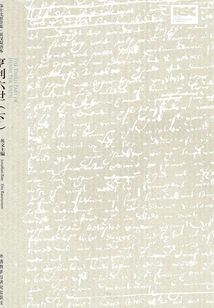
Henry Vi (part 2) (shakespeare's Historical Drama Series)
General Fiction亨利六世(下)(莎士比亚历史剧系列)
G
The latest classic version of FLTRP! "Henry VI" (Part 2) outlines the history of England from the age of 34 to 50 when Henry VI was 34 years old. Due to the king's cowardice and incompetence, the War of the Roses between the royal families continued, with the two factions winning and losing, and the people suffering.
The latest classic version of FLTRP! "Henry VI" (Part 2) outlines the history of England from the age of 34 to 50 when Henry VI was 34 years old. Due to the king's cowardice and incompetence, the War of the Roses between the royal families continued, with the two factions winning and losing, and the people suffering.

P
Literaturep
G
Thoreau revised his manuscript seven times and finally published it in 1854. "Walden" records Thoreau's secluded life and thoughts during more than two years at Walden Pond, showing nature with human presence. Using trees, plants, soil and wildlife as references, the fate of humanity is pondered. The book is structured around seasons, mixing proverbs, historical facts and anecdotes, integrating scientific observations into a high degree of poetry.
Thoreau revised his manuscript seven times and finally published it in 1854. "Walden" records Thoreau's secluded life and thoughts during more than two years at Walden Pond, showing nature with human presence. Using trees, plants, soil and wildlife as references, the fate of humanity is pondered. The book is structured around seasons, mixing proverbs, historical facts and anecdotes, integrating scientific observations into a high degree of poetry.
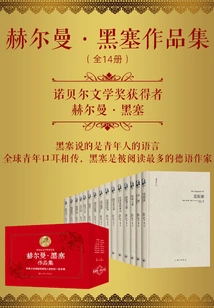
The Collected Works of Hermann Hesse (14 Volumes in Total)
General Fiction赫尔曼·黑塞作品集(全14册)
G
Nobel Prize in Literature The Collected Works of Hermann Hesse. Hesse spoke the language of young people, and he is the most read German writer. Hesse represents an old, true, pure and spiritual Germany. His writing is full of humanitarian spirit and love for mankind.
Nobel Prize in Literature The Collected Works of Hermann Hesse. Hesse spoke the language of young people, and he is the most read German writer. Hesse represents an old, true, pure and spiritual Germany. His writing is full of humanitarian spirit and love for mankind.
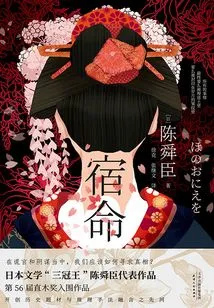
Fate
General Fiction宿命
G
The protagonist Shogo Hamura is entrusted by his seriously ill brother Ichiro to go to Kobe to find evidence to clear his father of corruption charges. Driven by his brother's obsession, Shogo launched an investigation. He found his father's sister and accepted his aunt's request to recognize him as his adopted son. During a trip, his adoptive mother died mysteriously, and everyone present had a perfect alibi. Who was the murderer? What's the motivation? Obsession, family affection, corruption, conspiracy, calculation... As the investigation continues to deepen, larger conspiracies slowly emerge. When you unravel the mystery step by step and get closer to the truth, is the truth really like this?
The protagonist Shogo Hamura is entrusted by his seriously ill brother Ichiro to go to Kobe to find evidence to clear his father of corruption charges. Driven by his brother's obsession, Shogo launched an investigation. He found his father's sister and accepted his aunt's request to recognize him as his adopted son. During a trip, his adoptive mother died mysteriously, and everyone present had a perfect alibi. Who was the murderer? What's the motivation? Obsession, family affection, corruption, conspiracy, calculation... As the investigation continues to deepen, larger conspiracies slowly emerge. When you unravel the mystery step by step and get closer to the truth, is the truth really like this?
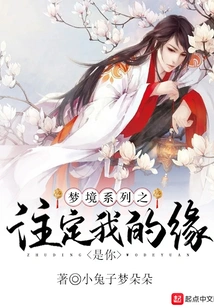
Dream Series: My Destiny is Destined to Be You
Short Fiction梦境系列之注定我的缘是你
G
It's rare to meet a noble person, but cherish them when you do. ––––––––– When the cowardly prince meets you, he begins to rebel against fate and fight for the throne. When a brainless academic scumbag meets you, he begins to rebel against his fate and transforms into an academic master. Two lives are destined to be destined to each other. Please believe in fate and wait obediently for your lover to appear. After that, you are not allowed to let go.
It's rare to meet a noble person, but cherish them when you do. ––––––––– When the cowardly prince meets you, he begins to rebel against fate and fight for the throne. When a brainless academic scumbag meets you, he begins to rebel against his fate and transforms into an academic master. Two lives are destined to be destined to each other. Please believe in fate and wait obediently for your lover to appear. After that, you are not allowed to let go.
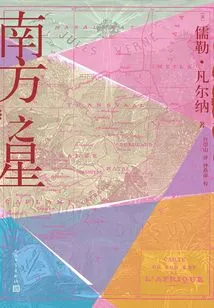
Southern Star
General Fiction南方之星
G
French mineralogist Hippeant Mery was appointed by the French Academy of Sciences to conduct investigations and academic research in Gligarland, a diamond producing area in South Africa. He hoped to marry Mr. Watkins' beautiful daughter Alice, but Mr. Watkins refused. In order to better win over Alice, Xibaion returned to chemical research. He could synthesize diamonds and successfully created a 23-carat diamond, which he named the Star of the South. He gave the diamond to Alice. When the diamond is stolen, Xibaion and three others who are also pursuing Alice travel across South Africa to find the thief who stole the diamond...
French mineralogist Hippeant Mery was appointed by the French Academy of Sciences to conduct investigations and academic research in Gligarland, a diamond producing area in South Africa. He hoped to marry Mr. Watkins' beautiful daughter Alice, but Mr. Watkins refused. In order to better win over Alice, Xibaion returned to chemical research. He could synthesize diamonds and successfully created a 23-carat diamond, which he named the Star of the South. He gave the diamond to Alice. When the diamond is stolen, Xibaion and three others who are also pursuing Alice travel across South Africa to find the thief who stole the diamond...