Fanqie catalogue
Global History web novels
- Matches
- 507
From the Fanqie books we index, searchable by title, author or tag.
-
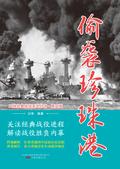 The Attack on Pearl Harbor 偷袭珍珠港
The Japanese attack on Pearl Harbor marked Japan’s formal declaration of war on the United States. The surprise attack had been planned for a long time, with the Japanese making thorough preparations on every front, from military and diplomatic affairs to espionage and infiltration. What moves did the U.S. military make? What did Isoroku Yamamoto, commander of the Combined Fleet and the highest-ranking officer in charge of the Pearl Harbor attack, do, and what was he thinking? This book will ans
23.3kReads9.5Score615Shelves
The Attack on Pearl Harbor 偷袭珍珠港
The Japanese attack on Pearl Harbor marked Japan’s formal declaration of war on the United States. The surprise attack had been planned for a long time, with the Japanese making thorough preparations on every front, from military and diplomatic affairs to espionage and infiltration. What moves did the U.S. military make? What did Isoroku Yamamoto, commander of the Combined Fleet and the highest-ranking officer in charge of the Pearl Harbor attack, do, and what was he thinking? This book will ans
23.3kReads9.5Score615Shelves
-
 1914: the Year the World Ended (Obelisk) 1914:世界终结之年(方尖碑)
In 1914, Germany, Austria, Russia, Britain, France and other countries plunged the world into a war that would cause 37 million casualties, destroy traditional social structures, eradicate ancient political systems, and start a bloody century in human history. Author Paul Hamm objectively and comprehensively tells the story of the outbreak of the First World War from the perspectives of different countries, from the maneuvering in diplomatic activities to the blood and smoke on the Western Front
11.8kReads9.5Score197Shelves
1914: the Year the World Ended (Obelisk) 1914:世界终结之年(方尖碑)
In 1914, Germany, Austria, Russia, Britain, France and other countries plunged the world into a war that would cause 37 million casualties, destroy traditional social structures, eradicate ancient political systems, and start a bloody century in human history. Author Paul Hamm objectively and comprehensively tells the story of the outbreak of the First World War from the perspectives of different countries, from the maneuvering in diplomatic activities to the blood and smoke on the Western Front
11.8kReads9.5Score197Shelves
-
 The Complete Declassified History of the Korean War 抗美援朝解密全史
Based on extensive historical records, this collection vividly and meticulously portrays the heroic deeds of the Chinese People’s Volunteers. In the face of harsh conditions, they feared neither sacrifice nor hardship, embodying a fearless revolutionary heroism and internationalist spirit as they performed the remarkable feat of defeating a stronger enemy with a weaker force, a great miracle in the history of warfare. Spanning historical periods, major battles, key figures, and important events,
11.3kReads9.6Score1.9kShelves
The Complete Declassified History of the Korean War 抗美援朝解密全史
Based on extensive historical records, this collection vividly and meticulously portrays the heroic deeds of the Chinese People’s Volunteers. In the face of harsh conditions, they feared neither sacrifice nor hardship, embodying a fearless revolutionary heroism and internationalist spirit as they performed the remarkable feat of defeating a stronger enemy with a weaker force, a great miracle in the history of warfare. Spanning historical periods, major battles, key figures, and important events,
11.3kReads9.6Score1.9kShelves
-
 The Story of Humanity (Additional Edition with Full Color Illustrations) 人类的故事(全彩插图增修本)
In 1921, the American company Boni and Liveright published "The Story of Man" for the first time, which immediately aroused a huge response among readers. Its author, the versatile and energetic Dutch-American Van Rooster, also became famous. "The Story of Mankind" creates a way of telling history to ordinary people, with profound thoughts but not profoundness, and writing that is light but not frivolous. In the decades after the first edition, at least more than 30 editions were published by di
6.4kReads9.0Score131Shelves
The Story of Humanity (Additional Edition with Full Color Illustrations) 人类的故事(全彩插图增修本)
In 1921, the American company Boni and Liveright published "The Story of Man" for the first time, which immediately aroused a huge response among readers. Its author, the versatile and energetic Dutch-American Van Rooster, also became famous. "The Story of Mankind" creates a way of telling history to ordinary people, with profound thoughts but not profoundness, and writing that is light but not frivolous. In the decades after the first edition, at least more than 30 editions were published by di
6.4kReads9.0Score131Shelves
-
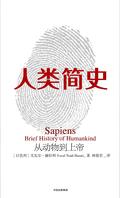 A Brief History of Humankind: From Animals to Gods (New Edition) 人类简史(新版):从动物到上帝
A Brief History of Humankind: From Animals to Gods is a major work by a rising Israeli historian. It traces human development from the first signs of life a hundred thousand years ago to the intertwined worlds of capital and technology in the 21st century. A hundred thousand years ago, there were at least six human species on Earth. Why are we the only ones left today? We were once an insignificant group in a corner of Africa, no more influential on Earth's ecology than fireflies, apes, or jelly
6kReads9.5Score2kShelves
A Brief History of Humankind: From Animals to Gods (New Edition) 人类简史(新版):从动物到上帝
A Brief History of Humankind: From Animals to Gods is a major work by a rising Israeli historian. It traces human development from the first signs of life a hundred thousand years ago to the intertwined worlds of capital and technology in the 21st century. A hundred thousand years ago, there were at least six human species on Earth. Why are we the only ones left today? We were once an insignificant group in a corner of Africa, no more influential on Earth's ecology than fireflies, apes, or jelly
6kReads9.5Score2kShelves
-
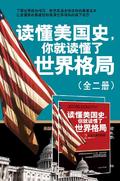 Understand American History, Understand the World Order (Two-Volume Set) 读懂美国史,你就读懂了世界格局(全二册)
The “Understand American History, and You’ll Understand the World Order” series uses lively, accessible prose to describe America’s unchecked growth over the past several decades. It shows how the United States rose step by step to become the world’s dominant power, how it built its strategic advantages and expanded its global reach, and how it ultimately came to lead the world order. The books in this series trace the history of the United States through its presidents. By describing the White
3.5kReads9.6Score840Shelves
Understand American History, Understand the World Order (Two-Volume Set) 读懂美国史,你就读懂了世界格局(全二册)
The “Understand American History, and You’ll Understand the World Order” series uses lively, accessible prose to describe America’s unchecked growth over the past several decades. It shows how the United States rose step by step to become the world’s dominant power, how it built its strategic advantages and expanded its global reach, and how it ultimately came to lead the world order. The books in this series trace the history of the United States through its presidents. By describing the White
3.5kReads9.6Score840Shelves
-
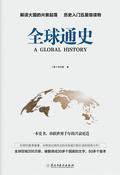 A Global History 全球通史
Writing a world history that is interesting, easy to read and understand, and not hundreds of thousands of words long is no easy task. Yet in A Short History of the World, H. G. Wells brilliantly accomplished what seemed impossible. This book traces human civilization from its beginnings through the Second World War, clearly presenting the rise and fall of great powers such as ancient Egypt, ancient Greece, ancient Rome, Britain, the United States, and France. The wealth of knowledge and breadth
2.8kReads8.7Score880Shelves
A Global History 全球通史
Writing a world history that is interesting, easy to read and understand, and not hundreds of thousands of words long is no easy task. Yet in A Short History of the World, H. G. Wells brilliantly accomplished what seemed impossible. This book traces human civilization from its beginnings through the Second World War, clearly presenting the rise and fall of great powers such as ancient Egypt, ancient Greece, ancient Rome, Britain, the United States, and France. The wealth of knowledge and breadth
2.8kReads8.7Score880Shelves
-
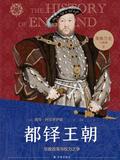 The Tudor Dynasty: Religious Reformation and the Struggle for Power (A Six-Part History of England) 都铎王朝:宗教改革与权力之争(英格兰史六部曲)
The six-volume History of England series is the signature work of historian Peter Ackroyd. It comprises Empire, The Tudors, Rebellion, Revolution, Dominion, and Innovation. With sweeping prose, it tells the story of this legendary nation’s history: how a once-isolated island nation, through the Reformation, parliamentary government, revolutions in technology and thought, and the expansion of trade and colonialism, gradually became an empire on which the sun never set; and how, as the empire decl
2.8kReads9.4Score100Shelves
The Tudor Dynasty: Religious Reformation and the Struggle for Power (A Six-Part History of England) 都铎王朝:宗教改革与权力之争(英格兰史六部曲)
The six-volume History of England series is the signature work of historian Peter Ackroyd. It comprises Empire, The Tudors, Rebellion, Revolution, Dominion, and Innovation. With sweeping prose, it tells the story of this legendary nation’s history: how a once-isolated island nation, through the Reformation, parliamentary government, revolutions in technology and thought, and the expansion of trade and colonialism, gradually became an empire on which the sun never set; and how, as the empire decl
2.8kReads9.4Score100Shelves
-
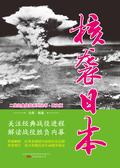 Nuclear Attack on Japan 核袭日本
The nuclear attack on Japan was the first use of nuclear weapons in world history. The Japanese fascists’ desperate resistance gave the United States a rare testing ground for its atomic bombs. The suffocating preparations before the nuclear attack, the tension and excitement during it, and the staggering scenes of destruction afterward… This book gives readers a detailed account of what happened from a unique perspective.
2.7kReads9.5Score229Shelves
Nuclear Attack on Japan 核袭日本
The nuclear attack on Japan was the first use of nuclear weapons in world history. The Japanese fascists’ desperate resistance gave the United States a rare testing ground for its atomic bombs. The suffocating preparations before the nuclear attack, the tension and excitement during it, and the staggering scenes of destruction afterward… This book gives readers a detailed account of what happened from a unique perspective.
2.7kReads9.5Score229Shelves
-
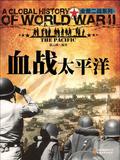 Bloody Battle in the Pacific 血战太平洋
Since the Meiji Restoration, Japan had continually expanded abroad through military force to make up for its economic weakness. As a result, the military held decisive sway over national policy, and the policies it pursued only deepened Japan’s faith in force. Many of Japan’s foreign campaigns after the Meiji Restoration could be called gambles with the nation’s fate, and Japan was indeed fortunate: it won both the First Sino-Japanese War and the Russo-Japanese War. The September 18 Incident of
2.7kReads9.5Score272Shelves
Bloody Battle in the Pacific 血战太平洋
Since the Meiji Restoration, Japan had continually expanded abroad through military force to make up for its economic weakness. As a result, the military held decisive sway over national policy, and the policies it pursued only deepened Japan’s faith in force. Many of Japan’s foreign campaigns after the Meiji Restoration could be called gambles with the nation’s fate, and Japan was indeed fortunate: it won both the First Sino-Japanese War and the Russo-Japanese War. The September 18 Incident of
2.7kReads9.5Score272Shelves
-
 A General History of the World (10 Volumes) 世界通史(全十册)
This book explores the evolution of world history, the development of world civilizations, and their impact on modern society. Taking a global perspective, it focuses on influential historical events that helped shape the course of history. Its topics include primitive societies, ancient civilizations across Eurasia, early civilizations across Eurasia, the world beyond Eurasia, a world divided into regions, the rise of the West, a world ruled by Western powers, and the West's decline and success
2.2kReads9.5Score648Shelves
A General History of the World (10 Volumes) 世界通史(全十册)
This book explores the evolution of world history, the development of world civilizations, and their impact on modern society. Taking a global perspective, it focuses on influential historical events that helped shape the course of history. Its topics include primitive societies, ancient civilizations across Eurasia, early civilizations across Eurasia, the world beyond Eurasia, a world divided into regions, the rise of the West, a world ruled by Western powers, and the West's decline and success
2.2kReads9.5Score648Shelves
-
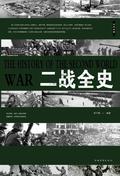 A Complete History of World War II 二战全史
From September 1, 1939, to September 2, 1945, the Axis powers of Germany, Italy, and Japan, along with Finland, Hungary, Romania, and other nations, fought a global war against the Allies, who represented the world’s anti-fascist forces. World War II ended with the anti-fascist nations, including the United States, the Soviet Union, China, and Britain, and people around the world defeating the fascist invaders and securing peace and progress. A Complete History of World War II, compiled by Si Bu
2.1kReads9.5Score421Shelves
A Complete History of World War II 二战全史
From September 1, 1939, to September 2, 1945, the Axis powers of Germany, Italy, and Japan, along with Finland, Hungary, Romania, and other nations, fought a global war against the Allies, who represented the world’s anti-fascist forces. World War II ended with the anti-fascist nations, including the United States, the Soviet Union, China, and Britain, and people around the world defeating the fascist invaders and securing peace and progress. A Complete History of World War II, compiled by Si Bu
2.1kReads9.5Score421Shelves
-
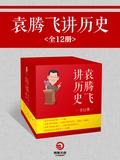 Yuan Tengfei Talks History: The Complete Collection 袁腾飞讲历史(全集)
A celebrated figure in popular Chinese history, Yuan Tengfei presents a superb collection of his history books, including his signature works: A Reliable Guide to This History (three volumes), Yuan Tengfei Talks About American History, Yuan Tengfei Talks About Japanese History, Yuan Tengfei Talks About the Pre-Qin Period (Spring and Autumn and Warring States eras), Yuan Tengfei Talks About Genghis Khan, Yuan Tengfei Talks About the Turmoil of the Song Dynasties, and That’s How War Works (three v
2kReads9.5Score353Shelves
Yuan Tengfei Talks History: The Complete Collection 袁腾飞讲历史(全集)
A celebrated figure in popular Chinese history, Yuan Tengfei presents a superb collection of his history books, including his signature works: A Reliable Guide to This History (three volumes), Yuan Tengfei Talks About American History, Yuan Tengfei Talks About Japanese History, Yuan Tengfei Talks About the Pre-Qin Period (Spring and Autumn and Warring States eras), Yuan Tengfei Talks About Genghis Khan, Yuan Tengfei Talks About the Turmoil of the Song Dynasties, and That’s How War Works (three v
2kReads9.5Score353Shelves
-
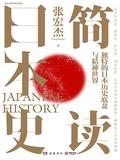 A Simple Guide to Japanese History 简读日本史
Japan is a particularly unusual country. Its cultural core is remarkably stable, while its outward appearance changes with ease, leaving the world unable to pin it down. Only by understanding the unique nature of Japanese history and the Japanese spirit can we grasp Japan’s influence on the course of East Asian and even world history. This book presents readers with a rich, multidimensional history of Japan through four lenses. Part One begins with the distinctive Japanese view of sex, analyzing
1.9kReads9.4Score399Shelves
A Simple Guide to Japanese History 简读日本史
Japan is a particularly unusual country. Its cultural core is remarkably stable, while its outward appearance changes with ease, leaving the world unable to pin it down. Only by understanding the unique nature of Japanese history and the Japanese spirit can we grasp Japan’s influence on the course of East Asian and even world history. This book presents readers with a rich, multidimensional history of Japan through four lenses. Part One begins with the distinctive Japanese view of sex, analyzing
1.9kReads9.4Score399Shelves
-
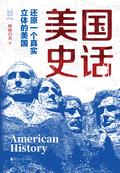 A History of the United States: Recreating a Real and Multifaceted America (Latitude and Longitude Series) 美国史话:还原一个真实立体的美国(经纬度丛书)
The American Story offers a portrait of a real, complex, and little-known America. Focusing on the American character, this book traces the nation’s history from the fifteenth century to the end of the twentieth, covering its founding, the drafting of its Constitution, and its westward expansion, as well as the pragmatism of North American colonists, the impasse and breakthrough of the Civil War, and America’s stance and conduct in international conflicts. By examining pivotal moments, key figur
1.9kReads9.5Score444Shelves
A History of the United States: Recreating a Real and Multifaceted America (Latitude and Longitude Series) 美国史话:还原一个真实立体的美国(经纬度丛书)
The American Story offers a portrait of a real, complex, and little-known America. Focusing on the American character, this book traces the nation’s history from the fifteenth century to the end of the twentieth, covering its founding, the drafting of its Constitution, and its westward expansion, as well as the pragmatism of North American colonists, the impasse and breakthrough of the Civil War, and America’s stance and conduct in international conflicts. By examining pivotal moments, key figur
1.9kReads9.5Score444Shelves
-
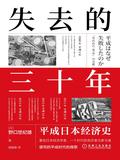 The Lost Thirty Years: A History of Japan's Heisei-Era Economy 失去的三十年:平成日本经济史
This book looks back on the entire Heisei era from an economic perspective. During this era, my generation lived through the years from age 50 to 80, and together with the generation before us, helped drive the development of the Heisei era. I learned about most of the major economic figures of the Showa era only from books, and I met only a handful of them. But most of the major economic figures of the Heisei era were connected to me, directly or indirectly. In that sense, this book is not mere
1.8kReads9.4Score666Shelves
The Lost Thirty Years: A History of Japan's Heisei-Era Economy 失去的三十年:平成日本经济史
This book looks back on the entire Heisei era from an economic perspective. During this era, my generation lived through the years from age 50 to 80, and together with the generation before us, helped drive the development of the Heisei era. I learned about most of the major economic figures of the Showa era only from books, and I met only a handful of them. But most of the major economic figures of the Heisei era were connected to me, directly or indirectly. In that sense, this book is not mere
1.8kReads9.4Score666Shelves
-
 World History After World War II: 1945–2014 二战后的世界史:1945—2014年的世界历史
This book has long been adopted as a textbook for social science courses at Ivy League universities. This sixth revised edition places special emphasis on the diplomatic measures adopted by the world's major powers amid globalization. The end of World War II in 1945 marked a watershed in history and ushered in the modern era. The Cold War between the United States and the Soviet Union, the dawn of the nuclear age, financial crises, and independence movements across Asia and Africa... The postwar
1.8kReads9.3Score422Shelves
World History After World War II: 1945–2014 二战后的世界史:1945—2014年的世界历史
This book has long been adopted as a textbook for social science courses at Ivy League universities. This sixth revised edition places special emphasis on the diplomatic measures adopted by the world's major powers amid globalization. The end of World War II in 1945 marked a watershed in history and ushered in the modern era. The Cold War between the United States and the Soviet Union, the dawn of the nuclear age, financial crises, and independence movements across Asia and Africa... The postwar
1.8kReads9.3Score422Shelves
-
 Financial Password 财政密码
Taking history as its warp and economy as its latitude, it explores the rise and fall of each dynasty from a financial perspective. Taking history as the warp and economy as the latitude, explore the rise and fall of various dynasties in China from a financial perspective! Douban's top 10 most popular economic history books, rated 8.3 By 10,000 people, and the paper book has sold over 150,000 copies! One of Guo Jianlong's "Code Trilogy", including "Philosophical Code" and "Military Code". Takin
1.8kReads9.4Score522Shelves
Financial Password 财政密码
Taking history as its warp and economy as its latitude, it explores the rise and fall of each dynasty from a financial perspective. Taking history as the warp and economy as the latitude, explore the rise and fall of various dynasties in China from a financial perspective! Douban's top 10 most popular economic history books, rated 8.3 By 10,000 people, and the paper book has sold over 150,000 copies! One of Guo Jianlong's "Code Trilogy", including "Philosophical Code" and "Military Code". Takin
1.8kReads9.4Score522Shelves
-
 A Record of World War II: The Asian Theater 第二次世界大战实录:亚洲战场篇
The worldwide antifascist resistance began before September 1939, with movements including China's War of Resistance against Japan and Ethiopia's war against Italian aggression. On September 1, 1939, Germany invaded Poland, marking the official start of the global antifascist war. On September 2, 1945, Japan surrendered to the Allies, signaling the complete victory of the great worldwide antifascist war.
1.8kReads9.5Score—Shelves
A Record of World War II: The Asian Theater 第二次世界大战实录:亚洲战场篇
The worldwide antifascist resistance began before September 1939, with movements including China's War of Resistance against Japan and Ethiopia's war against Italian aggression. On September 1, 1939, Germany invaded Poland, marking the official start of the global antifascist war. On September 2, 1945, Japan surrendered to the Allies, signaling the complete victory of the great worldwide antifascist war.
1.8kReads9.5Score—Shelves
-
 A History of the Song Dynasty You Won't Be Able to Put Down 一读就上瘾的宋朝史
A History of the Song Dynasty You'll Get Hooked on from the First Page is a popular history book about the Song Dynasty. It covers the period from Emperor Taizu Zhao Kuangyin's accession to the throne after the Chenqiao Mutiny to the failure of Emperor Renzong's Qingli Reforms. The book selects famous figures and events from this period, drawing on a wealth of historical sources, with official histories as its foundation and unofficial accounts as a supplement. It vividly and engagingly recreate
1.6kReads9.3Score296Shelves
A History of the Song Dynasty You Won't Be Able to Put Down 一读就上瘾的宋朝史
A History of the Song Dynasty You'll Get Hooked on from the First Page is a popular history book about the Song Dynasty. It covers the period from Emperor Taizu Zhao Kuangyin's accession to the throne after the Chenqiao Mutiny to the failure of Emperor Renzong's Qingli Reforms. The book selects famous figures and events from this period, drawing on a wealth of historical sources, with official histories as its foundation and unofficial accounts as a supplement. It vividly and engagingly recreate
1.6kReads9.3Score296Shelves
-
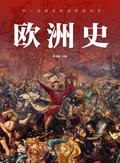 A History of Europe: The Concise European History You'll Love to Read 欧洲史(你一定爱读的简明欧洲史)
Europe has a long and glorious history. This book surveys Europe's development from the Paleolithic Age to 2000, focusing on the political, economic, and cultural history of Europe as a whole and of its individual countries during this period. It traces the first signs of human presence on the continent and the origins of its name, all the way to EU reforms and the introduction of the euro. Illustrations bring the text to life, while the book combines broad and detailed perspectives, bringing hi
1.6kReads9.5Score361Shelves
A History of Europe: The Concise European History You'll Love to Read 欧洲史(你一定爱读的简明欧洲史)
Europe has a long and glorious history. This book surveys Europe's development from the Paleolithic Age to 2000, focusing on the political, economic, and cultural history of Europe as a whole and of its individual countries during this period. It traces the first signs of human presence on the continent and the origins of its name, all the way to EU reforms and the introduction of the euro. Illustrations bring the text to life, while the book combines broad and detailed perspectives, bringing hi
1.6kReads9.5Score361Shelves
-
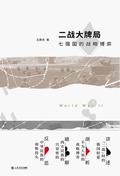 The Grand Chessboard of World War II: The Strategic Rivalry of Seven Powers 二战大牌局:七强国的战略博弈
In the grim history of World War II, the struggle between the Allies and the Axis powers has long since been settled. Yet the intrigue behind those tumultuous years remains little known: How did Chamberlain and Churchill each try to preserve the declining British Empire? How did Germany, defeated in World War I, regain room to survive under Stresemann’s shrewd leadership, and how did it ultimately meet its downfall under Hitler? Was France’s Maginot Line really useless? Could Italy, strong in ap
1.3kReads9.4Score283Shelves
The Grand Chessboard of World War II: The Strategic Rivalry of Seven Powers 二战大牌局:七强国的战略博弈
In the grim history of World War II, the struggle between the Allies and the Axis powers has long since been settled. Yet the intrigue behind those tumultuous years remains little known: How did Chamberlain and Churchill each try to preserve the declining British Empire? How did Germany, defeated in World War I, regain room to survive under Stresemann’s shrewd leadership, and how did it ultimately meet its downfall under Hitler? Was France’s Maginot Line really useless? Could Italy, strong in ap
1.3kReads9.4Score283Shelves
-
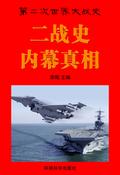 World War II: The Allies’ Secret, the Truth Behind the Scenes 第二次世界大战盟国秘密 内幕真相
Before September 1939, resistance movements against fascism around the world, including China's War of Resistance Against Japanese Aggression and Ethiopia's war against Italian aggression, had already begun. On September 1, 1939, Germany invaded Poland, marking the official start of the global anti-fascist war. On September 2, 1945, Japan surrendered to the Allies, heralding the complete victory of the great global anti-fascist war.
1.2kReads9.4Score101Shelves
World War II: The Allies’ Secret, the Truth Behind the Scenes 第二次世界大战盟国秘密 内幕真相
Before September 1939, resistance movements against fascism around the world, including China's War of Resistance Against Japanese Aggression and Ethiopia's war against Italian aggression, had already begun. On September 1, 1939, Germany invaded Poland, marking the official start of the global anti-fascist war. On September 2, 1945, Japan surrendered to the Allies, heralding the complete victory of the great global anti-fascist war.
1.2kReads9.4Score101Shelves
-
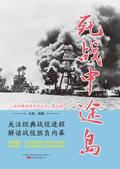 The Battle of Midway 死战中途岛
The Battle of Midway was a turning point in the war between Japan and the United States in the Pacific. The outnumbered US forces won a decisive victory over the Japanese. After the battle, the Americans gradually gained the initiative, while Japan’s defeat marked the beginning of its decline. What did Admiral Isoroku Yamamoto, who had hoped to crush the US Pacific Fleet once and for all and gain complete control of the western Pacific, do in the face of this crushing defeat? This book will reve
1.1kReads9.5Score110Shelves
The Battle of Midway 死战中途岛
The Battle of Midway was a turning point in the war between Japan and the United States in the Pacific. The outnumbered US forces won a decisive victory over the Japanese. After the battle, the Americans gradually gained the initiative, while Japan’s defeat marked the beginning of its decline. What did Admiral Isoroku Yamamoto, who had hoped to crush the US Pacific Fleet once and for all and gain complete control of the western Pacific, do in the face of this crushing defeat? This book will reve
1.1kReads9.5Score110Shelves
-
 Mao Zedong, Stalin, and the Korean War 毛泽东、斯大林与朝鲜战争
Mao Zedong, Stalin, and the Korean War is one of the most representative works by renowned historian Shen Zhihua, and a new starting point for the study of the Korean War in China. Drawing on the wealth of firsthand materials preserved in China and Russia, it offers a meticulous examination of the origins of the Korean War and China’s decision to enter it. The book not only overturns many familiar accounts and conclusions, but also reveals, on a deeper level, the underlying logic connecting two
1kReads9.4Score269Shelves
Mao Zedong, Stalin, and the Korean War 毛泽东、斯大林与朝鲜战争
Mao Zedong, Stalin, and the Korean War is one of the most representative works by renowned historian Shen Zhihua, and a new starting point for the study of the Korean War in China. Drawing on the wealth of firsthand materials preserved in China and Russia, it offers a meticulous examination of the origins of the Korean War and China’s decision to enter it. The book not only overturns many familiar accounts and conclusions, but also reveals, on a deeper level, the underlying logic connecting two
1kReads9.4Score269Shelves
-
 The Rise and Fall of the Third Reich: A History of Nazi Germany (4 Volumes) 第三帝国的兴亡:纳粹德国史(共4卷)
Rooted in a vast trove of historical documents and told from an all-encompassing perspective, The Rise and Fall of the Third Reich: A History of Nazi Germany depicts the full story of Adolf Hitler’s personal life, the historical roots of the Nazi Party and its path to power, the struggle among Germany’s political factions, the evolution of Western powers’ foreign policies, and turning points in major battles of the Second World War. The book describes how every major decision and important actio
978Reads9.4Score277Shelves
The Rise and Fall of the Third Reich: A History of Nazi Germany (4 Volumes) 第三帝国的兴亡:纳粹德国史(共4卷)
Rooted in a vast trove of historical documents and told from an all-encompassing perspective, The Rise and Fall of the Third Reich: A History of Nazi Germany depicts the full story of Adolf Hitler’s personal life, the historical roots of the Nazi Party and its path to power, the struggle among Germany’s political factions, the evolution of Western powers’ foreign policies, and turning points in major battles of the Second World War. The book describes how every major decision and important actio
978Reads9.4Score277Shelves
-
 Twenty Lectures on the History and Current State of the Middle East 中东历史与现状二十讲
The Middle East is the cradle of world civilization and the birthplace of the world’s three great religions: Judaism, Christianity, and Islam. This book offers a broad overview of the region’s history spanning several thousand years and its turbulent present. It also distills the author’s nearly forty years of research on the Middle East. The first two lectures provide a comprehensive account of the region’s history, followed by an introduction to eighteen major issues concerning its past and pr
923Reads9.2Score362Shelves
Twenty Lectures on the History and Current State of the Middle East 中东历史与现状二十讲
The Middle East is the cradle of world civilization and the birthplace of the world’s three great religions: Judaism, Christianity, and Islam. This book offers a broad overview of the region’s history spanning several thousand years and its turbulent present. It also distills the author’s nearly forty years of research on the Middle East. The first two lectures provide a comprehensive account of the region’s history, followed by an introduction to eighteen major issues concerning its past and pr
923Reads9.2Score362Shelves
-
 History Through Geography (Three-Volume Series) 透过地理看历史系列(全三册)
China’s historical records are vast, and for history enthusiasts, reading their way through thousands of years of history is a monumental undertaking. This book shows us that no matter how dynasties rise and fall or how the tides of history shift, geography always plays a crucial role. Using geographical regions as its framework, the book presents a chronological account of history, offering clear and accessible explanations of how each region took shape and influenced historical development. It
915Reads9.5Score337Shelves
History Through Geography (Three-Volume Series) 透过地理看历史系列(全三册)
China’s historical records are vast, and for history enthusiasts, reading their way through thousands of years of history is a monumental undertaking. This book shows us that no matter how dynasties rise and fall or how the tides of history shift, geography always plays a crucial role. Using geographical regions as its framework, the book presents a chronological account of history, offering clear and accessible explanations of how each region took shape and influenced historical development. It
915Reads9.5Score337Shelves
-
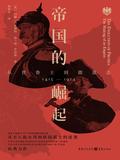 The Rise of an Empire: From Prussia to Germany 帝国的崛起:从普鲁士到德意志
In 1415, the Margraviate of Brandenburg, forerunner of the Kingdom of Prussia, was still the most insignificant of the Holy Roman Empire’s electorates. On the eve of the First World War, 500 years later, it had risen to become a European power vying for global supremacy. How did it achieve this, step by step? During its rise, Prussia suffered four periods of decline and even faced the threat of extinction. Yet at pivotal moments in history, great figures emerged: the Great Elector, Frederick the
906Reads8.7Score101Shelves
The Rise of an Empire: From Prussia to Germany 帝国的崛起:从普鲁士到德意志
In 1415, the Margraviate of Brandenburg, forerunner of the Kingdom of Prussia, was still the most insignificant of the Holy Roman Empire’s electorates. On the eve of the First World War, 500 years later, it had risen to become a European power vying for global supremacy. How did it achieve this, step by step? During its rise, Prussia suffered four periods of decline and even faced the threat of extinction. Yet at pivotal moments in history, great figures emerged: the Great Elector, Frederick the
906Reads8.7Score101Shelves
-
 History in Half an Hour: The Comic Series (8 Books) 半小时漫画历史(8册)
A new collection of comics and commentary from Hunzi Ge. Read half-hour comics and get to know the histories of countries around the world! Crystal-clear mind maps make it easy to follow events and understand the inner logic behind each country’s historical development. Learn history through laugh-out-loud memory tricks, and remember it better than by rote. Endorsed by authoritative experts, with reliable, rigorous information! Real praise from 30 million readers, and a proven way to improve you
832Reads9.3Score288Shelves
History in Half an Hour: The Comic Series (8 Books) 半小时漫画历史(8册)
A new collection of comics and commentary from Hunzi Ge. Read half-hour comics and get to know the histories of countries around the world! Crystal-clear mind maps make it easy to follow events and understand the inner logic behind each country’s historical development. Learn history through laugh-out-loud memory tricks, and remember it better than by rote. Endorsed by authoritative experts, with reliable, rigorous information! Real praise from 30 million readers, and a proven way to improve you
832Reads9.3Score288Shelves
-
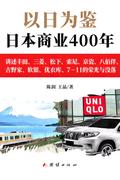 Taking Japan as a Mirror (Original Title: 400 Years of Japanese Business) 以日为鉴:(原书名:日本商业400年)
By surveying and summarizing 400 years of Japanese business history, this book reveals the keys to success and the core values behind overcoming crises and building businesses that endure. It offers valuable insights for the management of Chinese companies. Following the development of Japanese business and the growth of its most famous companies, it begins with the rise of the Sumitomo, Mitsui, Konoike, and Tanaka families during the Tokugawa shogunate, then spans four centuries to tell the sto
765Reads8.7Score235Shelves
Taking Japan as a Mirror (Original Title: 400 Years of Japanese Business) 以日为鉴:(原书名:日本商业400年)
By surveying and summarizing 400 years of Japanese business history, this book reveals the keys to success and the core values behind overcoming crises and building businesses that endure. It offers valuable insights for the management of Chinese companies. Following the development of Japanese business and the growth of its most famous companies, it begins with the rise of the Sumitomo, Mitsui, Konoike, and Tanaka families during the Tokugawa shogunate, then spans four centuries to tell the sto
765Reads8.7Score235Shelves
-
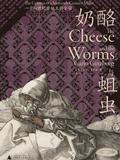 Cheese and Worms: The Cosmos of a Sixteenth-Century Miller 奶酪与蛆虫:一个16世纪磨坊主的宇宙
Domenico Scandella was an ordinary miller who lived in the Friuli region of northeastern Italy in the sixteenth century. He could read and write, and had read books such as The Decameron, the Italian-language Bible, and the Travels of Sir John Mandeville. He could also retell them in his own words. He spoke openly about his feelings and explained his views on the Church and the world to his neighbors, priests, and the judges of the Inquisition. Given the chance to appear before the pope or a kin
719Reads9.0Score294Shelves
Cheese and Worms: The Cosmos of a Sixteenth-Century Miller 奶酪与蛆虫:一个16世纪磨坊主的宇宙
Domenico Scandella was an ordinary miller who lived in the Friuli region of northeastern Italy in the sixteenth century. He could read and write, and had read books such as The Decameron, the Italian-language Bible, and the Travels of Sir John Mandeville. He could also retell them in his own words. He spoke openly about his feelings and explained his views on the Church and the world to his neighbors, priests, and the judges of the Inquisition. Given the chance to appear before the pope or a kin
719Reads9.0Score294Shelves
-
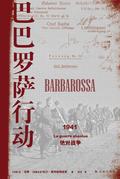 Operation Barbarossa: 1941, Total War (Obelisk) 巴巴罗萨行动:1941,绝对战争(方尖碑)
Operation Barbarossa, launched on June 22, 1941, opened one of the bloodiest chapters in human history. Two of the world's most powerful armies at the time faced off directly. German blitzkrieg tactics posed an enormous threat for a time. The Red Army bore the responsibility and burden of defending its homeland, meeting the enemy's fierce bombardment with flesh and blood. In this book, the two authors follow the course of the war, drawing on newly consulted documents and archives to recount in d
676Reads9.3Score102Shelves
Operation Barbarossa: 1941, Total War (Obelisk) 巴巴罗萨行动:1941,绝对战争(方尖碑)
Operation Barbarossa, launched on June 22, 1941, opened one of the bloodiest chapters in human history. Two of the world's most powerful armies at the time faced off directly. German blitzkrieg tactics posed an enormous threat for a time. The Red Army bore the responsibility and burden of defending its homeland, meeting the enemy's fierce bombardment with flesh and blood. In this book, the two authors follow the course of the war, drawing on newly consulted documents and archives to recount in d
676Reads9.3Score102Shelves
-
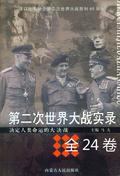 A True Account of World War II (24 Volumes) 第二次世界大战实录(共24卷)
Drawing on the latest research and newly declassified materials from China and abroad, and compiled with the guidance of relevant experts and departments, this book traces the course of the Second World War. It covers the war's major historical periods, theaters and battles, as well as its leading military and political figures, presenting a sweeping panorama of the conflict. This series consists of five main parts: Part One, “The History of the War,” covers its origins and background, the outbr
665Reads9.4Score149Shelves
A True Account of World War II (24 Volumes) 第二次世界大战实录(共24卷)
Drawing on the latest research and newly declassified materials from China and abroad, and compiled with the guidance of relevant experts and departments, this book traces the course of the Second World War. It covers the war's major historical periods, theaters and battles, as well as its leading military and political figures, presenting a sweeping panorama of the conflict. This series consists of five main parts: Part One, “The History of the War,” covers its origins and background, the outbr
665Reads9.4Score149Shelves
-
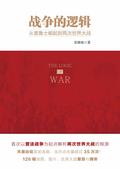 The Logic of War: From Prussia's Rise to the Two World Wars 战争的逻辑:从普鲁士崛起到两次世界大战
Centered on German history, this book explores in detail the conflicts among Europe's great powers from the latter half of the nineteenth century through World War II, and the causes behind them. Beginning with the Franco-Prussian War, it offers a fresh analysis of the roots of both world wars. Rather than recounting the details of every battle, the author focuses on drawing lessons from the wars through broad historical, strategic, diplomatic, technological, and economic perspectives, and exami
658Reads9.3Score194Shelves
The Logic of War: From Prussia's Rise to the Two World Wars 战争的逻辑:从普鲁士崛起到两次世界大战
Centered on German history, this book explores in detail the conflicts among Europe's great powers from the latter half of the nineteenth century through World War II, and the causes behind them. Beginning with the Franco-Prussian War, it offers a fresh analysis of the roots of both world wars. Rather than recounting the details of every battle, the author focuses on drawing lessons from the wars through broad historical, strategic, diplomatic, technological, and economic perspectives, and exami
658Reads9.3Score194Shelves
-
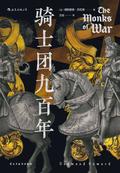 Nine Hundred Years of the Knights Templar 骑士团九百年
Military religious orders, or knightly orders, emerged during the Crusades. They were the first well-trained Western armies since Roman times. This is the first comprehensive history of the knightly orders since the eighteenth century, tracing their long journey from their founding in the twelfth century to their transformation in modern times. It covers the rise of the Hospitallers and the Templars in the Holy Land; the Teutonic Order's shift from the Holy Land to the Baltic region and its conq
620Reads8.8Score188Shelves
Nine Hundred Years of the Knights Templar 骑士团九百年
Military religious orders, or knightly orders, emerged during the Crusades. They were the first well-trained Western armies since Roman times. This is the first comprehensive history of the knightly orders since the eighteenth century, tracing their long journey from their founding in the twelfth century to their transformation in modern times. It covers the rise of the Hospitallers and the Templars in the Holy Land; the Teutonic Order's shift from the Holy Land to the Baltic region and its conq
620Reads8.8Score188Shelves
-
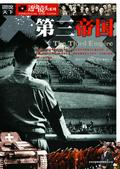 The Third Reich 第三帝国
The Third Reich spans from January 1933, when Hitler took the reins from Hindenburg, to May 8, 1945, when the war in Europe ended. Hailed by Nazi devotees as the "Thousand-Year Reich," the Third Reich lasted just twelve years and four months before reaching its end. During those twelve years, Adolf Hitler used his ambitions of conquest to build a dictatorial, brutal empire that trampled every moral principle and plunged all of Europe into its darkest, most agonizing age. Warsaw, with nine out of
619Reads8.6Score—Shelves
The Third Reich 第三帝国
The Third Reich spans from January 1933, when Hitler took the reins from Hindenburg, to May 8, 1945, when the war in Europe ended. Hailed by Nazi devotees as the "Thousand-Year Reich," the Third Reich lasted just twelve years and four months before reaching its end. During those twelve years, Adolf Hitler used his ambitions of conquest to build a dictatorial, brutal empire that trampled every moral principle and plunged all of Europe into its darkest, most agonizing age. Warsaw, with nine out of
619Reads8.6Score—Shelves
-
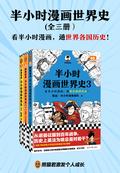 The History of the World in Half an Hour (3-Book Set) 半小时漫画世界史(全3册)
Hunza Ge draws and explains his latest work as he takes you on a half-hour comic journey through the history of countries around the world! Crystal-clear mind maps lay out the events and make it easy to understand the underlying logic behind each country's historical development. Learn history through laugh-out-loud mnemonic tricks that stick better than rote memorization. Endorsed by authoritative experts, with reliable and rigorous information! Real praise from 30 million readers, and a proven
619Reads9.4Score199Shelves
The History of the World in Half an Hour (3-Book Set) 半小时漫画世界史(全3册)
Hunza Ge draws and explains his latest work as he takes you on a half-hour comic journey through the history of countries around the world! Crystal-clear mind maps lay out the events and make it easy to understand the underlying logic behind each country's historical development. Learn history through laugh-out-loud mnemonic tricks that stick better than rote memorization. Endorsed by authoritative experts, with reliable and rigorous information! Real praise from 30 million readers, and a proven
619Reads9.4Score199Shelves
-
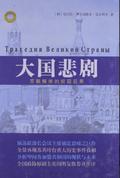 The Tragedy of a Great Power: The Causes and Consequences of the Soviet Union’s Dissolution 大国悲剧:苏联解体的前因后果
The Soviet Union, a superpower with a glorious history spanning 70 years, suddenly collapsed, stunning the world and prompting endless reflection. This book cuts through the mists of time to recount in detail, vividly and comprehensively, the entire process of the Soviet Union's dissolution and the collapse of the Communist Party of the Soviet Union, a historic event that shook the world. From a unique perspective, it analyzes the underlying logic of the event as a whole, reveals the causes and
618Reads9.5Score182Shelves
The Tragedy of a Great Power: The Causes and Consequences of the Soviet Union’s Dissolution 大国悲剧:苏联解体的前因后果
The Soviet Union, a superpower with a glorious history spanning 70 years, suddenly collapsed, stunning the world and prompting endless reflection. This book cuts through the mists of time to recount in detail, vividly and comprehensively, the entire process of the Soviet Union's dissolution and the collapse of the Communist Party of the Soviet Union, a historic event that shook the world. From a unique perspective, it analyzes the underlying logic of the event as a whole, reveals the causes and
618Reads9.5Score182Shelves
-
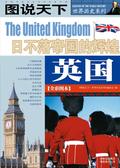 Britain 英国
In Europe, Britain was once an insignificant little country. In modern times, however, it rose to become a major world power. With its ever-growing wealth and strength and its powerful navy, it defeated Spain and the Netherlands in the 16th and 17th centuries, becoming the undisputed ruler of the seas. Later, it extended its colonial reach to every corner of the world, gradually building the largest "empire on which the sun never sets" in human history. Wherever the sun shone at any hour of the
579Reads9.4Score143Shelves
Britain 英国
In Europe, Britain was once an insignificant little country. In modern times, however, it rose to become a major world power. With its ever-growing wealth and strength and its powerful navy, it defeated Spain and the Netherlands in the 16th and 17th centuries, becoming the undisputed ruler of the seas. Later, it extended its colonial reach to every corner of the world, gradually building the largest "empire on which the sun never sets" in human history. Wherever the sun shone at any hour of the
579Reads9.4Score143Shelves
-
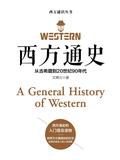 A General History of the West 西方通史
A History of the West tells the story of Western history from ancient Greece to the 1990s. It covers the histories of ancient Greece and Rome, the Middle Ages and the Renaissance, as well as those of several major Western powers today, including the United States, Britain, Germany, France, Russia, and Italy. It recounts not only major historical events, but also the lives of famous figures such as Alexander, Caesar, Octavian, Napoleon, and Churchill. Readers can learn both how these nations deve
567Reads9.4Score217Shelves
A General History of the West 西方通史
A History of the West tells the story of Western history from ancient Greece to the 1990s. It covers the histories of ancient Greece and Rome, the Middle Ages and the Renaissance, as well as those of several major Western powers today, including the United States, Britain, Germany, France, Russia, and Italy. It recounts not only major historical events, but also the lives of famous figures such as Alexander, Caesar, Octavian, Napoleon, and Churchill. Readers can learn both how these nations deve
567Reads9.4Score217Shelves
-
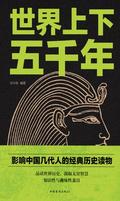 Five Thousand Years of World History 世界上下五千年
A classic history book for readers of all ages, The World in Five Thousand Years offers something for everyone. With its distinctive format and wealth of knowledge, it has won the hearts of readers, remained a bestseller to this day, and become one of the country’s most widely circulated history books. New editions in many different versions continue to appear. However, as society develops and culture flourishes, many editions on the market can no longer satisfy readers’ growing expectations. Th
565Reads9.5Score113Shelves
Five Thousand Years of World History 世界上下五千年
A classic history book for readers of all ages, The World in Five Thousand Years offers something for everyone. With its distinctive format and wealth of knowledge, it has won the hearts of readers, remained a bestseller to this day, and become one of the country’s most widely circulated history books. New editions in many different versions continue to appear. However, as society develops and culture flourishes, many editions on the market can no longer satisfy readers’ growing expectations. Th
565Reads9.5Score113Shelves
-
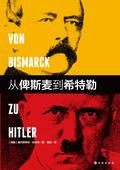 From Bismarck to Hitler (A Work by Sebastian Haffner) 从俾斯麦到希特勒(哈夫纳作品)
From Bismarck to Hitler traces the history of how Bismarck, the “Iron Chancellor” of the Kingdom of Prussia, founded the German Empire, and how Hitler’s Third Reich ultimately led the German nation down the road to destruction. From Bismarck to Hitler offers readers a thread through the development of German history, prompting them to reflect on how Germany’s present circumstances differ from the country’s earlier development. Through an intellectual dialogue with Haffner, readers will gain a de
552Reads9.0Score170Shelves
From Bismarck to Hitler (A Work by Sebastian Haffner) 从俾斯麦到希特勒(哈夫纳作品)
From Bismarck to Hitler traces the history of how Bismarck, the “Iron Chancellor” of the Kingdom of Prussia, founded the German Empire, and how Hitler’s Third Reich ultimately led the German nation down the road to destruction. From Bismarck to Hitler offers readers a thread through the development of German history, prompting them to reflect on how Germany’s present circumstances differ from the country’s earlier development. Through an intellectual dialogue with Haffner, readers will gain a de
552Reads9.0Score170Shelves
-
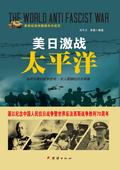 The Fierce U.S.-Japan Battles in the Pacific 美日激战太平洋
The year 2015 marks the 70th anniversary of the victory in the Chinese People’s War of Resistance Against Japanese Aggression and the World Anti-Fascist War. On this occasion, China will join Russia and other countries that once suffered fascist invasion and devastation, as well as peace-loving people around the world, in solemnly commemorating this great victory for the Chinese nation and the cause of justice for all humanity. This commemoration is of great contemporary and historical significa
543Reads9.4Score—Shelves
The Fierce U.S.-Japan Battles in the Pacific 美日激战太平洋
The year 2015 marks the 70th anniversary of the victory in the Chinese People’s War of Resistance Against Japanese Aggression and the World Anti-Fascist War. On this occasion, China will join Russia and other countries that once suffered fascist invasion and devastation, as well as peace-loving people around the world, in solemnly commemorating this great victory for the Chinese nation and the cause of justice for all humanity. This commemoration is of great contemporary and historical significa
543Reads9.4Score—Shelves
-
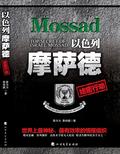 The Mossad’s Top-Secret Operations in Israel 以色列摩萨德绝密行动
This work of narrative nonfiction uses thorough research and vivid storytelling to offer a sweeping portrait of the world's most mysterious intelligence agency, Mossad. Through accounts of its classic spy operations and brilliant agents, it vividly depicts Mossad's rise and fall, as well as its extraordinary contributions to protecting its country's interests. Richly illustrated with text and images, the book recreates Mossad's legendary history through a wealth of rare historical photographs.
541Reads9.5Score108Shelves
The Mossad’s Top-Secret Operations in Israel 以色列摩萨德绝密行动
This work of narrative nonfiction uses thorough research and vivid storytelling to offer a sweeping portrait of the world's most mysterious intelligence agency, Mossad. Through accounts of its classic spy operations and brilliant agents, it vividly depicts Mossad's rise and fall, as well as its extraordinary contributions to protecting its country's interests. Richly illustrated with text and images, the book recreates Mossad's legendary history through a wealth of rare historical photographs.
541Reads9.5Score108Shelves
-
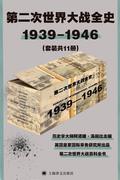 The Complete History of World War II (11-Book Set) 第二次世界大战全史(套装共11册)
This series covers international relations in the twentieth century. Its strengths include rich content, comprehensive source material, detailed notes, clear prose, and vivid storytelling. It cites a wealth of government documents, conference records, archival materials, and the private notes and memoirs of heads of state and other important figures. It offers a valuable reference on international relations in the nearly half-century since the end of World War I. The Survey of International Affa
523Reads9.4Score187Shelves
The Complete History of World War II (11-Book Set) 第二次世界大战全史(套装共11册)
This series covers international relations in the twentieth century. Its strengths include rich content, comprehensive source material, detailed notes, clear prose, and vivid storytelling. It cites a wealth of government documents, conference records, archival materials, and the private notes and memoirs of heads of state and other important figures. It offers a valuable reference on international relations in the nearly half-century since the end of World War I. The Survey of International Affa
523Reads9.4Score187Shelves
-
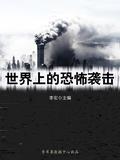 Terrorist Attacks Around the World: A Military Tour 世界上的恐怖袭击(世界军事之旅)
This series offers a realistic portrayal of human military activity. Perhaps we cannot take part in or witness a military revolution, but we can use military encyclopedias as a simulated battlefield. In The World's Terrorist Attacks, readers will learn about shocking terrorist attacks and other major events around the world, including the outbreak of World War I, North Vietnam's attacks on American warships, Iraq's invasion of Kuwait in 1990, and the Kosovo War in 1999.
498Reads9.3Score—Shelves
Terrorist Attacks Around the World: A Military Tour 世界上的恐怖袭击(世界军事之旅)
This series offers a realistic portrayal of human military activity. Perhaps we cannot take part in or witness a military revolution, but we can use military encyclopedias as a simulated battlefield. In The World's Terrorist Attacks, readers will learn about shocking terrorist attacks and other major events around the world, including the outbreak of World War I, North Vietnam's attacks on American warships, Iraq's invasion of Kuwait in 1990, and the Kosovo War in 1999.
498Reads9.3Score—Shelves
-
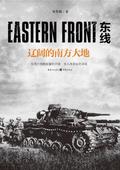 The Eastern Front: The Vast Southern Lands 东线:辽阔的南方大地
The East Front series is written by renowned military author Zhu Shiwei. It gives a comprehensive and detailed account of the entire course of the Soviet-German War in World War II. With abundant maps, charts, and photographs, along with crisp, polished prose, the series depicts the staggering battles of blood and fire on the Soviet-German front and the dramatic shifts in the balance of offensive and defensive power. The Vast Southern Lands follows the previous volume, The East Front: Barbarossa
493Reads9.3Score122Shelves
The Eastern Front: The Vast Southern Lands 东线:辽阔的南方大地
The East Front series is written by renowned military author Zhu Shiwei. It gives a comprehensive and detailed account of the entire course of the Soviet-German War in World War II. With abundant maps, charts, and photographs, along with crisp, polished prose, the series depicts the staggering battles of blood and fire on the Soviet-German front and the dramatic shifts in the balance of offensive and defensive power. The Vast Southern Lands follows the previous volume, The East Front: Barbarossa
493Reads9.3Score122Shelves
-
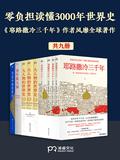 Three Thousand Years of Jerusalem (A Nine-Volume Global Bestseller in History) 耶路撒冷三千年(作者风靡全球历史著作 共九册)
1. The history of Jerusalem is the history of the whole world. It is a temple of God, the capital of two peoples, and a holy city for three religions. It is a city that exists both in heaven and on earth; a strategic crossroads where civilizations clash, a place that haunts people’s dreams, and a setting for bewildering conspiracies, invented legends, and round-the-clock news. Master storyteller Simon Sebag Montefiore recounts Jerusalem’s past and present in chronological order, tracing the thre
465Reads9.4Score175Shelves
Three Thousand Years of Jerusalem (A Nine-Volume Global Bestseller in History) 耶路撒冷三千年(作者风靡全球历史著作 共九册)
1. The history of Jerusalem is the history of the whole world. It is a temple of God, the capital of two peoples, and a holy city for three religions. It is a city that exists both in heaven and on earth; a strategic crossroads where civilizations clash, a place that haunts people’s dreams, and a setting for bewildering conspiracies, invented legends, and round-the-clock news. Master storyteller Simon Sebag Montefiore recounts Jerusalem’s past and present in chronological order, tracing the thre
465Reads9.4Score175Shelves
-
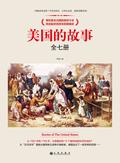 The Story of America (Seven Volumes) 美国的故事(七册)
Teacher Bi Lan spent more than twenty years in the United States, going from seeing America to seeing through it. With her thoughtful, sincere, and witty writing, she began writing about America on her blog in 2010, starting with the Mayflower, and she is still updating it today. Readers have praised her history of America as “concise but not simplistic, rigorous but not humorless.” If you want to understand what America is really all about, why not let Teacher Bi Lan tell you its story…
459Reads9.5Score127Shelves
The Story of America (Seven Volumes) 美国的故事(七册)
Teacher Bi Lan spent more than twenty years in the United States, going from seeing America to seeing through it. With her thoughtful, sincere, and witty writing, she began writing about America on her blog in 2010, starting with the Mayflower, and she is still updating it today. Readers have praised her history of America as “concise but not simplistic, rigorous but not humorless.” If you want to understand what America is really all about, why not let Teacher Bi Lan tell you its story…
459Reads9.5Score127Shelves