Fanqie library
Browse
- Titles
- 1.6k
Every Fanqie book we index, searchable by title, author or tag.
-
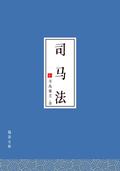 Sima Fa
As one of the important military books in ancient China, "Sima Fa" is rich in content and has a long history. It is of great significance to the study of ancient Chinese military thoughts, principles and methods of war. At the same time, the book also reflects the dialectical understanding and theory of ancient military scientists on the concept of war, providing valuable reference for the military development of later generations.
—Reads8.7Score—Shelves
Sima Fa
As one of the important military books in ancient China, "Sima Fa" is rich in content and has a long history. It is of great significance to the study of ancient Chinese military thoughts, principles and methods of war. At the same time, the book also reflects the dialectical understanding and theory of ancient military scientists on the concept of war, providing valuable reference for the military development of later generations.
—Reads8.7Score—Shelves
-
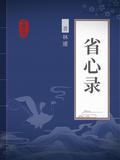 Worry-Free Record
This work "Saving Heart" is written by Lin Bu
—Reads8.6Score—Shelves
Worry-Free Record
This work "Saving Heart" is written by Lin Bu
—Reads8.6Score—Shelves
-
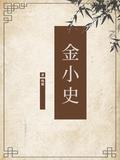 Jin Xiaoshi
"Jin Xiaoshi" was written by Yang Xunji, a native of Wuxian County in the Ming Dynasty. The book has eight volumes in total. It is recorded that the Jurchen tribe arose, Wanyan Aguda established the Jin Kingdom, and was destroyed by the Yuan Dynasty in the third year of Aizong Tianxing's reign (1234). The book attaches great importance to the relationship between Song, Jin and Liao and the negotiation process, and is known for its simplicity. The recorded Jurchen aristocrats and their military d
—Reads8.3Score—Shelves
Jin Xiaoshi
"Jin Xiaoshi" was written by Yang Xunji, a native of Wuxian County in the Ming Dynasty. The book has eight volumes in total. It is recorded that the Jurchen tribe arose, Wanyan Aguda established the Jin Kingdom, and was destroyed by the Yuan Dynasty in the third year of Aizong Tianxing's reign (1234). The book attaches great importance to the relationship between Song, Jin and Liao and the negotiation process, and is known for its simplicity. The recorded Jurchen aristocrats and their military d
—Reads8.3Score—Shelves
-
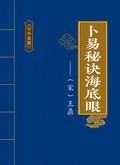 Divination Secrets Undersea Eyes
"The Secret of Divination - The Undersea Eye" was written by Wang Ding of the Song Dynasty and is a classic work in the field of six-line prediction. It inherits the essence of the "Fire Pearl Forest" method, with concise language and rigorous logic. The book is based on the ancient theory of yin and yang, integrates the theory of Heluo and the Five Elements, and starts from the principles of Bagua to deeply analyze the internal and external flying, movement and stillness of the Yao Xiang, the r
—Reads8.6Score—Shelves
Divination Secrets Undersea Eyes
"The Secret of Divination - The Undersea Eye" was written by Wang Ding of the Song Dynasty and is a classic work in the field of six-line prediction. It inherits the essence of the "Fire Pearl Forest" method, with concise language and rigorous logic. The book is based on the ancient theory of yin and yang, integrates the theory of Heluo and the Five Elements, and starts from the principles of Bagua to deeply analyze the internal and external flying, movement and stillness of the Yao Xiang, the r
—Reads8.6Score—Shelves
-
 Eight House Mirror
The author of "Eight Houses Mirror" was Yang Junsong in the Tang Dynasty, and the author was Taoist Ruo Guan in the Qing Dynasty. This book is a classic work dedicated to Yangzhai. The "Bazhai School" originated in the Tang Dynasty and became popular in the Song Dynasty. It is the leader in Yangzhai Kanyu and is respected as the authentic Fengshui Kanyu. There were many schools of Feng Shui in ancient China. The reason why the Bazhai School was able to take the lead was mainly because it could s
—Reads9.2Score—Shelves
Eight House Mirror
The author of "Eight Houses Mirror" was Yang Junsong in the Tang Dynasty, and the author was Taoist Ruo Guan in the Qing Dynasty. This book is a classic work dedicated to Yangzhai. The "Bazhai School" originated in the Tang Dynasty and became popular in the Song Dynasty. It is the leader in Yangzhai Kanyu and is respected as the authentic Fengshui Kanyu. There were many schools of Feng Shui in ancient China. The reason why the Bazhai School was able to take the lead was mainly because it could s
—Reads9.2Score—Shelves
-
 Ya Shang Zhai Zunsheng Eight Notes
"Ya Shang Zhai Zun Sheng Eight Notes" was first published in 1591 and was written by Gao Lian of the Ming Dynasty. There are 20 volumes in the book. The first volume is the table of contents of the whole book; Volumes 1 to 2 are "Notes on Qing Xiu Miao Lun", which are all health-preserving mottos; Volumes 3 to 6 are "Notes on the Adjustments of the Four Seasons", which are divided into spring, summer, autumn and winter and introduce health maintenance methods month by month; Volume 19 records th
—Reads8.4Score—Shelves
Ya Shang Zhai Zunsheng Eight Notes
"Ya Shang Zhai Zun Sheng Eight Notes" was first published in 1591 and was written by Gao Lian of the Ming Dynasty. There are 20 volumes in the book. The first volume is the table of contents of the whole book; Volumes 1 to 2 are "Notes on Qing Xiu Miao Lun", which are all health-preserving mottos; Volumes 3 to 6 are "Notes on the Adjustments of the Four Seasons", which are divided into spring, summer, autumn and winter and introduce health maintenance methods month by month; Volume 19 records th
—Reads8.4Score—Shelves
-
 Kuai Shi Biography (Free Public Edition Book)
"The Biography of Kuai Shi" has a total of sixteen volumes, that is, sixteen chapters. It was published in the Qing Dynasty and was signed "edited by Master Wuseshi". The author is Xu Shukui (1701? - 1763?), The author of "Five Colored Stones" and "Eight Cave Heaven". The book describes the various mentalities of literati who failed in the imperial examination, showing the author's certain courage. At the same time, this book has a complex plot, rigorous structure, and fluent language, making it
—Reads8.6Score—Shelves
Kuai Shi Biography (Free Public Edition Book)
"The Biography of Kuai Shi" has a total of sixteen volumes, that is, sixteen chapters. It was published in the Qing Dynasty and was signed "edited by Master Wuseshi". The author is Xu Shukui (1701? - 1763?), The author of "Five Colored Stones" and "Eight Cave Heaven". The book describes the various mentalities of literati who failed in the imperial examination, showing the author's certain courage. At the same time, this book has a complex plot, rigorous structure, and fluent language, making it
—Reads8.6Score—Shelves
-
 Badongtian
The preface to the beginning of "Eight Caves" reads: "The work of "Eight Caves" is also to make up for what "Five Colored Stones" has not prepared." Because ""Five Colored Stones" is to make up for the deficiencies in the sky, and if the deficiencies are not enough, then the deficiencies cannot be made up." In "Eight Caves", the author compiled eight novels, the so-called Eight Caves, in accordance with the idea of "conquering people's wishes" and "pleasing people's hearts", in which he placed
—Reads8.1Score—Shelves
Badongtian
The preface to the beginning of "Eight Caves" reads: "The work of "Eight Caves" is also to make up for what "Five Colored Stones" has not prepared." Because ""Five Colored Stones" is to make up for the deficiencies in the sky, and if the deficiencies are not enough, then the deficiencies cannot be made up." In "Eight Caves", the author compiled eight novels, the so-called Eight Caves, in accordance with the idea of "conquering people's wishes" and "pleasing people's hearts", in which he placed
—Reads8.1Score—Shelves
-
 Five Color Stone
A collection of novels from the Qing Dynasty, each volume tells a story. Novels about talented men and beautiful ladies occupy a relatively high proportion in the book. The author deeply regrets the shortcomings of life: those who do good are not blessed, those who do evil are not misfortuned, talented people do not meet beautiful women, and beautiful women marry villagers instead and regret it. Therefore, we use literature to replace stone to make up for the gaps in the way of heaven. The 8 sho
—Reads8.2Score—Shelves
Five Color Stone
A collection of novels from the Qing Dynasty, each volume tells a story. Novels about talented men and beautiful ladies occupy a relatively high proportion in the book. The author deeply regrets the shortcomings of life: those who do good are not blessed, those who do evil are not misfortuned, talented people do not meet beautiful women, and beautiful women marry villagers instead and regret it. Therefore, we use literature to replace stone to make up for the gaps in the way of heaven. The 8 sho
—Reads8.2Score—Shelves
-
 The Legend of Kuaishi
"The Biography of Kuai Shi" has a total of sixteen volumes, that is, sixteen chapters. It was published in the Qing Dynasty and was signed "edited by Master Wuseshi". The author is Xu Shukui (1701? - 1763?), The author of "Five Colored Stones" and "Eight Cave Heaven". The book describes the various mentalities of literati who failed in the imperial examination, showing the author's certain courage. At the same time, this book has a complex plot, rigorous structure, and fluent language, making it
—Reads8.1Score—Shelves
The Legend of Kuaishi
"The Biography of Kuai Shi" has a total of sixteen volumes, that is, sixteen chapters. It was published in the Qing Dynasty and was signed "edited by Master Wuseshi". The author is Xu Shukui (1701? - 1763?), The author of "Five Colored Stones" and "Eight Cave Heaven". The book describes the various mentalities of literati who failed in the imperial examination, showing the author's certain courage. At the same time, this book has a complex plot, rigorous structure, and fluent language, making it
—Reads8.1Score—Shelves
-
 Five Colored Stones (Free Public Edition Book)
Collection of short stories. Written by Xu Shukui of Qing Dynasty. Eight volumes. Shukui's original name was Gengya and his courtesy name was Xiaowen. The work is self-signed as the owner of the Bi Lian Pavilion and the owner of the five-color stone to express cynicism. "Five Colored Stones" is a collection of vernacular short stories from the Qing Dynasty. Its full name is "Bi Lian Ge compiled Five Colored Stones". The book consists of 8 volumes, including 8 short stories.
—Reads8.7Score—Shelves
Five Colored Stones (Free Public Edition Book)
Collection of short stories. Written by Xu Shukui of Qing Dynasty. Eight volumes. Shukui's original name was Gengya and his courtesy name was Xiaowen. The work is self-signed as the owner of the Bi Lian Pavilion and the owner of the five-color stone to express cynicism. "Five Colored Stones" is a collection of vernacular short stories from the Qing Dynasty. Its full name is "Bi Lian Ge compiled Five Colored Stones". The book consists of 8 volumes, including 8 short stories.
—Reads8.7Score—Shelves
-
 The Book of Four Talents (Free Public Edition Book)
"Pingshan Lengyan" mainly describes the talented men and women (Ping Ruheng, Shandai, Leng Jiangxue, Yan Baizhen) in the prosperous period of the "Previous Dynasty". The title of the book is composed of the last names of the four people. Their outstanding talents won the appreciation of the emperor, and they finally got married. The two talented women described in the book not only have outstanding poetic talents, but are also smart and mature, which makes many men sigh; on the other hand, they
—Reads8.5Score—Shelves
The Book of Four Talents (Free Public Edition Book)
"Pingshan Lengyan" mainly describes the talented men and women (Ping Ruheng, Shandai, Leng Jiangxue, Yan Baizhen) in the prosperous period of the "Previous Dynasty". The title of the book is composed of the last names of the four people. Their outstanding talents won the appreciation of the emperor, and they finally got married. The two talented women described in the book not only have outstanding poetic talents, but are also smart and mature, which makes many men sigh; on the other hand, they
—Reads8.5Score—Shelves
-
 The Complete Works of Wang Yangming (Part 4)
The complete collection consists of forty-one volumes, of which volumes 1 to 31 are written by Yangming himself; volumes 32 to 38 are appendices: volume 32 is a compilation of old unpublished quotations, poems and essays, which the editor compiled based on previous collections and collections of Yangming's quotations, poems and essays that were originally unpublished, totaling 28 articles. Volumes 33 to 37 are chronology 1, 2, 3 and chronology appendices 1 and 2, volumes 33 to 37. Volumes 38 and
—Reads8.6Score—Shelves
The Complete Works of Wang Yangming (Part 4)
The complete collection consists of forty-one volumes, of which volumes 1 to 31 are written by Yangming himself; volumes 32 to 38 are appendices: volume 32 is a compilation of old unpublished quotations, poems and essays, which the editor compiled based on previous collections and collections of Yangming's quotations, poems and essays that were originally unpublished, totaling 28 articles. Volumes 33 to 37 are chronology 1, 2, 3 and chronology appendices 1 and 2, volumes 33 to 37. Volumes 38 and
—Reads8.6Score—Shelves
-
 Medical Economics Primary School
This work "Medical Classics Primary School" is written by Liu Chun
—Reads8.5Score—Shelves
Medical Economics Primary School
This work "Medical Classics Primary School" is written by Liu Chun
—Reads8.5Score—Shelves
-
 Becoming Virtual Chapter
This article refutes the false claim that heaven can sense good and evil in the world and carry out rewards and punishments.
—Reads7.9Score—Shelves
Becoming Virtual Chapter
This article refutes the false claim that heaven can sense good and evil in the world and carry out rewards and punishments.
—Reads7.9Score—Shelves
-
 Bitter Melon Monk Painting Quotes
"Bitter Melon Monk's Painting Quotes", a theoretical work on Chinese Qing Dynasty painting, written by Shi Tao. The book has 18 chapters in total. It first explains the principles, then explains the methods, and finally leads to theoretical propositions, forming a complete and organic theoretical system of landscape painting. This book opposes imitating the past and advocates "borrowing the past to open up the present" and attaches great importance to the artist's personality and the realization
—Reads8.8Score—Shelves
Bitter Melon Monk Painting Quotes
"Bitter Melon Monk's Painting Quotes", a theoretical work on Chinese Qing Dynasty painting, written by Shi Tao. The book has 18 chapters in total. It first explains the principles, then explains the methods, and finally leads to theoretical propositions, forming a complete and organic theoretical system of landscape painting. This book opposes imitating the past and advocates "borrowing the past to open up the present" and attaches great importance to the artist's personality and the realization
—Reads8.8Score—Shelves
-
 Yangzhai Zibai Fu Identification and Correction
This work "Yangzhai Zibai Fu Bianzheng" is written by Wu Shiqing
—Reads8.6Score—Shelves
Yangzhai Zibai Fu Identification and Correction
This work "Yangzhai Zibai Fu Bianzheng" is written by Wu Shiqing
—Reads8.6Score—Shelves
-
 Selected Poems of Liu Ying
Liu Ying (about 1144-1180) was the governor of Tangzhou. In the thirteenth year of Emperor Sejong's Dading reign (1173), his strategy of recommending books was the first at the time. The following year, he was promoted to Jinshi, granted the title of Registrar of Prince Bin's Mansion, and was appointed as the Prince's Secretary of Scripture. He was highly respected by Xianzong Yunggong, the second son of Jin Shizong. In the 20th year of Dading, he "went to Jia Liangxing" and died of illness.
—Reads—Score—Shelves
Selected Poems of Liu Ying
Liu Ying (about 1144-1180) was the governor of Tangzhou. In the thirteenth year of Emperor Sejong's Dading reign (1173), his strategy of recommending books was the first at the time. The following year, he was promoted to Jinshi, granted the title of Registrar of Prince Bin's Mansion, and was appointed as the Prince's Secretary of Scripture. He was highly respected by Xianzong Yunggong, the second son of Jin Shizong. In the 20th year of Dading, he "went to Jia Liangxing" and died of illness.
—Reads—Score—Shelves
-
 Water Stone Chat
This work "Shui Shi Chat" is written by Zhang Sanfeng.
—Reads8.3Score—Shelves
Water Stone Chat
This work "Shui Shi Chat" is written by Zhang Sanfeng.
—Reads8.3Score—Shelves
-
 Soldiers Must Look to the South of the Yangtze River (Free Public Edition Book)
Ancient divination book. Among them are five hundred poems "Wang Jiangnan". It is divided into twenty-six categories such as astrology, dream divination, Liuren divination, and Yanyan divination.
—Reads8.6Score—Shelves
Soldiers Must Look to the South of the Yangtze River (Free Public Edition Book)
Ancient divination book. Among them are five hundred poems "Wang Jiangnan". It is divided into twenty-six categories such as astrology, dream divination, Liuren divination, and Yanyan divination.
—Reads8.6Score—Shelves
-
 Damp-Heat Diseases
"Dampness and Heat Diseases" is another type of book written by Xue Shengbai. Damp-heat syndrome begins with aversion to cold, but later becomes hot but not cold, with sweating, chest pain, white tongue, and thirst that does not induce drinking. Note, this article is an outline of damp-heat syndrome. Most damp-heat diseases are Yangming and Taiyin. If the middle Qi is strong, the disease is in Yangming. If the middle Qi is deficient, the disease is in Taiyin. If the disease is on the surface of
—Reads8.2Score—Shelves
Damp-Heat Diseases
"Dampness and Heat Diseases" is another type of book written by Xue Shengbai. Damp-heat syndrome begins with aversion to cold, but later becomes hot but not cold, with sweating, chest pain, white tongue, and thirst that does not induce drinking. Note, this article is an outline of damp-heat syndrome. Most damp-heat diseases are Yangming and Taiyin. If the middle Qi is strong, the disease is in Yangming. If the middle Qi is deficient, the disease is in Taiyin. If the disease is on the surface of
—Reads8.2Score—Shelves
-
 Damp-Heat Diseases
"Dampness and Heat Diseases" is another type of book written by Xue Shengbai. Damp-heat syndrome begins with aversion to cold, but later becomes hot but not cold, with sweating in the chest, white tongue, and thirst without inducing drinking. Note, this article is an outline of damp-heat syndrome. Most damp-heat diseases are Yangming and Taiyin. If the middle Qi is strong, the disease is in Yangming. If the middle Qi is deficient, the disease is in Taiyin. If the disease is on the surface of the
—Reads8.4Score—Shelves
Damp-Heat Diseases
"Dampness and Heat Diseases" is another type of book written by Xue Shengbai. Damp-heat syndrome begins with aversion to cold, but later becomes hot but not cold, with sweating in the chest, white tongue, and thirst without inducing drinking. Note, this article is an outline of damp-heat syndrome. Most damp-heat diseases are Yangming and Taiyin. If the middle Qi is strong, the disease is in Yangming. If the middle Qi is deficient, the disease is in Taiyin. If the disease is on the surface of the
—Reads8.4Score—Shelves
-
 The Remaining Manuscripts of Kao Pavilion
"The Remaining Manuscripts of Kaohge Pavilion" is a fragment of the poetry collection written by Ji Kun, the great ancestor of Ji Yun. When Qianlong issued an imperial edict to collect books from all over the world in 1774, Ji Yun presented this book as a secret book in his family collection. This book was included in the 180 volumes of the "Sikuquanshu General Catalog" and the separate collection category 7.
—Reads—Score—Shelves
The Remaining Manuscripts of Kao Pavilion
"The Remaining Manuscripts of Kaohge Pavilion" is a fragment of the poetry collection written by Ji Kun, the great ancestor of Ji Yun. When Qianlong issued an imperial edict to collect books from all over the world in 1774, Ji Yun presented this book as a secret book in his family collection. This book was included in the 180 volumes of the "Sikuquanshu General Catalog" and the separate collection category 7.
—Reads—Score—Shelves
-
 Imperial Official List of Past Dynasties
This work "List of Imperial Officials in the Past Dynasties" is written by Ji Yun
—Reads8.1Score—Shelves
Imperial Official List of Past Dynasties
This work "List of Imperial Officials in the Past Dynasties" is written by Ji Yun
—Reads8.1Score—Shelves
-
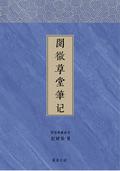 Yuewei Cottage Notes (Hardcover)
"Yuewei Thatched Cottage Notes" is the brainchild of Ji Xiaolan in his later years. Together with "Strange Stories from a Chinese Studio", it is called the "Twin Biscuits" among Qing Dynasty note novels. This work is not only a leader in fantasy novels, but also a vivid historical material for the study of Qing Dynasty society. Lu Xun praised it highly for its "interesting thoughts and witty words, which are timely enough to explain Yi; the occasional examination and analysis are also insightful
—Reads8.6Score—Shelves
Yuewei Cottage Notes (Hardcover)
"Yuewei Thatched Cottage Notes" is the brainchild of Ji Xiaolan in his later years. Together with "Strange Stories from a Chinese Studio", it is called the "Twin Biscuits" among Qing Dynasty note novels. This work is not only a leader in fantasy novels, but also a vivid historical material for the study of Qing Dynasty society. Lu Xun praised it highly for its "interesting thoughts and witty words, which are timely enough to explain Yi; the occasional examination and analysis are also insightful
—Reads8.6Score—Shelves
-
 Collected Works of Liu Yu, Emperor Wu of the Song Dynasty in the Southern Dynasties
This collection is part of the "Writings of the Three Ancient Dynasties, Qin, Han, Three Kingdoms and Six Dynasties", compiled by Qing Dynasty scholar Yan Kejun from various documents, covering epigraphic tablets, miscellaneous notes, books, notes, ancient annotations, classics and even Buddhist and Taoist scriptures, etc. Moreover, each author is accompanied by a biography, and the source of the edited text is also indicated, which is of extremely important academic value. This time, Zi'ang Cul
—Reads8.0Score—Shelves
Collected Works of Liu Yu, Emperor Wu of the Song Dynasty in the Southern Dynasties
This collection is part of the "Writings of the Three Ancient Dynasties, Qin, Han, Three Kingdoms and Six Dynasties", compiled by Qing Dynasty scholar Yan Kejun from various documents, covering epigraphic tablets, miscellaneous notes, books, notes, ancient annotations, classics and even Buddhist and Taoist scriptures, etc. Moreover, each author is accompanied by a biography, and the source of the edited text is also indicated, which is of extremely important academic value. This time, Zi'ang Cul
—Reads8.0Score—Shelves
-
 Yiyuan
Ancient Chinese medicine books are a shining pearl in the treasure house of Chinese medicine. They have high guiding significance and practical value, and have made significant contributions and far-reaching influences on the development of medicine in later generations.
—Reads8.5Score—Shelves
Yiyuan
Ancient Chinese medicine books are a shining pearl in the treasure house of Chinese medicine. They have high guiding significance and practical value, and have made significant contributions and far-reaching influences on the development of medicine in later generations.
—Reads8.5Score—Shelves
-
 Travels in Yunnan
Chinese traditional cultural thoughts have a long history and are highly original, original and literary. The early ideological forms were very distinctive, with extensive and profound contents such as religious theology, Chinese medicine classics, ancient military art, Confucianism, Taoism, Buddhism and hundreds of schools of thought, Feng Shui metaphysics, Twenty-Four Histories, customs and geography, etc. This series of "Original Books on Classic Chinese Studies and Essence Culture" retains t
—Reads7.9Score—Shelves
Travels in Yunnan
Chinese traditional cultural thoughts have a long history and are highly original, original and literary. The early ideological forms were very distinctive, with extensive and profound contents such as religious theology, Chinese medicine classics, ancient military art, Confucianism, Taoism, Buddhism and hundreds of schools of thought, Feng Shui metaphysics, Twenty-Four Histories, customs and geography, etc. This series of "Original Books on Classic Chinese Studies and Essence Culture" retains t
—Reads7.9Score—Shelves
-
 Manchurian Records
—Reads8.2Score—Shelves
Manchurian Records
Manchurian Records
—Reads8.2Score—Shelves
-
 Four Essentials of Health Preservation
There are four ways to maintain health, which are to have few desires, to act with caution, to practice law at the right time, and to eliminate diseases. Most of the qigong health-preserving contents described are examples, which are different from general talk. What is discussed is practical and feasible, and there is no myth or falsehood. It is very valuable. It has contributed to the formation of a relatively complete system of medicinal bait health-preserving, pointed out the principles of p
—Reads9.3Score—Shelves
Four Essentials of Health Preservation
There are four ways to maintain health, which are to have few desires, to act with caution, to practice law at the right time, and to eliminate diseases. Most of the qigong health-preserving contents described are examples, which are different from general talk. What is discussed is practical and feasible, and there is no myth or falsehood. It is very valuable. It has contributed to the formation of a relatively complete system of medicinal bait health-preserving, pointed out the principles of p
—Reads9.3Score—Shelves
-
 Miscellaneous Works on Mysteries
This work "Miscellaneous Works Zhixuan Chapter" is written by an unknown author
—Reads8.2Score—Shelves
Miscellaneous Works on Mysteries
This work "Miscellaneous Works Zhixuan Chapter" is written by an unknown author
—Reads8.2Score—Shelves
-
 Q&A on Lu Zu Jinhua's Purpose
This work "Lv Zu Jinhua Purpose Explanation of Q&A" is written by an anonymous author
—Reads8.5Score—Shelves
Q&A on Lu Zu Jinhua's Purpose
This work "Lv Zu Jinhua Purpose Explanation of Q&A" is written by an anonymous author
—Reads8.5Score—Shelves
-
 Taishang Yuqingyin of the Shangqing Dynasty Wrote the Demon-Destroying God Hui Gaoxuan Zhenjing
The cave is really high and the jade is hidden in the book. It is called "Yu Qing Yin Shu" for short. The author is unknown, probably from the Eastern Jin Dynasty. It is an important classic of the early Shangqing sect. It originally had four volumes and eight chapters, but was later divided into four types. Namely: three chapters of "The True Scripture of Demon-Destroying Jade Emperor Hui Gao Xuan"; three chapters of "The Supreme Scripture of Demon-Destroying Jade Emperor God Hui Yu Qing Yin";
—Reads8.0Score—Shelves
Taishang Yuqingyin of the Shangqing Dynasty Wrote the Demon-Destroying God Hui Gaoxuan Zhenjing
The cave is really high and the jade is hidden in the book. It is called "Yu Qing Yin Shu" for short. The author is unknown, probably from the Eastern Jin Dynasty. It is an important classic of the early Shangqing sect. It originally had four volumes and eight chapters, but was later divided into four types. Namely: three chapters of "The True Scripture of Demon-Destroying Jade Emperor Hui Gao Xuan"; three chapters of "The Supreme Scripture of Demon-Destroying Jade Emperor God Hui Yu Qing Yin";
—Reads8.0Score—Shelves
-
 Shang Qing Ming Jian Yao Jing
Shang Qing Ming Jian Yao Sutra. The author is unknown, probably from the Northern and Southern Dynasties or the Sui and Tang Dynasties. He was told to use the mirror method and take the magical prescription. One roll. Original source: the first part of "Orthodox Taoist Canon".
—Reads7.9Score—Shelves
Shang Qing Ming Jian Yao Jing
Shang Qing Ming Jian Yao Sutra. The author is unknown, probably from the Northern and Southern Dynasties or the Sui and Tang Dynasties. He was told to use the mirror method and take the magical prescription. One roll. Original source: the first part of "Orthodox Taoist Canon".
—Reads7.9Score—Shelves
-
 Xuanzhen Lingying Treasure Lot
Chinese traditional cultural thoughts have a long history and are highly original, original and literary. The early ideological forms were very distinctive, with extensive and profound contents such as religious theology, Chinese medicine classics, ancient military art, Confucianism, Taoism, Buddhism and hundreds of schools of thought, Feng Shui metaphysics, Twenty-Four Histories, customs and geography, etc. This series of "Original Books on Classic Chinese Studies and Essence Culture" retains t
—Reads8.2Score—Shelves
Xuanzhen Lingying Treasure Lot
Chinese traditional cultural thoughts have a long history and are highly original, original and literary. The early ideological forms were very distinctive, with extensive and profound contents such as religious theology, Chinese medicine classics, ancient military art, Confucianism, Taoism, Buddhism and hundreds of schools of thought, Feng Shui metaphysics, Twenty-Four Histories, customs and geography, etc. This series of "Original Books on Classic Chinese Studies and Essence Culture" retains t
—Reads8.2Score—Shelves
-
 Beauty Spectrum
Xu Zhen believes that beauty has ten standards and moods, namely appearance, charm, skills, conduct, residence, hospitality, decoration, assistance, food, and interest.
—Reads8.5Score—Shelves
Beauty Spectrum
Xu Zhen believes that beauty has ten standards and moods, namely appearance, charm, skills, conduct, residence, hospitality, decoration, assistance, food, and interest.
—Reads8.5Score—Shelves
-
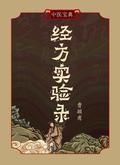 Traditional Chinese Medicine Collection: Experimental Records of Classic Prescriptions
Cao Yingfu is a well-deserved master of classic prescriptions. He proposed "practice of classic prescriptions" and focused on clinical practice. He often used clinical cases to analyze the mechanism of disease changes, and used this to further verify the clinical practical value of Zhongjing's classic prescriptions! Not only did he have superb medical skills and rich writings, but he also had students all over the world. Qin Bomo and Zhang Cigong were all his students. During the Anti-Japanese W
—Reads9.2Score—Shelves
Traditional Chinese Medicine Collection: Experimental Records of Classic Prescriptions
Cao Yingfu is a well-deserved master of classic prescriptions. He proposed "practice of classic prescriptions" and focused on clinical practice. He often used clinical cases to analyze the mechanism of disease changes, and used this to further verify the clinical practical value of Zhongjing's classic prescriptions! Not only did he have superb medical skills and rich writings, but he also had students all over the world. Qin Bomo and Zhang Cigong were all his students. During the Anti-Japanese W
—Reads9.2Score—Shelves
-
 Annotations on the Ancient Difficult Sutra
Medical classics. Four volumes (later there are two volumes and one volume, all with the same content). (Qing Dynasty) Note by Ding Jin. First published in 1738.
—Reads9.1Score—Shelves
Annotations on the Ancient Difficult Sutra
Medical classics. Four volumes (later there are two volumes and one volume, all with the same content). (Qing Dynasty) Note by Ding Jin. First published in 1738.
—Reads9.1Score—Shelves
-
 Rescue Secrets
"Secret Instructions for Rescuing the Injured", a monograph on traumatology, not divided into volumes. It was compiled by Zhao Tinghai (Lanting) of the Qing Dynasty and published in the second year of Xianfeng (1852). In addition to the general introduction to the treatment of injuries, general prescriptions, illustrated illustrations of the thirty-six major acupoints, etc., The book also includes "Shaolin Temple Secret Prescriptions for Internal and External Injuries", "Wang Ruibo's Treatise on
—Reads8.2Score—Shelves
Rescue Secrets
"Secret Instructions for Rescuing the Injured", a monograph on traumatology, not divided into volumes. It was compiled by Zhao Tinghai (Lanting) of the Qing Dynasty and published in the second year of Xianfeng (1852). In addition to the general introduction to the treatment of injuries, general prescriptions, illustrated illustrations of the thirty-six major acupoints, etc., The book also includes "Shaolin Temple Secret Prescriptions for Internal and External Injuries", "Wang Ruibo's Treatise on
—Reads8.2Score—Shelves
-
 Huang Di Su Wen Xuan Ming's Prescriptions
"Huang Di Su Wen Xuan Ming Lun Prescription", also known as "Xuan Ming Lun Prescription" and "Essence of Medical Prescriptions Xuan Ming Lun", are important clinical works by Liu Wansu, a master of traditional Chinese medicine in the Jin Dynasty. It is compiled by excerpting the contents about diseases and syndromes from "Suwen", classifying and organizing them, and expounding them in detail based on personal clinical experience.
—Reads8.3Score—Shelves
Huang Di Su Wen Xuan Ming's Prescriptions
"Huang Di Su Wen Xuan Ming Lun Prescription", also known as "Xuan Ming Lun Prescription" and "Essence of Medical Prescriptions Xuan Ming Lun", are important clinical works by Liu Wansu, a master of traditional Chinese medicine in the Jin Dynasty. It is compiled by excerpting the contents about diseases and syndromes from "Suwen", classifying and organizing them, and expounding them in detail based on personal clinical experience.
—Reads8.3Score—Shelves
-
 Gynecological Secrets
Ancient Chinese medicine books are a shining pearl in the treasure house of Chinese medicine. They have high guiding significance and practical value, and have made significant contributions and far-reaching influences on the development of medicine in later generations.
—Reads8.6Score—Shelves
Gynecological Secrets
Ancient Chinese medicine books are a shining pearl in the treasure house of Chinese medicine. They have high guiding significance and practical value, and have made significant contributions and far-reaching influences on the development of medicine in later generations.
—Reads8.6Score—Shelves
-
 Master of Surgery
Ancient Chinese medicine books are a shining pearl in the treasure house of Chinese medicine. They have high guiding significance and practical value, and have made significant contributions and far-reaching influences on the development of medicine in later generations.
—Reads8.1Score—Shelves
Master of Surgery
Ancient Chinese medicine books are a shining pearl in the treasure house of Chinese medicine. They have high guiding significance and practical value, and have made significant contributions and far-reaching influences on the development of medicine in later generations.
—Reads8.1Score—Shelves
-
 On the Causes and Symptoms of Various Diseases
The earliest monograph in China discussing the causes and syndromes of various diseases, mainly internal medicine. Also known as "A General Treatise on the Causes and Symptoms of Diseases" and "The Causes of Chao's Disease".
—Reads8.2Score—Shelves
On the Causes and Symptoms of Various Diseases
The earliest monograph in China discussing the causes and syndromes of various diseases, mainly internal medicine. Also known as "A General Treatise on the Causes and Symptoms of Diseases" and "The Causes of Chao's Disease".
—Reads8.2Score—Shelves
-
 New Materia Medica
"New Compilation of Materia Medica" is a volume in the series "Classic Library of Traditional Chinese Medicine". "New Compendium of Materia Medica", also known as "Materia Medica Secret Records", was written by Chen Shiduo in the Qing Dynasty. "New Compilation of Materia Medica" is divided into five volumes: Gongji, Shangji, Jiaoji, Zhengji, and Yuji. The front of the volume contains the "New Compilation of Materia Medica" written by Jihua Chuanjin in the spring of Xinwei, the 30th year of Kangx
—Reads9.3Score—Shelves
New Materia Medica
"New Compilation of Materia Medica" is a volume in the series "Classic Library of Traditional Chinese Medicine". "New Compendium of Materia Medica", also known as "Materia Medica Secret Records", was written by Chen Shiduo in the Qing Dynasty. "New Compilation of Materia Medica" is divided into five volumes: Gongji, Shangji, Jiaoji, Zhengji, and Yuji. The front of the volume contains the "New Compilation of Materia Medica" written by Jihua Chuanjin in the spring of Xinwei, the 30th year of Kangx
—Reads9.3Score—Shelves
-
 Synopsis of Saint Francis
"Zonglu of Shengji", Complete Book of Traditional Chinese Medicine, 200 volumes. Also known as "Zhenghe Shengji Zonglu" and "Dade Chongxiao Shengji Zonglu". Written by Zhao Ji, Emperor Huizong of the Song Dynasty. It was written during the Zhenghe period of the Northern Song Dynasty (1111-1117). This book is a collection of medical prescriptions offered by folk and medical experts in the Song Dynasty, and compiled and compiled from the secret recipes stored in the "Inner Palace". In terms of the
—Reads8.7Score—Shelves
Synopsis of Saint Francis
"Zonglu of Shengji", Complete Book of Traditional Chinese Medicine, 200 volumes. Also known as "Zhenghe Shengji Zonglu" and "Dade Chongxiao Shengji Zonglu". Written by Zhao Ji, Emperor Huizong of the Song Dynasty. It was written during the Zhenghe period of the Northern Song Dynasty (1111-1117). This book is a collection of medical prescriptions offered by folk and medical experts in the Song Dynasty, and compiled and compiled from the secret recipes stored in the "Inner Palace". In terms of the
—Reads8.7Score—Shelves
-
 Key Tips for Treating Miscellaneous Diseases in Childhood
This work "Keys to Mental Treatment of Miscellaneous Diseases in Children" is written by Wu Qian
—Reads8.0Score—Shelves
Key Tips for Treating Miscellaneous Diseases in Childhood
This work "Keys to Mental Treatment of Miscellaneous Diseases in Children" is written by Wu Qian
—Reads8.0Score—Shelves
-
 Su Chenliangfang
"Su Chen Liang Prescription", also known as "Nei Han Liang Prescription" or "Su Chen Nei Han Liang Prescription", is a joint edition of "Liang Prescription" written by Shen Kuo of the Northern Song Dynasty and "Su Xueshi Prescription" written by Su Shi. It was published in the eighth year of Xining in the Northern Song Dynasty (1075). The original book has fifteen volumes. The current version has ten volumes and eight volumes, which are quite different. In addition to recording some single presc
—Reads8.2Score—Shelves
Su Chenliangfang
"Su Chen Liang Prescription", also known as "Nei Han Liang Prescription" or "Su Chen Nei Han Liang Prescription", is a joint edition of "Liang Prescription" written by Shen Kuo of the Northern Song Dynasty and "Su Xueshi Prescription" written by Su Shi. It was published in the eighth year of Xining in the Northern Song Dynasty (1075). The original book has fifteen volumes. The current version has ten volumes and eight volumes, which are quite different. In addition to recording some single presc
—Reads8.2Score—Shelves
-
 Medical Prescriptions in Brief
Ancient Chinese medicine books are a shining pearl in the treasure house of Chinese medicine. They have high guiding significance and practical value, and have made significant contributions and far-reaching influences on the development of medicine in later generations.
—Reads8.3Score—Shelves
Medical Prescriptions in Brief
Ancient Chinese medicine books are a shining pearl in the treasure house of Chinese medicine. They have high guiding significance and practical value, and have made significant contributions and far-reaching influences on the development of medicine in later generations.
—Reads8.3Score—Shelves
-
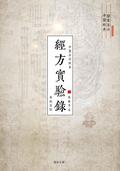 Experimental Records of Classic Prescriptions
"Jingfang Experimental Record" contains 100 verified cases. The first volume contains 35 examination cases of classic prescriptions such as Guizhi Decoction, Mahuang Decoction, and Dachengqi Decoction; the middle volume covers 40 examination cases of Guizhi Ermahuang One Decoction, Baihu plus Guizhi Decoction, Xiaoqinglong Decoction, etc.; The second volume focuses on 25 examination cases of various internal and external gynecological diseases such as lung abscess, Lijie, and postpartum Yangming
—Reads9.2Score—Shelves
Experimental Records of Classic Prescriptions
"Jingfang Experimental Record" contains 100 verified cases. The first volume contains 35 examination cases of classic prescriptions such as Guizhi Decoction, Mahuang Decoction, and Dachengqi Decoction; the middle volume covers 40 examination cases of Guizhi Ermahuang One Decoction, Baihu plus Guizhi Decoction, Xiaoqinglong Decoction, etc.; The second volume focuses on 25 examination cases of various internal and external gynecological diseases such as lung abscess, Lijie, and postpartum Yangming
—Reads9.2Score—Shelves
-
 Cooking Medicine Comics
Chinese traditional cultural thoughts have a long history and are highly original, original and literary. The early ideological forms were very distinctive, with extensive and profound contents such as religious theology, Chinese medicine classics, ancient military art, Confucianism, Taoism, Buddhism and hundreds of schools of thought, Feng Shui metaphysics, Twenty-Four Histories, customs and geography, etc. This series of "Original Books on Classic Chinese Studies and Essence Culture" retains t
—Reads7.7Score—Shelves
Cooking Medicine Comics
Chinese traditional cultural thoughts have a long history and are highly original, original and literary. The early ideological forms were very distinctive, with extensive and profound contents such as religious theology, Chinese medicine classics, ancient military art, Confucianism, Taoism, Buddhism and hundreds of schools of thought, Feng Shui metaphysics, Twenty-Four Histories, customs and geography, etc. This series of "Original Books on Classic Chinese Studies and Essence Culture" retains t
—Reads7.7Score—Shelves