Fanqie library
Browse
- Titles
- 485
Every Fanqie book we index, searchable by title, author or tag.
-
 Identification Stickers for Bells, Tripods and Yi Utensils from Past Dynasties
Ancient epigraphy works. Written by Xue Shanggong. It is designed to identify calligraphy, so it is called "Fa Tie". Later generations paid more attention to it because it was the richest collection of rubbings containing bronze inscriptions in the Song Dynasty. The stone carving of this book was completed in the 14th year of Shaoxing in the Southern Song Dynasty (1144). The remaining leaves of the stone carving are now in the Shanghai Museum, the Institute of History and Philology of Academia S
—Reads7.9Score—Shelves
Identification Stickers for Bells, Tripods and Yi Utensils from Past Dynasties
Ancient epigraphy works. Written by Xue Shanggong. It is designed to identify calligraphy, so it is called "Fa Tie". Later generations paid more attention to it because it was the richest collection of rubbings containing bronze inscriptions in the Song Dynasty. The stone carving of this book was completed in the 14th year of Shaoxing in the Southern Song Dynasty (1144). The remaining leaves of the stone carving are now in the Shanghai Museum, the Institute of History and Philology of Academia S
—Reads7.9Score—Shelves
-
 Jiao Xuan Sui Lu
"Suilu of Jiaoxuan", twelve volumes. Written by Fang Junshi of the Qing Dynasty (year of birth and death unknown). Fang Junshi, whose courtesy name was Ziyan, was appointed as a civil servant in Xianfeng, and his official position was in Yongdinghedao. This book contains some miscellaneous anecdotes, as well as some historical textual research and poetry criticism. Each volume of the book has a table of contents, and the records are relatively messy. The views in the book oppose the discussions
—Reads7.8Score—Shelves
Jiao Xuan Sui Lu
"Suilu of Jiaoxuan", twelve volumes. Written by Fang Junshi of the Qing Dynasty (year of birth and death unknown). Fang Junshi, whose courtesy name was Ziyan, was appointed as a civil servant in Xianfeng, and his official position was in Yongdinghedao. This book contains some miscellaneous anecdotes, as well as some historical textual research and poetry criticism. Each volume of the book has a table of contents, and the records are relatively messy. The views in the book oppose the discussions
—Reads7.8Score—Shelves
-
 Kaiyuan Divination-Tang Dynasty-Qutan Siddha
—Reads8.4Score—Shelves
Kaiyuan Divination-Tang Dynasty-Qutan Siddha
Kaiyuan Divination-Tang Dynasty-Qutan Siddha
—Reads8.4Score—Shelves
-
 Secret Keys and Prescriptions for Syndrome and Treatment
"Secret Keys and Prescriptions for Syndrome and Treatment", Medical Series. It is a joint edition of "Secret Keys to Syndrome and Treatment" and "Keys to Syndrome and Treatment". Published by The Commercial Press in 1955. This book is divided into two parts: "Secret Keys to Syndrome and Treatment" and "Keys to Syndrome and Treatment", both written by Dai Yuanli, a physician in the Ming Dynasty. The former contains twelve volumes, divided into twelve categories, listing a number of diseases and s
—Reads8.3Score—Shelves
Secret Keys and Prescriptions for Syndrome and Treatment
"Secret Keys and Prescriptions for Syndrome and Treatment", Medical Series. It is a joint edition of "Secret Keys to Syndrome and Treatment" and "Keys to Syndrome and Treatment". Published by The Commercial Press in 1955. This book is divided into two parts: "Secret Keys to Syndrome and Treatment" and "Keys to Syndrome and Treatment", both written by Dai Yuanli, a physician in the Ming Dynasty. The former contains twelve volumes, divided into twelve categories, listing a number of diseases and s
—Reads8.3Score—Shelves
-
 Keys to Diagnosis and Treatment
This work "Keys to Syndrome and Treatment" is written by Dai Sigong
—Reads8.2Score—Shelves
Keys to Diagnosis and Treatment
This work "Keys to Syndrome and Treatment" is written by Dai Sigong
—Reads8.2Score—Shelves
-
 Liuren Jingwei - Qing Dynasty - Jingjiang Iron Wengzi
—Reads8.1Score—Shelves
Liuren Jingwei - Qing Dynasty - Jingjiang Iron Wengzi
Liuren Jingwei - Qing Dynasty - Jingjiang Iron Wengzi
—Reads8.1Score—Shelves
-
 Yi Fen Wen Ji
An important work describing the historical facts of the Opium War. Written by Liang Tingnan, it was written between 1849 and 1853 (the 29th year of Daoguang - the third year of Xianfeng), with 5 volumes and about 100,000 words. Because this book exposed and criticized the Qing rulers' performance in the Opium War, although it was published many times, it was not signed with the author's name and had no "preface", so it was not widely circulated. The content of the book begins with the smoking b
—Reads7.6Score—Shelves
Yi Fen Wen Ji
An important work describing the historical facts of the Opium War. Written by Liang Tingnan, it was written between 1849 and 1853 (the 29th year of Daoguang - the third year of Xianfeng), with 5 volumes and about 100,000 words. Because this book exposed and criticized the Qing rulers' performance in the Opium War, although it was published many times, it was not signed with the author's name and had no "preface", so it was not widely circulated. The content of the book begins with the smoking b
—Reads7.6Score—Shelves
-
 2016 China Animation and Game Industry Annual Report
This book is structurally divided into six parts: main report, sub-reports, special reports, regional reports, case analysis and appendices. A comprehensive review and in-depth analysis of animation books, TV animation, animated movies, animation game toys, mobile game industry, e-sports industry and other fields were conducted, and the development trends of the industry were predicted.
—Reads—Score—Shelves
2016 China Animation and Game Industry Annual Report
This book is structurally divided into six parts: main report, sub-reports, special reports, regional reports, case analysis and appendices. A comprehensive review and in-depth analysis of animation books, TV animation, animated movies, animation game toys, mobile game industry, e-sports industry and other fields were conducted, and the development trends of the industry were predicted.
—Reads—Score—Shelves
-
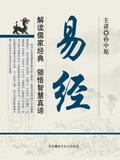 Book of Changes
The "Book of Changes" was originally a divination book written by historians of the Shang and Zhou Dynasties. It was interpreted and developed by Confucian scholars in the Spring and Autumn and Warring States periods into a philosophical book. In feudal society, it was the study of emperors. The famous scholar Sun Zhongyuan guided people to treat the book scientifically through the editing and dissemination process of the "Book of Changes", the meaning of the hexagrams and lines, and the ideolog
—Reads8.2Score—Shelves
Book of Changes
The "Book of Changes" was originally a divination book written by historians of the Shang and Zhou Dynasties. It was interpreted and developed by Confucian scholars in the Spring and Autumn and Warring States periods into a philosophical book. In feudal society, it was the study of emperors. The famous scholar Sun Zhongyuan guided people to treat the book scientifically through the editing and dissemination process of the "Book of Changes", the meaning of the hexagrams and lines, and the ideolog
—Reads8.2Score—Shelves
-
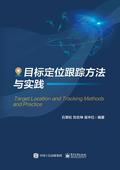 Target Positioning and Tracking Methods and Practices
This book systematically introduces the theoretical research results and practical cases of target positioning and tracking in charge and fire control data processing at home and abroad for many years. The book consists of 7 chapters. The main contents include: basic concepts and principles of target positioning and tracking; estimation theory and filtering methods of discrete-time systems; target positioning methods; basic methods of target tracking; underwater target tracking methods based on
—Reads8.0Score—Shelves
Target Positioning and Tracking Methods and Practices
This book systematically introduces the theoretical research results and practical cases of target positioning and tracking in charge and fire control data processing at home and abroad for many years. The book consists of 7 chapters. The main contents include: basic concepts and principles of target positioning and tracking; estimation theory and filtering methods of discrete-time systems; target positioning methods; basic methods of target tracking; underwater target tracking methods based on
—Reads8.0Score—Shelves
-
 Commentary on the Sutra of Chang Qingjing by Taishang Laojun - Li Daochun
—Reads8.5Score—Shelves
Commentary on the Sutra of Chang Qingjing by Taishang Laojun - Li Daochun
Commentary on the Sutra of Chang Qingjing by Taishang Laojun - Li Daochun
—Reads8.5Score—Shelves
-
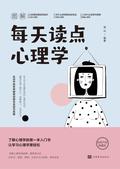 Illustrated Reading of Psychology Every Day
"Illustrated Reading Psychology Every Day" is divided into three parts: Part One, Middle and Part Two. The first part comprehensively introduces the history of psychology, the main schools of psychology, representative figures and their important theories and ideas; the middle part focuses on psychology in life and introduces the practical application skills of psychology in all aspects of life, including educational psychology, learning psychology, interpersonal psychology, workplace psychology
—Reads8.3Score—Shelves
Illustrated Reading of Psychology Every Day
"Illustrated Reading Psychology Every Day" is divided into three parts: Part One, Middle and Part Two. The first part comprehensively introduces the history of psychology, the main schools of psychology, representative figures and their important theories and ideas; the middle part focuses on psychology in life and introduces the practical application skills of psychology in all aspects of life, including educational psychology, learning psychology, interpersonal psychology, workplace psychology
—Reads8.3Score—Shelves
-
 Psychological Healing: Interpretation of "Mr. Toad Goes to a Psychologist"
Emerging humanities anchor interprets classic books Jing follows Mr. Toad's experience to explore in depth psychotherapy Heal yourself with sound and live a new life The protagonist of "Mr. Toad Goes to a Psychologist" is such an existence. Facing the harsh words of his friends, the Rat and the Badger, and the controlling accusations from his parents, obedience and flattery became Toad's only way to get along with them. He obviously has low self-esteem and is sensitive on the inside, and hates h
—Reads—Score—Shelves
Psychological Healing: Interpretation of "Mr. Toad Goes to a Psychologist"
Emerging humanities anchor interprets classic books Jing follows Mr. Toad's experience to explore in depth psychotherapy Heal yourself with sound and live a new life The protagonist of "Mr. Toad Goes to a Psychologist" is such an existence. Facing the harsh words of his friends, the Rat and the Badger, and the controlling accusations from his parents, obedience and flattery became Toad's only way to get along with them. He obviously has low self-esteem and is sensitive on the inside, and hates h
—Reads—Score—Shelves
-
 "Anglo-American" Diplomats and the Nationalist Government's U. S. Aid Diplomacy
In the diplomatic history of the Republic of China, the "Anglo-American" diplomats were a special and important group. This book places the "Anglo-American faction" diplomats in the overall perspective of China's Anti-Japanese War from 1931 to 1945, examines the internal and external environment in which this group emerged, and explores the relationship between the "Anglo-American faction" diplomats and the Nationalist Government's U. S.-Aid diplomacy, as well as their role in the Nationalist Go
—Reads7.9Score—Shelves
"Anglo-American" Diplomats and the Nationalist Government's U. S. Aid Diplomacy
In the diplomatic history of the Republic of China, the "Anglo-American" diplomats were a special and important group. This book places the "Anglo-American faction" diplomats in the overall perspective of China's Anti-Japanese War from 1931 to 1945, examines the internal and external environment in which this group emerged, and explores the relationship between the "Anglo-American faction" diplomats and the Nationalist Government's U. S.-Aid diplomacy, as well as their role in the Nationalist Go
—Reads7.9Score—Shelves
-
 A Cure for One Disease, a Cure for Ten Diseases
The husband's medicine is the way, and his hands are worth experimenting. Qiu Junjisheng collected thousands of books, and he did not focus on most of the books that collected opinions. Hengtiao's works in single volumes were based on his own experience, and many of them contained inventions, such as "Quanshengji" by Wang Hongxu of surgery, "Yilin Gaizeng" by Wang Qingren of internal medicine, etc. There were not many arguments, but they were all original and innovative. In particular, the metho
—Reads8.4Score—Shelves
A Cure for One Disease, a Cure for Ten Diseases
The husband's medicine is the way, and his hands are worth experimenting. Qiu Junjisheng collected thousands of books, and he did not focus on most of the books that collected opinions. Hengtiao's works in single volumes were based on his own experience, and many of them contained inventions, such as "Quanshengji" by Wang Hongxu of surgery, "Yilin Gaizeng" by Wang Qingren of internal medicine, etc. There were not many arguments, but they were all original and innovative. In particular, the metho
—Reads8.4Score—Shelves
-
 Literature
Chinese traditional cultural thoughts have a long history and are highly original, original and literary. The early ideological forms were very distinctive, with extensive and profound contents such as religious theology, Chinese medicine classics, ancient military art, Confucianism, Taoism, Buddhism and hundreds of schools of thought, Feng Shui metaphysics, Twenty-Four Histories, customs and geography, etc. This series of "Original Books on Classic Chinese Studies and Essence Culture" retains t
—Reads8.0Score—Shelves
Literature
Chinese traditional cultural thoughts have a long history and are highly original, original and literary. The early ideological forms were very distinctive, with extensive and profound contents such as religious theology, Chinese medicine classics, ancient military art, Confucianism, Taoism, Buddhism and hundreds of schools of thought, Feng Shui metaphysics, Twenty-Four Histories, customs and geography, etc. This series of "Original Books on Classic Chinese Studies and Essence Culture" retains t
—Reads8.0Score—Shelves
-
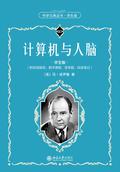 Computers and the Human Brain (Student Edition)
A classic work that provides the ideological foundation for electronic computers and artificial intelligence. It is compiled based on some of the author's speeches during his lifetime. With the advent of the era of artificial intelligence, humans are paying more attention to whether computers can become intelligent, that is, work like the human brain. The author uses mathematical language to express his thinking on this issue in the book. It is divided into two parts: "Computer" and "Human Brain
—Reads8.7Score—Shelves
Computers and the Human Brain (Student Edition)
A classic work that provides the ideological foundation for electronic computers and artificial intelligence. It is compiled based on some of the author's speeches during his lifetime. With the advent of the era of artificial intelligence, humans are paying more attention to whether computers can become intelligent, that is, work like the human brain. The author uses mathematical language to express his thinking on this issue in the book. It is divided into two parts: "Computer" and "Human Brain
—Reads8.7Score—Shelves
-
 Layout|deception in Ancient and Modern Times, Both at Home and Abroad
Introduction: Hello, welcome to the world of deception. From ancient times to the present, deception is everywhere and constantly evolving. I want to tell you, what kind of logic and human nature are behind those so-called clever scams? Why do people get deceived? Why do scammers always fall for it despite their many loopholes? Do you think the answer is very simple: scammers take advantage of the weaknesses of human nature [greed, stupidity, laziness]? No, this is by no means an eternal theme i
—Reads8.5Score—Shelves
Layout|deception in Ancient and Modern Times, Both at Home and Abroad
Introduction: Hello, welcome to the world of deception. From ancient times to the present, deception is everywhere and constantly evolving. I want to tell you, what kind of logic and human nature are behind those so-called clever scams? Why do people get deceived? Why do scammers always fall for it despite their many loopholes? Do you think the answer is very simple: scammers take advantage of the weaknesses of human nature [greed, stupidity, laziness]? No, this is by no means an eternal theme i
—Reads8.5Score—Shelves
-
 Routine | Lover's Trap | Emotional Scammer | Fraudulent Trick
Layers of routines, traps at every step! This album dismantles various real fraud cases, restores the scammers' serial rhetoric, traps, and brainwashing methods, and reveals the logic of common traps such as telecommunications fraud, pig-killing scams, and investment scams. Dismantle the essence of scams, help you build a strong awareness of fraud prevention, avoid life traps, and protect your money bag.
—Reads8.3Score—Shelves
Routine | Lover's Trap | Emotional Scammer | Fraudulent Trick
Layers of routines, traps at every step! This album dismantles various real fraud cases, restores the scammers' serial rhetoric, traps, and brainwashing methods, and reveals the logic of common traps such as telecommunications fraud, pig-killing scams, and investment scams. Dismantle the essence of scams, help you build a strong awareness of fraud prevention, avoid life traps, and protect your money bag.
—Reads8.3Score—Shelves
-
 Gangster Madmannanxia Detachment
Rumors in the world: Hua Laogui's hands, Oil Cripple's legs. Damin couldn't catch him, and Sanqing couldn't catch him. Xiao Laojiu, the most powerful person in the boat, is the dead child of the Guanzi Gang. The Three Wolves of the Yang Clan, the Old Poisonous Scorpion of the Northwest. It's better to run into ghosts than these people when you go out. Blood, morality, insidiousness, swords and guns, everything in the world is like this, let alone the rampant gangsters in the world!
—Reads8.9Score—Shelves
Gangster Madmannanxia Detachment
Rumors in the world: Hua Laogui's hands, Oil Cripple's legs. Damin couldn't catch him, and Sanqing couldn't catch him. Xiao Laojiu, the most powerful person in the boat, is the dead child of the Guanzi Gang. The Three Wolves of the Yang Clan, the Old Poisonous Scorpion of the Northwest. It's better to run into ghosts than these people when you go out. Blood, morality, insidiousness, swords and guns, everything in the world is like this, let alone the rampant gangsters in the world!
—Reads8.9Score—Shelves
-
 Taishang Datong Sutra Commentary
Original source: "Legendary Taoist Canon" Dongzhenbu Jade Jue Class.
—Reads8.1Score—Shelves
Taishang Datong Sutra Commentary
Original source: "Legendary Taoist Canon" Dongzhenbu Jade Jue Class.
—Reads8.1Score—Shelves
-
 Heavenly God Light Sutra
The Divine Light Sutra. Written by Song Sudeng. One roll. Original source: Method Class of Dongshen Department of "Orthodox Taoist Canon".
—Reads8.3Score—Shelves
Heavenly God Light Sutra
The Divine Light Sutra. Written by Song Sudeng. One roll. Original source: Method Class of Dongshen Department of "Orthodox Taoist Canon".
—Reads8.3Score—Shelves
-
 Taoist Efficacy Notes
The book is based on the Taoist ethical thought of retribution for sins and blessings, and narrates the efficacious and inspiring deeds of history, characters, temples, scriptures, images, and heavenly masters, in order to advise the world to do good and avoid evil. The book preserves a large number of Taoist historical materials from the Han and Wei dynasties to the Sui and Tang Dynasties, and is of reference value for studying Taoist historical events, temples, talismans, and ritual rituals.
—Reads8.1Score—Shelves
Taoist Efficacy Notes
The book is based on the Taoist ethical thought of retribution for sins and blessings, and narrates the efficacious and inspiring deeds of history, characters, temples, scriptures, images, and heavenly masters, in order to advise the world to do good and avoid evil. The book preserves a large number of Taoist historical materials from the Han and Wei dynasties to the Sui and Tang Dynasties, and is of reference value for studying Taoist historical events, temples, talismans, and ritual rituals.
—Reads8.1Score—Shelves
-
 Watching Japan
This is a book prefaced by two former Japanese prime ministers, because it reflects the two prime ministers' emotions and friendship towards China, and also because of the author's understanding and discovery of the "truth about Japan" during his 20 years in Japan. The author uses a unique perspective and feeling of a journalist, and uses extremely delicate and plain language to show us a real Japan, telling us about the lives, dreams and troubles of everyone from the prime minister to ordinary
—Reads8.3Score—Shelves
Watching Japan
This is a book prefaced by two former Japanese prime ministers, because it reflects the two prime ministers' emotions and friendship towards China, and also because of the author's understanding and discovery of the "truth about Japan" during his 20 years in Japan. The author uses a unique perspective and feeling of a journalist, and uses extremely delicate and plain language to show us a real Japan, telling us about the lives, dreams and troubles of everyone from the prime minister to ordinary
—Reads8.3Score—Shelves
-
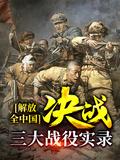 Decisive Battle: Records of Three Major Battlesliberating All of China
From September 12, 1948 to January 31, 1949, the strategic decisive battle between the Chinese People's Liberation Army and the Kuomintang army included three strategic battles: the Liaoshen Campaign, the Huaihai Campaign, and the Pingjin Campaign. The three major battles of Liaoshen, Huaihai, and Pingjin were unprecedented in the history of Chinese wars and very rare in the history of world wars in terms of scale and results.
—Reads—Score—Shelves
Decisive Battle: Records of Three Major Battlesliberating All of China
From September 12, 1948 to January 31, 1949, the strategic decisive battle between the Chinese People's Liberation Army and the Kuomintang army included three strategic battles: the Liaoshen Campaign, the Huaihai Campaign, and the Pingjin Campaign. The three major battles of Liaoshen, Huaihai, and Pingjin were unprecedented in the history of Chinese wars and very rare in the history of world wars in terms of scale and results.
—Reads—Score—Shelves
-
 Interest in Collecting
"The Interest of Collection" is based on the local culture of Gaomi. It tells about more than 40 collection projects, which are full of interest and have their own merits. It records the cultural heritage and life interest of Gaomi people, including the taste of life and the feelings of collecting. This book is the mental journey of a local art collector and an information experience exchanged by special collectors. New Year pictures, paper-cutting, embroidery, clay sculptures, clay pottery, bat
—Reads8.2Score—Shelves
Interest in Collecting
"The Interest of Collection" is based on the local culture of Gaomi. It tells about more than 40 collection projects, which are full of interest and have their own merits. It records the cultural heritage and life interest of Gaomi people, including the taste of life and the feelings of collecting. This book is the mental journey of a local art collector and an information experience exchanged by special collectors. New Year pictures, paper-cutting, embroidery, clay sculptures, clay pottery, bat
—Reads8.2Score—Shelves
-
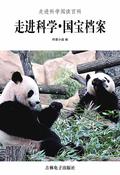 National Treasure Archives
The vast universe and the vast sea of people are full of wonders and strange things happen one after another. There are many mysteries and technological wonders that are endless and mysterious, making it difficult for us to understand our own living environment.
—Reads8.7Score—Shelves
National Treasure Archives
The vast universe and the vast sea of people are full of wonders and strange things happen one after another. There are many mysteries and technological wonders that are endless and mysterious, making it difficult for us to understand our own living environment.
—Reads8.7Score—Shelves
-
 Collection of Encouraging Bodhicitta
An introduction to Mahayana Buddhism. Three volumes. Written by Huinumao (651~714) of Tang Dynasty. He also wrote the Collection of Encouraging Enlightenment to Bodhi. Collected in the forty-fifth volume of "Taisho Zang". The content is collected from the Ten Ground Sutras, the Necklace Sutra, the Upasaka Sutra, the Yuya Sutra, the Yogacara Sutra, the Mahayana Sutra, the Exaltation of the Sacred Teachings, and the Great Wisdom Sutra. An introduction to Mahayana Buddhism. Three volumes. Written b
—Reads8.1Score—Shelves
Collection of Encouraging Bodhicitta
An introduction to Mahayana Buddhism. Three volumes. Written by Huinumao (651~714) of Tang Dynasty. He also wrote the Collection of Encouraging Enlightenment to Bodhi. Collected in the forty-fifth volume of "Taisho Zang". The content is collected from the Ten Ground Sutras, the Necklace Sutra, the Upasaka Sutra, the Yuya Sutra, the Yogacara Sutra, the Mahayana Sutra, the Exaltation of the Sacred Teachings, and the Great Wisdom Sutra. An introduction to Mahayana Buddhism. Three volumes. Written b
—Reads8.1Score—Shelves
-
 Martial Arts Editor
"Wu Bian", a military work of the Ming Dynasty, was compiled by Tang Shunzhi. This book was compiled in Jiajing, Ming Dynasty. At that time, the military preparedness of the Ming Dynasty was depleted, the generals wore light furs slowly, and the army developed the habit of being lazy and slow. It was only in the name of training simple soldiers, but without the use of strong soldiers. When there was a war, they would be hooded, timid, and had no fighting ability. Tang Shunzhi was inspired by thi
—Reads8.0Score—Shelves
Martial Arts Editor
"Wu Bian", a military work of the Ming Dynasty, was compiled by Tang Shunzhi. This book was compiled in Jiajing, Ming Dynasty. At that time, the military preparedness of the Ming Dynasty was depleted, the generals wore light furs slowly, and the army developed the habit of being lazy and slow. It was only in the name of training simple soldiers, but without the use of strong soldiers. When there was a war, they would be hooded, timid, and had no fighting ability. Tang Shunzhi was inspired by thi
—Reads8.0Score—Shelves
-
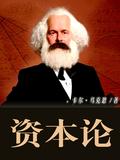 Capital
"Das Kapital" (Das Kapital), the full name of "Das Kapital: Critique of Political Economy", is a political economics work written by the German thinker Karl Marx. The first edition was published in Hamburg, Germany on September 14, 1867. This is a work that Marx spent 40 years and a lifetime of effort writing. It is not only a glorious masterpiece of political economics, but also an encyclopedia of Marxism. This masterpiece provides a profound analysis of the entire development process of capita
—Reads8.0Score—Shelves
Capital
"Das Kapital" (Das Kapital), the full name of "Das Kapital: Critique of Political Economy", is a political economics work written by the German thinker Karl Marx. The first edition was published in Hamburg, Germany on September 14, 1867. This is a work that Marx spent 40 years and a lifetime of effort writing. It is not only a glorious masterpiece of political economics, but also an encyclopedia of Marxism. This masterpiece provides a profound analysis of the entire development process of capita
—Reads8.0Score—Shelves
-
 The Supreme Court of the Shangqing Dynasty Returned to Yuanyin's Taoist Scriptures to Eliminate Crimes
Taishang of the Shangqing Dynasty returned to Yuanyin Dao to eliminate sins. The author is unknown, probably from the Eastern Jin and Southern Dynasties. The scripture is also found in the "Jiuzhenzhongjingjiangshengshendanjue". One roll. Original source: the first part of "Orthodox Taoist Canon".
—Reads8.5Score—Shelves
The Supreme Court of the Shangqing Dynasty Returned to Yuanyin's Taoist Scriptures to Eliminate Crimes
Taishang of the Shangqing Dynasty returned to Yuanyin Dao to eliminate sins. The author is unknown, probably from the Eastern Jin and Southern Dynasties. The scripture is also found in the "Jiuzhenzhongjingjiangshengshendanjue". One roll. Original source: the first part of "Orthodox Taoist Canon".
—Reads8.5Score—Shelves
-
 Notes on Taishang Xuanling Beidou's True Sutra of Prolonging Life and Prolonging Life
"Taishang Xuanling Beidou Benming Yansheng Zhenjing Annotation" is a social science book written by Xu Daoling (Yuan Dynasty). The chapter of the inscription was written by Emperor Zitong. His article describes the wonders and wonders of the Beidou Sutra. All comrades who want to recite the Beidou Sutra must read the inscription first so that they can know the beginning and end of the sutra. This should not be ignored.
—Reads8.3Score—Shelves
Notes on Taishang Xuanling Beidou's True Sutra of Prolonging Life and Prolonging Life
"Taishang Xuanling Beidou Benming Yansheng Zhenjing Annotation" is a social science book written by Xu Daoling (Yuan Dynasty). The chapter of the inscription was written by Emperor Zitong. His article describes the wonders and wonders of the Beidou Sutra. All comrades who want to recite the Beidou Sutra must read the inscription first so that they can know the beginning and end of the sutra. This should not be ignored.
—Reads8.3Score—Shelves
-
 Shangqing Pei Rune Jue
. The author is unknown, probably dating from the Tang and Song Dynasties. According to the "History of the Song Dynasty·Yiwenzhi", there were originally five volumes, which were divided into five volumes. That is, "Shangqing Pei Rune Qing Guan Jue", "White Quan Jue", "Jiang Chun Jue", "Black Quan Jue" and "Yellow Quan Jue". Now merged into one. Original source: "Orthodox Taoist Canon" Dongxuan Department Jade Jue Class.
—Reads8.1Score—Shelves
Shangqing Pei Rune Jue
Shangqing Pei Rune Jue. The author is unknown, probably dating from the Tang and Song Dynasties. According to the "History of the Song Dynasty·Yiwenzhi", there were originally five volumes, which were divided into five volumes. That is, "Shangqing Pei Rune Qing Guan Jue", "White Quan Jue", "Jiang Chun Jue", "Black Quan Jue" and "Yellow Quan Jue". Now merged into one. Original source: "Orthodox Taoist Canon" Dongxuan Department Jade Jue Class.
—Reads8.1Score—Shelves
-
 Shangqing Qiong Palace Lingfei Liujia Left and Right Upper Talisman
Qiong Palace Lingfei Liujia of the Shangqing Dynasty placed the talisman on the left and right. Also known as "Shangqing Suzou Danfu Lingfei Liujia". The author is unknown, probably from the Eastern Jin Dynasty. It is an important classic of the early Shangqing sect. One roll. Original source: "Orthodox Taoist Canon" Dong Zhen Department's magical runes.
—Reads8.1Score—Shelves
Shangqing Qiong Palace Lingfei Liujia Left and Right Upper Talisman
Qiong Palace Lingfei Liujia of the Shangqing Dynasty placed the talisman on the left and right. Also known as "Shangqing Suzou Danfu Lingfei Liujia". The author is unknown, probably from the Eastern Jin Dynasty. It is an important classic of the early Shangqing sect. One roll. Original source: "Orthodox Taoist Canon" Dong Zhen Department's magical runes.
—Reads8.1Score—Shelves
-
 Picture of the Ten Sons of Xuanyuan
Chinese traditional cultural thoughts have a long history and are highly original, original and literary. The early ideological forms were very distinctive, with extensive and profound contents such as religious theology, Chinese medicine classics, ancient military art, Confucianism, Taoism, Buddhism and hundreds of schools of thought, Feng Shui metaphysics, Twenty-Four Histories, customs and geography, etc. This series of "Original Books on Classic Chinese Studies and Essence Culture" retains t
—Reads8.1Score—Shelves
Picture of the Ten Sons of Xuanyuan
Chinese traditional cultural thoughts have a long history and are highly original, original and literary. The early ideological forms were very distinctive, with extensive and profound contents such as religious theology, Chinese medicine classics, ancient military art, Confucianism, Taoism, Buddhism and hundreds of schools of thought, Feng Shui metaphysics, Twenty-Four Histories, customs and geography, etc. This series of "Original Books on Classic Chinese Studies and Essence Culture" retains t
—Reads8.1Score—Shelves
-
 Immortal Health Secrets
It is said that in the second year of the restoration of Zhao Yongning (Zhi 7), Huangmen Shilang Liu Jing first taught it from Taibaishan people, and then corrected it from Baoyizi (Chen Xianwei), a Taoist priest in the Northern Song Dynasty. One roll. Original source: "Orthodox Taoist Canon", Dongshen Department's Various Techniques Category.
—Reads8.1Score—Shelves
Immortal Health Secrets
It is said that in the second year of the restoration of Zhao Yongning (Zhi 7), Huangmen Shilang Liu Jing first taught it from Taibaishan people, and then corrected it from Baoyizi (Chen Xianwei), a Taoist priest in the Northern Song Dynasty. One roll. Original source: "Orthodox Taoist Canon", Dongshen Department's Various Techniques Category.
—Reads8.1Score—Shelves
-
 Ode to Taishengxuan's Wonderful Sutra for Eliminating Disasters and Protecting Life
At the end of the Northern and Southern Dynasties or during the Sui and Tang Dynasties. One roll. Original source: "Orthodox Taoist Canon" Dongzhenbu text genre.
—Reads8.1Score—Shelves
Ode to Taishengxuan's Wonderful Sutra for Eliminating Disasters and Protecting Life
At the end of the Northern and Southern Dynasties or during the Sui and Tang Dynasties. One roll. Original source: "Orthodox Taoist Canon" Dongzhenbu text genre.
—Reads8.1Score—Shelves
-
 Shangqing Tai Chi Immortal Sutra
. The author is unknown, probably from the Northern and Southern Periods. It is a compilation of the early Shangqing sect's practice scriptures. There are chapters such as "Serving Si Ji Yun Ya Shang Shang", "Qing Ling Zhenren Speaks of the Divine Treasure Sutra", "Tai Shang Ming Tang Xuan Zhen Sutra", "Shang Qing Jin Que Emperor Ling Shu Zi Wen", "San Yuan Zhen Yi Jing Jue", etc. One roll. Original source: the first part of "Orthodox Taoist Canon".
—Reads8.3Score—Shelves
Shangqing Tai Chi Immortal Sutra
Shangqing Tai Chi Immortal Sutra. The author is unknown, probably from the Northern and Southern Periods. It is a compilation of the early Shangqing sect's practice scriptures. There are chapters such as "Serving Si Ji Yun Ya Shang Shang", "Qing Ling Zhenren Speaks of the Divine Treasure Sutra", "Tai Shang Ming Tang Xuan Zhen Sutra", "Shang Qing Jin Que Emperor Ling Shu Zi Wen", "San Yuan Zhen Yi Jing Jue", etc. One roll. Original source: the first part of "Orthodox Taoist Canon".
—Reads8.3Score—Shelves
-
 Yin Zhenjun's Five Phases of Metal and Stone
"Secret Book of Character Testing" is a special book that specifically describes the ancient calligraphy techniques and expounds the techniques of character testing based on ancient theories such as Yin and Yang, Five Elements, Six Gods, and Bagua. It is very representative.
—Reads8.0Score—Shelves
Yin Zhenjun's Five Phases of Metal and Stone
"Secret Book of Character Testing" is a special book that specifically describes the ancient calligraphy techniques and expounds the techniques of character testing based on ancient theories such as Yin and Yang, Five Elements, Six Gods, and Bagua. It is very representative.
—Reads8.0Score—Shelves
-
 Taishang Xuanci Aids in Transformation
Sutra name: Taishang Xuanzongzhuhuazhang. Compiled by Du Guangting, a Taoist priest in the late Tang Dynasty. Five volumes. Original source: "Orthodox Taoist Canon" Dongxuan Department's performance category.
—Reads7.9Score—Shelves
Taishang Xuanci Aids in Transformation
Sutra name: Taishang Xuanzongzhuhuazhang. Compiled by Du Guangting, a Taoist priest in the late Tang Dynasty. Five volumes. Original source: "Orthodox Taoist Canon" Dongxuan Department's performance category.
—Reads7.9Score—Shelves
-
 Taishang Cave Xuan Ling Bao Dharma Candle Sutra
. The author is unknown, but seems to have come from the Sui and Tang Dynasties. The essence of Lingbao Zhai is similar to Lu Xiujing's "Lingbao Zhai's "Ling Bao Zhai". One roll. Original source: "Orthodox Taoist Canon" Dongxuanbu text genre.
—Reads8.0Score—Shelves
Taishang Cave Xuan Ling Bao Dharma Candle Sutra
Taishang Cave Xuan Ling Bao Dharma Candle Sutra. The author is unknown, but seems to have come from the Sui and Tang Dynasties. The essence of Lingbao Zhai is similar to Lu Xiujing's "Lingbao Zhai's "Ling Bao Zhai". One roll. Original source: "Orthodox Taoist Canon" Dongxuanbu text genre.
—Reads8.0Score—Shelves
-
 Taishang Cave Xuanling Treasure Karma Sutra
This sutra is referred to as the Taishang Sutra of Karmic Retributions and Causes and Conditions or the Sutra of Karmic Retributions and Causes and Destinations. Shi Chong mentioned the Taishang Sutra of Karmic Retributions and Causes and Destinations many times in "The Origin of the Sound, Meaning and Wonderful Gate of All Taoist Sutras". This book was published in the Southern Dynasties Taoist scriptures before the Sui and Tang Dynasties. The main purpose of the sutra is to promote karma and r
—Reads8.5Score—Shelves
Taishang Cave Xuanling Treasure Karma Sutra
This sutra is referred to as the Taishang Sutra of Karmic Retributions and Causes and Conditions or the Sutra of Karmic Retributions and Causes and Destinations. Shi Chong mentioned the Taishang Sutra of Karmic Retributions and Causes and Destinations many times in "The Origin of the Sound, Meaning and Wonderful Gate of All Taoist Sutras". This book was published in the Southern Dynasties Taoist scriptures before the Sui and Tang Dynasties. The main purpose of the sutra is to promote karma and r
—Reads8.5Score—Shelves
-
 Taishang Beidou Chapter 28
 Sutra. The author is ominous and dates from the Song Dynasty. He asked the Seven-Yuan Star Lord of the Big Dipper to preach twenty-eight chapters for Emperor Ming of the Han Dynasty at Zhongnan Mountain, and he recited the Seven-Yuan Star Lord in order to save his life and eliminate disasters. One roll. Original source: "Orthodox Taoist Canon" Cave God Book.
—Reads8.1Score—Shelves
Taishang Beidou Chapter 28
Taishang Beidou Chapter 28 Sutra. The author is ominous and dates from the Song Dynasty. He asked the Seven-Yuan Star Lord of the Big Dipper to preach twenty-eight chapters for Emperor Ming of the Han Dynasty at Zhongnan Mountain, and he recited the Seven-Yuan Star Lord in order to save his life and eliminate disasters. One roll. Original source: "Orthodox Taoist Canon" Cave God Book.
—Reads8.1Score—Shelves
-
 Medical Medical Medical
Ancient Chinese medicine books are a shining pearl in the treasure house of Chinese medicine. They have high guiding significance and practical value, and have made significant contributions and far-reaching influences on the development of medicine in later generations.
—Reads8.4Score—Shelves
Medical Medical Medical
Ancient Chinese medicine books are a shining pearl in the treasure house of Chinese medicine. They have high guiding significance and practical value, and have made significant contributions and far-reaching influences on the development of medicine in later generations.
—Reads8.4Score—Shelves
-
 Miscellaneous Works of Ming Medicine
"Miscellaneous Works of Ming Medicine", written by Wang Lun of the Ming Dynasty. Six volumes. The content includes medical theory, syndromes, pediatric syndromes and treatments, etc.
—Reads8.5Score—Shelves
Miscellaneous Works of Ming Medicine
"Miscellaneous Works of Ming Medicine", written by Wang Lun of the Ming Dynasty. Six volumes. The content includes medical theory, syndromes, pediatric syndromes and treatments, etc.
—Reads8.5Score—Shelves
-
 Medical Conformity Record
Ancient Chinese medicine books are a shining pearl in the treasure house of Chinese medicine. They have high guiding significance and practical value, and have made significant contributions and far-reaching influences on the development of medicine in later generations.
—Reads8.5Score—Shelves
Medical Conformity Record
Ancient Chinese medicine books are a shining pearl in the treasure house of Chinese medicine. They have high guiding significance and practical value, and have made significant contributions and far-reaching influences on the development of medicine in later generations.
—Reads8.5Score—Shelves
-
 It's Also a Shanren Medical Case
Ancient Chinese medicine books are a shining pearl in the treasure house of Chinese medicine. They have high guiding significance and practical value, and have made significant contributions and far-reaching influences on the development of medicine in later generations.
—Reads8.3Score—Shelves
It's Also a Shanren Medical Case
Ancient Chinese medicine books are a shining pearl in the treasure house of Chinese medicine. They have high guiding significance and practical value, and have made significant contributions and far-reaching influences on the development of medicine in later generations.
—Reads8.3Score—Shelves
-
 Commentary on the Nam Hwa Sutra
Taoism is a religion native to China and has an extremely rich collection of classics, of which the "Nanhua Sutra" is an important one. "Nanhua Zhenjing" is "Zhuangzi". The annotated edition by Guo Xiang of the Jin Dynasty paid attention to the meaning and theory, and greatly developed Zhuangzi's thoughts. It was very popular. The sparse edition written by Cheng Xuanying of the Tang Dynasty focused on the historical facts and allusions, names of people and places, and the pronunciation and meani
—Reads8.4Score—Shelves
Commentary on the Nam Hwa Sutra
Taoism is a religion native to China and has an extremely rich collection of classics, of which the "Nanhua Sutra" is an important one. "Nanhua Zhenjing" is "Zhuangzi". The annotated edition by Guo Xiang of the Jin Dynasty paid attention to the meaning and theory, and greatly developed Zhuangzi's thoughts. It was very popular. The sparse edition written by Cheng Xuanying of the Tang Dynasty focused on the historical facts and allusions, names of people and places, and the pronunciation and meani
—Reads8.4Score—Shelves
-
 Taishang Cave God Tiangong Eliminates Demons and Protects the Country.
Taishang Cave God Tiangong eliminates demons and protects the country. The author is unknown, probably dating from the Tang and Song Dynasties. Three volumes. The first volume pretends that Yuanshi Tianzun is preaching to Wuji Zhenren how to eliminate disasters and protect the country. The middle and lower volumes are based on the pretense that Taishang Laojun teaches Taoism to Zhenren Yin Xi through the Lu Zhaike, and encourages people to practice the Tianhe Zhai method to eliminate disasters a
—Reads8.2Score—Shelves
Taishang Cave God Tiangong Eliminates Demons and Protects the Country.
Taishang Cave God Tiangong eliminates demons and protects the country. The author is unknown, probably dating from the Tang and Song Dynasties. Three volumes. The first volume pretends that Yuanshi Tianzun is preaching to Wuji Zhenren how to eliminate disasters and protect the country. The middle and lower volumes are based on the pretense that Taishang Laojun teaches Taoism to Zhenren Yin Xi through the Lu Zhaike, and encourages people to practice the Tianhe Zhai method to eliminate disasters a
—Reads8.2Score—Shelves
-
 Taishang Xuhuang's Divine Mantra for Life-Saving Life
The author is unknown, but seems to have come from the Song and Yuan Dynasties. Recite the incantation of the four sense organs to ask the Supreme Emperor Xu Huang and the gods of the five directions to eliminate disasters and protect your life. One roll. Original source: "Orthodox Taoist Canon" Dongxuanbu text genre
—Reads8.1Score—Shelves
Taishang Xuhuang's Divine Mantra for Life-Saving Life
The author is unknown, but seems to have come from the Song and Yuan Dynasties. Recite the incantation of the four sense organs to ask the Supreme Emperor Xu Huang and the gods of the five directions to eliminate disasters and protect your life. One roll. Original source: "Orthodox Taoist Canon" Dongxuanbu text genre
—Reads8.1Score—Shelves