Fanqie library
Browse
- Titles
- 1.5k
Every Fanqie book we index, searchable by title, author or tag.
-
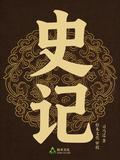 Historical Records
"Historical Records" written by Sima Qian of the Western Han Dynasty is China's first general history in the form of biographies. It is also a masterpiece of history and literature that spans thousands of years and illuminates ancient and modern times. The pen is history and the text is recorded. It hides the rise and fall of China for thousands of years, the ups and downs of people's hearts and the character of the nation. The book was created during the Western Han Dynasty and took 13 years to
—Reads8.0Score—Shelves
Historical Records
"Historical Records" written by Sima Qian of the Western Han Dynasty is China's first general history in the form of biographies. It is also a masterpiece of history and literature that spans thousands of years and illuminates ancient and modern times. The pen is history and the text is recorded. It hides the rise and fall of China for thousands of years, the ups and downs of people's hearts and the character of the nation. The book was created during the Western Han Dynasty and took 13 years to
—Reads8.0Score—Shelves
-
 On Sitting and Forgetting
Original source: Taixuan Department of "Orthodox Taoist Canon". Collated edition: "Complete Tang Dynasty Essays: Theory of Zhizhi".
—Reads9.3Score—Shelves
On Sitting and Forgetting
Original source: Taixuan Department of "Orthodox Taoist Canon". Collated edition: "Complete Tang Dynasty Essays: Theory of Zhizhi".
—Reads9.3Score—Shelves
-
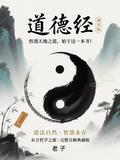 Tao Te Ching: Understanding the Way of Heaven and Earth Begins with This Book
Use five thousand words to understand the world and settle down your body and mind with the word "Tao". This Eastern philosophy classic that has been passed down for thousands of years is not only a good way to govern the country for emperors and generals, but also a beacon for ordinary people to cultivate themselves. The wisdom in the book, such as "Tao follows nature", "The best is as good as water" and "Governing by doing nothing", have long transcended time and space and become treasures in
—Reads9.4Score—Shelves
Tao Te Ching: Understanding the Way of Heaven and Earth Begins with This Book
Use five thousand words to understand the world and settle down your body and mind with the word "Tao". This Eastern philosophy classic that has been passed down for thousands of years is not only a good way to govern the country for emperors and generals, but also a beacon for ordinary people to cultivate themselves. The wisdom in the book, such as "Tao follows nature", "The best is as good as water" and "Governing by doing nothing", have long transcended time and space and become treasures in
—Reads9.4Score—Shelves
-
 Thirty-Six Water Method
The author is unknown, but it dates back to the Wei, Jin, Southern and Northern Dynasties. One roll. Original source: "Orthodox Taoist Canon" Dongshenbu Zhongjie.
—Reads8.6Score—Shelves
Thirty-Six Water Method
The author is unknown, but it dates back to the Wei, Jin, Southern and Northern Dynasties. One roll. Original source: "Orthodox Taoist Canon" Dongshenbu Zhongjie.
—Reads8.6Score—Shelves
-
 A Thousand Pieces of Gold
The author believes that human life is more important than a thousand pieces of gold, so he chose "a thousand pieces of gold" as the title of the book. It was because the prescriptions and herbal medicines at that time were so vast that it was difficult to review them in a hurry, so I compiled it based on extensive collection of classics, omitting redundant ones and combining them with personal experience.
—Reads9.5Score—Shelves
A Thousand Pieces of Gold
The author believes that human life is more important than a thousand pieces of gold, so he chose "a thousand pieces of gold" as the title of the book. It was because the prescriptions and herbal medicines at that time were so vast that it was difficult to review them in a hurry, so I compiled it based on extensive collection of classics, omitting redundant ones and combining them with personal experience.
—Reads9.5Score—Shelves
-
 Sun Tzu's Art of War
[Top strategic thinking ceiling + King of routines + Anti-PUA manual + "Conspiracy" textbook + "Dimensionality reduction strike" pioneer + Just keep growing, don't waste it! The first of the three major military books in the world. Revealing the highest wisdom of competition rules, a Chinese classic with world-class influence. "Sun Tzu's Art of War" has only more than 6,000 words and thirteen chapters. Its content is broad and profound, its thoughts are sophisticated and rich, and its logic is r
—Reads9.2Score—Shelves
Sun Tzu's Art of War
[Top strategic thinking ceiling + King of routines + Anti-PUA manual + "Conspiracy" textbook + "Dimensionality reduction strike" pioneer + Just keep growing, don't waste it! The first of the three major military books in the world. Revealing the highest wisdom of competition rules, a Chinese classic with world-class influence. "Sun Tzu's Art of War" has only more than 6,000 words and thirteen chapters. Its content is broad and profound, its thoughts are sophisticated and rich, and its logic is r
—Reads9.2Score—Shelves
-
 Sun Tzu's Book of War
The content of this book includes the beginning of planning, a summary of this chapter, soldiers, major events of the country, the five things in the classics, who has the right way, planning and profit, listening, which is the trend, to support the outside, soldiers, deceitful way, profit and inducement Take it in disorder, attack it unprepared, take it by surprise, and the one who wins the temple before fighting is considered to be the winner. The battle chapter, the summary of this chapter, i
—Reads9.5Score—Shelves
Sun Tzu's Book of War
The content of this book includes the beginning of planning, a summary of this chapter, soldiers, major events of the country, the five things in the classics, who has the right way, planning and profit, listening, which is the trend, to support the outside, soldiers, deceitful way, profit and inducement Take it in disorder, attack it unprepared, take it by surprise, and the one who wins the temple before fighting is considered to be the winner. The battle chapter, the summary of this chapter, i
—Reads9.5Score—Shelves
-
 Compendium of Materia Medica
"Compendium of Materia Medica" extensively covers many scientific fields such as medicine, pharmacology, biology, mineralogy, chemistry, environment and biology, heredity and variation, etc. In the history of chemistry, it recorded a series of chemical reactions of pure metals, metals, metal chlorides, sulfides, etc. Earlier. At the same time, it also records some operating methods used in modern chemistry such as distillation, crystallization, sublimation, precipitation, and drying. It is not o
—Reads9.5Score—Shelves
Compendium of Materia Medica
"Compendium of Materia Medica" extensively covers many scientific fields such as medicine, pharmacology, biology, mineralogy, chemistry, environment and biology, heredity and variation, etc. In the history of chemistry, it recorded a series of chemical reactions of pure metals, metals, metal chlorides, sulfides, etc. Earlier. At the same time, it also records some operating methods used in modern chemistry such as distillation, crystallization, sublimation, precipitation, and drying. It is not o
—Reads9.5Score—Shelves
-
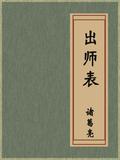 A Guide to Becoming a Teacher (Free Public Edition Book)
The Three Kingdoms of Shu by Zhuge Liang. Zhuge Liang set out to conquer the Wei Dynasty in order to control the Central Plains. Before leaving the army, he showed favor to his successor Liu Chan. Biaofan has two superiors, so it is said that the former is the teacher's Biao and the latter is the teacher's Biao. "Qian Chu Shi Biao" exhorts the later master to carry forward the "virtue left by the late emperor", accept advice from the virtuous, and be selfless in punishment and rewards. "Be close
—Reads8.6Score—Shelves
A Guide to Becoming a Teacher (Free Public Edition Book)
The Three Kingdoms of Shu by Zhuge Liang. Zhuge Liang set out to conquer the Wei Dynasty in order to control the Central Plains. Before leaving the army, he showed favor to his successor Liu Chan. Biaofan has two superiors, so it is said that the former is the teacher's Biao and the latter is the teacher's Biao. "Qian Chu Shi Biao" exhorts the later master to carry forward the "virtue left by the late emperor", accept advice from the virtuous, and be selfless in punishment and rewards. "Be close
—Reads8.6Score—Shelves
-
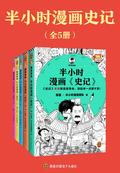 Half-Hour Comic "Historical Records" (5 Volumes in Total)
Historical Records is basically a story telling, so it's not tiring to read at all! The half-hour comic team led by Chen Lei (pen name: Brother Hun) vividly interprets classic characters and stories in historical records through humorous language and hand-drawn comics. Sima Qian wrote the historical records, and the story behind it turned out to be so exciting! The dispute between Wu and Yue: If you are fine, then it will be okay! Qin: If you want to counterattack, you must persist! How to be a
—Reads9.5Score—Shelves
Half-Hour Comic "Historical Records" (5 Volumes in Total)
Historical Records is basically a story telling, so it's not tiring to read at all! The half-hour comic team led by Chen Lei (pen name: Brother Hun) vividly interprets classic characters and stories in historical records through humorous language and hand-drawn comics. Sima Qian wrote the historical records, and the story behind it turned out to be so exciting! The dispute between Wu and Yue: If you are fine, then it will be okay! Qin: If you want to counterattack, you must persist! How to be a
—Reads9.5Score—Shelves
-
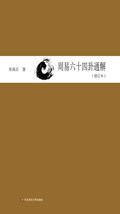 Comprehensive Explanation of the Sixty-Four Hexagrams of Zhouyi
"The Book of Changes" is the theoretical source of natural philosophy and humanistic practice in traditional Chinese thought and culture. It is the crystallization of the thoughts and wisdom of the ancient Han nation and is known as the "source of the great road." The content is extremely rich and has had a profound impact on China's politics, economy, culture and other fields for thousands of years.
—Reads9.4Score—Shelves
Comprehensive Explanation of the Sixty-Four Hexagrams of Zhouyi
"The Book of Changes" is the theoretical source of natural philosophy and humanistic practice in traditional Chinese thought and culture. It is the crystallization of the thoughts and wisdom of the ancient Han nation and is known as the "source of the great road." The content is extremely rich and has had a profound impact on China's politics, economy, culture and other fields for thousands of years.
—Reads9.4Score—Shelves
-
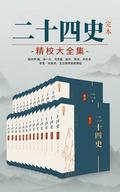 The Twenty-Four Histories: Complete and Finely Collated Collection (Chinese Ancient Books and Chinese Classics Library)
This book is written by Yin Xiaolin, founder of Guoxue. Com and director of the Electronic Documentation Research Institute of Capital Normal University, together with Tang Yijie, Feng Qiyong, Pang Pu, Chen Lai, Bai Huawen, Li Ling, Sun Jiazhou, Wang Liqun, Sato Toshiyuki, Fang Ming, Deng Xiaojun and other hundreds of experts, scholars and professors spent more than 20 years in compilation, proofreading and typesetting, covering (Historical Records, Hanshu, Later Hanshu, Three Kingdoms, Jinshu,
—Reads9.6Score—Shelves
The Twenty-Four Histories: Complete and Finely Collated Collection (Chinese Ancient Books and Chinese Classics Library)
This book is written by Yin Xiaolin, founder of Guoxue. Com and director of the Electronic Documentation Research Institute of Capital Normal University, together with Tang Yijie, Feng Qiyong, Pang Pu, Chen Lai, Bai Huawen, Li Ling, Sun Jiazhou, Wang Liqun, Sato Toshiyuki, Fang Ming, Deng Xiaojun and other hundreds of experts, scholars and professors spent more than 20 years in compilation, proofreading and typesetting, covering (Historical Records, Hanshu, Later Hanshu, Three Kingdoms, Jinshu,
—Reads9.6Score—Shelves
-
 Collection of Cleansing of Wrongs
"The Collection of Clearing Wrongs" is the first systematic forensic medicine monograph in ancient China. It was written and published by Song Ci, a forensic scientist in the Southern Song Dynasty, in the seventh year of Chunyou. The book has a total of five volumes and 53 titles, about 70,000 words, covering autopsy, cause of death identification, on-site investigation, first aid methods, etc., Setting a precedent for empirical examination of forensic medicine. The book takes "clearing the wron
—Reads8.7Score—Shelves
Collection of Cleansing of Wrongs
"The Collection of Clearing Wrongs" is the first systematic forensic medicine monograph in ancient China. It was written and published by Song Ci, a forensic scientist in the Southern Song Dynasty, in the seventh year of Chunyou. The book has a total of five volumes and 53 titles, about 70,000 words, covering autopsy, cause of death identification, on-site investigation, first aid methods, etc., Setting a precedent for empirical examination of forensic medicine. The book takes "clearing the wron
—Reads8.7Score—Shelves
-
 Huangdi Neijing (Original Full Text)
Thousand-year-old traditional Chinese medicine, one volume contains the secrets of heaven and earth When a doctor treats people, he first observes the time and place of heaven and earth; To maintain health and preserve life, you should follow the yin and yang of the four seasons; To cure diseases and prolong life, it is necessary to regulate the essence, energy, spirit and form. The Huangdi Neijing is the earliest extant medical classic in China, with a history of more than 2,000 years. It consi
—Reads9.4Score—Shelves
Huangdi Neijing (Original Full Text)
Thousand-year-old traditional Chinese medicine, one volume contains the secrets of heaven and earth When a doctor treats people, he first observes the time and place of heaven and earth; To maintain health and preserve life, you should follow the yin and yang of the four seasons; To cure diseases and prolong life, it is necessary to regulate the essence, energy, spirit and form. The Huangdi Neijing is the earliest extant medical classic in China, with a history of more than 2,000 years. It consi
—Reads9.4Score—Shelves
-
 The Classic of Mountains and Seas: the Oldest and Most Wonderful Book in the Prehistoric Times
This ancient book that has been passed down for thousands of years hides countless unknown secrets and amazing mysteries. The front part of this book is written in vernacular, so you can easily and intuitively understand the story inside. The important parts have been marked and organized. The second half is annotations of the original text, you can refer to the original text for detailed reading.
—Reads9.6Score—Shelves
The Classic of Mountains and Seas: the Oldest and Most Wonderful Book in the Prehistoric Times
This ancient book that has been passed down for thousands of years hides countless unknown secrets and amazing mysteries. The front part of this book is written in vernacular, so you can easily and intuitively understand the story inside. The important parts have been marked and organized. The second half is annotations of the original text, you can refer to the original text for detailed reading.
—Reads9.6Score—Shelves
-
 Book of Changes
The "Book of Changes" is one of the oldest documents in China, and is respected by Confucians as the first of the "Five Classics" and one of the three great ancient books. "Yi" actually includes the ancient "Lianshan", "Guizang" and "Zhouyi", but "Lianshan" and "Guizang" have been lost. The Book of Changes uses a system of symbols to describe changes in state, expressing the philosophy and cosmology of classical Chinese culture. Its central idea is to describe the changes in all things in the wo
—Reads9.5Score—Shelves
Book of Changes
The "Book of Changes" is one of the oldest documents in China, and is respected by Confucians as the first of the "Five Classics" and one of the three great ancient books. "Yi" actually includes the ancient "Lianshan", "Guizang" and "Zhouyi", but "Lianshan" and "Guizang" have been lost. The Book of Changes uses a system of symbols to describe changes in state, expressing the philosophy and cosmology of classical Chinese culture. Its central idea is to describe the changes in all things in the wo
—Reads9.5Score—Shelves
-
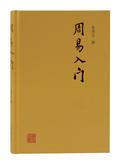 Introduction to Zhouyi
"Introduction to the Book of Changes" is divided into thirteen chapters, including the content and author of the Book of Changes, as well as explanations of the Eight Trigrams, Sixty-four Hexagrams, and Tai Chi Diagrams, and reveals the main methods that should be mastered in studying the Book of Changes. "Introduction to the Book of Changes" is written to address the basic issues of studying the "Book of Changes" and discuss some necessary common sense for studying the "Book of Changes", so as
—Reads9.5Score—Shelves
Introduction to Zhouyi
"Introduction to the Book of Changes" is divided into thirteen chapters, including the content and author of the Book of Changes, as well as explanations of the Eight Trigrams, Sixty-four Hexagrams, and Tai Chi Diagrams, and reveals the main methods that should be mastered in studying the Book of Changes. "Introduction to the Book of Changes" is written to address the basic issues of studying the "Book of Changes" and discuss some necessary common sense for studying the "Book of Changes", so as
—Reads9.5Score—Shelves
-
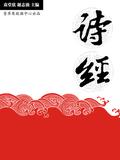 Book of Songs
The Book of Songs was originally called "The Book of Songs" and contains 305 poems, so it is also called "The Three Hundred Poems". The Book of Songs is the earliest collection of poems in the history of Chinese Han literature, covering about 500 years of poetry from the early Western Zhou Dynasty to the mid-Spring and Autumn Period. Confucianism has regarded it as a classic since the Han Dynasty. Mao Heng and Mao Chang in the Han Dynasty once commented on the Book of Songs, so it is also called
—Reads9.2Score—Shelves
Book of Songs
The Book of Songs was originally called "The Book of Songs" and contains 305 poems, so it is also called "The Three Hundred Poems". The Book of Songs is the earliest collection of poems in the history of Chinese Han literature, covering about 500 years of poetry from the early Western Zhou Dynasty to the mid-Spring and Autumn Period. Confucianism has regarded it as a classic since the Han Dynasty. Mao Heng and Mao Chang in the Han Dynasty once commented on the Book of Songs, so it is also called
—Reads9.2Score—Shelves
-
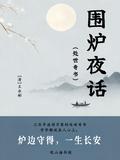 Evening Talk Around the Fireplace (A Wonderful Book on Life)
[Traditional Chinese Studies | Family Education | Life Wisdom | Sober Introspection | Confucian Self-cultivation] The Qing Dynasty classic "Night Talk around the Fireplace", "Cai Gen Tan" and "Xiaochuang Youji" are collectively known as the three great books on life. The book contains 221 household mottos, which are life mottos written by the scholar Wang Yongbin while chatting around the fire on a cold night. The writing style is simple and down-to-earth, with no obscure and mysterious principl
—Reads7.9Score—Shelves
Evening Talk Around the Fireplace (A Wonderful Book on Life)
[Traditional Chinese Studies | Family Education | Life Wisdom | Sober Introspection | Confucian Self-cultivation] The Qing Dynasty classic "Night Talk around the Fireplace", "Cai Gen Tan" and "Xiaochuang Youji" are collectively known as the three great books on life. The book contains 221 household mottos, which are life mottos written by the scholar Wang Yongbin while chatting around the fire on a cold night. The writing style is simple and down-to-earth, with no obscure and mysterious principl
—Reads7.9Score—Shelves
-
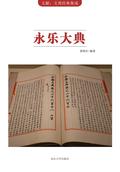 Yongle Ceremony
This book consists of two parts: scientific and technological monographs and cultural and entertainment liberal arts. The contents include: the background of the Yongle Dadian, the introduction of the editor-in-chief of the Yongle Dian, the artistic characteristics of the Yongle Dian, the selection and review of the content of the Yongle Dian, the circulating versions of the Yongle Dian, the collection of the Yongle Dian, the documentary value of the Yongle Dian, and the research and protection
—Reads8.4Score—Shelves
Yongle Ceremony
This book consists of two parts: scientific and technological monographs and cultural and entertainment liberal arts. The contents include: the background of the Yongle Dadian, the introduction of the editor-in-chief of the Yongle Dian, the artistic characteristics of the Yongle Dian, the selection and review of the content of the Yongle Dian, the circulating versions of the Yongle Dian, the collection of the Yongle Dian, the documentary value of the Yongle Dian, and the research and protection
—Reads8.4Score—Shelves
-
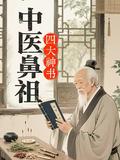 The Four Sacred Books of the Originator of Traditional Chinese Medicine (Full Collection Edition)
The "Avengers" in the field of traditional Chinese medicine: "Huangdi Neijing" human body cosmology, "Difficult Classic" pathological decoding book, "Shen Nong's Materia Medica" plant illustration, "Treatise on Febrile and Miscellaneous Diseases" practical anti-epidemic manual. The ancients used "Yin Yang and Five Elements" to cheat and write the new crown-level plague into the attack strategy. Healthy Party members will understand instantly: It turns out that "drinking more hot water" is ancest
—Reads9.6Score—Shelves
The Four Sacred Books of the Originator of Traditional Chinese Medicine (Full Collection Edition)
The "Avengers" in the field of traditional Chinese medicine: "Huangdi Neijing" human body cosmology, "Difficult Classic" pathological decoding book, "Shen Nong's Materia Medica" plant illustration, "Treatise on Febrile and Miscellaneous Diseases" practical anti-epidemic manual. The ancients used "Yin Yang and Five Elements" to cheat and write the new crown-level plague into the attack strategy. Healthy Party members will understand instantly: It turns out that "drinking more hot water" is ancest
—Reads9.6Score—Shelves
-
 The Jade Sutra of the Supreme Nine Heavens, the Great Brahma, the Purple Micro-Xuandu, the Thunderbolt
. Author unknown. One roll. Original source: "Orthodox Taoist Canon" Dongzhenbu text genre. This book is a public book and is a work published by writers, artists and other individuals who are not restricted by copyright laws, and is available for readers to read and communicate.
—Reads9.2Score—Shelves
The Jade Sutra of the Supreme Nine Heavens, the Great Brahma, the Purple Micro-Xuandu, the Thunderbolt
The Jade Sutra of the Supreme Nine Heavens, the Great Brahma, the Purple Micro-Xuandu, the Thunderbolt. Author unknown. One roll. Original source: "Orthodox Taoist Canon" Dongzhenbu text genre. This book is a public book and is a work published by writers, artists and other individuals who are not restricted by copyright laws, and is available for readers to read and communicate.
—Reads9.2Score—Shelves
-
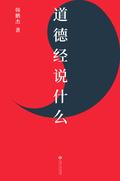 What Does the Tao Te Ching Say?
Professor Han Pengjie of Xi'an Jiaotong University has been studying for decades. Based on the Tao Te Ching annotated by Wang Bi, a genius scholar in the Wei and Jin Dynasties, he uses the unique "interpretation of scriptures through scriptures" feature and humorous explanations to bring readers a three-dimensional understanding of the Tao Te Ching. "Tao Te Ching", and uses vivid examples and his own profound Chinese culture literacy to interpret chapter by chapter and sentence by sentence, focu
—Reads9.5Score—Shelves
What Does the Tao Te Ching Say?
Professor Han Pengjie of Xi'an Jiaotong University has been studying for decades. Based on the Tao Te Ching annotated by Wang Bi, a genius scholar in the Wei and Jin Dynasties, he uses the unique "interpretation of scriptures through scriptures" feature and humorous explanations to bring readers a three-dimensional understanding of the Tao Te Ching. "Tao Te Ching", and uses vivid examples and his own profound Chinese culture literacy to interpret chapter by chapter and sentence by sentence, focu
—Reads9.5Score—Shelves
-
 Miscellaneous Records of the Ming Emperor
If Tang Dynasty had a circle of friends, this book would definitely be blocked. The author Zheng Chuhui revealed the truth under his real name, specializing in digging up the dark corners of the Xuanzong Dynasty: Fierce and hardcore: The jade fish and dragon presented by An Lushan to Huaqing Pool actually "came alive" in front of Xuanzong, scaring a generation of emperors to run away on the spot. Workplace scheming: How was the famous prime minister Zhang Jiuling "persuaded" to quit by Li Linfu
—Reads7.8Score—Shelves
Miscellaneous Records of the Ming Emperor
If Tang Dynasty had a circle of friends, this book would definitely be blocked. The author Zheng Chuhui revealed the truth under his real name, specializing in digging up the dark corners of the Xuanzong Dynasty: Fierce and hardcore: The jade fish and dragon presented by An Lushan to Huaqing Pool actually "came alive" in front of Xuanzong, scaring a generation of emperors to run away on the spot. Workplace scheming: How was the famous prime minister Zhang Jiuling "persuaded" to quit by Li Linfu
—Reads7.8Score—Shelves
-
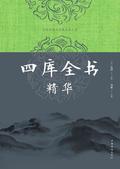 The Essence of Siku Quanshu
On the basis of retaining the style and charm of Siku, this book carefully selects and selects the passages from the vast sea of Siku books, and arranges them according to the four parts of Jing, Shi, Zi and Ji. It focuses on and selectively collects them, striving to highlight the broadness and spirit of Siku, as well as its historical weight and solemnity, while basically not omitting the representative works of each school.
—Reads9.4Score—Shelves
The Essence of Siku Quanshu
On the basis of retaining the style and charm of Siku, this book carefully selects and selects the passages from the vast sea of Siku books, and arranges them according to the four parts of Jing, Shi, Zi and Ji. It focuses on and selectively collects them, striving to highlight the broadness and spirit of Siku, as well as its historical weight and solemnity, while basically not omitting the representative works of each school.
—Reads9.4Score—Shelves
-
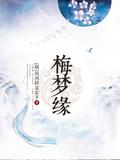 Mei Mengyuan
"Mei Meng Yuan" is also known as "The Wonders of Romance", "The Fate of Qiao Yan" and "The History of Romance", with forty chapters. The manuscript is signed "Feng Yuexuan and Xuan Zi", the Xiao Feng Xuan version or other later editions are signed "Feng Yue Xuan Xuan Zi". According to this book, each chapter has a general review at the end of the chapter, and the reviewer often calls himself "You Xuanzi", even in the edition signed "Feng Yuexuan Ru Xuanzi". It can be seen that it was originally
—Reads9.3Score—Shelves
Mei Mengyuan
"Mei Meng Yuan" is also known as "The Wonders of Romance", "The Fate of Qiao Yan" and "The History of Romance", with forty chapters. The manuscript is signed "Feng Yuexuan and Xuan Zi", the Xiao Feng Xuan version or other later editions are signed "Feng Yue Xuan Xuan Zi". According to this book, each chapter has a general review at the end of the chapter, and the reviewer often calls himself "You Xuanzi", even in the edition signed "Feng Yuexuan Ru Xuanzi". It can be seen that it was originally
—Reads9.3Score—Shelves
-
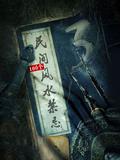 100 Folk Feng Shui Taboos
Be sure to pay attention to the Feng Shui taboos passed down from generation to generation! Otherwise, you will be in trouble! Feng Shui is originally the art of looking at the ground, which is a method of checking geography on the spot. It is also called geography and the ancient name of Kanyu. It is said that the founder of Feng Shui is Jiutian Xuannv. The relatively complete Feng Shui knowledge originated in the Warring States Period. The core idea of Feng Shui is the harmony between man an
—Reads9.5Score—Shelves
100 Folk Feng Shui Taboos
Be sure to pay attention to the Feng Shui taboos passed down from generation to generation! Otherwise, you will be in trouble! Feng Shui is originally the art of looking at the ground, which is a method of checking geography on the spot. It is also called geography and the ancient name of Kanyu. It is said that the founder of Feng Shui is Jiutian Xuannv. The relatively complete Feng Shui knowledge originated in the Warring States Period. The core idea of Feng Shui is the harmony between man an
—Reads9.5Score—Shelves
-
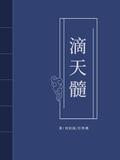 Drops of Tianmui
"Drip Tianmui" is an ancient Chinese numerology work. According to legend, it was written by Jing Tu in the Song Dynasty, and some people say it was written by Liu Ji in the early Ming Dynasty. During the Daoguang period of the Qing Dynasty, Ren Tieqiao spent his whole life studying numerology. In view of the problem that numerology at that time deviated from the principle of restraint of Yin and Yang and the Five Elements, was confusing and focused on patterns and gods, he added chapters and ch
—Reads9.4Score—Shelves
Drops of Tianmui
"Drip Tianmui" is an ancient Chinese numerology work. According to legend, it was written by Jing Tu in the Song Dynasty, and some people say it was written by Liu Ji in the early Ming Dynasty. During the Daoguang period of the Qing Dynasty, Ren Tieqiao spent his whole life studying numerology. In view of the problem that numerology at that time deviated from the principle of restraint of Yin and Yang and the Five Elements, was confusing and focused on patterns and gods, he added chapters and ch
—Reads9.4Score—Shelves
-
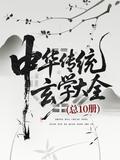 Complete Collection of Traditional Chinese Metaphysics (10 Volumes in Total)
This encyclopedia is like a systematic "treasure house of traditional culture". It takes you deep into the horoscopes of the Book of Changes, explores the wisdom of the unity of nature and man in Feng Shui, interprets the life information contained in face and palm reading, and sorts out the ingenious deduction of personal characteristics from horoscopes. This book is not a simple divination manual, but is dedicated to analyzing the cosmology, symbol system and practical logic behind these knowl
—Reads9.1Score—Shelves
Complete Collection of Traditional Chinese Metaphysics (10 Volumes in Total)
This encyclopedia is like a systematic "treasure house of traditional culture". It takes you deep into the horoscopes of the Book of Changes, explores the wisdom of the unity of nature and man in Feng Shui, interprets the life information contained in face and palm reading, and sorts out the ingenious deduction of personal characteristics from horoscopes. This book is not a simple divination manual, but is dedicated to analyzing the cosmology, symbol system and practical logic behind these knowl
—Reads9.1Score—Shelves
-
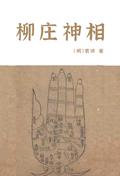 Liuzhuang Shenxiang
It is said that this book was written by Yuan Gong in the Ming Dynasty. Because Yuan Gong called himself Liuzhuang layman in his later years, it was named "Liuzhuang Shenxiang", also known as "Liuzhuang Xiangfa". This book not only inherits and develops the essence of "Ma Yi Shen Xiang", but also pioneers the study of female physiognomy. It can be called a pioneering work that stands side by side with "Ma Yi Shen Xiang". Because "Liuzhuang Shenxiang" is very effective, everyone from the princes
—Reads9.4Score—Shelves
Liuzhuang Shenxiang
It is said that this book was written by Yuan Gong in the Ming Dynasty. Because Yuan Gong called himself Liuzhuang layman in his later years, it was named "Liuzhuang Shenxiang", also known as "Liuzhuang Xiangfa". This book not only inherits and develops the essence of "Ma Yi Shen Xiang", but also pioneers the study of female physiognomy. It can be called a pioneering work that stands side by side with "Ma Yi Shen Xiang". Because "Liuzhuang Shenxiang" is very effective, everyone from the princes
—Reads9.4Score—Shelves
-
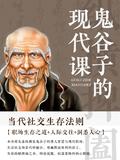 Guiguzi's Modern Lessons: Contemporary Social Survival Rules
[How to survive in the workplace + interpersonal communication + insight into people's hearts] In a contemporary society with information explosion and fierce competition, do you long for a "ruler" to accurately grasp interpersonal relationships? How to win unexpectedly in workplace struggles and navigate interpersonal relationships with ease? This book cleverly integrates the profound wisdom of the pre-Qin strategist Gui Guzi with the modern workplace and social life scenes. It uses humorous an
—Reads8.7Score—Shelves
Guiguzi's Modern Lessons: Contemporary Social Survival Rules
[How to survive in the workplace + interpersonal communication + insight into people's hearts] In a contemporary society with information explosion and fierce competition, do you long for a "ruler" to accurately grasp interpersonal relationships? How to win unexpectedly in workplace struggles and navigate interpersonal relationships with ease? This book cleverly integrates the profound wisdom of the pre-Qin strategist Gui Guzi with the modern workplace and social life scenes. It uses humorous an
—Reads8.7Score—Shelves
-
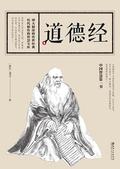 Tao Te Ching
The wisdom in the Tao Te Ching stems from Lao Tzu's profound insight and deep thinking about the world and human relationships. Social turmoil, personnel disputes, and the impermanence of life have accumulated bit by bit into Laozi's wisdom on human cultivation, philosophy of life, governance, military philosophy, and health preservation. On the basis of being loyal to the original work, this book has detailed annotations and translations of the original text, with comprehensive and detailed ana
—Reads9.4Score—Shelves
Tao Te Ching
The wisdom in the Tao Te Ching stems from Lao Tzu's profound insight and deep thinking about the world and human relationships. Social turmoil, personnel disputes, and the impermanence of life have accumulated bit by bit into Laozi's wisdom on human cultivation, philosophy of life, governance, military philosophy, and health preservation. On the basis of being loyal to the original work, this book has detailed annotations and translations of the original text, with comprehensive and detailed ana
—Reads9.4Score—Shelves
-
 Silk Book Laozi
"Laozi", also known as "The Tao Te Ching", is said to have been written by Laozi during the Spring and Autumn Period. It proposed the Taoist philosophy of "quietness and inaction" and had a profound influence. It is said to be the most widely translated Chinese masterpiece besides the Bible and has been translated into foreign languages. However, in December 1973, two sets of "Laozi" silk books were suddenly unearthed from the Mawangdui Han Tomb in Hunan. Not only were the contents different fro
—Reads9.4Score—Shelves
Silk Book Laozi
"Laozi", also known as "The Tao Te Ching", is said to have been written by Laozi during the Spring and Autumn Period. It proposed the Taoist philosophy of "quietness and inaction" and had a profound influence. It is said to be the most widely translated Chinese masterpiece besides the Bible and has been translated into foreign languages. However, in December 1973, two sets of "Laozi" silk books were suddenly unearthed from the Mawangdui Han Tomb in Hunan. Not only were the contents different fro
—Reads9.4Score—Shelves
-
 She Jing (Free Public Edition Book)
A monograph on archery technology from the Tang Dynasty, detailing shooting methods, equipment and training essentials, and is an ancient military sports document.
—Reads8.5Score—Shelves
She Jing (Free Public Edition Book)
A monograph on archery technology from the Tang Dynasty, detailing shooting methods, equipment and training essentials, and is an ancient military sports document.
—Reads8.5Score—Shelves
-
 Yin Fu Jing
"The Yellow Emperor's Yin Fu Jing", referred to as the "Yin Fu Jing", was written by the Yellow Emperor and later generations relied on it. The year of its completion is unknown. It became popular in the world in the Tang Dynasty. Words and deeds coincide with the way of heaven. If you follow the opportunity, success will come true. Included in the text category of the Dongzhen Book of the Zhengtong Daozang, more than 400 words are divided into three chapters, and there are also more than 300 wo
—Reads9.4Score—Shelves
Yin Fu Jing
"The Yellow Emperor's Yin Fu Jing", referred to as the "Yin Fu Jing", was written by the Yellow Emperor and later generations relied on it. The year of its completion is unknown. It became popular in the world in the Tang Dynasty. Words and deeds coincide with the way of heaven. If you follow the opportunity, success will come true. Included in the text category of the Dongzhen Book of the Zhengtong Daozang, more than 400 words are divided into three chapters, and there are also more than 300 wo
—Reads9.4Score—Shelves
-
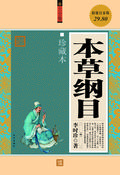 Compendium of Materia Medica - Complete Collection
Li Shizhen, the best pharmacologist in the Ming Dynasty, "has been addicted to classics as much as eating sugarcane syrup" and "searched and collected extensively" for more than thirty years and traveled thousands of miles until he was compiled in his sixtieth year. It is a collection of the great achievements of Chinese herbal medicine before the 16th century. It is a well-deserved "magnificent book of oriental medicine" and has an immeasurable influence on the development of modern pharmacolog
—Reads9.5Score—Shelves
Compendium of Materia Medica - Complete Collection
Li Shizhen, the best pharmacologist in the Ming Dynasty, "has been addicted to classics as much as eating sugarcane syrup" and "searched and collected extensively" for more than thirty years and traveled thousands of miles until he was compiled in his sixtieth year. It is a collection of the great achievements of Chinese herbal medicine before the 16th century. It is a well-deserved "magnificent book of oriental medicine" and has an immeasurable influence on the development of modern pharmacolog
—Reads9.5Score—Shelves
-
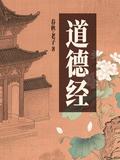 Tao Te Ching (Good Luck and Good Luck Edition)
The philosophical poems written by Laozi during the Spring and Autumn Period formed the core framework of Chinese Taoist thought. This book uses "Tao" to explain the evolution of all things in the universe, and puts forward the profound proposition that "Tao follows nature" and "governs by doing nothing". It advocates the wisdom of being flexible, humble and contented, and contains the dialectical law of unity of opposites and return to nature. This is not only a classic that discusses the art o
—Reads8.7Score—Shelves
Tao Te Ching (Good Luck and Good Luck Edition)
The philosophical poems written by Laozi during the Spring and Autumn Period formed the core framework of Chinese Taoist thought. This book uses "Tao" to explain the evolution of all things in the universe, and puts forward the profound proposition that "Tao follows nature" and "governs by doing nothing". It advocates the wisdom of being flexible, humble and contented, and contains the dialectical law of unity of opposites and return to nature. This is not only a classic that discusses the art o
—Reads8.7Score—Shelves
-
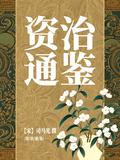 Zizhi Tongjian (Original Full Version)
A masterpiece of chronological general history edited by Sima Guang of the Northern Song Dynasty. Starting from King Weilie of Zhou Dynasty and ending with the Five Dynasties Later Zhou Dynasty, it records the rise and fall of history in 1362 years. The title of the book means "in view of the past, it is qualified to govern", and the purpose of compilation is to provide historical experience and lessons for rulers. It takes time as the outline and events as the purpose, with clear narrative stru
—Reads9.3Score—Shelves
Zizhi Tongjian (Original Full Version)
A masterpiece of chronological general history edited by Sima Guang of the Northern Song Dynasty. Starting from King Weilie of Zhou Dynasty and ending with the Five Dynasties Later Zhou Dynasty, it records the rise and fall of history in 1362 years. The title of the book means "in view of the past, it is qualified to govern", and the purpose of compilation is to provide historical experience and lessons for rulers. It takes time as the outline and events as the purpose, with clear narrative stru
—Reads9.3Score—Shelves
-
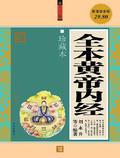 The Complete Huangdi Neijing (Complete Collection)
"The Complete Huangdi Neijing (Complete Collection)" is not only a medical masterpiece, but also a health-preserving manual. The book talks about how to treat diseases, but more importantly, it talks about how not to get sick. "If you don't treat the disease, you can treat the disease; if you don't treat it, you can treat the disorder." How to make people healthy and long-lived without taking medicine. "Huangdi Neijing" believes that human beings are closely related to nature. "Human beings are
—Reads9.5Score—Shelves
The Complete Huangdi Neijing (Complete Collection)
"The Complete Huangdi Neijing (Complete Collection)" is not only a medical masterpiece, but also a health-preserving manual. The book talks about how to treat diseases, but more importantly, it talks about how not to get sick. "If you don't treat the disease, you can treat the disease; if you don't treat it, you can treat the disorder." How to make people healthy and long-lived without taking medicine. "Huangdi Neijing" believes that human beings are closely related to nature. "Human beings are
—Reads9.5Score—Shelves
-
 Compendium of Materia Medica
It is a masterpiece of pharmacology compiled by Li Shizhen of the Ming Dynasty on the basis of inheriting and summarizing the achievements of materia medica before the Ming Dynasty, combined with the author's long-term and extensive study and interviews with working people such as herb farmers, folk doctors, hunters, fishermen, etc., With reference to more than 800 kinds of classics, and after long-term hard practice and study, which lasted for decades. "Compendium of Materia Medica" was publish
—Reads9.5Score—Shelves
Compendium of Materia Medica
It is a masterpiece of pharmacology compiled by Li Shizhen of the Ming Dynasty on the basis of inheriting and summarizing the achievements of materia medica before the Ming Dynasty, combined with the author's long-term and extensive study and interviews with working people such as herb farmers, folk doctors, hunters, fishermen, etc., With reference to more than 800 kinds of classics, and after long-term hard practice and study, which lasted for decades. "Compendium of Materia Medica" was publish
—Reads9.5Score—Shelves
-
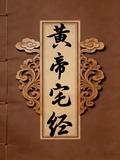 Yellow Emperor's House Classics
[Ancient magic number books, traditional Yangzhai Fengshui originals, ancient Chinese studies books, classics collected in Siku] "The Classic of Huangdi's House" is the earliest extant classical classic in China that systematically discusses the human settlement environment. The book is divided into two volumes and contains the original text of the ancient version. It was compiled in the name of Huangdi by later generations. It was written around the Tang Dynasty and was included in "Sikuquanshu
—Reads7.9Score—Shelves
Yellow Emperor's House Classics
[Ancient magic number books, traditional Yangzhai Fengshui originals, ancient Chinese studies books, classics collected in Siku] "The Classic of Huangdi's House" is the earliest extant classical classic in China that systematically discusses the human settlement environment. The book is divided into two volumes and contains the original text of the ancient version. It was compiled in the name of Huangdi by later generations. It was written around the Tang Dynasty and was included in "Sikuquanshu
—Reads7.9Score—Shelves
-
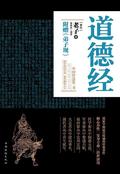 Tao Te Ching (Comes with a New Collection-Rights Translation of "Disciple Rules")
The Tao Te Ching is a classic work of Chinese culture, and scholars of all ages have made studying the Tao Te Ching a required course. The "Tao Te Ching" has a total of eighty-one chapters, mostly in verse, and is divided into two parts: "Tao Jing" and "De Jing". The Tao Te Ching has five thousand words. It is not long but has incisive discussions. It contains profound meanings and broad ideas. Its content discusses the ontology of the universe, the origin of all things, the laws of nature, etc.
—Reads9.4Score—Shelves
Tao Te Ching (Comes with a New Collection-Rights Translation of "Disciple Rules")
The Tao Te Ching is a classic work of Chinese culture, and scholars of all ages have made studying the Tao Te Ching a required course. The "Tao Te Ching" has a total of eighty-one chapters, mostly in verse, and is divided into two parts: "Tao Jing" and "De Jing". The Tao Te Ching has five thousand words. It is not long but has incisive discussions. It contains profound meanings and broad ideas. Its content discusses the ontology of the universe, the origin of all things, the laws of nature, etc.
—Reads9.4Score—Shelves
-
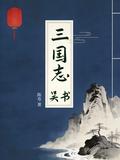 Chronicles of the Three Kingdoms·wu Shu
The complete official history of "Three Kingdoms·Wu Shu" is compiled! One book to understand Soochow's century-old hegemony: Sun Jian raised an army, Sun Ce decided Jiangdong, and Sun Quan made a trip to the Three Kingdoms Defeating Cao at Chibi, the Battle of Jingzhou, and the Great Victory at Yiling The strategies of Zhou Yu, Lu Su, Lu Meng, Lu Xun and other famous generals are all recorded in it. No drama, no romance, restore the true history of Jiangdong in the Three Kingdoms Public version
—Reads8.4Score—Shelves
Chronicles of the Three Kingdoms·wu Shu
The complete official history of "Three Kingdoms·Wu Shu" is compiled! One book to understand Soochow's century-old hegemony: Sun Jian raised an army, Sun Ce decided Jiangdong, and Sun Quan made a trip to the Three Kingdoms Defeating Cao at Chibi, the Battle of Jingzhou, and the Great Victory at Yiling The strategies of Zhou Yu, Lu Su, Lu Meng, Lu Xun and other famous generals are all recorded in it. No drama, no romance, restore the true history of Jiangdong in the Three Kingdoms Public version
—Reads8.4Score—Shelves
-
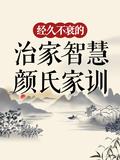 Enduring Family Wisdom: Yan Family Motto
"Yan Family Instructions" is a landmark work in the history of family education in ancient China. It was written by Yan Zitui, a famous scholar from the Southern and Northern Dynasties to the early Sui Dynasty. As the earliest and most complete monograph on family mottos in existence, it is known as the "ancestor of ancient and modern family mottos." Yan Zhitui personally experienced dynasty changes, wars, and displacements. Combining his rich experience and profound education, he earnestly set
—Reads8.2Score—Shelves
Enduring Family Wisdom: Yan Family Motto
"Yan Family Instructions" is a landmark work in the history of family education in ancient China. It was written by Yan Zitui, a famous scholar from the Southern and Northern Dynasties to the early Sui Dynasty. As the earliest and most complete monograph on family mottos in existence, it is known as the "ancestor of ancient and modern family mottos." Yan Zhitui personally experienced dynasty changes, wars, and displacements. Combining his rich experience and profound education, he earnestly set
—Reads8.2Score—Shelves
-
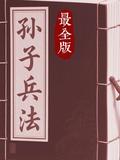 Sun Tzu's Art of War (Most Complete Version)
This book completely contains the 13 original texts of "Sun Tzu's Art of War" + translations one by one + analysis of corresponding historical battle cases, realizing the trinity of "theory-explanation-practical combat". It adopts a combination of literal translation and free translation to accurately convey the core ideas. Each article matches historical combat examples and explains the practice of military art. The whole book follows the classic structure of "Initial Plan", "Operation", "Attac
—Reads9.2Score—Shelves
Sun Tzu's Art of War (Most Complete Version)
This book completely contains the 13 original texts of "Sun Tzu's Art of War" + translations one by one + analysis of corresponding historical battle cases, realizing the trinity of "theory-explanation-practical combat". It adopts a combination of literal translation and free translation to accurately convey the core ideas. Each article matches historical combat examples and explains the practice of military art. The whole book follows the classic structure of "Initial Plan", "Operation", "Attac
—Reads9.2Score—Shelves
-
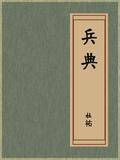 Military Code
The book focuses on research on preparations for war, command and initiative, tactical geography, strategic geography, espionage and counterinsurgency.
—Reads8.7Score—Shelves
Military Code
The book focuses on research on preparations for war, command and initiative, tactical geography, strategic geography, espionage and counterinsurgency.
—Reads8.7Score—Shelves
-
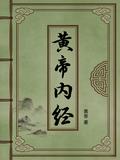 Huangdi Neijing (Original Version)
The Huangdi Neijing is the earliest existing medical classic in China and the first of the four major classics of traditional Chinese medicine. It is divided into two parts, Suwen and Lingshu, with 81 chapters each, for a total of 162 chapters. The book is based on the Yellow Emperor's dialogue with Qi Bo and Lei Gong, and systematically constructs a complete theory of yin and yang and the five elements, viscera and meridians, causes and pathogenesis, diagnosis and treatment principles, acupunct
—Reads8.3Score—Shelves
Huangdi Neijing (Original Version)
The Huangdi Neijing is the earliest existing medical classic in China and the first of the four major classics of traditional Chinese medicine. It is divided into two parts, Suwen and Lingshu, with 81 chapters each, for a total of 162 chapters. The book is based on the Yellow Emperor's dialogue with Qi Bo and Lei Gong, and systematically constructs a complete theory of yin and yang and the five elements, viscera and meridians, causes and pathogenesis, diagnosis and treatment principles, acupunct
—Reads8.3Score—Shelves
-
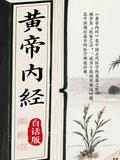 Huang Di Nei Jing: Vernacular Version
"The Yellow Emperor's Internal Classic" is the foundation work of ancient Chinese medicine and is known as the "ancestor of medical doctors." Written from the Warring States Period to the Han Dynasty, it is the earliest existing medical theory classic in China. It established a unique theoretical system of traditional Chinese medicine and provided a steady stream of theoretical guidance and inspiration for the development of traditional Chinese medicine for more than two thousand years. It is no
—Reads9.5Score—Shelves
Huang Di Nei Jing: Vernacular Version
"The Yellow Emperor's Internal Classic" is the foundation work of ancient Chinese medicine and is known as the "ancestor of medical doctors." Written from the Warring States Period to the Han Dynasty, it is the earliest existing medical theory classic in China. It established a unique theoretical system of traditional Chinese medicine and provided a steady stream of theoretical guidance and inspiration for the development of traditional Chinese medicine for more than two thousand years. It is no
—Reads9.5Score—Shelves
-
 I Ching: the Simpler, the More Practical It Is
It is never too late to study the I Ching. Master Confucius once said: "There is no big mistake in learning the Book of Changes when you are fifty." Halfway through life, you have accumulated a lot of experience and lessons. At this time, you will have a better understanding of the Book of Changes, and it is the right time to study the Book of Changes. Having said that, it would of course be more ideal if young friends could draw precious water of wisdom from the deep well of the "Book of Change
—Reads9.6Score—Shelves
I Ching: the Simpler, the More Practical It Is
It is never too late to study the I Ching. Master Confucius once said: "There is no big mistake in learning the Book of Changes when you are fifty." Halfway through life, you have accumulated a lot of experience and lessons. At this time, you will have a better understanding of the Book of Changes, and it is the right time to study the Book of Changes. Having said that, it would of course be more ideal if young friends could draw precious water of wisdom from the deep well of the "Book of Change
—Reads9.6Score—Shelves
-
 Qing Dynasty Records of the Xuantong Dynasty (Free Public Edition)
It is a chronicle of historical materials about the reign of Emperor Xuantong of the Qing Dynasty. It records in detail the political, economic, military, diplomatic, cultural and other major events of the Xuantong Dynasty. Including imperial edicts, the appointment and dismissal of officials, the occurrence of major events, etc., It provides important original data for studying the history and social changes in the late Qing Dynasty.
—Reads8.6Score—Shelves
Qing Dynasty Records of the Xuantong Dynasty (Free Public Edition)
It is a chronicle of historical materials about the reign of Emperor Xuantong of the Qing Dynasty. It records in detail the political, economic, military, diplomatic, cultural and other major events of the Xuantong Dynasty. Including imperial edicts, the appointment and dismissal of officials, the occurrence of major events, etc., It provides important original data for studying the history and social changes in the late Qing Dynasty.
—Reads8.6Score—Shelves