Fanqie library
Browse
- Titles
- 1.6k
Every Fanqie book we index, searchable by title, author or tag.
-
 Plague Theory
"Guang Plague Theory" was written in the 14th year of Kangxi's reign in the Qing Dynasty (1675), and was written by Dai Tianzhang. This book is based on Wu Youke's "Treatise on Warm Epidemics" with additions, deletions and revisions, and analyzes the differences between plague and typhoid fever. It makes detailed distinctions in the identification of early syndromes, etiology, exposure, transmission of classics, and concurrent syndromes of the two, and discusses the external and internal syndrom
—Reads8.4Score—Shelves
Plague Theory
"Guang Plague Theory" was written in the 14th year of Kangxi's reign in the Qing Dynasty (1675), and was written by Dai Tianzhang. This book is based on Wu Youke's "Treatise on Warm Epidemics" with additions, deletions and revisions, and analyzes the differences between plague and typhoid fever. It makes detailed distinctions in the identification of early syndromes, etiology, exposure, transmission of classics, and concurrent syndromes of the two, and discusses the external and internal syndrom
—Reads8.4Score—Shelves
-
 Meridian Compilation
Books on acupuncture. Two volumes. Not divided into volumes. Written by Zhai Liang of Ming Dynasty. Mainly a detailed introduction to meridian acupuncture. A compilation of meridians summarizing acupuncture works. Two volumes. Not divided into volumes. Written by Zhai Liang in the Ming Dynasty. Published in 1628. This book discusses the circulation, collaterals, meridian points and main diseases of the fourteen meridians in conjunction with the attributes and physiological characteristics of the
—Reads9.2Score—Shelves
Meridian Compilation
Books on acupuncture. Two volumes. Not divided into volumes. Written by Zhai Liang of Ming Dynasty. Mainly a detailed introduction to meridian acupuncture. A compilation of meridians summarizing acupuncture works. Two volumes. Not divided into volumes. Written by Zhai Liang in the Ming Dynasty. Published in 1628. This book discusses the circulation, collaterals, meridian points and main diseases of the fourteen meridians in conjunction with the attributes and physiological characteristics of the
—Reads9.2Score—Shelves
-
 Huangdi Mingtang Moxibustion Classic
Acupuncture writings. There are two types, one-volume and three-volume, with the same contents. This book is about the full text of "Mingtang Moxibustion Sutra" and "Xiao'er Mingtang Moxibustion Sutra" in Volume 100 of "Taiping Shenghuifang" copied by a bookseller in the late Northern Song Dynasty, and the publisher changed the title to this. The original book was written by an anonymous person in the Tang Dynasty. The book records the moxibustion treatment methods and diseases treated at common
—Reads8.6Score—Shelves
Huangdi Mingtang Moxibustion Classic
Acupuncture writings. There are two types, one-volume and three-volume, with the same contents. This book is about the full text of "Mingtang Moxibustion Sutra" and "Xiao'er Mingtang Moxibustion Sutra" in Volume 100 of "Taiping Shenghuifang" copied by a bookseller in the late Northern Song Dynasty, and the publisher changed the title to this. The original book was written by an anonymous person in the Tang Dynasty. The book records the moxibustion treatment methods and diseases treated at common
—Reads8.6Score—Shelves
-
 Convenient First Aid
Ancient Chinese medical works are a shining pearl in the treasure house of Chinese medicine. They have high guiding significance and practical value, and have made significant contributions and far-reaching influences on the development of medicine in later generations.
—Reads7.9Score—Shelves
Convenient First Aid
Ancient Chinese medical works are a shining pearl in the treasure house of Chinese medicine. They have high guiding significance and practical value, and have made significant contributions and far-reaching influences on the development of medicine in later generations.
—Reads7.9Score—Shelves
-
 The Most Incomparable Sutra
So I heard. Bhagavan for a moment. In Shiluo, I lived in Duolinji Lonely Garden. Together with the countless great crowds of Bodhisattvas, gods, and humans, At that time, the Venerable Ananda was sitting alone in a free space, thinking. Think like this. If you are a good man or a good woman. Receive three refuges with pure faith. Say so. Now my name is taken refuge in the Buddha's two-legged center. Take refuge in the Dharma and be free from desire. Take refuge in the most respected among the mo
—Reads8.1Score—Shelves
The Most Incomparable Sutra
So I heard. Bhagavan for a moment. In Shiluo, I lived in Duolinji Lonely Garden. Together with the countless great crowds of Bodhisattvas, gods, and humans, At that time, the Venerable Ananda was sitting alone in a free space, thinking. Think like this. If you are a good man or a good woman. Receive three refuges with pure faith. Say so. Now my name is taken refuge in the Buddha's two-legged center. Take refuge in the Dharma and be free from desire. Take refuge in the most respected among the mo
—Reads8.1Score—Shelves
-
 Notes on the Huayan Sutra's Inscription on the Dharma Realm Contemplation Gate
This book is a public book and is not subject to copyright restrictions. Chinese civilization has a long history and its traditional culture is as bright as stars. These classic works condense the wisdom of doing things for thousands of years and bring together the essence of human thought. They are specially processed and organized to facilitate readers' reading and communication.
—Reads8.4Score—Shelves
Notes on the Huayan Sutra's Inscription on the Dharma Realm Contemplation Gate
This book is a public book and is not subject to copyright restrictions. Chinese civilization has a long history and its traditional culture is as bright as stars. These classic works condense the wisdom of doing things for thousands of years and bring together the essence of human thought. They are specially processed and organized to facilitate readers' reading and communication.
—Reads8.4Score—Shelves
-
 Zhuan Dharma Wheel Sutra Youbo Tishe (With Commentary but No Sutra Version)
This book is a public book and is not subject to copyright restrictions. Chinese civilization has a long history and its traditional culture is as bright as stars. These classic works condense the wisdom of doing things for thousands of years and bring together the essence of human thought. They are specially processed and organized to facilitate readers' reading and communication.
—Reads8.1Score—Shelves
Zhuan Dharma Wheel Sutra Youbo Tishe (With Commentary but No Sutra Version)
This book is a public book and is not subject to copyright restrictions. Chinese civilization has a long history and its traditional culture is as bright as stars. These classic works condense the wisdom of doing things for thousands of years and bring together the essence of human thought. They are specially processed and organized to facilitate readers' reading and communication.
—Reads8.1Score—Shelves
-
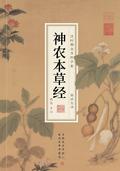 Shen Nong's Herbal Classic
"Shen Nong's Materia Medica" is one of the four classic works of traditional Chinese medicine and a classic of ancient Chinese pharmacology. It records the efficacy and usage of 365 kinds of medicines, reflecting the medicine knowledge accumulated by my country's working people before the Qin and Han Dynasties. It is rich in content and concise in language, and has a profound impact on the development of pharmacology in later generations.
—Reads9.6Score—Shelves
Shen Nong's Herbal Classic
"Shen Nong's Materia Medica" is one of the four classic works of traditional Chinese medicine and a classic of ancient Chinese pharmacology. It records the efficacy and usage of 365 kinds of medicines, reflecting the medicine knowledge accumulated by my country's working people before the Qin and Han Dynasties. It is rich in content and concise in language, and has a profound impact on the development of pharmacology in later generations.
—Reads9.6Score—Shelves
-
 Hui Ming Jing
Chinese traditional cultural thoughts have a long history and are highly original, original and literary. The early ideological forms were very distinctive, with extensive and profound contents such as religious theology, Chinese medicine classics, ancient military art, Confucianism, Taoism, Buddhism and hundreds of schools of thought, Feng Shui metaphysics, Twenty-Four Histories, customs and geography, etc. This series of "Original Books on Classic Chinese Studies and Essence Culture" retains t
—Reads9.3Score—Shelves
Hui Ming Jing
Chinese traditional cultural thoughts have a long history and are highly original, original and literary. The early ideological forms were very distinctive, with extensive and profound contents such as religious theology, Chinese medicine classics, ancient military art, Confucianism, Taoism, Buddhism and hundreds of schools of thought, Feng Shui metaphysics, Twenty-Four Histories, customs and geography, etc. This series of "Original Books on Classic Chinese Studies and Essence Culture" retains t
—Reads9.3Score—Shelves
-
 Land Immortal Scripture
"Land Xian Jing" was written by Ma Qi of the Qing Dynasty. It was written during the Yongzheng period. Its content is an annotation of the "Hundred Character Guide Method". The "Hundred-Character Daoyin Method" is a well-established and effective fitness method that has been gradually supplemented and improved by health-preserving experts of past generations. It has the functions of strengthening the limbs, preventing and curing diseases, and extending life. Author: Ma Qi Dynasty: Qing Year: 164
—Reads9.3Score—Shelves
Land Immortal Scripture
"Land Xian Jing" was written by Ma Qi of the Qing Dynasty. It was written during the Yongzheng period. Its content is an annotation of the "Hundred Character Guide Method". The "Hundred-Character Daoyin Method" is a well-established and effective fitness method that has been gradually supplemented and improved by health-preserving experts of past generations. It has the functions of strengthening the limbs, preventing and curing diseases, and extending life. Author: Ma Qi Dynasty: Qing Year: 164
—Reads9.3Score—Shelves
-
 Nvqingguilu
"Nv Qing Gui Lv", an early classic of Tianshi Dao. This law is because Taishang Daodao couldn't bear to see the scene of "thousands of ghosts flying every day, which cannot be prohibited" and "just killing civilians, hundreds of billions of dead", so "at noon on July 7, the second year of the (later emperor), he issued eight volumes of this ghost law." This ghost law describes the residence of ghosts and ghost owners, their names, magical powers, and harms. It advises everyone to strictly observ
—Reads8.2Score—Shelves
Nvqingguilu
"Nv Qing Gui Lv", an early classic of Tianshi Dao. This law is because Taishang Daodao couldn't bear to see the scene of "thousands of ghosts flying every day, which cannot be prohibited" and "just killing civilians, hundreds of billions of dead", so "at noon on July 7, the second year of the (later emperor), he issued eight volumes of this ghost law." This ghost law describes the residence of ghosts and ghost owners, their names, magical powers, and harms. It advises everyone to strictly observ
—Reads8.2Score—Shelves
-
 Cultivation Debate
Qigong inner alchemy work, written by Liu Yiming in the Qing Dynasty. His book explains the principles of inner alchemy in the form of questions and answers between master and disciple. The author believes that inner elixir is formed by the condensation of life and life, so it is necessary to cultivate both life and life. He points out that the way of life and life are closely related to the way of yin and yang. Xing is principle, life is Qi, Qi is not separated from principle, and principle is
—Reads8.6Score—Shelves
Cultivation Debate
Qigong inner alchemy work, written by Liu Yiming in the Qing Dynasty. His book explains the principles of inner alchemy in the form of questions and answers between master and disciple. The author believes that inner elixir is formed by the condensation of life and life, so it is necessary to cultivate both life and life. He points out that the way of life and life are closely related to the way of yin and yang. Xing is principle, life is Qi, Qi is not separated from principle, and principle is
—Reads8.6Score—Shelves
-
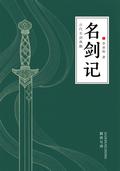 Famous Swordsman
Swords are not only sharp objects, but also carriers of history and legends - "Famous Swords" captures the legend of sword casting, the swords connecting people, and the swords reflecting the era. The description of each sword is a microcosm of a magnificent history. "The Story of Famous Swords" was written by Li Chengxun, a scholar from the Ming Dynasty. It is a cultural history book focusing on famous swords in ancient and modern times. The book selects dozens of famous swords such as Xuanyuan
—Reads8.6Score—Shelves
Famous Swordsman
Swords are not only sharp objects, but also carriers of history and legends - "Famous Swords" captures the legend of sword casting, the swords connecting people, and the swords reflecting the era. The description of each sword is a microcosm of a magnificent history. "The Story of Famous Swords" was written by Li Chengxun, a scholar from the Ming Dynasty. It is a cultural history book focusing on famous swords in ancient and modern times. The book selects dozens of famous swords such as Xuanyuan
—Reads8.6Score—Shelves
-
 Tai Ping Hui Min He Ji Bureau Prescription
[The first pharmacopoeia of patent medicines promulgated by the government in Chinese history] [Many handed down traditional Chinese medicine prescriptions such as "Huoxiang Zhengqi Shui" and "Niuhuang Qingxin Pills" were developed on the basis of this book. A prescription book of patent medicines from Heji Bureau, a pharmacy established by the government in the Song Dynasty. It is divided into 14 categories: cold, typhoid, all qi, phlegm, and various deficiencies, and contains 788 prescription
—Reads9.2Score—Shelves
Tai Ping Hui Min He Ji Bureau Prescription
[The first pharmacopoeia of patent medicines promulgated by the government in Chinese history] [Many handed down traditional Chinese medicine prescriptions such as "Huoxiang Zhengqi Shui" and "Niuhuang Qingxin Pills" were developed on the basis of this book. A prescription book of patent medicines from Heji Bureau, a pharmacy established by the government in the Song Dynasty. It is divided into 14 categories: cold, typhoid, all qi, phlegm, and various deficiencies, and contains 788 prescription
—Reads9.2Score—Shelves
-
 Notes on Ancient Sutras from Taishang Chiwen Cave
Notes on the Ancient Sutras of Taishang Chiwen Cave. Annotated by Quanzhen Taoist Chang Quanzi at the end of the Jin Dynasty and the beginning of the Yuan Dynasty. One roll. Original source: "Legendary Taoist Canon" Dongzhenbu Jade Jue Class.
—Reads7.8Score—Shelves
Notes on Ancient Sutras from Taishang Chiwen Cave
Notes on the Ancient Sutras of Taishang Chiwen Cave. Annotated by Quanzhen Taoist Chang Quanzi at the end of the Jin Dynasty and the beginning of the Yuan Dynasty. One roll. Original source: "Legendary Taoist Canon" Dongzhenbu Jade Jue Class.
—Reads7.8Score—Shelves
-
 Meat Snatch
The Meat-Grabbing Department is a part of Youyang Zazu, a work written by Duan Chengshi of the Tang Dynasty. "Youyang Zazu" is a collection of notes and novels containing a wide range of anecdotes, social customs, natural phenomena, etc. The Meat Crawl section, as part of this, covers a wide range of topics, including animal behavior, transformation, and the myths and legends associated with them.
—Reads8.2Score—Shelves
Meat Snatch
The Meat-Grabbing Department is a part of Youyang Zazu, a work written by Duan Chengshi of the Tang Dynasty. "Youyang Zazu" is a collection of notes and novels containing a wide range of anecdotes, social customs, natural phenomena, etc. The Meat Crawl section, as part of this, covers a wide range of topics, including animal behavior, transformation, and the myths and legends associated with them.
—Reads8.2Score—Shelves
-
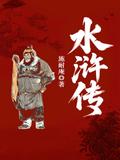 Water Margin (Original Work)
"Water Margin" is based on the heroic story of 108 heroes headed by Song Jiang in the late Northern Song Dynasty. They gathered in Liangshanpo, were recruited by the court, and then conquered the four bandits and destroyed the rebel party. In the end, they were murdered by traitors. The content of "Water Margin" can be divided into two parts. The first seventy chapters are a large part, mainly criticizing the decadent cruelty of the ruling class and praising the resistance spirit of the uprising
—Reads9.6Score—Shelves
Water Margin (Original Work)
"Water Margin" is based on the heroic story of 108 heroes headed by Song Jiang in the late Northern Song Dynasty. They gathered in Liangshanpo, were recruited by the court, and then conquered the four bandits and destroyed the rebel party. In the end, they were murdered by traitors. The content of "Water Margin" can be divided into two parts. The first seventy chapters are a large part, mainly criticizing the decadent cruelty of the ruling class and praising the resistance spirit of the uprising
—Reads9.6Score—Shelves
-
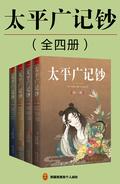 Taiping Guangji Notes (Four Volumes)
From "Liao Zhai" to "The Romance of the West Chamber", everything has been "copied" from it! Feng Menglong carefully compiled and annotated the "originator-level" legendary collection of legends about monsters. Lu Xun bluntly said that he would never buy another book about fox ghosts again. There are 40 prototypes of stories in "Strange Stories from a Chinese Studio" recorded in this book, such as "Laoshan Taoist", "Xu Huangliang", "Huifang", "Jia Feng Pheasant", etc. "The Romance of the West Ch
—Reads9.4Score—Shelves
Taiping Guangji Notes (Four Volumes)
From "Liao Zhai" to "The Romance of the West Chamber", everything has been "copied" from it! Feng Menglong carefully compiled and annotated the "originator-level" legendary collection of legends about monsters. Lu Xun bluntly said that he would never buy another book about fox ghosts again. There are 40 prototypes of stories in "Strange Stories from a Chinese Studio" recorded in this book, such as "Laoshan Taoist", "Xu Huangliang", "Huifang", "Jia Feng Pheasant", etc. "The Romance of the West Ch
—Reads9.4Score—Shelves
-
 Secret Key Points and Prescriptions for Syndrome and Treatment (Free Public Edition Book)
List a number of diseases and syndromes, detailing the causes, pathogenesis, symptoms, treatment principles, treatment methods and treatment experiences.
—Reads9.3Score—Shelves
Secret Key Points and Prescriptions for Syndrome and Treatment (Free Public Edition Book)
List a number of diseases and syndromes, detailing the causes, pathogenesis, symptoms, treatment principles, treatment methods and treatment experiences.
—Reads9.3Score—Shelves
-
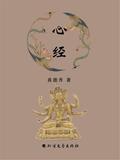 Heart Sutra
Chinese traditional cultural thoughts have a long history and are highly original, original and literary. The early ideological forms were very distinctive, with extensive and profound contents such as religious theology, Chinese medicine classics, ancient military art, Confucianism, Taoism, Buddhism and hundreds of schools of thought, Feng Shui metaphysics, Twenty-Four Histories, customs and geography, etc. This series of "Original Books on Classic Chinese Studies and Essence Culture" retains t
—Reads9.3Score—Shelves
Heart Sutra
Chinese traditional cultural thoughts have a long history and are highly original, original and literary. The early ideological forms were very distinctive, with extensive and profound contents such as religious theology, Chinese medicine classics, ancient military art, Confucianism, Taoism, Buddhism and hundreds of schools of thought, Feng Shui metaphysics, Twenty-Four Histories, customs and geography, etc. This series of "Original Books on Classic Chinese Studies and Essence Culture" retains t
—Reads9.3Score—Shelves
-
 Feelings of Emptiness
The original text and translation of Wang Chong's "Ganxu" chapter: [Explanation] In this chapter, Wang Chong wanted to explain that it is false to say that "sincerity" can move the heaven, earth, ghosts and gods to the extreme, so the title of the chapter is "Ganxu".
—Reads8.0Score—Shelves
Feelings of Emptiness
The original text and translation of Wang Chong's "Ganxu" chapter: [Explanation] In this chapter, Wang Chong wanted to explain that it is false to say that "sincerity" can move the heaven, earth, ghosts and gods to the extreme, so the title of the chapter is "Ganxu".
—Reads8.0Score—Shelves
-
 Chapter of External Sense of Subdued Qi at Three O'clock
Medical classics
—Reads8.1Score—Shelves
Chapter of External Sense of Subdued Qi at Three O'clock
Medical classics
—Reads8.1Score—Shelves
-
 The Supreme Master Said That Nandou Liusi's Wonderful Sutra of Extending Life and Saving People
The Supreme Master said that Nandou Liusi has a wonderful sutra about extending life and saving people. The author is unknown, probably from the early Northern Song Dynasty. On the pretense of entrusting the Supreme Lord to teach the Heavenly Master's Account to the Tomb, he told the emperor to offer sacrifices to the Six Divisions of Nandou to prolong life and eliminate disasters. One roll. Original source: "Orthodox Taoist Canon" Cave God Book.
—Reads8.2Score—Shelves
The Supreme Master Said That Nandou Liusi's Wonderful Sutra of Extending Life and Saving People
The Supreme Master said that Nandou Liusi has a wonderful sutra about extending life and saving people. The author is unknown, probably from the early Northern Song Dynasty. On the pretense of entrusting the Supreme Lord to teach the Heavenly Master's Account to the Tomb, he told the emperor to offer sacrifices to the Six Divisions of Nandou to prolong life and eliminate disasters. One roll. Original source: "Orthodox Taoist Canon" Cave God Book.
—Reads8.2Score—Shelves
-
 A Brief History of the Cantonese Bandits in Hunan
"A Chronicle of Cantonese Bandits in Hunan" is a historical documentary document written by an anonymous person in the Qing Dynasty. It is a local documentary account of the Taiping Rebellion and the Qing court's war against bandits in the late Qing Dynasty. The word "Guangdong Bandits" in its Chinese title mainly refers to the Taiping Rebellion and its "bandit" forces in the eyes of the Qing Dynasty officials, while "Invasion of Hunan" refers to the social and military incidents in which these
—Reads8.2Score—Shelves
A Brief History of the Cantonese Bandits in Hunan
"A Chronicle of Cantonese Bandits in Hunan" is a historical documentary document written by an anonymous person in the Qing Dynasty. It is a local documentary account of the Taiping Rebellion and the Qing court's war against bandits in the late Qing Dynasty. The word "Guangdong Bandits" in its Chinese title mainly refers to the Taiping Rebellion and its "bandit" forces in the eyes of the Qing Dynasty officials, while "Invasion of Hunan" refers to the social and military incidents in which these
—Reads8.2Score—Shelves
-
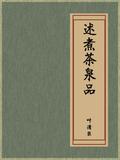 A Description of Brewing Tea and Spring Products (Free Public Edition Book)
The "Monograph on Tea Science and Spring Water" written by Ye Qingchen in the Song Dynasty mainly records "tea making methods" and "spring water tasting". The content of the book is divided into two parts: one is "Making Tea", which introduces in detail the process of making tea in the Song Dynasty (such as tea selection, fire control, use of utensils) and techniques (such as the judgment criteria of "crab eye soup"); the other is "Spring Products", which evaluates the water quality of well-know
—Reads8.2Score—Shelves
A Description of Brewing Tea and Spring Products (Free Public Edition Book)
The "Monograph on Tea Science and Spring Water" written by Ye Qingchen in the Song Dynasty mainly records "tea making methods" and "spring water tasting". The content of the book is divided into two parts: one is "Making Tea", which introduces in detail the process of making tea in the Song Dynasty (such as tea selection, fire control, use of utensils) and techniques (such as the judgment criteria of "crab eye soup"); the other is "Spring Products", which evaluates the water quality of well-know
—Reads8.2Score—Shelves
-
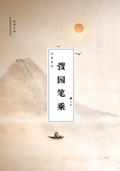 Tao Yuan Bi Cheng
"Tao Yuan Bi Cheng" is a collection of notes and miscellaneous works written by Wang Tao, a thinker, political commentator and scholar in the late Qing Dynasty in his "Tao Yuan" study. It is one of the important documents for understanding the social changes of the late Qing Dynasty and Wang Tao's ideological practice. Wang Tao (1828-1897) was a very influential figure in modern Chinese history. He was not only an advocate of early reform ideas, but also the founder of Chinese news and political
—Reads7.9Score—Shelves
Tao Yuan Bi Cheng
"Tao Yuan Bi Cheng" is a collection of notes and miscellaneous works written by Wang Tao, a thinker, political commentator and scholar in the late Qing Dynasty in his "Tao Yuan" study. It is one of the important documents for understanding the social changes of the late Qing Dynasty and Wang Tao's ideological practice. Wang Tao (1828-1897) was a very influential figure in modern Chinese history. He was not only an advocate of early reform ideas, but also the founder of Chinese news and political
—Reads7.9Score—Shelves
-
 Identification Stickers for Bells, Tripods and Yi Utensils from Past Dynasties
Ancient epigraphy works. Written by Xue Shanggong. It is designed to identify calligraphy, so it is called "Fa Tie". Later generations paid more attention to it because it was the richest collection of rubbings containing bronze inscriptions in the Song Dynasty. The stone carving of this book was completed in the 14th year of Shaoxing in the Southern Song Dynasty (1144). The remaining leaves of the stone carving are now in the Shanghai Museum, the Institute of History and Philology of Academia S
—Reads7.9Score—Shelves
Identification Stickers for Bells, Tripods and Yi Utensils from Past Dynasties
Ancient epigraphy works. Written by Xue Shanggong. It is designed to identify calligraphy, so it is called "Fa Tie". Later generations paid more attention to it because it was the richest collection of rubbings containing bronze inscriptions in the Song Dynasty. The stone carving of this book was completed in the 14th year of Shaoxing in the Southern Song Dynasty (1144). The remaining leaves of the stone carving are now in the Shanghai Museum, the Institute of History and Philology of Academia S
—Reads7.9Score—Shelves
-
 Jiao Xuan Sui Lu
"Suilu of Jiaoxuan", twelve volumes. Written by Fang Junshi of the Qing Dynasty (year of birth and death unknown). Fang Junshi, whose courtesy name was Ziyan, was appointed as a civil servant in Xianfeng, and his official position was in Yongdinghedao. This book contains some miscellaneous anecdotes, as well as some historical textual research and poetry criticism. Each volume of the book has a table of contents, and the records are relatively messy. The views in the book oppose the discussions
—Reads7.8Score—Shelves
Jiao Xuan Sui Lu
"Suilu of Jiaoxuan", twelve volumes. Written by Fang Junshi of the Qing Dynasty (year of birth and death unknown). Fang Junshi, whose courtesy name was Ziyan, was appointed as a civil servant in Xianfeng, and his official position was in Yongdinghedao. This book contains some miscellaneous anecdotes, as well as some historical textual research and poetry criticism. Each volume of the book has a table of contents, and the records are relatively messy. The views in the book oppose the discussions
—Reads7.8Score—Shelves
-
 Kaiyuan Divination-Tang Dynasty-Qutan Siddha
—Reads8.4Score—Shelves
Kaiyuan Divination-Tang Dynasty-Qutan Siddha
Kaiyuan Divination-Tang Dynasty-Qutan Siddha
—Reads8.4Score—Shelves
-
 Liuren Yinhe
"Liu Ren Yinhe Chu" is a book on magic. It allows you to understand the principles and methods of Liu Ren from multiple angles, explore the secrets in the original text of ancient books, and master the secrets that were not passed down by the ancients. From principles to usage, everything is cracked.
—Reads8.3Score—Shelves
Liuren Yinhe
"Liu Ren Yinhe Chu" is a book on magic. It allows you to understand the principles and methods of Liu Ren from multiple angles, explore the secrets in the original text of ancient books, and master the secrets that were not passed down by the ancients. From principles to usage, everything is cracked.
—Reads8.3Score—Shelves
-
 Da Liu Ren Miao Gong Shoots the Ghost's Feet (Free Public Edition Book)
The techniques of shooting (guessing objects) and ghost pinching in Da Liuren's divination.
—Reads8.4Score—Shelves
Da Liu Ren Miao Gong Shoots the Ghost's Feet (Free Public Edition Book)
The techniques of shooting (guessing objects) and ghost pinching in Da Liuren's divination.
—Reads8.4Score—Shelves
-
 Liu Ren Yi Zi Jue Jade Continuous Series (Free Public Edition Book)
A classic book on Liuren's divination may teach the secret method of Liuren's prediction in the form of a song. The "jade chain" refers to the interlocking and exquisiteness of the formulas.
—Reads8.7Score—Shelves
Liu Ren Yi Zi Jue Jade Continuous Series (Free Public Edition Book)
A classic book on Liuren's divination may teach the secret method of Liuren's prediction in the form of a song. The "jade chain" refers to the interlocking and exquisiteness of the formulas.
—Reads8.7Score—Shelves
-
 Da Liu Ren Guan Ren Divine Book (Free Public Edition Book)
The Liuren divination classic named after the Three Kingdoms Guanren, contains lesson-based judgment methods and key points for predicting the current situation.
—Reads8.7Score—Shelves
Da Liu Ren Guan Ren Divine Book (Free Public Edition Book)
The Liuren divination classic named after the Three Kingdoms Guanren, contains lesson-based judgment methods and key points for predicting the current situation.
—Reads8.7Score—Shelves
-
 Liu Ren Cui Yu Song (Free Public Edition Book)
Liuren's Divination Songs teach divination skills in the form of poetry.
—Reads8.5Score—Shelves
Liu Ren Cui Yu Song (Free Public Edition Book)
Liuren's Divination Songs teach divination skills in the form of poetry.
—Reads8.5Score—Shelves
-
 Da Liuren Heart Mirror (Free Public Edition Book)
This book is a public edition and the author is Xu Daofu.
—Reads9.5Score—Shelves
Da Liuren Heart Mirror (Free Public Edition Book)
This book is a public edition and the author is Xu Daofu.
—Reads9.5Score—Shelves
-
 Liu Ren Cui Yan (Free Public Edition Book)
This book is a classic work on Liuren divination. It contains the theory and divination techniques of Liuren. It is an important material for the study of ancient Chinese divination.
—Reads8.5Score—Shelves
Liu Ren Cui Yan (Free Public Edition Book)
This book is a classic work on Liuren divination. It contains the theory and divination techniques of Liuren. It is an important material for the study of ancient Chinese divination.
—Reads8.5Score—Shelves
-
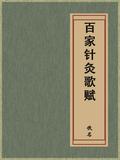 Hundreds of Acupuncture Songs (Free Public Edition Book)
Acupuncture hymn is a simple, easy-to-understand and easy-to-remember hymn compiled by the ancients about acupuncture points and acupuncture treatment. It summarizes complex and complicated acupuncture points and is extremely helpful for the study of acupuncture.
—Reads9.3Score—Shelves
Hundreds of Acupuncture Songs (Free Public Edition Book)
Acupuncture hymn is a simple, easy-to-understand and easy-to-remember hymn compiled by the ancients about acupuncture points and acupuncture treatment. It summarizes complex and complicated acupuncture points and is extremely helpful for the study of acupuncture.
—Reads9.3Score—Shelves
-
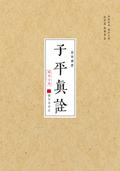 Zi Ping Zhen Chuan (Commentary by Xu Lewu)
"Ziping True Interpretation" is a traditional Chinese numerology work written by Mr. Shen Xiaozhan, a scholar of Qianlong in the Qing Dynasty. This work is the one with the least weight among the "first three books" of traditional Ziping numerology (Yuanhai Ziping, Sanming Tonghui, and Ziping Zhenquan), but it has the most incisive theory and the most appropriate discussion. What makes this edition particularly valuable is that it has been carefully annotated by Mr. Xu Lewu, a genius in the worl
—Reads9.4Score—Shelves
Zi Ping Zhen Chuan (Commentary by Xu Lewu)
"Ziping True Interpretation" is a traditional Chinese numerology work written by Mr. Shen Xiaozhan, a scholar of Qianlong in the Qing Dynasty. This work is the one with the least weight among the "first three books" of traditional Ziping numerology (Yuanhai Ziping, Sanming Tonghui, and Ziping Zhenquan), but it has the most incisive theory and the most appropriate discussion. What makes this edition particularly valuable is that it has been carefully annotated by Mr. Xu Lewu, a genius in the worl
—Reads9.4Score—Shelves
-
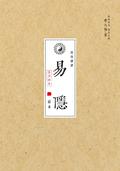 Easy to Hide
"Yi Yin" can be called the pinnacle of the study of Zhouyi and prediction. This book cleverly uses the numerical change principles of innate numbers, Bagua Eight Palaces and Bagua Nine Palaces. It pioneered the technique of multiple judgments in one form, revolutionized the method of six relatives, and was able to distinguish the authenticity of six relatives. It explained in detail the specific application of the rising and falling lines of the twelve hexagrams through examples. The book also c
—Reads9.4Score—Shelves
Easy to Hide
"Yi Yin" can be called the pinnacle of the study of Zhouyi and prediction. This book cleverly uses the numerical change principles of innate numbers, Bagua Eight Palaces and Bagua Nine Palaces. It pioneered the technique of multiple judgments in one form, revolutionized the method of six relatives, and was able to distinguish the authenticity of six relatives. It explained in detail the specific application of the rising and falling lines of the twelve hexagrams through examples. The book also c
—Reads9.4Score—Shelves
-
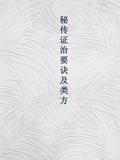 Secret Keys and Prescriptions for Syndrome and Treatment
"Secret Keys and Prescriptions for Syndrome and Treatment", Medical Series. It is a joint edition of "Secret Keys to Syndrome and Treatment" and "Keys to Syndrome and Treatment". Published by The Commercial Press in 1955. This book is divided into two parts: "Secret Keys to Syndrome and Treatment" and "Keys to Syndrome and Treatment", both written by Dai Yuanli, a physician in the Ming Dynasty. The former contains twelve volumes, divided into twelve categories, listing a number of diseases and s
—Reads8.3Score—Shelves
Secret Keys and Prescriptions for Syndrome and Treatment
"Secret Keys and Prescriptions for Syndrome and Treatment", Medical Series. It is a joint edition of "Secret Keys to Syndrome and Treatment" and "Keys to Syndrome and Treatment". Published by The Commercial Press in 1955. This book is divided into two parts: "Secret Keys to Syndrome and Treatment" and "Keys to Syndrome and Treatment", both written by Dai Yuanli, a physician in the Ming Dynasty. The former contains twelve volumes, divided into twelve categories, listing a number of diseases and s
—Reads8.3Score—Shelves
-
 Keys to Diagnosis and Treatment
This work "Keys to Syndrome and Treatment" is written by Dai Sigong
—Reads8.2Score—Shelves
Keys to Diagnosis and Treatment
This work "Keys to Syndrome and Treatment" is written by Dai Sigong
—Reads8.2Score—Shelves
-
 Mr. Danxi's Golden Chamber and Gouxuan
"The Inheritance and Innovation of the Danxi School" is an important work in the compilation project of the "Zhejiang School of Traditional Chinese Medicine Research Series" (thematic series). This project has received support from the Zhejiang Province Traditional Chinese Medicine Modernization Project (project number 2020ZX002). This topic conducts a series of standardized studies on the Danxi School, comprehensively sorting out the inheritance of the school, exploring the background and acade
—Reads7.8Score—Shelves
Mr. Danxi's Golden Chamber and Gouxuan
"The Inheritance and Innovation of the Danxi School" is an important work in the compilation project of the "Zhejiang School of Traditional Chinese Medicine Research Series" (thematic series). This project has received support from the Zhejiang Province Traditional Chinese Medicine Modernization Project (project number 2020ZX002). This topic conducts a series of standardized studies on the Danxi School, comprehensively sorting out the inheritance of the school, exploring the background and acade
—Reads7.8Score—Shelves
-
 The Secret of the Cave
"Dongtian Aozhi" is a surgical monograph written by Chen Shiduo, a famous doctor in the Qing Dynasty. The book has 16 volumes and discusses in detail the syndrome differentiation and treatment of surgical ulcers. The content of the book is easy to understand, has strong logic, and the prescriptions are unique and have been repeatedly tested. It is praised as the best work of surgery in the Qing Dynasty. This book not only has high academic value, but also provides valuable experience and guidanc
—Reads9.2Score—Shelves
The Secret of the Cave
"Dongtian Aozhi" is a surgical monograph written by Chen Shiduo, a famous doctor in the Qing Dynasty. The book has 16 volumes and discusses in detail the syndrome differentiation and treatment of surgical ulcers. The content of the book is easy to understand, has strong logic, and the prescriptions are unique and have been repeatedly tested. It is praised as the best work of surgery in the Qing Dynasty. This book not only has high academic value, but also provides valuable experience and guidanc
—Reads9.2Score—Shelves
-
 Bronze Talisman Iron Scroll
—Reads8.5Score—Shelves
Bronze Talisman Iron Scroll
Bronze Talisman Iron Scroll
—Reads8.5Score—Shelves
-
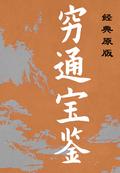 Qingtong Baojian (Classic Original Version)
Ancient Chinese numerology classics are the core reference books for studying horoscope numerology. The whole book focuses on discussing the prosperity and decline of the five elements in different seasons, constructs a systematic analysis system of the five elements' fortune, and uses this as a basis to infer the trend of life's destiny, forming a unique numerology deduction logic. Although its theory has traditional metaphysical attributes, it has a profound influence in the field of numerolog
—Reads8.6Score—Shelves
Qingtong Baojian (Classic Original Version)
Ancient Chinese numerology classics are the core reference books for studying horoscope numerology. The whole book focuses on discussing the prosperity and decline of the five elements in different seasons, constructs a systematic analysis system of the five elements' fortune, and uses this as a basis to infer the trend of life's destiny, forming a unique numerology deduction logic. Although its theory has traditional metaphysical attributes, it has a profound influence in the field of numerolog
—Reads8.6Score—Shelves
-
 Jiao's Yi Lin Notes
This work "Jiao Shi Yi Lin Annotation" is written by Shang Binghe
—Reads8.4Score—Shelves
Jiao's Yi Lin Notes
This work "Jiao Shi Yi Lin Annotation" is written by Shang Binghe
—Reads8.4Score—Shelves
-
 Yi Fen Wen Ji
An important work describing the historical facts of the Opium War. Written by Liang Tingnan, it was written between 1849 and 1853 (the 29th year of Daoguang - the third year of Xianfeng), with 5 volumes and about 100,000 words. Because this book exposed and criticized the Qing rulers' performance in the Opium War, although it was published many times, it was not signed with the author's name and had no "preface", so it was not widely circulated. The content of the book begins with the smoking b
—Reads7.6Score—Shelves
Yi Fen Wen Ji
An important work describing the historical facts of the Opium War. Written by Liang Tingnan, it was written between 1849 and 1853 (the 29th year of Daoguang - the third year of Xianfeng), with 5 volumes and about 100,000 words. Because this book exposed and criticized the Qing rulers' performance in the Opium War, although it was published many times, it was not signed with the author's name and had no "preface", so it was not widely circulated. The content of the book begins with the smoking b
—Reads7.6Score—Shelves
-
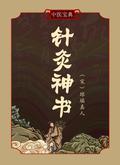 The Manual of Traditional Chinese Medicine: the Divine Book of Acupuncture
"The Holy Book of Acupuncture" is the holy book of acupuncture that Qiong Yao, a master of acupuncture in the Song Dynasty, condensed his lifelong knowledge. It is revered as the "Golden Needle Guide to Overcoming Tribulation". The whole book uses "qi to divine knowledge" to break through the mystery, condense the secrets of meridians into a galaxy in the palm of your hand, peek into the flow of qi between lifting, inserting and twisting, and hold the yin and yang cardinals in the replenishing a
—Reads8.7Score—Shelves
The Manual of Traditional Chinese Medicine: the Divine Book of Acupuncture
"The Holy Book of Acupuncture" is the holy book of acupuncture that Qiong Yao, a master of acupuncture in the Song Dynasty, condensed his lifelong knowledge. It is revered as the "Golden Needle Guide to Overcoming Tribulation". The whole book uses "qi to divine knowledge" to break through the mystery, condense the secrets of meridians into a galaxy in the palm of your hand, peek into the flow of qi between lifting, inserting and twisting, and hold the yin and yang cardinals in the replenishing a
—Reads8.7Score—Shelves
-
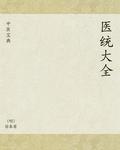 Traditional Chinese Medicine Collection: Complete Medical System
[Chinese medical classics that have a huge influence on Japan] [A voluminous comprehensive medical masterpiece] [Since this book was published in the 36th year of Jiajing reign in the Ming Dynasty, it has spread to Japan and has become the "Bible" of the Japanese medical community] The book consists of one hundred volumes, which collects relevant medical information from previous medical books and classics before the mid-Ming Dynasty. The content is detailed and well-founded. There are hundreds
—Reads9.5Score—Shelves
Traditional Chinese Medicine Collection: Complete Medical System
[Chinese medical classics that have a huge influence on Japan] [A voluminous comprehensive medical masterpiece] [Since this book was published in the 36th year of Jiajing reign in the Ming Dynasty, it has spread to Japan and has become the "Bible" of the Japanese medical community] The book consists of one hundred volumes, which collects relevant medical information from previous medical books and classics before the mid-Ming Dynasty. The content is detailed and well-founded. There are hundreds
—Reads9.5Score—Shelves
-
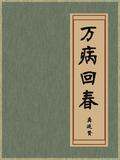 Rejuvenation from All Diseases (Free Public Edition Book)
Comprehensive medical books written by Gong Tingxian in the Ming Dynasty cover treatments and prescriptions for various internal, external, gynecological, and pediatric diseases, focusing on clinical effectiveness.
—Reads9.4Score—Shelves
Rejuvenation from All Diseases (Free Public Edition Book)
Comprehensive medical books written by Gong Tingxian in the Ming Dynasty cover treatments and prescriptions for various internal, external, gynecological, and pediatric diseases, focusing on clinical effectiveness.
—Reads9.4Score—Shelves