Fanqie library
Browse
- Titles
- 1.5k
Every Fanqie book we index, searchable by title, author or tag.
-
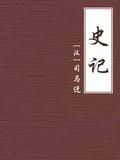 Historical Records
"Historical Records" is a biographical history book written by Sima Qian, a historian of the Western Han Dynasty. It is the first biographical general history in Chinese history. It records a history of more than 3,000 years from the legendary Huangdi era to the fourth year of Emperor Wu of the Han Dynasty.
46Reads9.2Score—Shelves
Historical Records
"Historical Records" is a biographical history book written by Sima Qian, a historian of the Western Han Dynasty. It is the first biographical general history in Chinese history. It records a history of more than 3,000 years from the legendary Huangdi era to the fourth year of Emperor Wu of the Han Dynasty.
46Reads9.2Score—Shelves
-
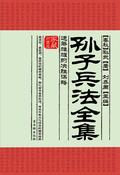 The Complete Works of Sun Tzu's Art of War: Strategies for Decisive Victory
"The Complete Works of Sun Tzu's Art of War" tells the story of strategizing and decisive strategies. "The Art of War" is my country's oldest military book and one of the world's military books. It is a dazzling treasure in China's classical military cultural heritage and an important part of Chinese cultural tradition. Its content is extensive and profound, its thoughts are profound and rich, and its logic is rigorous. It has always been highly respected and has numerous students. The whole boo
46Reads8.9Score—Shelves
The Complete Works of Sun Tzu's Art of War: Strategies for Decisive Victory
"The Complete Works of Sun Tzu's Art of War" tells the story of strategizing and decisive strategies. "The Art of War" is my country's oldest military book and one of the world's military books. It is a dazzling treasure in China's classical military cultural heritage and an important part of Chinese cultural tradition. Its content is extensive and profound, its thoughts are profound and rich, and its logic is rigorous. It has always been highly respected and has numerous students. The whole boo
46Reads8.9Score—Shelves
-
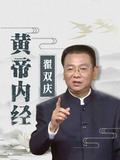 Yellow Emperor's Internal Classic
What good ways to maintain health can we learn from the "Huangdi Neijing"?
46Reads8.5Score—Shelves
Yellow Emperor's Internal Classic
What good ways to maintain health can we learn from the "Huangdi Neijing"?
46Reads8.5Score—Shelves
-
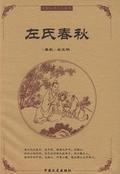 Zuo's Spring and Autumn Period
Zuo's Spring and Autumn Annals was compiled by Zuo Qiuming
46Reads8.4Score—Shelves
Zuo's Spring and Autumn Period
Zuo's Spring and Autumn Annals was compiled by Zuo Qiuming
46Reads8.4Score—Shelves
-
 Zhuangzi's Correction
Liu Wendian, the author of Zhuangzi's Supplement and Correction, was born in Hefei, Anhui Province. During the Anti-Japanese War, he taught at Southwest Associated University in Kunming and Yunnan University. After the victory, the three schools of Southwest Associated University, namely Peking University, Tsinghua University, and Nankai University, moved back to their old locations in Peking and Tianjin. Mr. Liu stayed at Yunda University and died of illness in Kunming in 1958. He stayed in Yun
46Reads9.6Score—Shelves
Zhuangzi's Correction
Liu Wendian, the author of Zhuangzi's Supplement and Correction, was born in Hefei, Anhui Province. During the Anti-Japanese War, he taught at Southwest Associated University in Kunming and Yunnan University. After the victory, the three schools of Southwest Associated University, namely Peking University, Tsinghua University, and Nankai University, moved back to their old locations in Peking and Tianjin. Mr. Liu stayed at Yunda University and died of illness in Kunming in 1958. He stayed in Yun
46Reads9.6Score—Shelves
-
 The Game Wisdom of "Sun Tzu's Art of War"
"Sun Tzu's Art of War" is a 2,500-year-old book on the art of war written by Sun Wu, a general of the Wu State whose ancestral home was Le'an, Qi State during the Spring and Autumn Period. Its content is broad and profound, its thoughts are sophisticated and rich, and its logic is rigorous and rigorous. It is a concentrated expression of the essence of ancient military thought. Now it has gone global and has been translated into many languages and published overseas. It also plays an important
45Reads8.9Score—Shelves
The Game Wisdom of "Sun Tzu's Art of War"
"Sun Tzu's Art of War" is a 2,500-year-old book on the art of war written by Sun Wu, a general of the Wu State whose ancestral home was Le'an, Qi State during the Spring and Autumn Period. Its content is broad and profound, its thoughts are sophisticated and rich, and its logic is rigorous and rigorous. It is a concentrated expression of the essence of ancient military thought. Now it has gone global and has been translated into many languages and published overseas. It also plays an important
45Reads8.9Score—Shelves
-
 Book of Rites
"Book of Rites", also known as "Book of Rites of Xiao Dai" and "Ji of Xiao Dai", is an important book on rules and regulations in ancient China and one of the classic works of Confucianism. This book is compiled by Dai Sheng of the Western Han Dynasty, who compiled and compiled various etiquette works before the Qin and Han Dynasties, with a total of 49 chapters. "Book of Rites" is rigorous in composition, vivid in reflections, tactful in words, echoing back and forth, and the language is neat a
45Reads7.9Score—Shelves
Book of Rites
"Book of Rites", also known as "Book of Rites of Xiao Dai" and "Ji of Xiao Dai", is an important book on rules and regulations in ancient China and one of the classic works of Confucianism. This book is compiled by Dai Sheng of the Western Han Dynasty, who compiled and compiled various etiquette works before the Qin and Han Dynasties, with a total of 49 chapters. "Book of Rites" is rigorous in composition, vivid in reflections, tactful in words, echoing back and forth, and the language is neat a
45Reads7.9Score—Shelves
-
 Old Tang Book (Two Volumes)
The Old Tang Book compiled by officials during the Five Dynasties and later Jin Dynasty is the earliest existing historical book that systematically records the history of the Tang Dynasty. This book was originally called the Book of Tang. Later, in order to distinguish it from the New Book of Tang compiled by Ouyang Xiu, Song Qi and others in the Northern Song Dynasty, it was called the Old Book of Tang. The whole book is divided into three parts: Benji, Zhi and Dao Zhuan, with a total of 200 v
45Reads8.8Score—Shelves
Old Tang Book (Two Volumes)
The Old Tang Book compiled by officials during the Five Dynasties and later Jin Dynasty is the earliest existing historical book that systematically records the history of the Tang Dynasty. This book was originally called the Book of Tang. Later, in order to distinguish it from the New Book of Tang compiled by Ouyang Xiu, Song Qi and others in the Northern Song Dynasty, it was called the Old Book of Tang. The whole book is divided into three parts: Benji, Zhi and Dao Zhuan, with a total of 200 v
45Reads8.8Score—Shelves
-
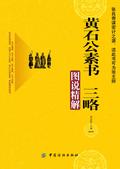 Huang Shi Gong Su Shu's Three Brief Illustrated Explanations
According to legend, Huang Shigong was a hermit in the early Han Dynasty. After giving Zhang Liang a military book after the test of walking on the bridge, he said: If you read this book, you can become an emperor's division, and you will be able to achieve great achievements within ten years. Zhang Liang studied carefully and relied on the ingenious plots in this book to become one of the "Three Heroes of the Early Han Dynasty". Liu Bang, the emperor of the Han Dynasty, claimed that "I am not a
45Reads9.3Score—Shelves
Huang Shi Gong Su Shu's Three Brief Illustrated Explanations
According to legend, Huang Shigong was a hermit in the early Han Dynasty. After giving Zhang Liang a military book after the test of walking on the bridge, he said: If you read this book, you can become an emperor's division, and you will be able to achieve great achievements within ten years. Zhang Liang studied carefully and relied on the ingenious plots in this book to become one of the "Three Heroes of the Early Han Dynasty". Liu Bang, the emperor of the Han Dynasty, claimed that "I am not a
45Reads9.3Score—Shelves
-
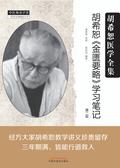 Hu Xishu's "Synopsis of the Golden Chamber" Study Notes
Synopsis of the Golden Chamber was written by Zhang Zhongjing in the late Han Dynasty. It is a must-read book for traditional Chinese medicine practitioners to study classics and practice clinical practice. It has always been annotators of many famous works. However, researchers who have developed a unique theoretical system like Mr. Hu Xishu are quite rare. This book is the inheritance of his academic thoughts. Because it is recorded and compiled in the form of study notes, you can see the word
45Reads8.7Score—Shelves
Hu Xishu's "Synopsis of the Golden Chamber" Study Notes
Synopsis of the Golden Chamber was written by Zhang Zhongjing in the late Han Dynasty. It is a must-read book for traditional Chinese medicine practitioners to study classics and practice clinical practice. It has always been annotators of many famous works. However, researchers who have developed a unique theoretical system like Mr. Hu Xishu are quite rare. This book is the inheritance of his academic thoughts. Because it is recorded and compiled in the form of study notes, you can see the word
45Reads8.7Score—Shelves
-
 Imperial Century
Chinese traditional cultural thoughts have a long history and are highly original, original and literary. The early ideological forms were very distinctive, with extensive and profound contents such as religious theology, Chinese medicine classics, ancient military art, Confucianism, Taoism, Buddhism and hundreds of schools of thought, Feng Shui metaphysics, Twenty-Four Histories, customs and geography, etc. This series of "Original Books on Classic Chinese Studies and Essence Culture" retains t
45Reads8.5Score—Shelves
Imperial Century
Chinese traditional cultural thoughts have a long history and are highly original, original and literary. The early ideological forms were very distinctive, with extensive and profound contents such as religious theology, Chinese medicine classics, ancient military art, Confucianism, Taoism, Buddhism and hundreds of schools of thought, Feng Shui metaphysics, Twenty-Four Histories, customs and geography, etc. This series of "Original Books on Classic Chinese Studies and Essence Culture" retains t
45Reads8.5Score—Shelves
-
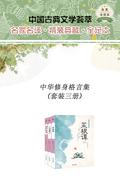 Collection of Chinese Self-Cultivation Aphorisms (Set of Three Volumes)
"Collection of Chinese Self-cultivation Aphorisms" includes three books: "Cai Gen Tan", "Little Window Quiet Notes" and "Night Talk Around the Fireplace", which incisively explains the contents of self-cultivation, reading and determination, living in poverty and living happily, helping the world and helping others, running the family and educating children, being loyal, filial and righteous, and serving as an official and governing, etc., Covering all aspects of life. The diction is beautiful,
45Reads8.8Score—Shelves
Collection of Chinese Self-Cultivation Aphorisms (Set of Three Volumes)
"Collection of Chinese Self-cultivation Aphorisms" includes three books: "Cai Gen Tan", "Little Window Quiet Notes" and "Night Talk Around the Fireplace", which incisively explains the contents of self-cultivation, reading and determination, living in poverty and living happily, helping the world and helping others, running the family and educating children, being loyal, filial and righteous, and serving as an official and governing, etc., Covering all aspects of life. The diction is beautiful,
45Reads8.8Score—Shelves
-
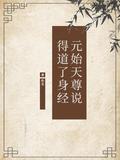 Yuanshi Tianzun Spoke the Truth About the Body Sutra
Chinese classical religious classics are shining classics and outstanding works in the treasure house of Chinese traditional culture. They are expressed in various forms and reflect the glorious picture of Chinese classical literary works.
45Reads8.4Score—Shelves
Yuanshi Tianzun Spoke the Truth About the Body Sutra
Chinese classical religious classics are shining classics and outstanding works in the treasure house of Chinese traditional culture. They are expressed in various forms and reflect the glorious picture of Chinese classical literary works.
45Reads8.4Score—Shelves
-
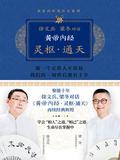 Xu Wenbing and Liang Dong's Dialogue on "The Yellow Emperor's Internal Classic·lingshu·tongtian"
Following the best-selling ten-year dialogue between Xu Wenbing and Liang Dong, "The Yellow Emperor's Internal Classic: Ancient Innocence", "The Four Qi Adjustment of Spirits", "Nian Nian", "Different Methods and Prescriptions" and "The Mantra of the Golden Chamber", Xu Wenbing and Liang Dong once again created classic glory and jointly launched "Xu Wenbing and Liang Dong's Dialogue "The Yellow Emperor's Internal Classic: Lingshu and Tongtian"", telling the important relationship between man and
45Reads9.2Score—Shelves
Xu Wenbing and Liang Dong's Dialogue on "The Yellow Emperor's Internal Classic·lingshu·tongtian"
Following the best-selling ten-year dialogue between Xu Wenbing and Liang Dong, "The Yellow Emperor's Internal Classic: Ancient Innocence", "The Four Qi Adjustment of Spirits", "Nian Nian", "Different Methods and Prescriptions" and "The Mantra of the Golden Chamber", Xu Wenbing and Liang Dong once again created classic glory and jointly launched "Xu Wenbing and Liang Dong's Dialogue "The Yellow Emperor's Internal Classic: Lingshu and Tongtian"", telling the important relationship between man and
45Reads9.2Score—Shelves
-
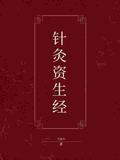 Acupuncture Zi Sheng Jing
Ancient Chinese medicine books are a shining pearl in the treasure house of Chinese medicine. They have high guiding significance and practical value, and have made significant contributions and far-reaching influences on the development of medicine in later generations.
45Reads9.4Score—Shelves
Acupuncture Zi Sheng Jing
Ancient Chinese medicine books are a shining pearl in the treasure house of Chinese medicine. They have high guiding significance and practical value, and have made significant contributions and far-reaching influences on the development of medicine in later generations.
45Reads9.4Score—Shelves
-
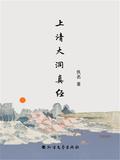 Shangqing Dadong Zhenjing
Chinese traditional cultural thoughts have a long history and are highly original, original and literary. The early ideological forms were very distinctive, with extensive and profound contents such as religious theology, Chinese medicine classics, ancient military art, Confucianism, Taoism, Buddhism and hundreds of schools of thought, Feng Shui metaphysics, Twenty-Four Histories, customs and geography, etc. This series of "Original Books on Classic Chinese Studies and Essence Culture" retains t
45Reads8.4Score—Shelves
Shangqing Dadong Zhenjing
Chinese traditional cultural thoughts have a long history and are highly original, original and literary. The early ideological forms were very distinctive, with extensive and profound contents such as religious theology, Chinese medicine classics, ancient military art, Confucianism, Taoism, Buddhism and hundreds of schools of thought, Feng Shui metaphysics, Twenty-Four Histories, customs and geography, etc. This series of "Original Books on Classic Chinese Studies and Essence Culture" retains t
45Reads8.4Score—Shelves
-
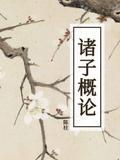 Introduction to the Philosophers
It is limited to the six schools of Yin and Yang, Confucianism, Mohism, Ming Dynasty, Dharma and Taoism discussed by Sima Tan. The order of each school discussed in "Chen Zhu: An Introduction to the Scholars" is based on the "Hanshu Yiwenzhi", and the books of each school are recorded in "Hanzhi". "Chen Zhu: An Introduction to the Scholars" is divided into a series for each school, and the series is divided into chapters, and the chapters are divided into sections. The first chapter of each part
44Reads9.2Score—Shelves
Introduction to the Philosophers
It is limited to the six schools of Yin and Yang, Confucianism, Mohism, Ming Dynasty, Dharma and Taoism discussed by Sima Tan. The order of each school discussed in "Chen Zhu: An Introduction to the Scholars" is based on the "Hanshu Yiwenzhi", and the books of each school are recorded in "Hanzhi". "Chen Zhu: An Introduction to the Scholars" is divided into a series for each school, and the series is divided into chapters, and the chapters are divided into sections. The first chapter of each part
44Reads9.2Score—Shelves
-
 First Aid Elixir
"First Aid Immortal Prescription" is also known as "Emergency Immediate Prescription". Works from the Northern Song Dynasty. None of the authors of the year were tested. This book was originally a compilation of several prescriptions copied by Taoists. There are currently two versions: the Sikuquanshu and the Taoist Canon. "Siku" is a collection of lost copies of "Yongle Dadian", with a total of six volumes. The content includes some treatment prescriptions for back hair, boils, ophthalmology, h
44Reads9.1Score—Shelves
First Aid Elixir
"First Aid Immortal Prescription" is also known as "Emergency Immediate Prescription". Works from the Northern Song Dynasty. None of the authors of the year were tested. This book was originally a compilation of several prescriptions copied by Taoists. There are currently two versions: the Sikuquanshu and the Taoist Canon. "Siku" is a collection of lost copies of "Yongle Dadian", with a total of six volumes. The content includes some treatment prescriptions for back hair, boils, ophthalmology, h
44Reads9.1Score—Shelves
-
 Wanjuanlou Chinese Classics (Collector's Edition): Lu's Spring and Autumn Period
"Lu's Spring and Autumn Annals" is a miscellaneous book compiled by Qin minister Lu Buwei at the end of the Warring States Period, organized by his disciples. It is also known as "Lü Lan". The book respects Taoist thought and affirms Lao Tzu's objective thoughts, but discards its more negative elements. At the same time, it integrates the strengths of Confucianism, Mohism, Legalism, and military schools to form a theoretical system covering all aspects of politics, economics, philosophy, moralit
43Reads8.7Score—Shelves
Wanjuanlou Chinese Classics (Collector's Edition): Lu's Spring and Autumn Period
"Lu's Spring and Autumn Annals" is a miscellaneous book compiled by Qin minister Lu Buwei at the end of the Warring States Period, organized by his disciples. It is also known as "Lü Lan". The book respects Taoist thought and affirms Lao Tzu's objective thoughts, but discards its more negative elements. At the same time, it integrates the strengths of Confucianism, Mohism, Legalism, and military schools to form a theoretical system covering all aspects of politics, economics, philosophy, moralit
43Reads8.7Score—Shelves
-
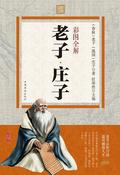 Complete Explanation of Laozi and Zhuangzi with Color Pictures
"Laozi" is also called "Tao Te Ching", and its author is Laozi. Lao Tzu, also known as Lao Dan and named Li Er, was a native of the Chu state during the Spring and Autumn Period. He served as the post-historian of the Eastern Zhou royal family. According to legend, during the Lunar New Year of the Eastern Zhou Dynasty, I returned to seclusion. When passing through Hangu Pass, I met Yin Xi, the officer guarding the pass. Yin Xi asked Laozi. Laozi then left behind this "Laozi" of more than 5,000 w
43Reads9.2Score—Shelves
Complete Explanation of Laozi and Zhuangzi with Color Pictures
"Laozi" is also called "Tao Te Ching", and its author is Laozi. Lao Tzu, also known as Lao Dan and named Li Er, was a native of the Chu state during the Spring and Autumn Period. He served as the post-historian of the Eastern Zhou royal family. According to legend, during the Lunar New Year of the Eastern Zhou Dynasty, I returned to seclusion. When passing through Hangu Pass, I met Yin Xi, the officer guarding the pass. Yin Xi asked Laozi. Laozi then left behind this "Laozi" of more than 5,000 w
43Reads9.2Score—Shelves
-
 Moderate
"The Doctrine of the Mean" is a moral philosophy monograph in ancient China that discusses the realm of life cultivation. It originally belonged to Chapter 31 of the "Book of Rites" and is one of the Confucian classics. It is said to have been written by Zisi during the Warring States Period. Its content affirms that "moderate" is the highest standard of moral behavior, regards "sincerity" as the ontology of the world, and believes that "perfect sincerity" reaches the highest realm of life. It a
43Reads9.3Score—Shelves
Moderate
"The Doctrine of the Mean" is a moral philosophy monograph in ancient China that discusses the realm of life cultivation. It originally belonged to Chapter 31 of the "Book of Rites" and is one of the Confucian classics. It is said to have been written by Zisi during the Warring States Period. Its content affirms that "moderate" is the highest standard of moral behavior, regards "sincerity" as the ontology of the world, and believes that "perfect sincerity" reaches the highest realm of life. It a
43Reads9.3Score—Shelves
-
 Tiger Seal Sutra (Free Public Edition Book)
Ancient Chinese military books. Xu Dong, a native of Wu County in the Northern Song Dynasty (now Wuxian County, Jiangsu Province), took four years to compile it in the first year of Jingde (1004). It has 20 volumes and 210 articles, discussing 210 issues. The main purpose of the "Tiger Signal Sutra" is to talk about people's plans at the top, geographical advantages in the middle, and weather and timing at the bottom. It also covers the wind and angles to predict weather conditions, people and h
42Reads8.6Score—Shelves
Tiger Seal Sutra (Free Public Edition Book)
Ancient Chinese military books. Xu Dong, a native of Wu County in the Northern Song Dynasty (now Wuxian County, Jiangsu Province), took four years to compile it in the first year of Jingde (1004). It has 20 volumes and 210 articles, discussing 210 issues. The main purpose of the "Tiger Signal Sutra" is to talk about people's plans at the top, geographical advantages in the middle, and weather and timing at the bottom. It also covers the wind and angles to predict weather conditions, people and h
42Reads8.6Score—Shelves
-
 Notes on Febrile Diseases
"Annotations on Febrile Diseases" is a medical work on Febrile Diseases edited by Ke Qin of the Qing Dynasty. It runs through the idea that "Zhongjing's Six Classics legislate for all diseases, not just for typhoid fever".
42Reads9.4Score—Shelves
Notes on Febrile Diseases
"Annotations on Febrile Diseases" is a medical work on Febrile Diseases edited by Ke Qin of the Qing Dynasty. It runs through the idea that "Zhongjing's Six Classics legislate for all diseases, not just for typhoid fever".
42Reads9.4Score—Shelves
-
 Appreciation of Famous Sentences from the Four Books and Five Classics (Chinese Ancient Culture Classics Series)
For thousands of years, there have been so many Confucian classics that it is not easy for people to get a glimpse of them. Except for the scholars of Confucianism, most people mainly absorb Confucianism from famous passages in Confucian classics, especially the Four Books and Five Classics. The classic sayings of Confucianism have the function of being passed down through the ages and spread all over the world, allowing generations of people to be influenced and educated by them, so that the en
42Reads8.6Score—Shelves
Appreciation of Famous Sentences from the Four Books and Five Classics (Chinese Ancient Culture Classics Series)
For thousands of years, there have been so many Confucian classics that it is not easy for people to get a glimpse of them. Except for the scholars of Confucianism, most people mainly absorb Confucianism from famous passages in Confucian classics, especially the Four Books and Five Classics. The classic sayings of Confucianism have the function of being passed down through the ages and spread all over the world, allowing generations of people to be influenced and educated by them, so that the en
42Reads8.6Score—Shelves
-
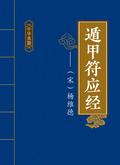 Dunjia Talisman Ying Jing
A strange book on Chinese magic, "Dunjia Fuying Jing" uses Dunjia to discuss the use of Dunjia in marching and avoidance, as well as bad luck in all things. It is said to be "precise in its establishment and researched in detail. It should not be abandoned by the family of the five elements." The art of Qi Men Dun Jia has a long history. It became more and more developed in the Song Dynasty and was taught by many people. In response to the order of Emperor Renzong of the Song Dynasty, Yang Weide
42Reads8.5Score—Shelves
Dunjia Talisman Ying Jing
A strange book on Chinese magic, "Dunjia Fuying Jing" uses Dunjia to discuss the use of Dunjia in marching and avoidance, as well as bad luck in all things. It is said to be "precise in its establishment and researched in detail. It should not be abandoned by the family of the five elements." The art of Qi Men Dun Jia has a long history. It became more and more developed in the Song Dynasty and was taught by many people. In response to the order of Emperor Renzong of the Song Dynasty, Yang Weide
42Reads8.5Score—Shelves
-
 De Jing
This book is a classic work of ancient Taoism.
42Reads8.4Score—Shelves
De Jing
This book is a classic work of ancient Taoism.
42Reads8.4Score—Shelves
-
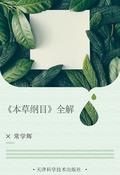 Comprehensive Explanation of "Compendium of Materia Medica"
This book provides a detailed interpretation of the "Compendium of Materia Medica", which mainly includes the use of medicines for the six internal organs and five internal organs to nourish and relieve odor, medicinal formulas for specimens with deficient and excess internal organs, and examples of medication for the four seasons. Based on the principle of taking the essence of the ancients and making it practical for modern people, this book cuts out the complex and simplifies it, carefully se
42Reads8.7Score—Shelves
Comprehensive Explanation of "Compendium of Materia Medica"
This book provides a detailed interpretation of the "Compendium of Materia Medica", which mainly includes the use of medicines for the six internal organs and five internal organs to nourish and relieve odor, medicinal formulas for specimens with deficient and excess internal organs, and examples of medication for the four seasons. Based on the principle of taking the essence of the ancients and making it practical for modern people, this book cuts out the complex and simplifies it, carefully se
42Reads8.7Score—Shelves
-
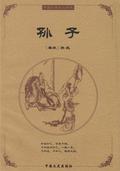 Grandson
"Sun Tzu", a classic work of military strategists, consists of thirteen chapters, written by Sun Wu in the Spring and Autumn Period. It is China's first military work with complete content and profound reasoning.
42Reads8.5Score—Shelves
Grandson
"Sun Tzu", a classic work of military strategists, consists of thirteen chapters, written by Sun Wu in the Spring and Autumn Period. It is China's first military work with complete content and profound reasoning.
42Reads8.5Score—Shelves
-
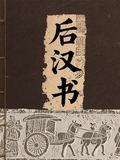 Book of the Later Han Dynasty
"Book of the Later Han" is a chronicle and chronological history that records the history of the Eastern Han Dynasty. It is one of the "Twenty-Four Histories". It was compiled by Fan Ye, a historian from the Southern Song Dynasty. The book has a total of 120 volumes, including 10 volumes of this chronicle and 80 volumes of biographies. It mainly records a total of 195 years of history from the first year of Jianwu of Emperor Guangwu of the Eastern Han Dynasty (25 AD) to the 25th year of Jian'an
42Reads8.9Score—Shelves
Book of the Later Han Dynasty
"Book of the Later Han" is a chronicle and chronological history that records the history of the Eastern Han Dynasty. It is one of the "Twenty-Four Histories". It was compiled by Fan Ye, a historian from the Southern Song Dynasty. The book has a total of 120 volumes, including 10 volumes of this chronicle and 80 volumes of biographies. It mainly records a total of 195 years of history from the first year of Jianwu of Emperor Guangwu of the Eastern Han Dynasty (25 AD) to the 25th year of Jian'an
42Reads8.9Score—Shelves
-
 The Book of Changes
"Zhou Yi Shen Tong Qi", written by Wei Boyang of the Eastern Han Dynasty, referred to as "Shen Tong Qi", is an early Taoist classic. The whole book discusses alchemy based on Yi Xiang, and combines it with the principles of "Dayi", "Huang Lao" and "Luhuo". It uses Qiankun as the cauldron, Yin and Yang as the embankment, water and fire as the mechanism of transformation, the Five Elements as the auxiliary, Xuanjing as the alchemy base, etc., Thereby clarifying the principles and methods of alchem
42Reads8.4Score—Shelves
The Book of Changes
"Zhou Yi Shen Tong Qi", written by Wei Boyang of the Eastern Han Dynasty, referred to as "Shen Tong Qi", is an early Taoist classic. The whole book discusses alchemy based on Yi Xiang, and combines it with the principles of "Dayi", "Huang Lao" and "Luhuo". It uses Qiankun as the cauldron, Yin and Yang as the embankment, water and fire as the mechanism of transformation, the Five Elements as the auxiliary, Xuanjing as the alchemy base, etc., Thereby clarifying the principles and methods of alchem
42Reads8.4Score—Shelves
-
 Taishang Xiuzhen Ti Yuan Miao Dao Sutra
. One volume, written by Liu Yuanduan of the Southern Song Dynasty. Original source: "Orthodox Taoist Canon" Dongzhenbu text genre.
42Reads8.6Score—Shelves
Taishang Xiuzhen Ti Yuan Miao Dao Sutra
Taishang Xiuzhen Ti Yuan Miao Dao Sutra. One volume, written by Liu Yuanduan of the Southern Song Dynasty. Original source: "Orthodox Taoist Canon" Dongzhenbu text genre.
42Reads8.6Score—Shelves
-
 Zhouyi Compromise
"Zhezhong of the Book of Changes" collects the sayings of various great Confucian scholars and examines the past and present. It contains millions of words. Although the explanation is subtle, it is easy to understand and rare. Today's people's difficulty in reading is mostly due to their lack of knowledge of ancient Chinese prose. They look for the meaning of the text and find it difficult to interpret the meaning. Reading this book is like studying the Book of Changes with ancient scholars, ge
42Reads8.9Score—Shelves
Zhouyi Compromise
"Zhezhong of the Book of Changes" collects the sayings of various great Confucian scholars and examines the past and present. It contains millions of words. Although the explanation is subtle, it is easy to understand and rare. Today's people's difficulty in reading is mostly due to their lack of knowledge of ancient Chinese prose. They look for the meaning of the text and find it difficult to interpret the meaning. Reading this book is like studying the Book of Changes with ancient scholars, ge
42Reads8.9Score—Shelves
-
 The Seven Techniques of Yin Fu in This Classic (Classic Original Version)
This wonderful book of strategies for political strategists is a training manual for the "inner saint and outer king" of ancient wise men. The whole book is divided into two volumes: "Ben Jing" and "Yin Fu", with seven chapters that progress layer by layer: "Ben Jing" specializes in strategies for entering the world, from the method of identifying talents, strategies to control subordinates, to the tactics of persuading princes, every sentence directly points to the people's hearts; "Yin Fu" foc
41Reads8.7Score—Shelves
The Seven Techniques of Yin Fu in This Classic (Classic Original Version)
This wonderful book of strategies for political strategists is a training manual for the "inner saint and outer king" of ancient wise men. The whole book is divided into two volumes: "Ben Jing" and "Yin Fu", with seven chapters that progress layer by layer: "Ben Jing" specializes in strategies for entering the world, from the method of identifying talents, strategies to control subordinates, to the tactics of persuading princes, every sentence directly points to the people's hearts; "Yin Fu" foc
41Reads8.7Score—Shelves
-
 Returning Elixirs and Reviving Life
Xue Daoguang (1078-1191), the author of "Huandan Fuming Pian", is also known as Daoyuan. A native of Jizushan, Shaanxi. A monk from this family, whose Dharma name is Zixian, has practiced Zen well and is recognized by Zen sects. He is known as Zen Master Piling. Later he abandoned the monks and followed Taoism. In the second year of Shaoxi's reign in the Southern Song Dynasty (1191), Daocheng died at the age of 114. There are poems praising him: "Iron horses gallop into the sea of people, mud
41Reads8.7Score—Shelves
Returning Elixirs and Reviving Life
Xue Daoguang (1078-1191), the author of "Huandan Fuming Pian", is also known as Daoyuan. A native of Jizushan, Shaanxi. A monk from this family, whose Dharma name is Zixian, has practiced Zen well and is recognized by Zen sects. He is known as Zen Master Piling. Later he abandoned the monks and followed Taoism. In the second year of Shaoxi's reign in the Southern Song Dynasty (1191), Daocheng died at the age of 114. There are poems praising him: "Iron horses gallop into the sea of people, mud
41Reads8.7Score—Shelves
-
 Huangji Jingshi
"Huangji Jingshishu" is a work that uses Yili and Yijiao to study the origin, natural evolution and social and historical changes of the universe. It is manifested in the world with the science of Heluo and Xiangshu. "Huangji Jingshi Shu" has a total of twelve volumes and sixty-four chapters. The first six volumes of "Yuan Hui Yun Shi" contain thirty-four chapters, the second four volumes of "Sound and Rhythms" contain sixteen chapters, the second volume of "Guan Wu Nei Pian" has twelve chapters
41Reads8.5Score—Shelves
Huangji Jingshi
"Huangji Jingshishu" is a work that uses Yili and Yijiao to study the origin, natural evolution and social and historical changes of the universe. It is manifested in the world with the science of Heluo and Xiangshu. "Huangji Jingshi Shu" has a total of twelve volumes and sixty-four chapters. The first six volumes of "Yuan Hui Yun Shi" contain thirty-four chapters, the second four volumes of "Sound and Rhythms" contain sixteen chapters, the second volume of "Guan Wu Nei Pian" has twelve chapters
41Reads8.5Score—Shelves
-
 Puji Fang [Siku Version]
Volumes 1 to 5 of this book are about the square pulse; Volumes 6 to 12 are about luck; Volumes 13 to 43 are about the internal organs; Volumes 44 to 86 are about the body shape, which are divided into nine doors including head, face, ears, nose, mouth, tongue, teeth, and eyes; Volumes 87 to 271 are about various diseases, which are divided into There are thirty-nine chapters on important diseases such as typhoid, seasonal qi, febrile diseases, miscellaneous treatments, food treatments, and milk
41Reads9.3Score—Shelves
Puji Fang [Siku Version]
Volumes 1 to 5 of this book are about the square pulse; Volumes 6 to 12 are about luck; Volumes 13 to 43 are about the internal organs; Volumes 44 to 86 are about the body shape, which are divided into nine doors including head, face, ears, nose, mouth, tongue, teeth, and eyes; Volumes 87 to 271 are about various diseases, which are divided into There are thirty-nine chapters on important diseases such as typhoid, seasonal qi, febrile diseases, miscellaneous treatments, food treatments, and milk
41Reads9.3Score—Shelves
-
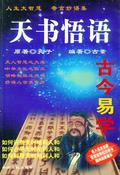 Ancient and Modern Yi-Xue
This chapter summarizes the whole book and discusses the development process and change rules of things. The hexagrams represent the sky with the number of pure Yang in the sixty-four hexagrams. Its function is Qian, which means health, and Tian refers to the sun in ancient times. The sun is constantly moving and shining brightly, and its characteristics are consistent with "health". "Xiang" says: "The movement of heaven is vigorous." It means that the way of heaven is vigorous and running conti
41Reads8.7Score—Shelves
Ancient and Modern Yi-Xue
This chapter summarizes the whole book and discusses the development process and change rules of things. The hexagrams represent the sky with the number of pure Yang in the sixty-four hexagrams. Its function is Qian, which means health, and Tian refers to the sun in ancient times. The sun is constantly moving and shining brightly, and its characteristics are consistent with "health". "Xiang" says: "The movement of heaven is vigorous." It means that the way of heaven is vigorous and running conti
41Reads8.7Score—Shelves
-
 Three Causes and One Disease Syndrome Prescription
"Three Causes and One Disease Syndrome" was written by Chen Yan in the Southern Song Dynasty and was published in the first year of Chunxi (1174). The original name was "Three Causes and One Pathogen", which was shortened to "Three Causes Prescription". The book has 18 volumes, divided into 180 categories, and contains more than 1,050 poems. The book first discusses pulse diagnosis, medical practice procedures and the three causes of disease, and then lists the prescriptions and medicinal treatm
41Reads8.8Score—Shelves
Three Causes and One Disease Syndrome Prescription
"Three Causes and One Disease Syndrome" was written by Chen Yan in the Southern Song Dynasty and was published in the first year of Chunxi (1174). The original name was "Three Causes and One Pathogen", which was shortened to "Three Causes Prescription". The book has 18 volumes, divided into 180 categories, and contains more than 1,050 poems. The book first discusses pulse diagnosis, medical practice procedures and the three causes of disease, and then lists the prescriptions and medicinal treatm
41Reads8.8Score—Shelves
-
 Lu's Spring and Autumn Period
Gathering the mixed and unmixed words of hundreds of schools of thought, it covers the principles of heaven and earth, all things and all sentient beings, ancient and modern! A word worth a thousand dollars, read Lu Buwei's "Lu's Spring and Autumn" Rare things to live in, read the Qin Dynasty version of the encyclopedia
41Reads8.3Score—Shelves
Lu's Spring and Autumn Period
Gathering the mixed and unmixed words of hundreds of schools of thought, it covers the principles of heaven and earth, all things and all sentient beings, ancient and modern! A word worth a thousand dollars, read Lu Buwei's "Lu's Spring and Autumn" Rare things to live in, read the Qin Dynasty version of the encyclopedia
41Reads8.3Score—Shelves
-
 Laozi's Official Poem on the River
This work "Laozi He Shang Gong Zhang Ju" was written by He Shang Gong.
41Reads8.5Score—Shelves
Laozi's Official Poem on the River
This work "Laozi He Shang Gong Zhang Ju" was written by He Shang Gong.
41Reads8.5Score—Shelves
-
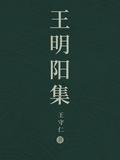 Wang Mingyang Collection
"The Complete Works of Wang Yangming" (Volume 1, 2) is based on the thirty-eight volumes of the Complete Works of Wang Wencheng engraved by Xie Tingjie in the 6th year of Longqing Dynasty in the Ming Dynasty stored in the Zhejiang Library as the original mark. The Wenyuange edition of Sikuquanshu, the four essential editions, the basic series of Chinese studies, the Chinese Library edition and the complete works of Wang Yangming published in Taiwan and Japan are used as reference editions. If th
41Reads8.5Score—Shelves
Wang Mingyang Collection
"The Complete Works of Wang Yangming" (Volume 1, 2) is based on the thirty-eight volumes of the Complete Works of Wang Wencheng engraved by Xie Tingjie in the 6th year of Longqing Dynasty in the Ming Dynasty stored in the Zhejiang Library as the original mark. The Wenyuange edition of Sikuquanshu, the four essential editions, the basic series of Chinese studies, the Chinese Library edition and the complete works of Wang Yangming published in Taiwan and Japan are used as reference editions. If th
41Reads8.5Score—Shelves
-
 The Wisdom of the I Ching
The book "The Wisdom of the Book of Changes" is not only the oldest classic in our country, but also has been highly praised since ancient times and is regarded as "the first of the classics". "The Wisdom of the Book of Changes" looks up at astronomy and geography, and understands the emotions of all things; it studies the relationship between heaven and man, and explores the great principles that the universe and life must change, change, and remain unchanged; it explains the changes in the pas
41Reads9.4Score—Shelves
The Wisdom of the I Ching
The book "The Wisdom of the Book of Changes" is not only the oldest classic in our country, but also has been highly praised since ancient times and is regarded as "the first of the classics". "The Wisdom of the Book of Changes" looks up at astronomy and geography, and understands the emotions of all things; it studies the relationship between heaven and man, and explores the great principles that the universe and life must change, change, and remain unchanged; it explains the changes in the pas
41Reads9.4Score—Shelves
-
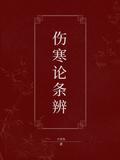 Treatise on Febrile Diseases
"Treatise on Febrile Diseases" was compiled by Fang Youzhi in the Ming Dynasty and was written in the 20th year of Wanli (1592 AD). The whole book is divided into eight volumes. At the end of the volume, there are one chapter each from "Ben Cao Chao", "Or Questions" and "Ji Shu".
40Reads9.4Score—Shelves
Treatise on Febrile Diseases
"Treatise on Febrile Diseases" was compiled by Fang Youzhi in the Ming Dynasty and was written in the 20th year of Wanli (1592 AD). The whole book is divided into eight volumes. At the end of the volume, there are one chapter each from "Ben Cao Chao", "Or Questions" and "Ji Shu".
40Reads9.4Score—Shelves
-
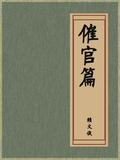 Urging Officials (Free Public Edition Book)
The Feng Shui classics of the Song Dynasty use the sand and water of dragon caves to discuss geographical good and bad luck, and focus on the relationship between the location of the Yangzhai and the official fortune.
40Reads8.6Score—Shelves
Urging Officials (Free Public Edition Book)
The Feng Shui classics of the Song Dynasty use the sand and water of dragon caves to discuss geographical good and bad luck, and focus on the relationship between the location of the Yangzhai and the official fortune.
40Reads8.6Score—Shelves
-
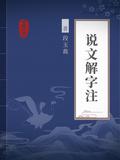 Shuo Wen Jie Zi Annotation
This work "Shuowen Jiezi Annotation" is written by Duan Yucai
40Reads8.6Score—Shelves
Shuo Wen Jie Zi Annotation
This work "Shuowen Jiezi Annotation" is written by Duan Yucai
40Reads8.6Score—Shelves
-
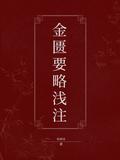 A Brief Note on the Golden Chamber
The style and editing features of this book are slightly the same as A Brief Commentary on Treatise on Febrile Diseases. The author selects the outstanding annotations from the annotated version of "The Synopsis of the Golden Chamber" by his predecessors, and analyzes them based on his personal opinions in order to clarify the gist. The last three articles in Lin Yi's edited version (a total of 25 articles) are deleted from the book, and the 22nd article (Women's Miscellaneous Diseases and Pulse
40Reads9.3Score—Shelves
A Brief Note on the Golden Chamber
The style and editing features of this book are slightly the same as A Brief Commentary on Treatise on Febrile Diseases. The author selects the outstanding annotations from the annotated version of "The Synopsis of the Golden Chamber" by his predecessors, and analyzes them based on his personal opinions in order to clarify the gist. The last three articles in Lin Yi's edited version (a total of 25 articles) are deleted from the book, and the 22nd article (Women's Miscellaneous Diseases and Pulse
40Reads9.3Score—Shelves
-
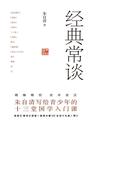 Classical Talk
"Classic Chang Tan" is an important achievement of Zhu Ziqing's research and teaching on Chinese studies. It contains interpretations of Chinese classics such as "Shuowen Jiezi", "Book of Changes", "Book of Songs", "Book of Songs", "Warring States Policy", "Historical Records", and "Hanshu". There are 13 articles in total. It systematically introduces the development and historical context of ancient Chinese literature. It is a classic introductory book on Chinese traditional culture. The book's
40Reads9.3Score—Shelves
Classical Talk
"Classic Chang Tan" is an important achievement of Zhu Ziqing's research and teaching on Chinese studies. It contains interpretations of Chinese classics such as "Shuowen Jiezi", "Book of Changes", "Book of Songs", "Book of Songs", "Warring States Policy", "Historical Records", and "Hanshu". There are 13 articles in total. It systematically introduces the development and historical context of ancient Chinese literature. It is a classic introductory book on Chinese traditional culture. The book's
40Reads9.3Score—Shelves
-
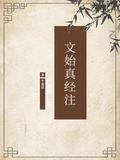 Commentary on Wenshi Zhenjing
"Annotation of Wenshi Zhenjing" was written by Niu Daochun in the Yuan Dynasty based on "Wenshi Zhenjing" (also known as "Guan Yinzi"). It is an important annotation of Taoist thoughts on mind nature and cultivation. The original scripture has a total of nine chapters and 72 chapters with profound semantics. Niu Daochun used the three schools of Confucianism, Buddhism and Taoism to understand its meaning, explaining it chapter by chapter and sentence by sentence, with parallel annotations, so th
40Reads8.4Score—Shelves
Commentary on Wenshi Zhenjing
"Annotation of Wenshi Zhenjing" was written by Niu Daochun in the Yuan Dynasty based on "Wenshi Zhenjing" (also known as "Guan Yinzi"). It is an important annotation of Taoist thoughts on mind nature and cultivation. The original scripture has a total of nine chapters and 72 chapters with profound semantics. Niu Daochun used the three schools of Confucianism, Buddhism and Taoism to understand its meaning, explaining it chapter by chapter and sentence by sentence, with parallel annotations, so th
40Reads8.4Score—Shelves
-
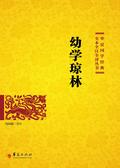 Kindergarten Qionglin
"Young Learning Qionglin" is an enlightening children's book in ancient China. The author is Cheng Dengji, whose courtesy name is Yunsheng, who was born in Xichang in the late Ming Dynasty. This book was originally titled "Instructions for Preschool Education", also known as "Idiom Test" and "Story Source Search". Qiu Rui, a Jinshi during the Jingtai period of the Ming Dynasty, Zou Shengmai during the Jiaqing period of the Qing Dynasty, Fei Yourong, Ye Pusun and Cai Dongfan during the Republic o
40Reads8.6Score—Shelves
Kindergarten Qionglin
"Young Learning Qionglin" is an enlightening children's book in ancient China. The author is Cheng Dengji, whose courtesy name is Yunsheng, who was born in Xichang in the late Ming Dynasty. This book was originally titled "Instructions for Preschool Education", also known as "Idiom Test" and "Story Source Search". Qiu Rui, a Jinshi during the Jingtai period of the Ming Dynasty, Zou Shengmai during the Jiaqing period of the Qing Dynasty, Fei Yourong, Ye Pusun and Cai Dongfan during the Republic o
40Reads8.6Score—Shelves
-
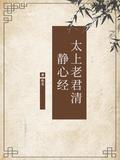 Taishang Laojun's Qing Jing Heart Sutra
"Tai Shang Lao Jun Qing Jing Heart Sutra", a Taoist classic. In the seventeenth volume of "Yunji Qizhu", there is the "Tai Shang Laojun Qing Jing Heart Sutra", which is also found in the Taiqing Part of "Tao Zang". The sutra has about 600 words, and its content is basically the same as the Qing Jing Sutra (more than 390 words) that is currently circulating. In comparison, the "Qing Jing Heart Sutra" is more difficult to understand, while the "Qing Jing Sutra" is smoother and easier to understand
40Reads8.6Score—Shelves
Taishang Laojun's Qing Jing Heart Sutra
"Tai Shang Lao Jun Qing Jing Heart Sutra", a Taoist classic. In the seventeenth volume of "Yunji Qizhu", there is the "Tai Shang Laojun Qing Jing Heart Sutra", which is also found in the Taiqing Part of "Tao Zang". The sutra has about 600 words, and its content is basically the same as the Qing Jing Sutra (more than 390 words) that is currently circulating. In comparison, the "Qing Jing Heart Sutra" is more difficult to understand, while the "Qing Jing Sutra" is smoother and easier to understand
40Reads8.6Score—Shelves