Fanqie library
Browse
- Titles
- 1.6k
Every Fanqie book we index, searchable by title, author or tag.
-
 Huixi Medical Records
Medical records writings. Written by Xu Dachun of the Qing Dynasty. There are 48 medical records in one volume, including 32 in internal medicine, 4 in gynecology, and 12 in surgery. It was not printed at first. In 1855, it was edited by Wang Shixiong based on the manuscript and published with annotations. The collected medical records mainly focus on miscellaneous internal diseases, and the treatment methods are flexible and adaptable according to the symptoms. There are also many unique clinic
—Reads8.3Score—Shelves
Huixi Medical Records
Medical records writings. Written by Xu Dachun of the Qing Dynasty. There are 48 medical records in one volume, including 32 in internal medicine, 4 in gynecology, and 12 in surgery. It was not printed at first. In 1855, it was edited by Wang Shixiong based on the manuscript and published with annotations. The collected medical records mainly focus on miscellaneous internal diseases, and the treatment methods are flexible and adaptable according to the symptoms. There are also many unique clinic
—Reads8.3Score—Shelves
-
 Decoction of Materia Medica
"Tangye Materia Medica", 3 volumes, a book on materia medica, written by Wang Haogu in the Yuan Dynasty from 1238 to 1248, and supplemented with some information in the 17th year of the Yuan Dynasty (1280). Wang Haogu regarded materia medica and decoctions (jingfang) as his true teachings, so he wrote this book. The first volume is a general introduction to medicinal properties, and the middle and lower volumes record 242 kinds of medicines.
—Reads9.2Score—Shelves
Decoction of Materia Medica
"Tangye Materia Medica", 3 volumes, a book on materia medica, written by Wang Haogu in the Yuan Dynasty from 1238 to 1248, and supplemented with some information in the 17th year of the Yuan Dynasty (1280). Wang Haogu regarded materia medica and decoctions (jingfang) as his true teachings, so he wrote this book. The first volume is a general introduction to medicinal properties, and the middle and lower volumes record 242 kinds of medicines.
—Reads9.2Score—Shelves
-
 Orchid Chamber Secret Collection
Most of the treatment prescriptions in this book were created by Li. Although they have many medicinal flavors, their compatibility is precise and consistent with the principles of prescriptions and medicines. They are clinically practical and will have a great influence on future generations.
—Reads8.5Score—Shelves
Orchid Chamber Secret Collection
Most of the treatment prescriptions in this book were created by Li. Although they have many medicinal flavors, their compatibility is precise and consistent with the principles of prescriptions and medicines. They are clinically practical and will have a great influence on future generations.
—Reads8.5Score—Shelves
-
 Confucian Marriage
"Confucian Affairs", one of the ancient Chinese medical works, was compiled by Zhang Congzheng and has a total of fifteen volumes. It was written in 1228. Adhering to Zhang's idea that "only Confucians can understand the principles, and those who care for relatives should know medicine", so it was named "Confucianism for Family Care". The first three volumes of the book were written by Zhang Congzheng himself, and the remaining volumes were dictated by Zhang and recorded and compiled by Ma Zhiji
—Reads9.2Score—Shelves
Confucian Marriage
"Confucian Affairs", one of the ancient Chinese medical works, was compiled by Zhang Congzheng and has a total of fifteen volumes. It was written in 1228. Adhering to Zhang's idea that "only Confucians can understand the principles, and those who care for relatives should know medicine", so it was named "Confucianism for Family Care". The first three volumes of the book were written by Zhang Congzheng himself, and the remaining volumes were dictated by Zhang and recorded and compiled by Ma Zhiji
—Reads9.2Score—Shelves
-
 True Medicine
Ancient Chinese medicine books are a shining pearl in the treasure house of Chinese medicine. They have high guiding significance and practical value, and have made significant contributions and far-reaching influences on the development of medicine in later generations.
—Reads9.1Score—Shelves
True Medicine
Ancient Chinese medicine books are a shining pearl in the treasure house of Chinese medicine. They have high guiding significance and practical value, and have made significant contributions and far-reaching influences on the development of medicine in later generations.
—Reads9.1Score—Shelves
-
 Jing's Yi Zhuan
[The top-notch masterpiece in the "Book of Changes" has had a huge influence since it was written. Chinese classics: "Jingshi Yi Zhuan" Jingfang uses a unique way of thinking to construct the eight palace hexagram sequence, which contains Najia, Nazhi, Feifu, Hutei, Jianhou, accumulation, climate fraction, five elements, five stars, and twenty-eight constellations into the hexagrams, forming a complex and orderly picture of the universe. Jingfang is an expert in ancient astrology and astronomica
—Reads8.5Score—Shelves
Jing's Yi Zhuan
[The top-notch masterpiece in the "Book of Changes" has had a huge influence since it was written. Chinese classics: "Jingshi Yi Zhuan" Jingfang uses a unique way of thinking to construct the eight palace hexagram sequence, which contains Najia, Nazhi, Feifu, Hutei, Jianhou, accumulation, climate fraction, five elements, five stars, and twenty-eight constellations into the hexagrams, forming a complex and orderly picture of the universe. Jingfang is an expert in ancient astrology and astronomica
—Reads8.5Score—Shelves
-
 Dongpo Yi Zhuan
Everyone knows that Su Dongpo is a literary giant of a generation, but few people know that he is a "master of Yi studies" and once wrote a "Biography of Su Dongpo". Su Shi studied "Yi" with Meishan Taoist Zhang Yijian when he was young. When he was young, he wanted to go into the mountains and become a Taoist priest. He had frequent contacts with Taoist masters throughout his life. He was well versed in the divination and "fetal breath" health-preserving techniques of "Zhou Yi" and called himse
—Reads9.2Score—Shelves
Dongpo Yi Zhuan
Everyone knows that Su Dongpo is a literary giant of a generation, but few people know that he is a "master of Yi studies" and once wrote a "Biography of Su Dongpo". Su Shi studied "Yi" with Meishan Taoist Zhang Yijian when he was young. When he was young, he wanted to go into the mountains and become a Taoist priest. He had frequent contacts with Taoist masters throughout his life. He was well versed in the divination and "fetal breath" health-preserving techniques of "Zhou Yi" and called himse
—Reads9.2Score—Shelves
-
 Yi Chuan
"Yi Zhuan" is an ancient classic work that provides systematic annotations and philosophical elucidation of the scriptures of "The Book of Changes" (also known as "The Book of Changes"). It is an important document for understanding the Yi studies, Confucianism and ancient cosmology. The "Yi Zhuan" is usually collectively referred to as the "Ten Wings", including the upper and lower parts of the "Tuan Zhuan", the upper and lower parts of the "Xiang Zhuan", the upper and lower parts of the "Wenya
—Reads8.4Score—Shelves
Yi Chuan
"Yi Zhuan" is an ancient classic work that provides systematic annotations and philosophical elucidation of the scriptures of "The Book of Changes" (also known as "The Book of Changes"). It is an important document for understanding the Yi studies, Confucianism and ancient cosmology. The "Yi Zhuan" is usually collectively referred to as the "Ten Wings", including the upper and lower parts of the "Tuan Zhuan", the upper and lower parts of the "Xiang Zhuan", the upper and lower parts of the "Wenya
—Reads8.4Score—Shelves
-
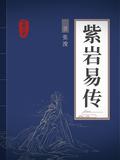 Ziyan Yi Zhuan
This work "Ziyan Yi Zhuan" is written by Zhang Jun
—Reads7.7Score—Shelves
Ziyan Yi Zhuan
This work "Ziyan Yi Zhuan" is written by Zhang Jun
—Reads7.7Score—Shelves
-
 Xijing Fu
One of Zhang Heng's "Essays on Two Capitals" of the Eastern Han Dynasty describes the prosperous scene of Chang'an, the capital of the Western Han Dynasty, with emphatic elaboration and implicit satire.
—Reads8.5Score—Shelves
Xijing Fu
One of Zhang Heng's "Essays on Two Capitals" of the Eastern Han Dynasty describes the prosperous scene of Chang'an, the capital of the Western Han Dynasty, with emphatic elaboration and implicit satire.
—Reads8.5Score—Shelves
-
 Miscellaneous Notes on the West Garden of Xu Xiangyang
"Xu Xiangyang Xiyuan Miscellaneous Notes" is a notebook-style historical work written by Xu Xian, a scholar in the Ming Dynasty. It is a rare type of miscellaneous notes in ancient China. Written during the Ming Dynasty, this book records a large number of miscellaneous anecdotes about Xiangyang and wider historical events, characters' words and deeds, and social styles through the author's personal experience and collection of historical anecdotes. It is one of the important materials for study
—Reads—Score—Shelves
Miscellaneous Notes on the West Garden of Xu Xiangyang
"Xu Xiangyang Xiyuan Miscellaneous Notes" is a notebook-style historical work written by Xu Xian, a scholar in the Ming Dynasty. It is a rare type of miscellaneous notes in ancient China. Written during the Ming Dynasty, this book records a large number of miscellaneous anecdotes about Xiangyang and wider historical events, characters' words and deeds, and social styles through the author's personal experience and collection of historical anecdotes. It is one of the important materials for study
—Reads—Score—Shelves
-
 Beauty Book (Free Public Edition Book)
Xu Zhen believes that beauty has ten standards and moods, namely appearance, charm, skills, conduct, residence, hospitality, decoration, assistance, food, and interest.
—Reads8.5Score—Shelves
Beauty Book (Free Public Edition Book)
Xu Zhen believes that beauty has ten standards and moods, namely appearance, charm, skills, conduct, residence, hospitality, decoration, assistance, food, and interest.
—Reads8.5Score—Shelves
-
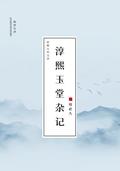 Miscellaneous Notes of Chunxi Yutang
"Chunxi Yutang Miscellaneous Notes" is a collection of notes written by Zhou Bida, a literati in the Southern Song Dynasty. The author recorded what he saw and heard in the Hanyuan of the Chaotang with first-hand experience. The "Yutang" in the book's title refers to the Hanlin Academy, where he once lived, experienced many regulations and systems, changes in officialdom, and had conversations with emperors and ministers. In these chapters, you will see: a scholar who has just entered the offici
—Reads—Score—Shelves
Miscellaneous Notes of Chunxi Yutang
"Chunxi Yutang Miscellaneous Notes" is a collection of notes written by Zhou Bida, a literati in the Southern Song Dynasty. The author recorded what he saw and heard in the Hanyuan of the Chaotang with first-hand experience. The "Yutang" in the book's title refers to the Hanlin Academy, where he once lived, experienced many regulations and systems, changes in officialdom, and had conversations with emperors and ministers. In these chapters, you will see: a scholar who has just entered the offici
—Reads—Score—Shelves
-
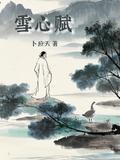 Xuexinfu
"Xue Xin Fu" is a classic work on ancient Chinese Feng Shui, written by Bu Yingtian, a Feng Shui master in the Tang Dynasty. This book deeply explores the essence of Feng Shui, based on the five elements of Yin and Yang, and explains in detail the selection and application of Feng Shui elements such as dragon veins, sand water, and acupuncture points. Its text is concise and has profound meaning, and it is regarded as a model by later generations of Feng Shui scholars. By reading "Snow Heart Fu"
—Reads8.8Score—Shelves
Xuexinfu
"Xue Xin Fu" is a classic work on ancient Chinese Feng Shui, written by Bu Yingtian, a Feng Shui master in the Tang Dynasty. This book deeply explores the essence of Feng Shui, based on the five elements of Yin and Yang, and explains in detail the selection and application of Feng Shui elements such as dragon veins, sand water, and acupuncture points. Its text is concise and has profound meaning, and it is regarded as a model by later generations of Feng Shui scholars. By reading "Snow Heart Fu"
—Reads8.8Score—Shelves
-
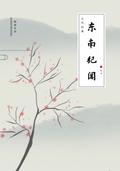 Southeast Chronicle
"Southeast Chronicles" is a notebook-style historical work written by an anonymous person in the Yuan Dynasty. It has about three volumes and mainly records anecdotes and social customs in the southeastern region during the Southern Song Dynasty (1127-1279). It is a work of historical materials and notes. Different from official history, it does not focus on chronological narratives, but presents readers with a multi-layered and three-dimensional historical picture through many specific details
—Reads7.6Score—Shelves
Southeast Chronicle
"Southeast Chronicles" is a notebook-style historical work written by an anonymous person in the Yuan Dynasty. It has about three volumes and mainly records anecdotes and social customs in the southeastern region during the Southern Song Dynasty (1127-1279). It is a work of historical materials and notes. Different from official history, it does not focus on chronological narratives, but presents readers with a multi-layered and three-dimensional historical picture through many specific details
—Reads7.6Score—Shelves
-
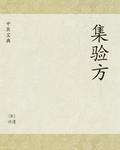 Traditional Chinese Medicine Collection: Collection of Prescriptions
Hong Zun, a bachelor of Zizheng Palace in the Southern Song Dynasty, wrote a book on traditional Chinese medicine. In his spare time, Hong Zun was familiar with medical books, cared about people's illnesses, collected medical prescriptions, and carried out treatments, which achieved many results. In his later years, his many years of searching for effective medical prescriptions was published in a book called "Hong's Collection of Prescriptions". The accepted recipes come from Santu. First, "to
—Reads8.4Score—Shelves
Traditional Chinese Medicine Collection: Collection of Prescriptions
Hong Zun, a bachelor of Zizheng Palace in the Southern Song Dynasty, wrote a book on traditional Chinese medicine. In his spare time, Hong Zun was familiar with medical books, cared about people's illnesses, collected medical prescriptions, and carried out treatments, which achieved many results. In his later years, his many years of searching for effective medical prescriptions was published in a book called "Hong's Collection of Prescriptions". The accepted recipes come from Santu. First, "to
—Reads8.4Score—Shelves
-
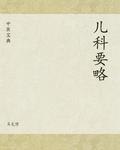 Traditional Chinese Medicine Collection: Essentials of Pediatrics
[Wu Keqian's masterpiece on pediatrics, a famous doctor in the Republic of China] A complete children's health encyclopedia, covering various common diseases, trauma, congenital diseases and other problems, as well as basic parenting methods for children aged 0-5, including diet, nutrition and sleep issues at various stages. Based on academic thoughts, combined with his experience in clinical treatment of more than 30 common and difficult diseases in pediatrics, it elaborates on some current dif
—Reads8.4Score—Shelves
Traditional Chinese Medicine Collection: Essentials of Pediatrics
[Wu Keqian's masterpiece on pediatrics, a famous doctor in the Republic of China] A complete children's health encyclopedia, covering various common diseases, trauma, congenital diseases and other problems, as well as basic parenting methods for children aged 0-5, including diet, nutrition and sleep issues at various stages. Based on academic thoughts, combined with his experience in clinical treatment of more than 30 common and difficult diseases in pediatrics, it elaborates on some current dif
—Reads8.4Score—Shelves
-
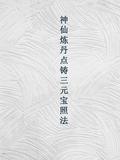 Immortal Alchemy Point Casting Three Yuan Treasure According to the Method
Immortal alchemy points cast three yuan treasure according to the method. Written by Gui Gengzi, a hermit in the late Tang Dynasty. The official method of refining elixirs and casting mirrors. One roll. Original source: Method Class of Dongshen Department of "Orthodox Taoist Canon".
—Reads8.0Score—Shelves
Immortal Alchemy Point Casting Three Yuan Treasure According to the Method
Immortal alchemy points cast three yuan treasure according to the method. Written by Gui Gengzi, a hermit in the late Tang Dynasty. The official method of refining elixirs and casting mirrors. One roll. Original source: Method Class of Dongshen Department of "Orthodox Taoist Canon".
—Reads8.0Score—Shelves
-
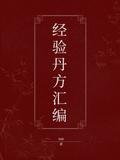 Compilation of Experience Prescriptions
Xian Kaoting Ligong was devoted to good deeds throughout his life, but unfortunately passed away in middle age. Before his death, he told Jun: "My family has been cultivating virtues for generations, and you should carry forward the ambitions of my ancestors." Jun wept and aspired, but he dared not forget you. The author is Qian Jun (1644-1911), a physician in the early Qing Dynasty, courtesy name Qing, who was born in Wuxing, Zhejiang Province. The "Compilation of Experienced Prescriptions" (17
—Reads9.3Score—Shelves
Compilation of Experience Prescriptions
Xian Kaoting Ligong was devoted to good deeds throughout his life, but unfortunately passed away in middle age. Before his death, he told Jun: "My family has been cultivating virtues for generations, and you should carry forward the ambitions of my ancestors." Jun wept and aspired, but he dared not forget you. The author is Qian Jun (1644-1911), a physician in the early Qing Dynasty, courtesy name Qing, who was born in Wuxing, Zhejiang Province. The "Compilation of Experienced Prescriptions" (17
—Reads9.3Score—Shelves
-
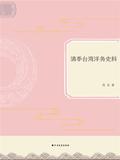 Historical Materials on Taiwan's Westernization in the Qing Dynasty
Chinese traditional cultural thoughts have a long history and are highly original, original and literary. The early ideological forms were very distinctive, with extensive and profound contents such as religious theology, Chinese medicine classics, ancient military art, Confucianism, Taoism, Buddhism and hundreds of schools of thought, Feng Shui metaphysics, Twenty-Four Histories, customs and geography, etc. This series of "Original Books on Classic Chinese Studies and Essence Culture" retains t
—Reads—Score—Shelves
Historical Materials on Taiwan's Westernization in the Qing Dynasty
Chinese traditional cultural thoughts have a long history and are highly original, original and literary. The early ideological forms were very distinctive, with extensive and profound contents such as religious theology, Chinese medicine classics, ancient military art, Confucianism, Taoism, Buddhism and hundreds of schools of thought, Feng Shui metaphysics, Twenty-Four Histories, customs and geography, etc. This series of "Original Books on Classic Chinese Studies and Essence Culture" retains t
—Reads—Score—Shelves
-
 Penghu Taiwan Chronicle (Free Public Edition Book)
It records in detail the geographical environment, historical evolution, customs, politics and military of Penghu and Taiwan. Through on-the-spot investigation and data collection, the author systematically elaborates on the mountains, rivers, landforms, product resources, ethnic distribution, social systems, etc. Of the two places, providing important historical data for future generations to understand the conditions of Penghu and Taiwan at that time, and is an important document for the study
—Reads8.7Score—Shelves
Penghu Taiwan Chronicle (Free Public Edition Book)
It records in detail the geographical environment, historical evolution, customs, politics and military of Penghu and Taiwan. Through on-the-spot investigation and data collection, the author systematically elaborates on the mountains, rivers, landforms, product resources, ethnic distribution, social systems, etc. Of the two places, providing important historical data for future generations to understand the conditions of Penghu and Taiwan at that time, and is an important document for the study
—Reads8.7Score—Shelves
-
 The Behavior of the Empress Dong E
"The Deeds of Empress Dong E" is a eulogy written by Emperor Shunzhi for his beloved concubine Dong E. It has about 4,000 words, and the lines are full of deep sorrow and sincere emotions. The opening chapter begins with beautiful and elegant words: "The empress Xiaoxianzhuang and the most virtuous Xuanren, gentle and dunjing died. Woohoo! Internal governance of the virtuous, praise of the helpless..." The reader is quickly drawn into the unforgettable atmosphere of farewell. The whole article l
—Reads—Score—Shelves
The Behavior of the Empress Dong E
"The Deeds of Empress Dong E" is a eulogy written by Emperor Shunzhi for his beloved concubine Dong E. It has about 4,000 words, and the lines are full of deep sorrow and sincere emotions. The opening chapter begins with beautiful and elegant words: "The empress Xiaoxianzhuang and the most virtuous Xuanren, gentle and dunjing died. Woohoo! Internal governance of the virtuous, praise of the helpless..." The reader is quickly drawn into the unforgettable atmosphere of farewell. The whole article l
—Reads—Score—Shelves
-
 The End of Donglin
"Donglin Benmo" is an important historical work of the late Ming Dynasty. It was compiled and written by Wu Yingji, a scholar of the Ming Dynasty. It is an important original document for studying the political disputes between the Donglin Party and the late Ming Dynasty. Wu Yingji pointed out in the preface that the so-called "Donglin" was not only the name of the academy, but also a code name for the scholar-officials' party at that time. The purpose of this book is to sort out the rise, debat
—Reads—Score—Shelves
The End of Donglin
"Donglin Benmo" is an important historical work of the late Ming Dynasty. It was compiled and written by Wu Yingji, a scholar of the Ming Dynasty. It is an important original document for studying the political disputes between the Donglin Party and the late Ming Dynasty. Wu Yingji pointed out in the preface that the so-called "Donglin" was not only the name of the academy, but also a code name for the scholar-officials' party at that time. The purpose of this book is to sort out the rise, debat
—Reads—Score—Shelves
-
 Surgery Essentials
Ancient Chinese medicine books are a shining pearl in the treasure house of Chinese medicine. They have high guiding significance and practical value, and have made significant contributions and far-reaching influences on the development of medicine in later generations.
—Reads8.2Score—Shelves
Surgery Essentials
Ancient Chinese medicine books are a shining pearl in the treasure house of Chinese medicine. They have high guiding significance and practical value, and have made significant contributions and far-reaching influences on the development of medicine in later generations.
—Reads8.2Score—Shelves
-
 Master of Surgery
Ancient Chinese medicine books are a shining pearl in the treasure house of Chinese medicine. They have high guiding significance and practical value, and have made significant contributions and far-reaching influences on the development of medicine in later generations.
—Reads8.5Score—Shelves
Master of Surgery
Ancient Chinese medicine books are a shining pearl in the treasure house of Chinese medicine. They have high guiding significance and practical value, and have made significant contributions and far-reaching influences on the development of medicine in later generations.
—Reads8.5Score—Shelves
-
 All Surgical Collections
Ancient Chinese medicine books are a shining pearl in the treasure house of Chinese medicine. They have high guiding significance and practical value, and have made significant contributions and far-reaching influences on the development of medicine in later generations.
—Reads8.4Score—Shelves
All Surgical Collections
Ancient Chinese medicine books are a shining pearl in the treasure house of Chinese medicine. They have high guiding significance and practical value, and have made significant contributions and far-reaching influences on the development of medicine in later generations.
—Reads8.4Score—Shelves
-
 Complete Book of Surgical Diagnosis and Treatment
Surgical writings. Five volumes. Co-authored by Xu Kechang and Bi Fa of the Qing Dynasty. Published in 1831. Volume 1-3 General Introduction to Surgical Syndrome and Treatment, including head, face, eyes, nose, ears, mouth, lips, teeth, tongue, throat, neck, chest, breasts, armpits, flanks, ribs, shoulders, shoulders, arms, hands, back, waist, abdomen, two yin and thighs , knees, shins, and feet. Volume 4 covers syndromes with no fixed location, treatment of internal syndromes, external causes o
—Reads8.5Score—Shelves
Complete Book of Surgical Diagnosis and Treatment
Surgical writings. Five volumes. Co-authored by Xu Kechang and Bi Fa of the Qing Dynasty. Published in 1831. Volume 1-3 General Introduction to Surgical Syndrome and Treatment, including head, face, eyes, nose, ears, mouth, lips, teeth, tongue, throat, neck, chest, breasts, armpits, flanks, ribs, shoulders, shoulders, arms, hands, back, waist, abdomen, two yin and thighs , knees, shins, and feet. Volume 4 covers syndromes with no fixed location, treatment of internal syndromes, external causes o
—Reads8.5Score—Shelves
-
 Examination of Thirteen Methods of Surgery
Ancient Chinese medicine books are a shining pearl in the treasure house of Chinese medicine. They have high guiding significance and practical value, and have made significant contributions and far-reaching influences on the development of medicine in later generations.
—Reads8.6Score—Shelves
Examination of Thirteen Methods of Surgery
Ancient Chinese medicine books are a shining pearl in the treasure house of Chinese medicine. They have high guiding significance and practical value, and have made significant contributions and far-reaching influences on the development of medicine in later generations.
—Reads8.6Score—Shelves
-
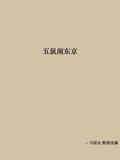 Five Rats Causing Trouble in Tokyo
The story takes place during the reign of Renzong in the Northern Song Dynasty. Bao Zheng, Bao Qingtian (played by Liang Guanhua), the governor of Kaifeng, enforces the law impartially and is not afraid of powerful people. As a result, he is deeply resented by a group of evil people led by Taishi Pang. During the pursuit of Black Tiger Village, Master Bao, who was in danger, was rescued by the knight Zhan Zhao (played by Yan Yikuan). After returning to the capital, Zhan Xiongfei showed off his u
—Reads8.5Score—Shelves
Five Rats Causing Trouble in Tokyo
The story takes place during the reign of Renzong in the Northern Song Dynasty. Bao Zheng, Bao Qingtian (played by Liang Guanhua), the governor of Kaifeng, enforces the law impartially and is not afraid of powerful people. As a result, he is deeply resented by a group of evil people led by Taishi Pang. During the pursuit of Black Tiger Village, Master Bao, who was in danger, was rescued by the knight Zhan Zhao (played by Yan Yikuan). After returning to the capital, Zhan Xiongfei showed off his u
—Reads8.5Score—Shelves
-
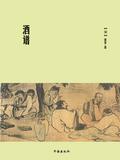 Wine List
"Wine Book" was written in the second year of Tiansheng reign of Emperor Renzong of the Song Dynasty (AD 1024). It contains fourteen topics including stories, anecdotes, and rumors about wine, including the origin of wine, the name of wine, the history of wine, celebrities drinking, functions of wine, nature and flavor, drinking vessels, legends, drinking etiquette, poems about wine, etc. It is rich in content and is a collection of Chinese wine culture before the Northern Song Dynasty.
—Reads8.7Score—Shelves
Wine List
"Wine Book" was written in the second year of Tiansheng reign of Emperor Renzong of the Song Dynasty (AD 1024). It contains fourteen topics including stories, anecdotes, and rumors about wine, including the origin of wine, the name of wine, the history of wine, celebrities drinking, functions of wine, nature and flavor, drinking vessels, legends, drinking etiquette, poems about wine, etc. It is rich in content and is a collection of Chinese wine culture before the Northern Song Dynasty.
—Reads8.7Score—Shelves
-
 Chronicles of Ancient and Modern Anecdotes (Free Public Edition)
Also known as "Qiwen Lei Ji". It is divided into sixteen categories, including astronomy, geography, five elements, divine blessing, foreknowledge, Ling Bo, adventure, bravery, subduing the dragon, subduing the tiger, banning poison, eliminating demons, poisons, spirits, immortals and Buddhas, and gods and ghosts. They all record strange and grotesque things, including recent news from the Ming Dynasty, especially those who collected contemporary miscellaneous works and official and unofficial h
—Reads8.9Score—Shelves
Chronicles of Ancient and Modern Anecdotes (Free Public Edition)
Also known as "Qiwen Lei Ji". It is divided into sixteen categories, including astronomy, geography, five elements, divine blessing, foreknowledge, Ling Bo, adventure, bravery, subduing the dragon, subduing the tiger, banning poison, eliminating demons, poisons, spirits, immortals and Buddhas, and gods and ghosts. They all record strange and grotesque things, including recent news from the Ming Dynasty, especially those who collected contemporary miscellaneous works and official and unofficial h
—Reads8.9Score—Shelves
-
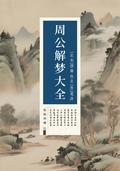 Zhou Gong's Complete Dream Interpretation
"The Complete Collection of Dream Interpretations by Duke Zhou" is a masterpiece of dream books that have been passed down for thousands of years. The opening chapter is fascinating with a mysterious and profound question: Are visions in dreams inspired by gods, subconscious minds, or signs of good or bad luck? This book extensively collects the experience and concepts of dream interpretation in the past dynasties, with "Zhou Gong's Interpretation of Dreams" as the core, integrating various vers
—Reads8.4Score—Shelves
Zhou Gong's Complete Dream Interpretation
"The Complete Collection of Dream Interpretations by Duke Zhou" is a masterpiece of dream books that have been passed down for thousands of years. The opening chapter is fascinating with a mysterious and profound question: Are visions in dreams inspired by gods, subconscious minds, or signs of good or bad luck? This book extensively collects the experience and concepts of dream interpretation in the past dynasties, with "Zhou Gong's Interpretation of Dreams" as the core, integrating various vers
—Reads8.4Score—Shelves
-
 Taishang Dongyuan Samadhi Divine Mantra Repentance Ceremony
Original source: "Orthodox Taoist Canon" Dongxuan Department of Majesty and Ceremony.
—Reads7.7Score—Shelves
Taishang Dongyuan Samadhi Divine Mantra Repentance Ceremony
Original source: "Orthodox Taoist Canon" Dongxuan Department of Majesty and Ceremony.
—Reads7.7Score—Shelves
-
 Taishang Dongyuan Samadhi Divine Mantra Studio Ten Directions Repentance Ceremony
. Edited by Du Guangting of Tang Dynasty. The two instruments are in the same volume. The original source is from the "Orthodox Collection" Dongxuan Department Majesty Category.
—Reads7.9Score—Shelves
Taishang Dongyuan Samadhi Divine Mantra Studio Ten Directions Repentance Ceremony
Taishang Dongyuan Samadhi Divine Mantra Studio Ten Directions Repentance Ceremony. Edited by Du Guangting of Tang Dynasty. The two instruments are in the same volume. The original source is from the "Orthodox Collection" Dongxuan Department Majesty Category.
—Reads7.9Score—Shelves
-
 Great Cave Sutra Auspicious God Mantra
—Reads8.1Score—Shelves
Great Cave Sutra Auspicious God Mantra
Great Cave Sutra Auspicious God Mantra
—Reads8.1Score—Shelves
-
 Taishang Dongyuan Samadhi Divine Curse House Qing Dynasty Taoist Ceremony
Taishang Dongyuan Samadhi Divine Curse House performs Taoist rituals on Qing Dynasty. Edited by Du Guangting of Tang Dynasty. The two instruments are in the same volume. Original source: "Orthodox Taoist Canon" Dongxuan Department of Majesty and Ceremony.
—Reads7.7Score—Shelves
Taishang Dongyuan Samadhi Divine Curse House Qing Dynasty Taoist Ceremony
Taishang Dongyuan Samadhi Divine Curse House performs Taoist rituals on Qing Dynasty. Edited by Du Guangting of Tang Dynasty. The two instruments are in the same volume. Original source: "Orthodox Taoist Canon" Dongxuan Department of Majesty and Ceremony.
—Reads7.7Score—Shelves
-
 Taishang Cave God Dongyuan God's Mantra for Cure Diseases
Taishang Cave God Dongyuan God's mantra for curing diseases. Author unknown. One roll. Original source: the first part of "Orthodox Taoist Canon".
—Reads8.3Score—Shelves
Taishang Cave God Dongyuan God's Mantra for Cure Diseases
Taishang Cave God Dongyuan God's mantra for curing diseases. Author unknown. One roll. Original source: the first part of "Orthodox Taoist Canon".
—Reads8.3Score—Shelves
-
 Pulse Disease Treatment Prescription
Four volumes of prescriptions for treating pulse syndromes, written by Wu Zhenglun, a great medical master from Anhui in the Ming Dynasty. It introduces the causes of the disease, the diagnosis of the disease according to the pulse, the treatment according to the disease, and the prescription according to the treatment.
—Reads8.7Score—Shelves
Pulse Disease Treatment Prescription
Four volumes of prescriptions for treating pulse syndromes, written by Wu Zhenglun, a great medical master from Anhui in the Ming Dynasty. It introduces the causes of the disease, the diagnosis of the disease according to the pulse, the treatment according to the disease, and the prescription according to the treatment.
—Reads8.7Score—Shelves
-
 Medicinal Songs Include Four Hundred Flavors
Chinese traditional cultural thoughts have a long history and are highly original, original and literary. The early ideological forms were very distinctive, with extensive and profound contents such as religious theology, Chinese medicine classics, ancient military art, Confucianism, Taoism, Buddhism and hundreds of schools of thought, Feng Shui metaphysics, Twenty-Four Histories, customs and geography, etc. This series of "Original Books on Classic Chinese Studies and Essence Culture" retains t
—Reads8.7Score—Shelves
Medicinal Songs Include Four Hundred Flavors
Chinese traditional cultural thoughts have a long history and are highly original, original and literary. The early ideological forms were very distinctive, with extensive and profound contents such as religious theology, Chinese medicine classics, ancient military art, Confucianism, Taoism, Buddhism and hundreds of schools of thought, Feng Shui metaphysics, Twenty-Four Histories, customs and geography, etc. This series of "Original Books on Classic Chinese Studies and Essence Culture" retains t
—Reads8.7Score—Shelves
-
 Huangdi Nei Jing Su Wen Supplementary Annotations
Ancient Chinese medical annotated classics
—Reads9.3Score—Shelves
Huangdi Nei Jing Su Wen Supplementary Annotations
Ancient Chinese medical annotated classics
—Reads9.3Score—Shelves
-
 Phlegm Method
"The Phlegm Method" is a comprehensive work on traditional Chinese medicine written by Li Ziyi in the Qing Dynasty.
—Reads8.5Score—Shelves
Phlegm Method
"The Phlegm Method" is a comprehensive work on traditional Chinese medicine written by Li Ziyi in the Qing Dynasty.
—Reads8.5Score—Shelves
-
 Original Purpose of Medical Classics
Ancient Chinese medicine books are a shining pearl in the treasure house of Chinese medicine. They have high guiding significance and practical value, and have made significant contributions and far-reaching influences on the development of medicine in later generations.
—Reads8.5Score—Shelves
Original Purpose of Medical Classics
Ancient Chinese medicine books are a shining pearl in the treasure house of Chinese medicine. They have high guiding significance and practical value, and have made significant contributions and far-reaching influences on the development of medicine in later generations.
—Reads8.5Score—Shelves
-
 Annotations to Wang's Medical Cases
"Explanatory Notes on Wang's Medical Cases", title, ten volumes, with one appendix. It was written by Wang Shixiong in the Qing Dynasty, annotated by Shi Nianzu, and published in 1919. This book collects Wang's medical cases with detailed annotations. Analyze the condition, identify the pathogenesis, and determine the location of the disease. It is indeed helpful for studying Wang's medical records. There were omissions in the original case such as pulse conditions, illness conditions, prescript
—Reads8.3Score—Shelves
Annotations to Wang's Medical Cases
"Explanatory Notes on Wang's Medical Cases", title, ten volumes, with one appendix. It was written by Wang Shixiong in the Qing Dynasty, annotated by Shi Nianzu, and published in 1919. This book collects Wang's medical cases with detailed annotations. Analyze the condition, identify the pathogenesis, and determine the location of the disease. It is indeed helpful for studying Wang's medical records. There were omissions in the original case such as pulse conditions, illness conditions, prescript
—Reads8.3Score—Shelves
-
 Diagnostic Samadhi
"Diagnostic Samadhi" is a work on pulse theory. The full name is "Old Man Shi Wan's Diagnostic Sect Samadhi". One volume, twelve articles in total. Written by Zhang Luo of the Qing Dynasty and compiled by Zhang Deng, the book was completed in 1689. The first part clarifies the purpose of writing this book, and criticizes some previous works on pulse theory, stating that "careless entry into the sect may lead to heresy", and strongly states that "I should use the water of samadhi to cleanse away
—Reads8.5Score—Shelves
Diagnostic Samadhi
"Diagnostic Samadhi" is a work on pulse theory. The full name is "Old Man Shi Wan's Diagnostic Sect Samadhi". One volume, twelve articles in total. Written by Zhang Luo of the Qing Dynasty and compiled by Zhang Deng, the book was completed in 1689. The first part clarifies the purpose of writing this book, and criticizes some previous works on pulse theory, stating that "careless entry into the sect may lead to heresy", and strongly states that "I should use the water of samadhi to cleanse away
—Reads8.5Score—Shelves
-
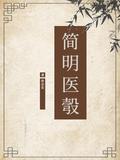 Concise Medical Network
"Concise Medical Guide", a comprehensive medical book. Eight volumes, written by Sun Zhihong of Ming Dynasty, published in 1629. This book mainly introduces the syndromes and treatments of diseases in various clinical disciplines, and is accompanied by established prescriptions, proven prescriptions and medical theories. At the beginning of the volume, there are 16 important remarks (mostly medical treatises) as well as preparations, decoctions, and methods of taking medicines, etc., Which conta
—Reads8.9Score—Shelves
Concise Medical Network
"Concise Medical Guide", a comprehensive medical book. Eight volumes, written by Sun Zhihong of Ming Dynasty, published in 1629. This book mainly introduces the syndromes and treatments of diseases in various clinical disciplines, and is accompanied by established prescriptions, proven prescriptions and medical theories. At the beginning of the volume, there are 16 important remarks (mostly medical treatises) as well as preparations, decoctions, and methods of taking medicines, etc., Which conta
—Reads8.9Score—Shelves
-
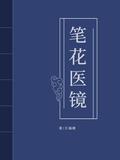 Bihua Medical Mirror
"Bi Hua Medical Mirror", also known as "Hygiene Notes", is the original work of Qing Jiang Hantun. Jiang's name is Qiu, the courtesy name is Hantun, and the name is Bihua. He is from Gui'an, Zhejiang. In the 13th year of Jiaqing (1808), he was the 89th Jinshi in the second class and became the magistrate of Guangdong Province. He has excellent medical skills and is the author of "Bi Hua Medical Mirror".
—Reads8.8Score—Shelves
Bihua Medical Mirror
"Bi Hua Medical Mirror", also known as "Hygiene Notes", is the original work of Qing Jiang Hantun. Jiang's name is Qiu, the courtesy name is Hantun, and the name is Bihua. He is from Gui'an, Zhejiang. In the 13th year of Jiaqing (1808), he was the 89th Jinshi in the second class and became the magistrate of Guangdong Province. He has excellent medical skills and is the author of "Bi Hua Medical Mirror".
—Reads8.8Score—Shelves
-
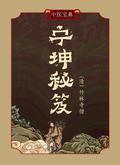 Traditional Chinese Medicine Collection: Ning Kun's Secrets
A series of medical books on gynecological diseases in traditional Chinese medicine, integrating various gynecological diseases such as irregular menstruation, gynecological inflammation, postpartum diseases and a series of related diseases. It focuses on classifying and compiling the disease principles, pharmacology, treatment methods, etc. In detail. "Ning Kun Secrets" elaborates on the principles, pharmacology and treatment methods involved in various gynecological diseases. It is a book with
—Reads7.7Score—Shelves
Traditional Chinese Medicine Collection: Ning Kun's Secrets
A series of medical books on gynecological diseases in traditional Chinese medicine, integrating various gynecological diseases such as irregular menstruation, gynecological inflammation, postpartum diseases and a series of related diseases. It focuses on classifying and compiling the disease principles, pharmacology, treatment methods, etc. In detail. "Ning Kun Secrets" elaborates on the principles, pharmacology and treatment methods involved in various gynecological diseases. It is a book with
—Reads7.7Score—Shelves
-
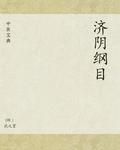 Traditional Chinese Medicine Collection: Jiyin Gangmu
Quoting various theories on women's science, the discussion is precise and rich. The book explains the syndrome differentiation and treatment of various gynecological diseases from regulating menstruation and stopping vaginal bleeding, to seeking a child, childbirth, postpartum miscellaneous diseases, breast disease and other gynecological diseases. It is divided into several gynecological syndromes such as menstruation, vaginal discharge, fetus, and obstetrics. Each syndrome is discussed first,
—Reads8.2Score—Shelves
Traditional Chinese Medicine Collection: Jiyin Gangmu
Quoting various theories on women's science, the discussion is precise and rich. The book explains the syndrome differentiation and treatment of various gynecological diseases from regulating menstruation and stopping vaginal bleeding, to seeking a child, childbirth, postpartum miscellaneous diseases, breast disease and other gynecological diseases. It is divided into several gynecological syndromes such as menstruation, vaginal discharge, fetus, and obstetrics. Each syndrome is discussed first,
—Reads8.2Score—Shelves
-
 Traditional Chinese Medicine Collection: Medical Conformity Record
[Popular work by Chen Nianzu, a top-notch doctor in the late Qing Dynasty, a master of traditional Chinese medicine and the light of mankind] In the late Qing Dynasty, Yi Chaodong, the minister of Guanglu Temple, Xiong Qian, the governor of Zhili, Xie Zaitian, the official minister, and Chen Nianzu, the life-saving doctor of the Ryukyu King, were highly praised by Lin Zexu. He lectured at the Inshang Thatched Cottage in Songshan, Fujian Province, and wrote dozens of books and had countless disci
—Reads9.1Score—Shelves
Traditional Chinese Medicine Collection: Medical Conformity Record
[Popular work by Chen Nianzu, a top-notch doctor in the late Qing Dynasty, a master of traditional Chinese medicine and the light of mankind] In the late Qing Dynasty, Yi Chaodong, the minister of Guanglu Temple, Xiong Qian, the governor of Zhili, Xie Zaitian, the official minister, and Chen Nianzu, the life-saving doctor of the Ryukyu King, were highly praised by Lin Zexu. He lectured at the Inshang Thatched Cottage in Songshan, Fujian Province, and wrote dozens of books and had countless disci
—Reads9.1Score—Shelves
-
 Traditional Chinese Medicine Collection: Medical Integration
Liu Shilian, a master of traditional Chinese medicine in the Qing Dynasty, collected medical discussions, clinical syndromes and treatments in various disciplines, and medical records from previous generations, and compiled them into categories. Volume 1 is a general introduction to medicine, discussing yin and yang, viscera, diagnostic methods, etc.; Volume 2-3 introduces typhoid fever, plague, miscellaneous internal diseases, obstetrics and gynecology, children and sores; Volume 4 is medical r
—Reads8.7Score—Shelves
Traditional Chinese Medicine Collection: Medical Integration
Liu Shilian, a master of traditional Chinese medicine in the Qing Dynasty, collected medical discussions, clinical syndromes and treatments in various disciplines, and medical records from previous generations, and compiled them into categories. Volume 1 is a general introduction to medicine, discussing yin and yang, viscera, diagnostic methods, etc.; Volume 2-3 introduces typhoid fever, plague, miscellaneous internal diseases, obstetrics and gynecology, children and sores; Volume 4 is medical r
—Reads8.7Score—Shelves