Fanqie library
Browse
- Titles
- 592
Every Fanqie book we index, searchable by title, author or tag.
-
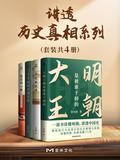 Telling the Truth About History Series (Four Volumes in Total)
"Who Killed the Ming Dynasty" is a historical work that deeply explores the reasons for the demise of the Ming Dynasty. Starting from the financial and military crisis in the late Ming Dynasty, the author explores the underlying reasons for the demise of the Ming Dynasty through detailed historical data analysis and logical reasoning. The book challenges the prejudices of traditional historiography and re-examines the history of the Ming Dynasty, including the myth of Chongzhen's internal money,
—Reads9.4Score—Shelves
Telling the Truth About History Series (Four Volumes in Total)
"Who Killed the Ming Dynasty" is a historical work that deeply explores the reasons for the demise of the Ming Dynasty. Starting from the financial and military crisis in the late Ming Dynasty, the author explores the underlying reasons for the demise of the Ming Dynasty through detailed historical data analysis and logical reasoning. The book challenges the prejudices of traditional historiography and re-examines the history of the Ming Dynasty, including the myth of Chongzhen's internal money,
—Reads9.4Score—Shelves
-
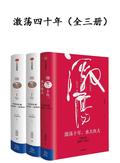 Forty Years of Turmoil: Chinese Enterprises 1978-2018 (Three Volumes)
This set contains "Ten Years of Turmoil, Big Water and Big Fish" and "Thirty Years of Turmoil (Part 1 and 2)", a total of three volumes. Introduction to "Ten Years of Turbulence, Big Water and Big Fish": "For the past ten years, if you use one word to describe it, what is your answer?" When I asked this question to Professor Zhou Qiren of the National School of Development of Peking University, this professor who is good at revealing the profound truth in concise expressions replied: "Big water
—Reads9.4Score—Shelves
Forty Years of Turmoil: Chinese Enterprises 1978-2018 (Three Volumes)
This set contains "Ten Years of Turmoil, Big Water and Big Fish" and "Thirty Years of Turmoil (Part 1 and 2)", a total of three volumes. Introduction to "Ten Years of Turbulence, Big Water and Big Fish": "For the past ten years, if you use one word to describe it, what is your answer?" When I asked this question to Professor Zhou Qiren of the National School of Development of Peking University, this professor who is good at revealing the profound truth in concise expressions replied: "Big water
—Reads9.4Score—Shelves
-
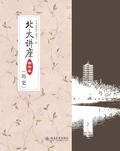 Highlights of Peking University Lectures (History)
This edition selects the wonderful lectures on history from Peking University lectures. The authors are mainly experts in this field, including Professor Li Boqian of Tsinghua University, Professor Yang Kuisong of East China Normal University, Professor Zhang Xingang of the Chinese University of Hong Kong, etc. The selected lecture articles are vivid, interesting and highly readable, forming an album with concentrated content for collection and reading.
—Reads9.3Score—Shelves
Highlights of Peking University Lectures (History)
This edition selects the wonderful lectures on history from Peking University lectures. The authors are mainly experts in this field, including Professor Li Boqian of Tsinghua University, Professor Yang Kuisong of East China Normal University, Professor Zhang Xingang of the Chinese University of Hong Kong, etc. The selected lecture articles are vivid, interesting and highly readable, forming an album with concentrated content for collection and reading.
—Reads9.3Score—Shelves
-
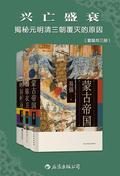 Rise and Fall: Revealing the Reasons for the Collapse of the Yuan, Ming and Qing Dynasties (Set of Three Volumes)
"Mongol Empire" In the 13th century, the Mongol Empire swept across the Eurasian continent like a whirlwind. Its rise and development also brought us many mysteries: What were the internal driving forces and external conditions for the Mongolian expansion? How did Mongolia grow rapidly from a local government with a population of less than 2 million to an unstoppable empire? How did the Mongolian conquests interact with those powerful countries with glorious civilizations? Focusing on these issu
—Reads8.3Score—Shelves
Rise and Fall: Revealing the Reasons for the Collapse of the Yuan, Ming and Qing Dynasties (Set of Three Volumes)
"Mongol Empire" In the 13th century, the Mongol Empire swept across the Eurasian continent like a whirlwind. Its rise and development also brought us many mysteries: What were the internal driving forces and external conditions for the Mongolian expansion? How did Mongolia grow rapidly from a local government with a population of less than 2 million to an unstoppable empire? How did the Mongolian conquests interact with those powerful countries with glorious civilizations? Focusing on these issu
—Reads8.3Score—Shelves
-
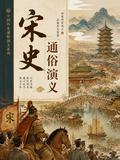 Popular Romance of Song Dynasty
[Chapter Chapter Romance of Classical Official History | Popular Novels of General History of the Song Dynasty | Romance of Cai Dongfan's Past Dynasties] One volume understands the complete rise and fall of the two Song Dynasties over 320 years. This "Popular Romance of Song History" has a complete narrative in one hundred chapters, starting from Zhao Kuangyin and Chen Qiao's mutiny and Huangpao's transformation, and connects the entire history of the founding of the Northern Song Dynasty, the C
—Reads8.2Score—Shelves
Popular Romance of Song Dynasty
[Chapter Chapter Romance of Classical Official History | Popular Novels of General History of the Song Dynasty | Romance of Cai Dongfan's Past Dynasties] One volume understands the complete rise and fall of the two Song Dynasties over 320 years. This "Popular Romance of Song History" has a complete narrative in one hundred chapters, starting from Zhao Kuangyin and Chen Qiao's mutiny and Huangpao's transformation, and connects the entire history of the founding of the Northern Song Dynasty, the C
—Reads8.2Score—Shelves
-
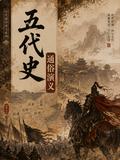 Popular Romance of the Five Dynasties History
[Classical popular history | Introduction to history | Complete context of the Ten Kingdoms] Can't understand boring official history? This "Popular Romance of the Five Dynasties History" uses stories to turn chapters into chapters to help you understand the unpopular and troubled times of the Five Dynasties and Ten Kingdoms. The book's 60 chapters completely cover the rise and fall of the Later Liang, Later Tang, Later Jin, Later Han, and the Later Wu Dynasty, and simultaneously sort out the be
—Reads8.4Score—Shelves
Popular Romance of the Five Dynasties History
[Classical popular history | Introduction to history | Complete context of the Ten Kingdoms] Can't understand boring official history? This "Popular Romance of the Five Dynasties History" uses stories to turn chapters into chapters to help you understand the unpopular and troubled times of the Five Dynasties and Ten Kingdoms. The book's 60 chapters completely cover the rise and fall of the Later Liang, Later Tang, Later Jin, Later Han, and the Later Wu Dynasty, and simultaneously sort out the be
—Reads8.4Score—Shelves
-
 Continued Zizhi Tongjian
Continuing from "Zi Zhi Tong Jian", it records the 411 years of history of the Song, Liao, Jin and Yuan dynasties. It fills the gap after "Zi Zhi Tong Jian". It draws on the best of others, conducts rigorous textual research, and makes the narrative plain and credible. Although the historical achievements and status are not as good as Sima Guang's original work, it is still an indispensable and important book for studying the history of the Song and Yuan Dynasties. It is connected with "Tongjian
—Reads8.2Score—Shelves
Continued Zizhi Tongjian
Continuing from "Zi Zhi Tong Jian", it records the 411 years of history of the Song, Liao, Jin and Yuan dynasties. It fills the gap after "Zi Zhi Tong Jian". It draws on the best of others, conducts rigorous textual research, and makes the narrative plain and credible. Although the historical achievements and status are not as good as Sima Guang's original work, it is still an indispensable and important book for studying the history of the Song and Yuan Dynasties. It is connected with "Tongjian
—Reads8.2Score—Shelves
-
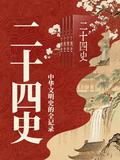 Twenty-Four Histories·complete Edition
The "Twenty-Four Histories" contains the essence of more than 4,000 years of Chinese history. It can be called the official memory bank of Chinese history and the most authoritative and systematic document collection for studying Chinese history. Reading it is like unfolding a magnificent and all-encompassing scroll of Chinese history, giving a glimpse of the complete trajectory and experiences and lessons of the development of the Chinese nation. This book is not a random selection of "excerpts
—Reads9.3Score—Shelves
Twenty-Four Histories·complete Edition
The "Twenty-Four Histories" contains the essence of more than 4,000 years of Chinese history. It can be called the official memory bank of Chinese history and the most authoritative and systematic document collection for studying Chinese history. Reading it is like unfolding a magnificent and all-encompassing scroll of Chinese history, giving a glimpse of the complete trajectory and experiences and lessons of the development of the Chinese nation. This book is not a random selection of "excerpts
—Reads9.3Score—Shelves
-
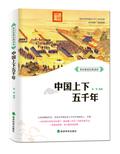 China for Five Thousand Years
"Five Thousand Years of China" tells the story of nearly five thousand years of Chinese history from the legendary Three Sovereigns and Five Emperors to the Ming and Qing Dynasties. The great nation of the Chinese nation has given birth to many heroes: among them are politicians, strategists, idealists, scientists, writers, artists, and outstanding representatives of women. "China Five Thousand Years" selects events that have a significant impact on the course of Chinese history and introduces t
—Reads9.5Score—Shelves
China for Five Thousand Years
"Five Thousand Years of China" tells the story of nearly five thousand years of Chinese history from the legendary Three Sovereigns and Five Emperors to the Ming and Qing Dynasties. The great nation of the Chinese nation has given birth to many heroes: among them are politicians, strategists, idealists, scientists, writers, artists, and outstanding representatives of women. "China Five Thousand Years" selects events that have a significant impact on the course of Chinese history and introduces t
—Reads9.5Score—Shelves
-
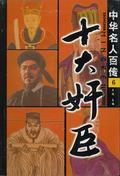 Top Ten Traitors
The contents of this book include Bo Pi, who was corrupt and allowed enemies to harm the country, and a family of famous ministers suffered misfortune. He defected to the Wu State with the intention of destroying Chu, and used Wu to attack Chu to finally avenge his family. The Yue State was defeated in the war, bribery and bribery and Yue, greed for profit sheltered Gou Jian, ungratefulness harmed the loyal, Bo Pi was executed after the defeat of Wu State, and the traitor An Lushan, who harmed t
—Reads7.8Score—Shelves
Top Ten Traitors
The contents of this book include Bo Pi, who was corrupt and allowed enemies to harm the country, and a family of famous ministers suffered misfortune. He defected to the Wu State with the intention of destroying Chu, and used Wu to attack Chu to finally avenge his family. The Yue State was defeated in the war, bribery and bribery and Yue, greed for profit sheltered Gou Jian, ungratefulness harmed the loyal, Bo Pi was executed after the defeat of Wu State, and the traitor An Lushan, who harmed t
—Reads7.8Score—Shelves
-
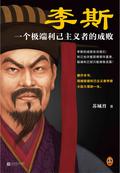 Li Si: the Success or Failure of an Extreme Egoist
Li Si followed the mouse philosophy throughout his life. On the one hand, he was passionate about fame and wealth, and assisted Qin Shihuang in accomplishing the great cause of unifying the world; on the other hand, he poisoned Han Fei for his own selfish purposes, participated in the Sand Dune Coup, and was ultimately ruined. Mouse philosophy When Li Si was young, he worked as a petty official in the State of Chu, with a low position. One day, he saw that the mice in the toilet could only eat d
—Reads9.5Score—Shelves
Li Si: the Success or Failure of an Extreme Egoist
Li Si followed the mouse philosophy throughout his life. On the one hand, he was passionate about fame and wealth, and assisted Qin Shihuang in accomplishing the great cause of unifying the world; on the other hand, he poisoned Han Fei for his own selfish purposes, participated in the Sand Dune Coup, and was ultimately ruined. Mouse philosophy When Li Si was young, he worked as a petty official in the State of Chu, with a low position. One day, he saw that the mice in the toilet could only eat d
—Reads9.5Score—Shelves
-
 The Untouchable Class in Qing Dynasty Society
In the hierarchy and social relations of the autocratic era, the distinction between high and low is very important. The so-called "mean" has two different meanings in ancient literature: the first meaning refers to the relationship between officials and people, with officials as noble and people as humble, to emphasize the respect of famous objects; the other meaning refers to individuals who are in a particularly low legal and social status in society and have no independent personality, as we
—Reads8.7Score—Shelves
The Untouchable Class in Qing Dynasty Society
In the hierarchy and social relations of the autocratic era, the distinction between high and low is very important. The so-called "mean" has two different meanings in ancient literature: the first meaning refers to the relationship between officials and people, with officials as noble and people as humble, to emphasize the respect of famous objects; the other meaning refers to individuals who are in a particularly low legal and social status in society and have no independent personality, as we
—Reads8.7Score—Shelves
-
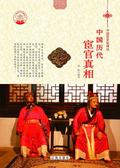 The Truth About Eunuchs in Chinese History
This book includes the history of eunuchs in China, the origin of eunuchs, eunuchs in the palace, eunuchs in the Eastern Han Dynasty, and the "disaster of party imprisonment". ", Eunuchs in the Tang Dynasty, eunuchs in the Ming Dynasty, eunuchs in the late Qing Dynasty, the eunuch system reflected in "The Rites of Zhou", the responsibilities of eunuchs, the selection of eunuchs, the differences in levels of eunuchs, eunuchs in music and dancing, eunuchs in games, eunuchs in hunting and riding an
—Reads8.2Score—Shelves
The Truth About Eunuchs in Chinese History
This book includes the history of eunuchs in China, the origin of eunuchs, eunuchs in the palace, eunuchs in the Eastern Han Dynasty, and the "disaster of party imprisonment". ", Eunuchs in the Tang Dynasty, eunuchs in the Ming Dynasty, eunuchs in the late Qing Dynasty, the eunuch system reflected in "The Rites of Zhou", the responsibilities of eunuchs, the selection of eunuchs, the differences in levels of eunuchs, eunuchs in music and dancing, eunuchs in games, eunuchs in hunting and riding an
—Reads8.2Score—Shelves
-
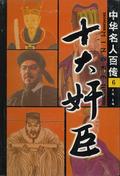 Biography of Chinese Celebrities: Ten Traitors
The contents of this book include Bo Pi, who was corrupt and allowed enemies to harm the country, and a family of famous ministers suffered misfortune. He defected to the Wu State with the intention of destroying Chu, and used Wu to attack Chu to finally avenge his family. The Yue State was defeated in the war, bribery and bribery and Yue, greed for profit sheltered Gou Jian, ungratefulness harmed the loyal, Bo Pi was executed after the defeat of Wu State, and the traitor An Lushan, who harmed t
—Reads8.5Score—Shelves
Biography of Chinese Celebrities: Ten Traitors
The contents of this book include Bo Pi, who was corrupt and allowed enemies to harm the country, and a family of famous ministers suffered misfortune. He defected to the Wu State with the intention of destroying Chu, and used Wu to attack Chu to finally avenge his family. The Yue State was defeated in the war, bribery and bribery and Yue, greed for profit sheltered Gou Jian, ungratefulness harmed the loyal, Bo Pi was executed after the defeat of Wu State, and the traitor An Lushan, who harmed t
—Reads8.5Score—Shelves
-
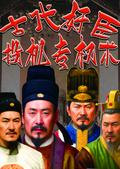 The Ancient Treacherous Ministers' Opportunistic and Dictatorial Techniques
This book includes the treacherous minister Shu Diao of Qi State, the official Tu Anjia of Jin State, Bo Pei, the treacherous prime minister of Wu State, the traitor prime minister of the early Han Dynasty, Liang Ji, the treacherous prime minister of the late Han Dynasty, Liang Ji, the treacherous prime minister Dong Zhuo of the late Han Dynasty, the treacherous minister Er Zhurong of the Northern Wei Dynasty, and the treacherous minister Yang Su of the Sui Dynasty.
—Reads8.4Score—Shelves
The Ancient Treacherous Ministers' Opportunistic and Dictatorial Techniques
This book includes the treacherous minister Shu Diao of Qi State, the official Tu Anjia of Jin State, Bo Pei, the treacherous prime minister of Wu State, the traitor prime minister of the early Han Dynasty, Liang Ji, the treacherous prime minister of the late Han Dynasty, Liang Ji, the treacherous prime minister Dong Zhuo of the late Han Dynasty, the treacherous minister Er Zhurong of the Northern Wei Dynasty, and the treacherous minister Yang Su of the Sui Dynasty.
—Reads8.4Score—Shelves
-
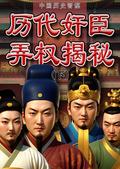 The Secrets of Treacherous Ministers' Manipulation of Power in Past Dynasties (Part 2)
This book includes stories about how to gain a position through all kinds of tricks, how to stay in power through treachery and commit many evil deeds, how one person achieved enlightenment and a chicken or a dog ascended to heaven, how the situation was over and Tanzhou was destroyed, how to murder the queen and eradicate the prince, and how to exclude talented people and sabotage the war of resistance.
—Reads8.0Score—Shelves
The Secrets of Treacherous Ministers' Manipulation of Power in Past Dynasties (Part 2)
This book includes stories about how to gain a position through all kinds of tricks, how to stay in power through treachery and commit many evil deeds, how one person achieved enlightenment and a chicken or a dog ascended to heaven, how the situation was over and Tanzhou was destroyed, how to murder the queen and eradicate the prince, and how to exclude talented people and sabotage the war of resistance.
—Reads8.0Score—Shelves
-
 Revealing the Secrets of Treacherous Officials in Past Dynasties Who Have Wielded Power (Part 1)
This book includes the contents of flattery to please and be favored, slandering the loyal and good to achieve selfish desires, plotting to establish a heir to bring trouble to the country and causing chaos in the government, being ruined and infamy for thousands of years, and the whole family being punished and taking refuge in the state of Wu.
—Reads7.7Score—Shelves
Revealing the Secrets of Treacherous Officials in Past Dynasties Who Have Wielded Power (Part 1)
This book includes the contents of flattery to please and be favored, slandering the loyal and good to achieve selfish desires, plotting to establish a heir to bring trouble to the country and causing chaos in the government, being ruined and infamy for thousands of years, and the whole family being punished and taking refuge in the state of Wu.
—Reads7.7Score—Shelves
-
 The Most Traitorous Officials in China's Past Dynasties
This book includes the following contents: Since ancient times, beauties such as famous generals are not allowed to see white heads in the world - green beads; the beautiful bells of heaven and earth are integrated into one body; when Shi Chong met the green pearl for the first time; three dendrobium pearls exchanged for green beads; the beauty hidden in the golden house, the collection of pampering and love, etc.
—Reads8.4Score—Shelves
The Most Traitorous Officials in China's Past Dynasties
This book includes the following contents: Since ancient times, beauties such as famous generals are not allowed to see white heads in the world - green beads; the beautiful bells of heaven and earth are integrated into one body; when Shi Chong met the green pearl for the first time; three dendrobium pearls exchanged for green beads; the beauty hidden in the golden house, the collection of pampering and love, etc.
—Reads8.4Score—Shelves
-
 Complete Biography of Song Taizu Zhao Kuangyin
The heroes of the ages are galloping around, with endless heroic ambitions and endless sway. Hold the carving knife of history, carve out the traces of the passage of time, and leave behind the eternal memory of the motherland. In the arena of power, where power, material, desire and human nature collide, how to balance conscience, responsibility and the feeling of helping the world in the thrilling competition for power? To do something extraordinary and reach the top successfully, how to take
—Reads9.5Score—Shelves
Complete Biography of Song Taizu Zhao Kuangyin
The heroes of the ages are galloping around, with endless heroic ambitions and endless sway. Hold the carving knife of history, carve out the traces of the passage of time, and leave behind the eternal memory of the motherland. In the arena of power, where power, material, desire and human nature collide, how to balance conscience, responsibility and the feeling of helping the world in the thrilling competition for power? To do something extraordinary and reach the top successfully, how to take
—Reads9.5Score—Shelves
-
 Unsolved Mysteries of the Qing Dynasty
No wonder the common people have been so obsessed with the Qing Dynasty in recent years. It turns out that the Qing Dynasty has left behind so many mysteries in the past three hundred years: the legend of Emperor Qianlong, a nobleman of the emperor, was "originally the root of the dragon and the phoenix of the Qing Dynasty"? Why did the Queen Mother of the West only live one day longer than Emperor Guangxu? What happened to each of the four famous courtesans? Zeng Guofan, a famous minister of ZT
—Reads—Score—Shelves
Unsolved Mysteries of the Qing Dynasty
No wonder the common people have been so obsessed with the Qing Dynasty in recent years. It turns out that the Qing Dynasty has left behind so many mysteries in the past three hundred years: the legend of Emperor Qianlong, a nobleman of the emperor, was "originally the root of the dragon and the phoenix of the Qing Dynasty"? Why did the Queen Mother of the West only live one day longer than Emperor Guangxu? What happened to each of the four famous courtesans? Zeng Guofan, a famous minister of ZT
—Reads—Score—Shelves
-
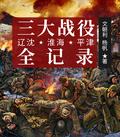 Complete Records of the Three Major Battles
In human history, war is a never-ending topic. In every era and in every country, it appears with an unprecedented face. The short year from September 1948 to September 1949 was undoubtedly the most intense period of change in China in more than a century. The victories in the three major battles of Liaoshen, Huaihai, and Pingjin destroyed the main force that the Kuomintang relied on to maintain its rule and completely changed the direction of this country. In this war, the fates of great men, w
—Reads9.6Score—Shelves
Complete Records of the Three Major Battles
In human history, war is a never-ending topic. In every era and in every country, it appears with an unprecedented face. The short year from September 1948 to September 1949 was undoubtedly the most intense period of change in China in more than a century. The victories in the three major battles of Liaoshen, Huaihai, and Pingjin destroyed the main force that the Kuomintang relied on to maintain its rule and completely changed the direction of this country. In this war, the fates of great men, w
—Reads9.6Score—Shelves
-
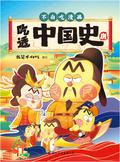 Understand the History of China. Tang Dynasty
If you understand Chinese history thoroughly, you won't see it in vain. "Understanding the History of China·Tang Dynasty" is the first work in the Big History Series of Bui Chi Comics. Educated people don't eat for free, incarnate as historical figures, take readers deep into the historical scene, and experience major historical events - the emergence of the "Zhenguan Reign" and the "Kaiyuan Prosperity", the beginning and end of the "An-Shi Rebellion", and the formation of the "Separation of feu
—Reads9.5Score—Shelves
Understand the History of China. Tang Dynasty
If you understand Chinese history thoroughly, you won't see it in vain. "Understanding the History of China·Tang Dynasty" is the first work in the Big History Series of Bui Chi Comics. Educated people don't eat for free, incarnate as historical figures, take readers deep into the historical scene, and experience major historical events - the emergence of the "Zhenguan Reign" and the "Kaiyuan Prosperity", the beginning and end of the "An-Shi Rebellion", and the formation of the "Separation of feu
—Reads9.5Score—Shelves
-
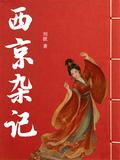 Miscellaneous Notes on Xijing
"Miscellaneous Notes of Xijing" is an ancient notebook that records anecdotes about Chang'an, the capital of the Western Han Dynasty. It was originally written by Liu Xin of the Western Han Dynasty and compiled by Ge Hong of the Jin Dynasty under many later titles. The book consists of six volumes, collecting anecdotes of the Han Dynasty's palaces, celebrity anecdotes, customs, craftsmanship and folklore, with extensive content and simple and elegant writing. The book records in detail the regul
—Reads7.8Score—Shelves
Miscellaneous Notes on Xijing
"Miscellaneous Notes of Xijing" is an ancient notebook that records anecdotes about Chang'an, the capital of the Western Han Dynasty. It was originally written by Liu Xin of the Western Han Dynasty and compiled by Ge Hong of the Jin Dynasty under many later titles. The book consists of six volumes, collecting anecdotes of the Han Dynasty's palaces, celebrity anecdotes, customs, craftsmanship and folklore, with extensive content and simple and elegant writing. The book records in detail the regul
—Reads7.8Score—Shelves
-
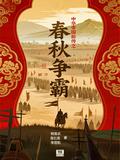 Empire of China Prequel: Spring and Autumn Struggle for Hegemony
[History + Chinese Orthodoxy + Zhou and Qin Dynasties + Institutional Changes] Two hundred years of heroes have come together to see how the overlords rewrite history. This book is based on historical books such as "Zuo Zhuan", "Historical Records", and "Guoyu". It uses storytelling to describe in detail the historical stories and characters of the Spring and Autumn Period for more than two hundred years. It focuses on the theme of "struggle for hegemony" and narrates the major historical events
—Reads9.3Score—Shelves
Empire of China Prequel: Spring and Autumn Struggle for Hegemony
[History + Chinese Orthodoxy + Zhou and Qin Dynasties + Institutional Changes] Two hundred years of heroes have come together to see how the overlords rewrite history. This book is based on historical books such as "Zuo Zhuan", "Historical Records", and "Guoyu". It uses storytelling to describe in detail the historical stories and characters of the Spring and Autumn Period for more than two hundred years. It focuses on the theme of "struggle for hegemony" and narrates the major historical events
—Reads9.3Score—Shelves
-
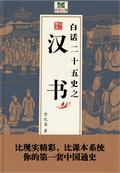 Twenty-Five Histories in Vernacular: "Book of Han"
[Chinese history + popular + systematic + comprehensive + authoritative + official history] is more exciting than reality and more systematic than textbooks. Your first set of general history of China. This book is based on the "Book of Han" and strictly follows its compilation style, systematically combing the rise and fall of the Western Han Dynasty over two hundred years - from the founding of the Han Dynasty by Liu Bang, to the end of the usurpation of the Han Dynasty by Wang Mang. The conte
—Reads9.3Score—Shelves
Twenty-Five Histories in Vernacular: "Book of Han"
[Chinese history + popular + systematic + comprehensive + authoritative + official history] is more exciting than reality and more systematic than textbooks. Your first set of general history of China. This book is based on the "Book of Han" and strictly follows its compilation style, systematically combing the rise and fall of the Western Han Dynasty over two hundred years - from the founding of the Han Dynasty by Liu Bang, to the end of the usurpation of the Han Dynasty by Wang Mang. The conte
—Reads9.3Score—Shelves
-
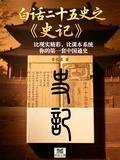 "Historical Records" of the Twenty-Five Histories in Vernacular
[Chinese history + popular + systematic + comprehensive + authoritative + official history] is more exciting than reality and more systematic than textbooks. Your first set of general history of China. This book is based on Sima Qian's immortal masterpiece "Historical Records", strictly follows its classic style, and vividly and systematically reproduces the magnificent historical scroll spanning three thousand years from the period of the Five Ancient Emperors to Emperor Wu of the Han Dynasty.
—Reads9.3Score—Shelves
"Historical Records" of the Twenty-Five Histories in Vernacular
[Chinese history + popular + systematic + comprehensive + authoritative + official history] is more exciting than reality and more systematic than textbooks. Your first set of general history of China. This book is based on Sima Qian's immortal masterpiece "Historical Records", strictly follows its classic style, and vividly and systematically reproduces the magnificent historical scroll spanning three thousand years from the period of the Five Ancient Emperors to Emperor Wu of the Han Dynasty.
—Reads9.3Score—Shelves
-
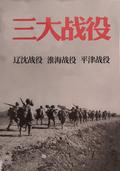 Three Major Battles
The victories in the three major battles of Liaoshen, Huaihai, and Pingjin destroyed the main force that the Kuomintang relied on to maintain its rule and completely changed the direction. In this war, the fates of great men, wise men, fools, and cowards were mixed together, and the battlefield between ourselves and the enemy was turned upside down by them. The entire situation in China has been turned upside down because of them. Both the scale of the war and the results achieved were unprecede
—Reads9.6Score—Shelves
Three Major Battles
The victories in the three major battles of Liaoshen, Huaihai, and Pingjin destroyed the main force that the Kuomintang relied on to maintain its rule and completely changed the direction. In this war, the fates of great men, wise men, fools, and cowards were mixed together, and the battlefield between ourselves and the enemy was turned upside down by them. The entire situation in China has been turned upside down because of them. Both the scale of the war and the results achieved were unprecede
—Reads9.6Score—Shelves
-
 The Qing Dynasty Entered the Customs and Entered Tyranny
"The Tyranny of the Qing Dynasty after the Qing Dynasty entered the Customs" is a historical work written by the Qing Dynasty author Han Shu. It records the rule and political measures of the Qing Dynasty after the Qing Dynasty entered the Customs and their impact on society, people and former ministers in the form of a chronicle or notes. It is one of the reference materials for studying power replacement and social changes during the Ming and Qing dynasties. This book was written in the Qing D
—Reads7.7Score—Shelves
The Qing Dynasty Entered the Customs and Entered Tyranny
"The Tyranny of the Qing Dynasty after the Qing Dynasty entered the Customs" is a historical work written by the Qing Dynasty author Han Shu. It records the rule and political measures of the Qing Dynasty after the Qing Dynasty entered the Customs and their impact on society, people and former ministers in the form of a chronicle or notes. It is one of the reference materials for studying power replacement and social changes during the Ming and Qing dynasties. This book was written in the Qing D
—Reads7.7Score—Shelves
-
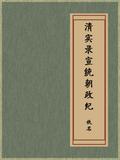 Qing Dynasty Records of the Xuantong Dynasty (Free Public Edition)
It is a chronicle of historical materials about the reign of Emperor Xuantong of the Qing Dynasty. It records in detail the political, economic, military, diplomatic, cultural and other major events of the Xuantong Dynasty. Including imperial edicts, the appointment and dismissal of officials, the occurrence of major events, etc., It provides important original data for studying the history and social changes in the late Qing Dynasty.
—Reads8.6Score—Shelves
Qing Dynasty Records of the Xuantong Dynasty (Free Public Edition)
It is a chronicle of historical materials about the reign of Emperor Xuantong of the Qing Dynasty. It records in detail the political, economic, military, diplomatic, cultural and other major events of the Xuantong Dynasty. Including imperial edicts, the appointment and dismissal of officials, the occurrence of major events, etc., It provides important original data for studying the history and social changes in the late Qing Dynasty.
—Reads8.6Score—Shelves
-
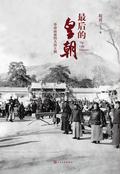 The Last Dynasty: the Qing Dynasty on the Eve of Revolution
When the Year of Xinhai arrived, there was no sign that this would be the last year of this iron-blooded empire. This year started with the singing and dancing of Empress Dowager Longyu's Longevity Festival (the tenth day of the first lunar month). However, at the end of the year, on December 25 (February 12, 1912), Longyu issued an edict to abdicate, and China's feudal regime ended. The sudden turn of history was unthinkable to most people at the time (including revolutionary leaders). The famo
—Reads9.2Score—Shelves
The Last Dynasty: the Qing Dynasty on the Eve of Revolution
When the Year of Xinhai arrived, there was no sign that this would be the last year of this iron-blooded empire. This year started with the singing and dancing of Empress Dowager Longyu's Longevity Festival (the tenth day of the first lunar month). However, at the end of the year, on December 25 (February 12, 1912), Longyu issued an edict to abdicate, and China's feudal regime ended. The sudden turn of history was unthinkable to most people at the time (including revolutionary leaders). The famo
—Reads9.2Score—Shelves
-
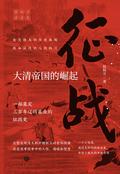 Conquest: the Rise of the Qing Empire
Why was the Battle of Saerhu a key battle that determined the fate of the Ming and Qing Dynasties? How did the one-year itch between Emperor Chongzhen and Yuan Chonghuan change the war situation? How did the Hongguang regime perish in tragedy and despair? What are the little-known stories behind the Battle of Yaksa and the Treaty of Nerchinsk? What profound impact did the Qing Dynasty's war to consolidate its territory have on later generations? From the Battle of Sarhu to the Battle of Daling R
—Reads8.6Score—Shelves
Conquest: the Rise of the Qing Empire
Why was the Battle of Saerhu a key battle that determined the fate of the Ming and Qing Dynasties? How did the one-year itch between Emperor Chongzhen and Yuan Chonghuan change the war situation? How did the Hongguang regime perish in tragedy and despair? What are the little-known stories behind the Battle of Yaksa and the Treaty of Nerchinsk? What profound impact did the Qing Dynasty's war to consolidate its territory have on later generations? From the Battle of Sarhu to the Battle of Daling R
—Reads8.6Score—Shelves
-
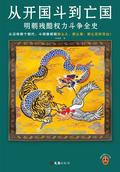 From the Founding of the Country to Its Fall: the Complete History of the Brutal Power Struggle in the Ming Dynasty
The Ming Dynasty was the dynasty with the most intense power struggle in Chinese history. Throughout the entire dynasty, the emperor fought against his cabinet ministers, his cabinet ministers fought against his cabinet ministers, and his cabinet ministers fought against their eunuchs. The struggle was so cruel and varied that it was "breathtaking". The endless internal fighting also exhausted the national power of the Ming Dynasty. Jiajing Etiquette Discussion: The emperor fights against his ca
—Reads9.2Score—Shelves
From the Founding of the Country to Its Fall: the Complete History of the Brutal Power Struggle in the Ming Dynasty
The Ming Dynasty was the dynasty with the most intense power struggle in Chinese history. Throughout the entire dynasty, the emperor fought against his cabinet ministers, his cabinet ministers fought against his cabinet ministers, and his cabinet ministers fought against their eunuchs. The struggle was so cruel and varied that it was "breathtaking". The endless internal fighting also exhausted the national power of the Ming Dynasty. Jiajing Etiquette Discussion: The emperor fights against his ca
—Reads9.2Score—Shelves
-
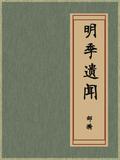 Remains of the Ming Dynasty (Free Public Edition Book)
This book describes the historical events of the Southern Ming Dynasty. The first volume describes the origin and end of Li Zicheng's uprising, the second and third volumes describe the beginning and end of the Hongguang regime, and the fourth volume describes the beginning and end of the Longwu and Yongli regimes. Well organized and complete from beginning to end. In particular, he criticized the political corruption of Ma Shiying and Ruan Dacheng during the reign of King Fu, and he spoke bitte
—Reads8.5Score—Shelves
Remains of the Ming Dynasty (Free Public Edition Book)
This book describes the historical events of the Southern Ming Dynasty. The first volume describes the origin and end of Li Zicheng's uprising, the second and third volumes describe the beginning and end of the Hongguang regime, and the fourth volume describes the beginning and end of the Longwu and Yongli regimes. Well organized and complete from beginning to end. In particular, he criticized the political corruption of Ma Shiying and Ruan Dacheng during the reign of King Fu, and he spoke bitte
—Reads8.5Score—Shelves
-
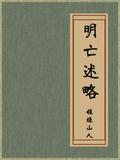 A Brief Account of the Fall of the Ming Dynasty (Free Public Edition Book)
"A Brief Account of the Fall of the Ming Dynasty" records the historical facts of the fall of the Ming Dynasty. The first volume describes the benevolent deeds of Emperor Chongzhen and his ministers Zhou Yanru and Wen Ti. It also describes the story of Sun Chengzong, Hong Chengchou, Lu Xiangsheng, Yang Sichang, Sun Chuanting, Cai Maode, Zhou Yuji, Qin Liangyu and others encircling and suppressing the peasant army of Li Zicheng and Zhang Xianzhong, as well as the beginning and end of the peasant
—Reads8.5Score—Shelves
A Brief Account of the Fall of the Ming Dynasty (Free Public Edition Book)
"A Brief Account of the Fall of the Ming Dynasty" records the historical facts of the fall of the Ming Dynasty. The first volume describes the benevolent deeds of Emperor Chongzhen and his ministers Zhou Yanru and Wen Ti. It also describes the story of Sun Chengzong, Hong Chengchou, Lu Xiangsheng, Yang Sichang, Sun Chuanting, Cai Maode, Zhou Yuji, Qin Liangyu and others encircling and suppressing the peasant army of Li Zicheng and Zhang Xianzhong, as well as the beginning and end of the peasant
—Reads8.5Score—Shelves
-
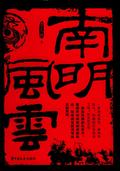 Nanming Fengyun
This book is a popular work about the history of the Southern Ming Dynasty. It is written in a humorous way and is similar in style to "Those Things in the Ming Dynasty". The full text generally begins with the chaos after the death of Emperor Chongzhen in 1644 and ends with the murder of Emperor Yongli in 1662. It mainly tells the history of the three periods of Hongguang, Longwu and Yongli in the Southern Ming Dynasty, and incidentally mentions the regimes of King Lu and Shaowu. While describi
—Reads9.2Score—Shelves
Nanming Fengyun
This book is a popular work about the history of the Southern Ming Dynasty. It is written in a humorous way and is similar in style to "Those Things in the Ming Dynasty". The full text generally begins with the chaos after the death of Emperor Chongzhen in 1644 and ends with the murder of Emperor Yongli in 1662. It mainly tells the history of the three periods of Hongguang, Longwu and Yongli in the Southern Ming Dynasty, and incidentally mentions the regimes of King Lu and Shaowu. While describi
—Reads9.2Score—Shelves
-
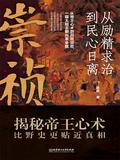 Chongzhen: from Exerting Efforts to Seek Governance to the Increasing Disunity of the People
At the end of the Ming Dynasty, the Jurchens outside Shanhaiguan rose up, and the fire of civil unrest within the Shanhaiguan ignited throughout the hinterland of the Central Plains. Emperor Chongzhen, the last king of the Ming Dynasty, led his ministers to fight the fire everywhere like a fire captain. However, contrary to expectations, Emperor Chongzhen's hard work and vigilance failed to usher in the dawn of resurgence for the crumbling empire. Instead, the fire of national subjugation became
—Reads8.5Score—Shelves
Chongzhen: from Exerting Efforts to Seek Governance to the Increasing Disunity of the People
At the end of the Ming Dynasty, the Jurchens outside Shanhaiguan rose up, and the fire of civil unrest within the Shanhaiguan ignited throughout the hinterland of the Central Plains. Emperor Chongzhen, the last king of the Ming Dynasty, led his ministers to fight the fire everywhere like a fire captain. However, contrary to expectations, Emperor Chongzhen's hard work and vigilance failed to usher in the dawn of resurgence for the crumbling empire. Instead, the fire of national subjugation became
—Reads8.5Score—Shelves
-
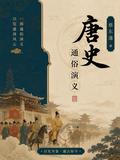 Tang History Popular Romance
[Introductory historical books, general history of the Tang Dynasty, chapter novels, non-threshold official history stories, heroes of the Sui and Tang Dynasties] If you want to read the complete history of the Tang Dynasty without reading boring history books, this book "Popular Romance of the Tang Dynasty" is perfectly suitable for novices in history. It is written in a half-text and half-text popular style, and hundreds of stories connect the entire period of the Li and Tang Dynasties. From t
—Reads8.4Score—Shelves
Tang History Popular Romance
[Introductory historical books, general history of the Tang Dynasty, chapter novels, non-threshold official history stories, heroes of the Sui and Tang Dynasties] If you want to read the complete history of the Tang Dynasty without reading boring history books, this book "Popular Romance of the Tang Dynasty" is perfectly suitable for novices in history. It is written in a half-text and half-text popular style, and hundreds of stories connect the entire period of the Li and Tang Dynasties. From t
—Reads8.4Score—Shelves
-
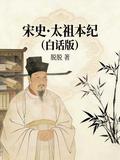 History of the Song Dynasty·the Benji of Taizu (Vernacular Version)
Zhao Kuangyin: The drama queen wearing a yellow robe, or the true emperor who will end the troubled times? A dragon chair, two mutinies, and three unsolved mysteries - this is the power script left by Song Taizu Zhao Kuangyin to future generations. On that morning in Chenqiaoyi in 960 AD, when his subordinates put the yellow robe on him, was the 33-year-old general's face panicked, or was it filled with the expected calmness? He directed the most famous "passive usurpation" in Chinese history, b
—Reads8.2Score—Shelves
History of the Song Dynasty·the Benji of Taizu (Vernacular Version)
Zhao Kuangyin: The drama queen wearing a yellow robe, or the true emperor who will end the troubled times? A dragon chair, two mutinies, and three unsolved mysteries - this is the power script left by Song Taizu Zhao Kuangyin to future generations. On that morning in Chenqiaoyi in 960 AD, when his subordinates put the yellow robe on him, was the 33-year-old general's face panicked, or was it filled with the expected calmness? He directed the most famous "passive usurpation" in Chinese history, b
—Reads8.2Score—Shelves
-
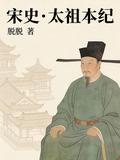 History of the Song Dynasty·the Anthology of Taizu
He may be the founding emperor who is the best at "acting" in Chinese history. In 960 AD, Chen Qiaoyi's carefully planned "forced accession to the throne" made Zhao Kuangyin rise from the general of the Later Zhou Dynasty to the founding monarch of the Song Dynasty. Over a glass of wine, he relieved the founding hero of the country from military power; under the sound of an ax and the shadow of a candle, his mysterious death remains an unsolved case for thousands of years. Some people say that h
—Reads8.2Score—Shelves
History of the Song Dynasty·the Anthology of Taizu
He may be the founding emperor who is the best at "acting" in Chinese history. In 960 AD, Chen Qiaoyi's carefully planned "forced accession to the throne" made Zhao Kuangyin rise from the general of the Later Zhou Dynasty to the founding monarch of the Song Dynasty. Over a glass of wine, he relieved the founding hero of the country from military power; under the sound of an ax and the shadow of a candle, his mysterious death remains an unsolved case for thousands of years. Some people say that h
—Reads8.2Score—Shelves
-
 Collected Works of Liu Song
Liu Song (1321-1381) was born in Taihe, Jiangxi Province at the end of the Yuan Dynasty and the beginning of the Ming Dynasty. His original name was Chu and his courtesy name was Zigao. In the third year of Hongwu's reign, he was awarded the title of "Fangsi Langzhong" in the Ministry of War. He was relegated to work, and he was found and released. In the thirteenth year, he was summoned to worship the Minister of Rites and promoted to Minister of the Ministry of Personnel. Looking for an offici
—Reads8.5Score—Shelves
Collected Works of Liu Song
Liu Song (1321-1381) was born in Taihe, Jiangxi Province at the end of the Yuan Dynasty and the beginning of the Ming Dynasty. His original name was Chu and his courtesy name was Zigao. In the third year of Hongwu's reign, he was awarded the title of "Fangsi Langzhong" in the Ministry of War. He was relegated to work, and he was found and released. In the thirteenth year, he was summoned to worship the Minister of Rites and promoted to Minister of the Ministry of Personnel. Looking for an offici
—Reads8.5Score—Shelves
-
 Essentials of Good Customs
"Essentials of Good Customs" is a classic on rural political education and agricultural guidance written by Wang Jie, a minister of the Yuan Dynasty. When Wang Jie served as the general manager of Shunde Road, he wrote this book based on imperial edicts and local governance needs, using the "Thirty-Three Things" as the code of conduct promoted by local society, taking into account the dual goals of "farming" and "educational education." The book clearly states at the beginning: "The thirty-three
—Reads8.2Score—Shelves
Essentials of Good Customs
"Essentials of Good Customs" is a classic on rural political education and agricultural guidance written by Wang Jie, a minister of the Yuan Dynasty. When Wang Jie served as the general manager of Shunde Road, he wrote this book based on imperial edicts and local governance needs, using the "Thirty-Three Things" as the code of conduct promoted by local society, taking into account the dual goals of "farming" and "educational education." The book clearly states at the beginning: "The thirty-three
—Reads8.2Score—Shelves
-
 Collected Works of Wei Xi
Wei Xi (March 2, 1624 - November 17, 1680) was a prose writer in the late Ming and early Qing dynasties. Together with Wang Wan and Hou Fangyu, he was known as the three major prose writers in the early Qing Dynasty. His nickname is Uncle Bing, his nickname is Uncle, and his nickname is Yuzhai. A native of Ningdu, Jiangxi Province, he lived in seclusion in Shaoting, Cuiweifeng during the late Ming Dynasty. He was known as Mr. Shaoting. Later, he traveled to the south of the Yangtze River, met fr
—Reads8.6Score—Shelves
Collected Works of Wei Xi
Wei Xi (March 2, 1624 - November 17, 1680) was a prose writer in the late Ming and early Qing dynasties. Together with Wang Wan and Hou Fangyu, he was known as the three major prose writers in the early Qing Dynasty. His nickname is Uncle Bing, his nickname is Uncle, and his nickname is Yuzhai. A native of Ningdu, Jiangxi Province, he lived in seclusion in Shaoting, Cuiweifeng during the late Ming Dynasty. He was known as Mr. Shaoting. Later, he traveled to the south of the Yangtze River, met fr
—Reads8.6Score—Shelves