Fanqie library
Browse
- Titles
- 569
Every Fanqie book we index, searchable by title, author or tag.
-
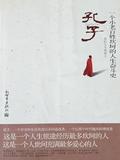 Confucius: a Common Man's Rough Life Struggle History
It truly shows the era in which Confucius lived, objectively narrates each vivid and interesting story of Confucius' life, and faithfully records Confucius's humble origins, arduous beginning, unfulfilled ambitions as an official, hopeful teaching and compilation of classics, which is profound. It reveals the royal ideal that Confucius pursued throughout his life and the reasons and regrets that it could not be realized. It reflects his noble character of caring about the country and the people
—Reads9.2Score—Shelves
Confucius: a Common Man's Rough Life Struggle History
It truly shows the era in which Confucius lived, objectively narrates each vivid and interesting story of Confucius' life, and faithfully records Confucius's humble origins, arduous beginning, unfulfilled ambitions as an official, hopeful teaching and compilation of classics, which is profound. It reveals the royal ideal that Confucius pursued throughout his life and the reasons and regrets that it could not be realized. It reflects his noble character of caring about the country and the people
—Reads9.2Score—Shelves
-
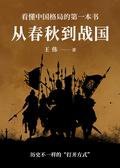 From the Spring and Autumn Period to the Warring States Period
Following "The First Book to Understand the World Pattern", the author Wang Wei returns his unique perspective to China. "From the Spring and Autumn Period to the Warring States Period" details the historical events that reconstructed the world from the Spring and Autumn Period to the Warring States Period, including the decline of the Western Zhou Dynasty and the upstarts of Jianghan and Han Dynasties. It analyzes the subtle games between the countries in the Spring and Autumn Period and the Wa
—Reads9.4Score—Shelves
From the Spring and Autumn Period to the Warring States Period
Following "The First Book to Understand the World Pattern", the author Wang Wei returns his unique perspective to China. "From the Spring and Autumn Period to the Warring States Period" details the historical events that reconstructed the world from the Spring and Autumn Period to the Warring States Period, including the decline of the Western Zhou Dynasty and the upstarts of Jianghan and Han Dynasties. It analyzes the subtle games between the countries in the Spring and Autumn Period and the Wa
—Reads9.4Score—Shelves
-
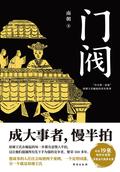 Gate Valve
In the old days, the swallows in front of Wang Xietang flew into the homes of ordinary people. The "king" here refers to a family hidden deep in history: the Langya Wang family. They flourished for more than 300 years and controlled the rise and fall of a dynasty behind the scenes. Even the emperor who sits high on the imperial palace is only an agent of his family. They are known as the "First Family in Medieval Times". This book narrates historical materials, records the rise of this family in
—Reads9.5Score—Shelves
Gate Valve
In the old days, the swallows in front of Wang Xietang flew into the homes of ordinary people. The "king" here refers to a family hidden deep in history: the Langya Wang family. They flourished for more than 300 years and controlled the rise and fall of a dynasty behind the scenes. Even the emperor who sits high on the imperial palace is only an agent of his family. They are known as the "First Family in Medieval Times". This book narrates historical materials, records the rise of this family in
—Reads9.5Score—Shelves
-
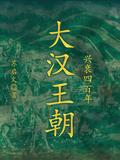 The Rise and Fall of the Han Dynasty over Four Hundred Years
This book is a selection of important historical events that occurred during the four hundred years of the Han Dynasty, during the reign of twenty-six official emperors. The palace is divided into three parts: the Western Han Dynasty, the Eastern Han Dynasty, and the Three Kingdoms. There are 36 chapters in the Western Han Dynasty, 30 chapters in the Eastern Han Dynasty, and 34 chapters in the Three Kingdoms. It details the important stage events in each period and their impact on later generati
—Reads9.5Score—Shelves
The Rise and Fall of the Han Dynasty over Four Hundred Years
This book is a selection of important historical events that occurred during the four hundred years of the Han Dynasty, during the reign of twenty-six official emperors. The palace is divided into three parts: the Western Han Dynasty, the Eastern Han Dynasty, and the Three Kingdoms. There are 36 chapters in the Western Han Dynasty, 30 chapters in the Eastern Han Dynasty, and 34 chapters in the Three Kingdoms. It details the important stage events in each period and their impact on later generati
—Reads9.5Score—Shelves
-
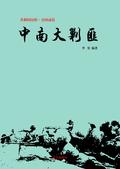 Central South Bandit Suppression
Soldiers from all over the field have made up their minds to wipe out the remaining forces of Song Xilian and then liberate Hubei! This book uses documentary techniques to describe from several aspects the process of the People's Liberation Army's Fourth Field Army and the troops affiliated with the Central and South Military Region in their struggle to suppress bandits. It also describes some little-known, bizarre, twists and turns and thrilling battle scenes in the early historical years of th
—Reads9.2Score—Shelves
Central South Bandit Suppression
Soldiers from all over the field have made up their minds to wipe out the remaining forces of Song Xilian and then liberate Hubei! This book uses documentary techniques to describe from several aspects the process of the People's Liberation Army's Fourth Field Army and the troops affiliated with the Central and South Military Region in their struggle to suppress bandits. It also describes some little-known, bizarre, twists and turns and thrilling battle scenes in the early historical years of th
—Reads9.2Score—Shelves
-
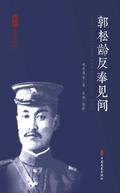 Guo Songling Rebelled Against What He Had Seen
The book "Guo Songling's Anti-Feng Feng Insights" is an important manuscript that the author accidentally discovered at an old bookstall. After careful research, it is a very precious historical memory material that has never been published. This batch of information is the first-hand information of the parties concerned, involving 18 authors. Their positions include commander-in-chief, brigade commander, regiment commander, company commander, secretary-general; director of military law, major g
—Reads9.3Score—Shelves
Guo Songling Rebelled Against What He Had Seen
The book "Guo Songling's Anti-Feng Feng Insights" is an important manuscript that the author accidentally discovered at an old bookstall. After careful research, it is a very precious historical memory material that has never been published. This batch of information is the first-hand information of the parties concerned, involving 18 authors. Their positions include commander-in-chief, brigade commander, regiment commander, company commander, secretary-general; director of military law, major g
—Reads9.3Score—Shelves
-
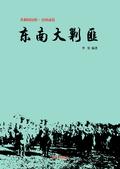 Southeastern Bandit Suppression
On the morning of November 15, 1950, County Magistrate Wang Shengsan instructed, "The body of martyr Xiao Guobao was carried from Zhongba to Changzhai on the 14th. It was determined that the Construction Department would be responsible for building a monument to the martyrs of Liberation Changshun in front of the County People's Great Hall and the tomb of martyr Xiao Guobao."
—Reads9.4Score—Shelves
Southeastern Bandit Suppression
On the morning of November 15, 1950, County Magistrate Wang Shengsan instructed, "The body of martyr Xiao Guobao was carried from Zhongba to Changzhai on the 14th. It was determined that the Construction Department would be responsible for building a monument to the martyrs of Liberation Changshun in front of the County People's Great Hall and the tomb of martyr Xiao Guobao."
—Reads9.4Score—Shelves
-
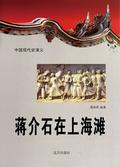 Chiang Kai-Shek on the Beach in Shanghai
The contents of this book include the two-faced factions of the Qin Dynasty and the late Chu Dynasty, the Lushun Uprising shook Sichuan, two kitchen knives started a revolution, intending to follow Sun Yat-sen, beginning to understand the Communist Party, choosing a new path at the historical juncture, the poor and the poor, replacing the old with the new and inserting the door upside down, cheating on the Pan Theater, God-given opportunities to make a fortune, there is a brave man under a heavy
—Reads7.8Score—Shelves
Chiang Kai-Shek on the Beach in Shanghai
The contents of this book include the two-faced factions of the Qin Dynasty and the late Chu Dynasty, the Lushun Uprising shook Sichuan, two kitchen knives started a revolution, intending to follow Sun Yat-sen, beginning to understand the Communist Party, choosing a new path at the historical juncture, the poor and the poor, replacing the old with the new and inserting the door upside down, cheating on the Pan Theater, God-given opportunities to make a fortune, there is a brave man under a heavy
—Reads7.8Score—Shelves
-
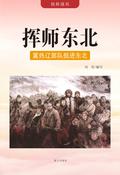 Commanding Troops to the Northeast——hebei Reliao Troops Advance into the Northeast
This book mainly introduces the Hebei Reliao troops' advance into the Northeast, mainly including the central government's decision to send troops to the Northeast: the central government studied and decided on the Northeast strategy, the anti-Japanese coalition forces returned to the Northeast, Changning airlift seized the strategic opportunity, and the central government adjusted its operational strategy; the People's Liberation Army marched toward the northeast: striving to take over the init
—Reads9.4Score—Shelves
Commanding Troops to the Northeast——hebei Reliao Troops Advance into the Northeast
This book mainly introduces the Hebei Reliao troops' advance into the Northeast, mainly including the central government's decision to send troops to the Northeast: the central government studied and decided on the Northeast strategy, the anti-Japanese coalition forces returned to the Northeast, Changning airlift seized the strategic opportunity, and the central government adjusted its operational strategy; the People's Liberation Army marched toward the northeast: striving to take over the init
—Reads9.4Score—Shelves
-
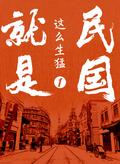 The Republic of China Was so Vigorous.1
Exclusive historical materials, cutting-edge viewpoints, the Chinese version of WikiLeaks; the "new master of humorous history telling" Wu Manlan Jiang Biao fiercely begins to talk about the history of the Republic of China! The late Qing Dynasty is like a dangerous house. If you kick it lightly, it will collapse! Faced with this critical situation, people of all colors started a big PK on the stage of China! Li Hongzhang worked hard for the Westernization Movement, but why did he get so much in
—Reads7.8Score—Shelves
The Republic of China Was so Vigorous.1
Exclusive historical materials, cutting-edge viewpoints, the Chinese version of WikiLeaks; the "new master of humorous history telling" Wu Manlan Jiang Biao fiercely begins to talk about the history of the Republic of China! The late Qing Dynasty is like a dangerous house. If you kick it lightly, it will collapse! Faced with this critical situation, people of all colors started a big PK on the stage of China! Li Hongzhang worked hard for the Westernization Movement, but why did he get so much in
—Reads7.8Score—Shelves
-
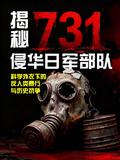 Revealing the Secret of 731 Japanese Troops Invading China
This is a dark history that has been deliberately covered up—— In the name of "scientific research," the Japanese Army's Unit 731 established a giant death factory in Northeast China, using living people to conduct inhumane experiments such as bacterial infection, vivisection, and frostbite testing. More than 3,000 innocent people were tortured to death. What is even more shocking is that these "research results" were directly used on the battlefield, launching germ warfare in more than 20 provi
—Reads9.4Score—Shelves
Revealing the Secret of 731 Japanese Troops Invading China
This is a dark history that has been deliberately covered up—— In the name of "scientific research," the Japanese Army's Unit 731 established a giant death factory in Northeast China, using living people to conduct inhumane experiments such as bacterial infection, vivisection, and frostbite testing. More than 3,000 innocent people were tortured to death. What is even more shocking is that these "research results" were directly used on the battlefield, launching germ warfare in more than 20 provi
—Reads9.4Score—Shelves
-
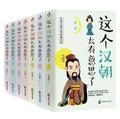 This Han Dynasty Is so Interesting (7 Volumes in Total)
"This Han Dynasty is So Interesting" begins with Liu Bang, the founder of the Han Dynasty, and continues to the Zen position of Emperor Xian of the Han Dynasty, a total of more than 400 years of history. The complete set of books consists of seven volumes and is published in two parts. The first part includes the first four volumes, starting from the struggle for hegemony between Chu and Han and ending with Wang Mang's replacement of the Han Dynasty; the second part includes the last three volum
—Reads9.5Score—Shelves
This Han Dynasty Is so Interesting (7 Volumes in Total)
"This Han Dynasty is So Interesting" begins with Liu Bang, the founder of the Han Dynasty, and continues to the Zen position of Emperor Xian of the Han Dynasty, a total of more than 400 years of history. The complete set of books consists of seven volumes and is published in two parts. The first part includes the first four volumes, starting from the struggle for hegemony between Chu and Han and ending with Wang Mang's replacement of the Han Dynasty; the second part includes the last three volum
—Reads9.5Score—Shelves
-
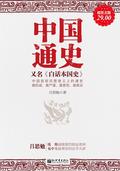 General History of China
The original version of "General History of China" was completed in 1939. It is divided into two volumes. The first volume has 18 chapters, which describe the development of China's socio-economic system, political system, and cultural academics. The contents include marriage, clan system, political system, class, property, official system, election, taxation, military system, criminal law, industry, currency, food and clothing, housing, education, language, academics, and religion. The second v
—Reads9.3Score—Shelves
General History of China
The original version of "General History of China" was completed in 1939. It is divided into two volumes. The first volume has 18 chapters, which describe the development of China's socio-economic system, political system, and cultural academics. The contents include marriage, clan system, political system, class, property, official system, election, taxation, military system, criminal law, industry, currency, food and clothing, housing, education, language, academics, and religion. The second v
—Reads9.3Score—Shelves
-
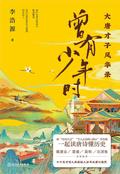 There Was a Time When I Was Young
Did you know that Zhang Jiuling's reason for resignation was "Mom told me to go home"? Do you know that Wen Tingyun drank too much and talked nonsense, and played a good hand of cards to pieces? Do you know that Gao Qi spent ten years as a pauper and was finally promoted to an official? These stories that happened a thousand years ago are more interesting and more relatable than celebrity gossip. Chen Ziang, Luo Yin, Wei Yingwu, Li He... They are not the "first-line" poets of the Tang Dynasty, b
—Reads9.4Score—Shelves
There Was a Time When I Was Young
Did you know that Zhang Jiuling's reason for resignation was "Mom told me to go home"? Do you know that Wen Tingyun drank too much and talked nonsense, and played a good hand of cards to pieces? Do you know that Gao Qi spent ten years as a pauper and was finally promoted to an official? These stories that happened a thousand years ago are more interesting and more relatable than celebrity gossip. Chen Ziang, Luo Yin, Wei Yingwu, Li He... They are not the "first-line" poets of the Tang Dynasty, b
—Reads9.4Score—Shelves
-
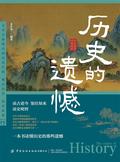 Historical Regret
"Historical Regrets" combines literature and history, uses clear and logical language to tell the stories of some well-known historical figures, and also uses words to objectively reproduce some sighing historical events. Combining works such as "Zi Zhi Tong Jian" and "Historical Records", the author strives to restore the facts, interpret the little-known stories of historical figures, conduct a comprehensive and in-depth analysis of some important events in history, and strive to present the o
—Reads9.2Score—Shelves
Historical Regret
"Historical Regrets" combines literature and history, uses clear and logical language to tell the stories of some well-known historical figures, and also uses words to objectively reproduce some sighing historical events. Combining works such as "Zi Zhi Tong Jian" and "Historical Records", the author strives to restore the facts, interpret the little-known stories of historical figures, conduct a comprehensive and in-depth analysis of some important events in history, and strive to present the o
—Reads9.2Score—Shelves
-
 Records of Zeng Gong (Free Public Edition Book)
Minister's Diary. In June of the eighth year of Yuanyou (1093), he served in the Privy Council. He became prime minister in October of the third year of Yuanfu (1100). He resigned from the prime minister in June of the first year of Chongning (1102). He served in the government for 9 years. In the Song Dynasty system, the emperor had a calendar and actual records, and the ministers had diary records to record daily actions and memorials. This compilation was the diary record recorded by Zeng Bu.
—Reads8.6Score—Shelves
Records of Zeng Gong (Free Public Edition Book)
Minister's Diary. In June of the eighth year of Yuanyou (1093), he served in the Privy Council. He became prime minister in October of the third year of Yuanfu (1100). He resigned from the prime minister in June of the first year of Chongning (1102). He served in the government for 9 years. In the Song Dynasty system, the emperor had a calendar and actual records, and the ministers had diary records to record daily actions and memorials. This compilation was the diary record recorded by Zeng Bu.
—Reads8.6Score—Shelves
-
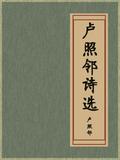 Selected Poems of Lu Zhaolin
Lu Zhaolin, a poet in the early Tang Dynasty. His courtesy name was Shengzhi, and his nickname was Youyouzi. He was a Han nationality from Fanyang, Youzhou (now Zhuozhou City, Hebei Province). His birth and death dates are unknown. Lu Zhaolin was born in a prominent family. There are 7 volumes of "The Collection of Lu Sheng" and "The Collection of Youyouzi" compiled and annotated by Zhang Xie in the Ming Dynasty. Lu Zhaolin's poems are composed of parallel prose, which is best in the form of son
—Reads8.7Score—Shelves
Selected Poems of Lu Zhaolin
Lu Zhaolin, a poet in the early Tang Dynasty. His courtesy name was Shengzhi, and his nickname was Youyouzi. He was a Han nationality from Fanyang, Youzhou (now Zhuozhou City, Hebei Province). His birth and death dates are unknown. Lu Zhaolin was born in a prominent family. There are 7 volumes of "The Collection of Lu Sheng" and "The Collection of Youyouzi" compiled and annotated by Zhang Xie in the Ming Dynasty. Lu Zhaolin's poems are composed of parallel prose, which is best in the form of son
—Reads8.7Score—Shelves
-
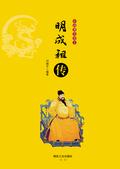 The Ancestor Biography of the Famous Chinese Emperor Mingcheng
The ancestor of Ming Dynasty, whose name was Zhu Di, was born in the war-torn years. He reigned from 1402 to 1424, with the reign name "Yongle", so people used to call him "Yongle Emperor". He was the fourth son of Ming Taizu Zhu Yuanzhang, and was originally named King of Yan. He had great ambitions, was wise and brave, and fought against the imperial court with his own troops. He wrested the throne from his nephew Emperor Jianwen through the Battle of Jingnan, and stepped onto the supreme thro
—Reads8.9Score—Shelves
The Ancestor Biography of the Famous Chinese Emperor Mingcheng
The ancestor of Ming Dynasty, whose name was Zhu Di, was born in the war-torn years. He reigned from 1402 to 1424, with the reign name "Yongle", so people used to call him "Yongle Emperor". He was the fourth son of Ming Taizu Zhu Yuanzhang, and was originally named King of Yan. He had great ambitions, was wise and brave, and fought against the imperial court with his own troops. He wrested the throne from his nephew Emperor Jianwen through the Battle of Jingnan, and stepped onto the supreme thro
—Reads8.9Score—Shelves
-
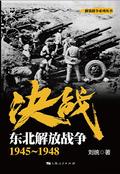 Decisive Battle Northeast Liberation War: 1945~1948
One of the "Liberation War" series of books presented by Shanghai People's Publishing House for the 90th anniversary of the founding of the army. This is "The Decisive Battle: The Northeast Liberation War 1945-1948", written by Liu Tong, a famous military history expert and author of "Going North: The Whole Story of the Struggle between the Party Central Committee and Zhang Guotao". The Northeastern battlefield from 1945 to 1948 was undergoing great changes. Surrendered from Japan, quickly enter
—Reads9.5Score—Shelves
Decisive Battle Northeast Liberation War: 1945~1948
One of the "Liberation War" series of books presented by Shanghai People's Publishing House for the 90th anniversary of the founding of the army. This is "The Decisive Battle: The Northeast Liberation War 1945-1948", written by Liu Tong, a famous military history expert and author of "Going North: The Whole Story of the Struggle between the Party Central Committee and Zhang Guotao". The Northeastern battlefield from 1945 to 1948 was undergoing great changes. Surrendered from Japan, quickly enter
—Reads9.5Score—Shelves
-
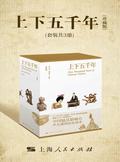 Five Thousand Years--Collector's Edition
"Five Thousand Years Up and Down" is a popular history book for teenagers. It has been selling well for more than thirty years and has been trusted and recognized by generations of readers. The book uses a classic form of storytelling to tell history, and arranges 262 historical stories in chronological order, from the myth of the creation of the world, the legend of drilling wood to make fire, to Qianlong's banned books and revision of books, Cao Xueqin's writing of "A Dream of Red Mansions", w
—Reads8.3Score—Shelves
Five Thousand Years--Collector's Edition
"Five Thousand Years Up and Down" is a popular history book for teenagers. It has been selling well for more than thirty years and has been trusted and recognized by generations of readers. The book uses a classic form of storytelling to tell history, and arranges 262 historical stories in chronological order, from the myth of the creation of the world, the legend of drilling wood to make fire, to Qianlong's banned books and revision of books, Cao Xueqin's writing of "A Dream of Red Mansions", w
—Reads8.3Score—Shelves
-
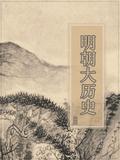 Ming Dynasty History
This book is the culmination of Mr. Meng Sen's research on Qing history. It is also a representative and foundational work on research on Qing history issues. Mr. Meng Sen used "Records of the Qing Dynasty" and "Manuscripts of the History of the Qing Dynasty", as well as rarely used historical materials such as the Qing court archives and "Records of the Korean Li Dynasty" to reveal and analyze many core issues in the history of the Qing Dynasty, and gave a comprehensive review of the politics,
—Reads8.5Score—Shelves
Ming Dynasty History
This book is the culmination of Mr. Meng Sen's research on Qing history. It is also a representative and foundational work on research on Qing history issues. Mr. Meng Sen used "Records of the Qing Dynasty" and "Manuscripts of the History of the Qing Dynasty", as well as rarely used historical materials such as the Qing court archives and "Records of the Korean Li Dynasty" to reveal and analyze many core issues in the history of the Qing Dynasty, and gave a comprehensive review of the politics,
—Reads8.5Score—Shelves
-
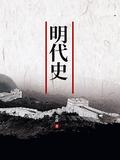 History of Ming Dynasty
This research work on Ming history is the pinnacle of Mengsen's academic career. He is known for his meticulous research and unique insights, and has put forward innovative insights into major events such as the political system of the early Ming Dynasty and the Jingnan Campaign. Meng Sen not only sorted out historical facts, but also deeply analyzed the political ecology and social changes of the Ming Dynasty. His views such as "Hongwu Establishment Theory" and "Party Struggle in the Late Ming
—Reads7.9Score—Shelves
History of Ming Dynasty
This research work on Ming history is the pinnacle of Mengsen's academic career. He is known for his meticulous research and unique insights, and has put forward innovative insights into major events such as the political system of the early Ming Dynasty and the Jingnan Campaign. Meng Sen not only sorted out historical facts, but also deeply analyzed the political ecology and social changes of the Ming Dynasty. His views such as "Hongwu Establishment Theory" and "Party Struggle in the Late Ming
—Reads7.9Score—Shelves
-
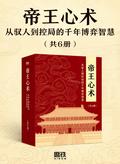 The Emperor's Mind: Millennium Game Wisdom from Controlling People to Controlling Situations (6 Volumes in Total)
Revealing the secrets of the emperor's mind is closer to the truth than unofficial history. The set has six volumes in total, including "Kang, Yongzong and Qianlong: 100 Years of the Qing Dynasty", "Chongzhen: From the Efforts for Governance to the Divorce of People's Heart", "Zhao Kuangyin: From the Yellow Robe to the Golden Chamber", "Grassroots Counterattack: Zhu Yuanzhang", "People's Heart First: Liu Bang", "Mr. Yangmou: Cao Cao".
—Reads8.7Score—Shelves
The Emperor's Mind: Millennium Game Wisdom from Controlling People to Controlling Situations (6 Volumes in Total)
Revealing the secrets of the emperor's mind is closer to the truth than unofficial history. The set has six volumes in total, including "Kang, Yongzong and Qianlong: 100 Years of the Qing Dynasty", "Chongzhen: From the Efforts for Governance to the Divorce of People's Heart", "Zhao Kuangyin: From the Yellow Robe to the Golden Chamber", "Grassroots Counterattack: Zhu Yuanzhang", "People's Heart First: Liu Bang", "Mr. Yangmou: Cao Cao".
—Reads8.7Score—Shelves
-
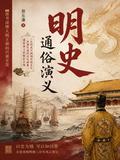 Popular Romance of Ming History
[Classical Historical Romance | Novel about the founding of the Ming Dynasty] A popular novel that chronicles the ups and downs of the Ming Dynasty in 276 years. It contains hundreds of chapters. It begins with Zhu Yuanzhang becoming a monk in Haozhou and joining the red scarf, and completely lays out the drama of the heroes fighting for hegemony at the end of the Yuan Dynasty. The three-way battle between Zhu Yuanzhang, Chen Youliang, and Zhang Shicheng, the bloody battle at Poyang Lake, and th
—Reads8.1Score—Shelves
Popular Romance of Ming History
[Classical Historical Romance | Novel about the founding of the Ming Dynasty] A popular novel that chronicles the ups and downs of the Ming Dynasty in 276 years. It contains hundreds of chapters. It begins with Zhu Yuanzhang becoming a monk in Haozhou and joining the red scarf, and completely lays out the drama of the heroes fighting for hegemony at the end of the Yuan Dynasty. The three-way battle between Zhu Yuanzhang, Chen Youliang, and Zhang Shicheng, the bloody battle at Poyang Lake, and th
—Reads8.1Score—Shelves
-
 Facts About Dong and Huan Officials Copied by Civilians
"Facts about Dong Huan" is a historical note-type work written by an anonymous author in the Ming Dynasty. It is a compilation of folk documents and historical materials of the Ming Dynasty. The book focuses on the various behaviors and causes and consequences of a key figure, Dong Huan, and his father and son in society. By recording folk criticism, stories and related facts about them, it reflects the conflicts between certain social strata, official figures and the common people in the Ming D
—Reads—Score—Shelves
Facts About Dong and Huan Officials Copied by Civilians
"Facts about Dong Huan" is a historical note-type work written by an anonymous author in the Ming Dynasty. It is a compilation of folk documents and historical materials of the Ming Dynasty. The book focuses on the various behaviors and causes and consequences of a key figure, Dong Huan, and his father and son in society. By recording folk criticism, stories and related facts about them, it reflects the conflicts between certain social strata, official figures and the common people in the Ming D
—Reads—Score—Shelves
-
 The Legacy of Ancient Chinese Scholar-Bureaucrats
With the assistance of a powerful political group with Guan Zhong as the backbone, Duke Huan of Qi carried out reforms, developed the economy, put the military in government, deployed troops in agriculture, and enriched the country and strengthened the army. Under the call of "respecting the king and rejecting the barbarians", the nine princes united to unite the world, and finally created the great cause of being the first hegemon in the Spring and Autumn Period.
—Reads—Score—Shelves
The Legacy of Ancient Chinese Scholar-Bureaucrats
With the assistance of a powerful political group with Guan Zhong as the backbone, Duke Huan of Qi carried out reforms, developed the economy, put the military in government, deployed troops in agriculture, and enriched the country and strengthened the army. Under the call of "respecting the king and rejecting the barbarians", the nine princes united to unite the world, and finally created the great cause of being the first hegemon in the Spring and Autumn Period.
—Reads—Score—Shelves
-
 Selected Poems of Chen Zilong
Chen Zilong (1608-1647) was an official and writer in the late Ming Dynasty. His initial name was Jie, with the courtesy names Wozi, Maozhong, and Renzhong, and his nicknames were Dazun, Haishi, and Yifu. Han nationality, from Huating, Songjiang, South Zhili (now Songjiang, Shanghai). He was a Jinshi in the tenth year of Chongzhen. He once served as a promotion official in Shaoxing. He promoted the military department to Shizhong based on his merits. He was ordered to die in Ming Dynasty. When t
—Reads8.5Score—Shelves
Selected Poems of Chen Zilong
Chen Zilong (1608-1647) was an official and writer in the late Ming Dynasty. His initial name was Jie, with the courtesy names Wozi, Maozhong, and Renzhong, and his nicknames were Dazun, Haishi, and Yifu. Han nationality, from Huating, Songjiang, South Zhili (now Songjiang, Shanghai). He was a Jinshi in the tenth year of Chongzhen. He once served as a promotion official in Shaoxing. He promoted the military department to Shizhong based on his merits. He was ordered to die in Ming Dynasty. When t
—Reads8.5Score—Shelves
-
 Chronicle of Datong
"Chronicles of Datong" is a Ming Dynasty notebook-style historical work written by Han Bangqi, a Ming Dynasty scholar. It is a one-volume book. It mainly describes a series of political turmoil and military coups in border towns that occurred in Datong, Shanxi and surrounding areas during the Jiajing Jiashen period (around 1534). It is an important original historical material for studying local political crises, military-civilian conflicts and officialdom governance in the Ming Dynasty. The aut
—Reads—Score—Shelves
Chronicle of Datong
"Chronicles of Datong" is a Ming Dynasty notebook-style historical work written by Han Bangqi, a Ming Dynasty scholar. It is a one-volume book. It mainly describes a series of political turmoil and military coups in border towns that occurred in Datong, Shanxi and surrounding areas during the Jiajing Jiashen period (around 1534). It is an important original historical material for studying local political crises, military-civilian conflicts and officialdom governance in the Ming Dynasty. The aut
—Reads—Score—Shelves
-
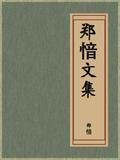 Collected Works of Zheng Min
Zheng Min (? - 710) Tang poet. The courtesy name is Wenjing, a native of Cang County (belonging to Cangzhou), Hebei Province. He died in the first year of Jingyun, Emperor Ruizong of Tang Dynasty. He was promoted to Jinshi at the age of seventeen. During the reign of Empress Wu, Zhang Yi's brother recommended him as a censor in the palace. After Zhang Yi stepped down, he was demoted to the position of chief minister of Xuanzhou. During the reign of Emperor Zhongzong of the Tang Dynasty, he serve
—Reads8.5Score—Shelves
Collected Works of Zheng Min
Zheng Min (? - 710) Tang poet. The courtesy name is Wenjing, a native of Cang County (belonging to Cangzhou), Hebei Province. He died in the first year of Jingyun, Emperor Ruizong of Tang Dynasty. He was promoted to Jinshi at the age of seventeen. During the reign of Empress Wu, Zhang Yi's brother recommended him as a censor in the palace. After Zhang Yi stepped down, he was demoted to the position of chief minister of Xuanzhou. During the reign of Emperor Zhongzong of the Tang Dynasty, he serve
—Reads8.5Score—Shelves
-
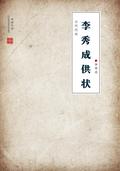 Li Xiucheng's Confession
"Li Xiucheng's Confession" (also known as "Li Xiucheng's Personal Confession" or "Li Xiucheng's Autobiography") is a confession and autobiography written by Li Xiucheng, the loyal king of the Taiping Rebellion, in prison on the orders of Zeng Guofan after he was captured by the Qing army. The number of words once reached tens of thousands of words. This confession is extremely rich in content, including Li Xiucheng's review of the rise of the Taiping Heavenly Kingdom, civil coups, and major batt
—Reads8.1Score—Shelves
Li Xiucheng's Confession
"Li Xiucheng's Confession" (also known as "Li Xiucheng's Personal Confession" or "Li Xiucheng's Autobiography") is a confession and autobiography written by Li Xiucheng, the loyal king of the Taiping Rebellion, in prison on the orders of Zeng Guofan after he was captured by the Qing army. The number of words once reached tens of thousands of words. This confession is extremely rich in content, including Li Xiucheng's review of the rise of the Taiping Heavenly Kingdom, civil coups, and major batt
—Reads8.1Score—Shelves
-
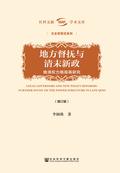 Local Governors and the New Deal in the Late Qing Dynasty: a Re-Study of the Power Structure in the Late Qing Dynasty (Updated Edition)
From the perspective of the thoughts and activities of local governors in the New Deal, this book specifically examines the participation and impact of local governors on the Qing government's New Deal decision-making, as well as the interactive relationship between local governors and social changes in the New Deal process, in order to observe the evolving situation of the central and local power structure in the late Qing Dynasty.
—Reads8.9Score—Shelves
Local Governors and the New Deal in the Late Qing Dynasty: a Re-Study of the Power Structure in the Late Qing Dynasty (Updated Edition)
From the perspective of the thoughts and activities of local governors in the New Deal, this book specifically examines the participation and impact of local governors on the Qing government's New Deal decision-making, as well as the interactive relationship between local governors and social changes in the New Deal process, in order to observe the evolving situation of the central and local power structure in the late Qing Dynasty.
—Reads8.9Score—Shelves
-
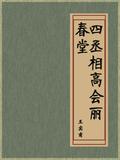 The Fourth Prime Minister Gao Hui Lichuntang
Wang Shifu's Zaju of the Yuan Dynasty describes the scene of four prime ministers gathering at Lichun Hall to drink and write poems, showing the elegant gathering life of literati and officials.
—Reads—Score—Shelves
The Fourth Prime Minister Gao Hui Lichuntang
Wang Shifu's Zaju of the Yuan Dynasty describes the scene of four prime ministers gathering at Lichun Hall to drink and write poems, showing the elegant gathering life of literati and officials.
—Reads—Score—Shelves
-
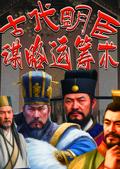 Strategies and Operations of Famous Officials in Ancient Times
This book includes the famous ministers who fished for princes, the famous ministers who lived a wise life, the famous ministers who succeeded in retreating bravely, the famous ministers who reformed and strengthened the country, the famous ministers who were the best lobbyists, the famous strategists, etc.
—Reads8.0Score—Shelves
Strategies and Operations of Famous Officials in Ancient Times
This book includes the famous ministers who fished for princes, the famous ministers who lived a wise life, the famous ministers who succeeded in retreating bravely, the famous ministers who reformed and strengthened the country, the famous ministers who were the best lobbyists, the famous strategists, etc.
—Reads8.0Score—Shelves
-
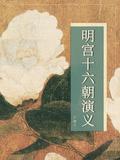 Romance of the Sixteenth Dynasties of the Ming Palace
"The Romance of the Sixteen Dynasties of the Ming Palace" goes deep into the palace to narrate the love and hatred between emperors and concubines; it covers a wide range of historical events and gives a detailed look at the twists and turns of the feudal dynasty. If you read this set of books thoroughly, you will understand the palace; if you read the palace thoroughly, you will understand the history; if you read the history thoroughly, the reality will be clear to your mind.
—Reads9.4Score—Shelves
Romance of the Sixteenth Dynasties of the Ming Palace
"The Romance of the Sixteen Dynasties of the Ming Palace" goes deep into the palace to narrate the love and hatred between emperors and concubines; it covers a wide range of historical events and gives a detailed look at the twists and turns of the feudal dynasty. If you read this set of books thoroughly, you will understand the palace; if you read the palace thoroughly, you will understand the history; if you read the history thoroughly, the reality will be clear to your mind.
—Reads9.4Score—Shelves
-
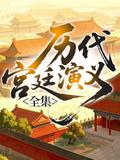 Complete Collection of Palace Romances from Past Dynasties
Xu Xiaotian resurrects the secret history of the Tang Palace in the Ming and Qing dynasties with the writing of a novel: the bloody rain of nine sons' seizure of the legitimate sons, Wu Zetian's machinations, and the tragic end of Chongzhen... It not only has the historical skeleton of the textual criticism school, but also adds the wild flavor and flesh of the novelist. It is more vivid than official history and more rigorous than drama. It can be called the ancient version of "Game of Thrones"
—Reads9.5Score—Shelves
Complete Collection of Palace Romances from Past Dynasties
Xu Xiaotian resurrects the secret history of the Tang Palace in the Ming and Qing dynasties with the writing of a novel: the bloody rain of nine sons' seizure of the legitimate sons, Wu Zetian's machinations, and the tragic end of Chongzhen... It not only has the historical skeleton of the textual criticism school, but also adds the wild flavor and flesh of the novelist. It is more vivid than official history and more rigorous than drama. It can be called the ancient version of "Game of Thrones"
—Reads9.5Score—Shelves
-
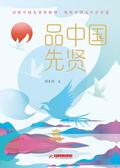 Appreciation of Chinese Sages
Why did the sages of the nation live wonderful lives? What is human deep existence? What is human diversity? What is a good life with a low boiling point that can last for thousands of years? Liu Xiaochuan creatively uses history, literature, phenomenology, anthropology, psychology and other methods to deeply interpret the stories of classic sages. He uses sixteen keywords such as "refining, food, sex, wisdom, courage, justice, learning, traveling, madness, drinking, beauty, love, virtue, filial
—Reads9.0Score—Shelves
Appreciation of Chinese Sages
Why did the sages of the nation live wonderful lives? What is human deep existence? What is human diversity? What is a good life with a low boiling point that can last for thousands of years? Liu Xiaochuan creatively uses history, literature, phenomenology, anthropology, psychology and other methods to deeply interpret the stories of classic sages. He uses sixteen keywords such as "refining, food, sex, wisdom, courage, justice, learning, traveling, madness, drinking, beauty, love, virtue, filial
—Reads9.0Score—Shelves
-
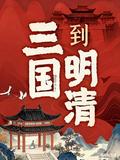 A History That Makes You Addicted as Soon as You Hear It: from the Three Kingdoms to the Ming and Qing Dynasties
It will take you through the beacon smoke of Chibi, Chang'an in the prosperous Tang Dynasty, the blood of Jingnan and the confusion of Kangxi and Qianlong... Machiavellianism, war, love and hate collided in famous scenes. With a humorous and sharp modern perspective, the anchor will lead you to read the hidden logic that textbooks dare not write, and together unlock the wisdom of the ancients and see through the laws of history!
—Reads9.5Score—Shelves
A History That Makes You Addicted as Soon as You Hear It: from the Three Kingdoms to the Ming and Qing Dynasties
It will take you through the beacon smoke of Chibi, Chang'an in the prosperous Tang Dynasty, the blood of Jingnan and the confusion of Kangxi and Qianlong... Machiavellianism, war, love and hate collided in famous scenes. With a humorous and sharp modern perspective, the anchor will lead you to read the hidden logic that textbooks dare not write, and together unlock the wisdom of the ancients and see through the laws of history!
—Reads9.5Score—Shelves
-
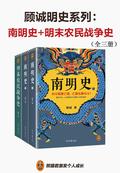 Gu Cheng's Ming History Series: History of the Southern Ming Dynasty + History of the Peasants' War in the Late Ming Dynasty (Three Volumes in Total)
Let's first look at Li Zicheng's carelessness and loss of his country, and then look at the infighting between the emperors and ministers of the Southern Ming Dynasty and the destruction of the country! ◆ "History of Peasant War in the Late Ming Dynasty": In March 1644, Li Zicheng invaded Beijing and the Ming Dynasty was destroyed. At this time, he had been fighting for sixteen years; in April of the same year, Li Zicheng was defeated at Shanhaiguan and the Qing army entered the customs; in May
—Reads9.4Score—Shelves
Gu Cheng's Ming History Series: History of the Southern Ming Dynasty + History of the Peasants' War in the Late Ming Dynasty (Three Volumes in Total)
Let's first look at Li Zicheng's carelessness and loss of his country, and then look at the infighting between the emperors and ministers of the Southern Ming Dynasty and the destruction of the country! ◆ "History of Peasant War in the Late Ming Dynasty": In March 1644, Li Zicheng invaded Beijing and the Ming Dynasty was destroyed. At this time, he had been fighting for sixteen years; in April of the same year, Li Zicheng was defeated at Shanhaiguan and the Qing army entered the customs; in May
—Reads9.4Score—Shelves
-
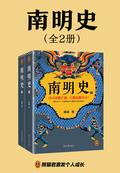 History of the Southern Ming Dynasty (Two Volumes)
If there is internal fighting, the country will be destroyed, and if the country is destroyed, there will be internal fighting! There is nothing more absurd than this in human nature! In March 1644 AD, the Dashun Army led by Li Zicheng captured Beijing, and Emperor Chongzhen hanged himself. When the news reached Nanjing, the capital of the capital, the question of who to appoint as the new emperor became urgent. Civil and military officials rushed to take the lead in front of the new emperor, bu
—Reads9.5Score—Shelves
History of the Southern Ming Dynasty (Two Volumes)
If there is internal fighting, the country will be destroyed, and if the country is destroyed, there will be internal fighting! There is nothing more absurd than this in human nature! In March 1644 AD, the Dashun Army led by Li Zicheng captured Beijing, and Emperor Chongzhen hanged himself. When the news reached Nanjing, the capital of the capital, the question of who to appoint as the new emperor became urgent. Civil and military officials rushed to take the lead in front of the new emperor, bu
—Reads9.5Score—Shelves
-
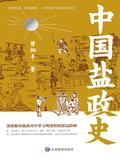 History of China's Salt Policy
"The History of China's Salt Policy" is an academic work that systematically studies the history of China's salt policy. The book covers the development of China's salt administration system from ancient times to modern times. Through detailed historical data analysis, the author sorts out the important historical changes in China's salt policy. This book is divided into several chapters, mainly covering salt production, salt production, salt officials, salt prohibition and other aspects. The bo
—Reads8.1Score—Shelves
History of China's Salt Policy
"The History of China's Salt Policy" is an academic work that systematically studies the history of China's salt policy. The book covers the development of China's salt administration system from ancient times to modern times. Through detailed historical data analysis, the author sorts out the important historical changes in China's salt policy. This book is divided into several chapters, mainly covering salt production, salt production, salt officials, salt prohibition and other aspects. The bo
—Reads8.1Score—Shelves
-
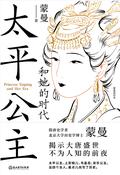 Princess Taiping and Her Era
There has never been a period when so many women were involved in fierce and complex political competitions at the same time! Wu Zetian successfully overturned the traditional concept that only men could be emperors, and also stimulated the political ambitions of a group of court women. Princess Taiping, the daughter of Wu Zetian, has great power in both the government and the public. Empress Wei, Wu Zetian's daughter-in-law, intended to become the second Wu Zetian. Princess Anle, the granddaugh
—Reads9.5Score—Shelves
Princess Taiping and Her Era
There has never been a period when so many women were involved in fierce and complex political competitions at the same time! Wu Zetian successfully overturned the traditional concept that only men could be emperors, and also stimulated the political ambitions of a group of court women. Princess Taiping, the daughter of Wu Zetian, has great power in both the government and the public. Empress Wei, Wu Zetian's daughter-in-law, intended to become the second Wu Zetian. Princess Anle, the granddaugh
—Reads9.5Score—Shelves
-
 Records of Ping Song Dynasty
"Ping Song Lu" is a war record written by Liu Minzhong, a famous minister of the Yuan Dynasty. It records the glorious journey of Boyan, the prime minister of the Yuan Dynasty, when he sent his troops southward and destroyed the Southern Song Dynasty in one fell swoop in the eleventh year of the Yuan Dynasty (1274). The book is divided into three volumes: the first, middle and second volumes. It is not only a military history, but also a heroic hymn intertwined with strategy and bravery. The boo
—Reads7.5Score—Shelves
Records of Ping Song Dynasty
"Ping Song Lu" is a war record written by Liu Minzhong, a famous minister of the Yuan Dynasty. It records the glorious journey of Boyan, the prime minister of the Yuan Dynasty, when he sent his troops southward and destroyed the Southern Song Dynasty in one fell swoop in the eleventh year of the Yuan Dynasty (1274). The book is divided into three volumes: the first, middle and second volumes. It is not only a military history, but also a heroic hymn intertwined with strategy and bravery. The boo
—Reads7.5Score—Shelves
-
 Ping Wu Lu
This is a private archive that subverts the orthodox view of history! Sun Xu from the Qing Dynasty revealed the intrigues and betrayal behind "a crown prince's anger turns into a beauty" from the perspective of an eyewitness. The book not only reveals Wu Sangui's true motive for attracting Qing troops into the Pass, but also exposes for the first time the secret of Chen Yuanyuan's capture, the inside story of the hanging of Emperor Yongli of the Southern Ming Dynasty, and the absurd farce of Wu
—Reads7.6Score—Shelves
Ping Wu Lu
This is a private archive that subverts the orthodox view of history! Sun Xu from the Qing Dynasty revealed the intrigues and betrayal behind "a crown prince's anger turns into a beauty" from the perspective of an eyewitness. The book not only reveals Wu Sangui's true motive for attracting Qing troops into the Pass, but also exposes for the first time the secret of Chen Yuanyuan's capture, the inside story of the hanging of Emperor Yongli of the Southern Ming Dynasty, and the absurd farce of Wu
—Reads7.6Score—Shelves
-
 Five Tigers Pingnan
"Five Tigers Ping Nan" tells the story of the Southern Barbarian King Nong Zhigao's rebellion during the reign of Renzong in the Song Dynasty, and war raged across southern Xinjiang. Di Qing, the king of Pingxi, was ordered to take command and went out again with his five tiger generals. However, he was trapped by the barbarians' strange skills. Duan Hongyu, the daughter of Duan Hong of Mengyunguan, learned the immortal way and was good at using magic. At the time of crisis, the heroine Wang Hua
—Reads8.4Score—Shelves
Five Tigers Pingnan
"Five Tigers Ping Nan" tells the story of the Southern Barbarian King Nong Zhigao's rebellion during the reign of Renzong in the Song Dynasty, and war raged across southern Xinjiang. Di Qing, the king of Pingxi, was ordered to take command and went out again with his five tiger generals. However, he was trapped by the barbarians' strange skills. Duan Hongyu, the daughter of Duan Hong of Mengyunguan, learned the immortal way and was good at using magic. At the time of crisis, the heroine Wang Hua
—Reads8.4Score—Shelves
-
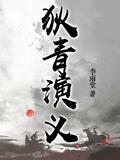 The Romance of Di Qing
"The Romance of Di Qing" tells the story of Di Qing, a general who came to earth from Wu Quxing. He was separated from his mother due to a flood at an early age and was taught by the immortal master Wang Chan for seven years. He went down the mountain to Beijing to find his relatives, but got involved in a turmoil: he accidentally killed the evil young man and was imprisoned, but escaped when he met his father-in-law. Later, he recognized his relatives as the Queen Mother Di, used his martial ar
—Reads8.4Score—Shelves
The Romance of Di Qing
"The Romance of Di Qing" tells the story of Di Qing, a general who came to earth from Wu Quxing. He was separated from his mother due to a flood at an early age and was taught by the immortal master Wang Chan for seven years. He went down the mountain to Beijing to find his relatives, but got involved in a turmoil: he accidentally killed the evil young man and was imprisoned, but escaped when he met his father-in-law. Later, he recognized his relatives as the Queen Mother Di, used his martial ar
—Reads8.4Score—Shelves
-
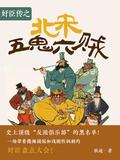 The Legend of the Traitor: Five Ghosts and Six Thieves of the Northern Song Dynasty
[A treacherous minister inventory meeting with spicy ridicule and dramatic irony! "The Legend of the Traitor: Five Ghosts and Six Thieves of the Northern Song Dynasty" is like a blacklist of the top "Villains Club" in history! Don't wait to travel to the Song Dynasty. Here you can "cloud monitor" how those powerful officials and rogues with their own agendas are stirring up trouble. Wang Qinruo, Ding Wei, Chen Pengnian, Liu Chenggui, Lin Te, plus Cai Jing, Tong Guan, Wang Fu, Liang Shicheng, Zh
—Reads8.4Score—Shelves
The Legend of the Traitor: Five Ghosts and Six Thieves of the Northern Song Dynasty
[A treacherous minister inventory meeting with spicy ridicule and dramatic irony! "The Legend of the Traitor: Five Ghosts and Six Thieves of the Northern Song Dynasty" is like a blacklist of the top "Villains Club" in history! Don't wait to travel to the Song Dynasty. Here you can "cloud monitor" how those powerful officials and rogues with their own agendas are stirring up trouble. Wang Qinruo, Ding Wei, Chen Pengnian, Liu Chenggui, Lin Te, plus Cai Jing, Tong Guan, Wang Fu, Liang Shicheng, Zh
—Reads8.4Score—Shelves
-
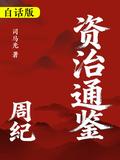 Zizhi Tongjian·zhou Ji (Vernacular Version)
"Zizhi Tongjian" is a grand chronicle of general history in ancient China. It was edited by Sima Guang of the Northern Song Dynasty and recorded a total of 1,362 years of history from the Warring States Period to the Five Dynasties. This book independently organizes the "Zhou Ji" part and completely translates it into modern vernacular, striving to be easy to understand and close to contemporary readers. This translation covers a total of five volumes of "Zhou Ji", from the 23rd year of King Wei
—Reads8.6Score—Shelves
Zizhi Tongjian·zhou Ji (Vernacular Version)
"Zizhi Tongjian" is a grand chronicle of general history in ancient China. It was edited by Sima Guang of the Northern Song Dynasty and recorded a total of 1,362 years of history from the Warring States Period to the Five Dynasties. This book independently organizes the "Zhou Ji" part and completely translates it into modern vernacular, striving to be easy to understand and close to contemporary readers. This translation covers a total of five volumes of "Zhou Ji", from the 23rd year of King Wei
—Reads8.6Score—Shelves
-
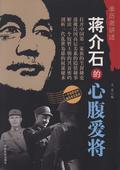 Chiang Kai-Shek's Confidant and Favorite General (Narrated by an Eyewitness)
As the core figure of the former First Family, what kind of hidden secrets did Chiang Kai-shek, a generational tycoon, have with the interest groups behind him? This series of books reveals the dusty secret history of a short-lived dynasty through the personal experiences of those who experienced it. This book introduces several senior generals on whom Chiang Kai-shek relied most, including He Yingqin, Chen Cheng, Gui Yongqing, etc. As Chiang Kai-shek's confidants, they made great contributions
—Reads9.3Score—Shelves
Chiang Kai-Shek's Confidant and Favorite General (Narrated by an Eyewitness)
As the core figure of the former First Family, what kind of hidden secrets did Chiang Kai-shek, a generational tycoon, have with the interest groups behind him? This series of books reveals the dusty secret history of a short-lived dynasty through the personal experiences of those who experienced it. This book introduces several senior generals on whom Chiang Kai-shek relied most, including He Yingqin, Chen Cheng, Gui Yongqing, etc. As Chiang Kai-shek's confidants, they made great contributions
—Reads9.3Score—Shelves
-
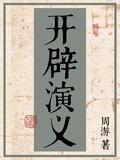 Open up the Romance
"Kai Kai Romance" is a grand narrative work based on ancient Chinese mythology and history. The book has a total of eighty chapters, starting from the creation of Pangu, all the way to King Wu of Zhou Dynasty's defeat of Zhou. It interprets the magnificent process of the rise and fall of the Three Sovereigns and Five Emperors, and the Xia, Shang and Zhou dynasties in novel style. The work takes "opening up" as its context and integrates major events such as the division of heaven and earth, the
—Reads7.9Score—Shelves
Open up the Romance
"Kai Kai Romance" is a grand narrative work based on ancient Chinese mythology and history. The book has a total of eighty chapters, starting from the creation of Pangu, all the way to King Wu of Zhou Dynasty's defeat of Zhou. It interprets the magnificent process of the rise and fall of the Three Sovereigns and Five Emperors, and the Xia, Shang and Zhou dynasties in novel style. The work takes "opening up" as its context and integrates major events such as the division of heaven and earth, the
—Reads7.9Score—Shelves
-
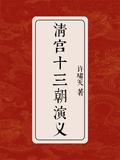 Romance of the Thirteen Dynasties of the Qing Dynasty
"The Romance of Thirteen Dynasties in the Qing Dynasty" is a historical romance novel of nearly 600,000 words written by Xu Xiaotian, a writer of the Republic of China. It uses vivid writing and magnificent layout to panoramically show the changes of the Qing Dynasty from its origin to its demise in the past three hundred years. The book has a total of one hundred chapters, from the rise of Nurhachi's founding of the state, the rise of the Thirteen Relics, to the abdication of Puyi and the closu
—Reads8.1Score—Shelves
Romance of the Thirteen Dynasties of the Qing Dynasty
"The Romance of Thirteen Dynasties in the Qing Dynasty" is a historical romance novel of nearly 600,000 words written by Xu Xiaotian, a writer of the Republic of China. It uses vivid writing and magnificent layout to panoramically show the changes of the Qing Dynasty from its origin to its demise in the past three hundred years. The book has a total of one hundred chapters, from the rise of Nurhachi's founding of the state, the rise of the Thirteen Relics, to the abdication of Puyi and the closu
—Reads8.1Score—Shelves