Fanqie library
Browse
- Titles
- 497
Every Fanqie book we index, searchable by title, author or tag.
-
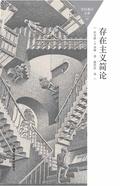 A Brief Introduction to Existentialism
Compared with many works on existentialism, the author of "A Brief Introduction to Existentialism" uniquely positions existentialism as a way of life, trying to fully display the human feelings of existential philosophers and deeply interpret the flesh-and-blood connection between existential thought and our daily lives. It not only clarifies the origin, development and decline of existentialism, but also details the impact of existential thought on contemporary art, literature and political lif
—Reads8.3Score—Shelves
A Brief Introduction to Existentialism
Compared with many works on existentialism, the author of "A Brief Introduction to Existentialism" uniquely positions existentialism as a way of life, trying to fully display the human feelings of existential philosophers and deeply interpret the flesh-and-blood connection between existential thought and our daily lives. It not only clarifies the origin, development and decline of existentialism, but also details the impact of existential thought on contemporary art, literature and political lif
—Reads8.3Score—Shelves
-
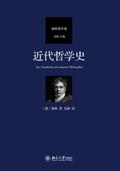 History of Modern Philosophy
"History of Modern Philosophy" is one of Schelling's masterpieces. As a master of German classical philosophy, Schelling expounded the evolution of modern philosophy from Descartes to Schelling's own later philosophy in a high-level way. It not only included Schelling's self-examination of his early philosophy in the later period, but also included his detailed critical analysis of Hegel's philosophy. In this book, Schelling focuses on examining the core concepts of modern philosophy such as "su
—Reads9.3Score—Shelves
History of Modern Philosophy
"History of Modern Philosophy" is one of Schelling's masterpieces. As a master of German classical philosophy, Schelling expounded the evolution of modern philosophy from Descartes to Schelling's own later philosophy in a high-level way. It not only included Schelling's self-examination of his early philosophy in the later period, but also included his detailed critical analysis of Hegel's philosophy. In this book, Schelling focuses on examining the core concepts of modern philosophy such as "su
—Reads9.3Score—Shelves
-
 Essentials of Marx's Philosophy
Based on text research and combined with domestic and foreign research results, this book provides in-depth and simple research and analysis on important topics in Marxist philosophy such as Marx's Enlightenment Philosophy, Critical Philosophy, Political Philosophy, Practical Philosophy, Historical Materialism, Dialectical Philosophy, and the logical structure of Capital.
—Reads8.7Score—Shelves
Essentials of Marx's Philosophy
Based on text research and combined with domestic and foreign research results, this book provides in-depth and simple research and analysis on important topics in Marxist philosophy such as Marx's Enlightenment Philosophy, Critical Philosophy, Political Philosophy, Practical Philosophy, Historical Materialism, Dialectical Philosophy, and the logical structure of Capital.
—Reads8.7Score—Shelves
-
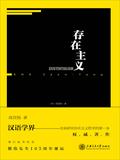 Existentialism
The existential trend of thought spread widely in Europe from the end of the 19th century to the middle of the 20th century and had far-reaching influence. As a philosophical trend that responded to the two world wars and the "retreat of God" and other events that had a great impact on human existence itself, of course it also originated from the deepest level of the Western philosophical tradition, existentialism. Faced with the "crisis of existence", it explores issues such as anxiety, death,
—Reads8.2Score—Shelves
Existentialism
The existential trend of thought spread widely in Europe from the end of the 19th century to the middle of the 20th century and had far-reaching influence. As a philosophical trend that responded to the two world wars and the "retreat of God" and other events that had a great impact on human existence itself, of course it also originated from the deepest level of the Western philosophical tradition, existentialism. Faced with the "crisis of existence", it explores issues such as anxiety, death,
—Reads8.2Score—Shelves
-
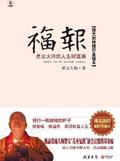 Blessing
This is a spiritual inspirational book that teaches everyone how to cultivate blessings. In the book, through philosophical stories, Master Hsing Yun tells everyone how to achieve a wealthy life by forming good relationships and cultivating fields of merit. In Master Hsing Yun's view, wealth is not limited to money, but also includes good popularity, wisdom in life, diligence, compassion, etc. The master combines his many years of life experience to inspire everyone on how to be associated with
—Reads9.5Score—Shelves
Blessing
This is a spiritual inspirational book that teaches everyone how to cultivate blessings. In the book, through philosophical stories, Master Hsing Yun tells everyone how to achieve a wealthy life by forming good relationships and cultivating fields of merit. In Master Hsing Yun's view, wealth is not limited to money, but also includes good popularity, wisdom in life, diligence, compassion, etc. The master combines his many years of life experience to inspire everyone on how to be associated with
—Reads9.5Score—Shelves
-
 Vimalakirti's Sutra
[Wang Wei, a famous poet in the Tang Dynasty, was influenced by this sutra and took the Chinese character Mojie] This is a Mahayana Buddhist classic handed down from generation to generation. It is a convenient way for the great Bodhisattvas to teach and transform all living beings! Also known as "The Incredible Liberation Sutra", "Vimalakīrti Sutra", and "Pure Name Sutra".
—Reads9.4Score—Shelves
Vimalakirti's Sutra
[Wang Wei, a famous poet in the Tang Dynasty, was influenced by this sutra and took the Chinese character Mojie] This is a Mahayana Buddhist classic handed down from generation to generation. It is a convenient way for the great Bodhisattvas to teach and transform all living beings! Also known as "The Incredible Liberation Sutra", "Vimalakīrti Sutra", and "Pure Name Sutra".
—Reads9.4Score—Shelves
-
 The Sound and Meaning of Jade Jue of Shangqing Dadong Zhenjing
The sound and meaning of the Jade Jue of the Shangqing Dadong Zhenjing. Written by Chen Jingyuan, a Taoist priest of the Northern Song Dynasty. One roll. Original source: "Legendary Taoist Canon" Dongzhenbu Jade Jue Class.
—Reads8.2Score—Shelves
The Sound and Meaning of Jade Jue of Shangqing Dadong Zhenjing
The sound and meaning of the Jade Jue of the Shangqing Dadong Zhenjing. Written by Chen Jingyuan, a Taoist priest of the Northern Song Dynasty. One roll. Original source: "Legendary Taoist Canon" Dongzhenbu Jade Jue Class.
—Reads8.2Score—Shelves
-
 Dongxuan Lingbao Xuanyi Zhenren Talks About the Sutra of Causes and Conditions of the Wheel of Life and Death
Dongxuan Lingbao Xuanyi Zhenren said the Sutra of Causes and Conditions of the Wheel of Life and Death. The author is unknown, but seems to have come from the Tang Dynasty. One roll. Original source: "Orthodox Taoist Canon" Taiping Department.
—Reads8.1Score—Shelves
Dongxuan Lingbao Xuanyi Zhenren Talks About the Sutra of Causes and Conditions of the Wheel of Life and Death
Dongxuan Lingbao Xuanyi Zhenren said the Sutra of Causes and Conditions of the Wheel of Life and Death. The author is unknown, but seems to have come from the Tang Dynasty. One roll. Original source: "Orthodox Taoist Canon" Taiping Department.
—Reads8.1Score—Shelves
-
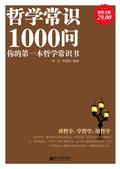 1000 Questions About Common Sense in Philosophy
"1000 Questions on Philosophical Common Sense: Your First Philosophical Common Sense Book (Super Value Gold Edition)" uses a question-and-answer format to show readers the wise Chinese and foreign philosophical masters, long-established philosophical schools, obscure philosophical concepts, thought-provoking philosophical quotes, profound philosophical classics, endless philosophical struggles, colorful philosophical doctrines and relishable anecdotes of philosophers. Allow readers to easily app
—Reads8.4Score—Shelves
1000 Questions About Common Sense in Philosophy
"1000 Questions on Philosophical Common Sense: Your First Philosophical Common Sense Book (Super Value Gold Edition)" uses a question-and-answer format to show readers the wise Chinese and foreign philosophical masters, long-established philosophical schools, obscure philosophical concepts, thought-provoking philosophical quotes, profound philosophical classics, endless philosophical struggles, colorful philosophical doctrines and relishable anecdotes of philosophers. Allow readers to easily app
—Reads8.4Score—Shelves
-
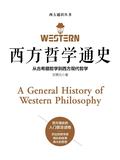 General History of Western Philosophy
In "A General History of Western Philosophy", the author uses simple and easy-to-understand language to tell the life stories of Western classic philosophy from the ancient Greek period in the 6th century BC to the mid-19th century, such as Plato, Aristotle, Augustine, Thomas Aquinas, Bacon, Locke, Descartes, Kant, Hegel, Nietzsche, Schopenhauer, Wittgenstein, Husserl, Heidegger, Sartre, etc., And gives a popular, humorous and clear explanation of their philosophical systems and important ideolo
—Reads9.5Score—Shelves
General History of Western Philosophy
In "A General History of Western Philosophy", the author uses simple and easy-to-understand language to tell the life stories of Western classic philosophy from the ancient Greek period in the 6th century BC to the mid-19th century, such as Plato, Aristotle, Augustine, Thomas Aquinas, Bacon, Locke, Descartes, Kant, Hegel, Nietzsche, Schopenhauer, Wittgenstein, Husserl, Heidegger, Sartre, etc., And gives a popular, humorous and clear explanation of their philosophical systems and important ideolo
—Reads9.5Score—Shelves
-
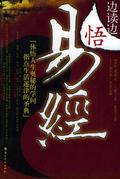 Comprehend the I Ching While Reading
The Book of Changes is the classic among classics and the philosophy among philosophy. At the same time, it is not far away from the lives of us ordinary people. Because it is also a hammer and war drum that inspires people to work hard, and those in adversity can draw a steady stream of life wisdom and forward motivation from it. When we read the "Book of Changes" and understand the "Book of Changes", we can completely use it to plan and guide our career and life. In order to facilitate readers
—Reads9.4Score—Shelves
Comprehend the I Ching While Reading
The Book of Changes is the classic among classics and the philosophy among philosophy. At the same time, it is not far away from the lives of us ordinary people. Because it is also a hammer and war drum that inspires people to work hard, and those in adversity can draw a steady stream of life wisdom and forward motivation from it. When we read the "Book of Changes" and understand the "Book of Changes", we can completely use it to plan and guide our career and life. In order to facilitate readers
—Reads9.4Score—Shelves
-
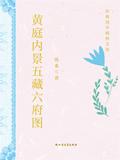 Interior View of Huangting, Five Treasures and Six Prefectures
Chinese traditional cultural thoughts have a long history and are highly original, original and literary. The early ideological forms were very distinctive, with extensive and profound contents such as religious theology, Chinese medicine classics, ancient military art, Confucianism, Taoism, Buddhism and hundreds of schools of thought, Feng Shui metaphysics, Twenty-Four Histories, customs and geography, etc. This series of "Original Books on Classic Chinese Studies and Essence Culture" retains t
—Reads8.4Score—Shelves
Interior View of Huangting, Five Treasures and Six Prefectures
Chinese traditional cultural thoughts have a long history and are highly original, original and literary. The early ideological forms were very distinctive, with extensive and profound contents such as religious theology, Chinese medicine classics, ancient military art, Confucianism, Taoism, Buddhism and hundreds of schools of thought, Feng Shui metaphysics, Twenty-Four Histories, customs and geography, etc. This series of "Original Books on Classic Chinese Studies and Essence Culture" retains t
—Reads8.4Score—Shelves
-
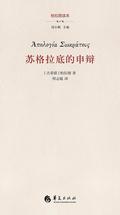 Socrates' Defense
In 399 BC, the philosopher Socrates was summoned, saying that he did not believe in the gods of the city-state, introduced new elves, and corrupted the youth. Socrates made his famous defense before a jury of 500 people. But the defense did not save Socrates' life, and he was eventually sentenced to death. The death of Socrates and the death of Jesus laid two basic tones for Western civilization. The reason why the death of Socrates became a core event in the history of Western philosophy is fir
—Reads9.4Score—Shelves
Socrates' Defense
In 399 BC, the philosopher Socrates was summoned, saying that he did not believe in the gods of the city-state, introduced new elves, and corrupted the youth. Socrates made his famous defense before a jury of 500 people. But the defense did not save Socrates' life, and he was eventually sentenced to death. The death of Socrates and the death of Jesus laid two basic tones for Western civilization. The reason why the death of Socrates became a core event in the history of Western philosophy is fir
—Reads9.4Score—Shelves
-
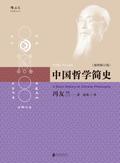 A Brief History of Chinese Philosophy
Mr. Feng Youlan, a modern Chinese philosopher, served as a chair professor at the University of Pennsylvania in the United States in 1947, teaching the history of Chinese philosophy. His English lecture notes were compiled and compiled into "A Brief History of Chinese Philosophy", which was published by Macmillan Publishing Company in the United States in 1948. As soon as this book was published, it immediately became the best introductory book for Westerners to understand and study Chinese phil
—Reads9.5Score—Shelves
A Brief History of Chinese Philosophy
Mr. Feng Youlan, a modern Chinese philosopher, served as a chair professor at the University of Pennsylvania in the United States in 1947, teaching the history of Chinese philosophy. His English lecture notes were compiled and compiled into "A Brief History of Chinese Philosophy", which was published by Macmillan Publishing Company in the United States in 1948. As soon as this book was published, it immediately became the best introductory book for Westerners to understand and study Chinese phil
—Reads9.5Score—Shelves
-
 Mantra of Cultivation
This work "The Mantra of Cultivation" is written by Bai Yuchan.
—Reads9.4Score—Shelves
Mantra of Cultivation
This work "The Mantra of Cultivation" is written by Bai Yuchan.
—Reads9.4Score—Shelves
-
 Qing Jing Sutra
The full name is "Tai Shang Laojun Speaks of Chang Qing Jing Jing", or "Qing Jing Sutra" or "Chan Jing Jing Jing" for short. Ge Xuanzan said: This sutra was taught by Emperor Donghua. It was passed down orally without writing down the words. When it was passed to him, he wrote it down and recorded it, so it was handed down to the world. Therefore, later Taoists believed that it was passed down by Ge Xuan of Jin Dynasty, or written by Ge Xuan. However, Huang Zhen, a scholar from the Song Dynasty,
—Reads9.4Score—Shelves
Qing Jing Sutra
The full name is "Tai Shang Laojun Speaks of Chang Qing Jing Jing", or "Qing Jing Sutra" or "Chan Jing Jing Jing" for short. Ge Xuanzan said: This sutra was taught by Emperor Donghua. It was passed down orally without writing down the words. When it was passed to him, he wrote it down and recorded it, so it was handed down to the world. Therefore, later Taoists believed that it was passed down by Ge Xuan of Jin Dynasty, or written by Ge Xuan. However, Huang Zhen, a scholar from the Song Dynasty,
—Reads9.4Score—Shelves
-
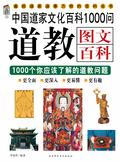 1000 Questions on Taoism Picture and Text Encyclopedia
"Taoist Illustrated Encyclopedia" continues the consistent style of the "Baodian Pavilion" illustrated encyclopedia, using an easy-to-understand, lively and interesting language style and accompanied by a large number of exquisite pictures, including Taoist art treasures, fine paintings, unearthed ancient cultural relics, modern photography and hand-drawn line drawings, etc. It not only gives a comprehensive and detailed presentation of the vast Taoist art, but also has a very important referenc
—Reads9.4Score—Shelves
1000 Questions on Taoism Picture and Text Encyclopedia
"Taoist Illustrated Encyclopedia" continues the consistent style of the "Baodian Pavilion" illustrated encyclopedia, using an easy-to-understand, lively and interesting language style and accompanied by a large number of exquisite pictures, including Taoist art treasures, fine paintings, unearthed ancient cultural relics, modern photography and hand-drawn line drawings, etc. It not only gives a comprehensive and detailed presentation of the vast Taoist art, but also has a very important referenc
—Reads9.4Score—Shelves
-
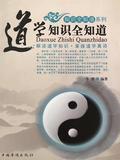 Know Everything About Taoism
"All Knowledge of Taoism" Taoism is a philosophical school and a kind of thought; Taoism is a religion and a belief. The two complement each other and become one of the three legs of the giant Chinese culture. Taoist thoughts are profound and have far-reaching influence. They occupy an important position in Chinese culture and have penetrated into every aspect of people's lives. As Mr. Lu Xun said: "China is entirely rooted in Taoism. "Knowledge of Taoism" has selected some of the most meaningfu
—Reads9.4Score—Shelves
Know Everything About Taoism
"All Knowledge of Taoism" Taoism is a philosophical school and a kind of thought; Taoism is a religion and a belief. The two complement each other and become one of the three legs of the giant Chinese culture. Taoist thoughts are profound and have far-reaching influence. They occupy an important position in Chinese culture and have penetrated into every aspect of people's lives. As Mr. Lu Xun said: "China is entirely rooted in Taoism. "Knowledge of Taoism" has selected some of the most meaningfu
—Reads9.4Score—Shelves
-
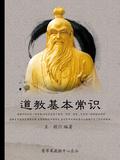 Basic Knowledge of Taoism
Taoism not only pursues belief in gods and immortals, but also enters into the secular world, including medicine, health preservation, medicine, chemistry, astronomy, geography, philosophy, economics, literature, music, politics and art. It is not only a religion, but also a philosophy, a science, a medicine, an art, an encyclopedia for studying ancient Chinese society, and a door to ancient Chinese science. By understanding Taoism, we can deepen our understanding of traditional Chinese culture,
—Reads9.2Score—Shelves
Basic Knowledge of Taoism
Taoism not only pursues belief in gods and immortals, but also enters into the secular world, including medicine, health preservation, medicine, chemistry, astronomy, geography, philosophy, economics, literature, music, politics and art. It is not only a religion, but also a philosophy, a science, a medicine, an art, an encyclopedia for studying ancient Chinese society, and a door to ancient Chinese science. By understanding Taoism, we can deepen our understanding of traditional Chinese culture,
—Reads9.2Score—Shelves
-
 Laozi Transforms Hu Jing
"Laozi Transformed the Hu Jing", during the reign of Emperor Hui of the Western Jin Dynasty (AD 290-306), Fumei, the king of the Celestial Master's Taoist priests and the monk Boyuan, fought for the right and wrong, so he wrote a volume of "The Transformation of the Hu Jing", describing Laozi's transformation into a Buddha when he entered Tianzhu, and taught and converted the Hu people, in order to slander the Buddha's teachings. Later generations successively expanded and adapted it into 10 vol
—Reads8.3Score—Shelves
Laozi Transforms Hu Jing
"Laozi Transformed the Hu Jing", during the reign of Emperor Hui of the Western Jin Dynasty (AD 290-306), Fumei, the king of the Celestial Master's Taoist priests and the monk Boyuan, fought for the right and wrong, so he wrote a volume of "The Transformation of the Hu Jing", describing Laozi's transformation into a Buddha when he entered Tianzhu, and taught and converted the Hu people, in order to slander the Buddha's teachings. Later generations successively expanded and adapted it into 10 vol
—Reads8.3Score—Shelves
-
 Emperor Tian Shang Qing Jin Que Emperor Ling Shu Zi Wen Shang Jing
Emperor Tian Shang Qing Jin Que Emperor Ling Shu Zi Wen Shang Sutra. It is called "Lingshu Ziwen" for short. The author is unknown, probably from the Eastern Jin Dynasty. It is an important classic of the early Shangqing sect. One roll. Original source: "Orthodox Taoist Canon" Cave God Book.
—Reads8.4Score—Shelves
Emperor Tian Shang Qing Jin Que Emperor Ling Shu Zi Wen Shang Jing
Emperor Tian Shang Qing Jin Que Emperor Ling Shu Zi Wen Shang Sutra. It is called "Lingshu Ziwen" for short. The author is unknown, probably from the Eastern Jin Dynasty. It is an important classic of the early Shangqing sect. One roll. Original source: "Orthodox Taoist Canon" Cave God Book.
—Reads8.4Score—Shelves
-
 Thunder Jade Shu Forgiveness Dharma Repentance
The Thunder Jade Shun forgives sins and confesses his sins. Author unknown. The two confessions are in the same volume. Original source: "Orthodox Taoist Canon", Dong Zhen Department's Majesty and Ceremony Category.
—Reads8.2Score—Shelves
Thunder Jade Shu Forgiveness Dharma Repentance
The Thunder Jade Shun forgives sins and confesses his sins. Author unknown. The two confessions are in the same volume. Original source: "Orthodox Taoist Canon", Dong Zhen Department's Majesty and Ceremony Category.
—Reads8.2Score—Shelves
-
 Taishang Liuren Mingjian Fuyin Sutra
Taishang Liuren Ming Jian Fu Yin Jing, the author is unknown. It seems to come from the Song Dynasty. Four volumes, included in the method category of the Dongshen Department of "Orthodox Taoist Canon".
—Reads8.3Score—Shelves
Taishang Liuren Mingjian Fuyin Sutra
Taishang Liuren Ming Jian Fu Yin Jing, the author is unknown. It seems to come from the Song Dynasty. Four volumes, included in the method category of the Dongshen Department of "Orthodox Taoist Canon".
—Reads8.3Score—Shelves
-
 Master Hongyi: Life Is a Practice
A flower blooms at a thought, and a flower falls at a thought. Let go of one thought and feel completely at ease. Why did Master Hongyi become a monk? Is he tired of the world, or has he experienced life? Many people are confused. During his lifetime, the Master once said, "Do things of the world with the spirit of transcending the world," which can be used as the best explanation for his becoming a monk. When it comes to the reasons for becoming a monk, the master himself once said this: "There
—Reads—Score—Shelves
Master Hongyi: Life Is a Practice
A flower blooms at a thought, and a flower falls at a thought. Let go of one thought and feel completely at ease. Why did Master Hongyi become a monk? Is he tired of the world, or has he experienced life? Many people are confused. During his lifetime, the Master once said, "Do things of the world with the spirit of transcending the world," which can be used as the best explanation for his becoming a monk. When it comes to the reasons for becoming a monk, the master himself once said this: "There
—Reads—Score—Shelves
-
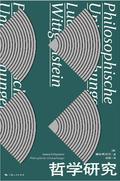 Philosophical Studies
It mainly deals with philosophical issues from the perspective of language. These complex philosophical issues include: What is the meaning of words and propositions? What is understanding and meaning? What is the relationship between logic and language? Is there any basis for mathematics? How should the human state of consciousness be expressed? Is there a private language? What is the nature of intentionality? … Wittgenstein provided his own answers to these ancient philosophical questions in
—Reads9.3Score—Shelves
Philosophical Studies
It mainly deals with philosophical issues from the perspective of language. These complex philosophical issues include: What is the meaning of words and propositions? What is understanding and meaning? What is the relationship between logic and language? Is there any basis for mathematics? How should the human state of consciousness be expressed? Is there a private language? What is the nature of intentionality? … Wittgenstein provided his own answers to these ancient philosophical questions in
—Reads9.3Score—Shelves
-
 Theory of Human Nature
"A Treatise of Human Nature" is Hume's masterpiece. In this book, Hume attempts to reveal the principles that restrict people's rational, emotional and moral behavior through the study of human nature. The book is divided into three volumes, namely "On Intellect", "On Emotion" and "On Morality". There is a short "Introduction" before the main text, which mainly explains the importance and significance of the science of human nature. The theme of one volume is epistemology, which mainly explains
—Reads8.8Score—Shelves
Theory of Human Nature
"A Treatise of Human Nature" is Hume's masterpiece. In this book, Hume attempts to reveal the principles that restrict people's rational, emotional and moral behavior through the study of human nature. The book is divided into three volumes, namely "On Intellect", "On Emotion" and "On Morality". There is a short "Introduction" before the main text, which mainly explains the importance and significance of the science of human nature. The theme of one volume is epistemology, which mainly explains
—Reads8.8Score—Shelves
-
 The Mind Has No Boundaries
From the perspective of scientific psychology, this book compares and explores the two systems of psychology and Taoist inner alchemy, providing us with a new path to scientifically understand inner alchemy culture. With the help of modern psychological theories and methods, we can understand the essence of inner alchemy in traditional Taoist culture more deeply and accurately. Through this book, readers will have a new understanding of Neidan culture and unveil its mystery from a scientific per
—Reads9.4Score—Shelves
The Mind Has No Boundaries
From the perspective of scientific psychology, this book compares and explores the two systems of psychology and Taoist inner alchemy, providing us with a new path to scientifically understand inner alchemy culture. With the help of modern psychological theories and methods, we can understand the essence of inner alchemy in traditional Taoist culture more deeply and accurately. Through this book, readers will have a new understanding of Neidan culture and unveil its mystery from a scientific per
—Reads9.4Score—Shelves
-
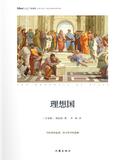 Utopia
Most of the issues discussed in the book are closely related to daily life, such as eugenics issues, birth control issues, family disintegration issues, freedom of marriage, celibacy issues, religious issues, moral issues, literary issues, education issues (including nurseries, kindergartens, primary schools, middle schools, university graduate schools, and vocational education such as industry, agriculture, navigation, and medicine). In addition, issues such as equal rights for men and women, m
—Reads8.8Score—Shelves
Utopia
Most of the issues discussed in the book are closely related to daily life, such as eugenics issues, birth control issues, family disintegration issues, freedom of marriage, celibacy issues, religious issues, moral issues, literary issues, education issues (including nurseries, kindergartens, primary schools, middle schools, university graduate schools, and vocational education such as industry, agriculture, navigation, and medicine). In addition, issues such as equal rights for men and women, m
—Reads8.8Score—Shelves
-
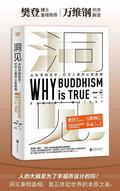 Insight: from Science to Philosophy, Unlocking the Truth About Human Cognition
This is a philosophical book that uses evolutionary psychology theory to confirm Buddhist views, thereby helping people discover their truer selves and gain great wisdom in life. This book is the result of many years of research and practice by Robert Wright, an American evolutionary psychologist and one of the 100 most influential thinkers in the world. From a modern perspective, the book uses the knowledge of evolutionary psychology to verify the five cognitive truths about human beings origin
—Reads9.3Score—Shelves
Insight: from Science to Philosophy, Unlocking the Truth About Human Cognition
This is a philosophical book that uses evolutionary psychology theory to confirm Buddhist views, thereby helping people discover their truer selves and gain great wisdom in life. This book is the result of many years of research and practice by Robert Wright, an American evolutionary psychologist and one of the 100 most influential thinkers in the world. From a modern perspective, the book uses the knowledge of evolutionary psychology to verify the five cognitive truths about human beings origin
—Reads9.3Score—Shelves
-
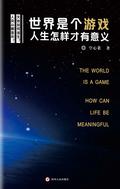 The World Is a Game, How Can Life Be Meaningful?
This book combs through various Chinese and foreign theoretical understandings and debates about the world, involving viewpoints in religion, physics, philosophy, psychology and other disciplines. It comprehensively explores the development of human understanding of the world, the meaning of life and other issues from the perspectives of science, philosophy and religion. It helps people understand life correctly and has the value of inspiring ideas, allowing readers to gain popular science knowl
—Reads9.1Score—Shelves
The World Is a Game, How Can Life Be Meaningful?
This book combs through various Chinese and foreign theoretical understandings and debates about the world, involving viewpoints in religion, physics, philosophy, psychology and other disciplines. It comprehensively explores the development of human understanding of the world, the meaning of life and other issues from the perspectives of science, philosophy and religion. It helps people understand life correctly and has the value of inspiring ideas, allowing readers to gain popular science knowl
—Reads9.1Score—Shelves
-
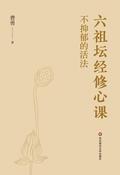 Mind Training Lessons from the Sixth Patriarch Altar Sutra: How to Live Without Depression
Did you know that chronic low mood can easily lead to depression? Poor appetite, high mood swings, sulking, difficulty sleeping and calming down, no interest in anything, inexplicable depression and sadness, and feeling that life has no meaning. These are all symptoms of depression. If emotions are not regulated in time, it will affect work, life, family and relationships, and will lead to worse health, and even go to extremes step by step. At this time, you might as well read the "Sixth Patriar
—Reads9.5Score—Shelves
Mind Training Lessons from the Sixth Patriarch Altar Sutra: How to Live Without Depression
Did you know that chronic low mood can easily lead to depression? Poor appetite, high mood swings, sulking, difficulty sleeping and calming down, no interest in anything, inexplicable depression and sadness, and feeling that life has no meaning. These are all symptoms of depression. If emotions are not regulated in time, it will affect work, life, family and relationships, and will lead to worse health, and even go to extremes step by step. At this time, you might as well read the "Sixth Patriar
—Reads9.5Score—Shelves
-
 Taiyi Jinhua Mission
Tang Dynasty, written by Lu Yan (named Dongbin). The purpose of Jinhua is what Zhenjun Jingyang calls the Four-Character Heavenly Scripture, which is also called the Pure Bright Way and the Thunder of Faithful Teaching. Seeing that people in the world did not understand the purpose of the innate Tao, Lu "divulged all the secrets of the golden elixir and the secrets of heaven. The mysterious laws were laid out in detail and clearly understood." At the same time, he believed that most of the peopl
—Reads9.5Score—Shelves
Taiyi Jinhua Mission
Tang Dynasty, written by Lu Yan (named Dongbin). The purpose of Jinhua is what Zhenjun Jingyang calls the Four-Character Heavenly Scripture, which is also called the Pure Bright Way and the Thunder of Faithful Teaching. Seeing that people in the world did not understand the purpose of the innate Tao, Lu "divulged all the secrets of the golden elixir and the secrets of heaven. The mysterious laws were laid out in detail and clearly understood." At the same time, he believed that most of the peopl
—Reads9.5Score—Shelves
-
 Practicing Means Cultivating the Mind
"Practice is to Cultivation of the Mind" leads the trend of urban meditation and is a spiritual journey that comforts the soul. Living in the world is like being in a forest of thorns. If the heart is not moving, people will not move rashly, and if they are still, they will not be hurt. If the heart is beating, and people are moving rashly, their body will be hurt and their bones will be hurt, so they will experience all kinds of pain in the world. "Practice is to Cultivation of the Mind" comes
—Reads9.4Score—Shelves
Practicing Means Cultivating the Mind
"Practice is to Cultivation of the Mind" leads the trend of urban meditation and is a spiritual journey that comforts the soul. Living in the world is like being in a forest of thorns. If the heart is not moving, people will not move rashly, and if they are still, they will not be hurt. If the heart is beating, and people are moving rashly, their body will be hurt and their bones will be hurt, so they will experience all kinds of pain in the world. "Practice is to Cultivation of the Mind" comes
—Reads9.4Score—Shelves
-
 The Fisherman Asked the Question: Speaking in Vernacular and Concisely
"The Fisherman and the Woodcutter" is a philosophical fable created by the Northern Song Dynasty Neo-Confucian Shao Yong. In the form of a question and answer between a fisherman and a woodcutter on the banks of the Yishui River, it unfolds a profound discussion about the universe, all things, and the ethics of the world. The whole book integrates the science of Yili and Xiangshu, and integrates abstract cosmology and mental theory into daily work. It is deduced layer by layer from specific matt
—Reads9.4Score—Shelves
The Fisherman Asked the Question: Speaking in Vernacular and Concisely
"The Fisherman and the Woodcutter" is a philosophical fable created by the Northern Song Dynasty Neo-Confucian Shao Yong. In the form of a question and answer between a fisherman and a woodcutter on the banks of the Yishui River, it unfolds a profound discussion about the universe, all things, and the ethics of the world. The whole book integrates the science of Yili and Xiangshu, and integrates abstract cosmology and mental theory into daily work. It is deduced layer by layer from specific matt
—Reads9.4Score—Shelves
-
 The Second Sex (Two Volumes)
"The Second Sex (Two Volumes)" and "The Second Sex I" are subtitled "Facts and Myths". The author starts from the perspectives of biology, psychoanalysis and historical materialism on women to analyze the reasons why women become "others"; then, through sorting out human history, he profoundly reveals the The fate of women from primitive society to today; finally, "The Second Sex (two volumes)" takes five famous writers such as Monterran, Lawrence, Claudel, Breton and Stendhal as examples to ana
—Reads9.1Score—Shelves
The Second Sex (Two Volumes)
"The Second Sex (Two Volumes)" and "The Second Sex I" are subtitled "Facts and Myths". The author starts from the perspectives of biology, psychoanalysis and historical materialism on women to analyze the reasons why women become "others"; then, through sorting out human history, he profoundly reveals the The fate of women from primitive society to today; finally, "The Second Sex (two volumes)" takes five famous writers such as Monterran, Lawrence, Claudel, Breton and Stendhal as examples to ana
—Reads9.1Score—Shelves
-
 A Brief History of Chinese Philosophy
Mr. Feng Youlan, a modern Chinese philosopher, served as a chair professor at the University of Pennsylvania in the United States in 1947, teaching the history of Chinese philosophy. His English lecture notes were compiled and compiled into "A Brief History of Chinese Philosophy", which was published by Macmillan Publishing Company in the United States in 1948. As soon as this book was published, it immediately became the best introductory book for Westerners to understand and study Chinese phil
—Reads9.2Score—Shelves
A Brief History of Chinese Philosophy
Mr. Feng Youlan, a modern Chinese philosopher, served as a chair professor at the University of Pennsylvania in the United States in 1947, teaching the history of Chinese philosophy. His English lecture notes were compiled and compiled into "A Brief History of Chinese Philosophy", which was published by Macmillan Publishing Company in the United States in 1948. As soon as this book was published, it immediately became the best introductory book for Westerners to understand and study Chinese phil
—Reads9.2Score—Shelves
-
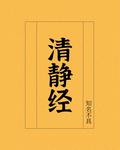 Qing Jing Sutra
"Qing Jing Sutra", the full name is "Tai Shang Laojun said the Chang Qing Jing Sutra". The author is unknown, but some say the author is Ge Xuan. According to Taoist legend, when Laojun traveled to Guitai in the west, he preached the Chang Qingjing Sutra to the Queen Mother of the West. Later, it was passed down by immortals and was obtained by Ge Xuan, who wrote it down and passed it down to the world. By reading the "Qing Jing Sutra" often, people may be able to reach a state of quietness, whe
—Reads9.5Score—Shelves
Qing Jing Sutra
"Qing Jing Sutra", the full name is "Tai Shang Laojun said the Chang Qing Jing Sutra". The author is unknown, but some say the author is Ge Xuan. According to Taoist legend, when Laojun traveled to Guitai in the west, he preached the Chang Qingjing Sutra to the Queen Mother of the West. Later, it was passed down by immortals and was obtained by Ge Xuan, who wrote it down and passed it down to the world. By reading the "Qing Jing Sutra" often, people may be able to reach a state of quietness, whe
—Reads9.5Score—Shelves
-
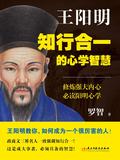 Wang Yangming: the Wisdom of the Mind That Unites Knowledge and Action
Wang Yangming was the master of "Xinxue" in the Ming Dynasty. His wisdom and talent reached a peak that ordinary people could not reach in that era. Yangming's theory of mind is a culmination of Confucianism, Buddhism, and Taoism. It emphasizes that the mind is the principle, the unity of knowledge and action, and the development of conscience. It is the most exquisite magical wisdom of the Chinese people in the past 500 years. This book is a masterpiece of the wisdom of Wang Yangming's Psycholo
—Reads9.5Score—Shelves
Wang Yangming: the Wisdom of the Mind That Unites Knowledge and Action
Wang Yangming was the master of "Xinxue" in the Ming Dynasty. His wisdom and talent reached a peak that ordinary people could not reach in that era. Yangming's theory of mind is a culmination of Confucianism, Buddhism, and Taoism. It emphasizes that the mind is the principle, the unity of knowledge and action, and the development of conscience. It is the most exquisite magical wisdom of the Chinese people in the past 500 years. This book is a masterpiece of the wisdom of Wang Yangming's Psycholo
—Reads9.5Score—Shelves
-
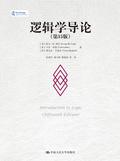 Introduction to Logic (15Th Edition)
This "Introduction to Logic" is the most complete introductory logic textbook: it contains both deductive logic and inductive logic, both classical logic and modern logic. This book is today's standard model for logic textbooks, a model of clarity and accuracy that enables students to understand, master, and apply both classical syllogistic logic and the more powerful modern symbolic logic techniques. The vivid demonstration examples selected in the book about politics, philosophy, science and c
—Reads9.4Score—Shelves
Introduction to Logic (15Th Edition)
This "Introduction to Logic" is the most complete introductory logic textbook: it contains both deductive logic and inductive logic, both classical logic and modern logic. This book is today's standard model for logic textbooks, a model of clarity and accuracy that enables students to understand, master, and apply both classical syllogistic logic and the more powerful modern symbolic logic techniques. The vivid demonstration examples selected in the book about politics, philosophy, science and c
—Reads9.4Score—Shelves
-
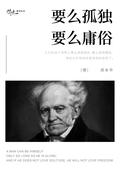 Either Lonely or Vulgar
"Loneliness or Vulgarity" is a common sense book with profound thoughts by the German philosopher Schopenhauer, which embodies his profound insights into the meaning of life, the essence of happiness and the destiny of loneliness. Through the perspective of the philosopher "Schopenhauer", the book reveals that the public tends toward vulgarity out of the avoidance of pain, while truly independent thinkers are doomed to be alone. He analyzed the superficial relationships between people and pointe
—Reads9.5Score—Shelves
Either Lonely or Vulgar
"Loneliness or Vulgarity" is a common sense book with profound thoughts by the German philosopher Schopenhauer, which embodies his profound insights into the meaning of life, the essence of happiness and the destiny of loneliness. Through the perspective of the philosopher "Schopenhauer", the book reveals that the public tends toward vulgarity out of the avoidance of pain, while truly independent thinkers are doomed to be alone. He analyzed the superficial relationships between people and pointe
—Reads9.5Score—Shelves
-
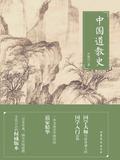 History of Taoism in China
"History of Taoism in China" is a general history of Taoism, taking time as the warp and sect differentiation as the latitude, and comprehensively and systematically introduces the history of the emergence, development and spread of Taoism. The time limit recorded in the "History of Taoism in China" begins with the social conditions and ideological origins of the Qin and Han Dynasties before the emergence of Taoism, and ends with the spread of contemporary Taoism around the world. "History of Ta
—Reads8.8Score—Shelves
History of Taoism in China
"History of Taoism in China" is a general history of Taoism, taking time as the warp and sect differentiation as the latitude, and comprehensively and systematically introduces the history of the emergence, development and spread of Taoism. The time limit recorded in the "History of Taoism in China" begins with the social conditions and ideological origins of the Qin and Han Dynasties before the emergence of Taoism, and ends with the spread of contemporary Taoism around the world. "History of Ta
—Reads8.8Score—Shelves
-
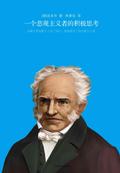 Positive Thinking from a Pessimist
"I Read" Series: A Pessimist's Positive Thinking" is taken from Schopenhauer's last great work in his life, "Appendices and Supplements", which is his supplement and explanation to his philosophical work "The World as Will and Representation". This "Appendix and Supplement", written in aphoristic style, made Schopenhauer, whose reputation had been unrecognized for more than sixty years, become famous overnight. Just as he said, I am now standing at the end of the road, my old head unable to bear
—Reads9.5Score—Shelves
Positive Thinking from a Pessimist
"I Read" Series: A Pessimist's Positive Thinking" is taken from Schopenhauer's last great work in his life, "Appendices and Supplements", which is his supplement and explanation to his philosophical work "The World as Will and Representation". This "Appendix and Supplement", written in aphoristic style, made Schopenhauer, whose reputation had been unrecognized for more than sixty years, become famous overnight. Just as he said, I am now standing at the end of the road, my old head unable to bear
—Reads9.5Score—Shelves
-
 Ksitigarbha Sutra
It focuses on elucidating two major purposes: knowing filial piety and understanding cause and effect. If everyone can read and recite this sutra, have a deep understanding of cause and effect, and be alert at all times in life, they can reduce the chance of doing evil. The Ksitigarbha Sutra records the story of Sakyamuni Buddha preaching sermons to his mother, Lady Maya, in the Trayastrim Palace (the second heaven of the six heavens in the Desire Realm), and introduces the deeds of Ksitigarbha
—Reads9.4Score—Shelves
Ksitigarbha Sutra
It focuses on elucidating two major purposes: knowing filial piety and understanding cause and effect. If everyone can read and recite this sutra, have a deep understanding of cause and effect, and be alert at all times in life, they can reduce the chance of doing evil. The Ksitigarbha Sutra records the story of Sakyamuni Buddha preaching sermons to his mother, Lady Maya, in the Trayastrim Palace (the second heaven of the six heavens in the Desire Realm), and introduces the deeds of Ksitigarbha
—Reads9.4Score—Shelves
-
 Lotus Sutra
"Wonderful Lotus Sutra", a Buddhist classic, referred to as "Wonderful Lotus Sutra" and "Lotus Sutra", was translated by Kumarajiva in the late Qin Dynasty and has a total of seven volumes. It is the main classic on which Tiantai Sect is based. The main ideas of this sutra are the theory of emptiness and the "Prajna", and the goal of ultimate destination is connected with "Nirvana". It refers to returning to the Pure Land, preaching to save the world, and the secret protection of Dharani Mantra,
—Reads9.4Score—Shelves
Lotus Sutra
"Wonderful Lotus Sutra", a Buddhist classic, referred to as "Wonderful Lotus Sutra" and "Lotus Sutra", was translated by Kumarajiva in the late Qin Dynasty and has a total of seven volumes. It is the main classic on which Tiantai Sect is based. The main ideas of this sutra are the theory of emptiness and the "Prajna", and the goal of ultimate destination is connected with "Nirvana". It refers to returning to the Pure Land, preaching to save the world, and the secret protection of Dharani Mantra,
—Reads9.4Score—Shelves
-
 Dialectical Materialism Historical Materialism
"Dialectical Materialism and Historical Materialism" is a series of books introducing Marxist philosophy edited by Comrade Ai Siqi and published in 1961. This work is both a pioneering and basic philosophy textbook, and a fine example of the actualization of Marxist philosophy in China.
—Reads9.5Score—Shelves
Dialectical Materialism Historical Materialism
"Dialectical Materialism and Historical Materialism" is a series of books introducing Marxist philosophy edited by Comrade Ai Siqi and published in 1961. This work is both a pioneering and basic philosophy textbook, and a fine example of the actualization of Marxist philosophy in China.
—Reads9.5Score—Shelves
-
 History of Western Philosophy
This book shows the characteristics of Western philosophy through the comparison of many philosophical traditions, reveals the characteristics of philosophical thinking through the narration of the history of philosophy, and unfolds the development of each philosophical school based on social, political and scientific humanistic backgrounds. It especially discusses some major philosophical issues based on the modern situation of mankind. The book covers philosophical discussions by contemporary
—Reads9.4Score—Shelves
History of Western Philosophy
This book shows the characteristics of Western philosophy through the comparison of many philosophical traditions, reveals the characteristics of philosophical thinking through the narration of the history of philosophy, and unfolds the development of each philosophical school based on social, political and scientific humanistic backgrounds. It especially discusses some major philosophical issues based on the modern situation of mankind. The book covers philosophical discussions by contemporary
—Reads9.4Score—Shelves
-
 Avenue
If human beings have a supreme and only absolute theoretical law, then it is the absolute truth. Because it has reached its peak, that is Tai Chi, which can cover everything and rule the universe. If there can be such a theory, the universe will be revealed in front of us, human beings will find directions, methods and routes, and all problems will be easily solved. The main problem of mankind now is not in culture and science, but in philosophy, not in material and spiritual matters, but in mor
—Reads8.9Score—Shelves
Avenue
If human beings have a supreme and only absolute theoretical law, then it is the absolute truth. Because it has reached its peak, that is Tai Chi, which can cover everything and rule the universe. If there can be such a theory, the universe will be revealed in front of us, human beings will find directions, methods and routes, and all problems will be easily solved. The main problem of mankind now is not in culture and science, but in philosophy, not in material and spiritual matters, but in mor
—Reads8.9Score—Shelves