Fanqie library
Browse
- Titles
- 1.3k
Every Fanqie book we index, searchable by title, author or tag.
-
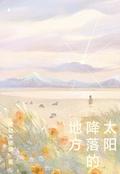 Where the Sun Sets
This book is a new short and medium-length novel by Awei Muyiluo, a female ethnic minority writer with a distinctive writing style. It includes 12 stories including "Where the Sun Sets" and "Like a Rain of Bright Feet". Most of the works are based on real life. They use Kafkaesque deformation, absurd images and symbols, and intuitive techniques to describe the experiences and joys and sorrows of ordinary individuals with stories full of metaphors. They are permeated with the author's thinking ab
—Reads9.4Score—Shelves
Where the Sun Sets
This book is a new short and medium-length novel by Awei Muyiluo, a female ethnic minority writer with a distinctive writing style. It includes 12 stories including "Where the Sun Sets" and "Like a Rain of Bright Feet". Most of the works are based on real life. They use Kafkaesque deformation, absurd images and symbols, and intuitive techniques to describe the experiences and joys and sorrows of ordinary individuals with stories full of metaphors. They are permeated with the author's thinking ab
—Reads9.4Score—Shelves
-
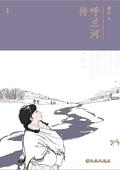 The Legend of Hulan River
"The Legend of Hulan River" is Xiao Hong's pinnacle work. When writing, Xiao Hong was immersed in the infinite nostalgia and longing for her hometown and childhood life. Her hometown is thousands of miles away from the mountains, but her spirit lingers there. At the same time, it also incorporates her examination and thinking of human nature and society. Through the eyes of "I", a naive and innocent little girl, Xiao Hong eagerly poured out the fragments of impressions stored in her memory for a
—Reads9.4Score—Shelves
The Legend of Hulan River
"The Legend of Hulan River" is Xiao Hong's pinnacle work. When writing, Xiao Hong was immersed in the infinite nostalgia and longing for her hometown and childhood life. Her hometown is thousands of miles away from the mountains, but her spirit lingers there. At the same time, it also incorporates her examination and thinking of human nature and society. Through the eyes of "I", a naive and innocent little girl, Xiao Hong eagerly poured out the fragments of impressions stored in her memory for a
—Reads9.4Score—Shelves
-
 Return to Origin (Free Public Edition Book)
An important classic of the Southern Taoist sect of the Song Dynasty, it explains the basic principles of inner alchemy cultivation and the cultivation method of "double cultivation of life and life".
—Reads8.5Score—Shelves
Return to Origin (Free Public Edition Book)
An important classic of the Southern Taoist sect of the Song Dynasty, it explains the basic principles of inner alchemy cultivation and the cultivation method of "double cultivation of life and life".
—Reads8.5Score—Shelves
-
 Golden Lotus Immortal History
Chinese traditional cultural thoughts have a long history and are highly original, original and literary. The early ideological forms were very distinctive, with extensive and profound contents such as religious theology, Chinese medicine classics, ancient military art, Confucianism, Taoism, Buddhism and hundreds of schools of thought, Feng Shui metaphysics, Twenty-Four Histories, customs and geography, etc. This series of "Original Books on Classic Chinese Studies and Essence Culture" retains t
—Reads8.5Score—Shelves
Golden Lotus Immortal History
Chinese traditional cultural thoughts have a long history and are highly original, original and literary. The early ideological forms were very distinctive, with extensive and profound contents such as religious theology, Chinese medicine classics, ancient military art, Confucianism, Taoism, Buddhism and hundreds of schools of thought, Feng Shui metaphysics, Twenty-Four Histories, customs and geography, etc. This series of "Original Books on Classic Chinese Studies and Essence Culture" retains t
—Reads8.5Score—Shelves
-
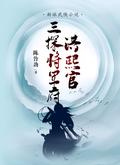 Official Hong Xi Visited the General's Mansion Three Times
The True Story of Southern Shaolin·The Spies of Yangcheng Chen Lujin, a famous martial arts master in the Republic of China (famous works handed down from generation to generation, completely compiled and republished. "Hong Xi's Three Visits to the General's Mansion" is a unique piece in Chen Lujin's (I Am a Mountain Man) Southern Shaolin series. It breaks away from the traditional framework of a showdown in a mountain, forest or temple, and places the story stage at the military and political c
—Reads9.0Score—Shelves
Official Hong Xi Visited the General's Mansion Three Times
The True Story of Southern Shaolin·The Spies of Yangcheng Chen Lujin, a famous martial arts master in the Republic of China (famous works handed down from generation to generation, completely compiled and republished. "Hong Xi's Three Visits to the General's Mansion" is a unique piece in Chen Lujin's (I Am a Mountain Man) Southern Shaolin series. It breaks away from the traditional framework of a showdown in a mountain, forest or temple, and places the story stage at the military and political c
—Reads9.0Score—Shelves
-
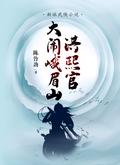 Official Hong Xi Made a Fuss in Mount Emei
The Southern Shaolin was burned, the Supreme Being was dead, and the sea of blood and hatred was weighing on his shoulders; Go to Emei three times, reach the Golden Summit, and dare to break through ten thousand barriers with a single fist. Taoist Baimei colluded with the Qing court and burned down the century-old foundation of Southern Shaolin in a fire; Hong Xiguan took the tiger and crane double shape and traveled thousands of miles to Shu to avenge blood. Seventy-two peaks hide murderous int
—Reads8.5Score—Shelves
Official Hong Xi Made a Fuss in Mount Emei
The Southern Shaolin was burned, the Supreme Being was dead, and the sea of blood and hatred was weighing on his shoulders; Go to Emei three times, reach the Golden Summit, and dare to break through ten thousand barriers with a single fist. Taoist Baimei colluded with the Qing court and burned down the century-old foundation of Southern Shaolin in a fire; Hong Xiguan took the tiger and crane double shape and traveled thousands of miles to Shu to avenge blood. Seventy-two peaks hide murderous int
—Reads8.5Score—Shelves
-
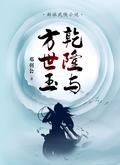 Qianlong and Fang Shiyu
[A book opens the heroic legend of Fang Shiyu] This book creatively shapes the legend of Fang Shiyu, a master of Shaolin martial arts. Fang Shiyu, Miao Cuihua, Zhishan Zen Master, Wu Mei Master, Baimei Taoist, Feng Daode, Hu Huiqian and others in this book have appeared many times in modern martial arts novels. A large number of movies and TV shows involving this content have been released, and their contents have a direct impact on later generations of martial arts novels. The historical truth
—Reads9.5Score—Shelves
Qianlong and Fang Shiyu
[A book opens the heroic legend of Fang Shiyu] This book creatively shapes the legend of Fang Shiyu, a master of Shaolin martial arts. Fang Shiyu, Miao Cuihua, Zhishan Zen Master, Wu Mei Master, Baimei Taoist, Feng Daode, Hu Huiqian and others in this book have appeared many times in modern martial arts novels. A large number of movies and TV shows involving this content have been released, and their contents have a direct impact on later generations of martial arts novels. The historical truth
—Reads9.5Score—Shelves
-
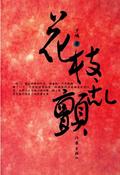 Flower Branches Trembling
This is a realistic novel describing official corruption. The work is from the perspective of "I", a security section chief. Due to his special identity and working conditions, I am able to peek into the various scandals of Wu Dade, the secretary-general of the Municipal Party Committee. The article also sets up two female section chiefs Yuan Zhen and Wu Xiaolu who have completely different personalities and outlooks on life. As cousins, their relationship is very good, but their outlook on life
—Reads9.5Score—Shelves
Flower Branches Trembling
This is a realistic novel describing official corruption. The work is from the perspective of "I", a security section chief. Due to his special identity and working conditions, I am able to peek into the various scandals of Wu Dade, the secretary-general of the Municipal Party Committee. The article also sets up two female section chiefs Yuan Zhen and Wu Xiaolu who have completely different personalities and outlooks on life. As cousins, their relationship is very good, but their outlook on life
—Reads9.5Score—Shelves
-
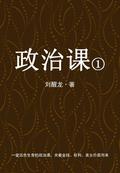 Politics Class ①
This book is a novel describing rural reform. The work unfolds the clues of conflicts through the promotion of Kong Taishun, an "eighth-rank township official" (Secretary of the Party Committee of Lutou Town). He went from a conscientious grassroots cadre to a dominant county chief. As a local manager, Kong Taishun is not a perfect person, but he is real and a real rural elite living in our lives. The novel not only writes about rural reform and the corruption related to the reform, but also viv
—Reads9.5Score—Shelves
Politics Class ①
This book is a novel describing rural reform. The work unfolds the clues of conflicts through the promotion of Kong Taishun, an "eighth-rank township official" (Secretary of the Party Committee of Lutou Town). He went from a conscientious grassroots cadre to a dominant county chief. As a local manager, Kong Taishun is not a perfect person, but he is real and a real rural elite living in our lives. The novel not only writes about rural reform and the corruption related to the reform, but also viv
—Reads9.5Score—Shelves
-
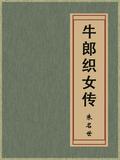 The Legend of the Cowherd and the Weaver Girl (Free Public Edition Book)
The full name is "The Newly Engraved Whole Image of the Cowherd and the Weaver Girl". Describe the story of the Cowherd and the Weaver Girl. The novel is based on folklore. It is said that the Golden Boy and the Heavenly Sun and the Weaver Girl love each other. When the Jade Emperor learned that the golden boy was going to be killed, the Supreme Lord guaranteed that the golden boy would come down to earth and be born into the family of Niu Yuan as his second son, named Niu Jinlang. Let Tiansun W
—Reads8.5Score—Shelves
The Legend of the Cowherd and the Weaver Girl (Free Public Edition Book)
The full name is "The Newly Engraved Whole Image of the Cowherd and the Weaver Girl". Describe the story of the Cowherd and the Weaver Girl. The novel is based on folklore. It is said that the Golden Boy and the Heavenly Sun and the Weaver Girl love each other. When the Jade Emperor learned that the golden boy was going to be killed, the Supreme Lord guaranteed that the golden boy would come down to earth and be born into the family of Niu Yuan as his second son, named Niu Jinlang. Let Tiansun W
—Reads8.5Score—Shelves
-
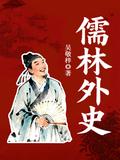 The Scholars (Original Work)
Known as the peak of ancient Chinese satirical literature! The transcendent charm of "The Scholars" lies in the fact that it is not only a satirical novel, but also an "ukiyo-e" that analyzes the game between human nature and the system. His profound understanding of human nature and insight into social rules still resonate widely today.
—Reads9.3Score—Shelves
The Scholars (Original Work)
Known as the peak of ancient Chinese satirical literature! The transcendent charm of "The Scholars" lies in the fact that it is not only a satirical novel, but also an "ukiyo-e" that analyzes the game between human nature and the system. His profound understanding of human nature and insight into social rules still resonate widely today.
—Reads9.3Score—Shelves
-
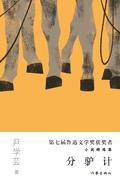 Dividing Donkeys
"The Story of Dividing Donkeys" is a collection of novellas written by Yin Xueyun, winner of the 7th Lu Xun Literature Award for Novella. In addition to the Lu Xun Literature Award Novella Award-winning work "Uncle Li Hai", the selected collection also includes "The Legend of Hong Cui", "Hidden", "The Donkey Divide" and other wonderful novellas.
—Reads9.4Score—Shelves
Dividing Donkeys
"The Story of Dividing Donkeys" is a collection of novellas written by Yin Xueyun, winner of the 7th Lu Xun Literature Award for Novella. In addition to the Lu Xun Literature Award Novella Award-winning work "Uncle Li Hai", the selected collection also includes "The Legend of Hong Cui", "Hidden", "The Donkey Divide" and other wonderful novellas.
—Reads9.4Score—Shelves
-
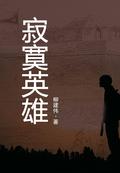 Lonely Hero
This book is a revolutionary-themed novel that expresses family grievances and the destiny of the times. Zhang Shijie, the second young master of the Huaiyuan Shanda Company in Taiping Town, Tongbai Mountain, has been working underground for a long time. Yang Ziyun and Zhu Guozhu, the progressive young people who were led by him to the revolutionary road, were arranged by the party organization to engage in secret work. They made immortal contributions to the founding of New China, but because o
—Reads9.4Score—Shelves
Lonely Hero
This book is a revolutionary-themed novel that expresses family grievances and the destiny of the times. Zhang Shijie, the second young master of the Huaiyuan Shanda Company in Taiping Town, Tongbai Mountain, has been working underground for a long time. Yang Ziyun and Zhu Guozhu, the progressive young people who were led by him to the revolutionary road, were arranged by the party organization to engage in secret work. They made immortal contributions to the founding of New China, but because o
—Reads9.4Score—Shelves
-
 Phoenix Nirvana
This is a collection of scripts, consisting of seven scripts, covering themes such as the Anti-Japanese War, the War of Liberation, earthquake relief, aviation, and aerospace. The writing touches many aspects of life, and it is also Liu Jianwei's masterpiece.
—Reads8.8Score—Shelves
Phoenix Nirvana
This is a collection of scripts, consisting of seven scripts, covering themes such as the Anti-Japanese War, the War of Liberation, earthquake relief, aviation, and aerospace. The writing touches many aspects of life, and it is also Liu Jianwei's masterpiece.
—Reads8.8Score—Shelves
-
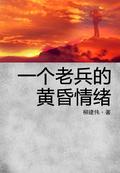 A Veteran's Twilight Mood
This book selects 9 short stories and short stories by Liu Jianwei, including "The Boundless Winter", "The Undead in Shazhuang", "Red Ribbon", "The Cave", "A Veteran's Twilight Mood", "Ice Furnace", "White Sin", "Winter Sister", and "Nineth Brother is a Scenery". The work has created many typical characters with a strong realistic spirit and sense of urgency, forming a melancholy and profound artistic style.
—Reads9.4Score—Shelves
A Veteran's Twilight Mood
This book selects 9 short stories and short stories by Liu Jianwei, including "The Boundless Winter", "The Undead in Shazhuang", "Red Ribbon", "The Cave", "A Veteran's Twilight Mood", "Ice Furnace", "White Sin", "Winter Sister", and "Nineth Brother is a Scenery". The work has created many typical characters with a strong realistic spirit and sense of urgency, forming a melancholy and profound artistic style.
—Reads9.4Score—Shelves
-
 National Chronicle of Japan
"Japanese National Chronicle" is a masterpiece written by Huang Zunxian, a modern Chinese diplomat and poet, who took eight years to write. The book has a total of 40 volumes and more than 500,000 words. It systematically and in-depth studies the history and current situation of Japan, especially the various systems after the Meiji Restoration. With its rich content, unique insights and profound thinking, this book has become an important window for China to understand Japan. It has had a profou
—Reads8.6Score—Shelves
National Chronicle of Japan
"Japanese National Chronicle" is a masterpiece written by Huang Zunxian, a modern Chinese diplomat and poet, who took eight years to write. The book has a total of 40 volumes and more than 500,000 words. It systematically and in-depth studies the history and current situation of Japan, especially the various systems after the Meiji Restoration. With its rich content, unique insights and profound thinking, this book has become an important window for China to understand Japan. It has had a profou
—Reads8.6Score—Shelves
-
 Hearsay
This book gives a glimpse into the social life of the mid-Qing Dynasty. The author's writing style is delicate and depicts the personalities of different characters, which are lifelike and ready to be described. "Hearsays" include narrating anecdotes, some describing real life events, some recording stories about foxes, ghosts and ghosts, and some writing about folk customs, etc. The stories written in the book are mainly based on market rumors at that time, describing all kinds of deplorable co
—Reads8.5Score—Shelves
Hearsay
This book gives a glimpse into the social life of the mid-Qing Dynasty. The author's writing style is delicate and depicts the personalities of different characters, which are lifelike and ready to be described. "Hearsays" include narrating anecdotes, some describing real life events, some recording stories about foxes, ghosts and ghosts, and some writing about folk customs, etc. The stories written in the book are mainly based on market rumors at that time, describing all kinds of deplorable co
—Reads8.5Score—Shelves
-
 Rebirth
Tanci works. Written by Chen Duansheng in the Qing Dynasty. Eighty times. In the first year of Daoguang (1821), Hou Zhi prefaced the edition published by Baoningtang. There are four volumes and eighty chapters, and there is a typesetting version of the Commercial Press. The author completed Volumes 1 to 16 from the 33rd to the 35th year of Qianlong's reign (1768), and then completed the 17th volume in the 49th year of Qianlong's reign, but in the end the entire volume was not completed. Later Li
—Reads9.4Score—Shelves
Rebirth
Tanci works. Written by Chen Duansheng in the Qing Dynasty. Eighty times. In the first year of Daoguang (1821), Hou Zhi prefaced the edition published by Baoningtang. There are four volumes and eighty chapters, and there is a typesetting version of the Commercial Press. The author completed Volumes 1 to 16 from the 33rd to the 35th year of Qianlong's reign (1768), and then completed the 17th volume in the 49th year of Qianlong's reign, but in the end the entire volume was not completed. Later Li
—Reads9.4Score—Shelves
-
 March in the Small Town: Selected Novels by Xiao Hong
This book selects three of the most representative works in Xiao Hong's life. "The Field of Life and Death" is one of the earliest works that reflects the lives and struggles of the people in Northeast China under the rule of Japanese imperialism. It describes the strength of the people in the north for life and their struggle for death. "The Story of Hulan River" is an autobiographical novel that vividly describes the beauty of the small town in my hometown, the loneliness of childhood, the lov
—Reads9.4Score—Shelves
March in the Small Town: Selected Novels by Xiao Hong
This book selects three of the most representative works in Xiao Hong's life. "The Field of Life and Death" is one of the earliest works that reflects the lives and struggles of the people in Northeast China under the rule of Japanese imperialism. It describes the strength of the people in the north for life and their struggle for death. "The Story of Hulan River" is an autobiographical novel that vividly describes the beauty of the small town in my hometown, the loneliness of childhood, the lov
—Reads9.4Score—Shelves
-
 The Legend of Tang Zhongkui's Ghost Ping
"The Legend of Zhong Kui of the Tang Dynasty" tells the story of Zhong Kui's killing of ghosts. This book collects and organizes folklore about Zhong Kui from past dynasties, and has a profound influence on subsequent satirical novels in China. "Tang Zhongkui Pinggui Biography" is completely free. It supports different readings in vertical and horizontal versions. You can set the font and adjust the resolution according to your preference, and you can insert bookmarks at will. The interface is f
—Reads8.6Score—Shelves
The Legend of Tang Zhongkui's Ghost Ping
"The Legend of Zhong Kui of the Tang Dynasty" tells the story of Zhong Kui's killing of ghosts. This book collects and organizes folklore about Zhong Kui from past dynasties, and has a profound influence on subsequent satirical novels in China. "Tang Zhongkui Pinggui Biography" is completely free. It supports different readings in vertical and horizontal versions. You can set the font and adjust the resolution according to your preference, and you can insert bookmarks at will. The interface is f
—Reads8.6Score—Shelves
-
 Urging Officials (Free Public Edition Book)
The Feng Shui classics of the Song Dynasty use the sand and water of dragon caves to discuss geographical good and bad luck, and focus on the relationship between the location of the Yangzhai and the official fortune.
—Reads8.6Score—Shelves
Urging Officials (Free Public Edition Book)
The Feng Shui classics of the Song Dynasty use the sand and water of dragon caves to discuss geographical good and bad luck, and focus on the relationship between the location of the Yangzhai and the official fortune.
—Reads8.6Score—Shelves
-
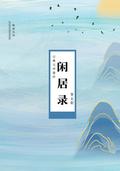 Leisure Record
"Xianju Lu" is a collection of notes written by Wu Qiuyan (named Zhenbai, Zhufang), a scholar in the Yuan Dynasty. It contains his daily observations and thoughts as well as his experience in ancient Chinese literature, epigraphy, seal studies and other knowledge. The book is not as tightly structured as a historical narrative, but is composed of scattered entries: he may describe the wind and moonlight in the pine trees during his leisure time, record the meanings of ancient inscriptions, or pu
—Reads—Score—Shelves
Leisure Record
"Xianju Lu" is a collection of notes written by Wu Qiuyan (named Zhenbai, Zhufang), a scholar in the Yuan Dynasty. It contains his daily observations and thoughts as well as his experience in ancient Chinese literature, epigraphy, seal studies and other knowledge. The book is not as tightly structured as a historical narrative, but is composed of scattered entries: he may describe the wind and moonlight in the pine trees during his leisure time, record the meanings of ancient inscriptions, or pu
—Reads—Score—Shelves
-
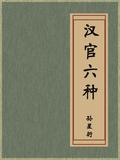 Six Types of Han Officials (Free Public Edition Book)
10 Volumes. Edited and edited by Sun Xingyan, a native of the Qing Dynasty. It includes 1 volume of "Han Guan", written by Wang Long of the Eastern Han Dynasty; 1 volume of "Han Guan Jiexe", annotated by Hu Guang of the Eastern Han Dynasty; 2 volumes of "Han Guan Jiu Yi" (also known as "Han Guan Jiu Yi"), written by Wei Hong of the Eastern Han Dynasty; 2 volumes of "Han Guan Yi", Written by Ying Shao of the Eastern Han Dynasty; "Selection of Ceremonies for the Ceremony of Officials of the Han Dy
—Reads8.6Score—Shelves
Six Types of Han Officials (Free Public Edition Book)
10 Volumes. Edited and edited by Sun Xingyan, a native of the Qing Dynasty. It includes 1 volume of "Han Guan", written by Wang Long of the Eastern Han Dynasty; 1 volume of "Han Guan Jiexe", annotated by Hu Guang of the Eastern Han Dynasty; 2 volumes of "Han Guan Jiu Yi" (also known as "Han Guan Jiu Yi"), written by Wei Hong of the Eastern Han Dynasty; 2 volumes of "Han Guan Yi", Written by Ying Shao of the Eastern Han Dynasty; "Selection of Ceremonies for the Ceremony of Officials of the Han Dy
—Reads8.6Score—Shelves
-
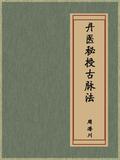 Ancient Pulse Method Secretly Taught by Alchemy Doctors (Free Public Edition Book)
Books on religious philosophy. The Origin of Dividing Meridians and Waiting for Pulses There is a big difference between the ancient method of dividing and waiting for pulses and the current method of using Cunkou to cut pulses alone. Meridian division not only has many advantages, but is also well-founded in the theory of traditional Chinese medicine. Wang Shuhe's "Mai Jing" and Gao Yangsheng's "Mai Jue" are two earlier monographs on pulse science in my country. Prior to this, records about pul
—Reads8.6Score—Shelves
Ancient Pulse Method Secretly Taught by Alchemy Doctors (Free Public Edition Book)
Books on religious philosophy. The Origin of Dividing Meridians and Waiting for Pulses There is a big difference between the ancient method of dividing and waiting for pulses and the current method of using Cunkou to cut pulses alone. Meridian division not only has many advantages, but is also well-founded in the theory of traditional Chinese medicine. Wang Shuhe's "Mai Jing" and Gao Yangsheng's "Mai Jue" are two earlier monographs on pulse science in my country. Prior to this, records about pul
—Reads8.6Score—Shelves
-
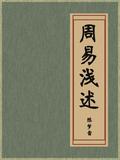 A Brief Introduction to Zhouyi (Free Public Edition Book)
Eight volumes, written by Chen Menglei of the Qing Dynasty. The book was written in the Jiashu Year of Kangxi (1694). Written by Chen Menglei (1650-1741) of the Qing Dynasty. Chen Menglei's courtesy name is Zezhen, and his later nickname is Songhe Laoren. A native of Min County, Fujian Province. Shunzhi Ji Chou became a Jinshi. From official to Hanlin, he edited and edited. In the 21st year of Kangxi's reign (1682), he was banished to Shangyang Fort in Shenyang. More than 18 years later, he was
—Reads8.6Score—Shelves
A Brief Introduction to Zhouyi (Free Public Edition Book)
Eight volumes, written by Chen Menglei of the Qing Dynasty. The book was written in the Jiashu Year of Kangxi (1694). Written by Chen Menglei (1650-1741) of the Qing Dynasty. Chen Menglei's courtesy name is Zezhen, and his later nickname is Songhe Laoren. A native of Min County, Fujian Province. Shunzhi Ji Chou became a Jinshi. From official to Hanlin, he edited and edited. In the 21st year of Kangxi's reign (1682), he was banished to Shangyang Fort in Shenyang. More than 18 years later, he was
—Reads8.6Score—Shelves
-
 Materia Medica Mengquan (Free Public Edition Book)
An introductory book that introduces the properties, taste, and efficacy of medicines in the form of verses.
—Reads8.7Score—Shelves
Materia Medica Mengquan (Free Public Edition Book)
An introductory book that introduces the properties, taste, and efficacy of medicines in the form of verses.
—Reads8.7Score—Shelves
-
 The Legend of Loyalty and Chivalry
"The Legend of Zhonglie" is a representative chivalrous case novel in the late Qing Dynasty. It can be called the originator of Chinese martial arts novels and the first martial arts novel with real significance in China. Readers who like martial arts novels should not miss this book. The book tells the story of Bao Zheng, during the reign of Renzong in the Northern Song Dynasty, who, with the help of many chivalrous men, tried strange cases, vindicated unjust cases, and how the chivalrous men e
—Reads9.6Score—Shelves
The Legend of Loyalty and Chivalry
"The Legend of Zhonglie" is a representative chivalrous case novel in the late Qing Dynasty. It can be called the originator of Chinese martial arts novels and the first martial arts novel with real significance in China. Readers who like martial arts novels should not miss this book. The book tells the story of Bao Zheng, during the reign of Renzong in the Northern Song Dynasty, who, with the help of many chivalrous men, tried strange cases, vindicated unjust cases, and how the chivalrous men e
—Reads9.6Score—Shelves
-
 The Story of Huansha
"The Story of Huansha" is a legendary script created by the Ming Dynasty dramatist Liang Chenyu. It is also the first literary legend sung in Kunshan accent. It is a milestone in the history of Chinese opera. The whole play is based on the struggle for hegemony between Wu and Yue during the Spring and Autumn Period, and revolves around the love tragedy between Fan Li and Xi Shi. Fan Li, a doctor from the State of Yue, met Xi Shi, a girl with ruffled hair, by the Ruoye River, and the two fell in
—Reads8.6Score—Shelves
The Story of Huansha
"The Story of Huansha" is a legendary script created by the Ming Dynasty dramatist Liang Chenyu. It is also the first literary legend sung in Kunshan accent. It is a milestone in the history of Chinese opera. The whole play is based on the struggle for hegemony between Wu and Yue during the Spring and Autumn Period, and revolves around the love tragedy between Fan Li and Xi Shi. Fan Li, a doctor from the State of Yue, met Xi Shi, a girl with ruffled hair, by the Ruoye River, and the two fell in
—Reads8.6Score—Shelves
-
 The Story of Broken Wild Goose
The author Su Manshu writes about his wandering life experience and tragic love in the first person. It is a novel of the Mandarin Duck and Butterfly school.
—Reads8.7Score—Shelves
The Story of Broken Wild Goose
The author Su Manshu writes about his wandering life experience and tragic love in the first person. It is a novel of the Mandarin Duck and Butterfly school.
—Reads8.7Score—Shelves
-
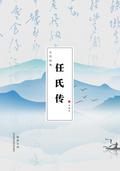 Biography of Ren Family
"The Biography of the Ren Family" is a classic legendary work written by Shen Jiji, a writer of the Tang Dynasty. It was written around 781 AD. It is a pioneer work in ancient China that used the fox fairy theme to write stories about love and human nature. It takes the intricate emotional entanglement between the demon fox Ren and the human scholar Zheng Liu as the main line. It not only integrates fantasy colors, but also profoundly presents the characters' psychology and social reality. It is
—Reads—Score—Shelves
Biography of Ren Family
"The Biography of the Ren Family" is a classic legendary work written by Shen Jiji, a writer of the Tang Dynasty. It was written around 781 AD. It is a pioneer work in ancient China that used the fox fairy theme to write stories about love and human nature. It takes the intricate emotional entanglement between the demon fox Ren and the human scholar Zheng Liu as the main line. It not only integrates fantasy colors, but also profoundly presents the characters' psychology and social reality. It is
—Reads—Score—Shelves
-
 Si Xuan Fu
The lyrical poems created by Zhang Heng of the Eastern Han Dynasty express his dissatisfaction with real politics and his desire to avoid harm through his imagination of traveling to heaven.
—Reads8.6Score—Shelves
Si Xuan Fu
The lyrical poems created by Zhang Heng of the Eastern Han Dynasty express his dissatisfaction with real politics and his desire to avoid harm through his imagination of traveling to heaven.
—Reads8.6Score—Shelves
-
 The Seven Truths of Cause and Effect (Free Public Edition Book)
A long vernacular novel about gods, demons and ghosts from the Qing Dynasty. A "Seven True Biography".
—Reads9.5Score—Shelves
The Seven Truths of Cause and Effect (Free Public Edition Book)
A long vernacular novel about gods, demons and ghosts from the Qing Dynasty. A "Seven True Biography".
—Reads9.5Score—Shelves
-
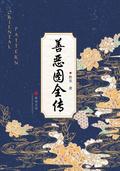 The Complete Picture of Good and Evil
"The Complete Story of Good and Evil" is a popular novel created by an unknown author in the Qing Dynasty. It integrates historical legends, religious beliefs, moral education and other elements. It aims to convey the concept of cause and effect that "good will be rewarded with good and evil will be rewarded with evil" through vivid stories. The novel has a twists and turns plot, vivid characters, and easy-to-understand language. It has strong readability and educational significance. As one of
—Reads8.6Score—Shelves
The Complete Picture of Good and Evil
"The Complete Story of Good and Evil" is a popular novel created by an unknown author in the Qing Dynasty. It integrates historical legends, religious beliefs, moral education and other elements. It aims to convey the concept of cause and effect that "good will be rewarded with good and evil will be rewarded with evil" through vivid stories. The novel has a twists and turns plot, vivid characters, and easy-to-understand language. It has strong readability and educational significance. As one of
—Reads8.6Score—Shelves
-
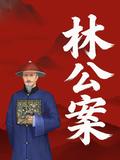 Lin Gongan
"Lin Gongan" is a public case novel starring Lin Zexu, a famous minister in the Qing Dynasty. The work starts from Lin Zexu's early career and narrates his journey from being a marquis in Fujian to officialdom. With his extraordinary wisdom and upright character, he repeatedly solved strange cases, punished rape and eliminated evil. Through a series of twists and turns and bizarre cases such as "The Case of Du Cheng's Jealousy Killing of Ni Gen", "The Unjust Case of the Widow Wang Zhou" and "The
—Reads—Score—Shelves
Lin Gongan
"Lin Gongan" is a public case novel starring Lin Zexu, a famous minister in the Qing Dynasty. The work starts from Lin Zexu's early career and narrates his journey from being a marquis in Fujian to officialdom. With his extraordinary wisdom and upright character, he repeatedly solved strange cases, punished rape and eliminated evil. Through a series of twists and turns and bizarre cases such as "The Case of Du Cheng's Jealousy Killing of Ni Gen", "The Unjust Case of the Widow Wang Zhou" and "The
—Reads—Score—Shelves
-
 Essays on Calligraphy (Free Public Edition Book)
The calligraphy notes of Fu Shan, a calligrapher in the late Ming and early Qing dynasties, advocated "it is better to be clumsy than skillful", reflecting his unique aesthetics.
—Reads8.7Score—Shelves
Essays on Calligraphy (Free Public Edition Book)
The calligraphy notes of Fu Shan, a calligrapher in the late Ming and early Qing dynasties, advocated "it is better to be clumsy than skillful", reflecting his unique aesthetics.
—Reads8.7Score—Shelves
-
 Last Words on the Sickbed (Free Public Edition Book)
This book is divided into three parts, titled "Notes on Fate", "Causes of Contradictions", and "Poisonous Plots". "Gu Ming Ji Shi" records that when Mu Zong was dying, he ordered Gao Gong, Zhang Juzheng, and Feng Baofu to take charge of Biyou. "Cause of Contradiction" records the whole reason why Zhang Juzheng had a grudge against Gao Gong, cultivated private parties, and rejected Gao Gong. "The Poisonous Plot" is written in the first year of Wanli. Zhang Juzheng used the case of the king's mini
—Reads8.5Score—Shelves
Last Words on the Sickbed (Free Public Edition Book)
This book is divided into three parts, titled "Notes on Fate", "Causes of Contradictions", and "Poisonous Plots". "Gu Ming Ji Shi" records that when Mu Zong was dying, he ordered Gao Gong, Zhang Juzheng, and Feng Baofu to take charge of Biyou. "Cause of Contradiction" records the whole reason why Zhang Juzheng had a grudge against Gao Gong, cultivated private parties, and rejected Gao Gong. "The Poisonous Plot" is written in the first year of Wanli. Zhang Juzheng used the case of the king's mini
—Reads8.5Score—Shelves
-
 Nie Er's Diary: 1926-1935
[Collection of Diaries of Nie Er, People's Musician and Composer of "March of the Volunteers"] Diaries from June 1926 to July 1935. It not only faithfully records the true emotions and difficult life journey of a young musician, but also reflects the broad picture of social life in the 1930s. Reading this diary will make us see a more real Nie Er!
—Reads8.6Score—Shelves
Nie Er's Diary: 1926-1935
[Collection of Diaries of Nie Er, People's Musician and Composer of "March of the Volunteers"] Diaries from June 1926 to July 1935. It not only faithfully records the true emotions and difficult life journey of a young musician, but also reflects the broad picture of social life in the 1930s. Reading this diary will make us see a more real Nie Er!
—Reads8.6Score—Shelves
-
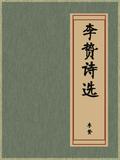 Selected Poems of Li Zhi
Li Zhi (1527-1602), Han nationality, was born in Quanzhou, Fujian. An official, thinker, and writer of the Ming Dynasty, he was a master of the Taizhou School. Li Zhi's first surname was Lin, and his given name was Zaizhi. Later, he changed his surname to Li, his given name was Zhi, his courtesy name was Hongfu, his nickname was Zhuowu, and his nicknames were Wenling Jushi, Baiquan Jushi, etc. During the Li Gongcheng period, he was a doctor of Imperial College, and during Wanli period he was the
—Reads8.5Score—Shelves
Selected Poems of Li Zhi
Li Zhi (1527-1602), Han nationality, was born in Quanzhou, Fujian. An official, thinker, and writer of the Ming Dynasty, he was a master of the Taizhou School. Li Zhi's first surname was Lin, and his given name was Zaizhi. Later, he changed his surname to Li, his given name was Zhi, his courtesy name was Hongfu, his nickname was Zhuowu, and his nicknames were Wenling Jushi, Baiquan Jushi, etc. During the Li Gongcheng period, he was a doctor of Imperial College, and during Wanli period he was the
—Reads8.5Score—Shelves
-
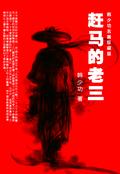 The Third Child Driving the Horse: a Collection of Short Stories (1994-2009)
Han Shaogong is the editor and author of "The Third Horse Driving/Han Shaogong's Works Series". This book is the third volume of "Han Shaogong's Works Series", which contains seventeen short stories and short stories published by the author from 1994 to 2009. "Page 43" won the Beijing Literature Award in 2008 and the first Xiao Hong Literature Award in 2011. "The Third Horse Driving" won the 2010 "People's Literature" Outstanding Work Award. "King Kong with Angry Eyes" won the 2009 "Selected No
—Reads9.4Score—Shelves
The Third Child Driving the Horse: a Collection of Short Stories (1994-2009)
Han Shaogong is the editor and author of "The Third Horse Driving/Han Shaogong's Works Series". This book is the third volume of "Han Shaogong's Works Series", which contains seventeen short stories and short stories published by the author from 1994 to 2009. "Page 43" won the Beijing Literature Award in 2008 and the first Xiao Hong Literature Award in 2011. "The Third Horse Driving" won the 2010 "People's Literature" Outstanding Work Award. "King Kong with Angry Eyes" won the 2009 "Selected No
—Reads9.4Score—Shelves
-
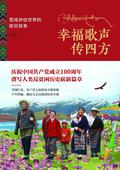 The Song of Happiness Spreads Everywhere: the Poverty Alleviation Story Told to the World by Xueyu
This book is a long reportage that truly records the poverty alleviation work in Sichuan Garze Tibetan Autonomous Prefecture. The author spent nearly two years visiting 18 counties in Ganzi. At the same time, he did a lot of research and thinking, and described the story of poverty alleviation in the Kham Snow Region from multiple angles. From a historical perspective, it traces back to the early days of the founding of New China, the exchanges and mutual assistance between the Chinese Communist
—Reads8.6Score—Shelves
The Song of Happiness Spreads Everywhere: the Poverty Alleviation Story Told to the World by Xueyu
This book is a long reportage that truly records the poverty alleviation work in Sichuan Garze Tibetan Autonomous Prefecture. The author spent nearly two years visiting 18 counties in Ganzi. At the same time, he did a lot of research and thinking, and described the story of poverty alleviation in the Kham Snow Region from multiple angles. From a historical perspective, it traces back to the early days of the founding of New China, the exchanges and mutual assistance between the Chinese Communist
—Reads8.6Score—Shelves
-
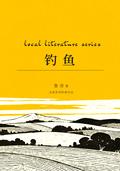 Fishing
This book is the writer Lu Yan's affectionate review of his hometown years. In the stone caves by the water in summer, clever river shrimps compete with children for wits and courage; on the clear river, every slight vibration of the float affects the heartbeat of the fishermen. From a boy who was nauseated by the smell of fish and shrimp but was obsessed with the fun of fishing, to a sixteen-year-old young man holding a fishing rod taller than a human being, in his memories, we not only saw the
—Reads8.6Score—Shelves
Fishing
This book is the writer Lu Yan's affectionate review of his hometown years. In the stone caves by the water in summer, clever river shrimps compete with children for wits and courage; on the clear river, every slight vibration of the float affects the heartbeat of the fishermen. From a boy who was nauseated by the smell of fish and shrimp but was obsessed with the fun of fishing, to a sixteen-year-old young man holding a fishing rod taller than a human being, in his memories, we not only saw the
—Reads8.6Score—Shelves
-
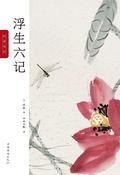 Six Chapters of a Floating Life
Please let me tell you a story, an old story. Like many old stories, there are joys and sorrows, warmth and sadness, liveliness and loneliness; it seems too ordinary and a bit out of place, but it has a kind of warmth, leisurely and romance that seems "slow" but never goes out of style; of course, there is also love.
—Reads9.3Score—Shelves
Six Chapters of a Floating Life
Please let me tell you a story, an old story. Like many old stories, there are joys and sorrows, warmth and sadness, liveliness and loneliness; it seems too ordinary and a bit out of place, but it has a kind of warmth, leisurely and romance that seems "slow" but never goes out of style; of course, there is also love.
—Reads9.3Score—Shelves
-
 Collection of Lu Jiuyuan
This work "Lu Jiuyuan Collection" is written by Lu Jiuyuan
—Reads8.9Score—Shelves
Collection of Lu Jiuyuan
This work "Lu Jiuyuan Collection" is written by Lu Jiuyuan
—Reads8.9Score—Shelves
-
 New Journey to the West
"New Journey to the West" borrows the names and things in "Journey to the West" to invert them, so it is called "New Journey to the West". Although it borrows the names and things in "Journey to the West" to inverse them, and uses real facts to explain the fiction, the author actually means to dispel superstition.
—Reads9.4Score—Shelves
New Journey to the West
"New Journey to the West" borrows the names and things in "Journey to the West" to invert them, so it is called "New Journey to the West". Although it borrows the names and things in "Journey to the West" to inverse them, and uses real facts to explain the fiction, the author actually means to dispel superstition.
—Reads9.4Score—Shelves
-
 Journey to the West Original Purpose
"Journey to the West" is a classical literary work with deep philosophical and spiritual guidance. It cleverly borrows the framework of the well-known mythological story "Journey to the West", and contains rich Taoist cultivation thoughts and life philosophy through in-depth analysis of the legendary journey of the four masters and disciples of Tang Monk and his disciples. This book is not simply an annotation or adaptation of "Journey to the West", but uses a unique perspective to reveal the se
—Reads9.4Score—Shelves
Journey to the West Original Purpose
"Journey to the West" is a classical literary work with deep philosophical and spiritual guidance. It cleverly borrows the framework of the well-known mythological story "Journey to the West", and contains rich Taoist cultivation thoughts and life philosophy through in-depth analysis of the legendary journey of the four masters and disciples of Tang Monk and his disciples. This book is not simply an annotation or adaptation of "Journey to the West", but uses a unique perspective to reveal the se
—Reads9.4Score—Shelves
-
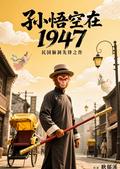 Sun Wukong in 1947
Geng Yuxi, the pioneer of modern Beijing-style novels, has a vernacular version of his 1947 pioneering masterpiece "The Monkey King in 1947"! When the Monkey King, flying in the clouds and mist, collided with the roaring tram on the streets of the Republic of China, the fierce collision between gods and the mortal world kicked off an absurd epic that spanned the world of immortality and yin and yang. In 1947, the land of China was still engulfed in the flames of war. The post-war world structure
—Reads8.5Score—Shelves
Sun Wukong in 1947
Geng Yuxi, the pioneer of modern Beijing-style novels, has a vernacular version of his 1947 pioneering masterpiece "The Monkey King in 1947"! When the Monkey King, flying in the clouds and mist, collided with the roaring tram on the streets of the Republic of China, the fierce collision between gods and the mortal world kicked off an absurd epic that spanned the world of immortality and yin and yang. In 1947, the land of China was still engulfed in the flames of war. The post-war world structure
—Reads8.5Score—Shelves
-
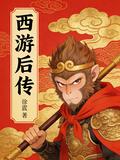 Journey to the West Sequel
A hundred years after Sun Wukong became a Buddha, the stone monkey Sun Xiaosheng was born from the fairy stone in Huaguo Mountain! His magical powers are as good as those of his ancestors. He wreaked havoc in the underworld with a golden cudgel in his hand, forced his way into the heavenly palace, silenced Yama in the ten palaces, and beat all the gods in the sky to retreat. He looked like the second Monkey King! At this time, the Tang Dynasty in the East had already recited the Tripitaka Sutra
—Reads9.4Score—Shelves
Journey to the West Sequel
A hundred years after Sun Wukong became a Buddha, the stone monkey Sun Xiaosheng was born from the fairy stone in Huaguo Mountain! His magical powers are as good as those of his ancestors. He wreaked havoc in the underworld with a golden cudgel in his hand, forced his way into the heavenly palace, silenced Yama in the ten palaces, and beat all the gods in the sky to retreat. He looked like the second Monkey King! At this time, the Tang Dynasty in the East had already recited the Tripitaka Sutra
—Reads9.4Score—Shelves
-
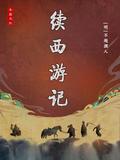 Journey to the West: Continuation of Journey to the West
This is the follow-up experience of Tang Monk and his disciples who embarked on the road back to the Tang Dynasty after obtaining the scriptures from Leiyin Temple in Lingshan. Tathagata Buddha was worried that they would not be able to preserve the scriptures because they had killed a lot of lives in the past and violated Buddhist rules, so he took away the golden cudgel and other weapons. Also, because Sun Wukong mentioned using cunning to deal with evil thoughts, fearing that he would change,
—Reads9.4Score—Shelves
Journey to the West: Continuation of Journey to the West
This is the follow-up experience of Tang Monk and his disciples who embarked on the road back to the Tang Dynasty after obtaining the scriptures from Leiyin Temple in Lingshan. Tathagata Buddha was worried that they would not be able to preserve the scriptures because they had killed a lot of lives in the past and violated Buddhist rules, so he took away the golden cudgel and other weapons. Also, because Sun Wukong mentioned using cunning to deal with evil thoughts, fearing that he would change,
—Reads9.4Score—Shelves
-
 Collection of Ma Boyong's Fantasy (All Three Volumes)
"Wizard of words" Ma Boyong's imaginative work series includes three works including "The Twelve Hours of Chang'an", "Dragon and the Subway" and "Secrets of the Three Kingdoms". "The Twelve Hours of Chang'an" breaks the boundaries between reality and fiction to create a breathtaking historical suspense masterpiece, telling the story of 24 hours of counter-terrorism in Chang'an of the Tang Dynasty. "Secrets of the Three Kingdoms" explains page by page the power tactics, conspiracies, and secret p
—Reads9.4Score—Shelves
Collection of Ma Boyong's Fantasy (All Three Volumes)
"Wizard of words" Ma Boyong's imaginative work series includes three works including "The Twelve Hours of Chang'an", "Dragon and the Subway" and "Secrets of the Three Kingdoms". "The Twelve Hours of Chang'an" breaks the boundaries between reality and fiction to create a breathtaking historical suspense masterpiece, telling the story of 24 hours of counter-terrorism in Chang'an of the Tang Dynasty. "Secrets of the Three Kingdoms" explains page by page the power tactics, conspiracies, and secret p
—Reads9.4Score—Shelves
-
 Three Religions
In the Ming Dynasty, three novels from Confucianism, Buddhism and Taoism were compiled respectively, "The Records of Mr. Wang Yangming's Origin in Jingluan, the Great Confucian of the Imperial Ming Dynasty", "The Revealed Saints of Jidian Luohan in Jingci Temple" and "The Story of Xu Zhenjun Killing the Jiao in Jingyang Palace" to reflect the idea of the unity of the three religions. Currently at the Institute of Oriental Culture, University of Tokyo, Japan.
—Reads8.6Score—Shelves
Three Religions
In the Ming Dynasty, three novels from Confucianism, Buddhism and Taoism were compiled respectively, "The Records of Mr. Wang Yangming's Origin in Jingluan, the Great Confucian of the Imperial Ming Dynasty", "The Revealed Saints of Jidian Luohan in Jingci Temple" and "The Story of Xu Zhenjun Killing the Jiao in Jingyang Palace" to reflect the idea of the unity of the three religions. Currently at the Institute of Oriental Culture, University of Tokyo, Japan.
—Reads8.6Score—Shelves