In this list
Reader notes translated by Google Translate
258
-
151
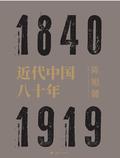 Eighty Years of Modern China 近代中国八十年
Eighty Years of Modern China, edited by Professor Chen Xulu, is a concise and accessible history of modern China. It covers the eighty years from the Opium War to the May Fourth Movement. With clear arguments and a wealth of historical detail, the book offers a systematic account of how China gradually became a semi-colonial and semi-feudal society. It highlights the inspiring struggles waged by China's advanced people against imperialism and feudalism in an effort to save their country. Modern
210Reads8.6Score—Shelves
Eighty Years of Modern China 近代中国八十年
Eighty Years of Modern China, edited by Professor Chen Xulu, is a concise and accessible history of modern China. It covers the eighty years from the Opium War to the May Fourth Movement. With clear arguments and a wealth of historical detail, the book offers a systematic account of how China gradually became a semi-colonial and semi-feudal society. It highlights the inspiring struggles waged by China's advanced people against imperialism and feudalism in an effort to save their country. Modern
210Reads8.6Score—Shelves
-
152
 A Comprehensive History of Commerce 商史通鉴
A sweeping historical novel that lays bare six centuries of power games in the Shang dynasty. No myths, no romanticized tales, only the truest human nature, the cruelest contests, and the deepest lessons of rise and fall. My writing on Shang history began with questions about the origins of Chinese civilization, and ended with a reunion with myself. The Shang dynasty was a pivotal era when the rites, royal authority, and divine power of Huaxia took shape together. Yet scarce historical records a
128Reads—Score—Shelves
A Comprehensive History of Commerce 商史通鉴
A sweeping historical novel that lays bare six centuries of power games in the Shang dynasty. No myths, no romanticized tales, only the truest human nature, the cruelest contests, and the deepest lessons of rise and fall. My writing on Shang history began with questions about the origins of Chinese civilization, and ended with a reunion with myself. The Shang dynasty was a pivotal era when the rites, royal authority, and divine power of Huaxia took shape together. Yet scarce historical records a
128Reads—Score—Shelves
Reader note
-
153
 A Hidden Mastermind 隐世奇局
I'm just a scholar. What would I know about fighting and killing? [play the pig to eat the tiger + decisive and ruthless + invincible protagonist] Late at night... The Xu residence went up in flames, leaving the entire courtyard in ashes. A four-year-old boy and his father fled the capital under cover of night, heading for the northern frontier. The boy took the name Leng Yichen. After sixteen years in the mountains, he mastered his father's teachings. He could govern a nation with his learning
10Reads—Score—Shelves
A Hidden Mastermind 隐世奇局
I'm just a scholar. What would I know about fighting and killing? [play the pig to eat the tiger + decisive and ruthless + invincible protagonist] Late at night... The Xu residence went up in flames, leaving the entire courtyard in ashes. A four-year-old boy and his father fled the capital under cover of night, heading for the northern frontier. The boy took the name Leng Yichen. After sixteen years in the mountains, he mastered his father's teachings. He could govern a nation with his learning
10Reads—Score—Shelves
Reader note
-
154
 The Shadow of an Era 时代的影子
From the backbreaking labor beneath Beijing’s scorching sun to the terrifying, agonizing fall from a hundred meters up; from being driven and trampled like livestock in the Blackstone Gully coal mine to the suffocating despair of being buried alive in West Alley... He swallowed every unforgettable hardship, forcing it down in silence like a rough bun full of grit, until it turned into stifled midnight coughs and cold sweat at his temples. Hope for a better life carried Chen Shan through trial af
1Reads—Score—Shelves
The Shadow of an Era 时代的影子
From the backbreaking labor beneath Beijing’s scorching sun to the terrifying, agonizing fall from a hundred meters up; from being driven and trampled like livestock in the Blackstone Gully coal mine to the suffocating despair of being buried alive in West Alley... He swallowed every unforgettable hardship, forcing it down in silence like a rough bun full of grit, until it turned into stifled midnight coughs and cold sweat at his temples. Hope for a better life carried Chen Shan through trial af
1Reads—Score—Shelves
Reader note
-
155
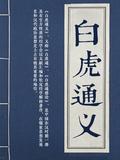 The Meaning of the White Tiger 白虎通义
The Baihutong, also known as the White Tiger Discussions or the White Tiger Treatise on Virtue, is a collection of proceedings from an officially convened meeting on Confucian studies during the Eastern Han dynasty, as well as an imperially sanctioned work interpreting the Confucian classics. It holds an exceptionally important place in the history of Confucian thought and Han political thought. In 79 CE, the fourth year of Emperor Zhang of Han’s Jianchu era, the emperor personally convened a la
24Reads8.6Score—Shelves
The Meaning of the White Tiger 白虎通义
The Baihutong, also known as the White Tiger Discussions or the White Tiger Treatise on Virtue, is a collection of proceedings from an officially convened meeting on Confucian studies during the Eastern Han dynasty, as well as an imperially sanctioned work interpreting the Confucian classics. It holds an exceptionally important place in the history of Confucian thought and Han political thought. In 79 CE, the fourth year of Emperor Zhang of Han’s Jianchu era, the emperor personally convened a la
24Reads8.6Score—Shelves
Reader note
-
156
 True to Myself 本心
No one can live solely for others, but neither can we completely cast aside our responsibilities. In real life, we often waver between “living for others” and “living for ourselves,” all the while judged by moral standards. Family relationships are not static; they change over time. Families that endure hardship may fall apart, rebuild themselves, or eventually go their separate ways, living along parallel paths of their own. As we struggle to survive, how do we come to understand ourselves and
1.5kReads—Score—Shelves
True to Myself 本心
No one can live solely for others, but neither can we completely cast aside our responsibilities. In real life, we often waver between “living for others” and “living for ourselves,” all the while judged by moral standards. Family relationships are not static; they change over time. Families that endure hardship may fall apart, rebuild themselves, or eventually go their separate ways, living along parallel paths of their own. As we struggle to survive, how do we come to understand ourselves and
1.5kReads—Score—Shelves
Reader note
-
157
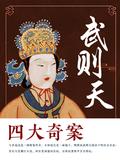 Wu Zetian's Four Great Mystery Cases 武则天四大奇案
[Historical Mystery + Four Great Cases + Ancient-Era Deduction] From strange cases in the countryside to courtly intrigue, Di Renjie carefully unravels the truth at every turn. Newly appointed magistrate of Changping County, Di Renjie is immediately faced with a bizarre murder: a merchant from Huzhou is found mysteriously dead at an inn in Liulidun. The local headman, Hu De, abuses his power, but the identity of the real culprit raises even more questions. Disguised as an ordinary traveler, Di R
667Reads9.5Score—Shelves
Wu Zetian's Four Great Mystery Cases 武则天四大奇案
[Historical Mystery + Four Great Cases + Ancient-Era Deduction] From strange cases in the countryside to courtly intrigue, Di Renjie carefully unravels the truth at every turn. Newly appointed magistrate of Changping County, Di Renjie is immediately faced with a bizarre murder: a merchant from Huzhou is found mysteriously dead at an inn in Liulidun. The local headman, Hu De, abuses his power, but the identity of the real culprit raises even more questions. Disguised as an ordinary traveler, Di R
667Reads9.5Score—Shelves
Reader note
-
158
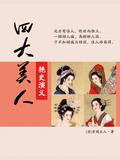 The Scandalous Tales of the Four Great Beauties 四大美人艳史演义
Uncovering the untold stories of the Four Beauties [History + biographies + the Four Beauties + unofficial anecdotes] Xi Shi, whose beauty could topple a kingdom as she washed silk, was caught in the turmoil of a chaotic age. Yang Yuhuan’s glance could captivate an entire city, but her passionate love became a shackle of fate. Wang Zhaojun left the frontier with a mournful song, bringing a brief peace between the Han and the Xiongnu. Diao Chan ingeniously set a chain of schemes in motion, turnin
115Reads8.7Score—Shelves
The Scandalous Tales of the Four Great Beauties 四大美人艳史演义
Uncovering the untold stories of the Four Beauties [History + biographies + the Four Beauties + unofficial anecdotes] Xi Shi, whose beauty could topple a kingdom as she washed silk, was caught in the turmoil of a chaotic age. Yang Yuhuan’s glance could captivate an entire city, but her passionate love became a shackle of fate. Wang Zhaojun left the frontier with a mournful song, bringing a brief peace between the Han and the Xiongnu. Diao Chan ingeniously set a chain of schemes in motion, turnin
115Reads8.7Score—Shelves
-
159
 The Century-Old House 百年老宅
An old family home, four generations, a century of upheaval, and an extraordinary love affair. How did a penniless tenant farmer win the hearts of two beautiful daughters of an enlightened landlord? How did an honest, simple peasant seize control of the village Party secretary's post as if it were a throne, then cling to it? How did a devoted lover go from kind and innocent to cynical and world-weary? Read on to discover his tangled, unbreakable ties with four women. Through the nearly century-l
667Reads—Score102Shelves
The Century-Old House 百年老宅
An old family home, four generations, a century of upheaval, and an extraordinary love affair. How did a penniless tenant farmer win the hearts of two beautiful daughters of an enlightened landlord? How did an honest, simple peasant seize control of the village Party secretary's post as if it were a throne, then cling to it? How did a devoted lover go from kind and innocent to cynical and world-weary? Read on to discover his tangled, unbreakable ties with four women. Through the nearly century-l
667Reads—Score102Shelves
Reader note
-
160
 Chronicles of the Wilds 莽丛记
[Wuxia chivalry + the nation in peril + torn between loyalty and righteousness + a tragic song of a turbulent age] The first volume of The Record of the Wilds, winner of the Best Long-Form Book Award at Legends Ancient and Modern, is set amid the Song-Jin wars and paints a vivid portrait of ordinary people caught up in the tides of history. It captures the essence of classical storytelling without sacrificing dramatic force: the wandering swordsman Yan Sheng rescues a secret envoy and obtains a
294Reads9.5Score—Shelves
Chronicles of the Wilds 莽丛记
[Wuxia chivalry + the nation in peril + torn between loyalty and righteousness + a tragic song of a turbulent age] The first volume of The Record of the Wilds, winner of the Best Long-Form Book Award at Legends Ancient and Modern, is set amid the Song-Jin wars and paints a vivid portrait of ordinary people caught up in the tides of history. It captures the essence of classical storytelling without sacrificing dramatic force: the wandering swordsman Yan Sheng rescues a secret envoy and obtains a
294Reads9.5Score—Shelves
Reader note
-
161
 The Cangshan Mountains Run Red 苍山如血
For the liberation of the Chinese nation, countless sons and daughters of China shed their very last drop of blood. They came from humble backgrounds, yet their heroic deeds were so moving that they would never be forgotten! The story is gripping and heartbreaking, leaving readers unable to put it down.
368Reads—Score—Shelves
The Cangshan Mountains Run Red 苍山如血
For the liberation of the Chinese nation, countless sons and daughters of China shed their very last drop of blood. They came from humble backgrounds, yet their heroic deeds were so moving that they would never be forgotten! The story is gripping and heartbreaking, leaving readers unable to put it down.
368Reads—Score—Shelves
Reader note
-
162
 Is the County Party Secretary Sick? 县委书记得病?
The County Party Secretary Is Sick?
—Reads—Score—Shelves
Is the County Party Secretary Sick? 县委书记得病?
The County Party Secretary Is Sick?
—Reads—Score—Shelves
-
163
 The Loss of My Mother 痛失母亲
Lost Her Mother
3Reads—Score—Shelves
The Loss of My Mother 痛失母亲
Lost Her Mother
3Reads—Score—Shelves
-
164
 My Former Mother-in-Law 前婆婆
Former Mother-in-Law
2Reads—Score—Shelves
My Former Mother-in-Law 前婆婆
Former Mother-in-Law
2Reads—Score—Shelves
-
165
 Missing My Sister-in-Law 怀念嫂子
Missing My Sister-in-Law
—Reads—Score—Shelves
Missing My Sister-in-Law 怀念嫂子
Missing My Sister-in-Law
—Reads—Score—Shelves
-
166
 Chronicles of Burning Embers, Part One: Tang Embers: Smoke over Haidong 烬燃录第一部:唐烬:海东烟
During the Kaiyuan era of the Tang dynasty, Deng Zifeng, a transmigrator who knows how history will unfold, tries to prevent the golden age from collapsing, but becomes trapped in a perilous situation. He meets Kibi Sakurako, the daughter of a Japanese noble family torn by inner conflict, and the two become bound together by fate. They witness Japanese forces resorting to any means necessary to steal the Tang dynasty's “strength.” Hunted relentlessly by a mastermind working behind the scenes, th
2Reads—Score—Shelves
Chronicles of Burning Embers, Part One: Tang Embers: Smoke over Haidong 烬燃录第一部:唐烬:海东烟
During the Kaiyuan era of the Tang dynasty, Deng Zifeng, a transmigrator who knows how history will unfold, tries to prevent the golden age from collapsing, but becomes trapped in a perilous situation. He meets Kibi Sakurako, the daughter of a Japanese noble family torn by inner conflict, and the two become bound together by fate. They witness Japanese forces resorting to any means necessary to steal the Tang dynasty's “strength.” Hunted relentlessly by a mastermind working behind the scenes, th
2Reads—Score—Shelves
Reader note
-
167
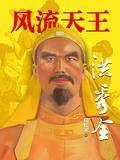 Hong Xiuquan, the Charismatic Heavenly King 风流天王洪秀全
Hong Xiuquan, an impoverished scholar in the late Qing, was quite the extraordinary man. He struck out on a new path, launched the Jintian Uprising, rose from humble beginnings, captured Nanjing, founded the Taiping Heavenly Kingdom, dominated eighteen provinces, and ruled for fourteen years over half the realm. He was insatiably greedy, consorting with courtesans and surrounding himself with beautiful women. He gathered beauties from across the land, keeping 2,300 women in his harem to serve hi
12.2kReads8.6Score966Shelves
Hong Xiuquan, the Charismatic Heavenly King 风流天王洪秀全
Hong Xiuquan, an impoverished scholar in the late Qing, was quite the extraordinary man. He struck out on a new path, launched the Jintian Uprising, rose from humble beginnings, captured Nanjing, founded the Taiping Heavenly Kingdom, dominated eighteen provinces, and ruled for fourteen years over half the realm. He was insatiably greedy, consorting with courtesans and surrounding himself with beautiful women. He gathered beauties from across the land, keeping 2,300 women in his harem to serve hi
12.2kReads8.6Score966Shelves
Reader note
-
168
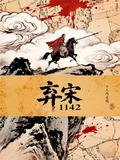 Abandoning the Song in 1142: One Man’s Northern Expedition 弃宋1142:一个人的北伐
[No System, No Golden Finger + Transmigration to the Song Dynasty + Jin Dynasty + Travel] What secrets lie behind Yue Fei's execution? Was the Shaoxing peace treaty actually forced on the Jin by sheer necessity? In the twelfth year of Shaoxing, Yue Fei was murdered, peace was made between Song and Jin, and the north and south settled into tranquility. A lone scout stranded in enemy territory accidentally uncovers the truth behind the sixteen-year war between Song and Jin, shattering a peace that
136Reads8.2Score—Shelves
Abandoning the Song in 1142: One Man’s Northern Expedition 弃宋1142:一个人的北伐
[No System, No Golden Finger + Transmigration to the Song Dynasty + Jin Dynasty + Travel] What secrets lie behind Yue Fei's execution? Was the Shaoxing peace treaty actually forced on the Jin by sheer necessity? In the twelfth year of Shaoxing, Yue Fei was murdered, peace was made between Song and Jin, and the north and south settled into tranquility. A lone scout stranded in enemy territory accidentally uncovers the truth behind the sixteen-year war between Song and Jin, shattering a peace that
136Reads8.2Score—Shelves
Reader note
-
169
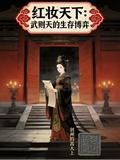 A World in Red: Wu Zetian's Game of Survival 红妆天下:武则天的生存博弈
She did not smash a throne. She shattered the curse that had told women for a thousand years, “You cannot.” From a prisoner in Ganye Temple to an emperor on the throne, Wu Zetian spent fifty-four years carrying out a revenge born of her gender. Amid accusations that “a hen crowing at dawn brings chaos” and the dead end of sons turning against their mother, she wielded cruel officials as her blade and worthy ministers as her scales, carving a path through the bloody world of men’s power games. Op
4Reads—Score—Shelves
A World in Red: Wu Zetian's Game of Survival 红妆天下:武则天的生存博弈
She did not smash a throne. She shattered the curse that had told women for a thousand years, “You cannot.” From a prisoner in Ganye Temple to an emperor on the throne, Wu Zetian spent fifty-four years carrying out a revenge born of her gender. Amid accusations that “a hen crowing at dawn brings chaos” and the dead end of sons turning against their mother, she wielded cruel officials as her blade and worthy ministers as her scales, carving a path through the bloody world of men’s power games. Op
4Reads—Score—Shelves
Reader note
-
170
 Unraveling the Ways of Human Relationships 揭秘人情世故
Everything in this book is fictional and does not represent reality. This book examines the essence of human relationships and social dealings, revealing the more hidden dimensions of power struggles in interpersonal relationships. When primordial chaos first opened, human relations began. Through interaction, history unfolded; through social ties, the world took shape. In the subtle and shadowy corners of today's world, hidden dragons conceal their scales and white tigers hide their claws. Only
36Reads—Score—Shelves
Unraveling the Ways of Human Relationships 揭秘人情世故
Everything in this book is fictional and does not represent reality. This book examines the essence of human relationships and social dealings, revealing the more hidden dimensions of power struggles in interpersonal relationships. When primordial chaos first opened, human relations began. Through interaction, history unfolded; through social ties, the world took shape. In the subtle and shadowy corners of today's world, hidden dragons conceal their scales and white tigers hide their claws. Only
36Reads—Score—Shelves
Reader note
-
171
 The Poet and My Secret 诗人与我的秘密
Chinese culture is vast and profound, radiant and magnificent. In this boundless ocean of Chinese culture, poetry is one of its brightest and most dazzling stars. From ancient times to the present, poetry has developed into countless forms, each with its own distinctive character. Many great poets have emerged over the ages. The tides of history have not buried them or their works; instead, later generations continue to recite and admire them. I love literature, especially poetry. Beautiful, mov
1Reads—Score—Shelves
The Poet and My Secret 诗人与我的秘密
Chinese culture is vast and profound, radiant and magnificent. In this boundless ocean of Chinese culture, poetry is one of its brightest and most dazzling stars. From ancient times to the present, poetry has developed into countless forms, each with its own distinctive character. Many great poets have emerged over the ages. The tides of history have not buried them or their works; instead, later generations continue to recite and admire them. I love literature, especially poetry. Beautiful, mov
1Reads—Score—Shelves
Reader note
-
172
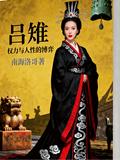 The Biography of Lü Zhi: A Struggle Between Power and Human Nature 吕雉传:权力与人性的博弈
This novel centers on the awakening of power and the struggle over human nature under the shadow of survival. It breaks free of the narrow label of “poisonous empress” to focus on Empress Lü’s complete transformation, from a virtuous wife in Pei County to the uncrowned empress of the early Han. Drawing on the historical record of the early Han as its foundation, and delving deeply into her political wisdom and struggle to survive, it uses accessible storytelling to portray how, amid the chaos at
7.7kReads8.0Score427Shelves
The Biography of Lü Zhi: A Struggle Between Power and Human Nature 吕雉传:权力与人性的博弈
This novel centers on the awakening of power and the struggle over human nature under the shadow of survival. It breaks free of the narrow label of “poisonous empress” to focus on Empress Lü’s complete transformation, from a virtuous wife in Pei County to the uncrowned empress of the early Han. Drawing on the historical record of the early Han as its foundation, and delving deeply into her political wisdom and struggle to survive, it uses accessible storytelling to portray how, amid the chaos at
7.7kReads8.0Score427Shelves
Reader note
-
173
 In This Life, I Kept My Distance From the Second Princess, and She Went Mad 这一世,我远离二公主,她疯了
In This Life, I Stay Away from the Second Princess. She Goes Mad
2.5kReads—Score—Shelves
In This Life, I Kept My Distance From the Second Princess, and She Went Mad 这一世,我远离二公主,她疯了
In This Life, I Stay Away from the Second Princess. She Goes Mad
2.5kReads—Score—Shelves
Reader note
-
174
 My Wife Chases True Love but Still Refuses to Let Me Go 妻子追真爱,却还要霸占我
My Wife Pursues Her True Love, Yet Still Wants to Keep Me to Herself
5.2kReads—Score100Shelves
My Wife Chases True Love but Still Refuses to Let Me Go 妻子追真爱,却还要霸占我
My Wife Pursues Her True Love, Yet Still Wants to Keep Me to Herself
5.2kReads—Score100Shelves
-
175
 The Chosen Saintess Broke Off Our Engagement. I Was Fine with It, but She Changed Her Mind 天骄圣女退婚,我ok,她却不退了
The Proud Saintess Broke Off Our Engagement. I Was Fine With It, but She Changed Her Mind
1.6kReads—Score—Shelves
The Chosen Saintess Broke Off Our Engagement. I Was Fine with It, but She Changed Her Mind 天骄圣女退婚,我ok,她却不退了
The Proud Saintess Broke Off Our Engagement. I Was Fine With It, but She Changed Her Mind
1.6kReads—Score—Shelves
-
176
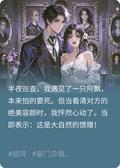 The Female Ghost Was So Beautiful, I Couldn't Restrain Myself 女鬼太美,我按捺不住
The Female Ghost Was So Beautiful, I Couldn’t Restrain Myself
5.1kReads—Score117Shelves
The Female Ghost Was So Beautiful, I Couldn't Restrain Myself 女鬼太美,我按捺不住
The Female Ghost Was So Beautiful, I Couldn’t Restrain Myself
5.1kReads—Score117Shelves
-
177
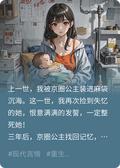 The Heiress Lost Her Memory and Was Sent to Work at an Electronics Factory 大小姐失忆,送电子厂打工
The Heiress Loses Her Memory and Gets Sent to Work at an Electronics Factory
5.2kReads—Score—Shelves
The Heiress Lost Her Memory and Was Sent to Work at an Electronics Factory 大小姐失忆,送电子厂打工
The Heiress Loses Her Memory and Gets Sent to Work at an Electronics Factory
5.2kReads—Score—Shelves
-
178
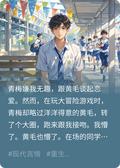 My Childhood Friend Hates Me, Yet a Daring Game Made Her Kiss Me 青梅讨厌我,大冒险却抓我接吻
My Childhood Friend Hates Me, Yet a Dare Made Her Kiss Me
450Reads—Score—Shelves
My Childhood Friend Hates Me, Yet a Daring Game Made Her Kiss Me 青梅讨厌我,大冒险却抓我接吻
My Childhood Friend Hates Me, Yet a Dare Made Her Kiss Me
450Reads—Score—Shelves
-
179
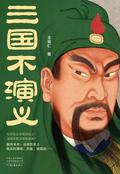 The Three Kingdoms, Unromanced 三国不演义
A historically accurate Romance of the Three Kingdoms! Did Liu Bei, Guan Yu, and Zhang Fei never swear brotherhood in the Peach Garden? Did Zhuge Liang never borrow arrows with straw boats? Open this book and discover the real Cao Cao, Liu Bei, Zhuge Liang, and others from history. This is all you need to read to learn about the Three Kingdoms. The Three Kingdoms era was a time of upheaval and change, and heroes emerged in droves. Official histories, unofficial legends, and fictionalized account
3.6kReads9.6Score516Shelves
The Three Kingdoms, Unromanced 三国不演义
A historically accurate Romance of the Three Kingdoms! Did Liu Bei, Guan Yu, and Zhang Fei never swear brotherhood in the Peach Garden? Did Zhuge Liang never borrow arrows with straw boats? Open this book and discover the real Cao Cao, Liu Bei, Zhuge Liang, and others from history. This is all you need to read to learn about the Three Kingdoms. The Three Kingdoms era was a time of upheaval and change, and heroes emerged in droves. Official histories, unofficial legends, and fictionalized account
3.6kReads9.6Score516Shelves
Reader note
-
180
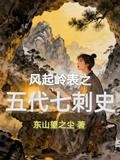 When the Wind Rises in Lingbiao: The Five Dynasties’ Seven Governors 风起岭表之五代七刺史
Ning Mengli possessed strength enough to reach the heavens and virtue that rivaled the divine emperor. He guarded the nation's frontier and reclaimed the wilderness. Ning Changzhen had the ambition to encompass mountains and rivers and the noble bearing of clouds and mist. He subdued Jiaozhi, campaigned against Linyi, and seized Shebei. Ning Yuan Ti was the first successful candidate in the imperial examinations from Lingnan, a distinguished remonstrance official in the Kaiyuan Golden Age. Begin
10Reads—Score—Shelves
When the Wind Rises in Lingbiao: The Five Dynasties’ Seven Governors 风起岭表之五代七刺史
Ning Mengli possessed strength enough to reach the heavens and virtue that rivaled the divine emperor. He guarded the nation's frontier and reclaimed the wilderness. Ning Changzhen had the ambition to encompass mountains and rivers and the noble bearing of clouds and mist. He subdued Jiaozhi, campaigned against Linyi, and seized Shebei. Ning Yuan Ti was the first successful candidate in the imperial examinations from Lingnan, a distinguished remonstrance official in the Kaiyuan Golden Age. Begin
10Reads—Score—Shelves
Reader note
-
181
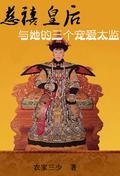 Empress Dowager Cixi and Her Three Favored Eunuchs 慈禧皇后与她的三个宠爱太监
[Eunuchs + Palace Secrets + Empress Dowager Cixi + Court Intrigue] From the time Empress Dowager Cixi entered the palace to the day she ruled from behind the curtain, she shared an unusual relationship with three eunuchs: An Dehai, Li Lianying, and Xiao Dezhang. They were like master and servants, like friends, and more than anything, like old companions. She doted on the three eunuchs, who relied on her favor to do as they pleased, throw their weight around, and take part in court affairs. This
51.8kReads9.0Score3.1kShelves
Empress Dowager Cixi and Her Three Favored Eunuchs 慈禧皇后与她的三个宠爱太监
[Eunuchs + Palace Secrets + Empress Dowager Cixi + Court Intrigue] From the time Empress Dowager Cixi entered the palace to the day she ruled from behind the curtain, she shared an unusual relationship with three eunuchs: An Dehai, Li Lianying, and Xiao Dezhang. They were like master and servants, like friends, and more than anything, like old companions. She doted on the three eunuchs, who relied on her favor to do as they pleased, throw their weight around, and take part in court affairs. This
51.8kReads9.0Score3.1kShelves
Reader note
-
182
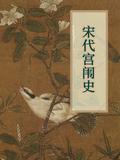 The History of the Song Dynasty’s Imperial Court 宋代宫闱史
Drawing on official histories, unofficial accounts, and folk legends, this work offers a profound portrayal of the emperor's emotional world alongside a detailed depiction of life in the palace. It vividly recreates the lives of emperors and empresses in the secluded inner palace, while also offering readers interested in history clues to follow.
76.8kReads9.4Score964Shelves
The History of the Song Dynasty’s Imperial Court 宋代宫闱史
Drawing on official histories, unofficial accounts, and folk legends, this work offers a profound portrayal of the emperor's emotional world alongside a detailed depiction of life in the palace. It vividly recreates the lives of emperors and empresses in the secluded inner palace, while also offering readers interested in history clues to follow.
76.8kReads9.4Score964Shelves
Reader note
-
183
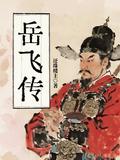 The Legend of Yue Fei 岳飞传
A historical epic novel by Huan Zhu Lou Zhu. Based on the life of Yue Fei, the famous Southern Song general who fought against the Jin, it begins with Yue Fei learning martial arts as a boy and vowing to serve his country. It vividly depicts how he formed the Yue Family Army, fought the Jin forces, and won one victory after another, until he was framed by treacherous officials and met a tragic end. The novel celebrates his unwavering loyalty and devotion to his country.
925Reads9.6Score—Shelves
The Legend of Yue Fei 岳飞传
A historical epic novel by Huan Zhu Lou Zhu. Based on the life of Yue Fei, the famous Southern Song general who fought against the Jin, it begins with Yue Fei learning martial arts as a boy and vowing to serve his country. It vividly depicts how he formed the Yue Family Army, fought the Jin forces, and won one victory after another, until he was framed by treacherous officials and met a tragic end. The novel celebrates his unwavering loyalty and devotion to his country.
925Reads9.6Score—Shelves
-
184
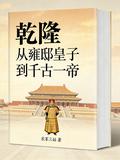 I Am Hongli, Building a Golden Age for the Qing Dynasty 朕是弘历打造大清盛世
[Political Intrigue + Harem Rivalries + Factional Strife + Romance + Emperor] Hongli ascended the throne at twenty-five and ruled for sixty years, making him the longest-reigning and longest-lived emperor in history. He governed with diligence, excelling in both civil and military affairs, and led the Qing to the height of its golden age. Yet factional strife raged through the court, conflicts in the deep palace never ceased, and danger lurked behind the splendor. In the end, the golden age ga
5.8kReads8.3Score293Shelves
I Am Hongli, Building a Golden Age for the Qing Dynasty 朕是弘历打造大清盛世
[Political Intrigue + Harem Rivalries + Factional Strife + Romance + Emperor] Hongli ascended the throne at twenty-five and ruled for sixty years, making him the longest-reigning and longest-lived emperor in history. He governed with diligence, excelling in both civil and military affairs, and led the Qing to the height of its golden age. Yet factional strife raged through the court, conflicts in the deep palace never ceased, and danger lurked behind the splendor. In the end, the golden age ga
5.8kReads8.3Score293Shelves
Reader note
-
185
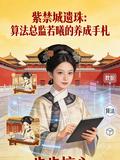 The Forbidden City’s Lost Pearl: Director Ruoxi’s Growth Diary 紫禁城遗珠:总监若曦的养成手札
After the bloody struggle among the nine princes for the throne, Maertai Ruoxi, the most quick-witted and perceptive female court attendant in the Forbidden City, closed her eyes for the last time. When she opened them again, she was in a glass-walled conference room, with a clicker for flipping through a PowerPoint presentation pointed at her. At 28, burdened by the threat of being laid off at 35, she is a mid-level product manager suddenly assigned to the most cutthroat AI division at Nebula T
7Reads—Score—Shelves
The Forbidden City’s Lost Pearl: Director Ruoxi’s Growth Diary 紫禁城遗珠:总监若曦的养成手札
After the bloody struggle among the nine princes for the throne, Maertai Ruoxi, the most quick-witted and perceptive female court attendant in the Forbidden City, closed her eyes for the last time. When she opened them again, she was in a glass-walled conference room, with a clicker for flipping through a PowerPoint presentation pointed at her. At 28, burdened by the threat of being laid off at 35, she is a mid-level product manager suddenly assigned to the most cutthroat AI division at Nebula T
7Reads—Score—Shelves
-
186
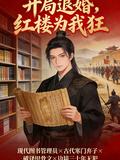 Breaking Off the Engagement from the Start, I Rule the Red Chamber 开局退婚,红楼为我狂
A modern librarian transmigrates into the body of an impoverished ancient-era castoff. The moment he wakes, his aristocratic fiancée publicly tears up their betrothal agreement. What she doesn’t know is that he has a digital library containing all of Huaxia in his mind. The Grand Princess has been poisoned by a rare toxin? He casually writes out a prescription from Compendium of Materia Medica, and the imperial physicians beg to become his disciples. Northern barbarians taunt the empire with tex
36Reads—Score—Shelves
Breaking Off the Engagement from the Start, I Rule the Red Chamber 开局退婚,红楼为我狂
A modern librarian transmigrates into the body of an impoverished ancient-era castoff. The moment he wakes, his aristocratic fiancée publicly tears up their betrothal agreement. What she doesn’t know is that he has a digital library containing all of Huaxia in his mind. The Grand Princess has been poisoned by a rare toxin? He casually writes out a prescription from Compendium of Materia Medica, and the imperial physicians beg to become his disciples. Northern barbarians taunt the empire with tex
36Reads—Score—Shelves
-
187
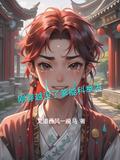 I Sing the Song of Mortals for You 吾为君吟凡人歌
[Male-Oriented, Transmigration, Fictional Setting, Farming, Everyday Life, Imperial Examinations, No System, No Golden Finger, Rural Life, Rustic Setting, One Heroine, Not a Power Fantasy] Lin Zezu, an ordinary nobody from Blue Star, transmigrates to the fictional Wu Kingdom. He arrives just as the original body's father, a scholar, dies of illness. Since the original body's birth mother was a brothel girl, his stepmother and eldest half-brother in the Lin family never treated him well. After Ma
4Reads6.4Score—Shelves
I Sing the Song of Mortals for You 吾为君吟凡人歌
[Male-Oriented, Transmigration, Fictional Setting, Farming, Everyday Life, Imperial Examinations, No System, No Golden Finger, Rural Life, Rustic Setting, One Heroine, Not a Power Fantasy] Lin Zezu, an ordinary nobody from Blue Star, transmigrates to the fictional Wu Kingdom. He arrives just as the original body's father, a scholar, dies of illness. Since the original body's birth mother was a brothel girl, his stepmother and eldest half-brother in the Lin family never treated him well. After Ma
4Reads6.4Score—Shelves
Reader note
-
188
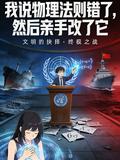 I Said the Laws of Physics Were Wrong, Then I Changed Them 我说:物理法则错了,然后改了
You think a technologically powerful nation is one that builds photolithography machines and aircraft carriers. But I chose a different path. I stepped onto the UN stage and, under the gaze of seven billion people, used a single formula to turn the waters of the Pacific into steel. They called me a god, and they feared me as a devil. All I know is that when other nations’ warships made desperate turns before the “rigid-body ocean” I had defined, China’s journey to the stars and the seas had only
—Reads—Score—Shelves
I Said the Laws of Physics Were Wrong, Then I Changed Them 我说:物理法则错了,然后改了
You think a technologically powerful nation is one that builds photolithography machines and aircraft carriers. But I chose a different path. I stepped onto the UN stage and, under the gaze of seven billion people, used a single formula to turn the waters of the Pacific into steel. They called me a god, and they feared me as a devil. All I know is that when other nations’ warships made desperate turns before the “rigid-body ocean” I had defined, China’s journey to the stars and the seas had only
—Reads—Score—Shelves
-
189
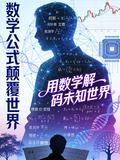 I Use Mathematical Formulas to Change the World 我用数学公式颠覆世界
Reborn, Lin Mo bound himself to the Truth-Deriving System, never imagining that formulas could do more than calculate fate: they could create technology. He used Bayes’ theorem to predict the ups and downs of the stock market, rebuilt chip architecture with topology, and derived genetic sequences using partial differential equations. The tech tycoons scoffed, “That’s just armchair theorizing.” Then they watched a single line of equations crack their company’s secrets wide open. Late one night, a
1Reads—Score—Shelves
I Use Mathematical Formulas to Change the World 我用数学公式颠覆世界
Reborn, Lin Mo bound himself to the Truth-Deriving System, never imagining that formulas could do more than calculate fate: they could create technology. He used Bayes’ theorem to predict the ups and downs of the stock market, rebuilt chip architecture with topology, and derived genetic sequences using partial differential equations. The tech tycoons scoffed, “That’s just armchair theorizing.” Then they watched a single line of equations crack their company’s secrets wide open. Late one night, a
1Reads—Score—Shelves
-
190
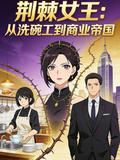 Queen of Thorns: From Dishwasher to Business Empire 荆棘女王:从洗碗工到商业帝国
At a glittering, high-end auction, a multinational CEO contemptuously tossed a contract worth hundreds of millions at the feet of Lin Wanzhou, a dishwasher. “People from the bottom will never understand what this is worth.” As the room erupted in laughter, she silently crouched down and picked it up with hands roughened by years of soaking in water. Then she connected her phone to the projector. In five minutes, using fragments of information she had overheard at the banquet, she worked out thre
1Reads—Score—Shelves
Queen of Thorns: From Dishwasher to Business Empire 荆棘女王:从洗碗工到商业帝国
At a glittering, high-end auction, a multinational CEO contemptuously tossed a contract worth hundreds of millions at the feet of Lin Wanzhou, a dishwasher. “People from the bottom will never understand what this is worth.” As the room erupted in laughter, she silently crouched down and picked it up with hands roughened by years of soaking in water. Then she connected her phone to the projector. In five minutes, using fragments of information she had overheard at the banquet, she worked out thre
1Reads—Score—Shelves
-
191
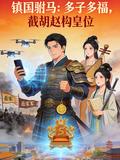 The Nation-Defending Prince Consort: More Children, More Blessings, and I Steal Zhao Gou’s Opportunities 镇国驸马:多子多福,截胡赵构
Transmigrated as Yue Yun, with only one year left before the “Fengbo Pavilion”! The moment modern strategic consultant Yue Yun opens his eyes, he has become Yue Yun, a formidable general of the Southern Song and son of Yue Fei. Bianliang lies tantalizingly within reach, twelve death warrants loom behind him, and the tragic ending recorded in the history books, the “unfounded” charges, is already counting down. “Loyalty to the country? No. This time, I will be loyal to my family, and more than th
1Reads—Score—Shelves
The Nation-Defending Prince Consort: More Children, More Blessings, and I Steal Zhao Gou’s Opportunities 镇国驸马:多子多福,截胡赵构
Transmigrated as Yue Yun, with only one year left before the “Fengbo Pavilion”! The moment modern strategic consultant Yue Yun opens his eyes, he has become Yue Yun, a formidable general of the Southern Song and son of Yue Fei. Bianliang lies tantalizingly within reach, twelve death warrants loom behind him, and the tragic ending recorded in the history books, the “unfounded” charges, is already counting down. “Loyalty to the country? No. This time, I will be loyal to my family, and more than th
1Reads—Score—Shelves
-
192
 From the Ballet Company to Waterloo Bridge: Sex and Survival 从芭蕾舞团到滑铁卢桥:性与生存
From the Ballet Company to Waterloo Bridge: Sex and Survival
2Reads—Score—Shelves
From the Ballet Company to Waterloo Bridge: Sex and Survival 从芭蕾舞团到滑铁卢桥:性与生存
From the Ballet Company to Waterloo Bridge: Sex and Survival
2Reads—Score—Shelves
Reader note
-
193
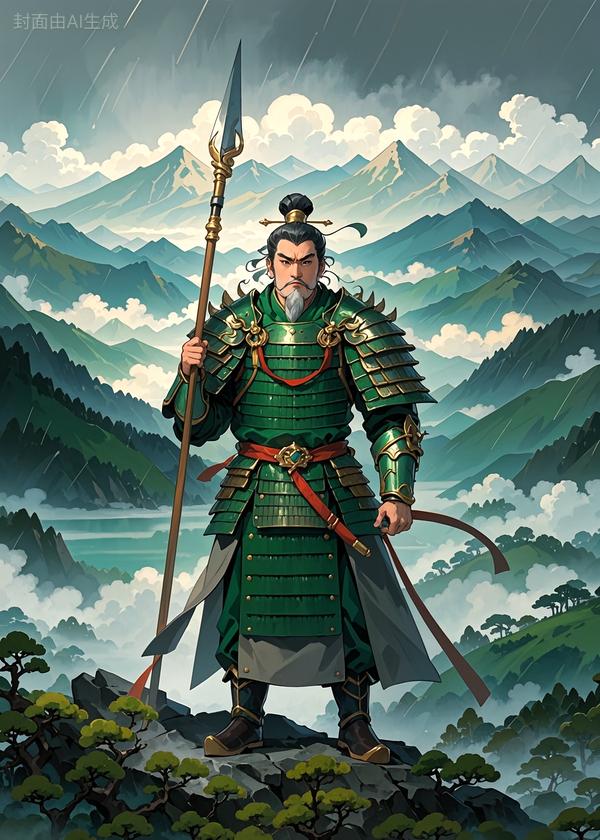 Fang La, Holy Duke, Carves Out His Own Domain, While Song Jiang Prepares to March South 方腊圣公割据一方,宋江遵命即将南下
Saint Duke Fang La has carved out a domain of his own, while Song Jiang is about to head south under orders.
11Reads—Score—Shelves
Fang La, Holy Duke, Carves Out His Own Domain, While Song Jiang Prepares to March South 方腊圣公割据一方,宋江遵命即将南下
Saint Duke Fang La has carved out a domain of his own, while Song Jiang is about to head south under orders.
11Reads—Score—Shelves
-
194
 Slaughter, Despair, and Redemption on the Spanish Battlefield 西班牙战场的杀戮、无奈和救赎
The slaughter, helplessness, and redemption of the Spanish battlefield
6Reads—Score—Shelves
Slaughter, Despair, and Redemption on the Spanish Battlefield 西班牙战场的杀戮、无奈和救赎
The slaughter, helplessness, and redemption of the Spanish battlefield
6Reads—Score—Shelves
-
195
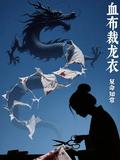 A Dragon Robe Cut from Bloodstained Cloth 血布裁龙衣
A length of coarse, old hemp cloth, soaked through with blood and tears in the Han Palace's weaving workshop, bore the humiliation of Consort Bo's fall from favored concubine in the Wei Palace to a life in the dust. It also carried the prophecy that she would "bear the Son of Heaven" and the life-saving lie that a "blue dragon coiled around her belly." It witnessed her clutching her young son Liu Heng as she escaped the palace, where Empress Lu had slaughtered her way through the harem, and fled
3Reads—Score—Shelves
A Dragon Robe Cut from Bloodstained Cloth 血布裁龙衣
A length of coarse, old hemp cloth, soaked through with blood and tears in the Han Palace's weaving workshop, bore the humiliation of Consort Bo's fall from favored concubine in the Wei Palace to a life in the dust. It also carried the prophecy that she would "bear the Son of Heaven" and the life-saving lie that a "blue dragon coiled around her belly." It witnessed her clutching her young son Liu Heng as she escaped the palace, where Empress Lu had slaughtered her way through the harem, and fled
3Reads—Score—Shelves
Reader note
-
196
 The Chronicles of Later Zhao, Volume One: The Biography of Shi Le 后赵演义第一卷石勒传
Shi Le (274–333) was the only person in Chinese history to rise from slavery to the throne. Born into the lower ranks of the Jie people, he was once sold into slavery. He later rose to prominence with a band of “eighteen horsemen,” unified much of northern China, and founded the Later Zhao regime. During his rule, he introduced a number of reforms: he established the Imperial Academy, reduced taxes and corvée labor, and appointed the Han official Zhang Bin to high office. He also created a “thre
167Reads—Score—Shelves
The Chronicles of Later Zhao, Volume One: The Biography of Shi Le 后赵演义第一卷石勒传
Shi Le (274–333) was the only person in Chinese history to rise from slavery to the throne. Born into the lower ranks of the Jie people, he was once sold into slavery. He later rose to prominence with a band of “eighteen horsemen,” unified much of northern China, and founded the Later Zhao regime. During his rule, he introduced a number of reforms: he established the Imperial Academy, reduced taxes and corvée labor, and appointed the Han official Zhang Bin to high office. He also created a “thre
167Reads—Score—Shelves
Reader note
-
197
 The Last Emperor of the Shang Dynasty 殇朝末帝
The Empress Dowager seizes power, her relatives meddle in government, princes rebel, eunuchs wreak havoc, barbarians invade, the people suffer, and the common folk rise up… The Great Zhou dynasty is a pot of Eight-Treasure Congee boiling over with chaos! Oh no, I’ve wet myself again! Your Majesty, don’t cry. There’s nothing to be afraid of! Reborn for a second life, I’m the last emperor, and the nation is on the verge of collapse. I have to find a way out… After finally setting the Great Zhou dy
1Reads—Score—Shelves
The Last Emperor of the Shang Dynasty 殇朝末帝
The Empress Dowager seizes power, her relatives meddle in government, princes rebel, eunuchs wreak havoc, barbarians invade, the people suffer, and the common folk rise up… The Great Zhou dynasty is a pot of Eight-Treasure Congee boiling over with chaos! Oh no, I’ve wet myself again! Your Majesty, don’t cry. There’s nothing to be afraid of! Reborn for a second life, I’m the last emperor, and the nation is on the verge of collapse. I have to find a way out… After finally setting the Great Zhou dy
1Reads—Score—Shelves
Reader note
-
198
 Yifan Is Anything but Ordinary 一凡不凡
My new work is out! Welcome to read it on Tomato Novel. I hope you'll enjoy it. Your support inspires me to write, and I'll do my best to tell every story well!
5Reads—Score—Shelves
Yifan Is Anything but Ordinary 一凡不凡
My new work is out! Welcome to read it on Tomato Novel. I hope you'll enjoy it. Your support inspires me to write, and I'll do my best to tell every story well!
5Reads—Score—Shelves
-
199
 The Crime of Love 爱的罪行
The son of a drug dealer and the daughter of a police officer grow up happily, unaware of the truth! As the truth slowly comes to light, what kind of story will emerge from their tangled love and hatred? A crime born of love...
1Reads—Score—Shelves
The Crime of Love 爱的罪行
The son of a drug dealer and the daughter of a police officer grow up happily, unaware of the truth! As the truth slowly comes to light, what kind of story will emerge from their tangled love and hatred? A crime born of love...
1Reads—Score—Shelves
-
200
 A Complete Guide to Reading Zhuangzi 庄子通读本
The Zhuangzi is a collection of philosophical essays written by Zhuang Zhou, a major Daoist thinker of the Warring States period, and his later followers. Also known as the Scripture of Nanhua, it is often paired with the Laozi as the “Lao-Zhuang” tradition and is a key text of Daoist thought. The work survives in 33 chapters, divided into Inner Chapters, Outer Chapters, and Miscellaneous Chapters. It is generally believed that the seven Inner Chapters were written by Zhuangzi himself and expres
59Reads—Score—Shelves
A Complete Guide to Reading Zhuangzi 庄子通读本
The Zhuangzi is a collection of philosophical essays written by Zhuang Zhou, a major Daoist thinker of the Warring States period, and his later followers. Also known as the Scripture of Nanhua, it is often paired with the Laozi as the “Lao-Zhuang” tradition and is a key text of Daoist thought. The work survives in 33 chapters, divided into Inner Chapters, Outer Chapters, and Miscellaneous Chapters. It is generally believed that the seven Inner Chapters were written by Zhuangzi himself and expres
59Reads—Score—Shelves
Reader note