Qi training, foundation building, elixir formation, golden elixir, Nascent Soul, transformation of gods, distraction, integration, Mahayana, transcending tribulations, scattered immortals, heavenly immortals, true immortals, golden immortals, and mysterious immortals. Do you have any recommendations like this?
In this list
354 books · page 1 of 8
-
1
十
 End of Ten Days
Pesticide Team MemberMystery3.2M Wordscompleted
2.4MReads9.9Score387.5kShelves
End of Ten Days
Pesticide Team MemberMystery3.2M Wordscompleted
2.4MReads9.9Score387.5kShelves
-
2
悍
 The Record of Cultivating Immortals by Ruthless Bandits
Help the Old Lady Every DayEastern Fantasy3.4M Wordsongoing
68.9kReads8.1Score4.5kShelves
The Record of Cultivating Immortals by Ruthless Bandits
Help the Old Lady Every DayEastern Fantasy3.4M Wordsongoing
68.9kReads8.1Score4.5kShelves
Reader note
Refining Qi and cultivating immortality,
-
3
药
 Medicine God Cauldron
Fat RadishEastern Fantasy4.5M Wordscompleted
111.9kReads9.0Score15kShelves
Medicine God Cauldron
Fat RadishEastern Fantasy4.5M Wordscompleted
111.9kReads9.0Score15kShelves
Reader note
Refining Qi and cultivating immortality,
-
4
逐
 After Being Kicked Out of My House, I Sold Fish to Become Immortal
Help the Old Lady Every DayEastern Fantasy4.7M Wordscompleted
13.6kReads8.6Score1kShelves
After Being Kicked Out of My House, I Sold Fish to Become Immortal
Help the Old Lady Every DayEastern Fantasy4.7M Wordscompleted
13.6kReads8.6Score1kShelves
Reader note
Refining Qi and cultivating immortality,
-
5
底
 The Bottom Layer of Casual Repair, I Can See the Property Panel
Help Grandpa Every DayEastern Fantasy1.4M Wordscompleted
13.9kReads6.9Score1.2kShelves
The Bottom Layer of Casual Repair, I Can See the Property Panel
Help Grandpa Every DayEastern Fantasy1.4M Wordscompleted
13.9kReads6.9Score1.2kShelves
Reader note
Refining Qi and cultivating immortality,
-
6
杂
 Miscellaneous Repairs
A Snail That Keeps WalkingEastern Fantasy2.5M Wordscompleted
36.9kReads8.9Score4.2kShelves
Miscellaneous Repairs
A Snail That Keeps WalkingEastern Fantasy2.5M Wordscompleted
36.9kReads8.9Score4.2kShelves
Reader note
Traditional cultivation of immortality includes Qi refining, foundation building, golden elixir, Yuanying, distraction, void refining, body integration, tribulation transcending, Mahayana, plus loose immortality. [Mortal Realm] - [Cultivation Realm] - [Fairy Realm, Underworld, Demon Realm...] - [Void Realm (God Realm)] - [...]
-
8
清
 Qing Jing Sutra
Anonymouscompleted
—Reads9.4Score—Shelves
Qing Jing Sutra
Anonymouscompleted
—Reads9.4Score—Shelves
Reader note
Traditional cultural wisdom: a guide to self-cultivation and morality. In our long history of culture, Confucianism, Taoism, Buddhism, Wang Yangming's philosophy of mind, and Zhang Defen's works, as well as the concept of pursuing the path to immortality, all contain endless wisdom and point us in the direction of self-cultivation and morality and how to behave in the world. 1. Confucianism: advocates "benevolence, righteousness, etiquette, wisdom, and faith." "Filial piety is the first of all virtues", filial piety is the respect and support for parents and elders; friendship and mutual help between brothers and sisters; loyalty to the emperor, patriotism, respect for one's job and love for one's career reflect loyalty; "A person cannot stand without trust", trust is the criterion for living in life; etiquette regulates our behavior and respects teachers and ethics; righteousness allows us to adhere to justice and maintain chastity; integrity requires us to be spotless and upright; shame enables us to distinguish right from wrong and keep the bottom line of being a human being. Everything starts from oneself, guided by Confucianism, and constantly improves oneself. 2. Taoism: It advocates conforming to nature, following the fundamental law "Tao" of all things in the universe, governing by doing nothing, and not imposing interference. It is virtue to uphold a simple and pure nature, have noble moral character, and not fight for benefits. A pure heart, not disturbed by worldly complexities and desires, is pure; keep quiet and peaceful, gain insight into all things in tranquility, and practice physical and mental tranquility; let go of yourself, not be bound by prejudices and inherent concepts, accept the so-called emptiness of the world with an open and tolerant heart; understand the state of "nothing" In the world, let go of the attachment to tangible materials and fame and wealth, and return to the true nature of nothingness; to deal with the world with a gentle and humble attitude, like water, which seems to be weak but contains powerful power, that is, softness; to pursue harmony, to live in harmony with nature and others, and to live in peace without creating conflicts and disputes. 3. Buddhism: To be compassionate, to feel the suffering of all living beings, to give care and help is compassion; to pity the suffering of all living beings, and to help them escape from the sea of suffering is compassion; to rejoice in the happiness and happiness of all living beings, and to be free from jealousy, hatred, and hatred; to give up greed, anger, ignorance, pride, and suspicion, and to let go of the pursuit of worldly desires and obsessions is renunciation; to observe the precepts, Regulate your own behavior and refrain from doing things that harm sentient beings and violate morality; practice meditation, focus on your heart, and not be disturbed by the outside world, so as to gain wisdom and concentration, that is, concentration; open up wisdom, gain insight into the essence of things, and get rid of troubles and confusion as wisdom; understand the true meaning of "emptiness" and understand that everything in the world is illusion, and not being attached to appearances is emptiness. We should not be attached to form on the outside, and we should not be attached to emptiness on the inside. We should have nothing to live in, and our mind should be born. The past cannot be grasped, the present cannot be grasped, and the future cannot be grasped. 4. Wang Yangming's Theory of Mind: Emphasizes that "the heart is reason", the heart is the ontology of all things in the universe, and all moral norms and truths originate from the heart. Conscience is our innate moral judgment and intuitive ability. It can distinguish right from wrong, good and evil, and is the fundamental criterion for being a human being. Through constant self-reflection and practice, we can remove the cover of selfish desires and extend our inner conscience to all things, that is, conscience. Knowledge and action are integrated. Once you have correct cognition, you must put it into action, deepen your cognition in action, and avoid empty talk. This is the unity of knowledge and action. Make your thoughts sincere, do not deceive yourself, be pure in heart, and be sincere; care for the people, actively participate in society, and benefit the people with practical actions; explore the principles of nature in specific things, and improve yourself through understanding and practice of things; establish lofty aspirations, clarify life goals, and make unremitting efforts to realize your ideals. 5. Zhang Defen's works: In "Meeting the Unknown Self", he advocates inner tranquility and far-reaching, abandoning impetuous and troubled silence; constant self-reflection, insight into inner thoughts; understanding the true meaning of life, and understanding the wisdom of life; letting go of unnecessary burdens and liberating the shackles of the soul; loving kindness and kindness in the heart, the love that warms all things in the world; harmonizing the body and mind, accepting the harmony of the complete self; awakening inner awareness, insight into the truth of life, and exploring everything from the heart. "Meet Your Dreams Come True" encourages us to have beautiful dreams and illuminate the way forward; to set firm aspirations and anchor the goals we strive for; to work diligently and accumulate the capital for success; to be brave enough to innovate and break through the limitations of thinking; to persevere and persevere without fear of hardships and obstacles; to be good at seizing opportunities and keenly discerning the goodness of opportunities; to plan actions rationally, promote the integration of dreams in an orderly manner, and realize dreams starting from the present. "Live a New Self" inspires us to bravely challenge ourselves and break through the boundaries of comfort; actively embrace change and welcome new possible changes; continue to learn and grow to improve our own quality; decisively let go of the past and say goodbye to old patterns; maintain an optimistic attitude and laugh at the ups and downs of life; pay attention to physical and mental health and consolidate the foundation of life; stick to your true self and show your unique style. Everything starts with change. 6. Pursuing the path to immortality: pay attention to quietness to cultivate one's self, stay away from the hustle and bustle of the world, and clarify the heart; be kind-hearted, have compassion and love in the heart, and build good relationships; understand the principles of heaven, have insight into all phenomena in the world, and have a clear mind and nature; be humble in life, neither arrogant nor impetuous nor discouraged, and be open-minded; and Live in harmony, be one with all things, and conform to nature; be patient and restrained, tolerate things that are difficult to tolerate, and cultivate an open-minded mind; be willing to let go, put aside fame and wealth, and get rid of the fetters; practice diligently, improve your own skills, and practice the path of seeking the Tao from the moment. These precious cultural treasures guide us on the road of life to continuously improve ourselves, cultivate moral character, face various challenges in life with a positive and healthy attitude and behavior, realize the value of life, and gain inner peace and happiness. I hope everyone can draw strength from it and let the wisdom of traditional culture shine in our lives. We also welcome sharing this wisdom with more people in need. [The masterpiece of bird food[laugh][like]
-
11
活
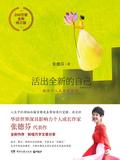 Live *****
completed
—Reads5.8Score—Shelves
Live *****
completed
—Reads5.8Score—Shelves
Reader note
Traditional cultural wisdom: a guide to self-cultivation and morality. In our long history of culture, Confucianism, Taoism, Buddhism, Wang Yangming's philosophy of mind, and Zhang Defen's works, as well as the concept of pursuing the path to immortality, all contain endless wisdom and point us in the direction of self-cultivation and morality and how to behave in the world. 1. Confucianism: advocates "benevolence, righteousness, etiquette, wisdom, and faith." "Filial piety is the first of all virtues", filial piety is the respect and support for parents and elders; friendship and mutual help between brothers and sisters; loyalty to the emperor, patriotism, respect for one's job and love for one's career reflect loyalty; "A person cannot stand without trust", trust is the criterion for living in life; etiquette regulates our behavior and respects teachers and ethics; righteousness allows us to adhere to justice and maintain chastity; integrity requires us to be spotless and upright; shame enables us to distinguish right from wrong and keep the bottom line of being a human being. Everything starts from oneself, guided by Confucianism, and constantly improves oneself. 2. Taoism: It advocates conforming to nature, following the fundamental law "Tao" of all things in the universe, governing by doing nothing, and not imposing interference. It is virtue to uphold a simple and pure nature, have noble moral character, and not fight for benefits. A pure heart, not disturbed by worldly complexities and desires, is pure; keep quiet and peaceful, gain insight into all things in tranquility, and practice physical and mental tranquility; let go of yourself, not be bound by prejudices and inherent concepts, accept the so-called emptiness of the world with an open and tolerant heart; understand the state of "nothing" In the world, let go of the attachment to tangible materials and fame and wealth, and return to the true nature of nothingness; to deal with the world with a gentle and humble attitude, like water, which seems to be weak but contains powerful power, that is, softness; to pursue harmony, to live in harmony with nature and others, and to live in peace without creating conflicts and disputes. 3. Buddhism: To be compassionate, to feel the suffering of all living beings, to give care and help is compassion; to pity the suffering of all living beings, and to help them escape from the sea of suffering is compassion; to rejoice in the happiness and happiness of all living beings, and to be free from jealousy, hatred, and hatred; to give up greed, anger, ignorance, pride, and suspicion, and to let go of the pursuit of worldly desires and obsessions is renunciation; to observe the precepts, Regulate your own behavior and refrain from doing things that harm sentient beings and violate morality; practice meditation, focus on your heart, and not be disturbed by the outside world, so as to gain wisdom and concentration, that is, concentration; open up wisdom, gain insight into the essence of things, and get rid of troubles and confusion as wisdom; understand the true meaning of "emptiness" and understand that everything in the world is illusion, and not being attached to appearances is emptiness. We should not be attached to form on the outside, and we should not be attached to emptiness on the inside. We should have nothing to live in, and our mind should be born. The past cannot be grasped, the present cannot be grasped, and the future cannot be grasped. 4. Wang Yangming's Theory of Mind: Emphasizes that "the heart is reason", the heart is the ontology of all things in the universe, and all moral norms and truths originate from the heart. Conscience is our innate moral judgment and intuitive ability. It can distinguish right from wrong, good and evil, and is the fundamental criterion for being a human being. Through constant self-reflection and practice, we can remove the cover of selfish desires and extend our inner conscience to all things, that is, conscience. Knowledge and action are integrated. Once you have correct cognition, you must put it into action, deepen your cognition in action, and avoid empty talk. This is the unity of knowledge and action. Make your thoughts sincere, do not deceive yourself, be pure in heart, and be sincere; care for the people, actively participate in society, and benefit the people with practical actions; explore the principles of nature in specific things, and improve yourself through understanding and practice of things; establish lofty aspirations, clarify life goals, and make unremitting efforts to realize your ideals. 5. Zhang Defen's works: In "Meeting the Unknown Self", he advocates inner tranquility and far-reaching, abandoning impetuous and troubled silence; constant self-reflection, insight into inner thoughts; understanding the true meaning of life, and understanding the wisdom of life; letting go of unnecessary burdens and liberating the shackles of the soul; loving kindness and kindness in the heart, the love that warms all things in the world; harmonizing the body and mind, accepting the harmony of the complete self; awakening inner awareness, insight into the truth of life, and exploring everything from the heart. "Meet Your Dreams Come True" encourages us to have beautiful dreams and illuminate the way forward; to set firm aspirations and anchor the goals we strive for; to work diligently and accumulate the capital for success; to be brave enough to innovate and break through the limitations of thinking; to persevere and persevere without fear of hardships and obstacles; to be good at seizing opportunities and keenly discerning the goodness of opportunities; to plan actions rationally, promote the integration of dreams in an orderly manner, and realize dreams starting from the present. "Live a New Self" inspires us to bravely challenge ourselves and break through the boundaries of comfort; actively embrace change and welcome new possible changes; continue to learn and grow to improve our own quality; decisively let go of the past and say goodbye to old patterns; maintain an optimistic attitude and laugh at the ups and downs of life; pay attention to physical and mental health and consolidate the foundation of life; stick to your true self and show your unique style. Everything starts with change. 6. Pursuing the path to immortality: pay attention to quietness to cultivate one's self, stay away from the hustle and bustle of the world, and clarify the heart; be kind-hearted, have compassion and love in the heart, and build good relationships; understand the principles of heaven, have insight into all phenomena in the world, and have a clear mind and nature; be humble in life, neither arrogant nor impetuous nor discouraged, and be open-minded; and Live in harmony, be one with all things, and conform to nature; be patient and restrained, tolerate things that are difficult to tolerate, and cultivate an open-minded mind; be willing to let go, put aside fame and wealth, and get rid of the fetters; practice diligently, improve your own skills, and practice the path of seeking the Tao from the moment. These precious cultural treasures guide us on the road of life to continuously improve ourselves, cultivate moral character, face various challenges in life with a positive and healthy attitude and behavior, realize the value of life, and gain inner peace and happiness. I hope everyone can draw strength from it and let the wisdom of traditional culture shine in our lives. We also welcome sharing this wisdom with more people in need. [The masterpiece of bird food[laugh][like]
-
13
论
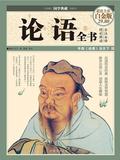 The Analects of Confucius (Chinese Studies Collection)
Confucius; Si Lucompleted
—Reads9.5Score—Shelves
The Analects of Confucius (Chinese Studies Collection)
Confucius; Si Lucompleted
—Reads9.5Score—Shelves
Reader note
Traditional cultural wisdom: a guide to self-cultivation and morality. In our long history of culture, Confucianism, Taoism, Buddhism, Wang Yangming's philosophy of mind, and Zhang Defen's works, as well as the concept of pursuing the path to immortality, all contain endless wisdom and point us in the direction of self-cultivation and morality and how to behave in the world. 1. Confucianism: advocates "benevolence, righteousness, etiquette, wisdom, and faith." "Filial piety is the first of all virtues", filial piety is the respect and support for parents and elders; friendship and mutual help between brothers and sisters; loyalty to the emperor, patriotism, respect for one's job and love for one's career reflect loyalty; "A person cannot stand without trust", trust is the criterion for living in life; etiquette regulates our behavior and respects teachers and ethics; righteousness allows us to adhere to justice and maintain chastity; integrity requires us to be spotless and upright; shame enables us to distinguish right from wrong and keep the bottom line of being a human being. Everything starts from oneself, guided by Confucianism, and constantly improves oneself. 2. Taoism: It advocates conforming to nature, following the fundamental law "Tao" of all things in the universe, governing by doing nothing, and not imposing interference. It is virtue to uphold a simple and pure nature, have noble moral character, and not fight for benefits. A pure heart, not disturbed by worldly complexities and desires, is pure; keep quiet and peaceful, gain insight into all things in tranquility, and practice physical and mental tranquility; let go of yourself, not be bound by prejudices and inherent concepts, accept the so-called emptiness of the world with an open and tolerant heart; understand the state of "nothing" In the world, let go of the attachment to tangible materials and fame and wealth, and return to the true nature of nothingness; to deal with the world with a gentle and humble attitude, like water, which seems to be weak but contains powerful power, that is, softness; to pursue harmony, to live in harmony with nature and others, and to live in peace without creating conflicts and disputes. 3. Buddhism: To be compassionate, to feel the suffering of all living beings, to give care and help is compassion; to pity the suffering of all living beings, and to help them escape from the sea of suffering is compassion; to rejoice in the happiness and happiness of all living beings, and to be free from jealousy, hatred, and hatred; to give up greed, anger, ignorance, pride, and suspicion, and to let go of the pursuit of worldly desires and obsessions is renunciation; to observe the precepts, Regulate your own behavior and refrain from doing things that harm sentient beings and violate morality; practice meditation, focus on your heart, and not be disturbed by the outside world, so as to gain wisdom and concentration, that is, concentration; open up wisdom, gain insight into the essence of things, and get rid of troubles and confusion as wisdom; understand the true meaning of "emptiness" and understand that everything in the world is illusion, and not being attached to appearances is emptiness. We should not be attached to form on the outside, and we should not be attached to emptiness on the inside. We should have nothing to live in, and our mind should be born. The past cannot be grasped, the present cannot be grasped, and the future cannot be grasped. 4. Wang Yangming's Theory of Mind: Emphasizes that "the heart is reason", the heart is the ontology of all things in the universe, and all moral norms and truths originate from the heart. Conscience is our innate moral judgment and intuitive ability. It can distinguish right from wrong, good and evil, and is the fundamental criterion for being a human being. Through constant self-reflection and practice, we can remove the cover of selfish desires and extend our inner conscience to all things, that is, conscience. Knowledge and action are integrated. Once you have correct cognition, you must put it into action, deepen your cognition in action, and avoid empty talk. This is the unity of knowledge and action. Make your thoughts sincere, do not deceive yourself, be pure in heart, and be sincere; care for the people, actively participate in society, and benefit the people with practical actions; explore the principles of nature in specific things, and improve yourself through understanding and practice of things; establish lofty aspirations, clarify life goals, and make unremitting efforts to realize your ideals. 5. Zhang Defen's works: In "Meeting the Unknown Self", he advocates inner tranquility and far-reaching, abandoning impetuous and troubled silence; constant self-reflection, insight into inner thoughts; understanding the true meaning of life, and understanding the wisdom of life; letting go of unnecessary burdens and liberating the shackles of the soul; loving kindness and kindness in the heart, the love that warms all things in the world; harmonizing the body and mind, accepting the harmony of the complete self; awakening inner awareness, insight into the truth of life, and exploring everything from the heart. "Meet Your Dreams Come True" encourages us to have beautiful dreams and illuminate the way forward; to set firm aspirations and anchor the goals we strive for; to work diligently and accumulate the capital for success; to be brave enough to innovate and break through the limitations of thinking; to persevere and persevere without fear of hardships and obstacles; to be good at seizing opportunities and keenly discerning the goodness of opportunities; to plan actions rationally, promote the integration of dreams in an orderly manner, and realize dreams starting from the present. "Live a New Self" inspires us to bravely challenge ourselves and break through the boundaries of comfort; actively embrace change and welcome new possible changes; continue to learn and grow to improve our own quality; decisively let go of the past and say goodbye to old patterns; maintain an optimistic attitude and laugh at the ups and downs of life; pay attention to physical and mental health and consolidate the foundation of life; stick to your true self and show your unique style. Everything starts with change. 6. Pursuing the path to immortality: pay attention to quietness to cultivate one's self, stay away from the hustle and bustle of the world, and clarify the heart; be kind-hearted, have compassion and love in the heart, and build good relationships; understand the principles of heaven, have insight into all phenomena in the world, and have a clear mind and nature; be humble in life, neither arrogant nor impetuous nor discouraged, and be open-minded; and Live in harmony, be one with all things, and conform to nature; be patient and restrained, tolerate things that are difficult to tolerate, and cultivate an open-minded mind; be willing to let go, put aside fame and wealth, and get rid of the fetters; practice diligently, improve your own skills, and practice the path of seeking the Tao from the moment. These precious cultural treasures guide us on the road of life to continuously improve ourselves, cultivate moral character, face various challenges in life with a positive and healthy attitude and behavior, realize the value of life, and gain inner peace and happiness. I hope everyone can draw strength from it and let the wisdom of traditional culture shine in our lives. We also welcome sharing this wisdom with more people in need. [The masterpiece of bird food[laugh][like]
-
14
太
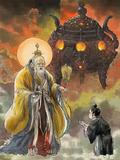 Taishang Laojun's Taoist Heart Is True
Stay Still SometimesEastern Fantasy223k Wordscompleted
1.3kReads6.7Score320Shelves
Taishang Laojun's Taoist Heart Is True
Stay Still SometimesEastern Fantasy223k Wordscompleted
1.3kReads6.7Score320Shelves
Reader note
Traditional cultural wisdom: a guide to self-cultivation and morality. In our long history of culture, Confucianism, Taoism, Buddhism, Wang Yangming's philosophy of mind, and Zhang Defen's works, as well as the concept of pursuing the path to immortality, all contain endless wisdom and point us in the direction of self-cultivation and morality and how to behave in the world. 1. Confucianism: advocates "benevolence, righteousness, etiquette, wisdom, and faith." "Filial piety is the first of all virtues", filial piety is the respect and support for parents and elders; friendship and mutual help between brothers and sisters; loyalty to the emperor, patriotism, respect for one's job and love for one's career reflect loyalty; "A person cannot stand without trust", trust is the criterion for living in life; etiquette regulates our behavior and respects teachers and ethics; righteousness allows us to adhere to justice and maintain chastity; integrity requires us to be spotless and upright; shame enables us to distinguish right from wrong and keep the bottom line of being a human being. Everything starts from oneself, guided by Confucianism, and constantly improves oneself. 2. Taoism: It advocates conforming to nature, following the fundamental law "Tao" of all things in the universe, governing by doing nothing, and not imposing interference. It is virtue to uphold a simple and pure nature, have noble moral character, and not fight for benefits. A pure heart, not disturbed by worldly complexities and desires, is pure; keep quiet and peaceful, gain insight into all things in tranquility, and practice physical and mental tranquility; let go of yourself, not be bound by prejudices and inherent concepts, accept the so-called emptiness of the world with an open and tolerant heart; understand the state of "nothing" In the world, let go of the attachment to tangible materials and fame and wealth, and return to the true nature of nothingness; to deal with the world with a gentle and humble attitude, like water, which seems to be weak but contains powerful power, that is, softness; to pursue harmony, to live in harmony with nature and others, and to live in peace without creating conflicts and disputes. 3. Buddhism: To be compassionate, to feel the suffering of all living beings, to give care and help is compassion; to pity the suffering of all living beings, and to help them escape from the sea of suffering is compassion; to rejoice in the happiness and happiness of all living beings, and to be free from jealousy, hatred, and hatred; to give up greed, anger, ignorance, pride, and suspicion, and to let go of the pursuit of worldly desires and obsessions is renunciation; to observe the precepts, Regulate your own behavior and refrain from doing things that harm sentient beings and violate morality; practice meditation, focus on your heart, and not be disturbed by the outside world, so as to gain wisdom and concentration, that is, concentration; open up wisdom, gain insight into the essence of things, and get rid of troubles and confusion as wisdom; understand the true meaning of "emptiness" and understand that everything in the world is illusion, and not being attached to appearances is emptiness. We should not be attached to form on the outside, and we should not be attached to emptiness on the inside. We should have nothing to live in, and our mind should be born. The past cannot be grasped, the present cannot be grasped, and the future cannot be grasped. 4. Wang Yangming's Theory of Mind: Emphasizes that "the heart is reason", the heart is the ontology of all things in the universe, and all moral norms and truths originate from the heart. Conscience is our innate moral judgment and intuitive ability. It can distinguish right from wrong, good and evil, and is the fundamental criterion for being a human being. Through constant self-reflection and practice, we can remove the cover of selfish desires and extend our inner conscience to all things, that is, conscience. Knowledge and action are integrated. Once you have correct cognition, you must put it into action, deepen your cognition in action, and avoid empty talk. This is the unity of knowledge and action. Make your thoughts sincere, do not deceive yourself, be pure in heart, and be sincere; care for the people, actively participate in society, and benefit the people with practical actions; explore the principles of nature in specific things, and improve yourself through understanding and practice of things; establish lofty aspirations, clarify life goals, and make unremitting efforts to realize your ideals. 5. Zhang Defen's works: In "Meeting the Unknown Self", he advocates inner tranquility and far-reaching, abandoning impetuous and troubled silence; constant self-reflection, insight into inner thoughts; understanding the true meaning of life, and understanding the wisdom of life; letting go of unnecessary burdens and liberating the shackles of the soul; loving kindness and kindness in the heart, the love that warms all things in the world; harmonizing the body and mind, accepting the harmony of the complete self; awakening inner awareness, insight into the truth of life, and exploring everything from the heart. "Meet Your Dreams Come True" encourages us to have beautiful dreams and illuminate the way forward; to set firm aspirations and anchor the goals we strive for; to work diligently and accumulate the capital for success; to be brave enough to innovate and break through the limitations of thinking; to persevere and persevere without fear of hardships and obstacles; to be good at seizing opportunities and keenly discerning the goodness of opportunities; to plan actions rationally, promote the integration of dreams in an orderly manner, and realize dreams starting from the present. "Live a New Self" inspires us to bravely challenge ourselves and break through the boundaries of comfort; actively embrace change and welcome new possible changes; continue to learn and grow to improve our own quality; decisively let go of the past and say goodbye to old patterns; maintain an optimistic attitude and laugh at the ups and downs of life; pay attention to physical and mental health and consolidate the foundation of life; stick to your true self and show your unique style. Everything starts with change. 6. Pursuing the path to immortality: pay attention to quietness to cultivate one's self, stay away from the hustle and bustle of the world, and clarify the heart; be kind-hearted, have compassion and love in the heart, and build good relationships; understand the principles of heaven, have insight into all phenomena in the world, and have a clear mind and nature; be humble in life, neither arrogant nor impetuous nor discouraged, and be open-minded; and Live in harmony, be one with all things, and conform to nature; be patient and restrained, tolerate things that are difficult to tolerate, and cultivate an open-minded mind; be willing to let go, put aside fame and wealth, and get rid of the fetters; practice diligently, improve your own skills, and practice the path of seeking the Tao from the moment. These precious cultural treasures guide us on the road of life to continuously improve ourselves, cultivate moral character, face various challenges in life with a positive and healthy attitude and behavior, realize the value of life, and gain inner peace and happiness. I hope everyone can draw strength from it and let the wisdom of traditional culture shine in our lives. We also welcome sharing this wisdom with more people in need. [The masterpiece of bird food[laugh][like]
-
15
人
 World******
completed
—Reads5.8Score—Shelves
World******
completed
—Reads5.8Score—Shelves
Reader note
Traditional cultural wisdom: a guide to self-cultivation and morality. In our long history of culture, Confucianism, Taoism, Buddhism, Wang Yangming's philosophy of mind, and Zhang Defen's works, as well as the concept of pursuing the path to immortality, all contain endless wisdom and point us in the direction of self-cultivation and morality and how to behave in the world. 1. Confucianism: advocates "benevolence, righteousness, etiquette, wisdom, and faith." "Filial piety is the first of all virtues", filial piety is the respect and support for parents and elders; friendship and mutual help between brothers and sisters; loyalty to the emperor, patriotism, respect for one's job and love for one's career reflect loyalty; "A person cannot stand without trust", trust is the criterion for living in life; etiquette regulates our behavior and respects teachers and ethics; righteousness allows us to adhere to justice and maintain chastity; integrity requires us to be spotless and upright; shame enables us to distinguish right from wrong and keep the bottom line of being a human being. Everything starts from oneself, guided by Confucianism, and constantly improves oneself. 2. Taoism: It advocates conforming to nature, following the fundamental law "Tao" of all things in the universe, governing by doing nothing, and not imposing interference. It is virtue to uphold a simple and pure nature, have noble moral character, and not fight for benefits. A pure heart, not disturbed by worldly complexities and desires, is pure; keep quiet and peaceful, gain insight into all things in tranquility, and practice physical and mental tranquility; let go of yourself, not be bound by prejudices and inherent concepts, accept the so-called emptiness of the world with an open and tolerant heart; understand the state of "nothing" In the world, let go of the attachment to tangible materials and fame and wealth, and return to the true nature of nothingness; to deal with the world with a gentle and humble attitude, like water, which seems to be weak but contains powerful power, that is, softness; to pursue harmony, to live in harmony with nature and others, and to live in peace without creating conflicts and disputes. 3. Buddhism: To be compassionate, to feel the suffering of all living beings, to give care and help is compassion; to pity the suffering of all living beings, and to help them escape from the sea of suffering is compassion; to rejoice in the happiness and happiness of all living beings, and to be free from jealousy, hatred, and hatred; to give up greed, anger, ignorance, pride, and suspicion, and to let go of the pursuit of worldly desires and obsessions is renunciation; to observe the precepts, Regulate your own behavior and refrain from doing things that harm sentient beings and violate morality; practice meditation, focus on your heart, and not be disturbed by the outside world, so as to gain wisdom and concentration, that is, concentration; open up wisdom, gain insight into the essence of things, and get rid of troubles and confusion as wisdom; understand the true meaning of "emptiness" and understand that everything in the world is illusion, and not being attached to appearances is emptiness. We should not be attached to form on the outside, and we should not be attached to emptiness on the inside. We should have nothing to live in, and our mind should be born. The past cannot be grasped, the present cannot be grasped, and the future cannot be grasped. 4. Wang Yangming's Theory of Mind: Emphasizes that "the heart is reason", the heart is the ontology of all things in the universe, and all moral norms and truths originate from the heart. Conscience is our innate moral judgment and intuitive ability. It can distinguish right from wrong, good and evil, and is the fundamental criterion for being a human being. Through constant self-reflection and practice, we can remove the cover of selfish desires and extend our inner conscience to all things, that is, conscience. Knowledge and action are integrated. Once you have correct cognition, you must put it into action, deepen your cognition in action, and avoid empty talk. This is the unity of knowledge and action. Make your thoughts sincere, do not deceive yourself, be pure in heart, and be sincere; care for the people, actively participate in society, and benefit the people with practical actions; explore the principles of nature in specific things, and improve yourself through understanding and practice of things; establish lofty aspirations, clarify life goals, and make unremitting efforts to realize your ideals. 5. Zhang Defen's works: In "Meeting the Unknown Self", he advocates inner tranquility and far-reaching, abandoning impetuous and troubled silence; constant self-reflection, insight into inner thoughts; understanding the true meaning of life, and understanding the wisdom of life; letting go of unnecessary burdens and liberating the shackles of the soul; loving kindness and kindness in the heart, the love that warms all things in the world; harmonizing the body and mind, accepting the harmony of the complete self; awakening inner awareness, insight into the truth of life, and exploring everything from the heart. "Meet Your Dreams Come True" encourages us to have beautiful dreams and illuminate the way forward; to set firm aspirations and anchor the goals we strive for; to work diligently and accumulate the capital for success; to be brave enough to innovate and break through the limitations of thinking; to persevere and persevere without fear of hardships and obstacles; to be good at seizing opportunities and keenly discerning the goodness of opportunities; to plan actions rationally, promote the integration of dreams in an orderly manner, and realize dreams starting from the present. "Live a New Self" inspires us to bravely challenge ourselves and break through the boundaries of comfort; actively embrace change and welcome new possible changes; continue to learn and grow to improve our own quality; decisively let go of the past and say goodbye to old patterns; maintain an optimistic attitude and laugh at the ups and downs of life; pay attention to physical and mental health and consolidate the foundation of life; stick to your true self and show your unique style. Everything starts with change. 6. Pursuing the path to immortality: pay attention to quietness to cultivate one's self, stay away from the hustle and bustle of the world, and clarify the heart; be kind-hearted, have compassion and love in the heart, and build good relationships; understand the principles of heaven, have insight into all phenomena in the world, and have a clear mind and nature; be humble in life, neither arrogant nor impetuous nor discouraged, and be open-minded; and Live in harmony, be one with all things, and conform to nature; be patient and restrained, tolerate things that are difficult to tolerate, and cultivate an open-minded mind; be willing to let go, put aside fame and wealth, and get rid of the fetters; practice diligently, improve your own skills, and practice the path of seeking the Tao from the moment. These precious cultural treasures guide us on the road of life to continuously improve ourselves, cultivate moral character, face various challenges in life with a positive and healthy attitude and behavior, realize the value of life, and gain inner peace and happiness. I hope everyone can draw strength from it and let the wisdom of traditional culture shine in our lives. We also welcome sharing this wisdom with more people in need. [The masterpiece of bird food[laugh][like]
-
16
遇
 Meet************
completed
—Reads5.8Score—Shelves
Meet************
completed
—Reads5.8Score—Shelves
Reader note
Traditional cultural wisdom: a guide to self-cultivation and morality. In our long history of culture, Confucianism, Taoism, Buddhism, Wang Yangming's philosophy of mind, and Zhang Defen's works, as well as the concept of pursuing the path to immortality, all contain endless wisdom and point us in the direction of self-cultivation and morality and how to behave in the world. 1. Confucianism: advocates "benevolence, righteousness, etiquette, wisdom, and faith." "Filial piety is the first of all virtues", filial piety is the respect and support for parents and elders; friendship and mutual help between brothers and sisters; loyalty to the emperor, patriotism, respect for one's job and love for one's career reflect loyalty; "A person cannot stand without trust", trust is the criterion for living in life; etiquette regulates our behavior and respects teachers and ethics; righteousness allows us to adhere to justice and maintain chastity; integrity requires us to be spotless and upright; shame enables us to distinguish right from wrong and keep the bottom line of being a human being. Everything starts from oneself, guided by Confucianism, and constantly improves oneself. 2. Taoism: It advocates conforming to nature, following the fundamental law "Tao" of all things in the universe, governing by doing nothing, and not imposing interference. It is virtue to uphold a simple and pure nature, have noble moral character, and not fight for benefits. A pure heart, not disturbed by worldly complexities and desires, is pure; keep quiet and peaceful, gain insight into all things in tranquility, and practice physical and mental tranquility; let go of yourself, not be bound by prejudices and inherent concepts, accept the so-called emptiness of the world with an open and tolerant heart; understand the state of "nothing" In the world, let go of the attachment to tangible materials and fame and wealth, and return to the true nature of nothingness; to deal with the world with a gentle and humble attitude, like water, which seems to be weak but contains powerful power, that is, softness; to pursue harmony, to live in harmony with nature and others, and to live in peace without creating conflicts and disputes. 3. Buddhism: To be compassionate, to feel the suffering of all living beings, to give care and help is compassion; to pity the suffering of all living beings, and to help them escape from the sea of suffering is compassion; to rejoice in the happiness and happiness of all living beings, and to be free from jealousy, hatred, and hatred; to give up greed, anger, ignorance, pride, and suspicion, and to let go of the pursuit of worldly desires and obsessions is renunciation; to observe the precepts, Regulate your own behavior and refrain from doing things that harm sentient beings and violate morality; practice meditation, focus on your heart, and not be disturbed by the outside world, so as to gain wisdom and concentration, that is, concentration; open up wisdom, gain insight into the essence of things, and get rid of troubles and confusion as wisdom; understand the true meaning of "emptiness" and understand that everything in the world is illusion, and not being attached to appearances is emptiness. We should not be attached to form on the outside, and we should not be attached to emptiness on the inside. We should have nothing to live in, and our mind should be born. The past cannot be grasped, the present cannot be grasped, and the future cannot be grasped. 4. Wang Yangming's Theory of Mind: Emphasizes that "the heart is reason", the heart is the ontology of all things in the universe, and all moral norms and truths originate from the heart. Conscience is our innate moral judgment and intuitive ability. It can distinguish right from wrong, good and evil, and is the fundamental criterion for being a human being. Through constant self-reflection and practice, we can remove the cover of selfish desires and extend our inner conscience to all things, that is, conscience. Knowledge and action are integrated. Once you have correct cognition, you must put it into action, deepen your cognition in action, and avoid empty talk. This is the unity of knowledge and action. Make your thoughts sincere, do not deceive yourself, be pure in heart, and be sincere; care for the people, actively participate in society, and benefit the people with practical actions; explore the principles of nature in specific things, and improve yourself through understanding and practice of things; establish lofty aspirations, clarify life goals, and make unremitting efforts to realize your ideals. 5. Zhang Defen's works: In "Meeting the Unknown Self", he advocates inner tranquility and far-reaching, abandoning impetuous and troubled silence; constant self-reflection, insight into inner thoughts; understanding the true meaning of life, and understanding the wisdom of life; letting go of unnecessary burdens and liberating the shackles of the soul; loving kindness and kindness in the heart, the love that warms all things in the world; harmonizing the body and mind, accepting the harmony of the complete self; awakening inner awareness, insight into the truth of life, and exploring everything from the heart. "Meet Your Dreams Come True" encourages us to have beautiful dreams and illuminate the way forward; to set firm aspirations and anchor the goals we strive for; to work diligently and accumulate the capital for success; to be brave enough to innovate and break through the limitations of thinking; to persevere and persevere without fear of hardships and obstacles; to be good at seizing opportunities and keenly discerning the goodness of opportunities; to plan actions rationally, promote the integration of dreams in an orderly manner, and realize dreams starting from the present. "Live a New Self" inspires us to bravely challenge ourselves and break through the boundaries of comfort; actively embrace change and welcome new possible changes; continue to learn and grow to improve our own quality; decisively let go of the past and say goodbye to old patterns; maintain an optimistic attitude and laugh at the ups and downs of life; pay attention to physical and mental health and consolidate the foundation of life; stick to your true self and show your unique style. Everything starts with change. 6. Pursuing the path to immortality: pay attention to quietness to cultivate one's self, stay away from the hustle and bustle of the world, and clarify the heart; be kind-hearted, have compassion and love in the heart, and build good relationships; understand the principles of heaven, have insight into all phenomena in the world, and have a clear mind and nature; be humble in life, neither arrogant nor impetuous nor discouraged, and be open-minded; and Live in harmony, be one with all things, and conform to nature; be patient and restrained, tolerate things that are difficult to tolerate, and cultivate an open-minded mind; be willing to let go, put aside fame and wealth, and get rid of the fetters; practice diligently, improve your own skills, and practice the path of seeking the Tao from the moment. These precious cultural treasures guide us on the road of life to continuously improve ourselves, cultivate moral character, face various challenges in life with a positive and healthy attitude and behavior, realize the value of life, and gain inner peace and happiness. I hope everyone can draw strength from it and let the wisdom of traditional culture shine in our lives. We also welcome sharing this wisdom with more people in need. [The masterpiece of bird food[laugh][like]
-
17
了
 The Four Trainings of Liaofan: Detailed Explanation
(Ming Dynasty) Written by Yuan Liaofan; Compiled by Chen Meijincompleted
—Reads9.6Score—Shelves
The Four Trainings of Liaofan: Detailed Explanation
(Ming Dynasty) Written by Yuan Liaofan; Compiled by Chen Meijincompleted
—Reads9.6Score—Shelves
Reader note
Traditional cultural wisdom: a guide to self-cultivation and morality. In our long history of culture, Confucianism, Taoism, Buddhism, Wang Yangming's philosophy of mind, and Zhang Defen's works, as well as the concept of pursuing the path to immortality, all contain endless wisdom and point us in the direction of self-cultivation and morality and how to behave in the world. 1. Confucianism: advocates "benevolence, righteousness, etiquette, wisdom, and faith." "Filial piety is the first of all virtues", filial piety is the respect and support for parents and elders; friendship and mutual help between brothers and sisters; loyalty to the emperor, patriotism, respect for one's job and love for one's career reflect loyalty; "A person cannot stand without trust", trust is the criterion for living in life; etiquette regulates our behavior and respects teachers and ethics; righteousness allows us to adhere to justice and maintain chastity; integrity requires us to be spotless and upright; shame enables us to distinguish right from wrong and keep the bottom line of being a human being. Everything starts from oneself, guided by Confucianism, and constantly improves oneself. 2. Taoism: It advocates conforming to nature, following the fundamental law "Tao" of all things in the universe, governing by doing nothing, and not imposing interference. It is virtue to uphold a simple and pure nature, have noble moral character, and not fight for benefits. A pure heart, not disturbed by worldly complexities and desires, is pure; keep quiet and peaceful, gain insight into all things in tranquility, and practice physical and mental tranquility; let go of yourself, not be bound by prejudices and inherent concepts, accept the so-called emptiness of the world with an open and tolerant heart; understand the state of "nothing" In the world, let go of the attachment to tangible materials and fame and wealth, and return to the true nature of nothingness; to deal with the world with a gentle and humble attitude, like water, which seems to be weak but contains powerful power, that is, softness; to pursue harmony, to live in harmony with nature and others, and to live in peace without creating conflicts and disputes. 3. Buddhism: To be compassionate, to feel the suffering of all living beings, to give care and help is compassion; to pity the suffering of all living beings, and to help them escape from the sea of suffering is compassion; to rejoice in the happiness and happiness of all living beings, and to be free from jealousy, hatred, and hatred; to give up greed, anger, ignorance, pride, and suspicion, and to let go of the pursuit of worldly desires and obsessions is renunciation; to observe the precepts, Regulate your own behavior and refrain from doing things that harm sentient beings and violate morality; practice meditation, focus on your heart, and not be disturbed by the outside world, so as to gain wisdom and concentration, that is, concentration; open up wisdom, gain insight into the essence of things, and get rid of troubles and confusion as wisdom; understand the true meaning of "emptiness" and understand that everything in the world is illusion, and not being attached to appearances is emptiness. We should not be attached to form on the outside, and we should not be attached to emptiness on the inside. We should have nothing to live in, and our mind should be born. The past cannot be grasped, the present cannot be grasped, and the future cannot be grasped. 4. Wang Yangming's Theory of Mind: Emphasizes that "the heart is reason", the heart is the ontology of all things in the universe, and all moral norms and truths originate from the heart. Conscience is our innate moral judgment and intuitive ability. It can distinguish right from wrong, good and evil, and is the fundamental criterion for being a human being. Through constant self-reflection and practice, we can remove the cover of selfish desires and extend our inner conscience to all things, that is, conscience. Knowledge and action are integrated. Once you have correct cognition, you must put it into action, deepen your cognition in action, and avoid empty talk. This is the unity of knowledge and action. Make your thoughts sincere, do not deceive yourself, be pure in heart, and be sincere; care for the people, actively participate in society, and benefit the people with practical actions; explore the principles of nature in specific things, and improve yourself through understanding and practice of things; establish lofty aspirations, clarify life goals, and make unremitting efforts to realize your ideals. 5. Zhang Defen's works: In "Meeting the Unknown Self", he advocates inner tranquility and far-reaching, abandoning impetuous and troubled silence; constant self-reflection, insight into inner thoughts; understanding the true meaning of life, and understanding the wisdom of life; letting go of unnecessary burdens and liberating the shackles of the soul; loving kindness and kindness in the heart, the love that warms all things in the world; harmonizing the body and mind, accepting the harmony of the complete self; awakening inner awareness, insight into the truth of life, and exploring everything from the heart. "Meet Your Dreams Come True" encourages us to have beautiful dreams and illuminate the way forward; to set firm aspirations and anchor the goals we strive for; to work diligently and accumulate the capital for success; to be brave enough to innovate and break through the limitations of thinking; to persevere and persevere without fear of hardships and obstacles; to be good at seizing opportunities and keenly discerning the goodness of opportunities; to plan actions rationally, promote the integration of dreams in an orderly manner, and realize dreams starting from the present. "Live a New Self" inspires us to bravely challenge ourselves and break through the boundaries of comfort; actively embrace change and welcome new possible changes; continue to learn and grow to improve our own quality; decisively let go of the past and say goodbye to old patterns; maintain an optimistic attitude and laugh at the ups and downs of life; pay attention to physical and mental health and consolidate the foundation of life; stick to your true self and show your unique style. Everything starts with change. 6. Pursuing the path to immortality: pay attention to quietness to cultivate one's self, stay away from the hustle and bustle of the world, and clarify the heart; be kind-hearted, have compassion and love in the heart, and build good relationships; understand the principles of heaven, have insight into all phenomena in the world, and have a clear mind and nature; be humble in life, neither arrogant nor impetuous nor discouraged, and be open-minded; and Live in harmony, be one with all things, and conform to nature; be patient and restrained, tolerate things that are difficult to tolerate, and cultivate an open-minded mind; be willing to let go, put aside fame and wealth, and get rid of the fetters; practice diligently, improve your own skills, and practice the path of seeking the Tao from the moment. These precious cultural treasures guide us on the road of life to continuously improve ourselves, cultivate moral character, face various challenges in life with a positive and healthy attitude and behavior, realize the value of life, and gain inner peace and happiness. I hope everyone can draw strength from it and let the wisdom of traditional culture shine in our lives. We also welcome sharing this wisdom with more people in need. [The masterpiece of bird food[laugh][like]
-
18
道
 Taoism**********
completed
—Reads5.8Score—Shelves
Taoism**********
completed
—Reads5.8Score—Shelves
Reader note
Traditional cultural wisdom: a guide to self-cultivation and morality. In our long history of culture, Confucianism, Taoism, Buddhism, Wang Yangming's philosophy of mind, and Zhang Defen's works, as well as the concept of pursuing the path to immortality, all contain endless wisdom and point us in the direction of self-cultivation and morality and how to behave in the world. 1. Confucianism: advocates "benevolence, righteousness, etiquette, wisdom, and faith." "Filial piety is the first of all virtues", filial piety is the respect and support for parents and elders; friendship and mutual help between brothers and sisters; loyalty to the emperor, patriotism, respect for one's job and love for one's career reflect loyalty; "A person cannot stand without trust", trust is the criterion for living in life; etiquette regulates our behavior and respects teachers and ethics; righteousness allows us to adhere to justice and maintain chastity; integrity requires us to be spotless and upright; shame enables us to distinguish right from wrong and keep the bottom line of being a human being. Everything starts from oneself, guided by Confucianism, and constantly improves oneself. 2. Taoism: It advocates conforming to nature, following the fundamental law "Tao" of all things in the universe, governing by doing nothing, and not imposing interference. It is virtue to uphold a simple and pure nature, have noble moral character, and not fight for benefits. A pure heart, not disturbed by worldly complexities and desires, is pure; keep quiet and peaceful, gain insight into all things in tranquility, and practice physical and mental tranquility; let go of yourself, not be bound by prejudices and inherent concepts, accept the so-called emptiness of the world with an open and tolerant heart; understand the state of "nothing" In the world, let go of the attachment to tangible materials and fame and wealth, and return to the true nature of nothingness; to deal with the world with a gentle and humble attitude, like water, which seems to be weak but contains powerful power, that is, softness; to pursue harmony, to live in harmony with nature and others, and to live in peace without creating conflicts and disputes. 3. Buddhism: To be compassionate, to feel the suffering of all living beings, to give care and help is compassion; to pity the suffering of all living beings, and to help them escape from the sea of suffering is compassion; to rejoice in the happiness and happiness of all living beings, and to be free from jealousy, hatred, and hatred; to give up greed, anger, ignorance, pride, and suspicion, and to let go of the pursuit of worldly desires and obsessions is renunciation; to observe the precepts, Regulate your own behavior and refrain from doing things that harm sentient beings and violate morality; practice meditation, focus on your heart, and not be disturbed by the outside world, so as to gain wisdom and concentration, that is, concentration; open up wisdom, gain insight into the essence of things, and get rid of troubles and confusion as wisdom; understand the true meaning of "emptiness" and understand that everything in the world is illusion, and not being attached to appearances is emptiness. We should not be attached to form on the outside, and we should not be attached to emptiness on the inside. We should have nothing to live in, and our mind should be born. The past cannot be grasped, the present cannot be grasped, and the future cannot be grasped. 4. Wang Yangming's Theory of Mind: Emphasizes that "the heart is reason", the heart is the ontology of all things in the universe, and all moral norms and truths originate from the heart. Conscience is our innate moral judgment and intuitive ability. It can distinguish right from wrong, good and evil, and is the fundamental criterion for being a human being. Through constant self-reflection and practice, we can remove the cover of selfish desires and extend our inner conscience to all things, that is, conscience. Knowledge and action are integrated. Once you have correct cognition, you must put it into action, deepen your cognition in action, and avoid empty talk. This is the unity of knowledge and action. Make your thoughts sincere, do not deceive yourself, be pure in heart, and be sincere; care for the people, actively participate in society, and benefit the people with practical actions; explore the principles of nature in specific things, and improve yourself through understanding and practice of things; establish lofty aspirations, clarify life goals, and make unremitting efforts to realize your ideals. 5. Zhang Defen's works: In "Meeting the Unknown Self", he advocates inner tranquility and far-reaching, abandoning impetuous and troubled silence; constant self-reflection, insight into inner thoughts; understanding the true meaning of life, and understanding the wisdom of life; letting go of unnecessary burdens and liberating the shackles of the soul; loving kindness and kindness in the heart, the love that warms all things in the world; harmonizing the body and mind, accepting the harmony of the complete self; awakening inner awareness, insight into the truth of life, and exploring everything from the heart. "Meet Your Dreams Come True" encourages us to have beautiful dreams and illuminate the way forward; to set firm aspirations and anchor the goals we strive for; to work diligently and accumulate the capital for success; to be brave enough to innovate and break through the limitations of thinking; to persevere and persevere without fear of hardships and obstacles; to be good at seizing opportunities and keenly discerning the goodness of opportunities; to plan actions rationally, promote the integration of dreams in an orderly manner, and realize dreams starting from the present. "Live a New Self" inspires us to bravely challenge ourselves and break through the boundaries of comfort; actively embrace change and welcome new possible changes; continue to learn and grow to improve our own quality; decisively let go of the past and say goodbye to old patterns; maintain an optimistic attitude and laugh at the ups and downs of life; pay attention to physical and mental health and consolidate the foundation of life; stick to your true self and show your unique style. Everything starts with change. 6. Pursuing the path to immortality: pay attention to quietness to cultivate one's self, stay away from the hustle and bustle of the world, and clarify the heart; be kind-hearted, have compassion and love in the heart, and build good relationships; understand the principles of heaven, have insight into all phenomena in the world, and have a clear mind and nature; be humble in life, neither arrogant nor impetuous nor discouraged, and be open-minded; and Live in harmony, be one with all things, and conform to nature; be patient and restrained, tolerate things that are difficult to tolerate, and cultivate an open-minded mind; be willing to let go, put aside fame and wealth, and get rid of the fetters; practice diligently, improve your own skills, and practice the path of seeking the Tao from the moment. These precious cultural treasures guide us on the road of life to continuously improve ourselves, cultivate moral character, face various challenges in life with a positive and healthy attitude and behavior, realize the value of life, and gain inner peace and happiness. I hope everyone can draw strength from it and let the wisdom of traditional culture shine in our lives. We also welcome sharing this wisdom with more people in need. [The masterpiece of bird food[laugh][like]
-
19
中
 Moderate
Zisicompleted
—Reads9.5Score—Shelves
Moderate
Zisicompleted
—Reads9.5Score—Shelves
Reader note
Traditional cultural wisdom: a guide to self-cultivation and morality. In our long history of culture, Confucianism, Taoism, Buddhism, Wang Yangming's philosophy of mind, and Zhang Defen's works, as well as the concept of pursuing the path to immortality, all contain endless wisdom and point us in the direction of self-cultivation and morality and how to behave in the world. 1. Confucianism: advocates "benevolence, righteousness, etiquette, wisdom, and faith." "Filial piety is the first of all virtues", filial piety is the respect and support for parents and elders; friendship and mutual help between brothers and sisters; loyalty to the emperor, patriotism, respect for one's job and love for one's career reflect loyalty; "A person cannot stand without trust", trust is the criterion for living in life; etiquette regulates our behavior and respects teachers and ethics; righteousness allows us to adhere to justice and maintain chastity; integrity requires us to be spotless and upright; shame enables us to distinguish right from wrong and keep the bottom line of being a human being. Everything starts from oneself, guided by Confucianism, and constantly improves oneself. 2. Taoism: It advocates conforming to nature, following the fundamental law "Tao" of all things in the universe, governing by doing nothing, and not imposing interference. It is virtue to uphold a simple and pure nature, have noble moral character, and not fight for benefits. A pure heart, not disturbed by worldly complexities and desires, is pure; keep quiet and peaceful, gain insight into all things in tranquility, and practice physical and mental tranquility; let go of yourself, not be bound by prejudices and inherent concepts, accept the so-called emptiness of the world with an open and tolerant heart; understand the state of "nothing" In the world, let go of the attachment to tangible materials and fame and wealth, and return to the true nature of nothingness; to deal with the world with a gentle and humble attitude, like water, which seems to be weak but contains powerful power, that is, softness; to pursue harmony, to live in harmony with nature and others, and to live in peace without creating conflicts and disputes. 3. Buddhism: To be compassionate, to feel the suffering of all living beings, to give care and help is compassion; to pity the suffering of all living beings, and to help them escape from the sea of suffering is compassion; to rejoice in the happiness and happiness of all living beings, and to be free from jealousy, hatred, and hatred; to give up greed, anger, ignorance, pride, and suspicion, and to let go of the pursuit of worldly desires and obsessions is renunciation; to observe the precepts, Regulate your own behavior and refrain from doing things that harm sentient beings and violate morality; practice meditation, focus on your heart, and not be disturbed by the outside world, so as to gain wisdom and concentration, that is, concentration; open up wisdom, gain insight into the essence of things, and get rid of troubles and confusion as wisdom; understand the true meaning of "emptiness" and understand that everything in the world is illusion, and not being attached to appearances is emptiness. We should not be attached to form on the outside, and we should not be attached to emptiness on the inside. We should have nothing to live in, and our mind should be born. The past cannot be grasped, the present cannot be grasped, and the future cannot be grasped. 4. Wang Yangming's Theory of Mind: Emphasizes that "the heart is reason", the heart is the ontology of all things in the universe, and all moral norms and truths originate from the heart. Conscience is our innate moral judgment and intuitive ability. It can distinguish right from wrong, good and evil, and is the fundamental criterion for being a human being. Through constant self-reflection and practice, we can remove the cover of selfish desires and extend our inner conscience to all things, that is, conscience. Knowledge and action are integrated. Once you have correct cognition, you must put it into action, deepen your cognition in action, and avoid empty talk. This is the unity of knowledge and action. Make your thoughts sincere, do not deceive yourself, be pure in heart, and be sincere; care for the people, actively participate in society, and benefit the people with practical actions; explore the principles of nature in specific things, and improve yourself through understanding and practice of things; establish lofty aspirations, clarify life goals, and make unremitting efforts to realize your ideals. 5. Zhang Defen's works: In "Meeting the Unknown Self", he advocates inner tranquility and far-reaching, abandoning impetuous and troubled silence; constant self-reflection, insight into inner thoughts; understanding the true meaning of life, and understanding the wisdom of life; letting go of unnecessary burdens and liberating the shackles of the soul; loving kindness and kindness in the heart, the love that warms all things in the world; harmonizing the body and mind, accepting the harmony of the complete self; awakening inner awareness, insight into the truth of life, and exploring everything from the heart. "Meet Your Dreams Come True" encourages us to have beautiful dreams and illuminate the way forward; to set firm aspirations and anchor the goals we strive for; to work diligently and accumulate the capital for success; to be brave enough to innovate and break through the limitations of thinking; to persevere and persevere without fear of hardships and obstacles; to be good at seizing opportunities and keenly discerning the goodness of opportunities; to plan actions rationally, promote the integration of dreams in an orderly manner, and realize dreams starting from the present. "Live a New Self" inspires us to bravely challenge ourselves and break through the boundaries of comfort; actively embrace change and welcome new possible changes; continue to learn and grow to improve our own quality; decisively let go of the past and say goodbye to old patterns; maintain an optimistic attitude and laugh at the ups and downs of life; pay attention to physical and mental health and consolidate the foundation of life; stick to your true self and show your unique style. Everything starts with change. 6. Pursuing the path to immortality: pay attention to quietness to cultivate one's self, stay away from the hustle and bustle of the world, and clarify the heart; be kind-hearted, have compassion and love in the heart, and build good relationships; understand the principles of heaven, have insight into all phenomena in the world, and have a clear mind and nature; be humble in life, neither arrogant nor impetuous nor discouraged, and be open-minded; and Live in harmony, be one with all things, and conform to nature; be patient and restrained, tolerate things that are difficult to tolerate, and cultivate an open-minded mind; be willing to let go, put aside fame and wealth, and get rid of the fetters; practice diligently, improve your own skills, and practice the path of seeking the Tao from the moment. These precious cultural treasures guide us on the road of life to continuously improve ourselves, cultivate moral character, face various challenges in life with a positive and healthy attitude and behavior, realize the value of life, and gain inner peace and happiness. I hope everyone can draw strength from it and let the wisdom of traditional culture shine in our lives. We also welcome sharing this wisdom with more people in need. [The masterpiece of bird food[laugh][like]
-
20
太
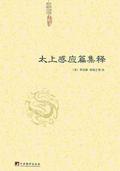 Too Much *****
completed
—Reads5.8Score—Shelves
Too Much *****
completed
—Reads5.8Score—Shelves
Reader note
Traditional cultural wisdom: a guide to self-cultivation and morality. In our long history of culture, Confucianism, Taoism, Buddhism, Wang Yangming's philosophy of mind, and Zhang Defen's works, as well as the concept of pursuing the path to immortality, all contain endless wisdom and point us in the direction of self-cultivation and morality and how to behave in the world. 1. Confucianism: advocates "benevolence, righteousness, etiquette, wisdom, and faith." "Filial piety is the first of all virtues", filial piety is the respect and support for parents and elders; friendship and mutual help between brothers and sisters; loyalty to the emperor, patriotism, respect for one's job and love for one's career reflect loyalty; "A person cannot stand without trust", trust is the criterion for living in life; etiquette regulates our behavior and respects teachers and ethics; righteousness allows us to adhere to justice and maintain chastity; integrity requires us to be spotless and upright; shame enables us to distinguish right from wrong and keep the bottom line of being a human being. Everything starts from oneself, guided by Confucianism, and constantly improves oneself. 2. Taoism: It advocates conforming to nature, following the fundamental law "Tao" of all things in the universe, governing by doing nothing, and not imposing interference. It is virtue to uphold a simple and pure nature, have noble moral character, and not fight for benefits. A pure heart, not disturbed by worldly complexities and desires, is pure; keep quiet and peaceful, gain insight into all things in tranquility, and practice physical and mental tranquility; let go of yourself, not be bound by prejudices and inherent concepts, accept the so-called emptiness of the world with an open and tolerant heart; understand the state of "nothing" In the world, let go of the attachment to tangible materials and fame and wealth, and return to the true nature of nothingness; to deal with the world with a gentle and humble attitude, like water, which seems to be weak but contains powerful power, that is, softness; to pursue harmony, to live in harmony with nature and others, and to live in peace without creating conflicts and disputes. 3. Buddhism: To be compassionate, to feel the suffering of all living beings, to give care and help is compassion; to pity the suffering of all living beings, and to help them escape from the sea of suffering is compassion; to rejoice in the happiness and happiness of all living beings, and to be free from jealousy, hatred, and hatred; to give up greed, anger, ignorance, pride, and suspicion, and to let go of the pursuit of worldly desires and obsessions is renunciation; to observe the precepts, Regulate your own behavior and refrain from doing things that harm sentient beings and violate morality; practice meditation, focus on your heart, and not be disturbed by the outside world, so as to gain wisdom and concentration, that is, concentration; open up wisdom, gain insight into the essence of things, and get rid of troubles and confusion as wisdom; understand the true meaning of "emptiness" and understand that everything in the world is illusion, and not being attached to appearances is emptiness. We should not be attached to form on the outside, and we should not be attached to emptiness on the inside. We should have nothing to live in, and our mind should be born. The past cannot be grasped, the present cannot be grasped, and the future cannot be grasped. 4. Wang Yangming's Theory of Mind: Emphasizes that "the heart is reason", the heart is the ontology of all things in the universe, and all moral norms and truths originate from the heart. Conscience is our innate moral judgment and intuitive ability. It can distinguish right from wrong, good and evil, and is the fundamental criterion for being a human being. Through constant self-reflection and practice, we can remove the cover of selfish desires and extend our inner conscience to all things, that is, conscience. Knowledge and action are integrated. Once you have correct cognition, you must put it into action, deepen your cognition in action, and avoid empty talk. This is the unity of knowledge and action. Make your thoughts sincere, do not deceive yourself, be pure in heart, and be sincere; care for the people, actively participate in society, and benefit the people with practical actions; explore the principles of nature in specific things, and improve yourself through understanding and practice of things; establish lofty aspirations, clarify life goals, and make unremitting efforts to realize your ideals. 5. Zhang Defen's works: In "Meeting the Unknown Self", he advocates inner tranquility and far-reaching, abandoning impetuous and troubled silence; constant self-reflection, insight into inner thoughts; understanding the true meaning of life, and understanding the wisdom of life; letting go of unnecessary burdens and liberating the shackles of the soul; loving kindness and kindness in the heart, the love that warms all things in the world; harmonizing the body and mind, accepting the harmony of the complete self; awakening inner awareness, insight into the truth of life, and exploring everything from the heart. "Meet Your Dreams Come True" encourages us to have beautiful dreams and illuminate the way forward; to set firm aspirations and anchor the goals we strive for; to work diligently and accumulate the capital for success; to be brave enough to innovate and break through the limitations of thinking; to persevere and persevere without fear of hardships and obstacles; to be good at seizing opportunities and keenly discerning the goodness of opportunities; to plan actions rationally, promote the integration of dreams in an orderly manner, and realize dreams starting from the present. "Live a New Self" inspires us to bravely challenge ourselves and break through the boundaries of comfort; actively embrace change and welcome new possible changes; continue to learn and grow to improve our own quality; decisively let go of the past and say goodbye to old patterns; maintain an optimistic attitude and laugh at the ups and downs of life; pay attention to physical and mental health and consolidate the foundation of life; stick to your true self and show your unique style. Everything starts with change. 6. Pursuing the path to immortality: pay attention to quietness to cultivate one's self, stay away from the hustle and bustle of the world, and clarify the heart; be kind-hearted, have compassion and love in the heart, and build good relationships; understand the principles of heaven, have insight into all phenomena in the world, and have a clear mind and nature; be humble in life, neither arrogant nor impetuous nor discouraged, and be open-minded; and Live in harmony, be one with all things, and conform to nature; be patient and restrained, tolerate things that are difficult to tolerate, and cultivate an open-minded mind; be willing to let go, put aside fame and wealth, and get rid of the fetters; practice diligently, improve your own skills, and practice the path of seeking the Tao from the moment. These precious cultural treasures guide us on the road of life to continuously improve ourselves, cultivate moral character, face various challenges in life with a positive and healthy attitude and behavior, realize the value of life, and gain inner peace and happiness. I hope everyone can draw strength from it and let the wisdom of traditional culture shine in our lives. We also welcome sharing this wisdom with more people in need. [The masterpiece of bird food[laugh][like]
-
21
知
 The Unity of Knowledge and Action by Wang Yangming (Five Volumes)
Duyin Mountaincompleted
—Reads9.5Score—Shelves
The Unity of Knowledge and Action by Wang Yangming (Five Volumes)
Duyin Mountaincompleted
—Reads9.5Score—Shelves
Reader note
Traditional cultural wisdom: a guide to self-cultivation and morality. In our long history of culture, Confucianism, Taoism, Buddhism, Wang Yangming's philosophy of mind, and Zhang Defen's works, as well as the concept of pursuing the path to immortality, all contain endless wisdom and point us in the direction of self-cultivation and morality and how to behave in the world. 1. Confucianism: advocates "benevolence, righteousness, etiquette, wisdom, and faith." "Filial piety is the first of all virtues", filial piety is the respect and support for parents and elders; friendship and mutual help between brothers and sisters; loyalty to the emperor, patriotism, respect for one's job and love for one's career reflect loyalty; "A person cannot stand without trust", trust is the criterion for living in life; etiquette regulates our behavior and respects teachers and ethics; righteousness allows us to adhere to justice and maintain chastity; integrity requires us to be spotless and upright; shame enables us to distinguish right from wrong and keep the bottom line of being a human being. Everything starts from oneself, guided by Confucianism, and constantly improves oneself. 2. Taoism: It advocates conforming to nature, following the fundamental law "Tao" of all things in the universe, governing by doing nothing, and not imposing interference. It is virtue to uphold a simple and pure nature, have noble moral character, and not fight for benefits. A pure heart, not disturbed by worldly complexities and desires, is pure; keep quiet and peaceful, gain insight into all things in tranquility, and practice physical and mental tranquility; let go of yourself, not be bound by prejudices and inherent concepts, accept the so-called emptiness of the world with an open and tolerant heart; understand the state of "nothing" In the world, let go of the attachment to tangible materials and fame and wealth, and return to the true nature of nothingness; to deal with the world with a gentle and humble attitude, like water, which seems to be weak but contains powerful power, that is, softness; to pursue harmony, to live in harmony with nature and others, and to live in peace without creating conflicts and disputes. 3. Buddhism: To be compassionate, to feel the suffering of all living beings, to give care and help is compassion; to pity the suffering of all living beings, and to help them escape from the sea of suffering is compassion; to rejoice in the happiness and happiness of all living beings, and to be free from jealousy, hatred, and hatred; to give up greed, anger, ignorance, pride, and suspicion, and to let go of the pursuit of worldly desires and obsessions is renunciation; to observe the precepts, Regulate your own behavior and refrain from doing things that harm sentient beings and violate morality; practice meditation, focus on your heart, and not be disturbed by the outside world, so as to gain wisdom and concentration, that is, concentration; open up wisdom, gain insight into the essence of things, and get rid of troubles and confusion as wisdom; understand the true meaning of "emptiness" and understand that everything in the world is illusion, and not being attached to appearances is emptiness. We should not be attached to form on the outside, and we should not be attached to emptiness on the inside. We should have nothing to live in, and our mind should be born. The past cannot be grasped, the present cannot be grasped, and the future cannot be grasped. 4. Wang Yangming's Theory of Mind: Emphasizes that "the heart is reason", the heart is the ontology of all things in the universe, and all moral norms and truths originate from the heart. Conscience is our innate moral judgment and intuitive ability. It can distinguish right from wrong, good and evil, and is the fundamental criterion for being a human being. Through constant self-reflection and practice, we can remove the cover of selfish desires and extend our inner conscience to all things, that is, conscience. Knowledge and action are integrated. Once you have correct cognition, you must put it into action, deepen your cognition in action, and avoid empty talk. This is the unity of knowledge and action. Make your thoughts sincere, do not deceive yourself, be pure in heart, and be sincere; care for the people, actively participate in society, and benefit the people with practical actions; explore the principles of nature in specific things, and improve yourself through understanding and practice of things; establish lofty aspirations, clarify life goals, and make unremitting efforts to realize your ideals. 5. Zhang Defen's works: In "Meeting the Unknown Self", he advocates inner tranquility and far-reaching, abandoning impetuous and troubled silence; constant self-reflection, insight into inner thoughts; understanding the true meaning of life, and understanding the wisdom of life; letting go of unnecessary burdens and liberating the shackles of the soul; loving kindness and kindness in the heart, the love that warms all things in the world; harmonizing the body and mind, accepting the harmony of the complete self; awakening inner awareness, insight into the truth of life, and exploring everything from the heart. "Meet Your Dreams Come True" encourages us to have beautiful dreams and illuminate the way forward; to set firm aspirations and anchor the goals we strive for; to work diligently and accumulate the capital for success; to be brave enough to innovate and break through the limitations of thinking; to persevere and persevere without fear of hardships and obstacles; to be good at seizing opportunities and keenly discerning the goodness of opportunities; to plan actions rationally, promote the integration of dreams in an orderly manner, and realize dreams starting from the present. "Live a New Self" inspires us to bravely challenge ourselves and break through the boundaries of comfort; actively embrace change and welcome new possible changes; continue to learn and grow to improve our own quality; decisively let go of the past and say goodbye to old patterns; maintain an optimistic attitude and laugh at the ups and downs of life; pay attention to physical and mental health and consolidate the foundation of life; stick to your true self and show your unique style. Everything starts with change. 6. Pursuing the path to immortality: pay attention to quietness to cultivate one's self, stay away from the hustle and bustle of the world, and clarify the heart; be kind-hearted, have compassion and love in the heart, and build good relationships; understand the principles of heaven, have insight into all phenomena in the world, and have a clear mind and nature; be humble in life, neither arrogant nor impetuous nor discouraged, and be open-minded; and Live in harmony, be one with all things, and conform to nature; be patient and restrained, tolerate things that are difficult to tolerate, and cultivate an open-minded mind; be willing to let go, put aside fame and wealth, and get rid of the fetters; practice diligently, improve your own skills, and practice the path of seeking the Tao from the moment. These precious cultural treasures guide us on the road of life to continuously improve ourselves, cultivate moral character, face various challenges in life with a positive and healthy attitude and behavior, realize the value of life, and gain inner peace and happiness. I hope everyone can draw strength from it and let the wisdom of traditional culture shine in our lives. We also welcome sharing this wisdom with more people in need. [The masterpiece of bird food[laugh][like]
-
22
道
 Taoist Life, Confucian Work, Buddhist Mind Cultivation Collection
Qinpucompleted
—Reads9.5Score—Shelves
Taoist Life, Confucian Work, Buddhist Mind Cultivation Collection
Qinpucompleted
—Reads9.5Score—Shelves
Reader note
Traditional cultural wisdom: a guide to self-cultivation and morality. In our long history of culture, Confucianism, Taoism, Buddhism, Wang Yangming's philosophy of mind, and Zhang Defen's works, as well as the concept of pursuing the path to immortality, all contain endless wisdom and point us in the direction of self-cultivation and morality and how to behave in the world. 1. Confucianism: advocates "benevolence, righteousness, etiquette, wisdom, and faith." "Filial piety is the first of all virtues", filial piety is the respect and support for parents and elders; friendship and mutual help between brothers and sisters; loyalty to the emperor, patriotism, respect for one's job and love for one's career reflect loyalty; "A person cannot stand without trust", trust is the criterion for living in life; etiquette regulates our behavior and respects teachers and ethics; righteousness allows us to adhere to justice and maintain chastity; integrity requires us to be spotless and upright; shame enables us to distinguish right from wrong and keep the bottom line of being a human being. Everything starts from oneself, guided by Confucianism, and constantly improves oneself. 2. Taoism: It advocates conforming to nature, following the fundamental law "Tao" of all things in the universe, governing by doing nothing, and not imposing interference. It is virtue to uphold a simple and pure nature, have noble moral character, and not fight for benefits. A pure heart, not disturbed by worldly complexities and desires, is pure; keep quiet and peaceful, gain insight into all things in tranquility, and practice physical and mental tranquility; let go of yourself, not be bound by prejudices and inherent concepts, accept the so-called emptiness of the world with an open and tolerant heart; understand the state of "nothing" In the world, let go of the attachment to tangible materials and fame and wealth, and return to the true nature of nothingness; to deal with the world with a gentle and humble attitude, like water, which seems to be weak but contains powerful power, that is, softness; to pursue harmony, to live in harmony with nature and others, and to live in peace without creating conflicts and disputes. 3. Buddhism: To be compassionate, to feel the suffering of all living beings, to give care and help is compassion; to pity the suffering of all living beings, and to help them escape from the sea of suffering is compassion; to rejoice in the happiness and happiness of all living beings, and to be free from jealousy, hatred, and hatred; to give up greed, anger, ignorance, pride, and suspicion, and to let go of the pursuit of worldly desires and obsessions is renunciation; to observe the precepts, Regulate your own behavior and refrain from doing things that harm sentient beings and violate morality; practice meditation, focus on your heart, and not be disturbed by the outside world, so as to gain wisdom and concentration, that is, concentration; open up wisdom, gain insight into the essence of things, and get rid of troubles and confusion as wisdom; understand the true meaning of "emptiness" and understand that everything in the world is illusion, and not being attached to appearances is emptiness. We should not be attached to form on the outside, and we should not be attached to emptiness on the inside. We should have nothing to live in, and our mind should be born. The past cannot be grasped, the present cannot be grasped, and the future cannot be grasped. 4. Wang Yangming's Theory of Mind: Emphasizes that "the heart is reason", the heart is the ontology of all things in the universe, and all moral norms and truths originate from the heart. Conscience is our innate moral judgment and intuitive ability. It can distinguish right from wrong, good and evil, and is the fundamental criterion for being a human being. Through constant self-reflection and practice, we can remove the cover of selfish desires and extend our inner conscience to all things, that is, conscience. Knowledge and action are integrated. Once you have correct cognition, you must put it into action, deepen your cognition in action, and avoid empty talk. This is the unity of knowledge and action. Make your thoughts sincere, do not deceive yourself, be pure in heart, and be sincere; care for the people, actively participate in society, and benefit the people with practical actions; explore the principles of nature in specific things, and improve yourself through understanding and practice of things; establish lofty aspirations, clarify life goals, and make unremitting efforts to realize your ideals. 5. Zhang Defen's works: In "Meeting the Unknown Self", he advocates inner tranquility and far-reaching, abandoning impetuous and troubled silence; constant self-reflection, insight into inner thoughts; understanding the true meaning of life, and understanding the wisdom of life; letting go of unnecessary burdens and liberating the shackles of the soul; loving kindness and kindness in the heart, the love that warms all things in the world; harmonizing the body and mind, accepting the harmony of the complete self; awakening inner awareness, insight into the truth of life, and exploring everything from the heart. "Meet Your Dreams Come True" encourages us to have beautiful dreams and illuminate the way forward; to set firm aspirations and anchor the goals we strive for; to work diligently and accumulate the capital for success; to be brave enough to innovate and break through the limitations of thinking; to persevere and persevere without fear of hardships and obstacles; to be good at seizing opportunities and keenly discerning the goodness of opportunities; to plan actions rationally, promote the integration of dreams in an orderly manner, and realize dreams starting from the present. "Live a New Self" inspires us to bravely challenge ourselves and break through the boundaries of comfort; actively embrace change and welcome new possible changes; continue to learn and grow to improve our own quality; decisively let go of the past and say goodbye to old patterns; maintain an optimistic attitude and laugh at the ups and downs of life; pay attention to physical and mental health and consolidate the foundation of life; stick to your true self and show your unique style. Everything starts with change. 6. Pursuing the path to immortality: pay attention to quietness to cultivate one's self, stay away from the hustle and bustle of the world, and clarify the heart; be kind-hearted, have compassion and love in the heart, and build good relationships; understand the principles of heaven, have insight into all phenomena in the world, and have a clear mind and nature; be humble in life, neither arrogant nor impetuous nor discouraged, and be open-minded; and Live in harmony, be one with all things, and conform to nature; be patient and restrained, tolerate things that are difficult to tolerate, and cultivate an open-minded mind; be willing to let go, put aside fame and wealth, and get rid of the fetters; practice diligently, improve your own skills, and practice the path of seeking the Tao from the moment. These precious cultural treasures guide us on the road of life to continuously improve ourselves, cultivate moral character, face various challenges in life with a positive and healthy attitude and behavior, realize the value of life, and gain inner peace and happiness. I hope everyone can draw strength from it and let the wisdom of traditional culture shine in our lives. We also welcome sharing this wisdom with more people in need. [The masterpiece of bird food[laugh][like]
-
23
修
 Mantra of Cultivation
Written by Bai Yuchancompleted
—Reads9.4Score—Shelves
Mantra of Cultivation
Written by Bai Yuchancompleted
—Reads9.4Score—Shelves
Reader note
Traditional cultural wisdom: a guide to self-cultivation and morality. In our long history of culture, Confucianism, Taoism, Buddhism, Wang Yangming's philosophy of mind, and Zhang Defen's works, as well as the concept of pursuing the path to immortality, all contain endless wisdom and point us in the direction of self-cultivation and morality and how to behave in the world. 1. Confucianism: advocates "benevolence, righteousness, etiquette, wisdom, and faith." "Filial piety is the first of all virtues", filial piety is the respect and support for parents and elders; friendship and mutual help between brothers and sisters; loyalty to the emperor, patriotism, respect for one's job and love for one's career reflect loyalty; "A person cannot stand without trust", trust is the criterion for living in life; etiquette regulates our behavior and respects teachers and ethics; righteousness allows us to adhere to justice and maintain chastity; integrity requires us to be spotless and upright; shame enables us to distinguish right from wrong and keep the bottom line of being a human being. Everything starts from oneself, guided by Confucianism, and constantly improves oneself. 2. Taoism: It advocates conforming to nature, following the fundamental law "Tao" of all things in the universe, governing by doing nothing, and not imposing interference. It is virtue to uphold a simple and pure nature, have noble moral character, and not fight for benefits. A pure heart, not disturbed by worldly complexities and desires, is pure; keep quiet and peaceful, gain insight into all things in tranquility, and practice physical and mental tranquility; let go of yourself, not be bound by prejudices and inherent concepts, accept the so-called emptiness of the world with an open and tolerant heart; understand the state of "nothing" In the world, let go of the attachment to tangible materials and fame and wealth, and return to the true nature of nothingness; to deal with the world with a gentle and humble attitude, like water, which seems to be weak but contains powerful power, that is, softness; to pursue harmony, to live in harmony with nature and others, and to live in peace without creating conflicts and disputes. 3. Buddhism: To be compassionate, to feel the suffering of all living beings, to give care and help is compassion; to pity the suffering of all living beings, and to help them escape from the sea of suffering is compassion; to rejoice in the happiness and happiness of all living beings, and to be free from jealousy, hatred, and hatred; to give up greed, anger, ignorance, pride, and suspicion, and to let go of the pursuit of worldly desires and obsessions is renunciation; to observe the precepts, Regulate your own behavior and refrain from doing things that harm sentient beings and violate morality; practice meditation, focus on your heart, and not be disturbed by the outside world, so as to gain wisdom and concentration, that is, concentration; open up wisdom, gain insight into the essence of things, and get rid of troubles and confusion as wisdom; understand the true meaning of "emptiness" and understand that everything in the world is illusion, and not being attached to appearances is emptiness. We should not be attached to form on the outside, and we should not be attached to emptiness on the inside. We should have nothing to live in, and our mind should be born. The past cannot be grasped, the present cannot be grasped, and the future cannot be grasped. 4. Wang Yangming's Theory of Mind: Emphasizes that "the heart is reason", the heart is the ontology of all things in the universe, and all moral norms and truths originate from the heart. Conscience is our innate moral judgment and intuitive ability. It can distinguish right from wrong, good and evil, and is the fundamental criterion for being a human being. Through constant self-reflection and practice, we can remove the cover of selfish desires and extend our inner conscience to all things, that is, conscience. Knowledge and action are integrated. Once you have correct cognition, you must put it into action, deepen your cognition in action, and avoid empty talk. This is the unity of knowledge and action. Make your thoughts sincere, do not deceive yourself, be pure in heart, and be sincere; care for the people, actively participate in society, and benefit the people with practical actions; explore the principles of nature in specific things, and improve yourself through understanding and practice of things; establish lofty aspirations, clarify life goals, and make unremitting efforts to realize your ideals. 5. Zhang Defen's works: In "Meeting the Unknown Self", he advocates inner tranquility and far-reaching, abandoning impetuous and troubled silence; constant self-reflection, insight into inner thoughts; understanding the true meaning of life, and understanding the wisdom of life; letting go of unnecessary burdens and liberating the shackles of the soul; loving kindness and kindness in the heart, the love that warms all things in the world; harmonizing the body and mind, accepting the harmony of the complete self; awakening inner awareness, insight into the truth of life, and exploring everything from the heart. "Meet Your Dreams Come True" encourages us to have beautiful dreams and illuminate the way forward; to set firm aspirations and anchor the goals we strive for; to work diligently and accumulate the capital for success; to be brave enough to innovate and break through the limitations of thinking; to persevere and persevere without fear of hardships and obstacles; to be good at seizing opportunities and keenly discerning the goodness of opportunities; to plan actions rationally, promote the integration of dreams in an orderly manner, and realize dreams starting from the present. "Live a New Self" inspires us to bravely challenge ourselves and break through the boundaries of comfort; actively embrace change and welcome new possible changes; continue to learn and grow to improve our own quality; decisively let go of the past and say goodbye to old patterns; maintain an optimistic attitude and laugh at the ups and downs of life; pay attention to physical and mental health and consolidate the foundation of life; stick to your true self and show your unique style. Everything starts with change. 6. Pursuing the path to immortality: pay attention to quietness to cultivate one's self, stay away from the hustle and bustle of the world, and clarify the heart; be kind-hearted, have compassion and love in the heart, and build good relationships; understand the principles of heaven, have insight into all phenomena in the world, and have a clear mind and nature; be humble in life, neither arrogant nor impetuous nor discouraged, and be open-minded; and Live in harmony, be one with all things, and conform to nature; be patient and restrained, tolerate things that are difficult to tolerate, and cultivate an open-minded mind; be willing to let go, put aside fame and wealth, and get rid of the fetters; practice diligently, improve your own skills, and practice the path of seeking the Tao from the moment. These precious cultural treasures guide us on the road of life to continuously improve ourselves, cultivate moral character, face various challenges in life with a positive and healthy attitude and behavior, realize the value of life, and gain inner peace and happiness. I hope everyone can draw strength from it and let the wisdom of traditional culture shine in our lives. We also welcome sharing this wisdom with more people in need. [The masterpiece of bird food[laugh][like]
-
24
道
 Tao Te Ching (Chunmei Collector's Edition)
(Spring and Autumn Period) Lao Tzucompleted
—Reads9.4Score—Shelves
Tao Te Ching (Chunmei Collector's Edition)
(Spring and Autumn Period) Lao Tzucompleted
—Reads9.4Score—Shelves
Reader note
Traditional cultural wisdom: a guide to self-cultivation and morality. In our long history of culture, Confucianism, Taoism, Buddhism, Wang Yangming's philosophy of mind, and Zhang Defen's works, as well as the concept of pursuing the path to immortality, all contain endless wisdom and point us in the direction of self-cultivation and morality and how to behave in the world. 1. Confucianism: advocates "benevolence, righteousness, etiquette, wisdom, and faith." "Filial piety is the first of all virtues", filial piety is the respect and support for parents and elders; friendship and mutual help between brothers and sisters; loyalty to the emperor, patriotism, respect for one's job and love for one's career reflect loyalty; "A person cannot stand without trust", trust is the criterion for living in life; etiquette regulates our behavior and respects teachers and ethics; righteousness allows us to adhere to justice and maintain chastity; integrity requires us to be spotless and upright; shame enables us to distinguish right from wrong and keep the bottom line of being a human being. Everything starts from oneself, guided by Confucianism, and constantly improves oneself. 2. Taoism: It advocates conforming to nature, following the fundamental law "Tao" of all things in the universe, governing by doing nothing, and not imposing interference. It is virtue to uphold a simple and pure nature, have noble moral character, and not fight for benefits. A pure heart, not disturbed by worldly complexities and desires, is pure; keep quiet and peaceful, gain insight into all things in tranquility, and practice physical and mental tranquility; let go of yourself, not be bound by prejudices and inherent concepts, accept the so-called emptiness of the world with an open and tolerant heart; understand the state of "nothing" In the world, let go of the attachment to tangible materials and fame and wealth, and return to the true nature of nothingness; to deal with the world with a gentle and humble attitude, like water, which seems to be weak but contains powerful power, that is, softness; to pursue harmony, to live in harmony with nature and others, and to live in peace without creating conflicts and disputes. 3. Buddhism: To be compassionate, to feel the suffering of all living beings, to give care and help is compassion; to pity the suffering of all living beings, and to help them escape from the sea of suffering is compassion; to rejoice in the happiness and happiness of all living beings, and to be free from jealousy, hatred, and hatred; to give up greed, anger, ignorance, pride, and suspicion, and to let go of the pursuit of worldly desires and obsessions is renunciation; to observe the precepts, Regulate your own behavior and refrain from doing things that harm sentient beings and violate morality; practice meditation, focus on your heart, and not be disturbed by the outside world, so as to gain wisdom and concentration, that is, concentration; open up wisdom, gain insight into the essence of things, and get rid of troubles and confusion as wisdom; understand the true meaning of "emptiness" and understand that everything in the world is illusion, and not being attached to appearances is emptiness. We should not be attached to form on the outside, and we should not be attached to emptiness on the inside. We should have nothing to live in, and our mind should be born. The past cannot be grasped, the present cannot be grasped, and the future cannot be grasped. 4. Wang Yangming's Theory of Mind: Emphasizes that "the heart is reason", the heart is the ontology of all things in the universe, and all moral norms and truths originate from the heart. Conscience is our innate moral judgment and intuitive ability. It can distinguish right from wrong, good and evil, and is the fundamental criterion for being a human being. Through constant self-reflection and practice, we can remove the cover of selfish desires and extend our inner conscience to all things, that is, conscience. Knowledge and action are integrated. Once you have correct cognition, you must put it into action, deepen your cognition in action, and avoid empty talk. This is the unity of knowledge and action. Make your thoughts sincere, do not deceive yourself, be pure in heart, and be sincere; care for the people, actively participate in society, and benefit the people with practical actions; explore the principles of nature in specific things, and improve yourself through understanding and practice of things; establish lofty aspirations, clarify life goals, and make unremitting efforts to realize your ideals. 5. Zhang Defen's works: In "Meeting the Unknown Self", he advocates inner tranquility and far-reaching, abandoning impetuous and troubled silence; constant self-reflection, insight into inner thoughts; understanding the true meaning of life, and understanding the wisdom of life; letting go of unnecessary burdens and liberating the shackles of the soul; loving kindness and kindness in the heart, the love that warms all things in the world; harmonizing the body and mind, accepting the harmony of the complete self; awakening inner awareness, insight into the truth of life, and exploring everything from the heart. "Meet Your Dreams Come True" encourages us to have beautiful dreams and illuminate the way forward; to set firm aspirations and anchor the goals we strive for; to work diligently and accumulate the capital for success; to be brave enough to innovate and break through the limitations of thinking; to persevere and persevere without fear of hardships and obstacles; to be good at seizing opportunities and keenly discerning the goodness of opportunities; to plan actions rationally, promote the integration of dreams in an orderly manner, and realize dreams starting from the present. "Live a New Self" inspires us to bravely challenge ourselves and break through the boundaries of comfort; actively embrace change and welcome new possible changes; continue to learn and grow to improve our own quality; decisively let go of the past and say goodbye to old patterns; maintain an optimistic attitude and laugh at the ups and downs of life; pay attention to physical and mental health and consolidate the foundation of life; stick to your true self and show your unique style. Everything starts with change. 6. Pursuing the path to immortality: pay attention to quietness to cultivate one's self, stay away from the hustle and bustle of the world, and clarify the heart; be kind-hearted, have compassion and love in the heart, and build good relationships; understand the principles of heaven, have insight into all phenomena in the world, and have a clear mind and nature; be humble in life, neither arrogant nor impetuous nor discouraged, and be open-minded; and Live in harmony, be one with all things, and conform to nature; be patient and restrained, tolerate things that are difficult to tolerate, and cultivate an open-minded mind; be willing to let go, put aside fame and wealth, and get rid of the fetters; practice diligently, improve your own skills, and practice the path of seeking the Tao from the moment. These precious cultural treasures guide us on the road of life to continuously improve ourselves, cultivate moral character, face various challenges in life with a positive and healthy attitude and behavior, realize the value of life, and gain inner peace and happiness. I hope everyone can draw strength from it and let the wisdom of traditional culture shine in our lives. We also welcome sharing this wisdom with more people in need. [The masterpiece of bird food[laugh][like]
-
25
王
 Complete Works of Wang Yangming
(Ming Dynasty) Written by Wang Shouren, Edited by Wu Guang, Qian Ming, Dong Ping, Yao Yanfucompleted
—Reads9.3Score—Shelves
Complete Works of Wang Yangming
(Ming Dynasty) Written by Wang Shouren, Edited by Wu Guang, Qian Ming, Dong Ping, Yao Yanfucompleted
—Reads9.3Score—Shelves
Reader note
Traditional cultural wisdom: a guide to self-cultivation and morality. In our long history of culture, Confucianism, Taoism, Buddhism, Wang Yangming's philosophy of mind, and Zhang Defen's works, as well as the concept of pursuing the path to immortality, all contain endless wisdom and point us in the direction of self-cultivation and morality and how to behave in the world. 1. Confucianism: advocates "benevolence, righteousness, etiquette, wisdom, and faith." "Filial piety is the first of all virtues", filial piety is the respect and support for parents and elders; friendship and mutual help between brothers and sisters; loyalty to the emperor, patriotism, respect for one's job and love for one's career reflect loyalty; "A person cannot stand without trust", trust is the criterion for living in life; etiquette regulates our behavior and respects teachers and ethics; righteousness allows us to adhere to justice and maintain chastity; integrity requires us to be spotless and upright; shame enables us to distinguish right from wrong and keep the bottom line of being a human being. Everything starts from oneself, guided by Confucianism, and constantly improves oneself. 2. Taoism: It advocates conforming to nature, following the fundamental law "Tao" of all things in the universe, governing by doing nothing, and not imposing interference. It is virtue to uphold a simple and pure nature, have noble moral character, and not fight for benefits. A pure heart, not disturbed by worldly complexities and desires, is pure; keep quiet and peaceful, gain insight into all things in tranquility, and practice physical and mental tranquility; let go of yourself, not be bound by prejudices and inherent concepts, accept the so-called emptiness of the world with an open and tolerant heart; understand the state of "nothing" In the world, let go of the attachment to tangible materials and fame and wealth, and return to the true nature of nothingness; to deal with the world with a gentle and humble attitude, like water, which seems to be weak but contains powerful power, that is, softness; to pursue harmony, to live in harmony with nature and others, and to live in peace without creating conflicts and disputes. 3. Buddhism: To be compassionate, to feel the suffering of all living beings, to give care and help is compassion; to pity the suffering of all living beings, and to help them escape from the sea of suffering is compassion; to rejoice in the happiness and happiness of all living beings, and to be free from jealousy, hatred, and hatred; to give up greed, anger, ignorance, pride, and suspicion, and to let go of the pursuit of worldly desires and obsessions is renunciation; to observe the precepts, Regulate your own behavior and refrain from doing things that harm sentient beings and violate morality; practice meditation, focus on your heart, and not be disturbed by the outside world, so as to gain wisdom and concentration, that is, concentration; open up wisdom, gain insight into the essence of things, and get rid of troubles and confusion as wisdom; understand the true meaning of "emptiness" and understand that everything in the world is illusion, and not being attached to appearances is emptiness. We should not be attached to form on the outside, and we should not be attached to emptiness on the inside. We should have nothing to live in, and our mind should be born. The past cannot be grasped, the present cannot be grasped, and the future cannot be grasped. 4. Wang Yangming's Theory of Mind: Emphasizes that "the heart is reason", the heart is the ontology of all things in the universe, and all moral norms and truths originate from the heart. Conscience is our innate moral judgment and intuitive ability. It can distinguish right from wrong, good and evil, and is the fundamental criterion for being a human being. Through constant self-reflection and practice, we can remove the cover of selfish desires and extend our inner conscience to all things, that is, conscience. Knowledge and action are integrated. Once you have correct cognition, you must put it into action, deepen your cognition in action, and avoid empty talk. This is the unity of knowledge and action. Make your thoughts sincere, do not deceive yourself, be pure in heart, and be sincere; care for the people, actively participate in society, and benefit the people with practical actions; explore the principles of nature in specific things, and improve yourself through understanding and practice of things; establish lofty aspirations, clarify life goals, and make unremitting efforts to realize your ideals. 5. Zhang Defen's works: In "Meeting the Unknown Self", he advocates inner tranquility and far-reaching, abandoning impetuous and troubled silence; constant self-reflection, insight into inner thoughts; understanding the true meaning of life, and understanding the wisdom of life; letting go of unnecessary burdens and liberating the shackles of the soul; loving kindness and kindness in the heart, the love that warms all things in the world; harmonizing the body and mind, accepting the harmony of the complete self; awakening inner awareness, insight into the truth of life, and exploring everything from the heart. "Meet Your Dreams Come True" encourages us to have beautiful dreams and illuminate the way forward; to set firm aspirations and anchor the goals we strive for; to work diligently and accumulate the capital for success; to be brave enough to innovate and break through the limitations of thinking; to persevere and persevere without fear of hardships and obstacles; to be good at seizing opportunities and keenly discerning the goodness of opportunities; to plan actions rationally, promote the integration of dreams in an orderly manner, and realize dreams starting from the present. "Live a New Self" inspires us to bravely challenge ourselves and break through the boundaries of comfort; actively embrace change and welcome new possible changes; continue to learn and grow to improve our own quality; decisively let go of the past and say goodbye to old patterns; maintain an optimistic attitude and laugh at the ups and downs of life; pay attention to physical and mental health and consolidate the foundation of life; stick to your true self and show your unique style. Everything starts with change. 6. Pursuing the path to immortality: pay attention to quietness to cultivate one's self, stay away from the hustle and bustle of the world, and clarify the heart; be kind-hearted, have compassion and love in the heart, and build good relationships; understand the principles of heaven, have insight into all phenomena in the world, and have a clear mind and nature; be humble in life, neither arrogant nor impetuous nor discouraged, and be open-minded; and Live in harmony, be one with all things, and conform to nature; be patient and restrained, tolerate things that are difficult to tolerate, and cultivate an open-minded mind; be willing to let go, put aside fame and wealth, and get rid of the fetters; practice diligently, improve your own skills, and practice the path of seeking the Tao from the moment. These precious cultural treasures guide us on the road of life to continuously improve ourselves, cultivate moral character, face various challenges in life with a positive and healthy attitude and behavior, realize the value of life, and gain inner peace and happiness. I hope everyone can draw strength from it and let the wisdom of traditional culture shine in our lives. We also welcome sharing this wisdom with more people in need. [The masterpiece of bird food[laugh][like]
-
26
遇
 Meet*******
completed
—Reads5.8Score—Shelves
Meet*******
completed
—Reads5.8Score—Shelves
Reader note
Traditional cultural wisdom: a guide to self-cultivation and morality. In our long history of culture, Confucianism, Taoism, Buddhism, Wang Yangming's philosophy of mind, and Zhang Defen's works, as well as the concept of pursuing the path to immortality, all contain endless wisdom and point us in the direction of self-cultivation and morality and how to behave in the world. 1. Confucianism: advocates "benevolence, righteousness, etiquette, wisdom, and faith." "Filial piety is the first of all virtues", filial piety is the respect and support for parents and elders; friendship and mutual help between brothers and sisters; loyalty to the emperor, patriotism, respect for one's job and love for one's career reflect loyalty; "A person cannot stand without trust", trust is the criterion for living in life; etiquette regulates our behavior and respects teachers and ethics; righteousness allows us to adhere to justice and maintain chastity; integrity requires us to be spotless and upright; shame enables us to distinguish right from wrong and keep the bottom line of being a human being. Everything starts from oneself, guided by Confucianism, and constantly improves oneself. 2. Taoism: It advocates conforming to nature, following the fundamental law "Tao" of all things in the universe, governing by doing nothing, and not imposing interference. It is virtue to uphold a simple and pure nature, have noble moral character, and not fight for benefits. A pure heart, not disturbed by worldly complexities and desires, is pure; keep quiet and peaceful, gain insight into all things in tranquility, and practice physical and mental tranquility; let go of yourself, not be bound by prejudices and inherent concepts, accept the so-called emptiness of the world with an open and tolerant heart; understand the state of "nothing" In the world, let go of the attachment to tangible materials and fame and wealth, and return to the true nature of nothingness; to deal with the world with a gentle and humble attitude, like water, which seems to be weak but contains powerful power, that is, softness; to pursue harmony, to live in harmony with nature and others, and to live in peace without creating conflicts and disputes. 3. Buddhism: To be compassionate, to feel the suffering of all living beings, to give care and help is compassion; to pity the suffering of all living beings, and to help them escape from the sea of suffering is compassion; to rejoice in the happiness and happiness of all living beings, and to be free from jealousy, hatred, and hatred; to give up greed, anger, ignorance, pride, and suspicion, and to let go of the pursuit of worldly desires and obsessions is renunciation; to observe the precepts, Regulate your own behavior and refrain from doing things that harm sentient beings and violate morality; practice meditation, focus on your heart, and not be disturbed by the outside world, so as to gain wisdom and concentration, that is, concentration; open up wisdom, gain insight into the essence of things, and get rid of troubles and confusion as wisdom; understand the true meaning of "emptiness" and understand that everything in the world is illusion, and not being attached to appearances is emptiness. We should not be attached to form on the outside, and we should not be attached to emptiness on the inside. We should have nothing to live in, and our mind should be born. The past cannot be grasped, the present cannot be grasped, and the future cannot be grasped. 4. Wang Yangming's Theory of Mind: Emphasizes that "the heart is reason", the heart is the ontology of all things in the universe, and all moral norms and truths originate from the heart. Conscience is our innate moral judgment and intuitive ability. It can distinguish right from wrong, good and evil, and is the fundamental criterion for being a human being. Through constant self-reflection and practice, we can remove the cover of selfish desires and extend our inner conscience to all things, that is, conscience. Knowledge and action are integrated. Once you have correct cognition, you must put it into action, deepen your cognition in action, and avoid empty talk. This is the unity of knowledge and action. Make your thoughts sincere, do not deceive yourself, be pure in heart, and be sincere; care for the people, actively participate in society, and benefit the people with practical actions; explore the principles of nature in specific things, and improve yourself through understanding and practice of things; establish lofty aspirations, clarify life goals, and make unremitting efforts to realize your ideals. 5. Zhang Defen's works: In "Meeting the Unknown Self", he advocates inner tranquility and far-reaching, abandoning impetuous and troubled silence; constant self-reflection, insight into inner thoughts; understanding the true meaning of life, and understanding the wisdom of life; letting go of unnecessary burdens and liberating the shackles of the soul; loving kindness and kindness in the heart, the love that warms all things in the world; harmonizing the body and mind, accepting the harmony of the complete self; awakening inner awareness, insight into the truth of life, and exploring everything from the heart. "Meet Your Dreams Come True" encourages us to have beautiful dreams and illuminate the way forward; to set firm aspirations and anchor the goals we strive for; to work diligently and accumulate the capital for success; to be brave enough to innovate and break through the limitations of thinking; to persevere and persevere without fear of hardships and obstacles; to be good at seizing opportunities and keenly discerning the goodness of opportunities; to plan actions rationally, promote the integration of dreams in an orderly manner, and realize dreams starting from the present. "Live a New Self" inspires us to bravely challenge ourselves and break through the boundaries of comfort; actively embrace change and welcome new possible changes; continue to learn and grow to improve our own quality; decisively let go of the past and say goodbye to old patterns; maintain an optimistic attitude and laugh at the ups and downs of life; pay attention to physical and mental health and consolidate the foundation of life; stick to your true self and show your unique style. Everything starts with change. 6. Pursuing the path to immortality: pay attention to quietness to cultivate one's self, stay away from the hustle and bustle of the world, and clarify the heart; be kind-hearted, have compassion and love in the heart, and build good relationships; understand the principles of heaven, have insight into all phenomena in the world, and have a clear mind and nature; be humble in life, neither arrogant nor impetuous nor discouraged, and be open-minded; and Live in harmony, be one with all things, and conform to nature; be patient and restrained, tolerate things that are difficult to tolerate, and cultivate an open-minded mind; be willing to let go, put aside fame and wealth, and get rid of the fetters; practice diligently, improve your own skills, and practice the path of seeking the Tao from the moment. These precious cultural treasures guide us on the road of life to continuously improve ourselves, cultivate moral character, face various challenges in life with a positive and healthy attitude and behavior, realize the value of life, and gain inner peace and happiness. I hope everyone can draw strength from it and let the wisdom of traditional culture shine in our lives. We also welcome sharing this wisdom with more people in need. [The masterpiece of bird food[laugh][like]
-
27
出
I, Who Was Born in the Devil's Path, Have Been Harassing the World of Immortals for a Billion Years. Z Xia QingEastern Fantasy1.2M Wordscompleted 44.8kReads7.2Score5.3kShelves
Reader note
In the first book, the plot has ups and downs, and the protagonist kills people. There is no word count of gossiping, who wants to kill me? He fights with all his strength and would rather die than fight back, and it is refreshing to read. The description of the girl's childhood character is pure and lovely, which can be regarded as a trace of revenge for the killings along the way, which always makes readers feel itchy and want to laugh. The low rating means there is no navy. The second and third books are all sunny works by famous writers. They include magnificent scenes in officialdom and shopping malls, and they also criticize and ridicule the evils of human nature in the so-called wealthy families.
-
28
官
 Officialdom: My Fiancée Has a Notorious Reputation
Sunshine in the WindUrban4.7M Wordsongoing
59.4kReads8.2Score4.2kShelves
Officialdom: My Fiancée Has a Notorious Reputation
Sunshine in the WindUrban4.7M Wordsongoing
59.4kReads8.2Score4.2kShelves
Reader note
In the first book, the plot has ups and downs, and the protagonist kills people. There is no word count of gossiping, who wants to kill me? He fights with all his strength and would rather die than fight back, and it is refreshing to read. The description of the girl's childhood character is pure and lovely, which can be regarded as a trace of revenge for the killings along the way, which always makes readers feel itchy and want to laugh. The low rating means there is no navy. The second and third books are all sunny works by famous writers. They include magnificent scenes in officialdom and shopping malls, and they also criticize and ridicule the evils of human nature in the so-called wealthy families.
-
29
离
 After Divorce: My Ex-Wife Looked up to Me and Soared
Listening to Flowers on the Snowy RoadUrban8.1M Wordsongoing
90.2kReads9.0Score4.6kShelves
After Divorce: My Ex-Wife Looked up to Me and Soared
Listening to Flowers on the Snowy RoadUrban8.1M Wordsongoing
90.2kReads9.0Score4.6kShelves
Reader note
In the first book, the plot has ups and downs, and the protagonist kills people. There is no word count of gossiping, who wants to kill me? He fights with all his strength and would rather die than fight back, and it is refreshing to read. The description of the girl's childhood character is pure and lovely, which can be regarded as a trace of revenge for the killings along the way, which always makes readers feel itchy and want to laugh. The low rating means there is no navy. The second and third books are all sunny works by famous writers. They include magnificent scenes in officialdom and shopping malls, and they also criticize and ridicule the evils of human nature in the so-called wealthy families.
-
30
开
I Was Taken as a Drug at the Beginning, but I Relied on My Pure Yang Body to Be Invincible JinleleEastern Fantasy412k Wordsongoing 14.2kReads5.4Score2kShelves
Reader note
⚡The pace is fast and non-irritating, and every chapter has something new and exciting! "Cultivation of Immortality" + "Yandere" has a sinister senior sister who is very possessive and can't help but get jealous and make things difficult for the male protagonist when she sees him approaching others.
-
31
修
 Silly Boy Who Cultivates Immortality
Mountain LaymanUrban1.1M Wordscompleted
837Reads6.5Score105Shelves
Silly Boy Who Cultivates Immortality
Mountain LaymanUrban1.1M Wordscompleted
837Reads6.5Score105Shelves
-
32
红
 Cultivation in the Red World: the Road to Enlightenment
Messy ThoughtsEastern Fantasy1.0M Wordscompleted
4.2kReads9.3Score465Shelves
Cultivation in the Red World: the Road to Enlightenment
Messy ThoughtsEastern Fantasy1.0M Wordscompleted
4.2kReads9.3Score465Shelves
Reader note
I like cultivating immortals and want to see real cultivators. Recommended
-
33
寻
 Searching for the Qin Dynasty: Yunmeng Fairy Trail
Gray Cat Gray Cat2.2M Wordsongoing
7.2kReads9.5Score739Shelves
Searching for the Qin Dynasty: Yunmeng Fairy Trail
Gray Cat Gray Cat2.2M Wordsongoing
7.2kReads9.5Score739Shelves
Reader note
OK! Recommended to take a look! I went to look for someone during the Warring States Period, but ended up being trapped in a cave. I was poked by a monkey with a stick and used a unique movement skill. I got the wordless book and entered the immortal path. The author's writing is a bit unreasonable, especially after the 200th chapter. There are more inner dramas and jokes. Some of the names of people and exercises are laughable😭. What about the nine-turn beating technique? There are many leather sticks. The protagonist is a bit mean. If you are interested, you can read it. I guess the book should be quite long and have some patience.
-
34
凡
 Mortal Bones
One Geng MasterEastern Fantasy8.3M Wordscompleted
842.3kReads9.3Score155.7kShelves
Mortal Bones
One Geng MasterEastern Fantasy8.3M Wordscompleted
842.3kReads9.3Score155.7kShelves
Reader note
OK! Recommended to take a look! I went to look for someone during the Warring States Period, but ended up being trapped in a cave. I was poked by a monkey with a stick and used a unique movement skill. I got the wordless book and entered the immortal path. The author's writing is a bit unreasonable, especially after the 200th chapter. There are more inner dramas and jokes. Some of the names of people and exercises are laughable😭. What about the nine-turn beating technique? There are many leather sticks. The protagonist is a bit mean. If you are interested, you can read it. I guess the book should be quite long and have some patience.
-
35
凡
 Mortal Cultivation of Immortality
Wutong YouyouEastern Fantasy4.9M Wordsongoing
141.3kReads8.9Score11.4kShelves
Mortal Cultivation of Immortality
Wutong YouyouEastern Fantasy4.9M Wordsongoing
141.3kReads8.9Score11.4kShelves
Reader note
OK! Recommended to take a look! I went to look for someone during the Warring States Period, but ended up being trapped in a cave. I was poked by a monkey with a stick and used a unique movement skill. I got the wordless book and entered the immortal path. The author's writing is a bit unreasonable, especially after the 200th chapter. There are more inner dramas and jokes. Some of the names of people and exercises are laughable😭. What about the nine-turn beating technique? There are many leather sticks. The protagonist is a bit mean. If you are interested, you can read it. I guess the book should be quite long and have some patience.
-
36
神
 God's Evil Spirit
Half Copper PlateEastern Fantasy5.5M Wordscompleted
5.8kReads8.4Score829Shelves
God's Evil Spirit
Half Copper PlateEastern Fantasy5.5M Wordscompleted
5.8kReads8.4Score829Shelves
Reader note
The traditional system of cultivating immortals, the most perfect system, is found in all three realms of immortals and gods.
-
37
医
 Medical and Martial Arts
Use ItMystery2.3M Wordsongoing
447Reads7.9Score—Shelves
Medical and Martial Arts
Use ItMystery2.3M Wordsongoing
447Reads7.9Score—Shelves
Reader note
They are all books with a score of 9.7 Or above. This is a platform limitation. They are all genuine and good books!
-
38
测
 Skilled in Measuring Characters
BauerUrban1.6M Wordscompleted
248.2kReads9.6Score122.9kShelves
Skilled in Measuring Characters
BauerUrban1.6M Wordscompleted
248.2kReads9.6Score122.9kShelves
Reader note
They are all books with a score of 9.7 Or above. This is a platform limitation. They are all genuine and good books!
-
39
最
 The Last Taoist Priest (Seven Volumes)
Xia Yicompleted
90.3kReads9.6Score—Shelves
The Last Taoist Priest (Seven Volumes)
Xia Yicompleted
90.3kReads9.6Score—Shelves
Reader note
They are all books with a score of 9.7 Or above. This is a platform limitation. They are all genuine and good books!
-
40
玄
 Fantasy: I Awaken the Skyfire Spirit at the Beginning
User 71208294ongoing
—Reads5.8Score—Shelves
Fantasy: I Awaken the Skyfire Spirit at the Beginning
User 71208294ongoing
—Reads5.8Score—Shelves
Reader note
Push push push! ! !
-
41
仙
 Little Expert in Retreat in the Fairy World
Fruity Milk TeaEastern Fantasy4.3M Wordsongoing
423kReads8.5Score51.7kShelves
Little Expert in Retreat in the Fairy World
Fruity Milk TeaEastern Fantasy4.3M Wordsongoing
423kReads8.5Score51.7kShelves
Reader note
Qi refining golden elixir,
-
42
一
 An Acre of Fairy Land Can Grow a Hundred Times Faster, and I Can Become a Fairy from a Handyman
Teng Teng Who Loves PotatoesEastern Fantasy2.9M Wordsongoing
83.4kReads7.5Score10.5kShelves
An Acre of Fairy Land Can Grow a Hundred Times Faster, and I Can Become a Fairy from a Handyman
Teng Teng Who Loves PotatoesEastern Fantasy2.9M Wordsongoing
83.4kReads7.5Score10.5kShelves
Reader note
Qi refining golden elixir,
-
43
乡
 Countryside****
ongoing
—Reads5.8Score—Shelves
Countryside****
ongoing
—Reads5.8Score—Shelves
Reader note
Great, great, great, great,
-
44
荒
 Desert Island****
ongoing
—Reads5.8Score—Shelves
Desert Island****
ongoing
—Reads5.8Score—Shelves
Reader note
Great, great, great, great,
-
45
皇
 The Most Handsome Man in the Palace
Hot Style High LevelHistorical1.8M Wordsongoing
8.3kReads6.5Score566Shelves
The Most Handsome Man in the Palace
Hot Style High LevelHistorical1.8M Wordsongoing
8.3kReads6.5Score566Shelves
Reader note
Great, great, great, great,
-
46
都
City**** Hot Style High LevelUrban239k Wordsongoing 33Reads5.8Score—Shelves
Reader note
Great, great, great, great,
-
47
荒
Desert Island***** Hot Style High LevelUrban1.2M Wordsongoing 163Reads5.8Score—Shelves
Reader note
Great, great, great, great,
-
48
好
 It's so Good That I Screamed
Ye Lone Star 99Urban2.7M Wordsongoing
8.9kReads7.1Score552Shelves
It's so Good That I Screamed
Ye Lone Star 99Urban2.7M Wordsongoing
8.9kReads7.1Score552Shelves
Reader note
Great, great, great, great,
-
49
我
 I Have***********
ongoing
—Reads5.8Score—Shelves
I Have***********
ongoing
—Reads5.8Score—Shelves
Reader note
Great, great, great, great,
-
50
被
 After Being Taken Away from Me, I Picked up Xuantian Fairy Grass
Never StopEastern Fantasy5.8M Wordscompleted
60.4kReads8.7Score7.1kShelves
After Being Taken Away from Me, I Picked up Xuantian Fairy Grass
Never StopEastern Fantasy5.8M Wordscompleted
60.4kReads8.7Score7.1kShelves
Reader note
Traditional cultivation of immortality, refining Qi, building foundation, forming elixirs, and Yuanying becoming gods!
-
51
你
 Do You All Find It Ugly? Then I Want Them All!
Even If You Forget, You Still Have to Look Forward to ItEastern Fantasy451k Wordscompleted
3.6kReads—Score372Shelves
Do You All Find It Ugly? Then I Want Them All!
Even If You Forget, You Still Have to Look Forward to ItEastern Fantasy451k Wordscompleted
3.6kReads—Score372Shelves
Reader note
This is awesome
-
52
谁
 Who Allowed This Ruthless Gangster to Cultivate into Immortality!
I'll Give You a Flying FuckEastern Fantasy806k Wordsongoing
123.1kReads8.0Score14.7kShelves
Who Allowed This Ruthless Gangster to Cultivate into Immortality!
I'll Give You a Flying FuckEastern Fantasy806k Wordsongoing
123.1kReads8.0Score14.7kShelves
Reader note
Essay on refining Qi, building foundation and cultivating immortality
-
53
欲
 Desire for Enlightenment
Nangong MeiyueFantastical Romance164k Wordsongoing
858Reads7.1Score102Shelves
Desire for Enlightenment
Nangong MeiyueFantastical Romance164k Wordsongoing
858Reads7.1Score102Shelves
Reader note
[Dragon Mother + No CP + Picking up leaks + Prenatal wear + Stunning beauty + Tuntun rats + Upgraded cool writing + Ancient spirits + All worlds], the "sweet girl" from Sichuan and Chongqing traveled to another world, and after she got hairpins, she actually hatched eggs in the Hehuan sect? [Shy]
-
54
红
 Mortal Monk
TianchenxingyuEastern Fantasy3.8M Wordscompleted
6.9kReads8.5Score846Shelves
Mortal Monk
TianchenxingyuEastern Fantasy3.8M Wordscompleted
6.9kReads8.5Score846Shelves
Reader note
[Cool][Cool][OK][Cool][Cool][OK][OK][OK]