


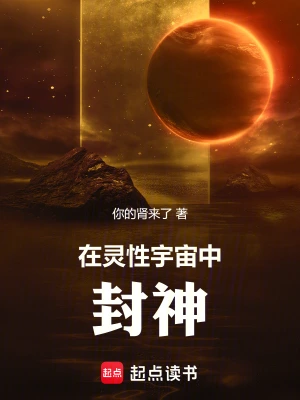
Enshrined as a God in the Spiritual Universe
在灵性宇宙中封神
- Status
- Ongoing
- Length
- 549k Words
- Genre
- Eastern Fantasy
- Subgenre
- Otherworld Continent
- Updated
- 11mo ago
- Source
- Qidian
Stats
193Chapters
0Votes
1.8kRecs
5.6kFans
Tags
Synopsis
More by this author
Readers also read
 I Became a Dangerous Inlet
 The God of the Ming Dynasty: Qi Shaobao's Martial Arts and His Deeds Became a God
 Wu Wu Tabu
 A Three Hundred Year Old Knight Is Not an Immortal
 Simultaneous Transmigration: Is Everyone Starting Out in Prison?
 Lord of Dreams, Both Real and Illusory, Beginning After Death
 A Strange Path to Immortality: I Built a Mythic Sequence
 A Great Industrial Nation, Starting with a Fake Student Abroad
 A Dual Status Panel Descends into the Abyss, and the Assassin's Potion Is Right at the Entrance
 Greek Mythology: God of Caves
 Wizard: Starting with Immortality
 The Mystic Compendium of Guixu
 Lord of Spells, Beginning in Faerun
Reader comments 22
Google Translate
Enmnm, it feels like all the vigilance the protagonist had when he was a god in his previous life has been lost, and the development of believers also feels very strange. 😰
The writing is not quite right
I feel that if the protagonist goes to another world to expand his clergy and develop believers, the protagonist gives power behind the scenes to dispel distortions, and if something happens to the believers, the Holy Spirit comes to the world if it doesn't work, or if it doesn't work, God comes to the world, it will be very interesting. As a result, now the protagonist is running around on his own, fighting and killing, but he can't beat anyone. He has lost any of the character of a true god. It is completely like an ordinary otherworldly travel novel. It is impossible to see that the protagonist is a bit like a god. At least he is a true god who ignites the divine fire, condenses the divine personality, and has the status of a god. Now there is no trace of a god at all.
La, no planning or vigilance at all,
Cthulhu's worldview doesn't have a template for the God of Abundance and Measurement, can we refer to it? People call it Shouwen, and the missionary method of spreading it from one person to ten and from ten to a hundred is not easy to use.
Shennongtie
I saw 47, and died of poison With so much divine power in your hand, why don't you get promoted? The one who rides the horse is just a living piggy bank for others. This is just the straw that breaks the camel's back. The protagonist should not be set up as a god before. If you don't know how to write pretentiously, then don't be so cool. After watching so many of them, I just feel that the protagonist is extremely low. The setting of the invincible flow and the plot of the grassroots flow are too disconnected.
Why don't you switch to AI? ()
Since the protagonist is a healing god, shouldn't he go to hospitals or battlefields to spread his faith? Why is it only spread to people who receive one-on-one counseling and treatment? And it doesn't seem to have produced any believers.
The idea is quite good, and the setting is interesting, but it seems a bit different, not like a secret sect, not weird, not like a Western fantasy, but the writing style is not a novice, so I look forward to the author's improvement.
This is a difficult book about DND gods, but the writing about the gods is too overwhelming.
The problem with this book is that it overwhelms God. The gap between divine creatures and ordinary humans is very large. Even so-called extraordinary beings should still be in the category of mortal beings. Only high-level extraordinary beings can gain the respect of gods. What we are talking about here is nothing but respect. This book does not reflect the personality of gods at all, and there is also a problem with the setting of the Kingdom of God. The Kingdom of God is the embodiment of the power of God, and it can best embody the priesthood and exert its power. Therefore, the power attribute must be consistent with the God himself. This book does not reflect it at all. It has no way of understanding the so-called Mirror Kingdom. Moreover, believers in God can become clergy, such as priests, paladins, etc. The so-called divine arts written in the book are more similar to extraordinary divine power. The author probably doesn't know much about the settings of gods in DND, so what he writes feels very awkward.
Where are your Diluq followers? Never mind, it seems like we are putting the cart before the horse.