Library
Browse and search books
753 novels found
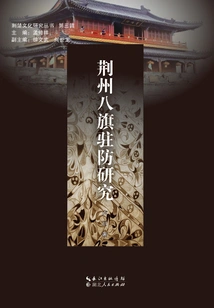
荆州八旗驻防研究
Lu Chuan
From a macro perspective, it describes the military garrison in the Qing Dynasty and the military garrison in Jingzhou before the Qing Dynasty. It divides the Eight Banners garrison in Jingzhou into stages as a whole, and studies the important historical events of population changes in Jingzhou garrison.
From a macro perspective, it describes the military garrison in the Qing Dynasty and the military garrison in Jingzhou before the Qing Dynasty. It divides the Eight Banners garrison in Jingzhou into stages as a whole, and studies the important historical events of population changes in Jingzhou garrison.
恩施文化简史
Hubei Province Cppcc Literature, History And Study Committee Hubei Province Jingchu Culture Research Association "a Brief History Of Enshi Culture" Compilation Committee
"A Brief History of Enshi Culture" is a component of the "Brief History of Hubei Culture" compilation system project organized by the Hubei Provincial Committee of the Chinese People's Political Consultative Conference and the Jingchu Culture Research Association. This book comprehensively combs and summarizes the cultural achievements and cultural features of various historical periods in the current jurisdiction of Enshi Tujia and Miao Autonomous Prefecture from prehistory to 1949.
"A Brief History of Enshi Culture" is a component of the "Brief History of Hubei Culture" compilation system project organized by the Hubei Provincial Committee of the Chinese People's Political Consultative Conference and the Jingchu Culture Research Association. This book comprehensively combs and summarizes the cultural achievements and cultural features of various historical periods in the current jurisdiction of Enshi Tujia and Miao Autonomous Prefecture from prehistory to 1949.
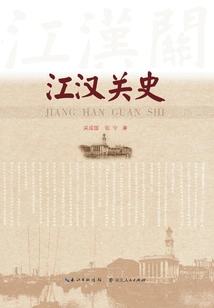
History of Jianghan Pass
History江汉关史
Wu Chengguo Zhang Ning
This book reflects the tariff data of the past years since the opening and closing of Jianghan Pass as well as the humanities, scenery, city appearance and other conditions of that era. It deeply exposes the history of China's exploitation and oppression by imperialism and capitalists in the semi-colonial and semi-feudal period. It is richly illustrated and has important documentary and historical value. It plays a vital role in the study of historical materials by future generations.
This book reflects the tariff data of the past years since the opening and closing of Jianghan Pass as well as the humanities, scenery, city appearance and other conditions of that era. It deeply exposes the history of China's exploitation and oppression by imperialism and capitalists in the semi-colonial and semi-feudal period. It is richly illustrated and has important documentary and historical value. It plays a vital role in the study of historical materials by future generations.
荆门文化简史
Hubei Province Cppcc Literature, History And Study Committee Hubei Province Jingchu Culture Research Association "a Brief History Of Jingmen Culture" Compilation Committee
This manuscript is a brief history of Jingmen culture. Jingmen area has a long history, prosperous culture and long history. It is the discovery place of Qujialing Culture, the central area of Chu Culture, and the location of the world cultural heritage Ming Ming Tomb. It is one of the important components of Chinese civilization. For thousands of years, the ancestors of Jingmen worked diligently and multiplied, and while creating a developed material civilization, they also created an excellent spiritual civilization. The ancient cultural resources in Jingmen area mainly include Qujialing culture, Chu culture, Green Forest culture, Guan Gong culture of the Three Kingdoms, Mingming Mausoleum culture, Academy culture, Jingxiang ancient road culture, longevity culture, religious culture, celebrity culture, red culture, and folk culture. This book sorts out these cultures and will make new contributions to promoting the construction of socialist spiritual civilization.
This manuscript is a brief history of Jingmen culture. Jingmen area has a long history, prosperous culture and long history. It is the discovery place of Qujialing Culture, the central area of Chu Culture, and the location of the world cultural heritage Ming Ming Tomb. It is one of the important components of Chinese civilization. For thousands of years, the ancestors of Jingmen worked diligently and multiplied, and while creating a developed material civilization, they also created an excellent spiritual civilization. The ancient cultural resources in Jingmen area mainly include Qujialing culture, Chu culture, Green Forest culture, Guan Gong culture of the Three Kingdoms, Mingming Mausoleum culture, Academy culture, Jingxiang ancient road culture, longevity culture, religious culture, celebrity culture, red culture, and folk culture. This book sorts out these cultures and will make new contributions to promoting the construction of socialist spiritual civilization.
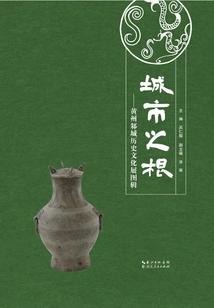
City roots
History城市之根
Editor-in-chief Wu Renchao Deputy Editor-in-chief Tu Yin
"Roots of the City - Huangzhou Zhucheng Historical and Cultural Exhibition" is the first large-scale basic exhibition held in Huangzhou District under the care of the Hubei Provincial Cultural Relics Bureau to comprehensively reflect the historical and cultural achievements of Huangzhou. The exhibition displays more than two hundred precious cultural relics unearthed from Zhu City, fully demonstrating the rich cultural heritage of Huangzhou, a famous historical and cultural city. It is a popular exhibition suitable for the general public and school teenagers to understand the essence of Huangzhou's thousand-year culture and learn cultural relic knowledge. The book manuscript is a collection of photos from the exhibition. It is intended to deeply explore the profound historical and cultural connotations of Huangzhou and widely publicize the protection of cultural relics. It not only fully demonstrates the style of the unearthed cultural relics, but also popularizes basic knowledge of cultural relics. It highly summarizes the research results of the archaeological excavations of the Huangzhou District Museum in the past thirty years. It is a rare collection of high-quality local cultural relics.
"Roots of the City - Huangzhou Zhucheng Historical and Cultural Exhibition" is the first large-scale basic exhibition held in Huangzhou District under the care of the Hubei Provincial Cultural Relics Bureau to comprehensively reflect the historical and cultural achievements of Huangzhou. The exhibition displays more than two hundred precious cultural relics unearthed from Zhu City, fully demonstrating the rich cultural heritage of Huangzhou, a famous historical and cultural city. It is a popular exhibition suitable for the general public and school teenagers to understand the essence of Huangzhou's thousand-year culture and learn cultural relic knowledge. The book manuscript is a collection of photos from the exhibition. It is intended to deeply explore the profound historical and cultural connotations of Huangzhou and widely publicize the protection of cultural relics. It not only fully demonstrates the style of the unearthed cultural relics, but also popularizes basic knowledge of cultural relics. It highly summarizes the research results of the archaeological excavations of the Huangzhou District Museum in the past thirty years. It is a rare collection of high-quality local cultural relics.
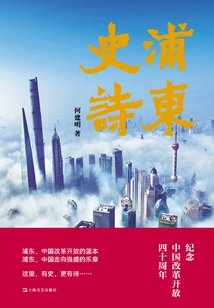
Pudong Epic
History浦东史诗
He Jianming
"Pudong Epic", carefully created by He Jianming, a well-known reportage writer and vice chairman of the Chinese Writers Association, is the first full-length reportage form to panoramically display the magnificent historical process and era of Pudong's development and opening up from the fields of economy, politics, culture, society, and ecological civilization. Writer He Jianming reviewed more than 10 million words of materials and documents, interviewed hundreds of people who had witnessed Pudong's development and opening up, and visited the hot scenes of Pudong's urban and rural and modernization construction. With full enthusiasm, unique perspective, detailed information and vivid language, he vividly and profoundly reflected It reflects the world-renowned achievements that Pudong was born for and prospered because of reform, and implemented the national strategy with the courage to move forward, the courage to overcome difficulties, and the spirit of being one step ahead. It highlights the exemplary significance and contemporary value of Pudong's development and opening up in the process of China's reform and opening up. "Pudong Epic" focuses the writer's perspective on a hot land of China's reform and opening up, and brings the literary pen directly to the forefront of China's modernization construction. It writes the great achievements of Pudong's development and opening up in the past thirty years with the moving stories of Pudong builders who are stained with mud, steaming and dewy. The content of the book is vivid, majestic, and has strong literary appeal and readability. It is a masterpiece with major realistic themes that faces the present, eulogizes the times, and promotes reform and opening up.
"Pudong Epic", carefully created by He Jianming, a well-known reportage writer and vice chairman of the Chinese Writers Association, is the first full-length reportage form to panoramically display the magnificent historical process and era of Pudong's development and opening up from the fields of economy, politics, culture, society, and ecological civilization. Writer He Jianming reviewed more than 10 million words of materials and documents, interviewed hundreds of people who had witnessed Pudong's development and opening up, and visited the hot scenes of Pudong's urban and rural and modernization construction. With full enthusiasm, unique perspective, detailed information and vivid language, he vividly and profoundly reflected It reflects the world-renowned achievements that Pudong was born for and prospered because of reform, and implemented the national strategy with the courage to move forward, the courage to overcome difficulties, and the spirit of being one step ahead. It highlights the exemplary significance and contemporary value of Pudong's development and opening up in the process of China's reform and opening up. "Pudong Epic" focuses the writer's perspective on a hot land of China's reform and opening up, and brings the literary pen directly to the forefront of China's modernization construction. It writes the great achievements of Pudong's development and opening up in the past thirty years with the moving stories of Pudong builders who are stained with mud, steaming and dewy. The content of the book is vivid, majestic, and has strong literary appeal and readability. It is a masterpiece with major realistic themes that faces the present, eulogizes the times, and promotes reform and opening up.
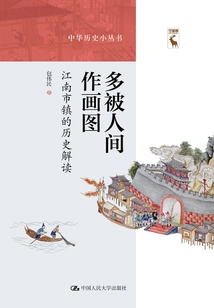
多被人间作画图:江南市镇的历史解读
Bao Weimin
In recent years, driven by tourism, the rural commercial settlements in the south of the Yangtze River, which once played an important role in the historical development of our country, have once again attracted widespread attention. Over the past seven or eight hundred years, catalyzed by various factors such as technological progress and population pressure, agricultural production in the Jiangnan region has gradually shifted to a professional economy represented by the cotton and mulberry industry. The demand for commodity exchange with the outside world has continued to expand, prompting the creation of a large number of large and small business activity centers dependent on the professional economy in rural areas, and ultimately presented a unique landscape with dotted markets and dazzling culture. This formation mechanism and economic foundation of Jiangnan towns not only standardized their transportation network, structural layout, town shape, market architecture, and industry characteristics, but also affected people's living customs and cultural mentality. In modern times, as the traditional rural economy has gone away, except for a few that have been transformed into cultural parks with the theme of "traditional Jiangnan towns," what kind of development prospects will a large number of towns in the Jiangnan region face has become a brand new question that people in this region must answer. The above is what this book attempts to introduce to readers in relatively popular language.
In recent years, driven by tourism, the rural commercial settlements in the south of the Yangtze River, which once played an important role in the historical development of our country, have once again attracted widespread attention. Over the past seven or eight hundred years, catalyzed by various factors such as technological progress and population pressure, agricultural production in the Jiangnan region has gradually shifted to a professional economy represented by the cotton and mulberry industry. The demand for commodity exchange with the outside world has continued to expand, prompting the creation of a large number of large and small business activity centers dependent on the professional economy in rural areas, and ultimately presented a unique landscape with dotted markets and dazzling culture. This formation mechanism and economic foundation of Jiangnan towns not only standardized their transportation network, structural layout, town shape, market architecture, and industry characteristics, but also affected people's living customs and cultural mentality. In modern times, as the traditional rural economy has gone away, except for a few that have been transformed into cultural parks with the theme of "traditional Jiangnan towns," what kind of development prospects will a large number of towns in the Jiangnan region face has become a brand new question that people in this region must answer. The above is what this book attempts to introduce to readers in relatively popular language.
《礼记》的现代阐释
Wu Yunhui
From the perspective of traditional culture, this book analyzes the status and role of traditional etiquette represented in the "Book of Rites" in traditional Chinese culture, reveals the cultural connotation and spiritual essence of modern etiquette in a harmonious society, explores the development trend of etiquette in the integration of tradition and modernity, and realizes the interconnection of etiquette and culture, morality and self-cultivation.
From the perspective of traditional culture, this book analyzes the status and role of traditional etiquette represented in the "Book of Rites" in traditional Chinese culture, reveals the cultural connotation and spiritual essence of modern etiquette in a harmonious society, explores the development trend of etiquette in the integration of tradition and modernity, and realizes the interconnection of etiquette and culture, morality and self-cultivation.
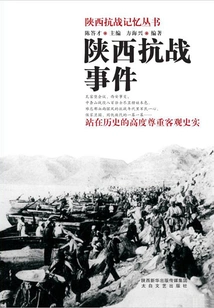
陕西抗战事件(陕西抗战记忆丛书)
Compiled By Fang Haixing
"Shaanxi Anti-Japanese War Incidents" selects some major events related to the Anti-Japanese War that occurred in Shaanxi. These events should not and cannot be forgotten, because they warn, inspire, and call the people of Shaanxi. These historical events intertwined with iron and blood, justice and evil should not be submerged in the long river of history as time goes by.
"Shaanxi Anti-Japanese War Incidents" selects some major events related to the Anti-Japanese War that occurred in Shaanxi. These events should not and cannot be forgotten, because they warn, inspire, and call the people of Shaanxi. These historical events intertwined with iron and blood, justice and evil should not be submerged in the long river of history as time goes by.
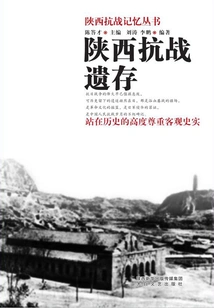
陕西抗战遗存(陕西抗战记忆丛书)
Compiled By Liu Tao And Li Peng
"Relics of the Anti-Japanese War in Shaanxi" (picture collection) mainly focuses on the relics of the Anti-Japanese War, supplemented by exquisite pictures and text descriptions, which vividly displays the main existing anti-Japanese War relics and relics in Shaanxi Province. In terms of content, this book not only fills the research gap in this field, but also in terms of form and binding, with pictures and texts that appeal to both refined and popular tastes, it will surely become a vivid teaching material that readers will enjoy, learn about history, understand the present, and educate people on politics.
"Relics of the Anti-Japanese War in Shaanxi" (picture collection) mainly focuses on the relics of the Anti-Japanese War, supplemented by exquisite pictures and text descriptions, which vividly displays the main existing anti-Japanese War relics and relics in Shaanxi Province. In terms of content, this book not only fills the research gap in this field, but also in terms of form and binding, with pictures and texts that appeal to both refined and popular tastes, it will surely become a vivid teaching material that readers will enjoy, learn about history, understand the present, and educate people on politics.
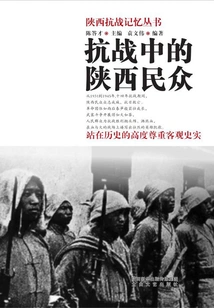
抗战中的陕西民众(陕西抗战记忆丛书)
Compiled By Yuan Wenwei
"Shaanxi People in the Anti-Japanese War" includes: Shaanxi's anti-Japanese war groups, such as the Democratic Pioneers, Shaanxi Provincial Anti-Enemy Support Association, Shaanxi Provincial Youth National Salvation Federation and other organizations; Shaanxi's progressive news media during the anti-Japanese war, including various progressive organizations and their progressive publications; anti-Japanese guerrillas of various organizations in Shaanxi; anti-Japanese war petitions organized by the people and their great contributions to the anti-Japanese war.
"Shaanxi People in the Anti-Japanese War" includes: Shaanxi's anti-Japanese war groups, such as the Democratic Pioneers, Shaanxi Provincial Anti-Enemy Support Association, Shaanxi Provincial Youth National Salvation Federation and other organizations; Shaanxi's progressive news media during the anti-Japanese war, including various progressive organizations and their progressive publications; anti-Japanese guerrillas of various organizations in Shaanxi; anti-Japanese war petitions organized by the people and their great contributions to the anti-Japanese war.
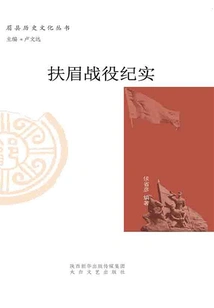
扶眉战役纪实
Compiled By Hou Shengyan
This book records in detail and truthfully the process of the Battle of Fumei, a major battle to liberate the Northwest during the War of Liberation. It reproduces the revolutionary heroic spirit, superb military wisdom and touching stories of bloody battles of the Chinese People's Liberation Army. It is a rare textbook for the traditional education of the red revolution.
This book records in detail and truthfully the process of the Battle of Fumei, a major battle to liberate the Northwest during the War of Liberation. It reproduces the revolutionary heroic spirit, superb military wisdom and touching stories of bloody battles of the Chinese People's Liberation Army. It is a rare textbook for the traditional education of the red revolution.
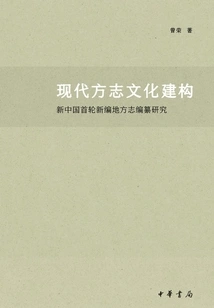
现代方志文化建构:新中国首轮新编地方志编纂研究
Zeng Rong
Compiling local chronicles is an excellent cultural tradition in our country. The first round of compilation of local chronicles after the founding of the People's Republic of China was launched in the early 1980s and lasted for more than 30 years. It has achieved fruitful results in the compilation of local chronicles at the provincial, municipal and county levels across the country. This book combs the historical process of the first round of local chronicle compilation since the reform and opening up, analyzes and summarizes the experience and lessons in the compilation of local chronicles, and focuses on the new local chronicle compilation theory and related issues. Starting from the compilation theory, chronicle style, and compilation methods of new local chronicles, it proposes research ideas for comparative analysis with the compilation of local chronicles in the Republic of China, and then refines the intrinsic factors of local chronicle culture to provide useful inspiration and reference for the current compilation of local chronicles.
Compiling local chronicles is an excellent cultural tradition in our country. The first round of compilation of local chronicles after the founding of the People's Republic of China was launched in the early 1980s and lasted for more than 30 years. It has achieved fruitful results in the compilation of local chronicles at the provincial, municipal and county levels across the country. This book combs the historical process of the first round of local chronicle compilation since the reform and opening up, analyzes and summarizes the experience and lessons in the compilation of local chronicles, and focuses on the new local chronicle compilation theory and related issues. Starting from the compilation theory, chronicle style, and compilation methods of new local chronicles, it proposes research ideas for comparative analysis with the compilation of local chronicles in the Republic of China, and then refines the intrinsic factors of local chronicle culture to provide useful inspiration and reference for the current compilation of local chronicles.
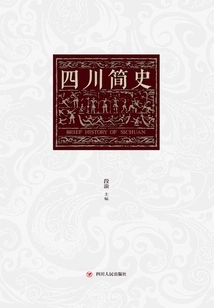
A Brief History of Sichuan
History四川简史
Duan Yu
Sichuan was called Bashu in ancient times, or Shu for short. Sichuan is located in the hinterland of southwest China and at the hub of the upper reaches of the Yangtze River. It has a vast territory and numerous ethnic groups. It has been known as "a natural treasure with abundant resources and outstanding people" since ancient times. Although it is far away from the Central Plains, its historical evolution pace is generally consistent with that of the Central Plains. In most historical periods, Sichuan has enjoyed political clarity, economic development, and cultural prosperity, and has always been regarded as the strategic rear area of the motherland. Therefore, the fertile fields of Shu are thousands of miles away, and they are called land and sea. When there is a drought, water will be diverted to infiltrate it, and when it rains, the water gates will be blocked. Therefore, it is recorded that "floods and droughts follow people, and they don't know about famine." There are no famine years, and the world calls it Tianfu.
Sichuan was called Bashu in ancient times, or Shu for short. Sichuan is located in the hinterland of southwest China and at the hub of the upper reaches of the Yangtze River. It has a vast territory and numerous ethnic groups. It has been known as "a natural treasure with abundant resources and outstanding people" since ancient times. Although it is far away from the Central Plains, its historical evolution pace is generally consistent with that of the Central Plains. In most historical periods, Sichuan has enjoyed political clarity, economic development, and cultural prosperity, and has always been regarded as the strategic rear area of the motherland. Therefore, the fertile fields of Shu are thousands of miles away, and they are called land and sea. When there is a drought, water will be diverted to infiltrate it, and when it rains, the water gates will be blocked. Therefore, it is recorded that "floods and droughts follow people, and they don't know about famine." There are no famine years, and the world calls it Tianfu.
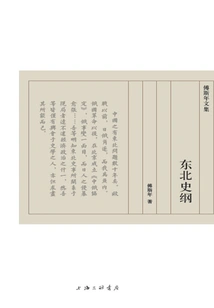
东北史纲(傅斯年文集)
Fu Sinian
"An Outline of the History of Northeast China" was written by Fu Sinian in an anxious mood after the September 18th Incident. It was mainly to convince the League of Nations Lytton Investigation Team that Northeast China has been Chinese territory since ancient times. This book probably aims to prove that Northeast China belongs to China based on historical records, so as to refute the Japanese fallacy that "Han and Mongolia were not part of China's territory in history".
"An Outline of the History of Northeast China" was written by Fu Sinian in an anxious mood after the September 18th Incident. It was mainly to convince the League of Nations Lytton Investigation Team that Northeast China has been Chinese territory since ancient times. This book probably aims to prove that Northeast China belongs to China based on historical records, so as to refute the Japanese fallacy that "Han and Mongolia were not part of China's territory in history".
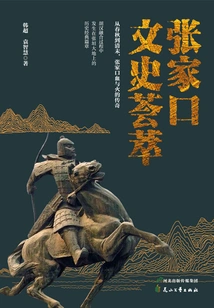
张家口文史荟萃
Han Chao Yuan Zhihui
This book uses a novel perspective to uniquely tell the glorious history and heroes of this land that have been covered up. The author hopes that through this book, he can enhance the cultural heritage of the city and arouse everyone's interest in understanding local history! This will inherit and carry forward the city's history and culture, and will have important practical significance and far-reaching impact on the development of the city. Same history, different deconstruction. This book uses relaxed language to gain insight into the historical truth, uses a professional vision to decipher the eternal mysteries, and tells the classic story of Zhangjiakou in a clear context.
This book uses a novel perspective to uniquely tell the glorious history and heroes of this land that have been covered up. The author hopes that through this book, he can enhance the cultural heritage of the city and arouse everyone's interest in understanding local history! This will inherit and carry forward the city's history and culture, and will have important practical significance and far-reaching impact on the development of the city. Same history, different deconstruction. This book uses relaxed language to gain insight into the historical truth, uses a professional vision to decipher the eternal mysteries, and tells the classic story of Zhangjiakou in a clear context.
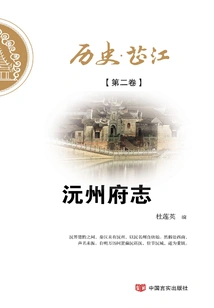
沅州府志(全2册)
Yang Xukai Du Lianying
Zhi is also like history, history is the record of a generation, and Zhi is the reference for a county. In the past, Sima had books such as "Tianguan" and "Liyue", and Banshi had eight annals. How could they distinguish local conditions, describe personnel and affairs, and examine materials, so how could they be superficial and fresh? It is the only way to make ambitions. If it does not compromise and support each other, it will be absurd and unreasonable; if it does not search far and near, it will be incomplete and inappropriate. If the knowledge is uncertain, the problems will be complicated and it will be impossible to distinguish the red, purple and vermilion errors; if the words are not true, the truth will be exaggerated and powerful, and the true appearance of Xishan will be lost. This shortcoming is something that Er writers (attendants, close ministers, here refers to historians) have always suffered from, and there are often things that are not avoided. Zhiyuan County is surrounded by thousands of mountains, with a line of streams, scattered Miao and Miao communities, and a few villages. It is a town in Zhijiang, and the road leads to Yunnan and Guizhou. However, the forests are deep and dense, and the ridges and hills are numerous, all of which are important places in the south of Chu. Although it is considered that the state has been famous since the Tang Dynasty and the government has been established since the Ming Dynasty, but if I want to find a collection of books that can be proved by my husband, I can't find any evidence of the sophistication of questioning. Previously, Zhu Yan, the governor, had the ambition to write a new book and edit it, but he died at the end of it. He did not finish the book, so that was the reason why he was in charge. Today Tangjun, the governor of the country, has been in office for four years. He has good political leadership and harmonious relations. Ingenious and accurate. If something is absurd, delete it; if something is missing, add it. Knowledge must detect its subtleties, and words must mention its essentials. In the "territory", we see the complete situation; in the "mountains and rivers", we see the places of interest; in the "schools", we see the clarity of human ethics; in the "folk customs", we see the simplicity; in the "elections", we see the efforts of talented people; in the "land Fu", we see the system of the soil; "Altar and temple", it can be seen that the sound is outstanding; in "characters and women", it is subtle and elucidating, and the name is actually the Prime Minister's Palace, so it encourages morale and inspires people's hearts; in "military system" and "Yi Delivery", it is based on danger and concise, and the construction is suitable, so it prepares for military affairs and emphasizes the imperial splendor. Other "passes", "Jinliangs", "cities", "properties", etc. Are clearly organized and can be read as a book, and it is a good history of a county.
Zhi is also like history, history is the record of a generation, and Zhi is the reference for a county. In the past, Sima had books such as "Tianguan" and "Liyue", and Banshi had eight annals. How could they distinguish local conditions, describe personnel and affairs, and examine materials, so how could they be superficial and fresh? It is the only way to make ambitions. If it does not compromise and support each other, it will be absurd and unreasonable; if it does not search far and near, it will be incomplete and inappropriate. If the knowledge is uncertain, the problems will be complicated and it will be impossible to distinguish the red, purple and vermilion errors; if the words are not true, the truth will be exaggerated and powerful, and the true appearance of Xishan will be lost. This shortcoming is something that Er writers (attendants, close ministers, here refers to historians) have always suffered from, and there are often things that are not avoided. Zhiyuan County is surrounded by thousands of mountains, with a line of streams, scattered Miao and Miao communities, and a few villages. It is a town in Zhijiang, and the road leads to Yunnan and Guizhou. However, the forests are deep and dense, and the ridges and hills are numerous, all of which are important places in the south of Chu. Although it is considered that the state has been famous since the Tang Dynasty and the government has been established since the Ming Dynasty, but if I want to find a collection of books that can be proved by my husband, I can't find any evidence of the sophistication of questioning. Previously, Zhu Yan, the governor, had the ambition to write a new book and edit it, but he died at the end of it. He did not finish the book, so that was the reason why he was in charge. Today Tangjun, the governor of the country, has been in office for four years. He has good political leadership and harmonious relations. Ingenious and accurate. If something is absurd, delete it; if something is missing, add it. Knowledge must detect its subtleties, and words must mention its essentials. In the "territory", we see the complete situation; in the "mountains and rivers", we see the places of interest; in the "schools", we see the clarity of human ethics; in the "folk customs", we see the simplicity; in the "elections", we see the efforts of talented people; in the "land Fu", we see the system of the soil; "Altar and temple", it can be seen that the sound is outstanding; in "characters and women", it is subtle and elucidating, and the name is actually the Prime Minister's Palace, so it encourages morale and inspires people's hearts; in "military system" and "Yi Delivery", it is based on danger and concise, and the construction is suitable, so it prepares for military affairs and emphasizes the imperial splendor. Other "passes", "Jinliangs", "cities", "properties", etc. Are clearly organized and can be read as a book, and it is a good history of a county.
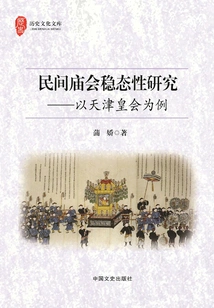
民间庙会稳定性研究
Pu Jiao
The "Huang Hui" originated from the folk "Empress Hui". It is a large-scale celebration held in Tianjin in Tianjin to commemorate the birth of Mazu, the goddess of the sea, in Tianhou Temple and surrounding neighborhoods. The festival is held on the 23rd of the third month of the lunar calendar and in any year. The Huanghui plays an important role in the development of Tianjin's history and culture, reflecting the rich regional cultural character of Tianjin. There is a local saying that "the Tianhou Palace came first, and then the Tianjin Wei". The Huanghui is also known as the "Chinese Carnival".
The "Huang Hui" originated from the folk "Empress Hui". It is a large-scale celebration held in Tianjin in Tianjin to commemorate the birth of Mazu, the goddess of the sea, in Tianhou Temple and surrounding neighborhoods. The festival is held on the 23rd of the third month of the lunar calendar and in any year. The Huanghui plays an important role in the development of Tianjin's history and culture, reflecting the rich regional cultural character of Tianjin. There is a local saying that "the Tianhou Palace came first, and then the Tianjin Wei". The Huanghui is also known as the "Chinese Carnival".
中国县级以上政区地名史考(全二册)
Compiled By Gao Junliang And Mei Feng
This book is based on the national administrative divisions at or above the county level approved by the State Council, and refers to a large number of ancient and modern local chronicles as well as various geographical gazetteers, books, atlases, etc., To collect and verify the origin and historical evolution of the names of cities at and above the county level today, a total of 3,261 entries.
This book is based on the national administrative divisions at or above the county level approved by the State Council, and refers to a large number of ancient and modern local chronicles as well as various geographical gazetteers, books, atlases, etc., To collect and verify the origin and historical evolution of the names of cities at and above the county level today, a total of 3,261 entries.
甘肃通史·先秦卷
Liu Guanghua
Gansu is one of the birthplaces of Chinese culture. During the long historical process, many ethnic groups have thrived on this land, interacted closely, and shared weal and woe, creating a splendid historical civilization and making important contributions to the formation of the pluralistic unity of the Chinese nation. Looking back at yesterday, Gansu's rich historical and cultural accumulation has become the root of this hot land; looking at today, the fiery life of the Gansu people's hard work inherits the endless spiritual power; looking forward to tomorrow, along with the process of the great rejuvenation of the Chinese nation, the people of Gansu will write a more glorious historical chapter.
Gansu is one of the birthplaces of Chinese culture. During the long historical process, many ethnic groups have thrived on this land, interacted closely, and shared weal and woe, creating a splendid historical civilization and making important contributions to the formation of the pluralistic unity of the Chinese nation. Looking back at yesterday, Gansu's rich historical and cultural accumulation has become the root of this hot land; looking at today, the fiery life of the Gansu people's hard work inherits the endless spiritual power; looking forward to tomorrow, along with the process of the great rejuvenation of the Chinese nation, the people of Gansu will write a more glorious historical chapter.
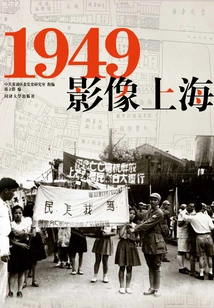
1949 Image Shanghai
History1949影像上海
Luo Laijin
With more than 260 photos frozen in historical moments, it presents the social life trajectories experienced by people of all walks of life during the liberation of Shanghai 70 years ago. It not only reflects scenes of major historical events, but also observes ordinary people. It helps contemporary readers to visually understand Shanghai in 1949 more intuitively. In particular, some photos from the private sector are disclosed for the first time, which enriches and enriches the image history of Shanghai at this stage.
With more than 260 photos frozen in historical moments, it presents the social life trajectories experienced by people of all walks of life during the liberation of Shanghai 70 years ago. It not only reflects scenes of major historical events, but also observes ordinary people. It helps contemporary readers to visually understand Shanghai in 1949 more intuitively. In particular, some photos from the private sector are disclosed for the first time, which enriches and enriches the image history of Shanghai at this stage.
民国察哈尔行政长官传略
Lu Jianxin Zhang Xiaoguang Zhao Yupeng
Chahar has a long history and a profound cultural heritage due to its unique geographical location. This book shows the changes in Chahar's industry, agriculture, animal husbandry, military, economic and cultural aspects by describing the resumes of the successive chief executives who presided over the Chahar government during the Republic of China and their main political achievements in Chahar.
Chahar has a long history and a profound cultural heritage due to its unique geographical location. This book shows the changes in Chahar's industry, agriculture, animal husbandry, military, economic and cultural aspects by describing the resumes of the successive chief executives who presided over the Chahar government during the Republic of China and their main political achievements in Chahar.
台湾历史研究(第一辑)
Li Xizhu Editor-in-chief Zhang Haipeng
"Taiwan History Research" is a professional academic journal on Taiwan history research sponsored by the Taiwan History Research Center of the Chinese Academy of Social Sciences and edited by the Taiwan History Research Office of the Institute of Modern History of the Chinese Academy of Social Sciences. It publishes original and outstanding academic results in the field of Taiwan history research from ancient times to the present. The content covers political history, economic history, social history, cultural history, intellectual history, military history, diplomatic history and historical figures. The genres include special research papers, historical reading notes, historical factual examination, historical material reviews, book reviews (research book reviews and introductory book reviews) and literary reviews, academic reviews, academic discussions, academic trends, etc. It also appropriately publishes rare materials and oral historical materials about Taiwan history research, with a view to building an academic exchange platform for Taiwan history research.
"Taiwan History Research" is a professional academic journal on Taiwan history research sponsored by the Taiwan History Research Center of the Chinese Academy of Social Sciences and edited by the Taiwan History Research Office of the Institute of Modern History of the Chinese Academy of Social Sciences. It publishes original and outstanding academic results in the field of Taiwan history research from ancient times to the present. The content covers political history, economic history, social history, cultural history, intellectual history, military history, diplomatic history and historical figures. The genres include special research papers, historical reading notes, historical factual examination, historical material reviews, book reviews (research book reviews and introductory book reviews) and literary reviews, academic reviews, academic discussions, academic trends, etc. It also appropriately publishes rare materials and oral historical materials about Taiwan history research, with a view to building an academic exchange platform for Taiwan history research.
Research on Huzhou Documents
History湖州文献考索
Editor-in-chief Wang Zengqing
"Research on Huzhou Literature" is a masterpiece that systematically sorts out Huzhou's local literature. The book is divided into six chapters, starting from the Han and Wei Dynasties and ending in 1949. It is mainly based on the records of Huzhou's new records and old records of the past dynasties. Among them, the ancient parts are classified according to classics, history, local chronicles, zi, and ji. The historical narrative has a clear context. The literature of the Republic of China has a special chapter and is discussed by subject classification. This book is an important reference book for retrieving and consulting local literature in Huzhou.
"Research on Huzhou Literature" is a masterpiece that systematically sorts out Huzhou's local literature. The book is divided into six chapters, starting from the Han and Wei Dynasties and ending in 1949. It is mainly based on the records of Huzhou's new records and old records of the past dynasties. Among them, the ancient parts are classified according to classics, history, local chronicles, zi, and ji. The historical narrative has a clear context. The literature of the Republic of China has a special chapter and is discussed by subject classification. This book is an important reference book for retrieving and consulting local literature in Huzhou.
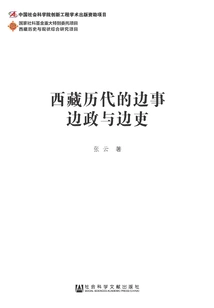
西藏历代的边事边政与边吏
Zhang Yun
In the form of a special topic, this book systematically and in-depth discusses the major events that occurred in Tibet during the historical period from the Tubo era to the peaceful liberation, as well as the policies and measures taken by the central government to deal with these events, and the role of representative officials in them. This book attaches great importance to the mutual support and complementation of various written materials such as Chinese and Tibetan. Through multi-perspective and wide-field in-depth analysis of issues, it focuses on the interaction between the central dynasty or the central government and local Tibet. It grasps the laws of local historical development in Tibet and summarizes the experience and lessons of Tibet governance in past dynasties. It has a reference role for contemporary Tibetan economic and social development and border governance.
In the form of a special topic, this book systematically and in-depth discusses the major events that occurred in Tibet during the historical period from the Tubo era to the peaceful liberation, as well as the policies and measures taken by the central government to deal with these events, and the role of representative officials in them. This book attaches great importance to the mutual support and complementation of various written materials such as Chinese and Tibetan. Through multi-perspective and wide-field in-depth analysis of issues, it focuses on the interaction between the central dynasty or the central government and local Tibet. It grasps the laws of local historical development in Tibet and summarizes the experience and lessons of Tibet governance in past dynasties. It has a reference role for contemporary Tibetan economic and social development and border governance.
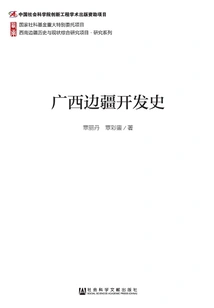
广西边疆开发史
Qin Lidan Qin Cailuan
This book uses the theories and methods of history, economics, sociology and ethnology, and uses archaeological excavations, documentary materials, field surveys, etc. To comprehensively and systematically describe the history of Guangxi's frontier development. It elaborates on the positive contributions made by various ethnic groups in Guangxi in developing and defending the southern frontier of the motherland, promoting the comprehensive development of social economy and culture, and maintaining national unity and frontier stability.
This book uses the theories and methods of history, economics, sociology and ethnology, and uses archaeological excavations, documentary materials, field surveys, etc. To comprehensively and systematically describe the history of Guangxi's frontier development. It elaborates on the positive contributions made by various ethnic groups in Guangxi in developing and defending the southern frontier of the motherland, promoting the comprehensive development of social economy and culture, and maintaining national unity and frontier stability.
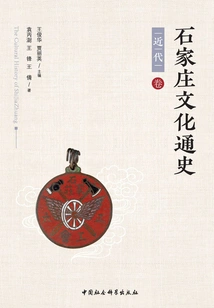
石家庄文化通史(近代卷)
Yuan Bingshu Wang Feng Wang Qian
"General History of Shijiazhuang Culture" is divided into volumes of Pre-Qin, Qin and Han, Wei, Jin, Sui and Tang, Song, Jin and Yuan, Ming and Qing, and modern and contemporary volumes. The manuscript is the fifth volume of the five-volume "General History of Shijiazhuang Culture". This book is the research result of "Specialized History", a key construction discipline of Shijiazhuang University. From the perspective of regional history and culture, the cultural events in Shijiazhuang City in modern times are systematically sorted out. By introducing the historical process of Shijiazhuang's development from villages to towns to cities in modern times, it reveals the inherent changing trend of the cultural character of the region. In the entanglement of closedness-openness, conservatism-tolerance, new developments and interpretations of the traditional Yanzhao culture were made.
"General History of Shijiazhuang Culture" is divided into volumes of Pre-Qin, Qin and Han, Wei, Jin, Sui and Tang, Song, Jin and Yuan, Ming and Qing, and modern and contemporary volumes. The manuscript is the fifth volume of the five-volume "General History of Shijiazhuang Culture". This book is the research result of "Specialized History", a key construction discipline of Shijiazhuang University. From the perspective of regional history and culture, the cultural events in Shijiazhuang City in modern times are systematically sorted out. By introducing the historical process of Shijiazhuang's development from villages to towns to cities in modern times, it reveals the inherent changing trend of the cultural character of the region. In the entanglement of closedness-openness, conservatism-tolerance, new developments and interpretations of the traditional Yanzhao culture were made.

Shanghai 1949
History上海1949
Li Lu
This book is a research project of the Shanghai Modern Shanghai Research Center, focusing on Shanghai in 1949. It vividly records and reflects the tremendous changes that took place before and after the liberation of Shanghai 70 years ago, and is rich in content. It contains diaries and memories written by more than 40 authors, recording the transition between the old and new regimes in Shanghai, profound changes in all aspects of society, etc. Some of the historical details in it are of important historical value, providing readers with a comprehensive and in-depth understanding of the great historical changes that took place in Shanghai seventy years ago, and providing a vivid and informative reading.
This book is a research project of the Shanghai Modern Shanghai Research Center, focusing on Shanghai in 1949. It vividly records and reflects the tremendous changes that took place before and after the liberation of Shanghai 70 years ago, and is rich in content. It contains diaries and memories written by more than 40 authors, recording the transition between the old and new regimes in Shanghai, profound changes in all aspects of society, etc. Some of the historical details in it are of important historical value, providing readers with a comprehensive and in-depth understanding of the great historical changes that took place in Shanghai seventy years ago, and providing a vivid and informative reading.
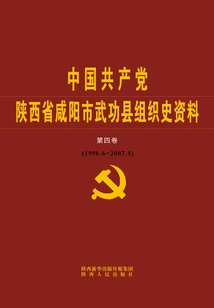
中国共产党陕西省咸阳市武功县组织史
Organization Department Of Wugong County Committee Of The Communist Party Of China
"Data on the Organizational History of Wugong County, Xianyang City, Shaanxi Province, China (Volume 4)" is a data book compiled by the Organization Department of the Wugong County Committee of the Communist Party of China under the guidance of the Organization Department of the Shaanxi Provincial Committee of the Communist Party of China and the Organization Department of the Xianyang Municipal Committee of the Communist Party of China, and under the leadership of the Wugong County Committee of the Communist Party of China. This book is compiled in a style of "organizing by organization, combining text descriptions with directories and charts, dividing each organization into sections, organizing levels, and term, establishing entries based on organizational structure, and integrating vertically and horizontally." Among them: the party organizations are the main data, and the five organizations of the political power, the military, the CPPCC, the mass organizations, and some enterprises and institutions are the appendices. They are appendix one, appendix two, appendix three, appendix four, and appendix five respectively, and the important events of the organizational work are used as supplementary materials.
"Data on the Organizational History of Wugong County, Xianyang City, Shaanxi Province, China (Volume 4)" is a data book compiled by the Organization Department of the Wugong County Committee of the Communist Party of China under the guidance of the Organization Department of the Shaanxi Provincial Committee of the Communist Party of China and the Organization Department of the Xianyang Municipal Committee of the Communist Party of China, and under the leadership of the Wugong County Committee of the Communist Party of China. This book is compiled in a style of "organizing by organization, combining text descriptions with directories and charts, dividing each organization into sections, organizing levels, and term, establishing entries based on organizational structure, and integrating vertically and horizontally." Among them: the party organizations are the main data, and the five organizations of the political power, the military, the CPPCC, the mass organizations, and some enterprises and institutions are the appendices. They are appendix one, appendix two, appendix three, appendix four, and appendix five respectively, and the important events of the organizational work are used as supplementary materials.
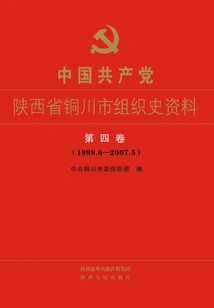
中国共产党陕西省铜川市王益区组织史资料(第四卷)
Organization Department Of Wangyi District Committee Of Tongchuan City, Communist Party Of China
The fourth volume of "Organizational History Materials of Wangyi District, Tongchuan City, Shaanxi Province, China" (1998.6-2007.5) Is an informative document compiled by the Organization Department of Wangyi District Committee, Tongchuan City, CPC under the leadership of the Tongchuan Municipal Committee of the Communist Party of China, in accordance with the unified requirements of the Organization Department of the Central Committee of the Communist Party of China and the Organization Department of the Shaanxi Provincial Committee of the Communist Party of China. This book is based on the principles of respecting history, seeking truth while preserving truth, and the compilation work policy of "wide collection, approval, refinement, strict review, and timeliness". It is based on the local party organizations and government organizations, local military organizations, CPPCC organizations, and mass organizations in Wangyi District, Tongchuan City, Shaanxi Province from June 1998 to May 2007. As well as the organizational history, changes and leadership list of some enterprises and institutions, major events in the organizational work of Shaanxi Province of the Communist Party of China during the same period, and a summary of the party organization briefly reflects the main work and outstanding achievements of the Wangyi District Committee of Tongchuan City, Shaanxi Province in the performance of functions and responsibilities during the same period.
The fourth volume of "Organizational History Materials of Wangyi District, Tongchuan City, Shaanxi Province, China" (1998.6-2007.5) Is an informative document compiled by the Organization Department of Wangyi District Committee, Tongchuan City, CPC under the leadership of the Tongchuan Municipal Committee of the Communist Party of China, in accordance with the unified requirements of the Organization Department of the Central Committee of the Communist Party of China and the Organization Department of the Shaanxi Provincial Committee of the Communist Party of China. This book is based on the principles of respecting history, seeking truth while preserving truth, and the compilation work policy of "wide collection, approval, refinement, strict review, and timeliness". It is based on the local party organizations and government organizations, local military organizations, CPPCC organizations, and mass organizations in Wangyi District, Tongchuan City, Shaanxi Province from June 1998 to May 2007. As well as the organizational history, changes and leadership list of some enterprises and institutions, major events in the organizational work of Shaanxi Province of the Communist Party of China during the same period, and a summary of the party organization briefly reflects the main work and outstanding achievements of the Wangyi District Committee of Tongchuan City, Shaanxi Province in the performance of functions and responsibilities during the same period.
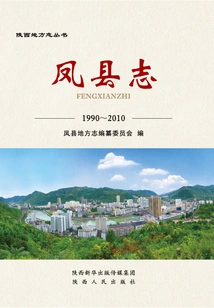
凤县志(1991-2010)
Feng County Local Chronicles Compilation Committee
This book is organized and compiled by the Fengxian Local Chronicles Compilation Committee. It is divided into thirty-three chapters, covering administrative area organization, natural environment and protection, resources and management, population, agriculture, forestry, water conservancy, industry, third-line construction, construction and real estate industry, trade circulation, tourism, urban construction, transportation, postal communications, finance and taxation, comprehensive economy and management, institutional reform, people's organizations, government affairs, review In the fields of procuratorial work, military affairs, education, science and technology, culture, health and sports, etc., The comprehensive use of descriptions, narratives, annals, biographies, diagrams, tables, records and other genres is used to describe the property resources, customs, celebrities and historic sites in the jurisdiction with detailed data. It scientifically reflects the historical evolution, economic development, and social transformation process. Appropriate details and fair descriptions can enable people to understand and study Fengxian County in more detail.
This book is organized and compiled by the Fengxian Local Chronicles Compilation Committee. It is divided into thirty-three chapters, covering administrative area organization, natural environment and protection, resources and management, population, agriculture, forestry, water conservancy, industry, third-line construction, construction and real estate industry, trade circulation, tourism, urban construction, transportation, postal communications, finance and taxation, comprehensive economy and management, institutional reform, people's organizations, government affairs, review In the fields of procuratorial work, military affairs, education, science and technology, culture, health and sports, etc., The comprehensive use of descriptions, narratives, annals, biographies, diagrams, tables, records and other genres is used to describe the property resources, customs, celebrities and historic sites in the jurisdiction with detailed data. It scientifically reflects the historical evolution, economic development, and social transformation process. Appropriate details and fair descriptions can enable people to understand and study Fengxian County in more detail.
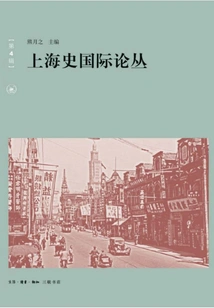
上海史国际论丛(第4辑)
Editor-in-chief Xiong Yuezhi
"Shanghai History International Series" is sponsored by the Shanghai History International Research Center of Fudan University. It is a comprehensive academic journal with Shanghai history as the research object. It especially focuses on publishing research results with an international perspective, introducing academic trends at home and abroad, and publishing cherished foreign historical materials.
"Shanghai History International Series" is sponsored by the Shanghai History International Research Center of Fudan University. It is a comprehensive academic journal with Shanghai history as the research object. It especially focuses on publishing research results with an international perspective, introducing academic trends at home and abroad, and publishing cherished foreign historical materials.
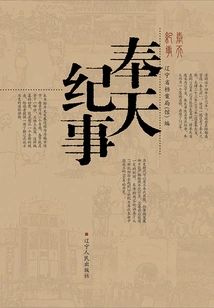
Fengtian Chronicle
History奉天纪事
Liaoning Provincial Archives Bureau (bureau)
Over the past hundreds of years, countless things have happened here in politics, economy, military, culture, folk customs and other aspects. As history has developed to this day, "Fengtian" has left people's memories, including politics and economy, culture, education and sports, people in the market, customs and habits, historical relics, and celebrity anecdotes. There are many things to write about. As long as you pay a little attention, you will be dazzled.
Over the past hundreds of years, countless things have happened here in politics, economy, military, culture, folk customs and other aspects. As history has developed to this day, "Fengtian" has left people's memories, including politics and economy, culture, education and sports, people in the market, customs and habits, historical relics, and celebrity anecdotes. There are many things to write about. As long as you pay a little attention, you will be dazzled.
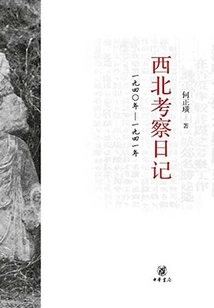
西北考察日记:1940-1941
Written By He Zhenghuang, Compiled By Wang Qiang, Ren Zhigong, And Cui Wenchuan
In June 1940, the Ministry of Education of the National Government established the Northwest Art and Cultural Relics Inspection Group, with Wang Ziyun as the leader and a staff of 12 people. Most of the members were students who graduated from the National Hangzhou Art College. Ms. He Zhenghuang, who had just returned from the Higher Art Major in Tokyo, Japan, also joined the group. The task is to conduct an inspection of art and cultural relics in northwest Shaanxi, Gansu, Qinghai and other provinces, focusing on Dunhuang, to lay a solid foundation for protection. This is the first Dunhuang inspection conducted by the government in the history of our country. It is also the first time to use modern scientific methods and technical means to comprehensively investigate and clean up the Mogao Grottoes in Dunhuang. It has made an indelible contribution to the protection of Dunhuang in the future. Ms. He Zhenghuang's diary recreates this history.
In June 1940, the Ministry of Education of the National Government established the Northwest Art and Cultural Relics Inspection Group, with Wang Ziyun as the leader and a staff of 12 people. Most of the members were students who graduated from the National Hangzhou Art College. Ms. He Zhenghuang, who had just returned from the Higher Art Major in Tokyo, Japan, also joined the group. The task is to conduct an inspection of art and cultural relics in northwest Shaanxi, Gansu, Qinghai and other provinces, focusing on Dunhuang, to lay a solid foundation for protection. This is the first Dunhuang inspection conducted by the government in the history of our country. It is also the first time to use modern scientific methods and technical means to comprehensively investigate and clean up the Mogao Grottoes in Dunhuang. It has made an indelible contribution to the protection of Dunhuang in the future. Ms. He Zhenghuang's diary recreates this history.
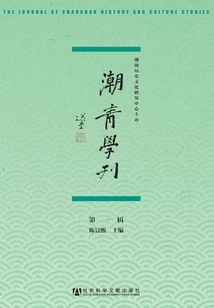
潮青学刊(第1辑)
Chen Jingxi
This book is a collection of academic papers written by members of the Youth Committee of the Chaoshan Historical and Cultural Research Center, an academic group under the guidance of Professor Rao Tsung-i, an internationally renowned master of Chinese studies. The title of the journal was inscribed by Professor Jao Tsung-i. The book is divided into nine major sections: "Dialect Ballads and Riddles", "Teochew Opera Art", "Regional History", "Overseas Chinese Remittances", "Cultural Heritage", "Historical Documents", "Teochew Sages", "Education" and "Religious Religions". It contains a total of 50 academic papers, covering all aspects of the history and culture of the Chaoshan area. It is an excellent work that comprehensively reflects the academic level of young scholars in the Chaoshan area and will help promote the in-depth research on Chaoshan Studies.
This book is a collection of academic papers written by members of the Youth Committee of the Chaoshan Historical and Cultural Research Center, an academic group under the guidance of Professor Rao Tsung-i, an internationally renowned master of Chinese studies. The title of the journal was inscribed by Professor Jao Tsung-i. The book is divided into nine major sections: "Dialect Ballads and Riddles", "Teochew Opera Art", "Regional History", "Overseas Chinese Remittances", "Cultural Heritage", "Historical Documents", "Teochew Sages", "Education" and "Religious Religions". It contains a total of 50 academic papers, covering all aspects of the history and culture of the Chaoshan area. It is an excellent work that comprehensively reflects the academic level of young scholars in the Chaoshan area and will help promote the in-depth research on Chaoshan Studies.
中国地方志学会年鉴工作专业委员会第二届学术研讨会论文集
China Local Chronicle Steering Group Office Professional Committee On Yearbook Work Of The Chinese Local Chronicle Society
This collection of papers is selected from 33 selected papers from the second academic symposium of the Yearbook Work Professional Committee of the China Association of Local Chronicles (now renamed as the Yearbook Work Professional Committee of the China Association of Local Chronicles), and is organized into a book according to the topics of basic research on yearbooks, research on yearbook compilation, and research on yearbook work management. The papers collected in this collection of papers sort out, summarize, analyze, and comment on my country's yearbook research results since the early 20th century, especially since the 1980s, especially important academic viewpoints. They are of great significance to clarify the current status of yearbook research, clarify the history of academic development, enhance the foresight, planning and pertinence of future research, promote the further in-depth yearbook research, promote the construction of yearbook science, improve the quality of yearbook compilation, and maintain the continued prosperity of the yearbook industry.
This collection of papers is selected from 33 selected papers from the second academic symposium of the Yearbook Work Professional Committee of the China Association of Local Chronicles (now renamed as the Yearbook Work Professional Committee of the China Association of Local Chronicles), and is organized into a book according to the topics of basic research on yearbooks, research on yearbook compilation, and research on yearbook work management. The papers collected in this collection of papers sort out, summarize, analyze, and comment on my country's yearbook research results since the early 20th century, especially since the 1980s, especially important academic viewpoints. They are of great significance to clarify the current status of yearbook research, clarify the history of academic development, enhance the foresight, planning and pertinence of future research, promote the further in-depth yearbook research, promote the construction of yearbook science, improve the quality of yearbook compilation, and maintain the continued prosperity of the yearbook industry.
中国共产党陕西省彬县组织史资料(第四卷)
Organization Department Of Binxian County Committee Of The Communist Party Of China
"The Organizational History Materials of Bin County, Shaanxi Province of the Communist Party of China" (Volume 4) is compiled in accordance with the unified arrangement of the Organization Department of the Central Committee of the Communist Party of China on the continued compilation of the organizational history materials of the Communist Party of China. Based on the principles of respecting history, seeking truth while preserving truth, and the compilation work policy of "wide collection, approval, refinement, strict review, and timeliness", this book is based on the local party organizations and government organizations, local military organizations, CPPCC organizations, and mass organizations in Bin County, Yijun County, Shaanxi Province from June 1998 to May 2007. As well as the evolution of some enterprises and institutions and the list of leaders, major events in the organizational work of Bin County, Shaanxi Province, the Communist Party of China during the same period, and a summary of the party organization briefly reflects the main work and outstanding achievements of the Bin County Committee of the Communist Party of China, Shaanxi Province, in performing its functions and responsibilities during the same period.
"The Organizational History Materials of Bin County, Shaanxi Province of the Communist Party of China" (Volume 4) is compiled in accordance with the unified arrangement of the Organization Department of the Central Committee of the Communist Party of China on the continued compilation of the organizational history materials of the Communist Party of China. Based on the principles of respecting history, seeking truth while preserving truth, and the compilation work policy of "wide collection, approval, refinement, strict review, and timeliness", this book is based on the local party organizations and government organizations, local military organizations, CPPCC organizations, and mass organizations in Bin County, Yijun County, Shaanxi Province from June 1998 to May 2007. As well as the evolution of some enterprises and institutions and the list of leaders, major events in the organizational work of Bin County, Shaanxi Province, the Communist Party of China during the same period, and a summary of the party organization briefly reflects the main work and outstanding achievements of the Bin County Committee of the Communist Party of China, Shaanxi Province, in performing its functions and responsibilities during the same period.
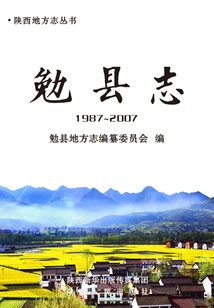
勉县志:1987-2007
Mian County Local Chronicles Compilation Committee
Mian County is located in the southern part of Shaanxi Province, at the western end of the Hanzhong Basin, bordered by the Qinling Mountains to the north and the Bashan Mountains to the south, at the strategic intersection of Sichuan, Shaanxi and Gansu. The county governs 19 towns and 242 administrative villages, with a total area of 2,406 square kilometers. Mian County is rich in resources, unique biological resources, and has a warm and humid climate. The Han River, the largest tributary of the Yangtze River, runs across the entire territory. There are many basins in the territory, and the forest coverage rate reaches 58%. Mian County has large reserves of mineral resources and high grade. It is located in the "Mianluoning" golden triangle and is known as the "Urals" of Asia by geologist Li Siguang. It is an important metallurgical industry base and chemical industry base in Hanzhong City, Shaanxi Province. This chronicle is a continuation of the "Mian County Chronicle", with the upper limit beginning in 1987 and ending at the end of 2007. This journal takes the end of 2007 as the boundary, and all valuable things in natural and social development that occurred during the intermittent period will be recorded.
Mian County is located in the southern part of Shaanxi Province, at the western end of the Hanzhong Basin, bordered by the Qinling Mountains to the north and the Bashan Mountains to the south, at the strategic intersection of Sichuan, Shaanxi and Gansu. The county governs 19 towns and 242 administrative villages, with a total area of 2,406 square kilometers. Mian County is rich in resources, unique biological resources, and has a warm and humid climate. The Han River, the largest tributary of the Yangtze River, runs across the entire territory. There are many basins in the territory, and the forest coverage rate reaches 58%. Mian County has large reserves of mineral resources and high grade. It is located in the "Mianluoning" golden triangle and is known as the "Urals" of Asia by geologist Li Siguang. It is an important metallurgical industry base and chemical industry base in Hanzhong City, Shaanxi Province. This chronicle is a continuation of the "Mian County Chronicle", with the upper limit beginning in 1987 and ending at the end of 2007. This journal takes the end of 2007 as the boundary, and all valuable things in natural and social development that occurred during the intermittent period will be recorded.
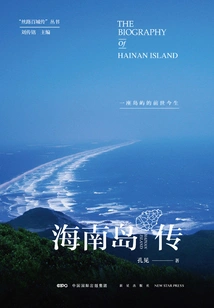
海南岛传:一座岛屿的前世今生
Kong Jian
"Hainan Island Biography: The Past and Present Life of an Island" is the only work in the "Silk Road Biography of Hundred Cities" series that uses the entire island (province) as a geographical unit. The natural charm of Hainan Island has been appreciated by countless eyes. However, as a special scene of human life, everything that was once turbulent and heartbreaking has disappeared into the depths and coldness of history. This book narrates the secret and legendary life of this island in the words of essays, salvages people and things that are as mottled as sunken ships, and resurrects and interprets them, extracting rich and surprising meanings and flavors from them - this is precisely the most fascinating thing about Hainan Island.
"Hainan Island Biography: The Past and Present Life of an Island" is the only work in the "Silk Road Biography of Hundred Cities" series that uses the entire island (province) as a geographical unit. The natural charm of Hainan Island has been appreciated by countless eyes. However, as a special scene of human life, everything that was once turbulent and heartbreaking has disappeared into the depths and coldness of history. This book narrates the secret and legendary life of this island in the words of essays, salvages people and things that are as mottled as sunken ships, and resurrects and interprets them, extracting rich and surprising meanings and flavors from them - this is precisely the most fascinating thing about Hainan Island.
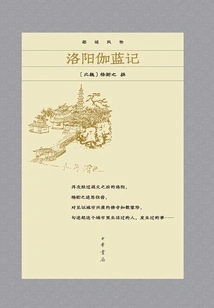
都城风物:洛阳伽蓝记
(northern Wei Dynasty) Yang Xuanzhi
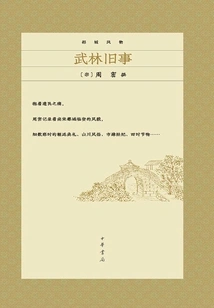
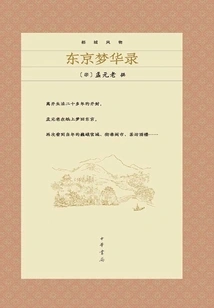
"Capital Scenery" selects four famous works related to the famous capital cities of Chang'an, Luoyang, Kaifeng and Hangzhou in ancient China: Luo Tianxiang's "Leibian Chang'an Chronicles", which records Chang'an monuments from the Western Zhou Dynasty, Han and Tang Dynasties to the Song and Yuan Dynasties, and related historical events; Yang Xuanzhi's "Luoyang Jialan Chronicles" records Luoyang's urban structure and Buddhist temple architecture in the Northern Wei Dynasty, as well as related politics, culture, customs, characters, Arts, literature, Chinese and foreign exchanges, etc.; Meng Yuanlao's "Tokyo Menghua Lu" of the Northern Song Dynasty records the imperial city architecture of Kaifeng in the Northern Song Dynasty, the various buildings in the city, the people's diet and daily life, and seasonal events, including the life of Bianjing. In all aspects: Zhou Mi's "Old Martial Arts" of the Southern Song Dynasty recalls the urban style of Lin'an, the capital of the Southern Song Dynasty, and details the court ceremonies, landscape customs, shop management, four seasonal objects, Jiaofang clubs, etc.
"Capital Scenery" selects four famous works related to the famous capital cities of Chang'an, Luoyang, Kaifeng and Hangzhou in ancient China: Luo Tianxiang's "Leibian Chang'an Chronicles", which records Chang'an monuments from the Western Zhou Dynasty, Han and Tang Dynasties to the Song and Yuan Dynasties, and related historical events; Yang Xuanzhi's "Luoyang Jialan Chronicles" records Luoyang's urban structure and Buddhist temple architecture in the Northern Wei Dynasty, as well as related politics, culture, customs, characters, Arts, literature, Chinese and foreign exchanges, etc.; Meng Yuanlao's "Tokyo Menghua Lu" of the Northern Song Dynasty records the imperial city architecture of Kaifeng in the Northern Song Dynasty, the various buildings in the city, the people's diet and daily life, and seasonal events, including the life of Bianjing. In all aspects: Zhou Mi's "Old Martial Arts" of the Southern Song Dynasty recalls the urban style of Lin'an, the capital of the Southern Song Dynasty, and details the court ceremonies, landscape customs, shop management, four seasonal objects, Jiaofang clubs, etc.
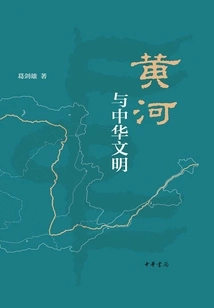
小说,小说网,最新热门小说-QQ阅读_阅文集团旗下网站
Ge Jianxiong
The Yellow River is the mother river of the Chinese nation. Since ancient times, the tranquility of the Yellow River has been the guarantee and symbol of the people's peaceful and contented life and the country's prosperity. So, why is the Yellow River said to be the mother river? What is its relationship with the Chinese nation, how did it give birth to a glorious civilization, how did it form its unique look, and how should it be governed? Ge Jianxiong, a senior professor at Fudan University and a librarian of the Central Museum of Literature and History, wrote the book "The Yellow River and Chinese Civilization" to answer these questions. Professor Ge Jianxiong was the former director of the Institute of Historical Geography at Fudan University and is a first-class expert in the field of historical geography. He studied under Mr. Tan Qixiang and has been paying attention to the field of river culture for many years. The "Introduction" section at the beginning of the book explains the relationship between rivers and human civilization from a high level, providing sufficient evidence for Yellow River management and the importance of the Yellow River from a theoretical perspective. The following eight chapters will first sort out the overall geography of the Yellow River, and then narrate the historical evolution and geographical changes of the Yellow River from various aspects such as how the Yellow River gave birth to Chinese civilization, ancient people's investigation and understanding of the Yellow River, why the Yellow River is turbid and prone to flooding, and how Chinese people have managed the Yellow River since ancient times, showing the close connection between the Yellow River and Chinese civilization. It contains both detailed data and theoretical heights, as well as professional geographical mapping and many magnificent aerial photographs.
The Yellow River is the mother river of the Chinese nation. Since ancient times, the tranquility of the Yellow River has been the guarantee and symbol of the people's peaceful and contented life and the country's prosperity. So, why is the Yellow River said to be the mother river? What is its relationship with the Chinese nation, how did it give birth to a glorious civilization, how did it form its unique look, and how should it be governed? Ge Jianxiong, a senior professor at Fudan University and a librarian of the Central Museum of Literature and History, wrote the book "The Yellow River and Chinese Civilization" to answer these questions. Professor Ge Jianxiong was the former director of the Institute of Historical Geography at Fudan University and is a first-class expert in the field of historical geography. He studied under Mr. Tan Qixiang and has been paying attention to the field of river culture for many years. The "Introduction" section at the beginning of the book explains the relationship between rivers and human civilization from a high level, providing sufficient evidence for Yellow River management and the importance of the Yellow River from a theoretical perspective. The following eight chapters will first sort out the overall geography of the Yellow River, and then narrate the historical evolution and geographical changes of the Yellow River from various aspects such as how the Yellow River gave birth to Chinese civilization, ancient people's investigation and understanding of the Yellow River, why the Yellow River is turbid and prone to flooding, and how Chinese people have managed the Yellow River since ancient times, showing the close connection between the Yellow River and Chinese civilization. It contains both detailed data and theoretical heights, as well as professional geographical mapping and many magnificent aerial photographs.
都城风物:武林旧事
Careful
"Capital Scenery" selects four famous works related to the famous capital cities of Chang'an, Luoyang, Kaifeng and Hangzhou in ancient China: Luo Tianxiang's "Leibian Chang'an Chronicles", which records Chang'an monuments from the Western Zhou Dynasty, Han and Tang Dynasties to the Song and Yuan Dynasties, and related historical events; Yang Xuanzhi's "Luoyang Jialan Chronicles" records Luoyang's urban structure and Buddhist temple architecture in the Northern Wei Dynasty, as well as related politics, culture, customs, characters, Arts, literature, Chinese and foreign exchanges, etc.; Meng Yuanlao's "Tokyo Menghua Lu" of the Northern Song Dynasty records the imperial city architecture of Kaifeng in the Northern Song Dynasty, the various buildings in the city, the people's diet and daily life, and seasonal events, including the life of Bianjing. In all aspects: Zhou Mi's "Old Martial Arts" of the Southern Song Dynasty recalls the urban style of Lin'an, the capital of the Southern Song Dynasty, and details the court ceremonies, landscape customs, shop management, four seasonal objects, Jiaofang clubs, etc.
"Capital Scenery" selects four famous works related to the famous capital cities of Chang'an, Luoyang, Kaifeng and Hangzhou in ancient China: Luo Tianxiang's "Leibian Chang'an Chronicles", which records Chang'an monuments from the Western Zhou Dynasty, Han and Tang Dynasties to the Song and Yuan Dynasties, and related historical events; Yang Xuanzhi's "Luoyang Jialan Chronicles" records Luoyang's urban structure and Buddhist temple architecture in the Northern Wei Dynasty, as well as related politics, culture, customs, characters, Arts, literature, Chinese and foreign exchanges, etc.; Meng Yuanlao's "Tokyo Menghua Lu" of the Northern Song Dynasty records the imperial city architecture of Kaifeng in the Northern Song Dynasty, the various buildings in the city, the people's diet and daily life, and seasonal events, including the life of Bianjing. In all aspects: Zhou Mi's "Old Martial Arts" of the Southern Song Dynasty recalls the urban style of Lin'an, the capital of the Southern Song Dynasty, and details the court ceremonies, landscape customs, shop management, four seasonal objects, Jiaofang clubs, etc.
都城风物:东京梦华录
Meng Yuanlao
"Capital Scenery" selects four famous works related to the famous capital cities of Chang'an, Luoyang, Kaifeng and Hangzhou in ancient China: Luo Tianxiang's "Leibian Chang'an Chronicles", which records Chang'an monuments from the Western Zhou Dynasty, Han and Tang Dynasties to the Song and Yuan Dynasties, and related historical events; Yang Xuanzhi's "Luoyang Jialan Chronicles" records Luoyang's urban structure and Buddhist temple architecture in the Northern Wei Dynasty, as well as related politics, culture, customs, characters, Arts, literature, Chinese and foreign exchanges, etc.; Meng Yuanlao's "Tokyo Menghua Lu" of the Northern Song Dynasty records the imperial city architecture of Kaifeng in the Northern Song Dynasty, the various buildings in the city, the people's diet and daily life, and seasonal events, including the life of Bianjing. In all aspects: Zhou Mi's "Old Martial Arts" of the Southern Song Dynasty recalls the urban style of Lin'an, the capital of the Southern Song Dynasty, and details the court ceremonies, landscape customs, shop management, four seasonal objects, Jiaofang clubs, etc.
"Capital Scenery" selects four famous works related to the famous capital cities of Chang'an, Luoyang, Kaifeng and Hangzhou in ancient China: Luo Tianxiang's "Leibian Chang'an Chronicles", which records Chang'an monuments from the Western Zhou Dynasty, Han and Tang Dynasties to the Song and Yuan Dynasties, and related historical events; Yang Xuanzhi's "Luoyang Jialan Chronicles" records Luoyang's urban structure and Buddhist temple architecture in the Northern Wei Dynasty, as well as related politics, culture, customs, characters, Arts, literature, Chinese and foreign exchanges, etc.; Meng Yuanlao's "Tokyo Menghua Lu" of the Northern Song Dynasty records the imperial city architecture of Kaifeng in the Northern Song Dynasty, the various buildings in the city, the people's diet and daily life, and seasonal events, including the life of Bianjing. In all aspects: Zhou Mi's "Old Martial Arts" of the Southern Song Dynasty recalls the urban style of Lin'an, the capital of the Southern Song Dynasty, and details the court ceremonies, landscape customs, shop management, four seasonal objects, Jiaofang clubs, etc.
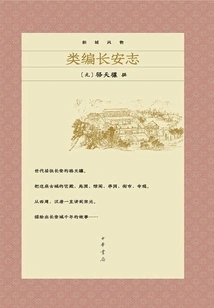
都城风物:类编长安志
Luo Tianxiang
"Capital Scenery" selects four famous works related to the famous capital cities of Chang'an, Luoyang, Kaifeng and Hangzhou in ancient China: Luo Tianxiang's "Leibian Chang'an Chronicles", which records Chang'an monuments from the Western Zhou Dynasty, Han and Tang Dynasties to the Song and Yuan Dynasties, and related historical events; Yang Xuanzhi's "Luoyang Jialan Chronicles" records Luoyang's urban structure and Buddhist temple architecture in the Northern Wei Dynasty, as well as related politics, culture, customs, characters, Arts, literature, Chinese and foreign exchanges, etc.; Meng Yuanlao's "Tokyo Menghua Lu" of the Northern Song Dynasty records the imperial city architecture of Kaifeng in the Northern Song Dynasty, the various buildings in the city, the people's diet and daily life, and seasonal events, including the life of Bianjing. In all aspects: Zhou Mi's "Old Martial Arts" of the Southern Song Dynasty recalls the urban style of Lin'an, the capital of the Southern Song Dynasty, and details the court ceremonies, landscape customs, shop management, four seasonal objects, Jiaofang clubs, etc.
"Capital Scenery" selects four famous works related to the famous capital cities of Chang'an, Luoyang, Kaifeng and Hangzhou in ancient China: Luo Tianxiang's "Leibian Chang'an Chronicles", which records Chang'an monuments from the Western Zhou Dynasty, Han and Tang Dynasties to the Song and Yuan Dynasties, and related historical events; Yang Xuanzhi's "Luoyang Jialan Chronicles" records Luoyang's urban structure and Buddhist temple architecture in the Northern Wei Dynasty, as well as related politics, culture, customs, characters, Arts, literature, Chinese and foreign exchanges, etc.; Meng Yuanlao's "Tokyo Menghua Lu" of the Northern Song Dynasty records the imperial city architecture of Kaifeng in the Northern Song Dynasty, the various buildings in the city, the people's diet and daily life, and seasonal events, including the life of Bianjing. In all aspects: Zhou Mi's "Old Martial Arts" of the Southern Song Dynasty recalls the urban style of Lin'an, the capital of the Southern Song Dynasty, and details the court ceremonies, landscape customs, shop management, four seasonal objects, Jiaofang clubs, etc.
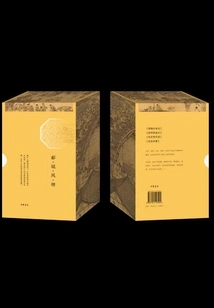
都城风物(全四册)
(yuan Dynasty) Luo Tianxiang (northern Wei Dynasty) Yang Xuanzhi (northern Song Dynasty) Meng Yuanlao (southern Song Dynasty) Compiled By Zhou Mi
"Capital Scenery" selects four famous works related to the famous capital cities of Chang'an, Luoyang, Kaifeng and Hangzhou in ancient China: Luo Tianxiang's "Leibian Chang'an Chronicles", which records Chang'an monuments from the Western Zhou Dynasty, Han and Tang Dynasties to the Song and Yuan Dynasties, and related historical events; Yang Xuanzhi's "Luoyang Jialan Chronicles" records Luoyang's urban structure and Buddhist temple architecture in the Northern Wei Dynasty, as well as related politics, culture, customs, characters, Arts, literature, Chinese and foreign exchanges, etc.; Meng Yuanlao's "Tokyo Menghua Lu" of the Northern Song Dynasty records the imperial city architecture of Kaifeng in the Northern Song Dynasty, the various buildings in the city, the people's diet and daily life, and seasonal events, including the life of Bianjing. In all aspects: Zhou Mi's "Old Martial Arts" of the Southern Song Dynasty recalls the urban style of Lin'an, the capital of the Southern Song Dynasty, and details the court ceremonies, landscape customs, shop management, four seasonal objects, Jiaofang clubs, etc.
"Capital Scenery" selects four famous works related to the famous capital cities of Chang'an, Luoyang, Kaifeng and Hangzhou in ancient China: Luo Tianxiang's "Leibian Chang'an Chronicles", which records Chang'an monuments from the Western Zhou Dynasty, Han and Tang Dynasties to the Song and Yuan Dynasties, and related historical events; Yang Xuanzhi's "Luoyang Jialan Chronicles" records Luoyang's urban structure and Buddhist temple architecture in the Northern Wei Dynasty, as well as related politics, culture, customs, characters, Arts, literature, Chinese and foreign exchanges, etc.; Meng Yuanlao's "Tokyo Menghua Lu" of the Northern Song Dynasty records the imperial city architecture of Kaifeng in the Northern Song Dynasty, the various buildings in the city, the people's diet and daily life, and seasonal events, including the life of Bianjing. In all aspects: Zhou Mi's "Old Martial Arts" of the Southern Song Dynasty recalls the urban style of Lin'an, the capital of the Southern Song Dynasty, and details the court ceremonies, landscape customs, shop management, four seasonal objects, Jiaofang clubs, etc.
Weiyang Yearbook.2016
History未央年鉴.2016
Weiyang District Local Chronicle Office
"Weiyang Yearbook 2016" is a comprehensive local yearbook sponsored by the People's Government of Weiyang District, Xi'an City. It comprehensively and systematically records the basic development situation of Weiyang District's politics, economy, culture, people's livelihood and other industries in the previous year. It is the basic information material for all walks of life to understand and study Weiyang District, and it is also an annual historical material for the renewal of local chronicles. The main chapters of the book include: special articles, Weiyang overview, mass organizations, urban and rural construction, environmental protection, land and resources development and management, energy and chemical base construction, industry, agriculture, rural economic news and publishing, culture and art, health, sports, overview of surrounding areas, people, major events, statistical information, etc.
"Weiyang Yearbook 2016" is a comprehensive local yearbook sponsored by the People's Government of Weiyang District, Xi'an City. It comprehensively and systematically records the basic development situation of Weiyang District's politics, economy, culture, people's livelihood and other industries in the previous year. It is the basic information material for all walks of life to understand and study Weiyang District, and it is also an annual historical material for the renewal of local chronicles. The main chapters of the book include: special articles, Weiyang overview, mass organizations, urban and rural construction, environmental protection, land and resources development and management, energy and chemical base construction, industry, agriculture, rural economic news and publishing, culture and art, health, sports, overview of surrounding areas, people, major events, statistical information, etc.
Guyuan Yearbook.2017
History固原年鉴.2017
Guyuan City Local Chronicles Compilation Committee Office
Guyuan is the southern gate of Ningxia and half of its rivers and mountains. "Guyuan Yearbook 2017" is compiled by the Office of the Guyuan Local Chronicles Compilation Committee. It has a total of 30 volumes, 282 pictures, and about 700,000 words. This book comprehensively, systematically and detailedly records the achievements of Guyuan City's administrative district in the fields of politics, economy, culture, social ecology and other fields in 2017. The style is scientific and appropriate, the content is detailed and refined, and the format is novel and exquisite. The chronicles will fully play their role in "advising government, preserving history, and educating people" and become an important carrier for building a solid foundation for culture. The major, happy, difficult and urgent events in Guyuan in 2017 are reflected through categories such as special editions, memorabilia and appendices, making it an important window for understanding Guyuan.
Guyuan is the southern gate of Ningxia and half of its rivers and mountains. "Guyuan Yearbook 2017" is compiled by the Office of the Guyuan Local Chronicles Compilation Committee. It has a total of 30 volumes, 282 pictures, and about 700,000 words. This book comprehensively, systematically and detailedly records the achievements of Guyuan City's administrative district in the fields of politics, economy, culture, social ecology and other fields in 2017. The style is scientific and appropriate, the content is detailed and refined, and the format is novel and exquisite. The chronicles will fully play their role in "advising government, preserving history, and educating people" and become an important carrier for building a solid foundation for culture. The major, happy, difficult and urgent events in Guyuan in 2017 are reflected through categories such as special editions, memorabilia and appendices, making it an important window for understanding Guyuan.
延安时代与陕甘宁边区史论
Liang Xingliang Yang Hong Ma Chaoqi
October 19, 2017 is the 80th anniversary of the establishment of the Shaanxi-Gansu-Ningxia Border Region Government. The Yan'an Spirit and Party Building Research Institute of Northwest University, the School of Marxism of Northwest University, and the Research Center of Theoretical System of Socialism with Chinese Characteristics of Northwest University jointly hosted a national academic seminar. A total of more than 150 experts and scholars from the Party History System, University System, and Academy of Social Sciences System in Beijing, Hubei, Fujian, Gansu, Ningxia, and Shaanxi participated in the academic seminar. This seminar received a total of more than 80 papers, which mainly focused on understanding research, effect research, case studies, and empirical research on the development and construction of the Shaanxi-Gansu-Ningxia Border Region. This book collects and publishes these papers.
October 19, 2017 is the 80th anniversary of the establishment of the Shaanxi-Gansu-Ningxia Border Region Government. The Yan'an Spirit and Party Building Research Institute of Northwest University, the School of Marxism of Northwest University, and the Research Center of Theoretical System of Socialism with Chinese Characteristics of Northwest University jointly hosted a national academic seminar. A total of more than 150 experts and scholars from the Party History System, University System, and Academy of Social Sciences System in Beijing, Hubei, Fujian, Gansu, Ningxia, and Shaanxi participated in the academic seminar. This seminar received a total of more than 80 papers, which mainly focused on understanding research, effect research, case studies, and empirical research on the development and construction of the Shaanxi-Gansu-Ningxia Border Region. This book collects and publishes these papers.
陕西改革开放实录(第一辑)
Party History Research Office Of The Shaanxi Provincial Committee Of The Communist Party Of China
In order to objectively record the major events and achievements that Shaanxi has experienced in the process of reform and opening up, scientifically summarize the historical experience of Shaanxi's reform and opening up, and provide reference for the provincial party committee and provincial government's decision-making, starting in 2013, the Party History Research Office of the Shaanxi Provincial Party Committee organized the party history departments of various cities and counties to jointly carry out the research and compilation of the "Records of Shaanxi's Reform and Opening Up". The research on "Records of Shaanxi's Reform and Opening Up" takes the form of a special topic. Party history departments in various localities mainly determine topics around distinctive major events and major achievements since the reform and opening up. Each topic is based on detailed historical materials, realistically reflects the ins and outs of the subject in question, and makes a scientific analysis of relevant experiences and lessons. The research results of the "Records of Shaanxi Reform and Opening Up" project are released in the form of a series of books. It is planned to publish five books, which will be completed by 2021, the 100th anniversary of the founding of the Communist Party of China. What is published this time is the first volume of "Records of Shaanxi Reform and Opening Up".
In order to objectively record the major events and achievements that Shaanxi has experienced in the process of reform and opening up, scientifically summarize the historical experience of Shaanxi's reform and opening up, and provide reference for the provincial party committee and provincial government's decision-making, starting in 2013, the Party History Research Office of the Shaanxi Provincial Party Committee organized the party history departments of various cities and counties to jointly carry out the research and compilation of the "Records of Shaanxi's Reform and Opening Up". The research on "Records of Shaanxi's Reform and Opening Up" takes the form of a special topic. Party history departments in various localities mainly determine topics around distinctive major events and major achievements since the reform and opening up. Each topic is based on detailed historical materials, realistically reflects the ins and outs of the subject in question, and makes a scientific analysis of relevant experiences and lessons. The research results of the "Records of Shaanxi Reform and Opening Up" project are released in the form of a series of books. It is planned to publish five books, which will be completed by 2021, the 100th anniversary of the founding of the Communist Party of China. What is published this time is the first volume of "Records of Shaanxi Reform and Opening Up".