Library
Browse and search books
2,823 novels found
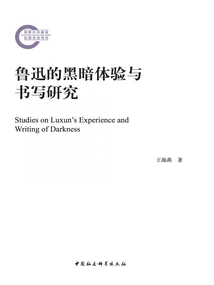
鲁迅的黑暗体验与书写研究
Wang Haiyan
Based on the actual creation of Lu Xun and the academic history of Lu Xun research, this book takes "darkness" as a core concept that can reveal Lu Xun's life, thoughts, aesthetic concepts and artistic personality, and studies his spiritual structure and literary creation.
Based on the actual creation of Lu Xun and the academic history of Lu Xun research, this book takes "darkness" as a core concept that can reveal Lu Xun's life, thoughts, aesthetic concepts and artistic personality, and studies his spiritual structure and literary creation.
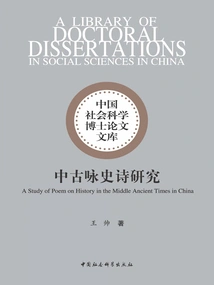
Research on Medieval Epic Songs
Literature中古咏史诗研究
Wang Shuai
This book studies medieval epic poems from the perspectives of historical awareness, theme selection, social atmosphere, creative tradition, writing skills, and stylistic interaction. During the research process, we focused on the analysis of the two major themes of medieval epic poems - the scholar theme and the female theme. We deeply analyzed the historical background of the formation of these two themes, and the continuous expansion and evolution of these two themes in their development. At the same time, this book also notices that the development of the theme of historical chanting in medieval times has different interactive relationships with other themes, and focuses on the mutual influence between themes such as narratives of virtue, gifts, nostalgia, frontier fortresses, palace resentments, and historical chanting.
This book studies medieval epic poems from the perspectives of historical awareness, theme selection, social atmosphere, creative tradition, writing skills, and stylistic interaction. During the research process, we focused on the analysis of the two major themes of medieval epic poems - the scholar theme and the female theme. We deeply analyzed the historical background of the formation of these two themes, and the continuous expansion and evolution of these two themes in their development. At the same time, this book also notices that the development of the theme of historical chanting in medieval times has different interactive relationships with other themes, and focuses on the mutual influence between themes such as narratives of virtue, gifts, nostalgia, frontier fortresses, palace resentments, and historical chanting.
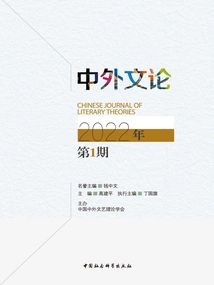
中外文论(2022年第1期)
Editor-in-chief Gao Jianping
"Chinese and Foreign Literary Theory" mainly collects conference exchange papers submitted by scholars participating in the annual meeting of the society. It also accepts regular contributions from members and domestic and foreign scholars engaged in literary theory research, including academic papers, translations, reviews, book reviews, and valuable research materials. This book contains five parts: research on the Sinicization of Western literary theory, Eastern and Western cross-cultural aesthetics, research on basic Western literary theory, poetics and humanities, and translation, plus two appendices.
"Chinese and Foreign Literary Theory" mainly collects conference exchange papers submitted by scholars participating in the annual meeting of the society. It also accepts regular contributions from members and domestic and foreign scholars engaged in literary theory research, including academic papers, translations, reviews, book reviews, and valuable research materials. This book contains five parts: research on the Sinicization of Western literary theory, Eastern and Western cross-cultural aesthetics, research on basic Western literary theory, poetics and humanities, and translation, plus two appendices.
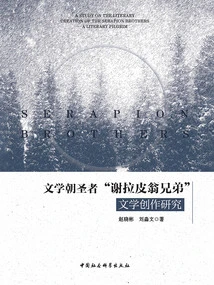
文学朝圣者“谢拉皮翁兄弟”文学创作研究
Zhao Xiaobin Liu Miaowen
The "Serapion Brothers" is one of the most famous literary groups in the history of Russian literature. Its members are a group of talented young people in Petrograd in the 1920s. Their creations are either bold and novel, or mature and sophisticated. Their literary works have attracted the attention of the research community very early. The "Brothers Serapion" were major participants in early Soviet literature and one of the founders of Soviet literature. This book is divided into three parts: the first, middle and second parts. They sort out the reasons for the establishment of the "Serapion Brothers" group, its membership, literary activities, creative ideas and its literary historical significance from three parts: literary origin, literary creation and literary criticism. It also elaborates on the works of Zamyatin and Shklovsky , Gorky and other famous writers and critics on the creation of the group members, focusing on the literary creation and critical connotation of the representative members of the group, such as Kaverin, Lontz, Vsei Ivanov, Fedin, Gruzdev and other writers, dramatists, and theorists.
The "Serapion Brothers" is one of the most famous literary groups in the history of Russian literature. Its members are a group of talented young people in Petrograd in the 1920s. Their creations are either bold and novel, or mature and sophisticated. Their literary works have attracted the attention of the research community very early. The "Brothers Serapion" were major participants in early Soviet literature and one of the founders of Soviet literature. This book is divided into three parts: the first, middle and second parts. They sort out the reasons for the establishment of the "Serapion Brothers" group, its membership, literary activities, creative ideas and its literary historical significance from three parts: literary origin, literary creation and literary criticism. It also elaborates on the works of Zamyatin and Shklovsky , Gorky and other famous writers and critics on the creation of the group members, focusing on the literary creation and critical connotation of the representative members of the group, such as Kaverin, Lontz, Vsei Ivanov, Fedin, Gruzdev and other writers, dramatists, and theorists.
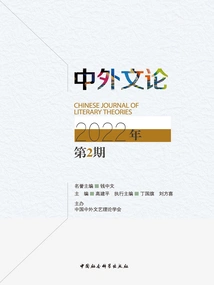
中外文论(2022年第2期)
Editor-in-chief Gao Jianping
This book includes regular columns such as interviews with famous writers, Chinese literary theory, Western literary theory, and work criticism, as well as a special topic "Sound and Image: Cross-Media Literary Theory." The famous interview column will present the reflections of three famous scholars in the field of literature and art, Zhang Jing, Zhang Liqun, and Xing Jianchang, on basic issues in the construction of aesthetics and poetics, the overall view of Chinese literary criticism, and literary theory and knowledge. The Chinese Literary Theory column includes research on issues such as the rise of Chinese characters in poetry, Zhu Xi's theory of "plainness", and the literary thoughts of the translators in the late Qing Dynasty.
This book includes regular columns such as interviews with famous writers, Chinese literary theory, Western literary theory, and work criticism, as well as a special topic "Sound and Image: Cross-Media Literary Theory." The famous interview column will present the reflections of three famous scholars in the field of literature and art, Zhang Jing, Zhang Liqun, and Xing Jianchang, on basic issues in the construction of aesthetics and poetics, the overall view of Chinese literary criticism, and literary theory and knowledge. The Chinese Literary Theory column includes research on issues such as the rise of Chinese characters in poetry, Zhu Xi's theory of "plainness", and the literary thoughts of the translators in the late Qing Dynasty.
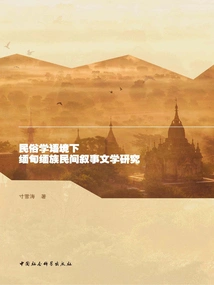
民俗学语境下缅甸缅族民间叙事文学研究
Cun Xuetao
This book is the result of the author's continuous thinking and accumulation of Burmese folk narrative literature for more than ten years. The author went to Myanmar three times to conduct field research between 2008 and 2018, and the folk narrative literature works in the book all come from this. When collecting these folk narrative literary works, the author not only recorded the content of the relevant works, but also recorded the entire performance process and related context, in order to faithfully reproduce the folk life and spiritual world of the local people. During the analysis process, we adhere to the folklore context theory as the research perspective, aiming to reveal the cultural connotation, social content and historical roots of Burmese folk narrative literature, and strive to display the charm and value of Burmese folk narrative literature in a multi-dimensional and three-dimensional way.
This book is the result of the author's continuous thinking and accumulation of Burmese folk narrative literature for more than ten years. The author went to Myanmar three times to conduct field research between 2008 and 2018, and the folk narrative literature works in the book all come from this. When collecting these folk narrative literary works, the author not only recorded the content of the relevant works, but also recorded the entire performance process and related context, in order to faithfully reproduce the folk life and spiritual world of the local people. During the analysis process, we adhere to the folklore context theory as the research perspective, aiming to reveal the cultural connotation, social content and historical roots of Burmese folk narrative literature, and strive to display the charm and value of Burmese folk narrative literature in a multi-dimensional and three-dimensional way.
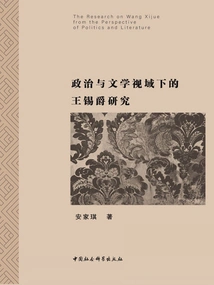
政治与文学视域下的王锡爵研究
An Jiaqi
In the political practice of traditional society, article writing, as the "great cause of running a country", is an important way to convey intentions, carry out actions, expand effects and create glory. Wang Xijue was a typical scholar-bureaucrat with both political and literary identities in the Ming Dynasty society. He was also a figure in the political history of the Ming Dynasty who could effectively play the political function of literature. This book attempts to examine the interactive relationship between Wang Xijue's literary writing and his political actions, and reflects on the current academic understanding of the relationship between politics and literature based on the research results of surrounding disciplines such as linguistics and political science.
In the political practice of traditional society, article writing, as the "great cause of running a country", is an important way to convey intentions, carry out actions, expand effects and create glory. Wang Xijue was a typical scholar-bureaucrat with both political and literary identities in the Ming Dynasty society. He was also a figure in the political history of the Ming Dynasty who could effectively play the political function of literature. This book attempts to examine the interactive relationship between Wang Xijue's literary writing and his political actions, and reflects on the current academic understanding of the relationship between politics and literature based on the research results of surrounding disciplines such as linguistics and political science.
文体浑和与文体演进
Wang Zhangcai
Ancient Chinese stylistics has become more prosperous, but research on the development and evolution of ancient Chinese stylistics is still relatively weak. There are many factors for the development and evolution of style, and there are also many research angles. In summary, there are two approaches: internal causation theory and external causation theory. This book belongs to the former. Its main contents are: (1) Absorb the research results of academic circles on stylistic connotation and define the connotation of "style". (2) Analyze existing problems in the study of the development and evolution of literary styles, and focus on exploring the reasons why related research on ancient Chinese literary styles is relatively weak, in an attempt to correct them. (3) Propose and demonstrate the concepts of simple style, compound style and Dacheng style, especially explore the connotation and stylistic significance of Dacheng style, and thus outline the development and evolution of literary style in a macroscopic way. (4) For the first time, the methods of fusion of ancient Chinese styles and the triggering factors of drastic changes in styles were discussed for the first time, and new elaborations were made on "using literature as poetry" and "using poetry as literature".
Ancient Chinese stylistics has become more prosperous, but research on the development and evolution of ancient Chinese stylistics is still relatively weak. There are many factors for the development and evolution of style, and there are also many research angles. In summary, there are two approaches: internal causation theory and external causation theory. This book belongs to the former. Its main contents are: (1) Absorb the research results of academic circles on stylistic connotation and define the connotation of "style". (2) Analyze existing problems in the study of the development and evolution of literary styles, and focus on exploring the reasons why related research on ancient Chinese literary styles is relatively weak, in an attempt to correct them. (3) Propose and demonstrate the concepts of simple style, compound style and Dacheng style, especially explore the connotation and stylistic significance of Dacheng style, and thus outline the development and evolution of literary style in a macroscopic way. (4) For the first time, the methods of fusion of ancient Chinese styles and the triggering factors of drastic changes in styles were discussed for the first time, and new elaborations were made on "using literature as poetry" and "using poetry as literature".
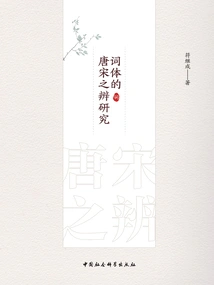
词体的唐宋之辨研究
Fu Jicheng
This book explores the differences between the Tang and Song Dynasties that existed in the creation and theory of Ci from the prosperous Tang Dynasty to the end of the Qing Dynasty and the beginning of the Republic of China, similar to those in the field of classical poetry. This book believes that lyrics, like poetry, formed two different aesthetic paradigms, "Tang sound" and "Song tune" under the influence of the cultural transformation of the Tang and Song Dynasties. The "Tang Yin Paradigm" in poetry was based on the Huajian poets of Western Shu in the late Tang Dynasty, and further evolved and matured in the Southern Tang and Northern Song Dynasties; the "Song Diao Paradigm" in poetry originated from Liu Yong, and in the late Northern Song Dynasty it was divided into the innovative "Dongpo Paradigm" and the improved "Qingzhen Paradigm". Later theories and creations in the history of Ci were basically under the shadow of these aesthetic paradigms established during the Tang and Song Dynasties, either "following the Tang Dynasty", or "following the Song Dynasty", or being compatible with the Tang and Song Dynasties. This book uses a large number of relevant materials to demonstrate and elaborate in detail and forcefully the formation, evolution and development process of the Tang and Song Dynasties in Ci style over more than a thousand years, and constructs a unique thematic history of Ci.
This book explores the differences between the Tang and Song Dynasties that existed in the creation and theory of Ci from the prosperous Tang Dynasty to the end of the Qing Dynasty and the beginning of the Republic of China, similar to those in the field of classical poetry. This book believes that lyrics, like poetry, formed two different aesthetic paradigms, "Tang sound" and "Song tune" under the influence of the cultural transformation of the Tang and Song Dynasties. The "Tang Yin Paradigm" in poetry was based on the Huajian poets of Western Shu in the late Tang Dynasty, and further evolved and matured in the Southern Tang and Northern Song Dynasties; the "Song Diao Paradigm" in poetry originated from Liu Yong, and in the late Northern Song Dynasty it was divided into the innovative "Dongpo Paradigm" and the improved "Qingzhen Paradigm". Later theories and creations in the history of Ci were basically under the shadow of these aesthetic paradigms established during the Tang and Song Dynasties, either "following the Tang Dynasty", or "following the Song Dynasty", or being compatible with the Tang and Song Dynasties. This book uses a large number of relevant materials to demonstrate and elaborate in detail and forcefully the formation, evolution and development process of the Tang and Song Dynasties in Ci style over more than a thousand years, and constructs a unique thematic history of Ci.
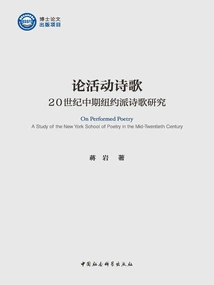
论活动诗歌:20世纪中期纽约派诗歌研究
Jiang Yan
Since the mid-20th century, a prominent feature in the history of Western poetry is that poetry has been presented in a large number of forms such as sound, performance, and cross-media collaboration, breaking through the traditional poetry system with printed texts as the core. This is not only the transformation of poetry along the avant-garde and experimental path under the conditions of contemporary multimedia technology, but also the release of poetry's ancient "active genes". The New York School poets were the pioneer representatives in this transformation of poetry. This book takes poetry readings, poetry-theatre, poetry-painting, poetry-film, poetry-music collaboration, etc. As its objects of investigation. During the research process, it proposes the concept of "movable poetry" and conducts a comprehensive investigation of the complex genealogy, art form, aesthetic characteristics, spatiotemporal characteristics, archiving mechanism, aesthetic paradigm and other categories of the New York School's movable poetry, thereby revealing the origins and flow of changes in poetry in the post-printing era.
Since the mid-20th century, a prominent feature in the history of Western poetry is that poetry has been presented in a large number of forms such as sound, performance, and cross-media collaboration, breaking through the traditional poetry system with printed texts as the core. This is not only the transformation of poetry along the avant-garde and experimental path under the conditions of contemporary multimedia technology, but also the release of poetry's ancient "active genes". The New York School poets were the pioneer representatives in this transformation of poetry. This book takes poetry readings, poetry-theatre, poetry-painting, poetry-film, poetry-music collaboration, etc. As its objects of investigation. During the research process, it proposes the concept of "movable poetry" and conducts a comprehensive investigation of the complex genealogy, art form, aesthetic characteristics, spatiotemporal characteristics, archiving mechanism, aesthetic paradigm and other categories of the New York School's movable poetry, thereby revealing the origins and flow of changes in poetry in the post-printing era.
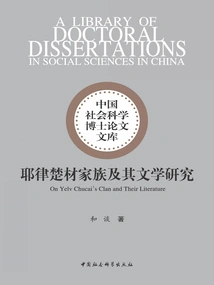
耶律楚材家族及其文学研究
Peace Talks
This book sorts out and examines the Yelu Chucai family's lineage, marriage, education, family tradition, status and mentality, examines the evolution of his ancestors' Chinese literary creations, clarifies the clues to the development of Khitan literature, examines his family's activities and literary creations in different regions, and reveals the pluralistic and integrated characteristics of Chinese culture from one aspect. This book combines research on ethnic groups, education, region, phonology, literature, officialdom, etc., And strives to discover problems that have not been discovered in previous studies of Khitan literature, open up areas that have not been touched by previous people, supplement the deficiencies in historical records, and make breakthroughs and innovations in many aspects.
This book sorts out and examines the Yelu Chucai family's lineage, marriage, education, family tradition, status and mentality, examines the evolution of his ancestors' Chinese literary creations, clarifies the clues to the development of Khitan literature, examines his family's activities and literary creations in different regions, and reveals the pluralistic and integrated characteristics of Chinese culture from one aspect. This book combines research on ethnic groups, education, region, phonology, literature, officialdom, etc., And strives to discover problems that have not been discovered in previous studies of Khitan literature, open up areas that have not been touched by previous people, supplement the deficiencies in historical records, and make breakthroughs and innovations in many aspects.
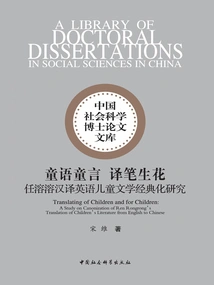
童语童言 译笔生花:任溶溶汉译英语儿童文学经典化研究
Song Wei
This article takes the English children's literature works translated by Ren Rongrong as the research object. From a sociological perspective, it integrates the Gestalt theory and intertextual theory in translation criticism for translation analysis and comparison. It uses key concepts such as "field", "capital" and "habitus" in Bourdieu's social practice theory as theoretical tools to explore the canonization mechanism of Ren Rongrong's translations and various possible driving factors in the process of canonization.
This article takes the English children's literature works translated by Ren Rongrong as the research object. From a sociological perspective, it integrates the Gestalt theory and intertextual theory in translation criticism for translation analysis and comparison. It uses key concepts such as "field", "capital" and "habitus" in Bourdieu's social practice theory as theoretical tools to explore the canonization mechanism of Ren Rongrong's translations and various possible driving factors in the process of canonization.
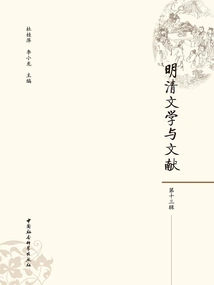
明清文学与文献(第十三辑)
Du Guiping Editor-in-chief Bruce Lee
This book is the thirteenth series and has three special columns: poetry research, drama and novel research, and literature review. It mainly publishes outstanding first-time academic achievements in Ming and Qing literature, documents and culture, and strives to present the latest achievements in Ming and Qing literature research at home and abroad.
This book is the thirteenth series and has three special columns: poetry research, drama and novel research, and literature review. It mainly publishes outstanding first-time academic achievements in Ming and Qing literature, documents and culture, and strives to present the latest achievements in Ming and Qing literature research at home and abroad.
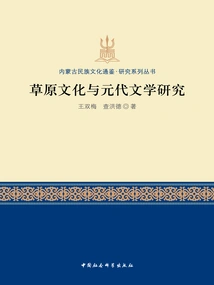
草原文化与元代文学研究
Wang Shuangmei Zha Hongde
In the history of Chinese literature, the literature of the Yuan Dynasty is special and complex. This literary particularity and complexity is rooted in the particularity and complexity of Yuan Dynasty culture. The Yuan Dynasty was a multi-faceted integrated culture formed after the multiple conflicts and integration of grassland culture, farming culture, and commercial civilization in the Western Regions. This had a significant impact on the social environment, political order, literati spirit, aesthetic taste, literature and art of the Yuan Dynasty. In this new cultural system of pluralism and unity, the influence of the grassland culture represented by the Mongolian people cannot be ignored. This book explores the influence of grassland culture on the literature of the Yuan Dynasty and the inheritance of the original literary tradition by the literature of the Yuan Dynasty, in order to explore the changes and historical role of the literature of the Yuan Dynasty in the history of the development of Chinese literature.
In the history of Chinese literature, the literature of the Yuan Dynasty is special and complex. This literary particularity and complexity is rooted in the particularity and complexity of Yuan Dynasty culture. The Yuan Dynasty was a multi-faceted integrated culture formed after the multiple conflicts and integration of grassland culture, farming culture, and commercial civilization in the Western Regions. This had a significant impact on the social environment, political order, literati spirit, aesthetic taste, literature and art of the Yuan Dynasty. In this new cultural system of pluralism and unity, the influence of the grassland culture represented by the Mongolian people cannot be ignored. This book explores the influence of grassland culture on the literature of the Yuan Dynasty and the inheritance of the original literary tradition by the literature of the Yuan Dynasty, in order to explore the changes and historical role of the literature of the Yuan Dynasty in the history of the development of Chinese literature.
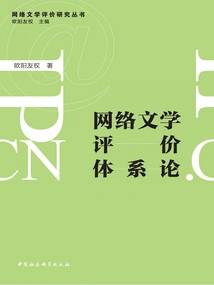
网络文学评价体系论
Ouyang Youquan
This book is a series of results sub-topics (basic principles part) of a major bidding project of the National Social Science Fund. It systematically discusses the online literature evaluation system and criticism standards, including the artistic and philosophical premise of online literature evaluation, the identity of the evaluation subject, the principles of evaluation system construction, and the relevant elements of evaluation system construction. It is an original theoretical monograph that addresses the basic academic issues of Internet literature evaluation.
This book is a series of results sub-topics (basic principles part) of a major bidding project of the National Social Science Fund. It systematically discusses the online literature evaluation system and criticism standards, including the artistic and philosophical premise of online literature evaluation, the identity of the evaluation subject, the principles of evaluation system construction, and the relevant elements of evaluation system construction. It is an original theoretical monograph that addresses the basic academic issues of Internet literature evaluation.
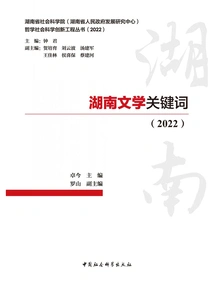
Hunan Literature Keywords (2022)
Literature湖南文学关键词(2022)
Editor-in-chief Zhuo Jin
The annual literary keywords are the first of its kind in China. Through keyword research methods, we focus on capturing annual Hunan literary hot spots, important writers and critics, literary phenomena and trends of thought, important works, cultural hot spots, etc., To show the cutting-edge trends in the development of Hunan literature over the past year. Presenting literary history in the form of annual literary keywords is a new method of writing literary history, which has documentary value, literary history value, and literary yearbook value. By summarizing and discussing key words, researchers should not only grasp the overall situation and development logic of annual national and regional literature, but also properly present the basic appearance and spiritual connotation of different themes through case analysis. In the process of writing the book, researchers created some new terms and concepts, or provided some new keyword clues. The publication of this book can open up new research fields and make some unformed literary theories and literary criticism tend to become knowledge formalized and systematized.
The annual literary keywords are the first of its kind in China. Through keyword research methods, we focus on capturing annual Hunan literary hot spots, important writers and critics, literary phenomena and trends of thought, important works, cultural hot spots, etc., To show the cutting-edge trends in the development of Hunan literature over the past year. Presenting literary history in the form of annual literary keywords is a new method of writing literary history, which has documentary value, literary history value, and literary yearbook value. By summarizing and discussing key words, researchers should not only grasp the overall situation and development logic of annual national and regional literature, but also properly present the basic appearance and spiritual connotation of different themes through case analysis. In the process of writing the book, researchers created some new terms and concepts, or provided some new keyword clues. The publication of this book can open up new research fields and make some unformed literary theories and literary criticism tend to become knowledge formalized and systematized.
《男孩的神奇号角》与德意志浪漫主义诗歌
Liu Runfang Luo Yijia
This book uses Chinese folk songs and the history of Chinese poetry as reference to sort out German romantic poetry in the 19th century and illustrate the great significance of folk songs to the formation and development of national poetry. Starting from the German folk song collection "The Boy's Magic Horn", we conduct a multi-dimensional investigation of its formation and illustrate its historical, cultural and literary historical value. Then, the three poets Brentano, Eichendorff and Heine and their works are analyzed in detail to demonstrate the nurturing and nourishing role of folk songs in literati poetry. At the same time, it aims to transform the unconscious "pre-understanding" of Chinese culture into a conscious "dialogue", compare the "color differences" between similar and homogeneous poems, and try to explain the "poetic heart" that China and Germany share.
This book uses Chinese folk songs and the history of Chinese poetry as reference to sort out German romantic poetry in the 19th century and illustrate the great significance of folk songs to the formation and development of national poetry. Starting from the German folk song collection "The Boy's Magic Horn", we conduct a multi-dimensional investigation of its formation and illustrate its historical, cultural and literary historical value. Then, the three poets Brentano, Eichendorff and Heine and their works are analyzed in detail to demonstrate the nurturing and nourishing role of folk songs in literati poetry. At the same time, it aims to transform the unconscious "pre-understanding" of Chinese culture into a conscious "dialogue", compare the "color differences" between similar and homogeneous poems, and try to explain the "poetic heart" that China and Germany share.
A Study of Zaitsev's Neorealist Novels
Literature扎伊采夫的新现实主义小说研究
Zhang Yuwei
Zaitsev (1881-1972) is a representative writer of Russian diaspora literature in the Silver Age and a typical writer of Russian neorealism in the early 20th century. Zaitsev's creations have a wide range of genres and diverse themes, providing precious artistic materials for perceiving the life and culture of Russian expatriates outside Russia, reflecting on the literary and artistic trends in Russia, and recalling Russian literary classics. This book selects Zaitsev's representative novels written in different periods as the research object, analyzes their artistic characteristics and thematic implications, examines the elements of impressionism, expressionism, symbolism, and spiritual realism in these novels, and reveals the concept of neorealism represented by Zaitsev's creation.
Zaitsev (1881-1972) is a representative writer of Russian diaspora literature in the Silver Age and a typical writer of Russian neorealism in the early 20th century. Zaitsev's creations have a wide range of genres and diverse themes, providing precious artistic materials for perceiving the life and culture of Russian expatriates outside Russia, reflecting on the literary and artistic trends in Russia, and recalling Russian literary classics. This book selects Zaitsev's representative novels written in different periods as the research object, analyzes their artistic characteristics and thematic implications, examines the elements of impressionism, expressionism, symbolism, and spiritual realism in these novels, and reveals the concept of neorealism represented by Zaitsev's creation.
五代巴蜀文学研究
Sun Zhentao
The research content involved in this book is complex, rich and extensive, including segmented research at the diachronic level and interactive analysis at the synchronic level; it not only focuses on the ecological distribution and personality mentality of the literati group, but also grasps the creative ideas and aesthetic opinions of the literati group; it not only focuses on the impact of religion on the Bashu literati group and their literary creation, but also pays attention to the impact of natural geography and humanistic environment on the Bashu literary ecology. The Bashu literature of the Five Dynasties not only had a profound impact on the Jingnan literary world and the Southern Tang literary world in the same historical period, but also contributed a lot to the formation, aggregation and structural reorganization of the literary world in the early Song Dynasty.
The research content involved in this book is complex, rich and extensive, including segmented research at the diachronic level and interactive analysis at the synchronic level; it not only focuses on the ecological distribution and personality mentality of the literati group, but also grasps the creative ideas and aesthetic opinions of the literati group; it not only focuses on the impact of religion on the Bashu literati group and their literary creation, but also pays attention to the impact of natural geography and humanistic environment on the Bashu literary ecology. The Bashu literature of the Five Dynasties not only had a profound impact on the Jingnan literary world and the Southern Tang literary world in the same historical period, but also contributed a lot to the formation, aggregation and structural reorganization of the literary world in the early Song Dynasty.
读者·阅读·评论:网络文学接受效应研究
Zhou Xingjie
Based on the empirical investigation of reader distribution, this book understands what Internet literature readers and Internet literature fans are, and then understands their "three views" and construction of reading interests. Then, it analyzes the profound impact of online media on reading methods with an "entering" attitude, and grasps the uniqueness of online literature reading. As for readers' book review discourse, we focus on the main keywords for analysis, which not only reflects the readers' appreciation orientation and aesthetic psychological mechanism, but also deeply analyzes the acceptance and dissemination of online literature, and then constructs a theory of online literature reader criticism based on understanding the basic value of reader criticism, in order to promote the theoretical research on online literature from the dimension of acceptance.
Based on the empirical investigation of reader distribution, this book understands what Internet literature readers and Internet literature fans are, and then understands their "three views" and construction of reading interests. Then, it analyzes the profound impact of online media on reading methods with an "entering" attitude, and grasps the uniqueness of online literature reading. As for readers' book review discourse, we focus on the main keywords for analysis, which not only reflects the readers' appreciation orientation and aesthetic psychological mechanism, but also deeply analyzes the acceptance and dissemination of online literature, and then constructs a theory of online literature reader criticism based on understanding the basic value of reader criticism, in order to promote the theoretical research on online literature from the dimension of acceptance.
中国古代散文在法国的翻译与接受研究(1919—2019)
Tang Duo
Compared with the translation and dissemination of ancient Chinese poetry, novels, and operas outside the country, there is less systematic research on the overseas translation of ancient Chinese prose. In the cultural system with French as the carrier, this book examines the basic situation of ancient Chinese prose in France from 1919 to 2019, such as the category definition, text selection, interpretation, and communication effects. It analyzes the relationship between complex translation and communication phenomena, explores the historical context, functional characteristics, and operating mechanisms of its translation and communication over the past century, as well as the transition from politics to aesthetics, from the margins to the hot spots, and from singleness to pluralism.
Compared with the translation and dissemination of ancient Chinese poetry, novels, and operas outside the country, there is less systematic research on the overseas translation of ancient Chinese prose. In the cultural system with French as the carrier, this book examines the basic situation of ancient Chinese prose in France from 1919 to 2019, such as the category definition, text selection, interpretation, and communication effects. It analyzes the relationship between complex translation and communication phenomena, explores the historical context, functional characteristics, and operating mechanisms of its translation and communication over the past century, as well as the transition from politics to aesthetics, from the margins to the hot spots, and from singleness to pluralism.
文化·心理与政治:多维视野下的20世纪中国文学研究
Wei Wei
This book sorts out important literary phenomena in Chinese literature in the 20th century, covering important modern writers such as Lu Xun, Guo Moruo, Shen Congwen, and Zhang Ailing, as well as contemporary novelists such as Zhao Shuli, Yang Mo, Wang Anyi, and Ma Yuan. It combines macro research with micro research to discuss the emergence, development, and changes of modern and contemporary literature through important phenomena in the history of modern literature and the writing of contemporary literary history.
This book sorts out important literary phenomena in Chinese literature in the 20th century, covering important modern writers such as Lu Xun, Guo Moruo, Shen Congwen, and Zhang Ailing, as well as contemporary novelists such as Zhao Shuli, Yang Mo, Wang Anyi, and Ma Yuan. It combines macro research with micro research to discuss the emergence, development, and changes of modern and contemporary literature through important phenomena in the history of modern literature and the writing of contemporary literary history.
A Multi-dimensional Interpretation of Chinese Children's Literature Theory in the 21st Century
Literature21世纪中国儿童文学理论的多维阐释
Wang Jiayong
This book is the author's rational sorting out of the literary criticism of Chinese children's literature in the 21st century, including five parts: ontology, theme theory, stylistic theory, regional theory, and publishing and communication theory: ontology is mainly explained from the perspective of children's view of children, ideological nature, originality, etc.; The theme theory is analyzed starting from children's novels. The theme and connotation of children's literature; stylistic theory explores the stylistic characteristics of children's literature from novels, fairy tales, film and television, science fiction and other genres; regional theory mainly focuses on the regional characteristics of children's literature in Liaoning and Northeast China; publishing and communication theory uses publishing and communication theory to see the development of Chinese children's literature in the 21st century. The book combines theory with literary criticism practice, trying to outline the current new trends in theoretical criticism and research on Chinese children's literature.
This book is the author's rational sorting out of the literary criticism of Chinese children's literature in the 21st century, including five parts: ontology, theme theory, stylistic theory, regional theory, and publishing and communication theory: ontology is mainly explained from the perspective of children's view of children, ideological nature, originality, etc.; The theme theory is analyzed starting from children's novels. The theme and connotation of children's literature; stylistic theory explores the stylistic characteristics of children's literature from novels, fairy tales, film and television, science fiction and other genres; regional theory mainly focuses on the regional characteristics of children's literature in Liaoning and Northeast China; publishing and communication theory uses publishing and communication theory to see the development of Chinese children's literature in the 21st century. The book combines theory with literary criticism practice, trying to outline the current new trends in theoretical criticism and research on Chinese children's literature.
Humanities (volume 10)
Literature人文(第十卷)
Editor-in-chief Zhu Xiaofeng
The academic publication "Humanities" is edited by the Institute of Advanced Humanities of Henan University. "Humanities" adheres to the correct guidance of public opinion and puts social benefits first. "Humanities" centers on humanistic care, highlights academic originality and the dissemination of new knowledge, focuses on empirical research, encourages comprehensive innovation, and strives to integrate various disciplines, explore various academic thoughts and historical and cultural issues, and showcase new achievements in Chinese ideological and academic circles. "Humanities" strives to provide a platform for the academic community to publish high-quality academic results. The articles are mainly academic articles (essays), but we also publish academic essays that welcome ideas and other forms of academic articles. There are also columns such as "Dialogue", "Xuelin", "Notes", "Book Notes" and "Book Reviews" to reflect the research results of scholars in multiple forms and levels.
The academic publication "Humanities" is edited by the Institute of Advanced Humanities of Henan University. "Humanities" adheres to the correct guidance of public opinion and puts social benefits first. "Humanities" centers on humanistic care, highlights academic originality and the dissemination of new knowledge, focuses on empirical research, encourages comprehensive innovation, and strives to integrate various disciplines, explore various academic thoughts and historical and cultural issues, and showcase new achievements in Chinese ideological and academic circles. "Humanities" strives to provide a platform for the academic community to publish high-quality academic results. The articles are mainly academic articles (essays), but we also publish academic essays that welcome ideas and other forms of academic articles. There are also columns such as "Dialogue", "Xuelin", "Notes", "Book Notes" and "Book Reviews" to reflect the research results of scholars in multiple forms and levels.
非洲英语流散文学中的主体性重构
Yuan Junqing
African English diasporic literature can be divided into three genealogies: native diasporic literature, colonial diasporic literature and foreign diasporic literature. The subjectivity in native diasporic literature is fragmented and incomplete, the subjectivity in foreign diasporic literature has been severely suppressed and distorted, and the subjectivity in colonial diasporic literature reflects more coloniality and aggression. The subjectivity in these three diasporic literary genealogies must be reconstructed. The reconstruction of subjectivity in African English diasporic literature is an effort to restore human dignity and to explore the personal path, the national path, the national path, and even the African path.
African English diasporic literature can be divided into three genealogies: native diasporic literature, colonial diasporic literature and foreign diasporic literature. The subjectivity in native diasporic literature is fragmented and incomplete, the subjectivity in foreign diasporic literature has been severely suppressed and distorted, and the subjectivity in colonial diasporic literature reflects more coloniality and aggression. The subjectivity in these three diasporic literary genealogies must be reconstructed. The reconstruction of subjectivity in African English diasporic literature is an effort to restore human dignity and to explore the personal path, the national path, the national path, and even the African path.
汉魏六朝书信研究
Liu Yinqing
This book takes personal communication letters from the Han, Wei and Six Dynasties as the object of investigation, outlines the historical trajectory of the development and evolution of letters during this period, summarizes the characteristics of letters at each stage, explores the underlying reasons for the evolution, and on this basis objectively evaluates the achievements and shortcomings of letters at each stage, revealing the influence and significance of letters from the Han, Wei and Six Dynasties in the history of literary development.
This book takes personal communication letters from the Han, Wei and Six Dynasties as the object of investigation, outlines the historical trajectory of the development and evolution of letters during this period, summarizes the characteristics of letters at each stage, explores the underlying reasons for the evolution, and on this basis objectively evaluates the achievements and shortcomings of letters at each stage, revealing the influence and significance of letters from the Han, Wei and Six Dynasties in the history of literary development.
人性世相的探索与言说:严歌苓小说文体研究
Zhong Hailin
This book explores the status of Yan Geling's novels in the history of modern and contemporary Chinese literature and the history of world Chinese literature from the perspective of novel stylistics. Existing research on the style of modern and contemporary Chinese novels breaks down all the novels of a writer into fragments of stylistic factors to analyze the style of novels, making a single novel lack overall stylistic features. This book mainly starts from the text and combines the theories of stylistics and narrative theory to analyze the stylistic characteristics of Yan Geling's novels using methods such as close reading of the text, cultural criticism, historical research, and comparative research. Starting from the stylistic factors such as style, structure, narrative, and language, and based on the analysis of multiple single text cases, the diversified display and dynamic changes of the style of Yan Geling's novels are systematically outlined. This book pays attention to the fact that the writing of film and television scripts and the adaptation of novels have played a certain role in the evolution of the style of Yan Geling's novels. It compares and analyzes the style of Yan Geling's novels with those of representative contemporary Chinese writers and overseas writers.
This book explores the status of Yan Geling's novels in the history of modern and contemporary Chinese literature and the history of world Chinese literature from the perspective of novel stylistics. Existing research on the style of modern and contemporary Chinese novels breaks down all the novels of a writer into fragments of stylistic factors to analyze the style of novels, making a single novel lack overall stylistic features. This book mainly starts from the text and combines the theories of stylistics and narrative theory to analyze the stylistic characteristics of Yan Geling's novels using methods such as close reading of the text, cultural criticism, historical research, and comparative research. Starting from the stylistic factors such as style, structure, narrative, and language, and based on the analysis of multiple single text cases, the diversified display and dynamic changes of the style of Yan Geling's novels are systematically outlined. This book pays attention to the fact that the writing of film and television scripts and the adaptation of novels have played a certain role in the evolution of the style of Yan Geling's novels. It compares and analyzes the style of Yan Geling's novels with those of representative contemporary Chinese writers and overseas writers.
西昆体接受史研究
Duan Liping Zhang Longgao Xiong Qian
From the perspective of the history of literature and criticism, this book makes a more detailed and in-depth review of the reception of Xikun style, an important poetic style that connects the poetry history of the Tang and Song Dynasties, in the Song, Jin, Yuan, Ming and Qing dynasties, filling the academic gap. The Song Dynasty focused on the acceptance of the late Xikun School, Ouyang Xiu, Wang Anshi, Su Shi, Huang Tingjian, Zhu Xi, Lu You, Liu Kezhuang, etc.; The Jin and Yuan Dynasties focused on the acceptance of Wang Ruoxu, Fang Hui and others. Emphasis; in the Ming Dynasty, the emphasis was on the acceptance of Wang Shizhen, Hu Yinglin, Yuan Hongdao and others; in the Qing Dynasty, the emphasis was on the acceptance of Feng Ban, Song Xun, Wang Shizhen, Weng Fanggang, Liu Xizai, Yu Ji and others. In addition to these important figures in literary history, historical materials on the reception of Xikun Style were also searched for sorting and research, which enriched the historical details of the acceptance of Xikun Style. The acceptance of Xikun Style was also discussed from the perspectives of imperial examinations, politics, culture, and the version of "Xikun Gong Sing Collection" in the Ming and Qing Dynasties.
From the perspective of the history of literature and criticism, this book makes a more detailed and in-depth review of the reception of Xikun style, an important poetic style that connects the poetry history of the Tang and Song Dynasties, in the Song, Jin, Yuan, Ming and Qing dynasties, filling the academic gap. The Song Dynasty focused on the acceptance of the late Xikun School, Ouyang Xiu, Wang Anshi, Su Shi, Huang Tingjian, Zhu Xi, Lu You, Liu Kezhuang, etc.; The Jin and Yuan Dynasties focused on the acceptance of Wang Ruoxu, Fang Hui and others. Emphasis; in the Ming Dynasty, the emphasis was on the acceptance of Wang Shizhen, Hu Yinglin, Yuan Hongdao and others; in the Qing Dynasty, the emphasis was on the acceptance of Feng Ban, Song Xun, Wang Shizhen, Weng Fanggang, Liu Xizai, Yu Ji and others. In addition to these important figures in literary history, historical materials on the reception of Xikun Style were also searched for sorting and research, which enriched the historical details of the acceptance of Xikun Style. The acceptance of Xikun Style was also discussed from the perspectives of imperial examinations, politics, culture, and the version of "Xikun Gong Sing Collection" in the Ming and Qing Dynasties.
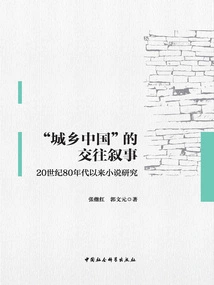
“城乡中国”的交往叙事:20世纪80年代以来小说研究
Zhang Jihong Guo Wenyuan
As a unique aesthetic way of reflecting, imagining and constructing urban and rural social life, Chinese novels since the 1980s have comprehensively written about the material exchange, emotional exchange, spatial communication and value choices in the urbanization process and the "city-rural" relationship from multiple dimensions such as time, space and value. On the one hand, these novels use contradictions and conflicts as narrative themes, revealing the complex social problems caused by urbanization and the rupture of traditional values; on the other hand, they use communication narratives as aesthetic gestures to actively construct a new order of morality, belief, ethics, and aesthetics in a harmonious society, providing a rich archive of humanistic spirituality for the cultural construction of "urban and rural China" toward "beautiful China."
As a unique aesthetic way of reflecting, imagining and constructing urban and rural social life, Chinese novels since the 1980s have comprehensively written about the material exchange, emotional exchange, spatial communication and value choices in the urbanization process and the "city-rural" relationship from multiple dimensions such as time, space and value. On the one hand, these novels use contradictions and conflicts as narrative themes, revealing the complex social problems caused by urbanization and the rupture of traditional values; on the other hand, they use communication narratives as aesthetic gestures to actively construct a new order of morality, belief, ethics, and aesthetics in a harmonious society, providing a rich archive of humanistic spirituality for the cultural construction of "urban and rural China" toward "beautiful China."
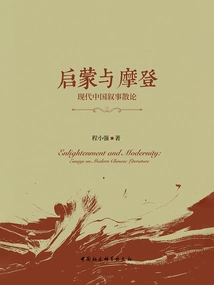
启蒙与摩登:现代中国叙事散论
Cheng Xiaoqiang
This thesis focuses on the continuing research on classic re-reading in the academic world, and reinterprets the works of many important modern and contemporary Chinese writers. Its vision covers writers such as Lu Xun, Yu Dafu, Qian Zhongshu, Zhao Shuli, Su Qing, and Ye Zhaoyan. From a structural point of view, the discourse categories and effects, narrative content and methods discussed in this book are mainly modern. Based on in-depth and detailed text analysis, the treatise questions some existing research conclusions and provides a new interpretation of some classic works. It demonstrates the academic achievements in recent years in the study of the works of important writers of the 20th century, represented by classic re-reading and text close reading. Its relevant conclusions can be used for reference or discussion by the academic community.
This thesis focuses on the continuing research on classic re-reading in the academic world, and reinterprets the works of many important modern and contemporary Chinese writers. Its vision covers writers such as Lu Xun, Yu Dafu, Qian Zhongshu, Zhao Shuli, Su Qing, and Ye Zhaoyan. From a structural point of view, the discourse categories and effects, narrative content and methods discussed in this book are mainly modern. Based on in-depth and detailed text analysis, the treatise questions some existing research conclusions and provides a new interpretation of some classic works. It demonstrates the academic achievements in recent years in the study of the works of important writers of the 20th century, represented by classic re-reading and text close reading. Its relevant conclusions can be used for reference or discussion by the academic community.
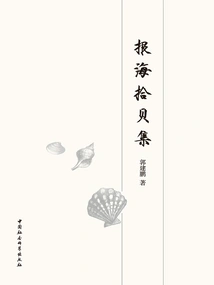
A Collection of Posters from the Sea
Literature报海拾贝集
Guo Jianpeng
The work of researchers of literary and historical materials is to use documents as building materials to build a bridge between the known and the unknown. Whether this "bridge" is solid and resistant to pressure and can stand for a long time depends on the quality and authenticity of the "building materials". The task of the editor is to identify the known, to discover the unknown, and to discover the truth with an attitude of searching extensively and carefully. This book is the culmination of the author's hard work over the past twenty years of immersing himself in the past, peeling back the dust, and looking for a needle in a haystack. What it presents to readers is not only the restoration of historical mirrors and rich literary historical materials, but also the vivid insights after sifting through the sand and picking up gold. More importantly, it is a young scholar's painstaking efforts and perseverance in pursuing true knowledge.
The work of researchers of literary and historical materials is to use documents as building materials to build a bridge between the known and the unknown. Whether this "bridge" is solid and resistant to pressure and can stand for a long time depends on the quality and authenticity of the "building materials". The task of the editor is to identify the known, to discover the unknown, and to discover the truth with an attitude of searching extensively and carefully. This book is the culmination of the author's hard work over the past twenty years of immersing himself in the past, peeling back the dust, and looking for a needle in a haystack. What it presents to readers is not only the restoration of historical mirrors and rich literary historical materials, but also the vivid insights after sifting through the sand and picking up gold. More importantly, it is a young scholar's painstaking efforts and perseverance in pursuing true knowledge.
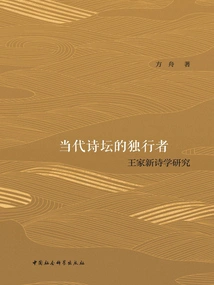
当代诗坛的独行者:王家新诗学研究
Ark
This book studies the poetic theory of contemporary poet Wang Jiaxin. Based on the Chinese contemporary poetry circle, with the history of the development of contemporary Chinese poetry as a background, and from the perspective of the integration of Chinese and foreign poetry exchanges, this article examines the connotation and characteristics of Wang Jiaxin's mystical poetics, commitment poetics, word poetics, "late style" poetics, and translation poetics; and reveals the overall characteristics and value of his poetics from the aspects of generation mechanism, discourse logic, and purpose appeal.
This book studies the poetic theory of contemporary poet Wang Jiaxin. Based on the Chinese contemporary poetry circle, with the history of the development of contemporary Chinese poetry as a background, and from the perspective of the integration of Chinese and foreign poetry exchanges, this article examines the connotation and characteristics of Wang Jiaxin's mystical poetics, commitment poetics, word poetics, "late style" poetics, and translation poetics; and reveals the overall characteristics and value of his poetics from the aspects of generation mechanism, discourse logic, and purpose appeal.
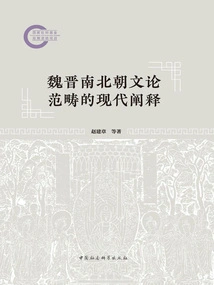
魏晋南北朝文论范畴的现代阐释
Zhao Jianzhang Et Al.
This book uses the grammatical analysis and conceptual analysis methods of the philosophy of language to analyze ten (pairs) of literary theory categories in the literary theory of the Wei, Jin, Southern and Northern Dynasties, and strives to clarify the confusion between their expression at the level of logic and grammar and the level of empirical facts. These categories can be divided into five groups: the first group is Tao and Emotion, which are categories at the "ontological" level; the second group is speech, meaning, form and spirit, and literary quality. These three pairs of categories describe the logical structure of literary works; the third group is Shensi and Bixing, These two pairs of categories relate to the psychological phenomena and creative methods of creation; the fourth group is implicit and explicit, which are categories related to the form or style of the work; the fifth group is Tongbian, which combines changes and invariances, universal and special issues in literature.
This book uses the grammatical analysis and conceptual analysis methods of the philosophy of language to analyze ten (pairs) of literary theory categories in the literary theory of the Wei, Jin, Southern and Northern Dynasties, and strives to clarify the confusion between their expression at the level of logic and grammar and the level of empirical facts. These categories can be divided into five groups: the first group is Tao and Emotion, which are categories at the "ontological" level; the second group is speech, meaning, form and spirit, and literary quality. These three pairs of categories describe the logical structure of literary works; the third group is Shensi and Bixing, These two pairs of categories relate to the psychological phenomena and creative methods of creation; the fourth group is implicit and explicit, which are categories related to the form or style of the work; the fifth group is Tongbian, which combines changes and invariances, universal and special issues in literature.
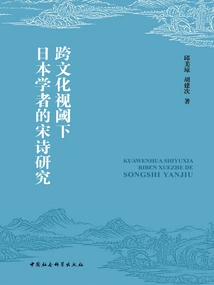
跨文化视阈下日本学者的宋诗研究
Qiu Meiqiong Hu Jianci
This book is based on the basic facts of the academic ups and downs between Japan and China over the past hundred years. From the perspective of comparative culture between Japan and China, this book systematically examines the historical process and basic content of the study of Song poetry in Japan. Taking important poets of the Song Dynasty and major Japanese researchers of Song poetry as the inspection points and connecting clues, it comprehensively demonstrates the important achievements, academic originality, unique academic ideas and orientations, and limitations and shortcomings of Japanese scholars' research on Song poetry. This book proposes that Japanese scholars hold fresh and innovative views on the research object from the perspective of "others" and have contributed to deepening and expanding the study of Song poetry from multiple perspectives. In the context of international academic and cultural exchanges, Japanese scholars have significant uniqueness and a solid position as an important center.
This book is based on the basic facts of the academic ups and downs between Japan and China over the past hundred years. From the perspective of comparative culture between Japan and China, this book systematically examines the historical process and basic content of the study of Song poetry in Japan. Taking important poets of the Song Dynasty and major Japanese researchers of Song poetry as the inspection points and connecting clues, it comprehensively demonstrates the important achievements, academic originality, unique academic ideas and orientations, and limitations and shortcomings of Japanese scholars' research on Song poetry. This book proposes that Japanese scholars hold fresh and innovative views on the research object from the perspective of "others" and have contributed to deepening and expanding the study of Song poetry from multiple perspectives. In the context of international academic and cultural exchanges, Japanese scholars have significant uniqueness and a solid position as an important center.
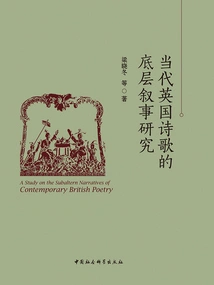
当代英国诗歌的底层叙事研究
Liang Xiaodong Et Al.
This book adopts the local perspective of the study of Chinese subaltern literary narrative in the new era, from the academic standpoint of Chinese scholars, and within the framework of the study of subaltern literary narrative, systematically traces the subaltern narrative tradition of British poetry represented by British ballads and poets Chaucer, Blake, and Wordsworth. This book selects the representative works of contemporary British poets Tony Harrison, Carol Ann Duffy, Seamus Heaney, and Simon Armitage as research texts, and adopts multiple critical methods such as Foucault's discourse theory, cultural Marxism, feminism, postcolonialism, and space theory to analyze Harbin from multiple dimensions such as class, gender, race, culture, and space. The objects, contents, themes, subjects, and strategies of Leeson's working class, Duffy's women and immigrants, Heaney's countryside, and Armitage's urban underclass narratives are conducted in-depth and systematic research, revealing the realist thoughts and humanistic spiritual connotations contained in the works, and demonstrating the courage and responsibility of contemporary British poets to intervene in social issues with the power of literary discourse. This work is a useful attempt to explore "the application of Chinese and Western methods and the integration of Chinese and Western perspectives" in the field of contemporary British poetry research.
This book adopts the local perspective of the study of Chinese subaltern literary narrative in the new era, from the academic standpoint of Chinese scholars, and within the framework of the study of subaltern literary narrative, systematically traces the subaltern narrative tradition of British poetry represented by British ballads and poets Chaucer, Blake, and Wordsworth. This book selects the representative works of contemporary British poets Tony Harrison, Carol Ann Duffy, Seamus Heaney, and Simon Armitage as research texts, and adopts multiple critical methods such as Foucault's discourse theory, cultural Marxism, feminism, postcolonialism, and space theory to analyze Harbin from multiple dimensions such as class, gender, race, culture, and space. The objects, contents, themes, subjects, and strategies of Leeson's working class, Duffy's women and immigrants, Heaney's countryside, and Armitage's urban underclass narratives are conducted in-depth and systematic research, revealing the realist thoughts and humanistic spiritual connotations contained in the works, and demonstrating the courage and responsibility of contemporary British poets to intervene in social issues with the power of literary discourse. This work is a useful attempt to explore "the application of Chinese and Western methods and the integration of Chinese and Western perspectives" in the field of contemporary British poetry research.
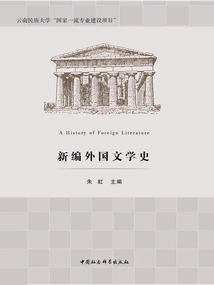
A New History of Foreign Literature
Literature新编外国文学史
Editor-in-chief Zhu Hong
This book is based on the latest "National Standards for the Teaching Quality of Undergraduate Majors in General Universities" promulgated by the Ministry of Education. It macroscopically grasps and deeply sorts out the progressive evolution of European and American cultural and literary and artistic trends. The whole book contains two frameworks, one is the history of European and American culture and art, and the other is the history of European and American literature. Through the organic integration of these two frameworks, it aims to place European and American literature of various periods in the context of the entire social culture and artistic trends for observation and research, which will help readers deeply understand the connotation of literature and enhance the interest of learning. Through interdisciplinary literary interpretation, literature truly becomes humanities, which has positive significance for improving readers' humanistic qualities.
This book is based on the latest "National Standards for the Teaching Quality of Undergraduate Majors in General Universities" promulgated by the Ministry of Education. It macroscopically grasps and deeply sorts out the progressive evolution of European and American cultural and literary and artistic trends. The whole book contains two frameworks, one is the history of European and American culture and art, and the other is the history of European and American literature. Through the organic integration of these two frameworks, it aims to place European and American literature of various periods in the context of the entire social culture and artistic trends for observation and research, which will help readers deeply understand the connotation of literature and enhance the interest of learning. Through interdisciplinary literary interpretation, literature truly becomes humanities, which has positive significance for improving readers' humanistic qualities.
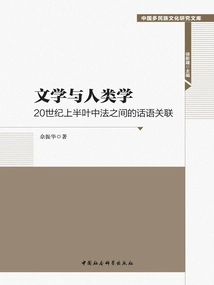
文学与人类学:20世纪上半叶中法之间的话语关联
She Zhenhua
This book takes literature and anthropology as its perspective, starting from big literature and overall anthropology, and analyzing the history of the discourse relationship between China and France in the first half of the 20th century through the dual texts of historical documents and events, in order to present the ideological exchanges and personnel exchanges between China and France around major discourses during this period. The author has chosen two groups of discourses with different tendencies, namely those that are biased towards conceptual history and those that are biased towards academic history. The former includes two concepts: "science" and "positivity", and "group studies" and "country"; the latter includes four academic fields: "society", "nation", "songs" and "folklore". From a French perspective, this book selects four scholars in turn: Comte, Durkheim, Mauss and Granyan. They were either the pioneers of the French Annals School or the leaders of three generations of scholars of the school, and they profoundly influenced French social science research from the end of the 19th century to the first half of the 20th century. In Chinese practice, the cases selected in this book include Cai Yuanpei, Liu Bannong, the group of Chinese students studying in France in the 1920s, Mauss's Chinese students (represented by Ling Chunsheng and Yang Chengzhi), and Yang Kun, etc. They have all established indirect or direct discourse connections with the above-mentioned French scholars.
This book takes literature and anthropology as its perspective, starting from big literature and overall anthropology, and analyzing the history of the discourse relationship between China and France in the first half of the 20th century through the dual texts of historical documents and events, in order to present the ideological exchanges and personnel exchanges between China and France around major discourses during this period. The author has chosen two groups of discourses with different tendencies, namely those that are biased towards conceptual history and those that are biased towards academic history. The former includes two concepts: "science" and "positivity", and "group studies" and "country"; the latter includes four academic fields: "society", "nation", "songs" and "folklore". From a French perspective, this book selects four scholars in turn: Comte, Durkheim, Mauss and Granyan. They were either the pioneers of the French Annals School or the leaders of three generations of scholars of the school, and they profoundly influenced French social science research from the end of the 19th century to the first half of the 20th century. In Chinese practice, the cases selected in this book include Cai Yuanpei, Liu Bannong, the group of Chinese students studying in France in the 1920s, Mauss's Chinese students (represented by Ling Chunsheng and Yang Chengzhi), and Yang Kun, etc. They have all established indirect or direct discourse connections with the above-mentioned French scholars.
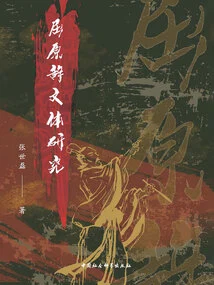
Research on Qu Yuan's Ci Style
Literature屈原辞文体研究
Zhang Shilei
This book is based on the author's doctoral thesis and studies Qu Yuan's Ci from a stylistic perspective. The author first divides Qu Yuan's poems into poetry style and fu style from the perspective of article style, and then distinguishes each category according to the specific text characteristics. When re-distinguishing, based on the characteristics of the formation of pre-Qin styles, focusing on the cultural basis for the formation of styles, the artistic conception of the text, etc., Some new understandings were reached.
This book is based on the author's doctoral thesis and studies Qu Yuan's Ci from a stylistic perspective. The author first divides Qu Yuan's poems into poetry style and fu style from the perspective of article style, and then distinguishes each category according to the specific text characteristics. When re-distinguishing, based on the characteristics of the formation of pre-Qin styles, focusing on the cultural basis for the formation of styles, the artistic conception of the text, etc., Some new understandings were reached.
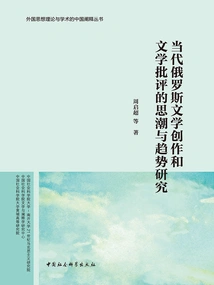
当代俄罗斯文学创作和文学批评的思潮与趋势研究
Zhou Qichao And Others
This book summarizes the development process of the history of Russian literary criticism from the 18th century to the 1930s by combining history and theory. It elaborates on the causes and consequences of the emergence of various trends of thought, schools, and groups in this development process, the content and background of each debate, and the basic meaning of various concepts and propositions. For the more important literary critics among them, the academic essence is expounded in the form of monographs. The book also systematically organizes and studies the close integration of various ideological trends, literary creation tendencies, and social movement policies in Russian literary criticism. It is the first significant academic work in the field of Russian language and literature written by Chinese scholars themselves.
This book summarizes the development process of the history of Russian literary criticism from the 18th century to the 1930s by combining history and theory. It elaborates on the causes and consequences of the emergence of various trends of thought, schools, and groups in this development process, the content and background of each debate, and the basic meaning of various concepts and propositions. For the more important literary critics among them, the academic essence is expounded in the form of monographs. The book also systematically organizes and studies the close integration of various ideological trends, literary creation tendencies, and social movement policies in Russian literary criticism. It is the first significant academic work in the field of Russian language and literature written by Chinese scholars themselves.
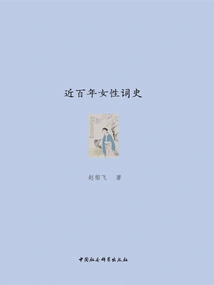
近百年女性词史
Zhao Yufei
This book is the main result of the author's recent academic work on the "History of Women's Ci in the Past Century". It writes the history of women's poetry from the end of the 19th century to the beginning of the 21st century. It is the first work in the academic world to panoramically display the literary ecology of this period. From a chronological point of view, the history of women's poetry in the past century is the continuation of the thousand-year history of women's poetry that was pioneered by Li Qingzhao. In the era of "God will bring energy to the boudoir", the volume and weight of women's poetry that has gained the aura of the changes in the world is enough to compete with, or even surpass, the previous millennium. Over the past century, outstanding female poets such as Lu Bicheng, Shen Zufen, Chen Xiaocui, Zhou Lianxia, and Ding Ning were born. They show off their beauty with beautiful words and sentences, which are not only enough to compete with the male poets of the same generation and enhance the reputation of the century-old poetry industry; they can also stand up to the fortress of the previous sages and engrave their names in the long history of female poetry that lasts for thousands of years. This book is one of the results of the "Research on Twentieth Century Poetry" series. It is based on the theoretical foundation of the two secondary disciplines of ancient Chinese literature and modern and contemporary Chinese literature, and has unique cultural, historical, gender and other significances.
This book is the main result of the author's recent academic work on the "History of Women's Ci in the Past Century". It writes the history of women's poetry from the end of the 19th century to the beginning of the 21st century. It is the first work in the academic world to panoramically display the literary ecology of this period. From a chronological point of view, the history of women's poetry in the past century is the continuation of the thousand-year history of women's poetry that was pioneered by Li Qingzhao. In the era of "God will bring energy to the boudoir", the volume and weight of women's poetry that has gained the aura of the changes in the world is enough to compete with, or even surpass, the previous millennium. Over the past century, outstanding female poets such as Lu Bicheng, Shen Zufen, Chen Xiaocui, Zhou Lianxia, and Ding Ning were born. They show off their beauty with beautiful words and sentences, which are not only enough to compete with the male poets of the same generation and enhance the reputation of the century-old poetry industry; they can also stand up to the fortress of the previous sages and engrave their names in the long history of female poetry that lasts for thousands of years. This book is one of the results of the "Research on Twentieth Century Poetry" series. It is based on the theoretical foundation of the two secondary disciplines of ancient Chinese literature and modern and contemporary Chinese literature, and has unique cultural, historical, gender and other significances.
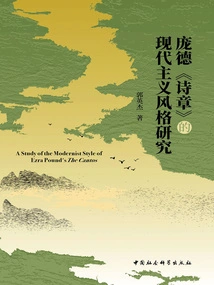
庞德《诗章》的现代主义风格研究
Guo Yingjie
At the theoretical level, this book does not stick to traditional poetry research ideas, but integrates cultural theory, cognitive poetics theory, communication theory, etc. Into its writing. This book summarizes Pound's 12 identities and believes that they are related to the formation of the modernist style of the Cantos; sorts out the specific content of the 117 chapters of the Cantos; discusses controversial topics in the study of the Cantos; and discusses the background, imitation and creation, internalization and absorption of the modernist style of the Cantos. At the same time, the author's research findings of more than 20 years are shared with readers, covering sections such as "A brief history of Pound's works and their publication".
At the theoretical level, this book does not stick to traditional poetry research ideas, but integrates cultural theory, cognitive poetics theory, communication theory, etc. Into its writing. This book summarizes Pound's 12 identities and believes that they are related to the formation of the modernist style of the Cantos; sorts out the specific content of the 117 chapters of the Cantos; discusses controversial topics in the study of the Cantos; and discusses the background, imitation and creation, internalization and absorption of the modernist style of the Cantos. At the same time, the author's research findings of more than 20 years are shared with readers, covering sections such as "A brief history of Pound's works and their publication".
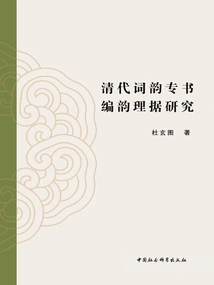
Research on the Rationale for Compiling Rhyme in Special Books on Word Rhyme in the Qing Dynasty
Literature清代词韵专书编韵理据研究
Du Xuan Tu
Qing Dynasty Ci Rhymes is an important part of Qing Dynasty Physiology, and its main content is to explore the rhyming rules of Ci style. The Qing people's theory of Ci was based on ancient Ci, and their discussion of rhyme was also based on the rhyme of old Ci. However, the results of Ci Rhythmology in the Qing Dynasty were not a reproduction of the rhyme of old Ci. Instead, they were based on the systematic structure of Ci stylistics in the Qing Dynasty, and used the rhyme theory at that time as a basis. It had the meaning of standardizing rhyme and was constructive. This book takes Qing Dynasty ci rhyme books as the research object, takes rhyme as the entry point, and lexicology as the research foothold. It combines synchronic and diachronic perspectives to examine the rationale for the compilation of ci rhyme books by various schools in the Qing Dynasty, and explores the evolution of ci rhyme in the Qing Dynasty.
Qing Dynasty Ci Rhymes is an important part of Qing Dynasty Physiology, and its main content is to explore the rhyming rules of Ci style. The Qing people's theory of Ci was based on ancient Ci, and their discussion of rhyme was also based on the rhyme of old Ci. However, the results of Ci Rhythmology in the Qing Dynasty were not a reproduction of the rhyme of old Ci. Instead, they were based on the systematic structure of Ci stylistics in the Qing Dynasty, and used the rhyme theory at that time as a basis. It had the meaning of standardizing rhyme and was constructive. This book takes Qing Dynasty ci rhyme books as the research object, takes rhyme as the entry point, and lexicology as the research foothold. It combines synchronic and diachronic perspectives to examine the rationale for the compilation of ci rhyme books by various schools in the Qing Dynasty, and explores the evolution of ci rhyme in the Qing Dynasty.
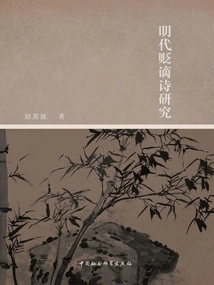
明代贬谪诗研究
Liu Yingbo
The theme orientation of the relegated poems in the Ming Dynasty may express loneliness, homesickness, and lamentation for old age, or express feelings of service and cynicism, or write about rewards and leisure, or chant historical chronicles and record border scenery; their sentimental creative tone, sincere lyrical direction, and diverse creative styles show the characteristics of both inheritance and development. The relegated mentality of officials and scholars in the Ming Dynasty was either lonely and sentimental, or wandering and homesick, or loyal to others, or fearful and restless, or happy and advocating for Taoism, showing the coexistence of commonality and individuality, complex and subtle characteristics. Studying the relegation poems of the Ming Dynasty will help us gain a deeper understanding of the social culture and the life forms of scholars in the Ming Dynasty.
The theme orientation of the relegated poems in the Ming Dynasty may express loneliness, homesickness, and lamentation for old age, or express feelings of service and cynicism, or write about rewards and leisure, or chant historical chronicles and record border scenery; their sentimental creative tone, sincere lyrical direction, and diverse creative styles show the characteristics of both inheritance and development. The relegated mentality of officials and scholars in the Ming Dynasty was either lonely and sentimental, or wandering and homesick, or loyal to others, or fearful and restless, or happy and advocating for Taoism, showing the coexistence of commonality and individuality, complex and subtle characteristics. Studying the relegation poems of the Ming Dynasty will help us gain a deeper understanding of the social culture and the life forms of scholars in the Ming Dynasty.
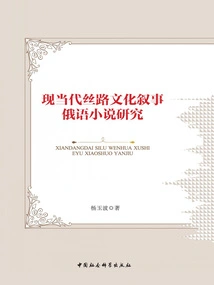
现当代丝路文化叙事俄语小说研究
Yang Yubo
This book takes the modern and contemporary Silk Road cultural narrative Russian novels from Russia and Central Asian countries as the research object, sorting out their basic development process, main works and genre characteristics, focusing on the background of the creation era and historical and cultural context, and examining war and peace, memory and forgetting, wandering and homecoming, etc. That are closely related to the history and culture of the Silk Road. Theme, analyze the historical figures in the novel such as Zhang Qian, Marco Polo, Genghis Khan, Batu, Kublai Khan and Tamerlane who contributed to the development of the Silk Road, interpret the symbolic meaning of typical Silk Road cultural images such as camel caravans, roads, and deserts, and explain the religious culture, Chinese elements and the Silk Road spirit embodied in the novel.
This book takes the modern and contemporary Silk Road cultural narrative Russian novels from Russia and Central Asian countries as the research object, sorting out their basic development process, main works and genre characteristics, focusing on the background of the creation era and historical and cultural context, and examining war and peace, memory and forgetting, wandering and homecoming, etc. That are closely related to the history and culture of the Silk Road. Theme, analyze the historical figures in the novel such as Zhang Qian, Marco Polo, Genghis Khan, Batu, Kublai Khan and Tamerlane who contributed to the development of the Silk Road, interpret the symbolic meaning of typical Silk Road cultural images such as camel caravans, roads, and deserts, and explain the religious culture, Chinese elements and the Silk Road spirit embodied in the novel.
红土地上的执着:新世纪江西文学创作论
Jiang Rasheng
This book is based on the characteristics of Jiangxi's local culture, focusing on the analysis and refinement of ceramic culture, ecological culture, red culture, etc., To understand the cultural characteristics of the red soil. On this basis, corresponding to the creative facts of Jiangxi writers and combined with the analysis of the relationship between literature and culture, an overview of Jiangxi literature creation in the new century is outlined. In terms of research methods, this book pays attention to the combination of macroscopic understanding and microscopic analysis. It not only has a macroscopical understanding of Jiangxi's literary creation since the 21st century, but also conducts a comprehensive scan and comprehensive investigation of literary propositions such as rural literature, urban writing, and poverty alleviation. It comprehensively grasps the gains and losses of Jiangxi's 21st century literature creation, and also provides in-depth interpretation and thinking of individual writers and works at a microscopic level, striving to form a basic pedigree of Jiangxi's literary creation.
This book is based on the characteristics of Jiangxi's local culture, focusing on the analysis and refinement of ceramic culture, ecological culture, red culture, etc., To understand the cultural characteristics of the red soil. On this basis, corresponding to the creative facts of Jiangxi writers and combined with the analysis of the relationship between literature and culture, an overview of Jiangxi literature creation in the new century is outlined. In terms of research methods, this book pays attention to the combination of macroscopic understanding and microscopic analysis. It not only has a macroscopical understanding of Jiangxi's literary creation since the 21st century, but also conducts a comprehensive scan and comprehensive investigation of literary propositions such as rural literature, urban writing, and poverty alleviation. It comprehensively grasps the gains and losses of Jiangxi's 21st century literature creation, and also provides in-depth interpretation and thinking of individual writers and works at a microscopic level, striving to form a basic pedigree of Jiangxi's literary creation.
唐宋诗歌与园林植物审美
Wang Yuedi
Whether it is Du Fu's arrangement and tailoring of flowers and trees in the thatched cottage, Bai Juyi's controlling and domesticated garden management, or Su Shi's poems about flowers and trees that integrate with the elegant life of literati, the poets of the Tang and Song Dynasties enriched China's aesthetic tradition and raised many important aesthetic topics in the aesthetic practice of garden plants. The first part of this book examines the writing characteristics of garden plants by poets such as Wang Wei, Du Fu, Bai Juyi, Li Deyu, Su Shi, Chao Buzhi, and Yang Wanli. In his works, garden plants are not only symbols of mountain and forest seclusion, objects of natural history recognition, but also treasures for personal collections. Flowers and trees of different identities reflect the complex and profound aesthetic perspectives of literati in the Tang and Song Dynasties. The second part focuses on the classic garden plant images in poems and paintings such as "window bamboo" and "wall flowers and trees", analyzing their common aesthetic connotations across poetry and painting, and more three-dimensionally revealing the aesthetic panorama of garden plants by literati in the Tang and Song Dynasties.
Whether it is Du Fu's arrangement and tailoring of flowers and trees in the thatched cottage, Bai Juyi's controlling and domesticated garden management, or Su Shi's poems about flowers and trees that integrate with the elegant life of literati, the poets of the Tang and Song Dynasties enriched China's aesthetic tradition and raised many important aesthetic topics in the aesthetic practice of garden plants. The first part of this book examines the writing characteristics of garden plants by poets such as Wang Wei, Du Fu, Bai Juyi, Li Deyu, Su Shi, Chao Buzhi, and Yang Wanli. In his works, garden plants are not only symbols of mountain and forest seclusion, objects of natural history recognition, but also treasures for personal collections. Flowers and trees of different identities reflect the complex and profound aesthetic perspectives of literati in the Tang and Song Dynasties. The second part focuses on the classic garden plant images in poems and paintings such as "window bamboo" and "wall flowers and trees", analyzing their common aesthetic connotations across poetry and painting, and more three-dimensionally revealing the aesthetic panorama of garden plants by literati in the Tang and Song Dynasties.
中华文学史料(第六辑)
Liu Yuejin Chief Editor Long Zhenhua
This book is divided into three special topics: "Historical Theory and Literary Research", "Writer Research Topic" and "Work Research Topic". It was compiled and published as "Chinese Literary Historical Materials" (Sixth Series). Among them, there are 8 papers in "Historical Theory and Literary Research", including ancient literature research papers and modern literature research papers, 2 of which are about disaster literature research, and 1 is about Jingchu regional literature research; 5 papers in "Writer Research Topic", involving ancient and modern writers and national literature research; 6 papers in "Work Research Topic", covering several important documents from the pre-Tang Dynasty to modern times and overseas Chinese studies. These papers include more in-depth literature review, introduction of newer historical materials, and macro-summaries of historical materials theory, reflecting the in-depth research and theoretical improvement of Chinese literary historical materials.
This book is divided into three special topics: "Historical Theory and Literary Research", "Writer Research Topic" and "Work Research Topic". It was compiled and published as "Chinese Literary Historical Materials" (Sixth Series). Among them, there are 8 papers in "Historical Theory and Literary Research", including ancient literature research papers and modern literature research papers, 2 of which are about disaster literature research, and 1 is about Jingchu regional literature research; 5 papers in "Writer Research Topic", involving ancient and modern writers and national literature research; 6 papers in "Work Research Topic", covering several important documents from the pre-Tang Dynasty to modern times and overseas Chinese studies. These papers include more in-depth literature review, introduction of newer historical materials, and macro-summaries of historical materials theory, reflecting the in-depth research and theoretical improvement of Chinese literary historical materials.
彼得·阿克罗伊德小说的叙事艺术研究
Guo Ruiping
Peter Ackroyd's novels are full of charm, not only because the author tells charming stories and adopts flexible narrative techniques, but also because they contain the author's deep emotions and sense of historical responsibility for national culture. They are important inspirations to writers of other nationalities and are worthy of systematic study. This book uses Ackroyd's 16 novels published since the 1980s as analytical texts, and conducts a comprehensive study on them from the perspective of the deep connection between their narrative art, creative themes and social and historical context. It aims to explore how the author uses different narratives to represent a strong national consciousness and promote the national cultural spirit and value orientation.
Peter Ackroyd's novels are full of charm, not only because the author tells charming stories and adopts flexible narrative techniques, but also because they contain the author's deep emotions and sense of historical responsibility for national culture. They are important inspirations to writers of other nationalities and are worthy of systematic study. This book uses Ackroyd's 16 novels published since the 1980s as analytical texts, and conducts a comprehensive study on them from the perspective of the deep connection between their narrative art, creative themes and social and historical context. It aims to explore how the author uses different narratives to represent a strong national consciousness and promote the national cultural spirit and value orientation.
《风行》杂志与象征主义自由诗
Li Guohui
This book focuses on the magazine "Fashion", and also refers to magazines such as "Black Cat", "New Left Bank", "Lytes", "Wallonia" and "Courier Française" to study the rise and fall of symbolist free verse. Symbolist free verse is under the control of the two forces of anarchism and nationalism. It is not only a complex of freedom and rules, but also a complex of individual consciousness and collective consciousness.
This book focuses on the magazine "Fashion", and also refers to magazines such as "Black Cat", "New Left Bank", "Lytes", "Wallonia" and "Courier Française" to study the rise and fall of symbolist free verse. Symbolist free verse is under the control of the two forces of anarchism and nationalism. It is not only a complex of freedom and rules, but also a complex of individual consciousness and collective consciousness.