Library
Browse and search books
2,982 novels found
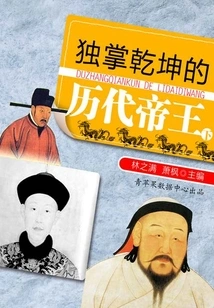
独掌乾坤的历代帝王(下)
Lin Zhiman Editor-in-chief Xiao Feng
In China's two thousand years of imperial society, the emperor is the supreme ruler of the country and the symbol and representative of autocratic rule. Although there are many talented and enlightened rulers in history, there have also been various tyrants and foolish emperors, as well as many baby emperors, idiot emperors, absurd and eccentric emperors, etc. This book tells you the stories of Chinese emperors throughout the ages.
In China's two thousand years of imperial society, the emperor is the supreme ruler of the country and the symbol and representative of autocratic rule. Although there are many talented and enlightened rulers in history, there have also been various tyrants and foolish emperors, as well as many baby emperors, idiot emperors, absurd and eccentric emperors, etc. This book tells you the stories of Chinese emperors throughout the ages.
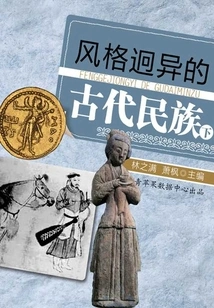
风格迥异的古代民族(下)
Lin Zhiman Editor-in-chief Xiao Feng
"Ancient Nations with Different Styles" combines historical documents to conduct scientific and detailed research on the emergence, development, and integration of various ethnic groups that have been active in various regions of my country in history. It presents the "culture" of each ethnic group in the context of specific ethnic history, and also reveals to us a large amount of fresh information in the study of ethnic history.
"Ancient Nations with Different Styles" combines historical documents to conduct scientific and detailed research on the emergence, development, and integration of various ethnic groups that have been active in various regions of my country in history. It presents the "culture" of each ethnic group in the context of specific ethnic history, and also reveals to us a large amount of fresh information in the study of ethnic history.
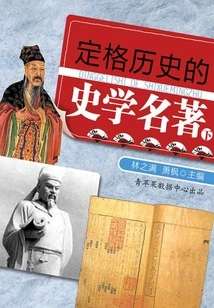
定格历史的史学名著(下)
Lin Zhiman Editor-in-chief Xiao Feng
Historical masterpieces are those that prominently reflect a certain historical trend of thought and highlight its academic value and significance of the times. Historical works can reproduce the "physical appearance" of human activities in the past, and can show the cause and effect of historical evolution, providing reference for people's lives. This book has a very important reference value for people today to understand history, read historical classics, and create literary and artistic works with historical themes.
Historical masterpieces are those that prominently reflect a certain historical trend of thought and highlight its academic value and significance of the times. Historical works can reproduce the "physical appearance" of human activities in the past, and can show the cause and effect of historical evolution, providing reference for people's lives. This book has a very important reference value for people today to understand history, read historical classics, and create literary and artistic works with historical themes.
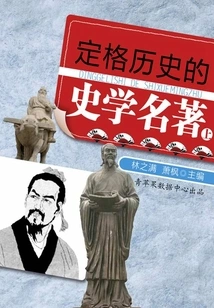
定格历史的史学名著(上)
Lin Zhiman Editor-in-chief Xiao Feng
Historical masterpieces are those that prominently reflect a certain historical trend of thought and highlight its academic value and significance of the times. Historical works can reproduce the "physical appearance" of human activities in the past, and can show the cause and effect of historical evolution, providing reference for people's lives. This book has a very important reference value for people today to understand history, read historical classics, and create literary and artistic works with historical themes.
Historical masterpieces are those that prominently reflect a certain historical trend of thought and highlight its academic value and significance of the times. Historical works can reproduce the "physical appearance" of human activities in the past, and can show the cause and effect of historical evolution, providing reference for people's lives. This book has a very important reference value for people today to understand history, read historical classics, and create literary and artistic works with historical themes.
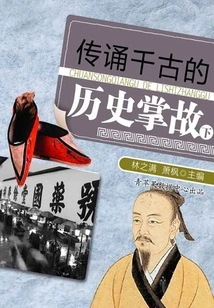
传诵千古的历史掌故(下)
Lin Zhiman Editor-in-chief Xiao Feng
Anecdotes refer to stories or legends about historical figures, regulations and systems, etc. China has a long history and rich culture, and anecdotes can generally be found about various phenomena in social life. Poems also often quote ancient stories and words with historical origins. Understanding historical anecdotes can enhance our cultural literacy and deepen our cultural heritage.
Anecdotes refer to stories or legends about historical figures, regulations and systems, etc. China has a long history and rich culture, and anecdotes can generally be found about various phenomena in social life. Poems also often quote ancient stories and words with historical origins. Understanding historical anecdotes can enhance our cultural literacy and deepen our cultural heritage.
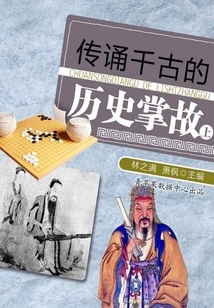
传诵千古的历史掌故(上)
Lin Zhiman Editor-in-chief Xiao Feng
Anecdotes refer to stories or legends about historical figures, regulations and systems, etc. China has a long history and rich culture, and anecdotes can generally be found about various phenomena in social life. Poems also often quote ancient stories and words with historical origins. Understanding historical anecdotes can enhance our cultural literacy and deepen our cultural heritage.
Anecdotes refer to stories or legends about historical figures, regulations and systems, etc. China has a long history and rich culture, and anecdotes can generally be found about various phenomena in social life. Poems also often quote ancient stories and words with historical origins. Understanding historical anecdotes can enhance our cultural literacy and deepen our cultural heritage.
《战国策》·沟通策
Wang Qun
This book guides readers to read classical classics, and through the communication stories of the pre-Qin debaters in "Warring States Policy", it inspires readers to explore and think about interpersonal communication in real life from four aspects: principles, language, wisdom, and strategy, and refines fourteen communication strategies along the way.
This book guides readers to read classical classics, and through the communication stories of the pre-Qin debaters in "Warring States Policy", it inspires readers to explore and think about interpersonal communication in real life from four aspects: principles, language, wisdom, and strategy, and refines fourteen communication strategies along the way.
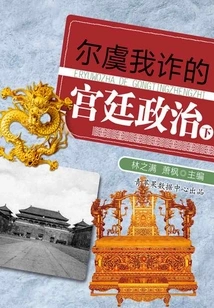
尔虞我诈的宫廷政治(下)
Lin Zhiman Editor-in-chief Xiao Feng
As soon as you enter the waiting room, the palace is as deep as the sea. The palace is a place that is both mysterious and fascinating. This book briefly describes the cruel struggles between various forces such as relatives and eunuchs, queens and concubines, legitimate sons and concubines, etc., And vividly displays the cruelty and bloodshed in the palace, and the emperor's scenery and helplessness in front of readers.
As soon as you enter the waiting room, the palace is as deep as the sea. The palace is a place that is both mysterious and fascinating. This book briefly describes the cruel struggles between various forces such as relatives and eunuchs, queens and concubines, legitimate sons and concubines, etc., And vividly displays the cruelty and bloodshed in the palace, and the emperor's scenery and helplessness in front of readers.
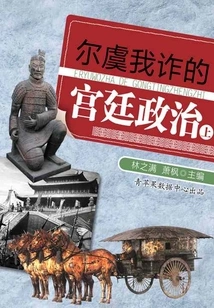
尔虞我诈的宫廷政治(上)
Lin Zhiman Editor-in-chief Xiao Feng
As soon as you enter the waiting room, the palace is as deep as the sea. The palace is a place that is both mysterious and fascinating. This book briefly describes the cruel struggles between various forces such as relatives and eunuchs, queens and concubines, legitimate sons and concubines, etc., And vividly displays the cruelty and bloodshed in the palace, and the emperor's scenery and helplessness in front of readers.
As soon as you enter the waiting room, the palace is as deep as the sea. The palace is a place that is both mysterious and fascinating. This book briefly describes the cruel struggles between various forces such as relatives and eunuchs, queens and concubines, legitimate sons and concubines, etc., And vividly displays the cruelty and bloodshed in the palace, and the emperor's scenery and helplessness in front of readers.
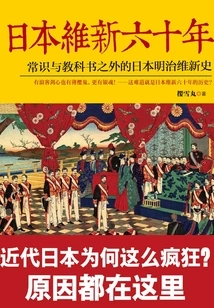
日本维新六十年
Sakura Snowmaru
What is it that makes Japan the country it is today? From the arrival of the black ships to the death of Emperor Meiji, this was almost a 60-year period that completely changed the destiny of Japan. In 1853, the actual ruler of Japan, the Tokugawa Shogunate, announced the founding of the country. In 1867, the shogunate returned power to the emperor, and the reformists announced the "restoration of royal government." The overthrow of the shogunate, the sabotage faction, the anti-barbarian faction, and the founding faction all came on stage one after another. In 1875, Japan announced that it had entered a preparatory constitutional period. In 1890, Japan held a parliament, and then began its crazy expansion, launching the Sino-Japanese Sino-Japanese Sino-Japanese Sino-Japanese Naval War and the Russo-Japanese War. The victory of the Sino-Japanese War and the Russo-Japanese War made Japan a world-class power. In 1912, Emperor Meiji died and the Meiji era came to an end. It was the end of an era and the beginning of another crazy era.
What is it that makes Japan the country it is today? From the arrival of the black ships to the death of Emperor Meiji, this was almost a 60-year period that completely changed the destiny of Japan. In 1853, the actual ruler of Japan, the Tokugawa Shogunate, announced the founding of the country. In 1867, the shogunate returned power to the emperor, and the reformists announced the "restoration of royal government." The overthrow of the shogunate, the sabotage faction, the anti-barbarian faction, and the founding faction all came on stage one after another. In 1875, Japan announced that it had entered a preparatory constitutional period. In 1890, Japan held a parliament, and then began its crazy expansion, launching the Sino-Japanese Sino-Japanese Sino-Japanese Sino-Japanese Naval War and the Russo-Japanese War. The victory of the Sino-Japanese War and the Russo-Japanese War made Japan a world-class power. In 1912, Emperor Meiji died and the Meiji era came to an end. It was the end of an era and the beginning of another crazy era.
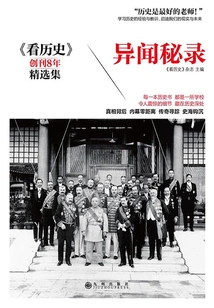
Secret Records of Weird News
History异闻秘录
"looking At History" Magazine
"Looking at History" has accumulated a large number of excellent articles in the eight years since its publication. These articles often publish many new viewpoints based on the exploration of new historical materials, allowing readers to gain new feelings and be inspired by new things. The editorial department of the magazine selects the best from thousands of manuscripts and assembles them based on different themes. "Secret Records of Strange Stories" is one of them.
"Looking at History" has accumulated a large number of excellent articles in the eight years since its publication. These articles often publish many new viewpoints based on the exploration of new historical materials, allowing readers to gain new feelings and be inspired by new things. The editorial department of the magazine selects the best from thousands of manuscripts and assembles them based on different themes. "Secret Records of Strange Stories" is one of them.
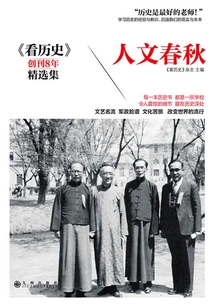
人文春秋
"looking At History" Magazine
"Looking at History" has accumulated a large number of excellent articles in the eight years since its publication. These articles often publish many new viewpoints based on the exploration of new historical materials, allowing readers to gain new feelings and be inspired by new things. The editorial department of the magazine selects the best from thousands of manuscripts and assembles them based on different themes. "Humanistic Spring and Autumn" is one of the series.
"Looking at History" has accumulated a large number of excellent articles in the eight years since its publication. These articles often publish many new viewpoints based on the exploration of new historical materials, allowing readers to gain new feelings and be inspired by new things. The editorial department of the magazine selects the best from thousands of manuscripts and assembles them based on different themes. "Humanistic Spring and Autumn" is one of the series.
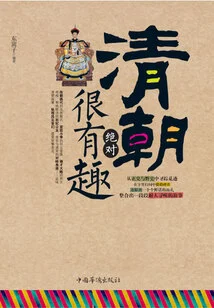
清朝绝对很有趣
Compiled By Dong Lizi
The Qing Dynasty, a dynasty that ruled China for nearly three hundred years, is destined to be remembered by the world because of its various peculiarities. In recent years, TV series based on the history of the Qing Dynasty have also become very popular. They have left people with too much surprise and admiration, as well as too much talk and interest.
The Qing Dynasty, a dynasty that ruled China for nearly three hundred years, is destined to be remembered by the world because of its various peculiarities. In recent years, TV series based on the history of the Qing Dynasty have also become very popular. They have left people with too much surprise and admiration, as well as too much talk and interest.
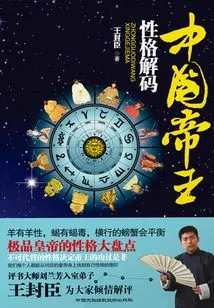
中国帝王性格解码
Wang Vassal
Everyone wants to be the supreme emperor, but throughout ancient Chinese history, every emperor who made a difference must have his own unique personality traits. It is these traits that determine his success or failure. It is absolutely true that character determines destiny. This book combines the characteristics of the twelve zodiac signs to tell the story of twelve types of emperors who were influential in Chinese history. It deeply analyzes the character causes of their success or failure. It is the best annotation for us to understand Chinese history and emperors.
Everyone wants to be the supreme emperor, but throughout ancient Chinese history, every emperor who made a difference must have his own unique personality traits. It is these traits that determine his success or failure. It is absolutely true that character determines destiny. This book combines the characteristics of the twelve zodiac signs to tell the story of twelve types of emperors who were influential in Chinese history. It deeply analyzes the character causes of their success or failure. It is the best annotation for us to understand Chinese history and emperors.
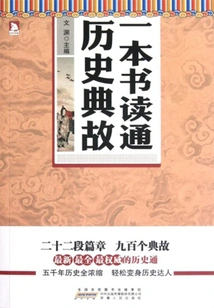
一本书读通历史典故
K
The Chinese nation has a long history of five thousand years, and our ancestors have left us precious cultural heritage. This book uses rigorous and plain language to show you a glorious picture of the five thousand years of Chinese nation's history. There are lamentable heroes, exciting war scenes, rules and regulations that inspire future generations, splendid and immortal wisdom, and cultural masterpieces that will shine through the ages. The content is rich and colorful without losing its profundity and ideological quality. It strives to guide readers to learn from history and understand the glory and weight of history.
The Chinese nation has a long history of five thousand years, and our ancestors have left us precious cultural heritage. This book uses rigorous and plain language to show you a glorious picture of the five thousand years of Chinese nation's history. There are lamentable heroes, exciting war scenes, rules and regulations that inspire future generations, splendid and immortal wisdom, and cultural masterpieces that will shine through the ages. The content is rich and colorful without losing its profundity and ideological quality. It strives to guide readers to learn from history and understand the glory and weight of history.
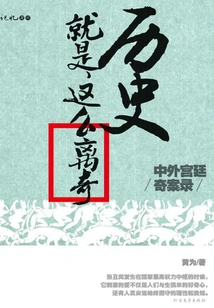
历史就是这么离奇(中外宫廷奇案录)
Huang Wei
It selects those extraordinary, shocking, and bizarre cases in Chinese and foreign court cases, restores the course of the case, and strives to reveal the truth of the case based on the limited historical data available. Due to limited reference materials, in order to prevent subjective assumptions, this book will present other opinions one by one after the case.
It selects those extraordinary, shocking, and bizarre cases in Chinese and foreign court cases, restores the course of the case, and strives to reveal the truth of the case based on the limited historical data available. Due to limited reference materials, in order to prevent subjective assumptions, this book will present other opinions one by one after the case.
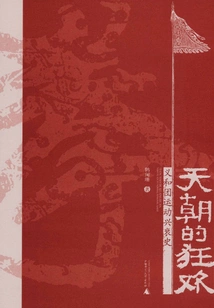
天朝的狂欢:义和团运动兴衰史
Crane Lanshan
"Carnival of the Celestial Empire: The Rise and Fall of the Boxer Rebellion" shows a peasant movement that must not be ignored in modern Chinese history. "Celestial Carnival: The Rise and Fall of the Boxer Rebellion" relies on a large number of historical materials to carefully analyze the relationship between the Chinese people, foreigners in China, and the Qing government in the historical changes of intensified conflicts and turmoil, showing readers the entire process of the Boxer Rebellion from beginning to end.
"Carnival of the Celestial Empire: The Rise and Fall of the Boxer Rebellion" shows a peasant movement that must not be ignored in modern Chinese history. "Celestial Carnival: The Rise and Fall of the Boxer Rebellion" relies on a large number of historical materials to carefully analyze the relationship between the Chinese people, foreigners in China, and the Qing government in the historical changes of intensified conflicts and turmoil, showing readers the entire process of the Boxer Rebellion from beginning to end.
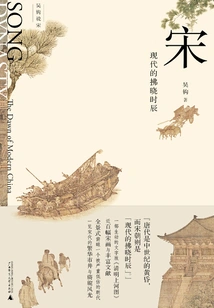
宋:现代的拂晓时辰
K
A very convincing text version of "Along the River During the Qingming Festival": interesting, easy to read, full of wonderful details, and fascinating! Cultural fast food that is different from "those things about the × Dynasty": a huge amount of historical materials, nearly a hundred paintings of the Song Dynasty, restoring the true colors of the Song Dynasty civilization. People's evaluation of the Song Dynasty can almost be divided into two opposing groups. So, was the Song Dynasty "poor and weak" and the "peak of imperial autocracy", or was the Song Dynasty "the dawn of modern times"? Through the analysis of a large number of various documents describing the Song Dynasty and various Song paintings, the author of this book shows what may be the most civilized, modern and epoch-making era in China's feudal history from the four aspects of life, society, economy, and law. He refutes the traditional judgment that the Song Dynasty was "poor and weak" and "the peak of imperial autocracy", and restores the Song Dynasty civilization to its true colors.
A very convincing text version of "Along the River During the Qingming Festival": interesting, easy to read, full of wonderful details, and fascinating! Cultural fast food that is different from "those things about the × Dynasty": a huge amount of historical materials, nearly a hundred paintings of the Song Dynasty, restoring the true colors of the Song Dynasty civilization. People's evaluation of the Song Dynasty can almost be divided into two opposing groups. So, was the Song Dynasty "poor and weak" and the "peak of imperial autocracy", or was the Song Dynasty "the dawn of modern times"? Through the analysis of a large number of various documents describing the Song Dynasty and various Song paintings, the author of this book shows what may be the most civilized, modern and epoch-making era in China's feudal history from the four aspects of life, society, economy, and law. He refutes the traditional judgment that the Song Dynasty was "poor and weak" and "the peak of imperial autocracy", and restores the Song Dynasty civilization to its true colors.
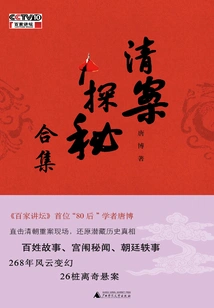
清案探秘(全集)
Tang Bo
Go directly to the scene of serious crimes in the Qing Dynasty and restore the hidden historical truth! Tang Bo, the first post-80s scholar in "Hundred Schools Forum", provides a down-to-earth encyclopedic interpretation of the Qing Dynasty. Starting from the palace, the imperial court, and the common people, it tells the unexplainable stories of the Qing Dynasty!
Go directly to the scene of serious crimes in the Qing Dynasty and restore the hidden historical truth! Tang Bo, the first post-80s scholar in "Hundred Schools Forum", provides a down-to-earth encyclopedic interpretation of the Qing Dynasty. Starting from the palace, the imperial court, and the common people, it tells the unexplainable stories of the Qing Dynasty!
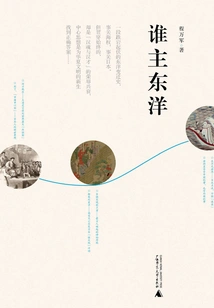
Who Rules the East?
History谁主东洋
Cheng Wanjun
The great rejuvenation of a nation ultimately depends on the rebirth of civilization; becoming the center of civilization in a region or even the world is the highest symbol of a nation's rise. When the former glory of a nation turns into history, its civilization system must also decline first. In the two thousand years AD, the Han and Tang Empires of China, the Roman Empire, the British Empire, the French Republic, Japan, and the United States of America took turns playing the leading roles of civilization on the historical stage of the Eastern and Western world. However, just as the most beautiful moment of a flower heralds its impending withering, the flower of civilization seems to follow some mysterious season to bloom and wither. When tracing the evolution of the world's main civilizations, we can see the mysterious trajectory of "the center of civilization moving".
The great rejuvenation of a nation ultimately depends on the rebirth of civilization; becoming the center of civilization in a region or even the world is the highest symbol of a nation's rise. When the former glory of a nation turns into history, its civilization system must also decline first. In the two thousand years AD, the Han and Tang Empires of China, the Roman Empire, the British Empire, the French Republic, Japan, and the United States of America took turns playing the leading roles of civilization on the historical stage of the Eastern and Western world. However, just as the most beautiful moment of a flower heralds its impending withering, the flower of civilization seems to follow some mysterious season to bloom and wither. When tracing the evolution of the world's main civilizations, we can see the mysterious trajectory of "the center of civilization moving".
中国现代史演义 北伐战争
Compiled By Pan Qiangen
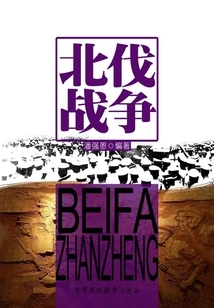
The Northern Expedition of the National Revolutionary Army was a unification war launched by the National Government under the leadership of the Chinese Kuomintang with the National Revolutionary Army as the main force from 1926 to 1927. Because the war process was carried out from south to north, it was often referred to as the "Northern Expedition" or the "Northern Expedition".
The Northern Expedition of the National Revolutionary Army was a unification war launched by the National Government under the leadership of the Chinese Kuomintang with the National Revolutionary Army as the main force from 1926 to 1927. Because the war process was carried out from south to north, it was often referred to as the "Northern Expedition" or the "Northern Expedition".
盛唐见证:大明宫
Compiled By Dou Yan Qiankunyu
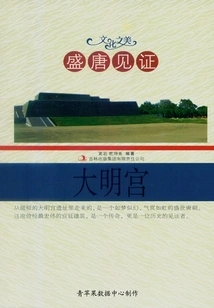
During the hundreds of years of history of the Tang Dynasty, the Daming Palace has always stood tall. Wang Wei once wrote, "Nine heavens closed the palace, and all the nations wore their hats and worshiped their crowns." This is enough to give a glimpse of the grand occasion at that time. As the political center and national symbol of the Tang Dynasty, this place was once full of intrigues in the harem and intrigues in the imperial court. It also witnessed the literary and military talents of generations of emperors and felt the suffering and well-being of the common people. Pushing open the mottled gate of the Daming Palace, what appears before your eyes is the grandeur of a dynasty.
During the hundreds of years of history of the Tang Dynasty, the Daming Palace has always stood tall. Wang Wei once wrote, "Nine heavens closed the palace, and all the nations wore their hats and worshiped their crowns." This is enough to give a glimpse of the grand occasion at that time. As the political center and national symbol of the Tang Dynasty, this place was once full of intrigues in the harem and intrigues in the imperial court. It also witnessed the literary and military talents of generations of emperors and felt the suffering and well-being of the common people. Pushing open the mottled gate of the Daming Palace, what appears before your eyes is the grandeur of a dynasty.
你一定爱读的极简法国史
(u. S.) Mary Pratt Parmelee
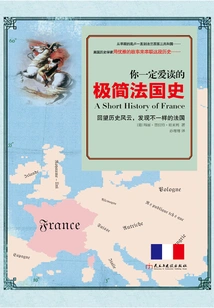
This book is a brief history of France written by American historian Mary Pratt Parmelee. The book is divided into 19 chapters, each paragraph is very concise, but all-inclusive. They can be independent chapters, but also connected with each other, including as much content as possible. This book is written from early Gaul to the Third French Republic. Mary Platt Palmy used some historical events to connect French history together. Therefore, the book "A Minimalist History of France You Will Love to Read" is very extensive, highly interesting, and easy to understand.
This book is a brief history of France written by American historian Mary Pratt Parmelee. The book is divided into 19 chapters, each paragraph is very concise, but all-inclusive. They can be independent chapters, but also connected with each other, including as much content as possible. This book is written from early Gaul to the Third French Republic. Mary Platt Palmy used some historical events to connect French history together. Therefore, the book "A Minimalist History of France You Will Love to Read" is very extensive, highly interesting, and easy to understand.
曾国藩:一个人的朝圣路
Wen Zhenming
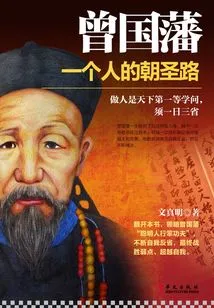
In modern times, there are very few people who can compare with Zeng Guofan. Zeng Guofan can be called a "sage" both in terms of life and scholarship, as well as in running the army and serving as an official. It also had a profound impact on future generations: Mao Zedong admired him, Chiang Kai-shek learned from him, Liang Qichao respected him, and Li Hongzhang inherited him... "Zeng Guofan: A Man's Pilgrimage" on the one hand tells the story of Zeng Guofan's ups and downs and magnificent life, and on the other hand, it combines Zeng Guofan's letters, diaries and other texts to conduct a profound analysis of his psychological activities and journey. It is not difficult to find that the reason why Zeng Guofan can be praised by later generations as a "sage" who "established his virtues and made meritorious deeds and made three immortal words, and was a perfect man as a teacher, general and prime minister" is closely related to his good self-reflection and self-criticism.
In modern times, there are very few people who can compare with Zeng Guofan. Zeng Guofan can be called a "sage" both in terms of life and scholarship, as well as in running the army and serving as an official. It also had a profound impact on future generations: Mao Zedong admired him, Chiang Kai-shek learned from him, Liang Qichao respected him, and Li Hongzhang inherited him... "Zeng Guofan: A Man's Pilgrimage" on the one hand tells the story of Zeng Guofan's ups and downs and magnificent life, and on the other hand, it combines Zeng Guofan's letters, diaries and other texts to conduct a profound analysis of his psychological activities and journey. It is not difficult to find that the reason why Zeng Guofan can be praised by later generations as a "sage" who "established his virtues and made meritorious deeds and made three immortal words, and was a perfect man as a teacher, general and prime minister" is closely related to his good self-reflection and self-criticism.
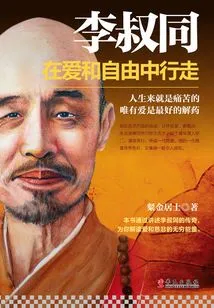
李叔同:在爱和自由中行走
Charming Layman
"Li Shutong: Walking in Love and Freedom": Li Shutong was born into a wealthy family. He was personable and talented. He made achievements in many fields such as poems and articles, epigraphy, calligraphy and painting, drama and music. From a modern perspective, he is a tall, rich and handsome man. However, when he was 39 years old, he became a monk and preferred to accompany the ancient Buddha with green lanterns. He did not make such a decision because of his heartlessness. In his eyes, life is ultimately a mixture of sorrow and joy. Happiness and pain, joy and sadness always go hand in hand. Only by letting go of everything in the world and following the Dharma can we achieve true love and freedom. Compassionate love is the antidote to all suffering.
"Li Shutong: Walking in Love and Freedom": Li Shutong was born into a wealthy family. He was personable and talented. He made achievements in many fields such as poems and articles, epigraphy, calligraphy and painting, drama and music. From a modern perspective, he is a tall, rich and handsome man. However, when he was 39 years old, he became a monk and preferred to accompany the ancient Buddha with green lanterns. He did not make such a decision because of his heartlessness. In his eyes, life is ultimately a mixture of sorrow and joy. Happiness and pain, joy and sadness always go hand in hand. Only by letting go of everything in the world and following the Dharma can we achieve true love and freedom. Compassionate love is the antidote to all suffering.
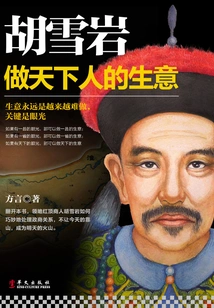
胡雪岩:做天下人的生意
Dialect
"Hu Xueyan: Doing Business for the World" describes the process of Hu Xueyan's transformation from a commoner to the "richest man in the Qing Dynasty" and the creation of business miracles. His unique knowledge in business and life strategies left behind a valuable asset to future generations, which was praised by the world and still has practical significance to this day. Business in the world is always becoming more and more difficult, and the relationship between politics and business is even more "inseparable and unreliable." However, Hu Xueyan took the relationship between politics and business to the extreme. He not only made his business careful not to be burned by power, but also enjoyed the warmth brought by floating around the flames of power, as if still aloof. I believe that every reader can get inspiration and useful help from Hu Xueyan's ups and downs in wealth life.
"Hu Xueyan: Doing Business for the World" describes the process of Hu Xueyan's transformation from a commoner to the "richest man in the Qing Dynasty" and the creation of business miracles. His unique knowledge in business and life strategies left behind a valuable asset to future generations, which was praised by the world and still has practical significance to this day. Business in the world is always becoming more and more difficult, and the relationship between politics and business is even more "inseparable and unreliable." However, Hu Xueyan took the relationship between politics and business to the extreme. He not only made his business careful not to be burned by power, but also enjoyed the warmth brought by floating around the flames of power, as if still aloof. I believe that every reader can get inspiration and useful help from Hu Xueyan's ups and downs in wealth life.
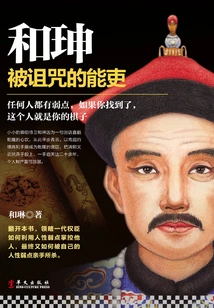
和珅:被诅咒的能吏
He Lin
The reason why Heshen is Heshen is because he has mastered the secret of human nature. Even Qianlong knew that he deserved death, but he was reluctant to kill him. It was by relying on the well-known Chinese principles of life and doing things that he was able to reach an invincible "realm" throughout the political and political circles. But everything turns on its head, and he eventually succumbed to his own human weakness. "He Shen: The Cursed Talented Official" uses detailed information, real historical facts, and objective commentary to interpret He Shen's multifaceted life, as well as his superb emotional intelligence and political skills. Let you see how Heshen climbed from the bottom of society to the peak of power step by step, and how he fell from the peak of power to the abyss of life in an instant; let you see a real Heshen, a real dynasty, and a real history!
The reason why Heshen is Heshen is because he has mastered the secret of human nature. Even Qianlong knew that he deserved death, but he was reluctant to kill him. It was by relying on the well-known Chinese principles of life and doing things that he was able to reach an invincible "realm" throughout the political and political circles. But everything turns on its head, and he eventually succumbed to his own human weakness. "He Shen: The Cursed Talented Official" uses detailed information, real historical facts, and objective commentary to interpret He Shen's multifaceted life, as well as his superb emotional intelligence and political skills. Let you see how Heshen climbed from the bottom of society to the peak of power step by step, and how he fell from the peak of power to the abyss of life in an instant; let you see a real Heshen, a real dynasty, and a real history!
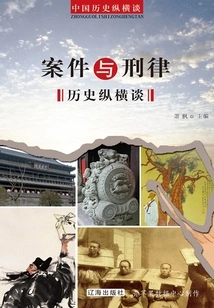
中国历史纵横谈:案件与刑律历史纵横谈
Editor-in-chief Xiao Feng
Based on the reference of a large number of authoritative historical works, this book integrates rich graphic materials accumulated in China's long history to intuitively introduce the historical development process. The book uses rich precious pictures and profound text narratives to comprehensively introduce the history of Chinese civilization. The content covers politics, military, economy, culture, diplomacy, science and technology, law, religion, art and other fields. It is highly systematic, informative and readable. It is not only the best reading book for readers to learn Chinese historical knowledge, but also the best version for collection in libraries at all levels.
Based on the reference of a large number of authoritative historical works, this book integrates rich graphic materials accumulated in China's long history to intuitively introduce the historical development process. The book uses rich precious pictures and profound text narratives to comprehensively introduce the history of Chinese civilization. The content covers politics, military, economy, culture, diplomacy, science and technology, law, religion, art and other fields. It is highly systematic, informative and readable. It is not only the best reading book for readers to learn Chinese historical knowledge, but also the best version for collection in libraries at all levels.
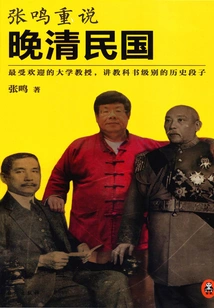
张鸣重说晚清民国
Zhang Ming
Another collection of historical essays by Zhang Ming, mainly including 72 of his articles. In terms of content, it is mainly divided into: writing about interesting people or things in the late Qing Dynasty and the Republic of China, comments and interesting comments on historical and cultural customs, plus a few articles about Zhang Ming's personal experience or the deeds of people around him. The history of the late Qing Dynasty and the Republic of China is also something that readers want to know more about; it is good-looking, can be written with laughter and scolding, and the writing does not have the pedantic spirit of scholars, so everyone can read it.
Another collection of historical essays by Zhang Ming, mainly including 72 of his articles. In terms of content, it is mainly divided into: writing about interesting people or things in the late Qing Dynasty and the Republic of China, comments and interesting comments on historical and cultural customs, plus a few articles about Zhang Ming's personal experience or the deeds of people around him. The history of the late Qing Dynasty and the Republic of China is also something that readers want to know more about; it is good-looking, can be written with laughter and scolding, and the writing does not have the pedantic spirit of scholars, so everyone can read it.
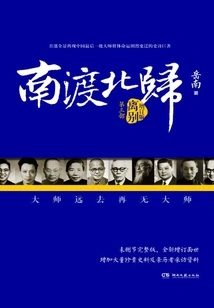
南渡北归·离别(增订版)
I
This book is the third part of "Returning from the South to the North". It describes the intellectuals who were exiled in the southwest. After returning to their long-lost homeland, they had to bear the pain of parting due to the outbreak of the civil war and their respective political differences. They looked at each other from afar, and the dramatic changes in their fates they encountered in the different living environments and political atmospheres on both sides of the Taiwan Strait. In addition to describing Zhu Jiahua, Hu Shi, Mei Yiqi, Fu Sinian, Li Ji, Dong Zuobin, Shi Zhangru, Jiang Menglin, Ye Gongchao and other masters who moved to Taiwan, it also focuses on Liang Sicheng and Liang Sicheng who stayed in the mainland. Yong, Lin Huiyin, Chen Yinke, Wu Jinding, Zeng Zhaoluan, Zeng Zhaoxuan, Chen Mengjia, Mu Dan, Xiang Da, Ye Qisun, Rao Yutai, Wu Mi, Qian Zhongshu and other intellectual groups have different political pursuits and love and hatred. While readers can perceive the historical truth and lament, they also have the impulse to "seek historical knowledge from history" and learn some "historical lessons" from it.
This book is the third part of "Returning from the South to the North". It describes the intellectuals who were exiled in the southwest. After returning to their long-lost homeland, they had to bear the pain of parting due to the outbreak of the civil war and their respective political differences. They looked at each other from afar, and the dramatic changes in their fates they encountered in the different living environments and political atmospheres on both sides of the Taiwan Strait. In addition to describing Zhu Jiahua, Hu Shi, Mei Yiqi, Fu Sinian, Li Ji, Dong Zuobin, Shi Zhangru, Jiang Menglin, Ye Gongchao and other masters who moved to Taiwan, it also focuses on Liang Sicheng and Liang Sicheng who stayed in the mainland. Yong, Lin Huiyin, Chen Yinke, Wu Jinding, Zeng Zhaoluan, Zeng Zhaoxuan, Chen Mengjia, Mu Dan, Xiang Da, Ye Qisun, Rao Yutai, Wu Mi, Qian Zhongshu and other intellectual groups have different political pursuits and love and hatred. While readers can perceive the historical truth and lament, they also have the impulse to "seek historical knowledge from history" and learn some "historical lessons" from it.
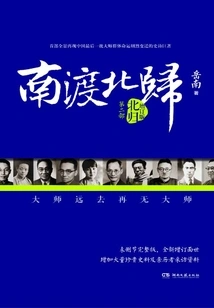
南渡北归·北归(增订版)
I
This book is the second part of "Returning from the South to the North". It focuses on describing the academic pursuits, ideological changes and different life experiences of intellectuals who fled to the southwest before and after the victory of the Anti-Japanese War. The time span is from the middle and late stages of the Anti-Japanese War to the end of 1948, when the National Government rushed to transport national treasures and "rescue scholars" plans, as well as the election of the first academician of the Academia Sinica. It prominently reproduces the strong will of Dong Zuobin, Joseph Needham, Tong Dizhou, Tao Menghe, Shen Xingren, Liang Siyong, Jiang Menglin, Wen Yiduo, Liu Wendian, Luo Yong, Zheng Tianting, Wu Han and other Chinese and foreign intellectuals who were displaced and indomitable in the difficult years of national peril. It restores the truth about the assassination of Southwest Associated University Chao and Wen Yiduo from different angles, conducts an in-depth and detailed exploration of the differentiation and evolution of the liberal intellectual group in the tide of the times, and fully reveals the historical secrets that have been deliberately covered up.
This book is the second part of "Returning from the South to the North". It focuses on describing the academic pursuits, ideological changes and different life experiences of intellectuals who fled to the southwest before and after the victory of the Anti-Japanese War. The time span is from the middle and late stages of the Anti-Japanese War to the end of 1948, when the National Government rushed to transport national treasures and "rescue scholars" plans, as well as the election of the first academician of the Academia Sinica. It prominently reproduces the strong will of Dong Zuobin, Joseph Needham, Tong Dizhou, Tao Menghe, Shen Xingren, Liang Siyong, Jiang Menglin, Wen Yiduo, Liu Wendian, Luo Yong, Zheng Tianting, Wu Han and other Chinese and foreign intellectuals who were displaced and indomitable in the difficult years of national peril. It restores the truth about the assassination of Southwest Associated University Chao and Wen Yiduo from different angles, conducts an in-depth and detailed exploration of the differentiation and evolution of the liberal intellectual group in the tide of the times, and fully reveals the historical secrets that have been deliberately covered up.
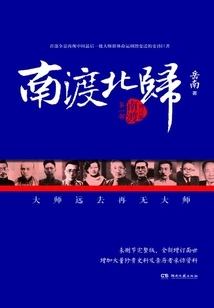
南渡北归·南渡(增订版)
I
This book is the first part of "Crossing the South and Returning to the North". It describes the lives of Chinese intellectuals and national elites before and after the outbreak of the Anti-Japanese War, as well as the story of their exile from enemy-occupied areas in the southwest. The time begins with the July 7th Marco Polo Bridge Incident in 1937, followed by the fall of Pingjin, and universities such as Peking University, Tsinghua University, and Nankai University moved southward and westward. It began in Changsha, then Kunming, and the years of running schools in Mengzi. It also involves the Institute of History and Philology of the Academia Sinica, Tongji University, and the China Construction Society as they trudged through the flames of the Anti-Japanese War. It prominently describes the life, academic, spirit and sentiment of great intellectuals such as Cai Yuanpei, Hu Shi, Chen Yinke, Fu Sinian, Liang Sicheng, Li Ji, Lin Huiyin, Jin Yuelin, Mei Yiqi, Feng Youlan, etc. The collection is huge, the scale is grand, and the intention is grand. It can be called a group of Chinese intellectuals during the Anti-Japanese War.
This book is the first part of "Crossing the South and Returning to the North". It describes the lives of Chinese intellectuals and national elites before and after the outbreak of the Anti-Japanese War, as well as the story of their exile from enemy-occupied areas in the southwest. The time begins with the July 7th Marco Polo Bridge Incident in 1937, followed by the fall of Pingjin, and universities such as Peking University, Tsinghua University, and Nankai University moved southward and westward. It began in Changsha, then Kunming, and the years of running schools in Mengzi. It also involves the Institute of History and Philology of the Academia Sinica, Tongji University, and the China Construction Society as they trudged through the flames of the Anti-Japanese War. It prominently describes the life, academic, spirit and sentiment of great intellectuals such as Cai Yuanpei, Hu Shi, Chen Yinke, Fu Sinian, Liang Sicheng, Li Ji, Lin Huiyin, Jin Yuelin, Mei Yiqi, Feng Youlan, etc. The collection is huge, the scale is grand, and the intention is grand. It can be called a group of Chinese intellectuals during the Anti-Japanese War.
曾国藩:又笨又慢平天下
Duyin Mountain
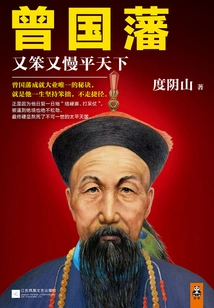
Zeng Guofan seems to be slow in doing things, but he is actually the fastest. Because this is a solid death kung fu that leaves no hidden dangers. Over time, no one can surpass it. Zeng Guofan used to be stupid when he was studying since he was a child. He would never read the next sentence without understanding the previous sentence. He read an article dozens of times before he could barely recite it. Even the thief hiding under the bed couldn't help but get out and recite it for him. After becoming an imperial scholar, in order to meet his superiors, On the other hand, the military minister Mu Zhang'a wrote poems and essays every day and submitted them, but was rejected 13 times in a row. In the end, he was moved by Mu Zhang'a. Zeng Guofan did not do anything opportunistically, and he took this "clumsy" philosophy to the extreme in war. Zeng Guofan never used clever tactics in battles, but believed in "building a stronghold and fighting stupidly". He kept building walls, digging ditches, and preparing artillery every day, and never took the initiative to attack until the Taiping army was panicked and demoralized.
Zeng Guofan seems to be slow in doing things, but he is actually the fastest. Because this is a solid death kung fu that leaves no hidden dangers. Over time, no one can surpass it. Zeng Guofan used to be stupid when he was studying since he was a child. He would never read the next sentence without understanding the previous sentence. He read an article dozens of times before he could barely recite it. Even the thief hiding under the bed couldn't help but get out and recite it for him. After becoming an imperial scholar, in order to meet his superiors, On the other hand, the military minister Mu Zhang'a wrote poems and essays every day and submitted them, but was rejected 13 times in a row. In the end, he was moved by Mu Zhang'a. Zeng Guofan did not do anything opportunistically, and he took this "clumsy" philosophy to the extreme in war. Zeng Guofan never used clever tactics in battles, but believed in "building a stronghold and fighting stupidly". He kept building walls, digging ditches, and preparing artillery every day, and never took the initiative to attack until the Taiping army was panicked and demoralized.
99%的人不知道的历史真相
Bai Luming
This book digs into the details of history from numerous official history books, official unofficial histories, and folklore, and rediscovers the historical truths that have been obscured and misunderstood. For example, Zhuge Liang is not a military wizard who can conquer thousands of miles, and Xiang Yu was burned by fire. Epang Palace is a case of eternal injustice. Princesses in the Tang Dynasty were worried about getting married. Beauty was not considered in the Qing palace's "draft competition". There were all kinds of frauds in the imperial examinations... It presents people with a unique and panoramic view of the past, hoping to arouse people's questioning and thinking about the historical truth.
This book digs into the details of history from numerous official history books, official unofficial histories, and folklore, and rediscovers the historical truths that have been obscured and misunderstood. For example, Zhuge Liang is not a military wizard who can conquer thousands of miles, and Xiang Yu was burned by fire. Epang Palace is a case of eternal injustice. Princesses in the Tang Dynasty were worried about getting married. Beauty was not considered in the Qing palace's "draft competition". There were all kinds of frauds in the imperial examinations... It presents people with a unique and panoramic view of the past, hoping to arouse people's questioning and thinking about the historical truth.
历史的复盘:百年纷争人与事
Fan Hong
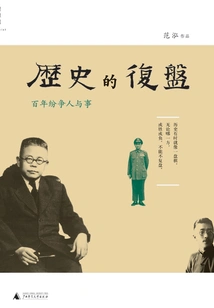
This book is another collection of research on recent Chinese historical issues by the author after "The Voice of a Passing Generation". It uses objective, calm thinking, plain and calm narrative to take stock of several historical events or figures over the past century, so it is called: a review of history. Such as the origins of the revolutionaries and the Hongmen Society (Tiandihui, Triad Society), the "capital of the revolution" of the Tongmenghui - the source of funds for the armed uprising, Wang Yunwu and the gold yuan coupon trend, the Gao Tao incident in Chiang Kai-shek's diary, the twists and turns of the establishment of the Institute of Modern History of the "Academia Sinica", family members In the eyes of Hu Shi, as well as the complicated historical events or public cases of Huang Yuanyong, Tang Hualong, Feng Ziyou, Chen Jiongming, Luo Jialun, Yi Junzuo, Yan Xishan, Zhang Jiluan, Chen Buile, Weng Wenhao, Pu Xuefeng, Gu Jiegang, Zuo Shunsheng, Ren Zhongmin, Lu Jiye, Lin Haiyin and others.
This book is another collection of research on recent Chinese historical issues by the author after "The Voice of a Passing Generation". It uses objective, calm thinking, plain and calm narrative to take stock of several historical events or figures over the past century, so it is called: a review of history. Such as the origins of the revolutionaries and the Hongmen Society (Tiandihui, Triad Society), the "capital of the revolution" of the Tongmenghui - the source of funds for the armed uprising, Wang Yunwu and the gold yuan coupon trend, the Gao Tao incident in Chiang Kai-shek's diary, the twists and turns of the establishment of the Institute of Modern History of the "Academia Sinica", family members In the eyes of Hu Shi, as well as the complicated historical events or public cases of Huang Yuanyong, Tang Hualong, Feng Ziyou, Chen Jiongming, Luo Jialun, Yi Junzuo, Yan Xishan, Zhang Jiluan, Chen Buile, Weng Wenhao, Pu Xuefeng, Gu Jiegang, Zuo Shunsheng, Ren Zhongmin, Lu Jiye, Lin Haiyin and others.
清案探秘:百姓故事
Tang Bo
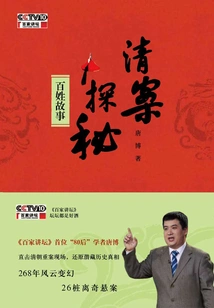
The Qing Dynasty was the last feudal dynasty in China. In the history of nearly three hundred years, there have been both magnificent events and turbulent times, both prosperous times and humiliating experiences. There are many stories that are still debated and unresolved to this day. However, in this exciting official history, there are few records of the lives of the people. What was the living conditions of the Qing people like? What kind of twists and turns are there in this daily necessities? Why did the unsolved private case of Yang Naiwu and Xiao Baicai alarm Cixi? Why did the red-top businessman Hu Xueyan and the world's richest man Wu Bingjian become industry leaders amidst controversy and achieve their wealth dreams? Why did the hero Huo Yuanjia use "force" to save the country? ...
The Qing Dynasty was the last feudal dynasty in China. In the history of nearly three hundred years, there have been both magnificent events and turbulent times, both prosperous times and humiliating experiences. There are many stories that are still debated and unresolved to this day. However, in this exciting official history, there are few records of the lives of the people. What was the living conditions of the Qing people like? What kind of twists and turns are there in this daily necessities? Why did the unsolved private case of Yang Naiwu and Xiao Baicai alarm Cixi? Why did the red-top businessman Hu Xueyan and the world's richest man Wu Bingjian become industry leaders amidst controversy and achieve their wealth dreams? Why did the hero Huo Yuanjia use "force" to save the country? ...
清案探秘:宫闱秘闻
Tang Bo
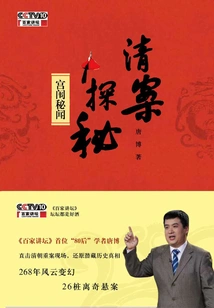
How did Cixi rise from a concubine to an old Buddha who listens to politics behind the curtain? Britain sent ambassadors twice to discuss trade issues with the Qing Dynasty. Why did the talks collapse over the details of whether to kneel or not? Did Shunzhi become a monk at that time? What is the relationship between Xiaozhuang and Dorgon? Did Emperor Yongzheng usurp the throne? Is Emperor Qianlong's biological mother Zhen Huan? Was Emperor Guangxu killed by Cixi? What is the difference between the great eunuch An Dehai and Li Lianying? ... The first "post-80s" speaker of CCTV's "Hundred Forum", Dr. Tang Bo from the Qing History Institute of Renmin University of China, will follow the clues of the unsolved cases to uncover the twists and turns of the Qing palace mysteries and restore the historical truth.
How did Cixi rise from a concubine to an old Buddha who listens to politics behind the curtain? Britain sent ambassadors twice to discuss trade issues with the Qing Dynasty. Why did the talks collapse over the details of whether to kneel or not? Did Shunzhi become a monk at that time? What is the relationship between Xiaozhuang and Dorgon? Did Emperor Yongzheng usurp the throne? Is Emperor Qianlong's biological mother Zhen Huan? Was Emperor Guangxu killed by Cixi? What is the difference between the great eunuch An Dehai and Li Lianying? ... The first "post-80s" speaker of CCTV's "Hundred Forum", Dr. Tang Bo from the Qing History Institute of Renmin University of China, will follow the clues of the unsolved cases to uncover the twists and turns of the Qing palace mysteries and restore the historical truth.
清案探秘:朝廷轶事
Tang Bo
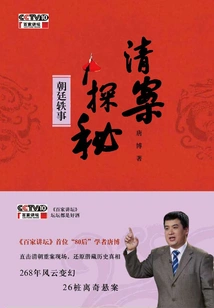
The Qing Dynasty was the last feudal dynasty in China. In the history of nearly three hundred years, there have been both magnificent events and turbulent times, both prosperous times and humiliating experiences. There are many stories that are still debated and unresolved to this day. During the Qianlong period, corruption broke out in Gansu, and the entire province deceived the imperial court for eight years. Whose fault was it? What's the secret behind He Shen, "the most corrupt person in history", who went from being in power to being overthrown in an instant? Is it true that Wu Sangui "went to the crown and became Yuanyuan in anger" when a hero is saddened by beauty? Why did Nian Gengyao and Longkodo, who made great contributions to the Yongzheng Emperor's seizure of the throne, be ruined and their families destroyed in the blink of an eye? Is the horse stabbing case reflected in the movie "The Prosecution" really a love killing? What is hidden behind these mysterious cases?
The Qing Dynasty was the last feudal dynasty in China. In the history of nearly three hundred years, there have been both magnificent events and turbulent times, both prosperous times and humiliating experiences. There are many stories that are still debated and unresolved to this day. During the Qianlong period, corruption broke out in Gansu, and the entire province deceived the imperial court for eight years. Whose fault was it? What's the secret behind He Shen, "the most corrupt person in history", who went from being in power to being overthrown in an instant? Is it true that Wu Sangui "went to the crown and became Yuanyuan in anger" when a hero is saddened by beauty? Why did Nian Gengyao and Longkodo, who made great contributions to the Yongzheng Emperor's seizure of the throne, be ruined and their families destroyed in the blink of an eye? Is the horse stabbing case reflected in the movie "The Prosecution" really a love killing? What is hidden behind these mysterious cases?
明朝那些事儿(全集)
The Bright Moon
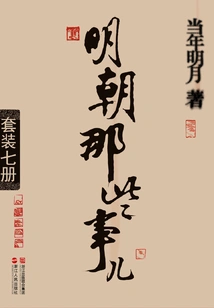
"Those Things in the Ming Dynasty" mainly tells some stories about the Ming Dynasty during the three hundred years from 1344 to 1644. It is based on historical materials, takes the era and specific characters as the main line, and adds novel style of writing and humorous language. It provides a panoramic display of the fate of the seventeen emperors of the Ming Dynasty and other princes, dignitaries and minor figures. It especially focuses on officialdom politics, wars, and the emperor's mentality, and also adds a story about the political and economic system, human ethics and morality at that time. It tells readers the historical stories and characters of the Ming Dynasty for more than three hundred years in an online language. Among them, historical figures that were originally strange and vague in history become vivid one by one in the book. "Those Things in the Ming Dynasty" interprets another side of history for us, turning history into a living story of life.
"Those Things in the Ming Dynasty" mainly tells some stories about the Ming Dynasty during the three hundred years from 1344 to 1644. It is based on historical materials, takes the era and specific characters as the main line, and adds novel style of writing and humorous language. It provides a panoramic display of the fate of the seventeen emperors of the Ming Dynasty and other princes, dignitaries and minor figures. It especially focuses on officialdom politics, wars, and the emperor's mentality, and also adds a story about the political and economic system, human ethics and morality at that time. It tells readers the historical stories and characters of the Ming Dynasty for more than three hundred years in an online language. Among them, historical figures that were originally strange and vague in history become vivid one by one in the book. "Those Things in the Ming Dynasty" interprets another side of history for us, turning history into a living story of life.
Thirteen is Unreliable
History十三不靠
Zhang Facai
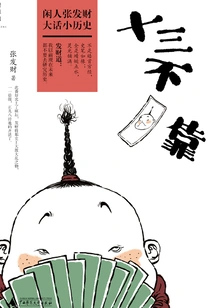
There is a saying that it is born like hemp, and it is not reliable at thirteen, but it does not matter if it is rubbed. What if it is harmonious? Zhang Facai, a Northeastern gentleman who lives in Nanning, has been studying historical gossip for several years and has risen through the ranks. He has gone from being an important member of the historical paparazzi to becoming a non-mainstream historian. I have compiled several masterpieces, but my original intention has not changed, and people like me on Weibo are always there. This time, I temporarily borrowed the term "Thirteen Unreliable" from the mahjong terminology and referred to it as "the tiny and exquisite things in the vast sea of history"; it is like going to the mahjong altar, diligently and rustling, making a fortune, sorting out the scattered and chaotic things in history one by one, and living the code in a serious way.
There is a saying that it is born like hemp, and it is not reliable at thirteen, but it does not matter if it is rubbed. What if it is harmonious? Zhang Facai, a Northeastern gentleman who lives in Nanning, has been studying historical gossip for several years and has risen through the ranks. He has gone from being an important member of the historical paparazzi to becoming a non-mainstream historian. I have compiled several masterpieces, but my original intention has not changed, and people like me on Weibo are always there. This time, I temporarily borrowed the term "Thirteen Unreliable" from the mahjong terminology and referred to it as "the tiny and exquisite things in the vast sea of history"; it is like going to the mahjong altar, diligently and rustling, making a fortune, sorting out the scattered and chaotic things in history one by one, and living the code in a serious way.
武则天(百家讲坛主讲人蒙曼经典之作)
Monman
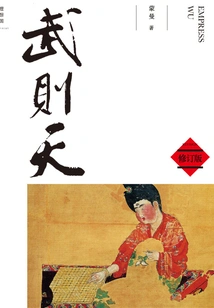
"Wu Zetian" narrated by Meng Man in the forum of hundreds of schools of thought is still a classic work of telling history in the forum of hundreds of schools of thought. This is a majestic dynasty, an unprecedented generation of queens in Chinese history. Her wisdom and strategy make men in the patriarchal society bow to their knees. How did she change from a talented person of Emperor Taizong of the Tang Dynasty to the queen of Emperor Gaozong of the Tang Dynasty? Why would she break the bottom line of human ethics and kill her own children? How could she become a queen in a world ruled by men for thousands of years? Her Great Zhou Dynasty was at its peak, so why did it stop before her and could not be passed down to future generations? She overthrew the Li Tang Dynasty and established the Wu Zhou Dynasty. Why did Li Tang's descendants always respect her and regard her as their emperor? For thirteen hundred years, she has been both history and legend. Her historical merits and demerits, like the "wordless monument", are left to be commented upon by future generations. Mengman is an associate professor in the History Department of Minzu University of China. The main research fields of the PhD from Peking University are the history of the Sui and Tang Dynasties and the history of ancient Chinese women. In 2007, he appeared on the CCTV 100 Forum and successively talked about "Wu Zetian", "Princess Taiping", "Song of Everlasting Sorrow", "The Storm of the Sui Dynasty", etc.
"Wu Zetian" narrated by Meng Man in the forum of hundreds of schools of thought is still a classic work of telling history in the forum of hundreds of schools of thought. This is a majestic dynasty, an unprecedented generation of queens in Chinese history. Her wisdom and strategy make men in the patriarchal society bow to their knees. How did she change from a talented person of Emperor Taizong of the Tang Dynasty to the queen of Emperor Gaozong of the Tang Dynasty? Why would she break the bottom line of human ethics and kill her own children? How could she become a queen in a world ruled by men for thousands of years? Her Great Zhou Dynasty was at its peak, so why did it stop before her and could not be passed down to future generations? She overthrew the Li Tang Dynasty and established the Wu Zhou Dynasty. Why did Li Tang's descendants always respect her and regard her as their emperor? For thirteen hundred years, she has been both history and legend. Her historical merits and demerits, like the "wordless monument", are left to be commented upon by future generations. Mengman is an associate professor in the History Department of Minzu University of China. The main research fields of the PhD from Peking University are the history of the Sui and Tang Dynasties and the history of ancient Chinese women. In 2007, he appeared on the CCTV 100 Forum and successively talked about "Wu Zetian", "Princess Taiping", "Song of Everlasting Sorrow", "The Storm of the Sui Dynasty", etc.
O
卑鄙的圣人:曹操(全集)
H
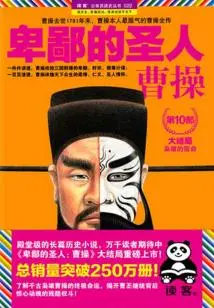
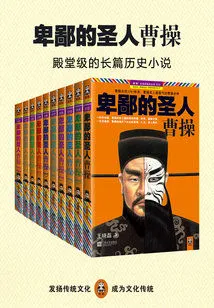
The traitors and loyalists in history are all similar, only Cao Cao is very different! Cao Cao's schemes and cunning often make his opponents dizzy and confused, and his despicability often breaks the moral bottom line. However, he is a saint who cares about the world and cares for all living beings; he is also a tender and talented poet; he is also an ordinary man who is sensitive, has low self-esteem, and is lonely at heart. Opening this book, you will learn about this unique guy in Chinese history and enter Cao Cao's wonderful inner world that has been sealed in dust for two thousand years.
The traitors and loyalists in history are all similar, only Cao Cao is very different! Cao Cao's schemes and cunning often make his opponents dizzy and confused, and his despicability often breaks the moral bottom line. However, he is a saint who cares about the world and cares for all living beings; he is also a tender and talented poet; he is also an ordinary man who is sensitive, has low self-esteem, and is lonely at heart. Opening this book, you will learn about this unique guy in Chinese history and enter Cao Cao's wonderful inner world that has been sealed in dust for two thousand years.
沉冤录:全景透视晚清八大案
I
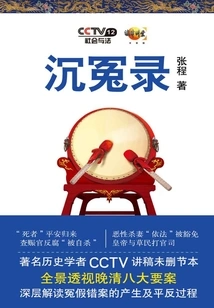
This book is adapted from the author's lecture notes on CCTV's "Legal Lecture" program. The selection of cases such as the Hezhou Murder Case, the Huo Qiu Disappearance Case, the Liang Kuan Wife Murder Case, and the Sanpailou Case in the late Qing Dynasty illustrates that under the judicial system of the Qing Dynasty, the occurrence of unjust cases had many common factors and was almost inevitable; while the process of redressing unjust cases was often full of obstacles and twists and turns, making it a low-probability event. This book also tells about the Yunnan reimbursement case and the Soviet Union reimbursement case in the late Qing Dynasty, showing another side of the politics and justice of the late Qing Dynasty.
This book is adapted from the author's lecture notes on CCTV's "Legal Lecture" program. The selection of cases such as the Hezhou Murder Case, the Huo Qiu Disappearance Case, the Liang Kuan Wife Murder Case, and the Sanpailou Case in the late Qing Dynasty illustrates that under the judicial system of the Qing Dynasty, the occurrence of unjust cases had many common factors and was almost inevitable; while the process of redressing unjust cases was often full of obstacles and twists and turns, making it a low-probability event. This book also tells about the Yunnan reimbursement case and the Soviet Union reimbursement case in the late Qing Dynasty, showing another side of the politics and justice of the late Qing Dynasty.
权力病人:朱元璋的帝王笔记
Zong Chenghao
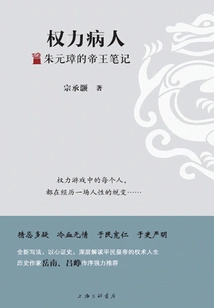
This book uses the first person to show the life of the grassroots emperor Zhu Yuanzhang. Among the emperors at home and abroad in ancient and modern times, Zhu Yuanzhang's identity should be the most special one. He came from the lowest level of society and can be regarded as the grassroots among the grassroots. Zhu Yuanzhang suffered too many mental shocks in his life. His humble status, difficult situation, and fierce struggles left too many traumas in his heart. Once he had the power in hand, the huge gap made him feel like he was in a dream. Inferiority, fear, and awareness of crisis were intertwined together, forming an almost perverted delusion of persecution in his mind. His behavior is more like a power patient. He uses power to imprison his colleagues, and he himself is also trapped in the trap of power. The author sifted through a large number of first-hand historical materials for in-depth interpretation of the complicated events.
This book uses the first person to show the life of the grassroots emperor Zhu Yuanzhang. Among the emperors at home and abroad in ancient and modern times, Zhu Yuanzhang's identity should be the most special one. He came from the lowest level of society and can be regarded as the grassroots among the grassroots. Zhu Yuanzhang suffered too many mental shocks in his life. His humble status, difficult situation, and fierce struggles left too many traumas in his heart. Once he had the power in hand, the huge gap made him feel like he was in a dream. Inferiority, fear, and awareness of crisis were intertwined together, forming an almost perverted delusion of persecution in his mind. His behavior is more like a power patient. He uses power to imprison his colleagues, and he himself is also trapped in the trap of power. The author sifted through a large number of first-hand historical materials for in-depth interpretation of the complicated events.
禁书:99%的人不知道的历史真相
Bai Luming
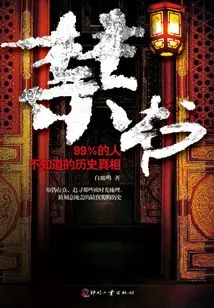
The famous general Li Guang never became a marquis throughout his life. Is it due to his character or a trick of fate? Why did the "Monk Emperor" end up starving to death because he devoted himself to Buddhism? Is the famous Di Renjie a famous prime minister or the Tang Dynasty version of Detective Conan? Has Tang Bohu really met the beautiful Qiuxiang? Is there such a love between the poet and the maid that makes people cry? Princesses in the Tang Dynasty were so valuable that they could not escape the fate of "leftover women"? Dongchang, Xichang, Jinyiwei, who is more creepy? Does the concubine Wan Guifei, who is loved by thousands of people, have a beautiful appearance, or does the emperor naturally love a "mature woman" like her? Why is the unique Qing palace "draft" system not related to beauty? Decoding the "jokes" behind it, clearing away the fog, opening top-secret files, and gaining insight into the depths of history... This book will reveal to you the historical truth that 99% of people don't know.
The famous general Li Guang never became a marquis throughout his life. Is it due to his character or a trick of fate? Why did the "Monk Emperor" end up starving to death because he devoted himself to Buddhism? Is the famous Di Renjie a famous prime minister or the Tang Dynasty version of Detective Conan? Has Tang Bohu really met the beautiful Qiuxiang? Is there such a love between the poet and the maid that makes people cry? Princesses in the Tang Dynasty were so valuable that they could not escape the fate of "leftover women"? Dongchang, Xichang, Jinyiwei, who is more creepy? Does the concubine Wan Guifei, who is loved by thousands of people, have a beautiful appearance, or does the emperor naturally love a "mature woman" like her? Why is the unique Qing palace "draft" system not related to beauty? Decoding the "jokes" behind it, clearing away the fog, opening top-secret files, and gaining insight into the depths of history... This book will reveal to you the historical truth that 99% of people don't know.
千年烟月在
The Moon Is Full Of Heart
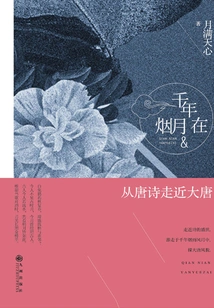
The Tang Dynasty is a major stream in Chinese history, but Tang poetry is the largest branch of Chinese cultural context. Five thousand years of civilization have passed by, and Tang poetry is one of its wonders. With thousands of years of history, the Tang Dynasty has always shone with its unique splendor. The early Tang Dynasty was full of vitality, the prosperous Tang Dynasty was elegant and graceful, the middle Tang Dynasty was gorgeous and gorgeous, and the late Tang Dynasty had a lingering aftertaste. One poem after another with brilliant literary talent, a group of poets who are vivid and willful. This book selects a total of more than forty Tang poems from the early Tang Dynasty, the prosperous Tang Dynasty, the middle Tang Dynasty, and the late Tang Dynasty, analyzes and explains them, follows the context of the times, tells the historical events, and leads contemporary readers to appreciate a different Tang Dynasty, feel the alternative turbulence of that era, and restore the real people's livelihood in the Tang Dynasty.
The Tang Dynasty is a major stream in Chinese history, but Tang poetry is the largest branch of Chinese cultural context. Five thousand years of civilization have passed by, and Tang poetry is one of its wonders. With thousands of years of history, the Tang Dynasty has always shone with its unique splendor. The early Tang Dynasty was full of vitality, the prosperous Tang Dynasty was elegant and graceful, the middle Tang Dynasty was gorgeous and gorgeous, and the late Tang Dynasty had a lingering aftertaste. One poem after another with brilliant literary talent, a group of poets who are vivid and willful. This book selects a total of more than forty Tang poems from the early Tang Dynasty, the prosperous Tang Dynasty, the middle Tang Dynasty, and the late Tang Dynasty, analyzes and explains them, follows the context of the times, tells the historical events, and leads contemporary readers to appreciate a different Tang Dynasty, feel the alternative turbulence of that era, and restore the real people's livelihood in the Tang Dynasty.
透过镜头看历史001
Zhiwen Fenghuo Studio
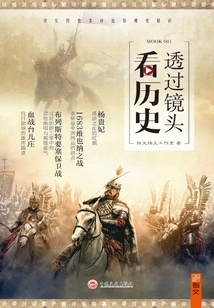
The movie "The Woman of the Dynasty - Yang Guifei" has been a topic and controversy even before it was released. However, one thing is certain, that is, although the movie draws on the historical elements of Yang Guifei and Tang Minghuang, the film is still far from the real history. So if you want to understand the true love and hatred between Yang Guifei and Tang Minghuang in history, you might as well read "Yang Guifei-The Beauty of the Rebellion of the Tang Dynasty". Once upon a time, the Ottoman Empire was a powerful empire that dominated Europe and Asia. But in modern times, the "Sick Man of West Asia" has become a new name for the Ottoman Empire. The movie "Battle of Vienna" specifically shows the key battle that turned the Ottoman Empire from prosperity to decline. The article "The Battle of Vienna in 1683 - The Turning Point in the National Destiny of the Ottoman Empire" will eliminate factors such as national sentiments and historical tendencies in the film, and give you a more comprehensive and concrete representation of how the European coalition resisted the invincible front of the Ottoman Empire.
The movie "The Woman of the Dynasty - Yang Guifei" has been a topic and controversy even before it was released. However, one thing is certain, that is, although the movie draws on the historical elements of Yang Guifei and Tang Minghuang, the film is still far from the real history. So if you want to understand the true love and hatred between Yang Guifei and Tang Minghuang in history, you might as well read "Yang Guifei-The Beauty of the Rebellion of the Tang Dynasty". Once upon a time, the Ottoman Empire was a powerful empire that dominated Europe and Asia. But in modern times, the "Sick Man of West Asia" has become a new name for the Ottoman Empire. The movie "Battle of Vienna" specifically shows the key battle that turned the Ottoman Empire from prosperity to decline. The article "The Battle of Vienna in 1683 - The Turning Point in the National Destiny of the Ottoman Empire" will eliminate factors such as national sentiments and historical tendencies in the film, and give you a more comprehensive and concrete representation of how the European coalition resisted the invincible front of the Ottoman Empire.
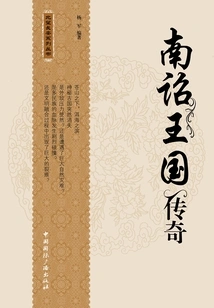
南诏王国传奇(北望长安系列丛书)
Yang Jun
Nanzhao is an ancient kingdom in southwest my country. When it flourished, it became a powerful force in southwest China that could compete with Tang and Tubo, and played an important role in the history of southwest China. However, more than 200 years after the founding of the country, it suddenly and mysteriously disappeared. Although the country has passed away, its breath remains. Nanzhao has left us a huge treasure, including not only its unique culture, but also the fresh blood of many ethnic groups, as well as our endless beautiful reveries about it. This book introduces the background of the rise of Nanzhao, the establishment, rise and fall of Nanzhao, and clearly presents this mysterious ancient country located between Cangshan Mountain and Erhai Lake to readers.
Nanzhao is an ancient kingdom in southwest my country. When it flourished, it became a powerful force in southwest China that could compete with Tang and Tubo, and played an important role in the history of southwest China. However, more than 200 years after the founding of the country, it suddenly and mysteriously disappeared. Although the country has passed away, its breath remains. Nanzhao has left us a huge treasure, including not only its unique culture, but also the fresh blood of many ethnic groups, as well as our endless beautiful reveries about it. This book introduces the background of the rise of Nanzhao, the establishment, rise and fall of Nanzhao, and clearly presents this mysterious ancient country located between Cangshan Mountain and Erhai Lake to readers.