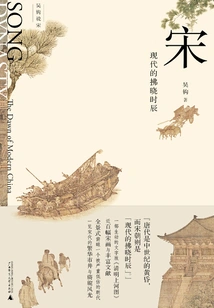
Song Dynasty: the Dawn of Modern Times
by K
About This Novel
A very convincing text version of "Along the River During the Qingming Festival": interesting, easy to read, full of wonderful details, and fascinating! Cultural fast food that is different from "those things about the × Dynasty": a huge amount of historical materials, nearly a hundred paintings of the Song Dynasty, restoring the true colors of the Song Dynasty civilization. People's evaluation of the Song Dynasty can almost be divided into two opposing groups. So, was the Song Dynasty "poor and weak" and the "peak of imperial autocracy", or was the Song Dynasty "the dawn of modern times"? Through the analysis of a large number of various documents describing the Song Dynasty and various Song paintings, the author of this book shows what may be the most civilized, modern and epoch-making era in China's feudal history from the four aspects of life, society, economy, and law. He refutes the traditional judgment that the Song Dynasty was "poor and weak" and "the peak of imperial autocracy", and restores the Song Dynasty civilization to its true colors.
Official Sources
What Readers Think
Rating
Community(0)
Official(2)Scraped 14d ago
I deeply feel that it is an enlightening book for understanding the Song Dynasty. It is worth reading this encyclopedia of the Song Dynasty. After reading it, we will be deeply immersed in the era described and will sigh more than once.
This book tells us that the Song Dynasty, the reason why it could compete with the three major minority countries, was that its strength lay in the people, the system, the economy, not the army, even though its army was not weak.
Rating
Community(0)
Official(2)Scraped 14d ago
I deeply feel that it is an enlightening book for understanding the Song Dynasty. It is worth reading this encyclopedia of the Song Dynasty. After reading it, we will be deeply immersed in the era described and will sigh more than once.
This book tells us that the Song Dynasty, the reason why it could compete with the three major minority countries, was that its strength lay in the people, the system, the economy, not the army, even though its army was not weak.
