Library
Browse and search books
2,823 novels found
Beyond Left-right Radicalism
Literature超越左右激进主义
Xiao Gongqin
Since China entered the reform era, there have been two radical trends of thought. One is left-wing radicalism, which wants to return to the Mao Zedong era, and the other is right-wing radicalism, which advocates total Westernization and liberalism. Although they were gradually marginalized in China's social life ten years ago, they have become active in society again as the difficulties and contradictions that emerged in China's reform have become increasingly prominent. If further deepening of reforms cannot be carried out in a timely manner to resolve social conflicts, and instead we remain complacent, once the reform enters a locked state, conflicts will further intensify. If things go on like this, China may fall into serious crises and traps under the attack and impact of left and right radicalism-populism.
Since China entered the reform era, there have been two radical trends of thought. One is left-wing radicalism, which wants to return to the Mao Zedong era, and the other is right-wing radicalism, which advocates total Westernization and liberalism. Although they were gradually marginalized in China's social life ten years ago, they have become active in society again as the difficulties and contradictions that emerged in China's reform have become increasingly prominent. If further deepening of reforms cannot be carried out in a timely manner to resolve social conflicts, and instead we remain complacent, once the reform enters a locked state, conflicts will further intensify. If things go on like this, China may fall into serious crises and traps under the attack and impact of left and right radicalism-populism.
Confucius Joined the Party
Literature孔夫子入党
Liu Sifen Liu Sihan Tan Yunchang
Tan Yunchang: For a relatively long time, starting from the reflection on the May Fourth Movement in the late 1980s, to now, the re-evaluation and re-understanding of Chinese traditional culture has become a major trend in academic and ideological circles. The most obvious one is Wang Yuanhua's transformation from New Enlightenment to New Chinese Studies. Very early on, probably in 1989, I saw that he published a long article called "Thoughts on the May Fourth Movement" in the magazine "Research on Literary Theory" edited by my teacher (Mr. Xu Zhongyu). It was about various thoughts caused by commemorating the 70th anniversary of the May Fourth Movement, and there were many reflections in it. On the one hand, he said that the May Fourth Movement was a new tradition. The May Fourth Movement was anti-traditional and was also the choice of our traditional culture. On the other hand, he believes that some specific practices during the May Fourth Movement, especially the radical attitude, are worthy of reflection.
Tan Yunchang: For a relatively long time, starting from the reflection on the May Fourth Movement in the late 1980s, to now, the re-evaluation and re-understanding of Chinese traditional culture has become a major trend in academic and ideological circles. The most obvious one is Wang Yuanhua's transformation from New Enlightenment to New Chinese Studies. Very early on, probably in 1989, I saw that he published a long article called "Thoughts on the May Fourth Movement" in the magazine "Research on Literary Theory" edited by my teacher (Mr. Xu Zhongyu). It was about various thoughts caused by commemorating the 70th anniversary of the May Fourth Movement, and there were many reflections in it. On the one hand, he said that the May Fourth Movement was a new tradition. The May Fourth Movement was anti-traditional and was also the choice of our traditional culture. On the other hand, he believes that some specific practices during the May Fourth Movement, especially the radical attitude, are worthy of reflection.
郭建中翻译思想与翻译实践研究
Wang Xiaofeng
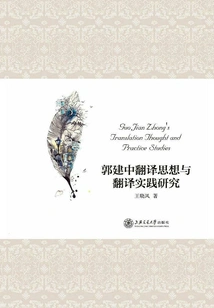
Through face-to-face communication with the researched, the author of this book has extensively collected literature on Mr. Guo's translation activities and in-depth study of Mr. Guo's discussions on translation. From the perspective of cultural communication and Hehe Translation Theory, the author aims to make a comprehensive and systematic review and description of Mr. Guo's translation theory and practice, explore Mr. Guo's unique way of thinking, his divergent translation theory research and rich translation practice, and further understand and think about it. Translation theory, in order to reflect on traditional Chinese translation theory and Western translation theory, explore his thoughts on harmonious translation, and then explore the enlightening and guiding role of his translation thoughts and translation practice in my country's translation research, literary translation, and science fiction translation practice. This will promote the prosperity and development of translation theory and translation practice in Zhejiang Province and even my country, and provide some meaningful suggestions for building a Chinese translation theoretical system that is suitable for my country's national conditions and the characteristics of Chinese language and culture. This book can be read by translators, researchers of comparative literature and culture, and teachers and students of foreign languages and Chinese studies in colleges and universities.
Through face-to-face communication with the researched, the author of this book has extensively collected literature on Mr. Guo's translation activities and in-depth study of Mr. Guo's discussions on translation. From the perspective of cultural communication and Hehe Translation Theory, the author aims to make a comprehensive and systematic review and description of Mr. Guo's translation theory and practice, explore Mr. Guo's unique way of thinking, his divergent translation theory research and rich translation practice, and further understand and think about it. Translation theory, in order to reflect on traditional Chinese translation theory and Western translation theory, explore his thoughts on harmonious translation, and then explore the enlightening and guiding role of his translation thoughts and translation practice in my country's translation research, literary translation, and science fiction translation practice. This will promote the prosperity and development of translation theory and translation practice in Zhejiang Province and even my country, and provide some meaningful suggestions for building a Chinese translation theoretical system that is suitable for my country's national conditions and the characteristics of Chinese language and culture. This book can be read by translators, researchers of comparative literature and culture, and teachers and students of foreign languages and Chinese studies in colleges and universities.
乡土中国的当代图景:新时期乡土小说研究
Gu Xianming
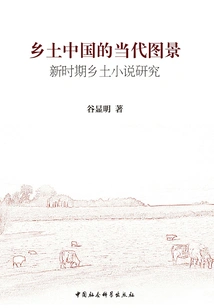
Native novels are an important part of modern and contemporary Chinese literature and one of the important themes of modern and contemporary Chinese novels. From the late 1970s to the early 1900s, Chinese society was in a period of difficult transformation from agricultural civilization to industrial civilization. The collision and exchange between rural and urban areas, and the transformation and integration of tradition and modernity provided endless resources for the creation of rural novels. This book takes rural novels from the late 1970s to the early 1900s as the research object, deeply explores the themes and ideas of rural novels in multiple contexts, shows the rural scene under the tide of modernization, the fate of migrant workers in the process of urbanization, female pursuits under the dual structure of urban and rural areas, the collision of human nature in social transformation and development, and cultural choices in the context of globalization. From a diachronic perspective, it reveals some continuations and new qualities of rural novels in the new era over the past thirty years.
Native novels are an important part of modern and contemporary Chinese literature and one of the important themes of modern and contemporary Chinese novels. From the late 1970s to the early 1900s, Chinese society was in a period of difficult transformation from agricultural civilization to industrial civilization. The collision and exchange between rural and urban areas, and the transformation and integration of tradition and modernity provided endless resources for the creation of rural novels. This book takes rural novels from the late 1970s to the early 1900s as the research object, deeply explores the themes and ideas of rural novels in multiple contexts, shows the rural scene under the tide of modernization, the fate of migrant workers in the process of urbanization, female pursuits under the dual structure of urban and rural areas, the collision of human nature in social transformation and development, and cultural choices in the context of globalization. From a diachronic perspective, it reveals some continuations and new qualities of rural novels in the new era over the past thirty years.
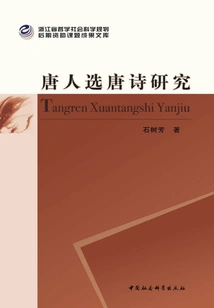
唐人选唐诗研究
Shi Shufang
"Research on Selected Tang Poems of the Tang Dynasty" explores the social dynamics and academic origins of the prosperity of poetry and anthology, and outlines the evolution of social thoughts during the Sui and Tang Dynasties using "Han calligraphy", "Anthology", Leishu, and imperial examinations as the starting points. On the basis of tracing the development process of "Han calligraphy", we explore the opportunities for the growth and prosperity of "Selected Works", examine the historical and geographical connections between "Selected Works" and the selected Tang poems of the Tang Dynasty, and determine the value and status of the selected Tang poems of the Tang Dynasty in the history of literature and criticism. Comprehensively explore the contemporary characteristics and critical value of Cui Rong's "Zhuying Collection", Yin Fan's "Danyang Collection", "Jingyang Tingxiu Collection", "Heyue Yingling Collection" and Yuan Jie's "Zhongji Collection", and advance the study of selected Tang poetry in depth on the basis of overall care and topic expansion.
"Research on Selected Tang Poems of the Tang Dynasty" explores the social dynamics and academic origins of the prosperity of poetry and anthology, and outlines the evolution of social thoughts during the Sui and Tang Dynasties using "Han calligraphy", "Anthology", Leishu, and imperial examinations as the starting points. On the basis of tracing the development process of "Han calligraphy", we explore the opportunities for the growth and prosperity of "Selected Works", examine the historical and geographical connections between "Selected Works" and the selected Tang poems of the Tang Dynasty, and determine the value and status of the selected Tang poems of the Tang Dynasty in the history of literature and criticism. Comprehensively explore the contemporary characteristics and critical value of Cui Rong's "Zhuying Collection", Yin Fan's "Danyang Collection", "Jingyang Tingxiu Collection", "Heyue Yingling Collection" and Yuan Jie's "Zhongji Collection", and advance the study of selected Tang poetry in depth on the basis of overall care and topic expansion.
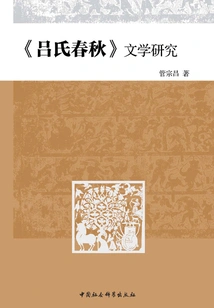
《吕氏春秋》文学研究
Guan Zongchang
This book tries to avoid single-idea research and uses literary research as the perspective. Go deep into the text and carefully explore the literary clues within the text from the aspects of structure, narrative, discussion, and document relationships. For example, in the structure of "Lu's Spring and Autumn", in addition to spring, summer, long autumn, collection and winter storage, the theme of the story is also an important consideration, and dialectical complementarity is often formed between and within chapters; when selecting stories, the length and scale are important criteria; "Lu's Spring and Autumn" generalizes concepts and is full of dialectics. All these can show its characteristics as a miscellaneous work. At the same time, the historical status of "Lu Shi Chun Qiu" in terms of structural art, stylistic development, and editorial science cannot be underestimated.
This book tries to avoid single-idea research and uses literary research as the perspective. Go deep into the text and carefully explore the literary clues within the text from the aspects of structure, narrative, discussion, and document relationships. For example, in the structure of "Lu's Spring and Autumn", in addition to spring, summer, long autumn, collection and winter storage, the theme of the story is also an important consideration, and dialectical complementarity is often formed between and within chapters; when selecting stories, the length and scale are important criteria; "Lu's Spring and Autumn" generalizes concepts and is full of dialectics. All these can show its characteristics as a miscellaneous work. At the same time, the historical status of "Lu Shi Chun Qiu" in terms of structural art, stylistic development, and editorial science cannot be underestimated.
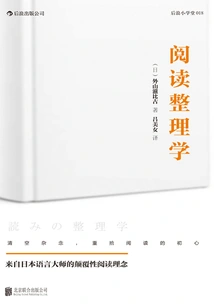
Reading Organization
Literature阅读整理学
I
What is real reading? Is blindly reading one book after another really better than not reading at all? In the high-speed information age, more and more people have lost the original meaning and authentic happiness of reading. In this book, linguistics master Shihiko Sotoyama does not teach you how to quickly extract information from books, but asks you to calm down and rethink the direction and meaning of reading. Toyama Shihiko believes that reading should be divided into two types, one is α-type reading that reads known information, and the other is β-type reading that reads unknown information. He pointed out that although most people prefer relaxed and enjoyable α-type reading, challenging β-type reading is the best way for people to open their brains and gain new knowledge. After reading this book, you will find that the forgotten traditional reading methods such as "phonic reading", "primary reading" and "classical reading" are exactly the golden keys to help you open the door to beta-type reading.
What is real reading? Is blindly reading one book after another really better than not reading at all? In the high-speed information age, more and more people have lost the original meaning and authentic happiness of reading. In this book, linguistics master Shihiko Sotoyama does not teach you how to quickly extract information from books, but asks you to calm down and rethink the direction and meaning of reading. Toyama Shihiko believes that reading should be divided into two types, one is α-type reading that reads known information, and the other is β-type reading that reads unknown information. He pointed out that although most people prefer relaxed and enjoyable α-type reading, challenging β-type reading is the best way for people to open their brains and gain new knowledge. After reading this book, you will find that the forgotten traditional reading methods such as "phonic reading", "primary reading" and "classical reading" are exactly the golden keys to help you open the door to beta-type reading.
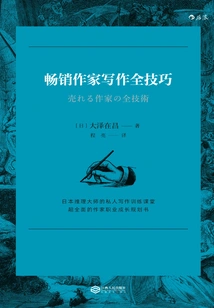
畅销作家写作全技巧
(japan) Daze Zaichang
This is a unique guide to novel writing techniques, compiled from a series of "Novel Class" lectures given by Japanese mystery novelist Osawa Zaimasa. This lecture is aimed at twelve young writers selected from Japan, in the form of a "private school held by a master", aiming to teach the authors their creative experience and writing insights in their more than thirty years of writing career. This book condenses a year-long lecture into ten writing courses and four topic reviews. Osawa Zaichang uses vivid cases and humorous and sharp comments to comprehensively break down specific issues such as story structure, character creation, beginning and end layout, text description, dialogue skills, and narrative style in novel creation. In the book, the author candidly shares the living habits, creative mood and survival methods of professional writers - hoping that after reading this book, every reader who aspires to become a writer will be able to find the writing field in which he is good at, know how to better hone his writing skills, and truly become more and more sophisticated.
This is a unique guide to novel writing techniques, compiled from a series of "Novel Class" lectures given by Japanese mystery novelist Osawa Zaimasa. This lecture is aimed at twelve young writers selected from Japan, in the form of a "private school held by a master", aiming to teach the authors their creative experience and writing insights in their more than thirty years of writing career. This book condenses a year-long lecture into ten writing courses and four topic reviews. Osawa Zaichang uses vivid cases and humorous and sharp comments to comprehensively break down specific issues such as story structure, character creation, beginning and end layout, text description, dialogue skills, and narrative style in novel creation. In the book, the author candidly shares the living habits, creative mood and survival methods of professional writers - hoping that after reading this book, every reader who aspires to become a writer will be able to find the writing field in which he is good at, know how to better hone his writing skills, and truly become more and more sophisticated.
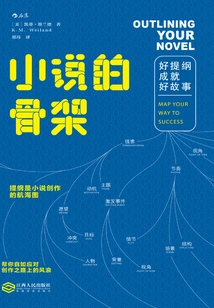
小说的骨架:好提纲成就好故事
K
Novel writing is a lonely long journey of thought. Travelers who do not write an outline will easily lose their way. Writing an outline can help you start and finish your novel in a better and more productive way. This book dispels your possible misunderstandings about outlines and points out the fun, benefits and techniques of writing outlines point by point, so that the framework, level and rhythm of your novel can be directional. The author teaches the layout and techniques of novel outline writing step by step, from characters, background, structure, conflict to theme. Each chapter starts with a specific topic, establishing a clear method description and task objectives, and is supplemented by a large number of creative cases. Each chapter ends with an exclusive interview with a writer, sharing their exclusive secrets for creating novel outlines. In addition, the author also introduces tools such as efficient writing software, connect the dots to create a picture, and the Enneagram personality type. Every suggestion is highly operational and can stand the test of creative practice.
Novel writing is a lonely long journey of thought. Travelers who do not write an outline will easily lose their way. Writing an outline can help you start and finish your novel in a better and more productive way. This book dispels your possible misunderstandings about outlines and points out the fun, benefits and techniques of writing outlines point by point, so that the framework, level and rhythm of your novel can be directional. The author teaches the layout and techniques of novel outline writing step by step, from characters, background, structure, conflict to theme. Each chapter starts with a specific topic, establishing a clear method description and task objectives, and is supplemented by a large number of creative cases. Each chapter ends with an exclusive interview with a writer, sharing their exclusive secrets for creating novel outlines. In addition, the author also introduces tools such as efficient writing software, connect the dots to create a picture, and the Enneagram personality type. Every suggestion is highly operational and can stand the test of creative practice.
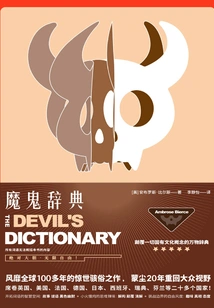
Devil's Dictionary
Literature魔鬼辞典
(us) Ambrose Bierce
Ambrose Bierce, the eccentric American literary figure, uses the form of a dictionary to rectify and define everything in the world, subverting the fundamental attitude you and I have towards everything. It presents a thought channel that is always beyond the readers' expectations, and provides infinitely interesting and free innovative thinking on human nature, life, society, philosophy and other issues. The amount of information is huge, igniting the vitality and freedom of mechanical and mediocre daily life. With sharp words, he accurately pierces the weaknesses and shadows in human nature that are shy to be exposed and difficult to face; with the posture of a devil, he declares war on the mechanical simplicity of popular culture and consumerism, and constantly innovates and creates; with spicy thinking, he opens up the intellectual space of words, dissolves meaning, and embraces infinite fun. A dictionary of all things that subverts all inherent concepts, a masterpiece of wisdom that refuses to be profound but is always profound.
Ambrose Bierce, the eccentric American literary figure, uses the form of a dictionary to rectify and define everything in the world, subverting the fundamental attitude you and I have towards everything. It presents a thought channel that is always beyond the readers' expectations, and provides infinitely interesting and free innovative thinking on human nature, life, society, philosophy and other issues. The amount of information is huge, igniting the vitality and freedom of mechanical and mediocre daily life. With sharp words, he accurately pierces the weaknesses and shadows in human nature that are shy to be exposed and difficult to face; with the posture of a devil, he declares war on the mechanical simplicity of popular culture and consumerism, and constantly innovates and creates; with spicy thinking, he opens up the intellectual space of words, dissolves meaning, and embraces infinite fun. A dictionary of all things that subverts all inherent concepts, a masterpiece of wisdom that refuses to be profound but is always profound.
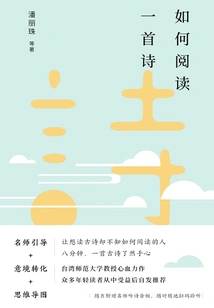
How to Read a Poem
Literature如何阅读一首诗
Pan Lizhu Et Al.
Poems can be exciting, can be watched, can be grouped, can be complained; when the ambition is overflowing, speaking can become a poem; speaking alone is not enough, you have to sigh, sing, and even raise your hands to dance and high-five without knowing it. In a boring, exhausting and lonely life, only poetry can provide gentle sustenance. From the sincerity and sincerity of Han Yuefu, the simplicity and simplicity of the nineteen ancient poems, to the lingering, open-minded and happy Tang poems, and the rich intellectual interest and strong moral integrity of Song poems, this book contains thirty-two representative poems of the times. Read thirty-two good poems, master the methods of appreciation, keep them in mind, engrave them in your heart, and read and sing them at all times, which can eliminate the blockage in your chest, increase your open-mindedness and brightness, and make your life more comfortable.
Poems can be exciting, can be watched, can be grouped, can be complained; when the ambition is overflowing, speaking can become a poem; speaking alone is not enough, you have to sigh, sing, and even raise your hands to dance and high-five without knowing it. In a boring, exhausting and lonely life, only poetry can provide gentle sustenance. From the sincerity and sincerity of Han Yuefu, the simplicity and simplicity of the nineteen ancient poems, to the lingering, open-minded and happy Tang poems, and the rich intellectual interest and strong moral integrity of Song poems, this book contains thirty-two representative poems of the times. Read thirty-two good poems, master the methods of appreciation, keep them in mind, engrave them in your heart, and read and sing them at all times, which can eliminate the blockage in your chest, increase your open-mindedness and brightness, and make your life more comfortable.
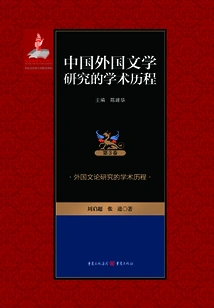
外国文论研究的学术历程
Editor-in-chief Chen Jianhua, Zhou Qichao, Zhang Jin
"The Academic Process of Foreign Literary Research" is the third volume of the 12 volumes of "The Academic Process of Chinese Foreign Literature Research". The book is divided into five chapters, of which the study of literary theory before liberation is one chapter and the study of literary theory after liberation is divided into four chapters. According to the overall planning of the series of books, this volume adheres to the overall requirements of the series, pays attention to the original ecology, and strives to enter the history of the introduction and research of foreign literary theory. It takes European and American literary theory, Japanese literary theory, Marxist literary theory, and Russian and Soviet literary theory as the longitude, and uses scholars, doctrines, and journals as the latitude. During the review, this book reflects on the practical problems in the introduction path and acceptance pattern of foreign literary theory in contemporary China, explores the strategic plan for the introduction of foreign literary theory in my country in the future, and studies the practice of contemporary Chinese literary theory.
"The Academic Process of Foreign Literary Research" is the third volume of the 12 volumes of "The Academic Process of Chinese Foreign Literature Research". The book is divided into five chapters, of which the study of literary theory before liberation is one chapter and the study of literary theory after liberation is divided into four chapters. According to the overall planning of the series of books, this volume adheres to the overall requirements of the series, pays attention to the original ecology, and strives to enter the history of the introduction and research of foreign literary theory. It takes European and American literary theory, Japanese literary theory, Marxist literary theory, and Russian and Soviet literary theory as the longitude, and uses scholars, doctrines, and journals as the latitude. During the review, this book reflects on the practical problems in the introduction path and acceptance pattern of foreign literary theory in contemporary China, explores the strategic plan for the introduction of foreign literary theory in my country in the future, and studies the practice of contemporary Chinese literary theory.
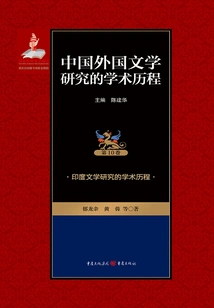
印度文学研究的学术历程
Editor-in-chief: Chen Jianhua, Yu Longyu, Huang Rong, Etc.
"The Academic Process of Indian Literature Research" is the 10th volume out of the total 12 volumes of "The Academic Process of Chinese Foreign Literature Research". This book examines and analyzes the study of Indian literature in China, and provides a clear review of the history of the subject. An in-depth review of the study of Chinese and Indian literature from the perspective of synchronicity and diachrony. It not only displays the overall appearance, but also analyzes literary history and textual research, and examines the research on the works of important and representative writers. In the context of research history, a detailed evaluation of representative figures and representative works of the subject such as Ji Xianlin, Xu Fancheng, Jin Kemu, Liu Anwu, Huang Baosheng, etc. Is conducted. Through review, this paper summarizes the achievements and shortcomings of Chinese and Indian literary research, deeply analyzes the characteristics of Chinese and Indian literary research, and puts forward its own ideas for the future development of Chinese and Indian literary research.
"The Academic Process of Indian Literature Research" is the 10th volume out of the total 12 volumes of "The Academic Process of Chinese Foreign Literature Research". This book examines and analyzes the study of Indian literature in China, and provides a clear review of the history of the subject. An in-depth review of the study of Chinese and Indian literature from the perspective of synchronicity and diachrony. It not only displays the overall appearance, but also analyzes literary history and textual research, and examines the research on the works of important and representative writers. In the context of research history, a detailed evaluation of representative figures and representative works of the subject such as Ji Xianlin, Xu Fancheng, Jin Kemu, Liu Anwu, Huang Baosheng, etc. Is conducted. Through review, this paper summarizes the achievements and shortcomings of Chinese and Indian literary research, deeply analyzes the characteristics of Chinese and Indian literary research, and puts forward its own ideas for the future development of Chinese and Indian literary research.
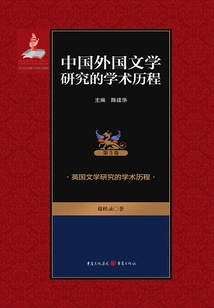
英国文学研究的学术历程
Edited By Chen Jianhua And Recorded By Ge Gui
"The Academic Process of British Literature Research" is the fifth volume out of the total 12 volumes of "The Academic Process of Chinese Foreign Literature Research". Based on a comprehensive review of English literature research literature, this book systematically displays the context and main features of English literature research in China, specifically interprets China's representative writings on British poetry, novels, essays, dramas, etc. At various stages in time, and points out the academic value and innovation of these results. On the basis of summarizing the experience of studying English literature, this volume makes a forward-looking summary of the topics that need to be explored in this field.
"The Academic Process of British Literature Research" is the fifth volume out of the total 12 volumes of "The Academic Process of Chinese Foreign Literature Research". Based on a comprehensive review of English literature research literature, this book systematically displays the context and main features of English literature research in China, specifically interprets China's representative writings on British poetry, novels, essays, dramas, etc. At various stages in time, and points out the academic value and innovation of these results. On the basis of summarizing the experience of studying English literature, this volume makes a forward-looking summary of the topics that need to be explored in this field.
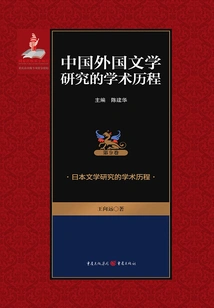
日本文学研究的学术历程
Edited By Chen Jianhua And Written By Wang Xiangyuan
"The Academic Process of Japanese Literature Research" is the ninth volume of the 12 volumes of "The Academic Process of Chinese Foreign Literature Research", and is a national research volume of Japanese literature. The whole book conducts an in-depth examination of the situation of literary research in Japan. This book has unique thoughts on the development history of Japanese literature research in China and academic successes and failures, important literary phenomena and research status of representative writers, important research results and other related issues. While fully demonstrating the achievements of Japanese literature research in China, it also points out existing problems in the research from a methodological perspective, and provides a preview of Japanese literature research from an academic perspective.
"The Academic Process of Japanese Literature Research" is the ninth volume of the 12 volumes of "The Academic Process of Chinese Foreign Literature Research", and is a national research volume of Japanese literature. The whole book conducts an in-depth examination of the situation of literary research in Japan. This book has unique thoughts on the development history of Japanese literature research in China and academic successes and failures, important literary phenomena and research status of representative writers, important research results and other related issues. While fully demonstrating the achievements of Japanese literature research in China, it also points out existing problems in the research from a methodological perspective, and provides a preview of Japanese literature research from an academic perspective.
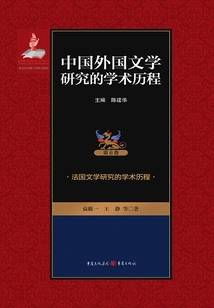
法国文学研究的学术历程
Editor-in-chief Chen Jianhua Yuan Xiaoyi Wang Jing Waiting
"The Academic Process of French Literature Research" is the sixth volume out of the total 12 volumes of "The Academic Process of Chinese Foreign Literature Research". Combining specific French works and French writers, this volume examines in stages the path that French literature has taken in China starting more than a century ago, and examines the interpretation and research of French writers and works by the research theme of French literature in China. The manuscript has a clear context and rich materials, which will help promote the study of French literature in China.
"The Academic Process of French Literature Research" is the sixth volume out of the total 12 volumes of "The Academic Process of Chinese Foreign Literature Research". Combining specific French works and French writers, this volume examines in stages the path that French literature has taken in China starting more than a century ago, and examines the interpretation and research of French writers and works by the research theme of French literature in China. The manuscript has a clear context and rich materials, which will help promote the study of French literature in China.
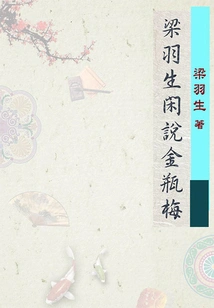
Liang Yusheng Talks About Jin Ping Mei
Literature梁羽生闲说金瓶梅
Liang Yusheng
"The Plum in the Golden Lotus" has become the most controversial classical novel since its publication. Mr. Liang Yusheng, a generation of "martial arts master", turned to commenting on "The Plum in the Golden Vase" with a column that lasted for more than 500 days after he "finished writing" the novel. His historical knowledge, knowledge, literary outlook and aesthetic consciousness were inadvertently revealed in these words. For example, Mr. Liang carefully analyzed Wu Song's abnormal psychology and behavior of killing people, and believed that Wu Song was still a "hero" with a "dark side" that had never been seen before. Although the final poem of "The Plum in the Golden Vase" said, "Lou (Meng Yulou) Yue (Wu Yueniang) is kind and has a long life," but Mr. Liang analyzed that Wu Song is not a positive character and can see through the author's irony. Following Lu Xun and Mao Zedong, Liang Yusheng has made many interpretations of "The Plum in the Golden Ping" on the minds of Taoists in the world. His comments are well-founded and analyzed step by step, and sometimes he has surprising insights.
"The Plum in the Golden Lotus" has become the most controversial classical novel since its publication. Mr. Liang Yusheng, a generation of "martial arts master", turned to commenting on "The Plum in the Golden Vase" with a column that lasted for more than 500 days after he "finished writing" the novel. His historical knowledge, knowledge, literary outlook and aesthetic consciousness were inadvertently revealed in these words. For example, Mr. Liang carefully analyzed Wu Song's abnormal psychology and behavior of killing people, and believed that Wu Song was still a "hero" with a "dark side" that had never been seen before. Although the final poem of "The Plum in the Golden Vase" said, "Lou (Meng Yulou) Yue (Wu Yueniang) is kind and has a long life," but Mr. Liang analyzed that Wu Song is not a positive character and can see through the author's irony. Following Lu Xun and Mao Zedong, Liang Yusheng has made many interpretations of "The Plum in the Golden Ping" on the minds of Taoists in the world. His comments are well-founded and analyzed step by step, and sometimes he has surprising insights.
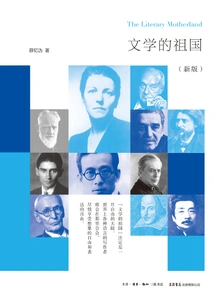
文学的祖国(新版)
Xue Yiwei
A book that pays tribute to classic literature and classic writers, including 17 world-class literary masters and intellectuals, 26 Nobel Prize winners in literature, and 35 true, clean, and touching stories of writers. The world we live in is far from the world we imagined, but the literary country constructed with language is the spiritual homeland that is always open to mankind.
A book that pays tribute to classic literature and classic writers, including 17 world-class literary masters and intellectuals, 26 Nobel Prize winners in literature, and 35 true, clean, and touching stories of writers. The world we live in is far from the world we imagined, but the literary country constructed with language is the spiritual homeland that is always open to mankind.
谈艺问源
Zhou Beichuan
Culture has a close and important connection with the CPPCC. The CPPCC gathers representatives from the literary and artistic circles, which is an advantage of the CPPCC newspaper. Since its inception, the CPPCC Newspaper has maintained close contact with people from the literary and artistic circles of the CPPCC and the entire academic and cultural circles, making a large number of well-known scholars and cultural figures who have been influential in Chinese society become regular readers of the newspaper over the past 30 years. In the CPPCC newspaper, they draw lessons from the past and discuss the present, express their temperament, or formulate opinions, adding an elegant and timeless style to the newspaper.
Culture has a close and important connection with the CPPCC. The CPPCC gathers representatives from the literary and artistic circles, which is an advantage of the CPPCC newspaper. Since its inception, the CPPCC Newspaper has maintained close contact with people from the literary and artistic circles of the CPPCC and the entire academic and cultural circles, making a large number of well-known scholars and cultural figures who have been influential in Chinese society become regular readers of the newspaper over the past 30 years. In the CPPCC newspaper, they draw lessons from the past and discuss the present, express their temperament, or formulate opinions, adding an elegant and timeless style to the newspaper.
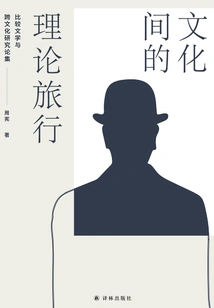
Theoretical Journeys between Cultures: Essays on Comparative Literature and Cross-cultural Studies
Literature文化间的理论旅行:比较文学与跨文化研究论集
Jooheon
Cross-cultural research is like a theoretical journey between different cultures. Among them, there are differences and conflicts, but also integration and understanding. You can encounter unfamiliar scenery and rediscover yourself. The author of this book, Zhou Xian, is a professor at the Graduate School of Arts of Nanjing University, dean of the Institute for Advanced Studies in Humanities and Social Sciences, and a Yangtze River Scholar Distinguished Professor of the Ministry of Education. The articles included in this book are a collection of his research results over the years: from the theories, concepts and methods of cross-cultural research to issues of globalization and locality, including how to use Chinese wisdom to solve some theoretical problems, the original anxiety faced by domestic humanities disciplines, etc.; From the introduction and evolution of the theories of contemporary French thinkers such as Foucault and Barthes, to the "Chinese mirror" of Western artists such as Brecht and Ibsen. This book not only expresses the author's personal experience of a long theoretical journey between cultures, but also presents the evolution of theories and concepts in recent comparative literature and cross-cultural studies.
Cross-cultural research is like a theoretical journey between different cultures. Among them, there are differences and conflicts, but also integration and understanding. You can encounter unfamiliar scenery and rediscover yourself. The author of this book, Zhou Xian, is a professor at the Graduate School of Arts of Nanjing University, dean of the Institute for Advanced Studies in Humanities and Social Sciences, and a Yangtze River Scholar Distinguished Professor of the Ministry of Education. The articles included in this book are a collection of his research results over the years: from the theories, concepts and methods of cross-cultural research to issues of globalization and locality, including how to use Chinese wisdom to solve some theoretical problems, the original anxiety faced by domestic humanities disciplines, etc.; From the introduction and evolution of the theories of contemporary French thinkers such as Foucault and Barthes, to the "Chinese mirror" of Western artists such as Brecht and Ibsen. This book not only expresses the author's personal experience of a long theoretical journey between cultures, but also presents the evolution of theories and concepts in recent comparative literature and cross-cultural studies.
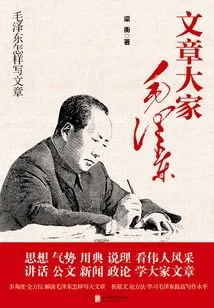
How Mao Zedong Wrote Articles
Literature毛泽东怎样写文章
Liang Heng
Mao Zedong said that revolution relies on the barrel of a gun and a pen to seize power. He himself has never held a gun, but he has always kept the pen in his hands. Mao Wen is unprecedented. There was nothing before him, and there will never be anything after him. The era in which Mao's article was written has passed, and the tasks it guided at that time have long been completed. But why do people still read and use it? Do you think of it whenever something happens? This is the meaning of classics. It has long lost its physical shell and risen to the height of reason, becoming a star that will always hang in the sky and enlighten us all the time. The famous writer Liang Heng devoted himself to the study of Mao Zedong's writing style. He analyzed the uniqueness of Mao Zedong's writings from the aspects of article form, writing method and rhetorical techniques. He pioneered the study of Mao Zedong's writing methods and attracted widespread attention and great repercussions in the country. This book collects his research results and adds the author's articles about Mao Zedong and the author's articles on writing research.
Mao Zedong said that revolution relies on the barrel of a gun and a pen to seize power. He himself has never held a gun, but he has always kept the pen in his hands. Mao Wen is unprecedented. There was nothing before him, and there will never be anything after him. The era in which Mao's article was written has passed, and the tasks it guided at that time have long been completed. But why do people still read and use it? Do you think of it whenever something happens? This is the meaning of classics. It has long lost its physical shell and risen to the height of reason, becoming a star that will always hang in the sky and enlighten us all the time. The famous writer Liang Heng devoted himself to the study of Mao Zedong's writing style. He analyzed the uniqueness of Mao Zedong's writings from the aspects of article form, writing method and rhetorical techniques. He pioneered the study of Mao Zedong's writing methods and attracted widespread attention and great repercussions in the country. This book collects his research results and adds the author's articles about Mao Zedong and the author's articles on writing research.
当说者被说的时候:比较叙述学导论
Zhao Yiheng
In narrative, the speaker first needs to be spoken before he can speak. It can only appear mainly when the subject's consciousness turns back to itself. "When the Speaker is Said (Introduction to Comparative Narratology)" is written by Zhao Yiheng. This book introduces narrative behavior, narrative subject, narrative level, narrative time, narrative direction, language behavior in narrative, plot, and the meaning of narrative form. It is simple and easy to understand, and can be read and studied by readers.
In narrative, the speaker first needs to be spoken before he can speak. It can only appear mainly when the subject's consciousness turns back to itself. "When the Speaker is Said (Introduction to Comparative Narratology)" is written by Zhao Yiheng. This book introduces narrative behavior, narrative subject, narrative level, narrative time, narrative direction, language behavior in narrative, plot, and the meaning of narrative form. It is simple and easy to understand, and can be read and studied by readers.
Poetry
Literature诗艺
H
Collection of lectures, in the autumn of 1967, Borges was invited to give the Norton Lectures at Harvard University and delivered six lectures on the status of poetry, metaphorical patterns, novels and poetry, phonology and translation. After more than thirty years in the library, the audio tapes of the lectures were compiled and published by Treasurer Kelin-Ander Mihaile, who was then an associate professor in the Department of Modern Languages and Literatures at the University of Western Ontario. The complete collection is widely cited and covers many literary phenomena from ancient times to the present. It also has the informal sense of colloquial text, and it is narrated with ease. "The Art of Poetry is a book that introduces literature, taste, and Borges himself... Borges started a dialogue with writers and texts of all ages, and these themes always seem to be interesting even if they are quoted and discussed again and again."
Collection of lectures, in the autumn of 1967, Borges was invited to give the Norton Lectures at Harvard University and delivered six lectures on the status of poetry, metaphorical patterns, novels and poetry, phonology and translation. After more than thirty years in the library, the audio tapes of the lectures were compiled and published by Treasurer Kelin-Ander Mihaile, who was then an associate professor in the Department of Modern Languages and Literatures at the University of Western Ontario. The complete collection is widely cited and covers many literary phenomena from ancient times to the present. It also has the informal sense of colloquial text, and it is narrated with ease. "The Art of Poetry is a book that introduces literature, taste, and Borges himself... Borges started a dialogue with writers and texts of all ages, and these themes always seem to be interesting even if they are quoted and discussed again and again."
Art is the Support of Life
Literature艺术是生命的支撑
Wang Xilan
This manuscript contains 65 articles, commentaries and prefaces written by the author over the years. These articles have been published in many newspapers inside and outside the province and have been well received by people in the industry. The publication of this book will definitely be helpful to novice writers and literature lovers.
This manuscript contains 65 articles, commentaries and prefaces written by the author over the years. These articles have been published in many newspapers inside and outside the province and have been well received by people in the industry. The publication of this book will definitely be helpful to novice writers and literature lovers.
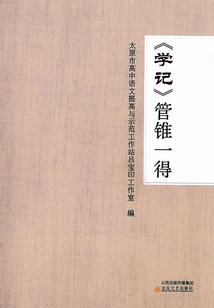
xue Ji" Guan Zhen Yi De
Literature《学记》管锥一得
Taiyuan High School Chinese Language Improvement And Demonstration Workstation
This booklet is the result of all members of our work station studying "Xue Ji" during the education theory study activity.
This booklet is the result of all members of our work station studying "Xue Ji" during the education theory study activity.
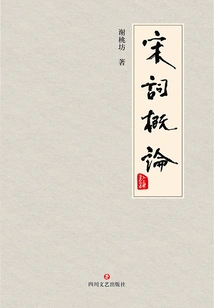
Introduction to Song Ci
Literature宋词概论
Xie Taofang
Discuss the development process of Song Ci from a macro perspective, focusing on the relationship between Song Ci and the cultural life of the Song Dynasty, the formation of Song people's concept of Ci style and the development trend of Song Ci.
Discuss the development process of Song Ci from a macro perspective, focusing on the relationship between Song Ci and the cultural life of the Song Dynasty, the formation of Song people's concept of Ci style and the development trend of Song Ci.
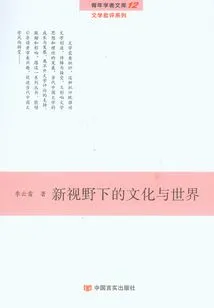
新视野下的文化与世界
K
This book is divided into three parts. The first part is "Literary Observation", which mainly discusses important issues in the current literary world and analyzes some specific works; the second part is "Film and Television Reviews", which observes and thinks about specific film and television works and related film and television phenomena, and raises some issues worthy of discussion; the third part is "Ideological Preview", which makes its own analysis of topics and figures in the contemporary intellectual world. The whole book attempts to use a new ideological vision to care for contemporary culture, respond to hot and cutting-edge issues in the current context, and reveal a new imagination and a new future.
This book is divided into three parts. The first part is "Literary Observation", which mainly discusses important issues in the current literary world and analyzes some specific works; the second part is "Film and Television Reviews", which observes and thinks about specific film and television works and related film and television phenomena, and raises some issues worthy of discussion; the third part is "Ideological Preview", which makes its own analysis of topics and figures in the contemporary intellectual world. The whole book attempts to use a new ideological vision to care for contemporary culture, respond to hot and cutting-edge issues in the current context, and reveal a new imagination and a new future.
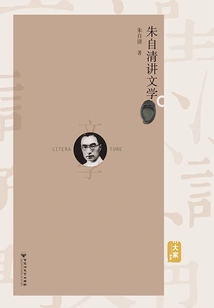
Zhu Ziqing Lectures on Literature
Literature朱自清讲文学
Zhu Ziqing
"Zhu Ziqing Lectures on Literature" contains dozens of essays and lectures on literature by the famous writer and literary critic Zhu Ziqing. Zhu Ziqing, who has taught in the Chinese Department of Tsinghua University for a long time, has made high achievements in the study of modern and ancient literature. As one of the pioneers of the New Literature Movement, Zhu Ziqing personally participated in the creation and construction of New Literature. His combing and analysis of Chinese literature was unique, and he gradually established literary standards and standards that "appreciate both refined and popular people". "Zhu Ziqing Lectures on Literature" comprehensively organizes Zhu Ziqing's discussions on literature, covering ancient and modern times, involving various genres, and showing Zhu Ziqing's scholarly style in addition to literary creation. His unique literary interpretation will also help readers understand and appreciate Chinese literature.
"Zhu Ziqing Lectures on Literature" contains dozens of essays and lectures on literature by the famous writer and literary critic Zhu Ziqing. Zhu Ziqing, who has taught in the Chinese Department of Tsinghua University for a long time, has made high achievements in the study of modern and ancient literature. As one of the pioneers of the New Literature Movement, Zhu Ziqing personally participated in the creation and construction of New Literature. His combing and analysis of Chinese literature was unique, and he gradually established literary standards and standards that "appreciate both refined and popular people". "Zhu Ziqing Lectures on Literature" comprehensively organizes Zhu Ziqing's discussions on literature, covering ancient and modern times, involving various genres, and showing Zhu Ziqing's scholarly style in addition to literary creation. His unique literary interpretation will also help readers understand and appreciate Chinese literature.
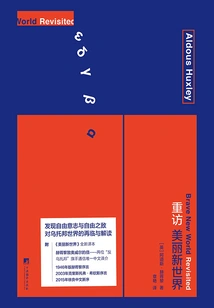
Brave New World Revisited
Literature重访美丽新世界
(english) Aldous Huxley
"Brave New World Revisited" is Huxley's most important non-fiction work in his later years. It contains sociology, psychology and communication theory. It is also his most concise and informative work. The book was written and published in 1958, 28 years after the publication of "Brave New World". Huxley's predictions in the book have slowly begun to come true. This book combines the social reality of the 1950s and starts with key topics such as population expansion, bloated organizations, dictatorship, and the concept of freedom. It once again interprets the fictional "new world", reflects the impact of scientific and technological civilization on real society, and raises the issue of where human beings should go. The book provides a brilliant analysis of the fate of human society after World War II and predicts the future of the world's two mainstream ideologies. At the same time, he also makes a detailed comparison between his classic dystopian novel "Brave New World" and Orwell's "1984."
"Brave New World Revisited" is Huxley's most important non-fiction work in his later years. It contains sociology, psychology and communication theory. It is also his most concise and informative work. The book was written and published in 1958, 28 years after the publication of "Brave New World". Huxley's predictions in the book have slowly begun to come true. This book combines the social reality of the 1950s and starts with key topics such as population expansion, bloated organizations, dictatorship, and the concept of freedom. It once again interprets the fictional "new world", reflects the impact of scientific and technological civilization on real society, and raises the issue of where human beings should go. The book provides a brilliant analysis of the fate of human society after World War II and predicts the future of the world's two mainstream ideologies. At the same time, he also makes a detailed comparison between his classic dystopian novel "Brave New World" and Orwell's "1984."
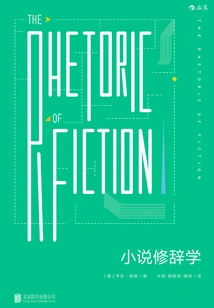
Rhetoric of Fiction
Literature小说修辞学
(us)wayne Booth
This book mainly discusses the historical development of Western novels, sorts out the evolution of novel techniques and theories, critically examines popular modern views on novels, establishes classic modern novel theories, and lays a solid foundation for the creation, criticism, and research of modern novels. Some concepts and terms put forward in the book, such as "implied author" and "unreliable narrator", are all classic terms in the field of narratology today. "The Rhetoric of Novel" was published in 1961 and has been reprinted many times since then. It is listed as a classic of modern Western novel theory. The "American Encyclopedia" hailed the book as "a milestone in the aesthetics of novels in the 20th century."
This book mainly discusses the historical development of Western novels, sorts out the evolution of novel techniques and theories, critically examines popular modern views on novels, establishes classic modern novel theories, and lays a solid foundation for the creation, criticism, and research of modern novels. Some concepts and terms put forward in the book, such as "implied author" and "unreliable narrator", are all classic terms in the field of narratology today. "The Rhetoric of Novel" was published in 1961 and has been reprinted many times since then. It is listed as a classic of modern Western novel theory. The "American Encyclopedia" hailed the book as "a milestone in the aesthetics of novels in the 20th century."
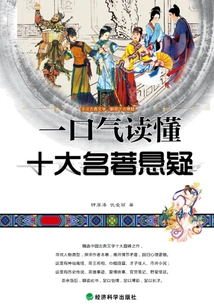
一口气读懂十大名著悬疑
Zhong Houtao Qiu Aili
The book "Understanding the Mysteries of Ten Classical Classics in One Breath" takes ten Chinese classics such as "Historical Records", "A Dream of Red Mansions" and "Strange Stories from a Chinese Studio" as the warp threads, and uses one hundred questions as the weft threads. They are criss-crossed and intertwined to form the main framework of "Understanding the Mysteries of the Ten Classical Classics in One Breath". Each section focuses on issues, cutting the lens into historical scenes, and clearing away the fog left by the scratches of time. "Read the Mysteries of Ten Classical Novels in One Breath" is based on documentary materials and archaeological discoveries, aiming to unlock the genetic code of traditional Chinese culture and explore the hidden historical lifeline behind contemporary cultural phenomena.
The book "Understanding the Mysteries of Ten Classical Classics in One Breath" takes ten Chinese classics such as "Historical Records", "A Dream of Red Mansions" and "Strange Stories from a Chinese Studio" as the warp threads, and uses one hundred questions as the weft threads. They are criss-crossed and intertwined to form the main framework of "Understanding the Mysteries of the Ten Classical Classics in One Breath". Each section focuses on issues, cutting the lens into historical scenes, and clearing away the fog left by the scratches of time. "Read the Mysteries of Ten Classical Novels in One Breath" is based on documentary materials and archaeological discoveries, aiming to unlock the genetic code of traditional Chinese culture and explore the hidden historical lifeline behind contemporary cultural phenomena.
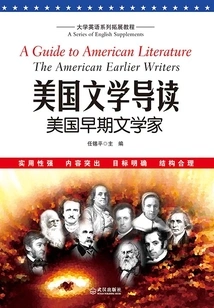
美国文学导读:美国早期文学家
Ren Xiping
This book focuses on introducing early American writers, selecting nine writers including Franklin, Owen, Emerson, Hawthorne, and Edgar Allan Poe. As well as their main literary works, creative styles and literary genres involved, in order to promote and cultivate students' critical thinking, analytical and appreciation abilities. Let students improve their literary accomplishment and humanistic quality in a subtle way.
This book focuses on introducing early American writers, selecting nine writers including Franklin, Owen, Emerson, Hawthorne, and Edgar Allan Poe. As well as their main literary works, creative styles and literary genres involved, in order to promote and cultivate students' critical thinking, analytical and appreciation abilities. Let students improve their literary accomplishment and humanistic quality in a subtle way.
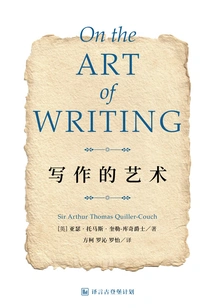
The Art of Writing
Literature写作的艺术
Sir Arthur Thomas Quiller-couch
This book "On the Art of Writing" is a collection of lectures given by Sir Arthur Thomas Quiller-Couch on "teaching the art of writing to his students at Cambridge University" from 1913 to 1914. The first of these was his inaugural lecture in 1912 when he was appointed Professor of English Literature at Cambridge University by King Edward VII of England. As a well-known literary critic, scholar, and education reformer, Sir Queller-Couch emphasizes the artistry and vital nature of language in this collection of speeches, and provides some "techniques" that are indispensable in the process of language expression and understanding.
This book "On the Art of Writing" is a collection of lectures given by Sir Arthur Thomas Quiller-Couch on "teaching the art of writing to his students at Cambridge University" from 1913 to 1914. The first of these was his inaugural lecture in 1912 when he was appointed Professor of English Literature at Cambridge University by King Edward VII of England. As a well-known literary critic, scholar, and education reformer, Sir Queller-Couch emphasizes the artistry and vital nature of language in this collection of speeches, and provides some "techniques" that are indispensable in the process of language expression and understanding.
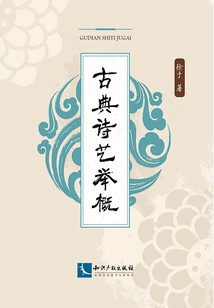
An Overview of Classical Poetry
Literature古典诗艺举概
Xu Yu
Common treatises on the art of Chinese classical poetry either describe history, discuss special topics, or explain techniques, each of which has its own merits. This book is the author's experience in sorting out and exploring various elements of the Chinese classical poetry art system during the teaching process. It is divided into nine chapters, each with a basic element as its longitude, related works and theories as its latitude, and the author's own experience as its leading role. It integrates the achievements of various authors, combines narratives and discussions, and controls the trajectory of poetic art research and work appreciation within the vision of historicism, contemporary consciousness, and aesthetic concepts. It is highly informative, academic and interesting. It is very suitable for reference by friends who are interested in Chinese classical poetry and art and are engaged in Chinese teaching.
Common treatises on the art of Chinese classical poetry either describe history, discuss special topics, or explain techniques, each of which has its own merits. This book is the author's experience in sorting out and exploring various elements of the Chinese classical poetry art system during the teaching process. It is divided into nine chapters, each with a basic element as its longitude, related works and theories as its latitude, and the author's own experience as its leading role. It integrates the achievements of various authors, combines narratives and discussions, and controls the trajectory of poetic art research and work appreciation within the vision of historicism, contemporary consciousness, and aesthetic concepts. It is highly informative, academic and interesting. It is very suitable for reference by friends who are interested in Chinese classical poetry and art and are engaged in Chinese teaching.
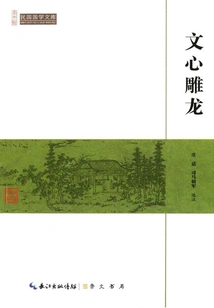
文心雕龙(民国国学文库)
Zhuang Shi's Selected Notes On Sima Chaojun
"Republic of China Chinese Studies Library: Wen Xin Diao Long" selects twenty-four chapters from "Yuan Dao", "Zong Jing" and the second part for beginners. The original book was in Traditional Chinese in vertical format, now it is in Simplified Chinese in horizontal format. The simplification is based on common rules, but considering that it is a traditional Chinese reading book and is reasonable to popularize elementary school knowledge, a small number of Tongjia, traditional Chinese, and variant characters are retained, and are generally explained with annotations. This may also increase readers' interest in reading and expand their knowledge. Uncommon and polyphonic characters are given corresponding phonetic notations, and the original Fanqie, Tongyin, and Wei Tuoma phonetic notations are all uniformly changed to modern Chinese pinyin.
"Republic of China Chinese Studies Library: Wen Xin Diao Long" selects twenty-four chapters from "Yuan Dao", "Zong Jing" and the second part for beginners. The original book was in Traditional Chinese in vertical format, now it is in Simplified Chinese in horizontal format. The simplification is based on common rules, but considering that it is a traditional Chinese reading book and is reasonable to popularize elementary school knowledge, a small number of Tongjia, traditional Chinese, and variant characters are retained, and are generally explained with annotations. This may also increase readers' interest in reading and expand their knowledge. Uncommon and polyphonic characters are given corresponding phonetic notations, and the original Fanqie, Tongyin, and Wei Tuoma phonetic notations are all uniformly changed to modern Chinese pinyin.
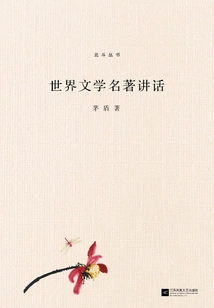
世界文学名著讲话
I
In this book, the author Mr. Mao Dun provides an in-depth introduction and analysis of Western literary classics from ancient Greece to the 19th century, including the creative background, author introduction, content summary, and work evaluation. He also sorts out and analyzes the three schools of realism, naturalism, and modernism in European and American literature. It is a vivid introductory book to world literature, and a rare good book for literature lovers and young students.
In this book, the author Mr. Mao Dun provides an in-depth introduction and analysis of Western literary classics from ancient Greece to the 19th century, including the creative background, author introduction, content summary, and work evaluation. He also sorts out and analyzes the three schools of realism, naturalism, and modernism in European and American literature. It is a vivid introductory book to world literature, and a rare good book for literature lovers and young students.
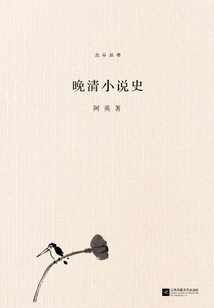
晚清小说史(北斗丛书)
A Ying
This book closely combines the social and political background and provides a more pertinent introduction and commentary on important writers and works of the late Qing Dynasty. It focuses on some important works that reflect major social life and have high artistic quality. It especially focuses on condemnation novels and novels of bourgeois revolutionaries and novels translated in the late Qing Dynasty that have always been rarely discussed by literary historians. It also focuses on comparing a work with other works of the same type to analyze the similarities, differences, advantages and disadvantages. As a chronological history, it provides a comprehensive and in-depth discussion on the occurrence and development of novels in the late Qing Dynasty.
This book closely combines the social and political background and provides a more pertinent introduction and commentary on important writers and works of the late Qing Dynasty. It focuses on some important works that reflect major social life and have high artistic quality. It especially focuses on condemnation novels and novels of bourgeois revolutionaries and novels translated in the late Qing Dynasty that have always been rarely discussed by literary historians. It also focuses on comparing a work with other works of the same type to analyze the similarities, differences, advantages and disadvantages. As a chronological history, it provides a comprehensive and in-depth discussion on the occurrence and development of novels in the late Qing Dynasty.
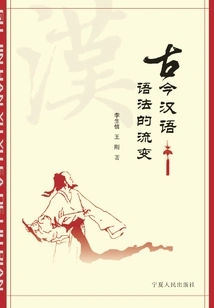
古今汉语语法的流变
Li Shengxin Wang Gang
"The Evolution of Ancient and Modern Chinese Grammar" reflects the author's research results on the changes in ancient and modern Chinese grammar. Starting from the diachronic changes of language, the book not only analyzes the continuity of ancient and modern Chinese grammar, but also focuses on the analysis of the changes in ancient and modern Chinese grammar. It summarizes some special phenomena that distinguish ancient Chinese grammar from modern Chinese grammar, and incorporates the author's research experience on the "flow" and "change" of ancient and modern Chinese grammar.
"The Evolution of Ancient and Modern Chinese Grammar" reflects the author's research results on the changes in ancient and modern Chinese grammar. Starting from the diachronic changes of language, the book not only analyzes the continuity of ancient and modern Chinese grammar, but also focuses on the analysis of the changes in ancient and modern Chinese grammar. It summarizes some special phenomena that distinguish ancient Chinese grammar from modern Chinese grammar, and incorporates the author's research experience on the "flow" and "change" of ancient and modern Chinese grammar.
Cao Yu's Exploration Record
Literature曹禺探知录
Tian Benxiang
"Records of Exploring Cao Yu" is a collection of articles related to the author Tian Benxiang's research on Cao Yu for many years. It is also a record of the exploration of Cao Yu and his plays. "Cao Yu's Exploration" is divided into seven parts, including papers related to Cao Yu's research, performance reviews of Cao Yu's plays, talking about Cao Yu with Tianjin readers, the opening speech of Cao Yu's academic conference, remembering Cao Yu, and a preface to Cao Yu's theory, to the creation of the play "As I Lay Dying" in memory of Cao Yu. The author elaborates on the three stages of Cao Yu's research, namely, Cao Yu's status in the history of Chinese drama, discussing his achievements in realist drama creation; poetic realism; in commemorating the centenary of Cao Yu's birth, summarizing Cao Yu's achievements as a "great humanistic artist", as well as commemorative articles.
"Records of Exploring Cao Yu" is a collection of articles related to the author Tian Benxiang's research on Cao Yu for many years. It is also a record of the exploration of Cao Yu and his plays. "Cao Yu's Exploration" is divided into seven parts, including papers related to Cao Yu's research, performance reviews of Cao Yu's plays, talking about Cao Yu with Tianjin readers, the opening speech of Cao Yu's academic conference, remembering Cao Yu, and a preface to Cao Yu's theory, to the creation of the play "As I Lay Dying" in memory of Cao Yu. The author elaborates on the three stages of Cao Yu's research, namely, Cao Yu's status in the history of Chinese drama, discussing his achievements in realist drama creation; poetic realism; in commemorating the centenary of Cao Yu's birth, summarizing Cao Yu's achievements as a "great humanistic artist", as well as commemorative articles.
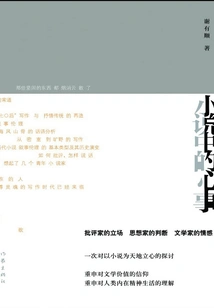
Thoughts in Novels
Literature小说中的心事
Xie Youshun
The famous critic Xie Youshun has written a thematic collection of essays on contemporary Chinese novels. Starting from different writers and works such as Jin Yong, Mo Yan, Jia Pingwa, Sun Haohui, and Zhang Yueran, he discussed a series of related topics in contemporary Chinese novels and humanities, such as the common way of novels, inner people, the narrative prospects of contemporary novels, the narrative prospects of local resources, etc. What he talked about was not only the art of novel creation and appreciation, but also the common dilemmas and solutions faced by intellectuals today. The thoughts in the novel are things that worry about the novel, and also things that hope that the novel can help the world.
The famous critic Xie Youshun has written a thematic collection of essays on contemporary Chinese novels. Starting from different writers and works such as Jin Yong, Mo Yan, Jia Pingwa, Sun Haohui, and Zhang Yueran, he discussed a series of related topics in contemporary Chinese novels and humanities, such as the common way of novels, inner people, the narrative prospects of contemporary novels, the narrative prospects of local resources, etc. What he talked about was not only the art of novel creation and appreciation, but also the common dilemmas and solutions faced by intellectuals today. The thoughts in the novel are things that worry about the novel, and also things that hope that the novel can help the world.
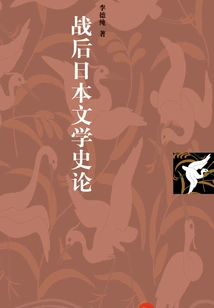
Postwar Japanese Literature History
Literature战后日本文学史论
Li Dechun
This book explains how inexperienced Chinese scholars evaluate Japanese postwar literature. This book also reflects the Chinese literary trend under the opening-up policy after the "Cultural Revolution". This book has a macroscopic aesthetic grasp and a wide-angle artistic observation, as shown in the chapters of "Postwar Japanese Novels", "Postwar Poetry" and "Postwar Drama" in the book. In summary, the author has carefully read various writers and their works, organized them clearly and into a self-contained system. It is an arduous task to have a deep affection for the characters and plots of the works involved.
This book explains how inexperienced Chinese scholars evaluate Japanese postwar literature. This book also reflects the Chinese literary trend under the opening-up policy after the "Cultural Revolution". This book has a macroscopic aesthetic grasp and a wide-angle artistic observation, as shown in the chapters of "Postwar Japanese Novels", "Postwar Poetry" and "Postwar Drama" in the book. In summary, the author has carefully read various writers and their works, organized them clearly and into a self-contained system. It is an arduous task to have a deep affection for the characters and plots of the works involved.
恭王府文评(中国艺术研究院学术文库)
Zheng Enbo
"Prince Gong's Mansion Literary Review" is a collection of essays written by Zheng Enbo, a researcher at the Chinese Academy of Arts and Chinese and foreign literature. "Prince Gong's Mansion Literary Review" is divided into three parts. The first part mainly collects the author's literary works and comments about Liu Shaotang, a talented figure in New Chinese literature; the second part mainly collects the author's insights on some poetic works, Albanian literature, movies, and brief comments on literature and art by Kadale, Gao Mang, Zhang Kangkang, Fan Chengzuo, etc.; The third part mainly collects the prefaces and prefaces that the author has written for his own works and the works of his friends.
"Prince Gong's Mansion Literary Review" is a collection of essays written by Zheng Enbo, a researcher at the Chinese Academy of Arts and Chinese and foreign literature. "Prince Gong's Mansion Literary Review" is divided into three parts. The first part mainly collects the author's literary works and comments about Liu Shaotang, a talented figure in New Chinese literature; the second part mainly collects the author's insights on some poetic works, Albanian literature, movies, and brief comments on literature and art by Kadale, Gao Mang, Zhang Kangkang, Fan Chengzuo, etc.; The third part mainly collects the prefaces and prefaces that the author has written for his own works and the works of his friends.
论京派文学(中国艺术研究院学术文库)
Zha Zhenke
Beijing-style literature is an important school of modern Chinese literature. After the May 4th New Culture Movement, Chinese culture and Chinese literature formed a discourse field where hundreds of rivals competed. This book attempts to elaborate on the narrative stance, narrative strategies and narrative methods of Beijing School literature through comparative analysis with various discourses and in the three-dimensional coordinates of history and era, traditional culture and Western culture. When Beijing-style writers examine how history should realize the narrative transformation of modernity, they always maintain a culturally sober attitude towards tradition and the West, so their works present a melancholy poetic quality in aesthetics. The cultural introspection consciousness of Beijing School literature fully absorbed the positive nutrients of the May Fourth culture. It was obviously different from the pragmatism and utilitarianism that was popular at the time, and it had a profound and endless sense of cultural awakening.
Beijing-style literature is an important school of modern Chinese literature. After the May 4th New Culture Movement, Chinese culture and Chinese literature formed a discourse field where hundreds of rivals competed. This book attempts to elaborate on the narrative stance, narrative strategies and narrative methods of Beijing School literature through comparative analysis with various discourses and in the three-dimensional coordinates of history and era, traditional culture and Western culture. When Beijing-style writers examine how history should realize the narrative transformation of modernity, they always maintain a culturally sober attitude towards tradition and the West, so their works present a melancholy poetic quality in aesthetics. The cultural introspection consciousness of Beijing School literature fully absorbed the positive nutrients of the May Fourth culture. It was obviously different from the pragmatism and utilitarianism that was popular at the time, and it had a profound and endless sense of cultural awakening.
小小说纵横谈(增订本)
Xu Tingjun
Short novels, novels, novellas, and short stories are the four dominant families of novels. However, the attention and emphasis on short novels is obviously relatively insufficient or even lacking. In this regard, inspired by Mr. Mao Dun's praise of "blockbuster short novels" in 1959, this book carefully traces the internal laws and external relationships of the already eye-catching literary genre, the short novel, and conducts a more in-depth study at home and abroad. It explores, summarizes and summarizes, and makes a systematic discussion on the formation of new styles of novels in novel form through comparison, with scientific classification and precise insights. It also selects 45 ancient and modern Chinese and foreign short novels as appendices for readers to conduct comparative research while reading. For this pioneering work, the famous scholar Li Xifan wrote a preface: "This is probably a pioneering work among small novels."
Short novels, novels, novellas, and short stories are the four dominant families of novels. However, the attention and emphasis on short novels is obviously relatively insufficient or even lacking. In this regard, inspired by Mr. Mao Dun's praise of "blockbuster short novels" in 1959, this book carefully traces the internal laws and external relationships of the already eye-catching literary genre, the short novel, and conducts a more in-depth study at home and abroad. It explores, summarizes and summarizes, and makes a systematic discussion on the formation of new styles of novels in novel form through comparison, with scientific classification and precise insights. It also selects 45 ancient and modern Chinese and foreign short novels as appendices for readers to conduct comparative research while reading. For this pioneering work, the famous scholar Li Xifan wrote a preface: "This is probably a pioneering work among small novels."
汤显祖与明清文学探赜
Zou Zizhen
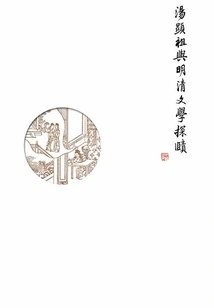
This book is a collection of the author's research results on Ming and Qing literature, and is divided into four parts according to its content. The first part is "Exploration of Tang Studies", which contains 14 papers; the second part is "A Bundle of Red Studies", which contains 7 papers; the third part is "Literature of the Ming and Qing Dynasties", which contains 13 papers; the fourth part is "Pages of Book Reviews", which contains 7 papers. The papers included in this article are mostly written for international and national academic seminars and published in various journals, proceedings and university academic newspapers.
This book is a collection of the author's research results on Ming and Qing literature, and is divided into four parts according to its content. The first part is "Exploration of Tang Studies", which contains 14 papers; the second part is "A Bundle of Red Studies", which contains 7 papers; the third part is "Literature of the Ming and Qing Dynasties", which contains 13 papers; the fourth part is "Pages of Book Reviews", which contains 7 papers. The papers included in this article are mostly written for international and national academic seminars and published in various journals, proceedings and university academic newspapers.
什么是杰作:拒绝平庸的文学阅读指南
(france) Charles Danziger
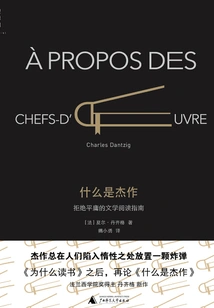
After "Why Read", "France's most avid reader" discusses "What is a Masterpiece" again. What is a "masterpiece"? When did "masterpiece", a medieval term for describing works of art, begin to be used in literature? Are there standards or even recipes for judging literary masterpieces? How do you know if a book is a masterpiece? Who will confirm? Are masterpieces immortal? Do people still need masterpieces today? ... This book attempts to answer the numerous questions about masterpieces and to provide interesting and useful reflections on this daunting concept. Its purpose is to remove the sacred aura of masterpieces and understand what truly constitutes a literary masterpiece. From Homer, Heine, Beckett to Thomas Bernhard, Danziger travels between classics and contemporary works. In the book, you can see not only his extraordinary insights on Proust, but also his unexpected analysis and comments on Joyce.
After "Why Read", "France's most avid reader" discusses "What is a Masterpiece" again. What is a "masterpiece"? When did "masterpiece", a medieval term for describing works of art, begin to be used in literature? Are there standards or even recipes for judging literary masterpieces? How do you know if a book is a masterpiece? Who will confirm? Are masterpieces immortal? Do people still need masterpieces today? ... This book attempts to answer the numerous questions about masterpieces and to provide interesting and useful reflections on this daunting concept. Its purpose is to remove the sacred aura of masterpieces and understand what truly constitutes a literary masterpiece. From Homer, Heine, Beckett to Thomas Bernhard, Danziger travels between classics and contemporary works. In the book, you can see not only his extraordinary insights on Proust, but also his unexpected analysis and comments on Joyce.
现代诗歌的结构:19世纪中期至20世纪中期的抒情诗(名家文学讲坛)
(germany) Hugo Friedrich
"The Structure of Modern Poetry" can be called a landmark work in the study of modern poetry. This classic work reveals the symptoms of modern poetry that are transpersonal, transnational, and transcend decades. "Modern" refers to the entire period since Baudelaire, and "structure" refers to an organic structure, which is a typical common feature in poetry creation. Hugo Friedrich's critical consciousness, intelligent imagination, and analytical power of language are a model for the study of style and interpretation of his works.
"The Structure of Modern Poetry" can be called a landmark work in the study of modern poetry. This classic work reveals the symptoms of modern poetry that are transpersonal, transnational, and transcend decades. "Modern" refers to the entire period since Baudelaire, and "structure" refers to an organic structure, which is a typical common feature in poetry creation. Hugo Friedrich's critical consciousness, intelligent imagination, and analytical power of language are a model for the study of style and interpretation of his works.
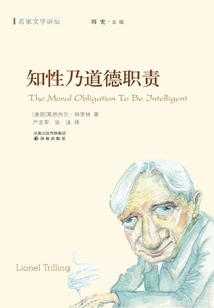
知性乃道德职责(名家文学讲坛)
(us) Lionel Trilling
"Intelligence is a Moral Duty (Famous Literary Forum)" is the epitome of the ideas of New York intellectuals in the 1950s. Trilling adopted a broader approach - the intersection of literature and culture - to deal with the mainstream of new criticism at the time. Through these extraordinary articles, Trilling shows us an extraordinary image of a critic: one who is philosophically motivated but respectful of texts, sensitive to history but not bound by it, influenced by art but not worshiping it, reverent to ideas but skeptical of theories. Most of the articles in the book have been widely cited as classics and have important influence.
"Intelligence is a Moral Duty (Famous Literary Forum)" is the epitome of the ideas of New York intellectuals in the 1950s. Trilling adopted a broader approach - the intersection of literature and culture - to deal with the mainstream of new criticism at the time. Through these extraordinary articles, Trilling shows us an extraordinary image of a critic: one who is philosophically motivated but respectful of texts, sensitive to history but not bound by it, influenced by art but not worshiping it, reverent to ideas but skeptical of theories. Most of the articles in the book have been widely cited as classics and have important influence.
如何读,为什么读?(名家文学讲坛)
H
"How to read and why to read?" "" Is a personal introduction book published by Bloom when he was nearly seventy years old. This reading master, wise old man, and classic classic reader clears up the source for us, sorts out the immortal works of the West, and talks about his favorite poems, novels, and dramas from childhood to old age. This book can be said to be a complementary version of "The Western Canon". Readers who have read "The Western Canon" can explore and rediscover the Western Canon here, and receive Bloom's critical energy again; readers who are exposed to Bloom for the first time can start here and embark on a journey to find and share the Western Canon.
"How to read and why to read?" "" Is a personal introduction book published by Bloom when he was nearly seventy years old. This reading master, wise old man, and classic classic reader clears up the source for us, sorts out the immortal works of the West, and talks about his favorite poems, novels, and dramas from childhood to old age. This book can be said to be a complementary version of "The Western Canon". Readers who have read "The Western Canon" can explore and rediscover the Western Canon here, and receive Bloom's critical energy again; readers who are exposed to Bloom for the first time can start here and embark on a journey to find and share the Western Canon.