Library
Browse and search books
2,273 novels found
Romance of the Yang Family
General Fiction杨家将演义
Xiong Damu
The book "The Romance of the Generals of the Yang Family" focuses on the heroic deeds of three generations of the Yang family in resisting foreign invasion. From the time when Yang Ye was imprisoned and died for his country by hitting the Li Ling Monument to the victory of the Twelve Widows in the Western Expedition, they were full of high-spirited patriotic passion and praised the heroic spirit of the Yang family generals who continued to fight and regarded death as home. In particular, the twelve widows inherit the will and lead the troops to fight, which is deeply touching. However, such a loyal family was framed by treacherous ministers in every possible way, which is thought-provoking. Here, the novel boldly and passionately creates the image of a large number of female generals of the Yang family who are not inferior to their men. They are bold in character, smart and smart, superior in martial arts, and dominate the territory. They are completely free from the shackles of the feudal ethics and the shackles of hierarchy. They are well-known and talked about among the common people. There is even a saying among the people that "women in the Yang family are better than men."
The book "The Romance of the Generals of the Yang Family" focuses on the heroic deeds of three generations of the Yang family in resisting foreign invasion. From the time when Yang Ye was imprisoned and died for his country by hitting the Li Ling Monument to the victory of the Twelve Widows in the Western Expedition, they were full of high-spirited patriotic passion and praised the heroic spirit of the Yang family generals who continued to fight and regarded death as home. In particular, the twelve widows inherit the will and lead the troops to fight, which is deeply touching. However, such a loyal family was framed by treacherous ministers in every possible way, which is thought-provoking. Here, the novel boldly and passionately creates the image of a large number of female generals of the Yang family who are not inferior to their men. They are bold in character, smart and smart, superior in martial arts, and dominate the territory. They are completely free from the shackles of the feudal ethics and the shackles of hierarchy. They are well-known and talked about among the common people. There is even a saying among the people that "women in the Yang family are better than men."
Three Heroes and Five Righteousnesses
General Fiction三侠五义
Shi Yukun
The novel tells the story of Bao Zheng in the Song Dynasty, who, with the help of knights and righteous men, tried strange cases, vindicated injustice, and eradicated violence. The novel has a total of 120 chapters, divided into two parts. The first part begins with the civet cat exchanging for the prince, and tells the story of the knights assisting Bao Zheng in his struggle against the treacherous minister Pang Ji and his son; the second part mainly writes the story of the knights assisting Yan Cha Sanjian to eliminate the faction of the King of Xiangyang. The book takes Bao Gong's birth, official career, prime ministership, and case solving as a lead, and connects the three knights Zhan Zhao, Ouyang Chun, the Ding brothers, Lu Fang, Han Zhang, Xu Qing, Jiang Ping, the Five Rats of Bai Yutang, as well as Zhihua, Ai Hu and other knights, creating an image of a selfless and upright official who is not afraid of power. Among them, plots such as unfair imprisonment, guillotine favoring Yu, and the removal of the vassal king have exposed the darkness of feudal rule to a certain extent and also demonstrated the fighting spirit of the people. The book is interspersed with a large number of chivalrous activities, including righteous acts of drawing swords to help when encountering injustice, and also showing their nature of loyal service to the ruling class.
The novel tells the story of Bao Zheng in the Song Dynasty, who, with the help of knights and righteous men, tried strange cases, vindicated injustice, and eradicated violence. The novel has a total of 120 chapters, divided into two parts. The first part begins with the civet cat exchanging for the prince, and tells the story of the knights assisting Bao Zheng in his struggle against the treacherous minister Pang Ji and his son; the second part mainly writes the story of the knights assisting Yan Cha Sanjian to eliminate the faction of the King of Xiangyang. The book takes Bao Gong's birth, official career, prime ministership, and case solving as a lead, and connects the three knights Zhan Zhao, Ouyang Chun, the Ding brothers, Lu Fang, Han Zhang, Xu Qing, Jiang Ping, the Five Rats of Bai Yutang, as well as Zhihua, Ai Hu and other knights, creating an image of a selfless and upright official who is not afraid of power. Among them, plots such as unfair imprisonment, guillotine favoring Yu, and the removal of the vassal king have exposed the darkness of feudal rule to a certain extent and also demonstrated the fighting spirit of the people. The book is interspersed with a large number of chivalrous activities, including righteous acts of drawing swords to help when encountering injustice, and also showing their nature of loyal service to the ruling class.
Guan Gong Battles Changsha
General Fiction关公战长沙
Huang Woruo
This is a full-length novel, divided into 10 chapters, including: There is a dragon and a tiger in Changsha that frighten the horse in Guanshan, There is no unique trick in the world when dragging a sword to meet ghosts, The ancestral hall has been dim for thousands of years after the death of the swordsman, Two surnames are passed down to three families, Genealogy The suspenseful fireworks continue the chess history, the dragon culture of Guanshan runs through the past and the present, both civil and military are righteous, the red rabbit cherishes the Diao Chan, the battle in Changsha becomes a dream for a thousand years, the suspense meets each other in the dream after thousands of years, the brain waves interpret the old dream and explore the magic of Guanshan.
This is a full-length novel, divided into 10 chapters, including: There is a dragon and a tiger in Changsha that frighten the horse in Guanshan, There is no unique trick in the world when dragging a sword to meet ghosts, The ancestral hall has been dim for thousands of years after the death of the swordsman, Two surnames are passed down to three families, Genealogy The suspenseful fireworks continue the chess history, the dragon culture of Guanshan runs through the past and the present, both civil and military are righteous, the red rabbit cherishes the Diao Chan, the battle in Changsha becomes a dream for a thousand years, the suspense meets each other in the dream after thousands of years, the brain waves interpret the old dream and explore the magic of Guanshan.
A Collection of Shiba Ryotaro's Classic Historical Works (a Set of 9 Volumes in Total)
General Fiction司马辽太郎经典历史作品集(套装共9册)
J
Ryotaro Shiba, a master of historical novels, has been the most popular writer in Japan for nine consecutive years. He is a master of historical novels beloved by Japanese national writer Masato Sakai and others. His memorial hall was designed by the international architect Tadao Ando himself. The sense of on-site restoration is like the memories of those who witnessed it, witnessing the tragic end of Japan's Warring States Period and the final fight to the death of the heroes at the end of the road. The collection of Ryotaro Shiba's works (9 volumes in total) includes the author's most representative works, including "The Shinshi Taikaku Chronicles (Part 1 and 2)", "The Story of the National Robbers: Saito Michizan (First and Second Editions)", "The Story of the National Robbers: Oda Nobunaga (First and Second Editions)", and "The Castle (Part 1, 2 and 2)".
Ryotaro Shiba, a master of historical novels, has been the most popular writer in Japan for nine consecutive years. He is a master of historical novels beloved by Japanese national writer Masato Sakai and others. His memorial hall was designed by the international architect Tadao Ando himself. The sense of on-site restoration is like the memories of those who witnessed it, witnessing the tragic end of Japan's Warring States Period and the final fight to the death of the heroes at the end of the road. The collection of Ryotaro Shiba's works (9 volumes in total) includes the author's most representative works, including "The Shinshi Taikaku Chronicles (Part 1 and 2)", "The Story of the National Robbers: Saito Michizan (First and Second Editions)", "The Story of the National Robbers: Oda Nobunaga (First and Second Editions)", and "The Castle (Part 1, 2 and 2)".
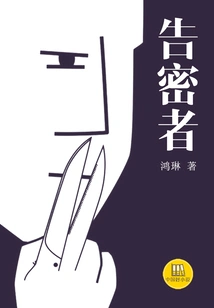
Informer
General Fiction告密者
Honglin
The novel "The Informer" is the third "pear blossom" added to his "Pear City Series" by Hong Lin, the "new general of Fujian novels", after "The Traitor of Pear City" and "Searching for Ci'en Pagoda" - Is Pear City rich in pear blossoms? The three novels are all set against the backdrop of the Anti-Japanese War, re-examining the people and events in that period of history from the perspective of an intellectual - a local chronicler: "The Traitor in Pear City" attempts to clear the name of the "traitor"; "Searching for the Ci'en Pagoda" explores the reasons why underground workers keep secrets; and what about the latest "The Informer"?
The novel "The Informer" is the third "pear blossom" added to his "Pear City Series" by Hong Lin, the "new general of Fujian novels", after "The Traitor of Pear City" and "Searching for Ci'en Pagoda" - Is Pear City rich in pear blossoms? The three novels are all set against the backdrop of the Anti-Japanese War, re-examining the people and events in that period of history from the perspective of an intellectual - a local chronicler: "The Traitor in Pear City" attempts to clear the name of the "traitor"; "Searching for the Ci'en Pagoda" explores the reasons why underground workers keep secrets; and what about the latest "The Informer"?
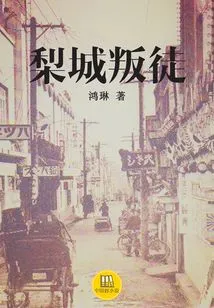
Pear City Traitor
General Fiction梨城叛徒
Honglin
"Pear City Traitor" is the author's historical mystery of "my" second uncle Li Mu's rebellion, revealing the complex human nature, uncovering the true situation of those dark years in Pic City, and conveying to us a deep understanding and insight into the complex connotation of the word "traitor". Although there are relatively complex historical interpretations and narratives of human nature in "Leicheng Renegade", the theme of promoting patriotism and revolutionary heroism is extremely clear.
"Pear City Traitor" is the author's historical mystery of "my" second uncle Li Mu's rebellion, revealing the complex human nature, uncovering the true situation of those dark years in Pic City, and conveying to us a deep understanding and insight into the complex connotation of the word "traitor". Although there are relatively complex historical interpretations and narratives of human nature in "Leicheng Renegade", the theme of promoting patriotism and revolutionary heroism is extremely clear.
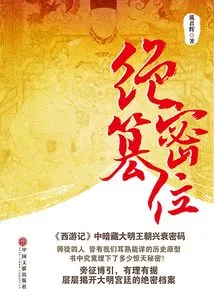
Top Secret Usurpation
General Fiction绝密篡位
Dai Junhui
This book is a novel. The main line of the work uses literary techniques to describe a Mr. Sha who traveled from the Ming Dynasty to modern society, telling modern people about the amazing secret stories that happened at the top levels of the Ming Dynasty society and government, which were enough to rewrite the history of a feudal dynasty. At the same time, the classic novel "Journey to the West" from the Ming Dynasty, which has been passed down to this day, is used to indirectly verify the authenticity of the past events, making the content of the story logically rigorous, authentic and credible, the plot touching, and making people sigh after reading it. The subplot of the work is the evaluation and discussion of the hidden story by another protagonist, modern Tian Ge, while listening to Mr. Sha's story. The entire work enables readers to reflect on the huge impact of different historical views and values on human behavior, and further leads to reflection on current society and life.
This book is a novel. The main line of the work uses literary techniques to describe a Mr. Sha who traveled from the Ming Dynasty to modern society, telling modern people about the amazing secret stories that happened at the top levels of the Ming Dynasty society and government, which were enough to rewrite the history of a feudal dynasty. At the same time, the classic novel "Journey to the West" from the Ming Dynasty, which has been passed down to this day, is used to indirectly verify the authenticity of the past events, making the content of the story logically rigorous, authentic and credible, the plot touching, and making people sigh after reading it. The subplot of the work is the evaluation and discussion of the hidden story by another protagonist, modern Tian Ge, while listening to Mr. Sha's story. The entire work enables readers to reflect on the huge impact of different historical views and values on human behavior, and further leads to reflection on current society and life.
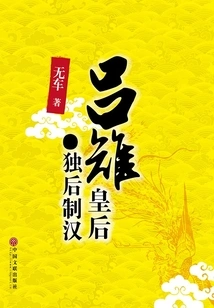
吕雉皇后:独后制汉
No Car
This book tells the story of Empress Lu who came to the court to take control of the court, planned to kill the King of Zhao, tortured and killed the Qi family, and killed Zhao Yao in a drama, which shocked the government and the public. For the position of power, the granddaughter will be the son-in-law and the queen, the in-laws will be married, and the princes will be granted the title of king. For the sake of the country, he endured humiliation and resolved the sword fight between the Han and Hungarians, and gained recuperation for the Han Dynasty. Reduce taxes, save penalties, regulate the Yellow River, open up wasteland, and consolidate the political agenda. Ding Ming, Han Xin's disciple, disfigured himself, kept his name anonymous, and repeatedly harmed Lu Pheasant. Lu Pheasant always escaped from danger. Ding Ming drove away the dog infestation, and when he finally succeeded, he saw what Lu Pheasant had done for the people and the country, but it was too late. When he was dying, Lu Pheasant felt unwilling and wanted to do it himself while drinking the medicine, but he couldn't help himself and sprinkled a bowl of medicine soup on the loess.
This book tells the story of Empress Lu who came to the court to take control of the court, planned to kill the King of Zhao, tortured and killed the Qi family, and killed Zhao Yao in a drama, which shocked the government and the public. For the position of power, the granddaughter will be the son-in-law and the queen, the in-laws will be married, and the princes will be granted the title of king. For the sake of the country, he endured humiliation and resolved the sword fight between the Han and Hungarians, and gained recuperation for the Han Dynasty. Reduce taxes, save penalties, regulate the Yellow River, open up wasteland, and consolidate the political agenda. Ding Ming, Han Xin's disciple, disfigured himself, kept his name anonymous, and repeatedly harmed Lu Pheasant. Lu Pheasant always escaped from danger. Ding Ming drove away the dog infestation, and when he finally succeeded, he saw what Lu Pheasant had done for the people and the country, but it was too late. When he was dying, Lu Pheasant felt unwilling and wanted to do it himself while drinking the medicine, but he couldn't help himself and sprinkled a bowl of medicine soup on the loess.
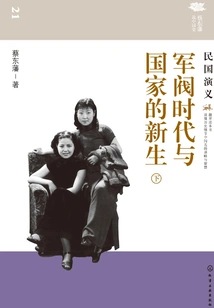
The Age of Warlords and the Rebirth of the Country: Romance of the Republic of China (part 2)
General Fiction军阀时代与国家的新生:民国演义(下)
Cai Dongfan
This book is a popular romance of the Republic of China, "Cai Dongfan Talks about the History of China", with a total of 160 chapters in the first, middle and second volumes. From the Revolution of 1911 and Yuan's proclaiming the emperor, to Cai E's rebellion against Yuan and Zhang Xun's restoration, to the May Fourth Movement and Sun Yat-sen's reorganization of the Kuomintang, it wonderfully interprets the historical events of more than ten years from the establishment of the Republic of China to 1924, when Sun Yat-sen pledged to fight for the Northern Expedition. The author draws extensively from official history, occasionally from officials and wild officials, and his narrative is plain, smooth, and methodical; he makes self-evaluations and annotations, and his language is humorous and both reasonable and reasonable. The last forty chapters were continued by Xu Genfu, which also continued the characteristics of Cai Dongfan's writings. Reading through this book, it is like a historical picture of the early years of the Republic of China slowly unfolding in front of you. Sometimes it is a fierce battle, sometimes it is gentle and affectionate, sometimes it is a dispute between warlords, sometimes it is a game of loyalty and traitor... It makes people dizzy and full of emotions.
This book is a popular romance of the Republic of China, "Cai Dongfan Talks about the History of China", with a total of 160 chapters in the first, middle and second volumes. From the Revolution of 1911 and Yuan's proclaiming the emperor, to Cai E's rebellion against Yuan and Zhang Xun's restoration, to the May Fourth Movement and Sun Yat-sen's reorganization of the Kuomintang, it wonderfully interprets the historical events of more than ten years from the establishment of the Republic of China to 1924, when Sun Yat-sen pledged to fight for the Northern Expedition. The author draws extensively from official history, occasionally from officials and wild officials, and his narrative is plain, smooth, and methodical; he makes self-evaluations and annotations, and his language is humorous and both reasonable and reasonable. The last forty chapters were continued by Xu Genfu, which also continued the characteristics of Cai Dongfan's writings. Reading through this book, it is like a historical picture of the early years of the Republic of China slowly unfolding in front of you. Sometimes it is a fierce battle, sometimes it is gentle and affectionate, sometimes it is a dispute between warlords, sometimes it is a game of loyalty and traitor... It makes people dizzy and full of emotions.
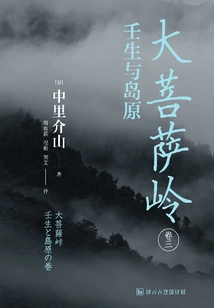
Daibosatsu Ridge: Mibu and Shimabara
General Fiction大菩萨岭:壬生与岛原
(japan) Zhonglijieshan
"Da Bodhisattva Ridge" is called "the longest historical novel in the world". This work was serialized from 1913 to 1941, with a total of 41 volumes. The novel is set in the Bakumatsu period. It tells the story of the swordsman Ryuunosuke who killed a pilgrim in Koshu Daibosatsu Ridge to test his sword, and then embarked on the path of magic step by step. It vividly describes the people and events of the Shinsengumi and the Bakumatsu samurai class. The author calls "Da Bodhisattva Ridge" a "Mahayana novel" and depicts the karma of the world with Buddhist thought as the center. Literary researcher Hiroshi Nakatani evaluated this novel as "the mother of Japanese popular literature." Unfortunately, the novel was not completed until the author's death. "Mibu and Shimabara" is the third volume of the book. It has been adapted into film and television works many times, creating a classic in the history of Japanese film.
"Da Bodhisattva Ridge" is called "the longest historical novel in the world". This work was serialized from 1913 to 1941, with a total of 41 volumes. The novel is set in the Bakumatsu period. It tells the story of the swordsman Ryuunosuke who killed a pilgrim in Koshu Daibosatsu Ridge to test his sword, and then embarked on the path of magic step by step. It vividly describes the people and events of the Shinsengumi and the Bakumatsu samurai class. The author calls "Da Bodhisattva Ridge" a "Mahayana novel" and depicts the karma of the world with Buddhist thought as the center. Literary researcher Hiroshi Nakatani evaluated this novel as "the mother of Japanese popular literature." Unfortunately, the novel was not completed until the author's death. "Mibu and Shimabara" is the third volume of the book. It has been adapted into film and television works many times, creating a classic in the history of Japanese film.
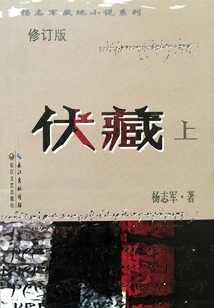
Terma (part 1, Revised Edition)
General Fiction伏藏(上·修订版)
Yang Zhijun
Yang Zhijun's novel "Terma" describes the secrets of the Tibetan god king Tsangyang Gyatso more than 300 years ago, the mysterious seven-person mission, the confusing underground prophecy, the interweaving of history and reality, the intersection of Tibet and the world, the top-secret terma left by Tsangyang Gyatso, the excavators and defectors destined three hundred years later, the conspiracy of the new faith alliance, the mystery of the human soul, the spiritual confusion of the current world, the mystery of reality and the spiritual adventure. "Terma" is a book about Tibetan spirituality that the author has experienced in his thirty years of life. It is also a book for dream seekers that comes from the heart and explores the human soul. On the way, take a copy of Yang Zhijun, imagine the magnificence and mystery of Tibet, listen to the call of Tibet, and feel the throbbing of the soul and the vastness of the human spirit.
Yang Zhijun's novel "Terma" describes the secrets of the Tibetan god king Tsangyang Gyatso more than 300 years ago, the mysterious seven-person mission, the confusing underground prophecy, the interweaving of history and reality, the intersection of Tibet and the world, the top-secret terma left by Tsangyang Gyatso, the excavators and defectors destined three hundred years later, the conspiracy of the new faith alliance, the mystery of the human soul, the spiritual confusion of the current world, the mystery of reality and the spiritual adventure. "Terma" is a book about Tibetan spirituality that the author has experienced in his thirty years of life. It is also a book for dream seekers that comes from the heart and explores the human soul. On the way, take a copy of Yang Zhijun, imagine the magnificence and mystery of Tibet, listen to the call of Tibet, and feel the throbbing of the soul and the vastness of the human spirit.
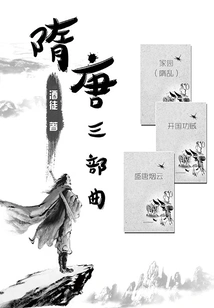
Trilogy of Sui and Tang Dynasties (rebellion of Sui Dynasty, Founding Thieves, Smoke and Clouds of the Tang Dynasty)
General Fiction隋唐三部曲(隋乱、开国功贼、盛唐烟云)
I
This book is composed of three works with the background of the Sui and Tang Dynasties: "The Rebellion of the Sui Dynasty", "The Founding of the Nation and Attacking the Thieves" and "The Smoke and Clouds of the Prosperous Tang Dynasty" written by Drunkard.
This book is composed of three works with the background of the Sui and Tang Dynasties: "The Rebellion of the Sui Dynasty", "The Founding of the Nation and Attacking the Thieves" and "The Smoke and Clouds of the Prosperous Tang Dynasty" written by Drunkard.
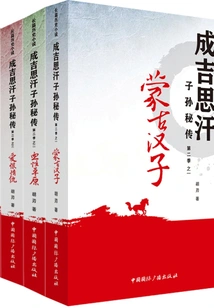
成吉思汗子孙秘传(全集·第二季)
Hu Ren
This series is a long historical novel with a total of 4 volumes, including "The Mongolian Man", "The Bloody Grassland", "Love and Hate", and "The Righteous Way of the World". The time is from 1720 to 1952. 2 Volumes for the Qing Dynasty, 1 volume for the Revolution of 1911, and 1 volume for the Inner Mongolia Revolution. It tells the story of the Balaght clan, the descendants of Genghis Khan, and describes the epic and tragic historical stories of generations of heroes of the Balaght family on the grasslands of Inner Mongolia. The Mongolians live in harmony with the Han people with a broad mind, making great contributions to the prosperity of the Mongolian grasslands and promoting national unity and integration.
This series is a long historical novel with a total of 4 volumes, including "The Mongolian Man", "The Bloody Grassland", "Love and Hate", and "The Righteous Way of the World". The time is from 1720 to 1952. 2 Volumes for the Qing Dynasty, 1 volume for the Revolution of 1911, and 1 volume for the Inner Mongolia Revolution. It tells the story of the Balaght clan, the descendants of Genghis Khan, and describes the epic and tragic historical stories of generations of heroes of the Balaght family on the grasslands of Inner Mongolia. The Mongolians live in harmony with the Han people with a broad mind, making great contributions to the prosperity of the Mongolian grasslands and promoting national unity and integration.
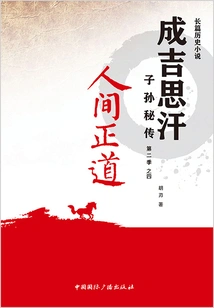
The Righteous Way in the World (secret Biography of the Descendants of Genghis Khan·season 2 Part 4)
General Fiction人间正道(成吉思汗子孙秘传·第二季之四)
Hu Ren
This book tells the story of the Balaght clan, the descendants of Genghis Khan. The descendants of Nian Army general Ma Zhenghe changed their surname to Lin to avoid being pursued by the court. General Suiyuan's "brother-in-law" wants to occupy Lin's store. Lin Yong was furious and killed him, and became bandits with Bafeng Luocao. Lin's wife gave birth to a pair of twin baby girls; one was adopted by Lin's brother and named Lin Yufeng; the other was adopted by Mr. And Mrs. Ba and named Ba Wenya. Bawendong and Lin Yufeng fell in love, but Lin Yufeng's parents died at the hands of Bawendong's parents, making it difficult for lovers to get married. When the Revolution of 1911 broke out, Bawendong and Bawenya met with the revolutionary party of the Baotou Tongmenghui. Qing soldiers suddenly broke out. Bawenya arrived in time and rescued his brother Bawendong and other key members of the Tongmenghui. The brothers Bawendong and Bawenya protested against the Beiyang government's reclamation of grasslands and the imposition of pot taxes, and fought many times with Sheriff Liu Biao. Liu Biao led Ba Wenya and Lin Yufeng into the coal mining tunnel, trying to catch them all. The Japanese Black Dragon Society appeared, and Liu Biao did not know that he was being used by the Black Dragon Society until he died.
This book tells the story of the Balaght clan, the descendants of Genghis Khan. The descendants of Nian Army general Ma Zhenghe changed their surname to Lin to avoid being pursued by the court. General Suiyuan's "brother-in-law" wants to occupy Lin's store. Lin Yong was furious and killed him, and became bandits with Bafeng Luocao. Lin's wife gave birth to a pair of twin baby girls; one was adopted by Lin's brother and named Lin Yufeng; the other was adopted by Mr. And Mrs. Ba and named Ba Wenya. Bawendong and Lin Yufeng fell in love, but Lin Yufeng's parents died at the hands of Bawendong's parents, making it difficult for lovers to get married. When the Revolution of 1911 broke out, Bawendong and Bawenya met with the revolutionary party of the Baotou Tongmenghui. Qing soldiers suddenly broke out. Bawenya arrived in time and rescued his brother Bawendong and other key members of the Tongmenghui. The brothers Bawendong and Bawenya protested against the Beiyang government's reclamation of grasslands and the imposition of pot taxes, and fought many times with Sheriff Liu Biao. Liu Biao led Ba Wenya and Lin Yufeng into the coal mining tunnel, trying to catch them all. The Japanese Black Dragon Society appeared, and Liu Biao did not know that he was being used by the Black Dragon Society until he died.
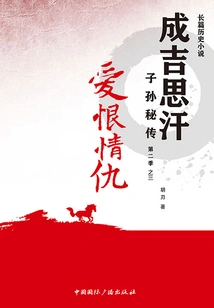
Love, Hate and Enmity (secret Biography of the Descendants of Genghis Khan·season 2 Part 3)
General Fiction爱恨情仇(成吉思汗子孙秘传·第二季之三)
Hu Ren
This book tells the story of the Balaght clan, the descendants of Genghis Khan. The descendants of Nian Army general Ma Zhenghe changed their surname to Lin to avoid being pursued by the court. General Suiyuan's "brother-in-law" wants to occupy Lin's store. Lin Yong was furious and killed him, and became bandits with Bafeng Luocao. Lin's wife gave birth to a pair of twin baby girls; one was adopted by Lin's brother and named Lin Yufeng; the other was adopted by Mr. And Mrs. Ba and named Ba Wenya. Bawendong and Lin Yufeng fell in love, but Lin Yufeng's parents died at the hands of Bawendong's parents, making it difficult for lovers to get married. When the Revolution of 1911 broke out, Bawendong and Bawenya met with the revolutionary party of the Baotou Tongmenghui. Qing soldiers suddenly broke out. Bawenya arrived in time and rescued his brother Bawendong and other key members of the Tongmenghui.
This book tells the story of the Balaght clan, the descendants of Genghis Khan. The descendants of Nian Army general Ma Zhenghe changed their surname to Lin to avoid being pursued by the court. General Suiyuan's "brother-in-law" wants to occupy Lin's store. Lin Yong was furious and killed him, and became bandits with Bafeng Luocao. Lin's wife gave birth to a pair of twin baby girls; one was adopted by Lin's brother and named Lin Yufeng; the other was adopted by Mr. And Mrs. Ba and named Ba Wenya. Bawendong and Lin Yufeng fell in love, but Lin Yufeng's parents died at the hands of Bawendong's parents, making it difficult for lovers to get married. When the Revolution of 1911 broke out, Bawendong and Bawenya met with the revolutionary party of the Baotou Tongmenghui. Qing soldiers suddenly broke out. Bawenya arrived in time and rescued his brother Bawendong and other key members of the Tongmenghui.
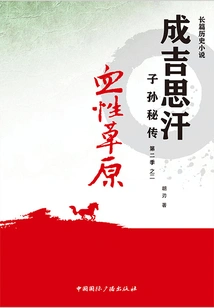
Bloody Grassland (secret Biography of the Descendants of Genghis Khan·season 2 Part 2)
General Fiction血性草原(成吉思汗子孙秘传·第二季之二)
Hu Ren
This book tells the story of the Balaght clan, the descendants of Genghis Khan. Balu and other nine hundred Mongolian soldiers followed his brother Shajin to pursue the Nian army. Corrupt Qing officials would rather escort prostitutes than send troops, causing the Mongolian army to be completely annihilated. Balu was disheartened and ran away from home. Sha Jin's son Batur and his clan brothers vowed to kill Ma Zhenghe to avenge their father. Batur fell off a cliff and was saved by Helen, the daughter of a Belgian missionary. Although the Nian Army was destroyed, the court became increasingly corrupt and society became increasingly dark. People think that the corruption and darkness are caused by foreigners entering China. The Boxer Rebellion broke out, and angry people beat Helen to death, leaving Batur in great pain. Soon, the Eight-Power Allied Forces captured Beijing, and Cixi ordered the suppression of the Boxer Rebellion. When Batur was beheaded, both Balu and Ma Zhenghe appeared, and the two teamed up to rescue Batur.
This book tells the story of the Balaght clan, the descendants of Genghis Khan. Balu and other nine hundred Mongolian soldiers followed his brother Shajin to pursue the Nian army. Corrupt Qing officials would rather escort prostitutes than send troops, causing the Mongolian army to be completely annihilated. Balu was disheartened and ran away from home. Sha Jin's son Batur and his clan brothers vowed to kill Ma Zhenghe to avenge their father. Batur fell off a cliff and was saved by Helen, the daughter of a Belgian missionary. Although the Nian Army was destroyed, the court became increasingly corrupt and society became increasingly dark. People think that the corruption and darkness are caused by foreigners entering China. The Boxer Rebellion broke out, and angry people beat Helen to death, leaving Batur in great pain. Soon, the Eight-Power Allied Forces captured Beijing, and Cixi ordered the suppression of the Boxer Rebellion. When Batur was beheaded, both Balu and Ma Zhenghe appeared, and the two teamed up to rescue Batur.
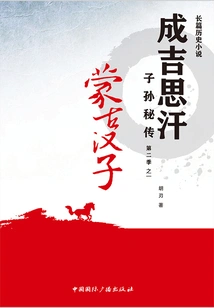
蒙古汉子(成吉思汗子孙秘传·第二季之一)
Hu Ren
This book tells the story of the Balaght clan, the descendants of Genghis Khan. During the Junggar rebellion, Bart, who carried the hope of his family, made great achievements on the battlefield. The Manchu and Qing Dynasty official Zhenghuang Banner, Tongzhi, took advantage of Bart's military exploits and shot a cold arrow behind his back. Tongzhi was worried that the matter would be exposed, so he married his daughter Tonghua to Bart. After Tonghua arrived at the Ba family, the Ba family was bullied by her everywhere. During the second rebellion of Junggar, Bart met his sworn brother on the battlefield, only to learn that the arrow behind his back was indeed made by Tongzhi. Bart, who returned victorious, went to the imperial city to sue Tongzhi. Emperor Yongzheng suspected that Bart had been incited to rebel, and punished Bart. Tongzhi hypocritically bought people's hearts in Baotou, but made trouble for Bart. Liu Tongxun, an imperial envoy from the imperial court, discovered everything and rescued Bart. Tongzhi was executed. During the third rebellion of Junggar, Bart once again made military exploits. When Emperor Qianlong wanted to make Bart a first-class official, Bart politely declined and retired to his hometown.
This book tells the story of the Balaght clan, the descendants of Genghis Khan. During the Junggar rebellion, Bart, who carried the hope of his family, made great achievements on the battlefield. The Manchu and Qing Dynasty official Zhenghuang Banner, Tongzhi, took advantage of Bart's military exploits and shot a cold arrow behind his back. Tongzhi was worried that the matter would be exposed, so he married his daughter Tonghua to Bart. After Tonghua arrived at the Ba family, the Ba family was bullied by her everywhere. During the second rebellion of Junggar, Bart met his sworn brother on the battlefield, only to learn that the arrow behind his back was indeed made by Tongzhi. Bart, who returned victorious, went to the imperial city to sue Tongzhi. Emperor Yongzheng suspected that Bart had been incited to rebel, and punished Bart. Tongzhi hypocritically bought people's hearts in Baotou, but made trouble for Bart. Liu Tongxun, an imperial envoy from the imperial court, discovered everything and rescued Bart. Tongzhi was executed. During the third rebellion of Junggar, Bart once again made military exploits. When Emperor Qianlong wanted to make Bart a first-class official, Bart politely declined and retired to his hometown.
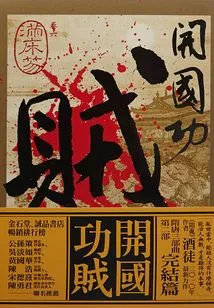
Founding Thief 6: the Bed is Full of Wat
General Fiction开国功贼6:满床笏
Drinker
Dou Jiande was defeated and Hebei was pacified for the first time. However, because the reception officials sent by Li Tang secretly turned the reception into "robbed collection", Liu Heitai and others surrendered and rebelled again. During the war, Du Juan and Cheng's mother who returned home to visit relatives were killed by the rebels, and their heads were hung on the city wall for public display. Cheng Mingzhen was extremely sad and led his army into Julu Ze again. Relying on his familiarity with the terrain, before the decisive battle, he dug out the Mingshui embankment that he and Du Juan had personally participated in building, flooding Liu Heita's entire army. In the torrent, he saw his boyhood wish again, to let himself and the people he cares about live well.
Dou Jiande was defeated and Hebei was pacified for the first time. However, because the reception officials sent by Li Tang secretly turned the reception into "robbed collection", Liu Heitai and others surrendered and rebelled again. During the war, Du Juan and Cheng's mother who returned home to visit relatives were killed by the rebels, and their heads were hung on the city wall for public display. Cheng Mingzhen was extremely sad and led his army into Julu Ze again. Relying on his familiarity with the terrain, before the decisive battle, he dug out the Mingshui embankment that he and Du Juan had personally participated in building, flooding Liu Heita's entire army. In the torrent, he saw his boyhood wish again, to let himself and the people he cares about live well.
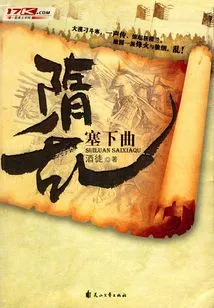
Sui Dynasty 1: the Next Song
General Fiction隋乱1:塞下曲
Drinker
In 612 AD, the second emperor of the Sui Dynasty, Emperor Sui Yang, began his conquest of Goryeo. In the Sui Dynasty, there was a large-scale military conscription across the country. Heroes arose in droves and conquests continued. Li Xu, an ignorant young man from a small border county, had to flee in order to avoid Yang Di's conscription and went with Xu Maogong to the outside of the border. He first defected to Li Yuan and his son, and then to Zhang Xutuo. During his campaigns, he met heroes such as Qin Qiong, Cheng Yaojin, and Luo Shixin. Soon, he joined Wagang again with the crowd, and gradually fell in love with Hongfu girl...
In 612 AD, the second emperor of the Sui Dynasty, Emperor Sui Yang, began his conquest of Goryeo. In the Sui Dynasty, there was a large-scale military conscription across the country. Heroes arose in droves and conquests continued. Li Xu, an ignorant young man from a small border county, had to flee in order to avoid Yang Di's conscription and went with Xu Maogong to the outside of the border. He first defected to Li Yuan and his son, and then to Zhang Xutuo. During his campaigns, he met heroes such as Qin Qiong, Cheng Yaojin, and Luo Shixin. Soon, he joined Wagang again with the crowd, and gradually fell in love with Hongfu girl...
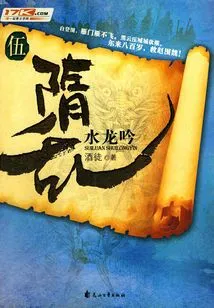
Sui Dynasty 5: Water Dragon Yin
General Fiction隋乱5:水龙吟
Drinker
Emperor Yang of the Sui Dynasty was trapped at Yanmen Pass. Thirty-nine cities on the border fell into the hands of the Turks, but the biggest obstacle to the rescue was the Wagang Army led by former friend Xu Maogong. Becoming a general and a marquis was a dream shared by two people when they were young. Now they had to raise their knives to each other. Li Xu worked hard for thousands of miles just to repay his kindness. This time they dyed the entire desert red with their own blood.
Emperor Yang of the Sui Dynasty was trapped at Yanmen Pass. Thirty-nine cities on the border fell into the hands of the Turks, but the biggest obstacle to the rescue was the Wagang Army led by former friend Xu Maogong. Becoming a general and a marquis was a dream shared by two people when they were young. Now they had to raise their knives to each other. Li Xu worked hard for thousands of miles just to repay his kindness. This time they dyed the entire desert red with their own blood.
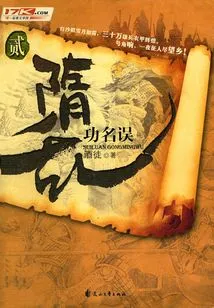
Sui Dynasty 2: Mistaken Title
General Fiction隋乱2:功名误
Drinker
In 612 AD, the second emperor of the Sui Dynasty, Emperor Sui Yang, began his conquest of Goryeo. In the Sui Dynasty, there was a large-scale military conscription across the country. Heroes arose in droves and conquests continued. Li Xu, an ignorant young man from a small border county, had to flee in order to avoid Yang Di's conscription and went with Xu Maogong to the outside of the border. He first defected to Li Yuan and his son, and then to Zhang Xutuo. During his campaigns, he met heroes such as Qin Qiong, Cheng Yaojin, and Luo Shixin. Soon, he joined Wagang again with the crowd, and gradually fell in love with Hongfu girl...
In 612 AD, the second emperor of the Sui Dynasty, Emperor Sui Yang, began his conquest of Goryeo. In the Sui Dynasty, there was a large-scale military conscription across the country. Heroes arose in droves and conquests continued. Li Xu, an ignorant young man from a small border county, had to flee in order to avoid Yang Di's conscription and went with Xu Maogong to the outside of the border. He first defected to Li Yuan and his son, and then to Zhang Xutuo. During his campaigns, he met heroes such as Qin Qiong, Cheng Yaojin, and Luo Shixin. Soon, he joined Wagang again with the crowd, and gradually fell in love with Hongfu girl...
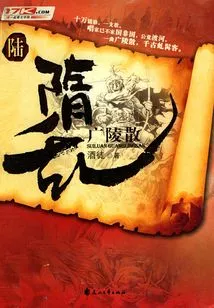
Sui Rebellion 6: Guangling San
General Fiction隋乱6:广陵散
Drinker
Li Xu was sent to northern Hebei by Yang Guang and officially became a Sui prince on one side. The "insightful man" Yuan Tiangang and others incited him to rebel and compete in the world. But during many years of war, Li Xu saw the government and the rebels fighting, and the victims were all ordinary people. He answered Yuan Tiangang with four words: "I am a deer." Zhang Xutuo died in battle in Henan. In order to repay the old general's kindness and stabilize the mood of his subordinates, Li Xu had to lead his troops south to fight against the Wagang Army. Li Mi and others were defeated by the revenge army. Just when Li Xu was about to annihilate all the Wagang people, the powerful officials who stayed in the east capital extended a black hand behind his back.
Li Xu was sent to northern Hebei by Yang Guang and officially became a Sui prince on one side. The "insightful man" Yuan Tiangang and others incited him to rebel and compete in the world. But during many years of war, Li Xu saw the government and the rebels fighting, and the victims were all ordinary people. He answered Yuan Tiangang with four words: "I am a deer." Zhang Xutuo died in battle in Henan. In order to repay the old general's kindness and stabilize the mood of his subordinates, Li Xu had to lead his troops south to fight against the Wagang Army. Li Mi and others were defeated by the revenge army. Just when Li Xu was about to annihilate all the Wagang people, the powerful officials who stayed in the east capital extended a black hand behind his back.
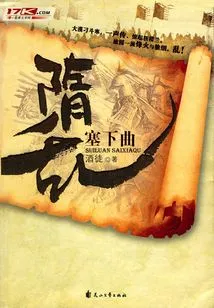
Sui Dynasty (complete Works)
General Fiction隋乱(全集)
Drinker
In 612 AD, Emperor Yang of the Sui Dynasty began his conquest of Goryeo. In the Sui Dynasty, there was a large-scale military conscription across the country. Heroes arose in droves and conquests continued. Li Xu, an ignorant young man from a small county on the frontier, went to the outside of the border with Xu Maogong to avoid military service. Later, he offended the Turkic nobles and returned to the Central Plains. Then he defected to Li Yuan and his son, and was appreciated by Emperor Sui. He participated in the first expedition to Goryeo and became famous all over the world. Later, he joined Zhang Xutuo and met heroes such as Qin Qiong, Cheng Yaojin, and Luo Shixin during his campaigns. Soon, he joined Wagang again with the crowd, and gradually fell in love with Hongfu girl... The most legendary period of life in Chinese history began...
In 612 AD, Emperor Yang of the Sui Dynasty began his conquest of Goryeo. In the Sui Dynasty, there was a large-scale military conscription across the country. Heroes arose in droves and conquests continued. Li Xu, an ignorant young man from a small county on the frontier, went to the outside of the border with Xu Maogong to avoid military service. Later, he offended the Turkic nobles and returned to the Central Plains. Then he defected to Li Yuan and his son, and was appreciated by Emperor Sui. He participated in the first expedition to Goryeo and became famous all over the world. Later, he joined Zhang Xutuo and met heroes such as Qin Qiong, Cheng Yaojin, and Luo Shixin during his campaigns. Soon, he joined Wagang again with the crowd, and gradually fell in love with Hongfu girl... The most legendary period of life in Chinese history began...
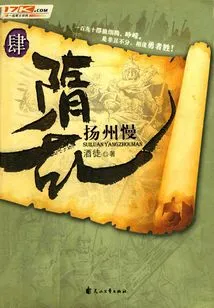
Sui Dynasty 4: Yangzhou Slow
General Fiction隋乱4:扬州慢
Drinker
Emperor Yang of the Sui Dynasty returned from his first expedition to Goryeo in defeat. After a fierce and bloody battle, Li Xu and Liu Hongji finally escaped. Afterwards, the Yuwen family tried every means to win over Li Xu, and Li Waner became angry with Li Xu... Unwilling to do so, Yang Guang once again sent troops to Liaohe. But just when Yuwenshu was about to capture Liaoyang City, Yang Xuangan suddenly led his troops to rebel, and the world was shocked...
Emperor Yang of the Sui Dynasty returned from his first expedition to Goryeo in defeat. After a fierce and bloody battle, Li Xu and Liu Hongji finally escaped. Afterwards, the Yuwen family tried every means to win over Li Xu, and Li Waner became angry with Li Xu... Unwilling to do so, Yang Guang once again sent troops to Liaohe. But just when Yuwenshu was about to capture Liaoyang City, Yang Xuangan suddenly led his troops to rebel, and the world was shocked...
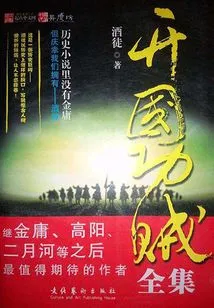
The Founding Thief (complete Collection)
General Fiction开国功贼(全集)
I
The protagonist's family fell into decline when he was young, suffered many hardships, and was forced to leave the family, but he always had a yearning for a peaceful and peaceful life in his heart. He has many Chinese characteristics, pursuing a stable life and working hard to survive. China's tenacity and weakness are fully demonstrated in the protagonist. Like all ordinary people, he hopes that the world will be unified, peace will prevail, there will be no war, everyone will have enough to eat, and the phenomenon of "good people cannot survive, but bad people will survive" will no longer occur. This book more reflects the Chinese people's spirit of unremitting efforts for survival.
The protagonist's family fell into decline when he was young, suffered many hardships, and was forced to leave the family, but he always had a yearning for a peaceful and peaceful life in his heart. He has many Chinese characteristics, pursuing a stable life and working hard to survive. China's tenacity and weakness are fully demonstrated in the protagonist. Like all ordinary people, he hopes that the world will be unified, peace will prevail, there will be no war, everyone will have enough to eat, and the phenomenon of "good people cannot survive, but bad people will survive" will no longer occur. This book more reflects the Chinese people's spirit of unremitting efforts for survival.
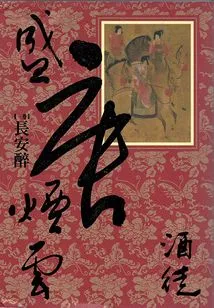
Smoke and Clouds of the Tang Dynasty 1: Drunk in Chang'an
General Fiction盛唐烟云1:长安醉
Drinker
Wang Xun, a noble son, has no ambitions and spends his time fighting chickens in Chang'an City. I thought I would spend my whole life living happily under the shadow of my great-grandfather Wang Qiang. Unexpectedly, the duel between Li Linfu and Yang Guozhong caused a storm to sweep through the entire capital in an instant. In order to clear the grievances of his good friend Yu Wenzhi who was innocently involved, Wang Xun tried his best to clear the grievances. At the same time, I also began to re-examine my life. Under the care of his father's lifelong friend Feng Changqing, he entered the Baimabao camp, where Emperor Xuanzong prepared to train middle and lower-level officers for the Tang Dynasty. Here, I got to know many Anxi Army veterans and grew up slowly. And because of his outstanding performance, he was appreciated by Gao Lishi. Immediately, he was pushed into a bigger whirlpool by fate.
Wang Xun, a noble son, has no ambitions and spends his time fighting chickens in Chang'an City. I thought I would spend my whole life living happily under the shadow of my great-grandfather Wang Qiang. Unexpectedly, the duel between Li Linfu and Yang Guozhong caused a storm to sweep through the entire capital in an instant. In order to clear the grievances of his good friend Yu Wenzhi who was innocently involved, Wang Xun tried his best to clear the grievances. At the same time, I also began to re-examine my life. Under the care of his father's lifelong friend Feng Changqing, he entered the Baimabao camp, where Emperor Xuanzong prepared to train middle and lower-level officers for the Tang Dynasty. Here, I got to know many Anxi Army veterans and grew up slowly. And because of his outstanding performance, he was appreciated by Gao Lishi. Immediately, he was pushed into a bigger whirlpool by fate.
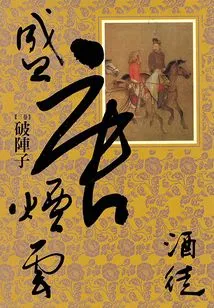
Yanyun of the Tang Dynasty 3: Broken Array
General Fiction盛唐烟云3:破阵子
Drinker
The Anxi army went on an expedition and waited for work in Gandhara. They defeated the Dashi Eastern Expedition and shocked the Western Regions. Feng Changqing wanted to take advantage of the victory and pursue him, but was blocked by the eunuch Bian Lingcheng. When the two sides were in a stalemate, Wang Xun quietly asked Feng Changqing, willing to lead a few soldiers to contact the princes along the Yaochashui River to discuss the feast. Feng Changqing also saw Bian Lingcheng's intention to put Wang Xun to death, agreed to Wang Xun's request, and secretly deployed forces to protect him.
The Anxi army went on an expedition and waited for work in Gandhara. They defeated the Dashi Eastern Expedition and shocked the Western Regions. Feng Changqing wanted to take advantage of the victory and pursue him, but was blocked by the eunuch Bian Lingcheng. When the two sides were in a stalemate, Wang Xun quietly asked Feng Changqing, willing to lead a few soldiers to contact the princes along the Yaochashui River to discuss the feast. Feng Changqing also saw Bian Lingcheng's intention to put Wang Xun to death, agreed to Wang Xun's request, and secretly deployed forces to protect him.
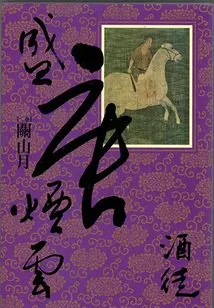
Tang Dynasty Smoke and Clouds 2: Guan Shanyue
General Fiction盛唐烟云2:关山月
Drinker
Because of his meritorious service in participating in the suppression of the rebellion, Wang Xun was promoted to Zhaowu Colonel and given a copper fish talisman. However, these superficial glitz made it increasingly difficult for him to adapt to the increasingly luxurious and dull atmosphere in Chang'an City. While leading a team on an inspection tour, he accidentally discovered a secret meeting between Concubine Yang and her ex-husband, King Shou. Out of sympathy, he did not report the matter and prepared to stay away from Chang'an to avoid unnecessary implication. Unexpectedly, Gao Lishi, who had always admired Wang Xun, was planning to kill someone to silence the royal family. After agreeing to his request to escort the baggage to Anxi, he immediately worked with Yang Guozhong and secretly arranged men to intercept and kill him halfway. During the melee, Ge Shuhan sent officers and soldiers pretending to be sand bandits, but they were defeated by the real sand bandits and Wang Xun. Subsequently, Wang Xun was involved in a larger whirlpool.
Because of his meritorious service in participating in the suppression of the rebellion, Wang Xun was promoted to Zhaowu Colonel and given a copper fish talisman. However, these superficial glitz made it increasingly difficult for him to adapt to the increasingly luxurious and dull atmosphere in Chang'an City. While leading a team on an inspection tour, he accidentally discovered a secret meeting between Concubine Yang and her ex-husband, King Shou. Out of sympathy, he did not report the matter and prepared to stay away from Chang'an to avoid unnecessary implication. Unexpectedly, Gao Lishi, who had always admired Wang Xun, was planning to kill someone to silence the royal family. After agreeing to his request to escort the baggage to Anxi, he immediately worked with Yang Guozhong and secretly arranged men to intercept and kill him halfway. During the melee, Ge Shuhan sent officers and soldiers pretending to be sand bandits, but they were defeated by the real sand bandits and Wang Xun. Subsequently, Wang Xun was involved in a larger whirlpool.
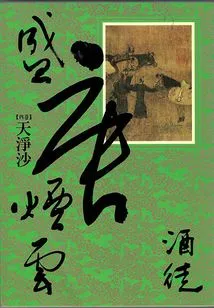
Tang Dynasty Smoke and Clouds 4: Tianjingsha
General Fiction盛唐烟云4:天净沙
Drinker
After realizing that he had no way to retreat, Wang Xun decided to give it a go and led more than 600 of his brothers, the bodyguards invited by the caravan, and the two groups of horse bandits he had just collected to attack Zhezhe, the former capital of Dawan. As an angel of the Tang Dynasty, he ordered all the princes along the Yaocha River to quickly lead their troops to help in the battle. The princes along the Yaocha River neither dared to provoke the Tang Dynasty nor believed that Wang Xun could break Zhezhe, known as the strongest city in the Western Regions, with less than two thousand men. On the surface, he led troops to the outside of the city to "help the king's army", but in fact, he had the idea of taking advantage of others. Unexpectedly, Wang Xun defeated the city in one battle, completely shocking the military and people's morale of all countries in the Western Region.
After realizing that he had no way to retreat, Wang Xun decided to give it a go and led more than 600 of his brothers, the bodyguards invited by the caravan, and the two groups of horse bandits he had just collected to attack Zhezhe, the former capital of Dawan. As an angel of the Tang Dynasty, he ordered all the princes along the Yaocha River to quickly lead their troops to help in the battle. The princes along the Yaocha River neither dared to provoke the Tang Dynasty nor believed that Wang Xun could break Zhezhe, known as the strongest city in the Western Regions, with less than two thousand men. On the surface, he led troops to the outside of the city to "help the king's army", but in fact, he had the idea of taking advantage of others. Unexpectedly, Wang Xun defeated the city in one battle, completely shocking the military and people's morale of all countries in the Western Region.
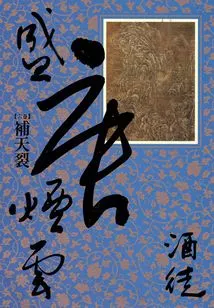
Tang Dynasty Yanyun 6: Mending the Sky
General Fiction盛唐烟云6:补天裂
Drinker
Wang Xun caught the rebels by surprise near Gyeonggi Province and effectively curbed the opponent's offensive. Tang armies everywhere were inspired and launched counterattacks one after another. In order to change the passive situation, An Lushan ordered his general Cui Qianyou to ignore Chang'an and directly attack Lingwu. The Lingwu court sent Fang Guan and others to attack, but Cui Qianyou defeated them. At the critical moment, Wang Xun arrived with his cavalry and used a clever trick to force Cui Qianyou back. This bought Guo Ziyi time to return to Lingwu and won the respect of heroes from all sides for the Anxi Army. The generals of the Tang Dynasty who had been dispersed came to surrender one after another, causing the strength of the Anxi Army to grow rapidly. Gradually became the backbone of the Tang Dynasty.
Wang Xun caught the rebels by surprise near Gyeonggi Province and effectively curbed the opponent's offensive. Tang armies everywhere were inspired and launched counterattacks one after another. In order to change the passive situation, An Lushan ordered his general Cui Qianyou to ignore Chang'an and directly attack Lingwu. The Lingwu court sent Fang Guan and others to attack, but Cui Qianyou defeated them. At the critical moment, Wang Xun arrived with his cavalry and used a clever trick to force Cui Qianyou back. This bought Guo Ziyi time to return to Lingwu and won the respect of heroes from all sides for the Anxi Army. The generals of the Tang Dynasty who had been dispersed came to surrender one after another, causing the strength of the Anxi Army to grow rapidly. Gradually became the backbone of the Tang Dynasty.
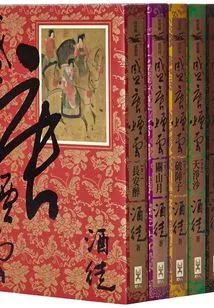
盛唐烟云(全集)
I
An out-and-out playboy. In order to take refuge, he entered the barracks and received military training under the instruction of Feng Changqing and other Anxi Army officers. Later, he was involved in the disaster he had avoided before, and was awarded a title for his meritorious service. After that, he was forced to take refuge in the Anxi Army because he accidentally witnessed a royal scandal. He didn't want Ge Shuhan to collude with the powerful people in the court and wanted to silence him. The protagonist was forced to fight to protect himself and finally came to Anxi. After that, he achieved several military exploits, but was persecuted by border orders. He had no choice but to lead 600 Tang troops on a westward patrol, show off his power and conquer the world, and was named the governor of Dawan by the imperial court. When the Anshi Rebellion broke out, he returned to the army for rescue, saved the Tang army many times, and defeated the Chang'an rebels so that they did not dare to leave the city. Later, in order to avenge Feng Changqing, he attacked Chang'an at night and entered the city first. The Huihe army burned, killed and looted in Chang'an, but he personally led his troops to stop them. Although it was against the will of the imperial court, Chang'an was saved.
An out-and-out playboy. In order to take refuge, he entered the barracks and received military training under the instruction of Feng Changqing and other Anxi Army officers. Later, he was involved in the disaster he had avoided before, and was awarded a title for his meritorious service. After that, he was forced to take refuge in the Anxi Army because he accidentally witnessed a royal scandal. He didn't want Ge Shuhan to collude with the powerful people in the court and wanted to silence him. The protagonist was forced to fight to protect himself and finally came to Anxi. After that, he achieved several military exploits, but was persecuted by border orders. He had no choice but to lead 600 Tang troops on a westward patrol, show off his power and conquer the world, and was named the governor of Dawan by the imperial court. When the Anshi Rebellion broke out, he returned to the army for rescue, saved the Tang army many times, and defeated the Chang'an rebels so that they did not dare to leave the city. Later, in order to avenge Feng Changqing, he attacked Chang'an at night and entered the city first. The Huihe army burned, killed and looted in Chang'an, but he personally led his troops to stop them. Although it was against the will of the imperial court, Chang'an was saved.
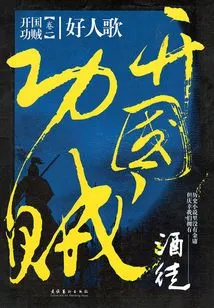
Founding Thief 1: Song of Good Guys
General Fiction开国功贼1:好人歌
Drinker
This is the story of a little man looking for his dream in troubled times. Cheng Mingzhen, a dock coolie, has no ambitions. His only wish in life is to marry his cousin Xiao Xinghua and take care of his sick mother with the latter. But things tend to go against expectations. At first he had nowhere to stay, and finally found a job with Xiang Yong, but he encountered rogue bandits attacking the city. With the help of his good friend Wang Ermao and a group of coolie brothers, he deceived the bandits, protected his fellow villagers, and captured the heart of the female bandit leader Du Juan. At the same time, he completely lost himself.
This is the story of a little man looking for his dream in troubled times. Cheng Mingzhen, a dock coolie, has no ambitions. His only wish in life is to marry his cousin Xiao Xinghua and take care of his sick mother with the latter. But things tend to go against expectations. At first he had nowhere to stay, and finally found a job with Xiang Yong, but he encountered rogue bandits attacking the city. With the help of his good friend Wang Ermao and a group of coolie brothers, he deceived the bandits, protected his fellow villagers, and captured the heart of the female bandit leader Du Juan. At the same time, he completely lost himself.
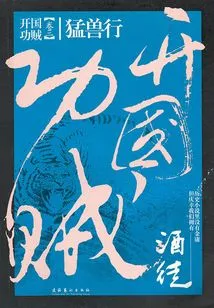
Founding Thief 3: Wild Beasts
General Fiction开国功贼3:猛兽行
Drinker
Du Juan was poisoned on her wedding night. Although she was finally rescued by Sun Tuozi's skillful hands, this incident unknowingly changed the minds of everyone who witnessed it. Cheng Mingzhen and Wang Ermao, who suffered great changes, gradually became cold-blooded. Following Zhang Jincheng's orders, they led the heroes of Juluze to conquer east and west, defeated the government troops many times, looted countless villages, and were no longer merciless in killing people. However, after the killing, I felt an overwhelming emptiness. Facing the arrogant Juluze bandits, Wuyang County Magistrate Shi Weizheng was forced to resort to alienation tactics. Zhang Jin said he saw through this plot, but it left a shadow in his heart. The shadow gradually grew bigger during the misunderstanding, and finally one day, the conspiracy bore fruit. Zhang Jincheng and Cheng Mingzhen turned against each other, and Juluze fell into pieces again. Subsequently, a large number of enemies pressed forward from all sides.
Du Juan was poisoned on her wedding night. Although she was finally rescued by Sun Tuozi's skillful hands, this incident unknowingly changed the minds of everyone who witnessed it. Cheng Mingzhen and Wang Ermao, who suffered great changes, gradually became cold-blooded. Following Zhang Jincheng's orders, they led the heroes of Juluze to conquer east and west, defeated the government troops many times, looted countless villages, and were no longer merciless in killing people. However, after the killing, I felt an overwhelming emptiness. Facing the arrogant Juluze bandits, Wuyang County Magistrate Shi Weizheng was forced to resort to alienation tactics. Zhang Jin said he saw through this plot, but it left a shadow in his heart. The shadow gradually grew bigger during the misunderstanding, and finally one day, the conspiracy bore fruit. Zhang Jincheng and Cheng Mingzhen turned against each other, and Juluze fell into pieces again. Subsequently, a large number of enemies pressed forward from all sides.
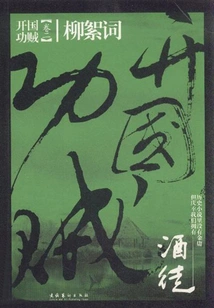
Founding Thief 2: Catkin Ci
General Fiction开国功贼2:柳絮词
Drinker
Cheng Mingzhen finally returned to Guantao after going through many hardships. He thought he could ask the county magistrate to fulfill his original promise, but unexpectedly, he was put on death row by the county magistrate for being a bandit. On death row, he finally understood why he had to die, and felt despair about everything in the world. The village heroes were indignant when they heard that Cheng Mingzhen had been wronged. Zhang Jincheng took the opportunity to attack, and Guantao County fell into the hands of bandits. After capturing Guantao County, Zhang Jin said that he massacred the officials and wealthy people in the city. Only a few people, including Zhou Ning, were saved by Cheng Mingzhen. Cheng Mingzhen entered Juluze again, became the new ninth master, and married Du Juan. On their wedding night, Zhou Ning poured poison into the combined wine of Cheng Mingzhen and Du Juan while no one was paying attention.
Cheng Mingzhen finally returned to Guantao after going through many hardships. He thought he could ask the county magistrate to fulfill his original promise, but unexpectedly, he was put on death row by the county magistrate for being a bandit. On death row, he finally understood why he had to die, and felt despair about everything in the world. The village heroes were indignant when they heard that Cheng Mingzhen had been wronged. Zhang Jincheng took the opportunity to attack, and Guantao County fell into the hands of bandits. After capturing Guantao County, Zhang Jin said that he massacred the officials and wealthy people in the city. Only a few people, including Zhou Ning, were saved by Cheng Mingzhen. Cheng Mingzhen entered Juluze again, became the new ninth master, and married Du Juan. On their wedding night, Zhou Ning poured poison into the combined wine of Cheng Mingzhen and Du Juan while no one was paying attention.
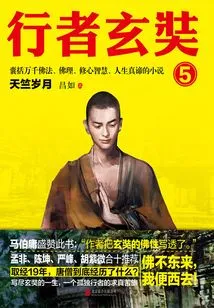
Traveler Xuanzang 5: the Years of Tianzhu
General Fiction行者玄奘5:天竺岁月
Chang Ru
After 19 years of studying Buddhist scriptures, what did Tang Monk experience? A unique book about faith and courage, including thousands of Buddhist teachings, principles, mind-cultivation wisdom and the true meaning of life. Open this book and walk into the legendary life of the eminent monk Xuanzang, listen to a true story full of adventures, and re-walk the human journey of depression, trouble and relief.
After 19 years of studying Buddhist scriptures, what did Tang Monk experience? A unique book about faith and courage, including thousands of Buddhist teachings, principles, mind-cultivation wisdom and the true meaning of life. Open this book and walk into the legendary life of the eminent monk Xuanzang, listen to a true story full of adventures, and re-walk the human journey of depression, trouble and relief.
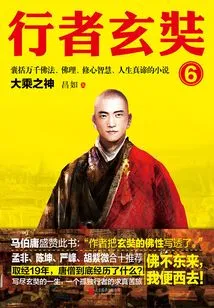
Traveler Xuanzang 6: God of Mahayana
General Fiction行者玄奘6:大乘之神
Chang Ru
After 19 years of studying Buddhist scriptures, what did Tang Monk experience? A unique book about faith and courage, including thousands of Buddhist teachings, principles, mind-cultivation wisdom and the true meaning of life. Open this book and walk into the legendary life of the eminent monk Xuanzang, listen to a true story full of adventures, and re-walk the human journey of depression, trouble and relief.
After 19 years of studying Buddhist scriptures, what did Tang Monk experience? A unique book about faith and courage, including thousands of Buddhist teachings, principles, mind-cultivation wisdom and the true meaning of life. Open this book and walk into the legendary life of the eminent monk Xuanzang, listen to a true story full of adventures, and re-walk the human journey of depression, trouble and relief.
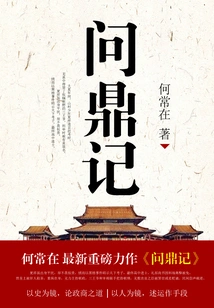
Aspirations to the Throne
General Fiction问鼎记
He Changzai
During the Great Xia Dynasty, when Xia Xiang, a young man from a mountain village, went to Beijing to take the imperial examination, he accidentally offended the powerful third prince and was intentionally expelled from the imperial examination. Although Xia Xiang was born as a commoner, he was not afraid of the powerful. He angrily exposed the blacklist incident to the world. In the end, he was a high school Jinshi and the Minister of Rites was dismissed due to examination fraud. However, the emperor was framed by a traitor and became seriously ill, unable to preside over the government. The three princes and the prime minister joined forces to control the government. Countless loyal ministers were dismissed or demoted, and there were widespread complaints among the people. After Xia Xiang passed the Jinshi examination, he was sent to Zhending as the county magistrate. Zhending was a land of dragons and tigers. How did he deal with four princes and four aristocratic families with his own power? Faced with the bottom-up force forced by the three princes and two aristocratic families, and the emperor had no children and could only pass on to one of the several princes, Xia Xiang embarked on an unprecedented path to the throne.
During the Great Xia Dynasty, when Xia Xiang, a young man from a mountain village, went to Beijing to take the imperial examination, he accidentally offended the powerful third prince and was intentionally expelled from the imperial examination. Although Xia Xiang was born as a commoner, he was not afraid of the powerful. He angrily exposed the blacklist incident to the world. In the end, he was a high school Jinshi and the Minister of Rites was dismissed due to examination fraud. However, the emperor was framed by a traitor and became seriously ill, unable to preside over the government. The three princes and the prime minister joined forces to control the government. Countless loyal ministers were dismissed or demoted, and there were widespread complaints among the people. After Xia Xiang passed the Jinshi examination, he was sent to Zhending as the county magistrate. Zhending was a land of dragons and tigers. How did he deal with four princes and four aristocratic families with his own power? Faced with the bottom-up force forced by the three princes and two aristocratic families, and the emperor had no children and could only pass on to one of the several princes, Xia Xiang embarked on an unprecedented path to the throne.
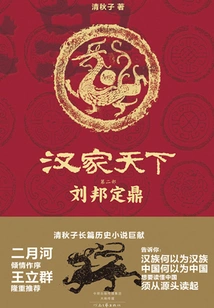
Han Family World 2: Liu Bang Dingding
General Fiction汉家天下2:刘邦定鼎
Qingqiuzi
Among the more than 200 emperors in Chinese history, Liu Bang is undoubtedly a humane and legendary one. He came from a humble background, was greedy for wine and lust, but he also knew people well and was willing to accept advice. From a humble country official to a generation of emperors, what is so special about Liu Bang? "Liu Bang Ding Ding", the second novel in the "Han Family World" series by the famous writer Qing Qiuzi, reveals for you how the grassroots emperor Liu Bang reached the pinnacle of power, what are his love and hatred that are different from ordinary people, what are his weaknesses, and his almost tragic ending. The second part of "The World of Han Dynasty", "Liu Bang Ding Ding", is magnificent, the details are humorous, the characters are ready to be revealed, and the ending of the story is regrettable.
Among the more than 200 emperors in Chinese history, Liu Bang is undoubtedly a humane and legendary one. He came from a humble background, was greedy for wine and lust, but he also knew people well and was willing to accept advice. From a humble country official to a generation of emperors, what is so special about Liu Bang? "Liu Bang Ding Ding", the second novel in the "Han Family World" series by the famous writer Qing Qiuzi, reveals for you how the grassroots emperor Liu Bang reached the pinnacle of power, what are his love and hatred that are different from ordinary people, what are his weaknesses, and his almost tragic ending. The second part of "The World of Han Dynasty", "Liu Bang Ding Ding", is magnificent, the details are humorous, the characters are ready to be revealed, and the ending of the story is regrettable.
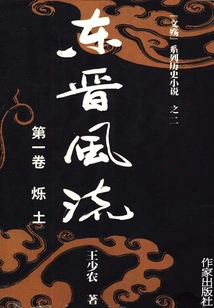
Romance of the Eastern Jin Dynasty: Shuotu (volume 1)
General Fiction东晋风流:烁土(第一卷)
Wang Shaonong
A large part of the book describes war in a positive and violent manner. It is "Martial Arts", not "Martial Arts". "Martial arts" means "martial arts", which is a very narrow thing. The so-called "great chivalrous people" are still "xiaxia", and what I am talking about here is "martial arts" (which belongs to the category of "literary arts"). This book is undoubtedly a Taoist work. The entire book (including the unfinished second, third, and fourth volumes) provides a panoramic description of the humanities, politics, and military of the entire Eastern Jin Dynasty to reveal the existence of Chinese literature and Taoism during that historical period.
A large part of the book describes war in a positive and violent manner. It is "Martial Arts", not "Martial Arts". "Martial arts" means "martial arts", which is a very narrow thing. The so-called "great chivalrous people" are still "xiaxia", and what I am talking about here is "martial arts" (which belongs to the category of "literary arts"). This book is undoubtedly a Taoist work. The entire book (including the unfinished second, third, and fourth volumes) provides a panoramic description of the humanities, politics, and military of the entire Eastern Jin Dynasty to reveal the existence of Chinese literature and Taoism during that historical period.
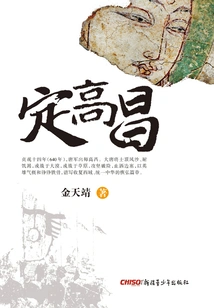
Ding Gaochang
General Fiction定高昌
Jin Tianjing
"Ding Gaochang" tells the story of Qibi Heli, a famous Tang general who returned from the Western Regions to the east, and Xue Wanjun, a general from Zuotun, who resolved their grievances and became brothers in the desperate battle to regain the Western Regions. They fought bravely against the enemy on both the north and south fronts of the Tianshan Mountains. There are both thrilling battle scenes and meticulous descriptions of scenes; there are both brief narrations about the mountains and the flying ink, and vivid descriptions of characters, forming a magnificent and majestic historical picture.
"Ding Gaochang" tells the story of Qibi Heli, a famous Tang general who returned from the Western Regions to the east, and Xue Wanjun, a general from Zuotun, who resolved their grievances and became brothers in the desperate battle to regain the Western Regions. They fought bravely against the enemy on both the north and south fronts of the Tianshan Mountains. There are both thrilling battle scenes and meticulous descriptions of scenes; there are both brief narrations about the mountains and the flying ink, and vivid descriptions of characters, forming a magnificent and majestic historical picture.
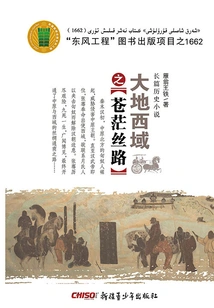
The Western Region of the Earth: the Vast Silk Road
General Fiction大地西域之:苍茫丝路
Yan Weng Wang Tie
The long historical novel "The Great Western Region" includes two companion volumes. "The Vast Silk Road" is the first one. It mainly tells the story of the rise of the Huns in the northern part of the Central Plains at the end of the Qin Dynasty and the beginning of the Han Dynasty, threatening the Central Plains dynasty. Until Emperor Wu of the Han Dynasty came to the throne, Zhang Qian was ordered to go to the Western Regions, hoping to contact the Yuezhi people to attack the Xiongnu and relieve the Han Dynasty's border troubles. After going through hardships and narrow escapes on the way, he finally opened the Silk Trade Road between the Central Plains and the Western Regions.
The long historical novel "The Great Western Region" includes two companion volumes. "The Vast Silk Road" is the first one. It mainly tells the story of the rise of the Huns in the northern part of the Central Plains at the end of the Qin Dynasty and the beginning of the Han Dynasty, threatening the Central Plains dynasty. Until Emperor Wu of the Han Dynasty came to the throne, Zhang Qian was ordered to go to the Western Regions, hoping to contact the Yuezhi people to attack the Xiongnu and relieve the Han Dynasty's border troubles. After going through hardships and narrow escapes on the way, he finally opened the Silk Trade Road between the Central Plains and the Western Regions.
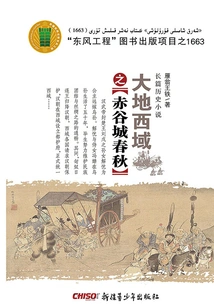
大地西域之:赤谷城春秋
Yan Weng Wang Tie
The long historical novel "The Great Western Region" includes two companion volumes. "Chigucheng Spring and Autumn" is the second part. It mainly tells the story of the Han Dynasty who made Xijun, the daughter of King Jiangdu, a princess and married King Wusun away from home. Xijun was unfit for life outside the Great Wall and died. Emperor Wu of the Han Dynasty then married Princess Jieyoufeng, the granddaughter of King Liu Wu of Chu, to Wang Junxumi of Wusun, the grandson of Lie Mi. Jieyou and his maid Feng Liao lived in Wusun for fifty years. During this period, King Ri Zhu of the Xiongnu returned to the Han Dynasty. Countries in the Western Regions requested the protection of the Han Dynasty. The Han Dynasty established a Protectorate in the Western Regions and officially unified the Western Regions.
The long historical novel "The Great Western Region" includes two companion volumes. "Chigucheng Spring and Autumn" is the second part. It mainly tells the story of the Han Dynasty who made Xijun, the daughter of King Jiangdu, a princess and married King Wusun away from home. Xijun was unfit for life outside the Great Wall and died. Emperor Wu of the Han Dynasty then married Princess Jieyoufeng, the granddaughter of King Liu Wu of Chu, to Wang Junxumi of Wusun, the grandson of Lie Mi. Jieyou and his maid Feng Liao lived in Wusun for fifty years. During this period, King Ri Zhu of the Xiongnu returned to the Han Dynasty. Countries in the Western Regions requested the protection of the Han Dynasty. The Han Dynasty established a Protectorate in the Western Regions and officially unified the Western Regions.
Sui Dynasty 3: Song of the Great Wind
General Fiction隋乱3:大风歌
Drinker
Emperor Yang of the Sui Dynasty returned from his first expedition to Goryeo in defeat. After a fierce and bloody battle, Li Xu and Liu Hongji finally escaped. Afterwards, the Yuwen family tried every means to win over Li Xu, and Li Waner became angry with Li Xu... Unwilling to do so, Yang Guang once again sent troops to Liaohe. But just when Yuwenshu was about to capture Liaoyang City, Yang Xuangan suddenly led his troops to rebel, and the world was shocked...
Emperor Yang of the Sui Dynasty returned from his first expedition to Goryeo in defeat. After a fierce and bloody battle, Li Xu and Liu Hongji finally escaped. Afterwards, the Yuwen family tried every means to win over Li Xu, and Li Waner became angry with Li Xu... Unwilling to do so, Yang Guang once again sent troops to Liaohe. But just when Yuwenshu was about to capture Liaoyang City, Yang Xuangan suddenly led his troops to rebel, and the world was shocked...
Founding Thief 5: Happy Wind
General Fiction开国功贼5:快哉风
Drinker
Dou Jiande insisted on the northern expedition to Boling, but Cheng Mingzhen's advice was fruitless, so he had to work hard to preserve the Dou family's army's retreat. In the battle with Chai Shao, his full strength was unfortunately exposed. When Dou Jiande returned from defeat, he increasingly felt that Cheng Mingzhen was a threat to him. At the same time, he also set his sights on the sacred land of Ping'en County. So he held a Hongmen Banquet to prepare for his capture. With the help of his old acquaintance Jiang Bailing, Cheng Minzhen escaped overnight and took the opportunity to rescue his good friend Wang Fubao who was imprisoned by Dou Jiande.
Dou Jiande insisted on the northern expedition to Boling, but Cheng Mingzhen's advice was fruitless, so he had to work hard to preserve the Dou family's army's retreat. In the battle with Chai Shao, his full strength was unfortunately exposed. When Dou Jiande returned from defeat, he increasingly felt that Cheng Mingzhen was a threat to him. At the same time, he also set his sights on the sacred land of Ping'en County. So he held a Hongmen Banquet to prepare for his capture. With the help of his old acquaintance Jiang Bailing, Cheng Minzhen escaped overnight and took the opportunity to rescue his good friend Wang Fubao who was imprisoned by Dou Jiande.
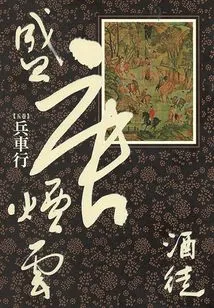
Tang Dynasty Smoke and Clouds 5: Troops and Chariots
General Fiction盛唐烟云5:兵车行
Drinker
In Huating County, not far from Chang'an, Wang Xun led the leading troops and met Feng Bin, a young eunuch who came to deliver the order. The latter tried to kill him and take away command of the troops. However, Wang Xun saw through the plot in advance and captured him directly. The young eunuch Feng Bin was afraid of death and confessed to Wang Xun that Feng Changqing had been killed by the court six months ago. The former Anxi Army was also dismembered by the imperial court, and part of it was transferred to Hedong. The other part, together with the Hexi Army led by Ge Shuhan, was wiped out by the rebels outside Tongguan City.
In Huating County, not far from Chang'an, Wang Xun led the leading troops and met Feng Bin, a young eunuch who came to deliver the order. The latter tried to kill him and take away command of the troops. However, Wang Xun saw through the plot in advance and captured him directly. The young eunuch Feng Bin was afraid of death and confessed to Wang Xun that Feng Changqing had been killed by the court six months ago. The former Anxi Army was also dismembered by the imperial court, and part of it was transferred to Hedong. The other part, together with the Hexi Army led by Ge Shuhan, was wiped out by the rebels outside Tongguan City.
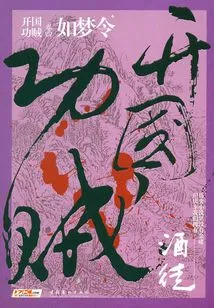
Founding Thief 4: Ru Meng Ling
General Fiction开国功贼4:如梦令
Drinker
Zhang Jincheng was defeated and died. Cheng Mingzhen, Lu Fangyuan, Wang Deren, Han Jianhong and others competed for the top spot on Hebei Green Forest Road under the pretext of revenge for Zhang Jincheng. Qinghe County Prime Minister Yang Shanhui also tried to integrate the local government and military forces in Hebei to suppress bandits. The officials and the bandits squared off to fight, and they were at odds with each other. Secretly, everyone has their own ambitions, and they all want to be the fishermen who make the final profit. Cheng Mingzhen, who had obtained Zhang Jinsheng's true biography, not only defeated the officers and soldiers led by Yang Shanhui, but also took the opportunity to swallow up the bandits of Lu Fangyuan. Unexpectedly, with the mantis stalking the cicada and the oriole behind, the Wagang army stepped out of the way and allowed a large group of Sui soldiers to kill Cheng Mingzhen behind him.
Zhang Jincheng was defeated and died. Cheng Mingzhen, Lu Fangyuan, Wang Deren, Han Jianhong and others competed for the top spot on Hebei Green Forest Road under the pretext of revenge for Zhang Jincheng. Qinghe County Prime Minister Yang Shanhui also tried to integrate the local government and military forces in Hebei to suppress bandits. The officials and the bandits squared off to fight, and they were at odds with each other. Secretly, everyone has their own ambitions, and they all want to be the fishermen who make the final profit. Cheng Mingzhen, who had obtained Zhang Jinsheng's true biography, not only defeated the officers and soldiers led by Yang Shanhui, but also took the opportunity to swallow up the bandits of Lu Fangyuan. Unexpectedly, with the mantis stalking the cicada and the oriole behind, the Wagang army stepped out of the way and allowed a large group of Sui soldiers to kill Cheng Mingzhen behind him.

The First Light, the Last Darkness
General Fiction最初的光明,最后的黑暗
(u. S.) Graham Moore
In New York in 1888, gas lights were still flickering over the city, but the miracle of "electricity" had already sprouted. Whoever masters the technology that turns night into day will make history-and gain great wealth. Thomas Edison led the race, suing his only remaining competitor, George Westinghouse, for an unprecedented billion dollars. Westinghouse made a choice that shocked everyone: He hired Paul, a 26-year-old rookie lawyer with no experience. Edison is a powerful, cunning and dangerous opponent, and the challenges Paul faces are daunting. But one thing he has in common with his more famous rivals is the urge to win at any cost. This lawsuit gave Paul the opportunity to see the madness of New York's upper class during the Gilded Age - he discovered that everyone had their own plans and everyone had something different beneath the surface, until he met Nikola Tesla - an eccentric but brilliant inventor who may hold the key to defeating Edison.
In New York in 1888, gas lights were still flickering over the city, but the miracle of "electricity" had already sprouted. Whoever masters the technology that turns night into day will make history-and gain great wealth. Thomas Edison led the race, suing his only remaining competitor, George Westinghouse, for an unprecedented billion dollars. Westinghouse made a choice that shocked everyone: He hired Paul, a 26-year-old rookie lawyer with no experience. Edison is a powerful, cunning and dangerous opponent, and the challenges Paul faces are daunting. But one thing he has in common with his more famous rivals is the urge to win at any cost. This lawsuit gave Paul the opportunity to see the madness of New York's upper class during the Gilded Age - he discovered that everyone had their own plans and everyone had something different beneath the surface, until he met Nikola Tesla - an eccentric but brilliant inventor who may hold the key to defeating Edison.
Romance of the Yuan Dynasty (modern Vernacular Version)
General Fiction元史演义(现代白话版)
Cai Dongfan
"The Romance of the Yuan Dynasty" is the Yuan Dynasty part of the "Popular Romance of the Dynasties". It introduces in detail the magnificent history of more than a century from the birth of the Temujin family, the unification of Mongolia, the establishment of the Yuan Dynasty, the expansion of territory, to the uprising at the end of the Yuan Dynasty, the creation of the Ming Dynasty by Zhu Yuanzhang, and the demise of the Yuan Dynasty. "The Romance of the History of the Yuan Dynasty" vividly describes the political, economic, military and other aspects of the Yuan Dynasty in the form of character romances. The stories of the emperors of the Yuan Dynasty and many famous ministers and generals unfold one after another. The characters are rich, the writing is smooth, the stories are vivid, and the comments are unique, making people unable to put down the book.
"The Romance of the Yuan Dynasty" is the Yuan Dynasty part of the "Popular Romance of the Dynasties". It introduces in detail the magnificent history of more than a century from the birth of the Temujin family, the unification of Mongolia, the establishment of the Yuan Dynasty, the expansion of territory, to the uprising at the end of the Yuan Dynasty, the creation of the Ming Dynasty by Zhu Yuanzhang, and the demise of the Yuan Dynasty. "The Romance of the History of the Yuan Dynasty" vividly describes the political, economic, military and other aspects of the Yuan Dynasty in the form of character romances. The stories of the emperors of the Yuan Dynasty and many famous ministers and generals unfold one after another. The characters are rich, the writing is smooth, the stories are vivid, and the comments are unique, making people unable to put down the book.
Romance of Qing History (modern Vernacular Revised Edition)
General Fiction清史演义(现代白话修订版)
Cai Dongfan
"The Romance of Qing History" is the Qing Dynasty part of "Popular Romance of the Past Dynasties". It is one of the series of long historical novels created by Cai Dongfan in the Republic of China under the guidance of the idea of "Romance to save the country". "The History of the Qing Dynasty" has one hundred chapters, covering nearly three hundred years of historical events from the rise of the Qing Dynasty in the Northeast to Xuantong's abdication and leaving the palace. All major historical facts in the book are well-founded, and each chapter is highly readable. It can be said to have created a new genre of historical novels.
"The Romance of Qing History" is the Qing Dynasty part of "Popular Romance of the Past Dynasties". It is one of the series of long historical novels created by Cai Dongfan in the Republic of China under the guidance of the idea of "Romance to save the country". "The History of the Qing Dynasty" has one hundred chapters, covering nearly three hundred years of historical events from the rise of the Qing Dynasty in the Northeast to Xuantong's abdication and leaving the palace. All major historical facts in the book are well-founded, and each chapter is highly readable. It can be said to have created a new genre of historical novels.