Library
Browse and search books
2,273 novels found

Counterattack on Yichang (non-fiction)
General Fiction反攻宜昌(非虚构)
Chen Hongcan
In early 1941, Japan took advantage of the fact that Britain and the United States were busy dealing with the war in Europe and actively sought to advance southward. The contradiction between Japan and Britain and the United States became increasingly acute. The United States also hopes to use China's war of resistance to delay and consume Japan, so it has strengthened its assistance to China. Japan strongly feels that the war it is waging in the Far East is actually targeting China, the Soviet Union, the United States, and Britain. Therefore, dealing with the China issue must be comprehensively considered with the resolution of the southern issue and the northern issue and make long-term plans. Therefore, the Japanese Army General Staff Headquarters formulated the "Guidance Outline for the Long-term War in Greater East Asia" and the "Guidance Plan for Long-term Operations against China." These two documents were approved at the headquarters meeting on January 16, 1941, and were adjudicated by the Emperor at the Imperial Council.
In early 1941, Japan took advantage of the fact that Britain and the United States were busy dealing with the war in Europe and actively sought to advance southward. The contradiction between Japan and Britain and the United States became increasingly acute. The United States also hopes to use China's war of resistance to delay and consume Japan, so it has strengthened its assistance to China. Japan strongly feels that the war it is waging in the Far East is actually targeting China, the Soviet Union, the United States, and Britain. Therefore, dealing with the China issue must be comprehensively considered with the resolution of the southern issue and the northern issue and make long-term plans. Therefore, the Japanese Army General Staff Headquarters formulated the "Guidance Outline for the Long-term War in Greater East Asia" and the "Guidance Plan for Long-term Operations against China." These two documents were approved at the headquarters meeting on January 16, 1941, and were adjudicated by the Emperor at the Imperial Council.

Fire Triple Jump
General Fiction火烧三节跳
Jingshan
At the end of the Qing Dynasty and the beginning of the Republic of China, there was an ancient town on the south bank of the Haihe River named "Sanjietiao". Since the Yuan Dynasty, this place has been an important transit point for water transportation from north to south to Beijing and Tianjin. In the coastal provinces, starting from Liaoning in the north to Guangdong, Guangxi, Wuyue in the south, many tributes paid to the imperial court were transferred to Beijing by ship. Therefore, when it comes to the three-section jump, the Yamen merchants, boat owners and shops in Beijing and Tianjin all know its name. The town has a long east-west street, which runs along the Haihe River and winds for several miles. Both sides of the long street are crowded with large and small shops. Throughout the year, merchants traveling from north to south, actors running on the docks, entertainers who perform monkey tricks, sell plasters and perform tricks are also mixed in. Tea taverns, inns, brothels, and casinos and opium dens emerged in the town, and business was booming. It's spring and summer.
At the end of the Qing Dynasty and the beginning of the Republic of China, there was an ancient town on the south bank of the Haihe River named "Sanjietiao". Since the Yuan Dynasty, this place has been an important transit point for water transportation from north to south to Beijing and Tianjin. In the coastal provinces, starting from Liaoning in the north to Guangdong, Guangxi, Wuyue in the south, many tributes paid to the imperial court were transferred to Beijing by ship. Therefore, when it comes to the three-section jump, the Yamen merchants, boat owners and shops in Beijing and Tianjin all know its name. The town has a long east-west street, which runs along the Haihe River and winds for several miles. Both sides of the long street are crowded with large and small shops. Throughout the year, merchants traveling from north to south, actors running on the docks, entertainers who perform monkey tricks, sell plasters and perform tricks are also mixed in. Tea taverns, inns, brothels, and casinos and opium dens emerged in the town, and business was booming. It's spring and summer.

Fire Fox (novella)
General Fiction火狐狸(中篇小说)
Ye Xuesong
In order to search for the relics of the Northeast Anti-Japanese War, I visited the deep mountains and forests in the Greater Khingan Mountains several times. At the end of the Year of the Horse, in Mordaogarin District, I met Ma Youjiang, the director of the management station. My friend Lao Xing, a writer in Mordao Galin District, told me that Ma Youjiang is of pure Manchu descent. His ancestral surname is Ma Jia, and his ancestor was Sheng Yin, the Minister of Rites during the Daoguang period. Although I am Manchu on my ID card, to be honest, I am only a quarter of Manchu. I am blessed with the light of my Koromama (in Manchu, that is grandma). At that time, the county where I was located was changed to a Manchu Autonomous County. It was said that there were many preferential policies, so I changed my ethnicity to Manchu along with those who wanted to enjoy the preferential policies. My grandma is of pure Manchu descent. Although I have more Han ancestry, I have been interested in the Manchus since I was a child.
In order to search for the relics of the Northeast Anti-Japanese War, I visited the deep mountains and forests in the Greater Khingan Mountains several times. At the end of the Year of the Horse, in Mordaogarin District, I met Ma Youjiang, the director of the management station. My friend Lao Xing, a writer in Mordao Galin District, told me that Ma Youjiang is of pure Manchu descent. His ancestral surname is Ma Jia, and his ancestor was Sheng Yin, the Minister of Rites during the Daoguang period. Although I am Manchu on my ID card, to be honest, I am only a quarter of Manchu. I am blessed with the light of my Koromama (in Manchu, that is grandma). At that time, the county where I was located was changed to a Manchu Autonomous County. It was said that there were many preferential policies, so I changed my ethnicity to Manchu along with those who wanted to enjoy the preferential policies. My grandma is of pure Manchu descent. Although I have more Han ancestry, I have been interested in the Manchus since I was a child.

National Memory
General Fiction民族记忆
Zhang Xiaotian
Zhang Xiaotian was born in Changyi County, Shandong Province. He graduated from the History Department of Northeast Normal University in August 1961. He began to publish literary works in the 1960s. He served as screenwriter and deputy director of Changchun Film Studio, chairman of Jilin Provincial Writers Association, chairman of Jilin Provincial Federation of Literary and Art Circles, member of the National Committee of China Federation of Literary and Art Circles, member of the presidium of the Chinese Writers Association, vice president of the Chinese Film and Literature Society, and a first-class writer. Jilin Province Model Worker. He is a member of the 8th Provincial Committee of the Chinese People's Political Consultative Conference, a representative of the 7th, 8th and 9th CPC National Congress, a representative of the 16th and 17th National Congress of the Communist Party of China, and a policy decision-making advisory committee member of the Jilin Provincial Committee of the Communist Party of China. He has been awarded the first and second batches of provincial outstanding experts, twice the title of provincial senior expert, and in 2012, he was awarded the title of senior (lifelong) senior expert of Jilin Province. He has won the Changbai Mountain Literature and Art Award and Lifetime Achievement Award, the highest honor awarded by the Jilin Provincial Government eight times. Enjoy special allowances from the State Council. He is an expert directly managed by the Organization Department of the CPC Central Committee.
Zhang Xiaotian was born in Changyi County, Shandong Province. He graduated from the History Department of Northeast Normal University in August 1961. He began to publish literary works in the 1960s. He served as screenwriter and deputy director of Changchun Film Studio, chairman of Jilin Provincial Writers Association, chairman of Jilin Provincial Federation of Literary and Art Circles, member of the National Committee of China Federation of Literary and Art Circles, member of the presidium of the Chinese Writers Association, vice president of the Chinese Film and Literature Society, and a first-class writer. Jilin Province Model Worker. He is a member of the 8th Provincial Committee of the Chinese People's Political Consultative Conference, a representative of the 7th, 8th and 9th CPC National Congress, a representative of the 16th and 17th National Congress of the Communist Party of China, and a policy decision-making advisory committee member of the Jilin Provincial Committee of the Communist Party of China. He has been awarded the first and second batches of provincial outstanding experts, twice the title of provincial senior expert, and in 2012, he was awarded the title of senior (lifelong) senior expert of Jilin Province. He has won the Changbai Mountain Literature and Art Award and Lifetime Achievement Award, the highest honor awarded by the Jilin Provincial Government eight times. Enjoy special allowances from the State Council. He is an expert directly managed by the Organization Department of the CPC Central Committee.

Murderous Tongue
General Fiction杀人的舌头
Gao Zhanxiang
Sun Wu raised his head and looked at Zhang Huatai, and couldn't help but sigh with emotion: "Prince, Prince, back then you had a keen eye for knowing people, and you were courteous to virtuous corporals. You gave me the beloved Zhanlu Sword and had high hopes for me. In order to revenge, I have been working hard for sixteen years; to repay my kindness, I have been wearing a strong sword for sixteen years. Now, Kill the culprit, kill the culprit, and avenge you. You can rest in peace under the Nine Springs." He pointed his sword at the high platform and said, "Come here, burn Zhanghuatai!" The soldiers of Wu State raised their torches, rushed to Zhanghuatai, and lit the curtains and windows. In an instant, flames burst into flames. Sun Wu and Wu Zixu stood side by side with swords in their hands, and with cruel smiles, they witnessed the peerless masterpiece being reduced to ashes in the raging fire.
Sun Wu raised his head and looked at Zhang Huatai, and couldn't help but sigh with emotion: "Prince, Prince, back then you had a keen eye for knowing people, and you were courteous to virtuous corporals. You gave me the beloved Zhanlu Sword and had high hopes for me. In order to revenge, I have been working hard for sixteen years; to repay my kindness, I have been wearing a strong sword for sixteen years. Now, Kill the culprit, kill the culprit, and avenge you. You can rest in peace under the Nine Springs." He pointed his sword at the high platform and said, "Come here, burn Zhanghuatai!" The soldiers of Wu State raised their torches, rushed to Zhanghuatai, and lit the curtains and windows. In an instant, flames burst into flames. Sun Wu and Wu Zixu stood side by side with swords in their hands, and with cruel smiles, they witnessed the peerless masterpiece being reduced to ashes in the raging fire.

求闻史记·辗转红尘
Strange And Segao
The army of Qin State has slowly divided up to the left and right, watching in silence as the former supervisory army slowly left. The back figures of the two people and the horse gradually drifted away in the howling wind, and finally turned into black spots that were too blurry to be seen clearly. Whether it was Meng Tian or the imperial envoy, at this moment, they suddenly felt that whether they were in the court or among the forest of spears and halberds, the family, country and world they were attached to were so meaningless - even those who had the power to overturn the world with a single movement of their arms abandoned it like a pile of waste, so what were they struggling with? The blue sky is boundless, the grasslands are boundless, the world is so vast and vast, but there are only a handful of people who can really have a king's heart that carries it in their hearts, and people like me may only be able to immerse themselves in the busy life of the world.
The army of Qin State has slowly divided up to the left and right, watching in silence as the former supervisory army slowly left. The back figures of the two people and the horse gradually drifted away in the howling wind, and finally turned into black spots that were too blurry to be seen clearly. Whether it was Meng Tian or the imperial envoy, at this moment, they suddenly felt that whether they were in the court or among the forest of spears and halberds, the family, country and world they were attached to were so meaningless - even those who had the power to overturn the world with a single movement of their arms abandoned it like a pile of waste, so what were they struggling with? The blue sky is boundless, the grasslands are boundless, the world is so vast and vast, but there are only a handful of people who can really have a king's heart that carries it in their hearts, and people like me may only be able to immerse themselves in the busy life of the world.

Liu Bang's Imperial Life
General Fiction刘邦的帝王生活
Wei Daocun
Liu Bang, the noble emperor, returned to Peixian County and was warmly entertained by his father and fellow villagers. He stayed there for more than half a month. During this period, he issued a decree to exempt the people of Peixian County from taxes and corvee for generations, but did not include Fengyi. Everyone in Pei is grateful after hearing this. But before leaving, all the villagers stopped Liu Bang and refused to leave. They knelt down and asked Liu Bang to relieve the people of Fengyi from the burden. They said: "Although your majesty grew up drinking the water of Pei County, he is called Pei Gong, and has a deeper relationship with Peixian, but after all, he is born in Fengyi. Both Fengyi and Peixian are your hometown. The two places are close neighbors and relatives." Relatives, how can your majesty only exempt the people of Peixian County from taxes and corvee, but not the people of Fengyi? "Liu Bang said: "I was just living in Fengyi, and I almost died there before I was born. When I saw the Qin army coming to slaughter the babies, my neighbors were trying to protect themselves, and they did not hesitate to frame my family, causing the whole family to become homeless. How could I be affected by the people of Fengyi?
Liu Bang, the noble emperor, returned to Peixian County and was warmly entertained by his father and fellow villagers. He stayed there for more than half a month. During this period, he issued a decree to exempt the people of Peixian County from taxes and corvee for generations, but did not include Fengyi. Everyone in Pei is grateful after hearing this. But before leaving, all the villagers stopped Liu Bang and refused to leave. They knelt down and asked Liu Bang to relieve the people of Fengyi from the burden. They said: "Although your majesty grew up drinking the water of Pei County, he is called Pei Gong, and has a deeper relationship with Peixian, but after all, he is born in Fengyi. Both Fengyi and Peixian are your hometown. The two places are close neighbors and relatives." Relatives, how can your majesty only exempt the people of Peixian County from taxes and corvee, but not the people of Fengyi? "Liu Bang said: "I was just living in Fengyi, and I almost died there before I was born. When I saw the Qin army coming to slaughter the babies, my neighbors were trying to protect themselves, and they did not hesitate to frame my family, causing the whole family to become homeless. How could I be affected by the people of Fengyi?

The Princess and the Prince Consort Selling Bronze Mirrors
General Fiction卖铜镜的公主与驸马
Wu Wenhua
The season has entered late autumn. For more than ten days, the cold wind has been constant and the rain has been falling. Whether it is the official road or the small road on the south bank of the Yangtze River, it has long been trampled into mud by the ragged people who escaped from the north bank of the Yangtze River, supporting the elderly and the young. On the north bank of the Yangtze River, the sky is full of flames and the sun is shining across the fields. During the Northern and Southern Dynasties, the soldiers of the Chen Dynasty, the last dynasty in the Southern Dynasty, were defeated in a panic. They burned, killed, looted and looted along the way. The people in the south of the Yangtze River could not bear the suffering. They screamed for heaven and earth and were also preparing to escape. The founding emperor of the Sui Dynasty, Emperor Wen of Sui, sent his son Yang Guang, King of Jin, to lead an army of 500,000, which had already reached the edge of the Yangtze River. Seeing that the capital of the Chen Dynasty, Jianye (today's Nanjing City), could not be defended, the subjects were frightened and panicked. Evacuate belongings and prepare to flee south.
The season has entered late autumn. For more than ten days, the cold wind has been constant and the rain has been falling. Whether it is the official road or the small road on the south bank of the Yangtze River, it has long been trampled into mud by the ragged people who escaped from the north bank of the Yangtze River, supporting the elderly and the young. On the north bank of the Yangtze River, the sky is full of flames and the sun is shining across the fields. During the Northern and Southern Dynasties, the soldiers of the Chen Dynasty, the last dynasty in the Southern Dynasty, were defeated in a panic. They burned, killed, looted and looted along the way. The people in the south of the Yangtze River could not bear the suffering. They screamed for heaven and earth and were also preparing to escape. The founding emperor of the Sui Dynasty, Emperor Wen of Sui, sent his son Yang Guang, King of Jin, to lead an army of 500,000, which had already reached the edge of the Yangtze River. Seeing that the capital of the Chen Dynasty, Jianye (today's Nanjing City), could not be defended, the subjects were frightened and panicked. Evacuate belongings and prepare to flee south.

South and North
General Fiction南方与北方
Zhao Baitian
The Shandong issue that was unresolved at the Paris Peace Conference was finally resolved at the 1921 Washington Conference. After 36 rounds of negotiations, Japan reluctantly surrendered its occupied Shandong rights and interests, and China and Japan signed the Treaty on the Resolution of Uncensored Cases in Shandong and its annexes. It stipulates that the Japanese troops will withdraw from Shandong Province, the sovereignty of the German leased land in Jiaozhou Bay and Qingdao Customs will be returned to China, and the Jiaoji Railway will be redeemed by China. China has full power, and it is still Gu Weijun, Wang Zhengting and others who participated in the Paris Peace Conference two years ago. After the agreement was signed, the government assigned Wang Zhengting to serve as the supervisor of the "Reception Office of Jiao'ao" to negotiate with the Japanese side and handle the reception matters. The settlement of the Shandong issue was later evaluated by the consultant as "China's gain has exceeded 50%." Although it was not satisfactory, it could be regarded as a great victory in the diplomatic history of the Republic of China.
The Shandong issue that was unresolved at the Paris Peace Conference was finally resolved at the 1921 Washington Conference. After 36 rounds of negotiations, Japan reluctantly surrendered its occupied Shandong rights and interests, and China and Japan signed the Treaty on the Resolution of Uncensored Cases in Shandong and its annexes. It stipulates that the Japanese troops will withdraw from Shandong Province, the sovereignty of the German leased land in Jiaozhou Bay and Qingdao Customs will be returned to China, and the Jiaoji Railway will be redeemed by China. China has full power, and it is still Gu Weijun, Wang Zhengting and others who participated in the Paris Peace Conference two years ago. After the agreement was signed, the government assigned Wang Zhengting to serve as the supervisor of the "Reception Office of Jiao'ao" to negotiate with the Japanese side and handle the reception matters. The settlement of the Shandong issue was later evaluated by the consultant as "China's gain has exceeded 50%." Although it was not satisfactory, it could be regarded as a great victory in the diplomatic history of the Republic of China.

Grandma's Legendary Life
General Fiction奶奶的传奇人生
Brother Li
Grandma said that she had selfish motives at the time. She always believed that it was her responsibility for the death of her second grandfather, and she felt very guilty for this. Because grandma did not mark the artillery attack points in this area for the artillery, she mainly considered the safety of grandma and father, but unexpectedly she sacrificed the second grandfather. Grandma was very sad, so she stayed secretly. As an intelligence agent of the Communist Party, grandma's identity has been kept secret. With the sacrifice of the second grandfather, grandma's identity has also become a historical secret, unknown to the world. The boss relied on his past contact information and grandma's name, which was unknown to outsiders and was used by the intelligence department, to send his men to rescue grandma and father who were under dictatorship during the Cultural Revolution.
Grandma said that she had selfish motives at the time. She always believed that it was her responsibility for the death of her second grandfather, and she felt very guilty for this. Because grandma did not mark the artillery attack points in this area for the artillery, she mainly considered the safety of grandma and father, but unexpectedly she sacrificed the second grandfather. Grandma was very sad, so she stayed secretly. As an intelligence agent of the Communist Party, grandma's identity has been kept secret. With the sacrifice of the second grandfather, grandma's identity has also become a historical secret, unknown to the world. The boss relied on his past contact information and grandma's name, which was unknown to outsiders and was used by the intelligence department, to send his men to rescue grandma and father who were under dictatorship during the Cultural Revolution.
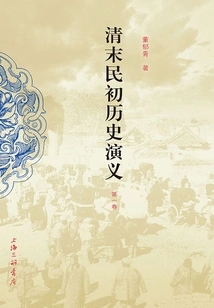
Historical Romance of the Late Qing Dynasty and the Early Republic of China (set of 5 Volumes in Total)
General Fiction清末民初历史演义(套装共5册)
Dong Yuqing
"The Complete Collection of Historical Romance in the Late Qing Dynasty and the Early Republic of China" touches on the relationship between the so-called "patronage network structure" in the late Qing Dynasty and the decline of the dynasty in the form of a novel. As Fairbank pointed out in "The Cambridge History of China in the Late Qing Dynasty", "the formation of a special form of political behavior in China during the Qing Dynasty, that is, the patronage network structure" was the root cause of bribery, nepotism, the prevalence of nepotism and political corruption in the officialdom of the late Qing Dynasty. "Historical Romance of the Late Qing Dynasty and the Early Republic of China" chronicles a series of anecdotes of important political figures, exposing and condemning the ugliness of officials in the late Qing Dynasty and the shady officialdom. It also reflects on the historical phenomenon of the patronage network structure constantly exceeding the controllable range and turning the political system into a tool of "self-interest" from a historical perspective. This also makes "Historical Romance of the Late Qing Dynasty and the Early Republic of China" go beyond the scope of general condemnation novels and have a more profound significance.
"The Complete Collection of Historical Romance in the Late Qing Dynasty and the Early Republic of China" touches on the relationship between the so-called "patronage network structure" in the late Qing Dynasty and the decline of the dynasty in the form of a novel. As Fairbank pointed out in "The Cambridge History of China in the Late Qing Dynasty", "the formation of a special form of political behavior in China during the Qing Dynasty, that is, the patronage network structure" was the root cause of bribery, nepotism, the prevalence of nepotism and political corruption in the officialdom of the late Qing Dynasty. "Historical Romance of the Late Qing Dynasty and the Early Republic of China" chronicles a series of anecdotes of important political figures, exposing and condemning the ugliness of officials in the late Qing Dynasty and the shady officialdom. It also reflects on the historical phenomenon of the patronage network structure constantly exceeding the controllable range and turning the political system into a tool of "self-interest" from a historical perspective. This also makes "Historical Romance of the Late Qing Dynasty and the Early Republic of China" go beyond the scope of general condemnation novels and have a more profound significance.
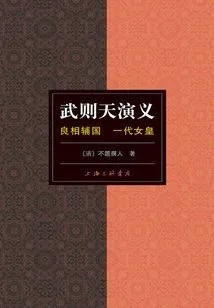
The Romance of Wu Zetian
General Fiction武则天演义
No Author Mentioned
"The Romance of Wu Zetian" (formerly known as Wu Zetian's Four Wonderful Cases) mainly reflects the political and social status quo at that time through the deeds of Di Renjie, a famous minister during the period when Wu Zetian was in charge of the country. It also indirectly describes Wu Zetian's dual characteristics of being both wise and debauched. Di Renjie and Wu Zetian, one is a famous official of a generation, and the other is a queen of a generation. "The Romance of Wu Zetian" uses Di Renjie to skillfully solve the four major mysterious cases during the Empress Wu period, and reproduces the bizarre, shocking and shocking social reality at that time. The author does not mention the author. On the surface, he is telling the story of Di Renjie, but in fact, he is arranging the imperial court at that time, borrowing the ancient people's models, or citing past events to encourage and punish. This is the reason why the author did not leave his real name, and he did not hesitate to write. No one will compare the Di Renjie in history with the Di Renjie in the novel. They only know that Di Renjie is really a great person; while Wu Zetian is reduced to a secondary role in the novel, serving as a foil to Di Gong. Is this the author's attitude towards Emperor Zetian?
"The Romance of Wu Zetian" (formerly known as Wu Zetian's Four Wonderful Cases) mainly reflects the political and social status quo at that time through the deeds of Di Renjie, a famous minister during the period when Wu Zetian was in charge of the country. It also indirectly describes Wu Zetian's dual characteristics of being both wise and debauched. Di Renjie and Wu Zetian, one is a famous official of a generation, and the other is a queen of a generation. "The Romance of Wu Zetian" uses Di Renjie to skillfully solve the four major mysterious cases during the Empress Wu period, and reproduces the bizarre, shocking and shocking social reality at that time. The author does not mention the author. On the surface, he is telling the story of Di Renjie, but in fact, he is arranging the imperial court at that time, borrowing the ancient people's models, or citing past events to encourage and punish. This is the reason why the author did not leave his real name, and he did not hesitate to write. No one will compare the Di Renjie in history with the Di Renjie in the novel. They only know that Di Renjie is really a great person; while Wu Zetian is reduced to a secondary role in the novel, serving as a foil to Di Gong. Is this the author's attitude towards Emperor Zetian?

Tomb of Lord D
General FictionD君之墓
Zhou Shaoxi
Strictly speaking, this is a documentary novel. Because Ms. D is a real person, she is my friend and a friend of many people; she was once a living life among us. She left quietly and tragically, going to the place she shouldn't have gone to early. As the years have passed, I have often thought about commemorating her in some way that would express the grief that I and so many others feel for her. After much thought, it was better to use a literary method, because she is a literary and artistic worker herself. Of course, I didn't want to write a condolence article. It would be too heavy, too rigid, and too pretentious, and she would not be happy if she knew it. The most appropriate way is novels. Novels can be as imaginative and expressive as you want. But I know very well that writing novels is not my strong point.
Strictly speaking, this is a documentary novel. Because Ms. D is a real person, she is my friend and a friend of many people; she was once a living life among us. She left quietly and tragically, going to the place she shouldn't have gone to early. As the years have passed, I have often thought about commemorating her in some way that would express the grief that I and so many others feel for her. After much thought, it was better to use a literary method, because she is a literary and artistic worker herself. Of course, I didn't want to write a condolence article. It would be too heavy, too rigid, and too pretentious, and she would not be happy if she knew it. The most appropriate way is novels. Novels can be as imaginative and expressive as you want. But I know very well that writing novels is not my strong point.

An Lushan Marries a Wife
General Fiction安禄山娶妻
Gao Hongxun
According to historical records, An Lushan, who launched the "An-Shi Rebellion", lived for sixty-two years, married four wives and gave birth to eleven sons. What is described here is the love story between the young An Lushan and a Khitan shepherd girl before he defected to the Tang army or developed any thoughts of rebellion. An Lushan spread his legs and rushed after him, but Huzi was still far behind. In the distance, at the junction of the white snowy fields and the dense ancient pine forest, Huzi's vigorous figure turned into a beating ink dot. It seemed that the snowshoe rabbit that came out to look for food early in the morning could never escape the tiger's two rows of sharp teeth. An Lushan stopped next to a huge rock covered with heavy snow. He felt sweat on his head and back, and his legs were sore and weak.
According to historical records, An Lushan, who launched the "An-Shi Rebellion", lived for sixty-two years, married four wives and gave birth to eleven sons. What is described here is the love story between the young An Lushan and a Khitan shepherd girl before he defected to the Tang army or developed any thoughts of rebellion. An Lushan spread his legs and rushed after him, but Huzi was still far behind. In the distance, at the junction of the white snowy fields and the dense ancient pine forest, Huzi's vigorous figure turned into a beating ink dot. It seemed that the snowshoe rabbit that came out to look for food early in the morning could never escape the tiger's two rows of sharp teeth. An Lushan stopped next to a huge rock covered with heavy snow. He felt sweat on his head and back, and his legs were sore and weak.

An Lushan Fled to Chang'an
General Fiction安禄山亡命长安
Gao Hongxun
Emperor Xuanzong of the Tang Dynasty, Li Longji, put down three palace rebellions. After more than 20 years of hard work, he created the famous "Kaiyuan Era" in Chinese history. However, in the bottom of his heart, a strong dissatisfaction gradually grew. What this dissatisfaction was, even he himself couldn't figure out for a while. In the summer of Tianbao's tenth year, his feeling became more and more intense like the intense heat day by day. Although his beloved concubine Ah Huan is good at singing and dancing, his trusted eunuch Gao Lishi is considerate.
Emperor Xuanzong of the Tang Dynasty, Li Longji, put down three palace rebellions. After more than 20 years of hard work, he created the famous "Kaiyuan Era" in Chinese history. However, in the bottom of his heart, a strong dissatisfaction gradually grew. What this dissatisfaction was, even he himself couldn't figure out for a while. In the summer of Tianbao's tenth year, his feeling became more and more intense like the intense heat day by day. Although his beloved concubine Ah Huan is good at singing and dancing, his trusted eunuch Gao Lishi is considerate.
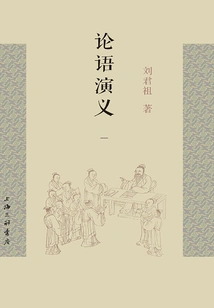
The Analects of Confucius (1)
General Fiction论语演义(一)
Liu Junzu
"The Analects of Confucius" can be said to be the first book in China. The Chinese society has been deeply influenced by it since childhood. Reading it at the age of eight touched my emotions, and reading it again at the age of eighty still feels endlessly meaningful. In life, you have to establish yourself and others, and reach others. I have almost talked about it in twenty chapters with more than 16,000 words. Every sentence is concise and concise. If you can understand it with an open mind and practice it sincerely, you can really benefit your body and mind. Due to the impact of the wave of modern Westernization, the contemporary world has become violent and people's hearts have been lost. Many people have re-explored the trial. However, the truth behind the wisdom of The Analects is still unknown to ordinary people. The Analects of Confucius is the first of the four books, with Confucius' thought as the core, its doctrines covering "The Great Learning" and "The Doctrine of the Mean", and inspiring the subsequent thoughts of "Mencius". If you are not familiar with the Five Classics, you will not really understand what the Analects of Confucius says. If you are familiar with the words of Confucius that were triggered by circumstances and revealed naturally, you will know what they mean and you will suddenly understand them.
"The Analects of Confucius" can be said to be the first book in China. The Chinese society has been deeply influenced by it since childhood. Reading it at the age of eight touched my emotions, and reading it again at the age of eighty still feels endlessly meaningful. In life, you have to establish yourself and others, and reach others. I have almost talked about it in twenty chapters with more than 16,000 words. Every sentence is concise and concise. If you can understand it with an open mind and practice it sincerely, you can really benefit your body and mind. Due to the impact of the wave of modern Westernization, the contemporary world has become violent and people's hearts have been lost. Many people have re-explored the trial. However, the truth behind the wisdom of The Analects is still unknown to ordinary people. The Analects of Confucius is the first of the four books, with Confucius' thought as the core, its doctrines covering "The Great Learning" and "The Doctrine of the Mean", and inspiring the subsequent thoughts of "Mencius". If you are not familiar with the Five Classics, you will not really understand what the Analects of Confucius says. If you are familiar with the words of Confucius that were triggered by circumstances and revealed naturally, you will know what they mean and you will suddenly understand them.

Iron-blooded Loyal Soul
General Fiction铁血忠魂
Xu Baoyun
The big cleavage blade is facing you, and you miss it and swing it horizontally to block the waist. You follow the wind and sweep the autumn leaves, sweeping across thousands of enemies and making it impossible to escape. You step up and lift like thunder, and the chain lifts the lower part of the willow at an angle. You use quick access to protect the left and right, and you move to change shape and thrust the bayonet. --The Northwestern Army's "Eight Breaking Swords" sword technique, returning to the team. One day at the end of January 1938, a train slowly drove into Wuhan Station. A large group of students who had gathered on the platform early in the morning shouted slogans and surrounded the soft sleeper box. Passengers in other carriages crowded to the window to watch the fun. Those who couldn't squeeze in asked those in front: "What's going on?" "They are arresting traitors! The mayor of Tianjin who said that the July 7th Incident was a traitor is in the box."
The big cleavage blade is facing you, and you miss it and swing it horizontally to block the waist. You follow the wind and sweep the autumn leaves, sweeping across thousands of enemies and making it impossible to escape. You step up and lift like thunder, and the chain lifts the lower part of the willow at an angle. You use quick access to protect the left and right, and you move to change shape and thrust the bayonet. --The Northwestern Army's "Eight Breaking Swords" sword technique, returning to the team. One day at the end of January 1938, a train slowly drove into Wuhan Station. A large group of students who had gathered on the platform early in the morning shouted slogans and surrounded the soft sleeper box. Passengers in other carriages crowded to the window to watch the fun. Those who couldn't squeeze in asked those in front: "What's going on?" "They are arresting traitors! The mayor of Tianjin who said that the July 7th Incident was a traitor is in the box."

Royal Deer Park Bodyguard Legend
General Fiction皇家鹿苑保镖传奇
Wu Qiangjia
The night in the mountains is mysterious and unpredictable. The mansion of Zhou Lianji, the Lutar official in the Royal Deer Garden, was brightly lit. In the center of the guest room was a table of sumptuous delicacies. Zhou Lianji, his wife Bao Shi, their eighteen-year-old daughter Zhou Caiyun, and their six-year-old son Zhou Zhenhai were sitting one after another, having dinner happily. Zhou Lianji drank a few more cups of "corn-flavored" liquor, and his face was full of spring breeze, and he was drunk. The tribute deer convoy has set off this morning. The tribute will definitely win the favor of the Empress Dowager Cixi and Emperor Guangxu. How could he not be happy! Suddenly, a shout came from the gate: "The second artilleryman is back!" Following the shout, a muscular man with a heavy back and a face covered in blood, followed by five tall young artillerymen, ran into the living room panting, and fell to his knees in front of Zhou Lianji.
The night in the mountains is mysterious and unpredictable. The mansion of Zhou Lianji, the Lutar official in the Royal Deer Garden, was brightly lit. In the center of the guest room was a table of sumptuous delicacies. Zhou Lianji, his wife Bao Shi, their eighteen-year-old daughter Zhou Caiyun, and their six-year-old son Zhou Zhenhai were sitting one after another, having dinner happily. Zhou Lianji drank a few more cups of "corn-flavored" liquor, and his face was full of spring breeze, and he was drunk. The tribute deer convoy has set off this morning. The tribute will definitely win the favor of the Empress Dowager Cixi and Emperor Guangxu. How could he not be happy! Suddenly, a shout came from the gate: "The second artilleryman is back!" Following the shout, a muscular man with a heavy back and a face covered in blood, followed by five tall young artillerymen, ran into the living room panting, and fell to his knees in front of Zhou Lianji.

Garden Grave Legend
General Fiction花园坟传奇
Zhou Gang
On the bank of the Yangtze River in the south of the Yangtze River, there is a garden tomb with green tombs, beautiful trees, and greenery. For many years, a poignant story has been circulating. During the Beiyang Government period, warlords separated the country and wars continued. In the autumn of the 13th year of the Republic of China (AD 1924), Qi Xieyuan, the governor of Jiangsu Province of the Zhili clique, fought against Lu Yongxiang, the governor of Zhejiang Province of the Anhui clique, in order to compete for the opium market in Shanghai. This was known as the Qi-Lu war. The battlefield was between Shanghai, Jiading and Kunshan. The two sides fought and the Soviet army suffered a defeat. The Soviet army was originally a mob with extremely bad military discipline. Wherever the defeated soldiers went, they raped, looted, and committed all kinds of evil. From then on, the peaceful south of the Yangtze River was involved in the troubled times where soldiers and bandits were rampant. But more than 20 miles west of Kunshan City, there is a large lake of ten thousand hectares, which is famous for its clam production and is called Clam Lake. There is an island in Clam Lake called Clam Mountain.
On the bank of the Yangtze River in the south of the Yangtze River, there is a garden tomb with green tombs, beautiful trees, and greenery. For many years, a poignant story has been circulating. During the Beiyang Government period, warlords separated the country and wars continued. In the autumn of the 13th year of the Republic of China (AD 1924), Qi Xieyuan, the governor of Jiangsu Province of the Zhili clique, fought against Lu Yongxiang, the governor of Zhejiang Province of the Anhui clique, in order to compete for the opium market in Shanghai. This was known as the Qi-Lu war. The battlefield was between Shanghai, Jiading and Kunshan. The two sides fought and the Soviet army suffered a defeat. The Soviet army was originally a mob with extremely bad military discipline. Wherever the defeated soldiers went, they raped, looted, and committed all kinds of evil. From then on, the peaceful south of the Yangtze River was involved in the troubled times where soldiers and bandits were rampant. But more than 20 miles west of Kunshan City, there is a large lake of ten thousand hectares, which is famous for its clam production and is called Clam Lake. There is an island in Clam Lake called Clam Mountain.

Scouting of Tiger Head Fortress
General Fiction虎头要塞侦察记
Wen Long
In Khabarovsk, General Li Kenong and Marshal Meretskov discussed the plan to dispatch troops. The 10th advance team parachuted into Hutou Mountain. The scouts of the small team broke into the Hutou Pass Fortress. July 19, 1945, Khabarovsk (Kaboli), Soviet Union. An IL twin-engine aircraft painted with red five-stars slowly landed at the military airport in Khabarovsk. After the plane came to a stop, three Chinese men in yellow wool military uniforms walked out of the cabin. The leader was a middle-aged man wearing glasses and a mustache, and behind him were two capable young men. They quickly walked down the gangway and went straight to the Soviet officers who were already waiting there.
In Khabarovsk, General Li Kenong and Marshal Meretskov discussed the plan to dispatch troops. The 10th advance team parachuted into Hutou Mountain. The scouts of the small team broke into the Hutou Pass Fortress. July 19, 1945, Khabarovsk (Kaboli), Soviet Union. An IL twin-engine aircraft painted with red five-stars slowly landed at the military airport in Khabarovsk. After the plane came to a stop, three Chinese men in yellow wool military uniforms walked out of the cabin. The leader was a middle-aged man wearing glasses and a mustache, and behind him were two capable young men. They quickly walked down the gangway and went straight to the Soviet officers who were already waiting there.

Hu Feng's Revolutionary Mentality
General Fiction胡风的革命心态
Ye Wei
In the summer of 1955, when New China was confidently "standing up", a case that was repeatedly mentioned and entangled later occurred - the case of the Hu Feng Counter-revolutionary Group. This matter now seems so inconsistent with the goal of building a strong China that has emerged from the war and getting rid of poverty and poverty. At the beginning of the founding of New China, the people were full of expectations, believing that in this peaceful society freed from external strife and civil war, a moment of recuperation had arrived, and the dream of a prosperous country and a strong people would come true. However, the people were not sufficiently prepared for the consequences of the revolutionary shift from the military front to the ideological and cultural realm, which would permeate every aspect of their daily lives. The Hu Feng case undoubtedly foreshadowed the subsequent ideological and cultural movements. Since then, the use of political means to rectify literature and art has become a common phenomenon in the modern history of this country.
In the summer of 1955, when New China was confidently "standing up", a case that was repeatedly mentioned and entangled later occurred - the case of the Hu Feng Counter-revolutionary Group. This matter now seems so inconsistent with the goal of building a strong China that has emerged from the war and getting rid of poverty and poverty. At the beginning of the founding of New China, the people were full of expectations, believing that in this peaceful society freed from external strife and civil war, a moment of recuperation had arrived, and the dream of a prosperous country and a strong people would come true. However, the people were not sufficiently prepared for the consequences of the revolutionary shift from the military front to the ideological and cultural realm, which would permeate every aspect of their daily lives. The Hu Feng case undoubtedly foreshadowed the subsequent ideological and cultural movements. Since then, the use of political means to rectify literature and art has become a common phenomenon in the modern history of this country.

The Vicious Princess
General Fiction狠毒皇娘
Yuan Fengting
Queen Kit, who is only 22 years old, is the beloved of Emperor Huang Taiji and is in charge of the three palaces and six courtyards. But the good times did not last long. The emperor suddenly became paralyzed on the hospital bed for more than half a year. He could not move his limbs and could only speak with his mouth. Kit was anxious and in pain. What she was most worried about was that she would not be able to have boys and girls in the future, the emperor would no longer be able to sleep with her, and her Aixinjueluo family would soon be cut off. Once the emperor dies, the throne will immediately fall into the hands of others, and she will be thrown into the cold palace.
Queen Kit, who is only 22 years old, is the beloved of Emperor Huang Taiji and is in charge of the three palaces and six courtyards. But the good times did not last long. The emperor suddenly became paralyzed on the hospital bed for more than half a year. He could not move his limbs and could only speak with his mouth. Kit was anxious and in pain. What she was most worried about was that she would not be able to have boys and girls in the future, the emperor would no longer be able to sleep with her, and her Aixinjueluo family would soon be cut off. Once the emperor dies, the throne will immediately fall into the hands of others, and she will be thrown into the cold palace.

Interpret a Document
General Fiction解读一份文件
Xie Yong
The document "Notice of the Central Propaganda Department on the Handling of Works and Translated Books by Hu Feng and Key Members of the Hu Feng Group" has not been cited in previous studies on the cases of Hu Feng and the Hu Feng Group, nor has it been collected in several important document anthologies since the founding of New China. None of the parties involved in the Hu Feng Group case mentioned the existence of such a document. This article believes that this document is of great significance in studying the Hu Feng incident. Although the Archives Law has long been promulgated, there are very few facts about the natural declassification of important archives in China. Therefore, for researchers, obtaining relevant research materials from various channels is also an important academic task in itself.
The document "Notice of the Central Propaganda Department on the Handling of Works and Translated Books by Hu Feng and Key Members of the Hu Feng Group" has not been cited in previous studies on the cases of Hu Feng and the Hu Feng Group, nor has it been collected in several important document anthologies since the founding of New China. None of the parties involved in the Hu Feng Group case mentioned the existence of such a document. This article believes that this document is of great significance in studying the Hu Feng incident. Although the Archives Law has long been promulgated, there are very few facts about the natural declassification of important archives in China. Therefore, for researchers, obtaining relevant research materials from various channels is also an important academic task in itself.

Persona Tracking
General Fiction假面追踪
Jiang Kaihua
In the thirteenth year of Hongwu's reign in the Ming Dynasty, it was mid-autumn. When the strong fragrance of osmanthus wafted everywhere inside and outside Guilin City, only the gates of Guilin Mansion were lined with soldiers and vicious dogs were running rampant, creating a gloomy and terrifying scene. At this hour of the day, several big sedans were being carried out of the government office. Chen Jun, who had been standing in front of the door for a long time, immediately bent down and bowed his knees and clasped his fists and shouted piously: "Have a good trip, Your Majesty!" The vermilion sedan that was walking slowly in the middle suddenly stopped beside him. The curtain of the sedan was opened, and the domineering King of Jingjiang, Zhu Shouqian, appeared at this moment. With a resentful look on his face, he said: "Chen Jun, you have been loyal to me for several years. This time the emperor demoted me to the border of Yunnan but you insisted not to follow me anymore. I know that you are reluctant to leave that geomantic treasure land. I will give you a sword today as a souvenir." After that, the sedan curtain fell again, and the two of them seemed to be standing in two worlds.
In the thirteenth year of Hongwu's reign in the Ming Dynasty, it was mid-autumn. When the strong fragrance of osmanthus wafted everywhere inside and outside Guilin City, only the gates of Guilin Mansion were lined with soldiers and vicious dogs were running rampant, creating a gloomy and terrifying scene. At this hour of the day, several big sedans were being carried out of the government office. Chen Jun, who had been standing in front of the door for a long time, immediately bent down and bowed his knees and clasped his fists and shouted piously: "Have a good trip, Your Majesty!" The vermilion sedan that was walking slowly in the middle suddenly stopped beside him. The curtain of the sedan was opened, and the domineering King of Jingjiang, Zhu Shouqian, appeared at this moment. With a resentful look on his face, he said: "Chen Jun, you have been loyal to me for several years. This time the emperor demoted me to the border of Yunnan but you insisted not to follow me anymore. I know that you are reluctant to leave that geomantic treasure land. I will give you a sword today as a souvenir." After that, the sedan curtain fell again, and the two of them seemed to be standing in two worlds.
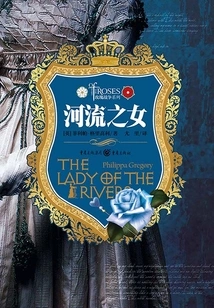
Daughter of the River
General Fiction河流之女
I
One of the "Wars of the Roses" series, Philippa Gregory's representative work, set in the British War of the Roses, mainly depicts the story of women who played a key role in the struggle between the two families. The heroine of "The Lady of the River" is Jacquetta, the mother of Queen Elizabeth Woodville, "the most beautiful woman in Britain". In the book, she is a beauty who inherited the prophetic ability of the legendary river goddess. She established a friendship with Joan of Arc when she was young, and was later proposed and married by the Duke because of her ability. Although Jacquetta only pursues pure love and a perfect family, her family has reached the center of the vortex of palace struggle. Even if she can predict the future, she cannot escape the tricks of fate.
One of the "Wars of the Roses" series, Philippa Gregory's representative work, set in the British War of the Roses, mainly depicts the story of women who played a key role in the struggle between the two families. The heroine of "The Lady of the River" is Jacquetta, the mother of Queen Elizabeth Woodville, "the most beautiful woman in Britain". In the book, she is a beauty who inherited the prophetic ability of the legendary river goddess. She established a friendship with Joan of Arc when she was young, and was later proposed and married by the Duke because of her ability. Although Jacquetta only pursues pure love and a perfect family, her family has reached the center of the vortex of palace struggle. Even if she can predict the future, she cannot escape the tricks of fate.
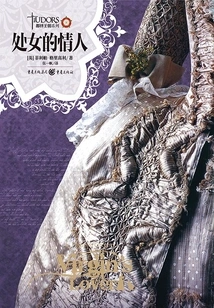
Virgin Lover
General Fiction处女的情人
H
The "Virgin Queen" Elizabeth I may not have been a virgin. Is her lifelong entanglement with her favorites a matter of profit or true love? "The Virgin Lover" centers on the last monarch of the Tudor dynasty, Elizabeth I, who ushered in the "Golden Age", and her lover Robert Dudley. Many events that have been briefly mentioned in official history show different styles through their eyes, and the ambiguous relationship between the two people, which is talked about by future generations, also gets a new interpretation.
The "Virgin Queen" Elizabeth I may not have been a virgin. Is her lifelong entanglement with her favorites a matter of profit or true love? "The Virgin Lover" centers on the last monarch of the Tudor dynasty, Elizabeth I, who ushered in the "Golden Age", and her lover Robert Dudley. Many events that have been briefly mentioned in official history show different styles through their eyes, and the ambiguous relationship between the two people, which is talked about by future generations, also gets a new interpretation.
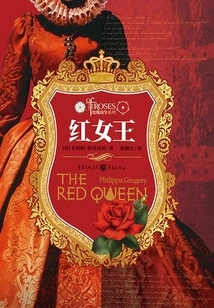
Red Queen
General Fiction红女王
I
One of the "Wars of the Roses" series, Philippa Gregory's representative work, set in the British War of the Roses, mainly depicts the story of women who played a key role in the struggle between the two families. The protagonist of "The Red Queen" is Margaret Beaufort, known as the mother of the Tudor dynasty. She had beautiful illusions and was very pious when she was a child. However, she gradually became psychologically distorted during political struggles and began to pursue power at all costs. In the end, she used all means to push her son to the throne of England.
One of the "Wars of the Roses" series, Philippa Gregory's representative work, set in the British War of the Roses, mainly depicts the story of women who played a key role in the struggle between the two families. The protagonist of "The Red Queen" is Margaret Beaufort, known as the mother of the Tudor dynasty. She had beautiful illusions and was very pious when she was a child. However, she gradually became psychologically distorted during political struggles and began to pursue power at all costs. In the end, she used all means to push her son to the throne of England.
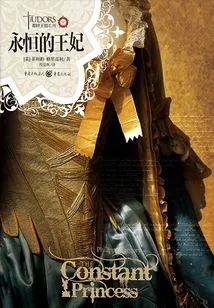
Eternal Princess
General Fiction永恒的王妃
G
The protagonist of "The Eternal Princess" is the wife of Henry VIII and the mother of Mary I: Princess Catherine of Spain. When she married into England, she was just a young girl with extraordinary beauty and pure heart. However, one tragedy after another cast an increasingly thick shadow on her life. From an innocent girl to a political victim, Catherine, the mother of "Bloody Mary", fell into the quagmire of royal battles step by step.
The protagonist of "The Eternal Princess" is the wife of Henry VIII and the mother of Mary I: Princess Catherine of Spain. When she married into England, she was just a young girl with extraordinary beauty and pure heart. However, one tragedy after another cast an increasingly thick shadow on her life. From an innocent girl to a political victim, Catherine, the mother of "Bloody Mary", fell into the quagmire of royal battles step by step.
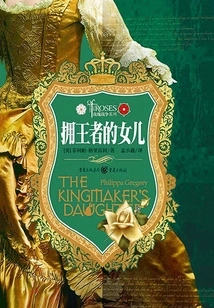
The Kingmaker's Daughter
General Fiction拥王者的女儿
I
One of the "Wars of the Roses" series, Philippa Gregory's representative work, set in the British War of the Roses, mainly depicts the story of women who played a key role in the struggle between the two families. The story of "War of the Roses: The Kingmaker's Daughters" focuses on the two daughters of the famous "Kingmaker" Earl of Warwick. In order to realize their father's ambition, the lives of the two girls were destined not to be smooth from the day they were born. In the constant political struggle, they were like chess pieces and were used by all parties. Although one of them eventually took the position of queen, he also paid a heavy price in blood.
One of the "Wars of the Roses" series, Philippa Gregory's representative work, set in the British War of the Roses, mainly depicts the story of women who played a key role in the struggle between the two families. The story of "War of the Roses: The Kingmaker's Daughters" focuses on the two daughters of the famous "Kingmaker" Earl of Warwick. In order to realize their father's ambition, the lives of the two girls were destined not to be smooth from the day they were born. In the constant political struggle, they were like chess pieces and were used by all parties. Although one of them eventually took the position of queen, he also paid a heavy price in blood.
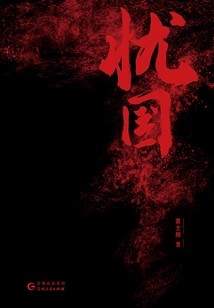
Worry About the Country (complete Collection)
General Fiction忧国(全集)
Huang Shixiang
In the third year of Xuantong (AD 1911), the Qing Dynasty was on the verge of collapse. In the last few months of the life of this decadent kingdom, an ordinary bodyguard was suddenly and accidentally involved in the center of the whirlpool of struggle between the revolutionary party, the society party, and the yamen, and was pushed in a direction that he had never expected before. The battle between wisdom and intelligence in a crisis, the struggle between life and life, the struggle between manpower and fate. In this turbulent story, several ordinary people standing in different positions try to use their own efforts and pay a huge price. , To change the history that seems to have been destined for a long time... The book describes in detail the ups and downs of the revolution in a certain province in the three months before the Revolution of 1911, with Ma Fengyun, Zhu Axiu, Huo Jingyang, Zhou Hancheng, Liu Wenzao and other major figures as the core. It shows the various factions such as escort agencies, revolutionary parties, the Qing court, the Hui Party, and the competition and conflicts within the factions, as well as the vertical and horizontal alliances, as well as the overlapping moods of each character. It uses a new narrative technique to focus on depicting a corner of a magnificent historical picture, and the whole thing can be seen at a glance.
In the third year of Xuantong (AD 1911), the Qing Dynasty was on the verge of collapse. In the last few months of the life of this decadent kingdom, an ordinary bodyguard was suddenly and accidentally involved in the center of the whirlpool of struggle between the revolutionary party, the society party, and the yamen, and was pushed in a direction that he had never expected before. The battle between wisdom and intelligence in a crisis, the struggle between life and life, the struggle between manpower and fate. In this turbulent story, several ordinary people standing in different positions try to use their own efforts and pay a huge price. , To change the history that seems to have been destined for a long time... The book describes in detail the ups and downs of the revolution in a certain province in the three months before the Revolution of 1911, with Ma Fengyun, Zhu Axiu, Huo Jingyang, Zhou Hancheng, Liu Wenzao and other major figures as the core. It shows the various factions such as escort agencies, revolutionary parties, the Qing court, the Hui Party, and the competition and conflicts within the factions, as well as the vertical and horizontal alliances, as well as the overlapping moods of each character. It uses a new narrative technique to focus on depicting a corner of a magnificent historical picture, and the whole thing can be seen at a glance.

The First General of the Military Uprising
General Fiction军统起义第一将
Zhao Lizhong
In December 1948, the People's Liberation Army completed the siege of Peiping and adopted the strategy of "forcing peace" in accordance with the established policy. Peiping defender Fu Zuoyi was hesitant and the situation in the ancient city was delicate. Agents from both sides of the enemy launched a mysterious secret war. Wang Puchen, the Major General of the Peiping Station of the Military Command Bureau, had long been tortured by the enemy workers from the Communist Party's Urban Work Department, and now he had to free up his hands to prevent Fu Zuoyi from surrendering. He was deeply exhausted mentally and physically. However, Boss Dai had trained him for many years, so that he did not lack the necessary confidence and determination in such a precarious time. He kept in mind the leader's teachings: Failure is a success. You must show your skills at this critical moment.
In December 1948, the People's Liberation Army completed the siege of Peiping and adopted the strategy of "forcing peace" in accordance with the established policy. Peiping defender Fu Zuoyi was hesitant and the situation in the ancient city was delicate. Agents from both sides of the enemy launched a mysterious secret war. Wang Puchen, the Major General of the Peiping Station of the Military Command Bureau, had long been tortured by the enemy workers from the Communist Party's Urban Work Department, and now he had to free up his hands to prevent Fu Zuoyi from surrendering. He was deeply exhausted mentally and physically. However, Boss Dai had trained him for many years, so that he did not lack the necessary confidence and determination in such a precarious time. He kept in mind the leader's teachings: Failure is a success. You must show your skills at this critical moment.

The Regret of the Giant Cauldron
General Fiction巨釜之憾
Daylight
The wind in Horqin Grassland always smells like milk tea. When Prince Batu drinks milk tea, he always remembers a brother who has no clan, his name is Yong'an. Guo Yong'an is a businessman. He always walks leisurely in June and July carrying two bags of tea bricks on a red horse that is familiar with the way to Prince Batu's palace. He can also sing a Mongolian song: A good horse will not look back on the grassland, a good man will not tremble where wild wolves are infested... Guo Yongan also regards Batu as a brother. The horse that Guo Yongan was riding was given to him by Batu. Guo Yongan said even more: "Brother Batu, if you marry your sister to me, I can bring you tea on foot every year."
The wind in Horqin Grassland always smells like milk tea. When Prince Batu drinks milk tea, he always remembers a brother who has no clan, his name is Yong'an. Guo Yong'an is a businessman. He always walks leisurely in June and July carrying two bags of tea bricks on a red horse that is familiar with the way to Prince Batu's palace. He can also sing a Mongolian song: A good horse will not look back on the grassland, a good man will not tremble where wild wolves are infested... Guo Yongan also regards Batu as a brother. The horse that Guo Yongan was riding was given to him by Batu. Guo Yongan said even more: "Brother Batu, if you marry your sister to me, I can bring you tea on foot every year."

Treacherous Hu'er
General Fiction奸诈胡儿
Gao Hongxun
In the second year of Tianbao of Emperor Xuanzong of the Tang Dynasty, it was revealed that Zhang Shougui, the governor of Youzhou, was defeated in the battle with Kumoxi in the 27th year of Kaiyuan but claimed the reward while taking credit for it. Xuanzong was very angry and accepted the suggestion of Prime Minister Li Linfu. At the court meeting on the first day of August, the eunuch Gao Li was The scholar announced a harshly worded edict, to the effect that: Zhang Shougui was removed from the post of General of the Fu State and Youzhou Jiedushi, and transferred to Jiangzhou Governor; the post of Youzhou Jiedushi was taken over by Pinglu Jiedushi Pei Kuan; Yingzhou Governor Xianyu Zhongtong was promoted to Pinglu Jiedushi. To the surprise of the civil and military ministers of the Manchu Dynasty, two unknown Hu generals were suddenly promoted to high positions: one was Youzhou Jiedushi Yamen Zhechong Xiaowei, Zhuosheng general An Lushan was promoted to Pinglu Jiedu deputy envoy, and the other was Zhuosheng general Shi Siming was promoted to Pinglu military envoy.
In the second year of Tianbao of Emperor Xuanzong of the Tang Dynasty, it was revealed that Zhang Shougui, the governor of Youzhou, was defeated in the battle with Kumoxi in the 27th year of Kaiyuan but claimed the reward while taking credit for it. Xuanzong was very angry and accepted the suggestion of Prime Minister Li Linfu. At the court meeting on the first day of August, the eunuch Gao Li was The scholar announced a harshly worded edict, to the effect that: Zhang Shougui was removed from the post of General of the Fu State and Youzhou Jiedushi, and transferred to Jiangzhou Governor; the post of Youzhou Jiedushi was taken over by Pinglu Jiedushi Pei Kuan; Yingzhou Governor Xianyu Zhongtong was promoted to Pinglu Jiedushi. To the surprise of the civil and military ministers of the Manchu Dynasty, two unknown Hu generals were suddenly promoted to high positions: one was Youzhou Jiedushi Yamen Zhechong Xiaowei, Zhuosheng general An Lushan was promoted to Pinglu Jiedu deputy envoy, and the other was Zhuosheng general Shi Siming was promoted to Pinglu military envoy.

Military Column (novella)
General Fiction军列(中篇小说)
Yin Dechao
The train is about to pass through the Qingchuan River, and it looks like it's approaching Dingzhou. The train was shaking violently. The railways were temporarily repaired after being bombed, and the foundations were very weak. We set out from Changyuan last night and had already traveled 14 hours. In order to prevent air raids, the trains did not dare to turn on the lights at night. North Korean soldiers and civilians were still repairing some sections of the road, stopping and going along the way. At this time, the sun was almost at zenith. Through a small blind, the wounded seemed to be able to smell the warm breath of the motherland. Tian Chunxi, commander of the 3rd Company of the 7th Regiment of the 8th Division of the 66th Volunteer Army, walked to the connection between the two carriages on a crutch. His craving for cigarettes came up, and his craving became even worse after he was injured. During the battle at Niaoyin Mountain, some daily necessities were seized from an enemy camp command post that they destroyed. In addition to turning over important military supplies, correspondent Xiao Qi secretly stuffed a pack of Turkish cigarettes into his bag, a total of 20 packs.
The train is about to pass through the Qingchuan River, and it looks like it's approaching Dingzhou. The train was shaking violently. The railways were temporarily repaired after being bombed, and the foundations were very weak. We set out from Changyuan last night and had already traveled 14 hours. In order to prevent air raids, the trains did not dare to turn on the lights at night. North Korean soldiers and civilians were still repairing some sections of the road, stopping and going along the way. At this time, the sun was almost at zenith. Through a small blind, the wounded seemed to be able to smell the warm breath of the motherland. Tian Chunxi, commander of the 3rd Company of the 7th Regiment of the 8th Division of the 66th Volunteer Army, walked to the connection between the two carriages on a crutch. His craving for cigarettes came up, and his craving became even worse after he was injured. During the battle at Niaoyin Mountain, some daily necessities were seized from an enemy camp command post that they destroyed. In addition to turning over important military supplies, correspondent Xiao Qi secretly stuffed a pack of Turkish cigarettes into his bag, a total of 20 packs.

Princess of the Prison Country
General Fiction监国公主
Du Xinlian
Genghis Khan, a genius of a generation, suddenly fell ill and died in the army when he was fighting against the Xixia Kingdom during the Western Expedition. When Genghis Khan was dying, he specially appointed his third daughter Aqi Haibie as the princess of the country, and she was in charge of the empire together with King Muheli until Xinhe Khan ascended the throne. Muheli was Genghis Khan's most trusted military general during his lifetime and was awarded the title of king two years ago. The establishment of a king was the need of Genghis Khan to take charge of the administrative affairs of the empire. But in fact, during the Genghis Khan era, the position of king was limited to an honorary title and did not hold real power. When Genghis Khan felt that his death was coming, in order for the steppe empire to safely survive the power vacuum period and for his designated heir, the third son Ogedai, to successfully ascend to the position of Great Khan, it was necessary to find someone to oversee the empire's ruling power at an extraordinary stage.
Genghis Khan, a genius of a generation, suddenly fell ill and died in the army when he was fighting against the Xixia Kingdom during the Western Expedition. When Genghis Khan was dying, he specially appointed his third daughter Aqi Haibie as the princess of the country, and she was in charge of the empire together with King Muheli until Xinhe Khan ascended the throne. Muheli was Genghis Khan's most trusted military general during his lifetime and was awarded the title of king two years ago. The establishment of a king was the need of Genghis Khan to take charge of the administrative affairs of the empire. But in fact, during the Genghis Khan era, the position of king was limited to an honorary title and did not hold real power. When Genghis Khan felt that his death was coming, in order for the steppe empire to safely survive the power vacuum period and for his designated heir, the third son Ogedai, to successfully ascend to the position of Great Khan, it was necessary to find someone to oversee the empire's ruling power at an extraordinary stage.

Diplomatic Records of the Founding of the People's Republic of China: Secret Visit to Moscow
General Fiction开国外交纪实:密访莫斯科
Chen Dunde
Late at night on June 21, 1949, or at 1 a. M. On June 22 to be precise, an old-fashioned steam locomotive pulled a train with several carriages and quietly set off from the Qinghuayuan Railway Station on the outskirts of the city. We chose the remote Tsinghua Park Station and set off late at night just to keep it secret. Peiping had just been liberated, and the situation was still very complicated. The U. S. And Chiang Kai-shek agents were still very active. The CCP delegation's visit to the Soviet Union was required to be highly confidential. Tsinghuayuan Railway Station is an abandoned station and is basically not used. When the Party Central Committee moved from Xibaipo to Beijing, Li Kenong took a fancy to this small station far away from the urban area, and asked Mao Zedong, Zhou Enlai and others to get off here and go to Fragrant Hill via the Summer Palace. Members of the CCP delegation led by Liu Shaoqi also included Wang Jiaxiang, Ge Baoquan, Deng Liqun and translator Shi Zhe.
Late at night on June 21, 1949, or at 1 a. M. On June 22 to be precise, an old-fashioned steam locomotive pulled a train with several carriages and quietly set off from the Qinghuayuan Railway Station on the outskirts of the city. We chose the remote Tsinghua Park Station and set off late at night just to keep it secret. Peiping had just been liberated, and the situation was still very complicated. The U. S. And Chiang Kai-shek agents were still very active. The CCP delegation's visit to the Soviet Union was required to be highly confidential. Tsinghuayuan Railway Station is an abandoned station and is basically not used. When the Party Central Committee moved from Xibaipo to Beijing, Li Kenong took a fancy to this small station far away from the urban area, and asked Mao Zedong, Zhou Enlai and others to get off here and go to Fragrant Hill via the Summer Palace. Members of the CCP delegation led by Liu Shaoqi also included Wang Jiaxiang, Ge Baoquan, Deng Liqun and translator Shi Zhe.

Chiang Kai-shek's Remote Control Bloody Battle in Cairo
General Fiction蒋介石开罗遥控大血战
Peng Qifang
He spent eleven bloody days and nights. It proves that he has taken a step toward the people. However, he had no intention of completely betraying him and siding with the people, and finally turned around. Went in the opposite direction. And his valuable step is the glory of his life! --Inscription. -Deep winter of 1943. The land of China is filled with cold air. As head of state, Chiang Kai-shek flew to Cairo, Egypt, and sat at the conference table with US President Roosevelt and British Prime Minister Churchill. The meeting mainly discussed the issue of war against Japan. All territories occupied by Japan must be recovered and Japan must surrender unconditionally.
He spent eleven bloody days and nights. It proves that he has taken a step toward the people. However, he had no intention of completely betraying him and siding with the people, and finally turned around. Went in the opposite direction. And his valuable step is the glory of his life! --Inscription. -Deep winter of 1943. The land of China is filled with cold air. As head of state, Chiang Kai-shek flew to Cairo, Egypt, and sat at the conference table with US President Roosevelt and British Prime Minister Churchill. The meeting mainly discussed the issue of war against Japan. All territories occupied by Japan must be recovered and Japan must surrender unconditionally.

Dusk Rain and Lingering Clouds During the Jian'an Era
General Fiction建安时代的暮雨残云
Zhou Shushan
The season coincides with the early spring of the 18th year of Jian'an. Several ancient willows in the back garden of the Han Dynasty Long Live Pavilion Hou Xunyu's residence have taken out bright yellow leaves, the still water in the pond reflects the blue sky, the paint on the newly built pavilions has not yet dried, the white marble curved railings are as new as carvings, and the green roof tiles shine with goose-gray luster in the spring sun... The Central Plains were initially settled, and the emperor's favor fell like sweet rain on the heads of the heroes and generals. The city was prosperous and the roads reached the sky, and the good days seemed to have just begun. Xun Yu was walking along the corridors and corridors of the back garden, but he was not at all in a good mood. Xun Yu was nearly fifty years old, with a tall figure, a neat and dignified face, and his words and deeds were all in line with the style of a wise man. He was wearing an old purple robe, with a rhinoceros horn hairpin inserted into his high bun, and a turquoise jade pendant hanging from his waist. This was the only object that symbolized his status as a powerful person.
The season coincides with the early spring of the 18th year of Jian'an. Several ancient willows in the back garden of the Han Dynasty Long Live Pavilion Hou Xunyu's residence have taken out bright yellow leaves, the still water in the pond reflects the blue sky, the paint on the newly built pavilions has not yet dried, the white marble curved railings are as new as carvings, and the green roof tiles shine with goose-gray luster in the spring sun... The Central Plains were initially settled, and the emperor's favor fell like sweet rain on the heads of the heroes and generals. The city was prosperous and the roads reached the sky, and the good days seemed to have just begun. Xun Yu was walking along the corridors and corridors of the back garden, but he was not at all in a good mood. Xun Yu was nearly fifty years old, with a tall figure, a neat and dignified face, and his words and deeds were all in line with the style of a wise man. He was wearing an old purple robe, with a rhinoceros horn hairpin inserted into his high bun, and a turquoise jade pendant hanging from his waist. This was the only object that symbolized his status as a powerful person.

The Great Dream of Chu and Han
General Fiction楚汉大梦
Liu Xiaobo
Fan Zeng I am a Chu native, born on the river, like many Chu natives. Our country of Chu has many rivers and lakes, and many people spend their lives on the rivers. Now I too am going to die on the river. This made me realize the passage of life most vividly. It is like a river, flowing forward regardless of day or night. My parents are fishermen and live on a boat. They rarely go to land because there are fish masters who will go to various fishing boats to collect the fish caught by the fishermen. This kind of life is very comfortable, and we don't have to work on the land all day long. My father's many years of experience in living on the water also ensures that we can live without worries about food and clothing. I was born that morning, with the sun rising slowly in the mist.
Fan Zeng I am a Chu native, born on the river, like many Chu natives. Our country of Chu has many rivers and lakes, and many people spend their lives on the rivers. Now I too am going to die on the river. This made me realize the passage of life most vividly. It is like a river, flowing forward regardless of day or night. My parents are fishermen and live on a boat. They rarely go to land because there are fish masters who will go to various fishing boats to collect the fish caught by the fishermen. This kind of life is very comfortable, and we don't have to work on the land all day long. My father's many years of experience in living on the water also ensures that we can live without worries about food and clothing. I was born that morning, with the sun rising slowly in the mist.

The Yellow Gelding of Grudges
General Fiction恩仇黄骠马
Keqiang
But it shows that during the Qing Dynasty, Pingyao, Shanxi Province had developed local commerce. Most of the local wealthy families became rich through business. Large-scale branches were spread all over the country in commercial ports and wharves, thus winning the reputation of Pingyao Ancient City as the richest city in the world. During the Jiaqing period of the Qing Dynasty, there was a grain merchant named Mi in Pingyao City. The old financial owner was named Mi Wanshan, and he was known as the rich man of rice. According to legend, the Mi family's ancestors specialized in selling and operating rice grains. By Mi Wanshan's generation, there were already herds of mules and horses, mountains of grain accumulated, and a family fortune of tens of millions. Although the Mi family is extremely wealthy and the rich man is in his fifties and approaching sixty, he relies on his wealth to be very arrogant. He threatens everyone in front of everyone and says: "There is an emperor Zhang Yu in the sky, and I have thousands of meters on the earth. I have three coins of silver per rice, and I have to eat two bowls of dry rice every day."
But it shows that during the Qing Dynasty, Pingyao, Shanxi Province had developed local commerce. Most of the local wealthy families became rich through business. Large-scale branches were spread all over the country in commercial ports and wharves, thus winning the reputation of Pingyao Ancient City as the richest city in the world. During the Jiaqing period of the Qing Dynasty, there was a grain merchant named Mi in Pingyao City. The old financial owner was named Mi Wanshan, and he was known as the rich man of rice. According to legend, the Mi family's ancestors specialized in selling and operating rice grains. By Mi Wanshan's generation, there were already herds of mules and horses, mountains of grain accumulated, and a family fortune of tens of millions. Although the Mi family is extremely wealthy and the rich man is in his fifties and approaching sixty, he relies on his wealth to be very arrogant. He threatens everyone in front of everyone and says: "There is an emperor Zhang Yu in the sky, and I have thousands of meters on the earth. I have three coins of silver per rice, and I have to eat two bowls of dry rice every day."

Jin Shengtan Suffered a Broken Waist
General Fiction金圣叹惨腰折
Tang Xiong
In the 18th year of Shunzhi reign (AD 1661). The bleak late autumn wind brings with it bursts of chill. Arrive at the shore of Taihu Lake in Suzhou. The rice waves in the fields are turning yellow silently; the hairy crabs in Yangcheng Lake are full of fat brains and are about to produce seeds. Jin Shengtan polished his "Selected Poems of Chenyinlou" for the last time, and then lifted it up like a heavy burden. The naughty Feng'er sneaked into the study and made a "squeaking" sound on the newly released volumes of "Du Shi Jie" and "Water Margin" on the desk. Jin Shengtan glanced at her affectionately, feeling as sweet as honey.
In the 18th year of Shunzhi reign (AD 1661). The bleak late autumn wind brings with it bursts of chill. Arrive at the shore of Taihu Lake in Suzhou. The rice waves in the fields are turning yellow silently; the hairy crabs in Yangcheng Lake are full of fat brains and are about to produce seeds. Jin Shengtan polished his "Selected Poems of Chenyinlou" for the last time, and then lifted it up like a heavy burden. The naughty Feng'er sneaked into the study and made a "squeaking" sound on the newly released volumes of "Du Shi Jie" and "Water Margin" on the desk. Jin Shengtan glanced at her affectionately, feeling as sweet as honey.

Jin Wushu and Li Shishi
General Fiction金兀术与李师师
Li Changrong
Wind, horse and cow are unrelated to each other. How can enemies become husband and wife? Since ancient times, heroes have loved beauties, but now the commander-in-chief loves the famous concubine. The war between the two countries shows the great righteousness, and the true love makes people miss each other deeply. History is full of convoluted cases and unsolved cases. Unravel the mysteries and write legends. This is an old-style poem that is not very good, so it is a promoted chapter. It talks about Li Shishi, a famous prostitute in the Song Dynasty, and Wu Shu, the marshal of the Jin Dynasty. They seem to have no connection and should not be mentioned together. According to historical records, there are two endings for Li Shishi: one is that after the fall of the Song Dynasty, she lived in the south of the Yangtze River and did not know where she ended up; the other is that she was plundered by the traitor Zhang Bangchang and presented to the Jin camp. She remained unyielding and swallowed the gold and died.
Wind, horse and cow are unrelated to each other. How can enemies become husband and wife? Since ancient times, heroes have loved beauties, but now the commander-in-chief loves the famous concubine. The war between the two countries shows the great righteousness, and the true love makes people miss each other deeply. History is full of convoluted cases and unsolved cases. Unravel the mysteries and write legends. This is an old-style poem that is not very good, so it is a promoted chapter. It talks about Li Shishi, a famous prostitute in the Song Dynasty, and Wu Shu, the marshal of the Jin Dynasty. They seem to have no connection and should not be mentioned together. According to historical records, there are two endings for Li Shishi: one is that after the fall of the Song Dynasty, she lived in the south of the Yangtze River and did not know where she ended up; the other is that she was plundered by the traitor Zhang Bangchang and presented to the Jin camp. She remained unyielding and swallowed the gold and died.

Four Records of the Eastern Expedition
General Fiction东征四记
Li Junhu
In early spring in northern Shaanxi, the sun warms up during the day, and the harsh spring cold returns as soon as the sun sets. Strong winds howl in the wilderness with little vegetation. Peng Dehuai had a sullen face, his eyes were bloodshot, and he was studying the map under the oil lamp. A small oil lamp made of Western medicine bottles kept blowing out the lights, making the cave dim and bright. Reconnaissance staff officer Xiao Yang and guard squad leader Xiao Zhou sat on the edge of the kang and slept against the wall. There were piles of homespun clothes and sheep belly hand towels borrowed from fellow villagers on the kang. Several long rooster crows were heard in the distance. Peng Dehuai looked up at the white window paper and blew out the oil lamp. He walked to the kang, picked up the homespun clothes and put one on each of the two young men. He also pulled one over and put it on himself, then lay down in the middle of the kang and closed his eyes.
In early spring in northern Shaanxi, the sun warms up during the day, and the harsh spring cold returns as soon as the sun sets. Strong winds howl in the wilderness with little vegetation. Peng Dehuai had a sullen face, his eyes were bloodshot, and he was studying the map under the oil lamp. A small oil lamp made of Western medicine bottles kept blowing out the lights, making the cave dim and bright. Reconnaissance staff officer Xiao Yang and guard squad leader Xiao Zhou sat on the edge of the kang and slept against the wall. There were piles of homespun clothes and sheep belly hand towels borrowed from fellow villagers on the kang. Several long rooster crows were heard in the distance. Peng Dehuai looked up at the white window paper and blew out the oil lamp. He walked to the kang, picked up the homespun clothes and put one on each of the two young men. He also pulled one over and put it on himself, then lay down in the middle of the kang and closed his eyes.

Conspiracy in Gusu City
General Fiction姑苏城里的阴谋
Zhang Yao
In midsummer in the south of the Yangtze River, there is no cloud in the blue sky. On both sides of the avenue covered by thick shades, there are thousands of hectares of green, covered with red dots. The river is crystal clear and you can see countless fish swimming there. Qinglan's reflection is reflected in the water, and the green tips of birds are singing softly. It's a beautiful scenery. "". A series of crisp hoofbeats broke the noon tranquility. Wearing a long sword, disheveled clothes and a tired look, Bo Pei, the aristocratic son of Chu State, was galloping away, turning a blind eye to the beautiful scenery in front of him. His chest was burned by a fire of revenge, almost suffocating him. Fei Wuji, the young master of the crown prince, had always been jealous of his father, Bo Chue Wan, who served as King Zuo Yin of Chu. He repeatedly made slanders and instigations in front of Prime Minister Nang Wa. Nangwa was angry and sent troops to attack the uncle's house. He ordered his house to be burned down and all his clan members were killed, hoping to eradicate the whole family. It happened that Bo Chu was hunting in the countryside that day and survived.
In midsummer in the south of the Yangtze River, there is no cloud in the blue sky. On both sides of the avenue covered by thick shades, there are thousands of hectares of green, covered with red dots. The river is crystal clear and you can see countless fish swimming there. Qinglan's reflection is reflected in the water, and the green tips of birds are singing softly. It's a beautiful scenery. "". A series of crisp hoofbeats broke the noon tranquility. Wearing a long sword, disheveled clothes and a tired look, Bo Pei, the aristocratic son of Chu State, was galloping away, turning a blind eye to the beautiful scenery in front of him. His chest was burned by a fire of revenge, almost suffocating him. Fei Wuji, the young master of the crown prince, had always been jealous of his father, Bo Chue Wan, who served as King Zuo Yin of Chu. He repeatedly made slanders and instigations in front of Prime Minister Nang Wa. Nangwa was angry and sent troops to attack the uncle's house. He ordered his house to be burned down and all his clan members were killed, hoping to eradicate the whole family. It happened that Bo Chu was hunting in the countryside that day and survived.

The Best Drink in Kanto
General Fiction关东第一喝
Brother Li
Bandit leader Li Dahe has many legendary stories in the western Liaoning area, and the older generation can still remember his name. His original name was Li Jiyu. He had a dark face, a wide mouth, and a strong back. He was often active in the western Liaoning area with a team of men and horses. Because he could drink, people called him Li Dahe. The origin of Li Dahe's nickname originated from his father's generation. In the third year of Xuantong in the Qing Dynasty, the last magistrate of Lingzhou, Martai, took advantage of the Spring Festival holiday to return to Yizhou County to visit relatives. Relatives and friends in his hometown couldn't help but be overjoyed to have such a high official in their hometown, and they cleaned up the county town a few days before his return. When Martai's troops walked into the county seat, the magistrate had organized more than a thousand people to line up on both sides of the road to welcome them.
Bandit leader Li Dahe has many legendary stories in the western Liaoning area, and the older generation can still remember his name. His original name was Li Jiyu. He had a dark face, a wide mouth, and a strong back. He was often active in the western Liaoning area with a team of men and horses. Because he could drink, people called him Li Dahe. The origin of Li Dahe's nickname originated from his father's generation. In the third year of Xuantong in the Qing Dynasty, the last magistrate of Lingzhou, Martai, took advantage of the Spring Festival holiday to return to Yizhou County to visit relatives. Relatives and friends in his hometown couldn't help but be overjoyed to have such a high official in their hometown, and they cleaned up the county town a few days before his return. When Martai's troops walked into the county seat, the magistrate had organized more than a thousand people to line up on both sides of the road to welcome them.

Two-faced Xiao He
General Fiction两面萧何
Wei Shangtian
It took more than two thousand years for the generals in Xianyang to plunder money and enter the Prime Minister's Mansion to collect laws. Qin Shihuang spent his entire life destroying the six kingdoms of Chu, Qi, Yan, Zhao, Wei, and Han, and established the first unified feudal centralized empire in Chinese history - the Qin Dynasty. Unexpectedly, after only two generations, because of the incompetence of the second generation Hu Hai and the treacherous behavior of Prime Minister Zhao Gao, the people had not yet settled down from the disaster of years of war, but they were again made miserable and miserable by the heavy levies and corvee and exorbitant taxes and cruel laws. Chen Sheng and Wu Guang launched an uprising in Daze Township, and various places responded. In just a few months, the seemingly powerful Qin State was destroyed. The first to invade the capital of Qin was a force led by Liu Bang.
It took more than two thousand years for the generals in Xianyang to plunder money and enter the Prime Minister's Mansion to collect laws. Qin Shihuang spent his entire life destroying the six kingdoms of Chu, Qi, Yan, Zhao, Wei, and Han, and established the first unified feudal centralized empire in Chinese history - the Qin Dynasty. Unexpectedly, after only two generations, because of the incompetence of the second generation Hu Hai and the treacherous behavior of Prime Minister Zhao Gao, the people had not yet settled down from the disaster of years of war, but they were again made miserable and miserable by the heavy levies and corvee and exorbitant taxes and cruel laws. Chen Sheng and Wu Guang launched an uprising in Daze Township, and various places responded. In just a few months, the seemingly powerful Qin State was destroyed. The first to invade the capital of Qin was a force led by Liu Bang.

Cixi's Snow Pear Jade Pillow
General Fiction慈禧的雪梨花玉枕
Meng Yongfu
The summer of the eleventh year of Xianfeng. Lou Yueyang brought his "Pihuang" team "Yangyue Team" to the palace of Prince Gong Yiyi to prepare for Yiyi to sign a treaty with the British and French allied forces. Pihuang is the current version of Peking Opera. At that time, it was called Jingdiao or Pihuang. He led his men to live in a small courtyard in Prince Gong's mansion, where he prepared the show. Emperor Xianfeng died suddenly in Rehe a few days ago. Lou Yueyang thought that the opera singing would be in vain, so she asked her men to pack their things and prepare to leave. However, they did not wait until the palace steward let them go. That night, Prince Gong asked him to see him.
The summer of the eleventh year of Xianfeng. Lou Yueyang brought his "Pihuang" team "Yangyue Team" to the palace of Prince Gong Yiyi to prepare for Yiyi to sign a treaty with the British and French allied forces. Pihuang is the current version of Peking Opera. At that time, it was called Jingdiao or Pihuang. He led his men to live in a small courtyard in Prince Gong's mansion, where he prepared the show. Emperor Xianfeng died suddenly in Rehe a few days ago. Lou Yueyang thought that the opera singing would be in vain, so she asked her men to pack their things and prepare to leave. However, they did not wait until the palace steward let them go. That night, Prince Gong asked him to see him.

Assassination of He Siyuan
General Fiction刺杀何思源
Mu Yumin
The assassination of He Siyuan by Kuomintang agents was known to all women and children. But who was the spy who assassinated He Siyuan? How they carried out the operation, what happened to the agents, and other details, very few people know. Someone once asked He Luli, the daughter of He Siyuan who survived the spy assassination operation, what was the inside story of the assassination that year? He Luli replied: I know as little as you.
The assassination of He Siyuan by Kuomintang agents was known to all women and children. But who was the spy who assassinated He Siyuan? How they carried out the operation, what happened to the agents, and other details, very few people know. Someone once asked He Luli, the daughter of He Siyuan who survived the spy assassination operation, what was the inside story of the assassination that year? He Luli replied: I know as little as you.

He Long's Chief Bodyguard and Personal Bodyguard
General Fiction贺龙的侍卫长与贴身保镖
Peigong
A group of wild boars stared with blood-red eyes, howling and roaring while climbing over the barren slope. Wherever they go, ancient trees fall down, and muntjac deer flee in the wind... How strange! A yellow-spotted tiger was fearless and walked toward the group of menacing wild boars. When it was two or three feet away, the yellow-spotted tiger suddenly stopped, raised its head and roared. The sound was like a thunderbolt in the sky. Just when the wild boars were stunned, the yellow-spotted tiger jumped into the group of wild boars, stood on its hind legs, and a pair of tiger claws flew in the group of wild boars. The wild boars fell to death one after another, and the sharp wails and muffled grunts were heard for a while. Several wild boars that were hit by claws but did not die immediately, bounced with their hooves and fell into the deep valley. The wild boars following behind saw that the situation was not good and fled.
A group of wild boars stared with blood-red eyes, howling and roaring while climbing over the barren slope. Wherever they go, ancient trees fall down, and muntjac deer flee in the wind... How strange! A yellow-spotted tiger was fearless and walked toward the group of menacing wild boars. When it was two or three feet away, the yellow-spotted tiger suddenly stopped, raised its head and roared. The sound was like a thunderbolt in the sky. Just when the wild boars were stunned, the yellow-spotted tiger jumped into the group of wild boars, stood on its hind legs, and a pair of tiger claws flew in the group of wild boars. The wild boars fell to death one after another, and the sharp wails and muffled grunts were heard for a while. Several wild boars that were hit by claws but did not die immediately, bounced with their hooves and fell into the deep valley. The wild boars following behind saw that the situation was not good and fled.