Library
Browse and search books
2,037 novels found
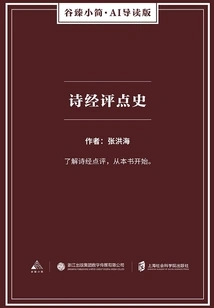
诗经评点史(谷臻小简·AI导读版)
Zhang Honghai
Based on a comprehensive excavation and arrangement of literature, this book combs and discusses the critical editions of the Book of Songs written by more than 30 commentators in the Ming and Qing dynasties, and explores its cultural origins, development context, cultural transmission and cultural influence. It can fill the gaps in the study of classical literature and is also beneficial to the promotion of traditional Chinese culture.
Based on a comprehensive excavation and arrangement of literature, this book combs and discusses the critical editions of the Book of Songs written by more than 30 commentators in the Ming and Qing dynasties, and explores its cultural origins, development context, cultural transmission and cultural influence. It can fill the gaps in the study of classical literature and is also beneficial to the promotion of traditional Chinese culture.
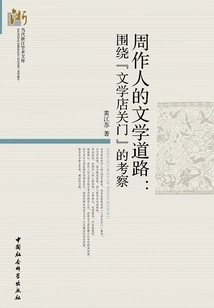
周作人的文学道路:围绕“文学店关门”的考察
Huang Jiangsu
This book has a clear awareness of issues and a unique perspective. Starting from thinking about the reasons for "the closing of literary shops" that Zhou Zuoren first proposed in 1925 and stated repeatedly since then, this article comprehensively and systematically examines Zhou Zuoren's literary path, analyzes the characteristics of Zhou Zuoren's literary views, writing practice, and ideological and emotional states in various periods, and puts forward many new perspectives in the field of Zhou Zuoren's research.
This book has a clear awareness of issues and a unique perspective. Starting from thinking about the reasons for "the closing of literary shops" that Zhou Zuoren first proposed in 1925 and stated repeatedly since then, this article comprehensively and systematically examines Zhou Zuoren's literary path, analyzes the characteristics of Zhou Zuoren's literary views, writing practice, and ideological and emotional states in various periods, and puts forward many new perspectives in the field of Zhou Zuoren's research.
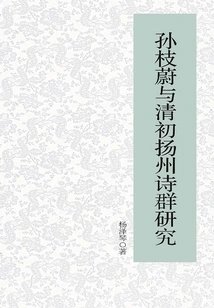
孙枝蔚与清初扬州诗群研究
Yang Zeqin
"A Study on Sun Zhiwei and the Yangzhou Poetry Group in the Early Qing Dynasty" tells that Yangzhou during the Ming and Qing dynasties, under the turbulent political situation, attracted poetic celebrities from all over the world to gather here due to its special geographical conditions and profound humanistic accumulation, forming a regional group. This group of poets had a large lineup. They socialized and sang together, organized political elections, and prospered for a while. Sun Zhiwei, a poet living in Yangzhou, is one of the representative figures. It is of typical significance to use him and his circle of friends as the starting point to examine the Yangzhou poetry group. This can be used to illuminate the complex and diverse positions, beliefs, mentality, emotions, and values of the Jiangnan literati who were exposed to multiple cultural, ethnic, and political conflicts such as Yixia, Manchu and Han, old and new, and political conflicts among the ruling and opposition parties, and explore the literary ecology in the ups and downs of the political environment. This is a very historical stage, a special spatial horizon and a specific group of poets.
"A Study on Sun Zhiwei and the Yangzhou Poetry Group in the Early Qing Dynasty" tells that Yangzhou during the Ming and Qing dynasties, under the turbulent political situation, attracted poetic celebrities from all over the world to gather here due to its special geographical conditions and profound humanistic accumulation, forming a regional group. This group of poets had a large lineup. They socialized and sang together, organized political elections, and prospered for a while. Sun Zhiwei, a poet living in Yangzhou, is one of the representative figures. It is of typical significance to use him and his circle of friends as the starting point to examine the Yangzhou poetry group. This can be used to illuminate the complex and diverse positions, beliefs, mentality, emotions, and values of the Jiangnan literati who were exposed to multiple cultural, ethnic, and political conflicts such as Yixia, Manchu and Han, old and new, and political conflicts among the ruling and opposition parties, and explore the literary ecology in the ups and downs of the political environment. This is a very historical stage, a special spatial horizon and a specific group of poets.
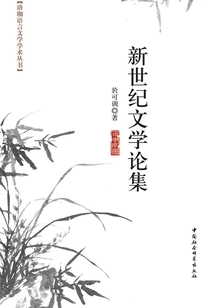
New Century Literature Essays
Literature新世纪文学论集
Yu Kexun
This book is the first personal collection of essays on the study of new century literature. It contains thirty essays by the author on the study of new century literature in recent years. The content covers all aspects of new century literature research: it includes an overall study of the history of new century literature, a macroscopic discussion of the development and current situation, dilemmas and problems of new century literature, as well as cultural concept issues that affect the development of new century literature, as well as a review of the creation of new century literature. The specific analysis of the work, especially the creation of novels that are outstanding in new century literature, pays much attention to them. The content includes the main characteristics of novels in the new century and reviews of representative writers' works, as well as the analysis and evaluation of the works participating in the 8th Mao Dun Literary Award. At the same time, it also conducted a relatively systematic and comprehensive analysis of Hubei's literary creations that won the Mao Dun Literary Award twice in the new century, and made key analyzes and comments on the works of important writers in the new century in Wuhan, Hubei, especially the Mao Dun Award-winning works. In addition, this book also includes the author's papers on literary history, literary criticism and writing studies published in the new century, as well as academic papers read at relevant international conferences and speeches delivered at various lectures during this period. The whole book focuses on displaying the comprehensive landscape of new century literature and is an essential reference for studying new century literature.
This book is the first personal collection of essays on the study of new century literature. It contains thirty essays by the author on the study of new century literature in recent years. The content covers all aspects of new century literature research: it includes an overall study of the history of new century literature, a macroscopic discussion of the development and current situation, dilemmas and problems of new century literature, as well as cultural concept issues that affect the development of new century literature, as well as a review of the creation of new century literature. The specific analysis of the work, especially the creation of novels that are outstanding in new century literature, pays much attention to them. The content includes the main characteristics of novels in the new century and reviews of representative writers' works, as well as the analysis and evaluation of the works participating in the 8th Mao Dun Literary Award. At the same time, it also conducted a relatively systematic and comprehensive analysis of Hubei's literary creations that won the Mao Dun Literary Award twice in the new century, and made key analyzes and comments on the works of important writers in the new century in Wuhan, Hubei, especially the Mao Dun Award-winning works. In addition, this book also includes the author's papers on literary history, literary criticism and writing studies published in the new century, as well as academic papers read at relevant international conferences and speeches delivered at various lectures during this period. The whole book focuses on displaying the comprehensive landscape of new century literature and is an essential reference for studying new century literature.
刘辰翁文学评点寻绎
Jiaoyinting
Liu Chenweng was a famous survivor of the late Song Dynasty and a powerful poet of the Xin School. He was a writer, critic, and scholar. He was in a leading position in the southeastern literary world at the end of the Song Dynasty and the beginning of the Yuan Dynasty. His works have distinctive characteristics of the times, and his comments are rich in variety, covering all aspects of classics, history, works, and collections. His comments on Shishuo Xinyu are the first of its kind to comment on Chinese novels. His commentaries had a great influence in the Ming and Qing dynasties. The double-line comments and comment vocabulary he created have been used by later generations. He is the well-deserved first master of literary criticism in the history of Chinese literature. This book focuses on Liu Chenweng's comments. On the basis of fully occupying the literature materials, it seeks to interpret the characteristics of his comments, and strives to develop, improve and innovate on the basis of existing research, obtain a more comprehensive and scientific understanding of Liu Chenweng's comments, and make a more accurate evaluation of his status in the history of Chinese literary criticism.
Liu Chenweng was a famous survivor of the late Song Dynasty and a powerful poet of the Xin School. He was a writer, critic, and scholar. He was in a leading position in the southeastern literary world at the end of the Song Dynasty and the beginning of the Yuan Dynasty. His works have distinctive characteristics of the times, and his comments are rich in variety, covering all aspects of classics, history, works, and collections. His comments on Shishuo Xinyu are the first of its kind to comment on Chinese novels. His commentaries had a great influence in the Ming and Qing dynasties. The double-line comments and comment vocabulary he created have been used by later generations. He is the well-deserved first master of literary criticism in the history of Chinese literature. This book focuses on Liu Chenweng's comments. On the basis of fully occupying the literature materials, it seeks to interpret the characteristics of his comments, and strives to develop, improve and innovate on the basis of existing research, obtain a more comprehensive and scientific understanding of Liu Chenweng's comments, and make a more accurate evaluation of his status in the history of Chinese literary criticism.
Ci Study
Literature词学研究
Tan Xinhong
This book is divided into three parts: Qing Dynasty Ci Poetry Chapter, Transmission Chapter and Acceptance Chapter. "Chapter on Ci Poetry in the Qing Dynasty" mainly examines the Ci theory of the Qing Dynasty, and makes an in-depth discussion of the academic background of Ci poetry in the Qing Dynasty, the generation and evolution of Ci poetry in the Qing Dynasty, and other macro-level issues. The papers collected in the "Communication Chapter" include oral communication (male singing), book communication (separate collections, selected volumes, prefaces and postscripts, book collections), single article communication (wall inscriptions, paintings, fans, screens, stone carvings) and other forms of communication, as well as the ways of communication of Song poetry (sale, copying, postal delivery), and special situations in communication (miscommunication) , Lost) These five aspects are discussed on the main body of communication (singer, engraver, book collector, book seller, copyist, courier), communication media (paper, wall, painting, fan, screen, stone tablet), and communication effect (famous, lost), which takes a solid step forward in the study of the communication methods of Song Ci. The "Acceptance Chapter" includes both group acceptance research and individual acceptance research, as well as research on the canonization process of the poet. The book contains detailed citations of historical materials and well-refined viewpoints. It is a pioneering monograph on Ci studies.
This book is divided into three parts: Qing Dynasty Ci Poetry Chapter, Transmission Chapter and Acceptance Chapter. "Chapter on Ci Poetry in the Qing Dynasty" mainly examines the Ci theory of the Qing Dynasty, and makes an in-depth discussion of the academic background of Ci poetry in the Qing Dynasty, the generation and evolution of Ci poetry in the Qing Dynasty, and other macro-level issues. The papers collected in the "Communication Chapter" include oral communication (male singing), book communication (separate collections, selected volumes, prefaces and postscripts, book collections), single article communication (wall inscriptions, paintings, fans, screens, stone carvings) and other forms of communication, as well as the ways of communication of Song poetry (sale, copying, postal delivery), and special situations in communication (miscommunication) , Lost) These five aspects are discussed on the main body of communication (singer, engraver, book collector, book seller, copyist, courier), communication media (paper, wall, painting, fan, screen, stone tablet), and communication effect (famous, lost), which takes a solid step forward in the study of the communication methods of Song Ci. The "Acceptance Chapter" includes both group acceptance research and individual acceptance research, as well as research on the canonization process of the poet. The book contains detailed citations of historical materials and well-refined viewpoints. It is a pioneering monograph on Ci studies.
《金瓶梅》叙事形态研究
Sun Zhigang
"Jin Ping Mei" is a classical novel that is still "alive" today. Many issues in today's society can be found in this book. There are one hundred chapters in "Jin Ping Mei", and the plot is highly integrated, which is rare in Chinese classical novels. Therefore, only by studying the book from the overall narrative form can we decipher the mystery. In terms of overall form, "Jin Ping Mei" is a novel of the style of "Songs of Love and Crying". It writes about the beauty of sex, wealth, and power, but in essence it is crying about the death of the country, the corruption of politics, and the destruction of the family. The beauty of the narrative of "Jin Ping Mei" is that it combines the rise and fall of Ximen Qing and his family with the fall of the Song Dynasty. Its deep structure is the integration of family and country. "Jin Ping Mei" adopts a purely objective narrative technique and describes the various situations in the market calmly. Its purpose is to make readers carefully "see" through the world and "see" through life. The narrative purpose of "Jin Ping Mei" is to use the Song Dynasty to illustrate the Ming Dynasty. It uses the death of the Song Dynasty to warn the rulers of the Ming Dynasty not to make the same mistakes. Therefore, it is a work that worries about the country and the people. The author of "Jin Ping Mei" has profound historical insight. He pointed out that the shortcomings of the Song and Ming Dynasties were the collusion between officials and businessmen. As a result, officials will become corrupt; as a result, the country's economy will decline; as a result, the country will surely perish. "Jin Ping Mei" admonishes businessmen and state rulers like Ximen Qing from the negative side, so it is a textbook written for property owners. "Jin Ping Mei" is a novel where characters come first. Each character is carefully designed by the author and has a unique narrative purpose. The stylistic form of "Jin Ping Mei" is similar to that of popular lectures, so it can be regarded as a major popular lecture in the late Ming Dynasty.
"Jin Ping Mei" is a classical novel that is still "alive" today. Many issues in today's society can be found in this book. There are one hundred chapters in "Jin Ping Mei", and the plot is highly integrated, which is rare in Chinese classical novels. Therefore, only by studying the book from the overall narrative form can we decipher the mystery. In terms of overall form, "Jin Ping Mei" is a novel of the style of "Songs of Love and Crying". It writes about the beauty of sex, wealth, and power, but in essence it is crying about the death of the country, the corruption of politics, and the destruction of the family. The beauty of the narrative of "Jin Ping Mei" is that it combines the rise and fall of Ximen Qing and his family with the fall of the Song Dynasty. Its deep structure is the integration of family and country. "Jin Ping Mei" adopts a purely objective narrative technique and describes the various situations in the market calmly. Its purpose is to make readers carefully "see" through the world and "see" through life. The narrative purpose of "Jin Ping Mei" is to use the Song Dynasty to illustrate the Ming Dynasty. It uses the death of the Song Dynasty to warn the rulers of the Ming Dynasty not to make the same mistakes. Therefore, it is a work that worries about the country and the people. The author of "Jin Ping Mei" has profound historical insight. He pointed out that the shortcomings of the Song and Ming Dynasties were the collusion between officials and businessmen. As a result, officials will become corrupt; as a result, the country's economy will decline; as a result, the country will surely perish. "Jin Ping Mei" admonishes businessmen and state rulers like Ximen Qing from the negative side, so it is a textbook written for property owners. "Jin Ping Mei" is a novel where characters come first. Each character is carefully designed by the author and has a unique narrative purpose. The stylistic form of "Jin Ping Mei" is similar to that of popular lectures, so it can be regarded as a major popular lecture in the late Ming Dynasty.
多维视野下的宋代文学
Zhuge Yibing
This book combs the literati's concepts of lyric style in the Tang and Song Dynasties. Starting from the stylistic characteristics of lyrics, it analyzes the rise of the lyrics in the Tang and Song Dynasties, the silence of the poetry world in the early Song Dynasty, the establishment of Fan Zhongyan's position in the history of poetry, the analysis of the issue of "poetry as lyrics", the evolution of the poetry world in the Northern and Southern Song Dynasties, and many other issues. At the same time, the book explores the impact of the emergence and evolution of the imperial examination system on literary creation at that time. On the one hand, it explores the literary creation of Song people related to the imperial examination. On the other hand, it explores the differences between Tang and Song poetry from the perspective of the evolution of the imperial examination system, and provides a certain explanation for the creative characteristics of Song poetry. In addition, case studies are conducted on the poets and poets of the Song Dynasty, and the political activities and literary creation of the literati in the Song Dynasty are deeply analyzed.
This book combs the literati's concepts of lyric style in the Tang and Song Dynasties. Starting from the stylistic characteristics of lyrics, it analyzes the rise of the lyrics in the Tang and Song Dynasties, the silence of the poetry world in the early Song Dynasty, the establishment of Fan Zhongyan's position in the history of poetry, the analysis of the issue of "poetry as lyrics", the evolution of the poetry world in the Northern and Southern Song Dynasties, and many other issues. At the same time, the book explores the impact of the emergence and evolution of the imperial examination system on literary creation at that time. On the one hand, it explores the literary creation of Song people related to the imperial examination. On the other hand, it explores the differences between Tang and Song poetry from the perspective of the evolution of the imperial examination system, and provides a certain explanation for the creative characteristics of Song poetry. In addition, case studies are conducted on the poets and poets of the Song Dynasty, and the political activities and literary creation of the literati in the Song Dynasty are deeply analyzed.
《漱玉词》笺译·心解·选评
Original Work By Li Qingzhao
"Shu Yu Ci" is a classic collection of poems by Li Qingzhao, a poet from the Song Dynasty. Chen Zumei is a researcher at the Institute of Literature of the Chinese Academy of Social Sciences and has been engaged in research on Li Qingzhao. This book takes the path of popularization and improvement, with modern translations and comments. It also explains the chronology, theme, and allusions used by the poets in a way that is understandable at a glance based on the author's understanding. This book is fresh and gratifying, and is a book that can be enjoyed by both refined and popular people.
"Shu Yu Ci" is a classic collection of poems by Li Qingzhao, a poet from the Song Dynasty. Chen Zumei is a researcher at the Institute of Literature of the Chinese Academy of Social Sciences and has been engaged in research on Li Qingzhao. This book takes the path of popularization and improvement, with modern translations and comments. It also explains the chronology, theme, and allusions used by the poets in a way that is understandable at a glance based on the author's understanding. This book is fresh and gratifying, and is a book that can be enjoyed by both refined and popular people.
所罗门情诗:\u003C雅歌\u003E赏析
(uk) Peter Masters
Solomon's "Song of Songs" can be said to be one of the oldest collections of love poems in the world. It was written by King Solomon of Israel who ascended the throne in 960 BC. Throughout the ages, literati from all over the world have made many beautiful interpretations of "Song of Songs" and left many popular chapters. But is the Song of Songs really just about the love between Solomon and the Shulammite?
Solomon's "Song of Songs" can be said to be one of the oldest collections of love poems in the world. It was written by King Solomon of Israel who ascended the throne in 960 BC. Throughout the ages, literati from all over the world have made many beautiful interpretations of "Song of Songs" and left many popular chapters. But is the Song of Songs really just about the love between Solomon and the Shulammite?
Shushan Wenwen: Reading Notes on Culture, Literature, and Art (gu Zhen's Briefs·ai Guided Edition)
Literature书山问道:文化·文学·艺术阅读札记(谷臻小简·AI导读版)
Chen Huawen
This book provides a "sketch" for readers to appreciate the truth of culture, the goodness of literature, and the beauty of art. The author compares reading to a journey to a mountain of books. Sometimes he plays the role of a geologist, exploring the rich minerals in the mountain of books; sometimes he imagines himself to be a practitioner, pursuing the path of humanities without any distractions.
This book provides a "sketch" for readers to appreciate the truth of culture, the goodness of literature, and the beauty of art. The author compares reading to a journey to a mountain of books. Sometimes he plays the role of a geologist, exploring the rich minerals in the mountain of books; sometimes he imagines himself to be a practitioner, pursuing the path of humanities without any distractions.
A Preliminary Explanation of Sikuquan's "qingnangaoyu" (gu Zhen's Briefs·ai Guided Edition)
Literature四库全书本《青囊奥语》初解(谷臻小简·AI导读版)
Liu Yi
Based on the "Sikuben", starting from the proofreading and annotation of different versions, the author analyzes the relevant variant texts, compares the relevant annotations, and finally makes his own judgment and analysis. In the form of "original text", "variant texts", "annotations", and "annotations", the whole book is sorted out, cleared up, and comprehensively analyzed and interpreted.
Based on the "Sikuben", starting from the proofreading and annotation of different versions, the author analyzes the relevant variant texts, compares the relevant annotations, and finally makes his own judgment and analysis. In the form of "original text", "variant texts", "annotations", and "annotations", the whole book is sorted out, cleared up, and comprehensively analyzed and interpreted.
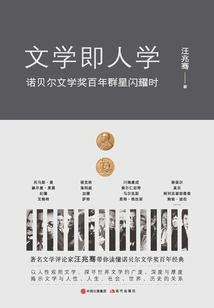
文学即人学:诺贝尔文学奖百年群星闪耀时
Wang Zhaoqian
This book is the brainchild of Mr. Wang Zhaoqian, a famous scholar, literary critic, and editor who has been engaged in professional literary editing, reading, and commenting for nearly 40 years on world literature. From the perspective of pure literary appreciation, criticism and creation, and from the perspective of human nature, history and aesthetics, Wang Zhaoqian carefully interprets more than one hundred Nobel Prize winners in literature since 1901 and their classic masterpieces, comprehensively presenting the glory and brilliance at the top of the world literature pyramid over the past century. Why did they win the award? Why do their works become classics? What contributions did they make to world literature? How do they live and create? One book can read more than 100 world literary classics over the past 100 years, and understand the lives and creative processes of more than 100 literary masters. They are - Tagore, Romain Rolland, Yeats, Bernard Shaw, Thomas Mann, Eugene O'Neill, Pearl Buck, Hermann Hesse, Gide, Eliot, Faulkner, Hemingway, Camus, Pasternak, Sartre, Sholokhov, Kawabata Yasunari, Beckett, Solzhenitsyn, Neruda, Marquez, William Golding, Oe Kenzaburo, Szymborska, José Saramago, Günter Grass, Naipaul, Coetzee, Orhan Pamuk, Hertha Miller, Llosa, Mo Yan, Alexeevich, Bob Dylan, Kazuo Ishiguro...
This book is the brainchild of Mr. Wang Zhaoqian, a famous scholar, literary critic, and editor who has been engaged in professional literary editing, reading, and commenting for nearly 40 years on world literature. From the perspective of pure literary appreciation, criticism and creation, and from the perspective of human nature, history and aesthetics, Wang Zhaoqian carefully interprets more than one hundred Nobel Prize winners in literature since 1901 and their classic masterpieces, comprehensively presenting the glory and brilliance at the top of the world literature pyramid over the past century. Why did they win the award? Why do their works become classics? What contributions did they make to world literature? How do they live and create? One book can read more than 100 world literary classics over the past 100 years, and understand the lives and creative processes of more than 100 literary masters. They are - Tagore, Romain Rolland, Yeats, Bernard Shaw, Thomas Mann, Eugene O'Neill, Pearl Buck, Hermann Hesse, Gide, Eliot, Faulkner, Hemingway, Camus, Pasternak, Sartre, Sholokhov, Kawabata Yasunari, Beckett, Solzhenitsyn, Neruda, Marquez, William Golding, Oe Kenzaburo, Szymborska, José Saramago, Günter Grass, Naipaul, Coetzee, Orhan Pamuk, Hertha Miller, Llosa, Mo Yan, Alexeevich, Bob Dylan, Kazuo Ishiguro...
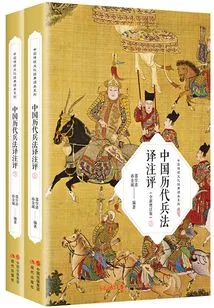
中国历代兵法译注评(全集)
Compiled By Shao Xueqing And Sun Jincheng
This book selects "Sun Tzu's Art of War", "Wu Zi's Art of War", "Sun Bin's Art of War", "Six Towers", "Huang Shigong's Three Strategies", "Selected Works on Cao Cao's Art of War", "Selected Works on Zhuge Liang's Art of War", "Questions and Answers of Emperor Taizong Li Weigong", "Taibai Yin Jing" (excerpt), and "Chengdu Lu" ( Excerpts), "Tiger Seal Sutra" (excerpts), "Military Training Records" (excerpts), "One Hundred Battles", "Thirty-six Stratagems", "The Complete Works of Zeng Wenzhenggong" (excerpts) and other 15 ancient military art works have been translated, annotated and briefly reviewed for the benefit of the vast number of art of war enthusiasts.
This book selects "Sun Tzu's Art of War", "Wu Zi's Art of War", "Sun Bin's Art of War", "Six Towers", "Huang Shigong's Three Strategies", "Selected Works on Cao Cao's Art of War", "Selected Works on Zhuge Liang's Art of War", "Questions and Answers of Emperor Taizong Li Weigong", "Taibai Yin Jing" (excerpt), and "Chengdu Lu" ( Excerpts), "Tiger Seal Sutra" (excerpts), "Military Training Records" (excerpts), "One Hundred Battles", "Thirty-six Stratagems", "The Complete Works of Zeng Wenzhenggong" (excerpts) and other 15 ancient military art works have been translated, annotated and briefly reviewed for the benefit of the vast number of art of war enthusiasts.
Toni Morrison Novels Research
Literature托尼·莫里森小说研究
Zhao Hongwei
This book explores the novel creation of Toni Morrison, an African-American female writer and Nobel Prize winner in Literature, from the perspective of "other space", interprets the social spaces such as "home", "community" and "heterogeneous space" throughout Morrison's novels, and explores their significance in the construction of the character identity in Morrison's novels. It believes that Morrison uses the means of spatial narrative from the perspective of the edge and the other to express a strong racial and gender consciousness, reproduce the history of the other, and attempt to reshape the subjectivity of the other.
This book explores the novel creation of Toni Morrison, an African-American female writer and Nobel Prize winner in Literature, from the perspective of "other space", interprets the social spaces such as "home", "community" and "heterogeneous space" throughout Morrison's novels, and explores their significance in the construction of the character identity in Morrison's novels. It believes that Morrison uses the means of spatial narrative from the perspective of the edge and the other to express a strong racial and gender consciousness, reproduce the history of the other, and attempt to reshape the subjectivity of the other.
人类视野观照下的苏联文学
Han Jiejin
This book examines the human theme of Soviet literature and the characteristics of literature and art from the perspective of human perspective. Through the exploration of its themes, the analysis of artistic diversity and the comparative study of Soviet literature and Chinese literature in the 20th century, it reveals the development trend of Soviet literature and the basic laws of human literature. The whole book is divided into three parts: upper, middle and lower parts. The previous section, "Human Thinking: Eternal Literary Themes," examines the human characteristics of Soviet literature, the "religious complex" of Soviet writers, the "historical memory" of Soviet literature, the "causes and causes of human thinking phenomena" in Soviet literature, etc., Highlighting the theme of human thinking in Soviet literature. The middle edition of "Artistic Diversification: Development Trends of Human Literature" examines specific phenomena and writers' works in the history of Soviet literature, studies the remarkable artistic characteristics of Soviet literature, and strives to show the diversified artistic development trends of Soviet literature. The second part, "Different Routes to Same Destination: A Comparison of Soviet and Chinese Literature in the 20th Century", uses comparative research methods to examine the relationship between Soviet literature and Chinese literature in the 20th century, and explores the basic laws of literature of different nations and countries.
This book examines the human theme of Soviet literature and the characteristics of literature and art from the perspective of human perspective. Through the exploration of its themes, the analysis of artistic diversity and the comparative study of Soviet literature and Chinese literature in the 20th century, it reveals the development trend of Soviet literature and the basic laws of human literature. The whole book is divided into three parts: upper, middle and lower parts. The previous section, "Human Thinking: Eternal Literary Themes," examines the human characteristics of Soviet literature, the "religious complex" of Soviet writers, the "historical memory" of Soviet literature, the "causes and causes of human thinking phenomena" in Soviet literature, etc., Highlighting the theme of human thinking in Soviet literature. The middle edition of "Artistic Diversification: Development Trends of Human Literature" examines specific phenomena and writers' works in the history of Soviet literature, studies the remarkable artistic characteristics of Soviet literature, and strives to show the diversified artistic development trends of Soviet literature. The second part, "Different Routes to Same Destination: A Comparison of Soviet and Chinese Literature in the 20th Century", uses comparative research methods to examine the relationship between Soviet literature and Chinese literature in the 20th century, and explores the basic laws of literature of different nations and countries.
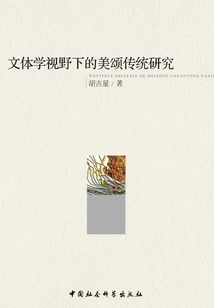
文体学视野下的美颂传统研究
Hu Jixing
As an important literary tradition and an eternal literary spirit, melodies not only influenced the creation of ancient Chinese literature, but also had an important impact on the development of ancient Chinese literary theory. This article chooses the ancient praise style as the entry point to explore the formation and characteristics of the Chinese beauty praise literary tradition, because the beauty praise tradition is composed of the surviving beauty praise works and is a continuum of beauty praise literary works. The article first discusses the birth of the concept of eulogies of the ancestors and the spirit of eulogies contained in primitive songs and dances; then analyzes the stylistic evolution of the elegant odes in the Book of Songs, the eulogies of the Han Dynasty, and the eulogies of the Wei and Jin Dynasties, and their impact on the occurrence and development of the eulogies tradition; finally, it discusses the tendency of the eulogies to be programmed and secular, and analyzes the influence of the eulogies tradition on contemporary Chinese literature, and explains that the eulogies tradition still survives in the present and has become a solid cultural structure and psychological force.
As an important literary tradition and an eternal literary spirit, melodies not only influenced the creation of ancient Chinese literature, but also had an important impact on the development of ancient Chinese literary theory. This article chooses the ancient praise style as the entry point to explore the formation and characteristics of the Chinese beauty praise literary tradition, because the beauty praise tradition is composed of the surviving beauty praise works and is a continuum of beauty praise literary works. The article first discusses the birth of the concept of eulogies of the ancestors and the spirit of eulogies contained in primitive songs and dances; then analyzes the stylistic evolution of the elegant odes in the Book of Songs, the eulogies of the Han Dynasty, and the eulogies of the Wei and Jin Dynasties, and their impact on the occurrence and development of the eulogies tradition; finally, it discusses the tendency of the eulogies to be programmed and secular, and analyzes the influence of the eulogies tradition on contemporary Chinese literature, and explains that the eulogies tradition still survives in the present and has become a solid cultural structure and psychological force.
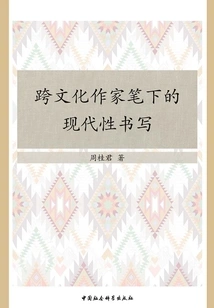
跨文化作家笔下的现代性书写
Zhou Guijun
This book is a project funded by the Humanities and Social Sciences Research Planning Fund of the Ministry of Education (Project Approval Number: 09YJA752009). Modernity is the cultural form of modern society and the essential state of modern society. It is reflected in social thought, political economy, science and technology, culture and other aspects. Modernity has become a hot issue that people in today's world pay close attention to. Cross-cultural writers refer to writers with two or more cultural backgrounds. They have more opportunities to experience the characteristics of modern cultural context, which determines the profundity and modern consciousness of their works. They are both carriers and disseminators of multiculturalism. There are so many cross-cultural novel texts. In order to make the research representative, this book focuses on five novelists with cross-cultural backgrounds who have won the Nobel Prize for Literature: American writer Pearl Buck (1892-1973) (Chinese cultural background), Australian writer Patrick White (Patrick Victor Martindale) White, 1912-1990) (British background, Middle Eastern background), British writer Doris Lessing (1919-) (African background), British-Indian writer V. S. Naipaul (1932-) (Indian background), South African writer John Maxwell Coetzee (1940-) (British, American, Australian background). The backgrounds of these five writers cover the five continents of Asia, Africa, Europe, the United States, and Oceania, spanning a century.
This book is a project funded by the Humanities and Social Sciences Research Planning Fund of the Ministry of Education (Project Approval Number: 09YJA752009). Modernity is the cultural form of modern society and the essential state of modern society. It is reflected in social thought, political economy, science and technology, culture and other aspects. Modernity has become a hot issue that people in today's world pay close attention to. Cross-cultural writers refer to writers with two or more cultural backgrounds. They have more opportunities to experience the characteristics of modern cultural context, which determines the profundity and modern consciousness of their works. They are both carriers and disseminators of multiculturalism. There are so many cross-cultural novel texts. In order to make the research representative, this book focuses on five novelists with cross-cultural backgrounds who have won the Nobel Prize for Literature: American writer Pearl Buck (1892-1973) (Chinese cultural background), Australian writer Patrick White (Patrick Victor Martindale) White, 1912-1990) (British background, Middle Eastern background), British writer Doris Lessing (1919-) (African background), British-Indian writer V. S. Naipaul (1932-) (Indian background), South African writer John Maxwell Coetzee (1940-) (British, American, Australian background). The backgrounds of these five writers cover the five continents of Asia, Africa, Europe, the United States, and Oceania, spanning a century.
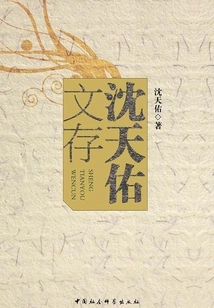
Shen Tianyou Wencun
Literature沈天佑文存
Shen Tianyou
Mr. Shen Tianyou is a famous red scholar and literary historian in my country. This book is a collection of his essays. Mr. Shen's academic research mainly focuses on two fields: First, the study of Ming and Qing novels, especially the study of "Jin Ping Mei" and "Dream of Red Mansions". He is the author of "Jin Ping Mei" and "Dream of Red Mansions" (Peking University Press, 1990), "Selected Novels of the Past Dynasties" (co-authored with Wu Zuxiang and others, China Youth Press, 1982). He published more than fifty papers in his life, most of which were novel papers. The second is the writing of literary history, including "Manuscript of the Literary History of Song and Yuan Dynasties" and "History of Chinese Literature" (edited by You Guoen and others as the main contributors). More important is the impact of academic research methods. Mr. Wu Zuxiang said: "Comrade Shen Tianyou has taught at Peking University for many years. His research on these two books is mostly about ideology and art, and he follows the path of the connoisseurship school."
Mr. Shen Tianyou is a famous red scholar and literary historian in my country. This book is a collection of his essays. Mr. Shen's academic research mainly focuses on two fields: First, the study of Ming and Qing novels, especially the study of "Jin Ping Mei" and "Dream of Red Mansions". He is the author of "Jin Ping Mei" and "Dream of Red Mansions" (Peking University Press, 1990), "Selected Novels of the Past Dynasties" (co-authored with Wu Zuxiang and others, China Youth Press, 1982). He published more than fifty papers in his life, most of which were novel papers. The second is the writing of literary history, including "Manuscript of the Literary History of Song and Yuan Dynasties" and "History of Chinese Literature" (edited by You Guoen and others as the main contributors). More important is the impact of academic research methods. Mr. Wu Zuxiang said: "Comrade Shen Tianyou has taught at Peking University for many years. His research on these two books is mostly about ideology and art, and he follows the path of the connoisseurship school."
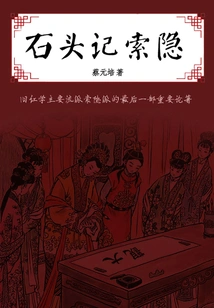
Hidden in Stone
Literature石头记索隐
Cai Yuanpei
Although "Shi Shi Ji Suo Yin" is not a huge work, it has a unique position in the history of red studies. Cai Yuanpei's "The Stone Records Suoyin" is the last important treatise of the Suoyin School, the main school in the old Red Studies. Although the Suoyin School gradually declined with the rise of New Red Studies, it was this article that triggered the birth of Hu Shi's "Critical Research on the Dream of Red Mansions". In the book, the author analyzes the allusions to people and things in "The Story of the Stone" item by item, which has reference value.
Although "Shi Shi Ji Suo Yin" is not a huge work, it has a unique position in the history of red studies. Cai Yuanpei's "The Stone Records Suoyin" is the last important treatise of the Suoyin School, the main school in the old Red Studies. Although the Suoyin School gradually declined with the rise of New Red Studies, it was this article that triggered the birth of Hu Shi's "Critical Research on the Dream of Red Mansions". In the book, the author analyzes the allusions to people and things in "The Story of the Stone" item by item, which has reference value.
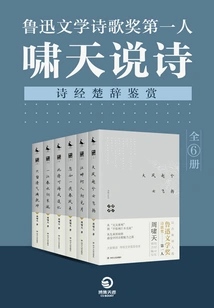
鲁迅文学诗歌奖人:啸天说诗(诗经楚辞鉴赏)(全6册)
Zhou Xiaotian
This set of 6 volumes is an in-depth interpretation of poetry by Zhou Xiaotian, winner of the Lu Xun Literature Award for Poetry! "Xiao Tian's Poetry 1. The wind is rising and the clouds are flying": Selected poems and songs from Chu Ci to the early Tang Dynasty in the Book of Songs are selected for in-depth interpretation, from "Guan Guan Jiu Jiu" to "Not like the water of the Xiang River flowing north", from the pre-Qin to the early Tang Dynasty, explore up and down, and feel the source of the charm of Chinese poetry. "Xiaotian's Poems 2. Who by the River Sees the Moon for the First Time": Selects famous poems from the Tang Dynasty for in-depth interpretation. From "The end of the world is like a neighbor" to "Moisturizing things silently", look at the poetry of the Tang Dynasty and how you can chant all the joys and sorrows in the world! "Xiao Tian's Poems 3. Suddenly Like a Spring Breeze Overnight": After reading "Xiao Tian's Poems", my understanding of Chinese classical poetry and songs suddenly became enlightened. Selected as the winner of the Lu Xun Literature Award for Poetry in ancient style poetry, this book interprets and popularizes traditional literature like a story. "Xiao Tian's Poems 4. This feeling can be recalled": From the beauty of Shen Bo to the beauty of Qing Qian, using beautiful language to write sadness, using mental images to cast physical images, see how the poets of the late Tang Dynasty sang about aging loneliness, nostalgia and hatred. "Xiao Tian's Poetry 5. A River of Spring Water Flows East": This book mainly appreciates the famous works of poets from the Tang, Five Dynasties to Song Dynasty. Li Yu, Su Dongpo, Li Qingzhao, Yan Shu, Yang Wanli... Whether they are poets and poets who are recognized as having great achievements, or their poems that have been selected into various collections countless times, in this book, they all show a different beauty than before. "Xiao Tian's Poems 6. Only the Pure Qi Fills the World": This book mainly appreciates the outstanding poems of the Song, Yuan, Ming and Qing dynasties, and modern times. Jiang Kui, Yuan Haowen, Ma Zhiyuan, Wang Mian, Tang Yin... Whether they are poets recognized as having great achievements, or poems that have been selected into various collections countless times, in this book, they all show a different beauty than before.
This set of 6 volumes is an in-depth interpretation of poetry by Zhou Xiaotian, winner of the Lu Xun Literature Award for Poetry! "Xiao Tian's Poetry 1. The wind is rising and the clouds are flying": Selected poems and songs from Chu Ci to the early Tang Dynasty in the Book of Songs are selected for in-depth interpretation, from "Guan Guan Jiu Jiu" to "Not like the water of the Xiang River flowing north", from the pre-Qin to the early Tang Dynasty, explore up and down, and feel the source of the charm of Chinese poetry. "Xiaotian's Poems 2. Who by the River Sees the Moon for the First Time": Selects famous poems from the Tang Dynasty for in-depth interpretation. From "The end of the world is like a neighbor" to "Moisturizing things silently", look at the poetry of the Tang Dynasty and how you can chant all the joys and sorrows in the world! "Xiao Tian's Poems 3. Suddenly Like a Spring Breeze Overnight": After reading "Xiao Tian's Poems", my understanding of Chinese classical poetry and songs suddenly became enlightened. Selected as the winner of the Lu Xun Literature Award for Poetry in ancient style poetry, this book interprets and popularizes traditional literature like a story. "Xiao Tian's Poems 4. This feeling can be recalled": From the beauty of Shen Bo to the beauty of Qing Qian, using beautiful language to write sadness, using mental images to cast physical images, see how the poets of the late Tang Dynasty sang about aging loneliness, nostalgia and hatred. "Xiao Tian's Poetry 5. A River of Spring Water Flows East": This book mainly appreciates the famous works of poets from the Tang, Five Dynasties to Song Dynasty. Li Yu, Su Dongpo, Li Qingzhao, Yan Shu, Yang Wanli... Whether they are poets and poets who are recognized as having great achievements, or their poems that have been selected into various collections countless times, in this book, they all show a different beauty than before. "Xiao Tian's Poems 6. Only the Pure Qi Fills the World": This book mainly appreciates the outstanding poems of the Song, Yuan, Ming and Qing dynasties, and modern times. Jiang Kui, Yuan Haowen, Ma Zhiyuan, Wang Mian, Tang Yin... Whether they are poets recognized as having great achievements, or poems that have been selected into various collections countless times, in this book, they all show a different beauty than before.
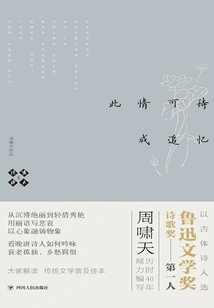
啸天说诗4:此情可待成追忆
Zhou Xiaotian
From the beauty of Shen Bo to the elegance of Qing Qian, use beautiful language to write about sadness, and use mental images to blend objects. See how the poets of the late Tang Dynasty sang about aging, loneliness, nostalgia and hatred.
From the beauty of Shen Bo to the elegance of Qing Qian, use beautiful language to write about sadness, and use mental images to blend objects. See how the poets of the late Tang Dynasty sang about aging, loneliness, nostalgia and hatred.
翁绍军文选:对非主流大思想家的述评(谷臻小简·AI导读版)
Weng Shaojun
This book consists of three parts: characters, thoughts, and comments. The character chapter reviews Chinese and foreign thinkers such as Schopenhauer, Kierkegaard, Nietzsche, Wang Yangming, and Li Zhi, and outlines the overall characteristics of these thinkers in a simple and easy-to-understand way. The ideological chapter and the commentary chapter explore the way to connect the ancient and modern Chinese and Western thoughts through the study and comparison of Chinese and Western ideological theories.
This book consists of three parts: characters, thoughts, and comments. The character chapter reviews Chinese and foreign thinkers such as Schopenhauer, Kierkegaard, Nietzsche, Wang Yangming, and Li Zhi, and outlines the overall characteristics of these thinkers in a simple and easy-to-understand way. The ideological chapter and the commentary chapter explore the way to connect the ancient and modern Chinese and Western thoughts through the study and comparison of Chinese and Western ideological theories.
Shanghai Lu Xun Research·lu Xun Manuscript Research Album (gu Zhen's Briefs·ai Guided Edition)
Literature上海鲁迅研究·鲁迅手稿研究专辑(谷臻小简·AI导读版)
Zheng Ya
As a leading figure in the left-wing cultural movement led by the Communist Party of China, Lu Xun's spirit played an indelible role both after his death and during the Anti-Japanese War. This book starts from Lu Xun's manuscripts, works, translations, philosophy and even art to restore a real Lu Xun.
As a leading figure in the left-wing cultural movement led by the Communist Party of China, Lu Xun's spirit played an indelible role both after his death and during the Anti-Japanese War. This book starts from Lu Xun's manuscripts, works, translations, philosophy and even art to restore a real Lu Xun.
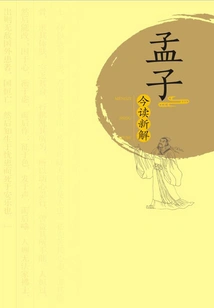
New Interpretation of Mencius Today
Literature孟子今读新解
Luo Zhilin
In the treasure house of the excellent traditional culture of the Chinese nation, "Mencius" is undoubtedly a dazzling pearl. The authors of the book "Mencius" are Mencius himself and his disciples Wan Zhang, Gongsun Chou and others. Sima Qian said in "Historical Records: Biography of Mencius and Xunqing": "(Meng Ke) retreated and prefaced "Poems" and "Books" with Wan Zhang's disciples, described Zhongni's meaning, and wrote seven chapters of "Mencius"." It can be seen that Mencius is the main author of the book "Mencius", and his disciples Wan Zhang, Gongsun Chou and others participated in the compilation of the book.
In the treasure house of the excellent traditional culture of the Chinese nation, "Mencius" is undoubtedly a dazzling pearl. The authors of the book "Mencius" are Mencius himself and his disciples Wan Zhang, Gongsun Chou and others. Sima Qian said in "Historical Records: Biography of Mencius and Xunqing": "(Meng Ke) retreated and prefaced "Poems" and "Books" with Wan Zhang's disciples, described Zhongni's meaning, and wrote seven chapters of "Mencius"." It can be seen that Mencius is the main author of the book "Mencius", and his disciples Wan Zhang, Gongsun Chou and others participated in the compilation of the book.
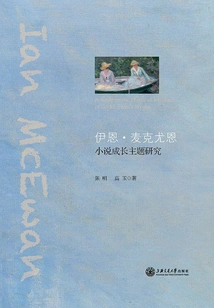
伊恩·麦克尤恩小说成长主题研究
Zhang Ming Gao Yu
This book takes several of McEwan's major novels as the research object, uses "the theme of growth" as the entry point to study McEwan's creation, and interprets the meaning and value of his texts. Ian McEwan is recognized as Britain's "national writer" and one of the most influential writers in contemporary Western literary circles. In McEwan's more than 40 years of creative career, the "growth theme" has run through most of his novels, and its importance is obvious. This book believes that McEwan's novels inherit the tradition of "coming-of-age writing" in Western novels, but present their own distinctive characteristics. This book is an academic monograph, suitable for students and researchers majoring in British and American literature, as well as general literature lovers.
This book takes several of McEwan's major novels as the research object, uses "the theme of growth" as the entry point to study McEwan's creation, and interprets the meaning and value of his texts. Ian McEwan is recognized as Britain's "national writer" and one of the most influential writers in contemporary Western literary circles. In McEwan's more than 40 years of creative career, the "growth theme" has run through most of his novels, and its importance is obvious. This book believes that McEwan's novels inherit the tradition of "coming-of-age writing" in Western novels, but present their own distinctive characteristics. This book is an academic monograph, suitable for students and researchers majoring in British and American literature, as well as general literature lovers.
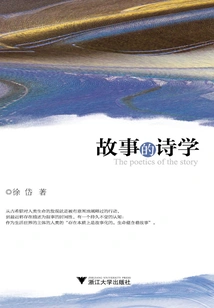
Poetics of Story
Literature故事的诗学
Xu Dai
Through five chapters including "Philosophy of Story", "Experience of Story", "Quality of Story", "Essential Nature of Story" and "Ethics of Story", it studies new propositions related to novel works such as the art of novel, ontology of novel, history of novel, ethnography of novel and ethics of novel, combined with a large number of specific novel texts, to further explore the poetic mystery of the art of novel. Although there are many theoretical works on novels, this book is unique. There are two main points: 1. To carry out "research on the poetics of novels" from philosophy to history to ethics, etc. This has never happened before in China. 2. Focus on textual analysis of specific works to make academic works vivid and readable.
Through five chapters including "Philosophy of Story", "Experience of Story", "Quality of Story", "Essential Nature of Story" and "Ethics of Story", it studies new propositions related to novel works such as the art of novel, ontology of novel, history of novel, ethnography of novel and ethics of novel, combined with a large number of specific novel texts, to further explore the poetic mystery of the art of novel. Although there are many theoretical works on novels, this book is unique. There are two main points: 1. To carry out "research on the poetics of novels" from philosophy to history to ethics, etc. This has never happened before in China. 2. Focus on textual analysis of specific works to make academic works vivid and readable.
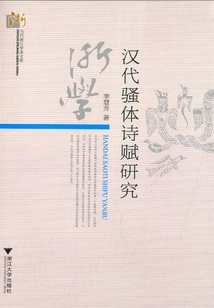
汉代骚体诗赋研究
Li Huifang
Zhejiang Provincial Social Science Planning Project. Doctoral thesis on ancient literature from Zhejiang University. This book is the first monograph on Sao-style poetry in the Han Dynasty, and it has academic significance to fill the gap. Sao-style poetry in the Han Dynasty includes Chu songs, poems and ancient Yuefu Ci named after Ci, Qu, Cao, Yin, etc. Sao-style Fu in the Han Dynasty mainly includes Han Chinese works in "Chu Ci Zhangju" and Sao-style works with famous Fu chapters outside "Zhangju". This book studies its main creation causes, emotional world, investigation of the uniqueness of style and art, and its position in the history of the evolution of Sao style.
Zhejiang Provincial Social Science Planning Project. Doctoral thesis on ancient literature from Zhejiang University. This book is the first monograph on Sao-style poetry in the Han Dynasty, and it has academic significance to fill the gap. Sao-style poetry in the Han Dynasty includes Chu songs, poems and ancient Yuefu Ci named after Ci, Qu, Cao, Yin, etc. Sao-style Fu in the Han Dynasty mainly includes Han Chinese works in "Chu Ci Zhangju" and Sao-style works with famous Fu chapters outside "Zhangju". This book studies its main creation causes, emotional world, investigation of the uniqueness of style and art, and its position in the history of the evolution of Sao style.
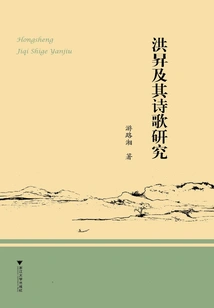
Research on Hong Sheng and His Poetry
Literature洪昇及其诗歌研究
You Luxiang
Due to the great reputation of "The Palace of Eternal Life", later scholars' research on Hong Sheng focused on "The Palace of Eternal Life". Most of the discussions on Hong Sheng's poetry are only scattered in the texts studied on Hong Sheng and "The Palace of Eternal Life". This is the first time that a systematic treatise on Hong Sheng's poetry has been published. The first part of this article places Hong Sheng in the cultural context of the early Qing Dynasty, and explores the origin and flow of his poetic concepts that influenced Hong Sheng's life direction and poetic concepts based on his family background, regional cultural field, teachers and literary circles. The second part focuses on the theme orientation, aesthetic form, and artistic style of Hong Sheng's poetry, and conducts a special analysis of Hong Sheng's love poems, farewell poems, sentimental poems, reclusive poems, and landscape poems based on his life.
Due to the great reputation of "The Palace of Eternal Life", later scholars' research on Hong Sheng focused on "The Palace of Eternal Life". Most of the discussions on Hong Sheng's poetry are only scattered in the texts studied on Hong Sheng and "The Palace of Eternal Life". This is the first time that a systematic treatise on Hong Sheng's poetry has been published. The first part of this article places Hong Sheng in the cultural context of the early Qing Dynasty, and explores the origin and flow of his poetic concepts that influenced Hong Sheng's life direction and poetic concepts based on his family background, regional cultural field, teachers and literary circles. The second part focuses on the theme orientation, aesthetic form, and artistic style of Hong Sheng's poetry, and conducts a special analysis of Hong Sheng's love poems, farewell poems, sentimental poems, reclusive poems, and landscape poems based on his life.
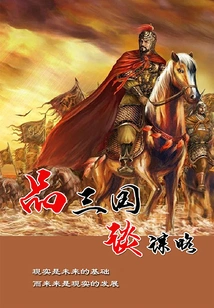
品三国谈谋略
Hundreds Of Readings
What kind of book is "The Romance of the Three Kingdoms"? Rather than saying it is a long historical novel, it is better to say it is a history book, a book of war, a book of life, or in other words, it is a book of wisdom. When reading "The Romance of the Three Kingdoms", it is important to discover the great strategy and great wisdom in it. This kind of wisdom is not based on facts, but is formed by analyzing, synthesizing and sublimating many stories in the original work of the Three Kingdoms. This is the real great wisdom, great understanding and great truth in life. This book is an in-depth reading of the life strategies in "The Romance of the Three Kingdoms", with vivid language and unique insights. If you are a person who loves wisdom, then please open this book and start your journey of exploration of the strategic wisdom of the Three Kingdoms!
What kind of book is "The Romance of the Three Kingdoms"? Rather than saying it is a long historical novel, it is better to say it is a history book, a book of war, a book of life, or in other words, it is a book of wisdom. When reading "The Romance of the Three Kingdoms", it is important to discover the great strategy and great wisdom in it. This kind of wisdom is not based on facts, but is formed by analyzing, synthesizing and sublimating many stories in the original work of the Three Kingdoms. This is the real great wisdom, great understanding and great truth in life. This book is an in-depth reading of the life strategies in "The Romance of the Three Kingdoms", with vivid language and unique insights. If you are a person who loves wisdom, then please open this book and start your journey of exploration of the strategic wisdom of the Three Kingdoms!
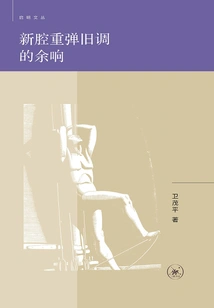
新腔重弹旧调的余响
Wei Maoping
As the subtitle "The Wandering Between Translation and Authoring" shows, the author modestly left some words behind, "forming his own academic situation of wandering between 'translation' and 'authoring'". In fact, this is a comprehensive work that embodies Professor Wei Maoping's thoughts and ideas on literary criticism, including the first volume introducing German literature and the literary world; the second volume discussing the relationship between German and Chinese literature; and the author's preface and postscript for the translated work (edited into the third volume).
As the subtitle "The Wandering Between Translation and Authoring" shows, the author modestly left some words behind, "forming his own academic situation of wandering between 'translation' and 'authoring'". In fact, this is a comprehensive work that embodies Professor Wei Maoping's thoughts and ideas on literary criticism, including the first volume introducing German literature and the literary world; the second volume discussing the relationship between German and Chinese literature; and the author's preface and postscript for the translated work (edited into the third volume).
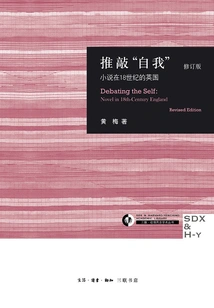
推敲“自我”:小说在18世纪的英国(修订版)
Written By Huang Mei
This book comprehensively reviews the major novel writers, major works, genre styles, and contributions to the history of British and Western novels in the more than 100 years from the initial stage of the rise of modern British novels in the 17th century to the first prosperity of British novels in the 18th century. It includes and comments on the important comments made by Western, especially British and American scholars, on these writers and works from different viewpoints and angles in the past, and on this basis, it puts forward its own opinions. In the specific review, the author shows an excellent level of text interpretation and character analysis, showing the multi-layered meanings of the text one by one, which plays a role in classic appreciation.
This book comprehensively reviews the major novel writers, major works, genre styles, and contributions to the history of British and Western novels in the more than 100 years from the initial stage of the rise of modern British novels in the 17th century to the first prosperity of British novels in the 18th century. It includes and comments on the important comments made by Western, especially British and American scholars, on these writers and works from different viewpoints and angles in the past, and on this basis, it puts forward its own opinions. In the specific review, the author shows an excellent level of text interpretation and character analysis, showing the multi-layered meanings of the text one by one, which plays a role in classic appreciation.
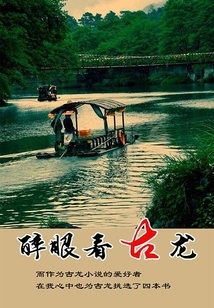
Drunken Eyes Looking at Cologne
Literature醉眼看古龙
Hundreds Of Readings
As a lover of Gu Long's novels, I have also selected four books for Gu Long as his "four masterpieces", which are "The Prodigal Son of the Border Town", "Seven Weapons", "The Sentimental Swordsman's Ruthless Sword" and "The Happy Hero". I did not include books such as "The Legend of Lu Xiaofeng", "The Legend of Chu Liuxiang", "A History of Martial Arts" and "Peerless Two Prides" because I think the first four books can maturely represent the characteristics of Gu Long in terms of ideological taste, language operation and character description.
As a lover of Gu Long's novels, I have also selected four books for Gu Long as his "four masterpieces", which are "The Prodigal Son of the Border Town", "Seven Weapons", "The Sentimental Swordsman's Ruthless Sword" and "The Happy Hero". I did not include books such as "The Legend of Lu Xiaofeng", "The Legend of Chu Liuxiang", "A History of Martial Arts" and "Peerless Two Prides" because I think the first four books can maturely represent the characteristics of Gu Long in terms of ideological taste, language operation and character description.
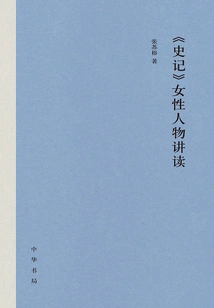
《史记》女性人物讲读
Zhang Surong
This book mainly interprets and comments on the female characters in "Historical Records". The main part is divided into eight special topics, respectively introducing Sima Qian's politically powerful women, common people's mothers who understand righteousness, legendary women who have the courage to pursue, brave and strong chivalrous heroines, wise women with far-sightedness, tragic women in the court, upper-class ladies with twisted souls, and worldly and vulgar women in the market. In addition, it also introduces Sima Qian's views on women and the influence of female characters in "Historical Records" on later generations of culture.
This book mainly interprets and comments on the female characters in "Historical Records". The main part is divided into eight special topics, respectively introducing Sima Qian's politically powerful women, common people's mothers who understand righteousness, legendary women who have the courage to pursue, brave and strong chivalrous heroines, wise women with far-sightedness, tragic women in the court, upper-class ladies with twisted souls, and worldly and vulgar women in the market. In addition, it also introduces Sima Qian's views on women and the influence of female characters in "Historical Records" on later generations of culture.
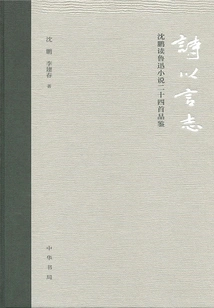
诗以言志:沈鹏读鲁迅小说二十四首品鉴
Shen Peng Li Jianchun
This book is published in a collection and mainly consists of three parts: Shen Peng's reading of twenty-four novels and poems by Lu Xun, Li Jianchun's commentary on twenty-four poems, and Shen Peng's and Li Jianchun's twenty-four calligraphy poems. It mainly brings together a group of poems written by Mr. Shen Peng, "Twenty-Four Poems from Lu Xun's Novels Read by Shen Peng", including "Kong Yiji", "The True Story of Ah Q", "Diary of a Madman", "White Light", "Blessing", "Medicine", "Trouble", "At the Restaurant" and "Loneliness". It consists of nine chapters and twenty-four poems of Lu Xun's classic works such as "The Writer"; Mr. Li Jianchun wrote the article "Appreciation of Shen Peng's Reading of Twenty-Four Novels and Poems of Lu Xun", which was successively published in newspapers such as Guangming Daily, Poetry Magazine, and Beijing Evening News. This book has the title inscribed by Mr. Shen Peng himself, and includes one of his seal script works, as well as twenty-four of the author Li Jianchun's running script works.
This book is published in a collection and mainly consists of three parts: Shen Peng's reading of twenty-four novels and poems by Lu Xun, Li Jianchun's commentary on twenty-four poems, and Shen Peng's and Li Jianchun's twenty-four calligraphy poems. It mainly brings together a group of poems written by Mr. Shen Peng, "Twenty-Four Poems from Lu Xun's Novels Read by Shen Peng", including "Kong Yiji", "The True Story of Ah Q", "Diary of a Madman", "White Light", "Blessing", "Medicine", "Trouble", "At the Restaurant" and "Loneliness". It consists of nine chapters and twenty-four poems of Lu Xun's classic works such as "The Writer"; Mr. Li Jianchun wrote the article "Appreciation of Shen Peng's Reading of Twenty-Four Novels and Poems of Lu Xun", which was successively published in newspapers such as Guangming Daily, Poetry Magazine, and Beijing Evening News. This book has the title inscribed by Mr. Shen Peng himself, and includes one of his seal script works, as well as twenty-four of the author Li Jianchun's running script works.
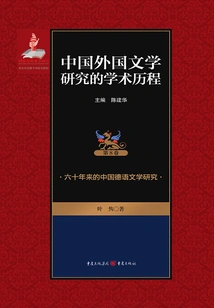
六十年来的中国德语文学研究
Ye Jun
"Research on Chinese German Literature in the Past Sixty Years" is the 8th volume out of 12 volumes in the "Academic Process of Research on Foreign Literature in China". "German literature" is a relatively broad concept, including German literature in German-speaking countries, Austrian literature and part of Swiss literature. This volume is mainly based on sorting out historical facts and outlining clues. In addition to the "Introduction" and "Conclusion", it is divided into three parts and six chapters. It provides a more thorough reflection on the modern academic dual-track system, that is, the historical evolution of the university and the Academy of Social Sciences as the carrier of German literature research. It also provides a more thorough reflection on the academic history representatives such as Feng Zhi, Ye Tingfang, and Yang Wuneng as individual cases, on the research works of "classic" writers such as Goethe's "Faust", and on the academic history of German literature itself. The author takes a comprehensive look at the research on German literature in China and fully demonstrates the achievements of German literature research in China. At the same time, the author also points out the problems existing in the research from a methodological perspective.
"Research on Chinese German Literature in the Past Sixty Years" is the 8th volume out of 12 volumes in the "Academic Process of Research on Foreign Literature in China". "German literature" is a relatively broad concept, including German literature in German-speaking countries, Austrian literature and part of Swiss literature. This volume is mainly based on sorting out historical facts and outlining clues. In addition to the "Introduction" and "Conclusion", it is divided into three parts and six chapters. It provides a more thorough reflection on the modern academic dual-track system, that is, the historical evolution of the university and the Academy of Social Sciences as the carrier of German literature research. It also provides a more thorough reflection on the academic history representatives such as Feng Zhi, Ye Tingfang, and Yang Wuneng as individual cases, on the research works of "classic" writers such as Goethe's "Faust", and on the academic history of German literature itself. The author takes a comprehensive look at the research on German literature in China and fully demonstrates the achievements of German literature research in China. At the same time, the author also points out the problems existing in the research from a methodological perspective.
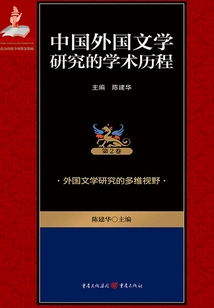
外国文学研究的多维视野
Editor-in-chief Chen Jianhua
"Multi-Dimensional Perspectives of Foreign Literature Research" is the second volume of the 12 volumes of "The Academic Process of Foreign Literature Research in China" and belongs to the second part of the "General Introduction". This volume is divided into two parts. The previous article, "Foreign Literature Research in a Multi-Dimensional Perspective," invited domestic scholars with outstanding achievements in related fields to write 12 articles, each examining foreign literature research from their familiar fields and from different angles. These articles were cut from various important angles, with broad vision, profound insights, sufficient discussion, and considerable skill. The next article, "Construction of the Paradigm of Foreign Literature History and Related Issues", mainly discusses four issues: 1. The construction of the paradigm of foreign literature history; 2. "Foreign Literature" curriculum and subject development; 3. Translated novels and their reviews in modern Chinese newspapers and periodicals; 4. Research on foreign literature in Taiwan, China. Each of the above issues has its own emphasis, and they are all indispensable and important issues in the field of foreign literature research.
"Multi-Dimensional Perspectives of Foreign Literature Research" is the second volume of the 12 volumes of "The Academic Process of Foreign Literature Research in China" and belongs to the second part of the "General Introduction". This volume is divided into two parts. The previous article, "Foreign Literature Research in a Multi-Dimensional Perspective," invited domestic scholars with outstanding achievements in related fields to write 12 articles, each examining foreign literature research from their familiar fields and from different angles. These articles were cut from various important angles, with broad vision, profound insights, sufficient discussion, and considerable skill. The next article, "Construction of the Paradigm of Foreign Literature History and Related Issues", mainly discusses four issues: 1. The construction of the paradigm of foreign literature history; 2. "Foreign Literature" curriculum and subject development; 3. Translated novels and their reviews in modern Chinese newspapers and periodicals; 4. Research on foreign literature in Taiwan, China. Each of the above issues has its own emphasis, and they are all indispensable and important issues in the field of foreign literature research.
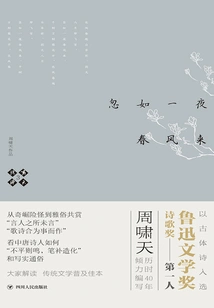
啸天说诗3:忽如一夜春风来
Zhou Xiaotian
After reading "Xiao Tian Shuo Shi", my understanding of Chinese classical poetry and songs suddenly became enlightened. Selected as the winner of the Lu Xun Literature Award for Poetry in ancient style poetry, this book interprets and popularizes traditional literature like a story.
After reading "Xiao Tian Shuo Shi", my understanding of Chinese classical poetry and songs suddenly became enlightened. Selected as the winner of the Lu Xun Literature Award for Poetry in ancient style poetry, this book interprets and popularizes traditional literature like a story.
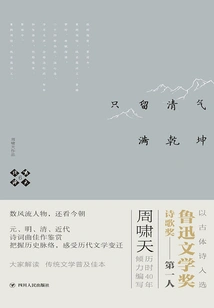
啸天说诗6:只留清气满乾坤
Zhou Xiaotian
This book mainly appreciates the outstanding poetry of the Song, Yuan, Ming and Qing dynasties, and modern times. Jiang Kui, Yuan Haowen, Ma Zhiyuan, Wang Mian, Tang Yin... Whether they are poets recognized as having great achievements, or poems that have been selected into various collections countless times, in this book, they all show a different beauty than before.
This book mainly appreciates the outstanding poetry of the Song, Yuan, Ming and Qing dynasties, and modern times. Jiang Kui, Yuan Haowen, Ma Zhiyuan, Wang Mian, Tang Yin... Whether they are poets recognized as having great achievements, or poems that have been selected into various collections countless times, in this book, they all show a different beauty than before.
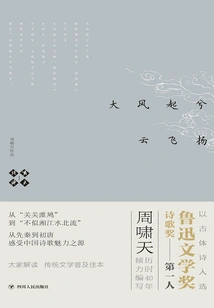
啸天说诗1:大风起兮云飞扬
Zhou Xiaotian
Selected poems and songs from Chuci in the Book of Songs to the early Tang Dynasty are analyzed in depth, from "Guan Guan Jiu Jiu" to "Not like the water of the Xiangjiang River flowing northward", from the pre-Qin Dynasty to the early Tang Dynasty, explore up and down, and feel the source of the charm of Chinese poetry.
Selected poems and songs from Chuci in the Book of Songs to the early Tang Dynasty are analyzed in depth, from "Guan Guan Jiu Jiu" to "Not like the water of the Xiangjiang River flowing northward", from the pre-Qin Dynasty to the early Tang Dynasty, explore up and down, and feel the source of the charm of Chinese poetry.
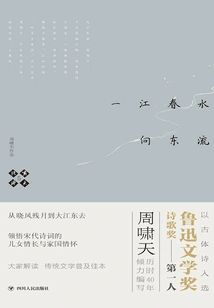
啸天说诗5:一江春水向东流
Zhou Xiaotian
This book mainly appreciates the masterpieces of poets from the Tang, Five Dynasties and Song Dynasties. Li Yu, Su Dongpo, Li Qingzhao, Yan Shu, Yang Wanli... Whether they are poets and poets who are recognized as having great achievements, or their poems that have been selected into various collections countless times, in this book, they all show a different beauty than before.
This book mainly appreciates the masterpieces of poets from the Tang, Five Dynasties and Song Dynasties. Li Yu, Su Dongpo, Li Qingzhao, Yan Shu, Yang Wanli... Whether they are poets and poets who are recognized as having great achievements, or their poems that have been selected into various collections countless times, in this book, they all show a different beauty than before.
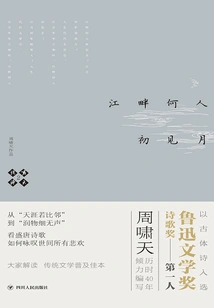
啸天说诗2:江畔何人初见月
Zhou Xiaotian
Selected famous poems from the Tang Dynasty for in-depth interpretation. From "The end of the world is like a neighbor" to "Moisturizing things silently", look at the poetry of the Tang Dynasty and how you can chant all the joys and sorrows in the world!
Selected famous poems from the Tang Dynasty for in-depth interpretation. From "The end of the world is like a neighbor" to "Moisturizing things silently", look at the poetry of the Tang Dynasty and how you can chant all the joys and sorrows in the world!
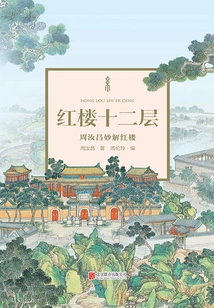
红楼十二层:周汝昌妙解红楼
Written By Zhou Ruchang And Edited By Zhou Lunling
Mr. Zhou Ruchang, a master of Red Studies, has devoted his life's research efforts to finally write the masterpiece of "Red Studies", "The Twelve Floors of the Red Building". This book starts with the culture of "Red Mansions", the purpose of "Red Mansions", the daughter of "Red Mansions", the beauty of "Red Mansions", the aesthetics of "Red Mansions", the self-description of "Red Mansions", the fat inkstone of "Red Mansions", the lost exploration of "Red Mansions", and the truth of "Red Mansions". This book, "Red Mansions" index, "Red Mansions" puzzles, "Red Mansions" Q&A, etc. Comprehensively explore various unsolved cases in "A Dream of Red Mansions", "rehabilitate Xue Qin, who has been wronged for more than 200 years", and restore the historical truth. "With lightning-quick inspiration and rigorous research, it follows the essence of Chinese culture, is elegant, unique and fascinating."
Mr. Zhou Ruchang, a master of Red Studies, has devoted his life's research efforts to finally write the masterpiece of "Red Studies", "The Twelve Floors of the Red Building". This book starts with the culture of "Red Mansions", the purpose of "Red Mansions", the daughter of "Red Mansions", the beauty of "Red Mansions", the aesthetics of "Red Mansions", the self-description of "Red Mansions", the fat inkstone of "Red Mansions", the lost exploration of "Red Mansions", and the truth of "Red Mansions". This book, "Red Mansions" index, "Red Mansions" puzzles, "Red Mansions" Q&A, etc. Comprehensively explore various unsolved cases in "A Dream of Red Mansions", "rehabilitate Xue Qin, who has been wronged for more than 200 years", and restore the historical truth. "With lightning-quick inspiration and rigorous research, it follows the essence of Chinese culture, is elegant, unique and fascinating."
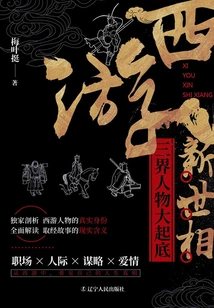
西游新世相:三界人物大起底
Mei Yeting
This book is an interpretation of the classic "Journey to the West" from a unique perspective. The author starts from many details of the original work, takes each character as a perspective, and through his whimsical interpretation, presents a three-dimensional world of gods, Buddhas, mortals, and spirits constructed in "Journey to the West". There are four chapters in the book, namely "The Struggle of Spirits", "The World of Gods and Buddhas", "The Destiny of Mortals" and "The Protagonist's Journey". The author re-examines each character. From a new perspective, monsters may make people sad or admirable, gods are no longer thin and full of fireworks, and the fate of mortals makes people sigh and empathize.
This book is an interpretation of the classic "Journey to the West" from a unique perspective. The author starts from many details of the original work, takes each character as a perspective, and through his whimsical interpretation, presents a three-dimensional world of gods, Buddhas, mortals, and spirits constructed in "Journey to the West". There are four chapters in the book, namely "The Struggle of Spirits", "The World of Gods and Buddhas", "The Destiny of Mortals" and "The Protagonist's Journey". The author re-examines each character. From a new perspective, monsters may make people sad or admirable, gods are no longer thin and full of fireworks, and the fate of mortals makes people sigh and empathize.
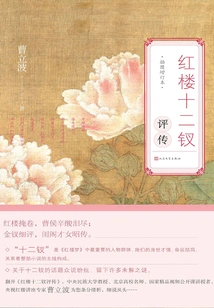
红楼十二钗评传
Cao Libo
This book starts from the text of "A Dream of Red Mansions", compares multiple versions, combines comments from the Qing Dynasty and modern research results, uses biographical narrative techniques and the artistic conception of ancient poetry, and uses a calm and peaceful attitude to deeply analyze the identity, talent, love, appearance and fate of the main and secondary characters in "A Dream of Red Mansions". After the first edition in 2007, the market response was good, with more than 6,000 copies sold, but it has been out of stock in recent years. Currently, the author has made a lot of revisions and plans to publish an updated version this time. This book pays attention to the disclosure and description of details, and the text is beautiful and smooth. It not only maintains academic rigor but also greatly enhances the reading interest. It is closer to the public than traditional classic works on red studies.
This book starts from the text of "A Dream of Red Mansions", compares multiple versions, combines comments from the Qing Dynasty and modern research results, uses biographical narrative techniques and the artistic conception of ancient poetry, and uses a calm and peaceful attitude to deeply analyze the identity, talent, love, appearance and fate of the main and secondary characters in "A Dream of Red Mansions". After the first edition in 2007, the market response was good, with more than 6,000 copies sold, but it has been out of stock in recent years. Currently, the author has made a lot of revisions and plans to publish an updated version this time. This book pays attention to the disclosure and description of details, and the text is beautiful and smooth. It not only maintains academic rigor but also greatly enhances the reading interest. It is closer to the public than traditional classic works on red studies.
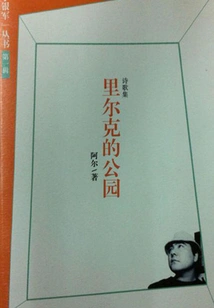
Rilke's Park
Literature里尔克的公园
Al
"Rilke's Park" is the work of the poet Al. His poems have all the characteristics of avant-garde poetry, but also have his own unique temperament, broad themes and diverse styles, which to a certain extent reflect the combination of tradition and modernity. The civilian perspective, strong rhythm and harmonious rhymes of his poems have given his poems a wider audience.
"Rilke's Park" is the work of the poet Al. His poems have all the characteristics of avant-garde poetry, but also have his own unique temperament, broad themes and diverse styles, which to a certain extent reflect the combination of tradition and modernity. The civilian perspective, strong rhythm and harmonious rhymes of his poems have given his poems a wider audience.
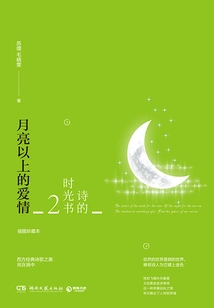
诗的时光书2:月亮以上的爱情
Su Ying Mao Xiaowen
This book is the second volume of "The Time Book of Poetry", taking readers through the magical gallery of Western poetry classics. Beginning with Sappho, the world's first poet who sang about personal love, the author selects 12 great poets in the history of Western poetry: from Shelley, the representative of romanticism and the "poet among poets", to Pushkin, the father of Russian literature; from Ding, the poet laureate of aestheticism Nissen, to the pioneer of Symbolism, Edgar Allan Poe; from the ancient Greek tragedy master Euripides, to the poet Prudhomme who wrote about the loneliness of modern people... 12 Heart-wrenching poetic stories depict an extremely splendid picture of life, and also reveal the original loneliness of human nature. The book contains nearly a hundred famous Western paintings, which together with the moving poems, merge into a miniature version of the history of Western art. The poems and paintings are accompanied by magnificent and splendid works, which fully demonstrate the loftiness and magnificence of the Western art classics.
This book is the second volume of "The Time Book of Poetry", taking readers through the magical gallery of Western poetry classics. Beginning with Sappho, the world's first poet who sang about personal love, the author selects 12 great poets in the history of Western poetry: from Shelley, the representative of romanticism and the "poet among poets", to Pushkin, the father of Russian literature; from Ding, the poet laureate of aestheticism Nissen, to the pioneer of Symbolism, Edgar Allan Poe; from the ancient Greek tragedy master Euripides, to the poet Prudhomme who wrote about the loneliness of modern people... 12 Heart-wrenching poetic stories depict an extremely splendid picture of life, and also reveal the original loneliness of human nature. The book contains nearly a hundred famous Western paintings, which together with the moving poems, merge into a miniature version of the history of Western art. The poems and paintings are accompanied by magnificent and splendid works, which fully demonstrate the loftiness and magnificence of the Western art classics.
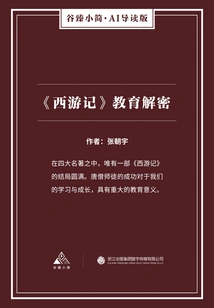
《西游记》教育解密(谷臻小简·AI导读版)
Zhang Chaoyu
This book will lead everyone to obtain an education scripture from Tang Monk and his disciples. Among the four famous novels, only one, Journey to the West, has a happy ending. The success of Tang Seng and his apprentices has great educational significance for our learning and growth. The book is full of Yi Zhongtian's humor and Yu Dan's philosophy. It's not "Lecture Forum of Hundreds of Schools", but better than "Lecture Forum of Hundreds of Schools". Okay, let's start our journey to the West.
This book will lead everyone to obtain an education scripture from Tang Monk and his disciples. Among the four famous novels, only one, Journey to the West, has a happy ending. The success of Tang Seng and his apprentices has great educational significance for our learning and growth. The book is full of Yi Zhongtian's humor and Yu Dan's philosophy. It's not "Lecture Forum of Hundreds of Schools", but better than "Lecture Forum of Hundreds of Schools". Okay, let's start our journey to the West.
Lao She and His Works
Literature老舍和他的作品
Hu Jinquan
Lao She and Hu Jinquan are both old Beijingers, and they both love calligraphy, painting, folk arts, and folk culture. As a fellow countryman, Hu Jinquan liked to read Lao She's novels and was influenced by them when creating movies. From 1973 to 1975, Hu Jinquan published a series of articles on Lao She in Ming Pao Monthly, which were then compiled into a book, "Lao She and His Works". This book is Hu Jinquan's summary of Lao She's life, works and literary activities. It starts from Lao She's birth and details his experiences in studying, writing, traveling to foreign countries, returning to teach in China, and presiding over the "Literary Association" during the Anti-Japanese War. Hu Jinquan believed that Lao She had the characteristics of a small citizen in Beijing - "being content with the status quo and not doing anything radical". He called him a "Beijing (Guquan) person". This personality influenced Lao She's behavior and was also reflected in the characters in his works. The materials cited in the book include Lao She's autobiography, friends' memories and other articles published in newspapers and periodicals around the world, etc., Which were compiled by Hu Jinquan's visits to the libraries of British and American universities. Hu Jinquan, who is good at making martial arts movies, is on a journey both on and off the screen. Lao She also has the image of a drifter in his works. With their hometown of Beijing as the connecting point, "walking" has become the key word in the life trajectories of these two masters. The artistic influence and charm inheritance during this period can be glimpsed through this book.
Lao She and Hu Jinquan are both old Beijingers, and they both love calligraphy, painting, folk arts, and folk culture. As a fellow countryman, Hu Jinquan liked to read Lao She's novels and was influenced by them when creating movies. From 1973 to 1975, Hu Jinquan published a series of articles on Lao She in Ming Pao Monthly, which were then compiled into a book, "Lao She and His Works". This book is Hu Jinquan's summary of Lao She's life, works and literary activities. It starts from Lao She's birth and details his experiences in studying, writing, traveling to foreign countries, returning to teach in China, and presiding over the "Literary Association" during the Anti-Japanese War. Hu Jinquan believed that Lao She had the characteristics of a small citizen in Beijing - "being content with the status quo and not doing anything radical". He called him a "Beijing (Guquan) person". This personality influenced Lao She's behavior and was also reflected in the characters in his works. The materials cited in the book include Lao She's autobiography, friends' memories and other articles published in newspapers and periodicals around the world, etc., Which were compiled by Hu Jinquan's visits to the libraries of British and American universities. Hu Jinquan, who is good at making martial arts movies, is on a journey both on and off the screen. Lao She also has the image of a drifter in his works. With their hometown of Beijing as the connecting point, "walking" has become the key word in the life trajectories of these two masters. The artistic influence and charm inheritance during this period can be glimpsed through this book.