Library
Browse and search books
233 novels found
Guanwen Guanzhi
Literature古文观止
(qing Dynasty) Wu Chucai (qing Dynasty) Compiled By Wu Tiaohou
"Guwen Guanzhi" is an anthology of ancient prose compiled by Wu Chucai and Wu Tiaohou of the Qing Dynasty. It was originally compiled as a teaching material for students. The "ancient prose" in the book's title refers to the ancient prose of the Eight Great Masters of the Tang and Song Dynasties advocated by Gui Youguang, Mao Kun and others in the dynasty, while "Guanzhi" means that the collected articles represent the highest level of classical Chinese. Just study classical Chinese and study this book. There are 222 selected essays in this book, starting from the pre-Qin Dynasty and ending in the Ming Dynasty. It generally reflects the context and main features of the development of prose from the pre-Qin Dynasty to the late Ming Dynasty. This book has been popular since it was officially published in the 34th year of Kangxi (1695).
"Guwen Guanzhi" is an anthology of ancient prose compiled by Wu Chucai and Wu Tiaohou of the Qing Dynasty. It was originally compiled as a teaching material for students. The "ancient prose" in the book's title refers to the ancient prose of the Eight Great Masters of the Tang and Song Dynasties advocated by Gui Youguang, Mao Kun and others in the dynasty, while "Guanzhi" means that the collected articles represent the highest level of classical Chinese. Just study classical Chinese and study this book. There are 222 selected essays in this book, starting from the pre-Qin Dynasty and ending in the Ming Dynasty. It generally reflects the context and main features of the development of prose from the pre-Qin Dynasty to the late Ming Dynasty. This book has been popular since it was officially published in the 34th year of Kangxi (1695).
Selected Translations of Zhuangzi
Literature庄子选译
Selected Translation By Han Hui
"Zhuangzi" is one of the Taoist classics, written by Zhuangzi and his followers. It was roughly written in the pre-Qin period, with a total of thirty-three chapters, divided into three parts: "internal chapters", "outer chapters" and "miscellaneous chapters". Zhuangzi's philosophical thoughts are profound and profound, and his writing style is unrestrained, so he is highly respected. "Selected Translations of Zhuangzi" selects the most famous chapters of the book, annotates, translates and explains them so that modern readers can better read and understand the essence of the book.
"Zhuangzi" is one of the Taoist classics, written by Zhuangzi and his followers. It was roughly written in the pre-Qin period, with a total of thirty-three chapters, divided into three parts: "internal chapters", "outer chapters" and "miscellaneous chapters". Zhuangzi's philosophical thoughts are profound and profound, and his writing style is unrestrained, so he is highly respected. "Selected Translations of Zhuangzi" selects the most famous chapters of the book, annotates, translates and explains them so that modern readers can better read and understand the essence of the book.
Tokyo Dreams
Literature东京梦华录
(song Dynasty) Written By Meng Yuanlao, Translated And Annotated By Hou Yinguo
"Tokyo Menghua Lu" was written in 1147 and first published in 1187. It is a notebook written by Meng Yuanlao, a survivor of the Northern Song Dynasty, who traces the capital of the Northern Song Dynasty, Tokyo (also known as Bianjing and Bianliang, today's Kaifeng, Henan) from Chongning to Xuanhe (1102-1125). The book consists of ten volumes, detailing the panoramic view of life and urban style in Tokyo from the nobles to the common people, covering urban layout, rivers and alleys, shops and stalls, food and daily life, eating, drinking and entertainment, annual goods, regulations and systems, Customs, etiquette, etc., Everything is covered in detail. It is the only ukiyo-e and style painting that comprehensively records Bianjing in the Northern Song Dynasty so far. It complements Zhang Zeduan's "Along the River During the Qingming Festival" and can be called a written version of "Along the River During the Qingming Festival". It is of high value for future generations to study the urban layout, architecture, transportation, industries, folk customs, goods, food, age, geography and even meteorology of the Song Dynasty.
"Tokyo Menghua Lu" was written in 1147 and first published in 1187. It is a notebook written by Meng Yuanlao, a survivor of the Northern Song Dynasty, who traces the capital of the Northern Song Dynasty, Tokyo (also known as Bianjing and Bianliang, today's Kaifeng, Henan) from Chongning to Xuanhe (1102-1125). The book consists of ten volumes, detailing the panoramic view of life and urban style in Tokyo from the nobles to the common people, covering urban layout, rivers and alleys, shops and stalls, food and daily life, eating, drinking and entertainment, annual goods, regulations and systems, Customs, etiquette, etc., Everything is covered in detail. It is the only ukiyo-e and style painting that comprehensively records Bianjing in the Northern Song Dynasty so far. It complements Zhang Zeduan's "Along the River During the Qingming Festival" and can be called a written version of "Along the River During the Qingming Festival". It is of high value for future generations to study the urban layout, architecture, transportation, industries, folk customs, goods, food, age, geography and even meteorology of the Song Dynasty.
Human Words
Literature人间词话
Wang Guowei
One sentence explains the beauty of poetry! Human Words made me understand what good poetry is! Complete collection of Wang Guowei's manuscripts! Appreciation of comments by famous Wuhan University teachers! "Human Words" is the representative work of Wang Guowei, a master of modern Chinese studies, and the end of traditional Chinese literary theory. It uses the form of traditional words and Western literary theories to comment on traditional Chinese literature and puts forward a novel and unique "realm theory." "Realm Theory" is not only the foundation of "Ren Jian Ci Hua", but also the core of "Ren Jian Ci Hua". The book "Human Words" is divided into 64 texts deleted by Wang Guowei and 48 deleted manuscripts that were not selected. This edition contains a total of 113 original and deleted manuscripts, and an image of the manuscript of "Human Words" is attached at the back of the book. From the current historical perspective, this book provides a unique appreciation of the 113 selected contents one by one, including heartfelt praise and praise, as well as cold criticism and questioning.
One sentence explains the beauty of poetry! Human Words made me understand what good poetry is! Complete collection of Wang Guowei's manuscripts! Appreciation of comments by famous Wuhan University teachers! "Human Words" is the representative work of Wang Guowei, a master of modern Chinese studies, and the end of traditional Chinese literary theory. It uses the form of traditional words and Western literary theories to comment on traditional Chinese literature and puts forward a novel and unique "realm theory." "Realm Theory" is not only the foundation of "Ren Jian Ci Hua", but also the core of "Ren Jian Ci Hua". The book "Human Words" is divided into 64 texts deleted by Wang Guowei and 48 deleted manuscripts that were not selected. This edition contains a total of 113 original and deleted manuscripts, and an image of the manuscript of "Human Words" is attached at the back of the book. From the current historical perspective, this book provides a unique appreciation of the 113 selected contents one by one, including heartfelt praise and praise, as well as cold criticism and questioning.
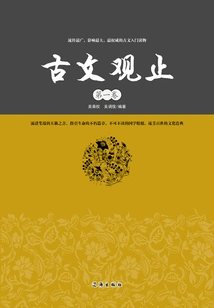
Guanzhi on Ancient Literature (volume 1)
Literature古文观止(第一卷)
Compiled By Wu Chengquan And Wu Tiaohou
The ancient texts selected in this book are mainly prose, with rhymes and parallel prose included. The most selected works in the pre-Qin Dynasty were "Zuo Zhuan", the most popular works in the Han Dynasty were "Historical Records", and the most popular works in the Tang and Song Dynasties were articles by Han Yu, Liu Zongyuan, Ouyang Xiu, and Su Shi. From a stylistic point of view, the book selects thirteen verses, such as "Chu Ci·Buju", Tao Yuanming's "Returning Ci", Du Mu's "Afanggong Fu", etc. These works are "extremely beautiful in sound and appearance but poor in prose", and are good at description. Although rhyme is used in the description, unlike poetry, rhyme and prose are often combined to enhance the beauty of voice and emotion. Prose can be about people or events, discussions, fables, etc.
The ancient texts selected in this book are mainly prose, with rhymes and parallel prose included. The most selected works in the pre-Qin Dynasty were "Zuo Zhuan", the most popular works in the Han Dynasty were "Historical Records", and the most popular works in the Tang and Song Dynasties were articles by Han Yu, Liu Zongyuan, Ouyang Xiu, and Su Shi. From a stylistic point of view, the book selects thirteen verses, such as "Chu Ci·Buju", Tao Yuanming's "Returning Ci", Du Mu's "Afanggong Fu", etc. These works are "extremely beautiful in sound and appearance but poor in prose", and are good at description. Although rhyme is used in the description, unlike poetry, rhyme and prose are often combined to enhance the beauty of voice and emotion. Prose can be about people or events, discussions, fables, etc.
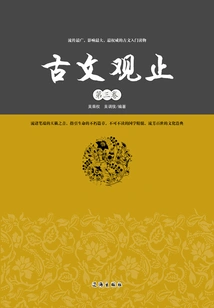
Guanzhi on Ancient Literature (volume 3)
Literature古文观止(第三卷)
Compiled By Wu Chengquan And Wu Tiaohou
The ancient texts selected in this book are mainly prose, with rhymes and parallel prose included. The most selected works in the pre-Qin Dynasty were "Zuo Zhuan", the most popular works in the Han Dynasty were "Historical Records", and the most popular works in the Tang and Song Dynasties were articles by Han Yu, Liu Zongyuan, Ouyang Xiu, and Su Shi. From a stylistic point of view, the book selects thirteen verses, such as "Chu Ci·Buju", Tao Yuanming's "Returning Ci", Du Mu's "Afanggong Fu", etc. These works are "extremely beautiful in sound and appearance but poor in prose", and are good at description. Although rhyme is used in the description, unlike poetry, rhyme and prose are often combined to enhance the beauty of voice and emotion. Prose can be about people or events, discussions, fables, etc.
The ancient texts selected in this book are mainly prose, with rhymes and parallel prose included. The most selected works in the pre-Qin Dynasty were "Zuo Zhuan", the most popular works in the Han Dynasty were "Historical Records", and the most popular works in the Tang and Song Dynasties were articles by Han Yu, Liu Zongyuan, Ouyang Xiu, and Su Shi. From a stylistic point of view, the book selects thirteen verses, such as "Chu Ci·Buju", Tao Yuanming's "Returning Ci", Du Mu's "Afanggong Fu", etc. These works are "extremely beautiful in sound and appearance but poor in prose", and are good at description. Although rhyme is used in the description, unlike poetry, rhyme and prose are often combined to enhance the beauty of voice and emotion. Prose can be about people or events, discussions, fables, etc.
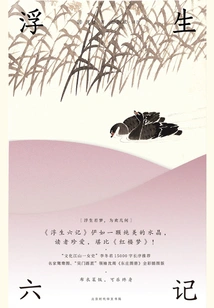
Six Chapters of a Floating Life
Literature浮生六记
(qing Dynasty) Written By Shen Fu, Translated And Annotated By Peng Jianbin
"Six Chapters of a Floating Life" is the most beautiful prose among Chinese classical prose. Shen Fu wrote the poetic residence of him and his beloved Yun Niang in their ordinary days with unvarnished language and simple and sincere feelings. The two talked about poetry and songs together, and commented on the poems of Li and Du; they went to the Canglang Pavilion at night to admire the moon, feeling that the universe was so vast but there was no emotion; Shen Fu loved traveling around the world, tending to vases of flowers, gathering with friends, reciting poems and painting, and was indifferent to fame and wealth throughout his life, and was unrestrained and unrestrained; while Yun Niang made her own plum blossom food boxes, living screens, pulled hairpins to sell wine, did not care for pearls and jade but cherished calligraphy and painting, and placed tea in the heart of lotus flowers. Her taste in life was also unique. Shen Fu and Yun Niang, the two "most affectionate husbands" and "the loveliest women" in the history of Chinese literature, from talking about poetry and painting to admiring the moon and flowers, the ordinary Chaimi couple turned their ordinary life into a poem. A life full of interest is the best life. If the floating life is really interesting, the common people, vegetables and rice are also amiable and lovely. In this life, you should be with interesting people, do interesting things, and live an interesting life.
"Six Chapters of a Floating Life" is the most beautiful prose among Chinese classical prose. Shen Fu wrote the poetic residence of him and his beloved Yun Niang in their ordinary days with unvarnished language and simple and sincere feelings. The two talked about poetry and songs together, and commented on the poems of Li and Du; they went to the Canglang Pavilion at night to admire the moon, feeling that the universe was so vast but there was no emotion; Shen Fu loved traveling around the world, tending to vases of flowers, gathering with friends, reciting poems and painting, and was indifferent to fame and wealth throughout his life, and was unrestrained and unrestrained; while Yun Niang made her own plum blossom food boxes, living screens, pulled hairpins to sell wine, did not care for pearls and jade but cherished calligraphy and painting, and placed tea in the heart of lotus flowers. Her taste in life was also unique. Shen Fu and Yun Niang, the two "most affectionate husbands" and "the loveliest women" in the history of Chinese literature, from talking about poetry and painting to admiring the moon and flowers, the ordinary Chaimi couple turned their ordinary life into a poem. A life full of interest is the best life. If the floating life is really interesting, the common people, vegetables and rice are also amiable and lovely. In this life, you should be with interesting people, do interesting things, and live an interesting life.
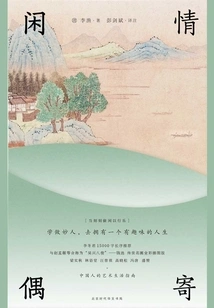
Occasionally Sending Leisurely Feelings
Literature闲情偶寄
(qing Dynasty) Written By Li Yu, Translated And Annotated By Peng Jianbin
"Idle Love Occasionally" is known as a model of Chinese life aesthetics. This book selects excellent works on living, drinking, planting, and playing with utensils. It can be called an elegant collection of enjoyable things. The trivial and ordinary things in life have great beauty in Li Yu's writings. If you can truly have a leisurely mood and a pair of wise eyes, then everything you see will be in the pictures, and the sounds in your ears will be nothing more than poetic material. May you live your life with the utmost passion and find the joy in life in your own way.
"Idle Love Occasionally" is known as a model of Chinese life aesthetics. This book selects excellent works on living, drinking, planting, and playing with utensils. It can be called an elegant collection of enjoyable things. The trivial and ordinary things in life have great beauty in Li Yu's writings. If you can truly have a leisurely mood and a pair of wise eyes, then everything you see will be in the pictures, and the sounds in your ears will be nothing more than poetic material. May you live your life with the utmost passion and find the joy in life in your own way.
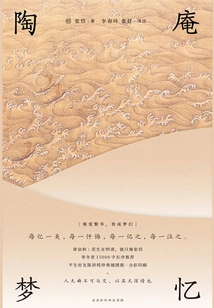
Tao An's Dream Memories
Literature陶庵梦忆
(ming Dynasty) Written By Zhang Dai, Translated And Annotated By Li Chunling And Zhang Ren
Watch "Tao'an Mengmei", the local customs and customs are narrated, and the humanities and geography complement each other. The old prosperous and luxurious life in Jiangnan has finally become a river of spring water, and it is difficult to find it again. Use words to remember and express life experiences, restoring the prosperity of Zhang Dai's first half of his life. The scenery of the mountains and rivers, the romance of the city, how to visit the garden and enjoy the lanterns, play the piano and drink tea, and swim in the lake in the snow... Zhang Dai had a dream of Tao An, every time he recalled the beauty, every confession, every memory, every time he cried. Indulge yourself in life and have a clear dream, which is extremely beautiful.
Watch "Tao'an Mengmei", the local customs and customs are narrated, and the humanities and geography complement each other. The old prosperous and luxurious life in Jiangnan has finally become a river of spring water, and it is difficult to find it again. Use words to remember and express life experiences, restoring the prosperity of Zhang Dai's first half of his life. The scenery of the mountains and rivers, the romance of the city, how to visit the garden and enjoy the lanterns, play the piano and drink tea, and swim in the lake in the snow... Zhang Dai had a dream of Tao An, every time he recalled the beauty, every confession, every memory, every time he cried. Indulge yourself in life and have a clear dream, which is extremely beautiful.
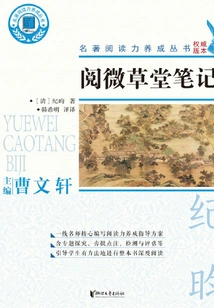
A_
Literaturea_
P
This book is one of the series of books on developing reading ability of classics. Ji Yun began writing when he served as the chief compiler of "Sikuquanshu" and wrote it successively from the fifty-fourth year of Qianlong (1789) to the third year of Jiaqing (1798). The whole book is composed of five parts: "Luanyang Xiaoxialu", "This is what I heard", "Huaixi Magazine", "Guwan listened to it" and "Luanyang continuation", with a total of twenty-four volumes and nearly 1200 items. The content is rich, including medicine, divination, astrology, three religions and nine streams, all of which are covered. There are many chapters that sharply expose the social contradictions at that time, expose the hypocrisy of moralists, sympathize with the people's misery, praise the people's diligence and wisdom, and boldly express their views and opinions on some unsympathetic theories that were common in society at that time, which have high ideological and academic value.
This book is one of the series of books on developing reading ability of classics. Ji Yun began writing when he served as the chief compiler of "Sikuquanshu" and wrote it successively from the fifty-fourth year of Qianlong (1789) to the third year of Jiaqing (1798). The whole book is composed of five parts: "Luanyang Xiaoxialu", "This is what I heard", "Huaixi Magazine", "Guwan listened to it" and "Luanyang continuation", with a total of twenty-four volumes and nearly 1200 items. The content is rich, including medicine, divination, astrology, three religions and nine streams, all of which are covered. There are many chapters that sharply expose the social contradictions at that time, expose the hypocrisy of moralists, sympathize with the people's misery, praise the people's diligence and wisdom, and boldly express their views and opinions on some unsympathetic theories that were common in society at that time, which have high ideological and academic value.
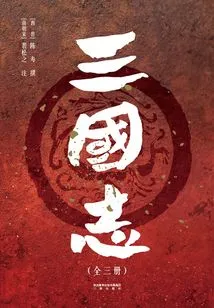
Three Kingdoms
Literature三国志
(western Jin Dynasty) Written By Chen Shou (southern Dynasty Song Dynasty) Annotated By Pei Song
"Three Kingdoms" is a historical masterpiece written by the famous Chinese historian Chen Shou. It records the history of the three kingdoms of Wei, Shu and Wu from the first year of Huangchu (220) of Emperor Wen of Wei to the first year of Taikang (280) of Emperor Wu of Jin. The book has a total of 65 volumes, including 30 volumes of "Book of Wei", 15 volumes of "Book of Shu", and 20 volumes of "Book of Wu". It is a biographical history book and is called the "First Four Histories" together with "Historical Records", "Han Shu" and "Hou Han Shu". This edition of "Three Kingdoms" is based on Chen Shouzhi, and the summary is based on the annotations of Pei Song, who is highly readable. It is also accompanied by a "Relationship Table of Characters in the Three Kingdoms" and a "Chronology of Major Events in the Three Kingdoms" to facilitate readers' smooth reading.
"Three Kingdoms" is a historical masterpiece written by the famous Chinese historian Chen Shou. It records the history of the three kingdoms of Wei, Shu and Wu from the first year of Huangchu (220) of Emperor Wen of Wei to the first year of Taikang (280) of Emperor Wu of Jin. The book has a total of 65 volumes, including 30 volumes of "Book of Wei", 15 volumes of "Book of Shu", and 20 volumes of "Book of Wu". It is a biographical history book and is called the "First Four Histories" together with "Historical Records", "Han Shu" and "Hou Han Shu". This edition of "Three Kingdoms" is based on Chen Shouzhi, and the summary is based on the annotations of Pei Song, who is highly readable. It is also accompanied by a "Relationship Table of Characters in the Three Kingdoms" and a "Chronology of Major Events in the Three Kingdoms" to facilitate readers' smooth reading.
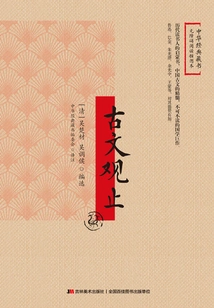
古文观止(无障碍阅读插图本)
Wu Chucai
"Gu Wen Guan Zhi" is an anthology of ancient prose that has been very popular since the Qing Dynasty. It was compiled and selected by Wu Chucai and Wu Tiaohou of the Qing Dynasty during the Kangxi period. A total of 222 articles with high ideological and artistic qualities from the pre-Qin Dynasty to the Ming Dynasty were selected, including Confucian classics and historical essays, as well as biographies, letters, debates, and even travel notes and fables. It comprehensively reflects thousands of years of stylistic changes from Zhou to Ming dynasty. The selected texts are mostly popular masterpieces through the ages. It can almost be said to be a small-scale encyclopedia of traditional Chinese culture.
"Gu Wen Guan Zhi" is an anthology of ancient prose that has been very popular since the Qing Dynasty. It was compiled and selected by Wu Chucai and Wu Tiaohou of the Qing Dynasty during the Kangxi period. A total of 222 articles with high ideological and artistic qualities from the pre-Qin Dynasty to the Ming Dynasty were selected, including Confucian classics and historical essays, as well as biographies, letters, debates, and even travel notes and fables. It comprehensively reflects thousands of years of stylistic changes from Zhou to Ming dynasty. The selected texts are mostly popular masterpieces through the ages. It can almost be said to be a small-scale encyclopedia of traditional Chinese culture.
菜根谭(无障碍阅读插图本)
Hong Yingming
"Cai Gen Tan" is a collection of quotations that discuss cultivation, life, conduct, and rebirth. It is a wonderful book that contains five thousand years of Chinese wisdom in life. As a work rich in the life ethics of the Han nation, it draws on the essence of Confucianism, Taoism, and Buddhism, with Confucianism and Taoism as the core, and has the avenues of self-cultivation, family management, country governance, and world peace; it integrates philosophy of life, life art, and aesthetic taste; it is like a quotation, but it has an interest that a quotation does not; it is like an essay, but it has an order that an essay cannot. It is a reading with beautiful words and profound meaning. It is also a Chinese literary work that cultivates people's sentiments, tempers their will, and inspires people to work hard. "He who bites the roots of vegetables can do everything." "Cai Gen Tan" teaches the world with many famous and philosophical aphorisms.
"Cai Gen Tan" is a collection of quotations that discuss cultivation, life, conduct, and rebirth. It is a wonderful book that contains five thousand years of Chinese wisdom in life. As a work rich in the life ethics of the Han nation, it draws on the essence of Confucianism, Taoism, and Buddhism, with Confucianism and Taoism as the core, and has the avenues of self-cultivation, family management, country governance, and world peace; it integrates philosophy of life, life art, and aesthetic taste; it is like a quotation, but it has an interest that a quotation does not; it is like an essay, but it has an order that an essay cannot. It is a reading with beautiful words and profound meaning. It is also a Chinese literary work that cultivates people's sentiments, tempers their will, and inspires people to work hard. "He who bites the roots of vegetables can do everything." "Cai Gen Tan" teaches the world with many famous and philosophical aphorisms.
道德经(无障碍阅读插图本)
Lao Tzu
The "Tao Te Ching" has only more than 5,000 words, but it is rich in meaning, broad and profound, covering many disciplines such as philosophy, ethics, politics, military science, etc. It not only has a profound impact on ancient Chinese philosophy, science, politics, religion, etc., But also plays an immeasurable role in shaping the character of the Chinese nation and political unity and stability. As a complete philosophical work in Chinese history, "Tao Te Ching" is known as the "King of All Classics".
The "Tao Te Ching" has only more than 5,000 words, but it is rich in meaning, broad and profound, covering many disciplines such as philosophy, ethics, politics, military science, etc. It not only has a profound impact on ancient Chinese philosophy, science, politics, religion, etc., But also plays an immeasurable role in shaping the character of the Chinese nation and political unity and stability. As a complete philosophical work in Chinese history, "Tao Te Ching" is known as the "King of All Classics".
素书(无障碍阅读插图本)
I
"Su Shu" occupies an extremely important position in ancient Chinese works on self-cultivation and governance, wisdom in life, and life strategy. This book, which has only six chapters, 132 sentences, and 1,360 words in its original text, is similar to a "quotation style" book. It has been regarded by hermit masters and counselors throughout the ages as a strategy secret book that has not been passed down through the ages and a perfect guide for achieving great things. It has been widely circulated and has great influence. According to legend, the author of the book was Huang Shigong, a famous hermit in the late Qin Dynasty. After many tests, Zhang Liang finally passed the book to Zhang Liang. Zhang Liang relied on the strategic principles in this book to assist Liu Bang in achieving hegemony. The book is written in the form of scriptures, with highly concise language and extremely rich connotations. It observes subtle changes in personnel and the development trends of things, and has a profound understanding. It summarizes a complete set of rules and experiences on how to improve one's self-cultivation, conduct oneself in society, manage one's family and govern the country, seek good fortune and avoid evil, and achieve great achievements.
"Su Shu" occupies an extremely important position in ancient Chinese works on self-cultivation and governance, wisdom in life, and life strategy. This book, which has only six chapters, 132 sentences, and 1,360 words in its original text, is similar to a "quotation style" book. It has been regarded by hermit masters and counselors throughout the ages as a strategy secret book that has not been passed down through the ages and a perfect guide for achieving great things. It has been widely circulated and has great influence. According to legend, the author of the book was Huang Shigong, a famous hermit in the late Qin Dynasty. After many tests, Zhang Liang finally passed the book to Zhang Liang. Zhang Liang relied on the strategic principles in this book to assist Liu Bang in achieving hegemony. The book is written in the form of scriptures, with highly concise language and extremely rich connotations. It observes subtle changes in personnel and the development trends of things, and has a profound understanding. It summarizes a complete set of rules and experiences on how to improve one's self-cultivation, conduct oneself in society, manage one's family and govern the country, seek good fortune and avoid evil, and achieve great achievements.
孙子兵法(无障碍阅读插图本)
Sun Wu
The only military work in the world - "Sun Tzu's Art of War" is a brilliant treasure in China's classical military cultural heritage and an important part of China's excellent cultural tradition. Its content is extensive and profound, its thoughts are profound and rich, and its logic is rigorous and rigorous. It is a concentrated expression of the essence of ancient Han military thought.
The only military work in the world - "Sun Tzu's Art of War" is a brilliant treasure in China's classical military cultural heritage and an important part of China's excellent cultural tradition. Its content is extensive and profound, its thoughts are profound and rich, and its logic is rigorous and rigorous. It is a concentrated expression of the essence of ancient Han military thought.
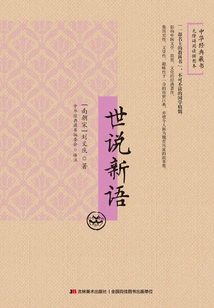
世说新语(无障碍阅读插图本)
H
"Shishuoxinyu" is a notebook novel that reflects the style of literati in the Wei and Jin Dynasties and reflects the characteristics of the times. The content involves politics, economy, society, literature, thought and other aspects. It can be called a talent show for celebrities and dignitaries. "Shishuoxinyu (Accessible Intensive Reading Edition)" has beautiful words and meaningful meanings. It can be said that every chapter is a masterpiece and has been loved by readers for thousands of years. Please believe that every child has a kind heart. As long as you take good care of it, beautiful flowers of humanity can bloom in the barren spiritual soil.
"Shishuoxinyu" is a notebook novel that reflects the style of literati in the Wei and Jin Dynasties and reflects the characteristics of the times. The content involves politics, economy, society, literature, thought and other aspects. It can be called a talent show for celebrities and dignitaries. "Shishuoxinyu (Accessible Intensive Reading Edition)" has beautiful words and meaningful meanings. It can be said that every chapter is a masterpiece and has been loved by readers for thousands of years. Please believe that every child has a kind heart. As long as you take good care of it, beautiful flowers of humanity can bloom in the barren spiritual soil.
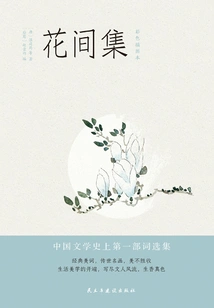
花间集(彩色插图本)
(tang Dynasty) Wen Tingyun (later Shu) Zhao Chongzuo
The Huajian Collection contains a number of Huajian poems. It does not stick to ancient times, does not keep secrets, boldly talks about beauty and love, and restores a unique and beautiful poetic world with twists and turns. Because of its extremely beautiful rhythm and diction, it will roll over your lips, teeth and heart when you read it. It is highly praised by many readers who value the beauty of words.
The Huajian Collection contains a number of Huajian poems. It does not stick to ancient times, does not keep secrets, boldly talks about beauty and love, and restores a unique and beautiful poetic world with twists and turns. Because of its extremely beautiful rhythm and diction, it will roll over your lips, teeth and heart when you read it. It is highly praised by many readers who value the beauty of words.
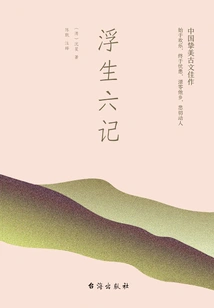
Six Chapters of a Floating Life
Literature浮生六记
Shen Fu
Life is like a dream, how much joy is there? Shen Sanbai wrote down the joys, pleasures and sorrows of his life in a writing style that was sometimes light and sometimes affectionate. Among them, the art of life in "Records of Leisure", the misery and sorrow in "Records of Ups and Downs", the deep love between husband and wife in "Records of Joy in the Boudoir", and the free and open-minded "Records of Wandering Travels" are all true in writing, true in emotion, and more true in meaning, making it fascinating to read. I want to ask, who can forget the true nature of Shen Sanbai and the wise and affectionate Yun Niang after covering up the book?
Life is like a dream, how much joy is there? Shen Sanbai wrote down the joys, pleasures and sorrows of his life in a writing style that was sometimes light and sometimes affectionate. Among them, the art of life in "Records of Leisure", the misery and sorrow in "Records of Ups and Downs", the deep love between husband and wife in "Records of Joy in the Boudoir", and the free and open-minded "Records of Wandering Travels" are all true in writing, true in emotion, and more true in meaning, making it fascinating to read. I want to ask, who can forget the true nature of Shen Sanbai and the wise and affectionate Yun Niang after covering up the book?
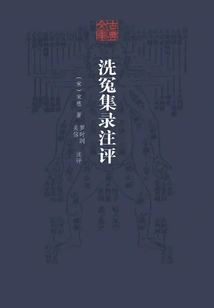
洗冤集录注评(古典文库)
Song Ci Luo Shirun Guan Xin
"The Collection of Clearing Wrongs" is the world's first systematic forensic medicine work. It has been in use for more than 600 years from the 13th century to the 19th century. It is a must-read legal classic for judges. The Annotations and Commentary on the Collection of Abandoned Wrongs written by Song Ci describes a wide range of content including human anatomy, examination of corpses, site surveys, identification of causes of death and injury, various phenomena of suicide or murder, various poisons, first aid, and detoxification methods. This publication includes punctuation, annotations, comments, and cases for readers to understand.
"The Collection of Clearing Wrongs" is the world's first systematic forensic medicine work. It has been in use for more than 600 years from the 13th century to the 19th century. It is a must-read legal classic for judges. The Annotations and Commentary on the Collection of Abandoned Wrongs written by Song Ci describes a wide range of content including human anatomy, examination of corpses, site surveys, identification of causes of death and injury, various phenomena of suicide or murder, various poisons, first aid, and detoxification methods. This publication includes punctuation, annotations, comments, and cases for readers to understand.
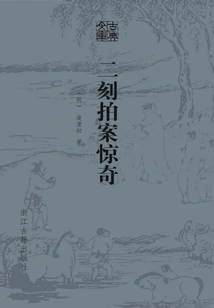
二刻拍案惊奇(古典文库)
H
"The Surprise on the Case at the Second Moment" is a collection of novels written in a Chinese script. It is collectively known as the "Er Pai" together with the author's previous work "The Surprise at the First Moment". It is also commonly referred to as the "Three Words and Two Pai" together with Feng Menglong's "Three Words", that is, "Ming Yan", "Words to Warn the World" and "Everlasting Words to Awaken the World". They are both the most famous collection of short stories in the vernacular in ancient my country. The author claims that "the puppet show is based on one or two odd situations that have been heard in ancient and modern times and can be recorded." Most of the themes are taken from the predecessors. The ideological content of the book is relatively complex, but overall, it reflects the ideas of the emerging citizen class to a certain extent.
"The Surprise on the Case at the Second Moment" is a collection of novels written in a Chinese script. It is collectively known as the "Er Pai" together with the author's previous work "The Surprise at the First Moment". It is also commonly referred to as the "Three Words and Two Pai" together with Feng Menglong's "Three Words", that is, "Ming Yan", "Words to Warn the World" and "Everlasting Words to Awaken the World". They are both the most famous collection of short stories in the vernacular in ancient my country. The author claims that "the puppet show is based on one or two odd situations that have been heard in ancient and modern times and can be recorded." Most of the themes are taken from the predecessors. The ideological content of the book is relatively complex, but overall, it reflects the ideas of the emerging citizen class to a certain extent.
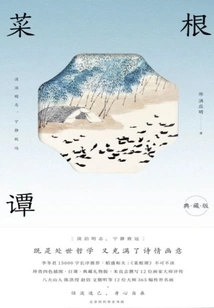
Cai Gentan
Literature菜根谭
Hong Yingming
"Cai Gen Tan", "Night Talk around the Fireplace" and "Xiao Chuang You Ji" are also known as "the three great books on life". "Cai Gen Tan" talks about how to treat people, do things, cultivate your mind, conduct yourself in the world, and accept things. The word "quiet" connects the whole book. A book that allows you to be calm and calm in the busy world. Regarding treating others: It is better to be silent than impatient, and to be clumsy rather than cunning. It's not appropriate to get angry, and it's not appropriate to give up lightly. When making friends, you need to be chivalrous, and when you are a person, you need to be honest. Regarding doing things: Where the wind is slanting and the rain is urgent, you must stand firm. Where the flowers are thick and the willows are bright, you must have a high eye. The road is dangerous and dangerous, so you have to turn back early. You should have a busy mind when you are free, and you should have leisurely fun when you are busy. Regarding cultivating the mind: The heart is pure and white, and the fragrance is pure and fragrant for generations. The secret of heaven is clear and the breasts are exquisite. Don't be surprised by favor or disgrace, just watch the flowers blooming and falling in front of the court; you have no intention of leaving or leaving, just follow the clouds rolling and relaxing in the sky. Regarding life: It is better to be simple than sophisticated. Rather than being cautious, it is better to be careless and wild. When things come, the mind begins to appear; when things go, the mind becomes empty. Regarding receiving things: The atmosphere should be high and open, but not too wild. The mind must be careful and not trivial. Interest should be diluted, not boring. Conduct must be strict but not violent. After reading "Cai Gen Tan", I hope you can live a more comfortable and pure life.
"Cai Gen Tan", "Night Talk around the Fireplace" and "Xiao Chuang You Ji" are also known as "the three great books on life". "Cai Gen Tan" talks about how to treat people, do things, cultivate your mind, conduct yourself in the world, and accept things. The word "quiet" connects the whole book. A book that allows you to be calm and calm in the busy world. Regarding treating others: It is better to be silent than impatient, and to be clumsy rather than cunning. It's not appropriate to get angry, and it's not appropriate to give up lightly. When making friends, you need to be chivalrous, and when you are a person, you need to be honest. Regarding doing things: Where the wind is slanting and the rain is urgent, you must stand firm. Where the flowers are thick and the willows are bright, you must have a high eye. The road is dangerous and dangerous, so you have to turn back early. You should have a busy mind when you are free, and you should have leisurely fun when you are busy. Regarding cultivating the mind: The heart is pure and white, and the fragrance is pure and fragrant for generations. The secret of heaven is clear and the breasts are exquisite. Don't be surprised by favor or disgrace, just watch the flowers blooming and falling in front of the court; you have no intention of leaving or leaving, just follow the clouds rolling and relaxing in the sky. Regarding life: It is better to be simple than sophisticated. Rather than being cautious, it is better to be careless and wild. When things come, the mind begins to appear; when things go, the mind becomes empty. Regarding receiving things: The atmosphere should be high and open, but not too wild. The mind must be careful and not trivial. Interest should be diluted, not boring. Conduct must be strict but not violent. After reading "Cai Gen Tan", I hope you can live a more comfortable and pure life.
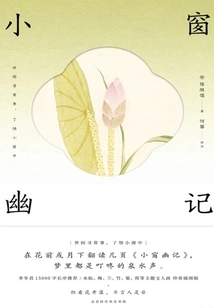
Notes on the Small Window
Literature小窗幽记
(ming Dynasty) Chen Jiru, Translated And Annotated By He Pan
"The Secret of Small Window", "Evening Talk Around the Fireplace" and "Cai Gen Tan" are also known as "the three great books on life". "Cai Gen Tan" is better for its profoundness, "Night Talk around the Fireplace" is better for its plainness, and "The Story of a Small Window" is better for its colorfulness. The whole book is divided into twelve chapters: "awake, emotion, steepness, spirit, element, scenery, rhyme, wonder, beauty, heroism, law, beauty". He writes down the scene in front of his eyes and the emotions in his heart, including the way of life that "makes people happy at first acquaintance, rather than the boredom that lasts forever", the leisurely attitude of "how happy life has been since ancient times", and the charming and wonderful thoughts about singing birds, famous flowers, clear springs and white rocks. The language is sharp and beautiful, every word is precious, looking for happiness and true meaning in the seemingly useless leisure, describing all kinds of interests in life, and the taste is far-reaching. Imagine making yourself a pot of good tea in the lazy afternoon, sitting in front of the flowers and trees with dappled light and shadow, or reading a few pages of "The Secret of the Small Window" under the moonlight, and dreaming of the sound of the spring water.
"The Secret of Small Window", "Evening Talk Around the Fireplace" and "Cai Gen Tan" are also known as "the three great books on life". "Cai Gen Tan" is better for its profoundness, "Night Talk around the Fireplace" is better for its plainness, and "The Story of a Small Window" is better for its colorfulness. The whole book is divided into twelve chapters: "awake, emotion, steepness, spirit, element, scenery, rhyme, wonder, beauty, heroism, law, beauty". He writes down the scene in front of his eyes and the emotions in his heart, including the way of life that "makes people happy at first acquaintance, rather than the boredom that lasts forever", the leisurely attitude of "how happy life has been since ancient times", and the charming and wonderful thoughts about singing birds, famous flowers, clear springs and white rocks. The language is sharp and beautiful, every word is precious, looking for happiness and true meaning in the seemingly useless leisure, describing all kinds of interests in life, and the taste is far-reaching. Imagine making yourself a pot of good tea in the lazy afternoon, sitting in front of the flowers and trees with dappled light and shadow, or reading a few pages of "The Secret of the Small Window" under the moonlight, and dreaming of the sound of the spring water.
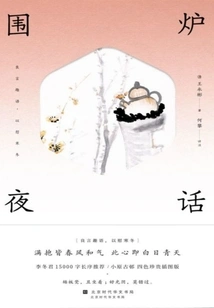
Night Talk Around the Fire
Literature围炉夜话
(qing Dynasty) Translated And Annotated By Wang Yongbin And He Pan
"Night Talk around the Lu", "Xiao Chuang You Ji" and "Cai Gen Tan" are also known as the "Three Wonderful Books on Life". The book is divided into 221 chapters, which elaborate on the theme of settling down and establishing a life in the form of essays, covering many aspects of life, such as cultivating one's moral character, conducting oneself in society, maintaining oneself and establishing one's career, studying and making determination, cherishing time and making friends, etc. Hidden in the short aphorisms is infinite wisdom in life, just like an elder and a younger generation chatting around the fire in winter, teaching you the philosophy of life accumulated over the years. A beautiful book is worth reading over and over again. Every time you read a few sentences, you have to close the book and meditate for a long time. This book encourages readers to regain the common principles that have been forgotten between busyness and laziness, cultivate their moral character, and become a person with a calm mind and wisdom.
"Night Talk around the Lu", "Xiao Chuang You Ji" and "Cai Gen Tan" are also known as the "Three Wonderful Books on Life". The book is divided into 221 chapters, which elaborate on the theme of settling down and establishing a life in the form of essays, covering many aspects of life, such as cultivating one's moral character, conducting oneself in society, maintaining oneself and establishing one's career, studying and making determination, cherishing time and making friends, etc. Hidden in the short aphorisms is infinite wisdom in life, just like an elder and a younger generation chatting around the fire in winter, teaching you the philosophy of life accumulated over the years. A beautiful book is worth reading over and over again. Every time you read a few sentences, you have to close the book and meditate for a long time. This book encourages readers to regain the common principles that have been forgotten between busyness and laziness, cultivate their moral character, and become a person with a calm mind and wisdom.
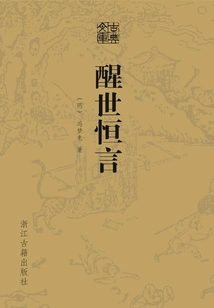
醒世恒言(古典文库)
G
This book is the latest and largest of the "Three Words" compiled by Feng Menglong. The whole book consists of forty volumes and contains forty novels. Judging from the dynasties in which the story takes place, there are "Han Affairs II, Sui and Tang Affairs Eleven", "Song Affairs Eleven" and "Ming Affairs Fifteen" (Lu Xun's "A Brief History of Chinese Novels"). Judging from the subject matter, it involves family, marriage, love, officialdom, business, public cases, chivalry, gods and monsters, anecdotes, etc. It is difficult to determine the specific authors of these works, but judging from the general harmony and unity of the style and style of the whole book, most of these works have been polished and processed by the editor Feng Menglong. Some deleted redundant words, modified the text, and changed the title based on the old version of the Song and Yuan Dynasties; some only retained the outline of the story in the old version, rewritten it, and laid it out into chapters; some works that reflect the life of the Ming Dynasty may be the creations of Feng Menglong.
This book is the latest and largest of the "Three Words" compiled by Feng Menglong. The whole book consists of forty volumes and contains forty novels. Judging from the dynasties in which the story takes place, there are "Han Affairs II, Sui and Tang Affairs Eleven", "Song Affairs Eleven" and "Ming Affairs Fifteen" (Lu Xun's "A Brief History of Chinese Novels"). Judging from the subject matter, it involves family, marriage, love, officialdom, business, public cases, chivalry, gods and monsters, anecdotes, etc. It is difficult to determine the specific authors of these works, but judging from the general harmony and unity of the style and style of the whole book, most of these works have been polished and processed by the editor Feng Menglong. Some deleted redundant words, modified the text, and changed the title based on the old version of the Song and Yuan Dynasties; some only retained the outline of the story in the old version, rewritten it, and laid it out into chapters; some works that reflect the life of the Ming Dynasty may be the creations of Feng Menglong.
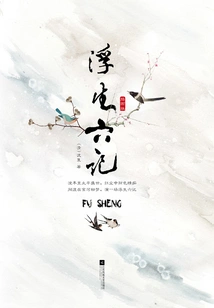
Six Chapters of a Floating Life
Literature浮生六记
Shen Fu
The article focuses on the couple's harmonious life, and also covers their ordinary but interesting childhood, home life, and what they saw and heard while traveling around the country. The work describes how the author and his wife Chen Yun fell in love with each other since they first met.
The article focuses on the couple's harmonious life, and also covers their ordinary but interesting childhood, home life, and what they saw and heard while traveling around the country. The work describes how the author and his wife Chen Yun fell in love with each other since they first met.
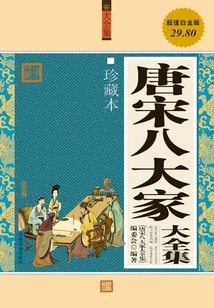
唐宋八大家(大全集)
Compiled By The Editorial Board Of "the Complete Collection Of Eight Masters Of The Tang And Song Dynasties"
This book collects representative works of prose and poetry by eight great masters of the Tang and Song Dynasties to help readers understand the development of poetry in the Tang and Song Dynasties.
This book collects representative works of prose and poetry by eight great masters of the Tang and Song Dynasties to help readers understand the development of poetry in the Tang and Song Dynasties.
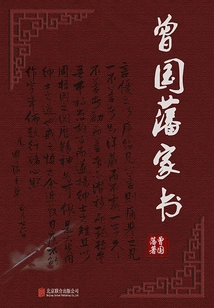
曾国藩家书(有间文库)
Zeng Guofan
"Zeng Guofan's Family Letter" records Zeng Guofan's various practices and thoughts on self-cultivation, family management, country governance, and world peace. The family letters written successively to grandparents, parents, uncles, brothers, wives and children cover everything from family livelihood to running the country and leading soldiers, covering all aspects of self-cultivation, officialdom, conduct, teaching children, and health care. The essence of these thoughts is also of great benefit to people's lives, work, and study today.
"Zeng Guofan's Family Letter" records Zeng Guofan's various practices and thoughts on self-cultivation, family management, country governance, and world peace. The family letters written successively to grandparents, parents, uncles, brothers, wives and children cover everything from family livelihood to running the country and leading soldiers, covering all aspects of self-cultivation, officialdom, conduct, teaching children, and health care. The essence of these thoughts is also of great benefit to people's lives, work, and study today.
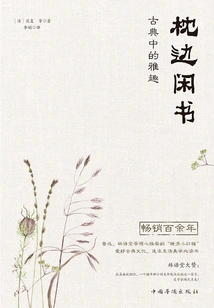
Pillow Books: the Elegance of Classics
Literature枕边闲书:古典中的雅趣
C
The elegance in these classics is a reminder for us to settle down in our impetuous life. It is a gift to life, allowing us to slow down. Even if things go against our wishes, we must have a calm and elegant posture, do it with beauty, and do it with cherishment. The content of this book includes "Six Chapters of a Floating Life", "Memories of Autumn Lanterns", "Reminiscences of Yingmei Temple", "Reminiscences of Xiangwan Tower", "Records of Xiangjixuan" and "Books with My Wife". It is a classic work that embodies the aesthetics of Chinese people's life. These famous articles come from famous literati in the Ming and Qing Dynasties reminiscing about family life or marital relationships, and were very popular in the 20th century. They have nothing to do with practicality or utilitarianism, but only focus on spiritual connection, which can make people smile or hide their heads in deep thought.
The elegance in these classics is a reminder for us to settle down in our impetuous life. It is a gift to life, allowing us to slow down. Even if things go against our wishes, we must have a calm and elegant posture, do it with beauty, and do it with cherishment. The content of this book includes "Six Chapters of a Floating Life", "Memories of Autumn Lanterns", "Reminiscences of Yingmei Temple", "Reminiscences of Xiangwan Tower", "Records of Xiangjixuan" and "Books with My Wife". It is a classic work that embodies the aesthetics of Chinese people's life. These famous articles come from famous literati in the Ming and Qing Dynasties reminiscing about family life or marital relationships, and were very popular in the 20th century. They have nothing to do with practicality or utilitarianism, but only focus on spiritual connection, which can make people smile or hide their heads in deep thought.
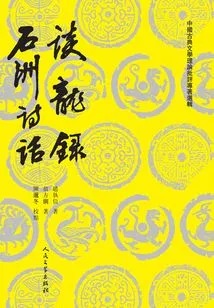
Tan Long Lu Shizhou Poetry Talk
Literature谈龙录 石洲诗话
(qing Dynasty) Zhao Zhixin, Written By Weng Fanggang, Edited By Chen Erdong
Zhao Zhixin's "Talking about the Dragon" is a volume. This book was mainly written to oppose Wang Shizhen's "Shen Yun theory" and advocated that "poetry expresses aspirations", which will enable future generations to know the person through his poems, and can also discuss his life. These views still have certain significance today. Weng Fanggang's "Shizhou" The eight volumes of Poetry are prefaced by dynasties and divided into commentaries. Volumes one to five focus on the poetry of the Tang, Song, Jin and Yuan Dynasties. The sixth volume is mainly used to criticize Wang Shizhen's comments on Du Fu's poems.
Zhao Zhixin's "Talking about the Dragon" is a volume. This book was mainly written to oppose Wang Shizhen's "Shen Yun theory" and advocated that "poetry expresses aspirations", which will enable future generations to know the person through his poems, and can also discuss his life. These views still have certain significance today. Weng Fanggang's "Shizhou" The eight volumes of Poetry are prefaced by dynasties and divided into commentaries. Volumes one to five focus on the poetry of the Tang, Song, Jin and Yuan Dynasties. The sixth volume is mainly used to criticize Wang Shizhen's comments on Du Fu's poems.
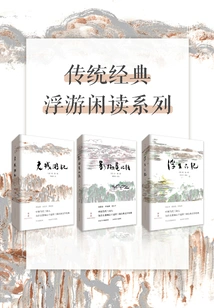
传统经典浮游闲读系列(套装3册)
(qing Dynasty) Shen Fu Liu E Mao Xiang
The book "Six Chapters of a Floating Life" is not only Shen Fu's happy consolation for life as a scholar, but also a long eulogy written by him as an affectionate husband to his beloved wife. There are memories of the joy in the boudoir, memories of leisurely love, joy of travel, and sorrow of ups and downs. Even if they are homeless, living on a commoner diet, and suffering from serious illnesses, Shen Fu and his wife can always find pleasure in the poetry and wine of the flower moon. The book "Travel Notes of Lao Can" is written about the experiences and actions of a quack doctor Tie Ying (also known as Lao Can) during his travels. The book "Reminiscences of Yingmei'an" is Maoxiang's tearful book about love and separation. It consists of four volumes. One is about the tortuous process of the author and Dong Xiaowan getting to know each other, falling in love, and finally getting married; the second is about burning incense and drinking tea. The charming time before flowers and under the moon; three records of the dangers and hardships experienced after being displaced after the Jiashen Incident; four records of prophecies and dreams corresponding to marriage. The whole book is sad and sad, trivial and sincere, but also full of spring.
The book "Six Chapters of a Floating Life" is not only Shen Fu's happy consolation for life as a scholar, but also a long eulogy written by him as an affectionate husband to his beloved wife. There are memories of the joy in the boudoir, memories of leisurely love, joy of travel, and sorrow of ups and downs. Even if they are homeless, living on a commoner diet, and suffering from serious illnesses, Shen Fu and his wife can always find pleasure in the poetry and wine of the flower moon. The book "Travel Notes of Lao Can" is written about the experiences and actions of a quack doctor Tie Ying (also known as Lao Can) during his travels. The book "Reminiscences of Yingmei'an" is Maoxiang's tearful book about love and separation. It consists of four volumes. One is about the tortuous process of the author and Dong Xiaowan getting to know each other, falling in love, and finally getting married; the second is about burning incense and drinking tea. The charming time before flowers and under the moon; three records of the dangers and hardships experienced after being displaced after the Jiashen Incident; four records of prophecies and dreams corresponding to marriage. The whole book is sad and sad, trivial and sincere, but also full of spring.
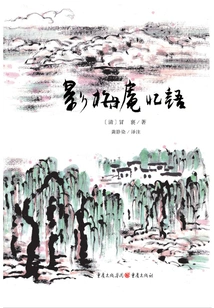
Reminiscences of Yingmei Temple
Literature影梅庵忆语
Maoxiang
This book is Maoxiang's tearful book about love and separation. It consists of four volumes. One is about the tortuous process of the author and Dong Xiaowan getting to know each other, falling in love, and finally getting married; the other is about the charming time of burning incense and drinking tea in front of flowers and under the moon; the third is about the dangers and hardships of being displaced after the Jiashen Incident; and the fourth is about prophecies and dreams corresponding to marriage. The whole book is sad and sad, trivial and sincere, but also full of spring.
This book is Maoxiang's tearful book about love and separation. It consists of four volumes. One is about the tortuous process of the author and Dong Xiaowan getting to know each other, falling in love, and finally getting married; the other is about the charming time of burning incense and drinking tea in front of flowers and under the moon; the third is about the dangers and hardships of being displaced after the Jiashen Incident; and the fourth is about prophecies and dreams corresponding to marriage. The whole book is sad and sad, trivial and sincere, but also full of spring.
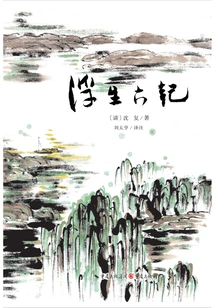
Six Chapters of a Floating Life
Literature浮生六记
Shen Fu
This book is not only Shen Fu's happy consolation for life as a scholar, but also a long eulogy written by him as an affectionate husband to his beloved wife. There are memories of joy in the boudoir, memories of leisurely love, memories of travel, and memories of ups and downs. Even if they are homeless, living on a simple diet, and suffering from chronic illnesses, Shen Fu and his wife can always find pleasure in the poetry and wine of the flower moon. When talking about this book, Lin Yutang said: "A humble and small life that can live happily for a lifetime is the most beautiful thing in the universe."
This book is not only Shen Fu's happy consolation for life as a scholar, but also a long eulogy written by him as an affectionate husband to his beloved wife. There are memories of joy in the boudoir, memories of leisurely love, memories of travel, and memories of ups and downs. Even if they are homeless, living on a simple diet, and suffering from chronic illnesses, Shen Fu and his wife can always find pleasure in the poetry and wine of the flower moon. When talking about this book, Lin Yutang said: "A humble and small life that can live happily for a lifetime is the most beautiful thing in the universe."
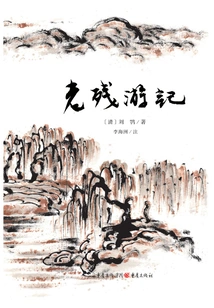
Lao Can's Travels
Literature老残游记
Liu E
This book is written about the experiences and actions of a quack doctor Tie Ying (also known as Lao Can) during his travels. The old cripple makes a living by practicing medicine, and wanders around the world while ringing his bells. He was a man of indifference and did not enter an official career, but he was concerned about the fate of the country and the nation. He also had a clear sense of right and wrong and was chivalrous and courageous. He sympathized with the suffering of the people and did his best to save the people from the fire and water. Following Lao Can's footsteps, we can clearly see the social life in Shandong in the late Qing Dynasty in the book, and we can also discover some social contradictions in the old days.
This book is written about the experiences and actions of a quack doctor Tie Ying (also known as Lao Can) during his travels. The old cripple makes a living by practicing medicine, and wanders around the world while ringing his bells. He was a man of indifference and did not enter an official career, but he was concerned about the fate of the country and the nation. He also had a clear sense of right and wrong and was chivalrous and courageous. He sympathized with the suffering of the people and did his best to save the people from the fire and water. Following Lao Can's footsteps, we can clearly see the social life in Shandong in the late Qing Dynasty in the book, and we can also discover some social contradictions in the old days.
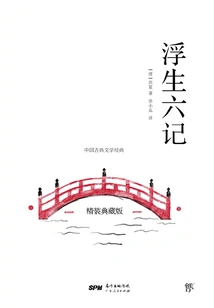
Six Chapters of a Floating Life
Literature浮生六记
Shen Fu
"Six Notes of a Floating Life" is an autobiographical prose written by Shen Fu, a literati in the Qing Dynasty. It consists of six volumes, namely "Records of Joy in the Boudoir", "Records of Leisure Interests", "Records of Sorrows in Ups and Downs", "Records of Wandering Travels", "Records of Zhongshan Calendar" and "Records of Health Preservation". The whole book records the ordinary life of Shen Fu and his wife Chen Yun, who were in love with each other and raised eyebrows together, as well as their ups and downs, as well as their travels in various places. The language of the book is simple, the feelings are sincere, natural and unique, and has always been valued by literature lovers and researchers. It tells the true feelings without any deliberate pretense. It has been passed down to this day and has become a classic. It is also known as the "Dream of Little Red Mansions in the Late Qing Dynasty".
"Six Notes of a Floating Life" is an autobiographical prose written by Shen Fu, a literati in the Qing Dynasty. It consists of six volumes, namely "Records of Joy in the Boudoir", "Records of Leisure Interests", "Records of Sorrows in Ups and Downs", "Records of Wandering Travels", "Records of Zhongshan Calendar" and "Records of Health Preservation". The whole book records the ordinary life of Shen Fu and his wife Chen Yun, who were in love with each other and raised eyebrows together, as well as their ups and downs, as well as their travels in various places. The language of the book is simple, the feelings are sincere, natural and unique, and has always been valued by literature lovers and researchers. It tells the true feelings without any deliberate pretense. It has been passed down to this day and has become a classic. It is also known as the "Dream of Little Red Mansions in the Late Qing Dynasty".
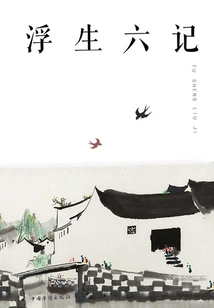
Six Chapters of a Floating Life
Literature浮生六记
Shen Fu
"Six Chapters of a Floating Life" takes the life of the author and his wife as the main line, and combines the ordinary but interesting home life with what he sees and hears while traveling around the world. The work describes how the author and his wife Chen Yun fell in love and wanted to live a life of common people, eating vegetables and engaging in art. However, due to the oppression of feudal ethics and the suffering of poverty, their ideals were finally shattered.
"Six Chapters of a Floating Life" takes the life of the author and his wife as the main line, and combines the ordinary but interesting home life with what he sees and hears while traveling around the world. The work describes how the author and his wife Chen Yun fell in love and wanted to live a life of common people, eating vegetables and engaging in art. However, due to the oppression of feudal ethics and the suffering of poverty, their ideals were finally shattered.
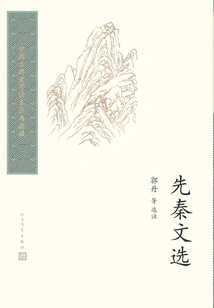
Selected Works of Pre-qin Dynasty
Literature先秦文选
Selected Notes By Guo Dan Et Al.
The pre-Qin period was a historical period in which Chinese culture initially prospered. From the early Western Zhou Dynasty to the late Warring States period, my country's ideological and cultural development grew from its origins, eventually forming a situation where hundreds of schools of thought and a hundred flowers blossomed. During this period, a large number of classic works emerged, such as the Six Classics, the Three Biographies, and the works of various scholars. They are ideological, historical, and literary, and are brilliant and beautiful. "Selected Works of Pre-Qin" selects classic works from this period, which reflects the ideological and cultural outlook and literary and artistic achievements of Pre-Qin.
The pre-Qin period was a historical period in which Chinese culture initially prospered. From the early Western Zhou Dynasty to the late Warring States period, my country's ideological and cultural development grew from its origins, eventually forming a situation where hundreds of schools of thought and a hundred flowers blossomed. During this period, a large number of classic works emerged, such as the Six Classics, the Three Biographies, and the works of various scholars. They are ideological, historical, and literary, and are brilliant and beautiful. "Selected Works of Pre-Qin" selects classic works from this period, which reflects the ideological and cultural outlook and literary and artistic achievements of Pre-Qin.
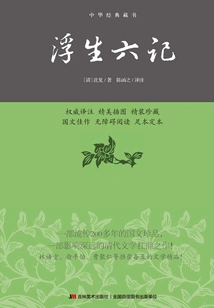
Six Chapters of a Floating Life
Literature浮生六记
Shen Fu
"Six Chapters of a Floating Life" is an autobiographical prose novel. The book records the joy of the boudoir, the harmony of the piano and the piano, and the deep affection; it records the leisurely and refined tastes, the character of the poor man, his likes and dislikes; the ups and downs of life, difficulties and separations, and the human condition; and the travels in various places, the scenic spots, and the anecdotes. The author uses simple writing style to describe the experience of most of his life. The contrast between joy and sorrow is truly moving. The book describes that he and his wife Chen Yun had similar interests and deep love as a couple, and were willing to live a life of commoners and vegetarians. However, due to the suffering of poverty, their ideals were finally shattered and they experienced the pain of life and death. In ancient Chinese literature, there are many poems and essays describing love, but most of them write about palace romance. When writing about love tragedies under the influence of power and etiquette, or about romantic close friends and the entanglement between boys and girls, the love between husband and wife is rarely involved. The love and affection in the boudoir and the trivial matters of rice and salt in the family are probably not listed in the article. They can only be summarized in general terms. "
"Six Chapters of a Floating Life" is an autobiographical prose novel. The book records the joy of the boudoir, the harmony of the piano and the piano, and the deep affection; it records the leisurely and refined tastes, the character of the poor man, his likes and dislikes; the ups and downs of life, difficulties and separations, and the human condition; and the travels in various places, the scenic spots, and the anecdotes. The author uses simple writing style to describe the experience of most of his life. The contrast between joy and sorrow is truly moving. The book describes that he and his wife Chen Yun had similar interests and deep love as a couple, and were willing to live a life of commoners and vegetarians. However, due to the suffering of poverty, their ideals were finally shattered and they experienced the pain of life and death. In ancient Chinese literature, there are many poems and essays describing love, but most of them write about palace romance. When writing about love tragedies under the influence of power and etiquette, or about romantic close friends and the entanglement between boys and girls, the love between husband and wife is rarely involved. The love and affection in the boudoir and the trivial matters of rice and salt in the family are probably not listed in the article. They can only be summarized in general terms. "
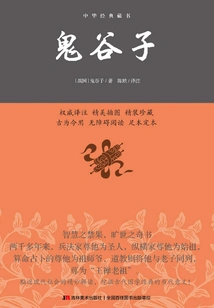
O
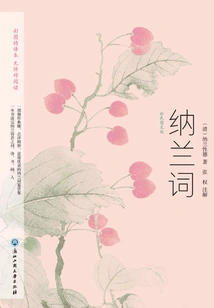
纳兰词(彩色图文版)
G
This book carefully collects the ancient manuscripts of Nalan Xingde's "Nalan Ci", combines the original text, word translation, commentary and appreciation, annotations and doubts, supplemented by sincere and beautiful paintings, and uses pictures to explain the text. It is beautiful and true, and offers readers the beauty and charm of Chinese classical poetry written by a talented person of the previous generation.
This book carefully collects the ancient manuscripts of Nalan Xingde's "Nalan Ci", combines the original text, word translation, commentary and appreciation, annotations and doubts, supplemented by sincere and beautiful paintings, and uses pictures to explain the text. It is beautiful and true, and offers readers the beauty and charm of Chinese classical poetry written by a talented person of the previous generation.
Tao Te Ching: Hardcover
Literature道德经:精装
Lao Tzu
The "Tao Te Ching" has only more than 5,000 words, but it is rich in meaning, broad and profound, covering many disciplines such as philosophy, ethics, politics, military science, etc. It not only has a profound impact on ancient Chinese philosophy, science, politics, religion, etc., But also plays an immeasurable role in shaping the character of the Chinese nation and political unity and stability. As a complete philosophical work in Chinese history, "Tao Te Ching" is known as the "King of All Classics".
The "Tao Te Ching" has only more than 5,000 words, but it is rich in meaning, broad and profound, covering many disciplines such as philosophy, ethics, politics, military science, etc. It not only has a profound impact on ancient Chinese philosophy, science, politics, religion, etc., But also plays an immeasurable role in shaping the character of the Chinese nation and political unity and stability. As a complete philosophical work in Chinese history, "Tao Te Ching" is known as the "King of All Classics".
西风多少恨 吹不散眉弯:纳兰容若词传
Bai Luomei
"How Much Hate the West Wind Can't Dissipate the Curved Eyebrows" is a beautiful biography of Nalan Rongruo written affectionately by Bai Luomei. Every family is singing the "Drinking Water" poem. How many people know about Nalan's thoughts? Nalan was the beloved son of the great scholar Nalan Mingzhu and a former imperial bodyguard. His talents were outstanding and he was deeply appreciated by Emperor Kangxi. Although his life span was only thirty years, it was extremely splendid. Although he was a high-ranking official, he also had the joys, sorrows, joys, loves, and hatreds of ordinary people. Let us follow Bai Luomei's beautiful and fresh writing style and realize the melancholy and deep affection behind Nalan's gorgeous life.
"How Much Hate the West Wind Can't Dissipate the Curved Eyebrows" is a beautiful biography of Nalan Rongruo written affectionately by Bai Luomei. Every family is singing the "Drinking Water" poem. How many people know about Nalan's thoughts? Nalan was the beloved son of the great scholar Nalan Mingzhu and a former imperial bodyguard. His talents were outstanding and he was deeply appreciated by Emperor Kangxi. Although his life span was only thirty years, it was extremely splendid. Although he was a high-ranking official, he also had the joys, sorrows, joys, loves, and hatreds of ordinary people. Let us follow Bai Luomei's beautiful and fresh writing style and realize the melancholy and deep affection behind Nalan's gorgeous life.
古文观止(新注插图本)
(qing Dynasty) Wu Chucai Wu Tiaohou
The new edition of "Gu Wen Guan Zhi" contains 222 chapters in its entirety, based on the simplified Chinese version of the Zhonghua Book Company, and compiled with reference to the revised vernacular version of Guangyi Book Company and the Guangzhu Chinese translation of Guoxue Publishing House. "Gu Wen Guan Zhi" is a collection of ancient prose from the pre-Qin Dynasty to the late Ming Dynasty. The themes and writing styles are wide and diverse, including historical biographies, policy discussions, and expositions, as well as letters and notes, sketch notes, landscape travel notes, and even parallel prose and rhymes. Most of the selected articles take into account both thought and aesthetics, and the language is concise, short, and easy to memorize. Each article has the editor's comments, all of which are included in this edition and placed at the end of the article. The rare characters in this edition are based on the correct pronunciation of the original and revised editions, and the Chinese pinyin is marked along with the text. The appendices include "Preface to the First Edition of the Thirty-Fourth Year of Kangxi", "Editor's Preface", and "Complete Index" to help readers better read the classics in depth and benefit from them.
The new edition of "Gu Wen Guan Zhi" contains 222 chapters in its entirety, based on the simplified Chinese version of the Zhonghua Book Company, and compiled with reference to the revised vernacular version of Guangyi Book Company and the Guangzhu Chinese translation of Guoxue Publishing House. "Gu Wen Guan Zhi" is a collection of ancient prose from the pre-Qin Dynasty to the late Ming Dynasty. The themes and writing styles are wide and diverse, including historical biographies, policy discussions, and expositions, as well as letters and notes, sketch notes, landscape travel notes, and even parallel prose and rhymes. Most of the selected articles take into account both thought and aesthetics, and the language is concise, short, and easy to memorize. Each article has the editor's comments, all of which are included in this edition and placed at the end of the article. The rare characters in this edition are based on the correct pronunciation of the original and revised editions, and the Chinese pinyin is marked along with the text. The appendices include "Preface to the First Edition of the Thirty-Fourth Year of Kangxi", "Editor's Preface", and "Complete Index" to help readers better read the classics in depth and benefit from them.
古文观止全鉴(珍藏版)
Chi Shuangming
Ancient Chinese prose is the shining pearl in the treasure house of Chinese traditional culture. They have different styles and are so beautiful. The articles selected in "Guwen Guanzhi" generally reflect the main aspects of the development of prose from the pre-Qin Dynasty to the late Ming Dynasty. "Gu Wen Guan Zhi Quan Jian (Collector's Edition)" takes into account the unity of ideology and artistry, takes the times as its classics, and uses the works of writers of all ages as its weft. It is a model for the taste of beautiful prose. "Gu Wen Guan Zhi Quan Jian (Collector's Edition)" is organized with the era as its classics and the works of writers of all ages as its weft, so as to facilitate readers' reading and understanding. It is a model for the taste of beautiful prose. "Gu Wen Guan Zhi" is a literary reading book compiled for use by schools during the Kangxi period of the Qing Dynasty. The word "Guanzhi" means "the articles included in the collection represent the highest level of classical Chinese writing."
Ancient Chinese prose is the shining pearl in the treasure house of Chinese traditional culture. They have different styles and are so beautiful. The articles selected in "Guwen Guanzhi" generally reflect the main aspects of the development of prose from the pre-Qin Dynasty to the late Ming Dynasty. "Gu Wen Guan Zhi Quan Jian (Collector's Edition)" takes into account the unity of ideology and artistry, takes the times as its classics, and uses the works of writers of all ages as its weft. It is a model for the taste of beautiful prose. "Gu Wen Guan Zhi Quan Jian (Collector's Edition)" is organized with the era as its classics and the works of writers of all ages as its weft, so as to facilitate readers' reading and understanding. It is a model for the taste of beautiful prose. "Gu Wen Guan Zhi" is a literary reading book compiled for use by schools during the Kangxi period of the Qing Dynasty. The word "Guanzhi" means "the articles included in the collection represent the highest level of classical Chinese writing."
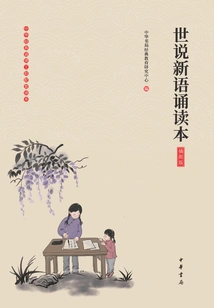
世说新语诵读本(插图版)
Chung Hwa Book Company Classics Education Research Center
Shishuoxinyu compiled by Liu Yiqing of the Southern Song Dynasty is divided into 36 categories such as virtue, speech, politics, literature, integrity, and elegance. It has more than 1,100 short stories, mainly describing the anecdotes of wealthy nobles and bureaucrats from the late Eastern Han Dynasty to the Eastern Jin Dynasty. "Shishuoxinyu Reading" (Illustrated Edition) is one of the "Chinese Classics Reading Project Supporting Readers", specially written for children aged 4-12 years old. We have selected "Shishuoxinyu" based on the authoritative version, with pinyin, making concise, accurate and easy-to-understand annotations of difficult characters, words and sentences. At the same time, it is equipped with a large number of pictures that are closely related to the text, allowing readers to appreciate the charm of the classics in a pleasant aesthetic.
Shishuoxinyu compiled by Liu Yiqing of the Southern Song Dynasty is divided into 36 categories such as virtue, speech, politics, literature, integrity, and elegance. It has more than 1,100 short stories, mainly describing the anecdotes of wealthy nobles and bureaucrats from the late Eastern Han Dynasty to the Eastern Jin Dynasty. "Shishuoxinyu Reading" (Illustrated Edition) is one of the "Chinese Classics Reading Project Supporting Readers", specially written for children aged 4-12 years old. We have selected "Shishuoxinyu" based on the authoritative version, with pinyin, making concise, accurate and easy-to-understand annotations of difficult characters, words and sentences. At the same time, it is equipped with a large number of pictures that are closely related to the text, allowing readers to appreciate the charm of the classics in a pleasant aesthetic.
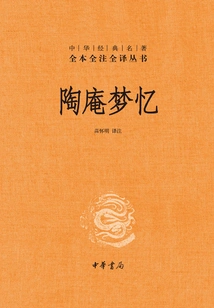
Tao An's Dream Memories
Literature陶庵梦忆
Translation And Annotation By Miao Huaiming
Sinologist Shi Jingqian said: "Zhang Dai was forty-eight years old when the Ming Dynasty fell. After that, he had to face a cruel fact: the glorious Ming Dynasty, which allowed him to live a colorful life, was torn apart by the brutality, ambition, despair, and greed of all kinds of competition. It collapsed and ended in humiliation. . He thought about it repeatedly, and things became clearer, like a path shrouded in mist, reappearing in front of his eyes, and many forgotten whispers began to roar..." Whispers are Zhang Dai's narrative method; roaring is the mood behind the words after he has learned from his pain. "Prosperity and magnificence are all in vain", the author's desolate murmur in the preface of "Tao'an Dream Memories" sets the tone of the whole book. But the author of the eight-volume "Tao'an Dream Memories" writes about his happy past experiences, such as drinking tea, admiring flowers, watching dramas, visiting ancient times, banquets, gatherings... Luxurious yet elegant scenes show all kinds of world affairs in front of people.
Sinologist Shi Jingqian said: "Zhang Dai was forty-eight years old when the Ming Dynasty fell. After that, he had to face a cruel fact: the glorious Ming Dynasty, which allowed him to live a colorful life, was torn apart by the brutality, ambition, despair, and greed of all kinds of competition. It collapsed and ended in humiliation. . He thought about it repeatedly, and things became clearer, like a path shrouded in mist, reappearing in front of his eyes, and many forgotten whispers began to roar..." Whispers are Zhang Dai's narrative method; roaring is the mood behind the words after he has learned from his pain. "Prosperity and magnificence are all in vain", the author's desolate murmur in the preface of "Tao'an Dream Memories" sets the tone of the whole book. But the author of the eight-volume "Tao'an Dream Memories" writes about his happy past experiences, such as drinking tea, admiring flowers, watching dramas, visiting ancient times, banquets, gatherings... Luxurious yet elegant scenes show all kinds of world affairs in front of people.
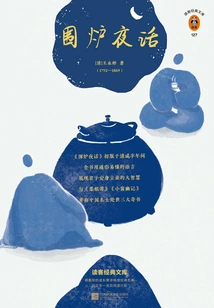
Night Talk Around the Fire
Literature围炉夜话
Wang Yongbin
Open the reader's version of "Night Talk Around the Fireplace" and learn the great wisdom of a gentleman to settle down and establish a career! A representative work of Ming and Qing sketch collections. It is based on the 1935 Mingshan Bookstore edition and has been carefully edited. Together with "Cai Gen Tan" and "Xiaochuang Youji", it is also known as the three most wonderful books on the life of Chinese celebrities! Annotations of uncommon words to clear reading difficulties! "Night Talk around the Lu" is one of the representative works of the collection of Ming and Qing sketches. It is divided into 221 pieces. It reveals the way for literati and gentlemen to settle down and establish a career in ten aspects, including self-cultivation, reading, living in poverty and living happily, educating children, loyalty, filial piety, diligence and thrift. The language of the whole book is plain and eloquent, just like chatting around the fire on a winter night.
Open the reader's version of "Night Talk Around the Fireplace" and learn the great wisdom of a gentleman to settle down and establish a career! A representative work of Ming and Qing sketch collections. It is based on the 1935 Mingshan Bookstore edition and has been carefully edited. Together with "Cai Gen Tan" and "Xiaochuang Youji", it is also known as the three most wonderful books on the life of Chinese celebrities! Annotations of uncommon words to clear reading difficulties! "Night Talk around the Lu" is one of the representative works of the collection of Ming and Qing sketches. It is divided into 221 pieces. It reveals the way for literati and gentlemen to settle down and establish a career in ten aspects, including self-cultivation, reading, living in poverty and living happily, educating children, loyalty, filial piety, diligence and thrift. The language of the whole book is plain and eloquent, just like chatting around the fire on a winter night.
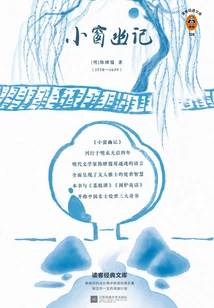
Notes on the Small Window
Literature小窗幽记
Chen Jiru
Open the reader's version of "Xiaochuang Youji" to grasp the wisdom of literati in life! The representative works of the collection of Ming and Qing sketches are based on the original edition of Wenxinzhai published in the 35th year of Emperor Qianlong's reign in the Qing Dynasty. Together with "Cai Gen Tan" and "Night Talk around the Fireplace", it is also known as the three most wonderful books on the life of Chinese celebrities! Annotations of uncommon words to clear reading difficulties! Zhou Zuoren, Ji Xianlin, Zhong Shuhe and other masters unanimously praised it. Director Wong Kar-wai regarded it as a pillow book. "Little Window Secrets" is a collection of sketches written by Chen Jiru (sometimes known as Lu Shaoheng) in the Ming Dynasty. The whole book is divided into twelve volumes: Xing, Qing, Qiao, Ling, Su, Scenery, Rhyme, Strange, Qi, Hao, Fa and Qian. It presents the ideological realm and life interest of the literati. The concise words have far-reaching goals, embodying the superb wisdom of life, and are thought-provoking.
Open the reader's version of "Xiaochuang Youji" to grasp the wisdom of literati in life! The representative works of the collection of Ming and Qing sketches are based on the original edition of Wenxinzhai published in the 35th year of Emperor Qianlong's reign in the Qing Dynasty. Together with "Cai Gen Tan" and "Night Talk around the Fireplace", it is also known as the three most wonderful books on the life of Chinese celebrities! Annotations of uncommon words to clear reading difficulties! Zhou Zuoren, Ji Xianlin, Zhong Shuhe and other masters unanimously praised it. Director Wong Kar-wai regarded it as a pillow book. "Little Window Secrets" is a collection of sketches written by Chen Jiru (sometimes known as Lu Shaoheng) in the Ming Dynasty. The whole book is divided into twelve volumes: Xing, Qing, Qiao, Ling, Su, Scenery, Rhyme, Strange, Qi, Hao, Fa and Qian. It presents the ideological realm and life interest of the literati. The concise words have far-reaching goals, embodying the superb wisdom of life, and are thought-provoking.
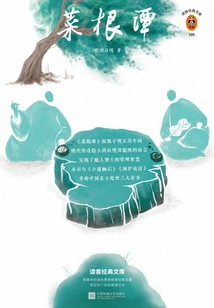
Cai Gentan
Literature菜根谭
Hong Yingming
Open the reader's version of "Cai Gen Tan" and master the management wisdom of capable people! "Cai Gen Tan" adheres to Taoist culture and takes Tao as the basis, blends the golden mean, the thought of inaction and the thought of transcendence, and combines the author's own experience to form a set of rules for transcending the world. Based on the textbook "Cai Gen Tan", one of the "Two Types of Books Written by Huanchu Taoist" engraved by Wu Jin Taoxian in 1927, as the base text, the "Zun Sheng Qi Jian" published by Ya Shang Zhai in the Wanli period of the Ming Dynasty was supplemented with "Cai Gen Tan". Together with "Night Talk around the Fireplace" and "The Secret of the Small Window", it is also known as the three most wonderful books on the life of Chinese celebrities! Annotations of uncommon words to clear reading difficulties! You don't have to read monographs on business management, but you must read Cai Gen Tan. --Kazuo Inamori (Japanese industrialist)
Open the reader's version of "Cai Gen Tan" and master the management wisdom of capable people! "Cai Gen Tan" adheres to Taoist culture and takes Tao as the basis, blends the golden mean, the thought of inaction and the thought of transcendence, and combines the author's own experience to form a set of rules for transcending the world. Based on the textbook "Cai Gen Tan", one of the "Two Types of Books Written by Huanchu Taoist" engraved by Wu Jin Taoxian in 1927, as the base text, the "Zun Sheng Qi Jian" published by Ya Shang Zhai in the Wanli period of the Ming Dynasty was supplemented with "Cai Gen Tan". Together with "Night Talk around the Fireplace" and "The Secret of the Small Window", it is also known as the three most wonderful books on the life of Chinese celebrities! Annotations of uncommon words to clear reading difficulties! You don't have to read monographs on business management, but you must read Cai Gen Tan. --Kazuo Inamori (Japanese industrialist)