Library
Browse and search books
397 novels found

Hello, South District
HistoryHello,南区
Chen Hui Cai Wenqiang
This book is one of the "Hello, Zhongshan" hand-drawn comic series. The author adopts the perspective of young people and introduces the traditional culture, natural and cultural landscapes, literature and art, and the development of important industries in Zhongshan Southern District in a lively manner through delicate brushstrokes, cute hand-drawn comics, and unique photography. This manuscript not only reflects the author's love for the Southern District and its history and culture, but also helps to promote the Southern District's unique tourist destinations, allowing locals and foreign tourists to learn more about the local culture of the Southern District of Zhongshan City. The book has about 30,000 words and more than 100 pictures. Recommended for publication.
This book is one of the "Hello, Zhongshan" hand-drawn comic series. The author adopts the perspective of young people and introduces the traditional culture, natural and cultural landscapes, literature and art, and the development of important industries in Zhongshan Southern District in a lively manner through delicate brushstrokes, cute hand-drawn comics, and unique photography. This manuscript not only reflects the author's love for the Southern District and its history and culture, but also helps to promote the Southern District's unique tourist destinations, allowing locals and foreign tourists to learn more about the local culture of the Southern District of Zhongshan City. The book has about 30,000 words and more than 100 pictures. Recommended for publication.

Hello, Xiaolan
HistoryHello,小榄
Bamboo
Adopting the perspective of young people, this book introduces the historical and geographical overview, traditional culture, folk tales, "chrysanthemum culture" folk customs, natural and cultural landscapes, special snacks, local specialties, literature and art, and the development of important industries of Xiaolan Town, Zhongshan City in a lively way through delicate brushstrokes, cute hand-drawn comics, and unique photography. This manuscript is one of the "Hello, Zhongshan" hand-painted series of books. This series of books introduces the history and culture, tourist attractions, folk customs, special food and outstanding industries of Zhongshan's 24 towns (districts) with pictures and texts in the form of hand-drawn comics that are popular among young and white-collar readers. The book has about 50,000 words and more than 100 pictures. Recommended for publication.
Adopting the perspective of young people, this book introduces the historical and geographical overview, traditional culture, folk tales, "chrysanthemum culture" folk customs, natural and cultural landscapes, special snacks, local specialties, literature and art, and the development of important industries of Xiaolan Town, Zhongshan City in a lively way through delicate brushstrokes, cute hand-drawn comics, and unique photography. This manuscript is one of the "Hello, Zhongshan" hand-painted series of books. This series of books introduces the history and culture, tourist attractions, folk customs, special food and outstanding industries of Zhongshan's 24 towns (districts) with pictures and texts in the form of hand-drawn comics that are popular among young and white-collar readers. The book has about 50,000 words and more than 100 pictures. Recommended for publication.

Hello, Shenwan
HistoryHello,神湾
Liang Suhong
This book is one of the "Hello, Zhongshan" hand-drawn comic series. The author adopts the perspective of young people and introduces the traditional culture, natural and cultural landscapes, literature and art, and the development of important industries in Shenwan Town, Zhongshan City in a lively manner through delicate brushstrokes, cute hand-drawn comics, and unique photography. This manuscript not only reflects the author's love for Shenwan Town and its history and culture, but also helps to promote Shenwan Town's special tourist destinations, allowing locals and foreign tourists to learn more about the local culture of Shenwan Town, Zhongshan City.
This book is one of the "Hello, Zhongshan" hand-drawn comic series. The author adopts the perspective of young people and introduces the traditional culture, natural and cultural landscapes, literature and art, and the development of important industries in Shenwan Town, Zhongshan City in a lively manner through delicate brushstrokes, cute hand-drawn comics, and unique photography. This manuscript not only reflects the author's love for Shenwan Town and its history and culture, but also helps to promote Shenwan Town's special tourist destinations, allowing locals and foreign tourists to learn more about the local culture of Shenwan Town, Zhongshan City.

Hello People
HistoryHello,民众
Yang Jiawen
Zhongshan Minmin Town is known as the "barn" of Zhongshan and a water town in Lingnan. Most residents live near the water and enjoy a quiet and simple life. This manuscript records the people's water town specialties, saltwater songs and other customs, famous water town attractions, historical interesting things, etc. In lively and clever words. In addition, each topic is accompanied by exquisite hand-drawn illustrations, showing the people's history and culture in a fresh way. This manuscript is one of the "Hello, Zhongshan" hand-drawn comic series. This series of books aims to introduce young readers to the local history and culture of Zhongshan and its townships in the novel form of hand-drawn comics.
Zhongshan Minmin Town is known as the "barn" of Zhongshan and a water town in Lingnan. Most residents live near the water and enjoy a quiet and simple life. This manuscript records the people's water town specialties, saltwater songs and other customs, famous water town attractions, historical interesting things, etc. In lively and clever words. In addition, each topic is accompanied by exquisite hand-drawn illustrations, showing the people's history and culture in a fresh way. This manuscript is one of the "Hello, Zhongshan" hand-drawn comic series. This series of books aims to introduce young readers to the local history and culture of Zhongshan and its townships in the novel form of hand-drawn comics.
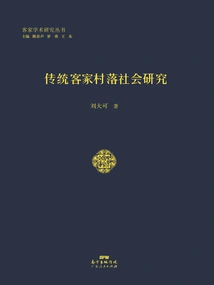
传统客家村落社会研究
Liu Dake
The fourteen papers included in this book were written from 1997 to the present on the basis of field surveys and historical documents. Most of the articles first participated in the International Hakka Symposium, the Cross-Strait Hakka Summit Forum and other Hakka seminars. After extensive listening to the opinions of Hakka colleagues, they were revised and published in academic journals such as Ethnic Studies and World Religion Studies.
The fourteen papers included in this book were written from 1997 to the present on the basis of field surveys and historical documents. Most of the articles first participated in the International Hakka Symposium, the Cross-Strait Hakka Summit Forum and other Hakka seminars. After extensive listening to the opinions of Hakka colleagues, they were revised and published in academic journals such as Ethnic Studies and World Religion Studies.
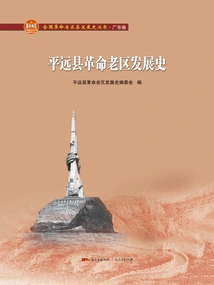
平远县革命老区发展史
Pingyuan County Old District Construction Promotion Association
"The History of the Development of the Old Revolutionary Areas of Pingyuan County" is one of the series "The History of the Development of the Old Revolutionary Areas of Guangdong Province". This set of "Series" embodies the history of the people's revolutionary struggle in the local old areas, focuses on highlighting the promotion and publicity of the revolutionary spirit and glorious traditions of the old areas, and promotes the excavation and organization of red cultural resources in the old areas. The book is well-illustrated and easy to understand, integrating the authenticity of history, the accuracy of events and the readability of the content. It has practical and reference value in promoting poverty alleviation and revitalization in old areas. The main contents of this book include: an overview of the old areas and old revolutionary areas, as well as an exploration of the historical situation of the old areas during the Revolutionary War of Land Reform, the Anti-Japanese War, and the War of Liberation. It also tells the construction and development process of the old revolutionary areas in Pingyuan County, and has appendices with revolutionary historical documents.
"The History of the Development of the Old Revolutionary Areas of Pingyuan County" is one of the series "The History of the Development of the Old Revolutionary Areas of Guangdong Province". This set of "Series" embodies the history of the people's revolutionary struggle in the local old areas, focuses on highlighting the promotion and publicity of the revolutionary spirit and glorious traditions of the old areas, and promotes the excavation and organization of red cultural resources in the old areas. The book is well-illustrated and easy to understand, integrating the authenticity of history, the accuracy of events and the readability of the content. It has practical and reference value in promoting poverty alleviation and revitalization in old areas. The main contents of this book include: an overview of the old areas and old revolutionary areas, as well as an exploration of the historical situation of the old areas during the Revolutionary War of Land Reform, the Anti-Japanese War, and the War of Liberation. It also tells the construction and development process of the old revolutionary areas in Pingyuan County, and has appendices with revolutionary historical documents.
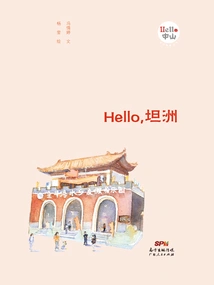
Hello, Tanzhou
HistoryHello,坦洲
Feng Qianting Yang Ying
The manuscript of this book introduces Tanzhou's characteristic agricultural industry, saltwater song customs, Tanzhou aquatic products and delicacies, historical interesting things, ancient ruins, etc. In the form of fresh hand-drawn drawings and relaxed text. This manuscript is one of the "Hello, Zhongshan" hand-drawn comic series. This series of books aims to introduce young readers to the local history and culture of Zhongshan and its townships in the novel form of hand-drawn comics. The book has about 60,000 words and about 70 illustrations. Recommended for publication.
The manuscript of this book introduces Tanzhou's characteristic agricultural industry, saltwater song customs, Tanzhou aquatic products and delicacies, historical interesting things, ancient ruins, etc. In the form of fresh hand-drawn drawings and relaxed text. This manuscript is one of the "Hello, Zhongshan" hand-drawn comic series. This series of books aims to introduce young readers to the local history and culture of Zhongshan and its townships in the novel form of hand-drawn comics. The book has about 60,000 words and about 70 illustrations. Recommended for publication.
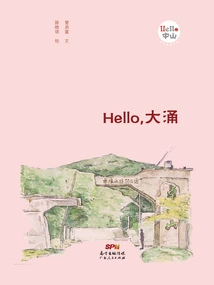
Hello, Dayong
HistoryHello,大涌
Mangrove
This manuscript records Dayong's characteristic mahogany industry, Longdu customs, Longdu food, historical interesting things, characteristic enterprises, ancient buildings, etc. In lively and vivid words. Each topic is accompanied by exquisite hand-drawn illustrations, showing the history and culture of Dayong in a form that is popular with young readers. This manuscript is one of the "Hello, Zhongshan" hand-drawn comic series. This series of books aims to introduce young readers to the local history and culture of Zhongshan and its townships in the novel form of hand-drawn comics. The book has about 60,000 words and about 70 illustrations. Recommended for publication.
This manuscript records Dayong's characteristic mahogany industry, Longdu customs, Longdu food, historical interesting things, characteristic enterprises, ancient buildings, etc. In lively and vivid words. Each topic is accompanied by exquisite hand-drawn illustrations, showing the history and culture of Dayong in a form that is popular with young readers. This manuscript is one of the "Hello, Zhongshan" hand-drawn comic series. This series of books aims to introduce young readers to the local history and culture of Zhongshan and its townships in the novel form of hand-drawn comics. The book has about 60,000 words and about 70 illustrations. Recommended for publication.
Hello, Banfu
HistoryHello,板芙
Qianbaidu
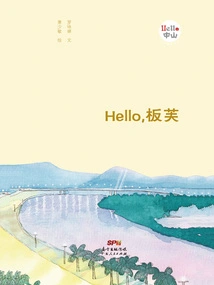
The manuscript of this book records Banfu's characteristic leisure industry, folk customs, farm food, historical anecdotes, ancient ruins, etc. In the form of fresh hand-drawn drawings and relaxed text. The hand-drawn illustrations accompanying each theme are cute, fresh and eye-catching, and can fully display the local culture of Banfu. This manuscript is one of the "Hello, Zhongshan" hand-drawn comic series. This series of books aims to introduce young readers to the local history and culture of Zhongshan and its townships in the novel form of hand-drawn comics. The first volume, launched in July 2016, received enthusiastic response from the society and was very popular among readers.
The manuscript of this book records Banfu's characteristic leisure industry, folk customs, farm food, historical anecdotes, ancient ruins, etc. In the form of fresh hand-drawn drawings and relaxed text. The hand-drawn illustrations accompanying each theme are cute, fresh and eye-catching, and can fully display the local culture of Banfu. This manuscript is one of the "Hello, Zhongshan" hand-drawn comic series. This series of books aims to introduce young readers to the local history and culture of Zhongshan and its townships in the novel form of hand-drawn comics. The first volume, launched in July 2016, received enthusiastic response from the society and was very popular among readers.
孙中山研究口述史·长沙卷
Hu Bo
In order to further explore and sort out Sun Yat-sen's cultural resources, the Zhongshan Municipal Party Committee Propaganda Department and the Zhongshan Federation of Literary and Art Circles hosted a large-scale interview event on Sun Yat-sen's century-old oral history, which was officially launched in August 2012. The activity was led by Professor Hu Bo, Chairman of the Zhongshan Federation of Literary and Art Circles and Vice President of the Zhongshan Sun Yat-sen Research Association. Scholars with outstanding influence in the field of Sun Yat-sen research at home and abroad were interviewed about their academic careers, academic directions, scholarship methods, academic achievements, etc. In Sun Yat-sen research. Scholars were also invited to make suggestions on how Zhongshan City can carry out Sun Yat-sen research and explore and utilize Sun Yat-sen cultural resources. The interview records were compiled by Hu Bo and others into the "Sun Yat-sen Research Oral History" series, which is divided into eight regions by region. This volume is the "Taiwan Region" of the series. The whole book has about 250,000 words.
In order to further explore and sort out Sun Yat-sen's cultural resources, the Zhongshan Municipal Party Committee Propaganda Department and the Zhongshan Federation of Literary and Art Circles hosted a large-scale interview event on Sun Yat-sen's century-old oral history, which was officially launched in August 2012. The activity was led by Professor Hu Bo, Chairman of the Zhongshan Federation of Literary and Art Circles and Vice President of the Zhongshan Sun Yat-sen Research Association. Scholars with outstanding influence in the field of Sun Yat-sen research at home and abroad were interviewed about their academic careers, academic directions, scholarship methods, academic achievements, etc. In Sun Yat-sen research. Scholars were also invited to make suggestions on how Zhongshan City can carry out Sun Yat-sen research and explore and utilize Sun Yat-sen cultural resources. The interview records were compiled by Hu Bo and others into the "Sun Yat-sen Research Oral History" series, which is divided into eight regions by region. This volume is the "Taiwan Region" of the series. The whole book has about 250,000 words.

Hello, Maonan
HistoryHello,茂南
Zhu Lin, Liang Zaiqiao, Yan Qi, Jian Hua
Maonan District is a district under the jurisdiction of Maoming City, Guangdong Province, bordering Dianbai to the east, Wuchuan to the south, Huazhou to the west, and Gaozhou to the north. This manuscript records Maonan's characteristic ancient towns, characteristic industries, scenic spots, traditional arts, Cantonese opera culture, etc. In fresh and lively words. Each topic is accompanied by exquisite and beautiful hand-drawn illustrations, showing readers the unique charm of Maonan in a novel and unique narrative way. This manuscript is one of the "Hello, Maoming" hand-drawn comic series. It aims to introduce the local history and culture of Maoming, its municipal districts and county-level cities to young readers in the novel form of hand-drawn comics. The book has about 50,000 words and about 80 illustrations. Recommended for publication.
Maonan District is a district under the jurisdiction of Maoming City, Guangdong Province, bordering Dianbai to the east, Wuchuan to the south, Huazhou to the west, and Gaozhou to the north. This manuscript records Maonan's characteristic ancient towns, characteristic industries, scenic spots, traditional arts, Cantonese opera culture, etc. In fresh and lively words. Each topic is accompanied by exquisite and beautiful hand-drawn illustrations, showing readers the unique charm of Maonan in a novel and unique narrative way. This manuscript is one of the "Hello, Maoming" hand-drawn comic series. It aims to introduce the local history and culture of Maoming, its municipal districts and county-level cities to young readers in the novel form of hand-drawn comics. The book has about 50,000 words and about 80 illustrations. Recommended for publication.
Hello, Gaozhou
HistoryHello,高州
Cycad Cycad
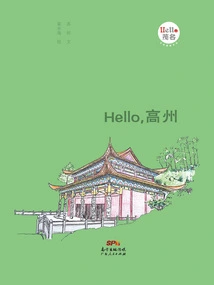
Gaozhou City is a famous historical and cultural city in Guangdong Province and the "hometown of Chinese national folk art (puppet)". This manuscript shows Gaozhou's natural scenery, historical sites, special food, historical celebrities, traditional folk art, etc. In vivid words. Each theme is accompanied by exquisite hand-drawn illustrations, restoring the unique style of the historical and cultural city of Gaozhou in a form that is popular with young readers. This manuscript is one of the "Hello, Maoming" hand-drawn comic series. It aims to introduce the local customs and customs of Maoming, its municipal districts and county-level cities to young readers in the novel form of hand-drawn comics. The book has about 50,000 words and about 80 illustrations. Recommended for publication.
Gaozhou City is a famous historical and cultural city in Guangdong Province and the "hometown of Chinese national folk art (puppet)". This manuscript shows Gaozhou's natural scenery, historical sites, special food, historical celebrities, traditional folk art, etc. In vivid words. Each theme is accompanied by exquisite hand-drawn illustrations, restoring the unique style of the historical and cultural city of Gaozhou in a form that is popular with young readers. This manuscript is one of the "Hello, Maoming" hand-drawn comic series. It aims to introduce the local customs and customs of Maoming, its municipal districts and county-level cities to young readers in the novel form of hand-drawn comics. The book has about 50,000 words and about 80 illustrations. Recommended for publication.
客家民系的形成及其源流
Chen Zhiping
This book is divided into two parts. The first part mainly discusses that the Hakka ethnic lineage is formed by the fusion of various ethnic lines in the south. The Hakka ancestry is no different from other non-Hakka Han ancestry in Fujian, Guangdong, Jiangxi and other provinces. They are all the result of the great integration of the Chinese nation for more than a thousand years. This book absorbs many reasonable views of Professor Luo Xianglin, and presents a large number of historical records to support the arguments with solid data. At the same time, this book cites a large number of genealogies, many of which are borrowed from private households. These are rare and precious historical materials. The second part mainly conducts a comparative study of the Hakka ethnic group and other ethnic groups, and discusses the ethnic distribution and humanistic characteristics of the Hakka people in Fujian, the business character of the Hakka people in western Fujian and the Maritime Silk Road connecting cities, and the migration history of the Hakka people to Zhangzhou in southern Fujian based on genealogical data. The book contains about 170,000 words in total. The "Classic Works on Hakka Studies" series is edited by Professor Chen Chunsheng, a famous historian and Party Secretary of Sun Yat-sen University, and Professor Wang Dong, director of the History Department and doctoral supervisor of East China Normal University. It brings together representative works on Hakka studies at home and abroad in the past century. The author Including the late famous historians Professor Luo Xianglin and Professor Liang Zhaoting, the famous contemporary anthropology expert Professor Zhuang Yingzhang (Taiwan), the famous Chinese studies expert Professor Chen Zhiping (Xiamen University) and others. The complete series has about 50 titles and is the foundation work of the "World Hakka Library".
This book is divided into two parts. The first part mainly discusses that the Hakka ethnic lineage is formed by the fusion of various ethnic lines in the south. The Hakka ancestry is no different from other non-Hakka Han ancestry in Fujian, Guangdong, Jiangxi and other provinces. They are all the result of the great integration of the Chinese nation for more than a thousand years. This book absorbs many reasonable views of Professor Luo Xianglin, and presents a large number of historical records to support the arguments with solid data. At the same time, this book cites a large number of genealogies, many of which are borrowed from private households. These are rare and precious historical materials. The second part mainly conducts a comparative study of the Hakka ethnic group and other ethnic groups, and discusses the ethnic distribution and humanistic characteristics of the Hakka people in Fujian, the business character of the Hakka people in western Fujian and the Maritime Silk Road connecting cities, and the migration history of the Hakka people to Zhangzhou in southern Fujian based on genealogical data. The book contains about 170,000 words in total. The "Classic Works on Hakka Studies" series is edited by Professor Chen Chunsheng, a famous historian and Party Secretary of Sun Yat-sen University, and Professor Wang Dong, director of the History Department and doctoral supervisor of East China Normal University. It brings together representative works on Hakka studies at home and abroad in the past century. The author Including the late famous historians Professor Luo Xianglin and Professor Liang Zhaoting, the famous contemporary anthropology expert Professor Zhuang Yingzhang (Taiwan), the famous Chinese studies expert Professor Chen Zhiping (Xiamen University) and others. The complete series has about 50 titles and is the foundation work of the "World Hakka Library".
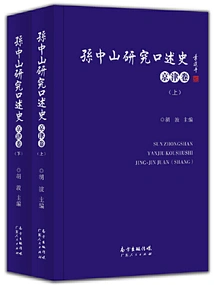
孙中山研究口述史·京津卷
Hu Bo
In order to further explore and sort out Sun Yat-sen's cultural resources, the Zhongshan Municipal Party Committee Propaganda Department and the Zhongshan Federation of Literary and Art Circles hosted a large-scale interview event on Sun Yat-sen's century-old oral history, which was officially launched in August 2012. The activity was led by Professor Hu Bo, Chairman of the Zhongshan Federation of Literary and Art Circles and Vice President of the Zhongshan Sun Yat-sen Research Association. Scholars with outstanding influence in the field of Sun Yat-sen research at home and abroad were interviewed about their academic careers, academic directions, scholarship methods, academic achievements, etc. In Sun Yat-sen research. Scholars were also invited to make suggestions on how Zhongshan City can carry out Sun Yat-sen research and explore and utilize Sun Yat-sen cultural resources. The interview records were compiled by Hu Bo and others into the "Sun Yat-sen Research Oral History" series, which is divided into eight regions according to region. This volume is "Beijing-Tianjin Region". The whole book has about 250,000 words.
In order to further explore and sort out Sun Yat-sen's cultural resources, the Zhongshan Municipal Party Committee Propaganda Department and the Zhongshan Federation of Literary and Art Circles hosted a large-scale interview event on Sun Yat-sen's century-old oral history, which was officially launched in August 2012. The activity was led by Professor Hu Bo, Chairman of the Zhongshan Federation of Literary and Art Circles and Vice President of the Zhongshan Sun Yat-sen Research Association. Scholars with outstanding influence in the field of Sun Yat-sen research at home and abroad were interviewed about their academic careers, academic directions, scholarship methods, academic achievements, etc. In Sun Yat-sen research. Scholars were also invited to make suggestions on how Zhongshan City can carry out Sun Yat-sen research and explore and utilize Sun Yat-sen cultural resources. The interview records were compiled by Hu Bo and others into the "Sun Yat-sen Research Oral History" series, which is divided into eight regions according to region. This volume is "Beijing-Tianjin Region". The whole book has about 250,000 words.
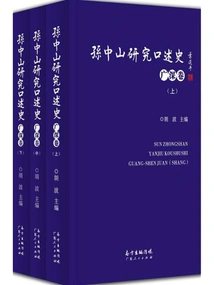
孙中山研究口述史·广深卷
Hu Bo
In order to further explore and sort out Sun Yat-sen's cultural resources, the Zhongshan Municipal Party Committee Propaganda Department and the Zhongshan Federation of Literary and Art Circles hosted a large-scale interview event on Sun Yat-sen's century-old oral history, which was officially launched in August 2012. The activity was led by Professor Hu Bo, Chairman of the Zhongshan Federation of Literary and Art Circles and Vice President of the Zhongshan Sun Yat-sen Research Association. Scholars with outstanding influence in the field of Sun Yat-sen research at home and abroad were interviewed about their academic careers, academic directions, scholarship methods, academic achievements, etc. In Sun Yat-sen research. Scholars were also invited to make suggestions on how Zhongshan City can carry out Sun Yat-sen research and explore and utilize Sun Yat-sen cultural resources. The interview records were compiled by Hu Bo and others into the "Sun Yat-sen Research Oral History" series, which is divided into eight regions by region. This volume is "Guangdong Region". The whole book has about 250,000 words.
In order to further explore and sort out Sun Yat-sen's cultural resources, the Zhongshan Municipal Party Committee Propaganda Department and the Zhongshan Federation of Literary and Art Circles hosted a large-scale interview event on Sun Yat-sen's century-old oral history, which was officially launched in August 2012. The activity was led by Professor Hu Bo, Chairman of the Zhongshan Federation of Literary and Art Circles and Vice President of the Zhongshan Sun Yat-sen Research Association. Scholars with outstanding influence in the field of Sun Yat-sen research at home and abroad were interviewed about their academic careers, academic directions, scholarship methods, academic achievements, etc. In Sun Yat-sen research. Scholars were also invited to make suggestions on how Zhongshan City can carry out Sun Yat-sen research and explore and utilize Sun Yat-sen cultural resources. The interview records were compiled by Hu Bo and others into the "Sun Yat-sen Research Oral History" series, which is divided into eight regions by region. This volume is "Guangdong Region". The whole book has about 250,000 words.

Hello, Shiqiⅱ
HistoryHello,石岐Ⅱ
Chen Yue'an
This book is one of the "Hello, Zhongshan" hand-drawn comic series. "Hello, Shiqi" has been well received by readers after its publication. This book will add historical, cultural and tourist attractions in Shiqi, the old town of Zhongshan City, that were not covered in the previous book. The author adopts the perspective of young people, uses delicate brushstrokes, cute hand-drawn comics and unique photography to introduce the traditional culture, natural and cultural landscapes, literature and art, and the development of important industries in Shiqi District, Zhongshan City in a lively way. This manuscript not only reflects the author's love for Shiqi District and its history and culture, but also helps to promote Shiqi District's special tourist destinations, allowing locals and foreign tourists to learn more about Zhongshan's local culture.
This book is one of the "Hello, Zhongshan" hand-drawn comic series. "Hello, Shiqi" has been well received by readers after its publication. This book will add historical, cultural and tourist attractions in Shiqi, the old town of Zhongshan City, that were not covered in the previous book. The author adopts the perspective of young people, uses delicate brushstrokes, cute hand-drawn comics and unique photography to introduce the traditional culture, natural and cultural landscapes, literature and art, and the development of important industries in Shiqi District, Zhongshan City in a lively way. This manuscript not only reflects the author's love for Shiqi District and its history and culture, but also helps to promote Shiqi District's special tourist destinations, allowing locals and foreign tourists to learn more about Zhongshan's local culture.
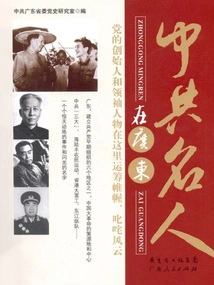
Ccp Celebrities in Guangdong
History中共名人在广东
Compiled By The Party History Research Office Of The Guangdong Provincial Committee Of The Communist Party Of China
"Guangdong Party History", sponsored by the Party History Research Office of the Guangdong Provincial Committee of the Communist Party of China, is the most authoritative professional magazine for the study of party history in Guangdong. This book collects many articles published in "Guangdong Party History" about the deeds of CCP celebrities in Guangdong, and is integrated into this book "CCP Celebrities in Guangdong".
"Guangdong Party History", sponsored by the Party History Research Office of the Guangdong Provincial Committee of the Communist Party of China, is the most authoritative professional magazine for the study of party history in Guangdong. This book collects many articles published in "Guangdong Party History" about the deeds of CCP celebrities in Guangdong, and is integrated into this book "CCP Celebrities in Guangdong".
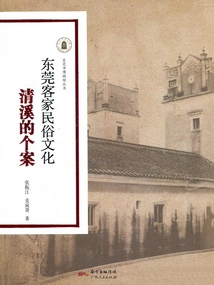
东莞客家民俗文化:清溪的个案
Zhang Zhenjiang Mai Shuxian
"Hakka Folk Customs in Qingxi, Dongguan" is one of the "Dongguan Museum Series". It is a research work investigating the Hakka customs and habits in Qingxi Town, Dongguan area. This book conducts a systematic investigation of the traditional eating, marriage, childbirth, belief, funeral and other habits of the Hakka community in Qingxi Town, Dongguan, as well as traditional festivals and home furnishings through field surveys, interviews with elders, and literature review. It also makes a detailed and in-depth analysis of the origin, formation process, and influencing factors of these customs. It is a book on Hakka culture that reflects regional folk customs.
"Hakka Folk Customs in Qingxi, Dongguan" is one of the "Dongguan Museum Series". It is a research work investigating the Hakka customs and habits in Qingxi Town, Dongguan area. This book conducts a systematic investigation of the traditional eating, marriage, childbirth, belief, funeral and other habits of the Hakka community in Qingxi Town, Dongguan, as well as traditional festivals and home furnishings through field surveys, interviews with elders, and literature review. It also makes a detailed and in-depth analysis of the origin, formation process, and influencing factors of these customs. It is a book on Hakka culture that reflects regional folk customs.
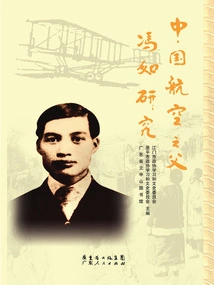
中国航空之父冯如研究
Huang Hangang Chen Yingming
This book is a research work about the life and achievements of Feng Ru, the father of Chinese aviation, and his close relationship with China's aviation industry. The book includes ten chapters: Feng Ru's life biography, Feng Ru's airplane research, Feng Ru and China's first private aircraft manufacturing company, Feng Ru's chronology and Feng Ru's genealogy, biographies of Feng Ru's main assistants and collaborators, Feng Ru's Chinese historical documents, translations and annotations of Feng Ru's English historical documents, historical errors in Feng Ru's writings, Feng Ru's historical documents, materials, and physical observations, and an examination of Feng Ru's design and manufacture of aircraft. About 230,000 words.
This book is a research work about the life and achievements of Feng Ru, the father of Chinese aviation, and his close relationship with China's aviation industry. The book includes ten chapters: Feng Ru's life biography, Feng Ru's airplane research, Feng Ru and China's first private aircraft manufacturing company, Feng Ru's chronology and Feng Ru's genealogy, biographies of Feng Ru's main assistants and collaborators, Feng Ru's Chinese historical documents, translations and annotations of Feng Ru's English historical documents, historical errors in Feng Ru's writings, Feng Ru's historical documents, materials, and physical observations, and an examination of Feng Ru's design and manufacture of aircraft. About 230,000 words.
走向伟大复兴:中国革命 建设 改革历史表解
Zeng Fanguang
History is a true record of the formation, development and rise and fall of a nation or a country. It is the "encyclopedia" of our predecessors, that is, the collection of various knowledge, experiences and wisdom of our predecessors. The book "Historical Explanation of Chinese Revolution, Construction and Reform" uses the form of "Explanation" to systematize the scattered data, classify the same events, and compare different problems on major events, important figures, important meetings, as well as basic knowledge, basic clues, basic theories, and basic experiences that occurred in the process of the Chinese revolution, construction, and reform, so that readers can grasp the laws, recognize the essence, summarize experience, and absorb wisdom from the complicated historical phenomena, thereby contributing to the upholding and development of socialism with Chinese characteristics and the realization of the great rejuvenation of the Chinese nation. This book is an important auxiliary textbook for leading cadres and teachers and students in colleges and universities to combine in-depth study and implementation of the spirit of the 18th National Congress of the Communist Party of China with the study of modern Chinese history, especially the history of the Communist Party of China.
History is a true record of the formation, development and rise and fall of a nation or a country. It is the "encyclopedia" of our predecessors, that is, the collection of various knowledge, experiences and wisdom of our predecessors. The book "Historical Explanation of Chinese Revolution, Construction and Reform" uses the form of "Explanation" to systematize the scattered data, classify the same events, and compare different problems on major events, important figures, important meetings, as well as basic knowledge, basic clues, basic theories, and basic experiences that occurred in the process of the Chinese revolution, construction, and reform, so that readers can grasp the laws, recognize the essence, summarize experience, and absorb wisdom from the complicated historical phenomena, thereby contributing to the upholding and development of socialism with Chinese characteristics and the realization of the great rejuvenation of the Chinese nation. This book is an important auxiliary textbook for leading cadres and teachers and students in colleges and universities to combine in-depth study and implementation of the spirit of the 18th National Congress of the Communist Party of China with the study of modern Chinese history, especially the history of the Communist Party of China.
Explore, Struggle, Revival
History探索 奋斗 复兴
Zeng Fanguang
This book was organized and compiled by Professor Zeng Fanguang based on his lectures throughout the province, with a total of about 430,000 words. The most outstanding feature of this book is the attempt to adopt a new style in writing, that is, the form of system plus topic. It uses the modern history of more than a hundred years as the time system, organizes topics according to time periods and events that occurred during it, and strives to explain it deeply and thoroughly. I believe that such a method can help readers better understand China's modern history within a limited time.
This book was organized and compiled by Professor Zeng Fanguang based on his lectures throughout the province, with a total of about 430,000 words. The most outstanding feature of this book is the attempt to adopt a new style in writing, that is, the form of system plus topic. It uses the modern history of more than a hundred years as the time system, organizes topics according to time periods and events that occurred during it, and strives to explain it deeply and thoroughly. I believe that such a method can help readers better understand China's modern history within a limited time.
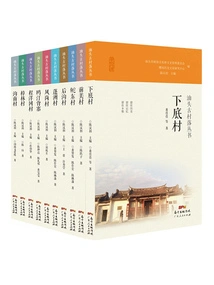
汕头古村落丛书
Chen Hanchu
The ten ancient villages in Shantou written in the "Shantou Ancient Villages" series are provincially or nationally recognized ancient villages. Some ancient villages have a history of thousands of years, some are important ports on the "Maritime Silk Road", some are famous hometowns of overseas Chinese with outstanding architectural features, some have numerous celebrities, and are national celebrities, and some ancient villages still have a large number of ancient dwellings, ancient ancestral halls, and ancient temples. They are rich in historical materials and have important research value.
The ten ancient villages in Shantou written in the "Shantou Ancient Villages" series are provincially or nationally recognized ancient villages. Some ancient villages have a history of thousands of years, some are important ports on the "Maritime Silk Road", some are famous hometowns of overseas Chinese with outstanding architectural features, some have numerous celebrities, and are national celebrities, and some ancient villages still have a large number of ancient dwellings, ancient ancestral halls, and ancient temples. They are rich in historical materials and have important research value.
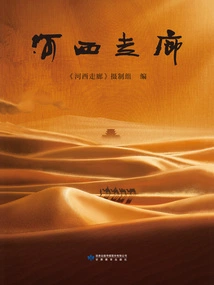
Hexi Corridor
History河西走廊
"hexi Corridor" Film Crew
The official paper book of Douban's high-scoring documentary "Hexi Corridor". The Hexi Corridor is a golden channel in the history of cultural exchanges between the East and the West. It is located in the western region of China, west of the Yellow River, and is named after its shape like a corridor. Huo Qubing sealed Lang Juxu, and Zhang Qian left the Western Regions. Legendary stories took turns here. Xuanquanzhi, Mogao Grottoes, Jiayuguan Pass, colorful Danxia, the scenic spots stretch all the way. From west to east, from ancient times to the present, this book will sort out the two thousand years of history of the Hexi Corridor for you.
The official paper book of Douban's high-scoring documentary "Hexi Corridor". The Hexi Corridor is a golden channel in the history of cultural exchanges between the East and the West. It is located in the western region of China, west of the Yellow River, and is named after its shape like a corridor. Huo Qubing sealed Lang Juxu, and Zhang Qian left the Western Regions. Legendary stories took turns here. Xuanquanzhi, Mogao Grottoes, Jiayuguan Pass, colorful Danxia, the scenic spots stretch all the way. From west to east, from ancient times to the present, this book will sort out the two thousand years of history of the Hexi Corridor for you.
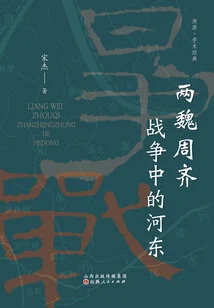
两魏周齐战争中的河东
Song Jie
This book is one of the representative works of the historical military geographer Song Jie. It is an extension of "The Geographic Hub of Ancient Chinese Wars" and presents in depth the "Hedong geographical hub" in the struggle for hegemony between the two Wei, Zhou and Qi. The author first sorted out the evolution of the Hedong administrative region during the Qin, Han, Wei and Jin Dynasties, clarified the scope of the geographical concept of "Hedong", and discussed the regional characteristics of Hedong (today's Yuncheng area) in terms of economy, topography, hydrology, transportation and other aspects. On this basis, the author systematically examines the evolution, ups and downs of counties and city garrison in the Hedong administrative region; analyzes the political situation when the Eastern and Western Wei Dynasties split from the perspective of strategic geographical research, and focuses on the military competition in Hedong to sort out the war course of the East-West confrontation in the late Northern Dynasties. During this period, the king and his ministers battled wits and courage with each other, making endless plans and feats. There are excellent analyzes of the counterattacks of the Eastern Wei and Northern Qi against the Fenbei area in Hedong after the Battle of Shayuan, the characteristics and adjustments of the Western Wei and Northern Zhou's Eastern Expedition strategies, the process of Emperor Wu of Zhou's Pingqi campaign and the reasons for its victory, etc. The two Wei, Zhou and Qi regimes faced each other across the Yellow River. Hedong was the central stage for both sides to display their strategies. For the Yuwen family and the Gao family, the ownership of Hedong and the degree of military utilization directly affected the fate of the two regimes. This book is an excellent work to understand the history of the late Northern Dynasties from the "Hedong perspective".
This book is one of the representative works of the historical military geographer Song Jie. It is an extension of "The Geographic Hub of Ancient Chinese Wars" and presents in depth the "Hedong geographical hub" in the struggle for hegemony between the two Wei, Zhou and Qi. The author first sorted out the evolution of the Hedong administrative region during the Qin, Han, Wei and Jin Dynasties, clarified the scope of the geographical concept of "Hedong", and discussed the regional characteristics of Hedong (today's Yuncheng area) in terms of economy, topography, hydrology, transportation and other aspects. On this basis, the author systematically examines the evolution, ups and downs of counties and city garrison in the Hedong administrative region; analyzes the political situation when the Eastern and Western Wei Dynasties split from the perspective of strategic geographical research, and focuses on the military competition in Hedong to sort out the war course of the East-West confrontation in the late Northern Dynasties. During this period, the king and his ministers battled wits and courage with each other, making endless plans and feats. There are excellent analyzes of the counterattacks of the Eastern Wei and Northern Qi against the Fenbei area in Hedong after the Battle of Shayuan, the characteristics and adjustments of the Western Wei and Northern Zhou's Eastern Expedition strategies, the process of Emperor Wu of Zhou's Pingqi campaign and the reasons for its victory, etc. The two Wei, Zhou and Qi regimes faced each other across the Yellow River. Hedong was the central stage for both sides to display their strategies. For the Yuwen family and the Gao family, the ownership of Hedong and the degree of military utilization directly affected the fate of the two regimes. This book is an excellent work to understand the history of the late Northern Dynasties from the "Hedong perspective".
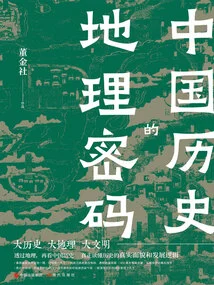
中国历史的地理密码
Dong Jinshe
This book is a popular academic masterpiece that explores Chinese history from a geographical perspective. Based on reliable historical materials and scientific research, and with vivid narratives, it covers the most concerning Chinese historical issues, such as the rise and fall of dynasties, the division and reunification of the country, the expansion and changes of the national living space, the shift of political and economic centers of gravity, and the formation of strategic corridors and military fortresses. Its formation and evolution are observed and analyzed over a long period of time through the prism of geography. It shows the impact of the natural geographical environment on China's major historical events and historical processes from different angles, and reveals the historical-geographical laws. It has both a sense of vast geographical space and a sense of grand historical significance.
This book is a popular academic masterpiece that explores Chinese history from a geographical perspective. Based on reliable historical materials and scientific research, and with vivid narratives, it covers the most concerning Chinese historical issues, such as the rise and fall of dynasties, the division and reunification of the country, the expansion and changes of the national living space, the shift of political and economic centers of gravity, and the formation of strategic corridors and military fortresses. Its formation and evolution are observed and analyzed over a long period of time through the prism of geography. It shows the impact of the natural geographical environment on China's major historical events and historical processes from different angles, and reveals the historical-geographical laws. It has both a sense of vast geographical space and a sense of grand historical significance.
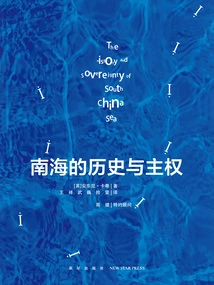
南海的历史与主权
(uk)anthony Carty
The South China Sea dispute has always been the focus of international attention. British international law expert Anthony Carty collected historical archives from Britain, France and other countries to prove that China has historic rights in the South China Sea. Since the 1970s, disputes have arisen between six countries and seven parties over China's sovereignty over islands and reefs in the South China Sea and jurisdiction over some maritime areas. In recent years, major powers outside the region have used the South China Sea dispute as an excuse to intervene in South China Sea affairs in order to seek political, economic and strategic interests. Professor Anthony Carty clarified the issue of sovereignty over the South China Sea Islands by reviewing the files on the ownership of the South China Sea Islands by France, the United Kingdom and the United States since the end of the 19th century. The files show that the sovereignty of the South China Sea Islands belongs to China, and this fact is also recognized by Western countries, Vietnam and other parties involved in the dispute. This book is of great significance for our country to resolve disputes in the South China Sea, stabilize the situation in the South China Sea, and discuss the "Code of Conduct in the South China Sea."
The South China Sea dispute has always been the focus of international attention. British international law expert Anthony Carty collected historical archives from Britain, France and other countries to prove that China has historic rights in the South China Sea. Since the 1970s, disputes have arisen between six countries and seven parties over China's sovereignty over islands and reefs in the South China Sea and jurisdiction over some maritime areas. In recent years, major powers outside the region have used the South China Sea dispute as an excuse to intervene in South China Sea affairs in order to seek political, economic and strategic interests. Professor Anthony Carty clarified the issue of sovereignty over the South China Sea Islands by reviewing the files on the ownership of the South China Sea Islands by France, the United Kingdom and the United States since the end of the 19th century. The files show that the sovereignty of the South China Sea Islands belongs to China, and this fact is also recognized by Western countries, Vietnam and other parties involved in the dispute. This book is of great significance for our country to resolve disputes in the South China Sea, stabilize the situation in the South China Sea, and discuss the "Code of Conduct in the South China Sea."
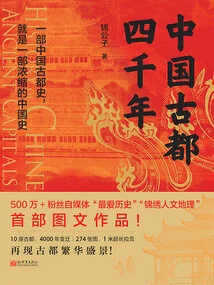
中国古都四千年
Jin Gongzi
The capital city is the political, economic, and cultural center of a country and has an extremely important impact on the development of the entire country. When selecting a capital, we must not only consider politics, geography, military and other aspects, but also consider its economic foundation, ecological environment, transportation and logistics, population mobility, cultural evolution and other aspects. In Chinese history, more than 200 capital cities, large and small, have been established. Some have flourished for thousands of years, while others have been short-lived. Why are there so many capitals in Chinese history? What was the basis for choosing the capital in the past dynasties? How does this relate to the historical environment at that time?
The capital city is the political, economic, and cultural center of a country and has an extremely important impact on the development of the entire country. When selecting a capital, we must not only consider politics, geography, military and other aspects, but also consider its economic foundation, ecological environment, transportation and logistics, population mobility, cultural evolution and other aspects. In Chinese history, more than 200 capital cities, large and small, have been established. Some have flourished for thousands of years, while others have been short-lived. Why are there so many capitals in Chinese history? What was the basis for choosing the capital in the past dynasties? How does this relate to the historical environment at that time?
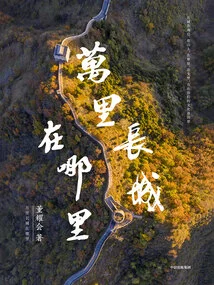
Where is the Great Wall?
History万里长城在哪里
Dong Yaohui
The Great Wall participated in the formation of the Chinese nation. This book explains the reasons why the Chinese have continued to build the Great Wall for two thousand years from a macro geographical perspective. The Northeastern Plain, the North China Plain, the Loess Plateau, the Inner Mongolia Plateau, the Hetao Plain, the Hexi Corridor, and the Gobi Desert. Through different landforms in different regions, the book introduces the history, culture, economy, military, exchanges, protection, etc. Of the Great Wall, and vividly presents the interaction inside and outside the Great Wall and its interdependence with the natural geography.
The Great Wall participated in the formation of the Chinese nation. This book explains the reasons why the Chinese have continued to build the Great Wall for two thousand years from a macro geographical perspective. The Northeastern Plain, the North China Plain, the Loess Plateau, the Inner Mongolia Plateau, the Hetao Plain, the Hexi Corridor, and the Gobi Desert. Through different landforms in different regions, the book introduces the history, culture, economy, military, exchanges, protection, etc. Of the Great Wall, and vividly presents the interaction inside and outside the Great Wall and its interdependence with the natural geography.
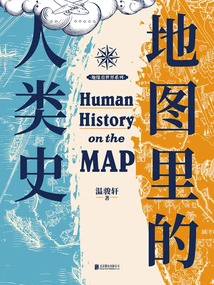
Human History on the Map
History地图里的人类史
Wen Junxuan
In the three million years of human evolution, whoever can master advanced technology first will gain a stage lead and even destroy other competitors. Therefore, writing a history of mankind from a geographical perspective is not only to review the evolutionary process of mankind, to show the many civilizations each with its own strengths, and to compare the success and failure of the East and the West, but also to find the rules hidden behind geography and time, as well as those key technological nodes, to help everyone re-understand themselves and see the direction of the future world. The map contains the past, present and future of mankind, and each story will be played out repeatedly in different forms. Only by understanding the map can we understand the turbulent history; only by understanding the geography clearly can we see the new direction of the world in the future. Open this book and you will see: How do humans break away from the category of animals and transform into the spirit of all things? Why did human civilization originate in the tropics and flourish in temperate zones? Why did the Nile hinder the spread of civilization from Egypt to the hinterland of Africa, but instead promoted the emergence of a new type of maritime civilization? What enables humans to break through blood ties, expand communities, and unite more people? This brings not only the unity of internal and external beliefs, but also a mature social operating mechanism. Why would other nations be torn apart by foreign invasions, while China could be reunited even if it was beaten and forced to move south? How did the Chinese people's "family-state" collectivism come into being? Why is this kind of top-down resource allocation not possible outside China? What kind of gods a god can become is not determined by himself. The ultimate value of the existence of gods is to serve the humans who designed them. Why did the scientific and industrial revolution appear in the West? What unique advantages does the East, represented by China, have in the information revolution that mankind is currently experiencing?
In the three million years of human evolution, whoever can master advanced technology first will gain a stage lead and even destroy other competitors. Therefore, writing a history of mankind from a geographical perspective is not only to review the evolutionary process of mankind, to show the many civilizations each with its own strengths, and to compare the success and failure of the East and the West, but also to find the rules hidden behind geography and time, as well as those key technological nodes, to help everyone re-understand themselves and see the direction of the future world. The map contains the past, present and future of mankind, and each story will be played out repeatedly in different forms. Only by understanding the map can we understand the turbulent history; only by understanding the geography clearly can we see the new direction of the world in the future. Open this book and you will see: How do humans break away from the category of animals and transform into the spirit of all things? Why did human civilization originate in the tropics and flourish in temperate zones? Why did the Nile hinder the spread of civilization from Egypt to the hinterland of Africa, but instead promoted the emergence of a new type of maritime civilization? What enables humans to break through blood ties, expand communities, and unite more people? This brings not only the unity of internal and external beliefs, but also a mature social operating mechanism. Why would other nations be torn apart by foreign invasions, while China could be reunited even if it was beaten and forced to move south? How did the Chinese people's "family-state" collectivism come into being? Why is this kind of top-down resource allocation not possible outside China? What kind of gods a god can become is not determined by himself. The ultimate value of the existence of gods is to serve the humans who designed them. Why did the scientific and industrial revolution appear in the West? What unique advantages does the East, represented by China, have in the information revolution that mankind is currently experiencing?
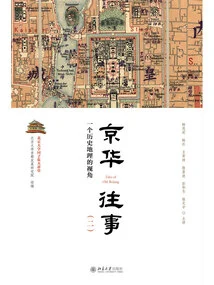
京华往事(二):一个历史地理的视角
Organized By Capital Development Research Institute Of Peking University
This book is compiled and edited by the Capital Development Research Institute of Peking University based on the content of classic lectures at the Imperial Lecture Hall of Peking University. The Imperial Lecture Hall of Peking University brings together well-known domestic professors and scholars in the fields of history and geography of Beijing. The essence of their lectures is extracted and paired with exquisite pictures to form an academic popular reading on the theme of Beijing's historical and geographical changes. This book selects some excellent lecture notes from the lecture hall, according to different themes, and is polished by the speaker himself, and compiled into a book. This book takes Beijing's historical, geographical evolution and traditional culture as its theme. The language is humorous, and it is very readable and interesting.
This book is compiled and edited by the Capital Development Research Institute of Peking University based on the content of classic lectures at the Imperial Lecture Hall of Peking University. The Imperial Lecture Hall of Peking University brings together well-known domestic professors and scholars in the fields of history and geography of Beijing. The essence of their lectures is extracted and paired with exquisite pictures to form an academic popular reading on the theme of Beijing's historical and geographical changes. This book selects some excellent lecture notes from the lecture hall, according to different themes, and is polished by the speaker himself, and compiled into a book. This book takes Beijing's historical, geographical evolution and traditional culture as its theme. The language is humorous, and it is very readable and interesting.
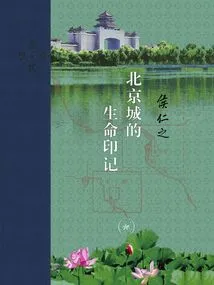
北京城的生命印记
Hou Renzhi
A series of articles in this book provide detailed research and incisive explanations of the rise, development and changes of Beijing City. They have played an important pioneering role in the development history of Chinese historical geography and are still of great reference value for today's urban planning and protection.
A series of articles in this book provide detailed research and incisive explanations of the rise, development and changes of Beijing City. They have played an important pioneering role in the development history of Chinese historical geography and are still of great reference value for today's urban planning and protection.
古代中朝宗藩关系与中朝疆界历史研究
Diao Shuren Wang Chongshi
"A Historical Study of the Sino-Korean Sectarian-vassal Relations and the Sino-Korean Boundaries in Ancient Times" mainly focuses on the sectarian-vassal relations and historical boundary issues between the Central Plains and North Korean regimes in the historical period. The whole book is divided into two parts. The author comprehensively combs the historical changes in the relations and boundaries between China and North Korea from the Qin and Han Dynasties to the Qing Dynasty, and believes that since the Qin and Han Dynasties, the relationship between the Chinese and North Korean regimes has basically been a suzerainty-vassal relationship with the Central Plains regime as the suzerainty. The regimes on the Korean Peninsula have always been in a vassal status during the historical period including the Three Kingdoms, Goryeo and Li Dynasties. The previous article summarized the establishment and continuous evolution of this suzerain-vassal relationship by dynasty. The next article focuses on the border issue between China and North Korea from the Qin to the Qing Dynasty, and uses documentary records as the main basis to sort out in detail the changing and shifting state of the border between the ancient regimes of China and North Korea.
"A Historical Study of the Sino-Korean Sectarian-vassal Relations and the Sino-Korean Boundaries in Ancient Times" mainly focuses on the sectarian-vassal relations and historical boundary issues between the Central Plains and North Korean regimes in the historical period. The whole book is divided into two parts. The author comprehensively combs the historical changes in the relations and boundaries between China and North Korea from the Qin and Han Dynasties to the Qing Dynasty, and believes that since the Qin and Han Dynasties, the relationship between the Chinese and North Korean regimes has basically been a suzerainty-vassal relationship with the Central Plains regime as the suzerainty. The regimes on the Korean Peninsula have always been in a vassal status during the historical period including the Three Kingdoms, Goryeo and Li Dynasties. The previous article summarized the establishment and continuous evolution of this suzerain-vassal relationship by dynasty. The next article focuses on the border issue between China and North Korea from the Qin to the Qing Dynasty, and uses documentary records as the main basis to sort out in detail the changing and shifting state of the border between the ancient regimes of China and North Korea.
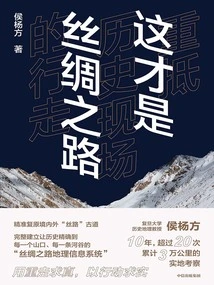
这才是丝绸之路:重抵历史现场的行走
Hou Yangfang
A historical travel work that investigates on the spot and accurately restores the classic routes of the Silk Road during the Han and Tang Dynasties. Seeking truth by walking again and seeking truth by action, Fudan professors will take you through this ancient Asia-Europe road that everyone knows but has never really understood. Hou Yangfang, a professor at Fudan University, based on the interpretation and research of historical materials such as "Historical Records", "Hanshu", and "Records of the Western Regions of the Tang Dynasty", based on the experience of re-walking the Silk Road over 10 years, more than 20 times, and a cumulative journey of 30,000 kilometers, collected geographical locations, route trajectories and image data, and accurately restored many Silk Road routes in history, including Zhang Qian's passage to the Western Regions and Xuanzang's expedition It pinpoints many important landmarks on the Silk Road, including the two Yumen Passes of the Han and Tang Dynasties, Jianmo Valley in the Tang Dynasty, Qingshan Ridge, Princess Fort, and the "Iron Gate" of Central Asia where Xuanzang once passed, etc., Allowing readers to appreciate the charm of the real Silk Road through accurate restored maps, informative texts, and photos from the scene.
A historical travel work that investigates on the spot and accurately restores the classic routes of the Silk Road during the Han and Tang Dynasties. Seeking truth by walking again and seeking truth by action, Fudan professors will take you through this ancient Asia-Europe road that everyone knows but has never really understood. Hou Yangfang, a professor at Fudan University, based on the interpretation and research of historical materials such as "Historical Records", "Hanshu", and "Records of the Western Regions of the Tang Dynasty", based on the experience of re-walking the Silk Road over 10 years, more than 20 times, and a cumulative journey of 30,000 kilometers, collected geographical locations, route trajectories and image data, and accurately restored many Silk Road routes in history, including Zhang Qian's passage to the Western Regions and Xuanzang's expedition It pinpoints many important landmarks on the Silk Road, including the two Yumen Passes of the Han and Tang Dynasties, Jianmo Valley in the Tang Dynasty, Qingshan Ridge, Princess Fort, and the "Iron Gate" of Central Asia where Xuanzang once passed, etc., Allowing readers to appreciate the charm of the real Silk Road through accurate restored maps, informative texts, and photos from the scene.
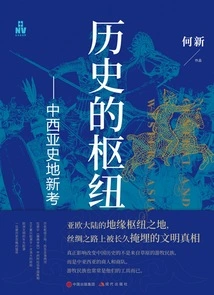
The Pivot of History: a New Examination of the History and Geography of Central and Western Asia
History历史的枢纽:中西亚史地新考
He Xin
In this book, the famous scholar He Xin examines works on the history and geography of Central and Western Asia, covering ancient Syria, ancient Egypt, Persian civilization, the Arab Empire, the Mongol Empire, etc., Exploring the geographical hub of the Eurasian continent, and telling the truth about civilizations that have been buried for a long time. This helps readers deeply understand why the modern Arab region is so important to the West and has become the focus of global geopolitics. Central and Western Asia have always been of great significance to China. The real influence on Chinese history may not have been the nomads from the grasslands, but the merchants and caravans from Central and Western Asia. Nomads are often just their tools.
In this book, the famous scholar He Xin examines works on the history and geography of Central and Western Asia, covering ancient Syria, ancient Egypt, Persian civilization, the Arab Empire, the Mongol Empire, etc., Exploring the geographical hub of the Eurasian continent, and telling the truth about civilizations that have been buried for a long time. This helps readers deeply understand why the modern Arab region is so important to the West and has become the focus of global geopolitics. Central and Western Asia have always been of great significance to China. The real influence on Chinese history may not have been the nomads from the grasslands, but the merchants and caravans from Central and Western Asia. Nomads are often just their tools.
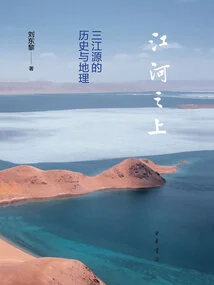
江河之上:三江源的历史与地理
Liu Dongli
The Three Rivers Source is the hinterland of the Qinghai-Tibet Plateau, the roof of the world. It is also the source catchment area of the Yangtze River, Yellow River and Lancang River that gave birth to the Chinese nation and the long history of civilization in Indochina. It is of irreplaceable importance to the Hexi Corridor, Qinghai-Tibet Plateau, Mongolian Plateau, Mongolian Plateau and Loess Plateau which have influenced China for thousands of years. This book combs through and explores deeply from the perspectives of history, geography, and humanities. The author conducts in-depth observations of the pastoral areas, rivers, and natural environment of Sanjiangyuan, leading readers to wander through the cliff wilderness to pick up lost civilizations; at the same time, he microscopically presents the historical memory, life history, and customs of the Han and Tibetan people, which complements the vast knowledge field and cultural geographical space of Sanjiangyuan.
The Three Rivers Source is the hinterland of the Qinghai-Tibet Plateau, the roof of the world. It is also the source catchment area of the Yangtze River, Yellow River and Lancang River that gave birth to the Chinese nation and the long history of civilization in Indochina. It is of irreplaceable importance to the Hexi Corridor, Qinghai-Tibet Plateau, Mongolian Plateau, Mongolian Plateau and Loess Plateau which have influenced China for thousands of years. This book combs through and explores deeply from the perspectives of history, geography, and humanities. The author conducts in-depth observations of the pastoral areas, rivers, and natural environment of Sanjiangyuan, leading readers to wander through the cliff wilderness to pick up lost civilizations; at the same time, he microscopically presents the historical memory, life history, and customs of the Han and Tibetan people, which complements the vast knowledge field and cultural geographical space of Sanjiangyuan.
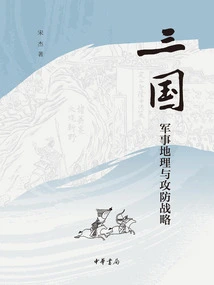
三国军事地理与攻防战略
Song Jie
"Military Geography and Offensive and Defensive Strategies of the Three Kingdoms" is a new book published by Mr. Song Jie, the author of "A Study on the Struggle for Strategic Areas and Offensive and Defensive Strategies of the Three Kingdoms". This book collects 6 special topics written in recent years, respectively discussing Cao Cao's strategic defense deployment after the Battle of Chibi, the evolution of the highest military and political institutions during the reigns of Liu Bei and Zhuge Liang of the Shu Han Dynasty, Wudu in the Shu-Wei War, Sun Ce's capture of Jiangdong and his combat strategy, Sun Quan's rule The changes in the capital city, troop deployment and main attack direction during the period, Lukou and Puqi in the Three Kingdoms War at the end of Han Dynasty, and the restrictive influence of the economic region, terrain, hydrology and transportation conditions as well as the distribution of political forces on the offensive and defensive routes and troop deployment strategies of the three countries were made in-depth.
"Military Geography and Offensive and Defensive Strategies of the Three Kingdoms" is a new book published by Mr. Song Jie, the author of "A Study on the Struggle for Strategic Areas and Offensive and Defensive Strategies of the Three Kingdoms". This book collects 6 special topics written in recent years, respectively discussing Cao Cao's strategic defense deployment after the Battle of Chibi, the evolution of the highest military and political institutions during the reigns of Liu Bei and Zhuge Liang of the Shu Han Dynasty, Wudu in the Shu-Wei War, Sun Ce's capture of Jiangdong and his combat strategy, Sun Quan's rule The changes in the capital city, troop deployment and main attack direction during the period, Lukou and Puqi in the Three Kingdoms War at the end of Han Dynasty, and the restrictive influence of the economic region, terrain, hydrology and transportation conditions as well as the distribution of political forces on the offensive and defensive routes and troop deployment strategies of the three countries were made in-depth.
历史城市地理与社会地理研究
Wu Hongqi
This book is compiled and supplemented by the author on the basis of relevant papers published in the research fields of historical urban geography and historical social geography in the past twenty years. While discussing the theoretical issues related to historical urban geography, Chinese ancient capital studies and Chinese capital geography, historical social geography and regional social history, it also conducts relatively detailed research on several specific topics of Chinese historical urban geography, historical social geography and regional social life history.
This book is compiled and supplemented by the author on the basis of relevant papers published in the research fields of historical urban geography and historical social geography in the past twenty years. While discussing the theoretical issues related to historical urban geography, Chinese ancient capital studies and Chinese capital geography, historical social geography and regional social history, it also conducts relatively detailed research on several specific topics of Chinese historical urban geography, historical social geography and regional social life history.
西北地区人地关系的实证研究
Zhang Liren
This book explores the influencing factors of the development and evolution of man-land relations in the historical period from multiple perspectives and levels in the geographical boundaries and humanistic space, policy systems and human behavior, agricultural and animal husbandry changes and regional cultural landscapes, urban population and regional environmental changes, technology transfer and social environment, taking Shaanxi, Gansu, Inner Mongolia and other regions as the geographical scope.
This book explores the influencing factors of the development and evolution of man-land relations in the historical period from multiple perspectives and levels in the geographical boundaries and humanistic space, policy systems and human behavior, agricultural and animal husbandry changes and regional cultural landscapes, urban population and regional environmental changes, technology transfer and social environment, taking Shaanxi, Gansu, Inner Mongolia and other regions as the geographical scope.
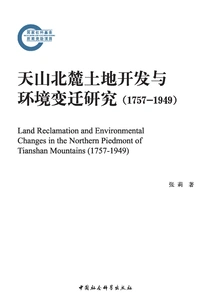
天山北麓土地开发与环境变迁研究:1757-1949
Zhang Li
Land use and land cover changes play an extremely important role in global environmental changes. Reconstructing and in-depth understanding of the impact of human activities on surface landscape changes in historical periods has been the main goal of many scientific research programs in recent years. This book selects the northern foothills of the Tianshan Mountains in Xinjiang as the research area. On the premise that agricultural land development is the main driving force for regional environmental changes, this book systematically sorts out the changes in land development policies and the increase and decrease in the agricultural population in the region since the 22nd year of Qianlong (1757), and reconstructs five time intervals from the Qing Dynasty to the Republic of China. Based on the population and cultivated land amount of the six sub-regions on the surface, an in-depth analysis of the spatiotemporal differences in regional development in the northern foothills of the Tianshan Mountains was conducted. Based on a comprehensive study of the changing processes of the river and lake systems in the region, combined with the research conclusions on regional climate change, profound insights into the interaction process and mechanism of the human-land relationship in the region were provided.
Land use and land cover changes play an extremely important role in global environmental changes. Reconstructing and in-depth understanding of the impact of human activities on surface landscape changes in historical periods has been the main goal of many scientific research programs in recent years. This book selects the northern foothills of the Tianshan Mountains in Xinjiang as the research area. On the premise that agricultural land development is the main driving force for regional environmental changes, this book systematically sorts out the changes in land development policies and the increase and decrease in the agricultural population in the region since the 22nd year of Qianlong (1757), and reconstructs five time intervals from the Qing Dynasty to the Republic of China. Based on the population and cultivated land amount of the six sub-regions on the surface, an in-depth analysis of the spatiotemporal differences in regional development in the northern foothills of the Tianshan Mountains was conducted. Based on a comprehensive study of the changing processes of the river and lake systems in the region, combined with the research conclusions on regional climate change, profound insights into the interaction process and mechanism of the human-land relationship in the region were provided.
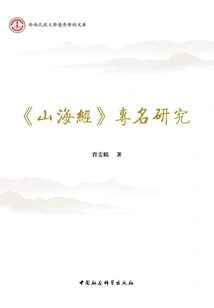
《山海經》專名研究
Jia Wenhe
This book is based on the literature and language materials of "The Classic of Mountains and Seas" and draws on the theories, methods and research results of the study of proper names by previous sages. It conducts a comprehensive investigation of the proper names in "The Classic of Mountains and Seas" and strives to explore the meaning of its naming. Finally, based on the investigation of the meaning of proper names, we summarize the principles and rules of proper names in "The Classic of Mountains and Seas", and explore the structure of proper names and the relationship between proper names and their names.
This book is based on the literature and language materials of "The Classic of Mountains and Seas" and draws on the theories, methods and research results of the study of proper names by previous sages. It conducts a comprehensive investigation of the proper names in "The Classic of Mountains and Seas" and strives to explore the meaning of its naming. Finally, based on the investigation of the meaning of proper names, we summarize the principles and rules of proper names in "The Classic of Mountains and Seas", and explore the structure of proper names and the relationship between proper names and their names.
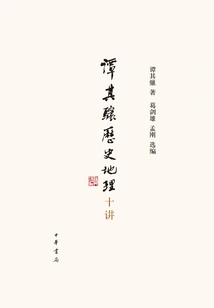
谭其骧历史地理十讲
Written By Tan Qixiang, Edited By Ge Jianxiong And Meng Gang
It is said that the Han and Tang dynasties were mighty. How big were the territories of the Han and Tang dynasties? How was the scope of China historically defined and based on what criteria? What are the seven ancient capitals, and why did they become capitals? The Yellow River is famous for its frequent flooding. Why did it flow for 800 years from the Eastern Han Dynasty to the Tang Dynasty? Where is the romantic Yun Mengze in "Chu Ci"? How did Shanghai transform from a tidal flat to a solid land and gradually become prosperous? ... Professor Ge Jianxiong selected the most important and representative chapters from Mr. Tan Qixiang's academic achievements and compiled them into "Ten Lectures on Historical Geography by Tan Qixiang", which also includes Chinese history and culture, Chinese administrative regions, the map of Mawangdui more than 2,000 years ago, and other exciting contents, as well as Mr. Tan's fundamental positioning and thinking on this subject as the founder of Chinese historical geography and the chief editor of "Chinese Historical Atlas". There is an introduction at the front of the book "Why study historical geography" and an appendix at the back of the book "Overview of Territorial and Political Districts of the Past Dynasties", which makes the political districts of each dynasty clear at a glance. The book is carefully organized, fully embodying rigor, readability and practicality.
It is said that the Han and Tang dynasties were mighty. How big were the territories of the Han and Tang dynasties? How was the scope of China historically defined and based on what criteria? What are the seven ancient capitals, and why did they become capitals? The Yellow River is famous for its frequent flooding. Why did it flow for 800 years from the Eastern Han Dynasty to the Tang Dynasty? Where is the romantic Yun Mengze in "Chu Ci"? How did Shanghai transform from a tidal flat to a solid land and gradually become prosperous? ... Professor Ge Jianxiong selected the most important and representative chapters from Mr. Tan Qixiang's academic achievements and compiled them into "Ten Lectures on Historical Geography by Tan Qixiang", which also includes Chinese history and culture, Chinese administrative regions, the map of Mawangdui more than 2,000 years ago, and other exciting contents, as well as Mr. Tan's fundamental positioning and thinking on this subject as the founder of Chinese historical geography and the chief editor of "Chinese Historical Atlas". There is an introduction at the front of the book "Why study historical geography" and an appendix at the back of the book "Overview of Territorial and Political Districts of the Past Dynasties", which makes the political districts of each dynasty clear at a glance. The book is carefully organized, fully embodying rigor, readability and practicality.
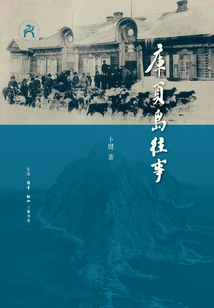
库页岛往事
Bu Key
Since the mid-19th century, Sakhalin, which once belonged to China, has become Sakhalin in Tsarist Russia and a hard labor island where Russian prisoners were imprisoned; and to this day, it still has a special connection in the hearts of many Chinese people, with a lingering complexity and heaviness. This is a topic that looks at the big from the small. Starting from the history of Sakhalin Island, it dwells on the history of exchanges between Northeast China and the Central Plains for thousands of years. It also focuses on the advance, retreat, and war of China, Russia, and Japan in the Heilongjiang Basin in the past five hundred years. The author makes full use of Chinese, Manchu, Russian, Japanese and other sources to give a clearer overview of the history of Sakhalin Island. Through the Russian writer Anton Chekhov's trip to Sakhalin, he horizontally intercepted fragments of the historical appearance of Sakhalin in 1890, and through the historical evolution of Sakhalin for thousands of years, he vertically outlined the relationship between Sakhalin and the Chinese dynasties, giving it both a sense of the scene and a sense of history. Through the author's description, readers have a better understanding or new understanding of that homeland. The author lists "Biographies of the Main Characters" at the front of the text and a "Chronology of the History of Sakhalin" in the appendix, which greatly facilitates readers' reading.
Since the mid-19th century, Sakhalin, which once belonged to China, has become Sakhalin in Tsarist Russia and a hard labor island where Russian prisoners were imprisoned; and to this day, it still has a special connection in the hearts of many Chinese people, with a lingering complexity and heaviness. This is a topic that looks at the big from the small. Starting from the history of Sakhalin Island, it dwells on the history of exchanges between Northeast China and the Central Plains for thousands of years. It also focuses on the advance, retreat, and war of China, Russia, and Japan in the Heilongjiang Basin in the past five hundred years. The author makes full use of Chinese, Manchu, Russian, Japanese and other sources to give a clearer overview of the history of Sakhalin Island. Through the Russian writer Anton Chekhov's trip to Sakhalin, he horizontally intercepted fragments of the historical appearance of Sakhalin in 1890, and through the historical evolution of Sakhalin for thousands of years, he vertically outlined the relationship between Sakhalin and the Chinese dynasties, giving it both a sense of the scene and a sense of history. Through the author's description, readers have a better understanding or new understanding of that homeland. The author lists "Biographies of the Main Characters" at the front of the text and a "Chronology of the History of Sakhalin" in the appendix, which greatly facilitates readers' reading.
晋南龙祠:黄土高原一个水利社区的结构与变迁
Zhou Ya
The Longci Spring area located in the Linfen Basin in southern Shanxi is a typical water-rich area on the Loess Plateau, which is generally short of water. Due to the special position of Longci Spring in people's production and life, it has become an important link connecting regional society, and then formed a relatively independent water conservancy community centered on water conservancy and flood disasters within a certain range. Based on a large number of field surveys, this book fully explores folk literature and adopts multidisciplinary research methods to examine the structure of Longci Water Conservancy Community from multiple perspectives such as environmental background, water conservancy development, water conservancy organization, water rights form, water conservancy system, water conservancy technology, water conservancy landscape, and regional interaction, and explores its changes and development over a long period of time on a millennium scale. The structural changes of Longci Water Conservancy Community have distinct time stages and regional specificities. Large-scale development of water conservancy began in the Tang Dynasty and was basically finalized in the Northern Song Dynasty. For the next 800 years, the overall structure of water conservancy communities remained unchanged until the exploration of the modernization process of water conservancy during the Republic of China. After the founding of the People's Republic of China, water conservancy communities ushered in major structural changes. Every major change node is the result of the intervention of state power. Regional society is the subject of most historical time outside the node, and is the practitioner and adjuster of the national system. The specific elements of the structural change of Longci Water Conservancy Community are reflected in many aspects such as spring flow, irrigation area, water conservancy system, and the meaning of water. The principle of "integration of land, water, and money", the elitization of water conservancy management, and the relationship between upstream and downstream interests are the basic guarantees for the long-term stability of water conservancy communities. This book extends the study time limit of the social history of water conservancy to the collectivization period, and explores the gains and losses of national institutional arrangements during this period from the aspects of engineering construction, water conservancy technology and institutional changes. It affirmed its achievements in engineering and technology and its great contribution in promoting agricultural production. It also deeply reflected on the project quality and management methods of water conservancy construction, as well as its categorical denial of traditional culture.
The Longci Spring area located in the Linfen Basin in southern Shanxi is a typical water-rich area on the Loess Plateau, which is generally short of water. Due to the special position of Longci Spring in people's production and life, it has become an important link connecting regional society, and then formed a relatively independent water conservancy community centered on water conservancy and flood disasters within a certain range. Based on a large number of field surveys, this book fully explores folk literature and adopts multidisciplinary research methods to examine the structure of Longci Water Conservancy Community from multiple perspectives such as environmental background, water conservancy development, water conservancy organization, water rights form, water conservancy system, water conservancy technology, water conservancy landscape, and regional interaction, and explores its changes and development over a long period of time on a millennium scale. The structural changes of Longci Water Conservancy Community have distinct time stages and regional specificities. Large-scale development of water conservancy began in the Tang Dynasty and was basically finalized in the Northern Song Dynasty. For the next 800 years, the overall structure of water conservancy communities remained unchanged until the exploration of the modernization process of water conservancy during the Republic of China. After the founding of the People's Republic of China, water conservancy communities ushered in major structural changes. Every major change node is the result of the intervention of state power. Regional society is the subject of most historical time outside the node, and is the practitioner and adjuster of the national system. The specific elements of the structural change of Longci Water Conservancy Community are reflected in many aspects such as spring flow, irrigation area, water conservancy system, and the meaning of water. The principle of "integration of land, water, and money", the elitization of water conservancy management, and the relationship between upstream and downstream interests are the basic guarantees for the long-term stability of water conservancy communities. This book extends the study time limit of the social history of water conservancy to the collectivization period, and explores the gains and losses of national institutional arrangements during this period from the aspects of engineering construction, water conservancy technology and institutional changes. It affirmed its achievements in engineering and technology and its great contribution in promoting agricultural production. It also deeply reflected on the project quality and management methods of water conservancy construction, as well as its categorical denial of traditional culture.
六千里运河 二十一座城
Liu Shilin
The history of China's Grand Canal is a history of the development of Chinese civilization and a history of the development of canal cities. Canal cities not only played an important role in promoting the development of ancient Chinese society to a higher level, but also accumulated into precious cultural resources and civilization heritage over the years. Focusing on the 21 important cities on both sides of the canal, this book deeply explores their historical and cultural resources, systematically organizes their cultural assets and lifestyles, integrates vivid materials from local chronicles, literature and art, folk customs, etc., Conducts a comprehensive study of the cultural form and spiritual value of the canal, and focuses on elaborating on its important connotation as the spiritual root of the Chinese nation.
The history of China's Grand Canal is a history of the development of Chinese civilization and a history of the development of canal cities. Canal cities not only played an important role in promoting the development of ancient Chinese society to a higher level, but also accumulated into precious cultural resources and civilization heritage over the years. Focusing on the 21 important cities on both sides of the canal, this book deeply explores their historical and cultural resources, systematically organizes their cultural assets and lifestyles, integrates vivid materials from local chronicles, literature and art, folk customs, etc., Conducts a comprehensive study of the cultural form and spiritual value of the canal, and focuses on elaborating on its important connotation as the spiritual root of the Chinese nation.
历史与现代的对接:中国历史地理学最新研究进展
Zhang Weiran Et Al.
This book focuses on the disciplinary contributions and theoretical achievements of historical geography from 1949 to 2014, including its practical effects and support for other disciplines, and analyzes its driving force. The book particularly highlights the Chinese characteristics of historical geography, including its origins with traditional Chinese geography, the exploration of traditional geography resources, and the unique role it may play in the current environment.
This book focuses on the disciplinary contributions and theoretical achievements of historical geography from 1949 to 2014, including its practical effects and support for other disciplines, and analyzes its driving force. The book particularly highlights the Chinese characteristics of historical geography, including its origins with traditional Chinese geography, the exploration of traditional geography resources, and the unique role it may play in the current environment.
双城记:明清清淮地区城市地理研究
Wang Congming
This book is a case study on the history and geographical changes of canal cities. It takes Huai'an Prefecture in the Ming and Qing Dynasties as the research object. By collecting and quoting rich literature and materials, based on the geographical concept of "Qing Huai", and relying on the two major research perspectives of spatial structure and urban system, it deeply excavates and interprets the relationship between Shanyang City and the city. The historical space of Qingjiangpu and the "waterway-city" model formed by the canal, the Yellow River, and the Huaihe River explore the proposition of the transfer of regional urban centers and the formation of a new urban system under the influence of factors such as national water transportation and river management, thereby displaying the rather complicated development history of canal cities.
This book is a case study on the history and geographical changes of canal cities. It takes Huai'an Prefecture in the Ming and Qing Dynasties as the research object. By collecting and quoting rich literature and materials, based on the geographical concept of "Qing Huai", and relying on the two major research perspectives of spatial structure and urban system, it deeply excavates and interprets the relationship between Shanyang City and the city. The historical space of Qingjiangpu and the "waterway-city" model formed by the canal, the Yellow River, and the Huaihe River explore the proposition of the transfer of regional urban centers and the formation of a new urban system under the influence of factors such as national water transportation and river management, thereby displaying the rather complicated development history of canal cities.
中国历史研究院集刊(2020年第2辑·总第2辑)
Editor-in-chief Gao Xiang
"Collection of the Chinese Academy of History" is a collective journal sponsored by the Chinese Academy of History and edited and published by the Historical Research Magazine. It mainly publishes outstanding academic achievements in historical theory and history of history, Chinese history, world history, archaeology, etc. This is the second volume and contains 6 articles.
"Collection of the Chinese Academy of History" is a collective journal sponsored by the Chinese Academy of History and edited and published by the Historical Research Magazine. It mainly publishes outstanding academic achievements in historical theory and history of history, Chinese history, world history, archaeology, etc. This is the second volume and contains 6 articles.
边界流动与族群变迁:宋元以来武陵地区的土客关系
Cao Daming
This book is an excellent conclusion of the National Social Science Foundation project. It comprehensively uses historical anthropology and other research methods to comprehensively and in-depth explore the composition of the natives in the Wuling area since the Song and Yuan Dynasties, the flow of the natives' boundaries and the changes of the ethnic groups, as well as the simultaneous regional social transformation. It corrects the vague or even wrong understanding in the past that "earth" refers to the ancestors of the Tujia people. Some new understandings have been formed and some breakthroughs have been made in the research field of nationalization of ancient Chinese border areas and ethnic relations in border areas, which not only provide a basis for properly handling ethnic relations and formulating scientific ethnic policies in line with historical facts and historical logic, but also provide historical lessons and inspiration for strengthening ethnic unity and forging a strong sense of the Chinese nation's community.
This book is an excellent conclusion of the National Social Science Foundation project. It comprehensively uses historical anthropology and other research methods to comprehensively and in-depth explore the composition of the natives in the Wuling area since the Song and Yuan Dynasties, the flow of the natives' boundaries and the changes of the ethnic groups, as well as the simultaneous regional social transformation. It corrects the vague or even wrong understanding in the past that "earth" refers to the ancestors of the Tujia people. Some new understandings have been formed and some breakthroughs have been made in the research field of nationalization of ancient Chinese border areas and ethnic relations in border areas, which not only provide a basis for properly handling ethnic relations and formulating scientific ethnic policies in line with historical facts and historical logic, but also provide historical lessons and inspiration for strengthening ethnic unity and forging a strong sense of the Chinese nation's community.
汉晋南朝长江中下游环境与农业发展
Wang Yong
This book systematically analyzes the interactive relationship between agricultural development and ecological environment in the middle and lower reaches of the Yangtze River in the Han, Jin and Southern Dynasties. The book is divided into five chapters. The first chapter introduces the basic situation of the early environment and farming in the middle and lower reaches of the Yangtze River. Chapters 2 to 4 focus on the changes of the environment itself, the transformation of the environment, and the adaptation to the environment respectively, and elaborate on the role of environmental factors in the agricultural development process of the middle and lower reaches of the Yangtze River in the Han, Jin, and Southern Dynasties. Chapter 5 examines the impact of agricultural development on the ecological environment in the middle and lower reaches of the Yangtze River during the Han, Jin, and Southern Dynasties. This book analyzes the dialectical relationship between agricultural development and environmental changes in historical periods, breaking through previous assumptions and pointing out that agriculture also has the function of protecting nature, stabilizing ecology, and promoting harmony between man and nature. Especially when the intensity of agricultural development is not high, its positive impact on the ecological environment far outweighs its negative impact.
This book systematically analyzes the interactive relationship between agricultural development and ecological environment in the middle and lower reaches of the Yangtze River in the Han, Jin and Southern Dynasties. The book is divided into five chapters. The first chapter introduces the basic situation of the early environment and farming in the middle and lower reaches of the Yangtze River. Chapters 2 to 4 focus on the changes of the environment itself, the transformation of the environment, and the adaptation to the environment respectively, and elaborate on the role of environmental factors in the agricultural development process of the middle and lower reaches of the Yangtze River in the Han, Jin, and Southern Dynasties. Chapter 5 examines the impact of agricultural development on the ecological environment in the middle and lower reaches of the Yangtze River during the Han, Jin, and Southern Dynasties. This book analyzes the dialectical relationship between agricultural development and environmental changes in historical periods, breaking through previous assumptions and pointing out that agriculture also has the function of protecting nature, stabilizing ecology, and promoting harmony between man and nature. Especially when the intensity of agricultural development is not high, its positive impact on the ecological environment far outweighs its negative impact.