Library
Browse and search books
2,273 novels found
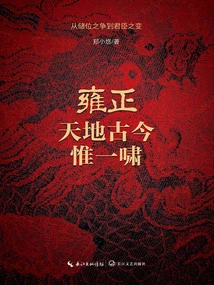
雍正:天地古今惟一啸
Zheng Xiaoyou
This book begins with the battle for the throne during the Kangxi period, and tells the thrilling history from the death of Emperor Kangxi in the 61st year of Kangxi to the suicide of Gengyao in the third year of Yongzheng. The book is divided into two clues. One trace revolves around the important political moves of Emperor Yongzheng, such as the establishment of the Prime Minister, the secret establishment of a crown prince, the pacification of the Luobuzangdanjin rebellion, etc. The other clue revolves around the evolution of the relationship between Nian Gengyao and Yongzheng's monarchs and ministers. It is based on historical facts and adds fictional imagination that suits the background of the times, from the struggle for the throne to the changes between kings and ministers.
This book begins with the battle for the throne during the Kangxi period, and tells the thrilling history from the death of Emperor Kangxi in the 61st year of Kangxi to the suicide of Gengyao in the third year of Yongzheng. The book is divided into two clues. One trace revolves around the important political moves of Emperor Yongzheng, such as the establishment of the Prime Minister, the secret establishment of a crown prince, the pacification of the Luobuzangdanjin rebellion, etc. The other clue revolves around the evolution of the relationship between Nian Gengyao and Yongzheng's monarchs and ministers. It is based on historical facts and adds fictional imagination that suits the background of the times, from the struggle for the throne to the changes between kings and ministers.
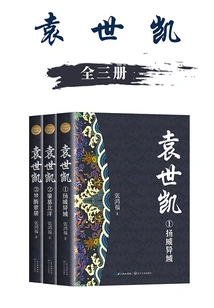
袁世凯全三册(全新修订珍藏版)
Zhang Hongfu
It uses epic artistic strokes to panoramically present the magnificent and difficult process of the Chinese nation overthrowing the monarchy and moving towards republic. It magnificently reproduces the Sino-Japanese War of 1898-1898, the Reform Movement of 1898, military training at small stations, the Gengzi Incident, the political tide of Dingwei, the Revolution of 1911, Major historical events such as the Hongxian Monarchy comprehensively display the turmoil of the political turmoil in the late Qing Dynasty and the early Republic of China and Yuan Shikai's double life and ups and downs of destiny, and carefully depict his struggle, confusion, struggle and even death in the era of great changes.
It uses epic artistic strokes to panoramically present the magnificent and difficult process of the Chinese nation overthrowing the monarchy and moving towards republic. It magnificently reproduces the Sino-Japanese War of 1898-1898, the Reform Movement of 1898, military training at small stations, the Gengzi Incident, the political tide of Dingwei, the Revolution of 1911, Major historical events such as the Hongxian Monarchy comprehensively display the turmoil of the political turmoil in the late Qing Dynasty and the early Republic of China and Yuan Shikai's double life and ups and downs of destiny, and carefully depict his struggle, confusion, struggle and even death in the era of great changes.
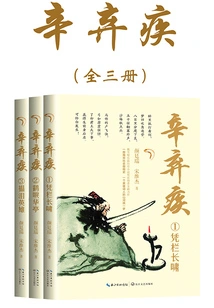
Xin Qiji (all Three Volumes)
General Fiction辛弃疾(全三册)
Yan Tingrui Song Weijie
"Xin Qiji (three volumes)" is the posthumous work of Yao Xueyin Award-winner Yan Tingrui. It tells the story of Xin Qiji, the "Dragon in Poetry", who had patriotic passion and military talent, but was unable to realize his political ideals, and finally ended up with the tragic "killing thieves". The whole work is eloquent and has nearly one million words. The author uses a huge pen to describe the prosperity and splendor of the economy and art, the darkness and sloppiness of politics, and the cowardice and incompetence of military in the Southern Song Dynasty, revealing the inevitable defeat of the Southern Song Dynasty. The deep-seated reasons for his death; and he created a respectable and tragic tragic hero with his depressed and frustrated emotions, which vividly demonstrated Xin Qiji's expectations for the court, his desire for national reunification, and his grief and anger for his unfulfilled ambition. The author's writing style is beautiful, he sings and sighs three times, and uses Xin Qiji's poems to promote the development of the plot. The conception is exquisite and has a strong artistic appeal.
"Xin Qiji (three volumes)" is the posthumous work of Yao Xueyin Award-winner Yan Tingrui. It tells the story of Xin Qiji, the "Dragon in Poetry", who had patriotic passion and military talent, but was unable to realize his political ideals, and finally ended up with the tragic "killing thieves". The whole work is eloquent and has nearly one million words. The author uses a huge pen to describe the prosperity and splendor of the economy and art, the darkness and sloppiness of politics, and the cowardice and incompetence of military in the Southern Song Dynasty, revealing the inevitable defeat of the Southern Song Dynasty. The deep-seated reasons for his death; and he created a respectable and tragic tragic hero with his depressed and frustrated emotions, which vividly demonstrated Xin Qiji's expectations for the court, his desire for national reunification, and his grief and anger for his unfulfilled ambition. The author's writing style is beautiful, he sings and sighs three times, and uses Xin Qiji's poems to promote the development of the plot. The conception is exquisite and has a strong artistic appeal.
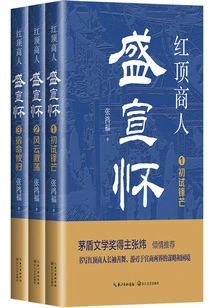
Red-roofed Businessman Sheng Xuanhuai (all Three Volumes)
General Fiction红顶商人盛宣怀(全三册)
Zhang Hongfu
This book is a long historical novel with the protagonist Sheng Xuanhuai, an important minister of the late Qing Dynasty and the leader of the Westernization Movement. It tells about his legendary and tortuous experience of setting a historical precedent, establishing a business, and carrying out Westernization. It not only describes the ups and downs of the officialdom and political changes in the late Qing Dynasty, but also demonstrates Sheng Xuanhuai's wisdom and strategies in the political and business circles, and reveals the difficult twists and turns of China's transformation into modern times.
This book is a long historical novel with the protagonist Sheng Xuanhuai, an important minister of the late Qing Dynasty and the leader of the Westernization Movement. It tells about his legendary and tortuous experience of setting a historical precedent, establishing a business, and carrying out Westernization. It not only describes the ups and downs of the officialdom and political changes in the late Qing Dynasty, but also demonstrates Sheng Xuanhuai's wisdom and strategies in the political and business circles, and reveals the difficult twists and turns of China's transformation into modern times.
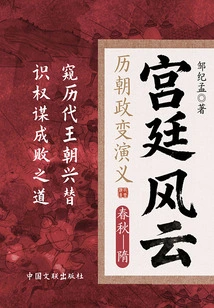
Palace Affairs: a Story of Historical Coups
General Fiction宫廷风云:历朝政变演义
Zou Jimeng
This book uses the style of a novel to interpret the most thrilling palace coup in China from the Warring States Period to the Sui Dynasty. From the usurpation of power by powerful ministers to the dethronement of emperors, from plotting to kill to the blood-stained golden palace, every change of power is a battle of wisdom, courage and humanity. This is the story of power and the battlefield of human hearts. This book reveals the emperor's mind, the wisdom of his advisers, and the cold rhythm of history.
This book uses the style of a novel to interpret the most thrilling palace coup in China from the Warring States Period to the Sui Dynasty. From the usurpation of power by powerful ministers to the dethronement of emperors, from plotting to kill to the blood-stained golden palace, every change of power is a battle of wisdom, courage and humanity. This is the story of power and the battlefield of human hearts. This book reveals the emperor's mind, the wisdom of his advisers, and the cold rhythm of history.
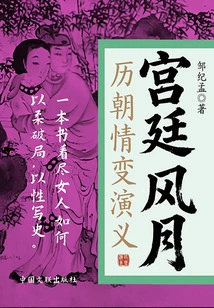
宫廷风月:历朝情变演义
Zou Jimeng
Re-examine the political and emotional world of ancient China from a female perspective - from the emperor's favorite concubine to the female prime minister in troubled times, from the deeply affectionate talented woman to the calm and Machiavellian wise queen. Their love and hate, wisdom and confusion are not only the tragedy of beauty, but also the confrontation between wisdom and the times.
Re-examine the political and emotional world of ancient China from a female perspective - from the emperor's favorite concubine to the female prime minister in troubled times, from the deeply affectionate talented woman to the calm and Machiavellian wise queen. Their love and hate, wisdom and confusion are not only the tragedy of beauty, but also the confrontation between wisdom and the times.
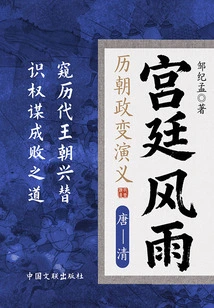
The Storm in the Palace: a Story of Historical Coups
General Fiction宫廷风雨:历朝政变演义
Zou Jimeng
The book uses history as its sutra and people as its weft, integrating the real historical events from the Tang Dynasty to the Qing Dynasty into a vivid narrative - from the usurpation of the throne by powerful ministers to the deposed emperors, from plotting to kill to the blood-stained golden palace, every change of power is a battle of wisdom, courage and humanity. Readers can not only see how Li Shimin seized power and proclaimed himself emperor and governed the world, but also gained insight into Zhu Di's ambitions and Cixi's intentions behind the curtain. The characters in the book are vivid and the plot is ups and downs, recreating the undercurrent of dynasty change like an epic.
The book uses history as its sutra and people as its weft, integrating the real historical events from the Tang Dynasty to the Qing Dynasty into a vivid narrative - from the usurpation of the throne by powerful ministers to the deposed emperors, from plotting to kill to the blood-stained golden palace, every change of power is a battle of wisdom, courage and humanity. Readers can not only see how Li Shimin seized power and proclaimed himself emperor and governed the world, but also gained insight into Zhu Di's ambitions and Cixi's intentions behind the curtain. The characters in the book are vivid and the plot is ups and downs, recreating the undercurrent of dynasty change like an epic.
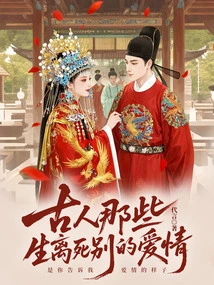
The Love between Life and Death in Ancient Times
General Fiction古人那些生离死别的爱情
Endorsement
This book is the second part of the trilogy "Thousand Years of Love of Life and Death" written by the writer. The novel collection selects 9 couples in Chinese history, spanning nearly two thousand years from the Han Dynasty to the Ming Dynasty. They are Sima Xiangru and Zhuo Wenjun, Emperor Xuan of the Han Dynasty and Xu Pingjun, Qin Jia and Xu Shu, Wang Xianzhi and Xi Daomao, Li Shangyin and Wang Yanxiu, Su Dongpo and Wang Fu, Zhu Xi and Liu Qingsi, Jin Shizong and the Wulin family, Ming Yingzong and Queen Qian. This novel uses modern language to interpret the letters and texts left by the ancients, and truly restores the historical scenes at that time. It is inspiring and makes people passionate. They are different from being illusory like Dong Yong and the Seven Fairies. They are real stories of characters in Chinese history. By interpreting historical documents and the words on unearthed letters, future generations can truly feel their greatness. For the love of faith, they did not hesitate to challenge the world, break with their parents, leave their hometown, and even risk their lives, but they must also practice the meaning of life and the true meaning of love.
This book is the second part of the trilogy "Thousand Years of Love of Life and Death" written by the writer. The novel collection selects 9 couples in Chinese history, spanning nearly two thousand years from the Han Dynasty to the Ming Dynasty. They are Sima Xiangru and Zhuo Wenjun, Emperor Xuan of the Han Dynasty and Xu Pingjun, Qin Jia and Xu Shu, Wang Xianzhi and Xi Daomao, Li Shangyin and Wang Yanxiu, Su Dongpo and Wang Fu, Zhu Xi and Liu Qingsi, Jin Shizong and the Wulin family, Ming Yingzong and Queen Qian. This novel uses modern language to interpret the letters and texts left by the ancients, and truly restores the historical scenes at that time. It is inspiring and makes people passionate. They are different from being illusory like Dong Yong and the Seven Fairies. They are real stories of characters in Chinese history. By interpreting historical documents and the words on unearthed letters, future generations can truly feel their greatness. For the love of faith, they did not hesitate to challenge the world, break with their parents, leave their hometown, and even risk their lives, but they must also practice the meaning of life and the true meaning of love.
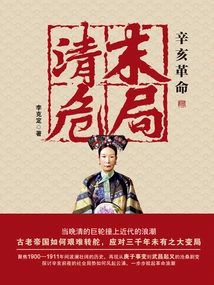
Revolution of 1911: Crisis in the Late Qing Dynasty
General Fiction辛亥革命:清末危局
Li Keding
The Revolution of 1911 that broke out in 1911 ended China's imperial system that had lasted for thousands of years and started the journey towards modern civilization. The novel focuses on the magnificent history from 1900 to 1911, recreating the dramatic historical changes from the Gengzi Incident to the Wuchang Uprising. The series is divided into three parts, and this book is the first. After the Gengzi national calamity, the government and the public learned from the pain and tried to scrape the bones and heal the wounds in order to save the people from danger. The Qing government restarted reforms and implemented the New Deal. However, there were many domestic conflicts. Yuan Shikai took the opportunity to support his own troops. Sun Yat-sen, Huang Xing and others prepared to establish the China Alliance, and Japan and Russia started a war in the Northeast. Amid internal and external troubles, the revolutionary wave is about to break out... The author uses solid and accurate historical data to explore how the social situation surged on the eve of Xinhai, setting off a revolutionary wave step by step; he deeply reviews the historical changes on the eve of 1911, explores the nation's tolerance and struggle, pain and expectations at the time of life and death, and provides reference for the road to national rejuvenation.
The Revolution of 1911 that broke out in 1911 ended China's imperial system that had lasted for thousands of years and started the journey towards modern civilization. The novel focuses on the magnificent history from 1900 to 1911, recreating the dramatic historical changes from the Gengzi Incident to the Wuchang Uprising. The series is divided into three parts, and this book is the first. After the Gengzi national calamity, the government and the public learned from the pain and tried to scrape the bones and heal the wounds in order to save the people from danger. The Qing government restarted reforms and implemented the New Deal. However, there were many domestic conflicts. Yuan Shikai took the opportunity to support his own troops. Sun Yat-sen, Huang Xing and others prepared to establish the China Alliance, and Japan and Russia started a war in the Northeast. Amid internal and external troubles, the revolutionary wave is about to break out... The author uses solid and accurate historical data to explore how the social situation surged on the eve of Xinhai, setting off a revolutionary wave step by step; he deeply reviews the historical changes on the eve of 1911, explores the nation's tolerance and struggle, pain and expectations at the time of life and death, and provides reference for the road to national rejuvenation.
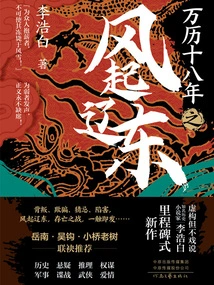
In the 18th Year of Wanli, the Wind Started in Liaodong
General Fiction万历十八年之风起辽东
Li Haobai
In the eighteenth year of Wanli in the Ming Dynasty, Zhu Yijun, the emperor of the Ming Dynasty, decided to hold the "Meridian Gate Prisoner Presentation Ceremony" in order to regain his national prestige and summon all the major vassal states to visit. The "North Korean secret treasure" paid tribute by the North Korean envoys disappeared. Zhang Cheng, the eunuch in charge of the Ming Dynasty's ceremonial department, and Shen Shixing, the chief minister of the cabinet, were assassinated, and the clues pointed directly to Liaodong Town. The martyrs of the "Southern Barracks" in Liaodong demanded extreme wages, the dead soldiers of the "Blood Knife Camp" angrily demanded justice, Japanese spies publicly assassinated Zhu Yijun, the Mongolian Duoyan tribe came to the city, and the clan forces of the Ming Dynasty conspired to rebel... Between collusion and competition, what are they planning? Faced with heavy fog, Bai Qingzhuo, with the full support of many parties, adheres to the original intention of "being honest, benevolent and harmonious", overcomes all difficulties step by step, and pursues the final truth...
In the eighteenth year of Wanli in the Ming Dynasty, Zhu Yijun, the emperor of the Ming Dynasty, decided to hold the "Meridian Gate Prisoner Presentation Ceremony" in order to regain his national prestige and summon all the major vassal states to visit. The "North Korean secret treasure" paid tribute by the North Korean envoys disappeared. Zhang Cheng, the eunuch in charge of the Ming Dynasty's ceremonial department, and Shen Shixing, the chief minister of the cabinet, were assassinated, and the clues pointed directly to Liaodong Town. The martyrs of the "Southern Barracks" in Liaodong demanded extreme wages, the dead soldiers of the "Blood Knife Camp" angrily demanded justice, Japanese spies publicly assassinated Zhu Yijun, the Mongolian Duoyan tribe came to the city, and the clan forces of the Ming Dynasty conspired to rebel... Between collusion and competition, what are they planning? Faced with heavy fog, Bai Qingzhuo, with the full support of many parties, adheres to the original intention of "being honest, benevolent and harmonious", overcomes all difficulties step by step, and pursues the final truth...
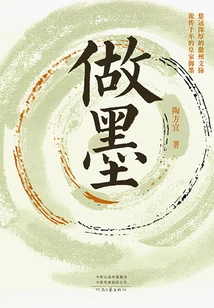
Make Ink
General Fiction做墨
Tao Fangxuan
A piece of royal ink, Prince Mo, which has been passed down for thousands of years from the Tang Dynasty, has attracted the covetousness of a group of people. In order to protect Prince Mo and the ink-making workshop, Hu Wenli and Hu Daimo fought wits and courage with various forces, and experienced nine deaths. In the end, they succeeded in replicating the long-lost Dragon Blood Prince Ink, and wrote a hymn for the Hu family to protect and promote Huizhou Ink Culture.
A piece of royal ink, Prince Mo, which has been passed down for thousands of years from the Tang Dynasty, has attracted the covetousness of a group of people. In order to protect Prince Mo and the ink-making workshop, Hu Wenli and Hu Daimo fought wits and courage with various forces, and experienced nine deaths. In the end, they succeeded in replicating the long-lost Dragon Blood Prince Ink, and wrote a hymn for the Hu family to protect and promote Huizhou Ink Culture.
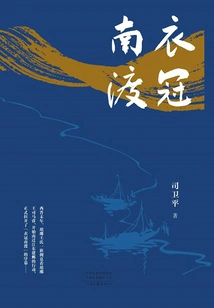
Dressed in Clothes and Traveling to the South
General Fiction衣冠南渡
Si Weiping
This book is a full-length historical novel. The Eight Kings Rebellion at the end of the Western Jin Dynasty brought the Western Jin Dynasty to its end. Ethnic minority regimes took the opportunity to invade the Central Plains, causing the Yongjia Rebellion. At the critical moment, under the instigation of Director Wang, the Langya Wang family supported Langya King Sima Rui and began to move south to Jiangdong to build Ye, which officially kicked off the "Southern Crossing in Clothes". During the more than ten years of moving south, Director Wang adopted the political strategy of "keeping the government quiet" and "pacifying the old and new", which not only resolved the conflicts between the Jiangnan aristocratic families and the Central Plains aristocratic families who moved south, but also allowed Sima Rui to finally ascend to the throne. The novel is full of color, reproduces Director Wang's colorful and legendary life, and writes a magnificent history of national development.
This book is a full-length historical novel. The Eight Kings Rebellion at the end of the Western Jin Dynasty brought the Western Jin Dynasty to its end. Ethnic minority regimes took the opportunity to invade the Central Plains, causing the Yongjia Rebellion. At the critical moment, under the instigation of Director Wang, the Langya Wang family supported Langya King Sima Rui and began to move south to Jiangdong to build Ye, which officially kicked off the "Southern Crossing in Clothes". During the more than ten years of moving south, Director Wang adopted the political strategy of "keeping the government quiet" and "pacifying the old and new", which not only resolved the conflicts between the Jiangnan aristocratic families and the Central Plains aristocratic families who moved south, but also allowed Sima Rui to finally ascend to the throne. The novel is full of color, reproduces Director Wang's colorful and legendary life, and writes a magnificent history of national development.
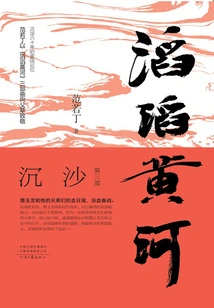
The Roaring Yellow River (part 3): Sinking Sand
General Fiction滔滔黄河(第三部):沉沙
Fan Ruoding
The third part of the novel "The Roaring Yellow River" trilogy, "The Sinking Sand", is a continuation of the first part "Asking the Mountain" and the second part "Striking the Waves" in content. It tells the history of Fan Yulong and his comrades who devoted themselves to the war against foreign enemies after the outbreak of the Anti-Japanese War and finally persevered tenaciously until victory. His childhood sweetheart cousin Shi Yiqiu and his childhood playmate Liu Ziqian also joined new positions. They reunited in the government counselor's office in Henan, his hometown in New China, and continued to contribute to the development of their hometown. They lamented that life is like the roaring Yellow River, all the way to the east. The Master said on the river, "The deceased is like this."
The third part of the novel "The Roaring Yellow River" trilogy, "The Sinking Sand", is a continuation of the first part "Asking the Mountain" and the second part "Striking the Waves" in content. It tells the history of Fan Yulong and his comrades who devoted themselves to the war against foreign enemies after the outbreak of the Anti-Japanese War and finally persevered tenaciously until victory. His childhood sweetheart cousin Shi Yiqiu and his childhood playmate Liu Ziqian also joined new positions. They reunited in the government counselor's office in Henan, his hometown in New China, and continued to contribute to the development of their hometown. They lamented that life is like the roaring Yellow River, all the way to the east. The Master said on the river, "The deceased is like this."
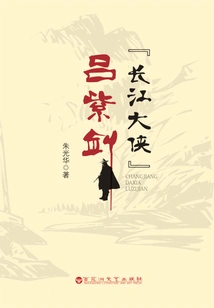
yangtze River Hero" Lu Zijian
General Fiction“长江大侠”吕紫剑
Zhu Guanghua
"The Hero of the Yangtze River" Lu Zijian is a novel. Lu Zijian was born in Yichang in the late Qing Dynasty. He was superb in martial arts, chivalrous and courageous, supporting the weak and suppressing the strong. CCTV and "People's Daily·Overseas Edition" have made special reports, and the Yichang Museum of History has a directory of it. He dueled with the Japanese ronin Hideo Mitsui at the Yichang military field and beat him until he vomited blood. He was known as the "Yangtze River Hero" because of his national humiliation as the "Sick Man of East Asia". In order to regain the shipping rights of the Yangtze River, he once led the Yichang boxers to uphold national justice and thwart the arrogance of foreign shipping companies and their minions. Defeat the provocative Japanese Ronin and American boxers, and shock the martial arts world. This book expresses this period of his heroic history. The literary script of the film of the same name was supported by the Literary Quality Project of the Propaganda Department of the Yichang Municipal Party Committee; some chapters were published in "Dajiang Literature and Art" in 2021.
"The Hero of the Yangtze River" Lu Zijian is a novel. Lu Zijian was born in Yichang in the late Qing Dynasty. He was superb in martial arts, chivalrous and courageous, supporting the weak and suppressing the strong. CCTV and "People's Daily·Overseas Edition" have made special reports, and the Yichang Museum of History has a directory of it. He dueled with the Japanese ronin Hideo Mitsui at the Yichang military field and beat him until he vomited blood. He was known as the "Yangtze River Hero" because of his national humiliation as the "Sick Man of East Asia". In order to regain the shipping rights of the Yangtze River, he once led the Yichang boxers to uphold national justice and thwart the arrogance of foreign shipping companies and their minions. Defeat the provocative Japanese Ronin and American boxers, and shock the martial arts world. This book expresses this period of his heroic history. The literary script of the film of the same name was supported by the Literary Quality Project of the Propaganda Department of the Yichang Municipal Party Committee; some chapters were published in "Dajiang Literature and Art" in 2021.
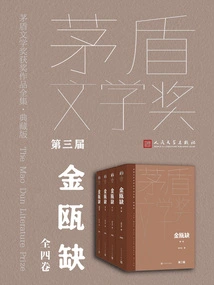
Jin Ou Que (all Four Volumes)
General Fiction金瓯缺(全四册)
Xu Xingye
During the reign of Emperor Huizong of the Song Dynasty, the Song, Liao and Jin Dynasties each occupied one side. The Jin Kingdom was strong and powerful, while the Liao Kingdom had many disadvantages. However, since the Chanyuan Alliance, the Northern Song Dynasty thought that the world was peaceful and relaxed its vigilance. This book takes the military general Ma Kuo as the main character and the experiences and achievements of his family as the main line. It tells the history from the maritime alliance agreement between the Song Dynasty and the Jin Dynasty to jointly attack the Liao Kingdom, to the Jin Kingdom tearing up the alliance and sending troops southward, the demise of the Northern Song Dynasty, and the Song Emperor Gaozong's settlement in a corner of the south of the Yangtze River. During this period, there were changes of dynasties, ups and downs of personnel, flashes of swords, and wolves running wildly. Patriots cut off their heads and poured out their blood, sang generous laments, eunuchs and jesters manipulated power to slander loyalty... The author uses magnificent pen and ink, elegant writing, materialistic view of history and superb historical insights to write a magnificent historical picture in a majestic and meticulous manner. Sometimes it makes people gasp for breath, and sometimes it makes people cry.
During the reign of Emperor Huizong of the Song Dynasty, the Song, Liao and Jin Dynasties each occupied one side. The Jin Kingdom was strong and powerful, while the Liao Kingdom had many disadvantages. However, since the Chanyuan Alliance, the Northern Song Dynasty thought that the world was peaceful and relaxed its vigilance. This book takes the military general Ma Kuo as the main character and the experiences and achievements of his family as the main line. It tells the history from the maritime alliance agreement between the Song Dynasty and the Jin Dynasty to jointly attack the Liao Kingdom, to the Jin Kingdom tearing up the alliance and sending troops southward, the demise of the Northern Song Dynasty, and the Song Emperor Gaozong's settlement in a corner of the south of the Yangtze River. During this period, there were changes of dynasties, ups and downs of personnel, flashes of swords, and wolves running wildly. Patriots cut off their heads and poured out their blood, sang generous laments, eunuchs and jesters manipulated power to slander loyalty... The author uses magnificent pen and ink, elegant writing, materialistic view of history and superb historical insights to write a magnificent historical picture in a majestic and meticulous manner. Sometimes it makes people gasp for breath, and sometimes it makes people cry.
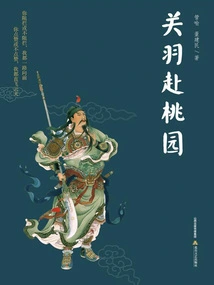
Guan Yu Goes to Taoyuan
General Fiction关羽赴桃园
Guan Yu Dong Jianmin
"Guan Yu Goes to Taoyuan" tells the story of Guan Yu before the sworn friendship in Taoyuan, filling the gap in Guan Yu's literary creation about this period of literary works. The story begins when Guan Yu crosses the Yellow River with Jiuwei and leaves Hangu Pass, and ends with Liu, Guan, and Zhang Taoyuan becoming sworn brothers, with a total of 72 chapters and 460,000 words. Although the book tells an old story from more than 1,800 years ago, it is full of freshness when told by the author. Because the story is not only legendary, but more importantly, it conveys Guan Gong's spirit of being selfless and fearless, saving the country and the people, being honest, loyal, courageous, daring to take responsibility, and proactive. This is a great spirit that the Chinese nation has cultivated since ancient times and has been continuously passed down and carried forward. It still has positive significance in today's era.
"Guan Yu Goes to Taoyuan" tells the story of Guan Yu before the sworn friendship in Taoyuan, filling the gap in Guan Yu's literary creation about this period of literary works. The story begins when Guan Yu crosses the Yellow River with Jiuwei and leaves Hangu Pass, and ends with Liu, Guan, and Zhang Taoyuan becoming sworn brothers, with a total of 72 chapters and 460,000 words. Although the book tells an old story from more than 1,800 years ago, it is full of freshness when told by the author. Because the story is not only legendary, but more importantly, it conveys Guan Gong's spirit of being selfless and fearless, saving the country and the people, being honest, loyal, courageous, daring to take responsibility, and proactive. This is a great spirit that the Chinese nation has cultivated since ancient times and has been continuously passed down and carried forward. It still has positive significance in today's era.
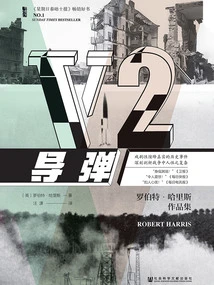
V2 Missile
General FictionV2导弹
T
This book is based on the historical event of Germany launching V2 missiles at Britain during World War II. It tells the actions of Germany and Britain surrounding V2 in the form of a two-line narrative. One of the lines uses rocket engineer Dr. Rudy Graf as the main character, telling what happened at the German launch base in Scheveningen. It is interspersed with Graf's review of his own life experiences, including his relationship with V2 rocket chief designer von Braun (a real historical figure, who immigrated to the United States after World War II and was the main character). The other line revolves around the events around the heroine Kay Caton-Walsh, telling the story of how she transformed from a photo interpreter in the rear to an intelligence officer working on the front line closest to the enemy to find the missile launch site.
This book is based on the historical event of Germany launching V2 missiles at Britain during World War II. It tells the actions of Germany and Britain surrounding V2 in the form of a two-line narrative. One of the lines uses rocket engineer Dr. Rudy Graf as the main character, telling what happened at the German launch base in Scheveningen. It is interspersed with Graf's review of his own life experiences, including his relationship with V2 rocket chief designer von Braun (a real historical figure, who immigrated to the United States after World War II and was the main character). The other line revolves around the events around the heroine Kay Caton-Walsh, telling the story of how she transformed from a photo interpreter in the rear to an intelligence officer working on the front line closest to the enemy to find the missile launch site.
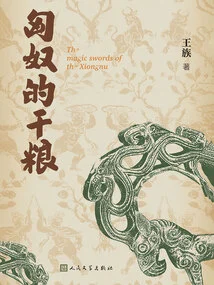
Dry Food for the Huns
General Fiction匈奴的干粮
Royal Family
The story line of the novel is based on historical events. It begins with the story of Touman, a young Hun who wanders around Donghu in search of the golden man who is essential to becoming the Chanyu of the Huns. He eventually returns to the Huns after going through ups and downs and becomes the Chanyu of the Huns. It tells the story of Touman, a young man from the Huns, who married two women from the Huyan and Xubu clans to form the prototype of the Hunnic Empire. The extension of the novel basically follows history, but it is fictitious in aspects such as the fate of the characters, ethnic era and historical significance. The purpose is to highlight the impact of the story and give a clear face to the Xiongnu who have disappeared in time. It allows readers to feel the Xiongnu's survival, breathing and imagination and contact with the world in the red wilderness, and to perceive their spirit and soul, the historical legend and nomadic glory created in the Western Regions.
The story line of the novel is based on historical events. It begins with the story of Touman, a young Hun who wanders around Donghu in search of the golden man who is essential to becoming the Chanyu of the Huns. He eventually returns to the Huns after going through ups and downs and becomes the Chanyu of the Huns. It tells the story of Touman, a young man from the Huns, who married two women from the Huyan and Xubu clans to form the prototype of the Hunnic Empire. The extension of the novel basically follows history, but it is fictitious in aspects such as the fate of the characters, ethnic era and historical significance. The purpose is to highlight the impact of the story and give a clear face to the Xiongnu who have disappeared in time. It allows readers to feel the Xiongnu's survival, breathing and imagination and contact with the world in the red wilderness, and to perceive their spirit and soul, the historical legend and nomadic glory created in the Western Regions.
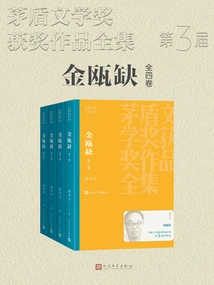
Jin Ou Que (all Four Volumes)
General Fiction金瓯缺(全四卷)
Xu Xingye
During the reign of Emperor Huizong of the Song Dynasty, the Song, Liao and Jin Dynasties each occupied one side. The Jin Kingdom was strong and powerful, while the Liao Kingdom had many disadvantages. However, since the Chanyuan Alliance, the Northern Song Dynasty thought that the world was peaceful and relaxed its vigilance. This book takes the military general Ma Kuo as the main character and the experiences and achievements of his family as the main line. It tells the history from the maritime alliance agreement between the Song Dynasty and the Jin Dynasty to jointly attack the Liao Kingdom, to the Jin Kingdom tearing up the alliance and sending troops southward, the demise of the Northern Song Dynasty, and the Song Emperor Gaozong's settlement in a corner of the south of the Yangtze River. During this period, there were changes of dynasties, ups and downs of personnel, flashes of swords, and wolves running wildly. Patriots cut off their heads and poured out their blood, sang generous laments, eunuchs and jesters manipulated power to slander loyalty... The author uses magnificent pen and ink, elegant writing, materialistic view of history and superb historical insights to write a magnificent historical picture in a majestic and meticulous manner. Sometimes it makes people gasp for breath, and sometimes it makes people cry.
During the reign of Emperor Huizong of the Song Dynasty, the Song, Liao and Jin Dynasties each occupied one side. The Jin Kingdom was strong and powerful, while the Liao Kingdom had many disadvantages. However, since the Chanyuan Alliance, the Northern Song Dynasty thought that the world was peaceful and relaxed its vigilance. This book takes the military general Ma Kuo as the main character and the experiences and achievements of his family as the main line. It tells the history from the maritime alliance agreement between the Song Dynasty and the Jin Dynasty to jointly attack the Liao Kingdom, to the Jin Kingdom tearing up the alliance and sending troops southward, the demise of the Northern Song Dynasty, and the Song Emperor Gaozong's settlement in a corner of the south of the Yangtze River. During this period, there were changes of dynasties, ups and downs of personnel, flashes of swords, and wolves running wildly. Patriots cut off their heads and poured out their blood, sang generous laments, eunuchs and jesters manipulated power to slander loyalty... The author uses magnificent pen and ink, elegant writing, materialistic view of history and superb historical insights to write a magnificent historical picture in a majestic and meticulous manner. Sometimes it makes people gasp for breath, and sometimes it makes people cry.
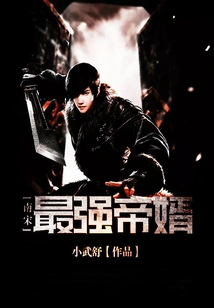
南宋最强帝婿
Xiao Wu Shu
After a night of drunkenness, Shen Lang returned to the Southern Song Dynasty and became the consort despised by the scholars. Shen Lang, who has no ambitions, just wants to live a comfortable life for himself, but there are always those who don't have long-sightedness to jump out. The rampant and unscrupulous evil slaves, the lingering White Lotus Sect, the Jin Kingdom whose swords are still gathering together, the Yuan Dynasty's iron cavalry, and the barbaric and crude Xixia have all become obstacles for him. The Southern Song Dynasty, which was prosperous on the surface, was actually very fragile. All Shen Lang had to do was to stir up this increasingly silent pool of stagnant water. He wanted to become the strongest emperor's son-in-law who would be remembered forever!
After a night of drunkenness, Shen Lang returned to the Southern Song Dynasty and became the consort despised by the scholars. Shen Lang, who has no ambitions, just wants to live a comfortable life for himself, but there are always those who don't have long-sightedness to jump out. The rampant and unscrupulous evil slaves, the lingering White Lotus Sect, the Jin Kingdom whose swords are still gathering together, the Yuan Dynasty's iron cavalry, and the barbaric and crude Xixia have all become obstacles for him. The Southern Song Dynasty, which was prosperous on the surface, was actually very fragile. All Shen Lang had to do was to stir up this increasingly silent pool of stagnant water. He wanted to become the strongest emperor's son-in-law who would be remembered forever!
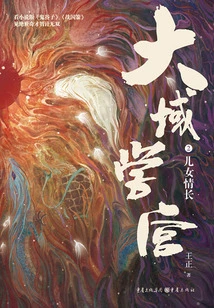
Dayu Academy 2: Love between Sons and Daughters
General Fiction大域学宫2:儿女情长
Wang Zheng
After the "Natural Selection" Conference ended, all the princes and powerful people returned to their own countries and territories. Situ Yuze, Huo An, Zhao Li, Ying Yu and others came to Jingguo and started a series of reforms in the Huo family fiefdom, which made the Huo family territory rapidly prosperous and prosperous, becoming the most powerful family in Jingguo. However, his policies offended the aristocratic group. With the help of Zhang Can, the aristocratic group plotted a coup, which made the unification that Situ Yu had hoped for come to nothing. At the same time, Lord Xinyang took Ji Bu and Wei Ye to Pei State, and successfully exploited the weakness of Lord Guangwu Sun Chang. Suddenly, Ping Si Jun Mi Que and Zhang Wang Ying Qi appeared one after another, and the war surrounding Jing Guo was about to break out. Under Zhang Can's trick, Ying Yu's true identity was exposed, causing an internal chaos in Jingguo. Yingyu committed suicide in front of Yingqi for Huo An and Jingguo, and Huo An left in grief. Because of their different understanding of war, Zhao Li also left quietly, leaving Situ Yu without knowing where to go.
After the "Natural Selection" Conference ended, all the princes and powerful people returned to their own countries and territories. Situ Yuze, Huo An, Zhao Li, Ying Yu and others came to Jingguo and started a series of reforms in the Huo family fiefdom, which made the Huo family territory rapidly prosperous and prosperous, becoming the most powerful family in Jingguo. However, his policies offended the aristocratic group. With the help of Zhang Can, the aristocratic group plotted a coup, which made the unification that Situ Yu had hoped for come to nothing. At the same time, Lord Xinyang took Ji Bu and Wei Ye to Pei State, and successfully exploited the weakness of Lord Guangwu Sun Chang. Suddenly, Ping Si Jun Mi Que and Zhang Wang Ying Qi appeared one after another, and the war surrounding Jing Guo was about to break out. Under Zhang Can's trick, Ying Yu's true identity was exposed, causing an internal chaos in Jingguo. Yingyu committed suicide in front of Yingqi for Huo An and Jingguo, and Huo An left in grief. Because of their different understanding of war, Zhao Li also left quietly, leaving Situ Yu without knowing where to go.
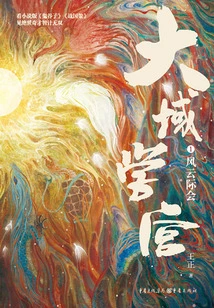
Great Domain Academy 1: the Meeting of Wind and Cloud
General Fiction大域学宫1:风云际会
Wang Zheng
Dayu Academy is a world-famous academic city in the Jokhang Dynasty. It is a holy place in the hearts of scholars all over the world, gathering students from all over the world. They have different family backgrounds, different personalities, and very different destinies. Situ Yu suffered from the destruction of his country and his family since he was a child, and was taken into slavery. With a miserable life experience, he was forbearing and restrained, and vowed to avenge his family. Zhao Li was born into a wealthy family and was a sunny, kind-hearted and cynical nobleman. The two are brothers in love, but have completely different plans for the future. Situ Yu has a blood feud, is well versed in the art of manipulation, and wants to enter the political arena, seize power, and defeat his enemies; Zhao Li is indifferent to fame and fortune, is tired of killing, and yearns for an idyllic life. Now is their last year in the Great Domain Academy, and it is also the period of "natural selection" for various vassal states to come to the Academy. Lord Xinyang Jun of the Liang Kingdom, Lord Ying Qi of the Zhang Kingdom, Zhao Jie, an important minister of the Dingping Kingdom, etc. Have gathered in the Great Domain Academy. The superficial etiquette exchanges cannot hide the undercurrents behind them. The world situation is bound to change, and young people such as Situ Yu, Zhao Li, Huo An, and Zhang Can are about to step onto the stage to change the current situation.
Dayu Academy is a world-famous academic city in the Jokhang Dynasty. It is a holy place in the hearts of scholars all over the world, gathering students from all over the world. They have different family backgrounds, different personalities, and very different destinies. Situ Yu suffered from the destruction of his country and his family since he was a child, and was taken into slavery. With a miserable life experience, he was forbearing and restrained, and vowed to avenge his family. Zhao Li was born into a wealthy family and was a sunny, kind-hearted and cynical nobleman. The two are brothers in love, but have completely different plans for the future. Situ Yu has a blood feud, is well versed in the art of manipulation, and wants to enter the political arena, seize power, and defeat his enemies; Zhao Li is indifferent to fame and fortune, is tired of killing, and yearns for an idyllic life. Now is their last year in the Great Domain Academy, and it is also the period of "natural selection" for various vassal states to come to the Academy. Lord Xinyang Jun of the Liang Kingdom, Lord Ying Qi of the Zhang Kingdom, Zhao Jie, an important minister of the Dingping Kingdom, etc. Have gathered in the Great Domain Academy. The superficial etiquette exchanges cannot hide the undercurrents behind them. The world situation is bound to change, and young people such as Situ Yu, Zhao Li, Huo An, and Zhang Can are about to step onto the stage to change the current situation.
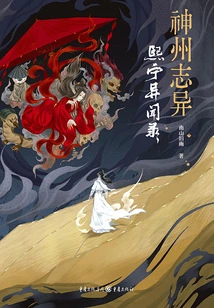
神州志异:熙宁异闻录
Nanshan Jiuyu
During the Xining period of the Northern Song Dynasty, the new emperor ascended the throne and the world was at peace. However, Meng Changhe, a carpenter in Jiangning City, always encountered strange and strange things. In the first year of Xining, he and Li Qiutan, the general judge of Jiangning, worked together to solve the murder case of the gardener Chaucer and the Jin family's floating coffin case. Then, as if fate called, he left Jiangning and went to Bianjing. When he left Jiangning, he did not expect that so many unusual people would appear in his life. He took in a little snake demon that was exposed to the sun, made friends with the secret guards of the Imperial City, reunited with old friends in Guifan Tower, and even met the supreme emperor of the Nine-Five-Year Plan. And before all the stories began, Chang He had a difficult life. He had a weak relationship with his relatives and was not tolerated by his surroundings since he was a child. All because he could see things that others could not... Peony flowers actually grew on the stone pillars? A coffin floated in the depths of the river, a porcelain pillow weeping blood, a woman with bird claws, a monk traveling from afar, the monster inn in Bianjing City, the mischievous dragon man... After all this, Changhe finally remembered his past. Twelve confusing stories, about loyalty, filial piety, benevolence and righteousness, treachery and evil, the laws of nature are clear, and good and evil are clear.
During the Xining period of the Northern Song Dynasty, the new emperor ascended the throne and the world was at peace. However, Meng Changhe, a carpenter in Jiangning City, always encountered strange and strange things. In the first year of Xining, he and Li Qiutan, the general judge of Jiangning, worked together to solve the murder case of the gardener Chaucer and the Jin family's floating coffin case. Then, as if fate called, he left Jiangning and went to Bianjing. When he left Jiangning, he did not expect that so many unusual people would appear in his life. He took in a little snake demon that was exposed to the sun, made friends with the secret guards of the Imperial City, reunited with old friends in Guifan Tower, and even met the supreme emperor of the Nine-Five-Year Plan. And before all the stories began, Chang He had a difficult life. He had a weak relationship with his relatives and was not tolerated by his surroundings since he was a child. All because he could see things that others could not... Peony flowers actually grew on the stone pillars? A coffin floated in the depths of the river, a porcelain pillow weeping blood, a woman with bird claws, a monk traveling from afar, the monster inn in Bianjing City, the mischievous dragon man... After all this, Changhe finally remembered his past. Twelve confusing stories, about loyalty, filial piety, benevolence and righteousness, treachery and evil, the laws of nature are clear, and good and evil are clear.
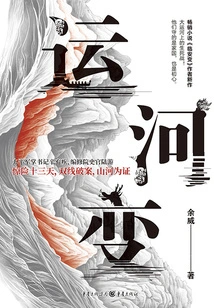
Canal Change
General Fiction运河变
Yuwei
This is a long historical novel. The novel takes the Emperor Gaozong of the Song Dynasty as his personal conquest and triumphant victory as the temporal background, and the Jiangnan section of the Grand Canal as the spatial background. It tells the patriotic story of Xin Qiji and Lu You teaming up to solve the Jin assassination conspiracy. On the battlefield in Jiangbei, the Jin army was defeated by the Song army one after another. Li Tong, the governor of the Jin Kingdom, deliberately wanted to counterattack, so he coerced Prince Jie Po to assassinate Zhao Wei, the founding king of the Southern Song Dynasty. The Jie Po people then designed a plan called "Trasgeni" - burning Lin'an with ten thousand kilograms of oil. After learning the clues, Xin Qiji, who was the secretary-general of the Taiping Army at the time, and Lu You, the historian of the Academy, set up in Lin'an and launched an investigation up and down the Grand Canal. Pursuing, being attacked, counterattacking, forming an alliance, and being attacked again, the plot of the story is constantly reversed. The loyalty of monarchs and ministers, brothers in need, love, hate, joys and sorrows are intricately intertwined, revealing the fragility and flexibility of life. From full of confidence to heavy resistance, after several life and death, and undergoing tests, Xin Qiji and Lu You finally worked together to defeat the conspiracy of the Zapo people, rescued Zhao Wei (Song Xiaozong), who was about to ascend to the throne, and composed a patriotic-themed hymn in Song rhyme.
This is a long historical novel. The novel takes the Emperor Gaozong of the Song Dynasty as his personal conquest and triumphant victory as the temporal background, and the Jiangnan section of the Grand Canal as the spatial background. It tells the patriotic story of Xin Qiji and Lu You teaming up to solve the Jin assassination conspiracy. On the battlefield in Jiangbei, the Jin army was defeated by the Song army one after another. Li Tong, the governor of the Jin Kingdom, deliberately wanted to counterattack, so he coerced Prince Jie Po to assassinate Zhao Wei, the founding king of the Southern Song Dynasty. The Jie Po people then designed a plan called "Trasgeni" - burning Lin'an with ten thousand kilograms of oil. After learning the clues, Xin Qiji, who was the secretary-general of the Taiping Army at the time, and Lu You, the historian of the Academy, set up in Lin'an and launched an investigation up and down the Grand Canal. Pursuing, being attacked, counterattacking, forming an alliance, and being attacked again, the plot of the story is constantly reversed. The loyalty of monarchs and ministers, brothers in need, love, hate, joys and sorrows are intricately intertwined, revealing the fragility and flexibility of life. From full of confidence to heavy resistance, after several life and death, and undergoing tests, Xin Qiji and Lu You finally worked together to defeat the conspiracy of the Zapo people, rescued Zhao Wei (Song Xiaozong), who was about to ascend to the throne, and composed a patriotic-themed hymn in Song rhyme.
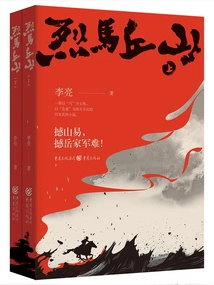
Liemaqiu Mountain (upper and Lower)
General Fiction烈马丘山(上下)
Li Liang
This book is a historical martial arts novel with "horse" as the protagonist and "racing" as the fighting method. During the two Song Dynasties, the situation changed. A free and proud bad horse "Copper" and its cowardly and ordinary owner Rome galloped on the battlefield between Song and Jin Dynasties. Was I the one who caused the war between Song and Jin? Was I the one responsible for the Jingkang Incident? Was I the one who inspired Xin Qiji to return to the south? Did I deliver Yue Fei's twelve gold medals? Sorry, I don't know. I just want to gallop and leave all my opponents behind. Heroes, famous ministers, beauties, good generals, foolish kings, sycophants, monsters, monsters... In this galloping run of people and horses, history has never changed, but it is different! And the eternal fire that illuminates ancient and modern times.
This book is a historical martial arts novel with "horse" as the protagonist and "racing" as the fighting method. During the two Song Dynasties, the situation changed. A free and proud bad horse "Copper" and its cowardly and ordinary owner Rome galloped on the battlefield between Song and Jin Dynasties. Was I the one who caused the war between Song and Jin? Was I the one responsible for the Jingkang Incident? Was I the one who inspired Xin Qiji to return to the south? Did I deliver Yue Fei's twelve gold medals? Sorry, I don't know. I just want to gallop and leave all my opponents behind. Heroes, famous ministers, beauties, good generals, foolish kings, sycophants, monsters, monsters... In this galloping run of people and horses, history has never changed, but it is different! And the eternal fire that illuminates ancient and modern times.
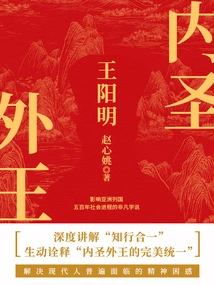
Inner Sage and Outer King Wang Yangming
General Fiction内圣外王王阳明
Zhao Xinyao
The Xinxue existed before Wang Yangming, but Wang Yangming integrated the Xinxue into a masterpiece. After "Longchang Enlightenment", Wang Yangming founded the self-contained "Yangming Xinxue" and proposed important concepts such as "toward conscience" and "the unity of knowledge and action", which influenced China and even the entire Asia for the next five hundred years. This is inseparable from Wang Yangming's own experience and his continuous and in-depth research on mind science. This book intersperses Wang Yangming's historical experience and the continuous development of the theory of mind with narration and analysis, explaining it in a simple and profound way, so that people can understand more clearly what kind of god Wang Yangming is and how miraculous the theory of mind is.
The Xinxue existed before Wang Yangming, but Wang Yangming integrated the Xinxue into a masterpiece. After "Longchang Enlightenment", Wang Yangming founded the self-contained "Yangming Xinxue" and proposed important concepts such as "toward conscience" and "the unity of knowledge and action", which influenced China and even the entire Asia for the next five hundred years. This is inseparable from Wang Yangming's own experience and his continuous and in-depth research on mind science. This book intersperses Wang Yangming's historical experience and the continuous development of the theory of mind with narration and analysis, explaining it in a simple and profound way, so that people can understand more clearly what kind of god Wang Yangming is and how miraculous the theory of mind is.
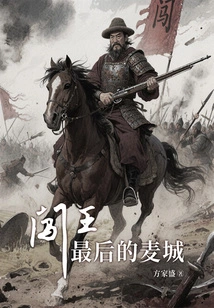
The Last Wheat City of Chuangwang
General Fiction闯王最后的麦城
Fang Jiasheng
The death of King Chuang Li Zicheng is a mystery. Uncovering this mystery turns out to be a heartbreaking human tragedy. In a small mountain village in the late Ming Dynasty, far away from Emperor Gao that day, Zhang Lizheng received instructions from the county government that bandits would break in, so Zhang Lizheng was ordered to form a group to practice and unite the village to protect himself. Zhang Lizheng disagreed. How could there be banditry in a small village in the mountains? However, it was difficult to disobey the county government's instructions, so they organized a team of township warriors in a coping manner, appointing kung fu boy Cheng Jiubai as the training leader and scholar Zhu Wansong as the assistant manager.
The death of King Chuang Li Zicheng is a mystery. Uncovering this mystery turns out to be a heartbreaking human tragedy. In a small mountain village in the late Ming Dynasty, far away from Emperor Gao that day, Zhang Lizheng received instructions from the county government that bandits would break in, so Zhang Lizheng was ordered to form a group to practice and unite the village to protect himself. Zhang Lizheng disagreed. How could there be banditry in a small village in the mountains? However, it was difficult to disobey the county government's instructions, so they organized a team of township warriors in a coping manner, appointing kung fu boy Cheng Jiubai as the training leader and scholar Zhu Wansong as the assistant manager.
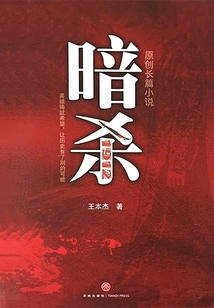
Assassination: 1912
General Fiction暗杀:1912
Wang Benjie
This book is based on two real historical events that occurred in Beijing in January 1912. The novel tells the complicated and confusing historical story of the life-and-death struggle between the Xinhai Revolutionary Party Assassination Group and the Zongshe Party and Yuan Shikai camp headed by Liangbi for their respective political interests. It creates an image of a dead soldier of the Revolutionary Party who overthrew the feudal rule of the Qing Dynasty and pursued democracy and republic. The novel won the first prize for the National Outstanding Novel Award in the "Legends of Modern and Ancient Times" in 2018.
This book is based on two real historical events that occurred in Beijing in January 1912. The novel tells the complicated and confusing historical story of the life-and-death struggle between the Xinhai Revolutionary Party Assassination Group and the Zongshe Party and Yuan Shikai camp headed by Liangbi for their respective political interests. It creates an image of a dead soldier of the Revolutionary Party who overthrew the feudal rule of the Qing Dynasty and pursued democracy and republic. The novel won the first prize for the National Outstanding Novel Award in the "Legends of Modern and Ancient Times" in 2018.
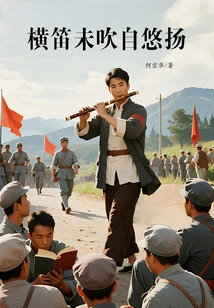
The Flute is Melodious Before it is Played
General Fiction横笛未吹自悠扬
He Zonghua
Mao Zedong was the sower of the revolutionary struggle, and Han Xunqin (Han Wei) was a young coal digger in Anyuan. When Mao Zedong came to Anyuan for the first time, the first Anyuan worker he met was Han Xunqin. After Mao Zedong came into contact with Han Xunqin, he liked this smart and brave Anyuan boy very much and asked him to be his traffic officer. Since then, the two have separated and reunited, forming a profound revolutionary friendship during the long-term revolutionary struggle. This friendship withstood the test of political upheavals and battles of life and death. Until the end of their lives, the two were still conveying each other's care and affection...
Mao Zedong was the sower of the revolutionary struggle, and Han Xunqin (Han Wei) was a young coal digger in Anyuan. When Mao Zedong came to Anyuan for the first time, the first Anyuan worker he met was Han Xunqin. After Mao Zedong came into contact with Han Xunqin, he liked this smart and brave Anyuan boy very much and asked him to be his traffic officer. Since then, the two have separated and reunited, forming a profound revolutionary friendship during the long-term revolutionary struggle. This friendship withstood the test of political upheavals and battles of life and death. Until the end of their lives, the two were still conveying each other's care and affection...
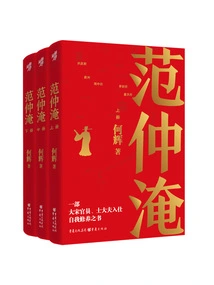
Fan Zhongyan (all Three Volumes)
General Fiction范仲淹(全三册)
He Hui
This book is a new historian's novel with innovative value. It takes Fan Zhongyan's experience of more than 20 years from 1024 when he was appointed magistrate of Xinghua County to 1045 when the Qingli New Deal failed as the main line. It tells the story of his magnificent official career behind his three ups and downs, and outlines the stories of Yan Shu, Han Qi, and Fu Bi. Group portraits of famous ministers and celebrities of the Northern Song Dynasty, such as Ouyang Xiu, Teng Zongliang, etc., The unpredictable struggles within the Song Dynasty court, and the ever-changing diplomatic and military competition between Song, Liao, and Xixia, reproduce the wisdom and mind of Fan Zhongyan, an emotionally stable man with both idealism and practical rationality. This book inserts original memorials, letters, poems, articles, etc., So that readers can quickly understand the ins and outs and historical details of the historical materials while reading the story.
This book is a new historian's novel with innovative value. It takes Fan Zhongyan's experience of more than 20 years from 1024 when he was appointed magistrate of Xinghua County to 1045 when the Qingli New Deal failed as the main line. It tells the story of his magnificent official career behind his three ups and downs, and outlines the stories of Yan Shu, Han Qi, and Fu Bi. Group portraits of famous ministers and celebrities of the Northern Song Dynasty, such as Ouyang Xiu, Teng Zongliang, etc., The unpredictable struggles within the Song Dynasty court, and the ever-changing diplomatic and military competition between Song, Liao, and Xixia, reproduce the wisdom and mind of Fan Zhongyan, an emotionally stable man with both idealism and practical rationality. This book inserts original memorials, letters, poems, articles, etc., So that readers can quickly understand the ins and outs and historical details of the historical materials while reading the story.
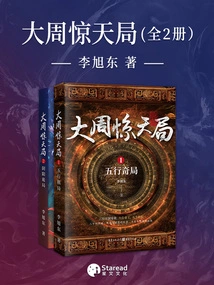
The Shocking Game of the Great Zhou Dynasty (two Volumes)
General Fiction大周惊天局(全二册)
Li Xudong
At the beginning of the Northern Zhou Dynasty, the powerful minister Yu Wenhu dominated the court. The forces of the Wei Dynasty were ready to move. Outside, there was military coercion from the Northern Qi Dynasty. The Southern Liang Dynasty sought to restore the country; while the newly ascended Ming Emperor Yu Wenyu and his party needed to gain a foothold and seek development amid many difficulties. Some people hope to disrupt the situation, while others hope to maintain stability. The intertwined contradictions manifest into a series of strange and horrifying murders. In order to get her family out of trouble, Dugu Zhilan, the daughter of Dugu Xin, had no choice but to jump into this complicated situation. However, after repeated reasoning and investigation, she discovered that the mystery was like a chess game, and she was just a pawn in the game. And this chess game involving many parties and lasting for decades has just begun.
At the beginning of the Northern Zhou Dynasty, the powerful minister Yu Wenhu dominated the court. The forces of the Wei Dynasty were ready to move. Outside, there was military coercion from the Northern Qi Dynasty. The Southern Liang Dynasty sought to restore the country; while the newly ascended Ming Emperor Yu Wenyu and his party needed to gain a foothold and seek development amid many difficulties. Some people hope to disrupt the situation, while others hope to maintain stability. The intertwined contradictions manifest into a series of strange and horrifying murders. In order to get her family out of trouble, Dugu Zhilan, the daughter of Dugu Xin, had no choice but to jump into this complicated situation. However, after repeated reasoning and investigation, she discovered that the mystery was like a chess game, and she was just a pawn in the game. And this chess game involving many parties and lasting for decades has just begun.
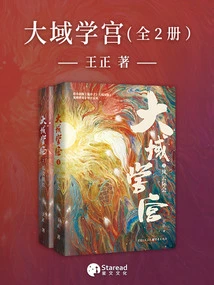
Dayu Academy (two Volumes)
General Fiction大域学宫(全二册)
Wang Zheng
This book is an imaginary historical novel set in the troubled times of the Warring States Period. It consists of five volumes. It centers on Situ Yu, the most talented scholar in the Dayu Academy, and tells the legendary story of his family's hatred for the country, the love between brothers, the love between teachers and students, and the loyalty between king and minister.
This book is an imaginary historical novel set in the troubled times of the Warring States Period. It consists of five volumes. It centers on Situ Yu, the most talented scholar in the Dayu Academy, and tells the legendary story of his family's hatred for the country, the love between brothers, the love between teachers and students, and the loyalty between king and minister.
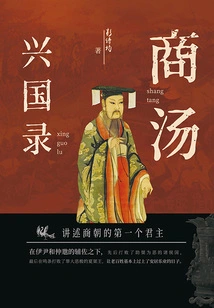
Records of Shang Tang and Xingguo
General Fiction商汤兴国录
Peng Shijun
Shang Tang saw that Xia Jie had imposed excessive taxes on the people, was extravagant and corrupt, and could no longer do useful things for the people for the prosperity of the country. With the assistance of Yi Yin and Zhong Hui, he successively defeated the princes who assisted Jie in his evil deeds, and finally defeated the heinous King Xia Jie at Mingtiao. Becoming the first monarch of the Shang Dynasty allowed the people to basically live and work in peace and contentment.
Shang Tang saw that Xia Jie had imposed excessive taxes on the people, was extravagant and corrupt, and could no longer do useful things for the people for the prosperity of the country. With the assistance of Yi Yin and Zhong Hui, he successively defeated the princes who assisted Jie in his evil deeds, and finally defeated the heinous King Xia Jie at Mingtiao. Becoming the first monarch of the Shang Dynasty allowed the people to basically live and work in peace and contentment.
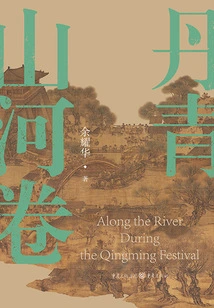
Paintings of Mountains and Rivers
General Fiction丹青山河卷
Yu Yaohua
From going to Tokyo and entering the art academy, Zhang Zeduan first encountered the prosperity of Bianjing, and then was killed by a traitor. On the way to escape, he saw the suffering of the people, and gradually strengthened his artistic pursuit. Zhang Zeduan was unwilling to paint for the royal family, openly resisted the decree, and was willing to be tortured by wooden shackles without changing his original intention. Finally, he painted "Along the River During the Qingming Festival". Zhang Zeduan's pursuit of art reached a state of intoxication. With the fall of Bianjing, Zhang Zeduan was kidnapped by the Jin soldiers to Five Kingdoms City. He endured the humiliation, painted for the Jin people, and secretly completed the long scroll of "Along the River During the Qingming Festival". With the help of patriots, Zhang Zeduan escaped from the devil's cave, and finally brought "Along the River During the Qingming Festival" back to the Song Dynasty, and at the cost of his own life, he preserved this famous painting.
From going to Tokyo and entering the art academy, Zhang Zeduan first encountered the prosperity of Bianjing, and then was killed by a traitor. On the way to escape, he saw the suffering of the people, and gradually strengthened his artistic pursuit. Zhang Zeduan was unwilling to paint for the royal family, openly resisted the decree, and was willing to be tortured by wooden shackles without changing his original intention. Finally, he painted "Along the River During the Qingming Festival". Zhang Zeduan's pursuit of art reached a state of intoxication. With the fall of Bianjing, Zhang Zeduan was kidnapped by the Jin soldiers to Five Kingdoms City. He endured the humiliation, painted for the Jin people, and secretly completed the long scroll of "Along the River During the Qingming Festival". With the help of patriots, Zhang Zeduan escaped from the devil's cave, and finally brought "Along the River During the Qingming Festival" back to the Song Dynasty, and at the cost of his own life, he preserved this famous painting.
Legend of Zouma
General Fiction走马传奇
Cold Dew
Read a story with ups and downs and tell the origins of the Chengdu-Chongqing Ancient Road, Ciyun Temple, Street Center Stone, Liuchi Alley and the Three Steles.
Read a story with ups and downs and tell the origins of the Chengdu-Chongqing Ancient Road, Ciyun Temple, Street Center Stone, Liuchi Alley and the Three Steles.
Jiangdong Yuhuo
General Fiction江东余火
Haisheng Sunyu
In the ashes of history, witness the choices of millions of people with the Jiangdong statues. This is a long novel set in the Three Kingdoms period. It tells the story of the intertwined destinies and ideal pursuits of Sun Ce, Zhou Yu and other characters in troubled times. The story begins with Sun Ce's resurrection from the dead. He hides in the world as "tens of millions of people" and secretly assists Sun Quan in consolidating Jiangdong's foundation. Zhou Yu, under the guidance of Sun Ce, continued to work hard to realize their common ideals. Although they are in different positions, they always have the world in mind and try to carve out a peaceful and prosperous era in troubled times.
In the ashes of history, witness the choices of millions of people with the Jiangdong statues. This is a long novel set in the Three Kingdoms period. It tells the story of the intertwined destinies and ideal pursuits of Sun Ce, Zhou Yu and other characters in troubled times. The story begins with Sun Ce's resurrection from the dead. He hides in the world as "tens of millions of people" and secretly assists Sun Quan in consolidating Jiangdong's foundation. Zhou Yu, under the guidance of Sun Ce, continued to work hard to realize their common ideals. Although they are in different positions, they always have the world in mind and try to carve out a peaceful and prosperous era in troubled times.
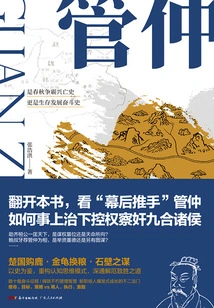
Guan Zhong
General Fiction管仲
Zhang Haohong
This book not only tells the story of Guan Zhong's struggle for hegemony in Qi from his appointment as prime minister to his death, but also includes historical events such as Bao Shuya's promotion of talents, the Northern War against Shanrong, the Kuiqiu Alliance, and the recommendation of talents in his later years. It truly interprets Guan Zhong's magnificent legendary life. In particular, Guan Zhong helped Duke Huan of Qi achieve the hegemony of "nine princes united to rule the world" through economic, political, military and other means, which took the world's breath away. The whole book is written with a unique perspective, smooth writing, rigorous structure, and rich content. It provides a certain reference for readers to understand and study Guan Zhong, as well as learn and practice Guan Zhong's immortal wisdom.
This book not only tells the story of Guan Zhong's struggle for hegemony in Qi from his appointment as prime minister to his death, but also includes historical events such as Bao Shuya's promotion of talents, the Northern War against Shanrong, the Kuiqiu Alliance, and the recommendation of talents in his later years. It truly interprets Guan Zhong's magnificent legendary life. In particular, Guan Zhong helped Duke Huan of Qi achieve the hegemony of "nine princes united to rule the world" through economic, political, military and other means, which took the world's breath away. The whole book is written with a unique perspective, smooth writing, rigorous structure, and rich content. It provides a certain reference for readers to understand and study Guan Zhong, as well as learn and practice Guan Zhong's immortal wisdom.
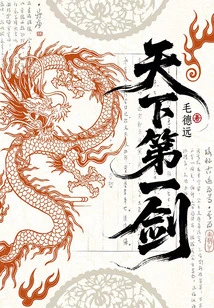
The Best Sword in the World
General Fiction天下第一剑
Mao Deyuan
In order to make a living, Ou Yezi took his daughter and son-in-law to the Kingdom of Wu to forge swords for the cruel Fu Chai. When Gou Jian found out, he sent someone to invite him personally. For the sake of a safe life for the people in the world, Ou Yezi went through all kinds of hardships, including sacrificing his own relatives, and finally forged the world-famous Zhanlu Sword for Gou Jian.
In order to make a living, Ou Yezi took his daughter and son-in-law to the Kingdom of Wu to forge swords for the cruel Fu Chai. When Gou Jian found out, he sent someone to invite him personally. For the sake of a safe life for the people in the world, Ou Yezi went through all kinds of hardships, including sacrificing his own relatives, and finally forged the world-famous Zhanlu Sword for Gou Jian.
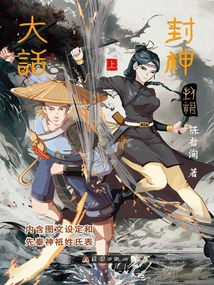
Big Talk About Conferring Gods (part 1)
General Fiction大话封神(上)
Chen Zhexun
This book moves the stage to the late Shang Dynasty, when there were frequent conflicts among various kingdoms. The masters of each clan either insisted on being self-sufficient and guarded their own territory, or they sought expansion and obtained resources. In order to compete for supremacy in the world, the clan leaders continued to improve their magic power. The Jiang Wang and Su brothers and sisters were the best among them. In the competition with the leaders of the Lilou family, the Youtai family, the Yiqi family, the Maohu family, etc., They revolutionized astrological observation, plowing technology, textile tools, water conservancy irrigation, and porcelain smelting, allowing the glorious civilization to move forward. This book is based on historical facts or customs recorded in "Historical Records", "Shangshu", "Book of Yizhou", "Book of Zhou", etc., Or adopts their characters, or fictionalizes them based on the events recorded in them, annotates the cultural terms in them, and describes how each clan improved its technology and formed a story of "the clan has a worldly industry" and "the clan has a worldly official". This book uses magnificent fighting to show an encyclopedic picture of hundreds of craftsmen in the late Shang Dynasty.
This book moves the stage to the late Shang Dynasty, when there were frequent conflicts among various kingdoms. The masters of each clan either insisted on being self-sufficient and guarded their own territory, or they sought expansion and obtained resources. In order to compete for supremacy in the world, the clan leaders continued to improve their magic power. The Jiang Wang and Su brothers and sisters were the best among them. In the competition with the leaders of the Lilou family, the Youtai family, the Yiqi family, the Maohu family, etc., They revolutionized astrological observation, plowing technology, textile tools, water conservancy irrigation, and porcelain smelting, allowing the glorious civilization to move forward. This book is based on historical facts or customs recorded in "Historical Records", "Shangshu", "Book of Yizhou", "Book of Zhou", etc., Or adopts their characters, or fictionalizes them based on the events recorded in them, annotates the cultural terms in them, and describes how each clan improved its technology and formed a story of "the clan has a worldly industry" and "the clan has a worldly official". This book uses magnificent fighting to show an encyclopedic picture of hundreds of craftsmen in the late Shang Dynasty.
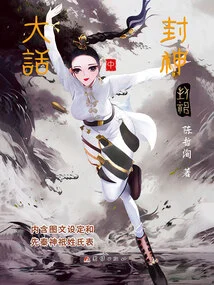
Big Talk About Conferring Gods (part 2)
General Fiction大话封神(中)
Chen Zhexun
This book moves the stage to the late Shang Dynasty, when there were frequent conflicts among various kingdoms. The masters of each clan either insisted on being self-sufficient and guarded their own territory, or they sought expansion and obtained resources. In order to compete for supremacy in the world, the clan leaders continued to improve their magic power. The Jiang Wang and Su brothers and sisters were the best among them. In the competition with the leaders of the Lilou family, the Youtai family, the Yiqi family, the Maohu family, etc., They revolutionized astrological observation, plowing technology, textile tools, water conservancy irrigation, and porcelain smelting, allowing the glorious civilization to move forward. This book is based on historical facts or customs recorded in "Historical Records", "Shangshu", "Book of Yizhou", "Book of Zhou", etc., Or adopts their characters, or fictionalizes them based on the events recorded in them, annotates the cultural terms in them, and describes how each clan improved its technology and formed a story of "the clan has a worldly industry" and "the clan has a worldly official". This book uses magnificent fighting to show an encyclopedic picture of hundreds of craftsmen in the late Shang Dynasty.
This book moves the stage to the late Shang Dynasty, when there were frequent conflicts among various kingdoms. The masters of each clan either insisted on being self-sufficient and guarded their own territory, or they sought expansion and obtained resources. In order to compete for supremacy in the world, the clan leaders continued to improve their magic power. The Jiang Wang and Su brothers and sisters were the best among them. In the competition with the leaders of the Lilou family, the Youtai family, the Yiqi family, the Maohu family, etc., They revolutionized astrological observation, plowing technology, textile tools, water conservancy irrigation, and porcelain smelting, allowing the glorious civilization to move forward. This book is based on historical facts or customs recorded in "Historical Records", "Shangshu", "Book of Yizhou", "Book of Zhou", etc., Or adopts their characters, or fictionalizes them based on the events recorded in them, annotates the cultural terms in them, and describes how each clan improved its technology and formed a story of "the clan has a worldly industry" and "the clan has a worldly official". This book uses magnificent fighting to show an encyclopedic picture of hundreds of craftsmen in the late Shang Dynasty.
Big Talk About Conferring Gods (part 2)
General Fiction大话封神(下)
Chen Zhexun
This book moves the stage to the late Shang Dynasty, when there were frequent conflicts among various kingdoms. The masters of each clan either insisted on being self-sufficient and guarded their own territory, or they sought expansion and obtained resources. In order to compete for supremacy in the world, the clan leaders continued to improve their magic power. The Jiang Wang and Su brothers and sisters were the best among them. In the competition with the leaders of the Lilou family, the Youtai family, the Yiqi family, the Maohu family, etc., They revolutionized astrological observation, plowing technology, textile tools, water conservancy irrigation, and porcelain smelting, allowing the glorious civilization to move forward. This book is based on historical facts or customs recorded in "Historical Records", "Shangshu", "Book of Yizhou", "Book of Zhou", etc., Or adopts their characters, or fictionalizes them based on the events recorded in them, annotates the cultural terms in them, and describes how each clan improved its technology and formed a story of "the clan has a worldly industry" and "the clan has a worldly official". This book uses magnificent fighting to show an encyclopedic picture of hundreds of craftsmen in the late Shang Dynasty.
This book moves the stage to the late Shang Dynasty, when there were frequent conflicts among various kingdoms. The masters of each clan either insisted on being self-sufficient and guarded their own territory, or they sought expansion and obtained resources. In order to compete for supremacy in the world, the clan leaders continued to improve their magic power. The Jiang Wang and Su brothers and sisters were the best among them. In the competition with the leaders of the Lilou family, the Youtai family, the Yiqi family, the Maohu family, etc., They revolutionized astrological observation, plowing technology, textile tools, water conservancy irrigation, and porcelain smelting, allowing the glorious civilization to move forward. This book is based on historical facts or customs recorded in "Historical Records", "Shangshu", "Book of Yizhou", "Book of Zhou", etc., Or adopts their characters, or fictionalizes them based on the events recorded in them, annotates the cultural terms in them, and describes how each clan improved its technology and formed a story of "the clan has a worldly industry" and "the clan has a worldly official". This book uses magnificent fighting to show an encyclopedic picture of hundreds of craftsmen in the late Shang Dynasty.
Nothing is Wrong with Peach Blossom Spring
General Fiction桃花源没事儿
Ma Boyong
Ma Boyong's latest novel in 2025. Where there are great benefits, there must be great risks! Following "Chang'an's Lychees" and "Taibai Venus Is A Little Annoyed", this is the third book in Ma Boyong's "Seeing the Difference" series! The little Taoist priest Xuan Qiong was born poor. As long as he makes a fortune, thunder will strike him. So he didn't dare to earn any money, so he could only go to Peach Blossom Spring to become a layman. This job requires less money and more work, but also carries more responsibility, because the Peach Blossom Land is full of monsters, trivial matters, and constant disputes. Xuan Qiong is busy solving problems for the monsters every day, mediating and persuading them to make peace, trying hard to maintain the harmonious situation in Peach Blossom Spring. One day, a huge crisis suddenly came. The poor little Taoist priest sadly discovered that this was related to the safety of all residents, and also seriously affected his meager salary of two to three yuan per month...
Ma Boyong's latest novel in 2025. Where there are great benefits, there must be great risks! Following "Chang'an's Lychees" and "Taibai Venus Is A Little Annoyed", this is the third book in Ma Boyong's "Seeing the Difference" series! The little Taoist priest Xuan Qiong was born poor. As long as he makes a fortune, thunder will strike him. So he didn't dare to earn any money, so he could only go to Peach Blossom Spring to become a layman. This job requires less money and more work, but also carries more responsibility, because the Peach Blossom Land is full of monsters, trivial matters, and constant disputes. Xuan Qiong is busy solving problems for the monsters every day, mediating and persuading them to make peace, trying hard to maintain the harmonious situation in Peach Blossom Spring. One day, a huge crisis suddenly came. The poor little Taoist priest sadly discovered that this was related to the safety of all residents, and also seriously affected his meager salary of two to three yuan per month...
Kang Youwei Died
General Fiction康有为之死
Liang Bo
The characters in this novel were jointly created by Liu Jingtang, Fang Xianyi, and Liang Bo. The pen name is tentatively Liang Bo. It tells the thrilling escape story of Kang Youwei. After the 1898 Coup, Kang Youwei left Beijing overnight to hide Emperor Guangxu's secret edict. Since then, he has embarked on a road of escape full of murderous intentions and traps. The Qing court secretly ordered various places to arrest Kang and execute him on the spot. The military and police intercepted and pursued him along the way. At the same time, assassins from various backgrounds were also secretly dispatched. The work tells the story of a series of murders and counter-murders through the plots of changing ships in Tanggu, pursuit of fast ships, escape in Yantai, massacre in Shanghai, and subcontracting of Yinglun, as well as Kang's narrow escape from death in Hong Kong, Japan and other places, and his restoration in Beijing in his later years, his love for the mountains and rivers, and his sudden death in Qingdao.
The characters in this novel were jointly created by Liu Jingtang, Fang Xianyi, and Liang Bo. The pen name is tentatively Liang Bo. It tells the thrilling escape story of Kang Youwei. After the 1898 Coup, Kang Youwei left Beijing overnight to hide Emperor Guangxu's secret edict. Since then, he has embarked on a road of escape full of murderous intentions and traps. The Qing court secretly ordered various places to arrest Kang and execute him on the spot. The military and police intercepted and pursued him along the way. At the same time, assassins from various backgrounds were also secretly dispatched. The work tells the story of a series of murders and counter-murders through the plots of changing ships in Tanggu, pursuit of fast ships, escape in Yantai, massacre in Shanghai, and subcontracting of Yinglun, as well as Kang's narrow escape from death in Hong Kong, Japan and other places, and his restoration in Beijing in his later years, his love for the mountains and rivers, and his sudden death in Qingdao.
The Legend of Li Shizhen
General Fiction李时珍传奇
Evening Lion
The story unfolds with Li Shizhen's compilation of "Compendium of Materia Medica" as the main line, depicting a magnificent historical scroll in the middle and late Ming Dynasty. From emperors and generals to ordinary people, from literati to fishermen and woodcutters, from monks and Taoists to martial arts warriors, the relationships between the characters are intricate, the conflicts and struggles are thrilling, and the storyline has climaxes and is exciting. The story reflects people's desire to realize social ideals of health, prosperity, peace, and freedom from exploitation and oppression, and eulogizes Li Shizhen's persistent spirit of pursuing scientific truth, fearing no violence, no fear of hardships and obstacles.
The story unfolds with Li Shizhen's compilation of "Compendium of Materia Medica" as the main line, depicting a magnificent historical scroll in the middle and late Ming Dynasty. From emperors and generals to ordinary people, from literati to fishermen and woodcutters, from monks and Taoists to martial arts warriors, the relationships between the characters are intricate, the conflicts and struggles are thrilling, and the storyline has climaxes and is exciting. The story reflects people's desire to realize social ideals of health, prosperity, peace, and freedom from exploitation and oppression, and eulogizes Li Shizhen's persistent spirit of pursuing scientific truth, fearing no violence, no fear of hardships and obstacles.
The Last Prime Minister
General Fiction最后的宰相
Zhang Zhigang
It describes that the imperial officials bribed the deceased one after another, the censors and the imperial guards plowed the grass in search of snakes, but step by step they fell into a dead end that had been designed by others, and almost the entire army was annihilated. Han Yi, the censor of Zuodu, turned the tide and solved a shocking case that even implicated Hongwu Emperor Zhu Yuanzhang...
It describes that the imperial officials bribed the deceased one after another, the censors and the imperial guards plowed the grass in search of snakes, but step by step they fell into a dead end that had been designed by others, and almost the entire army was annihilated. Han Yi, the censor of Zuodu, turned the tide and solved a shocking case that even implicated Hongwu Emperor Zhu Yuanzhang...
Gunshots from the Presidential Palace
General Fiction总统府的炮声
Chinese Cabbage
The bullets are loaded, every step is thrilling; the stabbing knife is unsheathed, every step is thrilling. In 1922, war broke out everywhere and the smoke and clouds changed. Chen Jiongming, the commander-in-chief of the Guangdong Army, secretly colluded with the Beiyang warlords to force Sun Yat-sen to abandon the Northern Expedition and sent people to assassinate Sun Yat-sen.
The bullets are loaded, every step is thrilling; the stabbing knife is unsheathed, every step is thrilling. In 1922, war broke out everywhere and the smoke and clouds changed. Chen Jiongming, the commander-in-chief of the Guangdong Army, secretly colluded with the Beiyang warlords to force Sun Yat-sen to abandon the Northern Expedition and sent people to assassinate Sun Yat-sen.
The Song Dynasty Was Very Angry Iii: Millennium Bug Bureau
General Fiction宋朝很生气Ⅲ:千年虫局
Han Xiaobo
"The Song Dynasty Is Angry" takes Yang Yanzhao, a famous general of the Song Dynasty, as the guide. Through his bloody, courageous, wise, love-hate road to becoming a famous general, it will take you into a picture of the Song-Liao War that is thrilling at every step, thrilling at every turn, and exquisite in every chapter. This is the third volume of this book. The story begins with the death of several important court officials in the Song Dynasty. In order to stabilize the floating people's hearts, Emperor Zhao Heng wanted to recite sutras and pray for blessings, and stage a drama in which the "Book of Heaven" appeared in the world. But the sky not only sent down the "Book of Heaven", but also sent down the fire. The "Book of Heaven" that was sent down actually predicted the Song Dynasty's demise in Liaochang. At this time, Liao soldiers invaded the country, and the Song Dynasty was heading towards crisis step by step...
"The Song Dynasty Is Angry" takes Yang Yanzhao, a famous general of the Song Dynasty, as the guide. Through his bloody, courageous, wise, love-hate road to becoming a famous general, it will take you into a picture of the Song-Liao War that is thrilling at every step, thrilling at every turn, and exquisite in every chapter. This is the third volume of this book. The story begins with the death of several important court officials in the Song Dynasty. In order to stabilize the floating people's hearts, Emperor Zhao Heng wanted to recite sutras and pray for blessings, and stage a drama in which the "Book of Heaven" appeared in the world. But the sky not only sent down the "Book of Heaven", but also sent down the fire. The "Book of Heaven" that was sent down actually predicted the Song Dynasty's demise in Liaochang. At this time, Liao soldiers invaded the country, and the Song Dynasty was heading towards crisis step by step...
Romance of the Four Kingdoms I: Emperor Selection Conference
General Fiction四国演义Ⅰ:选帝大会
Han Xiaobo
This book tells the historical story of the Southern and Northern Dynasties, with Xiao Kui, the prince of the Western Liang (also known as the Later Liang) as the protagonist. The author uses a suspenseful presentation technique and delicate writing style to describe the story of Xiao Kui, who is in a weak position, fighting between the covetous Northern Qi, Northern Zhou and Southern Chen. Xiao Kui tried to seek the vitality of himself and the country by taking advantage of opportunities at the emperor election conference. Can Xiao Kui, who is single and weak, enable the tiny Xiliang to survive under the influence of three powerful countries?
This book tells the historical story of the Southern and Northern Dynasties, with Xiao Kui, the prince of the Western Liang (also known as the Later Liang) as the protagonist. The author uses a suspenseful presentation technique and delicate writing style to describe the story of Xiao Kui, who is in a weak position, fighting between the covetous Northern Qi, Northern Zhou and Southern Chen. Xiao Kui tried to seek the vitality of himself and the country by taking advantage of opportunities at the emperor election conference. Can Xiao Kui, who is single and weak, enable the tiny Xiliang to survive under the influence of three powerful countries?
Give Me Beauty (part 1)
General Fiction予我姝色(上)
Xie Yaocen
"How much human dust is needed to cover up a woman?" When Yu Xiuhua's question traveled through thousands of years of time and space, "Give Me the Beauty" swept away the dust of history. This book allows 79 ancient women who have been obscured by mainstream narratives to stand in the spotlight with the most vivid appearance, from the slender hands of Lei Zu who taught people to raise silkworms and reel silk, to the world of warp and latitude of Huang Daopo's revolution in cotton spinning; from the hidden figure of Nv Ai sneaking into the enemy country to spy on intelligence, to Liang Yu's heroic appearance of leading the army to fight against the enemy; from Jiang Yuan's agricultural foundation laid by Shengji, From the business legend of Ba Qing's monopoly on cinnabar; from Mrs. Xu Mu's determination to save the country by driving a car, to Ban Jieyu's unwillingness to express her love in her poems... They use the light of life to penetrate the fog of history and leave an indelible mark in the fields of politics, literature, economics, science, medicine, military and other fields. And when you turn the page of the book, this beam of light is also falling on your shoulders.
"How much human dust is needed to cover up a woman?" When Yu Xiuhua's question traveled through thousands of years of time and space, "Give Me the Beauty" swept away the dust of history. This book allows 79 ancient women who have been obscured by mainstream narratives to stand in the spotlight with the most vivid appearance, from the slender hands of Lei Zu who taught people to raise silkworms and reel silk, to the world of warp and latitude of Huang Daopo's revolution in cotton spinning; from the hidden figure of Nv Ai sneaking into the enemy country to spy on intelligence, to Liang Yu's heroic appearance of leading the army to fight against the enemy; from Jiang Yuan's agricultural foundation laid by Shengji, From the business legend of Ba Qing's monopoly on cinnabar; from Mrs. Xu Mu's determination to save the country by driving a car, to Ban Jieyu's unwillingness to express her love in her poems... They use the light of life to penetrate the fog of history and leave an indelible mark in the fields of politics, literature, economics, science, medicine, military and other fields. And when you turn the page of the book, this beam of light is also falling on your shoulders.