Library
Browse and search books
2,982 novels found
真秦始皇:仁定四海
Cheng Bu
When it comes to Qin Shi Huang, people are accustomed to think of him as a tyrant; and the Qin Empire ruled by Qin Shi Huang is almost unanimously accused of tyranny. From ancient times to the present, from primary school textbooks to scholars' treatises. However, is all this true? If we use the principles of historical reading provided in this book and examine historical classics without prejudice, the conclusions misled by the above adjectives and the habitual impressions tamed by people cannot withstand the cross-examination of historical events. This book shows readers the true face of Qin Shihuang.
When it comes to Qin Shi Huang, people are accustomed to think of him as a tyrant; and the Qin Empire ruled by Qin Shi Huang is almost unanimously accused of tyranny. From ancient times to the present, from primary school textbooks to scholars' treatises. However, is all this true? If we use the principles of historical reading provided in this book and examine historical classics without prejudice, the conclusions misled by the above adjectives and the habitual impressions tamed by people cannot withstand the cross-examination of historical events. This book shows readers the true face of Qin Shihuang.
真商鞅:成事之道
Cheng Bu
"True Shang Yang" is a new work in Cheng Bu's "Truth-seeking" series. It is another masterpiece of the author's Warring States figures after "True Qin Shihuang". From a chronological perspective, "True Shang Yang" is the prequel of "True Qin Shihuang". The reason why Qin became strong and the reason why Qin Shihuang was able to unify the six countries was all due to the success of Shang Yang's reform. Of all things in the world, reform is the most difficult.
"True Shang Yang" is a new work in Cheng Bu's "Truth-seeking" series. It is another masterpiece of the author's Warring States figures after "True Qin Shihuang". From a chronological perspective, "True Shang Yang" is the prequel of "True Qin Shihuang". The reason why Qin became strong and the reason why Qin Shihuang was able to unify the six countries was all due to the success of Shang Yang's reform. Of all things in the world, reform is the most difficult.
Gold, Spices and Colonies
History黄金、香料与殖民地
(u. S.) Lawrence Berglin
One book tells the story of Magellan's greatness and madness, peak and destruction, as well as the background of his global voyage where hegemony and money are intertwined. In 1519, Magellan led five sailing ships and more than 200 people to set sail from Spain in search of a sea route to the Spice Islands. Along the way, they suffered from hunger, disease, mental and physical torture, and even faced the threat of death. Finally, they discovered a sea passage now known as the Strait of Megellan. This was an arduous journey that lasted three years. Award-winning best-selling author (biographer and journalist) Lawrence Berglin used first-hand information to objectively restore this human feat and vividly tell a grand adventure story. In the book, Bergerin takes readers on a fascinating journey through first-person narration, some of which is revealed here for the first time. This expedition not only changed the way that later explorers sailed, but also changed history itself.
One book tells the story of Magellan's greatness and madness, peak and destruction, as well as the background of his global voyage where hegemony and money are intertwined. In 1519, Magellan led five sailing ships and more than 200 people to set sail from Spain in search of a sea route to the Spice Islands. Along the way, they suffered from hunger, disease, mental and physical torture, and even faced the threat of death. Finally, they discovered a sea passage now known as the Strait of Megellan. This was an arduous journey that lasted three years. Award-winning best-selling author (biographer and journalist) Lawrence Berglin used first-hand information to objectively restore this human feat and vividly tell a grand adventure story. In the book, Bergerin takes readers on a fascinating journey through first-person narration, some of which is revealed here for the first time. This expedition not only changed the way that later explorers sailed, but also changed history itself.
百年都铎王朝
S
Trace the origins of the "Empire on which the Sun Never Sets" and take a historical experience lesson during the Renaissance! In 1485, Henry Tudor ended the thirty-year "War of the Roses" and established a dynasty; in 1603, Queen Elizabeth I died at Richmond Palace, bringing an end to the dynasty that lasted for more than a hundred years. During this period, successive rulers relied on emerging industrial and commercial owners and new aristocrats to consolidate their rule. They confiscated church property, supported the enclosure movement, and defeated Spain's "Invincible Fleet" at sea, laying the foundation for Britain to become the most extensive "empire on which the sun never sets" in history. However, Ruth Goodman believes that understanding the details of the lives of the people and rulers can bring readers closer to the truth of this era than the political machinations of big shots and bloody battles on the battlefield. This book is arranged in time order and uses the daily life of all classes as the entry point. Through the perspectives of farmers and craftsmen, ladies and kings, tavern owners and theater managers, this book vividly tells the story of the Tudors and restores this prosperous and passionate golden period in British history.
Trace the origins of the "Empire on which the Sun Never Sets" and take a historical experience lesson during the Renaissance! In 1485, Henry Tudor ended the thirty-year "War of the Roses" and established a dynasty; in 1603, Queen Elizabeth I died at Richmond Palace, bringing an end to the dynasty that lasted for more than a hundred years. During this period, successive rulers relied on emerging industrial and commercial owners and new aristocrats to consolidate their rule. They confiscated church property, supported the enclosure movement, and defeated Spain's "Invincible Fleet" at sea, laying the foundation for Britain to become the most extensive "empire on which the sun never sets" in history. However, Ruth Goodman believes that understanding the details of the lives of the people and rulers can bring readers closer to the truth of this era than the political machinations of big shots and bloody battles on the battlefield. This book is arranged in time order and uses the daily life of all classes as the entry point. Through the perspectives of farmers and craftsmen, ladies and kings, tavern owners and theater managers, this book vividly tells the story of the Tudors and restores this prosperous and passionate golden period in British history.
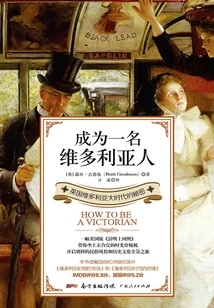
Become a Victorian
History成为一名维多利亚人
B
A guide to daily life from dawn to dusk, peeking into the secrets of the Victorians from basic necessities, food, housing and transportation! Before the sun shines through the first window, the person who knocks on the window holds a long pole and a lamp, and knocks on the window door to door to wake up the client. On cold winter mornings, they insisted on brushing their teeth with toothbrushes and washing their faces with soap at the sink. Before going out, they will use fashion magazines to enhance their aesthetics, and use wigs, loose powder and cream to make up for their shortcomings. During long working days, they always carried enamel buckets with only light food to go to work. ? In the bedroom, half of the people are pure and pure, and the other half are wild and unrestrained. Using herself as a guide, experiential historian Ruth Goodman takes us through the novel and exotic lives of 19th-century Victorians over a period of 60 years by narrating the daily chores of Victorian men and women from dawn to dusk. In chronological order, Goodman not only shows us the washing utensils, clothing and cosmetics used by the Victorians, but also introduces us to the food culture, high technology and daily work at this time. More importantly, she combines theory with personal practice to demonstrate the great conceptual innovations in personal hygiene, kitchen science and sex in the Victorian era, overturning long-standing misunderstandings about the Victorians - they were once considered to be unhygienic, overly formal or boring. Open this book and you will learn the vivid historical details.
A guide to daily life from dawn to dusk, peeking into the secrets of the Victorians from basic necessities, food, housing and transportation! Before the sun shines through the first window, the person who knocks on the window holds a long pole and a lamp, and knocks on the window door to door to wake up the client. On cold winter mornings, they insisted on brushing their teeth with toothbrushes and washing their faces with soap at the sink. Before going out, they will use fashion magazines to enhance their aesthetics, and use wigs, loose powder and cream to make up for their shortcomings. During long working days, they always carried enamel buckets with only light food to go to work. ? In the bedroom, half of the people are pure and pure, and the other half are wild and unrestrained. Using herself as a guide, experiential historian Ruth Goodman takes us through the novel and exotic lives of 19th-century Victorians over a period of 60 years by narrating the daily chores of Victorian men and women from dawn to dusk. In chronological order, Goodman not only shows us the washing utensils, clothing and cosmetics used by the Victorians, but also introduces us to the food culture, high technology and daily work at this time. More importantly, she combines theory with personal practice to demonstrate the great conceptual innovations in personal hygiene, kitchen science and sex in the Victorian era, overturning long-standing misunderstandings about the Victorians - they were once considered to be unhygienic, overly formal or boring. Open this book and you will learn the vivid historical details.
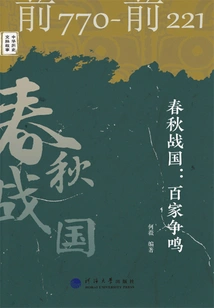
The Spring and Autumn Period and the Warring States Period: a Hundred Schools of Thought Contended
History春秋战国:百家争鸣
He Wei
This book mainly uses the form of stories to sort out the historical development of the Spring and Autumn Period and the Warring States Period. The Spring and Autumn Period and the Warring States Period were the first period of division in Chinese history. It was also a period in Chinese civilization when hundreds of schools of thought contended and a hundred flowers bloomed. It was also brewing new methods of production. During this period, many political strategists who influenced later generations were born. According to the chronological order of the development of historical events, this book presents the major events and figures that influenced the historical development of this period in the form of easy-to-understand short stories. Through this series of stories, readers can clarify the historical development of the Spring and Autumn Period and the Warring States Period, understand the rise, development and decline of various countries during this period, and understand the inevitability of the country's unification.
This book mainly uses the form of stories to sort out the historical development of the Spring and Autumn Period and the Warring States Period. The Spring and Autumn Period and the Warring States Period were the first period of division in Chinese history. It was also a period in Chinese civilization when hundreds of schools of thought contended and a hundred flowers bloomed. It was also brewing new methods of production. During this period, many political strategists who influenced later generations were born. According to the chronological order of the development of historical events, this book presents the major events and figures that influenced the historical development of this period in the form of easy-to-understand short stories. Through this series of stories, readers can clarify the historical development of the Spring and Autumn Period and the Warring States Period, understand the rise, development and decline of various countries during this period, and understand the inevitability of the country's unification.
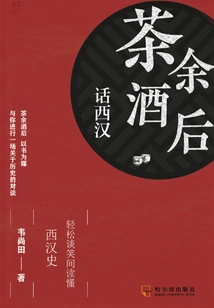
茶余酒后话西汉
Wei Shangtian
This is a photo album about the more than 200 years of vivid history of the Western Han Dynasty. Following the principle of "doing the big things and not the small things", the author narrates the entire process from the founding of the great ancestor Liu Bang to the usurpation of the throne by Wang Mang. Through specific examples of the wise king who strengthened the country and the weak king who weakened the country, he narrated the important role of the wise king in governing the country and benefiting the people.
This is a photo album about the more than 200 years of vivid history of the Western Han Dynasty. Following the principle of "doing the big things and not the small things", the author narrates the entire process from the founding of the great ancestor Liu Bang to the usurpation of the throne by Wang Mang. Through specific examples of the wise king who strengthened the country and the weak king who weakened the country, he narrated the important role of the wise king in governing the country and benefiting the people.
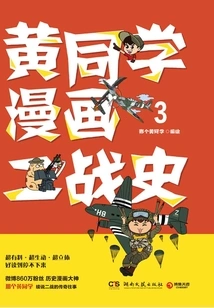
黄同学漫画二战史3
That Classmate Huang Compiled The Drawings
"Classmate Huang's Comic History of World War II 3" is a popular history book. The author uses a relaxed and humorous painting style. This book is the third work in the series of "Classmate Huang's Comic History of World War II". The author uses a relaxed and humorous style to gradually reveal the grand history of World War II through vivid and interesting stories according to the timeline of World War II, allowing readers to easily remember the history of World War II. This book covers the most iconic weapons, famous battles, and legendary figures during World War II. Such as: V series missiles, weapon rankings, Hitler and his Kuomintang Guards, and the Battle of Stalingrad, etc.
"Classmate Huang's Comic History of World War II 3" is a popular history book. The author uses a relaxed and humorous painting style. This book is the third work in the series of "Classmate Huang's Comic History of World War II". The author uses a relaxed and humorous style to gradually reveal the grand history of World War II through vivid and interesting stories according to the timeline of World War II, allowing readers to easily remember the history of World War II. This book covers the most iconic weapons, famous battles, and legendary figures during World War II. Such as: V series missiles, weapon rankings, Hitler and his Kuomintang Guards, and the Battle of Stalingrad, etc.
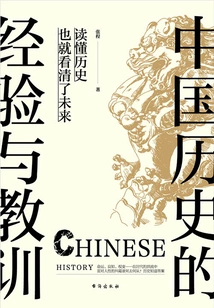
中国历史的经验与教训
Zhang Cheng
Chinese history is rich in connotation, extensive and profound, and contains profound wisdom. However, historical phenomena are complicated and difficult for ordinary readers to grasp the whole picture. This book selects a number of classic historical cases, including both horizontal event interpretation and vertical institutional analysis. The horizontal and vertical combinations are like a dense and well-organized network, gradually presenting the essence of ancient Chinese history. With the author's broad vision and keen observation, we can gain insight into the historical truth, learn from history, and illuminate the present.
Chinese history is rich in connotation, extensive and profound, and contains profound wisdom. However, historical phenomena are complicated and difficult for ordinary readers to grasp the whole picture. This book selects a number of classic historical cases, including both horizontal event interpretation and vertical institutional analysis. The horizontal and vertical combinations are like a dense and well-organized network, gradually presenting the essence of ancient Chinese history. With the author's broad vision and keen observation, we can gain insight into the historical truth, learn from history, and illuminate the present.
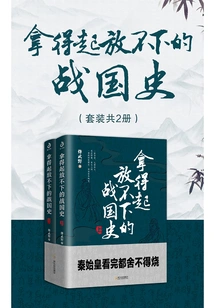
拿得起放不下的战国史(套装共2册)
Fengwuye
This book tells the historical events of the Warring States Period after the three families were divided into the Jin Dynasty, and reveals the essence behind the intrigues and wars among the seven heroes. It presents readers with an era of constant disputes and romance, making them a hearty read.
This book tells the historical events of the Warring States Period after the three families were divided into the Jin Dynasty, and reveals the essence behind the intrigues and wars among the seven heroes. It presents readers with an era of constant disputes and romance, making them a hearty read.
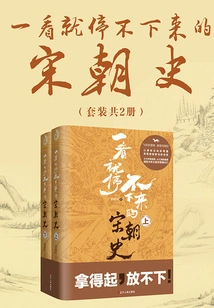
The History of the Song Dynasty That You Can't Stop Reading Once You Read it (2 Volumes in Total)
History一看就停不下来的宋朝史(套装共2册)
Guo Ruixiang
The Song Dynasty was one of the most controversial dynasties in Chinese history. Its territory was almost the smallest in history and surrounded by crises. However, it was also the most prosperous and prosperous dynasty in Chinese history. The people lived in an environment with relatively clear politics, relatively civilized society, and relatively relaxed life. The large-scale development of the south of the Yangtze River, the booming of foreign trade, and the technological advancement of agricultural handicrafts... However, due to endless internal greed and fighting, they entered their twilight years early, lingering under the iron heel of the northern nomads, and finally ended in an extremely absurd and tragic way. This series of books uses popular and smooth narrative techniques to show the prosperity and undercurrents of the Song Dynasty, and explore the underlying reasons for the rise and fall of the Song Dynasty. "The History of the Song Dynasty I Can't Stop Reading" is divided into two volumes. The first volume unfolds the magnificent picture of the Northern Song Dynasty through historical cross-sections from the palace to the court, from celebrities to commoners, from prosperity to the end, using popular language and delicate details. The writing style and fascinating plot design narrate the history of the Song Dynasty, allowing readers to interpret historical events with the author, restore historical truth, study historical wisdom, and feel the interest and charm of history in the vivid historical narrative.
The Song Dynasty was one of the most controversial dynasties in Chinese history. Its territory was almost the smallest in history and surrounded by crises. However, it was also the most prosperous and prosperous dynasty in Chinese history. The people lived in an environment with relatively clear politics, relatively civilized society, and relatively relaxed life. The large-scale development of the south of the Yangtze River, the booming of foreign trade, and the technological advancement of agricultural handicrafts... However, due to endless internal greed and fighting, they entered their twilight years early, lingering under the iron heel of the northern nomads, and finally ended in an extremely absurd and tragic way. This series of books uses popular and smooth narrative techniques to show the prosperity and undercurrents of the Song Dynasty, and explore the underlying reasons for the rise and fall of the Song Dynasty. "The History of the Song Dynasty I Can't Stop Reading" is divided into two volumes. The first volume unfolds the magnificent picture of the Northern Song Dynasty through historical cross-sections from the palace to the court, from celebrities to commoners, from prosperity to the end, using popular language and delicate details. The writing style and fascinating plot design narrate the history of the Song Dynasty, allowing readers to interpret historical events with the author, restore historical truth, study historical wisdom, and feel the interest and charm of history in the vivid historical narrative.
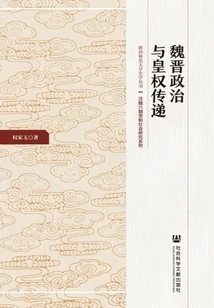
魏晋政治与皇权传递
Quan Jiayu
This book focuses on the political changes brought about by the two transfers of imperial power between the Cao Wei and Western Jin Dynasties. Starting from the transfer of imperial power, this book explores the political unrest brought about by the short-term situation of a weak king and a strong minister. The battles faced by Emperor Tuogu of Wei Ming and Emperor Hui of Jin when they were crown princes were two representative transfers of imperial power in the history of the Wei, Jin and Southern Dynasties. Emperor Wei Ming's change of orders largely determined the direction of Cao Wei's Zhengshi situation, and even determined that Cao Wei would eventually be replaced by the Sima family. The status of the prince during the period of Emperor Wu of the Western Jin Dynasty and the protracted struggle for the title of crown prince, directly affected the layout of the power structure of Emperor Wu of the Jin Dynasty. His reliance on and abandonment of Jia Chong and his use of Yang Jun made the Western Jin Dynasty finally form a political and military structure in which the emperor and his relatives were combined, which became the cause of the chaos in the Western Jin Dynasty.
This book focuses on the political changes brought about by the two transfers of imperial power between the Cao Wei and Western Jin Dynasties. Starting from the transfer of imperial power, this book explores the political unrest brought about by the short-term situation of a weak king and a strong minister. The battles faced by Emperor Tuogu of Wei Ming and Emperor Hui of Jin when they were crown princes were two representative transfers of imperial power in the history of the Wei, Jin and Southern Dynasties. Emperor Wei Ming's change of orders largely determined the direction of Cao Wei's Zhengshi situation, and even determined that Cao Wei would eventually be replaced by the Sima family. The status of the prince during the period of Emperor Wu of the Western Jin Dynasty and the protracted struggle for the title of crown prince, directly affected the layout of the power structure of Emperor Wu of the Jin Dynasty. His reliance on and abandonment of Jia Chong and his use of Yang Jun made the Western Jin Dynasty finally form a political and military structure in which the emperor and his relatives were combined, which became the cause of the chaos in the Western Jin Dynasty.
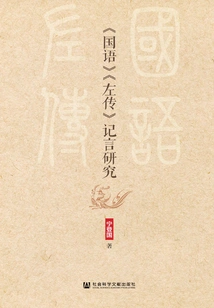
《国语》《左传》记言研究
Ning Dengguo
The pre-Qin era was a golden age that valued remembrance of words. "Guoyu" and "Zuo Zhuan" contain rich historical materials such as kings' orders and oaths, emperors and ministers' admonitions, pedestrians' speeches, gentleman's comments and other historical materials. They are concentrated, detailed, diverse and wonderful. This article compares pairs of speeches, deeply explores the speech methods, speech spirit, and speech functions contained in these speeches, summarizes the unique features of different speeches, and sorts out the evolutionary trajectories of these speeches. Exploring the "continuance" spirit of the gentlemen of the pre-Qin Dynasty who actively advocated and defended morality, the value pursuit of "making immortal words" and the euphemistic and powerful way of argumentation also have important practical significance for highlighting the excellent character of our nation and enriching people's conversational art.
The pre-Qin era was a golden age that valued remembrance of words. "Guoyu" and "Zuo Zhuan" contain rich historical materials such as kings' orders and oaths, emperors and ministers' admonitions, pedestrians' speeches, gentleman's comments and other historical materials. They are concentrated, detailed, diverse and wonderful. This article compares pairs of speeches, deeply explores the speech methods, speech spirit, and speech functions contained in these speeches, summarizes the unique features of different speeches, and sorts out the evolutionary trajectories of these speeches. Exploring the "continuance" spirit of the gentlemen of the pre-Qin Dynasty who actively advocated and defended morality, the value pursuit of "making immortal words" and the euphemistic and powerful way of argumentation also have important practical significance for highlighting the excellent character of our nation and enriching people's conversational art.
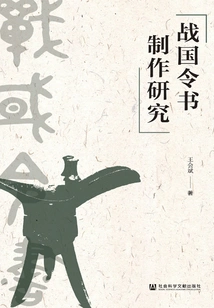
战国令书制作研究
Wang Huibin
The Warring States Order was a tool used by various countries to convey command information during the Warring States Period. It was one of the important means used by rulers during the Warring States Period to rule the country and coordinate various relationships between the ruling classes, between the rulers and the ruled, and between the ruled and the ruled. This book is an all-round discussion of the production of orders during the Warring States Period, such as who the ruling class used to make orders during the Warring States Period; what kind of orders these people used depending on the content of the orders; when did these orders originate; what format, language, carrier and specifications were used in the production, and the relationship between these factors, etc. Studying it will help us gain a deeper understanding of the operating mechanism and ways of realizing state power during the Warring States Period, and the reasons why the production of social orders in Qin and Han Dynasties entered a mature stage.
The Warring States Order was a tool used by various countries to convey command information during the Warring States Period. It was one of the important means used by rulers during the Warring States Period to rule the country and coordinate various relationships between the ruling classes, between the rulers and the ruled, and between the ruled and the ruled. This book is an all-round discussion of the production of orders during the Warring States Period, such as who the ruling class used to make orders during the Warring States Period; what kind of orders these people used depending on the content of the orders; when did these orders originate; what format, language, carrier and specifications were used in the production, and the relationship between these factors, etc. Studying it will help us gain a deeper understanding of the operating mechanism and ways of realizing state power during the Warring States Period, and the reasons why the production of social orders in Qin and Han Dynasties entered a mature stage.
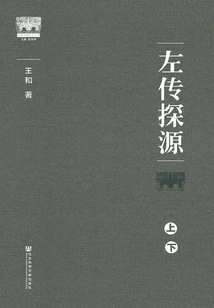
左传探源(全2册)
Wang He
The first part of this book is "Investigation of Origins", which explores the different sources of various materials in "Zuo Zhuan" and the various elements that have been benefited by later generations, the original genre, the year of writing and the adaptation process of "Zuo Zhuan", as well as the relationship between Confucius and "Spring and Autumn", the prophecies in "Zuo Zhuan", the chronicles of the stars in "Zuo Zhuan" and other related issues. The next section, "Content Analysis," analyzes the specific origins and value of various texts in "Zuo Zhuan" by year, focusing on distinguishing the first-hand and second-hand historical materials recorded by historians from various countries at the time and later relayed, as well as the relevant content that is obviously part of the rumors and legends of later generations and Zuo's personal opinions, and mainly reflects the changes in historical memory.
The first part of this book is "Investigation of Origins", which explores the different sources of various materials in "Zuo Zhuan" and the various elements that have been benefited by later generations, the original genre, the year of writing and the adaptation process of "Zuo Zhuan", as well as the relationship between Confucius and "Spring and Autumn", the prophecies in "Zuo Zhuan", the chronicles of the stars in "Zuo Zhuan" and other related issues. The next section, "Content Analysis," analyzes the specific origins and value of various texts in "Zuo Zhuan" by year, focusing on distinguishing the first-hand and second-hand historical materials recorded by historians from various countries at the time and later relayed, as well as the relevant content that is obviously part of the rumors and legends of later generations and Zuo's personal opinions, and mainly reflects the changes in historical memory.
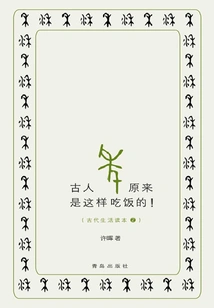
古人原来是这样吃饭的!
Xu Hui
Writer Xu Hui takes a unique approach and takes you to "peep" into the daily life of the ancients - the "Ancient Life Reader" series, which integrates history, language, folk customs, and literature. It starts with details, gets to the bottom of things, follows the clues, abandons encyclopedia-style elements, and abandons the frowning pedantry. Everything is just for good reading, interesting, and insightful. The second volume "This is how the ancients ate!" ", Tells how the ancients created Chinese characters related to drinking and eating, and how they formulated drinking and eating etiquette. This is a history of ancient customs about food.
Writer Xu Hui takes a unique approach and takes you to "peep" into the daily life of the ancients - the "Ancient Life Reader" series, which integrates history, language, folk customs, and literature. It starts with details, gets to the bottom of things, follows the clues, abandons encyclopedia-style elements, and abandons the frowning pedantry. Everything is just for good reading, interesting, and insightful. The second volume "This is how the ancients ate!" ", Tells how the ancients created Chinese characters related to drinking and eating, and how they formulated drinking and eating etiquette. This is a history of ancient customs about food.
古人原来是这样说话的!
Xu Hui
"This is what the ancients said!" ", Takes you into the mysterious world of ancient Chinese language from a new perspective - for example, what did the ancients call themselves? How to address others? What do men call women, and how do women call themselves? What did the ancients call slaves? What did the ancients call death? Also, how did the ancients curse people? ... The book contains many unexpected knowledge points: "I" was originally a weapon, and "consort" was originally an official position; "daughter" originally referred to a boy, and "Quanzi" was Sima Xiangru's nickname; "pearl in the palm" first referred to a lover, and "budai" turned out to be a mocking term for a son-in-law; "the posture of Puliu" was originally a man's self-effacing remarks, and "po melon" has nothing to do with sexual intercourse; "three eight" comes from the Mandarin of the Central Plains...
"This is what the ancients said!" ", Takes you into the mysterious world of ancient Chinese language from a new perspective - for example, what did the ancients call themselves? How to address others? What do men call women, and how do women call themselves? What did the ancients call slaves? What did the ancients call death? Also, how did the ancients curse people? ... The book contains many unexpected knowledge points: "I" was originally a weapon, and "consort" was originally an official position; "daughter" originally referred to a boy, and "Quanzi" was Sima Xiangru's nickname; "pearl in the palm" first referred to a lover, and "budai" turned out to be a mocking term for a son-in-law; "the posture of Puliu" was originally a man's self-effacing remarks, and "po melon" has nothing to do with sexual intercourse; "three eight" comes from the Mandarin of the Central Plains...
古代生活读本(全两册)
Xu Hui
The writer Xu Hui takes a unique approach and takes you to "peep into" the daily life of the ancients - "Ancient Life Reader".
The writer Xu Hui takes a unique approach and takes you to "peep into" the daily life of the ancients - "Ancient Life Reader".
中国帝王秘事全知道(超值金版)
Yase Fanyu
"All the Secrets of Chinese Emperors (Super Value Gold Edition)" brings together the secrets of 58 emperors in the feudal dynasty, covering their life trajectories, court affairs, harem life, reasons for ascending to the throne, causes of death, etc. It uncovers the mysteries left behind them layer by layer, and based on historical facts, tells their history, life and many other anecdotes. It is historical, informative, interesting and readable. The secrets of emperors are always the most interesting topics for the common people. During the more than two thousand years of feudal emperor rule in our country, stories of bloody palaces, blood-stained crowns, and fights for power and usurpation have been prevalent in history. Imperial power and the throne have always been the goals pursued by careerists and the cradle of the growth of conspirators. The emperor's blood, romance, conspiracy, suspense, and mystery illustrate the process of the feudal dynasty from strength to weakness... Therefore, the emperor's life has added many ups and downs of mystery.
"All the Secrets of Chinese Emperors (Super Value Gold Edition)" brings together the secrets of 58 emperors in the feudal dynasty, covering their life trajectories, court affairs, harem life, reasons for ascending to the throne, causes of death, etc. It uncovers the mysteries left behind them layer by layer, and based on historical facts, tells their history, life and many other anecdotes. It is historical, informative, interesting and readable. The secrets of emperors are always the most interesting topics for the common people. During the more than two thousand years of feudal emperor rule in our country, stories of bloody palaces, blood-stained crowns, and fights for power and usurpation have been prevalent in history. Imperial power and the throne have always been the goals pursued by careerists and the cradle of the growth of conspirators. The emperor's blood, romance, conspiracy, suspense, and mystery illustrate the process of the feudal dynasty from strength to weakness... Therefore, the emperor's life has added many ups and downs of mystery.
A Brief History of Khitan
History契丹简史
Su Ling
The Khitan, this eagle nation that fought in the sky, once dominated northern China for a while. In its heyday, this iron-blooded nation blocked the Silk Road from the Central Plains to the West. At that time, many countries in the central and western parts of Eurasia thought that the entire China at that time had completely fallen under the iron cavalry of the Khitan, and "Khitan" had become synonymous with China. However, it is unbelievable that such a nation that dominated the north and was famous in Europe and Asia suddenly disappeared after hundreds of years of ups and downs...
The Khitan, this eagle nation that fought in the sky, once dominated northern China for a while. In its heyday, this iron-blooded nation blocked the Silk Road from the Central Plains to the West. At that time, many countries in the central and western parts of Eurasia thought that the entire China at that time had completely fallen under the iron cavalry of the Khitan, and "Khitan" had become synonymous with China. However, it is unbelievable that such a nation that dominated the north and was famous in Europe and Asia suddenly disappeared after hundreds of years of ups and downs...
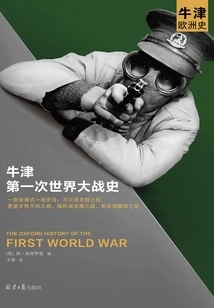
牛津第一次世界大战史
(uk) Hugh Strohn
On June 28, 1914, Archduke Ferdinand, Crown Prince of Austria-Hungary, was assassinated in Sarajevo. At this time, Europeans had enjoyed 100 years of peace after the Napoleonic Wars. No one in Europe, which had lost its sense of crisis in its comfort, realized that this little-noticed assassination would trigger a war sweeping 33 countries around the world and affecting a population of 1.5 Billion a month later. This is the first real "world war" in human history. On the tangible battlefield, the flames of war burned from Europe to Asia and Africa, from the land to the sky and the sea; on the invisible battlefield, the flames of war ignited the long-standing comprehensive social contradictions of gender, race, class, etc.: Women fought for rights - tens of millions of women walked out of the kitchen and rushed to factories and field hospitals... Open this book and you will see a panoramic World War I epic: not just a battle of killing, but also a battle for women's equality, a battle for colonial awakening, and a battle for the liberation of new ideas!
On June 28, 1914, Archduke Ferdinand, Crown Prince of Austria-Hungary, was assassinated in Sarajevo. At this time, Europeans had enjoyed 100 years of peace after the Napoleonic Wars. No one in Europe, which had lost its sense of crisis in its comfort, realized that this little-noticed assassination would trigger a war sweeping 33 countries around the world and affecting a population of 1.5 Billion a month later. This is the first real "world war" in human history. On the tangible battlefield, the flames of war burned from Europe to Asia and Africa, from the land to the sky and the sea; on the invisible battlefield, the flames of war ignited the long-standing comprehensive social contradictions of gender, race, class, etc.: Women fought for rights - tens of millions of women walked out of the kitchen and rushed to factories and field hospitals... Open this book and you will see a panoramic World War I epic: not just a battle of killing, but also a battle for women's equality, a battle for colonial awakening, and a battle for the liberation of new ideas!
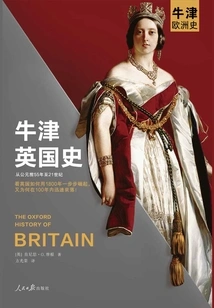
Oxford History of England
History牛津英国史
(uk) Kenneth O. Morgan
More than 100 national treasure-level academicians have created Oxford classics for more than 40 years! The treasure of Oxford University Press! See how Britain rose step by step in 1800, and why it declined rapidly within 100 years! From a wild island in the Atlantic Ocean to controlling a quarter of the world's population and land. Starting in 55 BC, Rome invaded Britain and brought civilization to this desolate island. After the Romans left, the land fell into endless wars and the political power was extremely decentralized. What is even more tragic is that Britain fell into the hands of the Duke of Normandy in France in 1066. The Normans used iron and blood to strengthen the royal power. Since then, the rise of Britain has been unstoppable: royal power reached its peak during the Tudor dynasty, Britain entered the "golden age" after Elizabeth established maritime hegemony, the Glorious Revolution of 1688 paved the way for Britain's modernization, and the Industrial Revolution of the 18th century made Britain dominate the world and reach the peak of its empire! The prosperity was in vain. No one could have expected that this glorious empire would decline rapidly within 100 years.
More than 100 national treasure-level academicians have created Oxford classics for more than 40 years! The treasure of Oxford University Press! See how Britain rose step by step in 1800, and why it declined rapidly within 100 years! From a wild island in the Atlantic Ocean to controlling a quarter of the world's population and land. Starting in 55 BC, Rome invaded Britain and brought civilization to this desolate island. After the Romans left, the land fell into endless wars and the political power was extremely decentralized. What is even more tragic is that Britain fell into the hands of the Duke of Normandy in France in 1066. The Normans used iron and blood to strengthen the royal power. Since then, the rise of Britain has been unstoppable: royal power reached its peak during the Tudor dynasty, Britain entered the "golden age" after Elizabeth established maritime hegemony, the Glorious Revolution of 1688 paved the way for Britain's modernization, and the Industrial Revolution of the 18th century made Britain dominate the world and reach the peak of its empire! The prosperity was in vain. No one could have expected that this glorious empire would decline rapidly within 100 years.
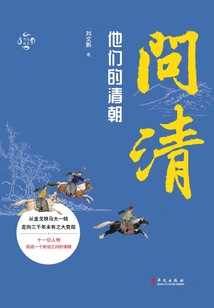
问清:他们的清朝(华文通史)
Liu Wenpeng
This book belongs to the "Chinese General History" series of Chinese publishing houses. This book selects Nurhachi, Huang Taiji, Dorgon, Qianlong, Sun Jiagan, Heshen, Lin Zexu, Zeng Guofan, Li Hongzhang, Kang Youwei, and Empress Dowager Cixi, who have influenced the historical process of the Qing Dynasty and can show the style of the Qing Dynasty. Eleven historical figures, striving to fully reflect the diversity of Qing Dynasty history.
This book belongs to the "Chinese General History" series of Chinese publishing houses. This book selects Nurhachi, Huang Taiji, Dorgon, Qianlong, Sun Jiagan, Heshen, Lin Zexu, Zeng Guofan, Li Hongzhang, Kang Youwei, and Empress Dowager Cixi, who have influenced the historical process of the Qing Dynasty and can show the style of the Qing Dynasty. Eleven historical figures, striving to fully reflect the diversity of Qing Dynasty history.
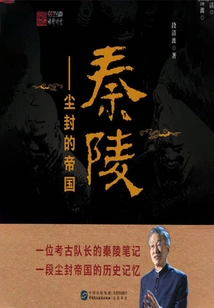
Qin Ling
History秦陵
Duan Qingbo
He is the first emperor in Chinese history. He swept across the six kingdoms and created a new centralized empire. He deeply imprinted a dynasty on the long history. He built himself a huge underground mausoleum and continued countless folklore. Thousands of years later, the world is still full of endless reveries about this glorious underground palace. The mercury rivers, the rare treasures, and the prepared troops all fascinate people. He built the Epang Palace, with unobstructed corridors and high eaves. In the imagination of the world, what a magnificent palace it would be! For thousands of years, some said he was cruel, some said he was greedy, and some said he was extravagant. Was Qin Shihuang really a cruel, cruel and greedy person? What kind of politician was the real Qin Shihuang? Are there any unknown secrets in those endless legends? This book will tell you about a Qin Shihuang who is completely different from the public perception through the archaeological discoveries of Qin Shihuang's Mausoleum in recent years.
He is the first emperor in Chinese history. He swept across the six kingdoms and created a new centralized empire. He deeply imprinted a dynasty on the long history. He built himself a huge underground mausoleum and continued countless folklore. Thousands of years later, the world is still full of endless reveries about this glorious underground palace. The mercury rivers, the rare treasures, and the prepared troops all fascinate people. He built the Epang Palace, with unobstructed corridors and high eaves. In the imagination of the world, what a magnificent palace it would be! For thousands of years, some said he was cruel, some said he was greedy, and some said he was extravagant. Was Qin Shihuang really a cruel, cruel and greedy person? What kind of politician was the real Qin Shihuang? Are there any unknown secrets in those endless legends? This book will tell you about a Qin Shihuang who is completely different from the public perception through the archaeological discoveries of Qin Shihuang's Mausoleum in recent years.
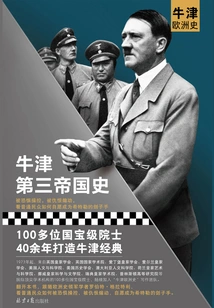
牛津第三帝国史
(add) Robert Glatley
Oxford European History, hundreds of academicians spent 40 years creating Oxford classics. Look how the people volunteered to become Hitler's executioners! In 1918, Germany was defeated in World War I. In just 20 years, the Nazis not only brought Germany back to the top of a great power, but also drove the German people, known for their rationality, into madness. In the referendum, the Nazis received 90% of the votes. In the national elections held at the same time, the Nazis' support rate was as high as 87.9%. Even the political opponents of the Nazis could only admit that this result was "a true reflection of popular sentiment" and that society was fascizing extremely quickly and effectively. Whether it is economy and culture, or technology and art, they can all be used by the Nazis and become tools to weave beautiful visions for the people.
Oxford European History, hundreds of academicians spent 40 years creating Oxford classics. Look how the people volunteered to become Hitler's executioners! In 1918, Germany was defeated in World War I. In just 20 years, the Nazis not only brought Germany back to the top of a great power, but also drove the German people, known for their rationality, into madness. In the referendum, the Nazis received 90% of the votes. In the national elections held at the same time, the Nazis' support rate was as high as 87.9%. Even the political opponents of the Nazis could only admit that this result was "a true reflection of popular sentiment" and that society was fascizing extremely quickly and effectively. Whether it is economy and culture, or technology and art, they can all be used by the Nazis and become tools to weave beautiful visions for the people.
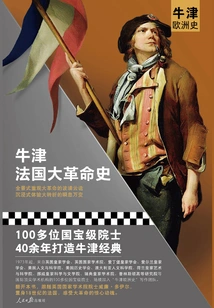
牛津法国大革命史
(uk) William Doyle
Oxford European History, hundreds of academicians spent 40 years creating Oxford classics. Panoramic reproduction of the French Revolution's ups and downs, panoramic reproduction of the French Revolution's ups and downs, immersive experience of the rapid changes of the great turning point. On July 14, 1789, King Louis XVI of France wrote in his diary "Nothing to do today." At this time, the revolting people in Paris captured the Bastille, kicking off the French Revolution. The old system was quickly broken, and a new order urgently needed to be established. The vacuum of power caused French society to instantly become disordered, turning it into a stage for chaos among various forces. This book recreates the magnificent historical process of the French Revolution in the past 30 years: national bankruptcy, declaration of war on Europe, the Reign of Terror, the Thermidor Coup, and Napoleon's reign... It allows readers to be in the 18th century Versailles, the parliament, the streets of France, and the war front, allowing readers to experience the ups and downs of the Revolution in a panoramic manner and experience the rapid changes of the great turning point in an immersive way.
Oxford European History, hundreds of academicians spent 40 years creating Oxford classics. Panoramic reproduction of the French Revolution's ups and downs, panoramic reproduction of the French Revolution's ups and downs, immersive experience of the rapid changes of the great turning point. On July 14, 1789, King Louis XVI of France wrote in his diary "Nothing to do today." At this time, the revolting people in Paris captured the Bastille, kicking off the French Revolution. The old system was quickly broken, and a new order urgently needed to be established. The vacuum of power caused French society to instantly become disordered, turning it into a stage for chaos among various forces. This book recreates the magnificent historical process of the French Revolution in the past 30 years: national bankruptcy, declaration of war on Europe, the Reign of Terror, the Thermidor Coup, and Napoleon's reign... It allows readers to be in the 18th century Versailles, the parliament, the streets of France, and the war front, allowing readers to experience the ups and downs of the Revolution in a panoramic manner and experience the rapid changes of the great turning point in an immersive way.
Song Yu
History宋玉
Shi Xinlin
Song Yu and Qu Yuan are both called "Qu Song", and they are both the ancestors of Chinese literature. This long historical novel focuses on Song Yu, describing and shaping Song Yu in the larger historical and cultural background, thereby comprehensively showing the history, geography, people's customs and customs of the Chu State in the late Warring States Period. The image of Song Yu in the book is much richer and more delicate than that recorded in the documents handed down from ancient times. The whole novel is composed of eight chapters: "Escape from Hanxiang", "Studying at Yanying", "Entering the official position in Liyang", "King of Yunmengshi", "Granting fields in Fushan", "Demotion in Shouchun", "Running a school in Daoxi" and "Returning to heaven in Yongle". It connects eighty-four stories and vividly describes Song Yu's ups and downs, mysterious and legendary life. The whole novel is rich in information, rich in content, full of wit and fascinating.
Song Yu and Qu Yuan are both called "Qu Song", and they are both the ancestors of Chinese literature. This long historical novel focuses on Song Yu, describing and shaping Song Yu in the larger historical and cultural background, thereby comprehensively showing the history, geography, people's customs and customs of the Chu State in the late Warring States Period. The image of Song Yu in the book is much richer and more delicate than that recorded in the documents handed down from ancient times. The whole novel is composed of eight chapters: "Escape from Hanxiang", "Studying at Yanying", "Entering the official position in Liyang", "King of Yunmengshi", "Granting fields in Fushan", "Demotion in Shouchun", "Running a school in Daoxi" and "Returning to heaven in Yongle". It connects eighty-four stories and vividly describes Song Yu's ups and downs, mysterious and legendary life. The whole novel is rich in information, rich in content, full of wit and fascinating.
Biography of Li Shimin
History李世民传
Zhang Xiuyu
This book is a biography of Li Shimin, Emperor Taizong of the Tang Dynasty. The content mainly includes Li Shimin's rise in the army, seizing the throne, self-cultivation, cherishing the people's strength, working hard to govern, family disputes, etc. This book is based on historical documents, is fair in argumentation, neither irritating nor casual; the writing is concise and smooth, and tells the story of Li Shimin's magnificent life in the form of narrative and discussion.
This book is a biography of Li Shimin, Emperor Taizong of the Tang Dynasty. The content mainly includes Li Shimin's rise in the army, seizing the throne, self-cultivation, cherishing the people's strength, working hard to govern, family disputes, etc. This book is based on historical documents, is fair in argumentation, neither irritating nor casual; the writing is concise and smooth, and tells the story of Li Shimin's magnificent life in the form of narrative and discussion.
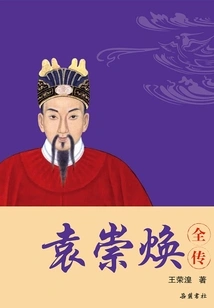
袁崇焕全传
Wang Ronghuang
Yuan Chonghuan, also known as Yuan Yuan and nicknamed Ziru, was born in Dongguan, Guangdong. He was a famous military strategist, politician and writer in the late Ming Dynasty. In the battle against Hou Jin, he successively achieved great victories such as the Ningyuan Victory and the Ningjin Victory, which deeply worried the monarchs and ministers of Hou Jin. Due to command errors during the Jisi Rebellion and other reasons, he was killed by Emperor Chongzhen. This book collects various historical materials and conducts detailed research and description of his magnificent life and times. It is an authoritative biography of Yuan Chonghuan.
Yuan Chonghuan, also known as Yuan Yuan and nicknamed Ziru, was born in Dongguan, Guangdong. He was a famous military strategist, politician and writer in the late Ming Dynasty. In the battle against Hou Jin, he successively achieved great victories such as the Ningyuan Victory and the Ningjin Victory, which deeply worried the monarchs and ministers of Hou Jin. Due to command errors during the Jisi Rebellion and other reasons, he was killed by Emperor Chongzhen. This book collects various historical materials and conducts detailed research and description of his magnificent life and times. It is an authoritative biography of Yuan Chonghuan.
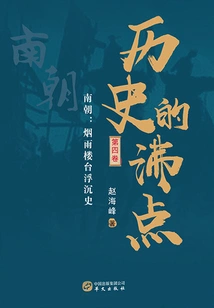
历史的沸点(第四卷)
Zhao Haifeng
The Northern and Southern Dynasties were an era of unprecedented division in Chinese history, with heroes rising one after another and chaos abounding. Compared with the Northern Dynasty, where "the sky is blue, the fields are vast, and the grass is blown by the wind, and cattle and sheep can be seen low", the Southern Dynasty in the misty and rainy towers is too meandering, even romantic.
The Northern and Southern Dynasties were an era of unprecedented division in Chinese history, with heroes rising one after another and chaos abounding. Compared with the Northern Dynasty, where "the sky is blue, the fields are vast, and the grass is blown by the wind, and cattle and sheep can be seen low", the Southern Dynasty in the misty and rainy towers is too meandering, even romantic.
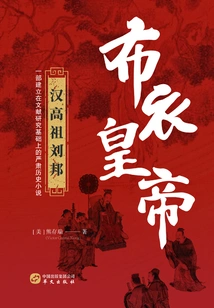
布衣皇帝:汉高祖刘邦
(us) Xiong Cunrui
Use detailed historical materials to comprehensively interpret the real Liu Bang! Liu Bang, the first civilian emperor in Chinese history. He rose up in troubled times, became a heroic hero, fought in the north and south, and finally defeated Xiang Yu, the overlord of Western Chu, and established the empire. As the emperor of the Han Dynasty, Liu Bang put aside his own weaknesses, opened up his voice and accepted advice with an open mind, and governed the country diligently and frugally with the people's livelihood, laying a solid foundation for future generations, and eventually making the Han Dynasty the most powerful dynasty with the longest reign in Chinese history.
Use detailed historical materials to comprehensively interpret the real Liu Bang! Liu Bang, the first civilian emperor in Chinese history. He rose up in troubled times, became a heroic hero, fought in the north and south, and finally defeated Xiang Yu, the overlord of Western Chu, and established the empire. As the emperor of the Han Dynasty, Liu Bang put aside his own weaknesses, opened up his voice and accepted advice with an open mind, and governed the country diligently and frugally with the people's livelihood, laying a solid foundation for future generations, and eventually making the Han Dynasty the most powerful dynasty with the longest reign in Chinese history.
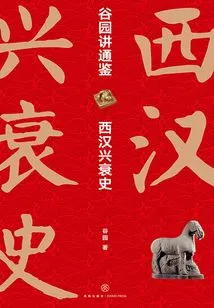
谷园讲通鉴:西汉兴衰史
Valley Garden
Liu Bang started out as a common man and joined the uprising in the late Qin Dynasty. He defeated the overlord of Western Chu, conquered the world, and established the Han Empire. Emperor Wen and Emperor Jing of the Western Han Dynasty worked hard to achieve prosperity. Emperor Wu "strengthened the imperial power internally and subjugated the barbarians externally" and entered prosperity. After Zhaoxuan and Zhongxing, the clan was maintained. Finally, it was replaced by Wang Mang, who coexisted for more than two hundred years. Based on rich historical materials, this book reorganizes the historical context of the Western Han Dynasty and vividly narrates a series of exciting imperial past events: Zhulu's Rebellion, the Seven Kingdoms' Rebellion, the Witch Gu Disaster, the Conquest of the Huns, Li Guang's Feng Feng, Su Wu's Shepherd, Zhang Qian's Mission to the Western Regions, Zhaojun's Departure... And so on. Each vivid and unique historical figure is created: Xiao He, Zhou Yafu, Emperor Wen of the Han Dynasty, Dong Zhongshu, Emperor Wu of the Han Dynasty, Sima Qian, Sima Xiangru, Wei Qing, Huo Qubing... The rise and fall of success and failure, and the constant evolution of the struggle for power have gradually pushed a glorious era into the abyss of decline. The book also analyzes and sorts out the political thoughts, business wisdom, and customs of the Western Han Dynasty, such as the rule of Huang and Lao, the exclusive respect of Confucianism, and the use of both kings and hegemons. The language of this book is lively and interesting. Readers can understand the truth of the history of the Western Han Dynasty through hearty and enjoyable reading without moving large history books, and gain the wisdom of cultivating oneself and benefiting others, and the experience of success and failure in life.
Liu Bang started out as a common man and joined the uprising in the late Qin Dynasty. He defeated the overlord of Western Chu, conquered the world, and established the Han Empire. Emperor Wen and Emperor Jing of the Western Han Dynasty worked hard to achieve prosperity. Emperor Wu "strengthened the imperial power internally and subjugated the barbarians externally" and entered prosperity. After Zhaoxuan and Zhongxing, the clan was maintained. Finally, it was replaced by Wang Mang, who coexisted for more than two hundred years. Based on rich historical materials, this book reorganizes the historical context of the Western Han Dynasty and vividly narrates a series of exciting imperial past events: Zhulu's Rebellion, the Seven Kingdoms' Rebellion, the Witch Gu Disaster, the Conquest of the Huns, Li Guang's Feng Feng, Su Wu's Shepherd, Zhang Qian's Mission to the Western Regions, Zhaojun's Departure... And so on. Each vivid and unique historical figure is created: Xiao He, Zhou Yafu, Emperor Wen of the Han Dynasty, Dong Zhongshu, Emperor Wu of the Han Dynasty, Sima Qian, Sima Xiangru, Wei Qing, Huo Qubing... The rise and fall of success and failure, and the constant evolution of the struggle for power have gradually pushed a glorious era into the abyss of decline. The book also analyzes and sorts out the political thoughts, business wisdom, and customs of the Western Han Dynasty, such as the rule of Huang and Lao, the exclusive respect of Confucianism, and the use of both kings and hegemons. The language of this book is lively and interesting. Readers can understand the truth of the history of the Western Han Dynasty through hearty and enjoyable reading without moving large history books, and gain the wisdom of cultivating oneself and benefiting others, and the experience of success and failure in life.
张居正直解《资治通鉴》(下)
Zhang Juzheng
"Zizhi Tongjian" is an unprecedented chronological general history masterpiece compiled by Sima Guang, a famous historian and politician in the Northern Song Dynasty, and his assistants Liu Shu, Fan Zuyu, Liu Lian and others. The book has 294 volumes and about 3 million words. The recorded history starts from the 23rd year of King Weilie of Zhou Dynasty (403 BC), and ends with the 6th year of Zhou Xiande (959 years) after the Five Dynasties, covering 1362 years of history in 16 dynasties. "Zizhi Tongjian", as the first chronological general history of our country, has the highest praise in history. It is believed that except for "Historical Records", there is almost no other book that can compare with it.
"Zizhi Tongjian" is an unprecedented chronological general history masterpiece compiled by Sima Guang, a famous historian and politician in the Northern Song Dynasty, and his assistants Liu Shu, Fan Zuyu, Liu Lian and others. The book has 294 volumes and about 3 million words. The recorded history starts from the 23rd year of King Weilie of Zhou Dynasty (403 BC), and ends with the 6th year of Zhou Xiande (959 years) after the Five Dynasties, covering 1362 years of history in 16 dynasties. "Zizhi Tongjian", as the first chronological general history of our country, has the highest praise in history. It is believed that except for "Historical Records", there is almost no other book that can compare with it.
张居正直解《资治通鉴》(上)
Zhang Juzheng
"Zizhi Tongjian" is an unprecedented chronological general history masterpiece compiled by Sima Guang, a famous historian and politician in the Northern Song Dynasty, and his assistants Liu Shu, Fan Zuyu, Liu Lian and others. The book has 294 volumes and about 3 million words. The recorded history starts from the 23rd year of King Weilie of Zhou Dynasty (403 BC), and ends with the 6th year of Zhou Xiande (959 years) after the Five Dynasties, covering 1362 years of history in 16 dynasties. "Zizhi Tongjian", as the first chronological general history of our country, has the highest praise in history. It is believed that except for "Historical Records", there is almost no other book that can compare with it.
"Zizhi Tongjian" is an unprecedented chronological general history masterpiece compiled by Sima Guang, a famous historian and politician in the Northern Song Dynasty, and his assistants Liu Shu, Fan Zuyu, Liu Lian and others. The book has 294 volumes and about 3 million words. The recorded history starts from the 23rd year of King Weilie of Zhou Dynasty (403 BC), and ends with the 6th year of Zhou Xiande (959 years) after the Five Dynasties, covering 1362 years of history in 16 dynasties. "Zizhi Tongjian", as the first chronological general history of our country, has the highest praise in history. It is believed that except for "Historical Records", there is almost no other book that can compare with it.
大宋往事(修订版)
Liu Mingquan Liu Yuelan
When driving on the road, you will always encounter crossroads. In fact, history also has crossroads. Speaking of which, it took about a thousand years from the unification of China by Qin Shihuang to the founding of the Northern Song Dynasty, and more than a thousand years from the founding of the Northern Song Dynasty to the present. History has just reached a crossroads. Generally speaking, wherever you are at a crossroads, you will always find excitement - the Song Dynasty was a dynasty that was very lively and interesting. This book provides a panoramic description of "Past Events of the Song Dynasty (Revised Edition)". It gives unique interpretations and wonderful narrations of many stories and events that are familiar to readers. It removes the historical dust covered up by opera novels and shows people a real Song Dynasty.
When driving on the road, you will always encounter crossroads. In fact, history also has crossroads. Speaking of which, it took about a thousand years from the unification of China by Qin Shihuang to the founding of the Northern Song Dynasty, and more than a thousand years from the founding of the Northern Song Dynasty to the present. History has just reached a crossroads. Generally speaking, wherever you are at a crossroads, you will always find excitement - the Song Dynasty was a dynasty that was very lively and interesting. This book provides a panoramic description of "Past Events of the Song Dynasty (Revised Edition)". It gives unique interpretations and wonderful narrations of many stories and events that are familiar to readers. It removes the historical dust covered up by opera novels and shows people a real Song Dynasty.
有趣得让人睡不着的三国史(二)
Get Drunk In Junshan
The best-selling historical author Zui Bajunshan has been hiding in the mountains for many years, reading historical materials, and based on the official history to create this history of the Three Kingdoms that is informative and interesting, full of laughter and tears, from the Yellow Turban Uprising to the fall of the Eastern Wu Dynasty, from the imperial power system to the cultural atmosphere, from the generals of the Southern and Northern Expeditions to the lonely and brave soldiers, from the intrigues to the mutual sympathy, covering all aspects of the history of the Three Kingdoms. The author uses vivid and vivid words to outline the magnificent historical scenes, and makes inferences about the neglected and misunderstood issues in the history of the Three Kingdoms. The argument is rigorous and the viewpoint is unique.
The best-selling historical author Zui Bajunshan has been hiding in the mountains for many years, reading historical materials, and based on the official history to create this history of the Three Kingdoms that is informative and interesting, full of laughter and tears, from the Yellow Turban Uprising to the fall of the Eastern Wu Dynasty, from the imperial power system to the cultural atmosphere, from the generals of the Southern and Northern Expeditions to the lonely and brave soldiers, from the intrigues to the mutual sympathy, covering all aspects of the history of the Three Kingdoms. The author uses vivid and vivid words to outline the magnificent historical scenes, and makes inferences about the neglected and misunderstood issues in the history of the Three Kingdoms. The argument is rigorous and the viewpoint is unique.
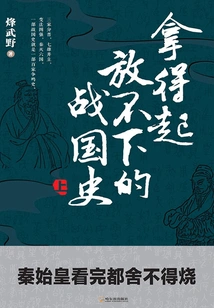
拿得起放不下的战国史(上册)
Fengwuye
This book tells the historical events of the Warring States Period after the three families were divided into the Jin Dynasty, and reveals the essence behind the intrigues and wars among the seven heroes. It presents readers with an era of constant disputes and romance, making them a hearty read.
This book tells the historical events of the Warring States Period after the three families were divided into the Jin Dynasty, and reveals the essence behind the intrigues and wars among the seven heroes. It presents readers with an era of constant disputes and romance, making them a hearty read.
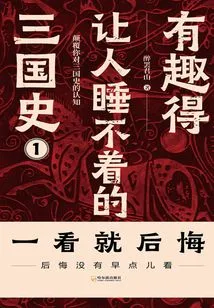
有趣得让人睡不着的三国史(一)
Get Drunk In Junshan
The best-selling historical author Zui Bajunshan has been hiding in the mountains for many years, reading historical materials, and based on the official history to create this history of the Three Kingdoms that is informative and interesting, full of laughter and tears, from the Yellow Turban Uprising to the fall of the Eastern Wu Dynasty, from the imperial power system to the cultural atmosphere, from the generals of the Southern and Northern Expeditions to the lonely and brave soldiers, from the intrigues to the mutual sympathy, covering all aspects of the history of the Three Kingdoms. The author uses vivid and vivid words to outline the magnificent historical scenes, and makes inferences about the neglected and misunderstood issues in the history of the Three Kingdoms. The argument is rigorous and the viewpoint is unique.
The best-selling historical author Zui Bajunshan has been hiding in the mountains for many years, reading historical materials, and based on the official history to create this history of the Three Kingdoms that is informative and interesting, full of laughter and tears, from the Yellow Turban Uprising to the fall of the Eastern Wu Dynasty, from the imperial power system to the cultural atmosphere, from the generals of the Southern and Northern Expeditions to the lonely and brave soldiers, from the intrigues to the mutual sympathy, covering all aspects of the history of the Three Kingdoms. The author uses vivid and vivid words to outline the magnificent historical scenes, and makes inferences about the neglected and misunderstood issues in the history of the Three Kingdoms. The argument is rigorous and the viewpoint is unique.
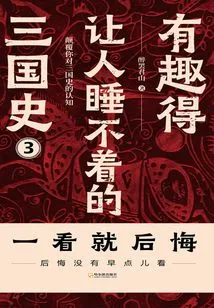
有趣得让人睡不着的三国史(三)
Get Drunk In Junshan
The best-selling historical author Zui Bajunshan has been hiding in the mountains for many years, reading historical materials, and based on the official history to create this history of the Three Kingdoms that is informative and interesting, full of laughter and tears, from the Yellow Turban Uprising to the fall of the Eastern Wu Dynasty, from the imperial power system to the cultural atmosphere, from the generals of the Southern and Northern Expeditions to the lonely and brave soldiers, from the intrigues to the mutual sympathy, covering all aspects of the history of the Three Kingdoms. The author uses vivid and vivid words to outline the magnificent historical scenes, and makes inferences about the neglected and misunderstood issues in the history of the Three Kingdoms. The argument is rigorous and the viewpoint is unique.
The best-selling historical author Zui Bajunshan has been hiding in the mountains for many years, reading historical materials, and based on the official history to create this history of the Three Kingdoms that is informative and interesting, full of laughter and tears, from the Yellow Turban Uprising to the fall of the Eastern Wu Dynasty, from the imperial power system to the cultural atmosphere, from the generals of the Southern and Northern Expeditions to the lonely and brave soldiers, from the intrigues to the mutual sympathy, covering all aspects of the history of the Three Kingdoms. The author uses vivid and vivid words to outline the magnificent historical scenes, and makes inferences about the neglected and misunderstood issues in the history of the Three Kingdoms. The argument is rigorous and the viewpoint is unique.
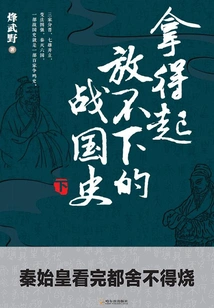
拿得起放不下的战国史(下册)
Fengwuye
This book tells the historical events of the Warring States Period after the three families were divided into the Jin Dynasty, and reveals the essence behind the intrigues and wars among the seven heroes. It presents readers with an era of constant disputes and romance, making them a hearty read.
This book tells the historical events of the Warring States Period after the three families were divided into the Jin Dynasty, and reveals the essence behind the intrigues and wars among the seven heroes. It presents readers with an era of constant disputes and romance, making them a hearty read.
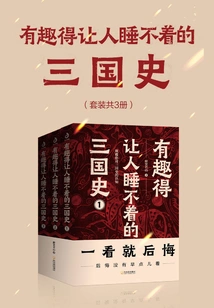
有趣得让人睡不着的三国史(套装共3册)
Get Drunk In Junshan
The author of this book, Zui Bajunshan, is the first moderator of Tianya's "Cooking Wine and Discussing History". He tells history realistically and interestingly, and is highly sought after by over a million fans. This 700,000-word masterpiece covers all aspects of the history of the Three Kingdoms and solves all the mysteries of the Three Kingdoms for you. Based on historical materials, jump out of the fictional perspective, put aside historical prejudices, disrespect Liu, do not belittle Cao, do not ignore Soochow, and restore the true appearance of the history of the Three Kingdoms. The young scholar Absalom, the author of "Cold Conscience", and the literary and historical writer Wang Jueren, the author of "The Bloody Tang Dynasty" jointly recommended it.
The author of this book, Zui Bajunshan, is the first moderator of Tianya's "Cooking Wine and Discussing History". He tells history realistically and interestingly, and is highly sought after by over a million fans. This 700,000-word masterpiece covers all aspects of the history of the Three Kingdoms and solves all the mysteries of the Three Kingdoms for you. Based on historical materials, jump out of the fictional perspective, put aside historical prejudices, disrespect Liu, do not belittle Cao, do not ignore Soochow, and restore the true appearance of the history of the Three Kingdoms. The young scholar Absalom, the author of "Cold Conscience", and the literary and historical writer Wang Jueren, the author of "The Bloody Tang Dynasty" jointly recommended it.
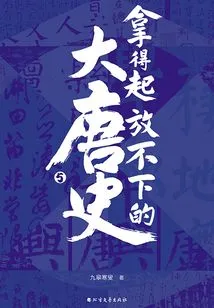
拿得起放不下的大唐史·伍
Jiugao Hansou
"The History of the Tang Dynasty Wu You Can't Put Down" tells the story of the Anshi Rebellion and the historical events of the four Li and Tang emperors after Li Longji. The Anshi Rebellion broke out and the Tang Dynasty turned from prosperity to decline. How to discuss Li Longji's merits and demerits? Li Heng, Suzong of the Tang Dynasty, who was unable to turn things around, Li Yu, the Emperor of the Tang Dynasty who was famous for his tragedy, Li Shi, the Emperor Dezong of the Tang Dynasty who "revived the hope of reviving the Tang Dynasty", and Li Song, the Emperor Shunzong of the Tang Dynasty, who did nothing. Can Datang's rudimentary chess game be broken? The author speaks with facts, and he must be the emperor at the right time.
"The History of the Tang Dynasty Wu You Can't Put Down" tells the story of the Anshi Rebellion and the historical events of the four Li and Tang emperors after Li Longji. The Anshi Rebellion broke out and the Tang Dynasty turned from prosperity to decline. How to discuss Li Longji's merits and demerits? Li Heng, Suzong of the Tang Dynasty, who was unable to turn things around, Li Yu, the Emperor of the Tang Dynasty who was famous for his tragedy, Li Shi, the Emperor Dezong of the Tang Dynasty who "revived the hope of reviving the Tang Dynasty", and Li Song, the Emperor Shunzong of the Tang Dynasty, who did nothing. Can Datang's rudimentary chess game be broken? The author speaks with facts, and he must be the emperor at the right time.
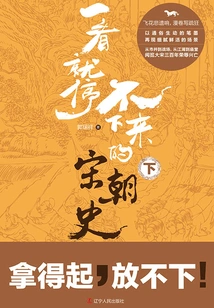
一看就停不下来的宋朝史(下)
Guo Ruixiang
The Song Dynasty was one of the most controversial dynasties in Chinese history. Its territory was almost the smallest in history and surrounded by crises. However, it was also the most prosperous and prosperous dynasty in Chinese history. The people lived in an environment with relatively clear politics, relatively civilized society, and relatively relaxed life. The large-scale development of the south of the Yangtze River, the booming foreign trade, and the technological advancement of agricultural handicrafts... "The History of the Song Dynasty that I can't stop at once" is divided into two volumes. The second volume is based on exploring the process of the demise of the Southern Song Dynasty and the deep logic contained in it. It uses characters or groups of characters as structural blocks and the timeline of events as narrative clues. It uses a combination of blocks to advance the plot and focuses on showing the appearance of all living beings before and after the demise of the Southern Song Dynasty. Through the narration, portrayal and analysis of typical characters, this magnificent historical event is strung together, trying to decipher the cultural code of the politics of scholar-bureaucrats in the Song Dynasty from the inherent facial makeup of the characters.
The Song Dynasty was one of the most controversial dynasties in Chinese history. Its territory was almost the smallest in history and surrounded by crises. However, it was also the most prosperous and prosperous dynasty in Chinese history. The people lived in an environment with relatively clear politics, relatively civilized society, and relatively relaxed life. The large-scale development of the south of the Yangtze River, the booming foreign trade, and the technological advancement of agricultural handicrafts... "The History of the Song Dynasty that I can't stop at once" is divided into two volumes. The second volume is based on exploring the process of the demise of the Southern Song Dynasty and the deep logic contained in it. It uses characters or groups of characters as structural blocks and the timeline of events as narrative clues. It uses a combination of blocks to advance the plot and focuses on showing the appearance of all living beings before and after the demise of the Southern Song Dynasty. Through the narration, portrayal and analysis of typical characters, this magnificent historical event is strung together, trying to decipher the cultural code of the politics of scholar-bureaucrats in the Song Dynasty from the inherent facial makeup of the characters.
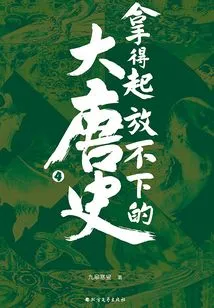
拿得起放不下的大唐史·肆
Jiugao Hansou
"A History of the Tang Dynasty that I can't afford to put down - Si" tells the story of Wu Zetian's view of the emperor's overall situation in his later years, the end of the era of women in politics, and the emergence of Li Longji, Emperor Xuanzong of the Tang Dynasty. After Emperor Wu, the country returned to the hands of Li Tang, but the world was still not at peace. How did the descendants of Li Tang deal with women who interfered with politics? In the early period, Li Longji was close to the virtuous and distant from the nefarious, and worked hard to govern. Why did he become dissolute and politically corrupt in the later period? What were the emperors and ministers of the Tang Dynasty doing on the eve of the Anshi Rebellion? Restore the full picture of history and take you to experience the ups and downs of Li Tang Dynasty.
"A History of the Tang Dynasty that I can't afford to put down - Si" tells the story of Wu Zetian's view of the emperor's overall situation in his later years, the end of the era of women in politics, and the emergence of Li Longji, Emperor Xuanzong of the Tang Dynasty. After Emperor Wu, the country returned to the hands of Li Tang, but the world was still not at peace. How did the descendants of Li Tang deal with women who interfered with politics? In the early period, Li Longji was close to the virtuous and distant from the nefarious, and worked hard to govern. Why did he become dissolute and politically corrupt in the later period? What were the emperors and ministers of the Tang Dynasty doing on the eve of the Anshi Rebellion? Restore the full picture of history and take you to experience the ups and downs of Li Tang Dynasty.
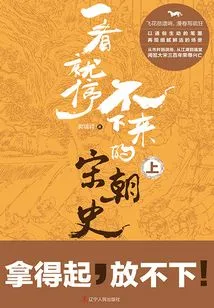
一看就停不下来的宋朝史(上)
Guo Ruixiang
The Song Dynasty was one of the most controversial dynasties in Chinese history. Its territory was almost the smallest in history and surrounded by crises. However, it was also the most prosperous and prosperous dynasty in Chinese history. The people lived in an environment with relatively clear politics, relatively civilized society, and relatively relaxed life. The large-scale development of the south of the Yangtze River, the vigorous development of foreign trade, the technological progress of agricultural handicrafts... "The History of the Song Dynasty that I can't stop at one glance" is divided into two volumes. The first volume unfolds the Northern Song Dynasty through historical cross-sections from the palace to the court, from celebrities to commoners, from prosperity to the end. The vast picture scroll uses popular language, delicate writing style, and fascinating plot design to narrate the history of the Song Dynasty, allowing readers to interpret historical events, restore historical truth, and study historical wisdom together with the author, and feel the interest and charm of history in the vivid historical narrative.
The Song Dynasty was one of the most controversial dynasties in Chinese history. Its territory was almost the smallest in history and surrounded by crises. However, it was also the most prosperous and prosperous dynasty in Chinese history. The people lived in an environment with relatively clear politics, relatively civilized society, and relatively relaxed life. The large-scale development of the south of the Yangtze River, the vigorous development of foreign trade, the technological progress of agricultural handicrafts... "The History of the Song Dynasty that I can't stop at one glance" is divided into two volumes. The first volume unfolds the Northern Song Dynasty through historical cross-sections from the palace to the court, from celebrities to commoners, from prosperity to the end. The vast picture scroll uses popular language, delicate writing style, and fascinating plot design to narrate the history of the Song Dynasty, allowing readers to interpret historical events, restore historical truth, and study historical wisdom together with the author, and feel the interest and charm of history in the vivid historical narrative.
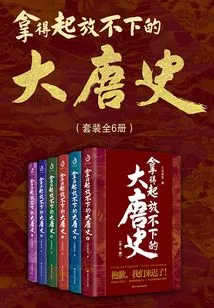
拿得起放不下的大唐史(全集)
Jiugao Hansou
Tianya's 2 million+ highly popular works were infringed and reprinted more than 80 times within a year. There is no "private stuff" involved, only "official history". All events and dialogues are verified and objective and fair with evidence-based evidence. Three million words are used to reconstruct the three hundred years of the rise and fall of the Tang Dynasty. The endless stories of Chang'an in the "Twelve Hours" are here. The language style of this book is distinctive and unique. It uses reasoning techniques to restore the scene of the mysterious case of the Tang Dynasty. The logic is rigorous and rigorous, and the language is sharp and unique. The language is humorous and the golden sentences frequently appear.
Tianya's 2 million+ highly popular works were infringed and reprinted more than 80 times within a year. There is no "private stuff" involved, only "official history". All events and dialogues are verified and objective and fair with evidence-based evidence. Three million words are used to reconstruct the three hundred years of the rise and fall of the Tang Dynasty. The endless stories of Chang'an in the "Twelve Hours" are here. The language style of this book is distinctive and unique. It uses reasoning techniques to restore the scene of the mysterious case of the Tang Dynasty. The logic is rigorous and rigorous, and the language is sharp and unique. The language is humorous and the golden sentences frequently appear.
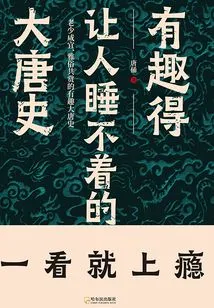
有趣得让人睡不着的大唐史
Tang Dynasty Terracotta Warriors
The influence of the Tang Dynasty cannot be underestimated. It not only added a gorgeous touch to China's prosperity and historical connotation, but also added progressive significance to world culture. Some of the events and historical mysteries selected by the author of "The History of the Tang Dynasty Are So Interesting That You Can't Sleep" are different from the conclusions known to the public and are worth reading. Through the narration of many historical figures of the Tang Dynasty, this book reveals the unknown secrets of the political system, officialdom, emperors and generals of the Tang Dynasty from many aspects, and unearths aspects that the predecessors have not paid attention to, and strives to show a full historical picture that is different from textbooks.
The influence of the Tang Dynasty cannot be underestimated. It not only added a gorgeous touch to China's prosperity and historical connotation, but also added progressive significance to world culture. Some of the events and historical mysteries selected by the author of "The History of the Tang Dynasty Are So Interesting That You Can't Sleep" are different from the conclusions known to the public and are worth reading. Through the narration of many historical figures of the Tang Dynasty, this book reveals the unknown secrets of the political system, officialdom, emperors and generals of the Tang Dynasty from many aspects, and unearths aspects that the predecessors have not paid attention to, and strives to show a full historical picture that is different from textbooks.
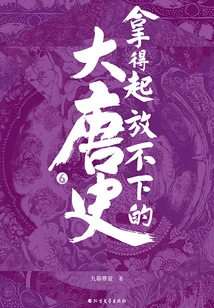
拿得起放不下的大唐史·陆
Jiugao Hansou
"The History of the Tang Dynasty - Lu You Can Can't Put Down" tells the history of the last ten emperors of the Tang Dynasty. The Tang Dynasty has reached the end of the dynasty, and the devastated country has encountered dandy emperors who govern the country one after another. Even the Tang Xianzong Li Chun, the "strongest king in cutting down the vassal" of the Li Tang family, and the "Little Taizong of the Late Tang Dynasty" Tang Xuanzong Li Chen can't save the situation. The mediocrity of Li Miao, Yizong of the Tang Dynasty, made the Tang Dynasty hopeless and absurd to the end. Although the young Emperor Xizong Li Xuan of the Tang Dynasty changed his past, it was too late... The prosperous age will eventually come to an end.
"The History of the Tang Dynasty - Lu You Can Can't Put Down" tells the history of the last ten emperors of the Tang Dynasty. The Tang Dynasty has reached the end of the dynasty, and the devastated country has encountered dandy emperors who govern the country one after another. Even the Tang Xianzong Li Chun, the "strongest king in cutting down the vassal" of the Li Tang family, and the "Little Taizong of the Late Tang Dynasty" Tang Xuanzong Li Chen can't save the situation. The mediocrity of Li Miao, Yizong of the Tang Dynasty, made the Tang Dynasty hopeless and absurd to the end. Although the young Emperor Xizong Li Xuan of the Tang Dynasty changed his past, it was too late... The prosperous age will eventually come to an end.
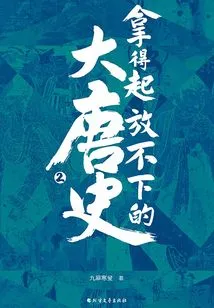
拿得起放不下的大唐史·贰
Jiugao Hansou
"History of the Tang Dynasty - Part Two" tells the story of Tang Gaozu Li Yuan's entrepreneurial journey and the shocking changes in the Xuanwu Sect. Where did Li Yuan's motivation for rebellion come from? How did Li Yuan escape from Emperor Sui Yang's crazy move to destroy the Li family? How did the Li family and his son take over Chang'an City and establish the Tang Dynasty? They are both biological sons, why does Li Yuan prefer Li Jiancheng? How to judge the merits and demerits of Li Yuan during the Xuanwumen Coup? Are the grievances between Zhenguan monarchs and ministers right or wrong? History is a little girl who can dress up as she pleases, and historical figures cannot make unreasonable comments.
"History of the Tang Dynasty - Part Two" tells the story of Tang Gaozu Li Yuan's entrepreneurial journey and the shocking changes in the Xuanwu Sect. Where did Li Yuan's motivation for rebellion come from? How did Li Yuan escape from Emperor Sui Yang's crazy move to destroy the Li family? How did the Li family and his son take over Chang'an City and establish the Tang Dynasty? They are both biological sons, why does Li Yuan prefer Li Jiancheng? How to judge the merits and demerits of Li Yuan during the Xuanwumen Coup? Are the grievances between Zhenguan monarchs and ministers right or wrong? History is a little girl who can dress up as she pleases, and historical figures cannot make unreasonable comments.