Library
Browse and search books
1,338 novels found
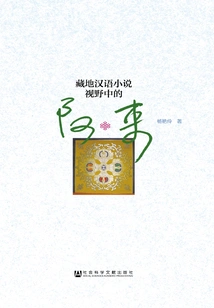
藏地汉语小说视野中的阿来
Yang Yanling
This book places Alai and his creations within the larger pattern of contemporary Tibetan Chinese novel creation, and provides an in-depth interpretation and detailed study of a minority writer's Chinese creations from a cultural perspective. It not only analyzes the influence of Chinese culture and Tibetan culture on Alai's novels, but also reveals the artistic characteristics and uniqueness of Alai's novels, which are deeply influenced by Sino-Tibetan culture. It also conducts an in-depth study of the mutual complementarity between the imagination of the "other observer" and the speech of the "self-observer". At the same time, it evaluates the artistic achievements and aesthetic value of Alai's novels through comparative research with other Tibetan Chinese novel writers such as Tashi Dawa, Ma Yuan, Ma Lihua, and Yang Zhijun.
This book places Alai and his creations within the larger pattern of contemporary Tibetan Chinese novel creation, and provides an in-depth interpretation and detailed study of a minority writer's Chinese creations from a cultural perspective. It not only analyzes the influence of Chinese culture and Tibetan culture on Alai's novels, but also reveals the artistic characteristics and uniqueness of Alai's novels, which are deeply influenced by Sino-Tibetan culture. It also conducts an in-depth study of the mutual complementarity between the imagination of the "other observer" and the speech of the "self-observer". At the same time, it evaluates the artistic achievements and aesthetic value of Alai's novels through comparative research with other Tibetan Chinese novel writers such as Tashi Dawa, Ma Yuan, Ma Lihua, and Yang Zhijun.
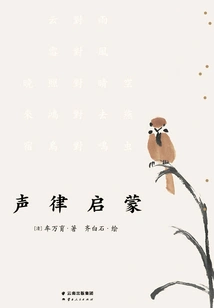
Rhythm Enlightenment
Literature声律启蒙
(qing Dynasty) Che Wanyu
"Rhythm Enlightenment" is an enlightenment book in ancient times that allows children to learn to compose poetic couplets and master the rhyme and rhythm. "The clouds are against the rain, the snow is against the wind, the evening light is against the clear sky. The coming and going birds are against the departing swallows, and the local birds are against the singing insects." From single words to double word pairs, from three, five, seven to eleven word pairs, the poems are harmonious and catchy, and read like singing. This introductory book on poetry has a wide range of content, including astronomy, geography, flowers, trees, birds and animals, as well as a large number of myths, legends and historical stories.
"Rhythm Enlightenment" is an enlightenment book in ancient times that allows children to learn to compose poetic couplets and master the rhyme and rhythm. "The clouds are against the rain, the snow is against the wind, the evening light is against the clear sky. The coming and going birds are against the departing swallows, and the local birds are against the singing insects." From single words to double word pairs, from three, five, seven to eleven word pairs, the poems are harmonious and catchy, and read like singing. This introductory book on poetry has a wide range of content, including astronomy, geography, flowers, trees, birds and animals, as well as a large number of myths, legends and historical stories.
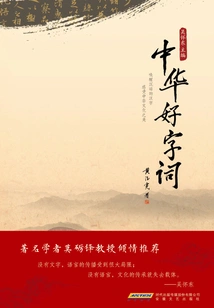
Good Chinese Words
Literature中华好字词
Wu Huaidong
This book is a work that embodies the beauty, breadth and profoundness of Chinese characters. It contains about 3,000 Chinese characters from representative masterpieces from the pre-Qin era to modern times that have cultural connotations but are not easily known, memorized and skillfully used by the public. Through the words it consists of, the example sentences in the literature and its phonetic notation, etc., Readers can understand, learn and use it to popularize and promote China's Chinese character culture and historical culture.
This book is a work that embodies the beauty, breadth and profoundness of Chinese characters. It contains about 3,000 Chinese characters from representative masterpieces from the pre-Qin era to modern times that have cultural connotations but are not easily known, memorized and skillfully used by the public. Through the words it consists of, the example sentences in the literature and its phonetic notation, etc., Readers can understand, learn and use it to popularize and promote China's Chinese character culture and historical culture.
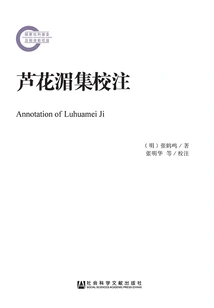
Annotation of Luhuameiji
Literature芦花湄集校注
(ming) Zhang Heming Zhang Minghua Zhu Lingzhi
Zhang Heming was a figure with important political influence in the history of the Ming Dynasty, and also made outstanding achievements in literary creation. "The Collection of Luhuamei" is a summary of Zhang Heming's life creation. It not only demonstrates Zhang Heming's literary talent in many aspects, but also reflects the dark reality of late Ming society to a certain extent. This book not only proofreads and annotates the works in "The Collection of Luhuamei", but also conducts detailed research on Zhang Heming's family background and life with the help of the newly discovered "Zhang Family Genealogy", unearthed documents, "Ming Dynasty Records" and local chronicles. It also collects 12 lost poems and more than 40 lost articles outside the collection.
Zhang Heming was a figure with important political influence in the history of the Ming Dynasty, and also made outstanding achievements in literary creation. "The Collection of Luhuamei" is a summary of Zhang Heming's life creation. It not only demonstrates Zhang Heming's literary talent in many aspects, but also reflects the dark reality of late Ming society to a certain extent. This book not only proofreads and annotates the works in "The Collection of Luhuamei", but also conducts detailed research on Zhang Heming's family background and life with the help of the newly discovered "Zhang Family Genealogy", unearthed documents, "Ming Dynasty Records" and local chronicles. It also collects 12 lost poems and more than 40 lost articles outside the collection.
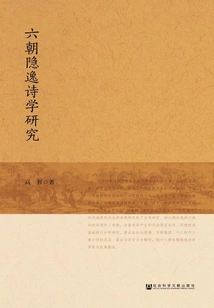
六朝隐逸诗学研究
Gao Zhi
The rise of the hermit poetry of the Six Dynasties is a major event in the history of Chinese poetry. It embodies the artistic pursuit shared by a group, becomes a unique value orientation, and has a powerful spiritual effect on the cultural and psychological construction of the nation. This book explores the origins of the hermit poetry and classifies the various forms of hermit thought. It examines the causes of the rise of hermit poetry in the Six Dynasties, focusing on the analysis and research of the social and historical conditions and ideological theoretical basis of its emergence, focusing on the relationship between social ideological trends, literary groups, and personal creations. Finally, based on text analysis, it explores the evolution and development of hermit poetry in each period of the Six Dynasties.
The rise of the hermit poetry of the Six Dynasties is a major event in the history of Chinese poetry. It embodies the artistic pursuit shared by a group, becomes a unique value orientation, and has a powerful spiritual effect on the cultural and psychological construction of the nation. This book explores the origins of the hermit poetry and classifies the various forms of hermit thought. It examines the causes of the rise of hermit poetry in the Six Dynasties, focusing on the analysis and research of the social and historical conditions and ideological theoretical basis of its emergence, focusing on the relationship between social ideological trends, literary groups, and personal creations. Finally, based on text analysis, it explores the evolution and development of hermit poetry in each period of the Six Dynasties.
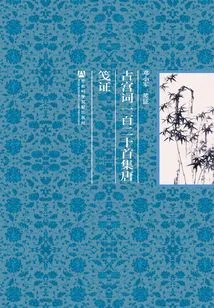
古宫词一百二十首集唐笺证
Deng Xiaojun Others
Li Tianfu (1635-1699), known as the "Hefei Prime Minister". His "Collection of One Hundred and Twenty Ancient Palace Ci Poems of the Tang Dynasty" with a small quotation (preface) was originally printed in the fourth year of Kangxi's reign and is now in the Documentation and Information Center of the Chinese Academy of Sciences. It is believed to be the only copy at home and abroad. This collection of poems adopts the traditional style of collection of verses, and combines Tang poetry into seven-character quatrains in the palace style. It refers to the past and the present, alluding to the name of Empress Dong of Shunzhi, Bai Qinglian, and narrating the difficult experience, court life and inner world of Empress Dong of Shunzhi. It is of great historical and literary value.
Li Tianfu (1635-1699), known as the "Hefei Prime Minister". His "Collection of One Hundred and Twenty Ancient Palace Ci Poems of the Tang Dynasty" with a small quotation (preface) was originally printed in the fourth year of Kangxi's reign and is now in the Documentation and Information Center of the Chinese Academy of Sciences. It is believed to be the only copy at home and abroad. This collection of poems adopts the traditional style of collection of verses, and combines Tang poetry into seven-character quatrains in the palace style. It refers to the past and the present, alluding to the name of Empress Dong of Shunzhi, Bai Qinglian, and narrating the difficult experience, court life and inner world of Empress Dong of Shunzhi. It is of great historical and literary value.
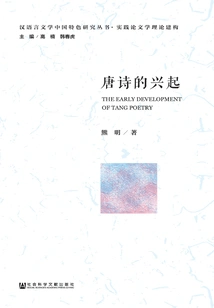
The Rise of Tang Poetry
Literature唐诗的兴起
Xiong Ming
By sorting out the historical context of the political, economic, cultural and other fields of the early Tang Dynasty, especially the changes and establishment of various systems related to literature, this book discovers the historical traces of the changes and establishment of the feudal system in the poetry of the early Tang Dynasty, and explores the impact of the changes and establishment of various systems in this process on the rise and prosperity of Tang poetry. In this relationship, we re-read the poetry of the early Tang Dynasty, sort out the logic between relevant systems and the rise of poetic thought and poetry schools at that time, and make a historically prescribed positioning and evaluation of important works and writers in representative poetry schools.
By sorting out the historical context of the political, economic, cultural and other fields of the early Tang Dynasty, especially the changes and establishment of various systems related to literature, this book discovers the historical traces of the changes and establishment of the feudal system in the poetry of the early Tang Dynasty, and explores the impact of the changes and establishment of various systems in this process on the rise and prosperity of Tang poetry. In this relationship, we re-read the poetry of the early Tang Dynasty, sort out the logic between relevant systems and the rise of poetic thought and poetry schools at that time, and make a historically prescribed positioning and evaluation of important works and writers in representative poetry schools.
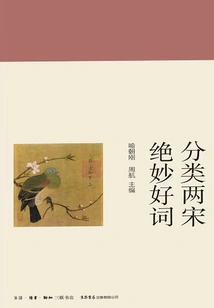
分类两宋绝妙好词
Yu Chaogang Zhou Hang
"Categorizing the Excellent Poems of the Two Song Dynasties" based on the "Complete Song Ci" and related materials, selects more than 1,100 works by nearly 400 writers in the Song Dynasty, divided into great rivers and mountains, historical sites, patriotic feelings, ambitions are hard to achieve, frontier wind and smoke, peace Years, tragedies in troubled times, festivals and customs, Lantern Festival night, Chinese Valentine's Day stories, Mid-Autumn Festival songs, chants of life, rural pastoral, fishermen's songs, searching for secluded places, beauty of flowers, plum blossom garden, vegetation, fruits and vegetables, birds, animals, insects and fish, eating utensils, spring and summer Autumn and winter, rain, snow, wind and moon, nostalgia for the scenery, wild leisure, relegation and migration, nostalgic chanting of history, scolding and ridicule, haiku and banter, between husband and wife, brothers and sisters, deep friendship, reminiscing about the past, nostalgia for traveling, longing for parting, love and resentment, beans There are forty-two categories including Kou Nian Hua, chess, calligraphy and painting, artist silhouettes, miscellaneous flowers, etc., With a wide range of themes and rich content. The classification breaks through the fixed limitations of the past and is completely based on reality. It is mainly based on the subject matter of the work, but also the theme.
"Categorizing the Excellent Poems of the Two Song Dynasties" based on the "Complete Song Ci" and related materials, selects more than 1,100 works by nearly 400 writers in the Song Dynasty, divided into great rivers and mountains, historical sites, patriotic feelings, ambitions are hard to achieve, frontier wind and smoke, peace Years, tragedies in troubled times, festivals and customs, Lantern Festival night, Chinese Valentine's Day stories, Mid-Autumn Festival songs, chants of life, rural pastoral, fishermen's songs, searching for secluded places, beauty of flowers, plum blossom garden, vegetation, fruits and vegetables, birds, animals, insects and fish, eating utensils, spring and summer Autumn and winter, rain, snow, wind and moon, nostalgia for the scenery, wild leisure, relegation and migration, nostalgic chanting of history, scolding and ridicule, haiku and banter, between husband and wife, brothers and sisters, deep friendship, reminiscing about the past, nostalgia for traveling, longing for parting, love and resentment, beans There are forty-two categories including Kou Nian Hua, chess, calligraphy and painting, artist silhouettes, miscellaneous flowers, etc., With a wide range of themes and rich content. The classification breaks through the fixed limitations of the past and is completely based on reality. It is mainly based on the subject matter of the work, but also the theme.
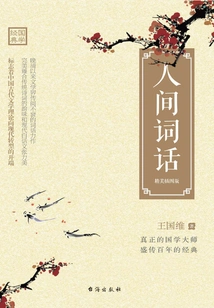
人间词话(精美插图版)
Wang Guowei
"Renjian Cihua" is the most famous work on Cihua in modern China. The author Wang Guowei used traditional word forms and traditional concepts, terminology and thinking logic, and naturally incorporated some new concepts and methods. The theoretical issues he summarized were of quite universal significance, which caused it to have a major repercussions among readers of the new and old generations at that time, and it has a lofty status in the history of modern Chinese literary criticism. This book carefully collects the rare manuscripts of Wang Guowei's "Human Words" that exist in the world. It adds annotations for readers' better understanding and adds brief comments on some inspiring passages. Also, because the book itself is a word theory book, it also adds classic poems for extended reading, making the book richer in content.
"Renjian Cihua" is the most famous work on Cihua in modern China. The author Wang Guowei used traditional word forms and traditional concepts, terminology and thinking logic, and naturally incorporated some new concepts and methods. The theoretical issues he summarized were of quite universal significance, which caused it to have a major repercussions among readers of the new and old generations at that time, and it has a lofty status in the history of modern Chinese literary criticism. This book carefully collects the rare manuscripts of Wang Guowei's "Human Words" that exist in the world. It adds annotations for readers' better understanding and adds brief comments on some inspiring passages. Also, because the book itself is a word theory book, it also adds classic poems for extended reading, making the book richer in content.
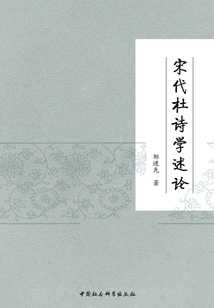
宋代杜诗学述论
Zou Jinxian
This book is a research work on the development history, ideological and theoretical perspectives of Du's poetry in the Song Dynasty, and the achievements of Zong Du, a Song Dynasty person. The book systematically describes and discusses how the significance and value (social, ideological, and literary) of Du's poems were discovered, recognized, and confirmed in the Song Dynasty. It reveals the complex historical, cultural, and traditional foundations and reasons in the process of Du's poems being identified as poetic classics. It also discusses the main viewpoints and specific contents of the interpretation of Du's poems by people in the Song Dynasty. Based on an in-depth investigation of the development history of poetry in the Song Dynasty, the author focuses on the poems of representative poets of the Song Dynasty such as Wang Anshi, Su Shi, Huang Tingjian, Chen Shidao, Chen Yuyi, and Lu You, and specifically describes and analyzes the basic aspects and main ways of studying Du in the Song Dynasty.
This book is a research work on the development history, ideological and theoretical perspectives of Du's poetry in the Song Dynasty, and the achievements of Zong Du, a Song Dynasty person. The book systematically describes and discusses how the significance and value (social, ideological, and literary) of Du's poems were discovered, recognized, and confirmed in the Song Dynasty. It reveals the complex historical, cultural, and traditional foundations and reasons in the process of Du's poems being identified as poetic classics. It also discusses the main viewpoints and specific contents of the interpretation of Du's poems by people in the Song Dynasty. Based on an in-depth investigation of the development history of poetry in the Song Dynasty, the author focuses on the poems of representative poets of the Song Dynasty such as Wang Anshi, Su Shi, Huang Tingjian, Chen Shidao, Chen Yuyi, and Lu You, and specifically describes and analyzes the basic aspects and main ways of studying Du in the Song Dynasty.
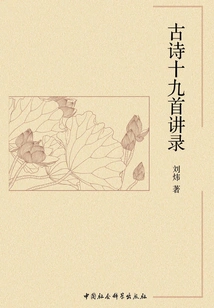
Lectures on Nineteen Ancient Poems
Literature古诗十九首讲录
Liu Wei
This book is actually influenced by the publishing trend of "class lectures" (such as the Sanlian Lecture Series) in recent years. It is based on the author's many years of teaching "Nineteen Ancient Poems" and compiled it based on the recording of the latest classroom lecture. This book intentionally retains the colloquial and on-the-spot features of classroom lectures, making it highly readable. The academic nature of this book is mainly reflected in the rearrangement of the order of the original poems in "Nineteen Ancient Poems", thus providing a more coherent interpretation of "Nineteen Ancient Poems", which is different from general annotation and appreciation works. "Nineteen Ancient Poems" is a masterpiece of Chinese classical literature, but there seem to be few systematic interpretations of it. There is only one work "Exploration of Nineteen Ancient Poems" by Mr. Ma Maoyuan. Therefore, if this book can be published, it may help to popularize and promote "Nineteen Ancient Poems".
This book is actually influenced by the publishing trend of "class lectures" (such as the Sanlian Lecture Series) in recent years. It is based on the author's many years of teaching "Nineteen Ancient Poems" and compiled it based on the recording of the latest classroom lecture. This book intentionally retains the colloquial and on-the-spot features of classroom lectures, making it highly readable. The academic nature of this book is mainly reflected in the rearrangement of the order of the original poems in "Nineteen Ancient Poems", thus providing a more coherent interpretation of "Nineteen Ancient Poems", which is different from general annotation and appreciation works. "Nineteen Ancient Poems" is a masterpiece of Chinese classical literature, but there seem to be few systematic interpretations of it. There is only one work "Exploration of Nineteen Ancient Poems" by Mr. Ma Maoyuan. Therefore, if this book can be published, it may help to popularize and promote "Nineteen Ancient Poems".
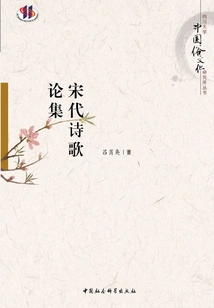
Anthology of Song Dynasty Poetry
Literature宋代诗歌论集
Lu Xiaohuan
"Poetry and Poetry" focuses on the parallel and cross-interaction between the similarities and differences between the two genres; "Poetry and Guqin" explores the degree of poets' understanding and mastery of instrumental music and the relationship between poetry and music; "Poetry and Overseas" explores the vision and foreign awareness of poets in the Song Dynasty; "Singing Poetry" focuses on the dialogue and communication between poets and how singing and singing poetry is multi-layered Showing multi-faceted and deep cultural connotations; "Ouyang Xiu Research" and "Lu You Research" try to continuously read the life attitude and spiritual temperament of the two poets in European and Lu poetry, and use this to understand the similarities and differences between the Northern Song Dynasty and Southern Song poets; "Poetry Theory" wants to examine how the Song people consciously constructed Song tunes and how others, such as the Qing people, viewed Song tunes. "Research on Shao Yong and Fan Chengda" and "Two Outer Chapters" were written on a whim, with occasional insights: there are real feelings about Shao Yong's joyful chants and Fan Chengda's compassionate feelings, a close reading of the aesthetic value of internal and external ritual functions, and an on-site inspection of folk beliefs in southwest China.
"Poetry and Poetry" focuses on the parallel and cross-interaction between the similarities and differences between the two genres; "Poetry and Guqin" explores the degree of poets' understanding and mastery of instrumental music and the relationship between poetry and music; "Poetry and Overseas" explores the vision and foreign awareness of poets in the Song Dynasty; "Singing Poetry" focuses on the dialogue and communication between poets and how singing and singing poetry is multi-layered Showing multi-faceted and deep cultural connotations; "Ouyang Xiu Research" and "Lu You Research" try to continuously read the life attitude and spiritual temperament of the two poets in European and Lu poetry, and use this to understand the similarities and differences between the Northern Song Dynasty and Southern Song poets; "Poetry Theory" wants to examine how the Song people consciously constructed Song tunes and how others, such as the Qing people, viewed Song tunes. "Research on Shao Yong and Fan Chengda" and "Two Outer Chapters" were written on a whim, with occasional insights: there are real feelings about Shao Yong's joyful chants and Fan Chengda's compassionate feelings, a close reading of the aesthetic value of internal and external ritual functions, and an on-site inspection of folk beliefs in southwest China.
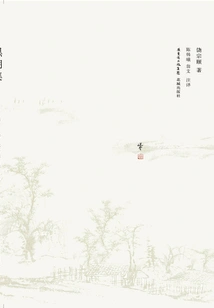
Black Lake Collection
Literature黑湖集
Jao Tsung-i
This book is the third in Jao Tsung-i's "Commentaries on Xuan Tang Poetry" series, consisting of 34 poems from "The Collection of Black Lake" and 46 poems from "The Collection of Nanhai Singing Harmony". Among them, "Black Lake Collection" records travels, and "Nanhai Singhe Collection" provides responses. Travel notes and responses are both ancient genres in classical poetry, but Jao Tsung-i's poems can express the thoughts of today's people, reflect profound humanistic feelings, and have extremely high artistic value. "Black Lake Collection" - In 1966, Jao Tsung-i studied Dunhuang manuscripts at the French National Science Center and traveled to Switzerland with Professor Demiwe. He is the author of a collection of poems "Black Lake Collection" about his travels, which was later translated into French by Professor Dai Miwei and is well-known internationally. "Nanhai Singing Collection" - Jao Tsung-i and famous lyricists Zhao Shuyong and Su Shi's "Si Ming Guan Yang Taoist Xixuan" rhymed to forty-seven times, compiled into "Nanhai Singing Collection". Philosophy, historical chants, lyricism, etc. Are integrated into the two's singing and repartee, which is a masterpiece among singing harmony poems. Jao Tsung-i is "a generation of elites who combine academics and art today" and the only remaining national treasure-level master. His ancient poetry draws on the strengths of others and reaches both ancient and modern times.
This book is the third in Jao Tsung-i's "Commentaries on Xuan Tang Poetry" series, consisting of 34 poems from "The Collection of Black Lake" and 46 poems from "The Collection of Nanhai Singing Harmony". Among them, "Black Lake Collection" records travels, and "Nanhai Singhe Collection" provides responses. Travel notes and responses are both ancient genres in classical poetry, but Jao Tsung-i's poems can express the thoughts of today's people, reflect profound humanistic feelings, and have extremely high artistic value. "Black Lake Collection" - In 1966, Jao Tsung-i studied Dunhuang manuscripts at the French National Science Center and traveled to Switzerland with Professor Demiwe. He is the author of a collection of poems "Black Lake Collection" about his travels, which was later translated into French by Professor Dai Miwei and is well-known internationally. "Nanhai Singing Collection" - Jao Tsung-i and famous lyricists Zhao Shuyong and Su Shi's "Si Ming Guan Yang Taoist Xixuan" rhymed to forty-seven times, compiled into "Nanhai Singing Collection". Philosophy, historical chants, lyricism, etc. Are integrated into the two's singing and repartee, which is a masterpiece among singing harmony poems. Jao Tsung-i is "a generation of elites who combine academics and art today" and the only remaining national treasure-level master. His ancient poetry draws on the strengths of others and reaches both ancient and modern times.
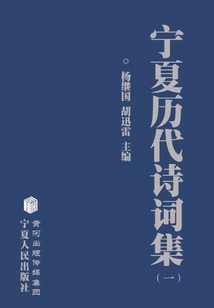
宁夏历代诗词集(一)
Yang Jiguo Hu Xunlei
This book records poems based on the place and collects poems about Ningxia from the pre-Qin Dynasty to the Qing Dynasty. It is a collection of local historical and cultural classics. Each poem has the source of the poem, a brief introduction of the author, and a relatively detailed analysis. The poems truly reflect the customs, customs, and natural scenery of Ningxia in history.
This book records poems based on the place and collects poems about Ningxia from the pre-Qin Dynasty to the Qing Dynasty. It is a collection of local historical and cultural classics. Each poem has the source of the poem, a brief introduction of the author, and a relatively detailed analysis. The poems truly reflect the customs, customs, and natural scenery of Ningxia in history.
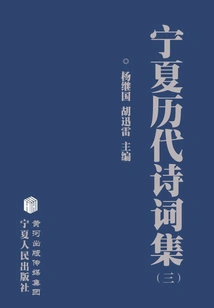
宁夏历代诗词集(三)
Yang Jiguo Hu Xunlei
This book is a book on local literature and art in Ningxia. It contains a collection of more than 1,500 poems from Ningxia dynasties from the pre-Qin Dynasty to the late Qing Dynasty. Each poem has the source of the poem, a brief introduction of the author, and a relatively detailed analysis. The poems truly reflect the customs, customs, and natural scenery of Ningxia in history.
This book is a book on local literature and art in Ningxia. It contains a collection of more than 1,500 poems from Ningxia dynasties from the pre-Qin Dynasty to the late Qing Dynasty. Each poem has the source of the poem, a brief introduction of the author, and a relatively detailed analysis. The poems truly reflect the customs, customs, and natural scenery of Ningxia in history.
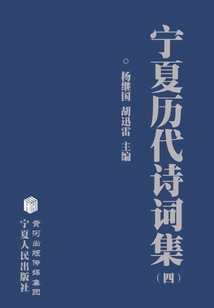
宁夏历代诗词集(四)
Yang Jiguo Hu Xunlei
This book records poems based on the place and collects poems about Ningxia from the pre-Qin Dynasty to the Qing Dynasty. It is a collection of local historical and cultural classics. Each poem has the source of the poem, a brief introduction of the author, and a relatively detailed analysis. The poems truly reflect the customs, customs, and natural scenery of Ningxia in history.
This book records poems based on the place and collects poems about Ningxia from the pre-Qin Dynasty to the Qing Dynasty. It is a collection of local historical and cultural classics. Each poem has the source of the poem, a brief introduction of the author, and a relatively detailed analysis. The poems truly reflect the customs, customs, and natural scenery of Ningxia in history.
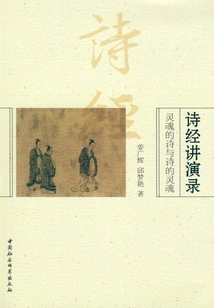
诗经讲演录:灵魂的诗与诗的灵魂
Jiang Guanghui Qiu Mengyan
It has been a hundred years since the "respect for Confucius and scripture reading" was abolished in the early years of the Republic of China. At the beginning, Liang Qichao was worried that middle schools would be destroyed from now on. The author of this book believes that this is about to become a reality, and scholars have the responsibility to urgently rescue it. The author considered that the previously compiled "History of Chinese Confucian Thought" was too professional and too in-depth, so he tried to write a set of classic popular lectures that combine accuracy and interest for the public. "Lectures on the Book of Songs" is one of them. This book selects a total of 57 representative poems from the Chinese style, Xiaoya, Daya, and Ode of the Book of Songs, translates them into modern vernacular poems, and intersperses many stories to explain them, hoping to arouse the interest of readers in learning the Book of Songs. The "Introduction" of about 20,000 words at the beginning of the book is actually a short history of the Book of Songs. Attached to the back of the book is "Confucius' Theory of Poetry", which is the latest unearthed pre-Qin poetic material. The version compiled in this manuscript is the only version in China that has been translated into English and spread in the West.
It has been a hundred years since the "respect for Confucius and scripture reading" was abolished in the early years of the Republic of China. At the beginning, Liang Qichao was worried that middle schools would be destroyed from now on. The author of this book believes that this is about to become a reality, and scholars have the responsibility to urgently rescue it. The author considered that the previously compiled "History of Chinese Confucian Thought" was too professional and too in-depth, so he tried to write a set of classic popular lectures that combine accuracy and interest for the public. "Lectures on the Book of Songs" is one of them. This book selects a total of 57 representative poems from the Chinese style, Xiaoya, Daya, and Ode of the Book of Songs, translates them into modern vernacular poems, and intersperses many stories to explain them, hoping to arouse the interest of readers in learning the Book of Songs. The "Introduction" of about 20,000 words at the beginning of the book is actually a short history of the Book of Songs. Attached to the back of the book is "Confucius' Theory of Poetry", which is the latest unearthed pre-Qin poetic material. The version compiled in this manuscript is the only version in China that has been translated into English and spread in the West.
Historical Interpretation of Song Poetry
Literature宋诗史释
Zeng Xiangbo
The "History of Song Poems" written by Zeng Xiangbo selects nearly 300 Song poems and divides them into nine categories: founding of a country, establishing a capital, political affairs, party struggles, internal troubles, diplomacy, border defense, economy, and culture. In short, most of the selected articles are annotations for the first time. Generally speaking, using poetry as a carrier to present the historical events of a dynasty has the effect of creating innovations and precedents. It can be regarded as a kind of "Chronicles of Song Poems" or "Collections of Song History".
The "History of Song Poems" written by Zeng Xiangbo selects nearly 300 Song poems and divides them into nine categories: founding of a country, establishing a capital, political affairs, party struggles, internal troubles, diplomacy, border defense, economy, and culture. In short, most of the selected articles are annotations for the first time. Generally speaking, using poetry as a carrier to present the historical events of a dynasty has the effect of creating innovations and precedents. It can be regarded as a kind of "Chronicles of Song Poems" or "Collections of Song History".
Research on the Inheritance of Important Propositions and Critical Styles of Traditional Chinese Ci
Literature中国传统词学重要命题与批评体式承衍研究
Hu Jianci
This book attempts to sort out the historical inheritance of some major theoretical criticism results in traditional Chinese Ci studies, and examine the inheritance of important critical styles of Ci studies from a diachronic perspective. While taking the inheritance of the basic content of traditional Ci theory criticism as the core, a concentric circle of inheritance of Ci theory criticism is also constructed on the periphery. In terms of content grasp, it focuses on the acceptance, evolution and development of different Ci studies topics, focusing on sorting them out from the perspective of ideological nourishment and historical generation, comparing similarities and differences in the long river of history, and revealing the hidden inheritance of Ci studies.
This book attempts to sort out the historical inheritance of some major theoretical criticism results in traditional Chinese Ci studies, and examine the inheritance of important critical styles of Ci studies from a diachronic perspective. While taking the inheritance of the basic content of traditional Ci theory criticism as the core, a concentric circle of inheritance of Ci theory criticism is also constructed on the periphery. In terms of content grasp, it focuses on the acceptance, evolution and development of different Ci studies topics, focusing on sorting them out from the perspective of ideological nourishment and historical generation, comparing similarities and differences in the long river of history, and revealing the hidden inheritance of Ci studies.
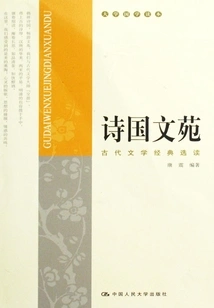
诗国文苑:古代文学经典选读(大学国学读本)
Kang Zhen
"Shiguo Wenyuan: Selected Readings of Ancient Literary Classics" takes style as the classic and era as the latitude. Each type of style is divided into sections, and the most representative works are used as the "text". Some texts are followed by "extended reading," which introduces literary and historical background knowledge related to the text, or cites 1 to 2 related works. In order to facilitate readers' understanding, in addition to more detailed annotations on the poems, the editors have also added an "introduction" to the work in front of the text, and the works in "Extended Reading" are accompanied by "background tips". In terms of text selection, "Shiguo Wenyuan: Selected Readings of Ancient Literary Classics" strives to highlight the most distinctive and representative outstanding works of each era, without deliberately seeking to be complete in each literary style and each school. In addition to some well-known and familiar works, the editors also deliberately included some more difficult works in the selection. Although these works are not very popular, they are indeed masterpieces by famous writers and occupy an important position in the history of Chinese literature.
"Shiguo Wenyuan: Selected Readings of Ancient Literary Classics" takes style as the classic and era as the latitude. Each type of style is divided into sections, and the most representative works are used as the "text". Some texts are followed by "extended reading," which introduces literary and historical background knowledge related to the text, or cites 1 to 2 related works. In order to facilitate readers' understanding, in addition to more detailed annotations on the poems, the editors have also added an "introduction" to the work in front of the text, and the works in "Extended Reading" are accompanied by "background tips". In terms of text selection, "Shiguo Wenyuan: Selected Readings of Ancient Literary Classics" strives to highlight the most distinctive and representative outstanding works of each era, without deliberately seeking to be complete in each literary style and each school. In addition to some well-known and familiar works, the editors also deliberately included some more difficult works in the selection. Although these works are not very popular, they are indeed masterpieces by famous writers and occupy an important position in the history of Chinese literature.
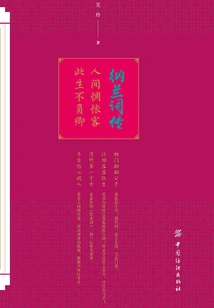
A Melancholy Guest in the World, I Will Live up to You in This Life: a Biography of Nalan Ci
Literature人间惆怅客 此生不负卿:纳兰词传
Wu Ling
Nalan Rongruo, a passionate poet scattered in the world, calls himself a "melancholy guest" in the world, not a "rich flower". His elegant and refined writing style cannot describe his ups and downs in life. He has a pure mind, but a complicated life. He was born in a black family and has the glory and wealth that everyone envies. Little does he know that these are the shackles that bind him. His soul is trapped in one place, his heart is listening to the breeze in the bamboo forest, but his body is living in seclusion in the secular world. He longed for everlasting love, and was willing to draw a prison wall for one person. However, after falling in love, he only left an unforgettable memory, and it never came true. When dealing with friends, you should only seek the word "truth". You will live an elegant life, but it is rare to be happy. Suddenly, more than thirty years have passed, and I have been far more depressed than happy. This time in this world is nothing more than a fall in my heart. This book relies on Nalan Rongruo's words and tells his joys, sorrows and joys in detail.
Nalan Rongruo, a passionate poet scattered in the world, calls himself a "melancholy guest" in the world, not a "rich flower". His elegant and refined writing style cannot describe his ups and downs in life. He has a pure mind, but a complicated life. He was born in a black family and has the glory and wealth that everyone envies. Little does he know that these are the shackles that bind him. His soul is trapped in one place, his heart is listening to the breeze in the bamboo forest, but his body is living in seclusion in the secular world. He longed for everlasting love, and was willing to draw a prison wall for one person. However, after falling in love, he only left an unforgettable memory, and it never came true. When dealing with friends, you should only seek the word "truth". You will live an elegant life, but it is rare to be happy. Suddenly, more than thirty years have passed, and I have been far more depressed than happy. This time in this world is nothing more than a fall in my heart. This book relies on Nalan Rongruo's words and tells his joys, sorrows and joys in detail.
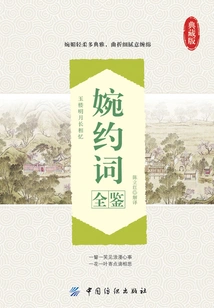
A Complete Guide to Graceful Ci
Literature婉约词全鉴
Chen Lihong
In the history of the development of ancient Chinese literature, graceful words exude unique color and charm, adding a lot of luster to our country's classical poetry, and at the same time playing an important role in the development of literature. This book specially selects classic poems from the Tang Dynasty to the Qing Dynasty. It also pays attention to selecting some less famous works that are full of style and charm. This "Comprehensive Guide to Wanyue Ci" is mainly divided into four sections: author introduction, original text, annotations and comments, to facilitate readers to understand and appreciate Wanyue Ci.
In the history of the development of ancient Chinese literature, graceful words exude unique color and charm, adding a lot of luster to our country's classical poetry, and at the same time playing an important role in the development of literature. This book specially selects classic poems from the Tang Dynasty to the Qing Dynasty. It also pays attention to selecting some less famous works that are full of style and charm. This "Comprehensive Guide to Wanyue Ci" is mainly divided into four sections: author introduction, original text, annotations and comments, to facilitate readers to understand and appreciate Wanyue Ci.
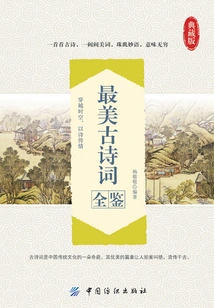
最美古诗词全鉴
Compiled By Yang Jingjing
The Complete Collection of the Most Beautiful Ancient Poems collects the most beautiful words and phrases from thousands of years since the Book of Songs, and interprets them with modern people's emotions. The book collects ancient poems in chronological order and poetry genres that have had a huge impact on thought and art throughout the ages. There are representative works of famous poets and lyricists in literary history, quintessences of works on various themes, and famous poems with wide social influence, etc., Which relatively comprehensively reflect the whole picture of Chinese classical poetry. In order to help readers better understand the original works, in addition to including the original works, the editor also added relevant auxiliary columns: notes and appreciation, and introduced the life stories of each author to allow readers to read without obstacles. It can be said that with one volume in hand, readers can read all the wonderful chapters of Chinese classical poetry.
The Complete Collection of the Most Beautiful Ancient Poems collects the most beautiful words and phrases from thousands of years since the Book of Songs, and interprets them with modern people's emotions. The book collects ancient poems in chronological order and poetry genres that have had a huge impact on thought and art throughout the ages. There are representative works of famous poets and lyricists in literary history, quintessences of works on various themes, and famous poems with wide social influence, etc., Which relatively comprehensively reflect the whole picture of Chinese classical poetry. In order to help readers better understand the original works, in addition to including the original works, the editor also added relevant auxiliary columns: notes and appreciation, and introduced the life stories of each author to allow readers to read without obstacles. It can be said that with one volume in hand, readers can read all the wonderful chapters of Chinese classical poetry.
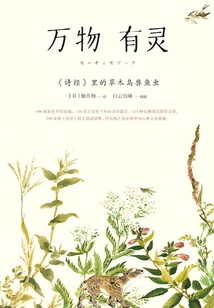
All Things Are Animistic: Plants, Trees, Birds, Animals, Fish and Insects in the Book of Songs
Literature万物有灵:《诗经》里的草木鸟兽鱼虫
Aw
This book contains 196 color illustrations of famous objects from "The Book of Songs: Illustrations of Famous Things in the Book of Songs" painted by Japanese Confucian Yu Hosoi in the Edo period. It is also accompanied by auxiliary text such as the habits and status of 215 famous objects and more than 130 corresponding original texts of "The Book of Songs". In addition, we invited the famous classic recitation expert Hakuun Dexiu to record a 310-minute audio file for this book. You can scan the QR code to listen to the book and the explanation. Integrating knowledge and literature, art appreciation and classical learning complement each other, providing readers with a brand new way to read and study the Book of Songs.
This book contains 196 color illustrations of famous objects from "The Book of Songs: Illustrations of Famous Things in the Book of Songs" painted by Japanese Confucian Yu Hosoi in the Edo period. It is also accompanied by auxiliary text such as the habits and status of 215 famous objects and more than 130 corresponding original texts of "The Book of Songs". In addition, we invited the famous classic recitation expert Hakuun Dexiu to record a 310-minute audio file for this book. You can scan the QR code to listen to the book and the explanation. Integrating knowledge and literature, art appreciation and classical learning complement each other, providing readers with a brand new way to read and study the Book of Songs.
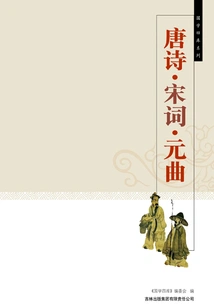
Tang Poetry·song Lyrics·yuan Opera
Literature唐诗·宋词·元曲
Editorial Board Of "siku"
China has been known as a "powerful country of poetry" since ancient times, which was especially evident in the Tang, Song and Yuan dynasties. The selected articles in "Tang Poems·Song Ci·Yuan Opera" are based on the "Three Hundred Tang Poems" compiled by retired scholars from Hengtang in the Qing Dynasty. The works that are highly acceptable and easy to understand are selected for inclusion in the book, and other authoritative versions are also widely used for reference. The selection of Song lyrics and Yuan songs was based on extensive reference to other versions, weighing and considering works of various themes in various periods, and drawing on the strengths of all writers.
China has been known as a "powerful country of poetry" since ancient times, which was especially evident in the Tang, Song and Yuan dynasties. The selected articles in "Tang Poems·Song Ci·Yuan Opera" are based on the "Three Hundred Tang Poems" compiled by retired scholars from Hengtang in the Qing Dynasty. The works that are highly acceptable and easy to understand are selected for inclusion in the book, and other authoritative versions are also widely used for reference. The selection of Song lyrics and Yuan songs was based on extensive reference to other versions, weighing and considering works of various themes in various periods, and drawing on the strengths of all writers.
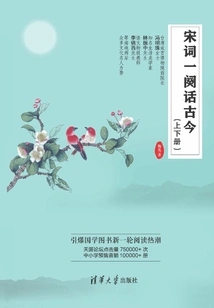
宋词一阕话古今(上下册)
Ju Tu
This book uses Song poetry as the entry point, and uses historical materials, unofficial myths, anecdotes, poems and songs as means to organically connect many historical figures and the stories behind them. This book is by no means a rigorous and boring history book, nor is it a general literature book that introduces Song poetry. The author quotes from many sources in the book and skillfully integrates ancient Chinese poetry, the history of Chinese social development, and art history. The book is magnificent and yet humorous, making people gasp in admiration and unable to put it down. It is a leisure read suitable for all ages. From school-age children to adults, from people who are originally afraid of poetry and history to lovers of literature and history, everyone can find points of interest in it.
This book uses Song poetry as the entry point, and uses historical materials, unofficial myths, anecdotes, poems and songs as means to organically connect many historical figures and the stories behind them. This book is by no means a rigorous and boring history book, nor is it a general literature book that introduces Song poetry. The author quotes from many sources in the book and skillfully integrates ancient Chinese poetry, the history of Chinese social development, and art history. The book is magnificent and yet humorous, making people gasp in admiration and unable to put it down. It is a leisure read suitable for all ages. From school-age children to adults, from people who are originally afraid of poetry and history to lovers of literature and history, everyone can find points of interest in it.
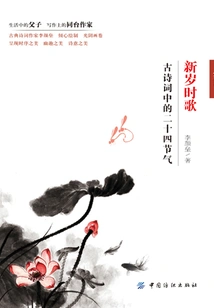
新岁时歌:古诗词中的二十四节气
Li Yanlei
"The Twenty-Four Solar Terms in Ancient Poems about the New Year" is one of the books written by father and son. The changing of seasons and the reincarnation of solar terms are China's unique festival culture. "Twenty-Four Solar Terms in New Year's Songs and Ancient Poems" takes the twenty-four solar terms poems as clues, selects works related to the twenty-four solar terms in ancient Chinese poetry, and uses prose to connect the beauty of time, the beauty of tranquility, and the beauty of folk customs in the sequence of the New Year's Day, and together they paint a beautiful picture of time. From this, the twenty-four solar terms come from the ancients' elegant poems and dense ink paintings, step through the cycle of the twenty-four solar terms, and bloom before your eyes.
"The Twenty-Four Solar Terms in Ancient Poems about the New Year" is one of the books written by father and son. The changing of seasons and the reincarnation of solar terms are China's unique festival culture. "Twenty-Four Solar Terms in New Year's Songs and Ancient Poems" takes the twenty-four solar terms poems as clues, selects works related to the twenty-four solar terms in ancient Chinese poetry, and uses prose to connect the beauty of time, the beauty of tranquility, and the beauty of folk customs in the sequence of the New Year's Day, and together they paint a beautiful picture of time. From this, the twenty-four solar terms come from the ancients' elegant poems and dense ink paintings, step through the cycle of the twenty-four solar terms, and bloom before your eyes.
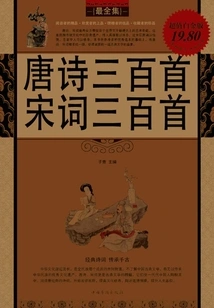
唐诗三百首 宋词三百首(超值白金版)
Ziqing
This book is divided into two parts: "Three Hundred Tang Poems" and "Three Hundred Song Ci", which contain 300 Tang poems and Song Ci respectively. It also has columns for interpretation and appreciation, and has phonetic notations for rare words to facilitate readers' reading.
This book is divided into two parts: "Three Hundred Tang Poems" and "Three Hundred Song Ci", which contain 300 Tang poems and Song Ci respectively. It also has columns for interpretation and appreciation, and has phonetic notations for rare words to facilitate readers' reading.
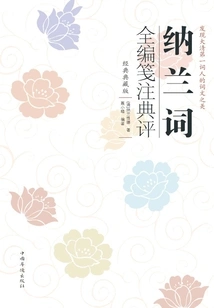
纳兰词全编笺注典评(经典典藏版)
I
Nalan's poems have deeply moved countless readers with their pure and deep emotions, exquisite and delicate descriptions, plain and smooth language, and euphemistic and sad style, and have been widely circulated. This book contains exquisite words and sentences from Nalan's poems and is accompanied by exquisite pictures, providing readers with a relaxing and soul-touching reading journey.
Nalan's poems have deeply moved countless readers with their pure and deep emotions, exquisite and delicate descriptions, plain and smooth language, and euphemistic and sad style, and have been widely circulated. This book contains exquisite words and sentences from Nalan's poems and is accompanied by exquisite pictures, providing readers with a relaxing and soul-touching reading journey.
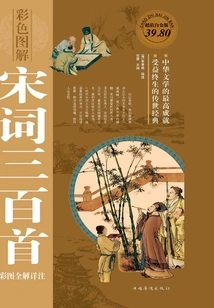
宋词三百首彩图全解详注(彩色图解超值白金版)
(qing Dynasty) Edited By Zhu Xiaozang And Edited By Si Lu
This book refers to the achievements of predecessors, according to the development context of the poems, and based on the readers' aesthetic needs, it selects the best poems and collects them. It is accompanied by hundreds of pictures that match the meaning of the poems.
This book refers to the achievements of predecessors, according to the development context of the poems, and based on the readers' aesthetic needs, it selects the best poems and collects them. It is accompanied by hundreds of pictures that match the meaning of the poems.
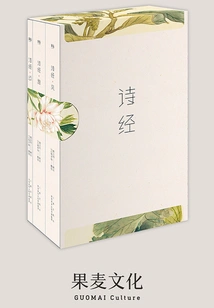
Book of Songs
Literature诗经
Commentary By Luo Yuming (japanese) Written And Illustrated By Yu Hosoi
Recommended by Han Han. It contains 305 poems in total, annotated by Luo Yuming, 203 full-color pictures of Hosoi Yu's famous objects, and accompanying text with phonetic notation, making it easy to read.
Recommended by Han Han. It contains 305 poems in total, annotated by Luo Yuming, 203 full-color pictures of Hosoi Yu's famous objects, and accompanying text with phonetic notation, making it easy to read.
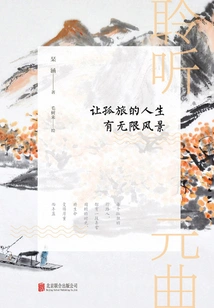
聆听元曲:让孤旅的人生有无限风景
Written By Qin Han And Painted By Mao Shulai
The author goes deep into ordinary life, and when he is in a similar mood, he quotes Yuan music, either as confirmation or as a finishing touch, integrating his experience of life and his understanding of Yuan music. The author believes that all literature must be rooted in the soil of life, so that it can have a lively business, grow and bear fruit. Even if it is just ordinary life, with the addition of classic literature, life can become poetic and song-like. Yuan's music is not artificial, the call and cry from the heart seem to break through all worldly barriers and go straight to the heart. Yuan Opera makes us understand that ups and downs are the normal state of life. All ups and downs and misfortunes will pass, and it also gives us a deeper wisdom of life, and we can once again receive the warmth of the sun.
The author goes deep into ordinary life, and when he is in a similar mood, he quotes Yuan music, either as confirmation or as a finishing touch, integrating his experience of life and his understanding of Yuan music. The author believes that all literature must be rooted in the soil of life, so that it can have a lively business, grow and bear fruit. Even if it is just ordinary life, with the addition of classic literature, life can become poetic and song-like. Yuan's music is not artificial, the call and cry from the heart seem to break through all worldly barriers and go straight to the heart. Yuan Opera makes us understand that ups and downs are the normal state of life. All ups and downs and misfortunes will pass, and it also gives us a deeper wisdom of life, and we can once again receive the warmth of the sun.
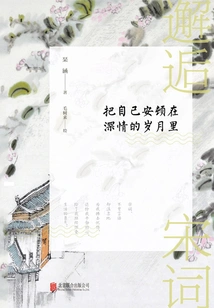
邂逅宋词:把自己安顿在深情的岁月里
Written By Qin Han And Painted By Mao Shulai
Song Ci is like a quiet and beautiful woman, elegant and graceful, with deep feelings. They are the best friends in our peaceful hearts and the confidants we meet in the world of mortals. For thousands of years, no matter how time passes, people's struggle and clinging to the word love have always been the same. How much affection has been placed on the river of life, flowing from ancient times to the present. In the different circumstances of our lives, many people cannot escape the word love. They may be trapped in it for a lifetime, or they may escape decisively. It all depends on a person's persistence and open-mindedness. I often look for my most lingering, profound, but indescribable feelings in Song poetry. When my unrestrained feelings couldn't be contained, and there was even nowhere to put them, I knew that Song Ci was my confidant. There is deep affection here, and the call and response of the soul.
Song Ci is like a quiet and beautiful woman, elegant and graceful, with deep feelings. They are the best friends in our peaceful hearts and the confidants we meet in the world of mortals. For thousands of years, no matter how time passes, people's struggle and clinging to the word love have always been the same. How much affection has been placed on the river of life, flowing from ancient times to the present. In the different circumstances of our lives, many people cannot escape the word love. They may be trapped in it for a lifetime, or they may escape decisively. It all depends on a person's persistence and open-mindedness. I often look for my most lingering, profound, but indescribable feelings in Song poetry. When my unrestrained feelings couldn't be contained, and there was even nowhere to put them, I knew that Song Ci was my confidant. There is deep affection here, and the call and response of the soul.
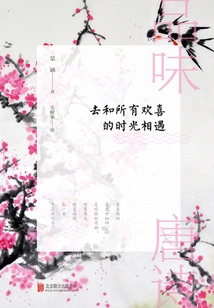
品味唐诗:去和所有欢喜的时光相遇
Written By Qin Han And Painted By Mao Shulai
The author goes deeply into ordinary life, and when he is in a similar mood, he quotes Tang poetry, either to confirm or to add the finishing touch, integrating his experience of life and his understanding of Tang poetry. The author believes that all literature must be rooted in the soil of life, so that it can have a lively business, grow and bear fruit. Even if it is just ordinary life, with the addition of classic literature, life can become poetic and song-like. Tang poetry is like a peach blossom garden with colorful fallen flowers, which makes people forget the distance of the road and wander around without wanting to leave. Get close to Tang poetry, explore the beauty of humanities, and let the timeless beauty of poetry irrigate our dry souls; it is also the source of living water, showing us its lively and endless business.
The author goes deeply into ordinary life, and when he is in a similar mood, he quotes Tang poetry, either to confirm or to add the finishing touch, integrating his experience of life and his understanding of Tang poetry. The author believes that all literature must be rooted in the soil of life, so that it can have a lively business, grow and bear fruit. Even if it is just ordinary life, with the addition of classic literature, life can become poetic and song-like. Tang poetry is like a peach blossom garden with colorful fallen flowers, which makes people forget the distance of the road and wander around without wanting to leave. Get close to Tang poetry, explore the beauty of humanities, and let the timeless beauty of poetry irrigate our dry souls; it is also the source of living water, showing us its lively and endless business.
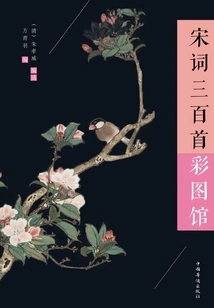
彩图馆:宋词三百首
(qing Dynasty) Edited And Selected By Zhu Xiaozang And Edited By Fang Qingyu
"Three Hundred Song Ci" is compiled based on the achievements of predecessors, taking into account the development context of Song Ci and the aesthetic needs of modern people. This book includes the best masterpieces from the Tang and Five Dynasties periods as appropriate to show its origins and changes. The selected poems in the book either describe scenes and express feelings, express life, or express farewell to people, etc., Which comprehensively display the style of Song Ci.
"Three Hundred Song Ci" is compiled based on the achievements of predecessors, taking into account the development context of Song Ci and the aesthetic needs of modern people. This book includes the best masterpieces from the Tang and Five Dynasties periods as appropriate to show its origins and changes. The selected poems in the book either describe scenes and express feelings, express life, or express farewell to people, etc., Which comprehensively display the style of Song Ci.
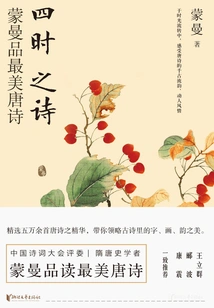
四时之诗:蒙曼品最美唐诗
Monman
This book is the first work explaining Tang poetry by Mr. Meng Man, a famous scholar of Sui and Tang history and a judge of the Chinese Poetry Conference. Teacher Mengman takes you back to the Tang Dynasty to read the most beautiful Tang poetry. This book takes the classical 24 solar terms and modern festivals as the starting point, leading readers to read selected Tang poetry works in the four seasons, appreciate the linguistic and literary beauty of Tang poetry, tell cultural allusions, and enter the poet's state of mind. Based on this theme, 32 poems and essays were carefully compiled and revised. These poems revolve around the four seasons and festivals. In fact, they revolve around the cycle of time in the Tang Dynasty and the cycle of life of the Tang people. I hope to see them in this reincarnation - Li Bai, Du Fu, Wang Wei, and even more hope to see us - you, me and him (her) in this reincarnation. We and them, ancient times and today, tradition and future, meet in this wonderful poem of the four seasons. Let us, together with Teacher Mengman, appreciate in detail the wind, flowers, snow and moon that have traveled through thousands of years, and the immortal embroidered brocade heart that has lasted for thousands of years.
This book is the first work explaining Tang poetry by Mr. Meng Man, a famous scholar of Sui and Tang history and a judge of the Chinese Poetry Conference. Teacher Mengman takes you back to the Tang Dynasty to read the most beautiful Tang poetry. This book takes the classical 24 solar terms and modern festivals as the starting point, leading readers to read selected Tang poetry works in the four seasons, appreciate the linguistic and literary beauty of Tang poetry, tell cultural allusions, and enter the poet's state of mind. Based on this theme, 32 poems and essays were carefully compiled and revised. These poems revolve around the four seasons and festivals. In fact, they revolve around the cycle of time in the Tang Dynasty and the cycle of life of the Tang people. I hope to see them in this reincarnation - Li Bai, Du Fu, Wang Wei, and even more hope to see us - you, me and him (her) in this reincarnation. We and them, ancient times and today, tradition and future, meet in this wonderful poem of the four seasons. Let us, together with Teacher Mengman, appreciate in detail the wind, flowers, snow and moon that have traveled through thousands of years, and the immortal embroidered brocade heart that has lasted for thousands of years.
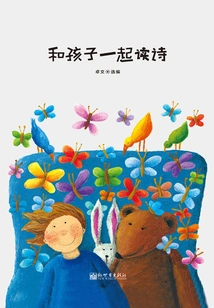
Read Poetry with Your Children
Literature和孩子一起读诗
Zhuo Wen
This is a collection of poems carefully selected for children, including excellent poems from ancient and modern times at home and abroad. It not only includes the classics of ancient poetry, such as famous poems in "The Book of Songs" and "Nineteen Ancient Poems", excellent Tang poetry and Song lyrics, etc., But also includes recent works by Lu Xun, Wen Yiduo, Liu Bannong, Bing Xin, Guo Moruo, Xu Zhimo, Lin Huiyin, etc. Classic poems by modern literati; it also includes works by contemporary poets such as Shizhi, Haizi, Gu Cheng, Bei Dao, and Wang Guozhen; as well as works by foreign poets such as Pushkin, Tagore, Yeats, Rilke, and Meiling Kaneko. At the same time, each poem is accompanied by pictures that match its artistic conception, with both pictures and text allowing parents and children to better understand the content of the poem. This book is suitable for children aged 7 to 14 years old. Target audience: children aged 7-14 and their parents
This is a collection of poems carefully selected for children, including excellent poems from ancient and modern times at home and abroad. It not only includes the classics of ancient poetry, such as famous poems in "The Book of Songs" and "Nineteen Ancient Poems", excellent Tang poetry and Song lyrics, etc., But also includes recent works by Lu Xun, Wen Yiduo, Liu Bannong, Bing Xin, Guo Moruo, Xu Zhimo, Lin Huiyin, etc. Classic poems by modern literati; it also includes works by contemporary poets such as Shizhi, Haizi, Gu Cheng, Bei Dao, and Wang Guozhen; as well as works by foreign poets such as Pushkin, Tagore, Yeats, Rilke, and Meiling Kaneko. At the same time, each poem is accompanied by pictures that match its artistic conception, with both pictures and text allowing parents and children to better understand the content of the poem. This book is suitable for children aged 7 to 14 years old. Target audience: children aged 7-14 and their parents
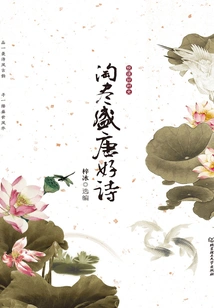
淘尽盛唐好诗
Zi Bing
This book is divided into six units, which re-summarize Tang poetry from six perspectives: landscape, retreat, season, emotion, historical poetry and frontier war. It explains the profound and simple things in simple terms, leading everyone to understand and understand Tang poetry more coherently from a new perspective. The poems in the book are not full annotations, but appropriate annotations for obscure words and sentences, ensuring that everyone can understand the emotions in the poems without destroying the original artistic conception of the poems. Each poem in the book is accompanied by an ink painting by a famous artist such as Qi Baishi or Fan Qi, which echoes the poems. The exquisite four-color printing makes the book richer in content and will not be boring to read. It allows readers to more vividly understand the artistic conception of the poems and also provides them with perfect visual enjoyment.
This book is divided into six units, which re-summarize Tang poetry from six perspectives: landscape, retreat, season, emotion, historical poetry and frontier war. It explains the profound and simple things in simple terms, leading everyone to understand and understand Tang poetry more coherently from a new perspective. The poems in the book are not full annotations, but appropriate annotations for obscure words and sentences, ensuring that everyone can understand the emotions in the poems without destroying the original artistic conception of the poems. Each poem in the book is accompanied by an ink painting by a famous artist such as Qi Baishi or Fan Qi, which echoes the poems. The exquisite four-color printing makes the book richer in content and will not be boring to read. It allows readers to more vividly understand the artistic conception of the poems and also provides them with perfect visual enjoyment.
南宋词史(上)
Tao Erfu Liu Jingqi
"History of Southern Song Ci" combines points and aspects and runs through it with lines. It not only reveals the staged development process of the history of Southern Song Ci from a diachronic direction, but also shows the rich and diverse aesthetic forms of each stage of the Ci world from a synchronic perspective. It not only advances the research level of the history of Southern Song Ci in depth, but also expands the research field of the history of Southern Song Ci in breadth.
"History of Southern Song Ci" combines points and aspects and runs through it with lines. It not only reveals the staged development process of the history of Southern Song Ci from a diachronic direction, but also shows the rich and diverse aesthetic forms of each stage of the Ci world from a synchronic perspective. It not only advances the research level of the history of Southern Song Ci in depth, but also expands the research field of the history of Southern Song Ci in breadth.
南宋词史(下)
Tao Erfu Liu Jingqi
"History of Southern Song Ci" combines points and aspects and runs through it with lines. It not only reveals the staged development process of the history of Southern Song Ci from a diachronic direction, but also shows the rich and diverse aesthetic forms of each stage of the Ci world from a synchronic perspective. It not only advances the research level of the history of Southern Song Ci in depth, but also expands the research field of the history of Southern Song Ci in breadth.
"History of Southern Song Ci" combines points and aspects and runs through it with lines. It not only reveals the staged development process of the history of Southern Song Ci from a diachronic direction, but also shows the rich and diverse aesthetic forms of each stage of the Ci world from a synchronic perspective. It not only advances the research level of the history of Southern Song Ci in depth, but also expands the research field of the history of Southern Song Ci in breadth.
唐诗为镜照汗青(修订版)
Ju Tu
1. This book takes Tang poetry as the starting point, and through the stories behind Tang poetry, it connects poems, poems, celebrity allusions, historical knowledge, etc. Into an organic network. 2. The book is magnificent and the language is humorous. It reflects reality and life through poetry and history, making readers feel the same, cannot bear to put down the book, and are amazed! 3. From school-age children to adults, from people who are originally afraid of poetry and history to lovers of literature and history, everyone can find points of interest in it. 4. The original manuscript of this book has been serialized in Tianya Community, read 720,000+ times, and recommended on the homepage many times.
1. This book takes Tang poetry as the starting point, and through the stories behind Tang poetry, it connects poems, poems, celebrity allusions, historical knowledge, etc. Into an organic network. 2. The book is magnificent and the language is humorous. It reflects reality and life through poetry and history, making readers feel the same, cannot bear to put down the book, and are amazed! 3. From school-age children to adults, from people who are originally afraid of poetry and history to lovers of literature and history, everyone can find points of interest in it. 4. The original manuscript of this book has been serialized in Tianya Community, read 720,000+ times, and recommended on the homepage many times.
Poetry in China (youth Edition)
Literature诗词中国(青少年版)
Yan Yu Xu Shilin Et Al.
"Poetry of China" is an excellent enlightenment book on classical poetry for teenagers. It uses the outstanding Chinese poetry of the past three thousand years as a context to tell the story of the creation of famous poems, appreciate the connotation of cultural imagery, and appreciate the life course of the poet. From the prototype of poetry in the Ancestors period to the great tradition created by "The Book of Songs" and "Chu Ci", from the vigorous and generous Jian'an style to the powerful atmosphere of the Tang Dynasty, from the simple and natural Yuefu poetry to the sincere and profound wanderer's homesickness... In today's noisy and anxious society, this book aims to help readers feel the endless beauty of poetry and the feelings of life. Through the trembling of the soul and the bathing of emotions, they can integrate poetry into life to enrich and warm their own life world. The content features of "Poetry in China" are as follows: 1. "Poetry in China" has interpretations by dozens of famous masters such as Wang Meng, Yu Qiuyu, Ye Jiaying, Yu Dan, Yan Su, Ouyang Zhongshi, etc., Leading young people to enter the world of classical poetry; 2. Selects the essence of Chinese poetry over thousands of years, integrates commentary and analysis, and provides easy-to-understand explanations, focusing on exploring the humanistic connotations behind poetry; 3. "Poetry of China" is equipped with elegant and timeless ancient paintings. Appreciate pictures and texts, blend poetry and painting, and appreciate the beauty of classical music; 4. Li Lanqing and Gu Xiulian respectively recommended inscriptions for "Poetry of China".
"Poetry of China" is an excellent enlightenment book on classical poetry for teenagers. It uses the outstanding Chinese poetry of the past three thousand years as a context to tell the story of the creation of famous poems, appreciate the connotation of cultural imagery, and appreciate the life course of the poet. From the prototype of poetry in the Ancestors period to the great tradition created by "The Book of Songs" and "Chu Ci", from the vigorous and generous Jian'an style to the powerful atmosphere of the Tang Dynasty, from the simple and natural Yuefu poetry to the sincere and profound wanderer's homesickness... In today's noisy and anxious society, this book aims to help readers feel the endless beauty of poetry and the feelings of life. Through the trembling of the soul and the bathing of emotions, they can integrate poetry into life to enrich and warm their own life world. The content features of "Poetry in China" are as follows: 1. "Poetry in China" has interpretations by dozens of famous masters such as Wang Meng, Yu Qiuyu, Ye Jiaying, Yu Dan, Yan Su, Ouyang Zhongshi, etc., Leading young people to enter the world of classical poetry; 2. Selects the essence of Chinese poetry over thousands of years, integrates commentary and analysis, and provides easy-to-understand explanations, focusing on exploring the humanistic connotations behind poetry; 3. "Poetry of China" is equipped with elegant and timeless ancient paintings. Appreciate pictures and texts, blend poetry and painting, and appreciate the beauty of classical music; 4. Li Lanqing and Gu Xiulian respectively recommended inscriptions for "Poetry of China".
与陶渊明生活在桃花源
Cheng Bin
The author spent ten years, using words as talismans and hard work as magic power, to build a time machine for readers. It allows readers to travel through more than 1,600 years of time, uncover the fog, and directly face a vibrant Tao Jing Festival. After turning page by page, the reader seems to have lived with Tao Gong all his life, experiencing his growth and family, and feeling the joy, anger, sorrow and joy he carries, full of vitality. Readers are no longer cold spectators or like-crazy fans, but can be integrated into this living history.
The author spent ten years, using words as talismans and hard work as magic power, to build a time machine for readers. It allows readers to travel through more than 1,600 years of time, uncover the fog, and directly face a vibrant Tao Jing Festival. After turning page by page, the reader seems to have lived with Tao Gong all his life, experiencing his growth and family, and feeling the joy, anger, sorrow and joy he carries, full of vitality. Readers are no longer cold spectators or like-crazy fans, but can be integrated into this living history.
I Love Memorizing Poetry
Literature我爱背诗词
Gu Yuting
In order to inspire the public's love for traditional culture, the essence of traditional culture can be further brought closer to the public and the spiritual world of the current Chinese people. This book carefully selects 300 classic ancient poems. Among them, Tang poems, Song lyrics, and Yuan opera are selected from three authoritative versions: "Three Hundred Tang Poems" compiled by retired scholars from Hengtang in the Qing Dynasty, "Three Hundred Song Ci Poems" compiled by Shangqiang Villagers, and "Three Hundred Yuan Operas" compiled by Ren Zhongmin and Lu Qian in modern times. It is a classic version to help readers understand and appreciate medieval poetry. At the same time, in order to facilitate readers to read and expand their knowledge, each article is analyzed in six parts, including a background introduction to the poem, what you know about the poem, the full text of the poem, annotations of the poem, appreciation of the poem, and extended reading. This makes this book not only suitable for reading and appreciation by general classical poetry lovers, but also meets the research needs of students and teachers. In addition, this book presents it in a pleasing section design, giving readers a wonderful reading experience.
In order to inspire the public's love for traditional culture, the essence of traditional culture can be further brought closer to the public and the spiritual world of the current Chinese people. This book carefully selects 300 classic ancient poems. Among them, Tang poems, Song lyrics, and Yuan opera are selected from three authoritative versions: "Three Hundred Tang Poems" compiled by retired scholars from Hengtang in the Qing Dynasty, "Three Hundred Song Ci Poems" compiled by Shangqiang Villagers, and "Three Hundred Yuan Operas" compiled by Ren Zhongmin and Lu Qian in modern times. It is a classic version to help readers understand and appreciate medieval poetry. At the same time, in order to facilitate readers to read and expand their knowledge, each article is analyzed in six parts, including a background introduction to the poem, what you know about the poem, the full text of the poem, annotations of the poem, appreciation of the poem, and extended reading. This makes this book not only suitable for reading and appreciation by general classical poetry lovers, but also meets the research needs of students and teachers. In addition, this book presents it in a pleasing section design, giving readers a wonderful reading experience.
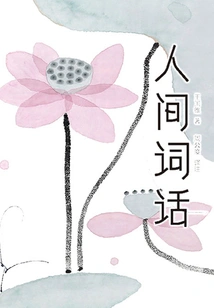
Human Words
Literature人间词话
Wang Guowei
No basic knowledge of ancient Chinese is required to fully understand it. The beautiful "Words of the World" dedicated to you by a poet is a golden key to developing spirituality. The translation and annotation of this book are based on the final draft written by Wang Guowei in the 34th year of Guangxu (1908), and the revised edition by Pushe in the 15th year of the Republic of China (1926). Unpublished and deleted manuscripts, based on photocopies of Wang Guowei's manuscripts in the Special Collections of the National Library of China. Wang Guowei used simple and clear, profound and simple analysis to sort out the context and rules of Ci for the first time. In just 64 notes, he explained the aesthetic core of Ci: advocating "simplicity" and "truth", and proposing the "realm theory", which made people suddenly enlightened.
No basic knowledge of ancient Chinese is required to fully understand it. The beautiful "Words of the World" dedicated to you by a poet is a golden key to developing spirituality. The translation and annotation of this book are based on the final draft written by Wang Guowei in the 34th year of Guangxu (1908), and the revised edition by Pushe in the 15th year of the Republic of China (1926). Unpublished and deleted manuscripts, based on photocopies of Wang Guowei's manuscripts in the Special Collections of the National Library of China. Wang Guowei used simple and clear, profound and simple analysis to sort out the context and rules of Ci for the first time. In just 64 notes, he explained the aesthetic core of Ci: advocating "simplicity" and "truth", and proposing the "realm theory", which made people suddenly enlightened.
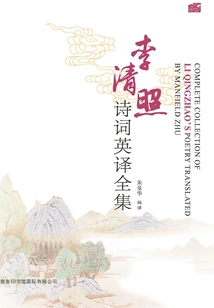
The Complete Collection of English Translations of Li Qingzhao's Poems (chinese-english Bilingual)
Literature李清照诗词英译全集(汉英对照)
Compiled By Zhu Manhua
"The Complete English Translation of Li Qingzhao's Poems" contains a total of 96 poems by Li Qingzhao. In order to allow readers to have a deeper understanding of Li Qingzhao's achievements in poetry and explore different aspects of his life trajectory, the author collected scattered poems or fragments of Li Qingzhao's poems that were quoted in classical masterpieces, and translated and introduced historical materials related to Li Qingzhao's poems.
"The Complete English Translation of Li Qingzhao's Poems" contains a total of 96 poems by Li Qingzhao. In order to allow readers to have a deeper understanding of Li Qingzhao's achievements in poetry and explore different aspects of his life trajectory, the author collected scattered poems or fragments of Li Qingzhao's poems that were quoted in classical masterpieces, and translated and introduced historical materials related to Li Qingzhao's poems.
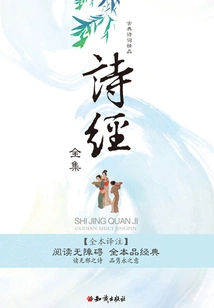
Complete Works of the Book of Songs
Literature诗经全集
Anonymous
There are 305 existing poems in "The Book of Songs", including folk songs and temple music dating from the early Western Zhou Dynasty to the middle of the Spring and Autumn Period, which are divided into three chapters: "Wind", "Ya" and "Song". Generally speaking, it reflects the social outlook of the Zhou Dynasty and the people's thoughts and feelings. Reading it is like reading a history of the development of the Zhou people from Houji to the middle of the Spring and Autumn Period. Han Yu called the outstanding artistic techniques of "The Book of Songs" "pa", and Wang Shizhen said "it is like a painter's portrait", which means that the poet is good at creating many lifelike characters, as vivid and beautiful as flowers. This artistic realm is inseparable from his high achievements in language art. Among them, the commonly used expression techniques summarized by predecessors are Fu, Bi and Xing.
There are 305 existing poems in "The Book of Songs", including folk songs and temple music dating from the early Western Zhou Dynasty to the middle of the Spring and Autumn Period, which are divided into three chapters: "Wind", "Ya" and "Song". Generally speaking, it reflects the social outlook of the Zhou Dynasty and the people's thoughts and feelings. Reading it is like reading a history of the development of the Zhou people from Houji to the middle of the Spring and Autumn Period. Han Yu called the outstanding artistic techniques of "The Book of Songs" "pa", and Wang Shizhen said "it is like a painter's portrait", which means that the poet is good at creating many lifelike characters, as vivid and beautiful as flowers. This artistic realm is inseparable from his high achievements in language art. Among them, the commonly used expression techniques summarized by predecessors are Fu, Bi and Xing.
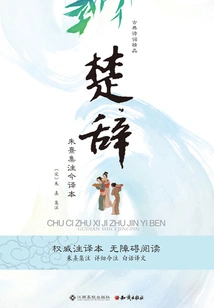
楚辞:朱熹集注今译本
Zhu Xi
The whole book is mainly composed of Qu Yuan's works, and the other chapters also inherit the form of Qu Yuan's Fu. It has a strong local color by using the literary style, dialect pronunciation, customs and products of the Chu region.
The whole book is mainly composed of Qu Yuan's works, and the other chapters also inherit the form of Qu Yuan's Fu. It has a strong local color by using the literary style, dialect pronunciation, customs and products of the Chu region.
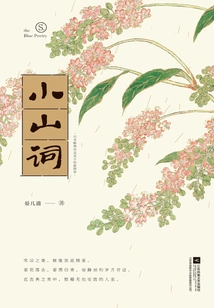
Xiaoshan Ci
Literature小山词
Yan Jidao
"Xiaoshan Ci" is a Song poetry work that occupies an important position in the history of Chinese literature. Feng Xu commented in "Examples of Sixty-one Poems of the Song Dynasty" that "their plain words are all interesting, and the simple words are all interesting. I hope that the two Song Dynasties can be compared, but it is rare." The works in "Xiaoshan Ci" are full of nostalgia for the past and express sadness. The style of writing is full of sentimentality, the sadness is deep and sincere, and "can shake people's hearts." "Linjiang Fairy", "Partridge Sky", "Ruan Lang Returns", etc. Are all famous poems that have been recited throughout the history. Through vivid and touching pictures, they express the sorrow of parting, the pain of missing each other and the joy of reunion. It can be said that it is sincere and heart-warming. Among them, the new words and beautiful sentences are deeply praised by commentators, such as "The falling flower is independent, and the gentle swift swallows fly together", "Futang Cihua" praised it as a "famous sentence" that "cannot be duplicated throughout the ages"; "Dancing low in the heart of the willow tower, singing to the wind under the peach blossom fan", "Tiaoxi Yuyinconghua" praised it as "the lyrics are graceful and beautiful".
"Xiaoshan Ci" is a Song poetry work that occupies an important position in the history of Chinese literature. Feng Xu commented in "Examples of Sixty-one Poems of the Song Dynasty" that "their plain words are all interesting, and the simple words are all interesting. I hope that the two Song Dynasties can be compared, but it is rare." The works in "Xiaoshan Ci" are full of nostalgia for the past and express sadness. The style of writing is full of sentimentality, the sadness is deep and sincere, and "can shake people's hearts." "Linjiang Fairy", "Partridge Sky", "Ruan Lang Returns", etc. Are all famous poems that have been recited throughout the history. Through vivid and touching pictures, they express the sorrow of parting, the pain of missing each other and the joy of reunion. It can be said that it is sincere and heart-warming. Among them, the new words and beautiful sentences are deeply praised by commentators, such as "The falling flower is independent, and the gentle swift swallows fly together", "Futang Cihua" praised it as a "famous sentence" that "cannot be duplicated throughout the ages"; "Dancing low in the heart of the willow tower, singing to the wind under the peach blossom fan", "Tiaoxi Yuyinconghua" praised it as "the lyrics are graceful and beautiful".