Library
Browse and search books
2,169 novels found
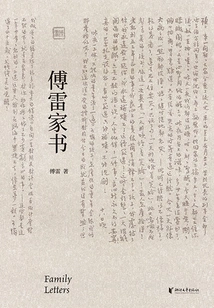
Fu Lei's Family Letter
Literature傅雷家书
Fu Lei
"Being a human being is first, being an artist second, being a musician second, and finally being a pianist." - Fu Lei. "Family Letters from Fu Lei" is a selection of family letters written by translator Fu Lei to his eldest son Fu Cong. It covers Fu Cong's more than ten years of studying in Poland and his entire youth. These letters are not only a father's sincere teachings to his son, but also a philosopher's torch to ignite the innocent hearts of young people. From the principles of life to artistic cultivation, the educational concept of "Be a man first, then become a talent" embodied in "Fu Lei's Family Letter" has guided the growth of generations of young people.
"Being a human being is first, being an artist second, being a musician second, and finally being a pianist." - Fu Lei. "Family Letters from Fu Lei" is a selection of family letters written by translator Fu Lei to his eldest son Fu Cong. It covers Fu Cong's more than ten years of studying in Poland and his entire youth. These letters are not only a father's sincere teachings to his son, but also a philosopher's torch to ignite the innocent hearts of young people. From the principles of life to artistic cultivation, the educational concept of "Be a man first, then become a talent" embodied in "Fu Lei's Family Letter" has guided the growth of generations of young people.
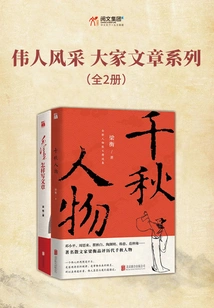
伟人风采 大家文章系列(全2册)
Liang Heng
Liang Heng, born in 1946, is from Huozhou, Shanxi. Graduated from Renmin University of China in 1968. This set includes "Thousands of Characters" + "How Mao Zedong Writes Articles".
Liang Heng, born in 1946, is from Huozhou, Shanxi. Graduated from Renmin University of China in 1968. This set includes "Thousands of Characters" + "How Mao Zedong Writes Articles".
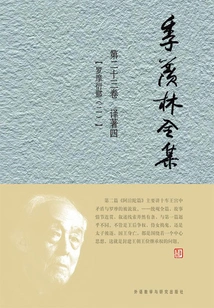
季羡林全集(第二十三卷)译著四:罗摩衍那(二)
Ji Xianlin "the Complete Works Of Ji Xianlin" Editorial And Publishing Committee
This volume contains the author's translation of the second chapter of Ramayana, "Ayotha Chapter".
This volume contains the author's translation of the second chapter of Ramayana, "Ayotha Chapter".
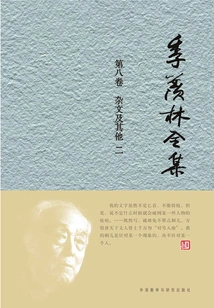
季羡林全集(第八卷)杂文及其他二
Ji Xianlin "the Complete Works Of Ji Xianlin" Editorial And Publishing Committee
This volume contains more than 200 essays and verse articles written by the author from 1995 to 2007 and 3 novels written in 1929.
This volume contains more than 200 essays and verse articles written by the author from 1995 to 2007 and 3 novels written in 1929.
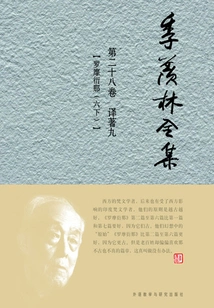
季羡林全集(第二十八卷)译著九:罗摩衍那(六下)
Ji Xianlin "the Complete Works Of Ji Xianlin" Editorial And Publishing Committee
This volume includes Mr. Ji Xianlin's translation: Part 6 of the "Battle Chapter" of the ancient Indian Sanskrit epic "Ramayana".
This volume includes Mr. Ji Xianlin's translation: Part 6 of the "Battle Chapter" of the ancient Indian Sanskrit epic "Ramayana".
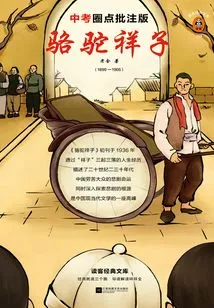
Camel Xiangzi
Literature骆驼祥子
Lao She
Learn how to read the punctuated annotation version of "Luotuo Xiangzi" for the high school entrance examination and master all the test points of "Luotuo Xiangzi"! Senior middle school Chinese teachers were specially invited to compile the "Luotuo Xiangzi" High School Entrance Examination Study Manual and provide punctuation in the full text! Keeping up with the new trends in reading classics for the High School Entrance Examination, we will guide you step by step in learning the reading methods of punctuation and annotation, and fully grasp the test points of "Luotuo Xiangzi" for the High School Entrance Examination. The entire text has not been deleted! Preserve the original appearance of Lao She's works. "Camel Xiangzi" is the most important book to read in the high school entrance examination! Five core added values help the reading of the whole book: 1) In-depth analysis of the 2019-2020 high school entrance examination real questions 2) Full-text bullet points 3) Reading method guidance 4) 24 chapter introductions 5) 24 test points sorting out Special bonuses: literary knowledge expansion, high school entrance examination simulation exercises. Teachers can use it to explain, students can use it for self-study, and parents can use it for tutoring. Three Circles for Reading Classics, Complete Introduction and Interpretation (Duke Classic Library)
Learn how to read the punctuated annotation version of "Luotuo Xiangzi" for the high school entrance examination and master all the test points of "Luotuo Xiangzi"! Senior middle school Chinese teachers were specially invited to compile the "Luotuo Xiangzi" High School Entrance Examination Study Manual and provide punctuation in the full text! Keeping up with the new trends in reading classics for the High School Entrance Examination, we will guide you step by step in learning the reading methods of punctuation and annotation, and fully grasp the test points of "Luotuo Xiangzi" for the High School Entrance Examination. The entire text has not been deleted! Preserve the original appearance of Lao She's works. "Camel Xiangzi" is the most important book to read in the high school entrance examination! Five core added values help the reading of the whole book: 1) In-depth analysis of the 2019-2020 high school entrance examination real questions 2) Full-text bullet points 3) Reading method guidance 4) 24 chapter introductions 5) 24 test points sorting out Special bonuses: literary knowledge expansion, high school entrance examination simulation exercises. Teachers can use it to explain, students can use it for self-study, and parents can use it for tutoring. Three Circles for Reading Classics, Complete Introduction and Interpretation (Duke Classic Library)
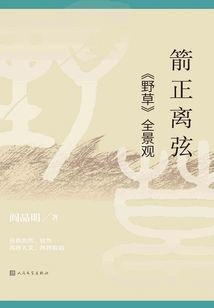
箭正离弦:《野草》全景观
Yan Jingming
As the most influential and important writer and thinker in modern China, Lu Xun created many immortal works that can be called classics. As Lu Xun's only collection of prose poems, "Wild Grass" has unique and profound imagery and cold and steep language. It embodies Mr. Lu Xun's unremitting ideological exploration process and is also an important way to interpret Mr. Lu Xun's thoughts. Lu Xun once said that his whole life's philosophy is in "Weeds". "The Arrow is Leaving the String - A Panoramic View of "Wild Grass"" is based on Mr. Lu Xun's "Wild Grass" and provides a more in-depth reinterpretation of his prose poetry collection in the form of essays. The whole book is divided into three parts: "Wild Grass" ability examination, "Wild Grass" artistic theory, and "Wild Grass" publication history. It conducts a more complete discussion on the context, connotation and extension of the creation of "Wild Grass", and leads readers into Lu Xun's inner world in a more popular way. It is an important academic theoretical prose essay for understanding Lu Xun and his works.
As the most influential and important writer and thinker in modern China, Lu Xun created many immortal works that can be called classics. As Lu Xun's only collection of prose poems, "Wild Grass" has unique and profound imagery and cold and steep language. It embodies Mr. Lu Xun's unremitting ideological exploration process and is also an important way to interpret Mr. Lu Xun's thoughts. Lu Xun once said that his whole life's philosophy is in "Weeds". "The Arrow is Leaving the String - A Panoramic View of "Wild Grass"" is based on Mr. Lu Xun's "Wild Grass" and provides a more in-depth reinterpretation of his prose poetry collection in the form of essays. The whole book is divided into three parts: "Wild Grass" ability examination, "Wild Grass" artistic theory, and "Wild Grass" publication history. It conducts a more complete discussion on the context, connotation and extension of the creation of "Wild Grass", and leads readers into Lu Xun's inner world in a more popular way. It is an important academic theoretical prose essay for understanding Lu Xun and his works.
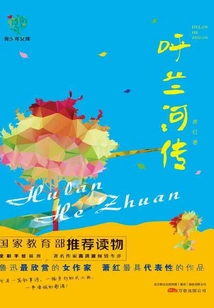
呼兰河传(悦成长青少年文库)
Xiao Hong
"The Story of Hulan River" is the representative work of Xiao Hong, the "Luo Shen of 1930s Literature". Xiao Hong's works are full of sadness. It expresses self-subjective feelings in a lyrical style; the structure of the novel is prose; it emphasizes the description of cultural customs and natural scenery, and does not waste pen and ink on the portrayal of characters; the plot of the story is intermittent, but it is meaningful; the interesting stories from childhood are full of wit and humor.
"The Story of Hulan River" is the representative work of Xiao Hong, the "Luo Shen of 1930s Literature". Xiao Hong's works are full of sadness. It expresses self-subjective feelings in a lyrical style; the structure of the novel is prose; it emphasizes the description of cultural customs and natural scenery, and does not waste pen and ink on the portrayal of characters; the plot of the story is intermittent, but it is meaningful; the interesting stories from childhood are full of wit and humor.
夜莺与玫瑰(世界文学名著)
H
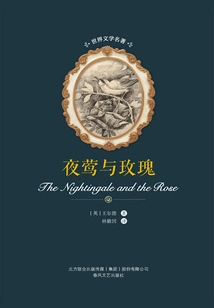
A college student fell in love with a girl. The girl said that she would dance with him as long as the college student gave her some red roses, but there were none in the college student's garden. He was troubled, sad, and weeping about it. Only the nightingale on the tree understood him and was willing to sing for him every day, singing about the greatness of love. Finally, the nightingale sang to a rose tree in the moonlight at the cost of its life, pierced its heart on the thorn of the tree, and injected blood into the tree's blood vessels, and a bright red rose grew. The college student gave the red rose he received to the girl, but she dismissed it because the nephew of the palace minister had already given her some precious jewelry. College students lament how stupid love is! So he threw the bloody red rose on the street. He no longer believed in love and devoted himself to the study of philosophy behind closed doors.
A college student fell in love with a girl. The girl said that she would dance with him as long as the college student gave her some red roses, but there were none in the college student's garden. He was troubled, sad, and weeping about it. Only the nightingale on the tree understood him and was willing to sing for him every day, singing about the greatness of love. Finally, the nightingale sang to a rose tree in the moonlight at the cost of its life, pierced its heart on the thorn of the tree, and injected blood into the tree's blood vessels, and a bright red rose grew. The college student gave the red rose he received to the girl, but she dismissed it because the nephew of the palace minister had already given her some precious jewelry. College students lament how stupid love is! So he threw the bloody red rose on the street. He no longer believed in love and devoted himself to the study of philosophy behind closed doors.
Liaozhai
Literature聊斋
(qing Dynasty) Written By Pu Songling Edited By Feng Huijuan
"Liao Zhai" selects classic chapters from "Liao Zhai" and translates them into vernacular Chinese, so that readers can appreciate the charm of Liaozhai stories.
"Liao Zhai" selects classic chapters from "Liao Zhai" and translates them into vernacular Chinese, so that readers can appreciate the charm of Liaozhai stories.
Teffy's Memoirs
Literature苔菲回忆录
(russia) Tefi
Perhaps, the era we are facing is indeed as Calvino said: "Reading classic works seems inconsistent with the pace of our lives. Our pace of life cannot bear to give up large chunks of time or space to the leisure of humanists; it is also inconsistent with the elitism in our culture. This elitism can never develop a catalog of classic works to suit our times." Then, just like the desert's desire for water, it is ignoring the classics. In this era, we still have to hold high the encyclopedia of classics and engrave it with another passage of Calvino: "What can be done now is to let each of us invent our ideal classic library; and I would say that half of it should include books that we have read and have benefited us, and others should be books that we intend to read and assume that they will benefit us. We should also give some space to unexpected books and books discovered by chance."
Perhaps, the era we are facing is indeed as Calvino said: "Reading classic works seems inconsistent with the pace of our lives. Our pace of life cannot bear to give up large chunks of time or space to the leisure of humanists; it is also inconsistent with the elitism in our culture. This elitism can never develop a catalog of classic works to suit our times." Then, just like the desert's desire for water, it is ignoring the classics. In this era, we still have to hold high the encyclopedia of classics and engrave it with another passage of Calvino: "What can be done now is to let each of us invent our ideal classic library; and I would say that half of it should include books that we have read and have benefited us, and others should be books that we intend to read and assume that they will benefit us. We should also give some space to unexpected books and books discovered by chance."
四世同堂(套装共3册)
Lao She
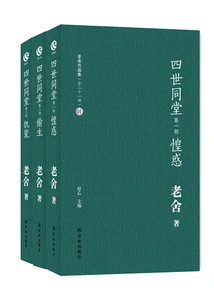
"Four Generations Under One Roof" (set of 3 volumes) is a literary classic worth reading by every generation of Chinese and a national memory worth cherishing by every Chinese. Selected into "Top 100 Chinese Novels of the 20th Century" by Asia Weekly. This set of books consists of the first part of Four Generations Under One House, Confusion, the second part of Four Generations Under One House, Ignorance, and the third part of Four Generations Under One House, part famine.
"Four Generations Under One Roof" (set of 3 volumes) is a literary classic worth reading by every generation of Chinese and a national memory worth cherishing by every Chinese. Selected into "Top 100 Chinese Novels of the 20th Century" by Asia Weekly. This set of books consists of the first part of Four Generations Under One House, Confusion, the second part of Four Generations Under One House, Ignorance, and the third part of Four Generations Under One House, part famine.
Walking Reverie
Literature漫步遐想录
G
Rousseau's "Rambles" was written in older French. Some of the things he described have disappeared, and some of the words he used are no longer in use. In addition, his works are quite personal and philosophical, so it is easy to have different understandings when reading or translating them.
Rousseau's "Rambles" was written in older French. Some of the things he described have disappeared, and some of the words he used are no longer in use. In addition, his works are quite personal and philosophical, so it is easy to have different understandings when reading or translating them.
The Old Man and the Sea the Sun Rises
Literature老人与海 太阳升起
K
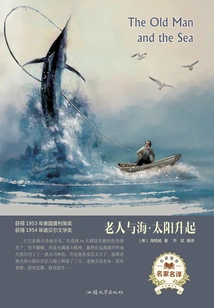
Santiago, a veteran Cuban fisherman, finally caught a big marlin alone after not catching a fish for 84 consecutive days. But the fish was so big that it dragged his boat on the sea for three days before it was exhausted and was killed by him and tied to the side of the boat. However, on the way back, he was repeatedly attacked by sharks. When he finally returned to port, only the head, tail and a spine were left of the big marlin. Although this is a work with a simple story and a small length, it is rich in meaning. Many teachers use it as a teaching material on heroism education and recommend it to students, making it an enduring bestseller. Santiago's tragic fate is the refractory reflection of Hemingway's own experience in art.
Santiago, a veteran Cuban fisherman, finally caught a big marlin alone after not catching a fish for 84 consecutive days. But the fish was so big that it dragged his boat on the sea for three days before it was exhausted and was killed by him and tied to the side of the boat. However, on the way back, he was repeatedly attacked by sharks. When he finally returned to port, only the head, tail and a spine were left of the big marlin. Although this is a work with a simple story and a small length, it is rich in meaning. Many teachers use it as a teaching material on heroism education and recommend it to students, making it an enduring bestseller. Santiago's tragic fate is the refractory reflection of Hemingway's own experience in art.
诺贝尔文学奖经典导读(全2册)
Zhao Zhizhuo
Since its establishment in 1990, the Nobel Prize in Literature has experienced two world wars and more than a century of baptism. However, its original intention has not changed and it has always focused on "ideal tendencies." These more than 100 Nobel Prize winners in literature come from different periods, different countries, and even work in different civilizations and different fields. However, they have a common trait, which is that they always have ideals for the future of mankind. This book is a set of tutoring readings for previous Nobel Prize-winning works. Each work is divided into two sections: "Author Introduction" and "Work Appreciation". The former section introduces the writer's creative experience, representative works, and ideal tendencies conveyed; the latter section is based on the works, with an introduction to the content and plot, an analysis of the main characters, and a discussion of the artistic characteristics of writing.
Since its establishment in 1990, the Nobel Prize in Literature has experienced two world wars and more than a century of baptism. However, its original intention has not changed and it has always focused on "ideal tendencies." These more than 100 Nobel Prize winners in literature come from different periods, different countries, and even work in different civilizations and different fields. However, they have a common trait, which is that they always have ideals for the future of mankind. This book is a set of tutoring readings for previous Nobel Prize-winning works. Each work is divided into two sections: "Author Introduction" and "Work Appreciation". The former section introduces the writer's creative experience, representative works, and ideal tendencies conveyed; the latter section is based on the works, with an introduction to the content and plot, an analysis of the main characters, and a discussion of the artistic characteristics of writing.
希利尔送给孩子:不一样的艺术史
H
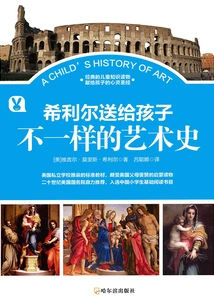
"Hillier Gives to Children: A Different History of Art" consists of three parts: painting, sculpture and architecture. The author uses concise and expressive language to tell stories related to those art masters and immortal masterpieces. Like a senior art tour guide, he leads the children through the palace of world art. During the visit, the author will tell the children many interesting details at any time to attract their attention and arouse their interest in reading. Reading this book is like the author accompanying his children on a trip to famous art destinations such as Rome, Paris, and Athens, and getting to know art masters such as Van Gogh, Rodin, Raphael, and Michelangelo. Every painting, every sculpture and every building in the book vividly tells children what beauty and art are.
"Hillier Gives to Children: A Different History of Art" consists of three parts: painting, sculpture and architecture. The author uses concise and expressive language to tell stories related to those art masters and immortal masterpieces. Like a senior art tour guide, he leads the children through the palace of world art. During the visit, the author will tell the children many interesting details at any time to attract their attention and arouse their interest in reading. Reading this book is like the author accompanying his children on a trip to famous art destinations such as Rome, Paris, and Athens, and getting to know art masters such as Van Gogh, Rodin, Raphael, and Michelangelo. Every painting, every sculpture and every building in the book vividly tells children what beauty and art are.
希利尔送给孩子:不一样的世界地理
H
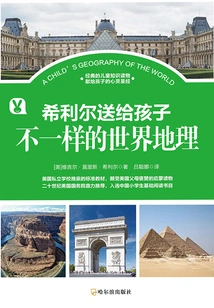
"Hillier Gives to Children: A Different Geography of the World" is a book for learning geography. By reading this book, children can travel around the world at home - from North America to South America, from Europe to Asia, and finally to Africa and Oceania. The interesting maps, long journey around the world, and interesting world knowledge in the book constitute this unique geography book. This book is not only a famous geography textbook, but also an interesting guidebook to take you around the world, allowing you to browse around the world, thereby deepening your knowledge and enriching your knowledge.
"Hillier Gives to Children: A Different Geography of the World" is a book for learning geography. By reading this book, children can travel around the world at home - from North America to South America, from Europe to Asia, and finally to Africa and Oceania. The interesting maps, long journey around the world, and interesting world knowledge in the book constitute this unique geography book. This book is not only a famous geography textbook, but also an interesting guidebook to take you around the world, allowing you to browse around the world, thereby deepening your knowledge and enriching your knowledge.
Conversation with the Soul in the Book
Literature与书中的灵魂对话
Mou Ding
The author's lifelong ideal is to be a professional scholar. Not only did she gain happiness through her constant reading, she also met many great and interesting souls in the book: from Kafka, Hesse, Dostoevsky, Heaney to Rilke, Nietzsche, Salome, Weil... So she described her feelings about reading in writing and shared the joy of reading with others. Reading enables people to transcend reality and sublimate the spiritual world. There are many unique interpretations and insights into famous writers and works in the book. There may be misunderstandings, but who can say that the reading experience cannot involve the reader's own life experience and thinking? Reading is a kind of empathy and dialogue with the author, and it is a secondary creation that participates in the realization of the value of the author's work. Good readers and great works work together to complete the immortal mission of creation. Therefore, reading has the meaning of life. Good works enable readers to reshape their independent self-personality. Reading good books will make you good.
The author's lifelong ideal is to be a professional scholar. Not only did she gain happiness through her constant reading, she also met many great and interesting souls in the book: from Kafka, Hesse, Dostoevsky, Heaney to Rilke, Nietzsche, Salome, Weil... So she described her feelings about reading in writing and shared the joy of reading with others. Reading enables people to transcend reality and sublimate the spiritual world. There are many unique interpretations and insights into famous writers and works in the book. There may be misunderstandings, but who can say that the reading experience cannot involve the reader's own life experience and thinking? Reading is a kind of empathy and dialogue with the author, and it is a secondary creation that participates in the realization of the value of the author's work. Good readers and great works work together to complete the immortal mission of creation. Therefore, reading has the meaning of life. Good works enable readers to reshape their independent self-personality. Reading good books will make you good.
夏承焘致谢玉岑手札笺释(修订版)
Compiled By Shen Jia
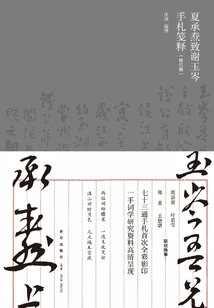
For the first time, the seventy-three letters are photocopied in full color, and the first-hand research information on Ci is presented in high definition. Two rising stars in the world of poetry, a life-and-death friendship; full of moonlight in the old days, a few points of claws in the snow and mud. All the explanatory notes of the letters are included, revisiting the old appearance of the literary world in the golden decade of the Republic of China, and appreciating the knowledge, demeanor, mind and feelings of the scholars of the Republic of China. Xia Chengtao and Xie Yucen taught together at Zhejiang Provincial No. 10 Middle School from 1926 to 1927, and they became irreversible throughout their lives. This book contains 62 letters from Xia Chengtao to Yucen from 1927 to 1935, four letters to Qian Mingshan, and one letter each to Zhang Mengyu, Hu Xiaoshi, Gu Jiegang, Rong Geng, Zheng Manqing, Liu Jie, and Qian Zhonglian, for a total of seventy-three letters. This batch of letters, which are of great documentary and artistic value, has been preserved intact after several disasters and is therefore extremely precious. Mr. Shen Jia made a complete explanation of this, and also explained the relevant characters, allusions, and works, so that readers can touch the distant but warm literary world of the Republic of China under the lamp.
For the first time, the seventy-three letters are photocopied in full color, and the first-hand research information on Ci is presented in high definition. Two rising stars in the world of poetry, a life-and-death friendship; full of moonlight in the old days, a few points of claws in the snow and mud. All the explanatory notes of the letters are included, revisiting the old appearance of the literary world in the golden decade of the Republic of China, and appreciating the knowledge, demeanor, mind and feelings of the scholars of the Republic of China. Xia Chengtao and Xie Yucen taught together at Zhejiang Provincial No. 10 Middle School from 1926 to 1927, and they became irreversible throughout their lives. This book contains 62 letters from Xia Chengtao to Yucen from 1927 to 1935, four letters to Qian Mingshan, and one letter each to Zhang Mengyu, Hu Xiaoshi, Gu Jiegang, Rong Geng, Zheng Manqing, Liu Jie, and Qian Zhonglian, for a total of seventy-three letters. This batch of letters, which are of great documentary and artistic value, has been preserved intact after several disasters and is therefore extremely precious. Mr. Shen Jia made a complete explanation of this, and also explained the relevant characters, allusions, and works, so that readers can touch the distant but warm literary world of the Republic of China under the lamp.
绝望与希望之外:鲁迅《野草》细读
Sun Ge
It is generally believed that "Wild Grass" is the work that best reveals the author's "truth and depth of soul" and the true life state of Lu Xun. Sun Ge takes Lu Xun and "Wild Grass" as the research objects of intellectual history, and uses the unique ideological paths of Takeuchi Yoshi and Mizoguchi Yuzo to reinterpret the relationship between Lu Xun and tradition, Lu Xun's loneliness, fighting and perseverance after the ebb of the May Fourth Movement, and Lu Xun's profound experience and life thinking of pursuing the origin of life "beyond despair and hope". By carefully reading 23 articles one by one, the author reinterpreted the core concepts in "Weeds" such as "intermediate objects", "between light and darkness", and "the array of nothingness". In particular, he gained a unique understanding of Lu Xun's "truth-seeking" consciousness and his "anti-traditional" thoughts. The author believes that Lu Xun is not a general "anti-tradition", but "has always inherited some of the most critical elements in tradition in a fractured and decisive way." Therefore, it is necessary to clarify the multi-faceted and ambiguous nature of "tradition" and to analyze the decomposition and transformation of tradition in modern times. In this sense, Lu Xun's "truth-seeking" is in the same vein as Li Zhuowu in the late Ming Dynasty. In fact, he "entered the context of tradition and selectively inherited it."
It is generally believed that "Wild Grass" is the work that best reveals the author's "truth and depth of soul" and the true life state of Lu Xun. Sun Ge takes Lu Xun and "Wild Grass" as the research objects of intellectual history, and uses the unique ideological paths of Takeuchi Yoshi and Mizoguchi Yuzo to reinterpret the relationship between Lu Xun and tradition, Lu Xun's loneliness, fighting and perseverance after the ebb of the May Fourth Movement, and Lu Xun's profound experience and life thinking of pursuing the origin of life "beyond despair and hope". By carefully reading 23 articles one by one, the author reinterpreted the core concepts in "Weeds" such as "intermediate objects", "between light and darkness", and "the array of nothingness". In particular, he gained a unique understanding of Lu Xun's "truth-seeking" consciousness and his "anti-traditional" thoughts. The author believes that Lu Xun is not a general "anti-tradition", but "has always inherited some of the most critical elements in tradition in a fractured and decisive way." Therefore, it is necessary to clarify the multi-faceted and ambiguous nature of "tradition" and to analyze the decomposition and transformation of tradition in modern times. In this sense, Lu Xun's "truth-seeking" is in the same vein as Li Zhuowu in the late Ming Dynasty. In fact, he "entered the context of tradition and selectively inherited it."
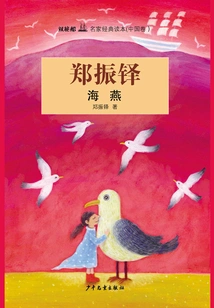
双桅船名家经典读本(中国卷)·海燕
Zheng Zhenduo
The reason why Mr. Zheng Zhenduo is respected by everyone is, as his student Zhou Ping said: "I think the most valuable thing about Comrade Zheng Zhenduo is the patriotic spirit of being fearless, unyielding, loyal to the motherland and loyal to the people at the critical moment of national survival." This valuable patriotic thought runs through his prose creations in various periods. This book compiles his prose works on "patriotism", "travel notes", "telling stories and remembering people", etc., To give a glimpse of Mr. Zheng Zhenduo's unique literary creation sentiments. Zheng Zhenduo (December 19, 1898 - October 17, 1958), also known as Xidi, whose pen names include Guo Yuanxin, Luo Xue, CT, etc., Was born in Wenzhou, Zhejiang, and originally from Changle, Fujian. An outstanding modern Chinese patriot and social activist, writer, poet, scholar, literary critic, literary historian, translator, and art historian.
The reason why Mr. Zheng Zhenduo is respected by everyone is, as his student Zhou Ping said: "I think the most valuable thing about Comrade Zheng Zhenduo is the patriotic spirit of being fearless, unyielding, loyal to the motherland and loyal to the people at the critical moment of national survival." This valuable patriotic thought runs through his prose creations in various periods. This book compiles his prose works on "patriotism", "travel notes", "telling stories and remembering people", etc., To give a glimpse of Mr. Zheng Zhenduo's unique literary creation sentiments. Zheng Zhenduo (December 19, 1898 - October 17, 1958), also known as Xidi, whose pen names include Guo Yuanxin, Luo Xue, CT, etc., Was born in Wenzhou, Zhejiang, and originally from Changle, Fujian. An outstanding modern Chinese patriot and social activist, writer, poet, scholar, literary critic, literary historian, translator, and art historian.
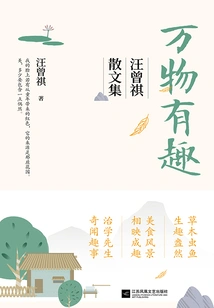
万物有趣:汪曾祺散文集
Wang Zengqi
This book selects 44 prose works by Wang Zengqi, divided into four parts: "Garden: Discovering Interesting Plants, Trees, Insects and Fishes", "Vitality: Gaining the Courage to Live Actively", "Landscape: Exploring a Wider World" and "Them: Memories of a Master with Profound Scholarship". The book completely contains famous articles such as "Grape Moon Order", "Summer Insects", "Duck Eggs at the Dragon Boat Festival", "Heavy Rain", "Kunming Rain - Reminiscing about the Past in Kunming Part 3", "Hutong Culture - Preface to the Collection of Photographic Art", and "Mr. Jin Yuelin". Wang Zengqi's beautiful and simple words show his unique and interesting life aesthetics, which can bring readers the enjoyment of literature and the enlightenment of life.
This book selects 44 prose works by Wang Zengqi, divided into four parts: "Garden: Discovering Interesting Plants, Trees, Insects and Fishes", "Vitality: Gaining the Courage to Live Actively", "Landscape: Exploring a Wider World" and "Them: Memories of a Master with Profound Scholarship". The book completely contains famous articles such as "Grape Moon Order", "Summer Insects", "Duck Eggs at the Dragon Boat Festival", "Heavy Rain", "Kunming Rain - Reminiscing about the Past in Kunming Part 3", "Hutong Culture - Preface to the Collection of Photographic Art", and "Mr. Jin Yuelin". Wang Zengqi's beautiful and simple words show his unique and interesting life aesthetics, which can bring readers the enjoyment of literature and the enlightenment of life.
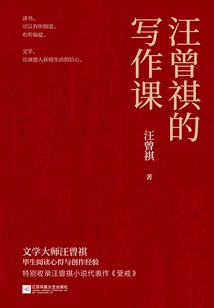
Wang Zengqi's Writing Class
Literature汪曾祺的写作课
Wang Zengqi
Wang Zengqi is a well-known literary master and deeply loved by readers. His literary creation has outstanding achievements and his language is unique and is known as poetic language. This book selects 35 articles by Wang Zengqi on reading and writing, including talks on reading experience, such as "Opening a Book is Beneficial", "Talk about Reading Miscellaneous Books", "Reading Cheap Books", etc.; Accurate refinement of skills, such as "Thought, Language, Structure", "Frequent Talk on Novel Techniques", "Miscellaneous Talk on Literary Language"; and profound insights into creation, such as "Remarks on Novel Creation", "Recognized and Unrecognized Myself", "My Creative Career", etc. The articles are full of useful information and frequently contain golden sentences. It is the best book for current literature lovers and writing lovers.
Wang Zengqi is a well-known literary master and deeply loved by readers. His literary creation has outstanding achievements and his language is unique and is known as poetic language. This book selects 35 articles by Wang Zengqi on reading and writing, including talks on reading experience, such as "Opening a Book is Beneficial", "Talk about Reading Miscellaneous Books", "Reading Cheap Books", etc.; Accurate refinement of skills, such as "Thought, Language, Structure", "Frequent Talk on Novel Techniques", "Miscellaneous Talk on Literary Language"; and profound insights into creation, such as "Remarks on Novel Creation", "Recognized and Unrecognized Myself", "My Creative Career", etc. The articles are full of useful information and frequently contain golden sentences. It is the best book for current literature lovers and writing lovers.
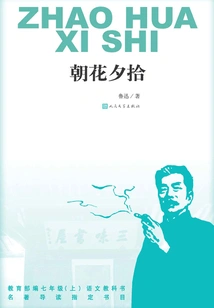
朝花夕拾
Lu Xun
This book is one of the most important collections of prose by Mr. Lu Xun and enjoys a high reputation in the history of modern Chinese prose. It contains a total of twelve works including "From Baicao Garden to Sanwei Bookstore", which describes the author's childhood life and youth study process, and expresses his nostalgia for his former relatives, friends and teachers. This book is a beautiful prose treasure based on memories and written with skillful literary techniques. It has been loved by generations of readers, especially young readers and young readers. This new edition of the new curriculum standard edition is published, with many illustrations by Feng Zikai and others, as well as several other famous works such as "Autumn Night", "Snow", and "In Memory of Liu Hezhenjun".
This book is one of the most important collections of prose by Mr. Lu Xun and enjoys a high reputation in the history of modern Chinese prose. It contains a total of twelve works including "From Baicao Garden to Sanwei Bookstore", which describes the author's childhood life and youth study process, and expresses his nostalgia for his former relatives, friends and teachers. This book is a beautiful prose treasure based on memories and written with skillful literary techniques. It has been loved by generations of readers, especially young readers and young readers. This new edition of the new curriculum standard edition is published, with many illustrations by Feng Zikai and others, as well as several other famous works such as "Autumn Night", "Snow", and "In Memory of Liu Hezhenjun".
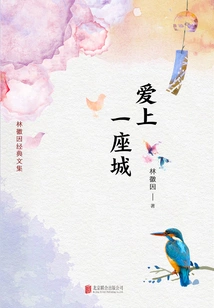
有间文库:爱上一座城
Lin Huiyin
"Falling in Love with a City" is an introductory book on architecture that integrates professional theory, architectural aesthetics, and prose writing. The book provides a detailed introduction to the characteristics, development, and urban planning of Chinese architecture.
"Falling in Love with a City" is an introductory book on architecture that integrates professional theory, architectural aesthetics, and prose writing. The book provides a detailed introduction to the characteristics, development, and urban planning of Chinese architecture.
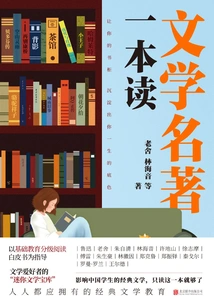
Read a Literary Classic
Literature文学名著一本读
Lao She Lin Haiyin Fu Lei Et Al.
"Reading Literary Classics" covers the must-read literary works for Chinese students. It uses genre as the outline and works as the purpose to select translations of famous works to help readers choose to read. Among the many must-read masterpieces, we have collected the most representative works into one volume. You can understand the whole story at a glance. You can read a lot of things after reading one volume. When you open the book, you can have a comprehensive view of the past and present, and when you close the book, your horizons will be broadened. The included works include "Morning Blossoms Gathered at Dusk", "Back View", "Spiritual Rain on an Empty Mountain", "Goodbye Cambridge", "Nightingale and Rose", "The Little Prince", "Teahouse", "Hamlet", "Beethoven", "Old Things in the South of the City", "The True Story of Ah Q" and "Camel Xiangzi".
"Reading Literary Classics" covers the must-read literary works for Chinese students. It uses genre as the outline and works as the purpose to select translations of famous works to help readers choose to read. Among the many must-read masterpieces, we have collected the most representative works into one volume. You can understand the whole story at a glance. You can read a lot of things after reading one volume. When you open the book, you can have a comprehensive view of the past and present, and when you close the book, your horizons will be broadened. The included works include "Morning Blossoms Gathered at Dusk", "Back View", "Spiritual Rain on an Empty Mountain", "Goodbye Cambridge", "Nightingale and Rose", "The Little Prince", "Teahouse", "Hamlet", "Beethoven", "Old Things in the South of the City", "The True Story of Ah Q" and "Camel Xiangzi".
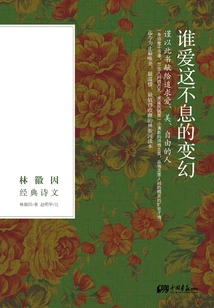
谁爱这不息的变幻(林徽因经典诗文)
Written By Lin Huiyin Annotated By Zhao Minghua
The author of "Who Loves the Constant Changes: Lin Huiyin's Classic Poems", she is a writer and poet with creative talents, a woman with rich aesthetic ability and broad intellectual interests, and she is full of charming charm when communicating.
The author of "Who Loves the Constant Changes: Lin Huiyin's Classic Poems", she is a writer and poet with creative talents, a woman with rich aesthetic ability and broad intellectual interests, and she is full of charming charm when communicating.
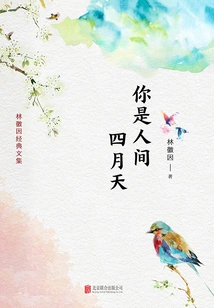
有间文库:你是人间四月天
Lin Huiyin
"You Are April in the World" is a collection of Lin Huiyin's literary works, which selects the most representative essays, novels and letters from Lin Huiyin's works over the years. The letters part of it covers her colorful and ups and downs life from the days when she studied abroad to her later years, and very truly shows her thoughts and feelings in literature, architecture, politics, emotions, family, social life and other aspects.
"You Are April in the World" is a collection of Lin Huiyin's literary works, which selects the most representative essays, novels and letters from Lin Huiyin's works over the years. The letters part of it covers her colorful and ups and downs life from the days when she studied abroad to her later years, and very truly shows her thoughts and feelings in literature, architecture, politics, emotions, family, social life and other aspects.
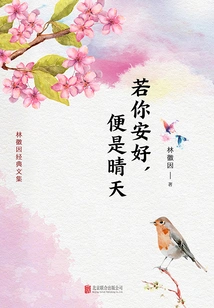
有间文库:若你安好,便是晴天
Lin Huiyin
"If You Are Well, It Will Be Sunny" is a collection of novels, plays, and letters written by Lin Huiyin. Her novels and dramas describe various aspects of the world with compassion and compassion, with delicate words and sincere emotions. Her letters to relatives and friends are full of knowledge and witty words, and at the same time, she truly presents a sincere Lin Huiyin.
"If You Are Well, It Will Be Sunny" is a collection of novels, plays, and letters written by Lin Huiyin. Her novels and dramas describe various aspects of the world with compassion and compassion, with delicate words and sincere emotions. Her letters to relatives and friends are full of knowledge and witty words, and at the same time, she truly presents a sincere Lin Huiyin.
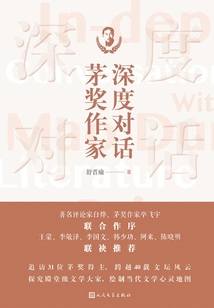
深度对话茅奖作家
Shu Jinyu
Shu Jinyu, a famous reporter from "China Reading News", tracked and interviewed 28 top prize winners - Liu Xinwu, Chen Zhongshi, Alai, Li Guowen, Liu Simen, Wang Anyi, Mai Jia, Wang Huo, Wang Xufeng, Jia Pingwa, Chi Zijian, Zhang Wei, Mo Yan, Bi Feiyu, Liu Xinglong, Zhou Daxin, Wang Meng, Jin Yucheng, Li Peifu, Ge Fei, providing strong evidence for in-depth research on Chinese literature and presenting a spiritual map of contemporary literature.
Shu Jinyu, a famous reporter from "China Reading News", tracked and interviewed 28 top prize winners - Liu Xinwu, Chen Zhongshi, Alai, Li Guowen, Liu Simen, Wang Anyi, Mai Jia, Wang Huo, Wang Xufeng, Jia Pingwa, Chi Zijian, Zhang Wei, Mo Yan, Bi Feiyu, Liu Xinglong, Zhou Daxin, Wang Meng, Jin Yucheng, Li Peifu, Ge Fei, providing strong evidence for in-depth research on Chinese literature and presenting a spiritual map of contemporary literature.
O
Literatureo
K
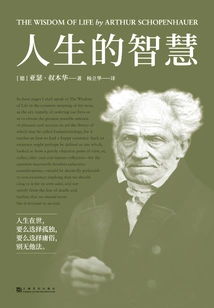
The book "The Wisdom of Life" is taken from Schopenhauer's final work "Appendices and Supplements" and is an independent book. With concise, elegant and philosophical writing, this book explores the nature of life and the principles that should be followed in life, and teaches people how to obtain happiness in life. In the book, Schopenhauer elaborated in depth on his thinking on various issues in life, and quoted the relevant thoughts and works of nearly a hundred people. Schopenhauer believed that human happiness mainly depends on people's own internal factors, including upright character, good intelligence and healthy body. These profound philosophies and positive attitudes towards life still have very positive significance for the real life of contemporary people.
The book "The Wisdom of Life" is taken from Schopenhauer's final work "Appendices and Supplements" and is an independent book. With concise, elegant and philosophical writing, this book explores the nature of life and the principles that should be followed in life, and teaches people how to obtain happiness in life. In the book, Schopenhauer elaborated in depth on his thinking on various issues in life, and quoted the relevant thoughts and works of nearly a hundred people. Schopenhauer believed that human happiness mainly depends on people's own internal factors, including upright character, good intelligence and healthy body. These profound philosophies and positive attitudes towards life still have very positive significance for the real life of contemporary people.
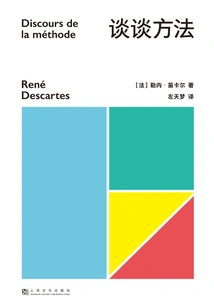
Talk About Methods
Literature谈谈方法
(france) René Descartes
Descartes's masterpiece is also his creation for the public in French rather than Latin. The book is divided into six parts: 1. Views on various disciplines; 2. Several principles for the author's pursuit of this method; 3. Several codes of conduct derived from this method; 4. Reasons used by the author to prove the existence of God and the existence of the human soul; 5. A series of physical problems that the author has studied; 6. What the author believes must be done to further advance natural research, and the reasons that prompted him to write this book. This book is recognized as the manifesto of modern philosophy and has set up the banner of rationalist epistemology. It was precisely based on these methods that Descartes "slowly raised himself to the level that his intelligence and life allowed" and invented important tools for the development of modern science such as analytic geometry and the rectangular coordinate system. This edition also includes a selection of Descartes' early letters.
Descartes's masterpiece is also his creation for the public in French rather than Latin. The book is divided into six parts: 1. Views on various disciplines; 2. Several principles for the author's pursuit of this method; 3. Several codes of conduct derived from this method; 4. Reasons used by the author to prove the existence of God and the existence of the human soul; 5. A series of physical problems that the author has studied; 6. What the author believes must be done to further advance natural research, and the reasons that prompted him to write this book. This book is recognized as the manifesto of modern philosophy and has set up the banner of rationalist epistemology. It was precisely based on these methods that Descartes "slowly raised himself to the level that his intelligence and life allowed" and invented important tools for the development of modern science such as analytic geometry and the rectangular coordinate system. This edition also includes a selection of Descartes' early letters.
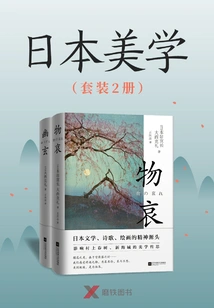
Japanese Aesthetics (set of 2 Volumes)
Literature日本美学(套装2册)
(japan) Motoi Nobunaga Ohnishikari
"Mono-Ai" is about: Thousands of years ago, Murasaki Shikibu wrote the earliest Japanese aesthetic expression - Mono-Ai in "The Tale of Genji". Lament is pity, exclamation, praise, and is a direct voice from the heart. Flowers, birds, wind and moon, the passing of four seasons, nature reflects the impermanence of human beings and issues death warnings. All things are fleeting. Classical material mourning recalls the wind, flowers, snow and moon in the old age, and the heart yearns for it. Motoi Nobunaga, a master of Japanese Chinese studies, defined Mono-ai as the "heart of knowing things". Mono-ai is the change of posture of feeling the scenery, so that the unspeakable can be presented. The classic object of mourning is the falling cherry blossom. Watching the cherry blossoms fall, we feel beauty and death. Life is short, so there is objective indifference, enthusiasm, or sadness, all of which are in line with the definition of beauty. The beautiful material mourning symbolizes the purification and detachment of human beings after realizing the limitations of life, and turning around to talk about true emotions. "Youxuan" talks about: Youxuan is the mystery, Xuan is the mysterious blackness, Youxuan originally refers to the deep state of the dry heart, and the true meaning of life's impermanence. The metaphysical mystery develops rich aesthetic connotations in each Japanese song, including concealment, silence, enchantment, and freehand brushwork. Finally, it is harmonized into a kind of beauty pursued in darkness. Bring in shadows, not light. Find beauty in the shadows and use the shadows for the purpose of beauty. Japanese gardens, Japanese rooms, alcoves... The dark and beautiful spaces are filled with eternal silence, tranquility, and distant and mysterious feelings, which have become a classic of oriental aesthetics with a mysterious color.
"Mono-Ai" is about: Thousands of years ago, Murasaki Shikibu wrote the earliest Japanese aesthetic expression - Mono-Ai in "The Tale of Genji". Lament is pity, exclamation, praise, and is a direct voice from the heart. Flowers, birds, wind and moon, the passing of four seasons, nature reflects the impermanence of human beings and issues death warnings. All things are fleeting. Classical material mourning recalls the wind, flowers, snow and moon in the old age, and the heart yearns for it. Motoi Nobunaga, a master of Japanese Chinese studies, defined Mono-ai as the "heart of knowing things". Mono-ai is the change of posture of feeling the scenery, so that the unspeakable can be presented. The classic object of mourning is the falling cherry blossom. Watching the cherry blossoms fall, we feel beauty and death. Life is short, so there is objective indifference, enthusiasm, or sadness, all of which are in line with the definition of beauty. The beautiful material mourning symbolizes the purification and detachment of human beings after realizing the limitations of life, and turning around to talk about true emotions. "Youxuan" talks about: Youxuan is the mystery, Xuan is the mysterious blackness, Youxuan originally refers to the deep state of the dry heart, and the true meaning of life's impermanence. The metaphysical mystery develops rich aesthetic connotations in each Japanese song, including concealment, silence, enchantment, and freehand brushwork. Finally, it is harmonized into a kind of beauty pursued in darkness. Bring in shadows, not light. Find beauty in the shadows and use the shadows for the purpose of beauty. Japanese gardens, Japanese rooms, alcoves... The dark and beautiful spaces are filled with eternal silence, tranquility, and distant and mysterious feelings, which have become a classic of oriental aesthetics with a mysterious color.
100 Stories That Make Boys Better
Literature让男孩更优秀的100个故事
Editor-in-chief Peng Fan
"100 Stories to Make Boys More Successful" uses different animals that best represent boys to tell the characters and virtues that boys should cultivate as they grow up. From many aspects such as being a person, doing things, living, and learning, through stories that embody dreams, wisdom, loyalty, and bravery, it points out the details and problems that children must pay attention to as they grow up, and puts forward practical suggestions, so that children can subtly absorb nutrients that are beneficial to their growth.
"100 Stories to Make Boys More Successful" uses different animals that best represent boys to tell the characters and virtues that boys should cultivate as they grow up. From many aspects such as being a person, doing things, living, and learning, through stories that embody dreams, wisdom, loyalty, and bravery, it points out the details and problems that children must pay attention to as they grow up, and puts forward practical suggestions, so that children can subtly absorb nutrients that are beneficial to their growth.
100 Stories That Make Girls More Perfect
Literature让女孩更完美的100个故事
Editor-in-chief Peng Fan
"100 Stories to Make Girls More Perfect" uses different flowers representing girls as a metaphor for the character that girls should cultivate during their growth. It contains 100 wonderful and interesting stories. The "Flower Fairy Colorful Notes" after the stories point out the theme of the story. "A Petal of Heart Fragrance" combines the actual life and puts forward highly practical suggestions, so that children can be inspired while reading the stories.
"100 Stories to Make Girls More Perfect" uses different flowers representing girls as a metaphor for the character that girls should cultivate during their growth. It contains 100 wonderful and interesting stories. The "Flower Fairy Colorful Notes" after the stories point out the theme of the story. "A Petal of Heart Fragrance" combines the actual life and puts forward highly practical suggestions, so that children can be inspired while reading the stories.
Selected Prose by Lao She
Literature老舍散文精选
Lao She
"Lao She's Prose" is a classic collection of prose by Lao She, the 20th century Chinese literary master. It includes more than 40 handed down prose classics such as "My Mother", "Master Zongyue", "Cat", "Spring Festival in Beijing", "Appreciation of Baotu Spring" ("Baotu Spring") and "My Ideal Family". These works may describe the scenery of various places with meticulous details and great artistic conception; some may describe daily life, raising flowers and cats, which are full of interest; some may remember old friends and relatives, which may be sincere and touching; or some may present humorous and ironic works, which are full of Beijing flavor. These proses fully demonstrate Mr. Lao She's literary skills and rich life experience, and reflect the author's thoughts, feelings and creative style from one side. The language is suitable for both refined and popular tastes, clean and lively, simple and refined, humorous and witty, and full of Beijing's local flavor. Invite first-line famous teachers to conduct introductions to the works, refine knowledge points, expand reading horizons, explain profound things in simple terms, and help students better understand classics and apply what they have learned.
"Lao She's Prose" is a classic collection of prose by Lao She, the 20th century Chinese literary master. It includes more than 40 handed down prose classics such as "My Mother", "Master Zongyue", "Cat", "Spring Festival in Beijing", "Appreciation of Baotu Spring" ("Baotu Spring") and "My Ideal Family". These works may describe the scenery of various places with meticulous details and great artistic conception; some may describe daily life, raising flowers and cats, which are full of interest; some may remember old friends and relatives, which may be sincere and touching; or some may present humorous and ironic works, which are full of Beijing flavor. These proses fully demonstrate Mr. Lao She's literary skills and rich life experience, and reflect the author's thoughts, feelings and creative style from one side. The language is suitable for both refined and popular tastes, clean and lively, simple and refined, humorous and witty, and full of Beijing's local flavor. Invite first-line famous teachers to conduct introductions to the works, refine knowledge points, expand reading horizons, explain profound things in simple terms, and help students better understand classics and apply what they have learned.
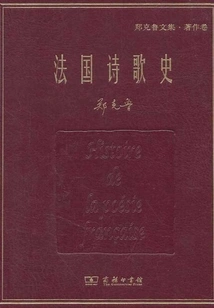
History of French Poetry
Literature法国诗歌史
Zheng Klu
This book is one of the "Famous Masters·Collected Works of Zheng Kluu·Writing Volume". The author of this book provides an overview of French poetry writing from the Middle Ages to the 20th century. By analyzing its artistic style and judging its artistic achievements, he comes to the conclusion that any success of French poetry comes from the poets' theoretical awareness of poetry as an art form. From this perspective, the author jointly introduces the aesthetic theories of Hugo, Baudelaire, Valery and other poets, showing his extensive knowledge.
This book is one of the "Famous Masters·Collected Works of Zheng Kluu·Writing Volume". The author of this book provides an overview of French poetry writing from the Middle Ages to the 20th century. By analyzing its artistic style and judging its artistic achievements, he comes to the conclusion that any success of French poetry comes from the poets' theoretical awareness of poetry as an art form. From this perspective, the author jointly introduces the aesthetic theories of Hugo, Baudelaire, Valery and other poets, showing his extensive knowledge.
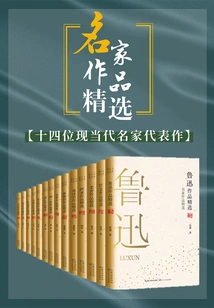
名家作品精选(套装共14册)
Lu Xun, Ba Jin, Lao She, Lin Huiyin, Etc.
Selection of famous works (a set of 14 volumes in total, including must-read classics and masterpieces by Lu Xun, Ba Jin, Lao She, etc., Allowing you to have a dialogue with the masters that transcends time and space).
Selection of famous works (a set of 14 volumes in total, including must-read classics and masterpieces by Lu Xun, Ba Jin, Lao She, etc., Allowing you to have a dialogue with the masters that transcends time and space).
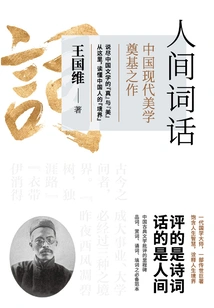
Human Words
Literature人间词话
Wang Guowei
"Renjian Cihua" is Wang Guowei's representative work. It is the most famous Cihua work in modern China. It is a foundational work of modern Chinese aesthetics that integrates Chinese and Western aesthetic thoughts. It is a masterpiece that enhances aesthetics and enlightens wisdom. This book uses traditional word forms and traditional concepts, terminology and thinking logic, and naturally incorporates some new concepts and methods. The theoretical issues it summarizes are of quite universal significance, and have a lofty status in the history of modern Chinese literary criticism. The theoretical core of this book is the "realm" theory. The book has novel views, incisive arguments, and a self-contained system. In particular, the three-level realm theory proposed in the book has always been valued by scholars at home and abroad.
"Renjian Cihua" is Wang Guowei's representative work. It is the most famous Cihua work in modern China. It is a foundational work of modern Chinese aesthetics that integrates Chinese and Western aesthetic thoughts. It is a masterpiece that enhances aesthetics and enlightens wisdom. This book uses traditional word forms and traditional concepts, terminology and thinking logic, and naturally incorporates some new concepts and methods. The theoretical issues it summarizes are of quite universal significance, and have a lofty status in the history of modern Chinese literary criticism. The theoretical core of this book is the "realm" theory. The book has novel views, incisive arguments, and a self-contained system. In particular, the three-level realm theory proposed in the book has always been valued by scholars at home and abroad.
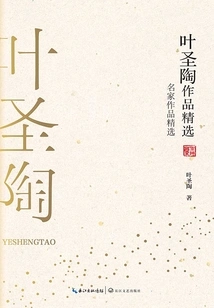
叶圣陶作品精选(名家作品精选)
Ye Shengtao
This book is a collection of works by the famous writer and educator Ye Shengtao. It selects several novels, essays and fairy tales by Mr. Ye Shengtao, including the novels "Mr. Pan in Difficulty", "Three Five Dou More", essays "Suzhou Gardens", fairy tales "Scarecrow", "Little White Boat" and other classics. The works selected in this book not only reflect the profound social reality of a specific era, show infinite sympathy for the weak, and affectionate praise for the power of light; they are also full of romantic imagination and poetry, with concise and smart language, conveying strong emotions in vivid stories, and leading readers into a pure literary world.
This book is a collection of works by the famous writer and educator Ye Shengtao. It selects several novels, essays and fairy tales by Mr. Ye Shengtao, including the novels "Mr. Pan in Difficulty", "Three Five Dou More", essays "Suzhou Gardens", fairy tales "Scarecrow", "Little White Boat" and other classics. The works selected in this book not only reflect the profound social reality of a specific era, show infinite sympathy for the weak, and affectionate praise for the power of light; they are also full of romantic imagination and poetry, with concise and smart language, conveying strong emotions in vivid stories, and leading readers into a pure literary world.
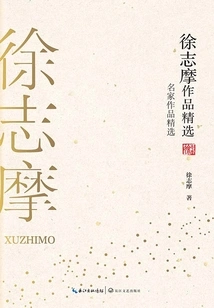
徐志摩作品精选(名家作品精选)
Xu Zhimo
"Selected Works of Xu Zhimo" is a collection of Xu Zhimo's literary works. It compiles Xu Zhimo's representative poems and prose works, such as "Farewell to Cambridge" and "The Joy of Snowflakes". The words are vivid, full of emotions and sincere, which fully reflects Xu Zhimo's creative talent and style.
"Selected Works of Xu Zhimo" is a collection of Xu Zhimo's literary works. It compiles Xu Zhimo's representative poems and prose works, such as "Farewell to Cambridge" and "The Joy of Snowflakes". The words are vivid, full of emotions and sincere, which fully reflects Xu Zhimo's creative talent and style.
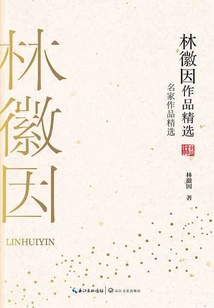
林徽因作品精选(名家作品精选)
Lin Huiyin
"Selected Works of Lin Huiyin" collects Lin Huiyin's classic poems, prose, novels, and letters, showing the literary talent and character charm of a generation of talented women. Lin Huiyin became famous at a young age, traveled around the world, visited Europe and the United States, and learned both Chinese and Western knowledge. In the second half of his life, he experienced war and was displaced. From Lin Huiyin's works, we can feel that her words are unique, smart, playful and fresh. We can also get a glimpse of this strange woman's life experience and outline the style of an era.
"Selected Works of Lin Huiyin" collects Lin Huiyin's classic poems, prose, novels, and letters, showing the literary talent and character charm of a generation of talented women. Lin Huiyin became famous at a young age, traveled around the world, visited Europe and the United States, and learned both Chinese and Western knowledge. In the second half of his life, he experienced war and was displaced. From Lin Huiyin's works, we can feel that her words are unique, smart, playful and fresh. We can also get a glimpse of this strange woman's life experience and outline the style of an era.
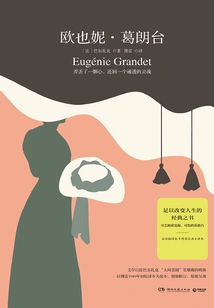
Eugenie Grandet (2020)
Literature欧也妮·葛朗台(2020)
H
"Eugénie Grandet" is one of Balzac's "Human Comedy". The novel creates the image of Grandet, a miser alienated by money, and depicts a beautiful and innocent character Eugenie and her tragic life. It vividly and truly reveals the power of money to change everything in reality, and has a strong warning effect.
"Eugénie Grandet" is one of Balzac's "Human Comedy". The novel creates the image of Grandet, a miser alienated by money, and depicts a beautiful and innocent character Eugenie and her tragic life. It vividly and truly reveals the power of money to change everything in reality, and has a strong warning effect.
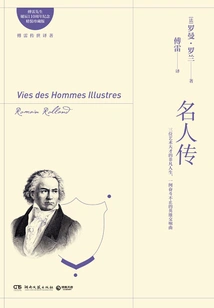
Celebrity Biography (2020)
Literature名人传(2020)
H
"Biography of Famous People", also known as "Three Lives of Giants", is the collective title of three biographical works, "The Life of Beethoven", "The Life of Michelangelo" and "The Life of Tolstoy" written by the famous French writer Romain Rolland. The three biographies are all extremely talented and accomplished figures in human history. Romain Rolland firmly grasps the commonalities of these three artists in different fields, and strives to depict their mental journeys of enduring hardships without changing their original intentions during the difficult life journey, highlighting their noble personality, philanthropic emotions and broad mind, thus composing a heroic symphony for us.
"Biography of Famous People", also known as "Three Lives of Giants", is the collective title of three biographical works, "The Life of Beethoven", "The Life of Michelangelo" and "The Life of Tolstoy" written by the famous French writer Romain Rolland. The three biographies are all extremely talented and accomplished figures in human history. Romain Rolland firmly grasps the commonalities of these three artists in different fields, and strives to depict their mental journeys of enduring hardships without changing their original intentions during the difficult life journey, highlighting their noble personality, philanthropic emotions and broad mind, thus composing a heroic symphony for us.
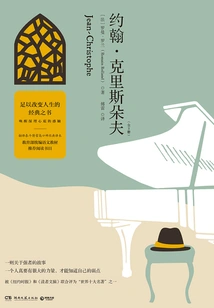
约翰·克利斯朵夫(全三册)(2020)
H
The three volumes of "Johan Christophe", the upper, middle and lower volumes, contain a total of ten volumes, telling the story of the protagonist John Christophe's struggle in a society full of vulgarity and strife. From the awakening of his musical talent in childhood, to his contempt and resistance to the powerful in his youth, to his career pursuit and success as an adult, he finally reaches a state of clarity and loftiness, revealing the dawn of another world.
The three volumes of "Johan Christophe", the upper, middle and lower volumes, contain a total of ten volumes, telling the story of the protagonist John Christophe's struggle in a society full of vulgarity and strife. From the awakening of his musical talent in childhood, to his contempt and resistance to the powerful in his youth, to his career pursuit and success as an adult, he finally reaches a state of clarity and loftiness, revealing the dawn of another world.
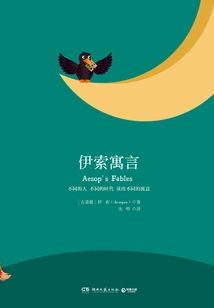
Aesop's Fables (new)
Literature伊索寓言(新)
G
"Aesop's Fables" is one of the ancient and widely circulated collections of fables. It embodies the hidden truths in daily life through short and concise stories. Among them, the well-known short stories include "The Farmer and the Snake", "The Fox and the Grapes", "The Tortoise and the Hare", "The Thirsty Crow", "The Coming Wolf", etc. They are concise and comprehensive and rich in philosophy.
"Aesop's Fables" is one of the ancient and widely circulated collections of fables. It embodies the hidden truths in daily life through short and concise stories. Among them, the well-known short stories include "The Farmer and the Snake", "The Fox and the Grapes", "The Tortoise and the Hare", "The Thirsty Crow", "The Coming Wolf", etc. They are concise and comprehensive and rich in philosophy.
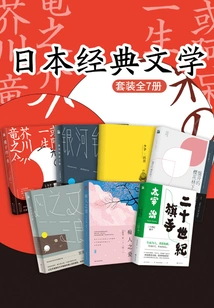
日本经典文学套装(7册)
(japan) Miyazawa Kenji, Dazai Osamu, Natsume Soseki, Etc.
This set includes Osamu Dazai's "Flagbearer of the Twentieth Century", Ryunosuke Akutagawa's "The Life of a Fool", Natsume Soseki's "Master Sanshiro", Sakaguchi Ango's "Under the Blooming Cherry Blossom Tree", Tanizaki Junichiro's "Love of a Fool" and Miyazawa Kenji's "The Milky Way to the Night" and "Kaze no Matasaburo", a total of 7 works, which are must-read works of Japanese literature.
This set includes Osamu Dazai's "Flagbearer of the Twentieth Century", Ryunosuke Akutagawa's "The Life of a Fool", Natsume Soseki's "Master Sanshiro", Sakaguchi Ango's "Under the Blooming Cherry Blossom Tree", Tanizaki Junichiro's "Love of a Fool" and Miyazawa Kenji's "The Milky Way to the Night" and "Kaze no Matasaburo", a total of 7 works, which are must-read works of Japanese literature.
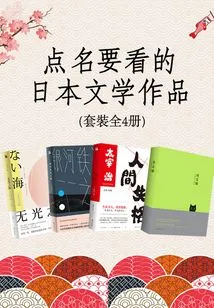
点名要看的日本文学作品系列(全4册)
(japan) Miyazawa Kenji, Dazai Osamu, Natsume Soseki, Etc.
This set includes Osamu Dazai's "The Unworthy of the World", Natsume Soseki's "I Am a Cat", and Kenji Miyazawa's "Night on the Galaxy Railway" and "Kaze no Matasaburo", which are must-read works of Japanese literature.
This set includes Osamu Dazai's "The Unworthy of the World", Natsume Soseki's "I Am a Cat", and Kenji Miyazawa's "Night on the Galaxy Railway" and "Kaze no Matasaburo", which are must-read works of Japanese literature.
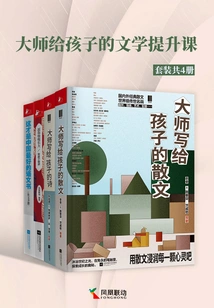
大师给孩子的文学提升课(全套共4册)
Zhu Ziqing, Phoenix Linkage, Etc.
Warm and beautiful articles, masterpieces passed down from generation to generation, and heart-to-heart reading guides can help children develop correct reading habits from an early age, allowing you and your children to wander in the silence of time! The set includes: "The Master's Prose for Children", "The Master's Poems for Children", "May You Grow Up Slowly: Read to Children" and "This is the Best Chinese Language Book in China".
Warm and beautiful articles, masterpieces passed down from generation to generation, and heart-to-heart reading guides can help children develop correct reading habits from an early age, allowing you and your children to wander in the silence of time! The set includes: "The Master's Prose for Children", "The Master's Poems for Children", "May You Grow Up Slowly: Read to Children" and "This is the Best Chinese Language Book in China".