Library
Browse and search books
2,273 novels found
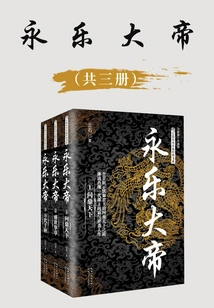
Emperor Yongle (all Three Volumes)
General Fiction永乐大帝(全三册)
Marble
After Zhu Yuanzhang died, Emperor Jianwen seized the military power of the vassal king. Seeing that a catastrophe was coming, King Zhu Di of Yan began to secretly accumulate strength while quarreling with the court. Finally, at a time of life and death, he counterattacked and raised troops to quell Jingnan. Facing the imperial court that dominates the world, Yan Fan, who is only in a corner of Peiping, is like a small boat in the vast sea, in danger of capsizing at any time under the turbulent waves. How to find a way out has become a problem that Zhu Di needs to solve urgently...
After Zhu Yuanzhang died, Emperor Jianwen seized the military power of the vassal king. Seeing that a catastrophe was coming, King Zhu Di of Yan began to secretly accumulate strength while quarreling with the court. Finally, at a time of life and death, he counterattacked and raised troops to quell Jingnan. Facing the imperial court that dominates the world, Yan Fan, who is only in a corner of Peiping, is like a small boat in the vast sea, in danger of capsizing at any time under the turbulent waves. How to find a way out has become a problem that Zhu Di needs to solve urgently...
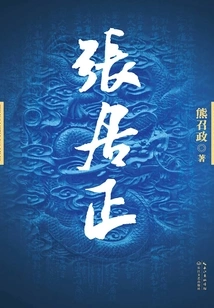
Zhang Juzheng (all Four Volumes)
General Fiction张居正(全四册)
Xiong Zhaozheng
Zhang Juzheng is a reformer with extraordinary personality and a legendary figure in the annals of history. After he ascended to the position of chief minister, he managed the government for ten years: rectifying the official administration and refreshing the decadent style; rectifying education and recruiting talents to help the world; reforming taxes and sorting out finances. He saved the ruins of the Zhu Ming Dynasty and made the Wanli period the most prosperous era of the Ming Dynasty. In the midst of the storm, Zhang Juzheng was profound in thought, resolute, resourceful, and decisive, and his power was unparalleled. However, once he was in great power, he acted arbitrarily and relied on flattery, which attracted those who wanted to follow him. The desire for power pushed him to reach the peak of his life, but also caused Xiao Qiang to suffer after his death. At the time of his grand burial and death, he was criticized by others. As a result, all his family property was confiscated and all his titles and titles were taken away. This brought disaster to his eighty-year-old mother and his children and grandchildren. As a politician, Zhang Juzheng was an effective person in Chinese history; but as a person, he was a failure. "Prosperous in life, miserable after death" is the best summary of his life. The great disparity between his reputation and reputation during his lifetime and after his death was not only due to personal reasons, but also due to the dangerous politics and the turbulent world. Moreover, Zhang Juzheng's fate also objectively reveals the historical background of the tragedy and the characters' character flaws, providing an image literary reading for today's readers to reflect on.
Zhang Juzheng is a reformer with extraordinary personality and a legendary figure in the annals of history. After he ascended to the position of chief minister, he managed the government for ten years: rectifying the official administration and refreshing the decadent style; rectifying education and recruiting talents to help the world; reforming taxes and sorting out finances. He saved the ruins of the Zhu Ming Dynasty and made the Wanli period the most prosperous era of the Ming Dynasty. In the midst of the storm, Zhang Juzheng was profound in thought, resolute, resourceful, and decisive, and his power was unparalleled. However, once he was in great power, he acted arbitrarily and relied on flattery, which attracted those who wanted to follow him. The desire for power pushed him to reach the peak of his life, but also caused Xiao Qiang to suffer after his death. At the time of his grand burial and death, he was criticized by others. As a result, all his family property was confiscated and all his titles and titles were taken away. This brought disaster to his eighty-year-old mother and his children and grandchildren. As a politician, Zhang Juzheng was an effective person in Chinese history; but as a person, he was a failure. "Prosperous in life, miserable after death" is the best summary of his life. The great disparity between his reputation and reputation during his lifetime and after his death was not only due to personal reasons, but also due to the dangerous politics and the turbulent world. Moreover, Zhang Juzheng's fate also objectively reveals the historical background of the tragedy and the characters' character flaws, providing an image literary reading for today's readers to reflect on.
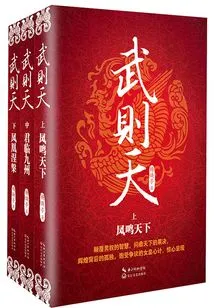
Wu Zetian (complete Works)
General Fiction武则天(全集)
Yang Huanting
Why would she cross the bottom line of human ethics and kill her own children? How did she transform from talent to queen? How could she become a queen in a world ruled by men for thousands of years? The Great Zhou Dynasty she founded was at its peak, so why wasn't it passed down to future generations? Why do Li Tang's descendants always respect her and regard her as their emperor? For more than a thousand years, she has been both history and legend. The book begins with Wu Zetian's entry into the palace and the death of Emperor Taizong of the Tang Dynasty. It vividly depicts the complex and rich emotional life of a generation of empresses, their wisdom and strategies for managing the country and the world, and their extraordinary life of rebellion and isolation. It reproduces the thrilling power situation of the Tang Dynasty and describes the counterattack life of the first empress in Chinese history.
Why would she cross the bottom line of human ethics and kill her own children? How did she transform from talent to queen? How could she become a queen in a world ruled by men for thousands of years? The Great Zhou Dynasty she founded was at its peak, so why wasn't it passed down to future generations? Why do Li Tang's descendants always respect her and regard her as their emperor? For more than a thousand years, she has been both history and legend. The book begins with Wu Zetian's entry into the palace and the death of Emperor Taizong of the Tang Dynasty. It vividly depicts the complex and rich emotional life of a generation of empresses, their wisdom and strategies for managing the country and the world, and their extraordinary life of rebellion and isolation. It reproduces the thrilling power situation of the Tang Dynasty and describes the counterattack life of the first empress in Chinese history.
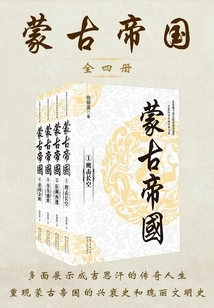
Mongol Empire (all Four Volumes)
General Fiction蒙古帝国(全四册)
Bao Liying
This volume of "Mongol Empire 1: Eagle Strikes the Sky" describes the legendary life of Genghis Khan, the founder of the Mongol Empire, and traces Genghis Khan's heroic deeds of leaping horse across the grassland, conquering and killing, and looking down upon the world. The novel not only describes Genghis Khan's glorious achievements in surviving adversity, starting with 30,000 troops, unifying the Mongolian grasslands, sweeping across the Eurasian continent, and conquering as many as 720 tribes in 20 years, but also uses delicate and vivid writing to create a group of grassland heroes centered on Genghis Khan, surrounded by famous generals such as Muhuali, Borshu, and Zhebei, and deeply reveals Genghis Khan's little-known love and hatred. "The Mongol Empire 2: Marching Westward" mainly tells the story of Genghis Khan's grandson Batu who commanded the tens of thousands of "Mongol Western Expeditions" that swept across Europe like a hurricane. Their troops were invincible everywhere, and finally established the Golden Horde, one of the "Four Great Khanates"; and adhering to the ancestral precepts, he pushed Meng Ge to the throne of Khan against all odds. In addition to the panoramic reproduction of the grand war scenes, the novel focuses on describing the emotional entanglement between Batu and several beautiful women. War and love, iron blood and tenderness, complement each other and blend together, giving the novel a unique artistic charm. This volume of "Mongol Empire 3: The Age of Emperors" mainly describes that after the sudden death of Mongke Khan, Kublai Khan relied on his extraordinary courage and strategy to seize the throne of Khan and became the fifth Khan of the Mongol Empire. After successfully claiming the throne of Khan, he continued to complete the conquest of the Song Dynasty and conquered the Song Dynasty. The heroic life of defeating hostile forces, unifying China, and establishing the Yuan Dynasty; the majestic Kublai Khan, the world-minded Crown Prince, the greedy Ahema, the knowledgeable Marco Polo, and the loyal and patriotic Wen Tianxiang, all come to life on the page. The magnificent war of unification, the thrilling court battles, and the eclectic strategies for governing the country are all in this volume, which makes people dizzy and unable to put it down. "The Mongolian Empire 4: Afterglow of the Empire" is a new work by Bao Liying, the winner of Yao Xueyin's Novel Historical Novel Award. The novel uses poetic language and through the affectionate and delicate narration of the goddess Sethia, outlines the continuation of the Mongol Empire - the history of the rise and fall of the Timurid Empire and the history of magnificent civilization. The contradictions and entanglements of conquest and killing, loyalty and betrayal, love and hatred, together compose the legendary life of the descendant of Genghis Khan - "Cripple" King Timur.
This volume of "Mongol Empire 1: Eagle Strikes the Sky" describes the legendary life of Genghis Khan, the founder of the Mongol Empire, and traces Genghis Khan's heroic deeds of leaping horse across the grassland, conquering and killing, and looking down upon the world. The novel not only describes Genghis Khan's glorious achievements in surviving adversity, starting with 30,000 troops, unifying the Mongolian grasslands, sweeping across the Eurasian continent, and conquering as many as 720 tribes in 20 years, but also uses delicate and vivid writing to create a group of grassland heroes centered on Genghis Khan, surrounded by famous generals such as Muhuali, Borshu, and Zhebei, and deeply reveals Genghis Khan's little-known love and hatred. "The Mongol Empire 2: Marching Westward" mainly tells the story of Genghis Khan's grandson Batu who commanded the tens of thousands of "Mongol Western Expeditions" that swept across Europe like a hurricane. Their troops were invincible everywhere, and finally established the Golden Horde, one of the "Four Great Khanates"; and adhering to the ancestral precepts, he pushed Meng Ge to the throne of Khan against all odds. In addition to the panoramic reproduction of the grand war scenes, the novel focuses on describing the emotional entanglement between Batu and several beautiful women. War and love, iron blood and tenderness, complement each other and blend together, giving the novel a unique artistic charm. This volume of "Mongol Empire 3: The Age of Emperors" mainly describes that after the sudden death of Mongke Khan, Kublai Khan relied on his extraordinary courage and strategy to seize the throne of Khan and became the fifth Khan of the Mongol Empire. After successfully claiming the throne of Khan, he continued to complete the conquest of the Song Dynasty and conquered the Song Dynasty. The heroic life of defeating hostile forces, unifying China, and establishing the Yuan Dynasty; the majestic Kublai Khan, the world-minded Crown Prince, the greedy Ahema, the knowledgeable Marco Polo, and the loyal and patriotic Wen Tianxiang, all come to life on the page. The magnificent war of unification, the thrilling court battles, and the eclectic strategies for governing the country are all in this volume, which makes people dizzy and unable to put it down. "The Mongolian Empire 4: Afterglow of the Empire" is a new work by Bao Liying, the winner of Yao Xueyin's Novel Historical Novel Award. The novel uses poetic language and through the affectionate and delicate narration of the goddess Sethia, outlines the continuation of the Mongol Empire - the history of the rise and fall of the Timurid Empire and the history of magnificent civilization. The contradictions and entanglements of conquest and killing, loyalty and betrayal, love and hatred, together compose the legendary life of the descendant of Genghis Khan - "Cripple" King Timur.
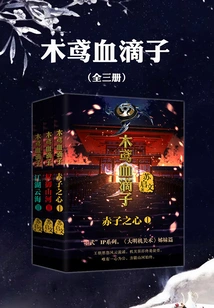
Mu Yuan Blood Drop (complete Collection)
General Fiction木鸢血滴子(全集)
Su Qiwen
A man who cares about the common people and attaches great importance to love and righteousness. One is good at disguise and has a very deep city. They are close friends who treat each other with sincerity, but they are also enemies with different stances. The dynasty's grievances are treacherous, and all calculations are in vain. Only by being dedicated to the public can we be able to maintain our country forever. The companion volume of "The Art of Ming Dynasty", the "Mo Wu" IP series, refreshes the "brotherhood of two male protagonists" ancient style of Machiavellian masterpiece! The story happened in the late Ming Dynasty. The Shenjimen failed to rescue Yuan Chonghuan and were severely wounded by the Jinyi Guards. The traitor Rong Qingnuo took away Lu Jiuyuan's secret book of the organization and wanted to use it as a surrender certificate to surrender to Huang Taiji. Lu Jiuyuan and A'Zhu were chased by him, but fortunately Haug came to the rescue. After many twists and turns, they regained the secret book, and the two also joined Haug's secret assassination organization "Blood Drops".
A man who cares about the common people and attaches great importance to love and righteousness. One is good at disguise and has a very deep city. They are close friends who treat each other with sincerity, but they are also enemies with different stances. The dynasty's grievances are treacherous, and all calculations are in vain. Only by being dedicated to the public can we be able to maintain our country forever. The companion volume of "The Art of Ming Dynasty", the "Mo Wu" IP series, refreshes the "brotherhood of two male protagonists" ancient style of Machiavellian masterpiece! The story happened in the late Ming Dynasty. The Shenjimen failed to rescue Yuan Chonghuan and were severely wounded by the Jinyi Guards. The traitor Rong Qingnuo took away Lu Jiuyuan's secret book of the organization and wanted to use it as a surrender certificate to surrender to Huang Taiji. Lu Jiuyuan and A'Zhu were chased by him, but fortunately Haug came to the rescue. After many twists and turns, they regained the secret book, and the two also joined Haug's secret assassination organization "Blood Drops".
Mu Yuan Blood Drop 3: Jianghu Yunhai
General Fiction木鸢血滴子3:江湖云海
Su Qiwen
A man who cares about the common people and attaches great importance to love and righteousness. One is good at disguise and has a very deep city. They are close friends who treat each other with sincerity, but they are also enemies with different stances. The dynasty's grievances are treacherous, and all calculations are in vain. Only by being dedicated to the public can we be able to maintain our country forever. The companion volume of "The Art of Ming Dynasty", the "Mo Wu" IP series, refreshes the "brotherhood of two male protagonists" ancient style of Machiavellian masterpiece! The story takes place after Lu Jiuyuan learned about Hao Ge's true identity, and he immediately returned to the Tiandi Society with Mulan to rescue the troops. On the other hand, Hauge and the young generals attacked Huang Taiji Imperial Palace and were ambushed. Dorgon wanted to take the opportunity to expose Hauge, but Hauge actually killed all the young generals to protect himself. After the assassination incident, Dorgon and Rong Qingnuo began to establish their own agency team in order to deal with Haoge. Lu Jiuyuan and Mulan took advantage of Huang Taiji's westward expedition and brought a large number of troops to destroy the "blood drops" and rescue A'Zhu.
A man who cares about the common people and attaches great importance to love and righteousness. One is good at disguise and has a very deep city. They are close friends who treat each other with sincerity, but they are also enemies with different stances. The dynasty's grievances are treacherous, and all calculations are in vain. Only by being dedicated to the public can we be able to maintain our country forever. The companion volume of "The Art of Ming Dynasty", the "Mo Wu" IP series, refreshes the "brotherhood of two male protagonists" ancient style of Machiavellian masterpiece! The story takes place after Lu Jiuyuan learned about Hao Ge's true identity, and he immediately returned to the Tiandi Society with Mulan to rescue the troops. On the other hand, Hauge and the young generals attacked Huang Taiji Imperial Palace and were ambushed. Dorgon wanted to take the opportunity to expose Hauge, but Hauge actually killed all the young generals to protect himself. After the assassination incident, Dorgon and Rong Qingnuo began to establish their own agency team in order to deal with Haoge. Lu Jiuyuan and Mulan took advantage of Huang Taiji's westward expedition and brought a large number of troops to destroy the "blood drops" and rescue A'Zhu.
Mu Yuan Blood Drop 2: Quan Yushanhe
General Fiction木鸢血滴子2:权御山河
Su Qiwen
A man who cares about the common people and attaches great importance to love and righteousness. One is good at disguise and has a very deep city. They are close friends who treat each other with sincerity, but they are also enemies with different stances. The dynasty's grievances are treacherous, and all calculations are in vain. Only by being dedicated to the public can we be able to maintain our country forever. The companion volume of "The Art of Ming Dynasty", the "Mo Wu" IP series, refreshes the "brotherhood of two male protagonists" ancient style of Machiavellian masterpiece! The story takes place after the Battle of Dalinghe. Huang Taiji established the Eight Banners of the Han Army, but it touched the interests of the young generals of the Jurchen Eight Banners. These young generals were all supporters of Hauge. Hauge thought that Huang Taiji's move was against him, so he decided to send "blood drops" to assassinate Huang Taiji. However, during the assassination process, he encountered Mulan's Tiandihui team, and the two sides struggled and the operation failed. Mulan saw that her opponent also used mechanism skills, so she began to investigate the "blood droplet" and finally found Lu Jiuyuan.
A man who cares about the common people and attaches great importance to love and righteousness. One is good at disguise and has a very deep city. They are close friends who treat each other with sincerity, but they are also enemies with different stances. The dynasty's grievances are treacherous, and all calculations are in vain. Only by being dedicated to the public can we be able to maintain our country forever. The companion volume of "The Art of Ming Dynasty", the "Mo Wu" IP series, refreshes the "brotherhood of two male protagonists" ancient style of Machiavellian masterpiece! The story takes place after the Battle of Dalinghe. Huang Taiji established the Eight Banners of the Han Army, but it touched the interests of the young generals of the Jurchen Eight Banners. These young generals were all supporters of Hauge. Hauge thought that Huang Taiji's move was against him, so he decided to send "blood drops" to assassinate Huang Taiji. However, during the assassination process, he encountered Mulan's Tiandihui team, and the two sides struggled and the operation failed. Mulan saw that her opponent also used mechanism skills, so she began to investigate the "blood droplet" and finally found Lu Jiuyuan.
Mu Yuan Blood Drop 1: Innocent Heart
General Fiction木鸢血滴子1:赤子之心
Su Qiwen
A man who cares about the common people and attaches great importance to love and righteousness. One is good at disguise and has a very deep city. They are close friends who treat each other with sincerity, but they are also enemies with different stances. The dynasty's grievances are treacherous, and all calculations are in vain. Only by being dedicated to the public can we be able to maintain our country forever. The companion volume of "The Art of Ming Dynasty", the "Mo Wu" IP series, refreshes the "brotherhood of two male protagonists" ancient style of Machiavellian masterpiece!
A man who cares about the common people and attaches great importance to love and righteousness. One is good at disguise and has a very deep city. They are close friends who treat each other with sincerity, but they are also enemies with different stances. The dynasty's grievances are treacherous, and all calculations are in vain. Only by being dedicated to the public can we be able to maintain our country forever. The companion volume of "The Art of Ming Dynasty", the "Mo Wu" IP series, refreshes the "brotherhood of two male protagonists" ancient style of Machiavellian masterpiece!
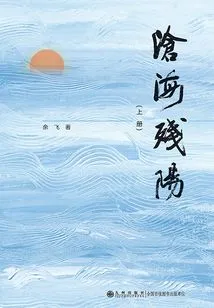
The Setting Sun over the Sea (volume 1)
General Fiction沧海残阳(上册)
Yu Fei
This topic is based on mastering a large number of historical facts and using reasonable artistic conception to comprehensively interpret the image of Chen Xing, an official of the Qing Dynasty, who was a grassroots national hero who combined loyalty, filial piety, integrity and righteousness. At the same time, through the description of the plots and scenes of the protagonist's struggle to defend his family and country, this book attempts to awaken the Chinese people's awareness of danger and revive the fearless spirit of the Chinese nation to share the same hatred of the enemy and jointly defend against foreign aggression.
This topic is based on mastering a large number of historical facts and using reasonable artistic conception to comprehensively interpret the image of Chen Xing, an official of the Qing Dynasty, who was a grassroots national hero who combined loyalty, filial piety, integrity and righteousness. At the same time, through the description of the plots and scenes of the protagonist's struggle to defend his family and country, this book attempts to awaken the Chinese people's awareness of danger and revive the fearless spirit of the Chinese nation to share the same hatred of the enemy and jointly defend against foreign aggression.
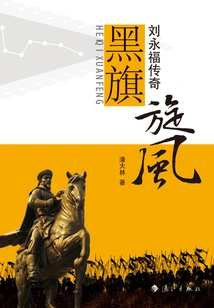
Black Flag Tornado: the Legend of Liu Yongfu
General Fiction黑旗旋风:刘永福传奇
Pan Dalin
This book tells the story of Liu Yongfu who grew up from a peasant boy to the leader of the Black Flag Army. He led this armed force to roam the Sino-Vietnamese border area, became the mainstay of the resistance against the French invaders, and traveled far and wide for the country's independence and the people's livelihood.
This book tells the story of Liu Yongfu who grew up from a peasant boy to the leader of the Black Flag Army. He led this armed force to roam the Sino-Vietnamese border area, became the mainstay of the resistance against the French invaders, and traveled far and wide for the country's independence and the people's livelihood.
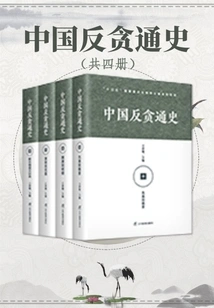
中国反贪通史(共四册)
Wang Chunyu
"The General History of Anti-Corruption in China" is based on a comprehensive and systematic combing and research of relevant historical materials and materials, focusing on major and important cases, and is divided into "Pre-Qin Period", "Qin-Han Period", "Wei, Jin, Southern and Northern Dynasties Period", "Sui and Tang Periods", "Five Dynasties and Ten Years" Eleven chapters including the "Guo Dynasty", "Song, Liao, Western Xia and Jin Dynasties", "Yuan Dynasty", "Ming Dynasty", "Qing Dynasty", "Republic of China Period" and "Since the Founding of New China" comprehensively introduce the causes of corruption in various historical periods in our country from the pre-Qin Dynasty to the 18th National Congress of the Communist Party of my country. , The corruption situation and its serious consequences, systematically sorted out the formulation of laws and regulations, system construction, institutional settings, and ideological and cultural changes related to anti-corruption in various historical periods, carefully summarized the successes, failures, and experiences and lessons of the anti-corruption struggle in each historical period, and conducted a profound reflection on the causes of corruption and anti-corruption work in each historical period. The content is comprehensive, the insights are unique, and it has high systematic, innovative, ideological, academic and important practical reference significance.
"The General History of Anti-Corruption in China" is based on a comprehensive and systematic combing and research of relevant historical materials and materials, focusing on major and important cases, and is divided into "Pre-Qin Period", "Qin-Han Period", "Wei, Jin, Southern and Northern Dynasties Period", "Sui and Tang Periods", "Five Dynasties and Ten Years" Eleven chapters including the "Guo Dynasty", "Song, Liao, Western Xia and Jin Dynasties", "Yuan Dynasty", "Ming Dynasty", "Qing Dynasty", "Republic of China Period" and "Since the Founding of New China" comprehensively introduce the causes of corruption in various historical periods in our country from the pre-Qin Dynasty to the 18th National Congress of the Communist Party of my country. , The corruption situation and its serious consequences, systematically sorted out the formulation of laws and regulations, system construction, institutional settings, and ideological and cultural changes related to anti-corruption in various historical periods, carefully summarized the successes, failures, and experiences and lessons of the anti-corruption struggle in each historical period, and conducted a profound reflection on the causes of corruption and anti-corruption work in each historical period. The content is comprehensive, the insights are unique, and it has high systematic, innovative, ideological, academic and important practical reference significance.
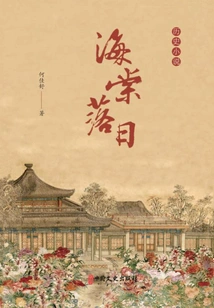
Begonia Sunset
General Fiction海棠落日
He Jia Shu
The author, He Jiashu, is 17 years old and studying in the International Department of Beijing No. 2 Middle School. She loves reading, traveling and writing. When she was 13 years old, she published a full-page cultural travelogue "Hokkaido Memory: Simple, Light and Fresh" in the China Youth Daily's "Youth Reference". When she was 14, she published a full-page cultural travelogue "Europe, Starts from Here" in "Youth Reference".
The author, He Jiashu, is 17 years old and studying in the International Department of Beijing No. 2 Middle School. She loves reading, traveling and writing. When she was 13 years old, she published a full-page cultural travelogue "Hokkaido Memory: Simple, Light and Fresh" in the China Youth Daily's "Youth Reference". When she was 14, she published a full-page cultural travelogue "Europe, Starts from Here" in "Youth Reference".
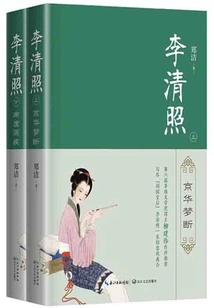
Li Qingzhao (two Volumes)
General Fiction李清照(全二册)
Zheng Jie
Every page has gold, every section is a movie; Internet celebrities a thousand years ago will have traffic a thousand years later. This is an epic of a talented woman in ancient times. The ups and downs of life, the twists and turns of fate, the helpless entanglement of love, and the personal future are closely linked to the destiny of the family and the country, creating a legend of a man's lamentation and a wonderful flower that lights up history. A daughter of a famous family, a noble lady of the prime minister's palace, with peerless talent and beauty, her reputation is known throughout the ages. Whoever dominated the ups and downs of the Song Dynasty, she never left him. She sang her heartfelt song in the bustling city and watched all the changes in the world. This book connects historical fragments, allowing readers to touch Li Qingzhao's soul and experience her graceful and ups and downs life together.
Every page has gold, every section is a movie; Internet celebrities a thousand years ago will have traffic a thousand years later. This is an epic of a talented woman in ancient times. The ups and downs of life, the twists and turns of fate, the helpless entanglement of love, and the personal future are closely linked to the destiny of the family and the country, creating a legend of a man's lamentation and a wonderful flower that lights up history. A daughter of a famous family, a noble lady of the prime minister's palace, with peerless talent and beauty, her reputation is known throughout the ages. Whoever dominated the ups and downs of the Song Dynasty, she never left him. She sang her heartfelt song in the bustling city and watched all the changes in the world. This book connects historical fragments, allowing readers to touch Li Qingzhao's soul and experience her graceful and ups and downs life together.
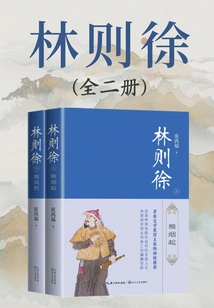
Lin Zexu (complete Two Volumes)
General Fiction林则徐(全二册)
Zhang Hongfu
Around 1840, the late Qing Dynasty was waning, and thousands of horses in China were silent. Looking up, there was a sign of the end of the world. From eight times of summons to bravely fighting foreign barbarians, from army preparations to war in Humen, from river control and corruption to border settlements and border guards... Lin Zexu could not prevent the decline of the late Qing Dynasty on his own, but his ups and downs of fate reflected China's stumbling towards modern times.
Around 1840, the late Qing Dynasty was waning, and thousands of horses in China were silent. Looking up, there was a sign of the end of the world. From eight times of summons to bravely fighting foreign barbarians, from army preparations to war in Humen, from river control and corruption to border settlements and border guards... Lin Zexu could not prevent the decline of the late Qing Dynasty on his own, but his ups and downs of fate reflected China's stumbling towards modern times.
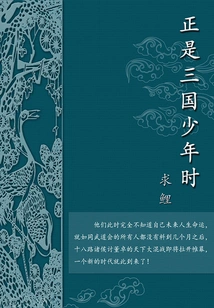
It Was the Youth of the Three Kingdoms
General Fiction正是三国少年时
Asking For Carp
The book comprehensively displays the origins of the three history-changing wars in the Three Kingdoms era from three parts: "The Gathering of Storms and Clouds", "The Shining Stars" and "Enter the Dragon". The first time was at the end of 187 AD, when the capital Luoyang held a "World's Best Martial Arts Conference". Famous military generals and young talents from all over the country came to show off their skills. They were not only striving to be ranked among the top ten masters in the world, but also hoping to win the favor and appreciation of dignitaries from all walks of life in the competition. The arena was full of excitement. Of course, they had no idea at this time that the world-wide melee between the eighteen princes to challenge Dong Zhuo was about to begin, and a new era had arrived!
The book comprehensively displays the origins of the three history-changing wars in the Three Kingdoms era from three parts: "The Gathering of Storms and Clouds", "The Shining Stars" and "Enter the Dragon". The first time was at the end of 187 AD, when the capital Luoyang held a "World's Best Martial Arts Conference". Famous military generals and young talents from all over the country came to show off their skills. They were not only striving to be ranked among the top ten masters in the world, but also hoping to win the favor and appreciation of dignitaries from all walks of life in the competition. The arena was full of excitement. Of course, they had no idea at this time that the world-wide melee between the eighteen princes to challenge Dong Zhuo was about to begin, and a new era had arrived!
I
Novels, Novel Network, Latest Popular Novels-qq Reading_website of China Literature Group
General Fiction小说,小说网,最新热门小说-QQ阅读_阅文集团旗下网站
H
G
G
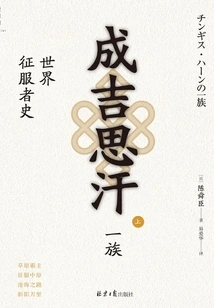
Genghis Khan: a History of World Conquerors (two Volumes)
General Fiction成吉思汗一族:世界征服者史(全二册)
H
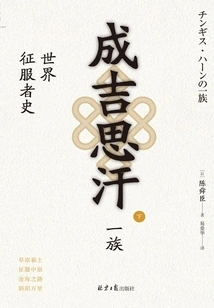
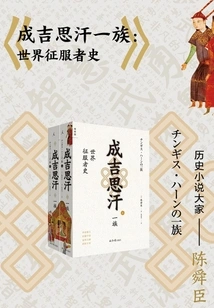
With the development of the war of conquest, the Genghis Khan clan moved from the Mongolian grasslands to northern China, to Central Asia and Europe. After three western expeditions, the four great khanates, the reunification of China, and several eastern and southern expeditions, the Mongol Empire at that time was indeed a veritable world empire, and the Genghis Khan clan was indeed a veritable "world conqueror." To describe and reflect the Genghis Khan clan is actually to describe and study the exchange and integration of various cultures, and to study the world history at that time. This work can also be said to be the product of the exchange and integration of Eastern and Western cultures. It is an exploration of another path from the grassland besides the Maritime Silk Road, opening up new horizons for readers. The book is divided into four volumes: "Grassland Overlord", "Conquest of the Central Plains", "Road to the Sea" and "Wonderful Miles of the Setting Sun". It begins with Genghis Khan's unification of the Mongolian grassland and his three western expeditions to the south to conquer Jin and Mongolia. It then went through the three Western Expeditions of Ogedai, Guiyu and Mengge. During the reign of the Great Khan, there were also brief periods of towing thunder and supervising the country; then Kublai Khan completed the great unification in Chinese history. Wars broke out among the Mongolian noble kings, and Kublai Khan launched the Eastern and Southern Expeditions until the demise of the Yuan Dynasty. During the process of writing "Genghis Khan", the author suffered an accidental stroke and lost the ability to move his right hand. He insisted on writing the book with his left hand in the hospital; after being discharged from the hospital, he was hit by the 7.2-Magnitude Kobe earthquake. "These complicated things are intertwined, and the days that are unforgettable even if you want to forget them are closely connected with this work."
With the development of the war of conquest, the Genghis Khan clan moved from the Mongolian grasslands to northern China, to Central Asia and Europe. After three western expeditions, the four great khanates, the reunification of China, and several eastern and southern expeditions, the Mongol Empire at that time was indeed a veritable world empire, and the Genghis Khan clan was indeed a veritable "world conqueror." To describe and reflect the Genghis Khan clan is actually to describe and study the exchange and integration of various cultures, and to study the world history at that time. This work can also be said to be the product of the exchange and integration of Eastern and Western cultures. It is an exploration of another path from the grassland besides the Maritime Silk Road, opening up new horizons for readers. The book is divided into four volumes: "Grassland Overlord", "Conquest of the Central Plains", "Road to the Sea" and "Wonderful Miles of the Setting Sun". It begins with Genghis Khan's unification of the Mongolian grassland and his three western expeditions to the south to conquer Jin and Mongolia. It then went through the three Western Expeditions of Ogedai, Guiyu and Mengge. During the reign of the Great Khan, there were also brief periods of towing thunder and supervising the country; then Kublai Khan completed the great unification in Chinese history. Wars broke out among the Mongolian noble kings, and Kublai Khan launched the Eastern and Southern Expeditions until the demise of the Yuan Dynasty. During the process of writing "Genghis Khan", the author suffered an accidental stroke and lost the ability to move his right hand. He insisted on writing the book with his left hand in the hospital; after being discharged from the hospital, he was hit by the 7.2-Magnitude Kobe earthquake. "These complicated things are intertwined, and the days that are unforgettable even if you want to forget them are closely connected with this work."
The Mountains Roar
General Fiction群山呼啸
Ji Yu
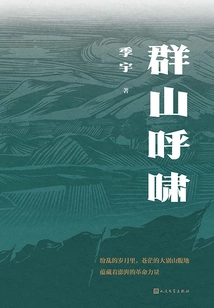
In the ancient city in the hinterland of the Dabie Mountains, a shocking case deeply entangled the He and Wei families and turned them against each other. At this time, the huge wave of the Great Revolution hit, and all parties took advantage of the momentum to fight for life and death. The descendants of the two major families either took the initiative to join the army or were coerced into it. Power, money and love, loyalty, faith and pursuit, red riots, warlord separatism, Japanese invasion, and bloody family battles are the national crisis and pain. As the red storm swept across the mountains, a contest carrying national hatred and family hatred began in this vicissitudes of land...
In the ancient city in the hinterland of the Dabie Mountains, a shocking case deeply entangled the He and Wei families and turned them against each other. At this time, the huge wave of the Great Revolution hit, and all parties took advantage of the momentum to fight for life and death. The descendants of the two major families either took the initiative to join the army or were coerced into it. Power, money and love, loyalty, faith and pursuit, red riots, warlord separatism, Japanese invasion, and bloody family battles are the national crisis and pain. As the red storm swept across the mountains, a contest carrying national hatred and family hatred began in this vicissitudes of land...
Huangxiang Castle
General Fiction黄乡古堡
Liu Chuanqi
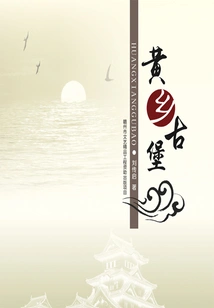
In the middle of the Ming Dynasty, the imperial power declined and the government became corrupt. The rebellion of Zhu Chenhao, Prince of Ning in Nanchang, had the greatest impact and shocked the world. The imperial court appointed Wang Yangming as governor of southern Jiangxi to quell the chaos. After Wang Yangming took office, he relied on a little-known armed force, the Huangxiang soldiers led by Ye Kai, to quell the rebellion in southern Jiangxi. The novel portrays Ye Kai, an armed leader who is loyal to the country, loves the people, and strives to improve the society. In the complicated history of Southern Jiangxi, he sticks to his original intention of eliminating harm for the people and bringing benefits to the country. He has the courage to dedicate and sacrifice. The controversial image of the Hakka hero and a series of characters under his command such as Mei Nanchun, Ye Jin, Ye Bao, Lin Wanying, etc., Paint a picture of the Huangxiang Castle located at the junction of the three provinces of Fujian, Guangdong and Jiangxi in the mid-Ming Dynasty, and the great military practice of quelling the giant bandits in Jiangxi for decades.
In the middle of the Ming Dynasty, the imperial power declined and the government became corrupt. The rebellion of Zhu Chenhao, Prince of Ning in Nanchang, had the greatest impact and shocked the world. The imperial court appointed Wang Yangming as governor of southern Jiangxi to quell the chaos. After Wang Yangming took office, he relied on a little-known armed force, the Huangxiang soldiers led by Ye Kai, to quell the rebellion in southern Jiangxi. The novel portrays Ye Kai, an armed leader who is loyal to the country, loves the people, and strives to improve the society. In the complicated history of Southern Jiangxi, he sticks to his original intention of eliminating harm for the people and bringing benefits to the country. He has the courage to dedicate and sacrifice. The controversial image of the Hakka hero and a series of characters under his command such as Mei Nanchun, Ye Jin, Ye Bao, Lin Wanying, etc., Paint a picture of the Huangxiang Castle located at the junction of the three provinces of Fujian, Guangdong and Jiangxi in the mid-Ming Dynasty, and the great military practice of quelling the giant bandits in Jiangxi for decades.
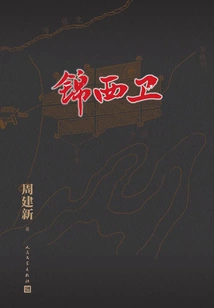
Jinxiwei
General Fiction锦西卫
Zhou Jianxin
"Wei" refers to the military establishment of the Ming Dynasty. There was no Jinxi Guard in history. This article uses the place name establishment of "Wei" to recreate the group of passionate and heroic warriors who resisted Japan in Jinxi 80 years ago, resurrecting various characters such as craftsmen, bandits, county magistrates, sharpshooters, squires, spies, and Japanese soldiers. The language is vivid, the fate is wonderful, the tear between the soul and reality, the era and regional color of the scene are used to highlight the bloody life of a land and a land where people generously went to the national disaster, with epic songs and cries. After the starting point of the Anti-Japanese War was changed to September 18th, the author resurrected a group of vivid and tragic lives after years of field visits, and used literature to erect statues of this era for the tragic figures in national history and county annals.
"Wei" refers to the military establishment of the Ming Dynasty. There was no Jinxi Guard in history. This article uses the place name establishment of "Wei" to recreate the group of passionate and heroic warriors who resisted Japan in Jinxi 80 years ago, resurrecting various characters such as craftsmen, bandits, county magistrates, sharpshooters, squires, spies, and Japanese soldiers. The language is vivid, the fate is wonderful, the tear between the soul and reality, the era and regional color of the scene are used to highlight the bloody life of a land and a land where people generously went to the national disaster, with epic songs and cries. After the starting point of the Anti-Japanese War was changed to September 18th, the author resurrected a group of vivid and tragic lives after years of field visits, and used literature to erect statues of this era for the tragic figures in national history and county annals.
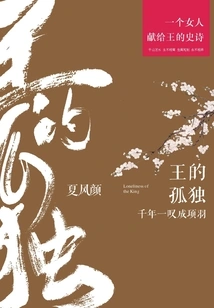
王的孤独:千年一叹成项羽
Xia Fengyan
Every woman comes to this world to wait for a thrilling love and the king who truly loves her. Yu Ji, a beautiful name that has been passed down for thousands of years, represents a beauty in troubled times and a tender woman in the world. Xiang Yu, the overlord of Western Chu, was a great king in Chinese history who did not judge heroes by success or failure. "The Loneliness of the King: A Thousand Years of Sigh Becomes Xiang Yu" tells the story of Yu Ji's acquaintance, love, separation, misunderstanding, release, upheaval, despair, and death together with Xiang Yu in Yu Ji's voice. In the unparalleled love affair thousands of years ago, Yu Ji met Xiang Yu when she was in the dust, and lived in Pengcheng, Xiang Yu's capital. Later, in order to pursue Xiang Yu, she came to Liu Bang's Xianyang military camp and was taken hostage by Liu Bang. After the Hongmen Banquet, Yu Ji finally returned to Xiang Yu, but there was a rift with Xiang Yu. The two people who loved each other deeply hurt each other, and eventually they were ambushed by Gai Xia.
Every woman comes to this world to wait for a thrilling love and the king who truly loves her. Yu Ji, a beautiful name that has been passed down for thousands of years, represents a beauty in troubled times and a tender woman in the world. Xiang Yu, the overlord of Western Chu, was a great king in Chinese history who did not judge heroes by success or failure. "The Loneliness of the King: A Thousand Years of Sigh Becomes Xiang Yu" tells the story of Yu Ji's acquaintance, love, separation, misunderstanding, release, upheaval, despair, and death together with Xiang Yu in Yu Ji's voice. In the unparalleled love affair thousands of years ago, Yu Ji met Xiang Yu when she was in the dust, and lived in Pengcheng, Xiang Yu's capital. Later, in order to pursue Xiang Yu, she came to Liu Bang's Xianyang military camp and was taken hostage by Liu Bang. After the Hongmen Banquet, Yu Ji finally returned to Xiang Yu, but there was a rift with Xiang Yu. The two people who loved each other deeply hurt each other, and eventually they were ambushed by Gai Xia.
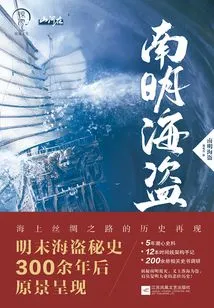
Nanming Pirates
General Fiction南明海盗
Zheng Jianwu
At the end of the Ming Dynasty and the beginning of the Qing Dynasty, the Qing army invaded South China and countless people were massacred. Zheng Chenggong held high the banner of anti-Qing righteousness and resisted in every corner. Zheng Bao, who had a deep grudge against the pirates for killing his father, turned to avenge his family and his country, and joined Zheng Chenggong's command. He subsequently conquered the north and south, and conquered Taiwan eastward. He was ordered to personally lead an Italian priest, a Germanic sergeant, and a young black slave on a mission to Manila under Spanish rule. He strayed into the jungle of the Philippines where headhunters were densely populated, committed himself to Black Snake Island, a pirate lair, fought fiercely with the Qing army in Humen Bay, took refuge in Macau, fled to Malacca, sacrificed his country for Buddha, and was trapped in a Dutch manor as a slave... Suffering from continuous disasters and nowhere to escape, Zheng Baobian finally fell into the sea and became a pirate. He counterattacked and became the king of pirates, dominating the South China Sea. However, how far can he go in the torrent of history?
At the end of the Ming Dynasty and the beginning of the Qing Dynasty, the Qing army invaded South China and countless people were massacred. Zheng Chenggong held high the banner of anti-Qing righteousness and resisted in every corner. Zheng Bao, who had a deep grudge against the pirates for killing his father, turned to avenge his family and his country, and joined Zheng Chenggong's command. He subsequently conquered the north and south, and conquered Taiwan eastward. He was ordered to personally lead an Italian priest, a Germanic sergeant, and a young black slave on a mission to Manila under Spanish rule. He strayed into the jungle of the Philippines where headhunters were densely populated, committed himself to Black Snake Island, a pirate lair, fought fiercely with the Qing army in Humen Bay, took refuge in Macau, fled to Malacca, sacrificed his country for Buddha, and was trapped in a Dutch manor as a slave... Suffering from continuous disasters and nowhere to escape, Zheng Baobian finally fell into the sea and became a pirate. He counterattacked and became the king of pirates, dominating the South China Sea. However, how far can he go in the torrent of history?
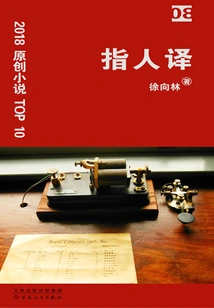
Refer to Human Translation
General Fiction指人译
Xu Xianglin
A missing Japanese radio station kicked off a spy war. This is where Project Cormorant began. This is a thrilling story in the history of the Anti-Japanese War in Lixiahe, northern Jiangsu, and an in-depth reveal of a rarely-known heroic legend. Loyalty and betrayal, love and faith, are entangled and intertwined in the blood. As time goes by and history becomes dusty, the unyielding and perseverance of a generation still shines brightly.
A missing Japanese radio station kicked off a spy war. This is where Project Cormorant began. This is a thrilling story in the history of the Anti-Japanese War in Lixiahe, northern Jiangsu, and an in-depth reveal of a rarely-known heroic legend. Loyalty and betrayal, love and faith, are entangled and intertwined in the blood. As time goes by and history becomes dusty, the unyielding and perseverance of a generation still shines brightly.
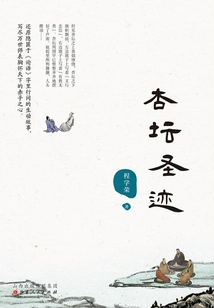
Apricot Altar Holy Relic
General Fiction杏坛圣迹
Cheng Xuerong
This book tells the life experience of Confucius, and the story behind "The Analects" is only a part of his life experience. This book is divided into five chapters based on Confucius' life experience: studying, establishing studies, practicing studies, studying abroad, and studying, almost all of which are related to teaching. On the surface, this book is a chapter-style novel telling the story of Confucius. In fact, it also contains the author's research experience on The Analects and Confucius' thoughts. Therefore, in a sense, this book can be regarded as an "academic novel"-it is both story telling and academic interpretation. This kind of expression that combines logic with facts is very interesting, allowing readers to outline a vivid image of a saint with outstanding personality through a series of wonderful stories such as the establishment of a teaching in Xingtan, the governance of Zhongdu, the alliance in Jiagu, and the travels to various countries, and allow readers to deeply understand what Confucius thought, said, and did as a historical figure in the real historical environment.
This book tells the life experience of Confucius, and the story behind "The Analects" is only a part of his life experience. This book is divided into five chapters based on Confucius' life experience: studying, establishing studies, practicing studies, studying abroad, and studying, almost all of which are related to teaching. On the surface, this book is a chapter-style novel telling the story of Confucius. In fact, it also contains the author's research experience on The Analects and Confucius' thoughts. Therefore, in a sense, this book can be regarded as an "academic novel"-it is both story telling and academic interpretation. This kind of expression that combines logic with facts is very interesting, allowing readers to outline a vivid image of a saint with outstanding personality through a series of wonderful stories such as the establishment of a teaching in Xingtan, the governance of Zhongdu, the alliance in Jiagu, and the travels to various countries, and allow readers to deeply understand what Confucius thought, said, and did as a historical figure in the real historical environment.
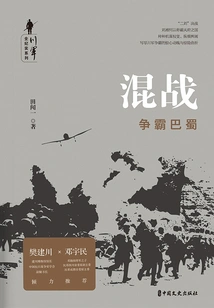
Melee: Battle for Bashu
General Fiction混战:争霸巴蜀
Tian Wenyi
This book is a long documentary novel. In the 1920s and 1930s, many warlords in Sichuan launched a thrilling battle to gain control of Sichuan. Among them, the "two Liu" decisive battle between Liu Wenhui and Liu Xiang's uncle and nephew was the largest and most brutal battle, and it was also the final battle. In the broad background of the times, the author reproduces that period of history quite profoundly from multiple angles. The book also focuses on portraying a large number of vivid characters, from the "Liu Shenxian" who has been taught by generations to Brother Pao, three religions and nine schools, vividly written on the page, ready to be drawn out. The history is thrilling, with thrilling twists and turns, and the novel is gripping and fascinating, making it worth reading.
This book is a long documentary novel. In the 1920s and 1930s, many warlords in Sichuan launched a thrilling battle to gain control of Sichuan. Among them, the "two Liu" decisive battle between Liu Wenhui and Liu Xiang's uncle and nephew was the largest and most brutal battle, and it was also the final battle. In the broad background of the times, the author reproduces that period of history quite profoundly from multiple angles. The book also focuses on portraying a large number of vivid characters, from the "Liu Shenxian" who has been taught by generations to Brother Pao, three religions and nine schools, vividly written on the page, ready to be drawn out. The history is thrilling, with thrilling twists and turns, and the novel is gripping and fascinating, making it worth reading.
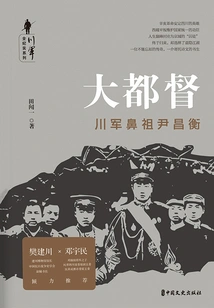
大都督:川军鼻祖尹昌衡
Tian Wenyi
This book is a historical biographical novel recording Yin Changheng's life experience. Yin Changheng (1884-1953) served as the chief instructor (equivalent to the principal) of the Sichuan Army Crash Course, the Minister of Military Affairs of the Sichuan Military Government, and the Grand Governor of the Sichuan Governor's Office in 1912. He was a celebrity in Sichuan in the late Qing Dynasty, especially during the Xinhai period. This book has a total of thirty-four chapters, using literary language to objectively record Yin Changheng's important experiences from the beginning of 1911 to his death. It is a wonderful biography that provides an objective and detailed understanding of Yin Changheng.
This book is a historical biographical novel recording Yin Changheng's life experience. Yin Changheng (1884-1953) served as the chief instructor (equivalent to the principal) of the Sichuan Army Crash Course, the Minister of Military Affairs of the Sichuan Military Government, and the Grand Governor of the Sichuan Governor's Office in 1912. He was a celebrity in Sichuan in the late Qing Dynasty, especially during the Xinhai period. This book has a total of thirty-four chapters, using literary language to objectively record Yin Changheng's important experiences from the beginning of 1911 to his death. It is a wonderful biography that provides an objective and detailed understanding of Yin Changheng.
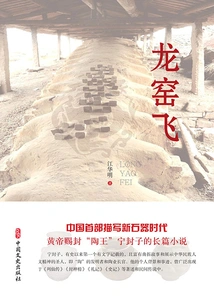
Long Yaofei
General Fiction龙窑飞
Jiang Huaming
This book is China's first full-length novel describing the Neolithic Age when the Yellow Emperor conferred the title of "King of Pottery" Ning Fengzi. The novel uses the personal growth background and historical background of Ning Fengzi (Tao Zheng, the inventor of "pottery" and the chief of the pottery industry in the Neolithic Age, under the Yellow Emperor) as clues to show a picture of the evolution of primitive tribes in the Neolithic Age with clear historical data and rich imagination. The historical picture uniquely presents an epic about the "Tao Sheng" Ning Fengzi and the formation and hardening of "First Tao"; the novel depicts a picture of the origin of civilization, the human world and the perception of life with its ups and downs and rich human atmosphere.
This book is China's first full-length novel describing the Neolithic Age when the Yellow Emperor conferred the title of "King of Pottery" Ning Fengzi. The novel uses the personal growth background and historical background of Ning Fengzi (Tao Zheng, the inventor of "pottery" and the chief of the pottery industry in the Neolithic Age, under the Yellow Emperor) as clues to show a picture of the evolution of primitive tribes in the Neolithic Age with clear historical data and rich imagination. The historical picture uniquely presents an epic about the "Tao Sheng" Ning Fengzi and the formation and hardening of "First Tao"; the novel depicts a picture of the origin of civilization, the human world and the perception of life with its ups and downs and rich human atmosphere.
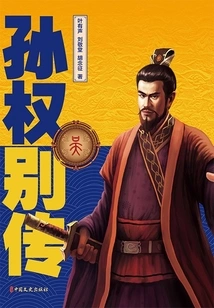
Biography of Sun Quan
General Fiction孙权别传
Ye Yousheng Liu Jingtang Hu Niazheng
After the Battle of Chibi, Sun Quan went to E County (today's Ezhou City) to build a capital city. When choosing a city site, he met Wen Qian, a civilian girl. Wen Qian's father, Wen Hai, was the construction director in the early Han Dynasty and was responsible for building cities and palaces. Later, he fled to Jiangnan due to the war. He was killed by robbers on the way, and before his death, he handed over the official documents he carried to Wen Qian. Under the orders of Sun Quan, she personally measured, drew, and supervised the construction, and finally built a capital city on the south bank of the Yangtze River. During the construction of the city, Wen Qian admired Sun Quan's talents and strategies. Sun Quan admired Wen Qian's courage and talent, which triggered a tortuous and touching love story.
After the Battle of Chibi, Sun Quan went to E County (today's Ezhou City) to build a capital city. When choosing a city site, he met Wen Qian, a civilian girl. Wen Qian's father, Wen Hai, was the construction director in the early Han Dynasty and was responsible for building cities and palaces. Later, he fled to Jiangnan due to the war. He was killed by robbers on the way, and before his death, he handed over the official documents he carried to Wen Qian. Under the orders of Sun Quan, she personally measured, drew, and supervised the construction, and finally built a capital city on the south bank of the Yangtze River. During the construction of the city, Wen Qian admired Sun Quan's talents and strategies. Sun Quan admired Wen Qian's courage and talent, which triggered a tortuous and touching love story.
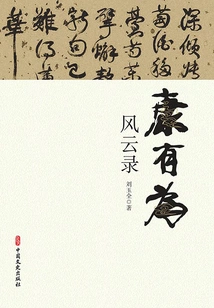
Kang Youwei's Chronicles
General Fiction康有为风云录
Liu Yuquan
This book describes the thrilling story of Kang Youwei's escape from the capital and his journey to Japan when the 1898 Coup of 18 broke out. The story is gripping. Taking Kang Youwei's whereabouts as a clue, historical figures such as Cixi, Guangxu, Li Hongzhang, Zhang Zhidong, and even Japanese politicians and party leaders all appear in person, each with their own characteristics. Kang Youwei in the book has both a generous and tragic song in the year of 1898, running for the country and taking risks with his life, and also a cowardly character in King Qin's uprising in the Gengzi year, which led to the collapse of King Qin's uprising. It shows Kang Youwei's complex and changeable character and colorful life history in a specific era. At the same time, there are also wonderful descriptions and portrayals of people with lofty ideals such as Liang Qichao, Tan Sitong, and Tang Cichang who loyally followed Kang Youwei.
This book describes the thrilling story of Kang Youwei's escape from the capital and his journey to Japan when the 1898 Coup of 18 broke out. The story is gripping. Taking Kang Youwei's whereabouts as a clue, historical figures such as Cixi, Guangxu, Li Hongzhang, Zhang Zhidong, and even Japanese politicians and party leaders all appear in person, each with their own characteristics. Kang Youwei in the book has both a generous and tragic song in the year of 1898, running for the country and taking risks with his life, and also a cowardly character in King Qin's uprising in the Gengzi year, which led to the collapse of King Qin's uprising. It shows Kang Youwei's complex and changeable character and colorful life history in a specific era. At the same time, there are also wonderful descriptions and portrayals of people with lofty ideals such as Liang Qichao, Tan Sitong, and Tang Cichang who loyally followed Kang Youwei.
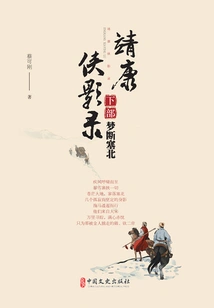
靖康侠影录·下部:梦断塞北
Cai Kegang
"Jingkang Xia Lu" tells the story of the Jingkang period of the Northern Song Dynasty (1126-1127). The Jin army captured Tokyo and captured more than 3,000 people including Huizong, Qinzong, his father and son, the Zhao royal family, and concubines, and escorted them northward. The eighteenth son of Huizong, King Xin Zhao Zhen, luckily escaped, so he joined forces with Ma Kuo, Zhao Bangjie and other martial arts heroes to embark on the road to pursue and rescue the two emperors of Huizong. This book tells the story of Zhao Zhen and the knights in the rivers and lakes who are in hot pursuit, but they always miss the Emperor Huiqin who is being released. Some people died on the way, while others finally responded to Zongze's call and joined the anti-Jin army; King Xin decided to embark on the confusing road of pursuing and protecting his father and brother alone.
"Jingkang Xia Lu" tells the story of the Jingkang period of the Northern Song Dynasty (1126-1127). The Jin army captured Tokyo and captured more than 3,000 people including Huizong, Qinzong, his father and son, the Zhao royal family, and concubines, and escorted them northward. The eighteenth son of Huizong, King Xin Zhao Zhen, luckily escaped, so he joined forces with Ma Kuo, Zhao Bangjie and other martial arts heroes to embark on the road to pursue and rescue the two emperors of Huizong. This book tells the story of Zhao Zhen and the knights in the rivers and lakes who are in hot pursuit, but they always miss the Emperor Huiqin who is being released. Some people died on the way, while others finally responded to Zongze's call and joined the anti-Jin army; King Xin decided to embark on the confusing road of pursuing and protecting his father and brother alone.
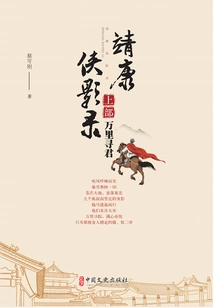
靖康侠影录·上部:万里寻君
Cai Kegang
"Jingkang Xia Lu" tells the story of the Jingkang period of the Northern Song Dynasty (1126-1127). The Jin army captured Tokyo and captured more than 3,000 people including Huizong, Qinzong, his father and son, the Zhao royal family, and concubines, and escorted them northward. The eighteenth son of Huizong, King Xin Zhao Zhen, luckily escaped, so he joined forces with Ma Kuo, Zhao Bangjie and other martial arts heroes to embark on the road to pursue and rescue the two emperors of Huizong. This book tells the story of King Xin and all the martyrs who traveled north from the banks of the Yellow River and pursued from Yanjing to Zhongjing. They went through many hardships and encountered the Jin army several times. They were in danger, but they moved forward bravely without flinching.
"Jingkang Xia Lu" tells the story of the Jingkang period of the Northern Song Dynasty (1126-1127). The Jin army captured Tokyo and captured more than 3,000 people including Huizong, Qinzong, his father and son, the Zhao royal family, and concubines, and escorted them northward. The eighteenth son of Huizong, King Xin Zhao Zhen, luckily escaped, so he joined forces with Ma Kuo, Zhao Bangjie and other martial arts heroes to embark on the road to pursue and rescue the two emperors of Huizong. This book tells the story of King Xin and all the martyrs who traveled north from the banks of the Yellow River and pursued from Yanjing to Zhongjing. They went through many hardships and encountered the Jin army several times. They were in danger, but they moved forward bravely without flinching.
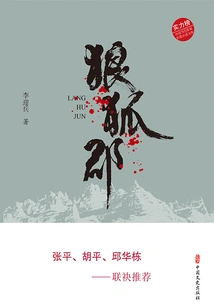
狼狐郡(实力榜·中国当代作家长篇小说文库)
Li Yingbing
This is a long historical novel about the famous general Wu Qi during the Spring and Autumn Period and the Warring States Period. The novel uses Langhu Ridge and Lishi City as the main backgrounds to show the various life styles and the joys and sorrows of the characters in Xihe County of Wei State (commonly known as Langhu County). In the thirty-eighth year of Wei Wenhou (409 BC), the 32-year-old Wu Qi trained and created an elite army of Wei Wuzu in Langhu Ridge. When the Qin army attacked Zhao Guoli Shiyi City, he rushed to help and narrowly defeated the enemy. Then he attacked Qin, captured five cities in a row, and defeated 500,000 Qin troops with 50,000 Wei soldiers. Wu Qi fought for many years and defended the Xihe River. He fought with the Qin army for seventy-six times and won sixty-four times. The remaining twelve times were tied. Unexpectedly, the Prime Minister's uncle Cuo was jealous of talents and slandered Wu Hou of Wei, and Wu Qi was dismissed. In desperation, Wu Qi left Chu State to serve as Wanshou, and was subsequently appointed by King Chu Dao as Ling Yin to implement reforms. The novel also interprets Wu Qi's mental journey when he compiled "Zuo Zhuan" and "Wu Zi's Art of War", as well as a group of historical figures such as Qin Jiangong, Wei Wenhou, Wei Wuhou, Gongzi Lian (Ying Shixi) and other historical figures in the same period, as well as the tragic fate of Wu family, Tian Xiaoxuan, Xiao Qiong, Dai Furong and other concubines and singers who accompanied him in various periods, making people sigh after reading it.
This is a long historical novel about the famous general Wu Qi during the Spring and Autumn Period and the Warring States Period. The novel uses Langhu Ridge and Lishi City as the main backgrounds to show the various life styles and the joys and sorrows of the characters in Xihe County of Wei State (commonly known as Langhu County). In the thirty-eighth year of Wei Wenhou (409 BC), the 32-year-old Wu Qi trained and created an elite army of Wei Wuzu in Langhu Ridge. When the Qin army attacked Zhao Guoli Shiyi City, he rushed to help and narrowly defeated the enemy. Then he attacked Qin, captured five cities in a row, and defeated 500,000 Qin troops with 50,000 Wei soldiers. Wu Qi fought for many years and defended the Xihe River. He fought with the Qin army for seventy-six times and won sixty-four times. The remaining twelve times were tied. Unexpectedly, the Prime Minister's uncle Cuo was jealous of talents and slandered Wu Hou of Wei, and Wu Qi was dismissed. In desperation, Wu Qi left Chu State to serve as Wanshou, and was subsequently appointed by King Chu Dao as Ling Yin to implement reforms. The novel also interprets Wu Qi's mental journey when he compiled "Zuo Zhuan" and "Wu Zi's Art of War", as well as a group of historical figures such as Qin Jiangong, Wei Wenhou, Wei Wuhou, Gongzi Lian (Ying Shixi) and other historical figures in the same period, as well as the tragic fate of Wu family, Tian Xiaoxuan, Xiao Qiong, Dai Furong and other concubines and singers who accompanied him in various periods, making people sigh after reading it.
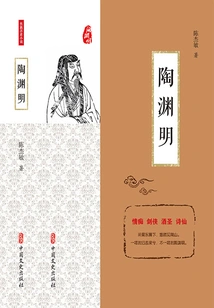
Tao Yuanming
General Fiction陶渊明
Chen Jiemin
The long historical novel "Tao Yuanming" creates the literary image of the great poet Tao Yuanming, who is a "love madman, swordsman, and wine sage". It shows the fine traditions of ancient Chinese intellectuals who have a sense of justice, self-love, opposition to war, love for peace, pursuit of freedom, exploration of ways to save the world, and dedication to people's livelihood politics. The story has twists and turns, great ups and downs, reasonable contradictions, constant suspense, and a fascinating plot. Highlight the social ideals of no war, living in harmony, fairness and justice, clean worldly affairs, political integrity, and equality for all as revealed in the "Peach Garden Dream".
The long historical novel "Tao Yuanming" creates the literary image of the great poet Tao Yuanming, who is a "love madman, swordsman, and wine sage". It shows the fine traditions of ancient Chinese intellectuals who have a sense of justice, self-love, opposition to war, love for peace, pursuit of freedom, exploration of ways to save the world, and dedication to people's livelihood politics. The story has twists and turns, great ups and downs, reasonable contradictions, constant suspense, and a fascinating plot. Highlight the social ideals of no war, living in harmony, fairness and justice, clean worldly affairs, political integrity, and equality for all as revealed in the "Peach Garden Dream".
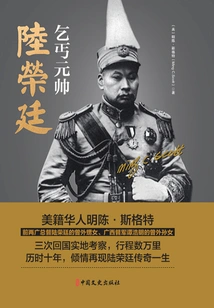
Beggar Marshal Lu Rongting
General Fiction乞丐元帅陆荣廷
(us) Mingchen Scott
This book is a legendary novel about Lu Rongting. From Lu Rongting's birth to his death, his ups and downs legendary life from beggar to general is written. In the form of a novel, this book shows the world the heroes of the north and south, the dusty old love, the past of the ancient caravan road, the rise, contribution and decline of the Guangxi warlords, the politics and military affairs of Guangxi, Guangdong, Hunan and other southwest regions in the late Qing Dynasty and the early Republic of China, as well as the rich customs and customs. The manuscript is rich in content, vivid in details, fluent in expression, and vivid in restoring historical figures. It is an excellent masterpiece of historical fiction.
This book is a legendary novel about Lu Rongting. From Lu Rongting's birth to his death, his ups and downs legendary life from beggar to general is written. In the form of a novel, this book shows the world the heroes of the north and south, the dusty old love, the past of the ancient caravan road, the rise, contribution and decline of the Guangxi warlords, the politics and military affairs of Guangxi, Guangdong, Hunan and other southwest regions in the late Qing Dynasty and the early Republic of China, as well as the rich customs and customs. The manuscript is rich in content, vivid in details, fluent in expression, and vivid in restoring historical figures. It is an excellent masterpiece of historical fiction.
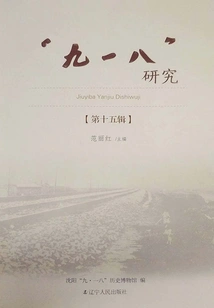
september 18th" Research·fifteenth Series
General Fiction“九一八” 研究·第十五辑
Fan Lihong
After the "September 18th" History Museum opened in the new building, it jointly established the "September 18th" Historical Research Center with relevant universities and research units in the province. The center is located in the "September 18th" History Museum. It employs experts and scholars from both inside and outside Liaoning Province and overseas who have studied the history of "September 18th" as center researchers, and cooperates with the museum's business staff and interested history enthusiasts to jointly carry out in-depth research on the history of "September 18th". "September 18 Research (15th Edition)" edited by Fan Lihong is a collection of papers on related research results.
After the "September 18th" History Museum opened in the new building, it jointly established the "September 18th" Historical Research Center with relevant universities and research units in the province. The center is located in the "September 18th" History Museum. It employs experts and scholars from both inside and outside Liaoning Province and overseas who have studied the history of "September 18th" as center researchers, and cooperates with the museum's business staff and interested history enthusiasts to jointly carry out in-depth research on the history of "September 18th". "September 18 Research (15th Edition)" edited by Fan Lihong is a collection of papers on related research results.
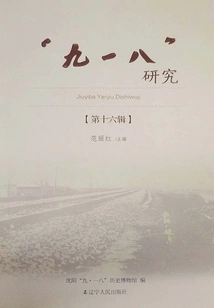
september 18th" Research·sixteenth Series
General Fiction“九一八” 研究·第十六辑
Fan Lihong
"September 18th Research (Sixteenth Series)" is a continuation of the collection of essays published annually by the Shenyang "September 18th" History Museum. 2017 Is the 80th anniversary of the outbreak of the all-out Anti-Japanese War, and it is also the historical juncture of the Ministry of Education's decision to incorporate the concept of the "Fourteen Years of Anti-Japanese War" into primary and secondary school textbooks. The Shenyang "September 18th Incident" History Museum published and released "September 18th Incident Research" (Episode 16) around the academic theme of "The Historical Background of the September 18th Incident". The collection contains a total of 45 papers, covering 15 aspects of research papers related to the September 18th Incident.
"September 18th Research (Sixteenth Series)" is a continuation of the collection of essays published annually by the Shenyang "September 18th" History Museum. 2017 Is the 80th anniversary of the outbreak of the all-out Anti-Japanese War, and it is also the historical juncture of the Ministry of Education's decision to incorporate the concept of the "Fourteen Years of Anti-Japanese War" into primary and secondary school textbooks. The Shenyang "September 18th Incident" History Museum published and released "September 18th Incident Research" (Episode 16) around the academic theme of "The Historical Background of the September 18th Incident". The collection contains a total of 45 papers, covering 15 aspects of research papers related to the September 18th Incident.
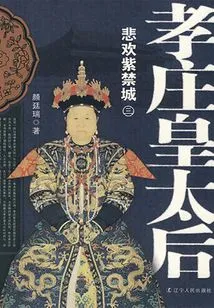
孝庄皇太后3:悲欢紫禁城
Yan Tingrui
This is a three-volume historical novel based on the life of Empress Dowager Xiaozhuang. Empress Dowager Xiaozhuang is an outstanding woman in Chinese history. She assisted and trained the two emperors Shunzhi and Kangxi, and made significant contributions to the establishment and consolidation of the Qing Dynasty. Fulin succeeds to the throne, takes over the Central Plains, marries the Empress Dowager, pacifies the San Francisco Rebellion and other major events. It strives to show Empress Dowager Xiaozhuang's all-powerful, far-sighted, enterprising, joyful and bloody life, and feel the historical enlightenment of the distant era.
This is a three-volume historical novel based on the life of Empress Dowager Xiaozhuang. Empress Dowager Xiaozhuang is an outstanding woman in Chinese history. She assisted and trained the two emperors Shunzhi and Kangxi, and made significant contributions to the establishment and consolidation of the Qing Dynasty. Fulin succeeds to the throne, takes over the Central Plains, marries the Empress Dowager, pacifies the San Francisco Rebellion and other major events. It strives to show Empress Dowager Xiaozhuang's all-powerful, far-sighted, enterprising, joyful and bloody life, and feel the historical enlightenment of the distant era.
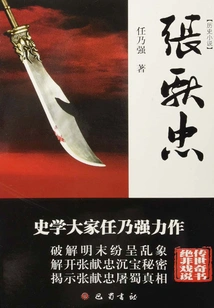
Zhang Xianzhong
General Fiction张献忠
Ren Naiqiang
In the summer of 1930, I visited Emei again. In order to covet the sea of clouds, Buddha's light, and holy lamps, I kept the Golden Dome for seven days. I heard the mountain monk say: "There is a monk in the old forest in the back mountain, who has been practicing the art of flying for three years." I secretly admired him. One fine day, I invited two good people to visit me in the back mountain. After passing Qianfoding and Wanfoding temples, we arrived at a thatched hut on Xiaosheshen Rock. This place is already inaccessible, but there is a monk from Hubei cultivating the Pure Land in the nunnery. I asked him about the monk who practiced Feiteng. He said: "The old monk has been in seclusion all day long and has not heard anything about foreign affairs. I don't know who is practicing Feiteng." Then he closed his eyes and closed his mouth, saying no more. My two companions saw a cliff of ten thousand feet on the left and a pine forest on the right. The road was cut off and the pines were rustling. They couldn't help but become a little timid and said: "Practice flying, but the mountain monk's words deceive the pilgrims. This old monk lives on the edge of this forest, and I don't know that there is such a person." , Jinding is twenty miles away, how can we know better than him? It is already past noon, and if we continue to go forward, we are afraid of encountering tigers and wolves. Besides, the wind and rain are unpredictable on the top of the mountain, so we should go back early. "I thought: We are close to the forest, if there is someone, it must not be far away. Wouldn't it be a waste of effort to turn back midway and miss the mark? Looking at the traces on the grass, there seems to be a trail running through the forest. So, I asked them to rest here for a while, and let me explore a few miles further. If there is no news, it will not be too late to return to the temple together. They couldn't fall in love, so they had to agree. Coincidentally, I walked five or six miles forward and saw a thatched hut with smoke coming out of it, so I ran back happily and invited the two of them to go and have a look. Unexpectedly, when the two of them saw that the sun was turning to the west, they couldn't help but turn around and walked back the way they came. I caught up with them out of breath and tried to persuade them to stop them, but they always refused. As a last resort, I had to accompany them back to the temple.
In the summer of 1930, I visited Emei again. In order to covet the sea of clouds, Buddha's light, and holy lamps, I kept the Golden Dome for seven days. I heard the mountain monk say: "There is a monk in the old forest in the back mountain, who has been practicing the art of flying for three years." I secretly admired him. One fine day, I invited two good people to visit me in the back mountain. After passing Qianfoding and Wanfoding temples, we arrived at a thatched hut on Xiaosheshen Rock. This place is already inaccessible, but there is a monk from Hubei cultivating the Pure Land in the nunnery. I asked him about the monk who practiced Feiteng. He said: "The old monk has been in seclusion all day long and has not heard anything about foreign affairs. I don't know who is practicing Feiteng." Then he closed his eyes and closed his mouth, saying no more. My two companions saw a cliff of ten thousand feet on the left and a pine forest on the right. The road was cut off and the pines were rustling. They couldn't help but become a little timid and said: "Practice flying, but the mountain monk's words deceive the pilgrims. This old monk lives on the edge of this forest, and I don't know that there is such a person." , Jinding is twenty miles away, how can we know better than him? It is already past noon, and if we continue to go forward, we are afraid of encountering tigers and wolves. Besides, the wind and rain are unpredictable on the top of the mountain, so we should go back early. "I thought: We are close to the forest, if there is someone, it must not be far away. Wouldn't it be a waste of effort to turn back midway and miss the mark? Looking at the traces on the grass, there seems to be a trail running through the forest. So, I asked them to rest here for a while, and let me explore a few miles further. If there is no news, it will not be too late to return to the temple together. They couldn't fall in love, so they had to agree. Coincidentally, I walked five or six miles forward and saw a thatched hut with smoke coming out of it, so I ran back happily and invited the two of them to go and have a look. Unexpectedly, when the two of them saw that the sun was turning to the west, they couldn't help but turn around and walked back the way they came. I caught up with them out of breath and tried to persuade them to stop them, but they always refused. As a last resort, I had to accompany them back to the temple.
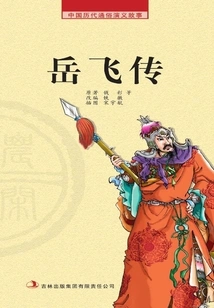
Popular Romance Stories from Chinese Past Dynasties·farming Reader: the Biography of Yue Fei
General Fiction中国历代通俗演义故事·农闲读本:岳飞传
Original Work By Qian Cai, Adapted By Tie Hui
"The Legend of Yue Fei" is a heroic romance novel with a slight historical romance flavor based on the story of Yue Fei's resistance to the Jin Dynasty. In the process of adapting this book, in addition to being based on "The Complete Biography of Yue Shuo" written by Qian Cai of the Qing Dynasty and others, it also incorporated folk oral legends, which not only enriched the content of the story but also made it more interesting and readable.
"The Legend of Yue Fei" is a heroic romance novel with a slight historical romance flavor based on the story of Yue Fei's resistance to the Jin Dynasty. In the process of adapting this book, in addition to being based on "The Complete Biography of Yue Shuo" written by Qian Cai of the Qing Dynasty and others, it also incorporated folk oral legends, which not only enriched the content of the story but also made it more interesting and readable.
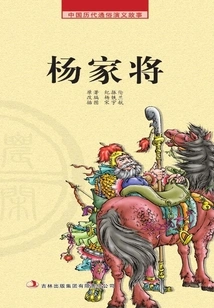
Popular Chinese Romance Stories from Past Dynasties·farming Reader: Generals of the Yang Family
General Fiction中国历代通俗演义故事·农闲读本:杨家将
Original Work By Ji Zhenlun, Adapted By Yang Tielan
"The Generals of the Yang Family" is a classic traditional novel. It is based on the history of frequent wars between the Song and Liao dynasties during the Northern Song Dynasty. It tells the story of the five generations of the Yang family, headed by the old prince Yang Jiye, who fought bravely on the battlefield in order to defend the country. The Yang family generals described in this novel are very different from the stories of the Yang family generals we usually see in TV series. The novel not only depicts many real war scenes, but is also full of mythical colors. The generals of the Yang family are not only brave and good at fighting, but some of them also have superhuman abilities. For example, Yang Wenguang can change and fly at will after taking the elixir, and Xuanniang can call the wind and rain, communicate with gods, etc.
"The Generals of the Yang Family" is a classic traditional novel. It is based on the history of frequent wars between the Song and Liao dynasties during the Northern Song Dynasty. It tells the story of the five generations of the Yang family, headed by the old prince Yang Jiye, who fought bravely on the battlefield in order to defend the country. The Yang family generals described in this novel are very different from the stories of the Yang family generals we usually see in TV series. The novel not only depicts many real war scenes, but is also full of mythical colors. The generals of the Yang family are not only brave and good at fighting, but some of them also have superhuman abilities. For example, Yang Wenguang can change and fly at will after taking the elixir, and Xuanniang can call the wind and rain, communicate with gods, etc.
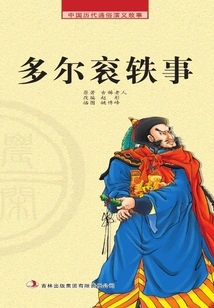
Popular Romance Stories from Chinese Past Dynasties · Farm Leisure Reader: the Anecdotes of Dorgon
General Fiction中国历代通俗演义故事· 农闲读本:多尔衮轶事
The Original Work Of The Old Man, Adapted By Zhao Tong
There are 900 million farmers in China. It is a blessing, a meaningful thing, and a great good thing with immeasurable merit to have a set of literature and history books that they like to read and read.
There are 900 million farmers in China. It is a blessing, a meaningful thing, and a great good thing with immeasurable merit to have a set of literature and history books that they like to read and read.
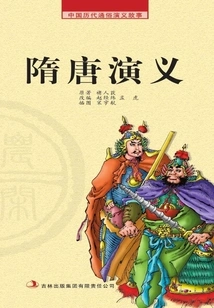
Popular Romance Stories of Chinese Dynasties·farming Reader: Romance of Sui and Tang Dynasties
General Fiction中国历代通俗演义故事·农闲读本:隋唐演义
Original Work By Chu Renhuo, Adapted By Zhao Jingwei And Meng Hu
This book is adapted from "Romance of the Sui and Tang Dynasties". The author Chu Renhuo, whose birth and death dates are unknown, was alive around the 20th year of Kangxi's reign. The original work has a total of one hundred chapters. It is a novel with dual characteristics of heroic legend and historical romance.
This book is adapted from "Romance of the Sui and Tang Dynasties". The author Chu Renhuo, whose birth and death dates are unknown, was alive around the 20th year of Kangxi's reign. The original work has a total of one hundred chapters. It is a novel with dual characteristics of heroic legend and historical romance.
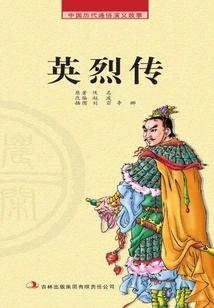
Popular Romance Stories from Chinese Past Dynasties·farming Reader: Biography of Heroes
General Fiction中国历代通俗演义故事·农闲读本:英烈传
Anonymous Original Work Adapted By Zhao Bo
With the emergence of "Romance of the Three Kingdoms", a number of historical romance novels emerged in the mid-Ming Dynasty. They rely on history and folklore to elaborate and interpret them into books. At that time, the most famous interpretations of stories from previous dynasties included "The Chronicles of the Kingdoms" and "The Romance of the Yang Family", etc., While the most popular interpretation of the Ming Dynasty was "The Legend of the Heroes".
With the emergence of "Romance of the Three Kingdoms", a number of historical romance novels emerged in the mid-Ming Dynasty. They rely on history and folklore to elaborate and interpret them into books. At that time, the most famous interpretations of stories from previous dynasties included "The Chronicles of the Kingdoms" and "The Romance of the Yang Family", etc., While the most popular interpretation of the Ming Dynasty was "The Legend of the Heroes".
Popular Romance Stories of Chinese Past Dynasties·farming Reader: Chronicles of the Nations of the Eastern Zhou Dynasty
General Fiction中国历代通俗演义故事·农闲读本:东周列国志
Original Work By Feng Menglong, Adapted By Liu Xuemei And Yang Congwu
There are 900 million farmers in China. It is a blessing, a meaningful thing, and a great good thing with immeasurable merit to have a set of literature and history books that they like to read and read.
There are 900 million farmers in China. It is a blessing, a meaningful thing, and a great good thing with immeasurable merit to have a set of literature and history books that they like to read and read.
Popular Romance Stories of Chinese Dynasties·farming Reader: Zhongxing Popular Romance of the Song Dynasty
General Fiction中国历代通俗演义故事·农闲读本:大宋中兴通俗演义
Original Work By Xiong Damu, Childlike Adaptation
At the end of the Northern Song Dynasty, Emperor Huizong of the Song Dynasty failed to govern the country well and favored treacherous ministers. Farmers in various places revolted one after another, and the Northern Song Dynasty regime was in danger. At the same time, the Jurchen tribe in the Songhua River Basin rose, and Wanyan Aguda established the Jin Kingdom. He first joined forces with the Song Dynasty to attack the Liao Dynasty, and later took the opportunity to invade the Song Dynasty and invade Kaifeng. At that time, Emperor Qinzong of the Song Dynasty rejected the opinions of Li Gang and others, and ceded territory, paid indemnities, and sued for peace to the Jin Kingdom. In the second year of Jingkang (the first year of Jianyan, 1127), the Jin people kidnapped the emperors of Hui and Qin and the royal family, and hunted the desert in the north. The Northern Song Dynasty was destroyed.
At the end of the Northern Song Dynasty, Emperor Huizong of the Song Dynasty failed to govern the country well and favored treacherous ministers. Farmers in various places revolted one after another, and the Northern Song Dynasty regime was in danger. At the same time, the Jurchen tribe in the Songhua River Basin rose, and Wanyan Aguda established the Jin Kingdom. He first joined forces with the Song Dynasty to attack the Liao Dynasty, and later took the opportunity to invade the Song Dynasty and invade Kaifeng. At that time, Emperor Qinzong of the Song Dynasty rejected the opinions of Li Gang and others, and ceded territory, paid indemnities, and sued for peace to the Jin Kingdom. In the second year of Jingkang (the first year of Jianyan, 1127), the Jin people kidnapped the emperors of Hui and Qin and the royal family, and hunted the desert in the north. The Northern Song Dynasty was destroyed.
Ghost Doll
General Fiction鬼玩偶
(russia) Gippius
The novel "Ghost Doll" is rich in connotation, cleverly laid out, bizarre and gripping... The hints, speculations and unfinished sentences lead people step by step towards the ending of the story... Incredible and reasonable. Needless to say, the reality of the entire work has not been eliminated by the distance of time and space. The description of the facts is full and sufficient, the argument is very convincing, and the thinking it triggers is fascinating. Those seemingly vague, but actually clear, easy-to-use words convey an emotion that is difficult to detect, mysterious, rare, and the best...
The novel "Ghost Doll" is rich in connotation, cleverly laid out, bizarre and gripping... The hints, speculations and unfinished sentences lead people step by step towards the ending of the story... Incredible and reasonable. Needless to say, the reality of the entire work has not been eliminated by the distance of time and space. The description of the facts is full and sufficient, the argument is very convincing, and the thinking it triggers is fascinating. Those seemingly vague, but actually clear, easy-to-use words convey an emotion that is difficult to detect, mysterious, rare, and the best...
The Remaining Flowers in March Are Blooming Again
General Fiction三月残花落更开
Gong Hanxiong
"The Fallen Flowers in March" is another historical picture of contemporary China. Taking "anti-rightism" as a turning point, it traces back to the ideological reform movement in the early days of the founding of New China and the anti-revolutionary movement in the mid-1950s (some plots in the novel can also be traced back to the 1940s), and continues to the situation in the 1960s, the "Cultural Revolution" and reform and opening up, and depicts the fate of a generation of young students against a real and broad historical background. And more importantly, this novel is not only a reproduction of history, but also a torture of history. Why is this happening? What is the root cause of the character's tragedy? This is a question that readers will inevitably have when paying attention to the fate of characters. The author also constantly explores the deep-seated roots of tragedy while showing the fate of the characters. He doesn't put himself out there, but lets the characters answer with their own reflections. After being separated for 20 years and experiencing so many ups and downs, the conversation between Zhao Xiang and his best friend Li Jin on the Qingyi River will definitely make readers fall into deep thinking. As the story expands and the author explores the root of the tragedy, we understand the author's original intention of creating this novel and feel the author's wisdom and profundity.
"The Fallen Flowers in March" is another historical picture of contemporary China. Taking "anti-rightism" as a turning point, it traces back to the ideological reform movement in the early days of the founding of New China and the anti-revolutionary movement in the mid-1950s (some plots in the novel can also be traced back to the 1940s), and continues to the situation in the 1960s, the "Cultural Revolution" and reform and opening up, and depicts the fate of a generation of young students against a real and broad historical background. And more importantly, this novel is not only a reproduction of history, but also a torture of history. Why is this happening? What is the root cause of the character's tragedy? This is a question that readers will inevitably have when paying attention to the fate of characters. The author also constantly explores the deep-seated roots of tragedy while showing the fate of the characters. He doesn't put himself out there, but lets the characters answer with their own reflections. After being separated for 20 years and experiencing so many ups and downs, the conversation between Zhao Xiang and his best friend Li Jin on the Qingyi River will definitely make readers fall into deep thinking. As the story expands and the author explores the root of the tragedy, we understand the author's original intention of creating this novel and feel the author's wisdom and profundity.
Sixteen Kingdoms
General Fiction风云十六国
Fu Chunjiang
In AD 291, the first year of Emperor Yuankang of Emperor Hui of the Jin Dynasty, the "Eight Kings Rebellion", the longest-lasting and most influential turmoil in Chinese history caused by internal competition among the royal family, broke out. The Western Jin Dynasty, which had just unified the three kingdoms of Wei, Shu and Wu for more than 30 years, declined. Chinese history has since entered an era of great turmoil, great disputes, and great integration - the "Five Hus and Sixteen Kingdoms", with heroes and heroes emerging in large numbers, and the country is picturesque, each leading the way. The large-scale historical radio series "Sixteen Kingdoms" is currently being broadcast. Let the wind and cloud dominate, and let the heroic spirit soar to the sky. From slave to emperor, he achieved the glory of a nation and left the mark of an era.
In AD 291, the first year of Emperor Yuankang of Emperor Hui of the Jin Dynasty, the "Eight Kings Rebellion", the longest-lasting and most influential turmoil in Chinese history caused by internal competition among the royal family, broke out. The Western Jin Dynasty, which had just unified the three kingdoms of Wei, Shu and Wu for more than 30 years, declined. Chinese history has since entered an era of great turmoil, great disputes, and great integration - the "Five Hus and Sixteen Kingdoms", with heroes and heroes emerging in large numbers, and the country is picturesque, each leading the way. The large-scale historical radio series "Sixteen Kingdoms" is currently being broadcast. Let the wind and cloud dominate, and let the heroic spirit soar to the sky. From slave to emperor, he achieved the glory of a nation and left the mark of an era.