Library
Browse and search books
753 novels found
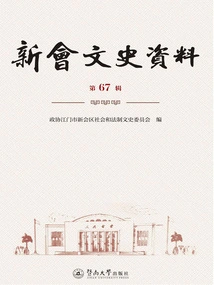
新会文史资料(第67辑)
Compiled By The Cppcc Jiangmen Xinhui District Social And Legal Culture And History Committee
This book was compiled by the CPPCC Jiangmen City Xinhui District Social and Legal Culture and History Committee. It uses various documents, archives and oral materials to select 21 articles. Starting from the two topics of "Red Memory" and "Kuixiang Figures", it explores and collects the experiences, seeing and hearing of the historical parties, and explains the red history and glorious deeds of Jiangmen Xinhui. The whole book is rooted in the local culture of Xinhui, Jiangmen, with a small and micro perspective. It fills in the shortcomings of general historical records to a certain extent and provides evidence of the local history, culture and humanities. At the same time, many articles wrote about people, events, and things in the revolutionary era and the construction era, and they have positive energy.
This book was compiled by the CPPCC Jiangmen City Xinhui District Social and Legal Culture and History Committee. It uses various documents, archives and oral materials to select 21 articles. Starting from the two topics of "Red Memory" and "Kuixiang Figures", it explores and collects the experiences, seeing and hearing of the historical parties, and explains the red history and glorious deeds of Jiangmen Xinhui. The whole book is rooted in the local culture of Xinhui, Jiangmen, with a small and micro perspective. It fills in the shortcomings of general historical records to a certain extent and provides evidence of the local history, culture and humanities. At the same time, many articles wrote about people, events, and things in the revolutionary era and the construction era, and they have positive energy.
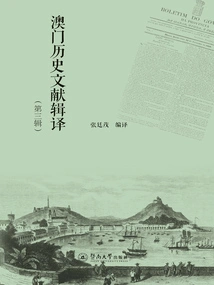
澳门历史文献辑译(第三辑)
Compiled By Zhang Tingmao
"Macao Historical Documents Translated" (Third Series) is the sequel to the information album "Macao's Hong Kong Chinese Laborers Sending Abroad". It collects the local historical documents of Macao's Chinese laborers going abroad from 1872 to 1874 that the translator has seen. The documents are divided into eight parts: the instructions and regulations on the overseas Chinese workers in Macao, the statistical reports on the overseas Chinese workers in Macao, the documents of the Macao Colonial Secretary, the official documents on the repatriation and handover of Chinese workers arriving in Macao, the documents of the Bureau of Supervision of the Chinese Workers in Macao, the documents of the Consulate General of Portugal in Havana, Andres Islands, the documents of the Consulate General of Portugal in Peru, and the documents of the Macao Shipyard. Based on this batch of documents, many aspects of the history of Chinese laborers going abroad in Macau Port can be clarified.
"Macao Historical Documents Translated" (Third Series) is the sequel to the information album "Macao's Hong Kong Chinese Laborers Sending Abroad". It collects the local historical documents of Macao's Chinese laborers going abroad from 1872 to 1874 that the translator has seen. The documents are divided into eight parts: the instructions and regulations on the overseas Chinese workers in Macao, the statistical reports on the overseas Chinese workers in Macao, the documents of the Macao Colonial Secretary, the official documents on the repatriation and handover of Chinese workers arriving in Macao, the documents of the Bureau of Supervision of the Chinese Workers in Macao, the documents of the Consulate General of Portugal in Havana, Andres Islands, the documents of the Consulate General of Portugal in Peru, and the documents of the Macao Shipyard. Based on this batch of documents, many aspects of the history of Chinese laborers going abroad in Macau Port can be clarified.
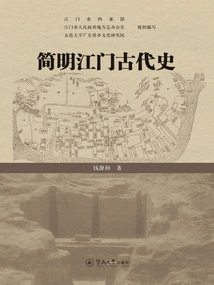
简明江门古代史
Qian Yuanchu
This book explains the historical development of Jiangmen City in Guangdong Province from the middle Neolithic Age to before 1840, and presents the development characteristics of Jiangmen area in various historical periods, such as the early civilization and ethnic relations of Jiangmen's ancient ancestors in the pre-Qin period, the initial development and the coexistence of immigrants and local indigenous people from the Qin and Han Dynasties to the Sui and Tang Dynasties, the economic and cultural prosperity of the Song, Yuan and Ming dynasties, and the basic development of Jiangmen in the early and middle Qing Dynasty (before 1840). This book lays the foundation for today's Wuyi region, etc., Displays the history of ancient civilization in today's Jiangmen region from the aspects of politics, economy, culture, social life, ethnic relations, etc., Deepens the understanding of the historical context of Jiangmen's immigration in modern times and formed a famous hometown of overseas Chinese, and studies and summarizes the multiple factors of ancient Jiangmen's social transformation from the historical development trend, which is of certain significance for understanding and carrying forward Jiangmen's history and culture.
This book explains the historical development of Jiangmen City in Guangdong Province from the middle Neolithic Age to before 1840, and presents the development characteristics of Jiangmen area in various historical periods, such as the early civilization and ethnic relations of Jiangmen's ancient ancestors in the pre-Qin period, the initial development and the coexistence of immigrants and local indigenous people from the Qin and Han Dynasties to the Sui and Tang Dynasties, the economic and cultural prosperity of the Song, Yuan and Ming dynasties, and the basic development of Jiangmen in the early and middle Qing Dynasty (before 1840). This book lays the foundation for today's Wuyi region, etc., Displays the history of ancient civilization in today's Jiangmen region from the aspects of politics, economy, culture, social life, ethnic relations, etc., Deepens the understanding of the historical context of Jiangmen's immigration in modern times and formed a famous hometown of overseas Chinese, and studies and summarizes the multiple factors of ancient Jiangmen's social transformation from the historical development trend, which is of certain significance for understanding and carrying forward Jiangmen's history and culture.
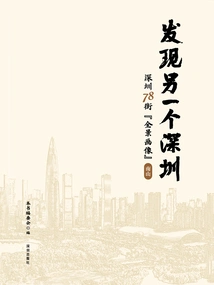
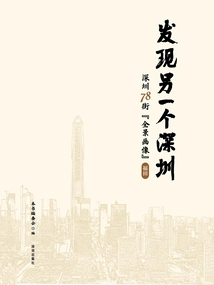
发现另一个深圳:深圳78街“全景画像”(南山)
Edited By The Editorial Board Of This Book
The book is edited by the Organization Department of the Shenzhen Municipal Committee of the Communist Party of China, in collaboration with cultural tourism, media and other units, and is compiled based on the results of a comprehensive grass-roots survey in Shenzhen. It focuses on 85 streets in Shenzhen, one volume per district, and comprehensively analyzes the geography, history, humanities, industry, natural scenery and other factors of each street in the city. It can not only give first-time tourists a preliminary understanding of the streets in Shenzhen, but also help local residents who have lived there for many years complete their understanding of the streets where they live.
The book is edited by the Organization Department of the Shenzhen Municipal Committee of the Communist Party of China, in collaboration with cultural tourism, media and other units, and is compiled based on the results of a comprehensive grass-roots survey in Shenzhen. It focuses on 85 streets in Shenzhen, one volume per district, and comprehensively analyzes the geography, history, humanities, industry, natural scenery and other factors of each street in the city. It can not only give first-time tourists a preliminary understanding of the streets in Shenzhen, but also help local residents who have lived there for many years complete their understanding of the streets where they live.
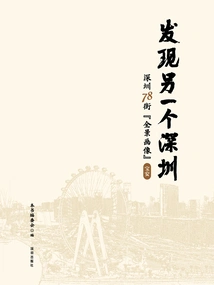
发现另一个深圳:深圳78街“全景画像”(福田)
Edited By The Editorial Board Of This Book
The book was compiled by the Organization Department of the Shenzhen Municipal Committee of the Communist Party of China, in collaboration with cultural tourism, media and other units, based on the results of a comprehensive grass-roots survey in Shenzhen. It focuses on 80 streets in Shenzhen, one volume per district, and comprehensively analyzes the geography, history, humanities, industry, natural scenery and other factors of each street in the city. It can not only give first-time visitors to Shenzhen a preliminary understanding of the streets in Shenzhen, but also help local residents who have lived there for many years complete their understanding of the streets where they live.
The book was compiled by the Organization Department of the Shenzhen Municipal Committee of the Communist Party of China, in collaboration with cultural tourism, media and other units, based on the results of a comprehensive grass-roots survey in Shenzhen. It focuses on 80 streets in Shenzhen, one volume per district, and comprehensively analyzes the geography, history, humanities, industry, natural scenery and other factors of each street in the city. It can not only give first-time visitors to Shenzhen a preliminary understanding of the streets in Shenzhen, but also help local residents who have lived there for many years complete their understanding of the streets where they live.
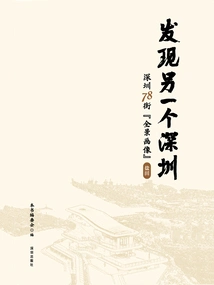
发现另一个深圳:深圳78街“全景画像”(宝安)
Edited By The Editorial Board Of This Book
The book was compiled by the Organization Department of the Shenzhen Municipal Committee of the Communist Party of China, in collaboration with cultural tourism, media and other units, based on the results of a comprehensive grassroots survey in Shenzhen. It focuses on 78 streets in Shenzhen, one volume per district, and comprehensively analyzes the geography, history, humanities, industry, natural scenery and other factors of each street in the city. It can not only give first-time tourists a preliminary understanding of the streets in Shenzhen, but also help local residents who have lived there for many years complete their understanding of the streets where they live.
The book was compiled by the Organization Department of the Shenzhen Municipal Committee of the Communist Party of China, in collaboration with cultural tourism, media and other units, based on the results of a comprehensive grassroots survey in Shenzhen. It focuses on 78 streets in Shenzhen, one volume per district, and comprehensively analyzes the geography, history, humanities, industry, natural scenery and other factors of each street in the city. It can not only give first-time tourists a preliminary understanding of the streets in Shenzhen, but also help local residents who have lived there for many years complete their understanding of the streets where they live.
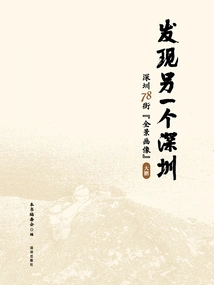
发现另一个深圳:深圳78街“全景画像”(盐田)
Edited By The Editorial Board Of This Book
The book is edited by the Organization Department of the Shenzhen Municipal Committee of the Communist Party of China, in collaboration with cultural tourism, media and other units, and is compiled based on the results of a comprehensive grass-roots survey in Shenzhen. It focuses on 88 streets in Shenzhen, one volume per district, and comprehensively analyzes the geography, history, humanities, industry, natural scenery and other factors of each street in the city. It can not only give first-time visitors to Shenzhen a preliminary understanding of the streets in Shenzhen, but also help local residents who have lived there for many years complete their understanding of the streets where they live.
The book is edited by the Organization Department of the Shenzhen Municipal Committee of the Communist Party of China, in collaboration with cultural tourism, media and other units, and is compiled based on the results of a comprehensive grass-roots survey in Shenzhen. It focuses on 88 streets in Shenzhen, one volume per district, and comprehensively analyzes the geography, history, humanities, industry, natural scenery and other factors of each street in the city. It can not only give first-time visitors to Shenzhen a preliminary understanding of the streets in Shenzhen, but also help local residents who have lived there for many years complete their understanding of the streets where they live.
发现另一个深圳:深圳78街“全景画像”(大鹏)
Edited By The Editorial Board Of This Book
The book was compiled by the Organization Department of the Shenzhen Municipal Committee of the Communist Party of China, in collaboration with cultural tourism, media and other units, based on the results of a comprehensive grass-roots survey in Shenzhen. It focuses on 79 streets in Shenzhen, one volume per district, and comprehensively analyzes the geography, history, humanities, industry, natural scenery and other factors of each street in the city. It can not only give first-time tourists a preliminary understanding of the streets in Shenzhen, but also help local residents who have lived there for many years complete their understanding of the streets where they live.
The book was compiled by the Organization Department of the Shenzhen Municipal Committee of the Communist Party of China, in collaboration with cultural tourism, media and other units, based on the results of a comprehensive grass-roots survey in Shenzhen. It focuses on 79 streets in Shenzhen, one volume per district, and comprehensively analyzes the geography, history, humanities, industry, natural scenery and other factors of each street in the city. It can not only give first-time tourists a preliminary understanding of the streets in Shenzhen, but also help local residents who have lived there for many years complete their understanding of the streets where they live.
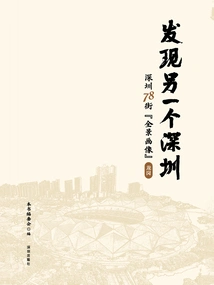
发现另一个深圳:深圳78街“全景画像”(龙岗)
Edited By The Editorial Board Of This Book
The book was compiled by the Organization Department of the Shenzhen Municipal Committee of the Communist Party of China, in collaboration with cultural tourism, media and other units, based on the results of a comprehensive grass-roots survey in Shenzhen. It focuses on 82 streets in Shenzhen, one volume per district, and comprehensively analyzes the geography, history, humanities, industry, natural scenery and other factors of each street in the city. It can not only give first-time tourists a preliminary understanding of the streets in Shenzhen, but also help local residents who have lived there for many years complete their understanding of the streets where they live.
The book was compiled by the Organization Department of the Shenzhen Municipal Committee of the Communist Party of China, in collaboration with cultural tourism, media and other units, based on the results of a comprehensive grass-roots survey in Shenzhen. It focuses on 82 streets in Shenzhen, one volume per district, and comprehensively analyzes the geography, history, humanities, industry, natural scenery and other factors of each street in the city. It can not only give first-time tourists a preliminary understanding of the streets in Shenzhen, but also help local residents who have lived there for many years complete their understanding of the streets where they live.
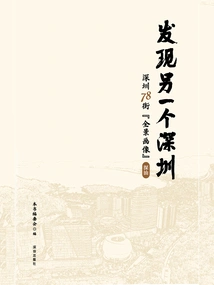
发现另一个深圳:深圳78街“全景画像”(深汕)
Edited By The Editorial Board Of This Book
The book was compiled by the Organization Department of the Shenzhen Municipal Committee of the Communist Party of China, in collaboration with cultural tourism, media and other units, based on the results of a comprehensive grass-roots survey in Shenzhen. It focuses on 87 streets in Shenzhen, one volume per district, and comprehensively analyzes the geography, history, humanities, industry, natural scenery and other factors of each street in the city. It can not only give first-time tourists a preliminary understanding of the streets in Shenzhen, but also help local residents who have lived there for many years complete their understanding of the streets where they live.
The book was compiled by the Organization Department of the Shenzhen Municipal Committee of the Communist Party of China, in collaboration with cultural tourism, media and other units, based on the results of a comprehensive grass-roots survey in Shenzhen. It focuses on 87 streets in Shenzhen, one volume per district, and comprehensively analyzes the geography, history, humanities, industry, natural scenery and other factors of each street in the city. It can not only give first-time tourists a preliminary understanding of the streets in Shenzhen, but also help local residents who have lived there for many years complete their understanding of the streets where they live.
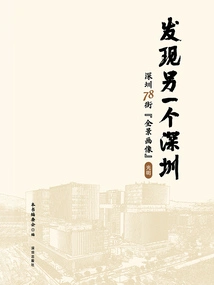
发现另一个深圳:深圳78街“全景画像”(光明)
Edited By The Editorial Board Of This Book
The book is edited by the Organization Department of the Shenzhen Municipal Committee of the Communist Party of China, in collaboration with cultural tourism, media and other units, and is compiled based on the results of a comprehensive grass-roots survey in Shenzhen. It focuses on 81 streets in Shenzhen, one volume per district, and comprehensively analyzes the geography, history, humanities, industry, natural scenery and other factors of each street in the city. It can not only give first-time visitors to Shenzhen a preliminary understanding of the streets in Shenzhen, but also help local residents who have lived there for many years complete their understanding of the streets where they live.
The book is edited by the Organization Department of the Shenzhen Municipal Committee of the Communist Party of China, in collaboration with cultural tourism, media and other units, and is compiled based on the results of a comprehensive grass-roots survey in Shenzhen. It focuses on 81 streets in Shenzhen, one volume per district, and comprehensively analyzes the geography, history, humanities, industry, natural scenery and other factors of each street in the city. It can not only give first-time visitors to Shenzhen a preliminary understanding of the streets in Shenzhen, but also help local residents who have lived there for many years complete their understanding of the streets where they live.
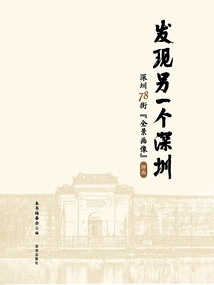
发现另一个深圳:深圳78街“全景画像”(坪山)
Edited By The Editorial Board Of This Book
The book was compiled by the Organization Department of the Shenzhen Municipal Committee of the Communist Party of China, in collaboration with cultural tourism, media and other units, based on the results of a comprehensive grass-roots survey in Shenzhen. It focuses on 86 streets in Shenzhen, one volume per district, and comprehensively analyzes the geography, history, humanities, industry, natural scenery and other factors of each street in the city. It can not only give first-time tourists a preliminary understanding of the streets in Shenzhen, but also help local residents who have lived there for many years complete their understanding of the streets where they live.
The book was compiled by the Organization Department of the Shenzhen Municipal Committee of the Communist Party of China, in collaboration with cultural tourism, media and other units, based on the results of a comprehensive grass-roots survey in Shenzhen. It focuses on 86 streets in Shenzhen, one volume per district, and comprehensively analyzes the geography, history, humanities, industry, natural scenery and other factors of each street in the city. It can not only give first-time tourists a preliminary understanding of the streets in Shenzhen, but also help local residents who have lived there for many years complete their understanding of the streets where they live.
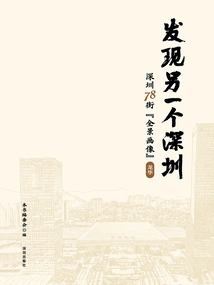
发现另一个深圳:深圳78街“全景画像”(龙华)
Edited By The Editorial Board Of This Book
The book was compiled by the Organization Department of the Shenzhen Municipal Committee of the Communist Party of China, in collaboration with cultural tourism, media and other units, based on the results of a comprehensive grassroots survey in Shenzhen. It focuses on 83 streets in Shenzhen, one volume per district, and comprehensively analyzes the geography, history, humanities, industry, natural scenery and other factors of each street in the city. It can not only give first-time tourists a preliminary understanding of the streets in Shenzhen, but also help local residents who have lived there for many years complete their understanding of the streets where they live.
The book was compiled by the Organization Department of the Shenzhen Municipal Committee of the Communist Party of China, in collaboration with cultural tourism, media and other units, based on the results of a comprehensive grassroots survey in Shenzhen. It focuses on 83 streets in Shenzhen, one volume per district, and comprehensively analyzes the geography, history, humanities, industry, natural scenery and other factors of each street in the city. It can not only give first-time tourists a preliminary understanding of the streets in Shenzhen, but also help local residents who have lived there for many years complete their understanding of the streets where they live.
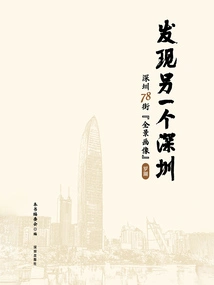
发现另一个深圳:深圳78街“全景画像”(罗湖)
Edited By The Editorial Board Of This Book
The book was compiled by the Organization Department of the Shenzhen Municipal Committee of the Communist Party of China, in collaboration with cultural tourism, media and other units, based on the results of a comprehensive grass-roots survey in Shenzhen. It focuses on 84 streets in Shenzhen, one volume per district, and comprehensively analyzes the geography, history, humanities, industry, natural scenery and other factors of each street in the city. It can not only give first-time tourists a preliminary understanding of the streets in Shenzhen, but also help local residents who have lived there for many years complete their understanding of the streets where they live.
The book was compiled by the Organization Department of the Shenzhen Municipal Committee of the Communist Party of China, in collaboration with cultural tourism, media and other units, based on the results of a comprehensive grass-roots survey in Shenzhen. It focuses on 84 streets in Shenzhen, one volume per district, and comprehensively analyzes the geography, history, humanities, industry, natural scenery and other factors of each street in the city. It can not only give first-time tourists a preliminary understanding of the streets in Shenzhen, but also help local residents who have lived there for many years complete their understanding of the streets where they live.
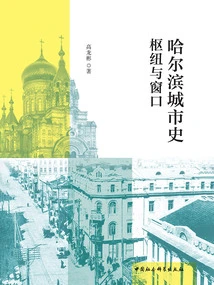
哈尔滨城市史:枢纽与窗口
Gao Longbin
Harbin is a city with diverse cultures, interaction and symbiosis, with a mixture of Chinese and Western cultures. As a railway hub, Harbin is a city that depends on water and thrives on roads. The era of urban history is a key and node issue in the research of Harbin urban history. Russian expatriates and other expatriates are witnesses and "builders" of the city's changes. Harbin is the junction point of the three paths of Marxism's spread in China (France, Japan and Russia). As a diversified city, Harbin's importance of physical geography, cultural geography, and political geography is self-evident, and its academic value in Chinese history, world history, and international relations history is self-evident.
Harbin is a city with diverse cultures, interaction and symbiosis, with a mixture of Chinese and Western cultures. As a railway hub, Harbin is a city that depends on water and thrives on roads. The era of urban history is a key and node issue in the research of Harbin urban history. Russian expatriates and other expatriates are witnesses and "builders" of the city's changes. Harbin is the junction point of the three paths of Marxism's spread in China (France, Japan and Russia). As a diversified city, Harbin's importance of physical geography, cultural geography, and political geography is self-evident, and its academic value in Chinese history, world history, and international relations history is self-evident.
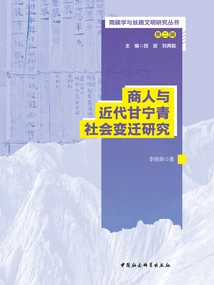
商人与近代甘宁青社会变迁研究
Li Xiaoying
This book organically combines businessmen with the study of the social development history of modern Gansu, Ningxia and Qinghai regions, in order to show the various changes in Gansu, Ningxia and Qinghai society as objectively and truly as possible under the impact of the modern world capitalist economy. While emphasizing the role of businessmen in the social changes of modern Gansu, Ningxia and Qinghai, it also explores the impact of social changes on businessmen themselves. The book is divided into four parts: commercial development in the Ganning-Ningxia Qing Dynasty in the early and mid-Qing Dynasty, merchants and the main domestic commercial activities in the Gan-Ningxia Qing Dynasty in modern times, merchant groups in the modern Gan-Ningxia Qing Dynasty fur export trade, and merchants and social changes. From the perspective of social change, this book uses a comprehensive approach of historical methods and multidisciplinary research to examine the many unique regional aspects of merchant activity markets in the geographical space of Gansu, Ningxia and Qinghai. It focuses on the analysis of the role and impact of ideas, behavioral norms, moral principles, and religious beliefs in the transaction process.
This book organically combines businessmen with the study of the social development history of modern Gansu, Ningxia and Qinghai regions, in order to show the various changes in Gansu, Ningxia and Qinghai society as objectively and truly as possible under the impact of the modern world capitalist economy. While emphasizing the role of businessmen in the social changes of modern Gansu, Ningxia and Qinghai, it also explores the impact of social changes on businessmen themselves. The book is divided into four parts: commercial development in the Ganning-Ningxia Qing Dynasty in the early and mid-Qing Dynasty, merchants and the main domestic commercial activities in the Gan-Ningxia Qing Dynasty in modern times, merchant groups in the modern Gan-Ningxia Qing Dynasty fur export trade, and merchants and social changes. From the perspective of social change, this book uses a comprehensive approach of historical methods and multidisciplinary research to examine the many unique regional aspects of merchant activity markets in the geographical space of Gansu, Ningxia and Qinghai. It focuses on the analysis of the role and impact of ideas, behavioral norms, moral principles, and religious beliefs in the transaction process.
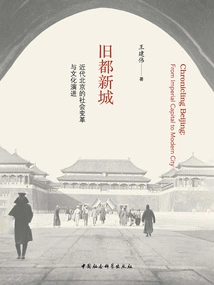
旧都新城:近代北京的社会变革与文化演进
Wang Jianwei
This book places modern Beijing within the framework of modern Chinese history, intercepts a number of typical events, phenomena and texts, and interweaves and presents the complicated picture of Beijing's evolution from a traditional imperial capital to a modern city through a multi-dimensional perspective of politics, culture and society. The specific contents include the initial start of Beijing's urbanization process in the early 20th century, the ideological and action choices of Beijing's intellectual groups in the 1920s when facing the changing times, the political and cultural transformation of Beijing after the establishment of the new Kuomintang regime, the new planning of Beiping's development path in the 1930s, the construction of a new order of consumer space and urban culture, the cultural ecology of Beiping during the Anti-Japanese War, etc.
This book places modern Beijing within the framework of modern Chinese history, intercepts a number of typical events, phenomena and texts, and interweaves and presents the complicated picture of Beijing's evolution from a traditional imperial capital to a modern city through a multi-dimensional perspective of politics, culture and society. The specific contents include the initial start of Beijing's urbanization process in the early 20th century, the ideological and action choices of Beijing's intellectual groups in the 1920s when facing the changing times, the political and cultural transformation of Beijing after the establishment of the new Kuomintang regime, the new planning of Beiping's development path in the 1930s, the construction of a new order of consumer space and urban culture, the cultural ecology of Beiping during the Anti-Japanese War, etc.
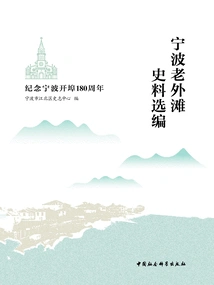
宁波老外滩史料选编:纪念宁波开埠180周年
Compiled By The History Center Of Jiangbei District, Ningbo City
The signing of the Treaty of Nanjing between China and Britain in 1842 marked the beginning of China's transformation from a feudal society to a semi-colonial and semi-feudal society. As one of the five treaty ports, Ningbo was the first to bear the brunt, especially the "Old Bund", which was designated as a "foreigner's trading residence". It has undergone historic changes in the past 90 years. The economic aggression of Western powers and the collision and blending of two civilizations are being accepted and developed by both sides, whether actively or by force. This book has five special topics: political situation, port economy, public security and municipal administration, church activities, and celebrity anecdotes. It is carefully compiled from a large number of historical materials to truly show Ningbo's transformation process. This book has both historical and practical value.
The signing of the Treaty of Nanjing between China and Britain in 1842 marked the beginning of China's transformation from a feudal society to a semi-colonial and semi-feudal society. As one of the five treaty ports, Ningbo was the first to bear the brunt, especially the "Old Bund", which was designated as a "foreigner's trading residence". It has undergone historic changes in the past 90 years. The economic aggression of Western powers and the collision and blending of two civilizations are being accepted and developed by both sides, whether actively or by force. This book has five special topics: political situation, port economy, public security and municipal administration, church activities, and celebrity anecdotes. It is carefully compiled from a large number of historical materials to truly show Ningbo's transformation process. This book has both historical and practical value.
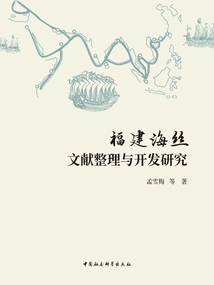
福建海丝文献整理与开发研究
Meng Xuemei Et Al.
This book takes Maritime Silk Road culture as the main line and takes the compilation and development of Fujian local literature and information resources as the entry point for research. It analyzes the content, institutions and research status of Fujian Maritime Silk Road documentation compilation and development, and reveals the overview, characteristics, methods and main results of Fujian Maritime Silk Road documentation compilation and development. It also constructs an information resource system for the research on Fujian Maritime Silk Road documentation compilation and development, providing clues for Fujian Maritime Silk Road literature researchers to carry out research. This paper analyzes the problems existing in the compilation and development of Maritime Silk Road literature resources, and proposes development strategies such as promoting cooperation between different regions and institutions, expanding the content and form of Maritime Silk Road literature compilation and development, focusing on the refinement and standardization of Maritime Silk Road literature compilation and development, and improving the efficiency of compilation and development. It provides a reference for relevant departments to formulate Fujian Maritime Silk Road documentation compilation and development strategies, systematically collect Maritime Silk Road literature resources, and optimize related services.
This book takes Maritime Silk Road culture as the main line and takes the compilation and development of Fujian local literature and information resources as the entry point for research. It analyzes the content, institutions and research status of Fujian Maritime Silk Road documentation compilation and development, and reveals the overview, characteristics, methods and main results of Fujian Maritime Silk Road documentation compilation and development. It also constructs an information resource system for the research on Fujian Maritime Silk Road documentation compilation and development, providing clues for Fujian Maritime Silk Road literature researchers to carry out research. This paper analyzes the problems existing in the compilation and development of Maritime Silk Road literature resources, and proposes development strategies such as promoting cooperation between different regions and institutions, expanding the content and form of Maritime Silk Road literature compilation and development, focusing on the refinement and standardization of Maritime Silk Road literature compilation and development, and improving the efficiency of compilation and development. It provides a reference for relevant departments to formulate Fujian Maritime Silk Road documentation compilation and development strategies, systematically collect Maritime Silk Road literature resources, and optimize related services.
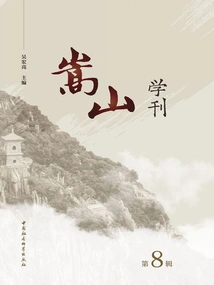
嵩山学刊(第8辑)
Editor-in-chief Wu Hongliang
"Songshan Academic Journal" (formerly known as "Modern Henan and China Studies") is an academic journal sponsored by the Modern Henan and China Research Center of Zhengzhou University, a key base of humanities and social sciences in Henan Province. It was founded in 2013 and has published 8 volumes. Starting from the 8th series, the name of the journal has been changed to "Songshan Academic Journal". One series is published every year and is published by China Social Sciences Press. This is the 8th series. It has five columns: economic and social research, ideological and cultural research, political and military research, research reviews and historical material reviews. Adhering to the purpose of "examining Henan from a Chinese perspective, interpreting China with Henan's facts, continuing the cultural context of the Central Plains from the rich history, and inheriting Chinese civilization in the great reality", it mainly publishes outstanding academic achievements in the field of modern Chinese history, highlighting originality, cutting-edgeness, and systematicity. It also appropriately publishes rare materials and oral histories related to local history research.
"Songshan Academic Journal" (formerly known as "Modern Henan and China Studies") is an academic journal sponsored by the Modern Henan and China Research Center of Zhengzhou University, a key base of humanities and social sciences in Henan Province. It was founded in 2013 and has published 8 volumes. Starting from the 8th series, the name of the journal has been changed to "Songshan Academic Journal". One series is published every year and is published by China Social Sciences Press. This is the 8th series. It has five columns: economic and social research, ideological and cultural research, political and military research, research reviews and historical material reviews. Adhering to the purpose of "examining Henan from a Chinese perspective, interpreting China with Henan's facts, continuing the cultural context of the Central Plains from the rich history, and inheriting Chinese civilization in the great reality", it mainly publishes outstanding academic achievements in the field of modern Chinese history, highlighting originality, cutting-edgeness, and systematicity. It also appropriately publishes rare materials and oral histories related to local history research.
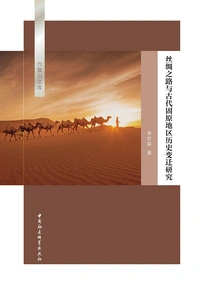
丝绸之路与古代固原地区历史变迁研究
Li Shirong
This book takes Guyuan, an important Silk Road town, as the research object and the rise and fall of the Silk Road as the research perspective. It systematically explores the historical changes in the ancient Guyuan region in terms of the evolution of administrative divisions, the evolution of military status, economic development, ethnic integration, and cultural exchange and inheritance. On this basis, it comprehensively demonstrates the gains and losses of past dynasties' policies in managing the northwest frontier, and explains the historical process of the ancient Guyuan region's evolution from a borderland to a hinterland.
This book takes Guyuan, an important Silk Road town, as the research object and the rise and fall of the Silk Road as the research perspective. It systematically explores the historical changes in the ancient Guyuan region in terms of the evolution of administrative divisions, the evolution of military status, economic development, ethnic integration, and cultural exchange and inheritance. On this basis, it comprehensively demonstrates the gains and losses of past dynasties' policies in managing the northwest frontier, and explains the historical process of the ancient Guyuan region's evolution from a borderland to a hinterland.
重走与新知:甘南田野考察日志
Li Xiaoling Chen Xinmin
This book takes "re-walking" as an opportunity, "new knowledge" as its purpose, and uses fieldwork from an anthropological perspective as a method to show the investigation and understanding of traveling in Gannan. It attempts to use field diaries as a form to combine participant observation methods, in-depth interview methods and academic speculation to reveal the practical characteristics of "re-walking" and achieve meaning production that obtains new discoveries, new cognitions and new speculations. This book focuses on the interaction of space, subject and meaning in Gannan, and is characterized by rational investigation and poetic experience. It aims to highlight the connection between real records and individual imagination, emotional experience and academic examination, and in the multi-dimensional integration of recording, writing, dissemination and research, it thinks about the current Chinese scene in the relationship between individuals, nations, countries and the world.
This book takes "re-walking" as an opportunity, "new knowledge" as its purpose, and uses fieldwork from an anthropological perspective as a method to show the investigation and understanding of traveling in Gannan. It attempts to use field diaries as a form to combine participant observation methods, in-depth interview methods and academic speculation to reveal the practical characteristics of "re-walking" and achieve meaning production that obtains new discoveries, new cognitions and new speculations. This book focuses on the interaction of space, subject and meaning in Gannan, and is characterized by rational investigation and poetic experience. It aims to highlight the connection between real records and individual imagination, emotional experience and academic examination, and in the multi-dimensional integration of recording, writing, dissemination and research, it thinks about the current Chinese scene in the relationship between individuals, nations, countries and the world.
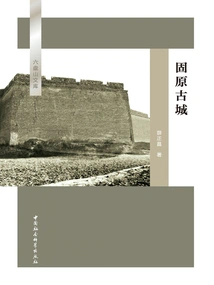
Guyuan Ancient City
History固原古城
Xue Zhengchang
The manuscript mainly selects several milestones in the construction, expansion and major renovation of Guyuan City, describing the history of its construction and development. The ancient city of Guyuan was built during the Warring States Period. Gaoping County was established in the Western Han Dynasty, and Anding County was established during the period of Emperor Wu of the Han Dynasty. Guyuan City is located in the northern section of the eastern section of the Silk Road that must pass through. It has an important military geographical location and a high level of local political power. It is a famous historical city in the northwest.
The manuscript mainly selects several milestones in the construction, expansion and major renovation of Guyuan City, describing the history of its construction and development. The ancient city of Guyuan was built during the Warring States Period. Gaoping County was established in the Western Han Dynasty, and Anding County was established during the period of Emperor Wu of the Han Dynasty. Guyuan City is located in the northern section of the eastern section of the Silk Road that must pass through. It has an important military geographical location and a high level of local political power. It is a famous historical city in the northwest.
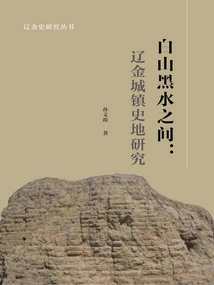
白山黑水之间:辽金城镇史地研究
Sun Wenzheng
This book explains the origin, structure, identification methods of ancient towns, and briefly introduces the ancient cities of Liao and Jin Dynasties between the White Mountains and Black Waters. It starts from the administrative institutions of the Liao and Jin Dynasties and conducts special research based on the construction time of the ancient city, the geographical location of the administrative institutions, the evolution of the administrative institutions, the historical status of the ancient city, and the protection and utilization of the ruins. I hope it can provide research methods and techniques for researchers of Liao and Jin history and geography or readers who are interested in Liao and Jin history and geography, as well as inspire thinking on research issues on Liao and Jin history and geography.
This book explains the origin, structure, identification methods of ancient towns, and briefly introduces the ancient cities of Liao and Jin Dynasties between the White Mountains and Black Waters. It starts from the administrative institutions of the Liao and Jin Dynasties and conducts special research based on the construction time of the ancient city, the geographical location of the administrative institutions, the evolution of the administrative institutions, the historical status of the ancient city, and the protection and utilization of the ruins. I hope it can provide research methods and techniques for researchers of Liao and Jin history and geography or readers who are interested in Liao and Jin history and geography, as well as inspire thinking on research issues on Liao and Jin history and geography.
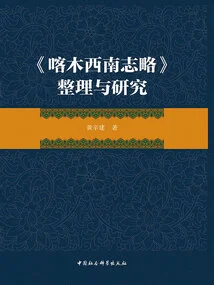
《喀木西南志略》整理与研究
Huang Xinjian
Cheng Fengxiang compiled "Southern Kamu Chronicles", which was published in April of the third year of Xuantong in the Qing Dynasty (1911). It is the earliest known local chronicle of southeastern Tibet and the only local chronicle document in the Qing Dynasty that specifically records the border areas of Tibet. This book is based on the original copy collected by the Minzu University of China. It comprehensively collates and organizes this local chronicle of Tibet in the Qing Dynasty, and conducts a detailed examination of its compilation, writing process, style and content, data sources, status value and many other aspects. The publication of this book is not only an important result of the excavation, compilation, research and utilization of ancient Chinese Tibetan books, but also provides strong local evidence that my country has absolute sovereignty and exercises effective jurisdiction over the disputed areas on the Sino-Indian border.
Cheng Fengxiang compiled "Southern Kamu Chronicles", which was published in April of the third year of Xuantong in the Qing Dynasty (1911). It is the earliest known local chronicle of southeastern Tibet and the only local chronicle document in the Qing Dynasty that specifically records the border areas of Tibet. This book is based on the original copy collected by the Minzu University of China. It comprehensively collates and organizes this local chronicle of Tibet in the Qing Dynasty, and conducts a detailed examination of its compilation, writing process, style and content, data sources, status value and many other aspects. The publication of this book is not only an important result of the excavation, compilation, research and utilization of ancient Chinese Tibetan books, but also provides strong local evidence that my country has absolute sovereignty and exercises effective jurisdiction over the disputed areas on the Sino-Indian border.
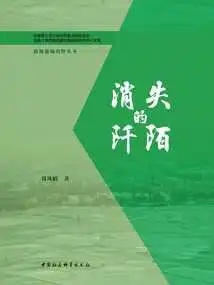
The Disappearing Streets
History消失的阡陌
Qian Fengjuan
This book explains the changes in the mountains, lakes, dam fields, and cultivated land near Dianchi Lake and Kunming's urban and rural areas during urbanization. It examines the layout of mountains and water in old Kunming, ox plow farming, worship of the Dragon King, spring festivals, temple fairs, immigrants from Yunnan, and other ancient customs. Finally, it ends with the disappearing ancient Kunming city. It is full of the author's appreciation and sigh for Kunming's past, and his deep concern for Kunming's future direction. This book uses historical documents to prove its academic quality and credibility. It is not satisfied with a "shallow description" of what was seen, heard and felt during fieldwork. Instead, it carefully and rigorously compares and corroborates the data obtained from the investigation with historical documents, thus highlighting the "disappearing streets" and "urban and rural changes".
This book explains the changes in the mountains, lakes, dam fields, and cultivated land near Dianchi Lake and Kunming's urban and rural areas during urbanization. It examines the layout of mountains and water in old Kunming, ox plow farming, worship of the Dragon King, spring festivals, temple fairs, immigrants from Yunnan, and other ancient customs. Finally, it ends with the disappearing ancient Kunming city. It is full of the author's appreciation and sigh for Kunming's past, and his deep concern for Kunming's future direction. This book uses historical documents to prove its academic quality and credibility. It is not satisfied with a "shallow description" of what was seen, heard and felt during fieldwork. Instead, it carefully and rigorously compares and corroborates the data obtained from the investigation with historical documents, thus highlighting the "disappearing streets" and "urban and rural changes".
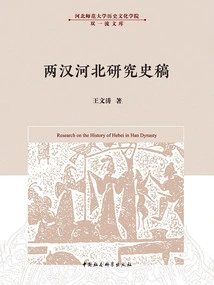
两汉河北研究史稿
Wang Wentao
This book is based on the author's more than a dozen papers and related writings that have been published on the study of Hebei during the Han Dynasty. Integrating and deepening these contents constitutes the main body of this book, and at the same time, attention is paid to absorbing new research results in the academic world and supplementing contents that have not been studied or are weakly studied in the past. This arrangement can present the appearance of Hebei in the Han Dynasty more comprehensively and systematically than the collection of essays. The main issues discussed include: the political overview of Hebei during the Two Han Dynasties and its impact on economic development; the geographical environment of the development of Hebei during the Two Han Dynasties and its relationship with economic development; the administrative regions and population of Hebei during the Two Han Dynasties; the agriculture, handicrafts, cities, transportation and commerce in Hebei during the Two Han Dynasties; the ideology and culture of Hebei during the Two Han Dynasties; the relationship between the development of Hebei during the Two Han Dynasties and the development of the Han Dynasty, etc.
This book is based on the author's more than a dozen papers and related writings that have been published on the study of Hebei during the Han Dynasty. Integrating and deepening these contents constitutes the main body of this book, and at the same time, attention is paid to absorbing new research results in the academic world and supplementing contents that have not been studied or are weakly studied in the past. This arrangement can present the appearance of Hebei in the Han Dynasty more comprehensively and systematically than the collection of essays. The main issues discussed include: the political overview of Hebei during the Two Han Dynasties and its impact on economic development; the geographical environment of the development of Hebei during the Two Han Dynasties and its relationship with economic development; the administrative regions and population of Hebei during the Two Han Dynasties; the agriculture, handicrafts, cities, transportation and commerce in Hebei during the Two Han Dynasties; the ideology and culture of Hebei during the Two Han Dynasties; the relationship between the development of Hebei during the Two Han Dynasties and the development of the Han Dynasty, etc.
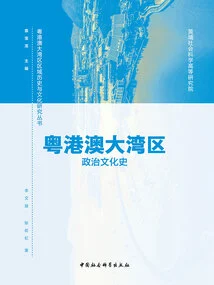
粤港澳大湾区政治文化史
Li Wenyi Zhang Jianhong
This book is a political and cultural history volume in the Guangdong-Hong Kong-Macao Greater Bay Area Regional History and Culture Research Series. The book is divided into three parts: the first, middle and second parts. The first part, "The Guangdong-Hong Kong-Macao Greater Bay Area in Ancient Times", is divided into four chapters to describe the historical changes of the Greater Bay Area in the pre-Qin, Qin and Han, Wei, Jin, Sui and Tang dynasties, the Song, Yuan and Ming and Qing dynasties. The middle part, "The Guangdong-Hong Kong-Macao Greater Bay Area in Modern Times", mainly introduces the invasion of the Greater Bay Area by foreign powers in the modern period and the people in the Greater Bay Area. The process of achieving liberation under the leadership of the Communist Party of China; the second part, "Contemporary Guangdong-Hong Kong-Macao Greater Bay Area", focuses on the arduous exploration of the road of socialist construction led by the party in the Greater Bay Area after the founding of New China, demonstrates the great achievements of the socialist road with Chinese characteristics, and demonstrates the proud achievements of the construction of the Guangdong-Hong Kong-Macao Greater Bay Area in the new era. In the new era, the Guangdong-Hong Kong-Macao Greater Bay Area is accelerating towards the goal of becoming a world-class bay area and a world-class city agglomeration, showing unprecedented vitality. Looking back at the footsteps of the old men of history who have stumbled on this fertile soil for thousands of years, we are filled with emotion. The ups and downs in the past are still worth learning from, and the successes in the past are still worth our faith. The road ahead will become wider and wider!
This book is a political and cultural history volume in the Guangdong-Hong Kong-Macao Greater Bay Area Regional History and Culture Research Series. The book is divided into three parts: the first, middle and second parts. The first part, "The Guangdong-Hong Kong-Macao Greater Bay Area in Ancient Times", is divided into four chapters to describe the historical changes of the Greater Bay Area in the pre-Qin, Qin and Han, Wei, Jin, Sui and Tang dynasties, the Song, Yuan and Ming and Qing dynasties. The middle part, "The Guangdong-Hong Kong-Macao Greater Bay Area in Modern Times", mainly introduces the invasion of the Greater Bay Area by foreign powers in the modern period and the people in the Greater Bay Area. The process of achieving liberation under the leadership of the Communist Party of China; the second part, "Contemporary Guangdong-Hong Kong-Macao Greater Bay Area", focuses on the arduous exploration of the road of socialist construction led by the party in the Greater Bay Area after the founding of New China, demonstrates the great achievements of the socialist road with Chinese characteristics, and demonstrates the proud achievements of the construction of the Guangdong-Hong Kong-Macao Greater Bay Area in the new era. In the new era, the Guangdong-Hong Kong-Macao Greater Bay Area is accelerating towards the goal of becoming a world-class bay area and a world-class city agglomeration, showing unprecedented vitality. Looking back at the footsteps of the old men of history who have stumbled on this fertile soil for thousands of years, we are filled with emotion. The ups and downs in the past are still worth learning from, and the successes in the past are still worth our faith. The road ahead will become wider and wider!
流域文明视野下的东北历史与文化
Wang Yulang Wang Tianzi Wu Bo Wang Junzheng
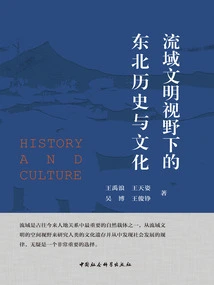
The special landforms, changeable topography, and complex climate environment of Northeast China determine the historical and cultural roots and trends of Northeast China. This book is the sequel to the book "Research on Northeast River Basin Civilization" and is divided into four chapters. The first chapter systematically sorts out and studies the history and culture of the Mudanjiang, Lalin River, Suifenhe, Wusuli River and Hunjiang river basins. In-depth research on the branches of river basin civilizations will help us understand more clearly the historical connotations of the five major river basin civilizations in Northeast China. The Suifen River Basin is a river shared by China and Russia that flows into the sea alone. Chapters 2 and 3 conduct a systematic academic history review of the ancient ethnic groups in the three major ethnic systems in Northeast China (Sushen, Huiqi, and Donghu). The fourth chapter is a thematic study, which discusses issues such as Canghai County in the Han Dynasty, Wei Tuhe Mountain in the Beishi Dynasty, and Muye Mountain in the Liao Dynasty. In short, the river basin is one of the most important natural carriers of the relationship between man and land throughout the ages. It is undoubtedly a very important choice to study human cultural relics from the spatial perspective of river basin civilization and discover the laws of social development.
The special landforms, changeable topography, and complex climate environment of Northeast China determine the historical and cultural roots and trends of Northeast China. This book is the sequel to the book "Research on Northeast River Basin Civilization" and is divided into four chapters. The first chapter systematically sorts out and studies the history and culture of the Mudanjiang, Lalin River, Suifenhe, Wusuli River and Hunjiang river basins. In-depth research on the branches of river basin civilizations will help us understand more clearly the historical connotations of the five major river basin civilizations in Northeast China. The Suifen River Basin is a river shared by China and Russia that flows into the sea alone. Chapters 2 and 3 conduct a systematic academic history review of the ancient ethnic groups in the three major ethnic systems in Northeast China (Sushen, Huiqi, and Donghu). The fourth chapter is a thematic study, which discusses issues such as Canghai County in the Han Dynasty, Wei Tuhe Mountain in the Beishi Dynasty, and Muye Mountain in the Liao Dynasty. In short, the river basin is one of the most important natural carriers of the relationship between man and land throughout the ages. It is undoubtedly a very important choice to study human cultural relics from the spatial perspective of river basin civilization and discover the laws of social development.
近代汉口市政研究(1861—1949)
Fang Qiumei
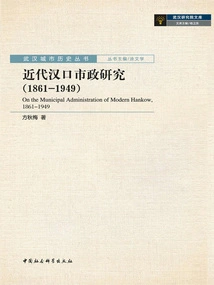
This book focuses on the transformation of urban society and the progress of urban civilization in Hankou in modern times. It adopts the official and private discussion method, and uses a large number of newspapers, periodicals, archives and other historical materials to conduct a long-term longitudinal dynamic investigation of the development and evolution of Hankou's municipal government from 1861 to 1949. It focuses on the development and changes of Hankou's municipal government in the late Qing Dynasty and the early Republic of China, and evaluates the characteristics of government-run and private municipal administration at each stage in the modern Hankou municipal development process, as well as the relationship between official governance, merchant autonomy and urban governance. The relationship between the possibility of municipal autonomy systematically combs the development and evolution of Hankou's municipal system in modern times, and empirically reveals the complex interactive relationship and evolution process of interdependence and inevitable conflict between official governance and merchant autonomy in the process of modern Hankou's municipal development. It thus demonstrates in the form of individual cases the complex state of both certain boundaries and interpenetration between the state and urban society in modern China, and provides a positive response to the discussions of foreign scholars on the social development of Hankou's city.
This book focuses on the transformation of urban society and the progress of urban civilization in Hankou in modern times. It adopts the official and private discussion method, and uses a large number of newspapers, periodicals, archives and other historical materials to conduct a long-term longitudinal dynamic investigation of the development and evolution of Hankou's municipal government from 1861 to 1949. It focuses on the development and changes of Hankou's municipal government in the late Qing Dynasty and the early Republic of China, and evaluates the characteristics of government-run and private municipal administration at each stage in the modern Hankou municipal development process, as well as the relationship between official governance, merchant autonomy and urban governance. The relationship between the possibility of municipal autonomy systematically combs the development and evolution of Hankou's municipal system in modern times, and empirically reveals the complex interactive relationship and evolution process of interdependence and inevitable conflict between official governance and merchant autonomy in the process of modern Hankou's municipal development. It thus demonstrates in the form of individual cases the complex state of both certain boundaries and interpenetration between the state and urban society in modern China, and provides a positive response to the discussions of foreign scholars on the social development of Hankou's city.
失序与治理:清代四川私盐研究
Chen Qian
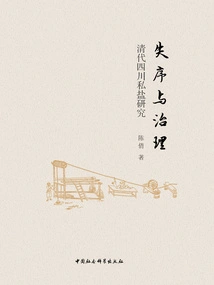
Salt was an important resource in ancient Chinese society and the main source of taxation in addition to land tax. This book takes illicit salt in Sichuan during the Qing Dynasty as the research object. It attempts to break away from the traditional paradigm of studying illicit salt from the perspective of economics, sort out the types of illicit salt, the subjects of illicit trafficking, and the causes of illicit salt from the perspectives of sociology and politics.
Salt was an important resource in ancient Chinese society and the main source of taxation in addition to land tax. This book takes illicit salt in Sichuan during the Qing Dynasty as the research object. It attempts to break away from the traditional paradigm of studying illicit salt from the perspective of economics, sort out the types of illicit salt, the subjects of illicit trafficking, and the causes of illicit salt from the perspectives of sociology and politics.
在田野中发现历史:学生田野调查报告(赤桥篇)
Editor-in-chief Xinglong
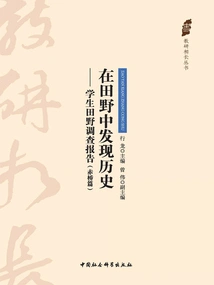
Chiqiao Village is adjacent to Jinci Temple and has a long history and profound cultural heritage. It is also famous in academic circles at home and abroad for Liu Dapeng's "Diary of Tuixiangzhai", making it an ideal field spot. In 2017, the Shanxi Social History Research Center selected 10 students to conduct a semester-long field investigation in Chiqiao Village on weekends, conducting detailed research around settlement, immigration, folk customs, papermaking, opera, clothing industry and other issues. During this period, the students carefully reviewed literature, interviewed elders, and went into the field to collect folk literature and oral materials, and successfully completed the writing of the inspection report. These reports implement the concept of "going to the fields and society" and deepen students' understanding of the history and reality of village society. This book is a collection of the results of this field survey and a display of the center's undergraduate teaching and research results to the academic community.
Chiqiao Village is adjacent to Jinci Temple and has a long history and profound cultural heritage. It is also famous in academic circles at home and abroad for Liu Dapeng's "Diary of Tuixiangzhai", making it an ideal field spot. In 2017, the Shanxi Social History Research Center selected 10 students to conduct a semester-long field investigation in Chiqiao Village on weekends, conducting detailed research around settlement, immigration, folk customs, papermaking, opera, clothing industry and other issues. During this period, the students carefully reviewed literature, interviewed elders, and went into the field to collect folk literature and oral materials, and successfully completed the writing of the inspection report. These reports implement the concept of "going to the fields and society" and deepen students' understanding of the history and reality of village society. This book is a collection of the results of this field survey and a display of the center's undergraduate teaching and research results to the academic community.
清代下层女性研究:以南部县、巴县档案为中心
Mao Liping
This book uses the archives of Nannan County and Ba County in the Qing Dynasty to conduct a comprehensive and in-depth study of the lower-class female groups in the Qing Dynasty who have been "voiceless" for a long time, including their living environment and living conditions, kinship relationships and interpersonal interactions, family status and social situation, as well as the impact of local customs and different grassroots social forces on the lives of lower-class women. At the same time, this book examines issues such as gender relations, family conflicts, class antagonisms, and judicial fairness in the Qing Dynasty from a female perspective. It strives to vividly and objectively present the historical image of the lower-class female groups in the Qing Dynasty, and explores issues such as social class, gender concepts, official ideology, economic and cultural changes, and women's self-awakening in the Qing Dynasty. It will, to a certain extent, improve the academic community's understanding of lower-class women in the Qing Dynasty, so that they, together with middle- and upper-class women, constitute the historical panorama of traditional Chinese women.
This book uses the archives of Nannan County and Ba County in the Qing Dynasty to conduct a comprehensive and in-depth study of the lower-class female groups in the Qing Dynasty who have been "voiceless" for a long time, including their living environment and living conditions, kinship relationships and interpersonal interactions, family status and social situation, as well as the impact of local customs and different grassroots social forces on the lives of lower-class women. At the same time, this book examines issues such as gender relations, family conflicts, class antagonisms, and judicial fairness in the Qing Dynasty from a female perspective. It strives to vividly and objectively present the historical image of the lower-class female groups in the Qing Dynasty, and explores issues such as social class, gender concepts, official ideology, economic and cultural changes, and women's self-awakening in the Qing Dynasty. It will, to a certain extent, improve the academic community's understanding of lower-class women in the Qing Dynasty, so that they, together with middle- and upper-class women, constitute the historical panorama of traditional Chinese women.
在田野中发现历史:学生田野调查报告(永济篇)
Editor-in-chief Xinglong
Teachers and students of the Chinese Social History Research Center of Shanxi University have focused their attention on southern Shanxi, an area with rich history, for many years. Yongji, located in the south of Shanxi Province, is a national off-campus practical teaching base for college students jointly established by the center and the Yongji Municipal People's Government. In recent years, teachers from the Social History Research Center of Shanxi University have combined the "Introduction to Regional Social History Research" course and led students to conduct many field trips in Yongji, providing students with opportunities for off-campus practice, combining classroom knowledge with extracurricular practice, and improving their abilities in data collection, academic research, and social understanding. This book collects works completed by doctoral and master's students during fieldwork, including academic papers, survey reports, and field diaries. This is a concentrated display of student fieldwork over the years.
Teachers and students of the Chinese Social History Research Center of Shanxi University have focused their attention on southern Shanxi, an area with rich history, for many years. Yongji, located in the south of Shanxi Province, is a national off-campus practical teaching base for college students jointly established by the center and the Yongji Municipal People's Government. In recent years, teachers from the Social History Research Center of Shanxi University have combined the "Introduction to Regional Social History Research" course and led students to conduct many field trips in Yongji, providing students with opportunities for off-campus practice, combining classroom knowledge with extracurricular practice, and improving their abilities in data collection, academic research, and social understanding. This book collects works completed by doctoral and master's students during fieldwork, including academic papers, survey reports, and field diaries. This is a concentrated display of student fieldwork over the years.
浙江历史文化村落变迁与发展
Li Linlin Wu Yiming Wang Xin
This book studies and summarizes the historical context of the changes and development of Zhejiang's historical and cultural villages, the conditions, stage characteristics and general rules of socio-economic changes and development, as well as Zhejiang characteristics and Chinese experience in the protection, inheritance, development and utilization and sustainable development of cultural heritage. It focuses on the current distribution, regional types, cultural characteristics, cultural remains and economic and social conditions of Zhejiang's historical and cultural villages, typical The economic and social changes of historical and cultural villages, the rural property rights transaction system of historical and cultural villages, typical cases and development plans for the protection and utilization of historical and cultural villages, the reference significance of the changes in China's famous historical villages for the current construction of beautiful villages, etc. I hope to leave a poetic and sentimental historical material on the changes in Zhejiang's historical and cultural villages for future generations, and play an enlightening role in how modern agriculture can inherit the essence of traditional Chinese agriculture.
This book studies and summarizes the historical context of the changes and development of Zhejiang's historical and cultural villages, the conditions, stage characteristics and general rules of socio-economic changes and development, as well as Zhejiang characteristics and Chinese experience in the protection, inheritance, development and utilization and sustainable development of cultural heritage. It focuses on the current distribution, regional types, cultural characteristics, cultural remains and economic and social conditions of Zhejiang's historical and cultural villages, typical The economic and social changes of historical and cultural villages, the rural property rights transaction system of historical and cultural villages, typical cases and development plans for the protection and utilization of historical and cultural villages, the reference significance of the changes in China's famous historical villages for the current construction of beautiful villages, etc. I hope to leave a poetic and sentimental historical material on the changes in Zhejiang's historical and cultural villages for future generations, and play an enlightening role in how modern agriculture can inherit the essence of traditional Chinese agriculture.
华北城乡与近代区域社会
Xiao Hongsong Editor-in-chief Tang Shichun
In September 2015, the Social History Research Center of the Institute of Modern History of the Chinese Academy of Social Sciences and the School of History of Hebei University held the Sixth International Academic Symposium on Modern Chinese Social History in Baoding, an ancient city in North China, with the theme of "Urban and Rural Areas in North China and Modern Regional Society." This book is a collection of conference papers. It explores issues related to modern North China and regional history from different aspects, and proposes a new research field - the social history of the Beijing-Tianjin-Hebei region.
In September 2015, the Social History Research Center of the Institute of Modern History of the Chinese Academy of Social Sciences and the School of History of Hebei University held the Sixth International Academic Symposium on Modern Chinese Social History in Baoding, an ancient city in North China, with the theme of "Urban and Rural Areas in North China and Modern Regional Society." This book is a collection of conference papers. It explores issues related to modern North China and regional history from different aspects, and proposes a new research field - the social history of the Beijing-Tianjin-Hebei region.
Laoshan History
History崂山史话
Zhou Yuanbin
"History of Laoshan" is based on historical records, local chronicles, family genealogies, poetry collections, notes, stone inscriptions and contemporary research works, etc., Especially "Laoshan Chronicles" by Huang Zongchang of the Ming Dynasty, "Laoshan Art and Literature Chronicles" by Huang Zhaoja of the Qing Dynasty, and "Laoshan Art and Literature Chronicles" of Zhou Zhiyuan in modern times. Based on "Mountain Chronicles" and other chronicles, it tells the facts and stories about Laoshan Mountain's landforms, landscapes, architecture, immortal interpretations, celebrities, epigraphy, literature, etc., And displays the rich connotations of Laoshan Mountain's natural and cultural landscapes in a popular science, story-telling, and interesting way.
"History of Laoshan" is based on historical records, local chronicles, family genealogies, poetry collections, notes, stone inscriptions and contemporary research works, etc., Especially "Laoshan Chronicles" by Huang Zongchang of the Ming Dynasty, "Laoshan Art and Literature Chronicles" by Huang Zhaoja of the Qing Dynasty, and "Laoshan Art and Literature Chronicles" of Zhou Zhiyuan in modern times. Based on "Mountain Chronicles" and other chronicles, it tells the facts and stories about Laoshan Mountain's landforms, landscapes, architecture, immortal interpretations, celebrities, epigraphy, literature, etc., And displays the rich connotations of Laoshan Mountain's natural and cultural landscapes in a popular science, story-telling, and interesting way.
Dayouzhuang Manzhi
History大有庄漫志
Wang Xiuhua
"Dayouzhuang Manzhi" records the history of Dayouzhuang, a small village in Haidian. Dayouzhuang is located in the central and southern part of the jurisdiction of Qinglongqiao Subdistrict Office. It was formed as a village in the Ming Dynasty and has a history of four to five hundred years. The village contains rich history and culture and is an integral part of the "Three Mountains and Five Gardens" historical and cultural scenic spot. This book provides an overview of Dayouzhuang's geographical location, social history and other aspects. It compiles and compiles the important events and activities of people in the historical development of Dayouzhuang, as well as folklore and historical sites. Dayouzhuang falls within the planning scope of Three Mountains and Five Gardens. The book gives a brief introduction based on this situation and looks forward to the future development of Dayouzhuang.
"Dayouzhuang Manzhi" records the history of Dayouzhuang, a small village in Haidian. Dayouzhuang is located in the central and southern part of the jurisdiction of Qinglongqiao Subdistrict Office. It was formed as a village in the Ming Dynasty and has a history of four to five hundred years. The village contains rich history and culture and is an integral part of the "Three Mountains and Five Gardens" historical and cultural scenic spot. This book provides an overview of Dayouzhuang's geographical location, social history and other aspects. It compiles and compiles the important events and activities of people in the historical development of Dayouzhuang, as well as folklore and historical sites. Dayouzhuang falls within the planning scope of Three Mountains and Five Gardens. The book gives a brief introduction based on this situation and looks forward to the future development of Dayouzhuang.
地景制作、空间支配与国家转型:一座北方小城的地志学
Liu Xingyu
This book is about the topography of a small northern city. As an attempt to integrate historical anthropology and urban community research, this book draws on the "topography turn" of anthropology's focus on the materiality of the world, and uses the concept of "landscape making" to present the topography of a city through the historical changes of the city's overall space and historical buildings, public spaces and homes, and explores the power, culture and history within it. Based on the historical practice of urban landscape production, different types of spatial domination are summarized: "symbolic domination" in the late empire, "total domination" before reform and opening up, and current "life domination". Finally, China's national transformation in modern times is discussed.
This book is about the topography of a small northern city. As an attempt to integrate historical anthropology and urban community research, this book draws on the "topography turn" of anthropology's focus on the materiality of the world, and uses the concept of "landscape making" to present the topography of a city through the historical changes of the city's overall space and historical buildings, public spaces and homes, and explores the power, culture and history within it. Based on the historical practice of urban landscape production, different types of spatial domination are summarized: "symbolic domination" in the late empire, "total domination" before reform and opening up, and current "life domination". Finally, China's national transformation in modern times is discussed.
唐宋时期“江南西道”研究
Liu Xinguang
The "road system" implemented during the Tang and Song Dynasties for more than 600 years had a profound influence. From the separation of Tao in the Tang Dynasty to the division of Tao in the Song Dynasty, on the surface it is the sublation of "Tao", but in fact it reflects the inheritance and development. The division of the "Jiangnan West Road" at the end of the Tang Kaiyuan Dynasty was unprecedented, reflecting that the Tang Dynasty was a key stage in the history of regional differentiation and integration south of the middle reaches of the Yangtze River and north of the Five Ridges, while the Song Dynasty was the development and initial shaping period of this new differentiation. This book limits the spatial scope of the "Jiangnan West Road" at the end of the Tang and Kaiyuan Dynasties, and conducts a detailed discussion on its evolution of the geographical environment, the differentiation and integration of administrative regions, the development of cities, the expansion of transportation routes, and the evolution of traffic patterns over the six hundred years of the Tang and Song Dynasties. It also conducts a case analysis of five typical sub-regions from the perspective of internal sub-regions, trying to gain a comprehensive understanding of the internal motivations and specific manifestations of the evolution of the Jiangnan West Road over the hundreds of years of the Tang and Song Dynasties.
The "road system" implemented during the Tang and Song Dynasties for more than 600 years had a profound influence. From the separation of Tao in the Tang Dynasty to the division of Tao in the Song Dynasty, on the surface it is the sublation of "Tao", but in fact it reflects the inheritance and development. The division of the "Jiangnan West Road" at the end of the Tang Kaiyuan Dynasty was unprecedented, reflecting that the Tang Dynasty was a key stage in the history of regional differentiation and integration south of the middle reaches of the Yangtze River and north of the Five Ridges, while the Song Dynasty was the development and initial shaping period of this new differentiation. This book limits the spatial scope of the "Jiangnan West Road" at the end of the Tang and Kaiyuan Dynasties, and conducts a detailed discussion on its evolution of the geographical environment, the differentiation and integration of administrative regions, the development of cities, the expansion of transportation routes, and the evolution of traffic patterns over the six hundred years of the Tang and Song Dynasties. It also conducts a case analysis of five typical sub-regions from the perspective of internal sub-regions, trying to gain a comprehensive understanding of the internal motivations and specific manifestations of the evolution of the Jiangnan West Road over the hundreds of years of the Tang and Song Dynasties.
嬗变与重建:民国甘肃地方精英与地方社会
Xie Yu
During the Republic of China, Gansu local elites were a social force that could not be ignored. Facing the changes in the current situation, they showed a strong sense of responsibility, borrowed the social resources they possessed, and worked hard to implement the philosophy of governing the world. In a power political environment, they have never been able to have an independent social status, but it is this group that has greatly maintained the relative stability of the local social order. The author combed through numerous materials and sorted out the social activities of local elites in Gansu during the Republic of China. Through complicated phenomena, he observed groups and current situations, groups and society, groups and the transformation of old and new, and tried to reflect the purpose of social history research through the study of social groups.
During the Republic of China, Gansu local elites were a social force that could not be ignored. Facing the changes in the current situation, they showed a strong sense of responsibility, borrowed the social resources they possessed, and worked hard to implement the philosophy of governing the world. In a power political environment, they have never been able to have an independent social status, but it is this group that has greatly maintained the relative stability of the local social order. The author combed through numerous materials and sorted out the social activities of local elites in Gansu during the Republic of China. Through complicated phenomena, he observed groups and current situations, groups and society, groups and the transformation of old and new, and tried to reflect the purpose of social history research through the study of social groups.
黑龙江纪事:内河、界河、掐头去尾的大河
Bu Key
This book is another masterpiece of the author that focuses on the history of the Northeast region and the history of relations between Northeast Asian countries after "Once Upon a Time in Sakhalin". The author looks at the history of the Heilongjiang River Basin for three thousand years, focusing on the important figures and events in the basin in the past 300 years, and focusing on reviewing the reasons for the loss of territory in the Heilongjiang River Basin in the Qing Dynasty. It has historical materials, opinions, and emotions. It is a rare historical non-fiction work.
This book is another masterpiece of the author that focuses on the history of the Northeast region and the history of relations between Northeast Asian countries after "Once Upon a Time in Sakhalin". The author looks at the history of the Heilongjiang River Basin for three thousand years, focusing on the important figures and events in the basin in the past 300 years, and focusing on reviewing the reasons for the loss of territory in the Heilongjiang River Basin in the Qing Dynasty. It has historical materials, opinions, and emotions. It is a rare historical non-fiction work.
Oral Written History
History口述文成历史
Compiled By The Oral History And Seal Script Team
The book "Oral Written History" is a special form of expression showing the culture of Wencheng County. The book interviews people who have made certain contributions in the county's politics, economy, culture and other fields, and uses a combination of text and pictures to reproduce the historical evolution of Wencheng County, from "administrative region and population changes, changes in transportation, water conservancy and hydropower development, economic and social development" We reviewed and summarized the development history of Wencheng County from 10 aspects: construction, agricultural and rural changes, tourism development and utilization, cultural promotion and inheritance, continuous improvement of social undertakings, excavation of intangible cultural heritage projects in the hometown of hundreds of industries, and changes in the hometown of overseas Chinese, with a view to creating a new business card of Wencheng local culture.
The book "Oral Written History" is a special form of expression showing the culture of Wencheng County. The book interviews people who have made certain contributions in the county's politics, economy, culture and other fields, and uses a combination of text and pictures to reproduce the historical evolution of Wencheng County, from "administrative region and population changes, changes in transportation, water conservancy and hydropower development, economic and social development" We reviewed and summarized the development history of Wencheng County from 10 aspects: construction, agricultural and rural changes, tourism development and utilization, cultural promotion and inheritance, continuous improvement of social undertakings, excavation of intangible cultural heritage projects in the hometown of hundreds of industries, and changes in the hometown of overseas Chinese, with a view to creating a new business card of Wencheng local culture.
晚清湖北现代化研究(1861—1911)
Changcheng
The history of Hubei's modernization in the late Qing Dynasty is rich in content and grand in momentum, and is an important part of China's early modernization history. This book does not stick to the theoretical interpretation of modernization. It collects relevant historical materials as much as possible, focuses on describing the historical disguises related to modernization in Hubei in the late Qing Dynasty, and also explores the internal mechanism of the emergence and movement of such disguises. As far as the specific framework is concerned, this article is divided into two parts, both vertically and horizontally. The first part takes time as the axis and focuses on the historical dynamic process of Hubei modernization in the late Qing Dynasty; the second part is a horizontal analysis and mainly discusses the internal mechanism of Hubei modernization in the late Qing Dynasty.
The history of Hubei's modernization in the late Qing Dynasty is rich in content and grand in momentum, and is an important part of China's early modernization history. This book does not stick to the theoretical interpretation of modernization. It collects relevant historical materials as much as possible, focuses on describing the historical disguises related to modernization in Hubei in the late Qing Dynasty, and also explores the internal mechanism of the emergence and movement of such disguises. As far as the specific framework is concerned, this article is divided into two parts, both vertically and horizontally. The first part takes time as the axis and focuses on the historical dynamic process of Hubei modernization in the late Qing Dynasty; the second part is a horizontal analysis and mainly discusses the internal mechanism of Hubei modernization in the late Qing Dynasty.
河南省会变迁研究(1951—1957):区域政治中心变迁与城市发展的历史考察
Zhang Yong
As the most important political center of a region, the relocation of the provincial capital will have an important impact on the outgoing and incoming cities as well as the overall development of the region. Henan Province was one of the eight provinces that moved its provincial capital in the early days of New China. This book uses a large number of local archives to truly reproduce the historical background and migration process of the relocation of the provincial capital from Kaifeng to Zhengzhou; it deeply explores the historical reasons for the relocation of the provincial capital and its impact on the overall development of Zhengzhou, Kaifeng and even Henan. Finally, the book summarizes and summarizes the general rules that the changes in regional political centers have an important impact on the urban development of the region.
As the most important political center of a region, the relocation of the provincial capital will have an important impact on the outgoing and incoming cities as well as the overall development of the region. Henan Province was one of the eight provinces that moved its provincial capital in the early days of New China. This book uses a large number of local archives to truly reproduce the historical background and migration process of the relocation of the provincial capital from Kaifeng to Zhengzhou; it deeply explores the historical reasons for the relocation of the provincial capital and its impact on the overall development of Zhengzhou, Kaifeng and even Henan. Finally, the book summarizes and summarizes the general rules that the changes in regional political centers have an important impact on the urban development of the region.
山河永定:石景山的故事
Compiled By Shijingshan District Western Development Office (shijingshan District Xishan Yongding River Cultural Belt Management Committee)
"Yongding Mountains - The Story of Shijingshan" revolves around the "six cultural business cards" of the Yongding River Cultural Belt in Xishan, and uses what the postman Ma Ye saw and heard on his way from youth to old age as a clue to connect the iconic cultural heritage of Shijingshan, telling the story of Shijingshan's long and colorful era, showing the unique charm of Shijingshan's "Landscape and Cultural City", and further releasing the cultural connotation and value inheritance of the Yongding River Cultural Belt in Xishan. "Mountains and Rivers Are Everlasting - The Story of Shijingshan" can be read by children and fans of traditional culture and historical stories.
"Yongding Mountains - The Story of Shijingshan" revolves around the "six cultural business cards" of the Yongding River Cultural Belt in Xishan, and uses what the postman Ma Ye saw and heard on his way from youth to old age as a clue to connect the iconic cultural heritage of Shijingshan, telling the story of Shijingshan's long and colorful era, showing the unique charm of Shijingshan's "Landscape and Cultural City", and further releasing the cultural connotation and value inheritance of the Yongding River Cultural Belt in Xishan. "Mountains and Rivers Are Everlasting - The Story of Shijingshan" can be read by children and fans of traditional culture and historical stories.
州县之民:治乱之间的小民命运(经纬度丛书)
Wang Fan
Through careful reading of the local chronicles of the Ming and Qing Dynasties, as well as the crawling of imperial edicts, memorials, notes, family trees, inscriptions and other documents, this book salvaged only a few words of records hidden in the documents, and gave a heart-warming portrait of the people of the prefectures and counties. This book takes the Xiqi land in the Guanzhong area as the main research object, mainly the "Qishan County Chronicles" and other local chronicles of Xifu during the Qianlong period, and other documents and archives of the Ming and Qing Dynasties. It starts with typical figures in the prefectures and counties, including the gentle representatives of the students, the wealthy gentry and merchants, the hard-working Qi people, the chaste women and martyrs... Through the analysis of their lives and destiny, it attempts to restore the living conditions of ordinary civilians in the prefectures and counties during the monarchy.
Through careful reading of the local chronicles of the Ming and Qing Dynasties, as well as the crawling of imperial edicts, memorials, notes, family trees, inscriptions and other documents, this book salvaged only a few words of records hidden in the documents, and gave a heart-warming portrait of the people of the prefectures and counties. This book takes the Xiqi land in the Guanzhong area as the main research object, mainly the "Qishan County Chronicles" and other local chronicles of Xifu during the Qianlong period, and other documents and archives of the Ming and Qing Dynasties. It starts with typical figures in the prefectures and counties, including the gentle representatives of the students, the wealthy gentry and merchants, the hard-working Qi people, the chaste women and martyrs... Through the analysis of their lives and destiny, it attempts to restore the living conditions of ordinary civilians in the prefectures and counties during the monarchy.
北京史学(2019年秋季刊\u002F总第10辑)
Compiled By The Institute Of History, Beijing Academy Of Social Sciences
"Beijing Historiography" is an academic journal edited by the History Institute of the Beijing Academy of Social Sciences. This volume consists of four columns: Academic Overview, Cultural Aspects, Historical Research, and Modern Glimpses, and contains 15 papers on historical theory, cultural protection, literature analysis, the spread of Western winds to the East, and social changes. The entire collection is centered on historical exploration that combines macro and micro aspects, and also includes realistic concerns from different academic perspectives.
"Beijing Historiography" is an academic journal edited by the History Institute of the Beijing Academy of Social Sciences. This volume consists of four columns: Academic Overview, Cultural Aspects, Historical Research, and Modern Glimpses, and contains 15 papers on historical theory, cultural protection, literature analysis, the spread of Western winds to the East, and social changes. The entire collection is centered on historical exploration that combines macro and micro aspects, and also includes realistic concerns from different academic perspectives.
北京史学(2020年春季刊\u002F总第11辑)
Compiled By The Institute Of History, Beijing Academy Of Social Sciences
"Beijing Historiography" is an academic journal edited by the History Institute of the Beijing Academy of Social Sciences. This collection has five columns: urban writing, economy and society, education and culture, historical and geographical research, and historical thought. It mainly publishes 14 papers on modern Beijing's politics, economy, society, culture, history, and philology. The entire collection strives to combine macro and micro, theory and practice, and attempts to expand and deepen the special research on Beijing history.
"Beijing Historiography" is an academic journal edited by the History Institute of the Beijing Academy of Social Sciences. This collection has five columns: urban writing, economy and society, education and culture, historical and geographical research, and historical thought. It mainly publishes 14 papers on modern Beijing's politics, economy, society, culture, history, and philology. The entire collection strives to combine macro and micro, theory and practice, and attempts to expand and deepen the special research on Beijing history.