Library
Browse and search books
394 novels found
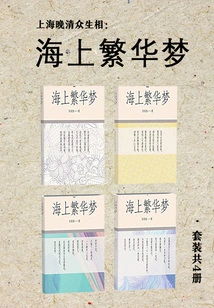
Scenes of All Beings in Shanghai in the Late Qing Dynasty: Dreams of Prosperity on the Sea (set of 4 Volumes)
General Fiction上海晚清众生相:海上繁华梦(套装共4册)
Sun Jiazhen
"Dream of Prosperity at Sea" is set in Shanghai's ten-mile foreign market in the late Qing Dynasty and centered on Shanghai's brothels. It describes the life of the wealthy people in the ten-mile foreign market. It takes the author's self-described Xie Youan and the prostitute Gui Tianxiang who is stuck in the mud as the main line. The story of their disguised talents and beauties is mixed with the descriptions of high-ranking officials and dandies on the Shanghai beach eating, drinking, gambling, and spending money like water. It shows the historical secular picture of modern China at the end of the last century. The big cities are abnormally prosperous and developed, with feasting and feasting, but the rural areas are no longer able to survive. Many young people have been reduced to a few girls. The contrast is very strong. It reflects that the last feudal dynasty in Chinese history was on the verge of collapse due to the invasion of capitalist countries. It reflects the current social situation at that time and has an image of cognitive value.
"Dream of Prosperity at Sea" is set in Shanghai's ten-mile foreign market in the late Qing Dynasty and centered on Shanghai's brothels. It describes the life of the wealthy people in the ten-mile foreign market. It takes the author's self-described Xie Youan and the prostitute Gui Tianxiang who is stuck in the mud as the main line. The story of their disguised talents and beauties is mixed with the descriptions of high-ranking officials and dandies on the Shanghai beach eating, drinking, gambling, and spending money like water. It shows the historical secular picture of modern China at the end of the last century. The big cities are abnormally prosperous and developed, with feasting and feasting, but the rural areas are no longer able to survive. Many young people have been reduced to a few girls. The contrast is very strong. It reflects that the last feudal dynasty in Chinese history was on the verge of collapse due to the invasion of capitalist countries. It reflects the current social situation at that time and has an image of cognitive value.
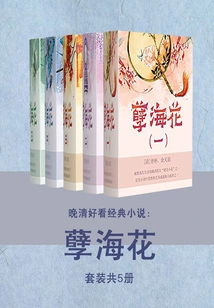
A Good Classic Novel of the Late Qing Dynasty: Flowers of Evil (set of 5 Volumes in Total)
General Fiction晚清好看经典小说:孽海花(套装共5册)
(qing) Zeng Pu Jin Tianyu
The novel starts with Jin Wenqing as the protagonist. After Jin Wenqing won the first prize, she took the famous prostitute Fu Caiyun as a concubine in Suzhou. Later, she was ordered to go to Russia, Germany, Austria, the Netherlands and other countries, taking Fu Caiyun with her. After returning to China, Jin Wenqing died of illness in Beijing. Fu Caiyun left the Jin family and went to Shanghai to resume his old career and changed his name to Cao Menglan. Later, he went to Tianjin to work as a prostitute, called Sai Jinhua.
The novel starts with Jin Wenqing as the protagonist. After Jin Wenqing won the first prize, she took the famous prostitute Fu Caiyun as a concubine in Suzhou. Later, she was ordered to go to Russia, Germany, Austria, the Netherlands and other countries, taking Fu Caiyun with her. After returning to China, Jin Wenqing died of illness in Beijing. Fu Caiyun left the Jin family and went to Shanghai to resume his old career and changed his name to Cao Menglan. Later, he went to Tianjin to work as a prostitute, called Sai Jinhua.
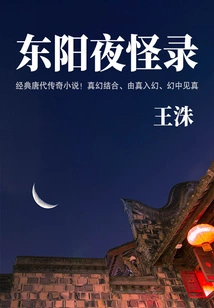
小众文艺古书:东阳夜怪录
Wang Zhu
"Dongyang Night Monster Record" is a legendary novel from the Tang Dynasty, written by Wang Zhu and originally published in Volume 490 of "Taiping Guangji". The novel tells the story of Wang Zhu, a Jinshi scholar, who encounters Cheng Zixu during a reverse journey in Xingyang. Zixu tells the story of his encounter with the old monk Zhigao and other monsters reciting poems and essays when he stayed in a Buddhist temple. These spirits are actually transformed from animals such as camels, donkeys, chickens, cats, hedgehogs, cows, and dogs. The story is full of fantasy. Through the combination of reality and fantasy, it shows the unfortunate situation and the complexity of the thoughts of the lower class intellectuals in feudal society. It also reveals the influence of the concept of family status on the literati at that time and the mutual contempt and intrigue among the literati. The work has superb artistic skills and was included in Lu Xun's "Collection of Legends of the Tang and Song Dynasties".
"Dongyang Night Monster Record" is a legendary novel from the Tang Dynasty, written by Wang Zhu and originally published in Volume 490 of "Taiping Guangji". The novel tells the story of Wang Zhu, a Jinshi scholar, who encounters Cheng Zixu during a reverse journey in Xingyang. Zixu tells the story of his encounter with the old monk Zhigao and other monsters reciting poems and essays when he stayed in a Buddhist temple. These spirits are actually transformed from animals such as camels, donkeys, chickens, cats, hedgehogs, cows, and dogs. The story is full of fantasy. Through the combination of reality and fantasy, it shows the unfortunate situation and the complexity of the thoughts of the lower class intellectuals in feudal society. It also reveals the influence of the concept of family status on the literati at that time and the mutual contempt and intrigue among the literati. The work has superb artistic skills and was included in Lu Xun's "Collection of Legends of the Tang and Song Dynasties".
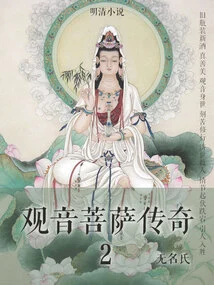
Ming and Qing Novels: the Legend of Guanyin Bodhisattva 2
General Fiction明清小说:观音菩萨传奇2
Anonymous
"The Legend of Guanyin Bodhisattva" was widely circulated among the people in the late Qing Dynasty and the early Republic of China. It tells the touching story of Guanyin Bodhisattva's extraordinary life experience, his practice experience of going through all kinds of hardships, his great kindness and compassion, his kindness to others, and his tireless efforts to help people. This book is worth reading for readers interested in such topics. The author uses easy-to-understand words to vividly describe the legend of Avalokitesvara Bodhisattva from attaining the Tao, to various dharma appearances, various incarnations, to salvation and salvation, as well as the traces it left in history. So that readers can clearly understand each wonderful legendary story. In addition to the wonderful allusions, I gained a preliminary understanding of Buddhist thought and Buddhist history. The author takes the traditional Guanyin story as the main line and incorporates a large number of plots about Guanyin from ancient operas, novels, notes and folklore to make the content richer, the plot fuller and the book more readable.
"The Legend of Guanyin Bodhisattva" was widely circulated among the people in the late Qing Dynasty and the early Republic of China. It tells the touching story of Guanyin Bodhisattva's extraordinary life experience, his practice experience of going through all kinds of hardships, his great kindness and compassion, his kindness to others, and his tireless efforts to help people. This book is worth reading for readers interested in such topics. The author uses easy-to-understand words to vividly describe the legend of Avalokitesvara Bodhisattva from attaining the Tao, to various dharma appearances, various incarnations, to salvation and salvation, as well as the traces it left in history. So that readers can clearly understand each wonderful legendary story. In addition to the wonderful allusions, I gained a preliminary understanding of Buddhist thought and Buddhist history. The author takes the traditional Guanyin story as the main line and incorporates a large number of plots about Guanyin from ancient operas, novels, notes and folklore to make the content richer, the plot fuller and the book more readable.
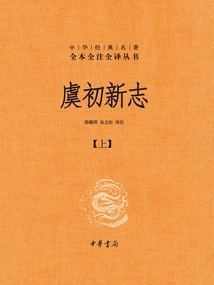
Yu Chu's New Zhi: Complete Annotations and Translations of Chinese Classics Series (part 1)
General Fiction虞初新志:中华经典名著全本全注全译丛书(上)
Translated And Annotated By Shao Yingtao And Yue Lisong
Twenty volumes of "New Chronicles of Yuchu" are a collection of short stories and notes in classical Chinese in the late Ming and early Qing dynasties. The articles collected in the book cover a wide range of subjects, including legendary figures from the Ming and Qing dynasties as well as bizarre events. Most of the articles recorded are real people and true events, and some are not entirely fictional. Use the style of short essays to write stories about extraordinary characters, which are fascinating. You can listen to anecdotes from the Ming and Qing Dynasties and see all kinds of life at the same time. This book not only had a profound influence on the creation of later generations of writers, but also spread overseas, exerting a profound influence outside the region.
Twenty volumes of "New Chronicles of Yuchu" are a collection of short stories and notes in classical Chinese in the late Ming and early Qing dynasties. The articles collected in the book cover a wide range of subjects, including legendary figures from the Ming and Qing dynasties as well as bizarre events. Most of the articles recorded are real people and true events, and some are not entirely fictional. Use the style of short essays to write stories about extraordinary characters, which are fascinating. You can listen to anecdotes from the Ming and Qing Dynasties and see all kinds of life at the same time. This book not only had a profound influence on the creation of later generations of writers, but also spread overseas, exerting a profound influence outside the region.
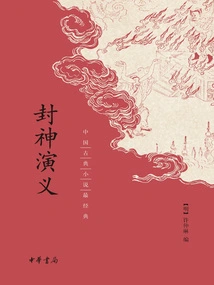
Fengshenyanyi (the Most Classic Chinese Classical Novel)
General Fiction封神演义(中国古典小说最经典)
N
"Feng Shen Yan Yi", commonly known as "Feng Shen Bang", is one of the most famous novels about gods and demons in ancient China. It was compiled by Xu Zhonglin in the Ming Dynasty and was written around the years of Longqing and Wanli. The book has one hundred chapters in total. Based on the history of Jiang Ziya assisting the Zhou Dynasty (King Wen of Zhou and King Wu of Zhou) in the crusade against Shang Zhou, it describes the story of explaining the teachings, intercepting the teachings, fighting wits and courage among the immortals, and breaking the formation and beheading the generals to become gods.
"Feng Shen Yan Yi", commonly known as "Feng Shen Bang", is one of the most famous novels about gods and demons in ancient China. It was compiled by Xu Zhonglin in the Ming Dynasty and was written around the years of Longqing and Wanli. The book has one hundred chapters in total. Based on the history of Jiang Ziya assisting the Zhou Dynasty (King Wen of Zhou and King Wu of Zhou) in the crusade against Shang Zhou, it describes the story of explaining the teachings, intercepting the teachings, fighting wits and courage among the immortals, and breaking the formation and beheading the generals to become gods.
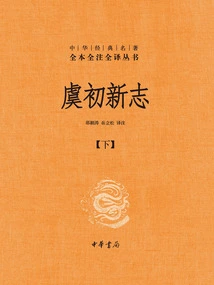
Yu Chu's New Zhi: Complete Annotations and Translations of Chinese Classics Series (part 2)
General Fiction虞初新志:中华经典名著全本全注全译丛书(下)
Translated And Annotated By Shao Yingtao And Yue Lisong
Twenty volumes of "New Chronicles of Yuchu" are a collection of short stories and notes in classical Chinese in the late Ming and early Qing dynasties. The articles collected in the book cover a wide range of subjects, including legendary figures from the Ming and Qing dynasties as well as bizarre events. Most of the articles recorded are real people and true events, and some are not entirely fictional. Use the style of short essays to write stories about extraordinary characters, which are fascinating. You can listen to anecdotes from the Ming and Qing Dynasties and see all kinds of life at the same time. This book not only had a profound influence on the creation of later generations of writers, but also spread overseas, exerting a profound influence outside the region.
Twenty volumes of "New Chronicles of Yuchu" are a collection of short stories and notes in classical Chinese in the late Ming and early Qing dynasties. The articles collected in the book cover a wide range of subjects, including legendary figures from the Ming and Qing dynasties as well as bizarre events. Most of the articles recorded are real people and true events, and some are not entirely fictional. Use the style of short essays to write stories about extraordinary characters, which are fascinating. You can listen to anecdotes from the Ming and Qing Dynasties and see all kinds of life at the same time. This book not only had a profound influence on the creation of later generations of writers, but also spread overseas, exerting a profound influence outside the region.
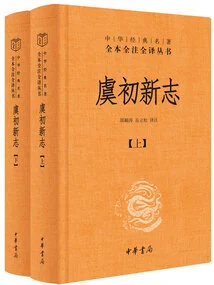
Yu Chu's New Chronicles: Complete Annotations and Translations of Chinese Classics (set of Two Volumes)
General Fiction虞初新志:中华经典名著全本全注全译丛书(套装全两册)
Translated And Annotated By Shao Yingtao And Yue Lisong
Twenty volumes of "New Chronicles of Yuchu" are a collection of short stories and notes in classical Chinese in the late Ming and early Qing dynasties. The articles collected in the book cover a wide range of subjects, including legendary figures from the Ming and Qing dynasties as well as bizarre events. Most of the articles recorded are real people and true events, and some are not entirely fictional. Use the style of short essays to write stories about extraordinary characters, which are fascinating. You can listen to anecdotes from the Ming and Qing Dynasties and see all kinds of life at the same time. This book not only had a profound influence on the creation of later generations of writers, but also spread overseas, exerting a profound influence outside the region.
Twenty volumes of "New Chronicles of Yuchu" are a collection of short stories and notes in classical Chinese in the late Ming and early Qing dynasties. The articles collected in the book cover a wide range of subjects, including legendary figures from the Ming and Qing dynasties as well as bizarre events. Most of the articles recorded are real people and true events, and some are not entirely fictional. Use the style of short essays to write stories about extraordinary characters, which are fascinating. You can listen to anecdotes from the Ming and Qing Dynasties and see all kinds of life at the same time. This book not only had a profound influence on the creation of later generations of writers, but also spread overseas, exerting a profound influence outside the region.
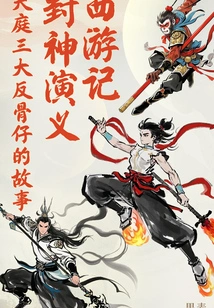
Journey to the West + the Romance of the Gods: the Story of Three Rebellious Guys in Heaven
General Fiction西游记+封神演义:天庭三大反骨仔的故事
(ming Dynasty) Xu Zhonglin (ming Dynasty) Wu Chengen
"Journey to the West", a classical masterpiece full of fantasy and profound philosophy! "The Romance of the Gods" is a unique Chinese fantasy epic of battles between gods and demons! The three most rebellious boys in heaven, the Great Sage Erlang and the Third Prince, were born rebellious and absolutely extraordinary.
"Journey to the West", a classical masterpiece full of fantasy and profound philosophy! "The Romance of the Gods" is a unique Chinese fantasy epic of battles between gods and demons! The three most rebellious boys in heaven, the Great Sage Erlang and the Third Prince, were born rebellious and absolutely extraordinary.
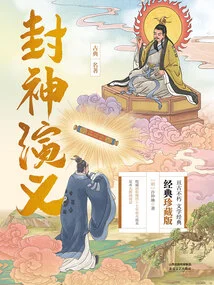
Fengshenyanyi
General Fiction封神演义
Xu Zhonglin
"The Romance of the Gods" has one hundred chapters, telling the story of King Wu's defeat of Zhou. The first thirty chapters rewrite the tyranny of King Zhou. The last seventy chapters mainly describe the war between the Shang and Zhou Dynasties. King Zhou was so fierce that he burned himself, and King Wu conquered the world and divided the countries. The novel uses historical concepts and political concepts as the ideological framework supporting the whole book, mixed with a lot of grand imagination, showing the author's support and praise for the benevolent king and his dissatisfaction and resistance to the unjust and ignorant king. After the Ming Dynasty, "The Romance of the Gods" was widely circulated and had a great influence on folk beliefs, folk operas and folk legends. The stories in the work, such as "Nezha makes trouble in the East China Sea", "Jiang Taigong meets King Wen", "Daji designed to harm Bigan", and "Jiang Ziya catches the god Tu Yulei", are all talked about by people. There are also many repertoires of local operas, arias of folk arts, and storytelling in plain language, which are based on "The Romance of the Gods".
"The Romance of the Gods" has one hundred chapters, telling the story of King Wu's defeat of Zhou. The first thirty chapters rewrite the tyranny of King Zhou. The last seventy chapters mainly describe the war between the Shang and Zhou Dynasties. King Zhou was so fierce that he burned himself, and King Wu conquered the world and divided the countries. The novel uses historical concepts and political concepts as the ideological framework supporting the whole book, mixed with a lot of grand imagination, showing the author's support and praise for the benevolent king and his dissatisfaction and resistance to the unjust and ignorant king. After the Ming Dynasty, "The Romance of the Gods" was widely circulated and had a great influence on folk beliefs, folk operas and folk legends. The stories in the work, such as "Nezha makes trouble in the East China Sea", "Jiang Taigong meets King Wen", "Daji designed to harm Bigan", and "Jiang Ziya catches the god Tu Yulei", are all talked about by people. There are also many repertoires of local operas, arias of folk arts, and storytelling in plain language, which are based on "The Romance of the Gods".
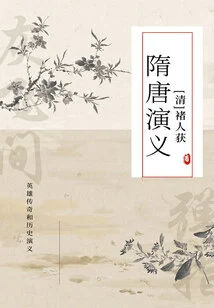
L
General Fictionl
J
"The Romance of the Sui and Tang Dynasties" is a long chapter-length novel with dual characteristics of heroic legend and historical romance written by Chu Renhuo, a writer in the late Ming and early Qing dynasties. It has a total of twenty volumes and one hundred chapters. Regarding the writing time of "The Romance of the Sui and Tang Dynasties", Lu Xun believed that it was written in the 14th year of Kangxi (1675). The earliest extant printed version is the Sixue Caotang version in the 34th year of Kangxi (1695).
"The Romance of the Sui and Tang Dynasties" is a long chapter-length novel with dual characteristics of heroic legend and historical romance written by Chu Renhuo, a writer in the late Ming and early Qing dynasties. It has a total of twenty volumes and one hundred chapters. Regarding the writing time of "The Romance of the Sui and Tang Dynasties", Lu Xun believed that it was written in the 14th year of Kangxi (1675). The earliest extant printed version is the Sixue Caotang version in the 34th year of Kangxi (1695).
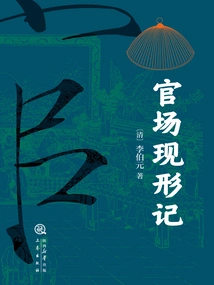
The Appearance of Officialdom
General Fiction官场现形记
Li Boyuan
"The Appearance of Officialdom" is a self-narrated chapter-length novel in the late Qing Dynasty. The book has a total of sixty chapters. The style is imitated in "The Scholars", and the characters are used to connect the stories. It starts from an ordinary scholar who went to Beijing to take the exam, and is connected to more than 30 relatively independent officialdom stories. "The Appearance of Officialdom" is a social portrait at the end of the feudal dynasty. It depicts subjects ranging from the empress dowager and the emperor, to frontier officials, to minor officials, traffickers, and even gangsters and prostitutes, covering all walks of life and identities. It is known as the "Along the River During the Qingming Festival" in the late Qing Dynasty. The book not only exposes the individual misdeeds of the Qing government officials who were fatuous and corrupt, but also comprehensively attacked the dark decay of the entire political system at the end of the feudal dynasty from various angles, pointing out that the "official-based" system will naturally lead to moral decay and the darkness of officialdom.
"The Appearance of Officialdom" is a self-narrated chapter-length novel in the late Qing Dynasty. The book has a total of sixty chapters. The style is imitated in "The Scholars", and the characters are used to connect the stories. It starts from an ordinary scholar who went to Beijing to take the exam, and is connected to more than 30 relatively independent officialdom stories. "The Appearance of Officialdom" is a social portrait at the end of the feudal dynasty. It depicts subjects ranging from the empress dowager and the emperor, to frontier officials, to minor officials, traffickers, and even gangsters and prostitutes, covering all walks of life and identities. It is known as the "Along the River During the Qingming Festival" in the late Qing Dynasty. The book not only exposes the individual misdeeds of the Qing government officials who were fatuous and corrupt, but also comprehensively attacked the dark decay of the entire political system at the end of the feudal dynasty from various angles, pointing out that the "official-based" system will naturally lead to moral decay and the darkness of officialdom.
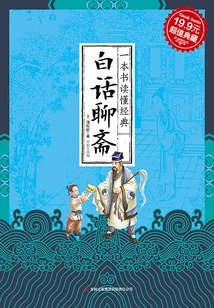
One Book to Understand the Classics: Vernacular Liaozhai
General Fiction一本书读懂经典:白话聊斋
(qing Dynasty) Written By Pu Songling, Adapted From Song Songs
"Strange Stories from a Chinese Studio" is a classic work handed down from generation to generation by Pu Songling in the Qing Dynasty. For hundreds of years, the stories about ghosts, fox demons and elves in this work have been topics that people talk about after dinner. "Reading the Classics in One Book: A Chinese Liaozhai" selects classic chapters from "Strange Stories from a Chinese Studio" and adapts them in the form of vernacular Chinese, hence the name "Baihua Liaozhai". We hope that through this form, modern readers can appreciate the profound charm of this work and the immortal glory of Chinese classical literature.
"Strange Stories from a Chinese Studio" is a classic work handed down from generation to generation by Pu Songling in the Qing Dynasty. For hundreds of years, the stories about ghosts, fox demons and elves in this work have been topics that people talk about after dinner. "Reading the Classics in One Book: A Chinese Liaozhai" selects classic chapters from "Strange Stories from a Chinese Studio" and adapts them in the form of vernacular Chinese, hence the name "Baihua Liaozhai". We hope that through this form, modern readers can appreciate the profound charm of this work and the immortal glory of Chinese classical literature.
P
J
Ac
N
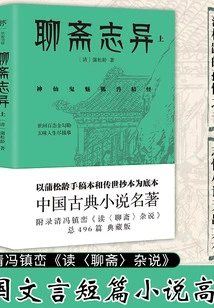
Strange Stories from a Chinese Studio (2 Volumes in Total)
General Fiction聊斋志异(全2册)
(qing Dynasty) Pu Songling
"Strange Stories from a Chinese Studio" is a collection of short stories written by Pu Songling in the Qing Dynasty and is also his masterpiece. The book may talk about folk customs and customs, strange stories, or the strange changes in all things in the world. It has a wide range of themes and depicts a strange and changing world for readers. Many of them depict fox fairies and ghosts, reflecting various aspects of the human world, and have a strong romantic flavor. The book contains both dissatisfaction with the dark reality and resentment against unappreciated talents; there is both the lashing of corrupt officials and the praise of civilians who have the courage to resist. The most valuable thing is the love between people, fox demons, ghosts and gods, and between people.
"Strange Stories from a Chinese Studio" is a collection of short stories written by Pu Songling in the Qing Dynasty and is also his masterpiece. The book may talk about folk customs and customs, strange stories, or the strange changes in all things in the world. It has a wide range of themes and depicts a strange and changing world for readers. Many of them depict fox fairies and ghosts, reflecting various aspects of the human world, and have a strong romantic flavor. The book contains both dissatisfaction with the dark reality and resentment against unappreciated talents; there is both the lashing of corrupt officials and the praise of civilians who have the courage to resist. The most valuable thing is the love between people, fox demons, ghosts and gods, and between people.
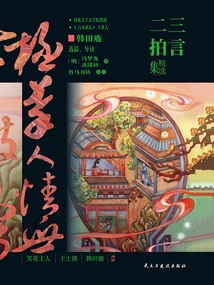
A Collection of Three Words and Two Shots
General Fiction三言二拍精选集
(ming) Feng Menglong And Others, Edited By Zhuma Bookstore
"Three Words and Two Patterns" is the collective name of five famous collections of storybooks and imitative storybooks written by my country's Ming Dynasty novelists Feng Menglong and Ling Shuchu - "Essays to Tell the World", "Words to Warn the World", "Everlasting Words to Awaken the World", "Surprise at the First Moment" and "Surprise at the Second Moment". Among them, "Three Words" contains a total of 120 novels, each book has 40 volumes and one article in each volume. "Erpai" has a total of eighty volumes (pieces). "Sanyan Erpai" is a landmark work in the history of Chinese literature. It marks the formation of the national style and characteristics of Chinese short vernacular novels. "Selected Collection of Sanyan Erpai" selects and compiles and annotates nearly 30 ancient vernacular novels from the five works of "Sanyan Erpai" for the readers' enjoyment. Among them, the original version of "Sanyan" was copied from the Ming Dynasty editions of Tianxuzhai, Jianshantang and Ye Jingchi published by Shanghai Ancient Books Publishing House; the original version of "Erpai" was copied from the Ming Dynasty Shangyoutang published by Shanghai Ancient Books Publishing House and edited from various current versions. In order to preserve the essence of the original work, this edition strictly followed the original text, and some words and usages followed the old work, striving to preserve the original appearance of the original text and make it easier for today's readers to read.
"Three Words and Two Patterns" is the collective name of five famous collections of storybooks and imitative storybooks written by my country's Ming Dynasty novelists Feng Menglong and Ling Shuchu - "Essays to Tell the World", "Words to Warn the World", "Everlasting Words to Awaken the World", "Surprise at the First Moment" and "Surprise at the Second Moment". Among them, "Three Words" contains a total of 120 novels, each book has 40 volumes and one article in each volume. "Erpai" has a total of eighty volumes (pieces). "Sanyan Erpai" is a landmark work in the history of Chinese literature. It marks the formation of the national style and characteristics of Chinese short vernacular novels. "Selected Collection of Sanyan Erpai" selects and compiles and annotates nearly 30 ancient vernacular novels from the five works of "Sanyan Erpai" for the readers' enjoyment. Among them, the original version of "Sanyan" was copied from the Ming Dynasty editions of Tianxuzhai, Jianshantang and Ye Jingchi published by Shanghai Ancient Books Publishing House; the original version of "Erpai" was copied from the Ming Dynasty Shangyoutang published by Shanghai Ancient Books Publishing House and edited from various current versions. In order to preserve the essence of the original work, this edition strictly followed the original text, and some words and usages followed the old work, striving to preserve the original appearance of the original text and make it easier for today's readers to read.
R
General FictionR
H
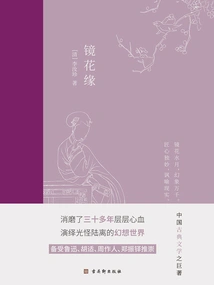
"Flowers in the Mirror" is a novel written by Li Ruzhen, a writer in the Qing Dynasty. The first 50 chapters of the novel describe the story of Tang Ao, Duo Jiugong and others traveling overseas by boat. The last 50 chapters tell the story of Wu Zetian selecting talented women through the imperial examination, Tang Xiaoshan, who was entrusted by the Baihua Fairy, and a hundred talented women entrusted by other flower fairies to make a difference in the court. The author uses imaginary overseas stories to satirize reality and express his ideals, showing his love for life, reverence for death and questioning of the human survival situation.
"Flowers in the Mirror" is a novel written by Li Ruzhen, a writer in the Qing Dynasty. The first 50 chapters of the novel describe the story of Tang Ao, Duo Jiugong and others traveling overseas by boat. The last 50 chapters tell the story of Wu Zetian selecting talented women through the imperial examination, Tang Xiaoshan, who was entrusted by the Baihua Fairy, and a hundred talented women entrusted by other flower fairies to make a difference in the court. The author uses imaginary overseas stories to satirize reality and express his ideals, showing his love for life, reverence for death and questioning of the human survival situation.
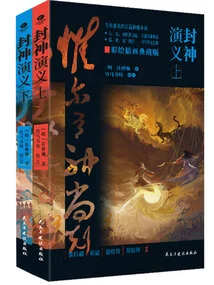
The Romance of the Gods (2 Volumes in Total)
General Fiction封神演义(全2册)
(ming Dynasty) Written By Xu Zhonglin And Edited By Zhuma Bookstore
"Feng Shen Yan Yi", commonly known as "Feng Shen Bang", is a long novel about gods and demons, with one hundred original chapters, and was written around the Longqing and Wanli years of the Ming Dynasty. The novel extensively draws on folklore, and performs a large degree of artistic processing and fiction, interpreting it into a wonderful mythological story with Jiang Ziya assisting Zhou Conquering Zhou as the background, with the fighting method of interpretation and cutting as the main line, in which the gods and demons fight for wisdom and courage, each shows off his magical powers, and performs battles in formations. It has been widely circulated for hundreds of years and is a popular mythological masterpiece.
"Feng Shen Yan Yi", commonly known as "Feng Shen Bang", is a long novel about gods and demons, with one hundred original chapters, and was written around the Longqing and Wanli years of the Ming Dynasty. The novel extensively draws on folklore, and performs a large degree of artistic processing and fiction, interpreting it into a wonderful mythological story with Jiang Ziya assisting Zhou Conquering Zhou as the background, with the fighting method of interpretation and cutting as the main line, in which the gods and demons fight for wisdom and courage, each shows off his magical powers, and performs battles in formations. It has been widely circulated for hundreds of years and is a popular mythological masterpiece.
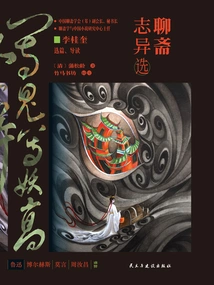
Strange Selections from Liaozhaizhi
General Fiction聊斋志异选
(qing Dynasty) By Pu Songling And Edited By Zhuma Bookstore
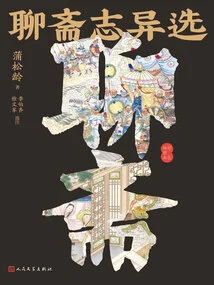
"Strange Stories from a Chinese Studio" is a collection of classical Chinese short stories written in the early Qing Dynasty. It inherits the tradition of classical Chinese novels of all dynasties since Qian Bao's "Sou Shen Ji" and the legends of the Tang and Song Dynasties. It is famous for its descriptions of flower demons, foxes, and strange people doing strange things. It is not only a treasure of Chinese literature, but also a pearl of world literature. There are nearly 500 novels in the book, all of which are wonderful, showing the talent of the author "Mr. Liaozhai" Pu Songling. Pu Songling began writing "Strange Stories from a Chinese Studio" in his twenties, and initially completed the book when he was thirty. Over the next forty years, he continued to write new chapters and finally completed this masterpiece. This book selects more than 80 novels from the original "Strange Stories from a Chinese Studio", all of which can be regarded as fine works of art. It is based on a photocopy of the manuscript of the Literary Ancient Books Publishing House and revised with reference to the Kangxi manuscript, the Zhuxuezhai manuscript, the Yishi edition, and the Qingke Ting edition. Professors from Fudan University and Ph. D. Li Guikui, a student mentor, vice president and secretary-general of the Chinese "Liao Zhai" Society (in preparation), and current director of the Research Center for Liaozhai Studies and Chinese Novels, participated in the selection of articles, writing of introductions and content review, and helped readers understand the famous "Strange Stories from a Chinese Studio" in concise language. In addition, combined with the content of the book, a number of original illustrations are attached, allowing readers to intuitively experience the "beauty of Liaozhai stories".
"Strange Stories from a Chinese Studio" is a collection of classical Chinese short stories written in the early Qing Dynasty. It inherits the tradition of classical Chinese novels of all dynasties since Qian Bao's "Sou Shen Ji" and the legends of the Tang and Song Dynasties. It is famous for its descriptions of flower demons, foxes, and strange people doing strange things. It is not only a treasure of Chinese literature, but also a pearl of world literature. There are nearly 500 novels in the book, all of which are wonderful, showing the talent of the author "Mr. Liaozhai" Pu Songling. Pu Songling began writing "Strange Stories from a Chinese Studio" in his twenties, and initially completed the book when he was thirty. Over the next forty years, he continued to write new chapters and finally completed this masterpiece. This book selects more than 80 novels from the original "Strange Stories from a Chinese Studio", all of which can be regarded as fine works of art. It is based on a photocopy of the manuscript of the Literary Ancient Books Publishing House and revised with reference to the Kangxi manuscript, the Zhuxuezhai manuscript, the Yishi edition, and the Qingke Ting edition. Professors from Fudan University and Ph. D. Li Guikui, a student mentor, vice president and secretary-general of the Chinese "Liao Zhai" Society (in preparation), and current director of the Research Center for Liaozhai Studies and Chinese Novels, participated in the selection of articles, writing of introductions and content review, and helped readers understand the famous "Strange Stories from a Chinese Studio" in concise language. In addition, combined with the content of the book, a number of original illustrations are attached, allowing readers to intuitively experience the "beauty of Liaozhai stories".
Yuewei Thatched Cottage Notes (2)
General Fiction阅微草堂笔记(二)
I
"Yuewei Thatched Cottage Notes" is a short story in classical Chinese written in the form of notes by Ji Yun, who was born as a scholar in the Hanlin Academy of the Qing Dynasty between the fifty-fourth year of Qianlong (1789 AD) and the third year of Jiaqing (AD 1798). It mainly collects and compiles various folk tales about foxes, ghosts and gods, karma and retribution, admonishing good and punishing evil, etc. That were circulated around the time, or strange anecdotes heard personally. Although the book is full of sermons about karma and retribution, it reflects the decadence and darkness of the last days of feudal society through various descriptions. For example, there are chapters describing princes, nobles, wealthy businessmen, and bully landlords who rely on their power to commit crimes. This book is the second volume.
"Yuewei Thatched Cottage Notes" is a short story in classical Chinese written in the form of notes by Ji Yun, who was born as a scholar in the Hanlin Academy of the Qing Dynasty between the fifty-fourth year of Qianlong (1789 AD) and the third year of Jiaqing (AD 1798). It mainly collects and compiles various folk tales about foxes, ghosts and gods, karma and retribution, admonishing good and punishing evil, etc. That were circulated around the time, or strange anecdotes heard personally. Although the book is full of sermons about karma and retribution, it reflects the decadence and darkness of the last days of feudal society through various descriptions. For example, there are chapters describing princes, nobles, wealthy businessmen, and bully landlords who rely on their power to commit crimes. This book is the second volume.
Yuewei Cottage Notes (6)
General Fiction阅微草堂笔记(六)
I
"Yuewei Thatched Cottage Notes" is a short story in classical Chinese written in the form of notes by Ji Yun, who was born as a scholar in the Hanlin Academy of the Qing Dynasty between the fifty-fourth year of Qianlong (1789 AD) and the third year of Jiaqing (AD 1798). It mainly collects and compiles various folk tales about foxes, ghosts and gods, karma and retribution, admonishing good and punishing evil, etc. That were circulated around the time, or strange anecdotes heard personally. Although the book is full of sermons about karma and retribution, it reflects the decadence and darkness of the last days of feudal society through various descriptions. "Notes of Yuewei Thatched Cottage" has a clear anti-Confucian tendency, which reflects the author's progressive understanding of human nature and social issues. This book is the sixth volume.
"Yuewei Thatched Cottage Notes" is a short story in classical Chinese written in the form of notes by Ji Yun, who was born as a scholar in the Hanlin Academy of the Qing Dynasty between the fifty-fourth year of Qianlong (1789 AD) and the third year of Jiaqing (AD 1798). It mainly collects and compiles various folk tales about foxes, ghosts and gods, karma and retribution, admonishing good and punishing evil, etc. That were circulated around the time, or strange anecdotes heard personally. Although the book is full of sermons about karma and retribution, it reflects the decadence and darkness of the last days of feudal society through various descriptions. "Notes of Yuewei Thatched Cottage" has a clear anti-Confucian tendency, which reflects the author's progressive understanding of human nature and social issues. This book is the sixth volume.
Yuewei Thatched Cottage Notes (3)
General Fiction阅微草堂笔记(三)
I
"Yuewei Thatched Cottage Notes" is a short story in classical Chinese written in the form of notes by Ji Yun, who was born as a scholar in the Hanlin Academy of the Qing Dynasty between the fifty-fourth year of Qianlong (1789 AD) and the third year of Jiaqing (AD 1798). It mainly collects and compiles various folk tales about foxes, ghosts and gods, karma and retribution, admonishing good and punishing evil, etc. That were circulated around the time, or strange anecdotes heard personally. Although the book is full of sermons about karma and retribution, it reflects the decadence and darkness of the last days of feudal society through various descriptions. If it involves some bad styles and bad habits of the feudal literati class. This book is the third volume.
"Yuewei Thatched Cottage Notes" is a short story in classical Chinese written in the form of notes by Ji Yun, who was born as a scholar in the Hanlin Academy of the Qing Dynasty between the fifty-fourth year of Qianlong (1789 AD) and the third year of Jiaqing (AD 1798). It mainly collects and compiles various folk tales about foxes, ghosts and gods, karma and retribution, admonishing good and punishing evil, etc. That were circulated around the time, or strange anecdotes heard personally. Although the book is full of sermons about karma and retribution, it reflects the decadence and darkness of the last days of feudal society through various descriptions. If it involves some bad styles and bad habits of the feudal literati class. This book is the third volume.
Yuewei Cottage Notes (4)
General Fiction阅微草堂笔记(四)
I
"Yuewei Thatched Cottage Notes" is a short story in classical Chinese written in the form of notes by Ji Yun, who was born as a scholar in the Hanlin Academy of the Qing Dynasty between the fifty-fourth year of Qianlong (1789 AD) and the third year of Jiaqing (AD 1798). It mainly collects and compiles various folk tales about foxes, ghosts and gods, karma and retribution, admonishing good and punishing evil, etc. That were circulated around the time, or strange anecdotes heard personally. Although the book is full of sermons about karma and retribution, it reflects the decadence and darkness of the last days of feudal society through various descriptions. Taking "super legendary pursuit of the Jin and Song Dynasties" as its mission, it integrates narrative and discussion, and tells it in a calm and natural tone. It has rich and diverse content, simple and elegant language, and a solemn and humorous style. It records a large number of stories about the grassroots society, frontier soldiers and ethnic minorities. This book is the fourth volume.
"Yuewei Thatched Cottage Notes" is a short story in classical Chinese written in the form of notes by Ji Yun, who was born as a scholar in the Hanlin Academy of the Qing Dynasty between the fifty-fourth year of Qianlong (1789 AD) and the third year of Jiaqing (AD 1798). It mainly collects and compiles various folk tales about foxes, ghosts and gods, karma and retribution, admonishing good and punishing evil, etc. That were circulated around the time, or strange anecdotes heard personally. Although the book is full of sermons about karma and retribution, it reflects the decadence and darkness of the last days of feudal society through various descriptions. Taking "super legendary pursuit of the Jin and Song Dynasties" as its mission, it integrates narrative and discussion, and tells it in a calm and natural tone. It has rich and diverse content, simple and elegant language, and a solemn and humorous style. It records a large number of stories about the grassroots society, frontier soldiers and ethnic minorities. This book is the fourth volume.
Yuewei Cottage Notes (5)
General Fiction阅微草堂笔记(五)
I
"Yuewei Thatched Cottage Notes" is a short story in classical Chinese written in the form of notes by Ji Yun, who was born as a scholar in the Hanlin Academy of the Qing Dynasty between the fifty-fourth year of Qianlong (1789 AD) and the third year of Jiaqing (AD 1798). It mainly collects and compiles various folk tales about foxes, ghosts and gods, karma and retribution, admonishing good and punishing evil, etc. That were circulated around the time, or strange anecdotes heard personally. Although the book is full of sermons about karma and retribution, it reflects the decadence and darkness of the last days of feudal society through various descriptions. "Yuewei Thatched Cottage Notes" retains a wealth of official and folk anecdotes, folklore anecdotes and anecdotes. Naturally, there are many absurd things and superstitious dross in it, but through these complex contents. This book is the fifth volume.
"Yuewei Thatched Cottage Notes" is a short story in classical Chinese written in the form of notes by Ji Yun, who was born as a scholar in the Hanlin Academy of the Qing Dynasty between the fifty-fourth year of Qianlong (1789 AD) and the third year of Jiaqing (AD 1798). It mainly collects and compiles various folk tales about foxes, ghosts and gods, karma and retribution, admonishing good and punishing evil, etc. That were circulated around the time, or strange anecdotes heard personally. Although the book is full of sermons about karma and retribution, it reflects the decadence and darkness of the last days of feudal society through various descriptions. "Yuewei Thatched Cottage Notes" retains a wealth of official and folk anecdotes, folklore anecdotes and anecdotes. Naturally, there are many absurd things and superstitious dross in it, but through these complex contents. This book is the fifth volume.
Yuewei Cottage Notes (1)
General Fiction阅微草堂笔记(一)
I
"Yuewei Thatched Cottage Notes" is a short story in classical Chinese written in the form of notes by Ji Yun, who was born as a scholar in the Hanlin Academy of the Qing Dynasty between the fifty-fourth year of Qianlong (1789 AD) and the third year of Jiaqing (AD 1798). It mainly collects and compiles various folk tales about foxes, ghosts and gods, karma and retribution, admonishing good and punishing evil, etc. That were circulated around the time, or strange anecdotes heard personally. Although the book is full of sermons about karma and retribution, it reflects the decadence and darkness of the last days of feudal society through various descriptions. For example, the first chapter describes several main types of fox images to reflect the order and norms of the fox world; the second chapter describes Ji Yun's narrative techniques in constructing the fox world; the third chapter describes Ji Yun's reasons for creating fox stories. This book is the first volume.
"Yuewei Thatched Cottage Notes" is a short story in classical Chinese written in the form of notes by Ji Yun, who was born as a scholar in the Hanlin Academy of the Qing Dynasty between the fifty-fourth year of Qianlong (1789 AD) and the third year of Jiaqing (AD 1798). It mainly collects and compiles various folk tales about foxes, ghosts and gods, karma and retribution, admonishing good and punishing evil, etc. That were circulated around the time, or strange anecdotes heard personally. Although the book is full of sermons about karma and retribution, it reflects the decadence and darkness of the last days of feudal society through various descriptions. For example, the first chapter describes several main types of fox images to reflect the order and norms of the fox world; the second chapter describes Ji Yun's narrative techniques in constructing the fox world; the third chapter describes Ji Yun's reasons for creating fox stories. This book is the first volume.
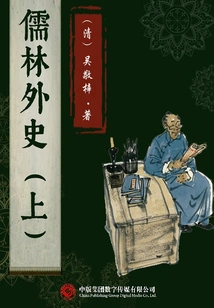
The Scholars (part 1)
General Fiction儒林外史(上)
I
"The Scholars" is a novel written by Wu Jingzi in the Qing Dynasty. It was written in the 14th year of Qianlong (1749) or a little before. It is now handed down in manuscript and was first published in the 8th year of Jiaqing (1803). The book's fifty-six chapters use realism to describe the different performances of various people regarding "fame and wealth". On the one hand, it truly reveals the process and reasons for the corruption of human nature, thereby deeply criticizing and ridiculing the corruption of officials at that time, the shortcomings of imperial examinations, and the hypocrisy of ethics; on the other hand, it passionately praises the protection of human nature by a few characters by insisting on themselves, thus embodying the author's ideals. The use of vernacular in the novel has become more proficient, and the characterization of the characters is also quite in-depth and delicate, especially the use of superb satirical techniques, making the book a masterpiece of Chinese classical satirical literature. This book is the first volume.
"The Scholars" is a novel written by Wu Jingzi in the Qing Dynasty. It was written in the 14th year of Qianlong (1749) or a little before. It is now handed down in manuscript and was first published in the 8th year of Jiaqing (1803). The book's fifty-six chapters use realism to describe the different performances of various people regarding "fame and wealth". On the one hand, it truly reveals the process and reasons for the corruption of human nature, thereby deeply criticizing and ridiculing the corruption of officials at that time, the shortcomings of imperial examinations, and the hypocrisy of ethics; on the other hand, it passionately praises the protection of human nature by a few characters by insisting on themselves, thus embodying the author's ideals. The use of vernacular in the novel has become more proficient, and the characterization of the characters is also quite in-depth and delicate, especially the use of superb satirical techniques, making the book a masterpiece of Chinese classical satirical literature. This book is the first volume.
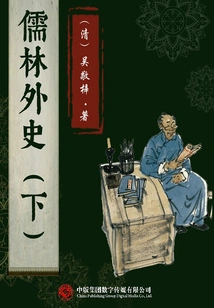
The Scholars (part 2)
General Fiction儒林外史(下)
I
"The Scholars" is a novel written by Wu Jingzi in the Qing Dynasty. It was written in the 14th year of Qianlong (1749) or a little before. It is now handed down in manuscript and was first published in the 8th year of Jiaqing (1803). The book's fifty-six chapters use realism to describe the different performances of various people regarding "fame and wealth". On the one hand, it truly reveals the process and reasons for the corruption of human nature, thereby deeply criticizing and ridiculing the corruption of officials at that time, the shortcomings of imperial examinations, and the hypocrisy of ethics; on the other hand, it passionately praises the protection of human nature by a few characters by insisting on themselves, thus embodying the author's ideals. The use of vernacular in the novel has become more proficient, and the characterization of the characters is also quite in-depth and delicate, especially the use of superb satirical techniques, making the book a masterpiece of Chinese classical satirical literature. This book is the second volume.
"The Scholars" is a novel written by Wu Jingzi in the Qing Dynasty. It was written in the 14th year of Qianlong (1749) or a little before. It is now handed down in manuscript and was first published in the 8th year of Jiaqing (1803). The book's fifty-six chapters use realism to describe the different performances of various people regarding "fame and wealth". On the one hand, it truly reveals the process and reasons for the corruption of human nature, thereby deeply criticizing and ridiculing the corruption of officials at that time, the shortcomings of imperial examinations, and the hypocrisy of ethics; on the other hand, it passionately praises the protection of human nature by a few characters by insisting on themselves, thus embodying the author's ideals. The use of vernacular in the novel has become more proficient, and the characterization of the characters is also quite in-depth and delicate, especially the use of superb satirical techniques, making the book a masterpiece of Chinese classical satirical literature. This book is the second volume.
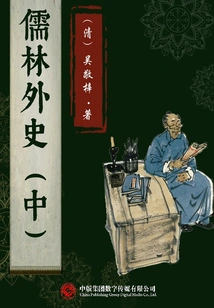
The Scholars (part 2)
General Fiction儒林外史(中)
I
"The Scholars" is a novel written by Wu Jingzi in the Qing Dynasty. It was written in the 14th year of Qianlong (1749) or a little before. It is now handed down in manuscript and was first published in the 8th year of Jiaqing (1803). The book's fifty-six chapters use realism to describe the different performances of various people regarding "fame and wealth". On the one hand, it truly reveals the process and reasons for the corruption of human nature, thereby deeply criticizing and ridiculing the corruption of officials at that time, the shortcomings of imperial examinations, and the hypocrisy of ethics; on the other hand, it passionately praises the protection of human nature by a few characters by insisting on themselves, thus embodying the author's ideals. The use of vernacular in the novel has become more proficient, and the characterization of the characters is also quite in-depth and delicate, especially the use of superb satirical techniques, making the book a masterpiece of Chinese classical satirical literature. This book is the middle volume.
"The Scholars" is a novel written by Wu Jingzi in the Qing Dynasty. It was written in the 14th year of Qianlong (1749) or a little before. It is now handed down in manuscript and was first published in the 8th year of Jiaqing (1803). The book's fifty-six chapters use realism to describe the different performances of various people regarding "fame and wealth". On the one hand, it truly reveals the process and reasons for the corruption of human nature, thereby deeply criticizing and ridiculing the corruption of officials at that time, the shortcomings of imperial examinations, and the hypocrisy of ethics; on the other hand, it passionately praises the protection of human nature by a few characters by insisting on themselves, thus embodying the author's ideals. The use of vernacular in the novel has become more proficient, and the characterization of the characters is also quite in-depth and delicate, especially the use of superb satirical techniques, making the book a masterpiece of Chinese classical satirical literature. This book is the middle volume.
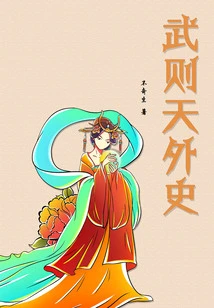
Wu Zetian's History
General Fiction武则天外史
Unexpected
This book tells the story of Wu Zetian's rise to emperor from the perspective of unofficial history. In the second year of Yongchun, Gaozong died, Zhongzong Li Xian came to the throne, and Wu became the empress dowager. In the first year of Sisheng, Li Xian was deposed as King of Luling and Li Dan was made emperor. Empress Wu took charge of the dynasty and began the era of truly arbitrary dynasty policy. In September of the same year, Xu Jingye launched a rebellion against Wu Zetian. Wu Zetian dispatched 300,000 troops to quickly put down the rebellion, and killed Minister Gu Ming Pei Yan and others, basically eliminating the opposition in the court. She also planned to force Li Tang's clan to rebel, and took the opportunity to go on a killing spree to remove the obstacles to becoming emperor. While fighting against the opposition, Wu Zetian also created auspicious signs, built the Mingtang (Wanxiang Shrine), and found the basis for a woman to claim emperor in the Buddhist classic "Dayun Sutra", thus creating public opinion for her claim to be emperor. The book contains both erotic parts and historical basis. Huang Moxi's "Novel Xiaohua" once commented on this book: "It is well-founded and written by Yao Ye. It can be compared with "The Romantic History of Sui Yang" and cannot be compared with "The History of Passion", "The Story of Ruyi Jun", "The Case of Di Gong" and so on."
This book tells the story of Wu Zetian's rise to emperor from the perspective of unofficial history. In the second year of Yongchun, Gaozong died, Zhongzong Li Xian came to the throne, and Wu became the empress dowager. In the first year of Sisheng, Li Xian was deposed as King of Luling and Li Dan was made emperor. Empress Wu took charge of the dynasty and began the era of truly arbitrary dynasty policy. In September of the same year, Xu Jingye launched a rebellion against Wu Zetian. Wu Zetian dispatched 300,000 troops to quickly put down the rebellion, and killed Minister Gu Ming Pei Yan and others, basically eliminating the opposition in the court. She also planned to force Li Tang's clan to rebel, and took the opportunity to go on a killing spree to remove the obstacles to becoming emperor. While fighting against the opposition, Wu Zetian also created auspicious signs, built the Mingtang (Wanxiang Shrine), and found the basis for a woman to claim emperor in the Buddhist classic "Dayun Sutra", thus creating public opinion for her claim to be emperor. The book contains both erotic parts and historical basis. Huang Moxi's "Novel Xiaohua" once commented on this book: "It is well-founded and written by Yao Ye. It can be compared with "The Romantic History of Sui Yang" and cannot be compared with "The History of Passion", "The Story of Ruyi Jun", "The Case of Di Gong" and so on."
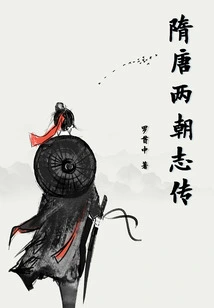
Chronicles of the Sui and Tang Dynasties
General Fiction隋唐两朝志传
S
"Zhibiography of the Sui and Tang Dynasties" is a chapter-style novel written by Luo Guanzhong. The first 91 chapters describe the history of the Sui Dynasty's fall and the Tang Dynasty's rise, and the last 20 chapters summarize the history of more than 200 years after Zhenguan. Chapters include the gathering of heroes in Wagang Village, Zhai letting Li Mi take control of Luocang, and Li Mi's crimes against several emperors. The book centers on the turbulent meeting of the heroes of Wagang Village, revealing the debauchery and immorality of Emperor Yang of the Sui Dynasty, which brought serious suffering to the people, leading to the anti-Sui uprising of "Eighteen Routes against the King, Sixty-four Routes of Smoke" across the country.
"Zhibiography of the Sui and Tang Dynasties" is a chapter-style novel written by Luo Guanzhong. The first 91 chapters describe the history of the Sui Dynasty's fall and the Tang Dynasty's rise, and the last 20 chapters summarize the history of more than 200 years after Zhenguan. Chapters include the gathering of heroes in Wagang Village, Zhai letting Li Mi take control of Luocang, and Li Mi's crimes against several emperors. The book centers on the turbulent meeting of the heroes of Wagang Village, revealing the debauchery and immorality of Emperor Yang of the Sui Dynasty, which brought serious suffering to the people, leading to the anti-Sui uprising of "Eighteen Routes against the King, Sixty-four Routes of Smoke" across the country.
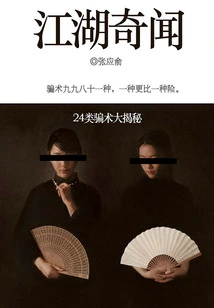
Jianghu Anecdotes: 24 Types of Deception Revealed
General Fiction江湖奇闻:24类骗术大揭秘
Zhang Yingyu
The various deceptions encountered by modern people have long been traced. This book is a collection of fraud novels written by Zhang Yingyu in the Ming Dynasty, also known as "The Book of Deception". It is the first book with the theme of liars and deception. The book describes various shady phenomena and is thought-provoking. The stories told in the work range from officialdom and imperial examinations to ordinary people in the market, involving the nine streams and three religions. Every time the author tells a story, he usually adds comments to analyze and sigh. The book focuses on exposing the dark and ugly side of social life in the Ming Dynasty, showing the evil and greed of human nature. It not only warns the world to avoid and prevent fraud, but is also highly critical of the society at that time in the Ming Dynasty. It also opens up a new field of fraud-themed novels. The author felt that the world at that time was too chaotic, people's hearts were not ancient, and the world was declining. The purpose of writing this book was to serve as a certain warning to society. Many of these deceptions have been passed down. If you can see through them, you can avoid being deceived even in today's society. The reality of the stories in the book is reflected in the fact that it truly reflects the daily life of the lower class people in the late Ming Dynasty, and it truly and meticulously depicts their general mentality of being greedy for money and sex. Readers can check themselves and be more vigilant. In today's era when all kinds of deceptions are emerging in endlessly, this book can undoubtedly play a certain role in reminding and warning.
The various deceptions encountered by modern people have long been traced. This book is a collection of fraud novels written by Zhang Yingyu in the Ming Dynasty, also known as "The Book of Deception". It is the first book with the theme of liars and deception. The book describes various shady phenomena and is thought-provoking. The stories told in the work range from officialdom and imperial examinations to ordinary people in the market, involving the nine streams and three religions. Every time the author tells a story, he usually adds comments to analyze and sigh. The book focuses on exposing the dark and ugly side of social life in the Ming Dynasty, showing the evil and greed of human nature. It not only warns the world to avoid and prevent fraud, but is also highly critical of the society at that time in the Ming Dynasty. It also opens up a new field of fraud-themed novels. The author felt that the world at that time was too chaotic, people's hearts were not ancient, and the world was declining. The purpose of writing this book was to serve as a certain warning to society. Many of these deceptions have been passed down. If you can see through them, you can avoid being deceived even in today's society. The reality of the stories in the book is reflected in the fact that it truly reflects the daily life of the lower class people in the late Ming Dynasty, and it truly and meticulously depicts their general mentality of being greedy for money and sex. Readers can check themselves and be more vigilant. In today's era when all kinds of deceptions are emerging in endlessly, this book can undoubtedly play a certain role in reminding and warning.
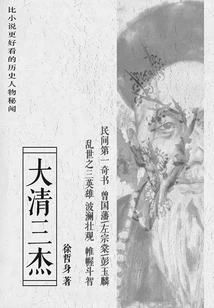
Three Heroes of the Qing Dynasty: Secrets About Historical Figures That Are Better Than Novels
General Fiction大清三杰:比小说更好看的历史人物秘闻
Xu Zheshen
This book is a classic masterpiece by late Qing novelist Xu Zheshen. The work is based on the anecdotal and secret history of Zeng Zuo and Peng San of the Qing Dynasty, and the cycle of Dao, Xian, Tongguang, and the four dynasties to narrate a period of history in the late Qing Dynasty. The late Qing Dynasty was a troubled time, with raging peasant uprisings and foreign invasions of the Taiping Heavenly Kingdom, which shocked the emperor. This exposed the hypocrisy, cunning, stubbornness and corruption of the powerful officials, and outlined the artistic image of the representative figures of the feudal bureaucracy. The structure of the book is rigorous and dense; the events and characters written are terrifying. In the face of internal and external troubles, the three heroes Zeng Guofan, Zuo Zongtang, and Peng Yulin, as loyal defenders of the Qing feudal dynasty, stepped forward to stabilize the country and fight against the outside world. They were the so-called "Three Heroes in Troubled Times". The work is based on the Jintian Uprising, the scene is as real as ever and the image is alive. The writing is simple and interesting, with endless aftertaste, making it hard to put down after reading it.
This book is a classic masterpiece by late Qing novelist Xu Zheshen. The work is based on the anecdotal and secret history of Zeng Zuo and Peng San of the Qing Dynasty, and the cycle of Dao, Xian, Tongguang, and the four dynasties to narrate a period of history in the late Qing Dynasty. The late Qing Dynasty was a troubled time, with raging peasant uprisings and foreign invasions of the Taiping Heavenly Kingdom, which shocked the emperor. This exposed the hypocrisy, cunning, stubbornness and corruption of the powerful officials, and outlined the artistic image of the representative figures of the feudal bureaucracy. The structure of the book is rigorous and dense; the events and characters written are terrifying. In the face of internal and external troubles, the three heroes Zeng Guofan, Zuo Zongtang, and Peng Yulin, as loyal defenders of the Qing feudal dynasty, stepped forward to stabilize the country and fight against the outside world. They were the so-called "Three Heroes in Troubled Times". The work is based on the Jintian Uprising, the scene is as real as ever and the image is alive. The writing is simple and interesting, with endless aftertaste, making it hard to put down after reading it.
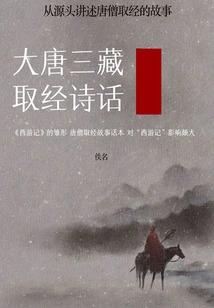
Tang Tripitaka's Poems About Fetching Buddhist Scriptures: Telling the Story of Tang Monk's Buddhist Scriptures from the Source
General Fiction大唐三藏取经诗话:从源头讲述唐僧取经的故事
Anonymous
"The Poems of the Master Tripitaka of the Tang Dynasty" is also known as "The Tripitaka of the Tang Dynasty's Collection of Buddhist Scriptures". It is a book of scriptures handed down from ancient times. The author is unknown. Lu Xun believed that the author might be a Yuan person. The whole book mainly narrates the story of Xuanzang's Buddhist scriptures of the Tang Dynasty, in which the Monkey Walker is the main character. He showed his magical powers in order to help Master Tripitaka. The plot of the work is relatively simple. There is no image of Zhu Bajie, but there is a description of subduing the Shensha God, and the Shensha God may be the prototype of Sha Monk. Therefore, some people say that this book has the prototype of "Journey to the West". "The Tripitaka of the Tang Dynasty" was a famous legendary drama at that time. The final development result was the classic "Journey to the West", which is of far-reaching significance. This book can be considered an indispensable milestone in the writing process of "Journey to the West". This book, as the framework of the mythical story, has basically taken shape. In the book, a character who calls himself "The Eighty-Four Copper-headed and Iron-fronted Macaque King of Ziyun Cave in Huaguo Mountain" has appeared in the book. This is obviously the predecessor of Sun Wukong. In addition, the prototype of the sand monk - the deep sand god - appeared.
"The Poems of the Master Tripitaka of the Tang Dynasty" is also known as "The Tripitaka of the Tang Dynasty's Collection of Buddhist Scriptures". It is a book of scriptures handed down from ancient times. The author is unknown. Lu Xun believed that the author might be a Yuan person. The whole book mainly narrates the story of Xuanzang's Buddhist scriptures of the Tang Dynasty, in which the Monkey Walker is the main character. He showed his magical powers in order to help Master Tripitaka. The plot of the work is relatively simple. There is no image of Zhu Bajie, but there is a description of subduing the Shensha God, and the Shensha God may be the prototype of Sha Monk. Therefore, some people say that this book has the prototype of "Journey to the West". "The Tripitaka of the Tang Dynasty" was a famous legendary drama at that time. The final development result was the classic "Journey to the West", which is of far-reaching significance. This book can be considered an indispensable milestone in the writing process of "Journey to the West". This book, as the framework of the mythical story, has basically taken shape. In the book, a character who calls himself "The Eighty-Four Copper-headed and Iron-fronted Macaque King of Ziyun Cave in Huaguo Mountain" has appeared in the book. This is obviously the predecessor of Sun Wukong. In addition, the prototype of the sand monk - the deep sand god - appeared.
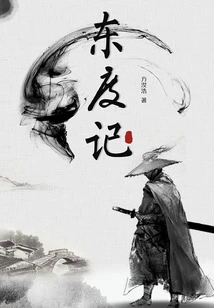
Journey to the East
General Fiction东度记
Fang Ruhao
"The Journey to the East", also known as "The Journey to the East", narrates that Bodhidharma set out from South India, traveled from west to east, passed through the East India Country, and then went to the Kingdom of Sinian to explain his evolution process. The author has carefully created a large number of strange demon images. Some of them are human beings, like the four demons of wine, lust, wealth, and wealth, who were originally apprentices of the giant turtle wizard; some are human psychological illusions. They bring various harms to society, such as brotherly disharmony, marital disharmony, etc., All created by their manipulation, and they are always in opposition to the ancestor Bodhidharma and the Venerable Mido. The novel seems to be about gods, monsters, grotesque, illusory and magical, but in fact it reveals various contradictions in society and families in the late Ming Dynasty, and truly paints a unique picture of the total collapse of the feudal society in the last days.
"The Journey to the East", also known as "The Journey to the East", narrates that Bodhidharma set out from South India, traveled from west to east, passed through the East India Country, and then went to the Kingdom of Sinian to explain his evolution process. The author has carefully created a large number of strange demon images. Some of them are human beings, like the four demons of wine, lust, wealth, and wealth, who were originally apprentices of the giant turtle wizard; some are human psychological illusions. They bring various harms to society, such as brotherly disharmony, marital disharmony, etc., All created by their manipulation, and they are always in opposition to the ancestor Bodhidharma and the Venerable Mido. The novel seems to be about gods, monsters, grotesque, illusory and magical, but in fact it reveals various contradictions in society and families in the late Ming Dynasty, and truly paints a unique picture of the total collapse of the feudal society in the last days.
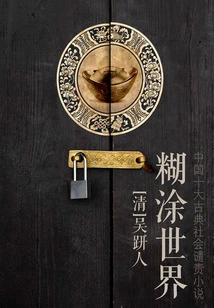
Confused World
General Fiction糊涂世界
H
This book is a classic work written by the Qing Dynasty novelist Wu Jianren. It was first published in the form of a serial novel in Shanghai's "World Prosperity Newspaper" in the 32nd year of Guangxu's reign. The works mainly reflect the dark reality of officialdom in Hunan, Guangdong, Guangxi, Fujian and other regions during the late Qing Dynasty. At the same time, it also adds some high-level summaries and discussions on the current situation of the officialdom at that time, which has the effect of warning the times and saving the world. As far as the writing technique of the novel is concerned, the author adopts realistic documentary. He faithfully recorded what he saw and heard in the officialdom at that time, and used the structure of "The Scholars" to connect them from person to thing. The author uses the name "Confused World", which can make people deeply feel the critical significance of it. This is also a hint of the author's self-contained praise and blame in the writing style of writing about people and events. It can enable us to observe the events and understand its meaning when reading this novel, and achieve a warning effect of reviewing the past and learning the new. Due to its limited circulation and age, this book is now difficult to access. The author's brush strokes range from provincial and state governors to tailors, matchmakers, and public houses, vividly painting a picture of a society in which right and wrong are reversed and black and white are indistinguishable. This confused and confusing current situation is all caused by the chaos of officialdom and corruption in the officialdom. It is still very enlightening for today's readers.
This book is a classic work written by the Qing Dynasty novelist Wu Jianren. It was first published in the form of a serial novel in Shanghai's "World Prosperity Newspaper" in the 32nd year of Guangxu's reign. The works mainly reflect the dark reality of officialdom in Hunan, Guangdong, Guangxi, Fujian and other regions during the late Qing Dynasty. At the same time, it also adds some high-level summaries and discussions on the current situation of the officialdom at that time, which has the effect of warning the times and saving the world. As far as the writing technique of the novel is concerned, the author adopts realistic documentary. He faithfully recorded what he saw and heard in the officialdom at that time, and used the structure of "The Scholars" to connect them from person to thing. The author uses the name "Confused World", which can make people deeply feel the critical significance of it. This is also a hint of the author's self-contained praise and blame in the writing style of writing about people and events. It can enable us to observe the events and understand its meaning when reading this novel, and achieve a warning effect of reviewing the past and learning the new. Due to its limited circulation and age, this book is now difficult to access. The author's brush strokes range from provincial and state governors to tailors, matchmakers, and public houses, vividly painting a picture of a society in which right and wrong are reversed and black and white are indistinguishable. This confused and confusing current situation is all caused by the chaos of officialdom and corruption in the officialdom. It is still very enlightening for today's readers.
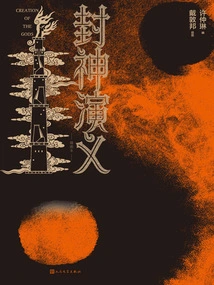
The Romance of the Gods (illustrated Edition)
General Fiction封神演义(插图本)
(ming Dynasty) Edited By Xu Zhonglin And Illustrated By Dai Dunbang
"The Romance of the Gods" is one of the representative novels about gods and demons in the Ming Dynasty. It is mainly based on the history of Jiang Ziya assisting the Zhou Dynasty (King Wen of Zhou and King Wu of Zhou) in the crusade against Shang Zhou. It describes the story of the gods represented by Yuanshi Tianzun of Yuxu Palace and the leader of Tongtian of Biyou Palace representing the interception of the teachings. The immortals fight wits and courage, break the formation and kill the generals to become gods. The compiled version of "Feng Shen Yan Yi" by the Humanities Society was first published in 1955 and was edited, collated and punctuated by experts from the Classics Department. In 1973, it was revised and republished with a revised version for reference. It is still a good-quality public reading version of "The Romance of the Gods". This reprint has been re-arranged, corrected for omissions left over from the past, and added a series of illustrations by the famous painter Mr. Dai Dunbang, presenting a version with both pictures and text for a better reading experience.
"The Romance of the Gods" is one of the representative novels about gods and demons in the Ming Dynasty. It is mainly based on the history of Jiang Ziya assisting the Zhou Dynasty (King Wen of Zhou and King Wu of Zhou) in the crusade against Shang Zhou. It describes the story of the gods represented by Yuanshi Tianzun of Yuxu Palace and the leader of Tongtian of Biyou Palace representing the interception of the teachings. The immortals fight wits and courage, break the formation and kill the generals to become gods. The compiled version of "Feng Shen Yan Yi" by the Humanities Society was first published in 1955 and was edited, collated and punctuated by experts from the Classics Department. In 1973, it was revised and republished with a revised version for reference. It is still a good-quality public reading version of "The Romance of the Gods". This reprint has been re-arranged, corrected for omissions left over from the past, and added a series of illustrations by the famous painter Mr. Dai Dunbang, presenting a version with both pictures and text for a better reading experience.
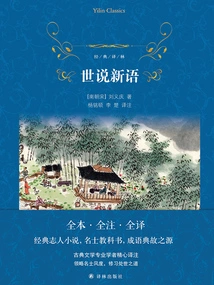
Shishuoxinyu (classic Translation Lin)
General Fiction世说新语(经典译林)
(southern Song Dynasty) Written By Liu Yiqing, Translated And Annotated By Yang Mingshuo And Others
"Shishuoxinyu" was compiled under the leadership of Liu Yiqing, a writer from the Southern Song Dynasty. It is a representative of ancient Chinese aristocratic novels. It mainly records the words and deeds of celebrities from the late Eastern Han Dynasty to the Wei and Jin Dynasties. The stories in the book are divided into thirty-six categories according to content, including "virtue", "speech", "political affairs", "literature" and "rightness", with a total of more than 1,200 stories. "Shishuoxinyu" uses minimalist pen and ink to focus on the social atmosphere of that time that valued talent, good wit, good conversation, and advocating nature. Many famous articles became the material of opera novels or commonly used allusions in poetry in later generations, and they have an important position in the history of Chinese literature.
"Shishuoxinyu" was compiled under the leadership of Liu Yiqing, a writer from the Southern Song Dynasty. It is a representative of ancient Chinese aristocratic novels. It mainly records the words and deeds of celebrities from the late Eastern Han Dynasty to the Wei and Jin Dynasties. The stories in the book are divided into thirty-six categories according to content, including "virtue", "speech", "political affairs", "literature" and "rightness", with a total of more than 1,200 stories. "Shishuoxinyu" uses minimalist pen and ink to focus on the social atmosphere of that time that valued talent, good wit, good conversation, and advocating nature. Many famous articles became the material of opera novels or commonly used allusions in poetry in later generations, and they have an important position in the history of Chinese literature.
V
General Fictionv
J
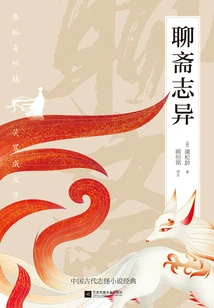
"Strange Stories from a Chinese Studio" is a collection of short stories in classical Chinese written by the novelist Pu Songling. It is also a classic of ancient Chinese fantasy novels. His thoughts include exposing the darkness of feudal rule, criticizing the corruption of the imperial examination system, or resisting the constraints of feudal ethics. The work expresses the author's yearning for ideal love by telling the love between flower demons, foxes, spirits, and humans. The works describing the theme of love occupy the most pages in the book. They express a strong anti-feudal etiquette spirit. Some of the works have been adapted into film and television dramas and are known to the public. They are treasures of China's excellent traditional culture.
"Strange Stories from a Chinese Studio" is a collection of short stories in classical Chinese written by the novelist Pu Songling. It is also a classic of ancient Chinese fantasy novels. His thoughts include exposing the darkness of feudal rule, criticizing the corruption of the imperial examination system, or resisting the constraints of feudal ethics. The work expresses the author's yearning for ideal love by telling the love between flower demons, foxes, spirits, and humans. The works describing the theme of love occupy the most pages in the book. They express a strong anti-feudal etiquette spirit. Some of the works have been adapted into film and television dramas and are known to the public. They are treasures of China's excellent traditional culture.
L
General Fictionl
I
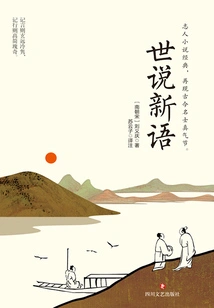
"Shishuo Xinyu" mainly records the speech styles and anecdotes of the scholar-bureaucrats in the late Han, Wei and Jin Dynasties. The content of the book covers politics, economy, society, literature, thought, morality and many other aspects. It is a representative work of "note novels" during the Wei, Jin, Southern and Northern Dynasties, and is also an important material for people today to study this historical period. It has research value in many aspects such as politics and literature. It is also the source of many idioms and is worth reading by each of us. It describes the grace of human beings: "Xiao Xiao is solemn, refreshing and clear." It describes the magnificence of nature: "Thousands of rocks compete for beauty, and thousands of valleys compete for currents." Its writing style is concise, meaningful and profound, which is endlessly memorable.
"Shishuo Xinyu" mainly records the speech styles and anecdotes of the scholar-bureaucrats in the late Han, Wei and Jin Dynasties. The content of the book covers politics, economy, society, literature, thought, morality and many other aspects. It is a representative work of "note novels" during the Wei, Jin, Southern and Northern Dynasties, and is also an important material for people today to study this historical period. It has research value in many aspects such as politics and literature. It is also the source of many idioms and is worth reading by each of us. It describes the grace of human beings: "Xiao Xiao is solemn, refreshing and clear." It describes the magnificence of nature: "Thousands of rocks compete for beauty, and thousands of valleys compete for currents." Its writing style is concise, meaningful and profound, which is endlessly memorable.
聊斋志异选(彩色插图本)
J
"Strange Stories from a Chinese Studio" is a collection of short stories in classical Chinese from the Qing Dynasty that is well-known at home and abroad. Pu Songling used his concise and vivid writing style and romantic and unrestrained imagination to create nearly 500 bizarre stories about humans, ghosts, foxes and demons, creating a large number of bizarre artistic images and becoming a representative work of Chinese classical Chinese novels. There are many editions of "Strange Stories from a Chinese Studio". Among them, "New Annotations from a Chinese Studio" edited by Mr. Zhu Qikai (People's Literature Publishing House, October 1989) has a relatively complete collection and editing, and Mr. Li Boqi also participated in the annotation work. , Which was used as the basis of this book, from which nearly fifty excellent articles were selected, supplemented by precise annotations; People's Literature Publishing House also selected exquisite color illustrations from the late Qing Dynasty's "Liaozhai Illustrations", with both pictures and text, perfectly showing the style of the original work. With a volume in hand, readers can enter the beautiful artistic world of flower demons and foxes created by Pu Songling, appreciate the crossing of emotions and thoughts between real life and fantasy imagination, and appreciate the elegant, concise and vivid expressive power of classical Chinese.
"Strange Stories from a Chinese Studio" is a collection of short stories in classical Chinese from the Qing Dynasty that is well-known at home and abroad. Pu Songling used his concise and vivid writing style and romantic and unrestrained imagination to create nearly 500 bizarre stories about humans, ghosts, foxes and demons, creating a large number of bizarre artistic images and becoming a representative work of Chinese classical Chinese novels. There are many editions of "Strange Stories from a Chinese Studio". Among them, "New Annotations from a Chinese Studio" edited by Mr. Zhu Qikai (People's Literature Publishing House, October 1989) has a relatively complete collection and editing, and Mr. Li Boqi also participated in the annotation work. , Which was used as the basis of this book, from which nearly fifty excellent articles were selected, supplemented by precise annotations; People's Literature Publishing House also selected exquisite color illustrations from the late Qing Dynasty's "Liaozhai Illustrations", with both pictures and text, perfectly showing the style of the original work. With a volume in hand, readers can enter the beautiful artistic world of flower demons and foxes created by Pu Songling, appreciate the crossing of emotions and thoughts between real life and fantasy imagination, and appreciate the elegant, concise and vivid expressive power of classical Chinese.
Ancient Classic Story Library: Bao Gong's Case (part 2)
General Fiction古代经典故事库:包公案(下)
An Yushi
"Bao Gongan" is a collection of public case novels with a long history, wide spread and far-reaching influence in my country. A total of 100 stories about Bao Zheng's case are collected. Some of the themes come from folklore, and some are collected from relevant materials in history books, miscellaneous notes and notebook novels, and are arranged and staged into chapters. For each article, write a story about a verdict of justice. Although the content is incoherent, the image of an upright official who enforces the law impartially, is honest and honest, and eliminates harm for the people runs throughout the book. This book is the second volume.
"Bao Gongan" is a collection of public case novels with a long history, wide spread and far-reaching influence in my country. A total of 100 stories about Bao Zheng's case are collected. Some of the themes come from folklore, and some are collected from relevant materials in history books, miscellaneous notes and notebook novels, and are arranged and staged into chapters. For each article, write a story about a verdict of justice. Although the content is incoherent, the image of an upright official who enforces the law impartially, is honest and honest, and eliminates harm for the people runs throughout the book. This book is the second volume.
A Collection of Vernacular Novels About Gods and Monsters: the Legend of the Eight Immortals (part 5)
General Fiction白话长篇神怪小说集:八仙得道传(五)
I
"The Legend of the Eight Immortals Achieving the Way" respectively describes the detailed process of the eight great immortals cultivating immortality and attaining the Way. It started from the birth of Taishang Laojun at the turn of the Xia and Shang Dynasties to the time when the eight immortals completed their great achievements and returned to heaven together in the Song Dynasty, which lasted for thousands of years. The novel has rich plots, moving twists and turns, and is quite attractive. Most of the eight great immortals narrated in the story came from the human world. It is said that "immortals are originally made by mortals." They have all experienced thousands of years of cultivation and become immortals. Some of them have been reincarnated as immortals, and some have transformed from animals into humans, and then cultivated themselves into immortals from humans. They live in different eras, but there is a master-student relationship in the novel. This book is the fifth volume.
"The Legend of the Eight Immortals Achieving the Way" respectively describes the detailed process of the eight great immortals cultivating immortality and attaining the Way. It started from the birth of Taishang Laojun at the turn of the Xia and Shang Dynasties to the time when the eight immortals completed their great achievements and returned to heaven together in the Song Dynasty, which lasted for thousands of years. The novel has rich plots, moving twists and turns, and is quite attractive. Most of the eight great immortals narrated in the story came from the human world. It is said that "immortals are originally made by mortals." They have all experienced thousands of years of cultivation and become immortals. Some of them have been reincarnated as immortals, and some have transformed from animals into humans, and then cultivated themselves into immortals from humans. They live in different eras, but there is a master-student relationship in the novel. This book is the fifth volume.
A Collection of Vernacular Novels About Gods and Monsters: the Legend of the Eight Immortals (part 4)
General Fiction白话长篇神怪小说集:八仙得道传(四)
I
"The Legend of the Eight Immortals Achieving the Way" respectively describes the detailed process of the eight great immortals cultivating immortality and attaining the Way. It started from the birth of Taishang Laojun at the turn of the Xia and Shang Dynasties to the time when the eight immortals completed their great achievements and returned to heaven together in the Song Dynasty, which lasted for thousands of years. The novel has rich plots, moving twists and turns, and is quite attractive. Most of the eight great immortals narrated in the story came from the human world. It is said that "immortals are originally made by mortals." They have all experienced thousands of years of cultivation and become immortals. Some of them have been reincarnated as immortals, and some have transformed from animals into humans, and then cultivated themselves into immortals from humans. They live in different eras, but there is a master-student relationship in the novel. This book is the fourth volume.
"The Legend of the Eight Immortals Achieving the Way" respectively describes the detailed process of the eight great immortals cultivating immortality and attaining the Way. It started from the birth of Taishang Laojun at the turn of the Xia and Shang Dynasties to the time when the eight immortals completed their great achievements and returned to heaven together in the Song Dynasty, which lasted for thousands of years. The novel has rich plots, moving twists and turns, and is quite attractive. Most of the eight great immortals narrated in the story came from the human world. It is said that "immortals are originally made by mortals." They have all experienced thousands of years of cultivation and become immortals. Some of them have been reincarnated as immortals, and some have transformed from animals into humans, and then cultivated themselves into immortals from humans. They live in different eras, but there is a master-student relationship in the novel. This book is the fourth volume.
A Collection of Vernacular Novels About Gods and Monsters: the Legend of the Eight Immortals (part 3)
General Fiction白话长篇神怪小说集:八仙得道传(三)
I
"The Legend of the Eight Immortals Achieving the Way" respectively describes the detailed process of the eight great immortals cultivating immortality and attaining the Way. It started from the birth of Taishang Laojun at the turn of the Xia and Shang Dynasties to the time when the eight immortals completed their great achievements and returned to heaven together in the Song Dynasty, which lasted for thousands of years. The novel has rich plots, moving twists and turns, and is quite attractive. Most of the eight great immortals narrated in the story came from the human world. It is said that "immortals are originally made by mortals." They have all experienced thousands of years of cultivation and become immortals. Some of them have been reincarnated as immortals, and some have transformed from animals into humans, and then cultivated themselves into immortals from humans. They live in different eras, but there is a master-student relationship in the novel. This book is the third volume.
"The Legend of the Eight Immortals Achieving the Way" respectively describes the detailed process of the eight great immortals cultivating immortality and attaining the Way. It started from the birth of Taishang Laojun at the turn of the Xia and Shang Dynasties to the time when the eight immortals completed their great achievements and returned to heaven together in the Song Dynasty, which lasted for thousands of years. The novel has rich plots, moving twists and turns, and is quite attractive. Most of the eight great immortals narrated in the story came from the human world. It is said that "immortals are originally made by mortals." They have all experienced thousands of years of cultivation and become immortals. Some of them have been reincarnated as immortals, and some have transformed from animals into humans, and then cultivated themselves into immortals from humans. They live in different eras, but there is a master-student relationship in the novel. This book is the third volume.
A Collection of Vernacular Novels About Gods and Monsters: the Legend of the Eight Immortals (1)
General Fiction白话长篇神怪小说集:八仙得道传(一)
(qing Dynasty) Emei Wugou Taoist
"The Legend of the Eight Immortals Achieving the Way" respectively describes the detailed process of the eight great immortals cultivating immortality and attaining the Way. It started from the birth of Taishang Laojun at the turn of the Xia and Shang Dynasties to the time when the eight immortals completed their great achievements and returned to heaven together in the Song Dynasty, which lasted for thousands of years. The novel has rich plots, moving twists and turns, and is quite attractive. Most of the eight great immortals narrated in the story came from the human world. It is said that "immortals are originally made by mortals." They have all experienced thousands of years of cultivation and become immortals. Some of them have been reincarnated as immortals, and some have transformed from animals into humans, and then cultivated themselves into immortals from humans. They live in different eras, but there is a master-student relationship in the novel. This book is the first volume.
"The Legend of the Eight Immortals Achieving the Way" respectively describes the detailed process of the eight great immortals cultivating immortality and attaining the Way. It started from the birth of Taishang Laojun at the turn of the Xia and Shang Dynasties to the time when the eight immortals completed their great achievements and returned to heaven together in the Song Dynasty, which lasted for thousands of years. The novel has rich plots, moving twists and turns, and is quite attractive. Most of the eight great immortals narrated in the story came from the human world. It is said that "immortals are originally made by mortals." They have all experienced thousands of years of cultivation and become immortals. Some of them have been reincarnated as immortals, and some have transformed from animals into humans, and then cultivated themselves into immortals from humans. They live in different eras, but there is a master-student relationship in the novel. This book is the first volume.
Ancient Classic Story Library: Awakening Words (part 2)
General Fiction古代经典故事库:醒世恒言(下)
G
"Awakening the World" is a collection of vernacular short stories compiled by Feng Menglong in the late Ming Dynasty. It was first published in 1627 (the seventh year of tomorrow). The themes may come from folk facts, historical biographies and stories from the Tang and Song Dynasties. Except for a few old works from the Song and Yuan Dynasties, most of them are works from the Ming Dynasty, and some are imitations by Feng. The image is clear, the structure is substantial and complete, and the description is delicate. It reflects the social outlook and citizens' thoughts and feelings at that time to varying degrees. But some works contain feudal preaching, karma propaganda and pornographic rendering. "Eternal Words to Awaken the World" is divided into two volumes, the upper and lower volumes, including forty stories. There are two excellent works in the entire Song and Yuan scripts, and "Fifteen Jokes Turn into Clever Disasters" is one of them, which is included in the second volume.
"Awakening the World" is a collection of vernacular short stories compiled by Feng Menglong in the late Ming Dynasty. It was first published in 1627 (the seventh year of tomorrow). The themes may come from folk facts, historical biographies and stories from the Tang and Song Dynasties. Except for a few old works from the Song and Yuan Dynasties, most of them are works from the Ming Dynasty, and some are imitations by Feng. The image is clear, the structure is substantial and complete, and the description is delicate. It reflects the social outlook and citizens' thoughts and feelings at that time to varying degrees. But some works contain feudal preaching, karma propaganda and pornographic rendering. "Eternal Words to Awaken the World" is divided into two volumes, the upper and lower volumes, including forty stories. There are two excellent works in the entire Song and Yuan scripts, and "Fifteen Jokes Turn into Clever Disasters" is one of them, which is included in the second volume.